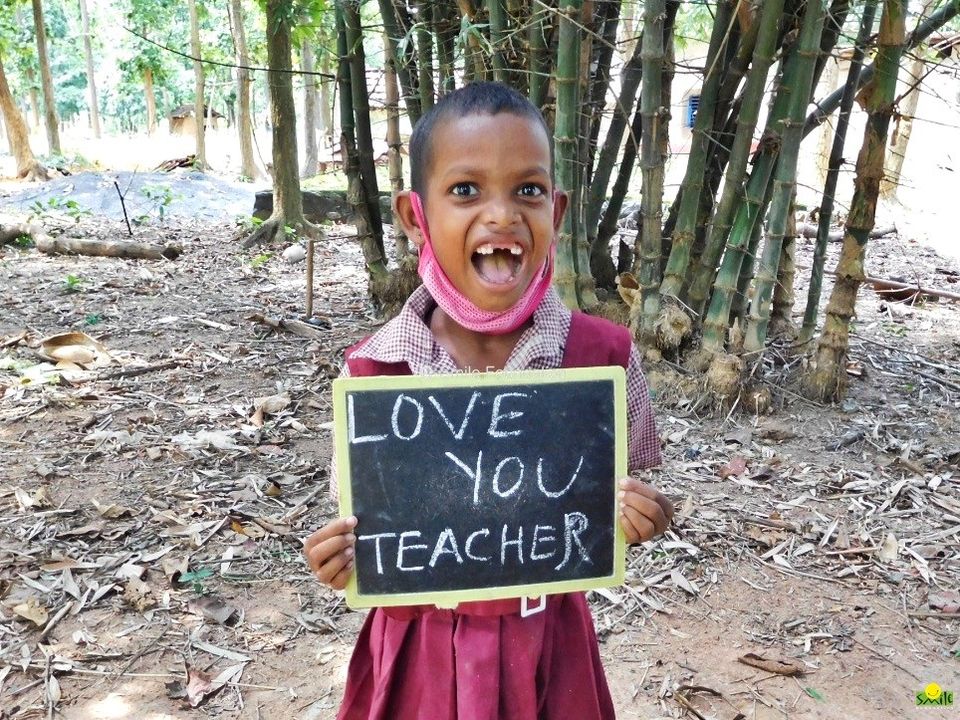
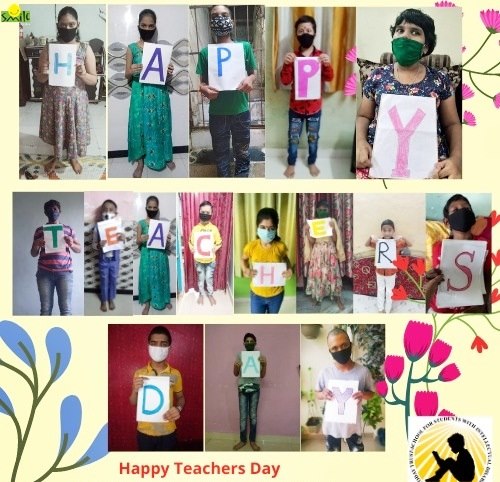
I very fondly and proudly remember the famous lines from one of my favourite writers and philosophers, Rabindranath Tagore’s poem, Gitanjali, “Where the mind is without fear and the head is held high, where knowledge is free, where the world has not been broken up into fragments by narrow domestic walls. Where words come out from the depth of truth, where tireless striving stretches its arms toward perfection.” It personifies the attitude, courage and confidence that a teacher upholds while following her duty tirelessly, especially in today’s times. They have shown the world that nothing can deter their commitment and passion for their work.
COVID-19 caught everyone unawares and the education sector has had to brave its way to find solutions to reach out to every child in every corner of the country to aid them in continuing the learning process. Children majorly from the rural, semi-urban and slum pockets of the city are not equipped to access alternate modes of learning involving digital mediums. There would not be physical connect with the teachers, an important aspect especially for children who have difficulties in learning and understanding, with many of them being first generation learners in their family.
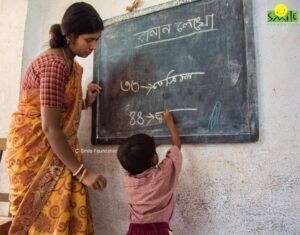
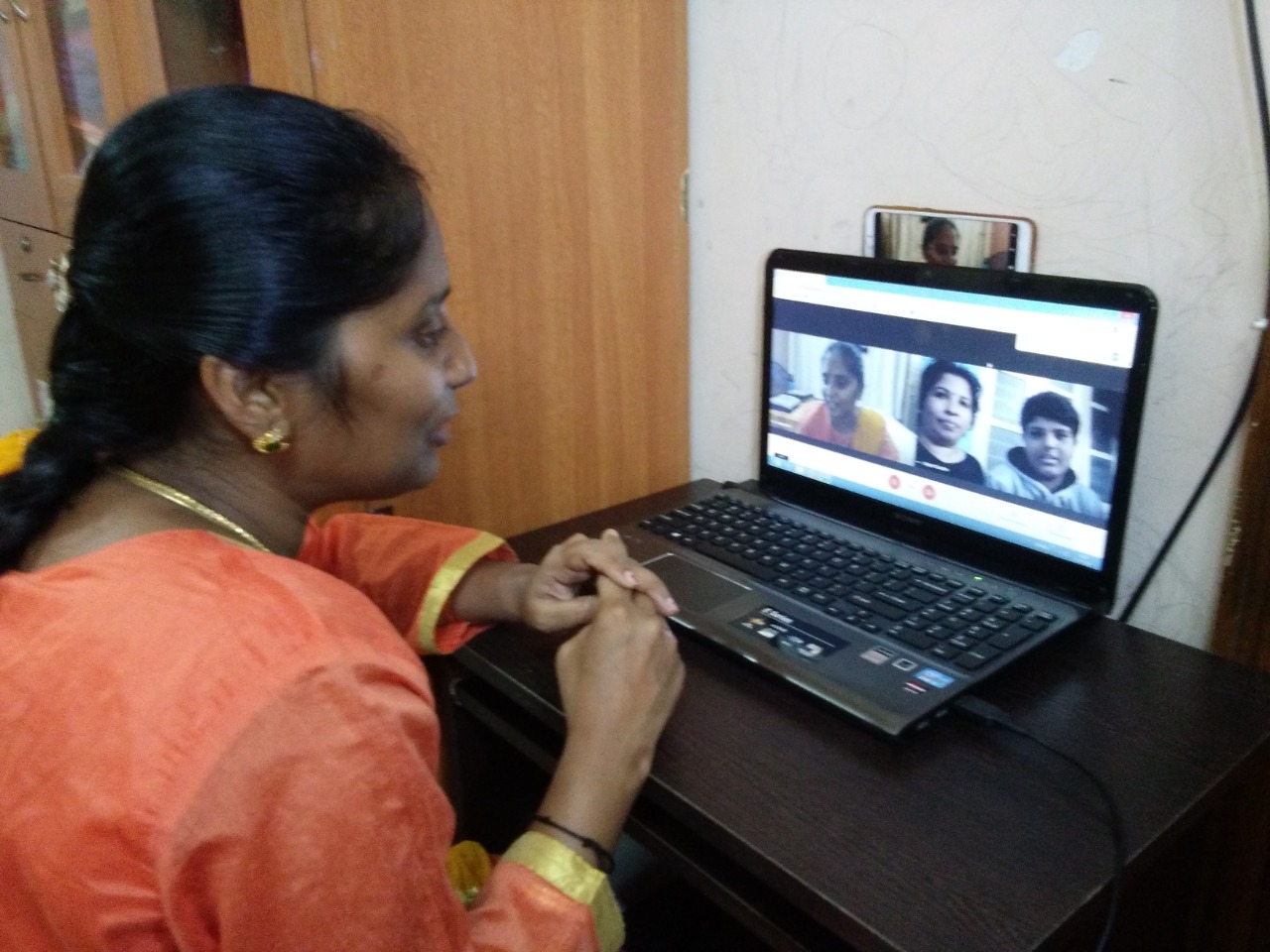
Yet, the teachers with their unwavering faith and honesty, are determined to find and deploy unconventional means to keep spreading the knowledge and keep the beacon of learning alive in the minds of the children. They geared up and adapted to new interactive mediums, became more digitally aware, got trained in innovative teaching methods, visited homes when required. They connected with the children, listened to their fears and concerns and motivated them to keep engaged in learning and fun activities within the safe confines of their homes.
The invaluable guidance and comforting presence of a teacher, be it in the virtual or real world, has instilled hope and positivity in the minds of the children and their guardians amidst the uncertainties induced due to COVID-19. Their persistent dedication and involvement in their work will continue to keep inspiring students and help children aspire to fulfill their dreams.
“Though you wrote in black and white, you brought colour in my life.”
This is my humble tribute to all the teachers who are walking the extra mile for their students!
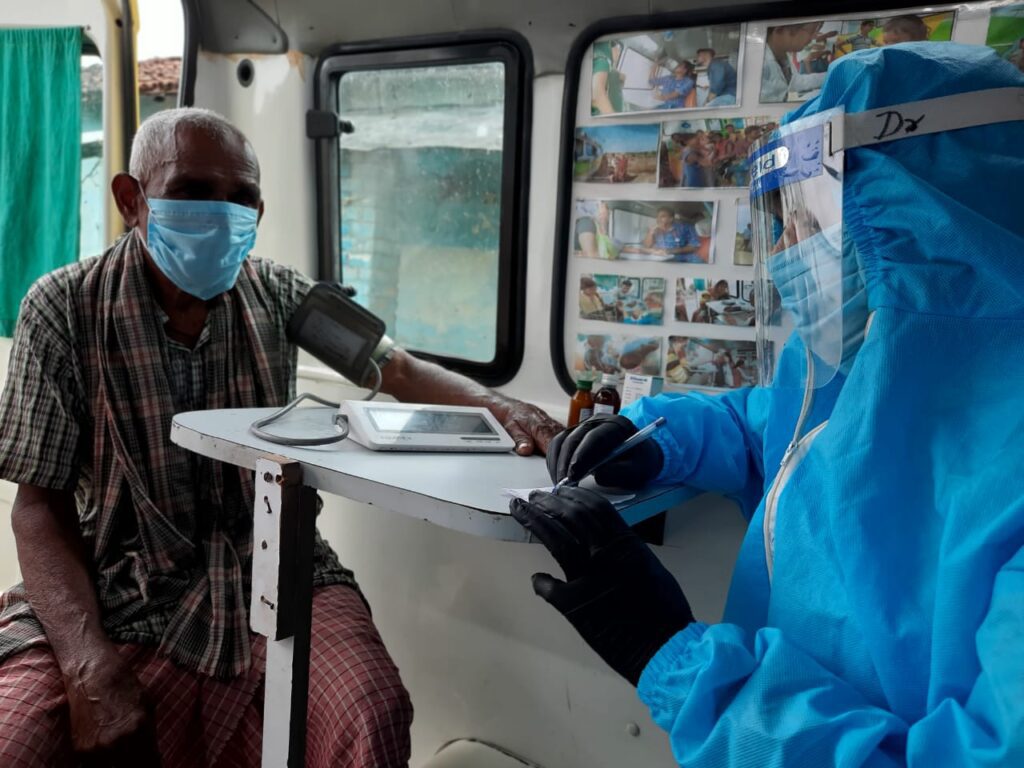
70 year old Paiti Ram from Matiyari village in Bilaspur, Chhattisgarh, had accepted hypertension and chronic body ache as part of his everyday life. He spent most of his life working on daily wages at a cement factory to provide for his family. Dependent on his son’s meager income, at first, he was reluctant to even share his health problems or seek healthcare services hoping the pain would go away on its own. Later, as the pain increased, he started facing difficulty in doing simple activities, even walking around the village and taking care of the animals at home.
He decided to visit the village quack, but got no relief. Finally, he shared his affliction with his son, who then took him to the nearest government hospital 20kms away from the village. Just as Paiti Ram’s problems were finally getting over, the Covid-19 pandemic started. Because of his old age, he was at higher risk of being affected, and his son decided that it was best for his father to stay at home as advised.
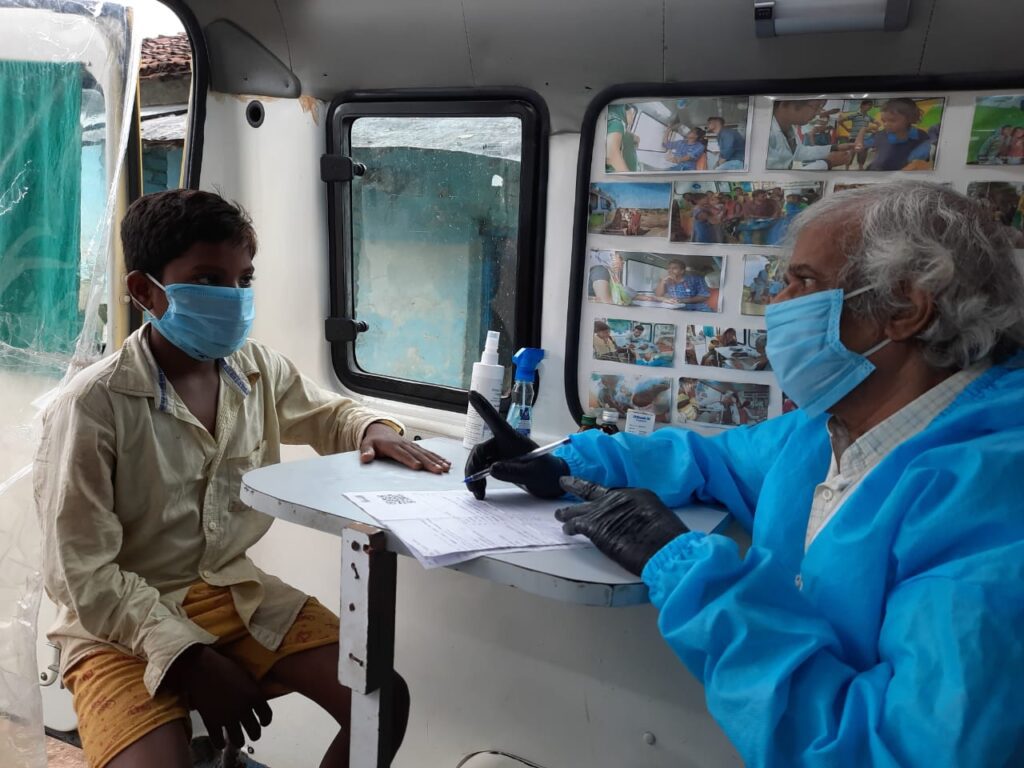
For 14 year old Sameer from Mohara village, a small skin infection became a major health affliction. His mother and father could not take him for treatment to the nearest government hospital because of lockdown. Itching only worsened his condition and made it unbearable for the innocent child. Lack of awareness and hygiene also prevented Sameer’s recovery, and his parents started feeling helpless watching their son’s agony.
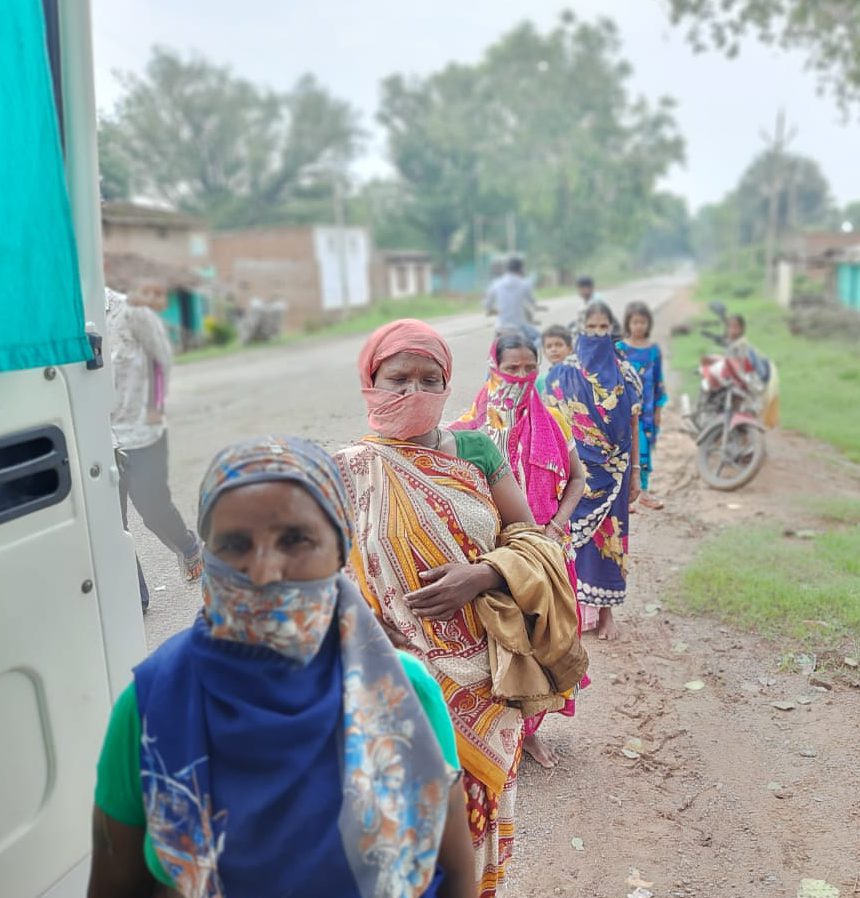
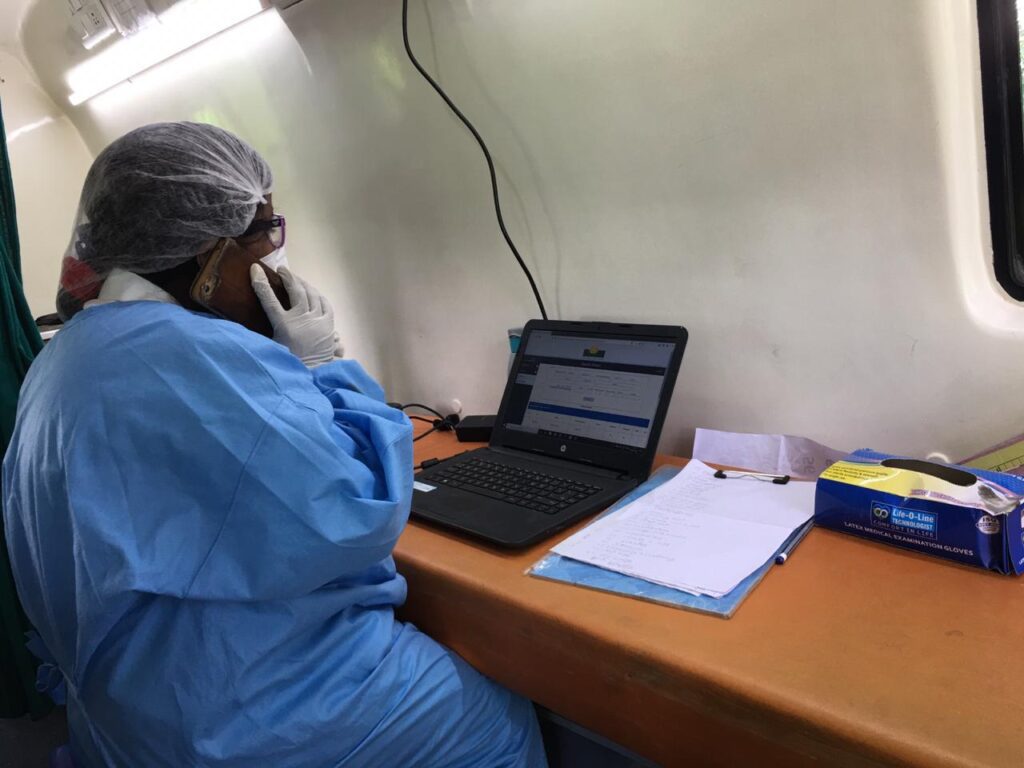
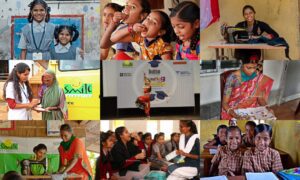
Like Paiti Ram and Sameer, thousands of people from 14 villages of Bilaspur district in Chhattisgarh have found an answer to their health problems in the Smile on Wheels mobile hospital that regularly visits their community, delivering primary healthcare services at their doorsteps. Most of them being farmers and daily wagers, they have always had to lose a day’s wage to make the trip to the hospital. Their other resort was village quacks that were both uncertified and unreliable. The pandemic meant that their visit to the government hospital also became restricted, leaving them with no respite.
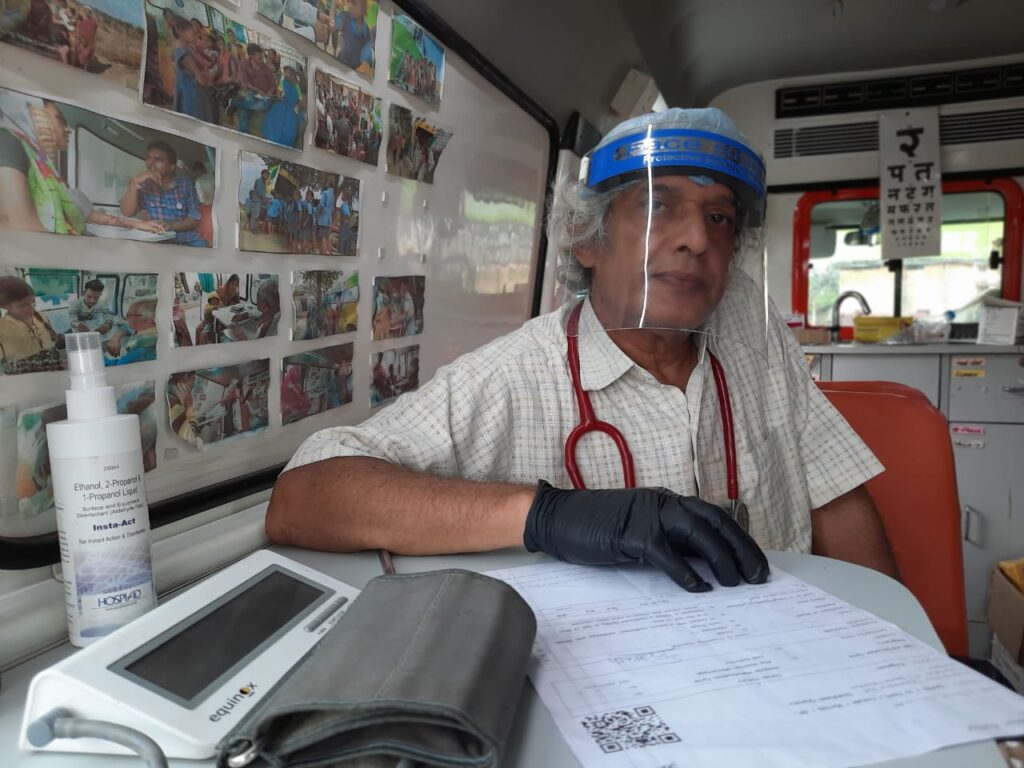
Talking about providing services during the pandemic, Dr Sadan Kumar, heading the medical team of the project shares,
“I have been working with the Smile on Wheels project in Bilaspur for the last nine months to serve the villagers who are in need. I have spent my childhood in a village too, and can relate very well with their problems. Covid-19 has created a difficult situation for many, especially in terms of accessing healthcare. We have been providing healthcare services in these villages by following proper social distancing protocols, and are also trying our best to make the community aware and prepared in the face of the pandemic.”
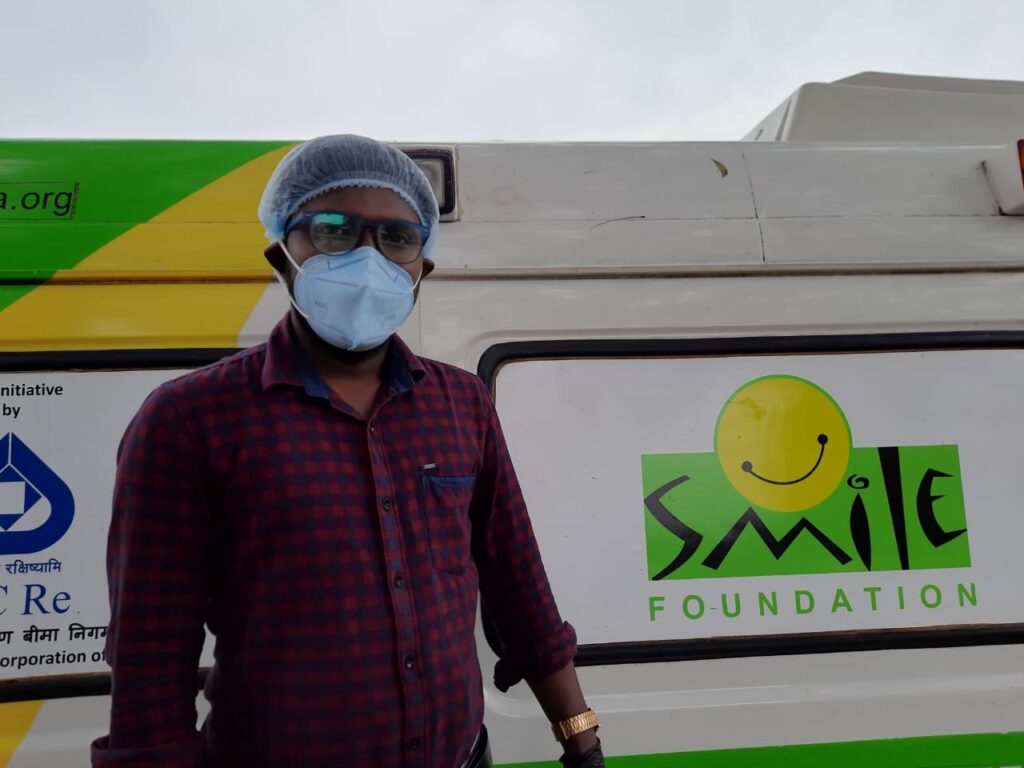
Amit Bairagya, Project Coordinator at Bilaspur adds,
“We feel blessed that in this critical time we are able to help those who need our support. The pandemic has made people realize that health is truly wealth and we must give it priority in our lives. Our aim with the community people is also to build a health seeking behavior in the long term by adopting everyday hygiene practices, eating healthy and nutritious food, and seeking medical attention when required.”
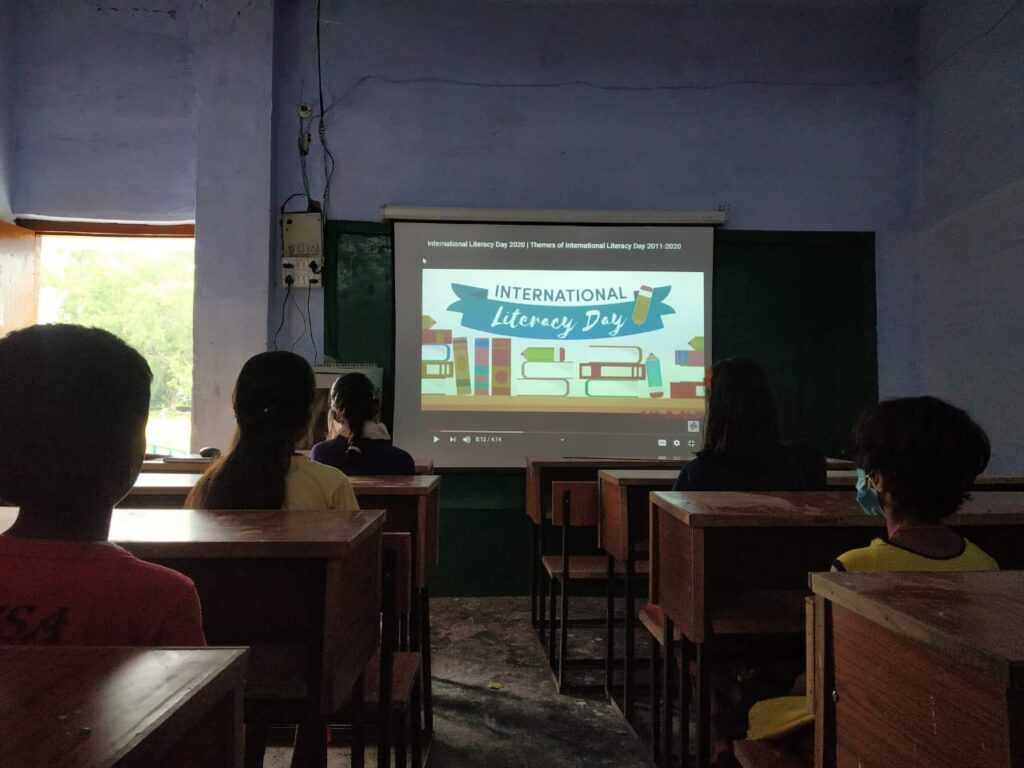
As we celebrated the World Literacy Day this week, in the neo-normal scenario induced by the pandemic, it is evident to all that we need to move beyond just literacy to digital literacy, particularly at the grassroots where it can impact several development indicators and propel progress.
In line with this, laying additional force behind the Digital India mission, the government has announced that it will extend internet services to six lakh villages in the next three years.The move is expected to intensify making of digital benefits in education, banking and tele medicine inclusive.
With 70 percent of India’s billion plus population residing in villages, digital inclusion, indeed should be the central theme of any digital literacy program.
Health has become the key concern today for both rich and poor. In a no-contact world while the urban population avail virtual consultation, the rural counterparts do not have such facilities. Most of the health centres and doctors are concentrated in the cities. Telemedicine, in such scenarios, can eliminate such challenges and enable remote treatment.
Small kiosk-like community based digital clinics can be set up with the government facilitating all the necessary equipment required. Village youth can be skilled on virtually connecting the patients and the doctors through digital training. These youths can also be trained on carrying out first level diagnosis like blood test, checking blood pressure, temperature etc. This not only brings the healthcare to people’s doorstep but also enables livelihood for the village youth.
About 72 percent of the rural workforce is engaged in agriculture. Digital literacy can be the springboard to include them into the development process. Information and Communication Technology (ICT) can bring at the farmer’s disposal important information like natural resources in the surrounding, agricultural practices to be employed, seasons and monsoons, market rates of different commodities, government schemes, the funds earmarked for rural development in their area and track the expenditures. This will drastically bring down the exploitation of this section by middlemen.
The pandemic woke us up to the need for interjecting technology into education. Reports reveal that 320 million Indian students were impacted. Government was quick to respond with its recommendation for “online teaching.” But this left behind a large part of the students in rural areas – where internet access ranges at only 14.9 percent. This is a great opportunity to build a community based learning infrastructure. We can create a ‘digital volunteer’ model where households with internet access can share their bandwidth and people with smart phones can lend their devices to enable remote learning in their localities. The teachers and students at each local digital learning pocket can be adopted by a high-tech urban school to impart cutting edge education.
Digital literacy, the way ahead
Digital literacy can be a great means in for proliferating micro-entrepreneurship for women – thus serving the vision of financial independence. Through digital literacy they can learn about various financing schemes like the Mudra Yojna, Stree Shakti package and Dena Shakti among others. They can even avail various government backed women’s skilling programs. The National Skill Development Corporation (NSDC) is imparting digital, accounting and entrepreneurial skills to rural women to help them set up their own business.
The government has also launched a number of programs like the National Digital Literacy Mission (NDLM), The Digital Saksharta Abhiyan (DISHA), and the Pradhan Mantri Gramin Digital Saksharta Abhiyan (PMGDISHA). The key target audience are the ASHA workers, government functionaries, and fair-price shop workers among others.
There has also been massive participation by the private sector players. A case in point is Code Unnati by SAP for digital education of children of Dharavi in Mumbai. Similarly, Facebook is intending to train1 lakh women in seven Indian states on digital literacy. ITC has set up e-Choupal e-agricultural marketplace onboarding4 million farmers across 10 Indian states online.
Through a more inclusive effort, India can become a role model on how to build a digitally connected nation. But at the core, the digital literacy mission is about changing behaviour and inspiring the will to learn. To make this happen the government will need – apart from private participation, community involvement to create the awareness and the necessary buy-in among people by demonstrating its benefits. Community based organisations which work directly and closely with the people can play a key role in bringing this behavioural change.
With the demographic dividend being designated as one of the five interrelated pillars of the Atma Nirbhar Bharat Abhiyaan, India needs to strive for women-led development that makes women the leading force of our development trajectory.
The rationality of the focus on youth and women is premised on the role this segment plays in pushing the country’s agenda for sustainable development by 2030 and its ambition of a $5 trillion GDP by 2025.Women, in particular, have the potential to generate 150–170 million jobs by 2030 and add $700 billion to the GDP by 2025 through workforce participation.
But the present context indicates there is work to be done before we reach there. Gender gap unemployment has expanded. Women joining the workforce has dropped from 32.2 percent in 2005 to 23.4 percent in 2019. The scene looks grimmer in the current COVID scenario with job loss for women standing at 26.3 percent while the same for men is at 23.3 percent.
Evidently, women’s participation in the economic process needs to be intensified if India were to truly become an ‘Atma Nirbhar Bharat.’ Education and empowerment are the two critical pillars in this pursuit. Special focus should be placed on women from economically backward section whose access to learning and economic resources is meagre, further limiting livelihood opportunities.
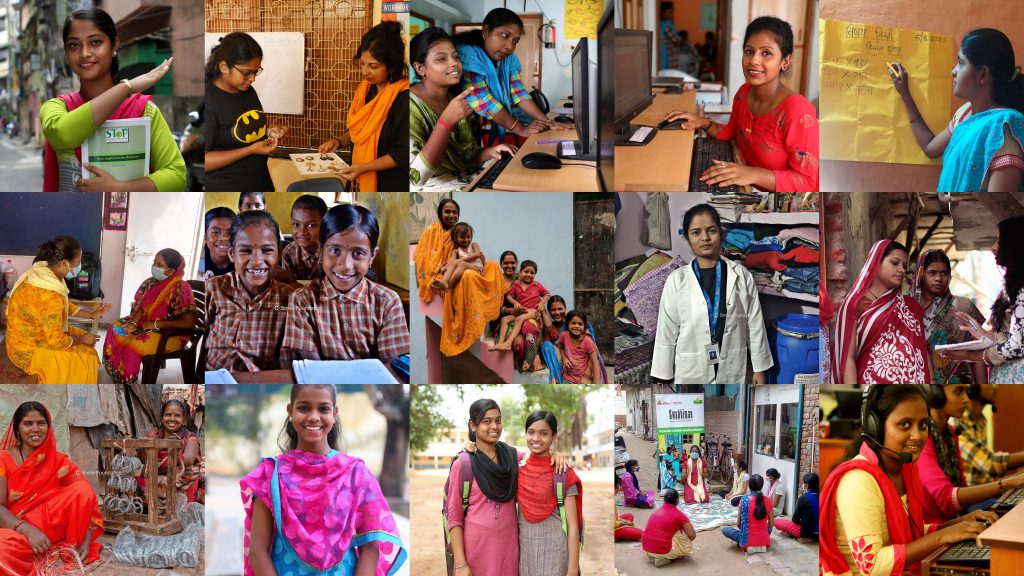
Smile Foundation has been working for over 18 years now to prepare a cadre of educated, confident, trained, aware and healthy women through our initiatives in education, healthcare, community engagement and livelihood. We believe that when women are empowered, families get healthier, communities become prosperous and the nation progresses.
Since inception:
Over 4 million girls and women have been benefited in total.
Around 180,000 girls have been provided education and nutrition under our Mission Education programme. Over 5000 adolescent girls have received scholarship support to complete their schooling and higher studies.
More than 3.5 million women have received healthcare services with focus on maternal and child health.
Nearly half a million women and girls empowered with awareness and life skills on a varied range of topics including reproductive health, menstruation, healthy eating, self defence, etc to navigate everyday life with enhanced ability and confidence.
Over 25,000 girls have received skill training for employ-ability. In addition to this, projects on vocational training, entrepreneurship and financial literacy have enabled thousands of women to become economically independent.
Through door to door visits and counselling, male engagement and community involvement, awareness sessions and rallies, street plays and talks, lakhs of community members have been sensitised to create a women and girl child friendly society
Surge in student suicides in India puts focus on mental health challenges
There is no path to happiness: happiness is the path- Buddha.
A long-term experience of life satisfaction is almost certainly made up of many short-term feelings of joy and pleasure. Does that mean every day is a great day with no trials, temptations, or downturns? Certainly not. But it does mean when we look back at the many seasons of life, we can look back satisfied at how we navigated through them.
The long-term feeling of life satisfaction is most experienced when we embrace the emotion of joy in the here and now. And we accomplish that by taking steps each day to be happy.
Consider trying a few of these — or all of them! You’re guaranteed to give your day a little boost.
Establish Gratitude
Focusing on the small things that we have can be blinded by our desire of wanting more. But this desire, built by envy and jealousy usually leads to great levels of dissatisfaction. Instead, just taking a break from the daily hustle and appreciating the little we have, the friends and family. Our health or mental well-being or simply a cup of tea/coffee can boost one’s mindset for the better.
Defeat Anxiety
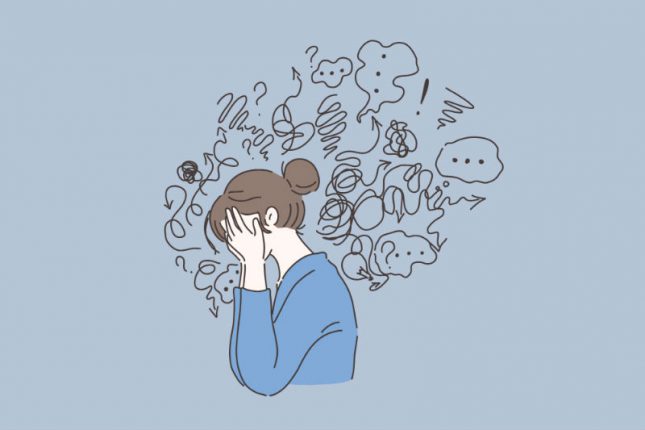
There is some wisdom in a Buddhist approach to emotions. A Buddhist-based mindfulness approach to overcoming anxiety is basically working with it. There’s unfortunately, no easy way to relieve one’s anxiety in a way that doesn’t involve masking it or just distracting oneself-that should be used. The second approach is to bringing mindfulness to the actual experience.
Sometimes, overcoming worry and nervousness is simply a matter of modifying your behaviour, thoughts, and lifestyle. Keep moving with your day-to-day routine, be open about your concerns and cut caffeinated products.
Listen to Amazing Music
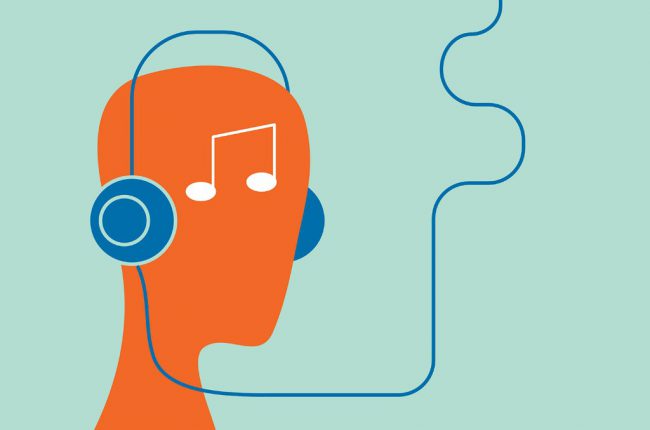
Music we love is one of the best antidotes to mental pain or heartbreak. Trying to boost and uplift your mood while listening to music actually can help your mental well-being.
Create a Sleep Schedule that Works well for you
sleep for better mental well-being
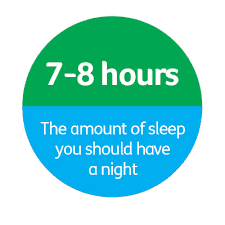
Getting a consistent good night’s sleep is vital. Chronic sleep deprivation is a huge problem nowadays, especially for those who work late or are keeping a busy schedule. It’s not just a lack of 6 to 8 hours of daily sleep which can be detrimental to your psychological health and mental well-being. Start with small steps. Give yourself a sensible and realistic bedtime. Try to go to bed half an hour before your usual bedtime and stick to it. Evaluate this new habit every day by having a journal and writing down your progress.
Do Spend Time Outside Every Day
Spending time-outside for mental well-being
Go for a walk during your lunch break. Go to work and back, taking a walk from one station to another. Spend a few minutes drinking your morning coffee or tea outside. Pick up running or walking in the green outdoors. It doesn’t even have to be for a long period of time.
Say Nice Things to Yourself
An adjustment in your everyday vocabulary, both in your thoughts and even out loud. One should flip his dialogue to only positive outcomes. For example, instead of saying, ‘If I get that job,’ switch it to, ‘When I get that job.’ Those subtle changes in using positive language help to change your mind set to a glass half full instead of a glass half empty. You can also increase your positive thoughts by stating one thing you like about yourself when you look in the mirror each morning.
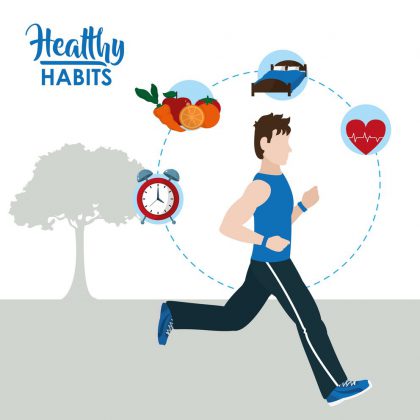
Cut back on some of your Unhealthy Habits
We know when and which things are bad for us. You can curb that by reducing them, but not giving them up entirely. Reducing something within your own means can save you the stress of immediate change. Only when you are completely ready, stay away from harmful food, smoking or things that cause procrastination.
Plan a Superb Vacation
Plan a vacation for good mental well-being
The anticipation and planning of a trip are almost as good as the trip itself. Prepping for a vacation or a journey has been shown to increase our happiness levels hence boosting our mental well-being.
Do Invest in a Quality Relationship
If you want to have good long-term mental well-being and physical health, you need to first see if you have meaningful, loving relationships. Picking one or more people close to you, and start planning to spend quality time together. Loving meaningful relationships are good for our mental and physical health
Meet New People
Get out of your circle of friends. In order to find new companions and to expand your world, you need to go out there and meet new people. Everyone has an interesting history or story to tell. So move out of your comfort zone cast a smile and have fun when meeting others. Don’t need to over think it.
Accept your Flaws
Expecting perfection guarantees you’ll feel like a failure at least part of the time, and that can lead to serious anxiety. By accepting the fact that as humans, we make several mistakes, is fundamental to avoid living in judgment.
Learn the art of progress, not perfection. We are setting ourselves up for failure from the when we expect to ‘have it all’ perfectly balanced. In other words, we will always feel like we are failing.
See a Therapist – They can definitely Help
If you were trying to get in physical shape and had no idea where to start, you might turn to a coach or personal trainer. Mental health works the same way. There are so, so many benefits to seeing a therapist.
Write in a Journal
List some small dreams and thoughts you might have. Express your emotions in writing and read them later to yourself. Instead of allowing your brain to go to a place of anxiety and stress, arm yourself with grateful thoughts. Writing them down also helps. If you write down that which you have to be grateful for, your brain becomes better at finding even more gratitude.
Turn your Phone Off Please
It has been proven time and again in many studies that too much tech time can negatively impact mental health. Whenever the phone rings or we get an update, we instinctively try to reach to our devices. The temporary dopamine chain people to their phones or even computers. Every night or weekend, try and become less available via text and email so you don’t feel emotionally tethered to your phone.
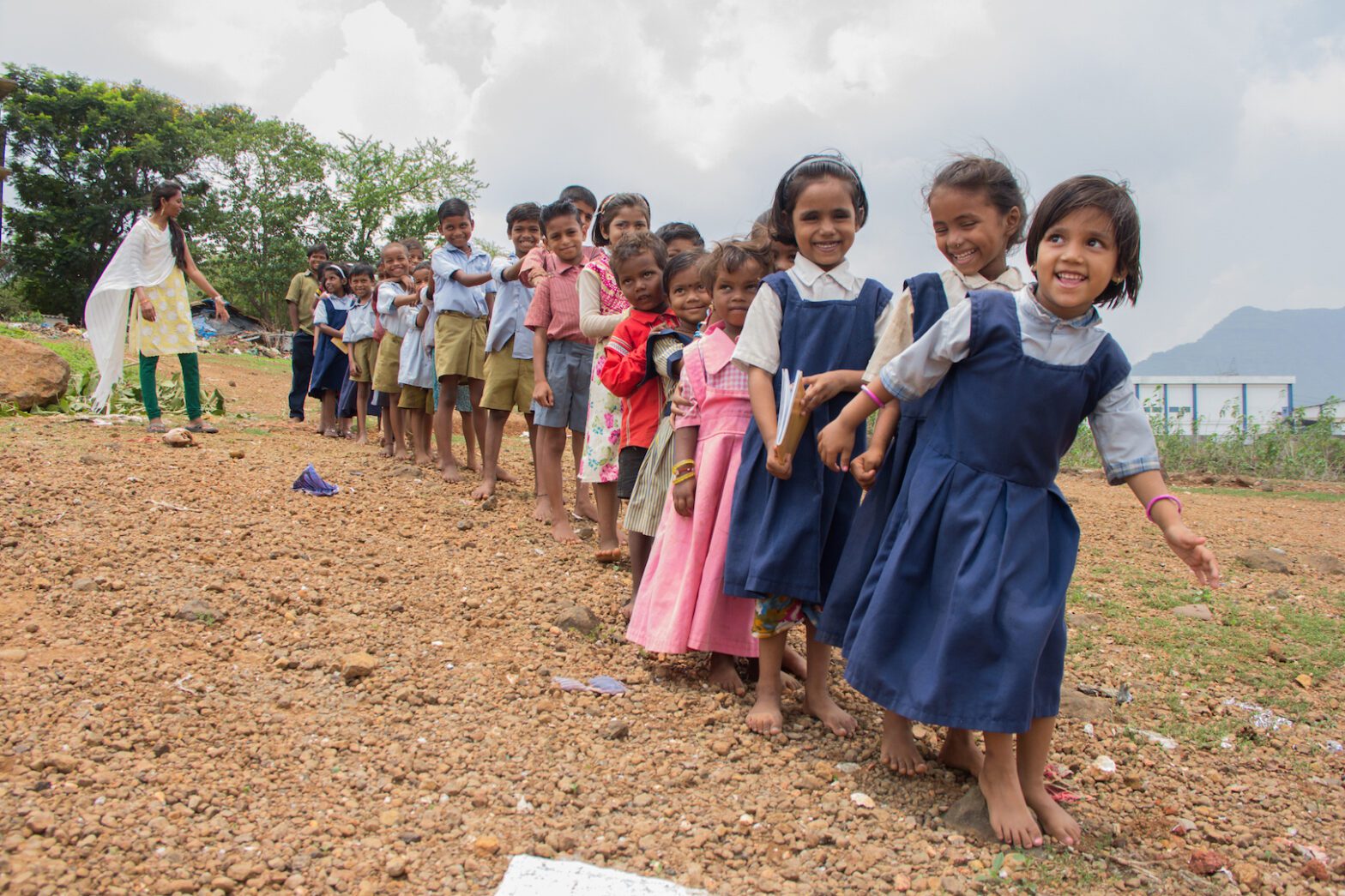
Students, parents, teachers around the world are facing the unimaginable consequences of the spread of the pandemic due to the closing down of schools and educational institutions. While everyone is trying to cope with the challenges teachers are facing problems to provide quality education to children due to lack of resources. The most affected are the children living in rural areas and urban slums.
Teachers teaching in Smile Foundation’s Mission Education centres are facing similar problems but they are determined to help the children even if it means taking the school to their homes. Here are some testimonials which speak volumes about their hard-work. We thank you, teachers for everything that you have made possible for our little children and their education.
“The first thing that we did was a survey, we visited the children from our Mission education centre to understand the problems they were facing in their studies.”
Ravi Pratap Singh, Teacher, Mission Education Centre
“We have created a special app called Udbhav and we are also encouraging the use of the app provided by the government, Diksha for the education of children from home. We share quiz based content and share the other curriculum content in form of PDFs with the children. we are trying our best to keep the children engaged”
Shweta, Teacher, Mission Education Centre Mumbai
“Hopefully in the coming year we will be out of this situation and we will be able to meet our students sitting on those benches and making fun!”- Shweta
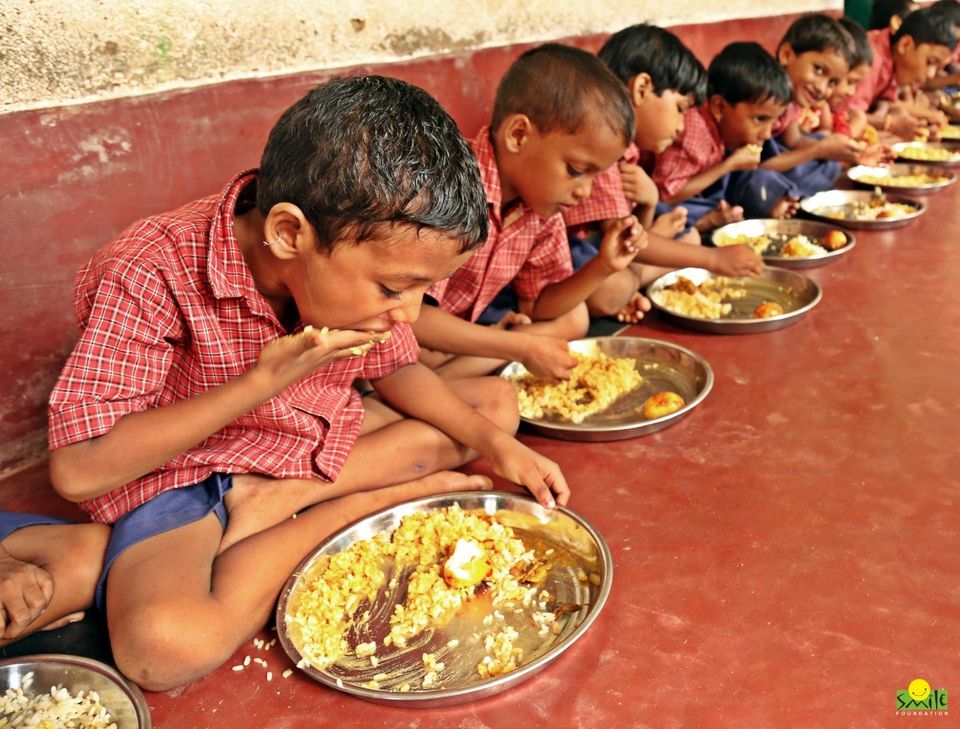
Nutritional interventions like the Mid-Day Meals have been hailed by the UN as the best approach to food security for children. However the current pandemic situation may reverse these gains. Fortifying the supply chain infrastructure of such schemes and mainstreaming ‘nutrition’ in the country’s political discourse might hold the answer.
Prime Minister Narendra Modi during his monthly radio program – Mann ki Baat, said that the month of September will be observed as ‘Poshan Maah’ or ‘Nutrition Month.’ Taking cognisance of the importance of a nutritious diet for children, he added, “For our children and our students to display their optimum potential, show their mettle; nutrition and proper nourishment play a very big role.”
The statement couldn’t come at a more opportune moment. Malnutrition is the cause of death for 70 percent of the children under five years of age. Inadequate dietary intake is leading to growth issues such as stunting for as many as 38 percent of children. States with highest child population base – Madhya Pradesh, Bihar and Uttar Pradesh – register maximum number of underweight cases.
mid-day meals for rural students
However, in the recent years, the current government brought about significant momentum in nutritional interventions by strengthening programs such as the Mid-Day Meals (MDM) scheme for school children, and introducing the national health mission or the POSHAN Abhiyaan, among others. These efforts helped bringing down the percentage of stunted children under-five from 48 percent in 2005-06 to 38.4 percent in 2015-16.
The Mid-Day Meals, particularly, has been instrumental not only in increasing enrolment and attendance of children at school, but also in ensuring nutritional security for kids. In the year 2018-19, the scheme is said to have served 9.17 crore children in 11.35 lakh schools across the country. The UN’s World Food Programme (WFP) hailed the MDM scheme as the best route to food and nutrition security for children.
But the outbreak of Covid-19 and the ensuing lockdowns may impair these gains. Distribution of MDM has been disrupted as schools have closed down and the Aanganwadi Workers (AWWs), driving these efforts of providing food supplementation under the Integrated Child Development Services (ICDS), are diverted to attend to Covid-19 related work. This is impacting the underprivileged children whose only means of nutrition are these meals.
Such disruptions cause ‘dietary shocks’ which will result in possible weight-loss among children. According to data even the slightest drop in weight, as minor as 0.5 percent, can cause a substantial escalation in India’s overall underweight percentage.
Although the Union Minister of Human Resource Development (HRD) responded with an additional fund allocation of INR 1,700 crores to continue the MDM during the pandemic, implementation at local district level remains a challenge.
mid-day meals for school children
India needs to strengthen the supply-chain infrastructure that programs like MDM depend on. And create a top-down push to make nutrition a central part of the political and administrative discourse. The good news is India has built a robust network of Anganwadi Centres whose services can be ramped up to keep the lifeline of MDM alive. The AWWs can be trained on the Standard Operating Procedures (SOPs) to streamline the distribution processes such that it can withstand future crisis. What’s more, with focus on the Early Childhood Care and Education (ECCE), the New Education Policy (NEP) proposes to integrate breakfasts with MDM. These efforts will help making health and nutrition an important part of the deliverable of the administrative leadership.
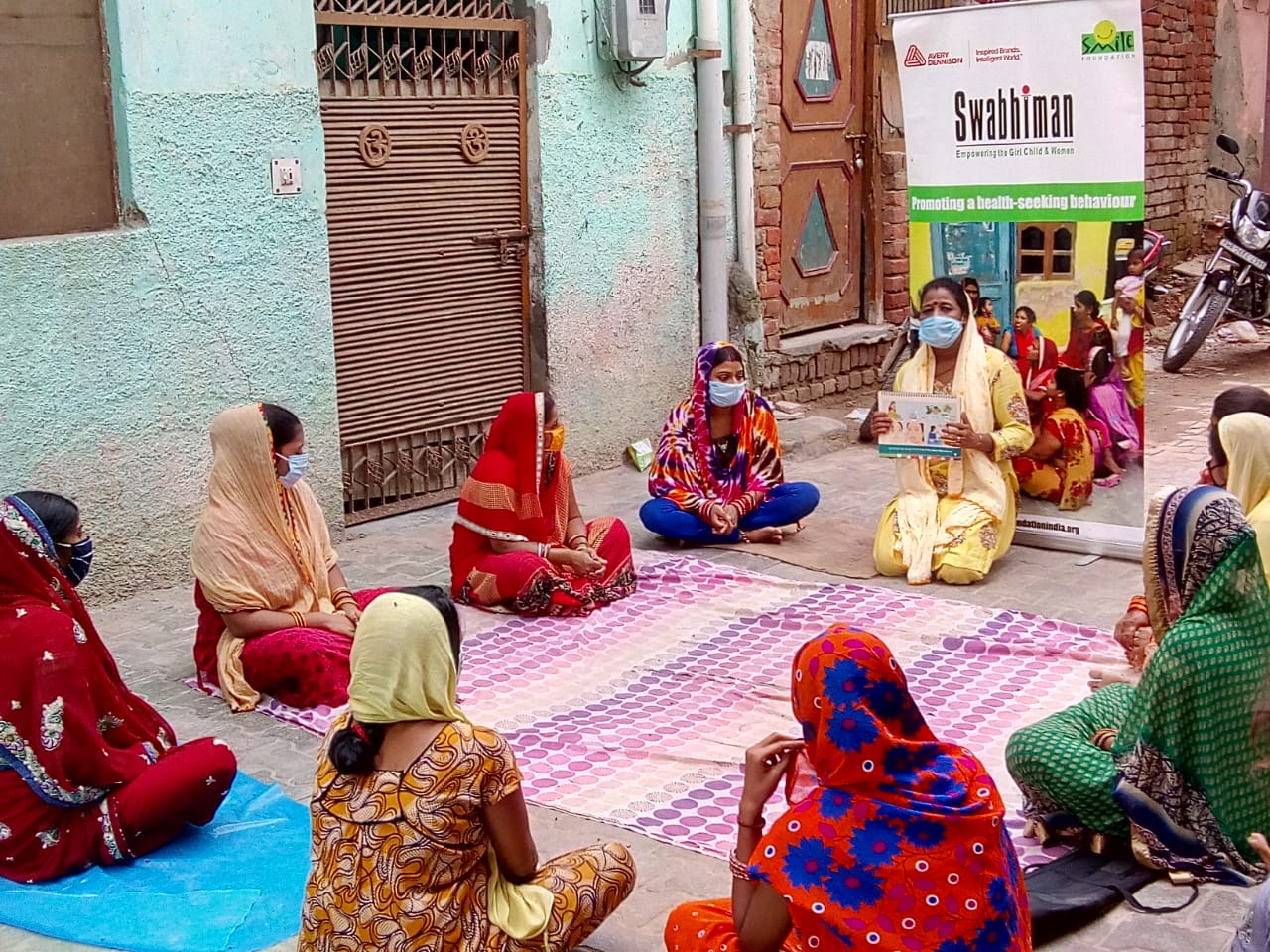
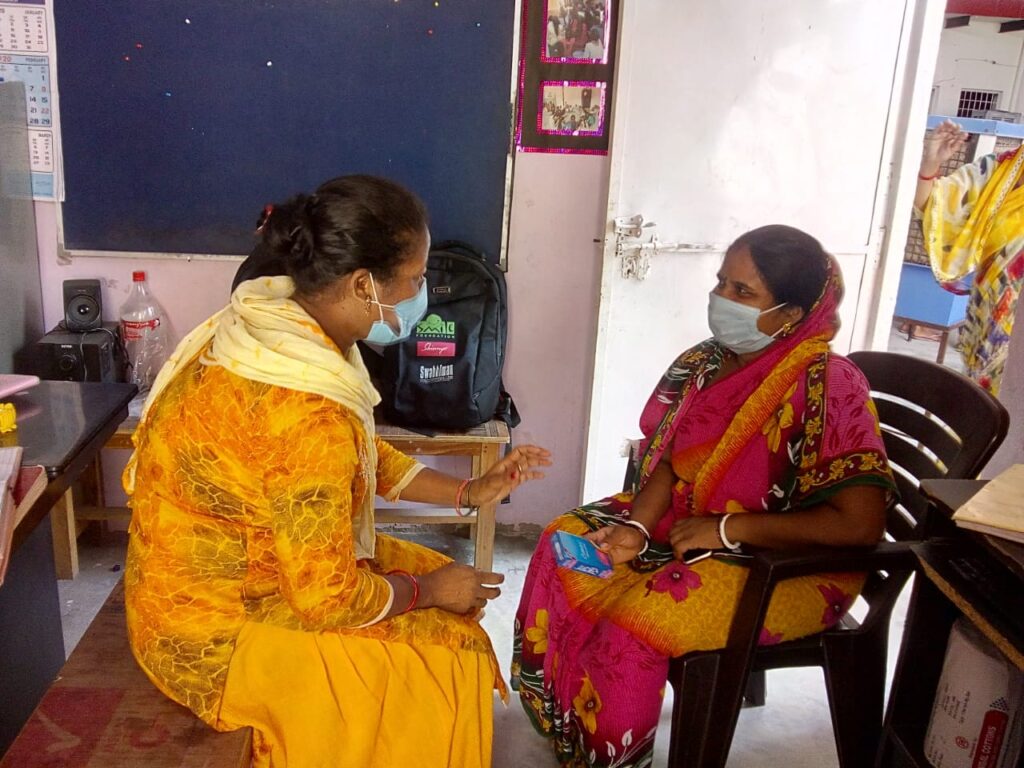
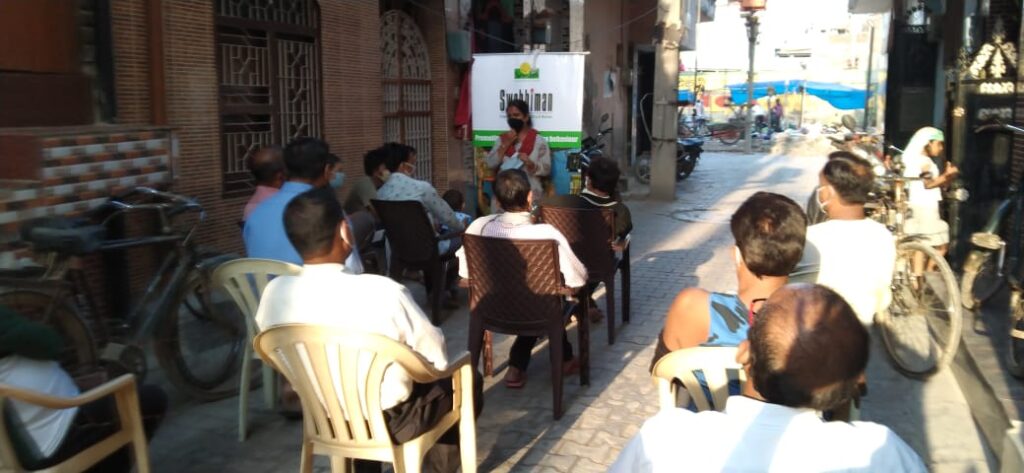
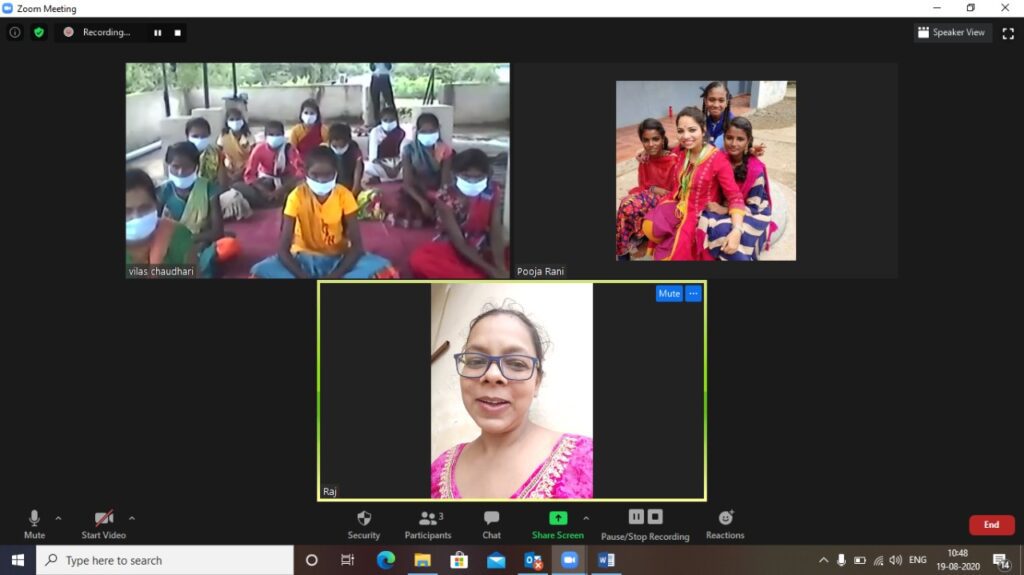
The COVID-19 pandemic hit us hard and the development sector was not saved from it either. I am part of the core team of Smile Foundation’s girl child and women empowerment programme Swabhiman. Our interventions involved support in terms of intensive on-ground activities and in person interactions. But to prevent the spread of COVID-19 such activities halted at the initiation of the lock-down. Women and adolescent girls were majorly impacted during this time as the physical and psychological pressure on them increased with accessibility to education, livelihood, hygiene, nutrition, and community services being adversely affected. The Swabhiman team focused on providing a support system to the women and girls by connecting through phone calls, text messages and virtual platforms, helping them navigate the challenges brought by the pandemic.
Counseling for pregnant women and new mothers
Support for family planning
The biggest challenge was faced by pregnant women and lactating mothers who were at a vulnerable stage and were stressed out as to how to handle themselves and the new born during this time and get the required services. The mobilisers in the various project locations connected through phone calls with this target group and with the community health services like Aanganwadis, Primary Health Centres (PHCs), and government hospitals and made sure that all kinds of support; the required information regarding check-ups, immunization, emergency numbers and other relevant care was available on time. This aided many successful institutional deliveries with appropriate post-delivery care to the women and the newborns.
Access to Sanitary Napkins and Contraceptives
Another challenge was availability of sanitary napkins and contraceptives. With constant counseling over years, many adolescent girls, women have started buying sanitary napkins on their own but with the lockdown the market availability of sanitary napkins declined and in many areas it was nil. To help them maintain the hygiene, sanitary napkins were distributed in various locations. Similarly, the availability of contraceptives also declined in the market and the Swabhiman Team distributed condoms as contraceptives to couples to help them maintain their family planning method.
Awareness on Livelihood and Income Generation
Awareness and support for income generation
Losing out on jobs was a common challenge that was faced by the unorganized working sector and the majority of the urban slum population belongs to this sector. To help and support the families, awareness and information on various government financial aid schemes are being provided to the communities with proper support to get the benefit. Information about money management and ideas on income generating sources are also being provided to the people like mask making, marketing of products through social media.
Sessions for Mental Well-Being of Adolescent Girls
support for mental well being
Online sessions on life skills, nutrition, career counseling, yoga, hygiene, Adolescent Reproductive and Sexual Health (ARSH) are being regularly organized for adolescent girls to keep them engaged and not let the lockdown and isolation period affect their mental well-being.
Now, as the “Unlock” has started in a phased manner, Swabhiman has resumed its on-ground activities taking into proper consideration the social distancing norms and sanitization practices. However, connecting over digital platforms has become a routine that has opened many new doors for community women and girls and will be a useful tool for us in the future as well.
Hoping for good times ahead!
To support Smile Foundation’s women empowerment programme visit https://www.smilefoundationindia.org/she-can-fly/
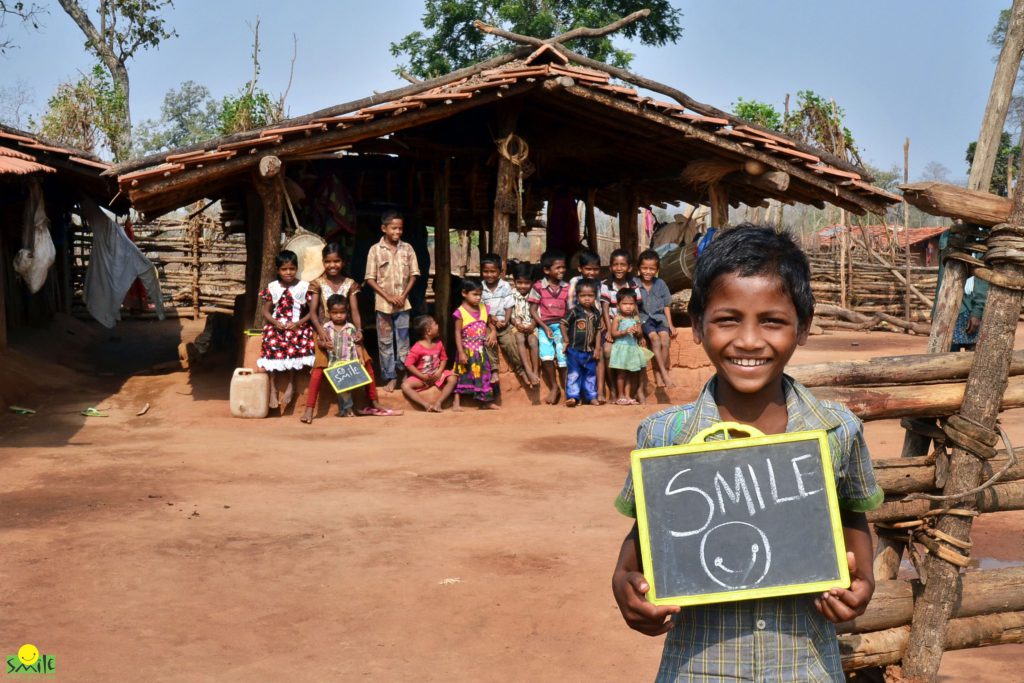
Charles Darwin was one of the first person’s to suggest that our expressions may actually intensify our feelings. This theory is commonly known as the ‘feedback loop’ or even ‘facial feedback hypothesis’. Simply using the same muscles as a smile will put one in an instant happy mood. That is because use of those muscles is a part of how the brain evaluates mood. A smiling expression feeds on how we experience mood, therefore making us feel happier or even a joke seem funnier.
What constitutes of a real smile?
The importance of the eyes and forehead when smiling authentically are very critical. The genuine smile involves not just the muscles around the mouth, but also the ones that cause the cheeks to raise and the eyes to crescent. People who smile just with their mouths (let’s consider the “say cheese” smile when taking a photograph) don’t experience the same rewards as those who are smiling with their entire face; yes, no doubt they do experience some of the benefits, just to a lesser degree.
Fake it till you make it
Smiling can trick your brain into believing you are happy which can then spur actual feelings of happiness. But it doesn’t end there. Study shows how the brain is connected to the immune system “over and over again”; depression weakens your immune system, while happiness on the other hand has been shown to boost our body’s resistance.
What is superb is that just the physical act of smiling can make a huge difference in building your immunity. When you smile, the brain sees the muscle’s activity and assumes that humour is actually happening. It does not bother to sort out whether you are smiling because you are genuinely joyous, or because you are just pretending.
Even forcing a fake smile is considered to legitimately reduce stress and lower your heart rate. There are plenty of more studies out there to make you smile. Smiling helps reduce the body’s response to stress and lower heart rate in tense situations; another study linked smiling to lower blood pressure, while yet another suggests that smiling leads to longevity.
There are too many good things that come from smiling for you in order to not to make your smile a priority in your life. Be proactive and take care of your smile every day. It is not only about how your smile can change how people perceive you; it can also affect other people’s health and well-being. We all deserve a happier, less stressful life, so share your lovely smile with others and you will bring good things not only into your life, but into the lives of those around you as well.
Smile, its free therapy!
Let us list down the multiple benefits of Smiling:
Smile for mental well being
Smiling is very good for your health
You tend to think of a smile as a result of positive emotions or stimuli, but it turns out that your smile can actually affect your stress levels and productivity, too. Smiling also releases endorphins, which improves your mood, helps you relax, and lowers your blood pressure. Endorphins are the same chemicals you get from working out or running, resulting in what is known as a runner’s high. Smile more to get that high without running. Smiling is so contagious, the benefits of your smile extend beyond your own body to the people you engage with.
Improves your heart health
The release of endorphins through smiling increases blood flow. Smiling has been associated with an increased HDL (the good cholesterol) levels in the body. Smiling also lowers the stress hormones (cortisol, adrenaline and norepinephrine). Thus, smiling and laughing more can improve overall heart health for sure!
Maintains your blood pressure
Neuropeptides are essentially required by the nerve cells for communication. These neuropeptides are responsible for the release of the happy chemical messengers (neurotransmitters) of the brain like dopamine, endorphins and serotonin. Whenever you smile these neurotransmitters are released in the body which not only relaxes the body but also helps manage your heart rate and blood pressure.
Gives a boost to your immune system
Smiling and laughing initiates the release of serotonin in the body which increases the sense of happiness and well-being in the body. Serotonin also helps boost the immune system as it stimulates monocytes and lymphocytes (which are types of white blood cells that fight against infections in the body) and also regulates the release of cytokines (chemical messengers of the immune system).
Smiling tends to improve your relationships
People find you more attractive when you smile. Studies show that different areas of the brain light up when looking at pictures of people who are smiling versus who are not smiling. People who are smiling to any degree are generally labelled more attractive (and women are considered more trustworthy) than those with neutral expressions.
Smiling improves effectiveness in the workplace
The benefits of smiling extend beyond interpersonal relationships to even the work environment. Smiling at your co-workers creates moments of connection that lead to greater productivity and teamwork. People in the service industry prove to have a more positive effect on customers when they smile. People in leadership positions tend to favour their employees who smile more regularly.
Smile for better mental health and well being
Smiling boosts your activity
Not only can smiling make you feel happier and more positive, but it can also help you become far more productive. Studies have shown that being happy has a great effect on productivity in the workplace.
Smiling can cause us to be happy and experience happier emotions! This helps us to become more productive as we can have a better mindset. Although, this can also be said for the opposite, negative emotions can cause us to become drained and less productive, so best to keep on smiling.
You will make a better leader
If you are in a position of power or want to be in one, smiling may be the key to your success. Smiling is a more effective leadership technique than having great management responsibilities. The next time you really want to show off those leadership skills, just smile please. Kill them with success and bury them with a smile!
You tend to be more approachable
Turn that frown upside-down if you want to make some friends please! Studies have found that people are more willing to engage socially with others who are smiling. A smile is indeed an inviting facial expression that tells people you are willing to talk and interact with them.
Smiling will make you far more comfortable
Our natural tendency is to stick to things that are familiar, but smiling tends to decrease this need. A study found that smiling can make you more comfortable in situations you would otherwise feel very awkward in.
You tend to be more trustworthy
If you want to improve your credibility, simply smile more. What could be easier than that? Trusting doesn’t come easily to many, but smiling at someone may definitely help. A smile can mean more than a pleasant greeting. Learn how to maximize your daily smiles to improve your health and relationships.
Practice makes one perfect
Practice makes one perfect—Children smile, on an average, 400 times a day, whereas the happiest adults only smile 40-50 times a day.
Consider the hidden power of smiling, that smiling is like a superpower. But unlike the power to fly or to become invisible, this one can be learned, practiced diligently, and improved upon of course.
So do watch a funny movie or even a sitcom, play more with your kids, hang out with happy people and practice calling to mind someone who really lights you up when you are posing for a picture. The smile on your face could literally make you happier, healthier, more effective, way more attractive, and you will live a longer life. Doesn’t the thought of that make you smile?
With a centralised platform acting as an ecosystem of health services, the National Digital Health Mission (NDHM) can revolutionise how India delivers healthcare at scale.
Taking a quantum leap towards the goal of Universal Healthcare for all, Prime Minister Narendra Modi announced the launch of National Digital Health Mission (NDHM). The project proposes to make healthcare accessible and affordable for every Indian through an integrated digital platform functioning as an ecosystem of various health services.
A health ID for every Indian citizen will be created in the form of a mobile app and will be linked to this platform. This way, the platform will act as a repository of an individual’s health records about past consultation, medications, doctors consulted and the health facilities visited. However, enrolling on the healthcare platform and sharing data is voluntary and up to the discretion of the citizens. Even after they are onboard, no data will be shared unless the individual authorises it. It comprises a Digi Doctor feature that allows specialists to enrol in to the platform and offer digital prescriptions enabled by electronic signatures. A digital national health registry has also been provisioned to work as an integrated foundation of national health data.
The National Health Analytics (NHA), the body which spearheaded implementation of Ayushman Bharat, has built the NDHM platform. The genesis of this idea goes back to 2018 when NITI Aayog tendered the thought of creating an automated and centralised process to recognise the unique identities of the users of National Health Stack (NHS) – a shared digital healthcare infrastructure hosting centralised health record for all citizens.
national digital health mission, Smile health services
The current scheme will not only make healthcare more accessible but can also turn India into a powerhouse of healthcare knowledge. By leveraging machine learning (ML) and artificial intelligence (AI) techniques, the National Digital Health Mission seeks to analyse its data repository to draw insights on disease patterns, predict onset of ailments or seasonal outbreaks. This will significantly add to the effectiveness of healthcare by making it more proactive. It will also enable livelihood opportunities through the possibilities of bringing in entrepreneurs who might want to build solutions aligned to the proposed infrastructure.
The government is also taking steps to ensure security of data by mandating a framework and a set of minimum standards for data privacy protection. All the core activities and verifications like generation of Health ID or approval of a doctor/facility will remain with the government. Yet experts remain wary about NDHM’s implications on data protection. Many suggest that the mission should define stringent policies against commercial exploitation of Sensitive Personal Information (SPI) by private entities like insurers, pharmaceutical companies, and device manufacturers. Most of the diagnostic centres and pathology labs are dominated by the private sector. Question is how will the government bring them all into the fold of National Digital Health Mission ensuring that they all adhere to confidentiality of the information?