Categories
Partners In Change

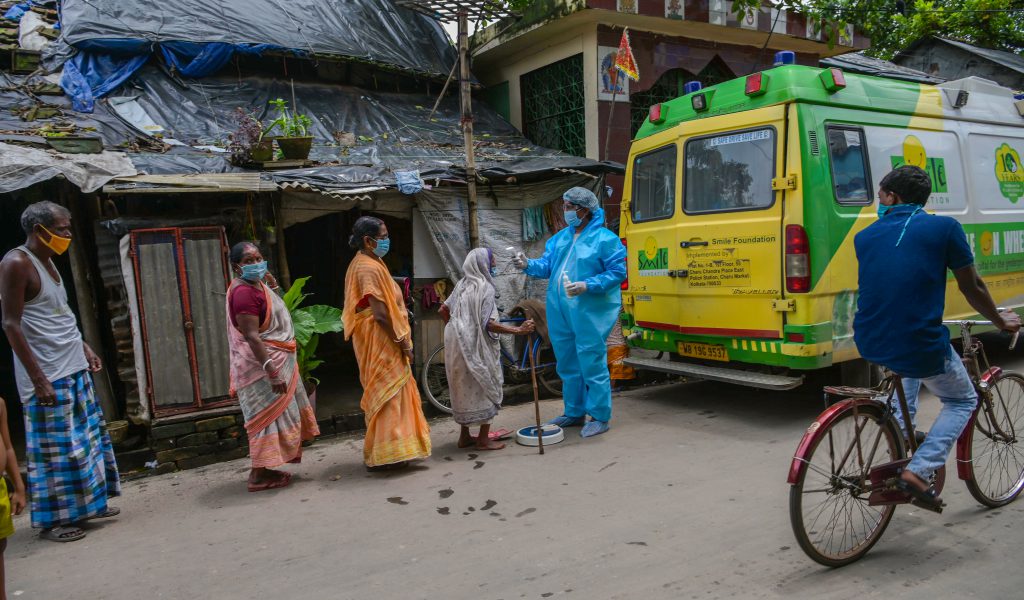
Caring for the vulnerable: Smile on Wheels, Kolkata

Covid-19 has created an unprecedented challenge for the society and the health system. I have been associated with the Smile on Wheels project in Kolkata for the last five years, but particularly during the pandemic I feel the mobile clinic has been very essential. Covid-19 has affected the health seeking behaviour of the community in many ways. On one hand, people are slowly becoming conscious about wearing masks, hand washing and social distancing. This is one key reason that people are reluctant to visit public health facilities which often remain crowded and also cater to Covid-19 cases.


On the other hand, many private clinics have closed down or shifted to online consultation, making it difficult for people especially the poor and vulnerable families living in slums or rural areas to seek professional health consultation. This gap is filled by local pharmacists and unregistered medical practitioners who provide medicines without proper diagnosis which can be detrimental in the long run.


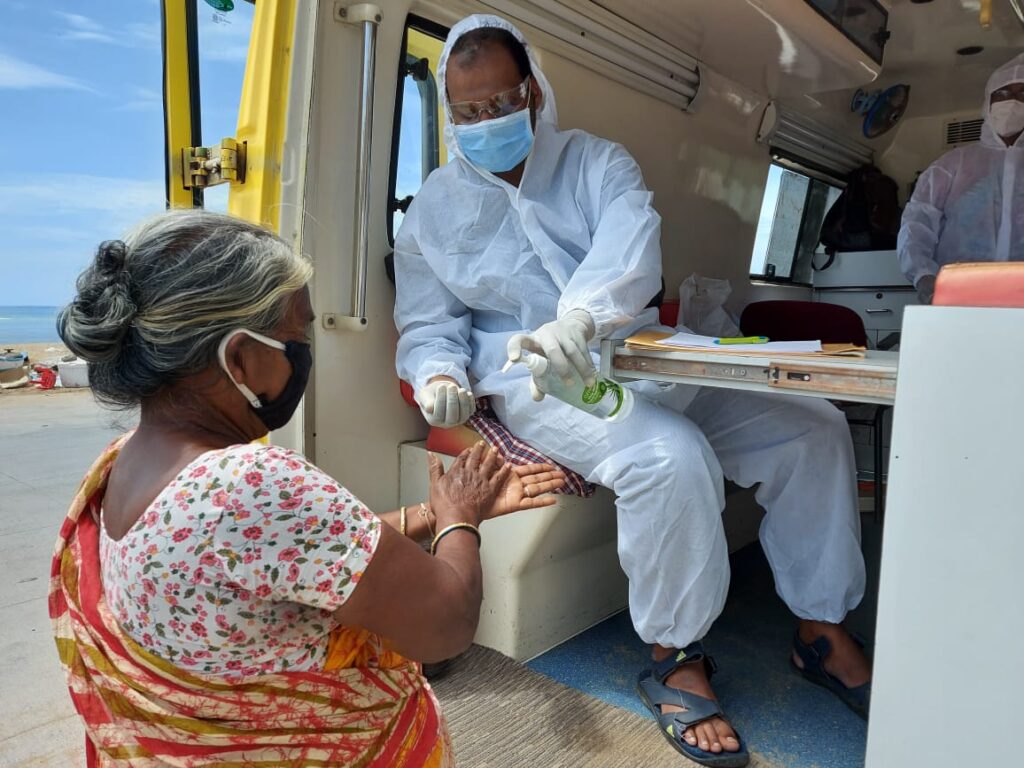
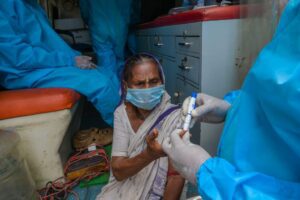
In this scenario, the Smile on Wheels mobile health clinic provides access to professional medical practitioners at their doorstep – giving them much needed relief, and also more importantly, the belief that they are not alone. Take the case of Jashoda Kalsar. Joshoda claims to be 90 years old. She lives in a tiny shanty in Dhoparmath, Ultadanga. She has no one to take care of her; she lives on her own. She primarily survives on begging in the streets and nearby railway stations. Sometimes, her neighbours provide her some food. In the present situation arising due to Covid-19 pandemic she has nowhere to earn.


Joshoda is diagnosed with various ailments like hypertension, back-pain and osteoarthritis. She is too frail to travel to a government hospital to seek advice and there is no one to accompany her. Moreover she doesn’t have the confidence to deal with the processes in a government hospital.
 

DSC 7614 1024x681 1


Joshoda can neither afford a private consultation nor buy the medicines required for the above mentioned ailments. “I am totally dependent on the Smile on Wheels clinic”, she shares “I have no other alternative for my health care needs, and the best part is that for the last 3 years I am treated with respect and care”.


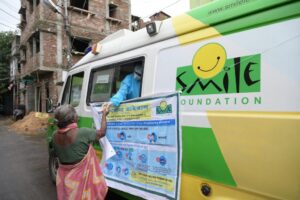
In every location where we visit, there are a few cases like Joshoda Kalsar – they are mostly aged, vulnerable and socially and economically deprived; the service provided by the Smile on Wheel clinic is critical for them.
 

DSC 8075 1024x681 1


In the last five years, we have benefitted over 85,000 children and families who were in dire need of our support. At present, the Smile on Wheels project covers over 20 slums and semi urban villages. I am glad to be a part of this project and hope that we can continue to serve the vulnerable population in the pandemic, and beyond it.


To know more about Smile Foundation’s healthcare support for the poor and underserved visit https://www.smilefoundationindia.org/health-cannot-wait/
Categories
Insights

Experiential & Interactive Learning will reform education in rural Tamil Nadu

Critical thinking and conceptual clarity along with Experiential & Interactive Learning are the most important aspects which are needed for the students to compete in this fast world rather than rote learning.


National Education Policy 2020 aims at holistic learning of the students by recommending changes in the curriculum and pedagogy to improve the student’s cognitive skills. Till now, most of the students have practiced and are following rote learning which really prevents creative thinking and innovative skills. Their major focus is to score marks than understanding the concepts.


It actually goes from the teacher, they repeat the textbook content to the children, so that, they can memorize and reproduce in tests, which is hard-wired in the teaching practice. In rural part of Tamil Nadu, most of the Government schools instead of an interactive learning session have a one way broadcast of information from teacher to students. In exams, the children leave the known answers also if the question is framed differently.  By practicing the wrong method of teaching, we limit the children’s ability to learn and it creates a fear of studies in the children. 


Experiential and Interactive Learning: In addition to the existing Tamil Nadu’s educational system “Samacheer Kalvi” (a uniform syllabus between state and Matriculation schools), a standard pedagogy (hands on learning, arts and sports- integrated, story-telling pedagogy) for experiential learning will be adopted.


Effective learning always includes interactions, participations, discussions, discoveries and analysis.  The teaching and learning will be conducted in a more interactive manner and questions will be encouraged. The classroom sessions will be creative, collaborative, exploratory and experiential.  The NEP 2020 includes the hands on learning, arts integrated and sports-integrated education, story-telling based pedagogy, among other methods as standard pedagogy within each subject, and with exploration of relations among different subjects. 


Fundamental Learning: People always admire an apartment by its outer attractive, paint color, design and its structure. But most of them would never think about the basement which holds the entire building. To run hard in this competitive world it is very essential to focus on the Foundational courses which create immersed root to the student’s future. The NEP 2020 brings the new system of Education 5+3+3+4 format. The first 5 years are exclusively to establish a strong base for the students (Foundation stage); it covers from pre-primary to Class 2, then the preparatory stage (Class 3 to 5), followed by the middle stage (Class 6 to 8) and 4 years of secondary stage (Class 9 to 12).


Three Language Formula in Tamil Nadu: To look back from the early days, the state was exempt from the enforcement of the official languages act. In Tamil Nadu, the Tamil Language is considered as the most classic language and is also one of the longest surviving classical languages. In the previous NEP 1986, the three language formula was reiterated and till now only English and Tamil (Regional language) was followed. With focus on mother tongue, hopefully the same will be continued in implementation of the NEP 2020.


To know more about Smile Foundation’s education programme visit https://www.smilefoundationindia.org/education.html

Categories
In The Spotlight

Reprioritizing mother and child nutrition to avoid resurge in child mortality

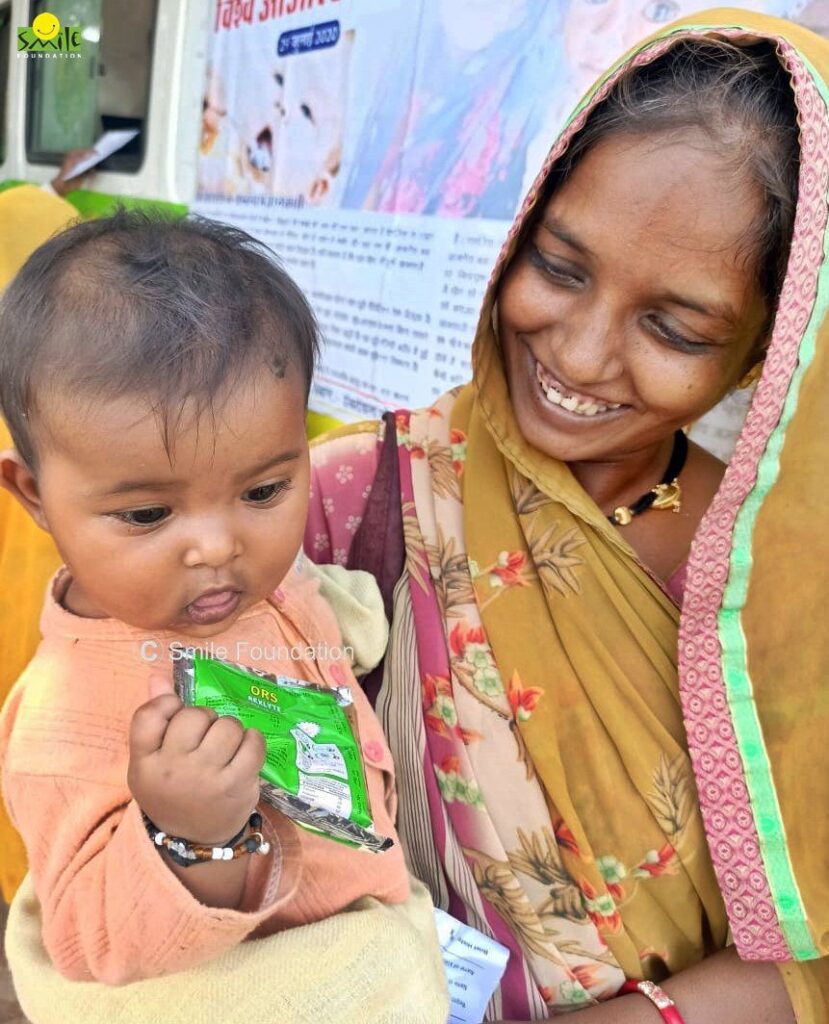
Despite being one of the world’s largest producers of a number of food items, a significant part of India’s children remain undernourished, often resulting in child mortality. A strong fight armed with an aggressive awareness campaign will be the key in reversing this situation.


India recently celebrated a major gain in its child health index. According to a UN report, the country’s child mortality rate has significantly declined between 1990 and 2019 from 3.4 million to 824,000. Prioritising of neonatal services such as delivery of quality care at birth, home based newborn care through ASHA workers and multi-tiered facilities such as Sick Newborn Care Units to address issues such as preterm or low birth weight and sick neonates – have been the primary factors driving this success. 


However, despite this gain, death of children under five caused by preventable or treatable problems like complications during birth, pneumonia, neonatal sepsis etc continue unabated informs UNICEF. What’s more, the current pandemic and the disruption of services it has caused in terms of supply of health and nutrition for maternal and child health, immunisation and nutritional supplement may further undo the progress made in the last three years.


WhatsApp Image 2020 09 26 at 4.04.26 PM


Despite being one of the world’s largest producers of food items like milk, pulses, rice, and wheat among others, it is quite an irony that 14 per cent of our population should be undernourished. India needs a concerted effort involving an aggressive awareness drive through information dissemination and engagement of community and local authorities to mobilise action and reprioritize mother and child health. 

The first step towards this is breaking the intergenerational cycle of malnutrition. This can happen when proper care is rendered during the first two years of life – a critical window to build up the immune system of a child. Other measures – vital in strengthening a child’s health – are breast-feeding, consuming locally available, affordable and nutrient-rich food. Lactating or pregnant women should follow dietary diversity by consuming green leafy vegetables, Vitamin A-rich vegetables and fruits. Promoting kitchen garden can greatly make these fruits and vegetables affordable and easily accessible. With the COVID at its peak, special care should be taken on hygiene practices and social distancing.

The local authorities or the gram panchayats – as the primary responders to the marginalised population – can be pivotal in India’s fight against malnutrition and child mortality. These officials can not only help spreading the message around nutrition but can also support in assessing the current health status of children and pregnant or new mothers by sharing accurate data. Based on this assessment corrective measures can be undertaken. The Anganwadi workers can be instrumental in ensuring that all the welfare schemes for mothers and children launched by the government reach their rightful destination.


Last mile delivery of various nutritional programs has been a key challenge in most of India’s welfare initiatives. Therefore, the vision of a nutritious young India can be realised only when the responsibility is shared between the local authority, the community and the government. And this partnership can work seamlessly only within a framework with adequate accountability for each party involved.


To know more about Smile Foundation’s work on women and child visit https://www.smilefoundationindia.org/swabhiman.html

Categories
In The Spotlight

Enabling young women to become change makers

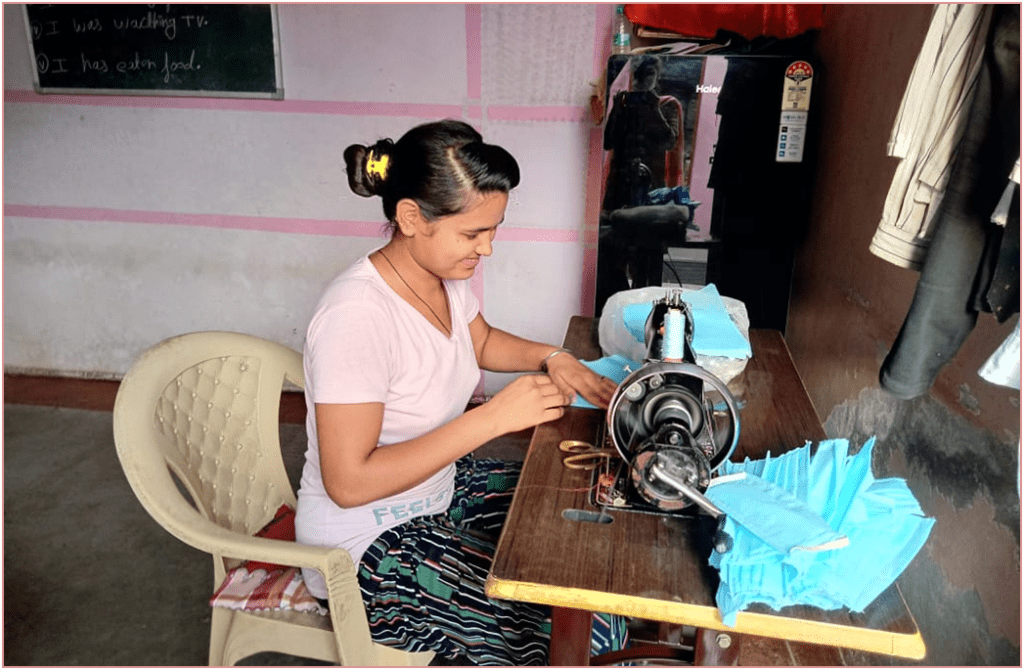
“My father worked as sewage cleaner and I worked in a private job. As the lockdown started, our income stopped. Our savings were depleting and we were having sleepless nights thinking about how to manage our family’s expenses. I approached Savita Didi (Swabhiman coordinator) for help. Listening to my ordeal, she instantly suggested me to use the pile of clothes stocked in my house to make handmade masks. She taught me a simple way to make the masks and even advised to connect with the company I worked in for marketing of the masks. After negotiations, the company agreed on a compensation of Rs. 1.5 per mask and even provided thread and cloth for the same. Now, it takes me 4 hours to prepare 50 masks. At the end of the day now, I can sleep peacefully as I am able to ensure meals for my family and also say that we can inspire each other to become change makers” shares 22 year old Bhawna.


Bhawna


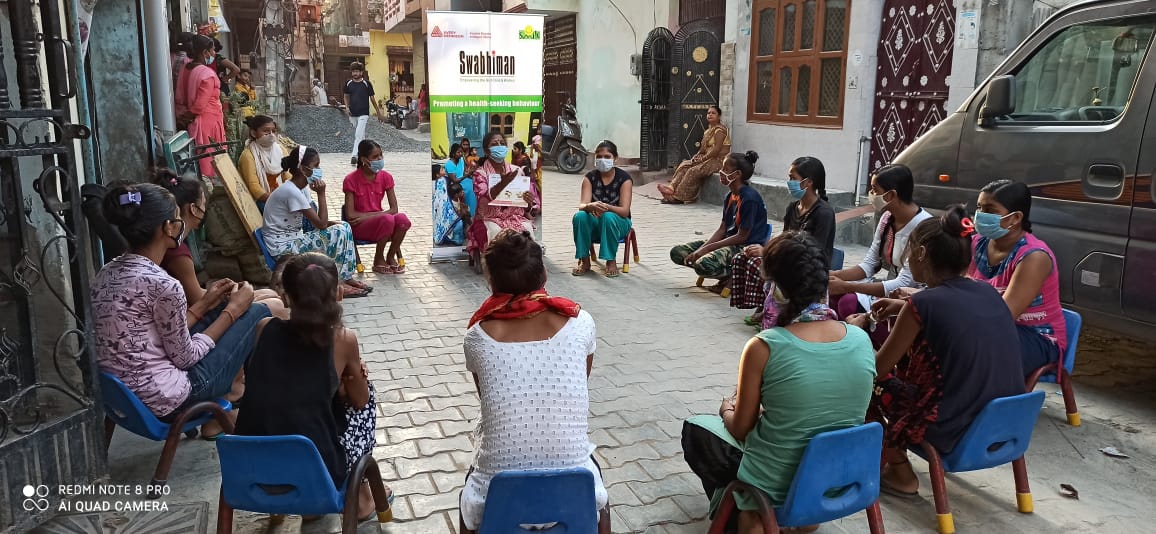
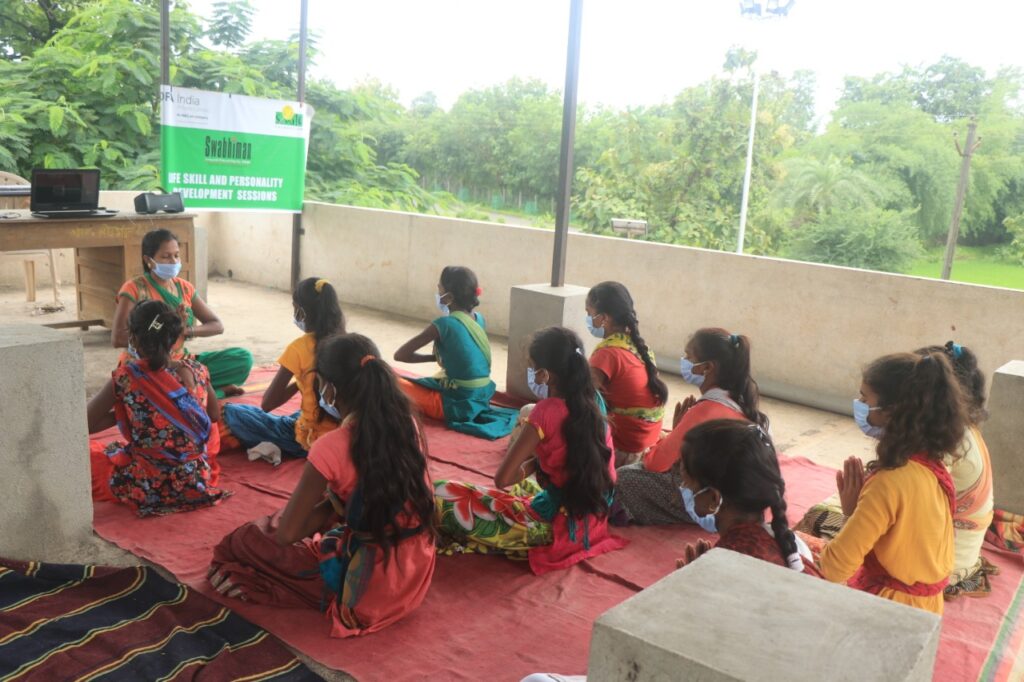
Swabhiman, Smile Foundation community engagement programme for empowerment of women and adolescent girls, has been working for over 15 years now to build a cadre of educated, confident, healthy, aware and financially independent women and girls who can become change makers for the society. Working with adolescent girls, the programme conducts sessions on menstrual health and hygiene, healthy eating, and other adolescent health issues to sensitize them and help them develop a health-seeking behavior. Special health camps facilitated by experienced gynaecologists are also organized to give them access to basic healthcare services. Similar workshops are held for holistic life-skill development of the girls on topics such as confidence building, personality development, yoga, self defence and financial literacy.


Meritorious girl children are awarded scholarship to complete their schooling and help them pursue higher studies. The Swabhiman scholars are taken on educational trips and exposure visits, attend career counseling sessions and inspiring sessions with women achievers, and get special assistance like free tablets to help them excel in their chosen fields of study.


During the pandemic, as schools and colleges shut down, the Swabhiman team became even more active connecting with the community girls on call and through other digital media.


WhatsApp Image 2020 09 24 at 18.15.04 1


This was to ensure that the girls can continue to learn and move ahead with a positive mind space to become the future change makers. Recent research has showed that youth are one of the worst affected population groups during the pandemic, particularly their mental health has been adversely impacted. Loss of studies, jobs and opportunities due to the lockdown and the ensuing financial crisis has resulted in increased anxiety, fear and depression. In case of adolescent girls from socio-economically disadvantaged families, the situation is worse as they face the possibility of being coerced into marriage because of a break in studies or career. The Swabhiman team is providing a support system to these young girls and also regularly counseling their parents. 


To know more visit https://www.smilefoundationindia.org/swabhiman.html   

Categories
In The Spotlight

Pinning hopes on the New Education Policy

Education means knowledge – this knowledge is not only helpful in making all of us a complete human being, but also lays the foundation of building a civilized society in its true form. Education is the tool that builds the future of the children and youth of the country. It should be our goal to make radical changes in education and pedagogy so as to end the practice of rote learning and encourage skills such as logical thinking, creativity, scientific thinking, ability to communicate and collaborate, multilingualism, social responsibility and concern, and promote digital literacy and inclusion. In this direction, the New Education Policy provides us some glimmer of hope.


New Education Policy: Opportunities


Importance of mother tongue: Mother tongue will be used as a medium of instruction from first to fifth. This will also be instrumental in ending rote learning.


Provision for Dropout in Higher Education: For various reasons, at times students have to drop out of studies in the middle of higher education. In such a scenario, they get nothing and have to start afresh for a degree. The new policy provides certificate of leaving in the first year, diploma of leaving in the second year and degree after completion of the final year.


Promotion of Physical Education: In the new education policy, music, sports, yoga etc. will be added to the main curriculum instead of being extra-curricular subjects.


Mission Education 3 1024x632 1


Earlier, only the students who were interested in these subjects studied them. But these three subjects play a very essential role for the psycho-physical development of every student, like music reduces mental anxiety and depression, and sports provides physical fitness.


Integration of vocational and skill training: In the earlier education system, only youth from urban areas had the alternative to pursue vocational and skill based courses. Whereas, children from rural areas lacked such opportunities. According to the new education policy, as soon as students enter Grade 6, they will be introduced to vocational and skill-based education so that they can go on to make themselves self-employed by choosing their career according to the their inherent aptitude. This will help in curbing unemployment.

Increase in digital education opportunities: The provision of digital education in the new education policy will universalize digital education and children from rural areas will have equal access to it, obliterating disparities and making them feel more confident and at par with other students.


WhatsApp Image 2020 02 14 at 1.13.01 PM


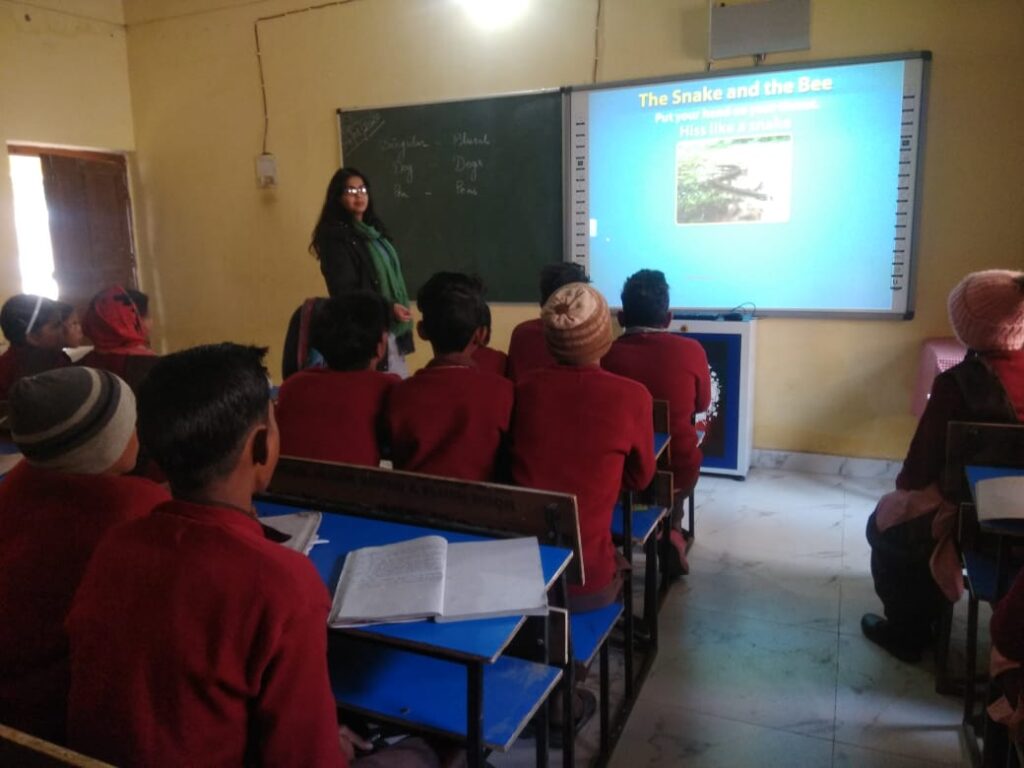
In the field of digital education, some social organizations such as Smile Foundation took the initiative to bring about a revolutionary change through provision of smart boards in council schools in backward districts like Gonda and Siddharthnagar in Uttar Pradesh and helped develop model projects.


Government care for pre-primary children: Children of pre-primary age were mostly educated by private urban educational institutions, and the pre-primary children in rural areas did not have this facility. In fact, not many parents took interest in pre-primary education, and only limited families were enrolled under the integrated child development services (ICDS) scheme. But, according to the new education policy, all children of pre-primary age will be inducted and the Department of Education will be actively involved in the child development project. Importance of Knowledge: In the current education system, more importance is given to marks rather than knowledge. As a result, children are only interested in competing for marks. Even though it has been largely accepted that this kind of education system does not help students in the long run, adoption of new methods had not given priority so far. Despite this, in the new education policy, instead of quantitative education (marks), emphasis has been placed on qualitative education (knowledge). By this, children will develop better mental ability and the future generations will be enlightened.


To know more about Smile Foundation’s education programme visit https://www.smilefoundationindia.org/education.html

Categories
Insights

Education in the times of COVID-19

Today as the world is evolving to adapt and innovate to the new normal environment, children have been severely affected in terms of their education, schedules, practices, learning process and social interactions. New hygiene practices, daily schedules, restrictive movement and the general observations related to COVID-19 have more likely made the children experience various degrees of anxiety, worry and uncertainty. This in turn has also changed the dynamics at home with parents being at the forefront to support the children’s online education process.


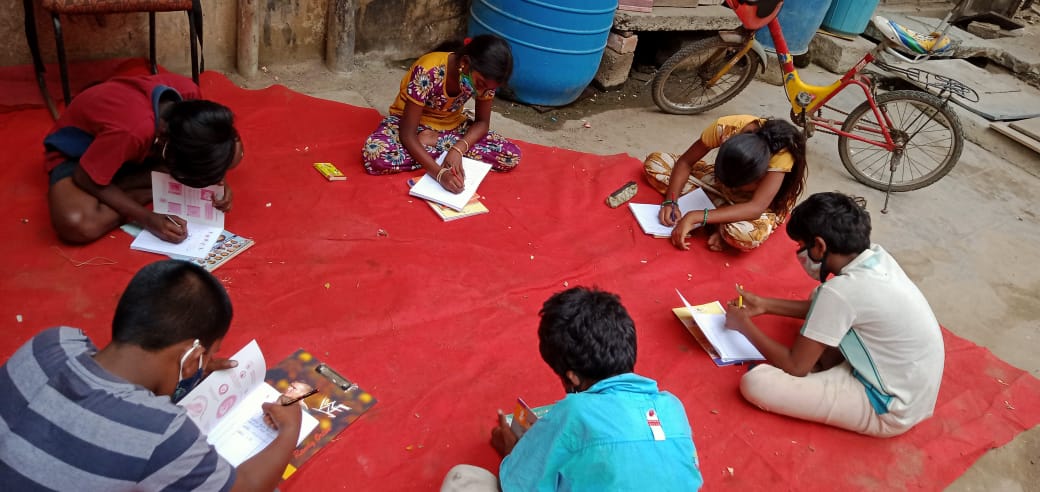
On the basis of the study conducted in June 20’ to understand the ground situation, the results showed that 56 percent of children did not have access to smartphones which is one of the basic essential equipment for online education and learning. This revelation prompted Mission Education team to gear up and initiate efforts along with NGO partners on ground to plan innovative and real time modes of teaching methodologies to be able to reach out to maximum number of students and keep them engaged in the
learning process.


Several ways of teaching learning exchanges were rolled out which were not exclusive to conducting online classes on WhatsApp, Google Meet, Zoom but also recorded classes, worksheets and video links were shared over WhatsApp. The initiatives came along with its challenges where majority of the teachers and students required orientation and handholding to acclimatise and become comfortable with the new learning systems.


Therefore, to know more specifically about the challenges and needs of the
children and their families in these pandemic times, a survey was
conducted amongst the beneficiaries of the Mission Education centres, on
education support in addition to health hygiene awareness, mental well-
being and nutrition status.


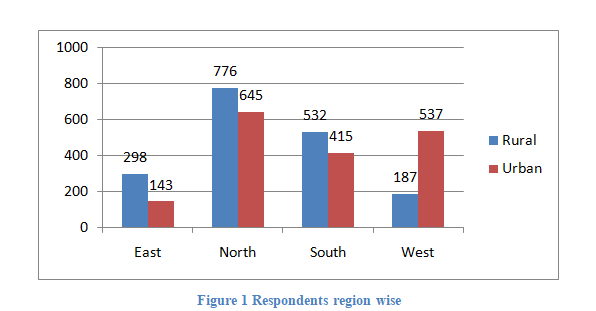
A total of 3533 beneficiaries were surveyed pan India from both Social
Venture Philanthropy (SVP) and Outreach centres with the aid of a questionnaire capturing information through personal interviews at the beneficiary’s home or virtually over call with the beneficiary’s guardian.


Capture


Challenges in the neo normal learning process


There have been tremendous efforts put in by the Mission Education centres, in initiating online and other modes of classes for children to continue learning within the purview of existing limitations in different areas. Regardless, there are still gaps and needs felt by the beneficiaries in effectively accessing online learning. With only 51% of the respondents satisfied with the current learning methods, 80% are waiting for schools to reopen after the lockdown is lifted, as they are inclined to send their children to school. This could be attributed to the altered work and home routine of parents who might be finding it difficult to adjust to the online learning schedules of children.


Almost 68% feel that the online/tele-calling classes are very rarely (sometime/never) scheduled as per parents availability since most of the parents having started going out for work or they have one mobile for both their work and their child’s study. Moreover 95% of the respondents
have two or more children at home which could also pose challenge in providing mobile phones to each one of them, with almost classes scheduled at the same time for all children.


Regarding accessibility to mobile phone with ease, 68% of respondents expressed that they need guidance or they are not able to access properly while 74% are not able to guide their children regularly. Furthermore, 44% mentioned that they do not have adequate availability of educational
resources to facilitate home-based learning for their children.


Interestingly, 52% of respondents were ready to learn to support their
children to adapt to the new learning process while 48% felt that they are
not prepared or equipped to help the children. This manifests the glaring
need for more orientation and support in terms of digital literacy for the
parents and guardians to support their children academically.


For 48% , online learning is considered as the most effective learning method with the help of tools like Zoom, Google Team, WhatsApp, etc.
where the children are connected to their school, teachers and learning content through live as well as recorded classes. The other most
effective methods according to the respondents are sharing worksheets (44%) over WhatsApp or handing over to parents at the centre/home besides tele-calling parents and teachers visiting homes to meet beneficiaries. A very small population of around 8% even explore other education based apps and this is probably because majority of the
parents are not aware about how to use applications appropriately or it could be also due to lack of space on phones and limited data pack.


However, the primary support indicated by 53% of surveyed respondents is the need for adequate educational resources inclusive of books and
other teaching learning materials with 53% while other kinds of support mentioned include mobile phone, internet support and related accessories to continue the learning process with the desired results.


Therefore, without letting a good crisis go to waste, the need of the hour is to bridge the digital literacy gap by facilitating digital learning process thus bring children from all settlements closer to the new learning systems.


To know more about Smile Foundation’s education programme visithttps://www.smilefoundationindia.org/education.html

Categories
Insights

Why driving the WASH agenda is every citizen’s responsibility?

Although the government can help creating the necessary infrastructure, water, sanitation and hygiene (WASH) is intricately linked to personal habits. That makes every citizen responsible for driving it from the front. 


According to the UN, access to clean water, sanitation and hygiene (WASH) is fundamental to fighting the corona virus, more so for the vulnerable sections of the society. Corroborating a similar rider, the WHO emphasises that hand washing is one of the most effective actions one can take to halt the spread of infections like the COVID-19.Yet one in three people worldwide do not have access to safe drinking water, two out of five people do not have a basic hand-washing facility with soap and water, and over 673 million people still practice open defecation.


8. Sonbhadra Uttar Pradesh


India is no exception to such sombre risk projections. Researchers fear that even the slightest possibility of water and/or faecal-oral transmission could turn the country into a ‘Covid-19 hotbed.’ With only one fifth of India’s households having piped running water, hygiene practices like frequent hand washing become difficult. Government surveys indicate that about 70 percent of people do not wash hands with soap prior to meals, while over 30 percent do not have the habit of washing hands with soap after defecation.


Areas where there’s piped coverage, the water pipelines are decaying and are increasingly becoming the reason for water-borne diseases. Groundwater continues to be the primary source of drinking for a large part of urban and rural India, but a World Bank report cautions that most of it runs the risk of being either depleted or contaminated.


Poor WASH infrastructure at schools continues to expose children to high risk and transmittable diseases like COVID-19, indicates a report by the WHO and UNICEF Joint Monitoring Programme. Inadequate hygiene remains the biggest contributor to infant and child mortality – a risk that can be reduced by 43 percent with proper handwashing habits.


WhatsApp Image 2020 07 08 at 11.08.32


The good news is that long before COVID-19, India had already begun its nationwide journey towards WASH under the Swachh Bharat Abhiyan (SBA). From a country where over 600 million people lived without any access to toilets, the SBA has been instrumental in building more than 100 million toilets over the past five years. On October 2nd, 2019 rural India was declared open-defecation-free (ODF). Days before the outbreak of the pandemic, the government had announced the Jal Jeevan Mission (JJM) with an aim to provide potable water to all households by 2024.


The next leap from here should be made in the realm of solid and liquid waste management.But before that, while the government can help building the adequate infrastructure, WASH is intricately connected to personal habits. Successes witnessed under missions like the SBA can be sustained by making them a people-led and people owned movement. Information, education and communication (IEC) initiatives will play a vital role here by promoting a health-seeking behaviour in communities and constantly reinforcing the message that the ownership of  building up a healthier and a more resilient nation lies with the citizens.


To know about how Smile Foundation is sensitising people visit https://www.smilefoundationindia.org/health-cannot-wait/
Categories
In The Spotlight

Transition of Anganwadi centres to child-friendly learning spaces

The National Education Policy was approved by the central cabinet in July 2020 and it has brought attention to all segments of population across the country. One important area that has been escalated to the priority zone of academicians, education professionals, policy makers and education enthusiasts is Early Childhood Care and Education (ECCE). The NEP categorically mentions that “Over 85% of a child’s cumulative brain development occurs prior to the age of 6 which indicates the critical importance of appropriate care and stimulation of the brain in the early years in order to ensure healthy brain development and growth”. This brings into limelight the role of Anganwadi centres and pre-primary centers in the country that are dedicated to the welfare of children below 6 years of age.


The ICDS program supports children in the age group of 0-6 years, pregnant women and lactating mothers for supplementary nutrition, pre-school non-formal education, nutrition & health education, immunization, health check-up and referral services. Currently, a total of 13.77 lakh anganwadi centers are operational in the country with a strength of 12.8 lakh workers and 11.6 lakh helpers, covering 1022.33 lakh beneficiaries under supplementary nutrition and 365.44 lakh 3-6 years children under pre-school component. A lot of community based activities are facilitated through these Anganwadi centers and Anganwadi workers are the change agents in-charge of implementation and integration of different departments like elementary education, health, and women and child welfare.


New Picture 2


With their last-mile connect with the communities, Anganwadi workers have been playing a major role in bringing transformational changes in some of these areas like nutrition and immunization. However, elementary education has long been one of the neglected areas. There are various reasons for this including poor facilities and lack of proper infrastructure at the Anganwadi centres, inadequate training of the Anganwadi workers and also their being overburdened with multiple responsibilities. In fact, in many local communities across the country, Anganwadi centres are referred to as “Khichdi Schools” by parents because of the free meals provided to their children at the centres. A lot of work hence, needs to be done in order to ensure that these centres are also equally known and admired for their work in elementary education.


Firstly, in terms of infrastructure, the Anganwadi centres are ill-equipped to provide an enabling learning environment for pre-schoolers.  It has been reported that over 3,60,000 Anganwadi centers do not have toilet facilities and around 1,50,000 centers do not have drinking water facilities. That is not all. In terms of age-appropriate teaching learning material, or even proper seating space and lighting for the children, the existing centres fare poorly.


Secondly, the Anganwadi workers need to be especially trained in early childhood care and a special curriculum that focuses on the importance of holistic development of children, including early stimulation and brain development through activity based learning. Once trained, the Anganwadi workers will be a cadre of teachers creating a solid foundation for children between 3-6 years of age to make them school-ready.


In a nutshell, the Anganwadi centers are to be renovated and revitalized with new infrastructure and trained teachers. At the core of it, we need to bring confidence of the parents on their effective functioning. The NEP has emphasized on ECCE certificate courses for capacity building of the Anganwadi workers. For universal access of the ECCE, the Anganwadi centers will also have to be well ventilated, well-lit and designed in a child-friendly manner with an enriched learning environment. With a mission of having 100 percent of children school ready while entering at Grade 1 by 2030, hope this New Education Policy will bring a ray of hope for millions of children and parents across the country.


To know more about Smile Foundation’s education programme visit https://www.smilefoundationindia.org/education.html

Categories
In The Spotlight

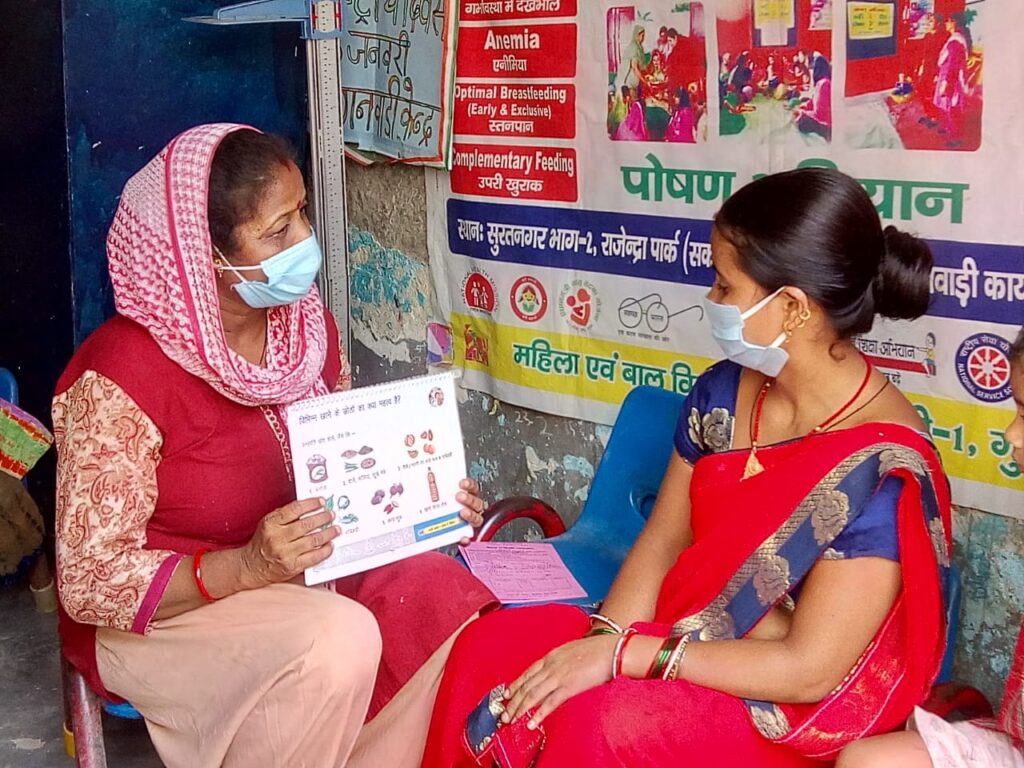
Smile community mobilizer helps women deliver safely during Covid-19

At a time when maternal and child health has been pushed at the back end with all healthcare resources of the country focused on fighting the Covid-19 pandemic and lack of community mobilizer to assist in sensitization, pregnant women and new mothers have been highly vulnerable. Most women have been reluctant to go for their antenatal and post natal check-ups to avoid risk of being infected by the virus many are also skeptic of going in for institutional deliveries. The scenario is worst case for women from urban slums and remote villages who can only afford government hospitals where the already overburdened staff and inadequate infrastructure has been further strained by the pandemic.


In this grim scenario, one woman from Gurugram, Haryana has been working relentlessly to ensure that pregnant women and new mothers are not alone in these trying times. Savita has been working as a community mobilizer for creating awareness and linking community with government health services under Smile Foundation’s Swabhiman programme in a Gurugram slum cluster from the last three and a half years. She is someone who has never compromised on her work despite a life full of challenges.


Savita 1


Two years back, Savita’s husband was diagnosed with a tumorous growth in his spine and had to quit his job. Within few months her husband became bedridden and Savita had to shoulder the responsibility of the entire household starting from finances, daily household chores, children’s studies, and taking care of her husband. Her regular routine now included taking her husband to different medical centres in different cities for consultation and treatment. Her savings were diminishing with each passing day. But even this did not deter Savita from her role of a community mobilizer. She would manage her time; constantly follow up with the community women, especially the pregnant women and lactating mothers, over phone to make sure they are getting the required check-ups and vaccines on time.


In March 2020 amid Covid-19 outbreak, Savita’s husband came home after a long hospitalization, but he still needs constant care and support. In Swabhiman, we had to hault our on-ground activities due to the lockdown and necessity of social distancing. However, Savita realized how critical her role had become to create awareness, clear doubts and provide her support to the community. Ever since, she has been interacting with the community people telephonically – informing them about basic preventive measures required like maintaining hygiene and how to prepare cotton masks at home, etc.


WhatsApp Image 2020 09 12 at 20.23.40


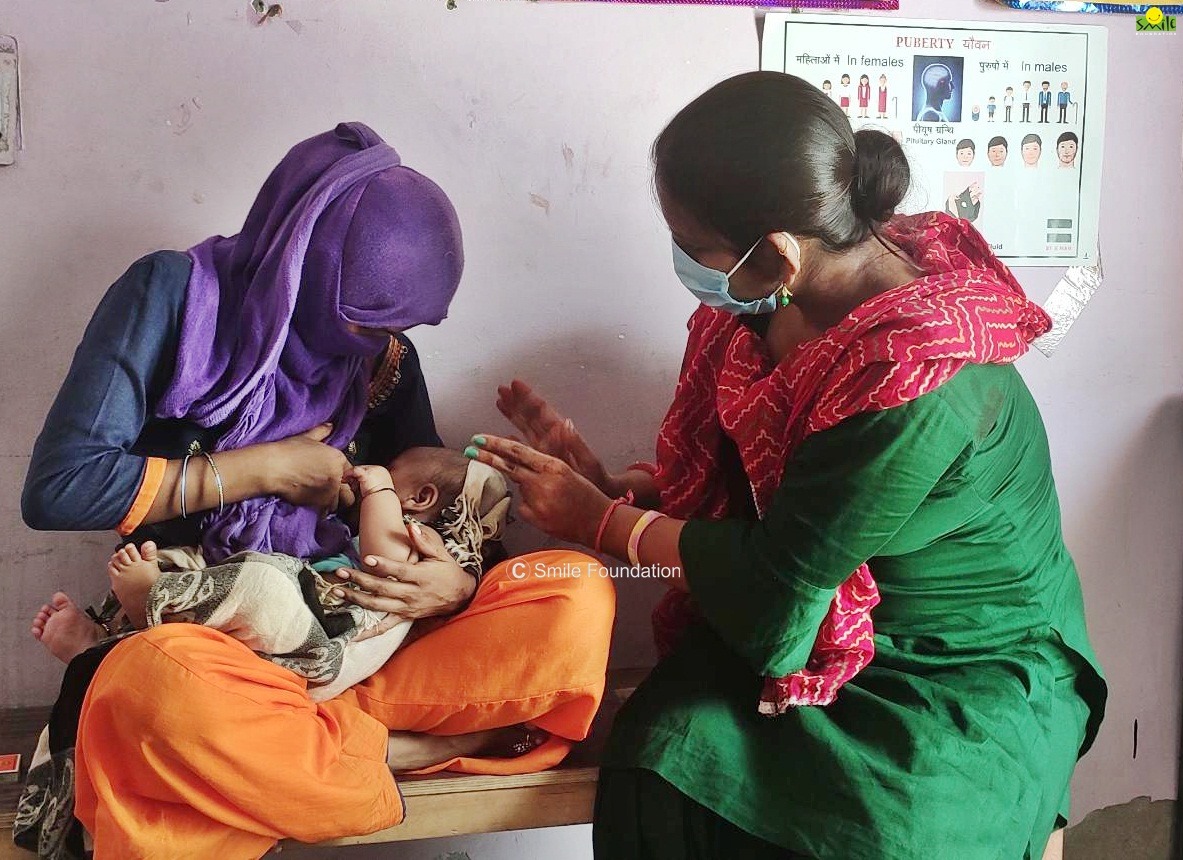
Her focus on pregnant women and new lactating mothers became even more committed. She would call the pregnant ladies in their last trimester and help them understand any labour symptoms, dispel their fears about going to the hospital for delivery and encourage them to be positive in the difficult external environment. Her involvement and guidance helped six women get an ambulance in time and give birth through institutional delivery, ensuring proper care for the mother and the child. This way she helped twelve lives, the mothers as well as the children. She continues to counsel these new mothers now on healthy eating, breastfeeding, and immunization of the newborns.


“These women and their husbands are mostly daily wagers. Many lost their jobs during the pandemic. Expecting mothers need good nutrition for themselves and the babies, but when there is no food at home, how can they manage? It has been a difficult time for families who have lost livelihood and this has negative impact on health of pregnant women. Also, there is mental stress. Many of have moved to the city for work but their families are back home; they do not have emotional support that is needed during this time. I try my best to talk to them, understand their problems and provide solutions. Also through Swabhiman programme, we conduct awareness sessions, health camps and build a community of women who can support each other”, shares Savita.


Savita apart from being a community mobilizer is still managing her family’s expenses from hand to mouth but by standing strong with the community and especially the pregnant women, in this time of crisis, she has displayed the kind of humanity and solidarity that gives us hope that by helping each other we can get through the biggest challenges.


To know more about Women empowerment programme of Smile Foundation visit https://www.smilefoundationindia.org/swabhiman.html

Categories
Partners In Change

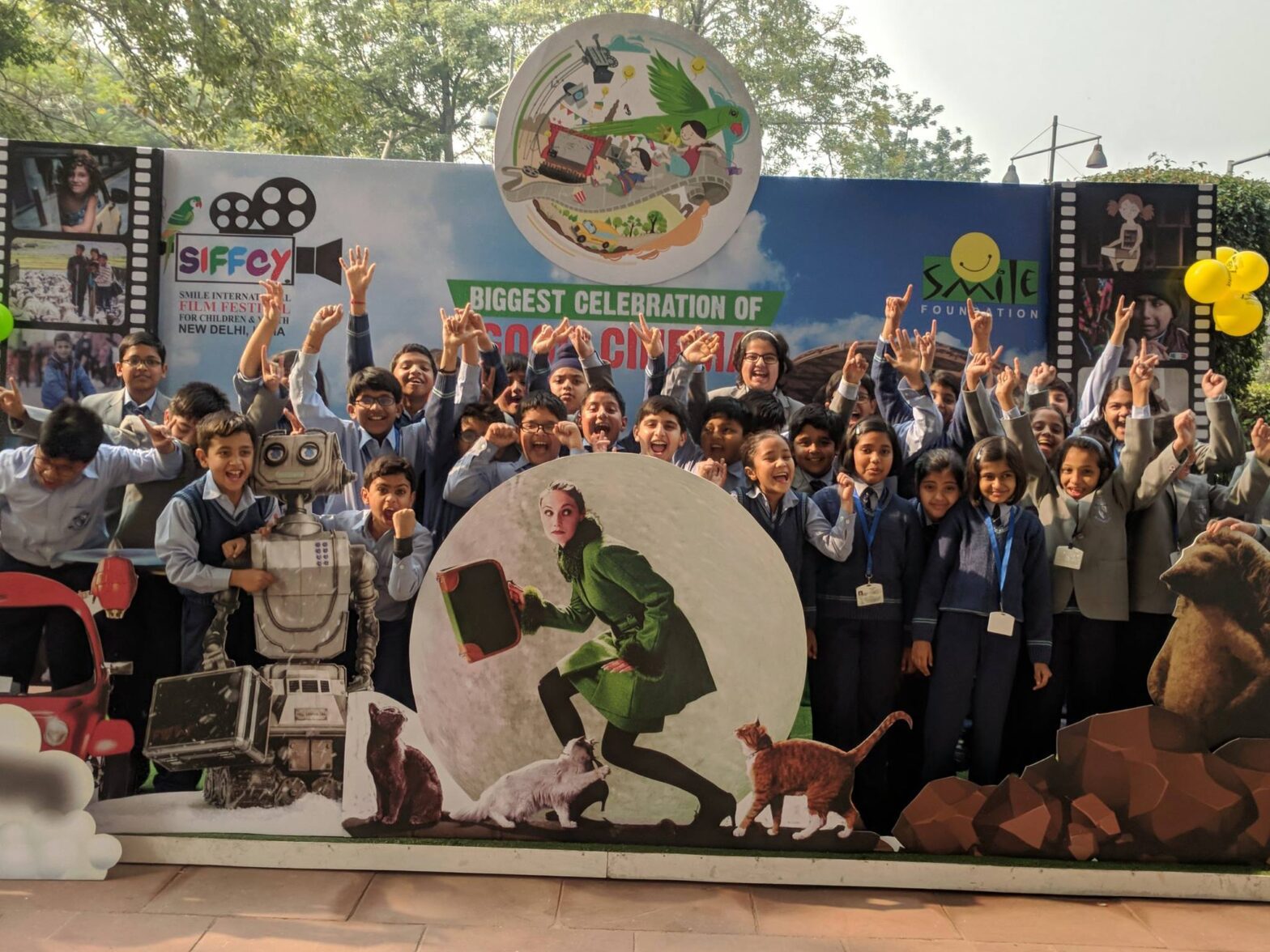
SIFFCY organises online film festival for children

The Smile International Film Festival for children & Youth is a special film platform initiated by Smile Foundation. The Festival & Forum is devoted to a greater appreciation of meaningful cinemas made for children and youth that can bring change in the society by showcasing those films, supporting emerging filmmakers, recognizing the pioneers and leaders of the similar industry and by promoting the diverse perspectives of Good World Cinema. It caters to young people (aged 6 to 25 ) with just about every level of interest in film or television industry . Offline, Siffcy organizes a week – long annual Film Festival which takes place at the Siri Fort Auditorium, New Delhi, India during December every year. More than 30000 young audience participate in the week – long festival & it attracts filmmakers, artists & Industry professionals from across the globe.


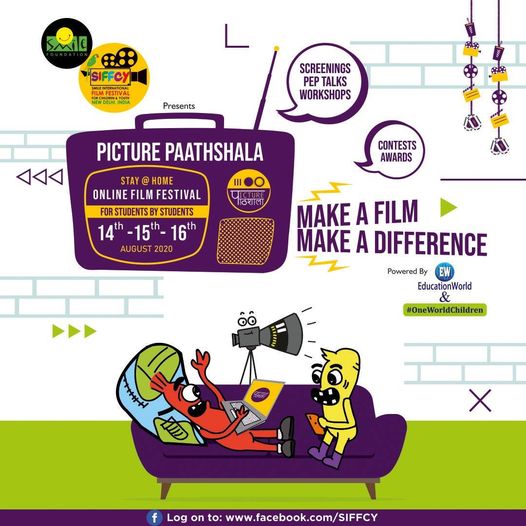
This year SIFFCY in association with Picture Paathshala, a student driven organization that combines Media Skills Training – Content Production & Community Service as digital media literacy modules for K-12 schools across India, organized an online film festival for children during India’s Independence Weekend from the 14th to the 16th of August 2020.


117222811 3708348312522443 6242105650874329820 o


As schools took to online learning, offices took to work from home the demand for digital platforms to continue working and surging ahead against all adversities led to a miracle. Multiple digital platforms including social media sites emerged as saviours & came alive with options to keep working, learning and connecting people from across the globe. So, how could the media industry be far behind? When this is an industry that believes “the Show must go on!”


The SIFFCY Team too decision to adopt the digital platform and organize an online Film Festival for children in collaboration with picture Paathshala on Facebook was an absolutely novel idea. The film festival was focused on movies by children and for children.  Messages were shared across schools by Child for Child team, Education World and Picture Paathshala to participate in film making.


There was a palpable excitement amongst students across hundreds of schools, where children realized that they could showcase their creativity at a global level. Students were connected with mentors in Siffcy & in PPL. Eventually over 100 films were received by the team of SIFFCY. The movies made were across different themes, from lockdown diaries, to Covid etiquette (yes that is a subject), to cultural aspects in this country. Students took time off from their online classes, their online coaching, their online games and decided to make something unique with just their mobile phones. Some movies manifest so much effort that it is but obvious that during times of lockdown there has been an outpouring of creativity, especially amongst children.


The Online film festival was celebrated not only over the Independence day weekend, but also through the entire month of August. There were movie screenings over SIFFCY’s FB page followed by workshops on different thematic areas like making documentaries, making films and making animated movies.


While movies were screened by children from across the world, trainers too from different countries were invited to conduct the online workshops. Children who attended the workshops were asked to participate in a contest where they had to use their learnings and make a movie. This too resulted in over 50 submissions, clearly a manifestation of the level of engagement by children during the film festival.


Quick snippets from the film festival:


  • There was over 80000 global audience for the film festival
  • There were over 20000 engagements with the movies screened over FB
  • Over 100 schools participated
  • Over 3000 students registered via Child For Child team for viewing the films
  • 15 children from around 10 schools and 30 students from Smile Foundation’s ME centers made movies during the lockdown and submitted to SIFFCY jury


To know more about Smile International Film Festival for Children and Youth visit https://siffcy.org/

0%