Categories
In The Spotlight

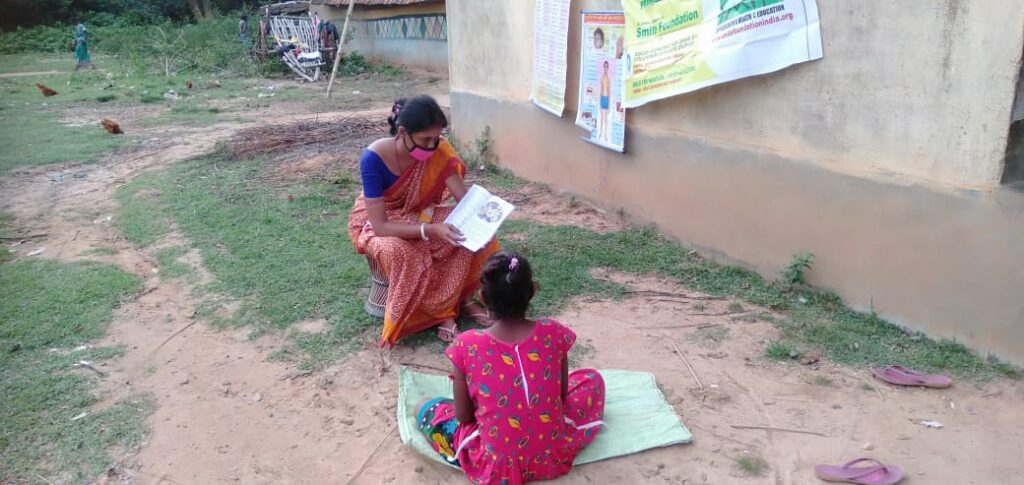
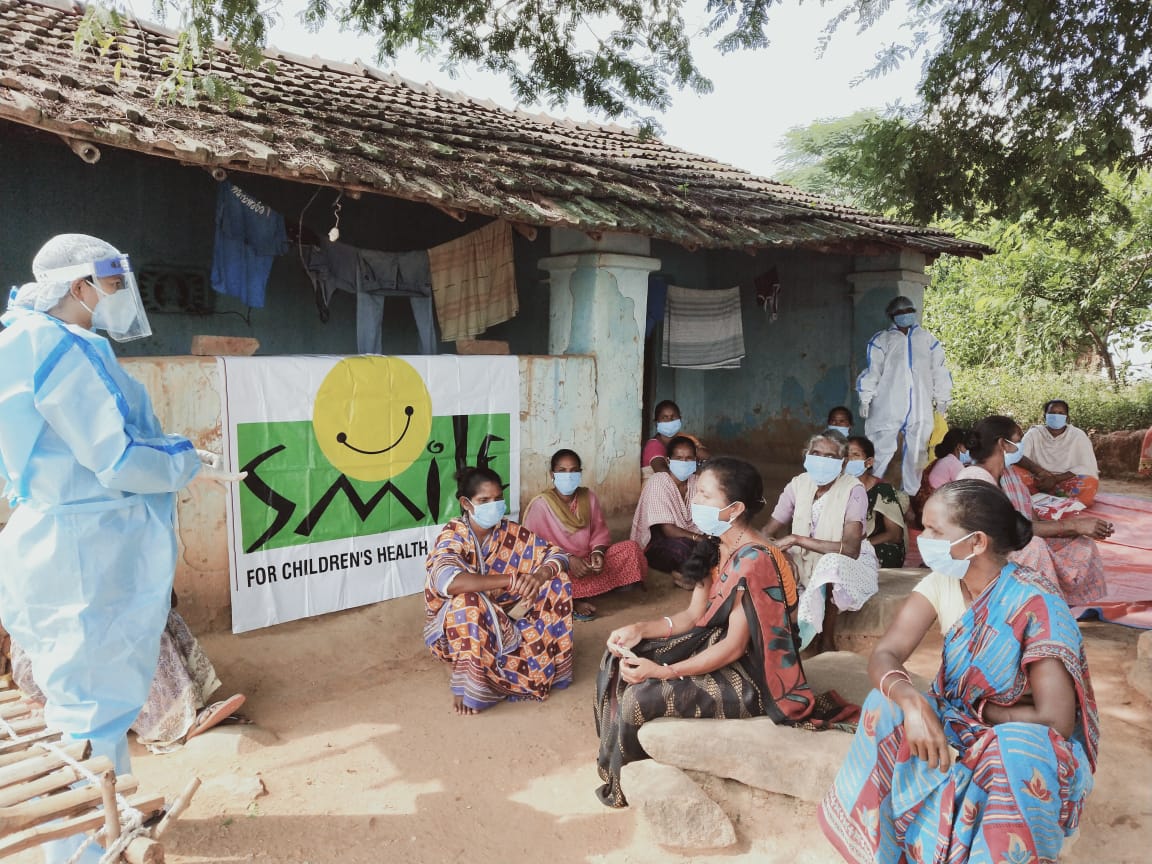
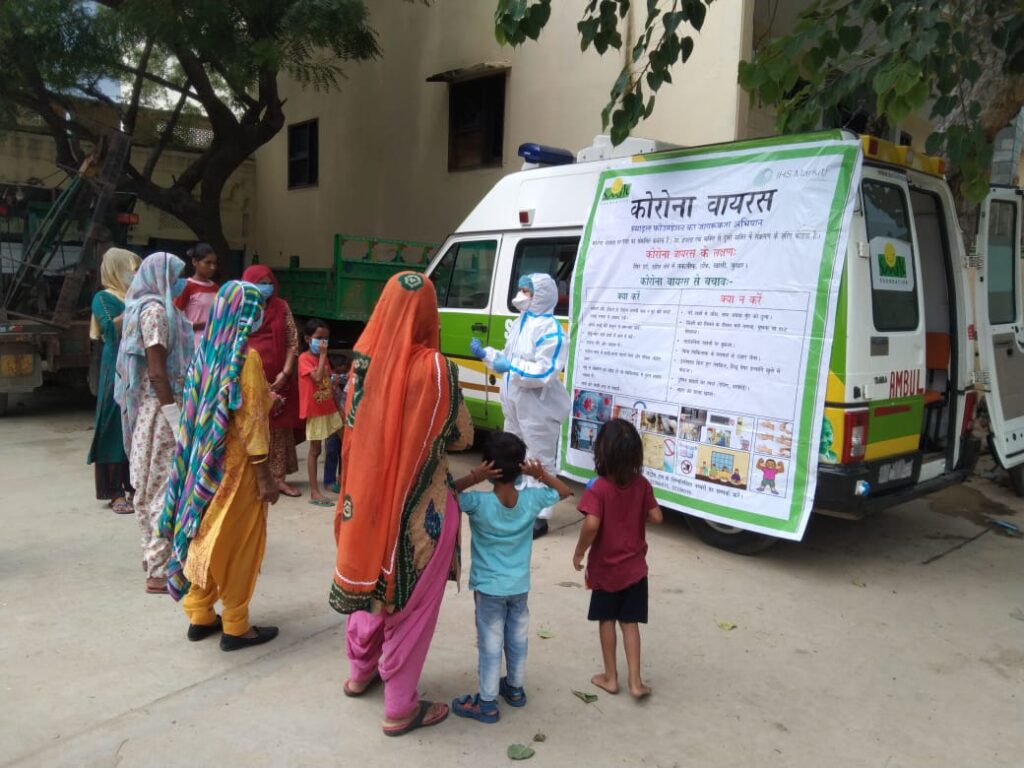
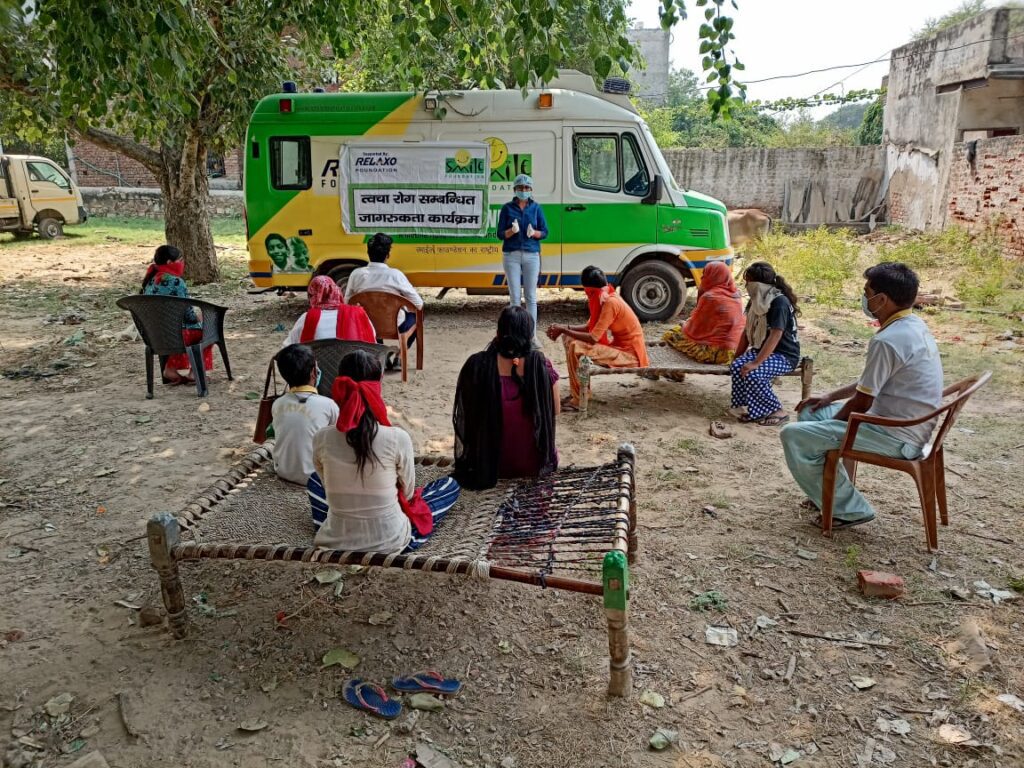
Prevention is always better than cure!

It will soon be a year since Covid-19 first hit Wuhan in China and swiftly shook the foundations of the entire world as we knew it. The pandemic has changed many aspects of our life, but one of the most rewarding in terms of achieving long-term healthcare community goals is behavioral change towards personal hygiene and self care.


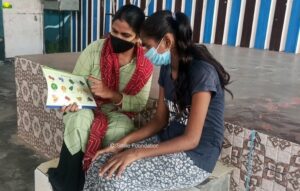
From washing hands regularly and properly, to wearing masks, maintaining a minimum social distance in public places, eating immunity boosting food, avoiding junk and fast food – and overall consciously adopting a healthier way of life, the pandemic has certainly changed our outlook on health and its importance. While our understanding of healthcare was earlier limited only to curative healthcare – seeing healthcare only as a treatment approach when one is sick, now we have also started considering preventive healthcare – how to care for our health so that we do not become sick in the first place, as a significant part of it. In fact if the latter is given due attention, it will significantly reduce the disease burden across the world by controlling the spread of both communicable as well as non-communicable ailments.
 

WhatsApp Image 2020 08 28 at 12.42.17


There has been an increased dialogue not just on health forums and media channels, but also in households, workplaces and schools about giving importance to preventive healthcare along with promoting a health seeking bahaviour by spreading awareness among people – making heath a commonplace topic. Particularly in India, this was not the trend before where health and self-care have never been a priority for people. The same is reflected in the fact that less than 2% of our GDP is dedicated towards healthcare programmes. Needless to say, preventive healthcare would have been relegated a much shorter share even from this.


Not only does preventive care and awareness building go hand in hand with curative care, preventing illness is also far more cost effective than treating illness. For those living below the poverty line, the out-of-pocket expenditure on health often pushes them further into poverty. Preventive healthcare can thus play a key role in helping improve the health status of the underserved population without the question of affordability which often hinders their accessibility to quality curative healthcare services.
 

WhatsApp Image 2020 10 12 at 15.55.44


However, the primary driver of preventive healthcare is awareness building. Unfortunately those without means are also without awareness. Illiteracy, ignorance and lack of knowledge about health and hygiene practices make them even more vulnerable. Especially in a pandemic situation, or during seasonal outbreaks of flu, malaria or dengue, the marginalized populations are most at risk, and least likely to be able to get treatment if afflicted.


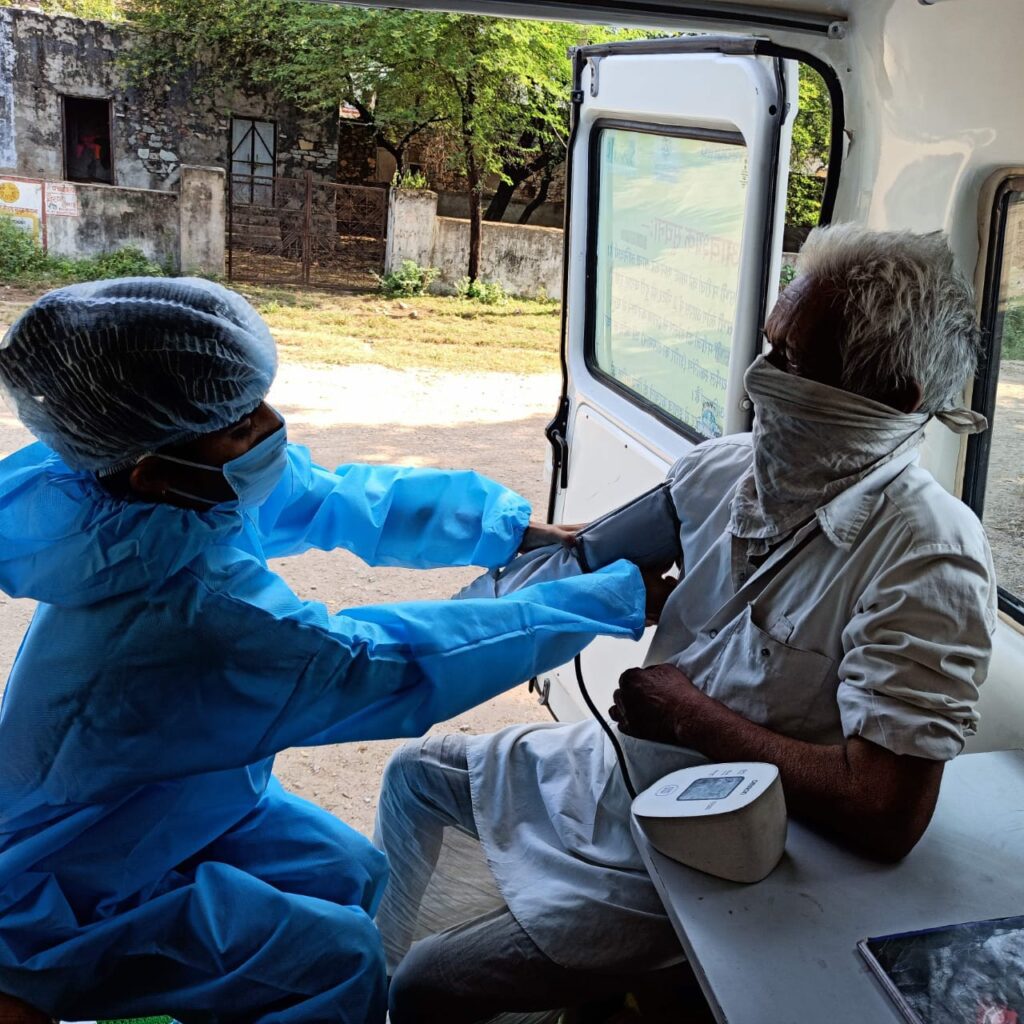
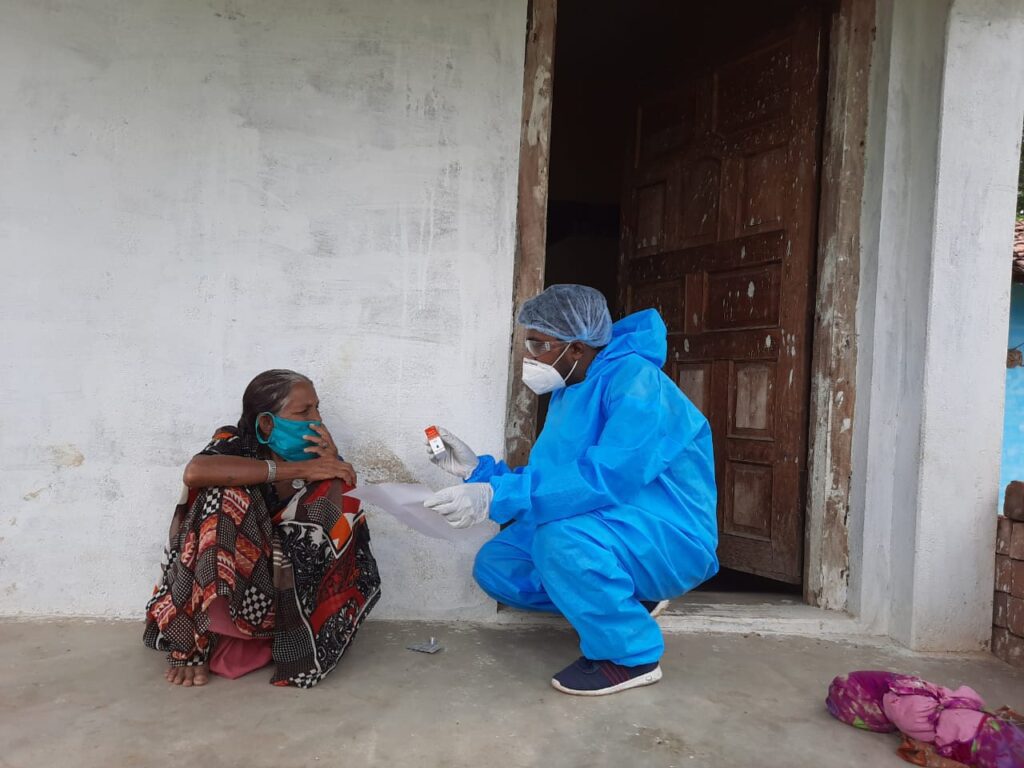
Smile Foundation’s healthcare programme has always given equal priority to curative and preventive healthcare. While we make relentless efforts to take primary healthcare to the doorsteps of the unreached, we also understand that preventive healthcare and behavioural change will go a long way in sustaining the impact of our initiatives at the grassroots. Hence, awareness building programmes, community mobilisation and actively involving the community in our projects is an essential part of our healthcare programme.


To know more, please visit: https://www.smilefoundationindia.org/smile_on_wheels.html

Categories
From The People, For The People

The art of Mastering Penmanship

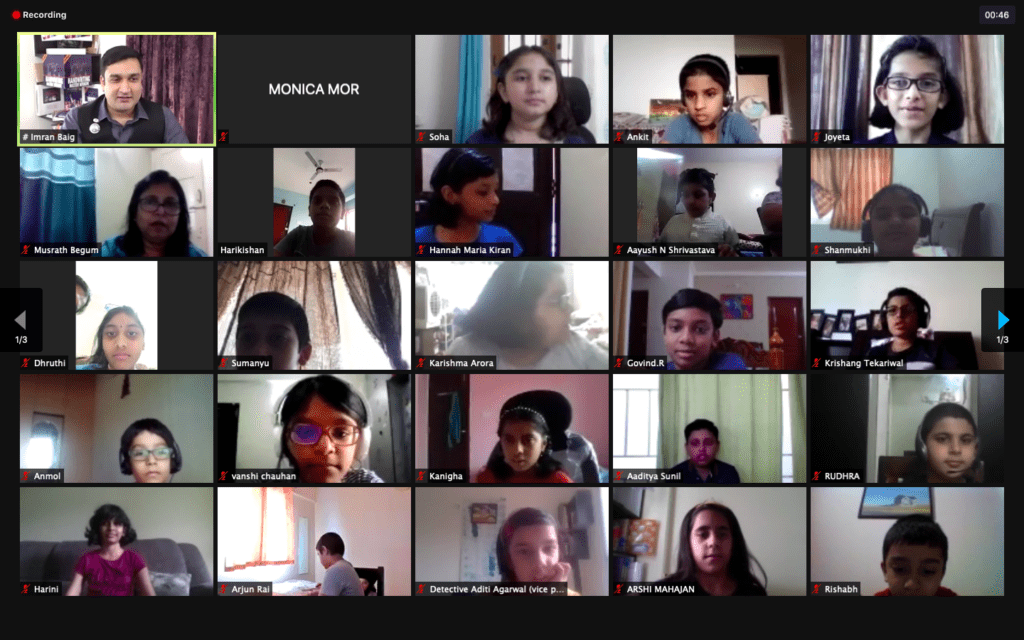
The pandemic may have forced children to start online classes and majorly replace their pens with keyboards, yet parents have expressed concerns that more than anything, handwriting & the ability to write effectively has been the casualty in all this process. Children have got so used to tapping keys and clicking a mouse, that they have completely neglected focusing on their formation of letters, legibility and speed of writing. So the Child for Child team decided to put together a webinar for children on Mastering Penmanship.


Mastering Penmanship is not just about improving handwriting, it is according to the trainer, beyond hand & writing. It is about revisiting one’s style of holding the pen, sitting at a study table, holding the notebook, writing with an angle and of course building the muscle in fingers to be able to write better & faster.


The session has some very interesting takeaways spread over multiple sessions of over an hour & a half. Some of them being:

  • Understanding and Evaluating The 5 Elements TO A Scientific Handwriting
  • How to choose the Right Pen especially for long writing hours
  • Ergonomics of Writing – The Scientific Positioning of Pen, Body & Paper
  • Finger Flexion Exercises – developing hand-mind coordination through handwriting
  • Hand Yoga  – improving muscle strength


Mr. Imran through the sessions keeps the children engaged with hand exercises, finger flexion activities and hand yoga before the beginning of any session. He then guides them through letter writing, cursive writing, crossing the ‘t’s and dotting the ‘i’s.


When children are timed for their speed & their ability to copy and write followed by their ability to listen & write, is when most of the children realised where their flaws arose from.


Over subsequent sessions that we have conducted with the help of handwriting Institute of India, students were guided through written assessments, handwriting evaluations and speed writing. They were explained differences between ‘writing while reading – copying’ & ‘writing while listening – dictation’.


There were moments where children seemed to slack off, & this was followed by an immediate reprimand from Imran Sir. While children may not be sitting in front of the trainer physically but with their videos on, they were monitored very strictly at every step of the way during the training sessions. Eventually it resulted in class that was alert and galvanized towards achieving the takeaways set before the commencement of the session.


All in all students not only learnt a completely new way of writing but also had a huge amount of fun. The hope is that they continue to practice and keep working on their penmanship. The next level of penmanship would be when they effectively use the skills acquired to think articulately, space their thoughts intelligently and put it all in writing in a wonderful way.


Mastering Penmanship 1


These sessions are organized for students across different schools from different cities as a part of Child for Child program’s Value Shop initiative. The aim is to reach out to children with activities that not only keep them busy during lockdown of schools but also keep them positively engaged. We believe that if children are engaged productively & effectively it will play a positive role in their mental wellbeing. The pandemic has left everyone in a quandary over the fate of schools & that of children who are unable to go to schools. Schools play a huge role in holistic development of children not only in academic fields but also hugely in non-academic persuasions. The duration of the time that schools have remained closed has wreaked havoc with the lifestyles of children who were used to a regimented life in school & out of it. Physical & mental wellbeing has taken a hard hit, and this was where CFC program stepped in with their value shop initiatives to keep children positively occupied with creative, intellectual and fun mobilizations.


To know more about CFC visit https://www.smilefoundationindia.org/childforchild.html

Categories
Insights

Reinventing fundraising for Indian grassroots organizations

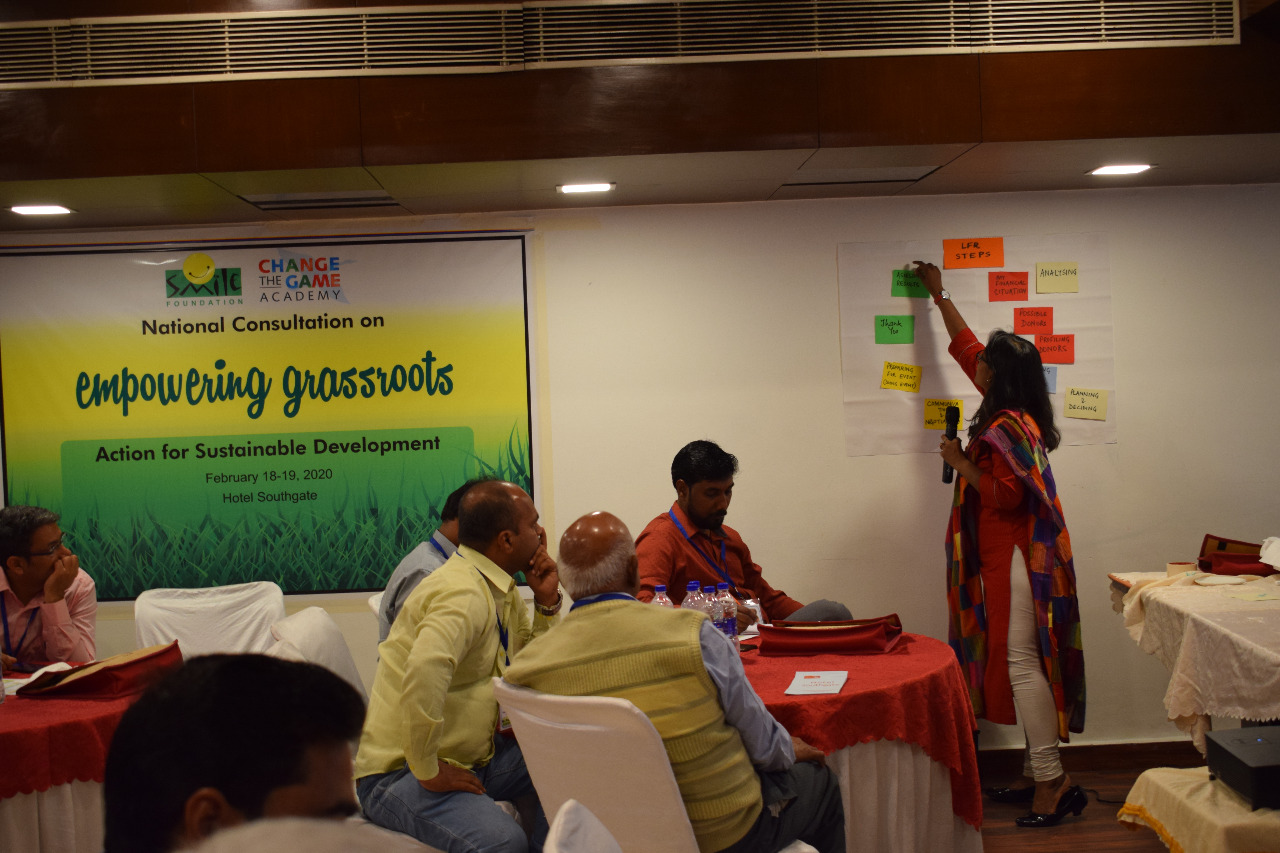
Excerpts from Almuite Heider interview of Swatantra Gupta, Head, Corporate Partnerships & Alliances, Smile Foundation, published in the German magazine Misereor. Swatantra talks about Smile’s fundraising journey – from raising resources for its own initiatives, to helping smaller community based grassroots organizations source funds locally, and now leading the Asia chapter of the international capacity building initiative Change the Game Academy.


How and when did Smile come up with the idea of dealing with fundraising?


Smile was founded in 2002 with the support of some business people who wanted to do something good for society. Initially, they supported Smile’s work in the education and health sector with their own funds. But then they realised that the means to maintain a non-governmental organisation (NGO) must not depend on just a few people. That is why Smile started to look for donations in 2005, at first especially from companies. From 2010 onwards, an entire fundraising department was set up.


What inspires you in fundraising?


I myself like public appearances and I like to share ideas that inspire people. I spent some time working in marketing for a company. When I moved into the nonprofit sector, I still wanted to share the ideas and activities of my organization, this time with potential donors. I wanted to show them what the benefits of their donation can be; not for themselves but for society. Many in the development sector are enthusiastic and committed, and do really excellent work. But the big challenge is: how do they get money to make this commitment happen?


What is your motivation to support fundraising by other organizations?


Smile supports small NGOs which are very committed and responsible, but which still lack knowledge in some areas. If people are passionate and do good work in the social sector – for which there is a lot of need in India – but do not get enough money for it, nothing will happen. That is why Smile supports such community based grassroots NGOs in the area of fundraising. Today, we have a network of more than 250 grassroots organisations.


How do the training courses with the international platform Change the Game Academy method work?


There are ten online modules in total. These can be worked on individually and at the end you have completed the training. We wanted a maximum number of NGOs to benefit from the Change the Game Academy and we knew that we would only reach a fraction of the organisations with face-to-face courses.


But more efficient is a mixture of online and face-to-face learning. In the face-to-face workshops we also spend about a quarter of the time working on the computer with the contents of the online modules. We use the sequences whose contents actually need to be discussed, for example, the profiling of potential donors. This requires brainstorming, suggestions from others and discussions. So the participants can fall back on something if they want to look something up at home.


Virtual learning is in great demand right now – are there any disadvantages or obstacles?


In the cities, access to the Internet is not a problem, but in remote rural areas it can be a problem. But the real obstacles lie elsewhere. So far we have interviewed 300 people who have taken the course online. But although the course is good – the content is really fantastic – it is a challenge when someone does the whole course online. It’s just hard to assimilate new content just for yourself in front of the computer.


78260274 3050638714960076 2701564820372586496 o 1024x683 1


How do face-to-face workshops promote the development and implementation of fundraising ideas? How does a feeling for whether an idea is good or not develop?


Participants’ expectations are very high, many think that something will change immediately after the course. But fundraising needs a lot of preparation and practice. The trainers are therefore not only knowledge mediators, but also supporters and mentors. During the courses and for three months afterwards, the participants are instructed, because different fundraising strategies work everywhere. There are more opportunities in the big cities, but those who work in rural areas have to make more effort to develop ideas. A good coach recognizes this and makes sure that the organizations develop the right ideas. However, no one knows a magic spell for success. Participants are more likely to learn about the potential of their organisations, their community or their neighbourhood. Exchange with other NGOs is also important.


Has there ever been an idea whose success has surprised you?


Last year, a small organization from the state of West Bengal that works with educational programs for children organized a small film festival after the course. We never thought that such a small organization could put together a film festival, because it requires a lot of organization and communication. They invested about 320 euros and raised about 1,900 euros through entrance fees and sales of snacks. And that was their first attempt! For them the income wasn’t even that important, the most important thing was the creative implementation of the idea.


How do these organisations work in the Corona crisis now?


The grassroots organisations we are in contact with are all involved in emergency aid, because so many families need food at the moment. Many of the organizations that have done fundraising training with us have also been able to raise funds, often from companies. This is good because what has been learned is being applied. But of course all the income is too little, given the scale of the need. However still: solidarity is a positive aspect of this crisis.


To know more about Smile Foundation’s Empowering Grassroots initiative visit https://www.smilefoundationindia.org/empowering-grassroots.html


To know more about Change the Game Academy visit https://www.smilefoundationindia.org/CHANGE-THE-GAME/

Categories
Insights

Hidden hunger prevents India from reaping its demographic dividend

While India has a huge advantage in the form of its youth population being more than half of the entire population, we are far from reaping the benefits of this demographic dividend. Along with education, awareness, skill training and employment, a huge, often ignored factor that hinders the country from utilizing the potential of a young population is the prevalence of “hidden hunger” among India’s adolescents.


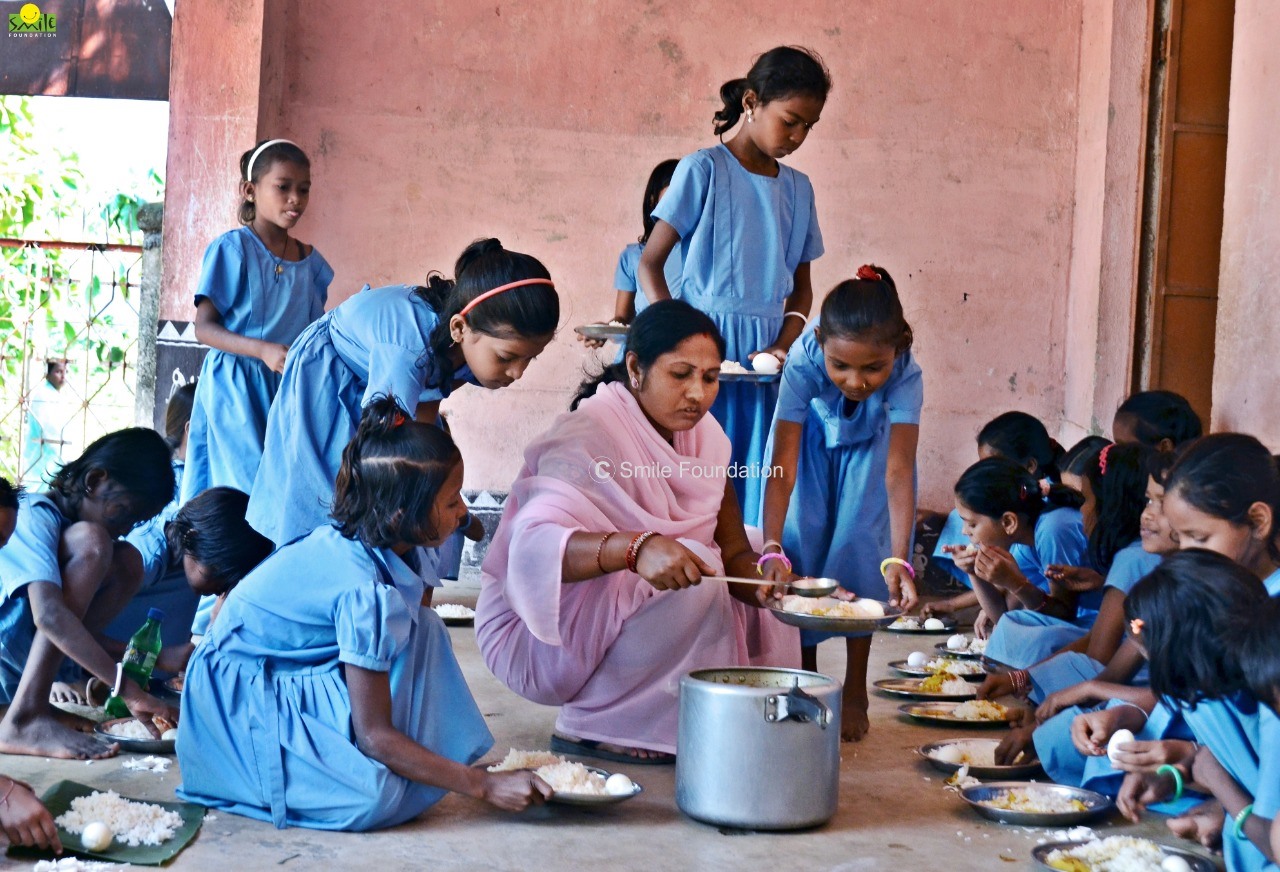
Hidden hunger is a deficiency of one or more micronutrients such as iron, folate, zinc, vitamin A, vitamin B12 and vitamin D. It is estimated that more than two billion people suffer from hidden hunger globally. Despite being highlighted as one the most cost-effective investments for human development, progress on addressing micronutrient deficiencies has been slowing. These deficiencies are the result of a combination of a monotonous cereal-dominated diet lacking in diversity, and overall insufficient food intake.


In India, over 80 per cent adolescents suffer from hidden hunger, according to UNICEF’s 2019 report   ‘Adolescents, Diets and Nutrition: Growing Well in a Changing World’. Such deficiencies during a young age can lead to a range of severe implications including increased mortality, morbidity, physical, and mental defects. It is in concurrence that India has one of the highest rates of childhood stunting and wasting in the world, occurring in approximately one-third of all children.


The report also observed that with growing incomes and increased spending on food, Indians were moving away from traditional diets to a dietary lifestyle majorly consisting of processed and fast-foods which are high on calories and low in micro-nutrients. This trend is particularly visible in India’s youth population. As such, the country faces a triple threat: undernourishment, micronutrient deficiencies, and obesity.


There is a higher incident of adolescent girls suffering from micronutrient deficiency in comparison to boys of the same age. This is doubled up by the fact that anaemia affects 40 per cent of adolescent girls in India compared to 18 per cent of boys, and the trend continues as they get older. This in turn has an adverse effect on their health when they bear children, and the children too are more likely to be undernourished. This vicious cycle leads to yet another generation bearing the burden of hidden hunger in the country.


120286743 3866248906732382 5831695645136852573 n


To ensure the country’s health and progress, there is an urgent need to address the issue of hidden hunger through a combination of intervention strategies. These include dietary diversification of micronutrient-rich produce (including fruits and vegetables, pulses, and animal-based products), fortification of commercial foods, bio-fortification of agricultural produce, supplementation and behavioral change.


As per the Sustainable Development Goals, India is committed to end all forms of hunger by 2030. However, like for most other development parameters, for hidden hunger too, the progress has been impeded because of the current pandemic. That said, despite the pandemic, such crucial issues have to reprioritized as they affect not just our present, but also leave an indelible mark on our future as a nation.


To know more about Smile Foundation’s intervention on tackling the problem of nutrition visit https://www.smilefoundationindia.org/plate-half-full/

Categories
In The Spotlight

Importance of handwashing goes beyond the pandemic.

Every year 15th of October is celebrated as Global Handwashing Day. This global advocacy day is observed to sensitise people around the world and raise awareness about the fact that handwashing is the first step to keep diseases at bay and help save lives.


In the present times of the pandemic Covid-19, handwashing has become more important than ever. Using of soap for proper handwashing is the most basic and simple way of stopping the spread of this contagious disease. This year’s theme is Hand Hygiene for All is a step towards encouraging all sections of the society to adopt this simple habit to keep oneself safe.


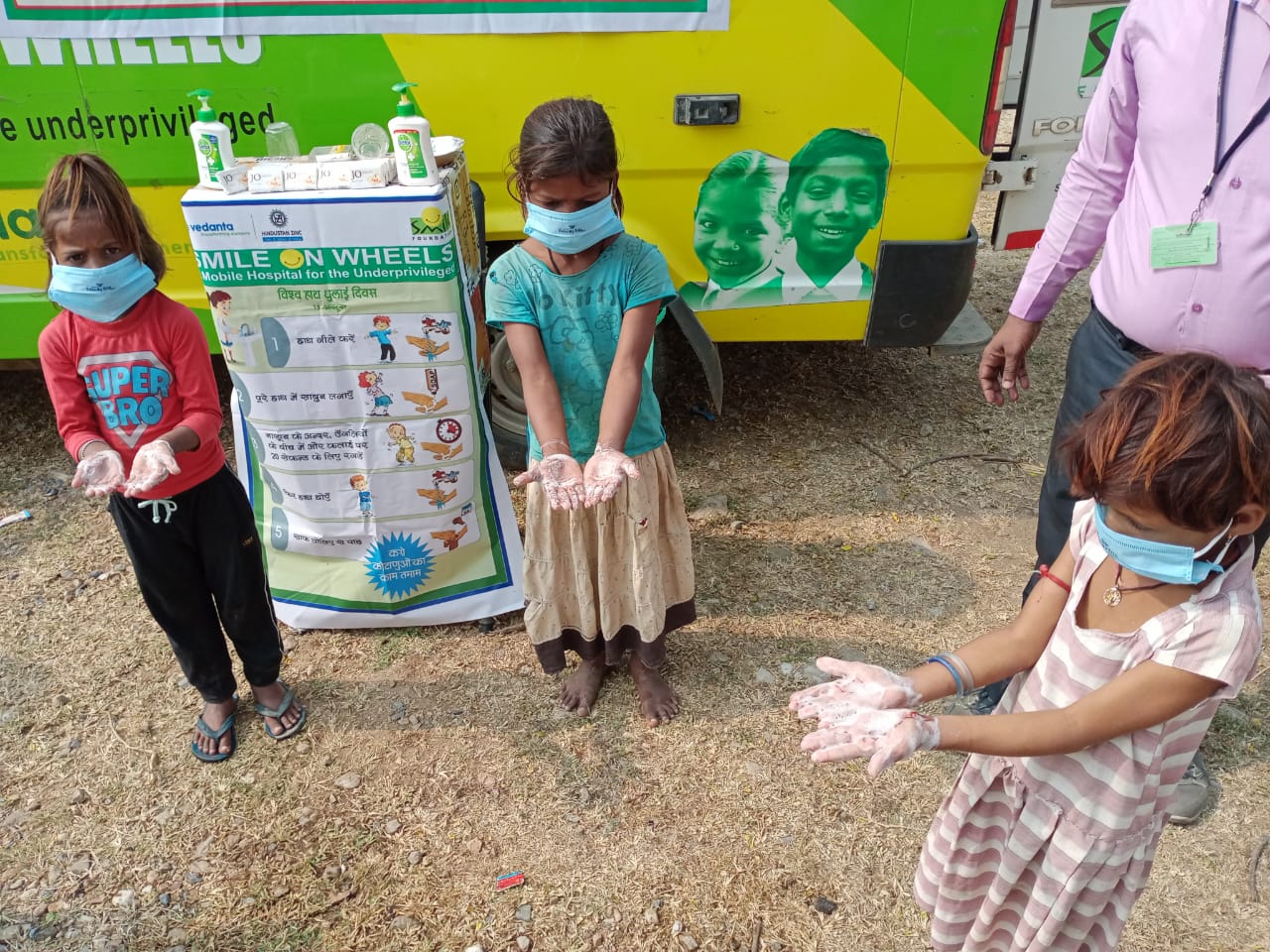
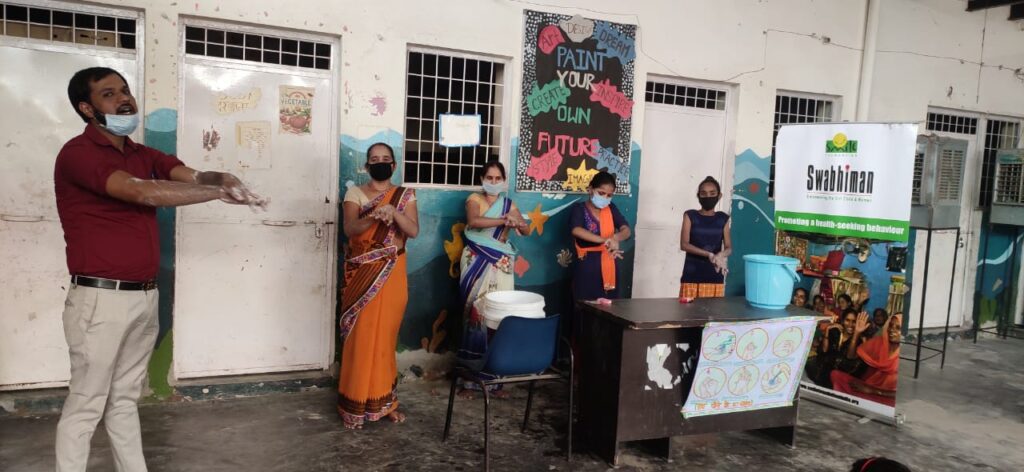
Smile Foundation’s health vertical, Smile on Wheels which has been serving people across the country by providing basic healthcare facilities has worked towards sensitising people from the rural areas and urban slums to adopt this habit and stay healthy. Demonstrations of proper handwashing steps, educating people about the importance of using soaps, washing hands before and after food, using of sanitisers constitute the daily routine of IEC activities conducted by these healthcare workers.


WhatsApp Image 2020 10 15 at 4.33.52 PM


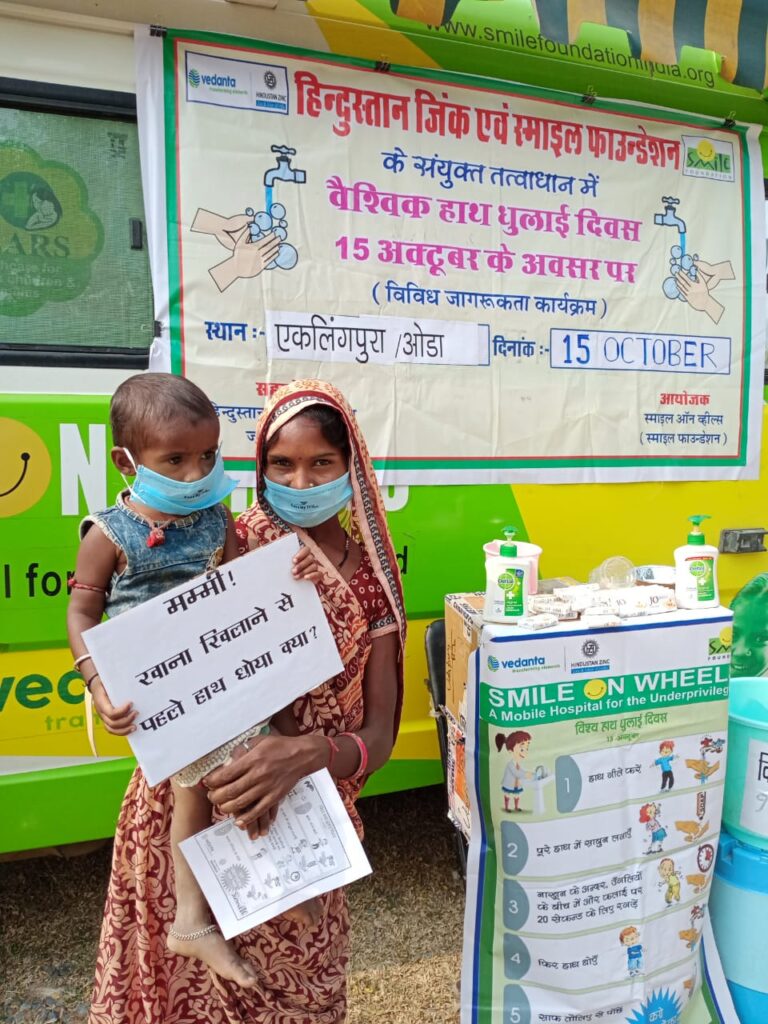
One of the most important aspects of raising awareness is to reach out to new and expecting mothers as they are the first point of contact for any child. In picture is a young mother from Eklingpura, Rajasthan. Healthcare workers reached out to young mothers like her to demonstrate the steps of proper handwashing to keep herself and her baby safe from diseases.


Hand washing 02 1024x658 1


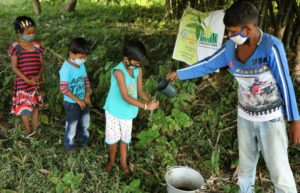
It is important to inculcate the habit of handwashing in children. It is the best way to keep them from falling sick by stopping the spread of germs. In picture are children washing hands with soap before attending the cluster learning session at Koucha AFC centre of Smile Foundation at Koucha village in Burdwan.


WhatsApp Image 2020 10 15 at 1.09.56 PM


In urban slums and rural areas healthcare workers from Smile on Wheels conduct sessions to encourage the communities to follow proper handwashing steps to improve their health status, reduce the chances of infections through unclean hand usage.


In many parts of the world and also in India the extent of desirable practices regarding hand washing is still lacking and needs to be emphasized hence it makes the observation of Global Handwashing Day all the more important. Let us pledge to adopt the policy of each one teach one and encourage and educate about handwashing to keep ourselves and the community safe.


To know more about Smile Foundation’s healthcare interventions visit https://www.smilefoundationindia.org/health-cannot-wait/

Categories
In The Spotlight

Nutrition & Health: Key Steps between Beti Bachaao & Beti Padhao

Smile Foundation’s Sampoorna project for nutrition and health in collaboration with PepsiCo Foundation connected the dots by focusing on reduction of anaemia through healthy eating among 1000 adolescent girls in Banaskantha, Gujarat


Over the past decade, gender equality has been recognized as key not only to the health of nations, but also to their social and economic development. Unfortunately in our country, gender equality still remains a far-fetched goal as a major portion of our population; verily the half of humanity – the female sex, continues to be denied not just their rights and an equal status, but even the chance to survive and better nutrition and health.


Even though the Government has taken some commendable steps to address the problems of female foeticide and infanticide, early marriage and high drop-out ratios of girl children through its Beti Bachao Beti Padhao initiative, one key factor that could form the link between saving the girl child and educating her has still not received much attention, i.e. nourishing the girl child through proper nutrition.


It is an accepted fact that nutrition and health from an early stage directly impact the growth, learning abilities and outcomes as well as in the future employability opportunities and other important factors in a person’s life. Particularly in case of girl children this becomes even more important as they are the forbearers of the next generation – healthy girls will grow into healthy mothers and give birth to healthier babies.


DSC 0576 1024x683 1


But just like everything else, equal access to nutrition and health is also a tough fight for most girls. Deep rooted gender bias in our society is one of the reasons for this – in the same family, you would find the male child being over-fed and pampered with food, and the female child being given only half of what her actual nutrition requirement is. While this is prevalent in both privileged and underprivileged sections of society, in the latter lack of education and awareness, along with poverty, also sometimes add to the stigma of underfed and undernourished girl children.


We only need to look at the prevalence of anaemia among women and girls in the country – one of the biggest markers of under-nutrition, to see how lack of nutrition has adversely impacted the health, and many other factors indirectly such as education, employment and the health of their children. As per the Global Nutrition Report by the World Health Assembly, in India, more than half (51%) of all women aged 15-49 years are anaemic.


 As a small effort to bridge this gap, Smile Foundation, in collaboration with PepsiCo Foundation, had initiated the “Sampoorna” Project in rural Rajasthan. Focusing on adolescent girls, the project targeted 1000 girl children from 10 villages of the Banaskantha district, with the objective of improving their nutritional status, reducing the prevalence of anaemia, and enhancing education and employability opportunities to sustain a health-seeking behavior. 


DSC 0568 1024x683 1


At the start of the project, Smile Foundation conducted a base study to assess the on-ground situation. The study revealed that malnutrition and the various diseases associated with it are a major contributing factor behind girls dropping out of school thus affecting the literacy rates. The study, assessing the nutritional status of adolescent girls (13 to 19 years) in the region, brought to light that 78% of adolescent girls are anaemic (varying from mild to severe), with 50% girls being moderately anaemic and about 13% being severely anaemic. Only 17.6% were attending school, with most respondents (49%) dropping out of school after Class 6 or 8. The study further revealed that around 84% of the respondents have never consumed any multi-vitamin or iron folic acid supplements, and most of them having no awareness of anaemia or ever having checked their anaemic status.


DSC 0346 1024x683 1


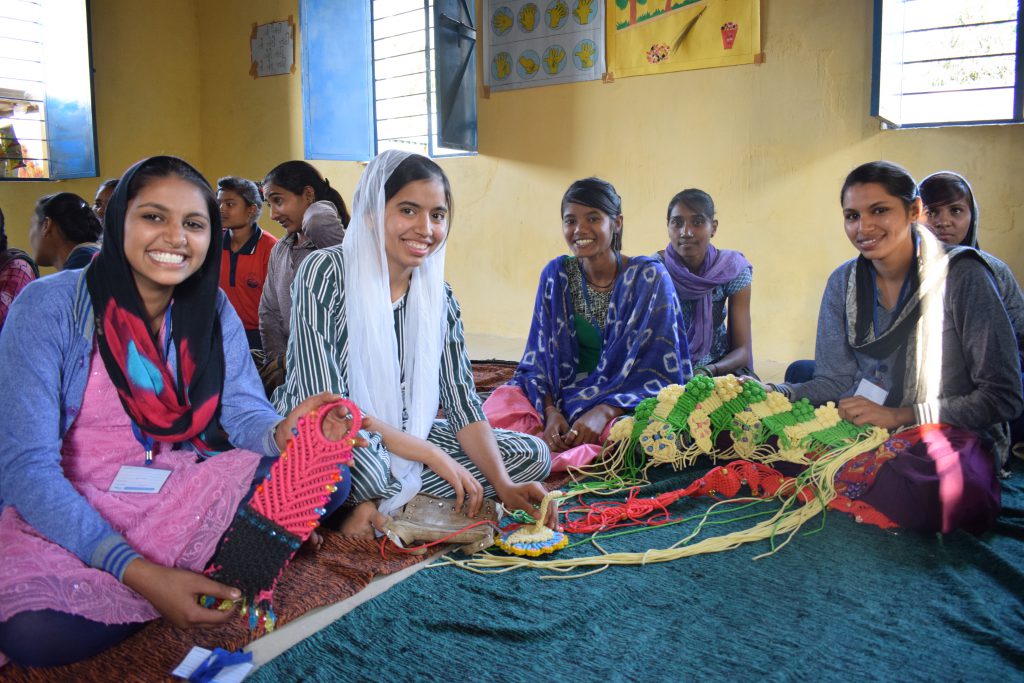
Sensitization being an important part of the project, a host of awareness activities were conducted, like the formation of Kishori Clubs which provided a safe space for the girls to meet every month for joyful learning and promoting regular consumption of nutritious food, weekly intake of IFA tablets and maintaining healthy habits including exercise.


To make the meetings more inviting, hygienically prepared healthy dry snacks made from locally available ingredients were introduced. Village level mega-cookery events that create a district and state level visibility around importance of nutrition for girls between the age group of 13 to 19 years were held. Knowledge building of the girls through social behavioral change communication (SBCC), life-skill education as well as vocational skill development based on local livelihood opportunities for the targeted adolescent girls was also an important aspect of the project.


Through all these need-based interventions, we got a favourable outcome in the community. After project completion, there was an increase in knowledge level of girls. There was a positive deviance in level of anaemia as well as BMI as majority of girls moved from underweight to normal.


To know more visit https://www.smilefoundationindia.org/nutrition-project-banaskantha.html

Categories
In The Spotlight

Why a response strategy to deal with the post COVID world is urgent

If we don’t act now, the COVID induced social crisis will be the biggest the world has seen. A concerted effort involving the public and private sectors to create a universal social safety net can be a viable damage-control measure.


The World Economic Forum conducted a study on the major risks we face in the aftermath of the pandemic. It unwraps how the socio-economic, environmental and technological milieus will transform impacting multiple layers across the society. Job losses tops the list with analysts expecting a protracted period of recession. This slump will lead governments to roll out relief packages which will eventually burden countries with more debt.Global trade will slouch further with an expected 13-32 percent drop.The foreign direct investment (FDI) is predicted to take a nosedive of about 40 percent. These rapid downturns will manifest in the foreign aids for humanitarian issues like food insecurity especially in the war-ridden regions.


Technology,on the other, while acted as an enabler for business continuity,for many on the wrong side of the digital divide have the increasingly tech-driven world means receded further backwards. In terms of environment, while the initial days of lockdown led to a degree of drops in pollution, experts fear that with economies rebooting there might be a bounce back effect. Thus impeding all the progress made on climate action.


An insight by the UN Department of Economic and Social Affairs (UN DESA)shows how unfolding of these episodes will exacerbate global social inequalities particularly impacting the vulnerable sections. For instance, homeless people are disproportionately bearing the health and economic impacts because they do not have the avenues to avail safe shelters and hence are highly exposed to the virus.


Older people too are an easy prey, especially those health conditions such as hypertensionand diabetes. Unfortunately, the COVID-19 narrative adds to their vulnerabilities. This section is perceived as weak, unimportant and a burden on society, a notion that reflects itself during treatment distribution and preferences. The risk of infections for persons with disabilities is heightened by issuesof inability in carrying out general self-care including personal hygiene. For them, not only has the service and support been disrupted, the UN DESA says many are excluded from the mainstream health information due to their condition. This increases the risks.


The other section is the informal workers – most of whom are migrant labourers. We have all been a witness to the ordeal these workers have undergone during the lockdown. The reverse migration that ensued exposed the dismal working conditions. The market that employs them did not want to even organize their transports back home. Standardisation of wages and social benefits was and will continue to be an issue pushing these workers further into poverty.


Unless we show urgency in drawing up a response strategy, the COVID induced social crisis will be the biggest the world has ever seen. There has to be a concerted effort from public and private actors to implement effective and universally accessible social protection infrastructure. This includes putting in place income and health securities for all. Making information accessible – especially to persons with disabilities. Mobilising youth through skilling to act as a limiting factor in the spread of virus.


To know about Smile Foundation’s work on Covid Response visit https://www.smilefoundationindia.org/smile-fights-covid19/

Categories
Insights

New Education Policy and Education in India

“Sit idle no more Go get education” – Smt. Savitribai Phule. She worked for the deprived section of the community & opened the gates of education in India for them especially for the education of girl child. She also established a school in Pune for the deprived section & stressed on sensitised the people about the importance of girl child education during the British Era.


National Education Policy is the policy adopted by the govt to be implemented in the country by all the educational institutions. This is an opportunity to provide education to all children & implement a standard education system all over the country based on the syllabus.


After the Independence of India in 1947, the government addressed the problem of illiteracy in the country and took various steps to promote education in India. In the year 1968 govt of India adopted 1st Education Policy under the leadership of Smt. Indira Gandhi, the policy was amended by  Shri Rajiv Gandhi in year 1986. Immediately after 6 years under the leadership of Shri Narsinmha Rao the policy also emphasized on the Banking process along free & compulsory education for the Age group between 6 to 14 years, Mid Day Meal, Promoting Girl Child Education, Adult Education for the school drop outs, focused on the deprived section of the community with various Social & Education Programmes. This policy also promotes Engineering, Architecture & JEE.


In the year 2019 under the government introduced the new education policy. In India this policy was accepted wholeheartedly by the educational institutions & educational professionals. All over India various organizations are working to reach out to maximum people & change agents, teachers, student’s leader, parents, para professional. The key highlights of the New Education Policy 2020 are as follows:-


The NEP proposes sweeping changes including opening up foreign universities to elevate education in India, dismantling of the UGC and the All India Council for Technical Education (AICTE), introduction of a four-year multidisciplinary undergraduate programme with multiple exit options, and discontinuation of the M Phil programme.


In school education, the policy focuses on overhauling the curriculum, “easier” Board exams, a reduction in the syllabus to retain “core essentials” and thrust on “experiential learning and critical thinking”.


In a significant shift from the 1986 policy, which pushed for a 10+2 structure of school education, the new NEP pitches for a “5+3+3+4” design corresponding to the age groups 3-8 years (foundational stage), 8-11 (preparatory), 11-14 (middle), and 14-18 (secondary). This brings early childhood education (also known as pre-school education for children of ages 3 to 5) under the ambit of formal schooling. The mid-day meal programme will be extended to pre-school children. The NEP says students until Class 5 should be taught in their mother tongue or regional language.


The policy also proposes phasing out of all institutions offering single streams and that all universities and colleges must aim to become multidisciplinary by 2040.


If we talked about all these policies in details after knowing the deprived section of the community this policies looks great & can be the ideal policy in the future to fight with some social evil in the society. Analysis points:-


  • MiD Day Meal in Early Childhood Intervention can be the good step towards the malnutrition at the early age.
  • Various Exit Policy for the students those who are working to run the bread & butter if He or She drop out atleast he should have some Degree or Diploma in hand & can continue education in future.
  • This policy can boost the regional language & protect such language for the coming generation.
  • Foreign Contribution in the Education Institute can boost Institution to get high quality facilities in India & Set Up World Class Infrastructure within the country.


More or the less entire Education Policy looks good and can create an impact & improve the education system based on the govt allocated education fund & implementation process on ground.


To know more about Smile Foundation’s education programme visit https://www.smilefoundationindia.org/education.html

Categories
In The Spotlight

Care, not isolation will help the elderly fight the pandemic

Pandemics have significant psychosocial impact. Health anxiety, panic, adjustment disorders, depression, chronic stress, and insomnia are the major offshoots. Misinformation and uncertainty further give rise to mass hysteria. Covid-19 pandemic has brought about unprecedented fear and uncertainty, especially among elderly adults.

COVID-19 is changing the elderly people’s daily routines, the care and support they receive, their ability to stay socially connected and how they are perceived. Elderly people are being challenged by requirements to spend more time at home, lack of physical contact with other family members, friends and colleagues; and anxiety and fear of illness and death – their own and others. It is therefore important that we create opportunities to foster healthy ageing during the pandemic.


WhatsApp Image 2020 09 29 at 10.19.34


Dr Tedros Adhanom Ghebreyesus, Director-General, WHO, expressing his concern on the matter said, “Older people carry the collective wisdom of our societies. They are valued and valuable members of our families and communities. But they are at higher risk of the more serious complications of COVID-19. We are listening to older people and those who work with and for them, to identify how best we can support them. We need to work together to protect older people from the virus, and to ensure their needs are being met – for food, fuel, prescription medication and human interaction. Physical distance doesn’t mean social distance. We all need to check in regularly on older parents, neighbours, friends or relatives who live alone or in care homes in whatever way is possible, so they know how much they are loved and valued.”


There are several reasons why the elderly are somewhat more vulnerable – they have more chronic conditions than younger people, their aging immune system makes it harder to fight off diseases, infections and viruses. Recoveries are usually slower and more complicated.


WhatsApp Image 2020 07 21 at 17.09.33


One important way to lower the risk of your older family members catching COVID-19 is to limit in-person visits. But this may be tough for older adults who cherish time spent with friends and family members. There is a need to understand that physical distancing doesn’t have to mean isolation or loneliness. We need to keep older adults safe, but also keep in mind that social isolation can have a negative impact on older people’s mental health.


The elderly rely on social connection more than most and they need it now more than ever. The elderly and retired sometimes need a helping hand and they also often need to have people around them.


To know more about how Smile Foundation is reaching out to the masses and the elderly visit https://www.smilefoundationindia.org/health-cannot-wait/

Categories
Insights

Blended learning to cross over the digital divide in education

In the pandemic-hit world, education has got a whole new meaning. Distance learning, online classes, digital classrooms, app-based curriculum have taken over the traditional classrooms. This transition is having multi-fold impact on the children – not only in terms of their learning outcomes and cognitive abilities (in case of younger children), but also on their physical and mental well being. However, despite the challenges, teachers and educational institutions around the world are taking various measures to ensure that the children do not lose out on their education with the schools having been closed down for several months now and carry forward the approach of blended learning for the development of children.


However, in the case of underprivileged children, the situation is much more critical because of challenges like accessibility to smart phones and other digital modes, and also internet connectivity. In addition to this, teachers are not trained to conduct digital classes and parents are not equipped to support the children with their studies at home, being mostly illiterate themselves.


WhatsApp Image 2020 09 24 at 11.44.43 2 1


To better understand the situation on ground, Smile Foundation did a survey of 14,000 children enrolled in our Mission Education Programme and found out that 56% of our students do not have access to smart phones, 12% do not have access to any phones, and around 30% do not even have televisions. For many of these children, even getting enrolled into schools, in Mission Education centres has been a very difficult journey. Many of them have overcome issues such as child labour and child marriage besides poverty to reach classrooms. But with the schools closed, their progress has been impeded and this pause for them could mean dropping out of the fold of education forever.


WhatsApp Image 2020 09 24 at 11.44.43


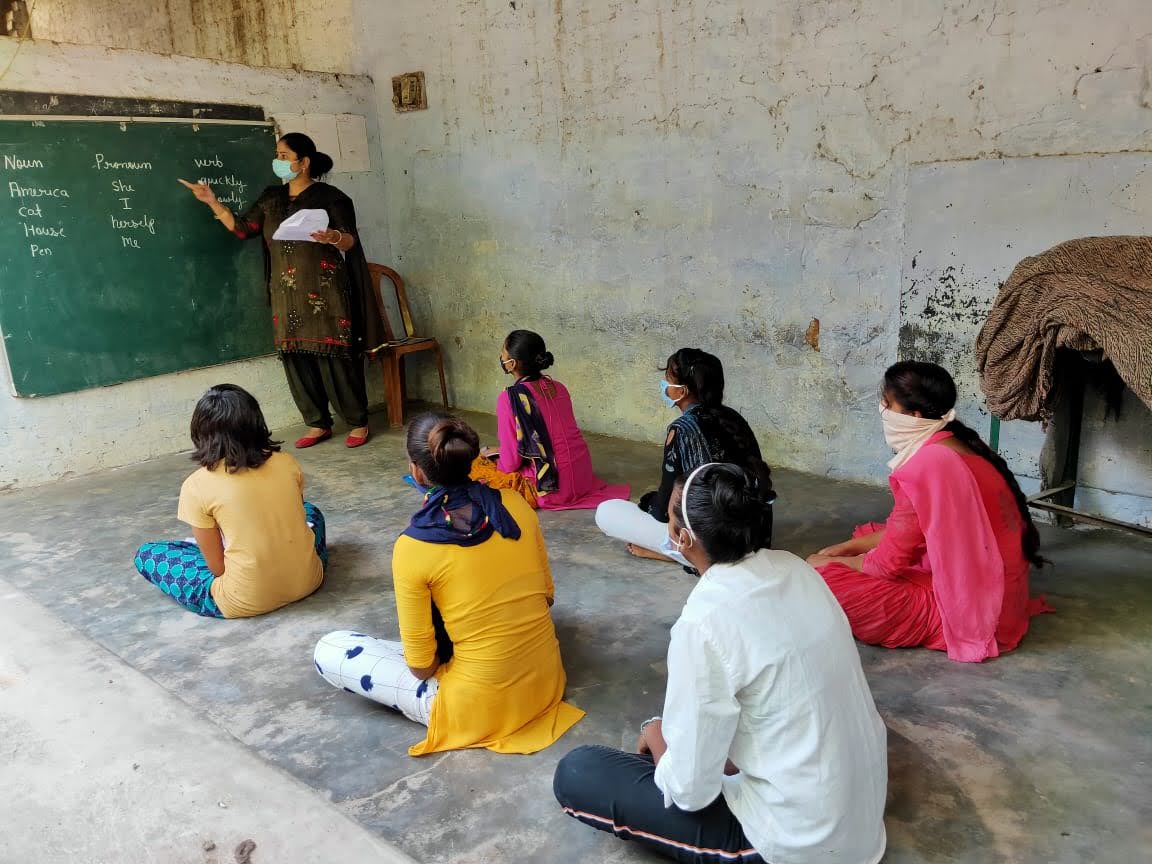
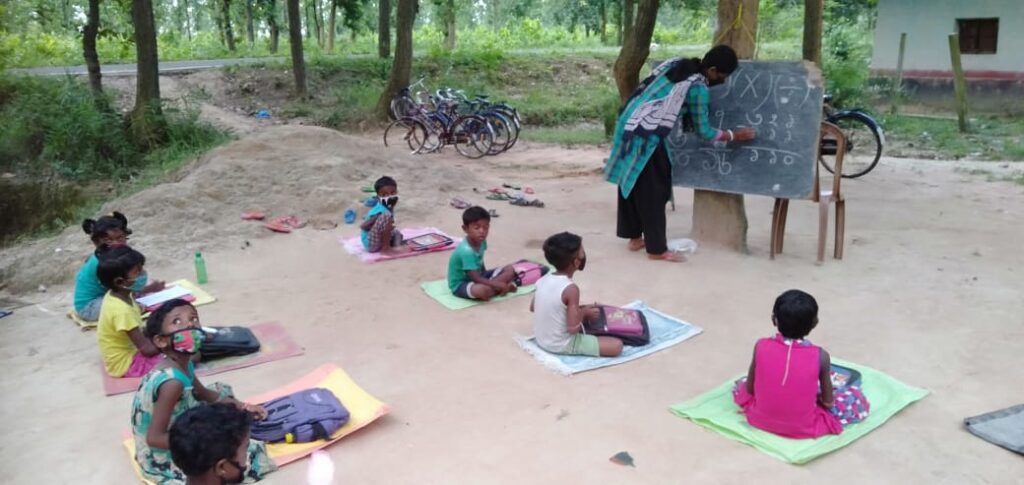
In this adverse situation, we are following blended learning, where customized solutions are being created for individual children. Besides smart phone based app-learning modules, cable-based television learning programmes, one-on-one mentoring, home visits, cluster learning sessions, projector based learning, and many other methods are being used by teachers to continue the education of children. Along with this, the teachers are also being trained and prepared for this new environment where digital education is going to be the way forward. The parents are also being counseled regularly on supporting their children’s education by allowing them to use whatever means are available at home.


Many children are also facing a difficult environment at home as their parents are out of job, so the children are also being positively engaged in different extra-curricular activities to ensure their mental well-being, and a regular helpline service is also being initiated to address their anxieties and concerns. Along with this several value education lessons are also being conducted for the overall development of the children into better human beings.


To know more about Smile Foundation’s education programme visit https://www.smilefoundationindia.org/education.html

0%