Categories
In The Spotlight

Meaningful learning for children

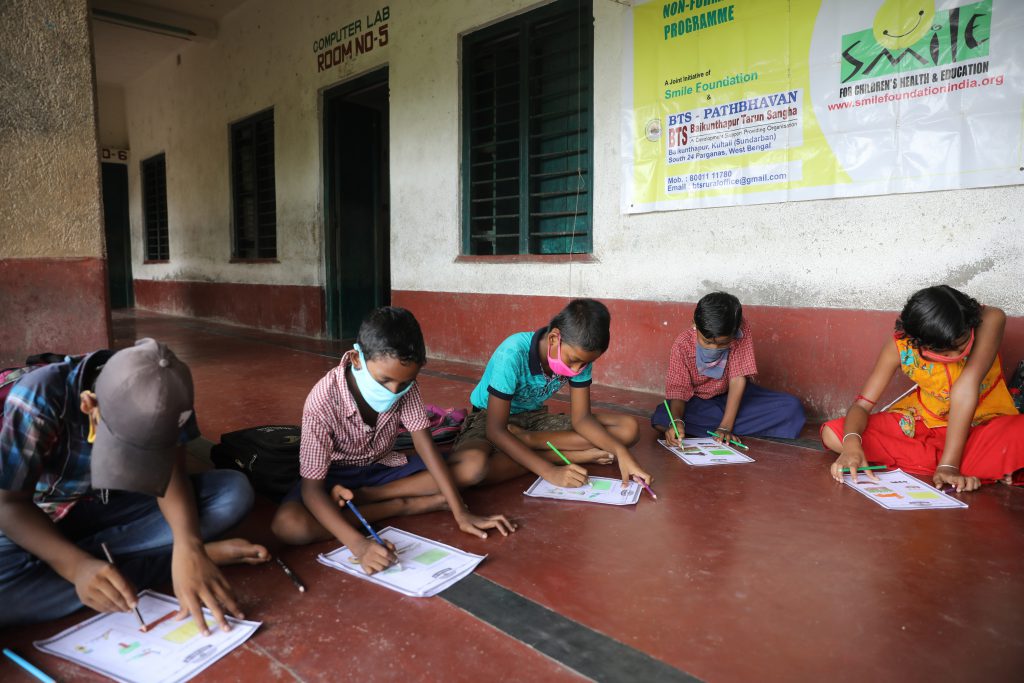
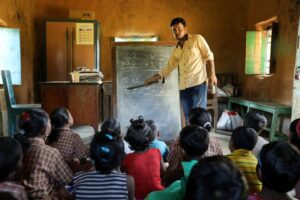
Rote Learning or Learning by Repetition is a technique which focuses on learning through repetition and memorization. It is a technique which is mechanical in nature, deploying the use of memory usually with less intelligence. German psychologist Hermann Ebbinghaus (1850-1909) devised 2,300 three-letter nonsense syllables for measuring the formation of mental associations and carried out much research on rote learning and memory. He concluded that memory is orderly which is important in some cases when knowledge needs to be drawn upon in various different real-world situations. Learning alphabets or numbers in the early stages of education are some important and necessary examples of rote learning. It helps develop foundational knowledge, but at the same time using it as a method to be regularly inflicted upon students in a classroom environment instead of meaningful learning for children is incorrect. It has now become a basis for schools in India to carry out educational activities following the rote method which clearly spells out discouragement of creative or critical thinking.


Intelligence is mainly considered as the ability of a person to efficiently memorize things. Instead of reasoning and using analytical skills a student simply memorizes answers or if required the entire course book and appear for exams.  The speed at which a child can recall their answers is seen as a parameter of their intelligence.  This kind of learning does not allow a child to fully understand what they are actually studying and eventually the child falls into the vicious cycle of memorizing before examinations and forgetting lessons with the passing of time. The content heavy curriculum minus practicals, the idea of competition based on scoring marks only has completely taken over the system of learning for children. This method multiplies our production of a workforce that neither has a complete understanding of their own subject and nor are they completely skilled.


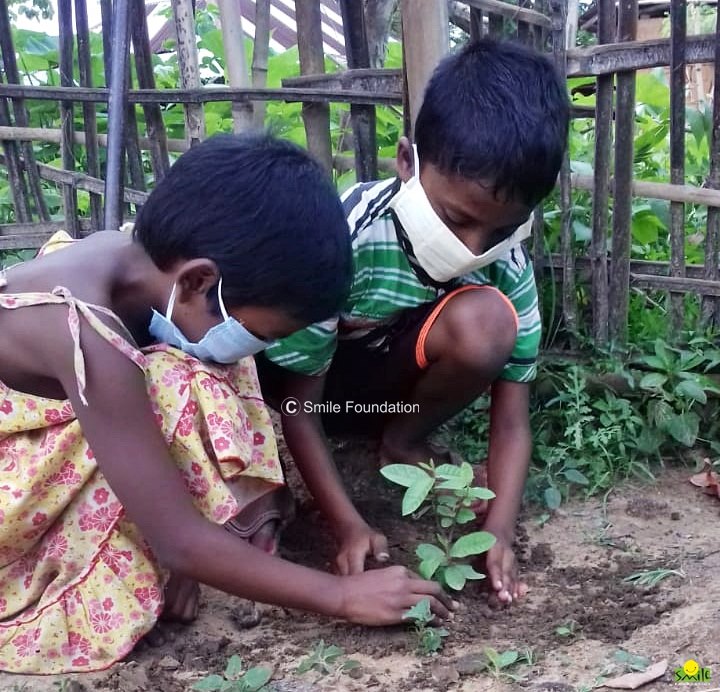
The alternative to Rote learning is Meaningful learning wherein the students are fully engaged in the process of learning.  Meaningful Learning deploys the methods of gaining knowledge through understanding, asking questions, being actively involved in piecing a puzzle together to get the correct desired outcome. Meaningful learning encourages understanding first and focuses on the constructive outcome of the learning process. The focus on underlying skills such as comprehension, problem solving, critical thinking and logical reasoning through meaningful learning ensures that the children are adept at complex problem solving for all their futures.
 

122980890 3968216216535650 7609371957753570886 n


When the process of meaningful learning leads children to analyze and question it also gives rise to critical thinking which helps children think with more clarity and make smarter choices in the future. Critical thinking is a concept that has been developing throughout the past 2,500 years and has its roots in the mid-late 20th century.  When a child grows up to be a critical thinker he/she thinks with an open mind, raises relevant questions and communicates effectively. Many Universities in India and the world have started holding open text book exams in an attempt to test critical thinking of students.  


The recently introduced New Education Policy can be seen as a welcome change against the old system of learning based on Rote. The new policy promises to bring changes and revolutionize the Indian Education system. One of the most significant changes of the policy is the extension of Right to Education from age 14 to the age of 18. It would be compulsory for the schools to engage students in active learning through class participation by focusing more on dialogue exchange, case studies, and practical on and off-campus; to gain experiences that make learning meaningful and fun along with more focus on vocational subjects. There will be more focus on digital learning across all institutions. This integration will be done to improve classroom processes and enhance learning and assessment.


To conclude it can be said that the New Education Policy is a welcome change for students as the idea is to encourage them to understand concepts, engage with the lesson, and prepare them for implementation. We can only be a progressive society if our goal is to educate children for them to adapt and thrive in the world outside and be well equipped to solve any problems that come their way. 


To know more about Smile Foundation’s education programme visit https://www.smilefoundationindia.org/education.html
Categories
In The Spotlight

Encouraging creativity in children

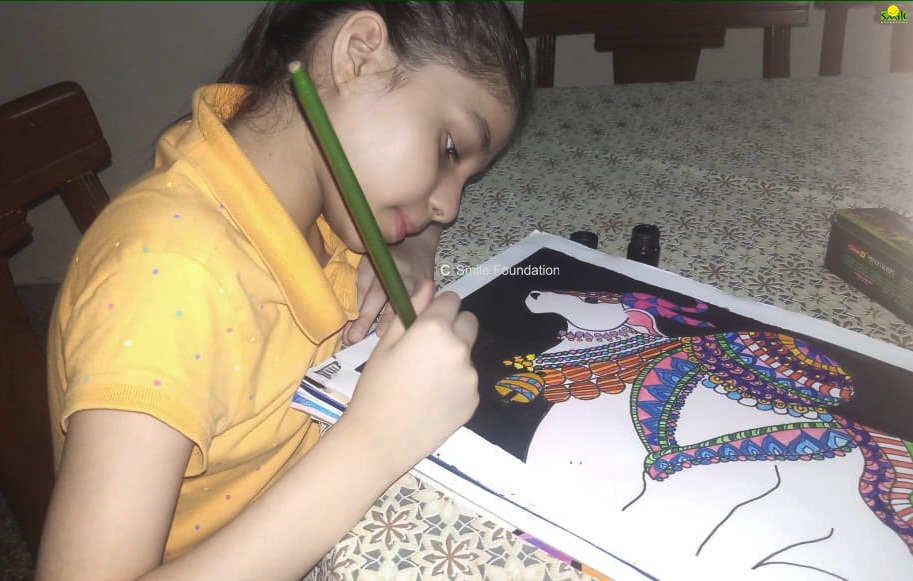
Creativity can be described in many ways but the most common and universal meaning is turning new and innovative ideas into reality. In other words creativity is defined as the tendency to generate ideas, alternatives, or possibilities that may be useful in solving problems, communicating with others, and entertaining ourselves and others. Encouraging creativity in children from a young age is very important as it is not something that can be learnt in the latter stages of life, but can only be developed gradually as a child grows.


Children should be let to explore and self-express, it is the first step towards creativity and it also helps in the mental growth of a child by providing new ways of solving a problem and trying out new ideas.


It is also important for parents to be involved in the process of trying out new ideas ones child has, it acts as an encouragement even in the face of failure sometimes. Children who are afraid of failure and judgment curb their own creative thought making the role of an encouraging parent all the more important. When parents share their interests with their children be it their interest in different kinds of music, instruments, sports etc; it gives a child more courage to explore different things.


Limiting screen time in order to make room for creativity in children has become more important than ever. Instead more time should be spent on reading stories to children, making up stories with the children and possible acting some of them out with or without costumes.


Encouraging children to ask questions and also asking them questions about their projects/ choices is a great way to stoke their creative thinking. Most of the times in describing what they were trying to do, children often recognize where they went wrong, or what else could be done with their projects without any input from their parents.


Considering time as a valuable resource and allowing space for crating without limits will help our children grow with a creative bent of mind and promote creativity in children and help nurture their varied differences.


To know more about Smile Foundation’s activities visit https://www.smilefoundationindia.org/workshops-cfc.html

Categories
In The Spotlight

Cyber safety rules for children

The pandemic has had a huge impact on the way learning methodologies have been disrupted. Where earlier, children were dissuaded by parents from spending time online, where a mobile phone if brought to school would be confiscated, now it is a necessity for a child to successfully partake online classes arranged by their respective schools. The quantum of time spent by children on digital devices has seen an exponential increase, and we are looking at a continuing surge even if schools reopen and children do go back to their classrooms. As per this news report by The Economic Times there has been a 100% increase in the screen time for children due to the Covid-19 pandemic, hence it is also important for us to monitor cyber safety rules for our children.


Digital is a new way of life and devices with good wifi connectivity the magic wand for a seamless entry to that life.


While the world is at its creative best in creating & adopting disruptive technologies, it is also the time to be wary of this new way of life, of the impacts of increased screen time & of the adverse effects of cyber activities. The flip side to technology assisting us as we got locked down in our homes is the increase in cyber crimes. According to the United Nations there has been a 350% increase in cyber crime due to the use of digital platforms by all & sundry during the pandemic making cyber safety rules all the more important for children.


While adults are exposed to increased digitization of work due to the #Stayhome #Staysafe policy, there’s an urgency to be specifically protective about children who are now attending classes online via different platforms. Be it WhatsApp, Google classroom, Google meet, Microsoft teams, Zoom, Zoho , etc..the platforms are multiple and so are the vulnerabilities.


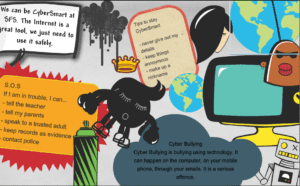
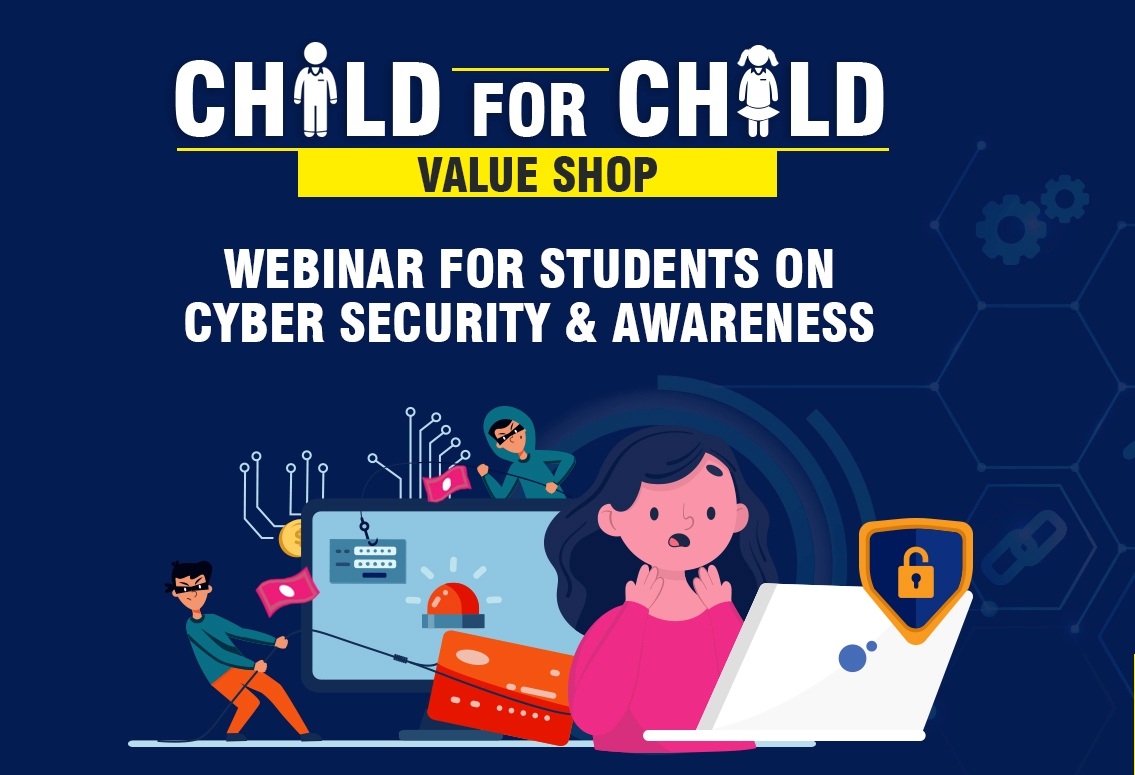
October was the month of Cyber Safety Awareness, and so the Child for Child team decided to reach out to schools and conduct sessions for children who while staying in the safety environs of their homes where increasingly being exposed to a vast unexplored digital world with its own foibles. And, before we see children going down the path of uncensored screen views we started conducting sessions with schools on Cyber Safety Awareness with the help of senior management from Smile Foundation, and also by tying up with Nex Schools from Pune & Banjara Academy from Bangalore.


Screen Shot 2012 04 27 at 3.26.52 PM


The aim of these sessions have primarily been to show the bigger picture of internet where over 50% of the world’s population is online and hence the danger to a child sitting at home is from a substantial number of unknown & unscrupulous strangers. They are apprised about the damage done by cyber criminals and the different types of online crimes like phishing, virus attack, malicious software, fake information and harassment.


It is imperative that parents and guardians are always monitoring the online activities that their wards are participating in and to install strong anti-virus software and passwords. They need to protect their children and not always worry about violating their privacy. Since children are now online for at least 5 hours daily, they are taught about self-protection. It was found during these sessions that most of the children were heavily into video games. According to one of the researches there is an all time hike in online gaming and, chances are that this could be a permanent phenomena as children are increasingly getting addicted. There is a spike partly because there has been an increase in investment on Xbox, PlayStation, Nintendo, Gaming Apps, Gaming arcades by parents. Our job & responsibility towards students is to alert them and make them knowledgeable about the precautions they need to take, about the type & amount of personal information to share while downloading apps, about reaming alert while chatting with virtual fellow gamers, as also while watching videos to up their gaming skills.


And last but not the least, children are also made aware about types and fallouts of cyber bullying – another phenomena that has seen an unfortunate drastic increase. Students are told to be careful of unsolicited advances made towards them digitally, of online harassments, of different threats like dissing, trolling, outing, excluding, etc.. Researches have suggested, that while schoolwork has moved home so has the bullying and there has been a 70% increase in cyber bullying due to Covid-19 pandemic.


Our mission remains to continue to work with children even as schools go online. So long as we contribute to the wellbeing of children especially during these unfortunate times of a surging pandemic, we believe that when make children more and more aware about cyber world and the safety issues, we will see more Smile Cyber Champions emerging. 


We would like to thank all our school partners, principals, teachers and parents who have supported us in this mission of generating cyber safety awareness amongst students. We are also ensuring that every child receives a Certificate of Participation as a Smile Cyber Champion, whatever part of the country they are from. While we have reached out to over 400 children across schools pan India, in the past few sessions, we aim to reach out to many many more in the weeks ahead.

Categories
In The Spotlight

Mission Education Survey 2020: Children & the Pandemic

Today, as the world is evolving to adapt and innovate to the new normal environment, children have been severely affected in terms of their education, schedules, practices, learning process and social interactions. New hygiene practices, daily schedules, restrictive movement and the general observations related to COVID-19 have more likely made the children experience various degrees of anxiety, worry and uncertainty. This in turn has also changed the dynamics at home with parents being at the forefront to support the children’s online education process. COVID induced lockdown and the times that followed have been very harsh especially on the vulnerable communities living on a minimum daily subsistence.


In order to understand the challenges and status of children and their families on ground in these pandemic times, a survey was conducted in July-August 20’ amongst the beneficiaries of Smile’s Mission Education programme to assess the needs and understand the challenges faced by children in terms of health, nutrition and education during Covid19 situation in operational locations of Smile Foundation (Pan India). Here are some key findings from the survey:


Health and hygiene awareness and practices


JIT 3416 1024x683 1


One of the most crucial measures to avoid infection of COVID-19 is to be aware and practice good hygiene at all times be it inside house or while going out for important work. However more than 60% in general, across all regions do not follow the new COVID induced social and health practices issued by government to curb the incidence of virus infections.


As per the data, 84% in South and West, 68% in East and 61% in North do not follow the necessary norms regularly. 85% of respondents in South do not follow the practice of regularly washing and cleaning hands along with 79% in West, 56% in East and 47% in North. With regards to use of masks, 76% of people in West don’t practice and think it necessary to wear masks while going out along with 72% in South, 55% in East and 48% in North. 91% in South do not think maintaining social distance is an important factor to avoid getting affected by the virus while 83% in West, 63% in East and 49% in North also feel the same.


Besides only very few people consider taking immunity boosting food can help them prevent or reduce the intensity of the virus attack with 99% not taking any kind.


Nutrition status and lifestyle


Nutrition is key component, especially in children in their growth years to develop and nurture a healthy body, mind and soul. It is vital in order to aid them in adapting to the neo normal life with its challenges in leading a healthy life, new learning processes and social norms with more vigour, alertness and focus.


The survey data reveals that more than 50% of households still do not have access to proper nutritious food. It is observed that more than 51% respondents acknowledged that children feel hunger pangs occasionally as well as quite often. Almost 20% of the households are not able to have 3 full meals a day owing to the current situation. Around 53% face difficulty in accessing homemade food with 21% finding it challenging to have access to nutritional products like full meals, pulses, etc.


Also, up to 77% of the respondents felt that their children’s lifestyle had changed either completely or partially, in terms of eating, sleeping and other regular routines. The reason could be that they are out of schools and not active enough during the day with less play, physical and mental activity, indicating the importance of schooling for every child.


General well-being of the children


It has been observed that 85% of the children felt bored, worried, angry or confused during the survey that calls for attention and action. This entails for scope for proper counselling, activity based learning and more engagement of children which is possible by supplementing with learning resources for children to use and work with. Of these 46% respondents accepted that they had insufficient teaching learning resource while 69% expressed that better guidance and support to access online classes and platforms would help ease the process. This would in turn aid them in guiding their children through online learning process.


The data shows that 14% of the respondents are trying to share news that induce positivity and imbibe with information on care, with the testimonials of people who have recovered from the virus attack while 30% try to filter the news and provide selective information with the children. But over 56% of respondents follow unofficial information from various sources and are on constant update with news feeds which could pose serious mental and anxiety issues for the individuals and in their behaviour towards others around them.


The need to disseminate proper information sources, counselling opportunities and more interactive sessions with parents and children seems to be inevitable to mitigate the fear, worry and concern brewing in the little minds and also in adults related to the effects of the prevalent situation.


Challenges in the neo normal learning process


children are attending online classes
Children are attending online classes


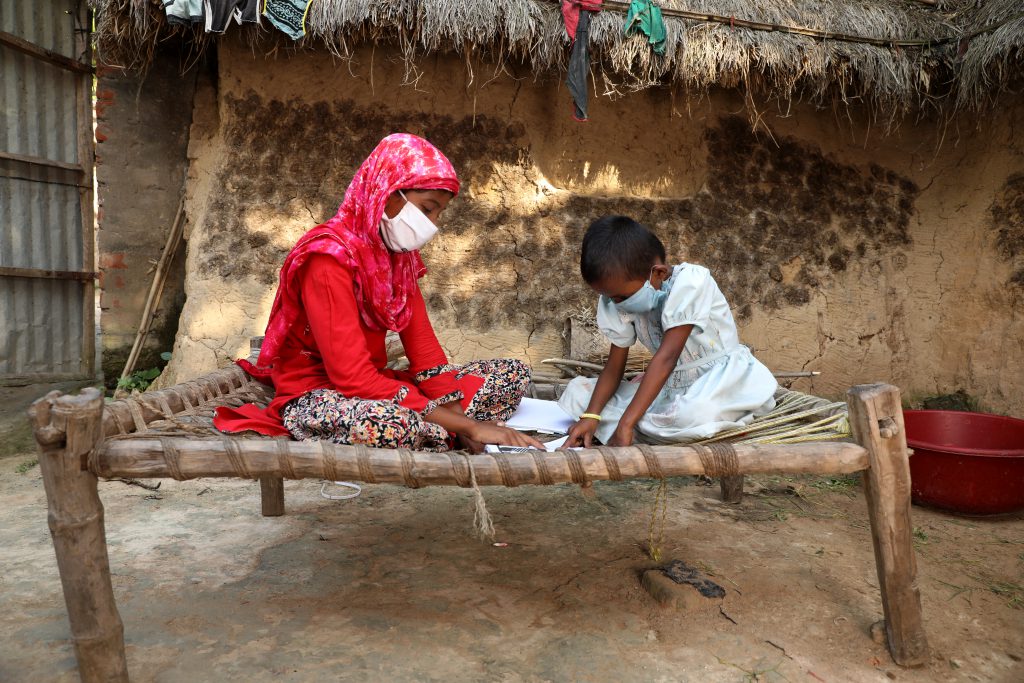
There have been tremendous efforts put in initiating online and other modes of classes for children to continue learning within the purview of existing limitations in different areas. Regardless, there are still gaps and needs felt by the beneficiaries in effectively accessing online learning. This section was aimed at understanding the gaps in the ongoing alternate learning process and ideating on probable interventions to address them adequately.


With only 51% of the respondents satisfied with the current learning methods, 80% are waiting for schools to reopen after the lockdown is lifted, as they are inclined to send their children to school. Almost 68% feel that the online/tele-calling classes are very rarely (sometime/never) scheduled as per parents availability since most of the parents having started going out for work or they have one mobile for both their work and their child’s study. Moreover 95% of the respondents have two or more children at home which could also pose challenge in providing mobile phones to each one of them, with almost classes scheduled at the same time for all children. Regarding accessibility to mobile phone with ease, 68% of respondents expressed that they need guidance or they are not able to access properly while 74% are not able to guide their children regularly. Furthermore, 44% mentioned that they do not have adequate availability of educational resources to facilitate home-based learning for their children.


Interestingly, 52% of respondents were ready to learn to support their children to adapt to the new learning process while 48% felt that they are not prepared or equipped to help the children. This manifests the glaring need for more orientation and support in terms of digital literacy for the parents and guardians to support their children academically. For 48%, online learning is considered as the most effective learning method with the help of tools like Zoom, Google Team, WhatsApp, etc. where the children are connected to their school, teachers and learning content through live as well as recorded classes.


The other most effective methods according to the respondents are sharing worksheets (44%) over WhatsApp or handing over to parents at the centre/home besides tele-calling parents and teachers visiting homes to meet beneficiaries. A very small population of around 8% even explore other education based apps and this is probably because majority of the parents are not aware about how to use applications appropriately or it could be also due to lack of space on phones and limited data pack. However, the primary support indicated by 53% of surveyed respondents is the need for adequate educational resources inclusive of books and other teaching learning materials with 53% while other kinds of support mentioned include mobile phone, internet support and related accessories to continue the learning process with the desired results.


The survey indicates that Covid has intensified the vulnerability of the less privileged communities with lack of regular income and employment opportunities affecting the people’s mental, emotional and physical well-being. It is crucial to address these gaps, advocate for support services and bridge the development gaps to bring every child closer to a healthier learning and growing environment.


To know more https://www.smilefoundationindia.org/education.html

Categories
Insights

Healthy Women, Healthier Children

The biggest treasure a human possesses is their health. The importance of health is continuously stressed upon by the government and various NGOs. The most urgent need in the country is to have healthy women force, as due to the biological differences they are more prone to the health problems faced in the country.


There exists a necessary to raise awareness about the basic healthcare needs as many parts of the country register cases of malnourishment along with deaths due to the poor sanitation and female health issues. The problems are more widely spread in the rural parts of the country where lack of medical services, illiteracy and safe drinking water make it more difficult to sustain lives.


India’s high infant mortality rates stems from two basic reasons. The first is the lack of nourishment that the parents fail to provide the child with and the unawareness about the importance of breastfeeding. This leads to a stunted growth in the child. The other main reason is the use of other supplementary food sources to substitute the breastmilk since the mother is malnourished. the best remedy for these problems is to provide mother with proper nutrition and she should continue to breastfeed as breastfeeding itself cures the problems such as malnutrition in the child and lowers risks of cancer for the mother. Breastfeeding also improves the immunity level in the child to provide healthier life, in line with the motto healthy women for healthier children.


The sanitation problems in the country are vastly overlooked as the absence of toilets and garbage disposal is a major issue. However, for women the monthly menstruation cycle makes the needs of toilets and garbage disposal vital. But before that the most basic article of need- sanitary napkins or tampons are unheard of in villages. Women use alternatives such as unclean cloth and some women shockingly enough use husk sand for the same purpose. The great deal of risk that they cater to by using these alternates are unknown by these women. Recently the surveys have marked a descent improvement, from 12% in 2010 to almost 58% in 2016 usage of proper sanitary napkins or tampons has led to the betterment in hygiene of women.


The health care sector has noted a high maternal mortality rate. Women during pregnancy requires nourishment and nutrients adequately, but the poverty struck households fail to provide the women with the needful. However, maternal mortality is not identical across all of India or even a particular state; urban areas often have lower overall maternal mortality with to the availability of adequate medical resources. For example, states with higher literacy and growth rates tend to have better maternal health and also lower infant mortality.


The healthcare sector in India has revamped over the last few decades. With the various plans executed by the governments and NGOs such as Smile Foundation, the awareness about healthcare has been widespread. The efforts put together through various sources shall benefit the healthcare for women and children, eventually leading to better economic growth and better growth rates. With healthy women and a healthier youth, the nation will have the potential to reach new heights.


To know more about Smile Foundation’s initiative please log in to https://www.smilefoundationindia.org/smile_on_wheels.html

Categories
In The Spotlight

Taking men along the path of gender equality

The newspapers are teeming with stories of violence against women. Abductions, rapes, murders, acid attacks, honour killings, dowry deaths, female foeticide, maternal mortality, the list goes on. There are questions being asked on where we continue to go wrong as a nation and society and if at all at some point we will be able to achieve gender equality.


Existence of legislations and laws alone are not abetting the problem of violence against women and girls. India is ranked as the worst place for women among all the G-20 nations by a survey that not only looked at violence but also empowerment.


There is a shift underway in the way gender relations and women’s rights have been addressed through government policies and civil society actions. This relates to recognition of the role men and boys play in changing mindsets and creating an enabling environment.


In a society under transition from tradition to modernity, the gender relations undergo numerous strains and challenges. While women are joining workforce in big numbers and charting new areas, the mindset that sees them through stereotypes of the past continues.


Gender equality and women’s empowerment can only be brought about by changing the mind-set of people and breaking the societal norms to involve men in the process. This also means that more men would have to start talking to other men about need for change in gender attitudes.


A young man from a slum in Delhi is an inspiring example of how to break barriers and win men for the cause of women’s rights. Mohammad Alam, 29, is father of two girls and uses traditional inter-personal and behaviour change communication methods to connect with men in his community.


“I was blessed with two daughters and as a father I felt the need to work towards making our country a better place for daughters…I want them to grow in a better and safer society,” says Alam explaining his motivation for setting up a group of community facilitators who work with him. They motivate community members and also perform street plays with colloquial scripts, travelling across Delhi and sensitising people on the need to make the society a better place for girl children.


Alam’s change journey started with a visit to local community centre of Swabhiman, Smile Foundation’s programme on women and girl child empowerment. “When we become living examples, it is easy to bring change,” Alam concludes.


Swabhiman programme enables women and adolescent girls, from the lower socioeconomic strata in and around Delhi, by empowering them to lead a life of dignity through realisation of their self-esteem and inner potential. It follows a tailor-made strategy called the ‘4 S Model’, which is an acronym for four novel approaches, namely Seeking Healthcare as a Behaviour, Support for Education, Supporters in Men through Male Involvement, and Sustaining the Change in Communities.


WhatsApp Image 2020 10 23 at 1.40.08 PM


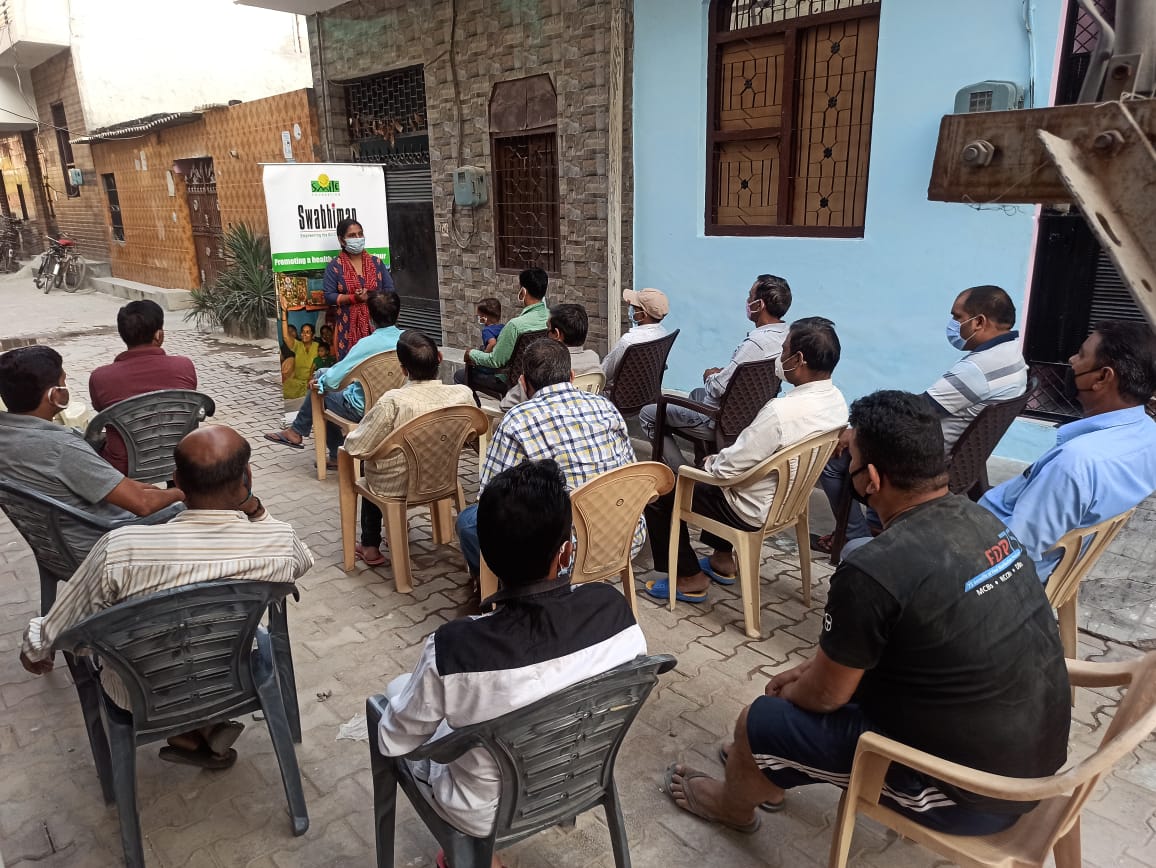
Learning from the experiences of past interventions, Smile Foundation adopted an innovative model of involving men in the intervention areas for creating an enabling environment for women. Exclusive counselling sessions are held with men to encourage them to be more participative and actively involved towards the issues concerning maternal and child health.


Ideas about masculinity are deep-seated in our society. From an early age, boys are socialised into gender roles designed to keep men in power. And they grow up believing that dominant behaviour towards girls and women is part of being a man. Since gender stereotypes are pervasive and operate throughout a lifetime, a life cycle-based approach is required to transform the way men and boys socialise in their surroundings – home, education, workplace, economy, etc. Life cycle-based approach should start with early childhood education and care. Here, mothers have a crucial role in educating boys in how to treat their female partners.


Men play a significant role in many aspects of social and political life. Husbands often make decisions about family planning, their wives’ economic activities and the use of household resources for healthcare and education. These decisions have a direct impact on the wellbeing and prospects of the whole family. The care and support of an informed husband improves pregnancy and childbirth and has a positive outcome for maternal mortality. Supportive fathers play a larger role in the nurturing of their children. Fathers with gender-equitable and responsible attitudes towards family are more likely to pass on those values to their sons and daughters, thus empowering a whole generation and working towards gender equality.


Violence against women is one of the most pervasive human rights violations across the world and especially in India. It is rooted in problems of gender equality and discrimination against women. Any effort to eliminate such violence must focus on the achievement of substantive equality between women and men and on promotion and protection of women’s human rights. The involvement of men and boys in the struggle to transform gender relations and eliminate violence against women is essential.


To know more visit https://www.smilefoundationindia.org/swabhiman.html

Categories
In The Spotlight

Gender equality for a better India!

Over the past decade, gender equality has been recognized as key not only to the health of nations, but also to their social and economic development. The promotion of gender equality and empowering of women is one of the Sustainable Development Goals. But even though India is a signatory to the goal, unfortunately it lags far behind in terms of gender equality as a major portion of our population; verily the half of humanity – the female sex, continues to be denied not just their rights and an equal status, but even the chance to survive.


The Child Sex Ratio (CSR) in India, which has constantly been on the decline since Independence, has appallingly touched an all-time low. From 976 in 1961, to 927 in 2001, 914 in 2011 and 899 in 2018, the decline in CSR rings a threatening alarm for the country. Why?


Child Sex Ratio is the number of female children in the age group of 0-6 per thousand of male children in the same age group, at any given point of time. Since it counts six years after birth too, a decline in CSR means that not only are lesser girl children allowed to take birth, but even after birth, the chances of their survival are much lower, when compared to male children.


Amartya Sen’s seminal essay, ‘More than 100 Million Women are Missing’, in New York Times in 1990 about the skewed sex ratio in Asia and Africa, stands true for India even three decades later, though in a much more frightening proportion when applied to the Child Sex Ratio. This is because CSR is not only a reflection of the present gender bias in society, but also a wake-up call warning of the steep and unavoidable gender imbalance in the future.


It is significant that while the country has progressed in every sector since the Independence, be it education, commerce or health, the Child Sex Ratio has witnessed a continuous decline. Why one may ask, if more people are educated and aware now; many are financially better off to raise children; government policies support families with girl children, then why this decline? Many blame it on the advances in medical technology that have come over the years, enabling sex detection and sex selective abortion.


It is true that technical advances have facilitated avoidance of unwanted births. While earlier female infanticide was resorted to, now it is female foeticide that is more readily used to prevent girls from taking birth. The country’s policy makers recognized this menace in 1994 and tried to prevent the misuse of Ultrasound and other diagnostic techniques though the Pre Conception and Pre Natal Diagnostic Techniques (PCPNDT) Act. But since then, the Child Sex Ratio has only declined further.


JIT 3882 1024x683 1


It is important to realize that technology is not the real cause behind the dropping CSR, it is only a catalyst. The questions – why these methods are resorted to, why girl children are not allowed to take birth, or allowed to survive beyond their early years, must be answered to understand the root cause behind the decline in Child Sex Ratio. The answer is the prevalence of a strong son preference in our society. Even after ages, this gender bias continues to put expecting mothers into undue pressure as families and society continue to prefer male children.


Child Sex Ratio is an indicator of not only gender balance or lack thereof, but also a trigger for trends in important aspects of development in any society – education, health, employment and empowerment. This is because women, as forbearers of the next generation, have a key role in building the future of a nation. If women are healthy, educated and empowered, it is more likely that their children will go to school, their families will be healthy and communities will prosper.


It is time we recognize the central role a woman plays in welfare of a family, of a society, indeed, of the whole country and give her an equal chance. Laws and policies will not be able to recover the missing girl children unless the society itself becomes a friendly and conducive space and welcomes girl children with open arms.


To know more about Smile Foundation’s work on girl child empowerment visit https://www.smilefoundationindia.org/she-can-fly/

Categories
Insights

Nutrition support for better learning outcomes

When six year old Kiran Waghe joined the Mission Education centre at Kalyan in Maharashtra, her teachers took note of her extreme health condition. She was visibly malnourished, looked much smaller for her age and was covered in dirt.


On interacting with Kiran’s parents, her teachers learnt that the family was lucky to get even one full meal in a day. Her parents work at a nearby brick kiln and toil hard to feed their daughter. Kiran often accompanied her parents to work and had got into a habit of eating mud, which was also adversely affecting her health.


Because of her weakness, Kiran was less responsive in class and never participated in any activity either. Over the year, her health problems increased and she would often take leave, missing out on her classes. Her teachers realized that the lack of proper nutrition, hygiene and subsequent ill health was impairing Kiran’s attention span and learning abilities, and the damage could be permanent.


Kiran’s case is not unique. Malnutrition is more prevalent in India than in Sub-Saharan Africa. One in every three malnourished children in the world lives in India. According to the National Family Health Survey (NFHS IV), 38% of all children below the age of five have stymied growth and are too small for their age, 46% are underweight and 16% are emaciated.


A critical issue in itself, lack of nutrition, has repercussions in every sphere of child development, as it stunts the physical as well as mental growth of children. Malnourished children are less likely to perform well in school, even to regularly attend school. This leads to low confidence levels and eventually drop-outs.


Understanding that nutrition and health form an important aspect of a child’s growing up years, and can have a huge impact on her/ his education, Smile Foundation has always included them as integral aspects of the Mission Education programme. Nutritious meals are provided to children every day and health camps are held every quarter to ensure the holistic development of children. This has not only helped in improving the health status of children, but also in improving their learning outcomes over time, and improving attendance and retention in classrooms.


To complement the provision of nutrition and health facilities at the centres, awareness generation among the parents and the larger community is also done. Low awareness about the importance of health and nutrition among the socio-economically marginalized communities, like in Kiran’s case, is also a major reason for the vulnerable health condition of children.


Busy earning daily wages to help their families survive, most parents never consider health and nutrition to be a priority. While all of them want their children to be educated, healthy and have a bright future, few of them know that bringing basic changes in their eating habits could ensure all this. Never having been to school and having bare minimum knowledge of hygiene practices, they never think that most diseases can be prevented by including the simple act of hand washing in their daily routine.


To address this gap, sessions on the importance of health, personal hygiene and nutrition are regularly conducted, along with innovative activities like street plays and songs to engage the people and help them grasp the message easily. Workshops are held for mothers where they are taught about growing their own kitchen garden, nutritious ingredients that are commonly available but ignored, and preparing low cost and no cost nutritious food recipes.


1 1


As an extension of its efforts, Smile Foundation has integrated nutrition awareness in its health and women empowerment programmes, with special focus on mothers, school children and adolescent girls. Catering specifically to their particular needs, awareness sessions, workshops and one-on-one counselling are held on subjects such as nutrition for growth, foods that enhance immunization, combating anaemia, diet for expecting and lactating mothers, and nutrition supplements.


Today, India is riding on a promising tide of economic and social development, but this only remains a hollow projection when our children do not have access to even the most basic human needs, like nutrition and education. Our children will lay the foundation for our country’s future, but this might be too heavy a responsibility for their weak shoulders. We must come together to nurture, nourish, educate and empower our children, to help build a healthy, progressive nation.


To know more about Smile Foundation’s work on nutrition visit https://www.smilefoundationindia.org/plate-half-full/

Categories
In The Spotlight

Averting the learning crisis: Empowering Teachers

The World Bank, in a 2017 report, warned of a learning crisis across the world. In India, the report said, half the children in grade 5 could not read a text meant for Grade 2 children. The report, among other things, highlighted that teachers lacked necessary skills and motivation. Adding to the World Bank report was the 2018 Annual Status of Education Report (ASER), which said that as a consequence, the gross enrolment ratio drops from 95 per cent for Grades 1-5 to 79 per cent for Grades 9-10.


The New Education Policy (NEP) 2019 too stresses on the vital role played by a teacher in the education process of children and calls for improved training institutions, proper facilities to teachers and appropriate student teacher ratio in the classrooms. The policy notes that, “In addition to access, a major quality related deficiency in the existing early childhood learning programme in the country is the lack of trained and qualified teachers.” 


It is clear that the quality of education does not just span curriculum and infrastructure but depends highly upon the quality of teachers as well.


72405165 2918717288152220 3501334026340270080 o


One of the most brilliant minds of the 21st century and a beloved teacher, our former President Dr APJ Abdul Kalam has said that “…there is no other profession in the world that is more important to society than that of a teacher”. Teachers are the first contact point for children in the formal education process and their importance in the cognitive, mental and physical development of a child cannot be undermined. Besides delivering lessons and imparting knowledge to the children, teachers play a multi-faceted role by setting the tone of their classrooms, building a warm environment, mentoring and nurturing students, becoming role models, and listening and looking for signs of trouble.


Integration of technology into teaching-learning, which has been highly accelerated due to the ongoing pandemic, is also a great way of enabling the teachers to transform the classroom into a dynamic and engaging space for the children. Rather than seeing digital education, or learning from the internet, as a replacement of the teacher student relationship, technology should be used to build upon that bond and add value to the traditional pedagogical system. At the same time, technology can help in automating some of the routine processes for the efficient management of the classes so that teachers can focus only on teaching.


JIT 2559 1


Another issue is shortage of trained and passionate teachers. According to government data, the country lacks teachers to the extent of 10 lakh vacancies in government-run schools. Rural area schools suffer the most from the lack of teachers with many schools running with only one teacher teaching all grades. There is a pressing need to address the issue of teacher shortage by recruiting a cadre of qualified teachers.


Education holds the key to skilling, employability, and, in turn, contribution to realisation of faster growth of GDP, but without the right kind of teacher training, India’s learning levels cannot improve. Teacher’s training has by far been one of the most neglected components in education. But the next step after achieving accessibility of education is to achieve quality – and that is not possible without enabling and empowering our teachers.


To know more about Smile Foundation’s education programme visit https://www.smilefoundationindia.org/education.html
Categories
In The Spotlight

Importance of Education, Nutrition & Sanitation

The story starts with education.


When a little girl is pulled out of school, because her parents cannot afford to send her to school or because she will be more helpful around the house; we are not only taking away the little girl’s freedom of choice for her future life but we are also creating a pool of future generation which might be at risk of being stunted at birth due to lack of proper nutrition, getting affected by an easily preventable disease like polio at an early age and worse still have lower resistance to infections throughout their lives.


According to a report by UNICEF, 62% of the total 17.7 million out-of-school children in India are girls and 73% of girls do not get past 10 years of school. When a girl’s education is discontinued, she misses out on important life lessons, lessons which could help save her own life or the life of her child when she comes of age. Lack of education and gender bias not only affects the mental, emotional and physical health of a girl child, they also play a major role in shaping the woman she will become. Women are often responsible for producing and preparing food for the household, so their knowledge about nutrition can affect the health and nutritional status of the entire family.


Another study shows that 68% of malnourished children in India are girls. Adequate nutrition is especially critical for women because inadequate nutrition wreaks havoc not only on women’s own health but also on the health of their children.  Nothing much can be expected from an uneducated mother married off at an young age giving birth to a child every year in the want of a son, tainted with the colors of shame by a superstitious society; a mother wanting to give the bigger portions of food to her son; a mother who is not educated enough to decide what food is best for her baby.


1 6


Although malnutrition’s effects on girls have been recognized for decades, there has been little measurable progress in addressing the specific nutritional problems of women and adolescent girls. Most problems like lethargy and depression caused by iron deficiency springing out of malnutrition are dismissed, further aggravating the problem.


Iron deficiency and anemia are the most prevalent nutritional deficiencies found in women. According to the World Health Organization (WHO), anemia among women is defined as a hemoglobin concentration of <120 g/L for non-pregnant women aged 15 years and above, and a hemoglobin concentration of <110-g/L for pregnant women. As per the National Family Health Survey (2015–2016) 53% of women in India have anemia.  Most women who develop anemia in less developed countries are not consuming enough iron-rich foods or are eating foods that inhibit the absorption of iron. Women are especially susceptible to iron deficiency and anemia during pregnancy. Women with high number of births, short intervals between births and poor access to antenatal care and supplementation are likely to experience poor pregnancy outcome due to anemia. If a mother suffers poor pregnancy due to iron and other deficiencies the baby suffers for the lack of proper nutrition.


Help a mother feed her child 1024x683 1


Smile Foundation through its various programmes has prioritized maternal and child health as a focus area, and works towards ensuring safe and healthy motherhood and childhood in socio-economically disadvantaged communities by addressing key factors like awareness, education, healthcare, nutrition and sanitation.


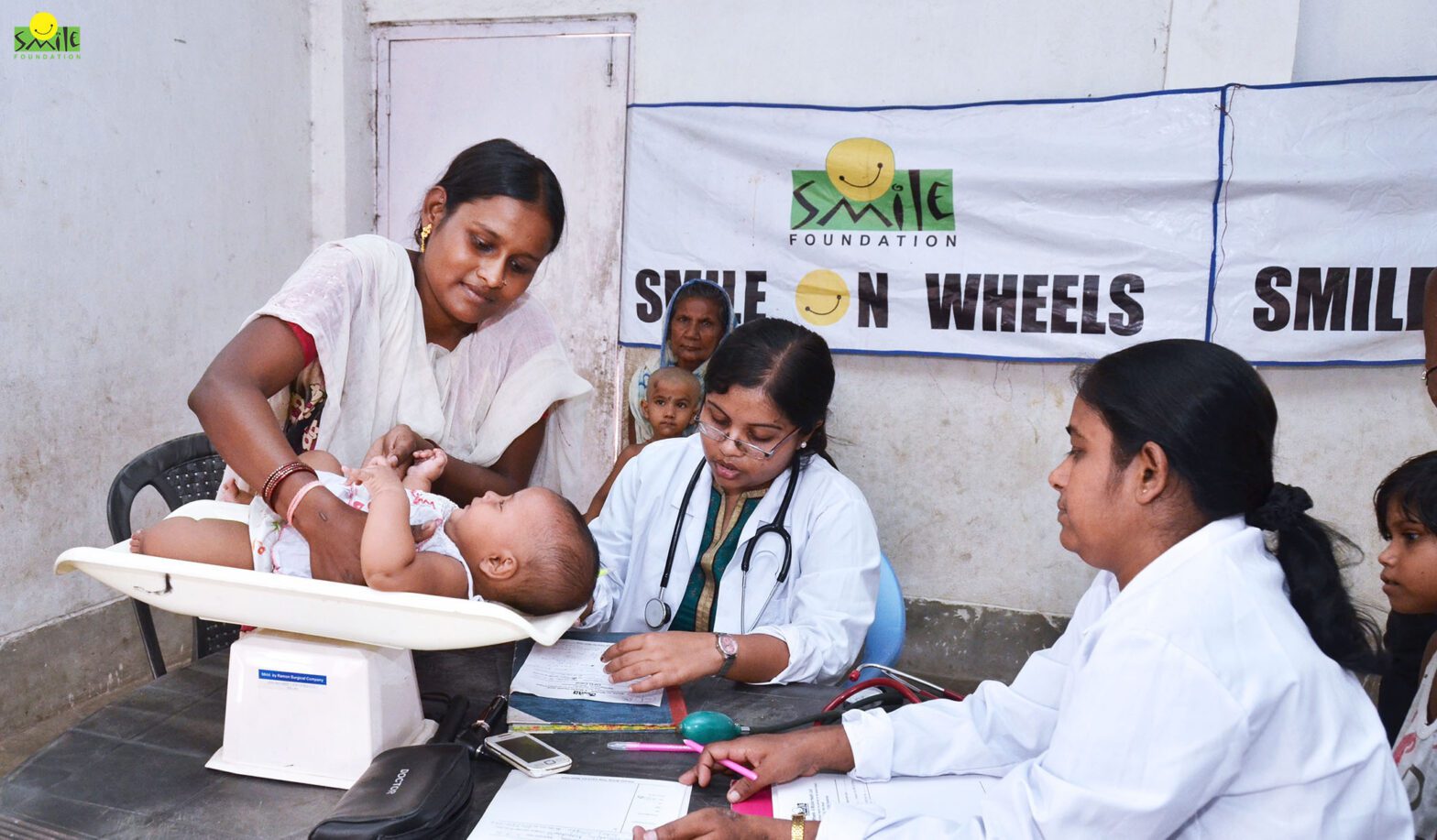
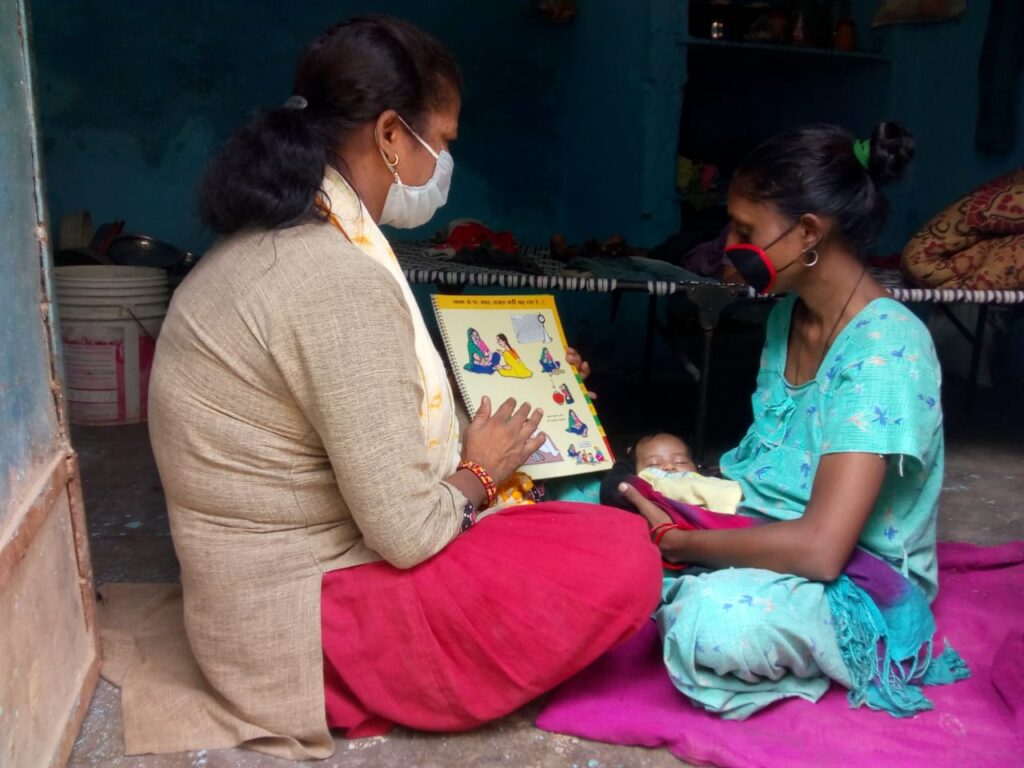
Under antenatal and postnatal care, daily supplements to expecting mothers, nutrition plans, medicines, blood tests and counseling for institutional delivery are some of the services provided. To improve health status of mothers, infants and children, healthcare services are brought at the doorstep of communities through mobile health units as well as specialized health camps that provide free diagnosis, counseling, medicines and contraceptives. Networks are established with frontline community workers including ASHA, ANM and AWW to train and guide them for providing better services to expecting and lactating mothers and newborns. Community mobilisers and health counselors establish a bond of care with the women to spread awareness about maternal and neonatal danger signs, breastfeeding, nutrition, and immunisation. These conversations empower girls and women to take charge of their own health and well being.


To know more visit https://www.smilefoundationindia.org/she-can-fly/

0%