Categories
In The Spotlight

KEEPING CHILDREN ENGAGED DURING LOCKDOWN

As schools shut down to stop the spread of Coronavirus millions of children around the world got displaced from their schools. Everything that a child has to do in his/her life now has to happen from inside the house for an uncertain period of time and parents have had to find ways to smoothly transition kids into at-home life. Parents are faced with the difficulty of keeping their children engaged not only in school-work but also in extra-curricular activities to help them cope with the situation. The biggest challenge that most parents are facing is to keep children off-screens after the completion of online-classes. The pandemic and lockdown has been hard on both children and their parents, the need to find common ground for self-care along with caring for the children is of primary importance. There are various ways to make the best of the situation.


Making a routine


 Children are used to following a schedule, so making a routine for the day for various activities will help everything fall into place. Routines help parents monitor screen time of a child on an everyday basis and plan out different activities which will allow parents to enjoy time with their kids and also help in keeping children engaged.


Gardening
 

128514662 4061822933841644 7727807745075099066 n


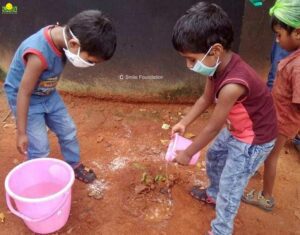
Gardening is a great learning and fun activity. It helps children learn about where food comes from, and how things grow. Gardening helps in sensory development of children and is a great way to teach responsibility and patience. Re-growing vegetables from scraps helps in building scientific temper and curiosity in children. It is also relaxing for children in many ways easing the anxiety of lockdown.


Exercising or Practicing Yoga
 

130402047 4082513771772560 2888186342352683271 o 1024x683 1


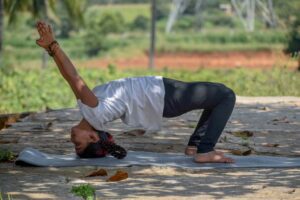
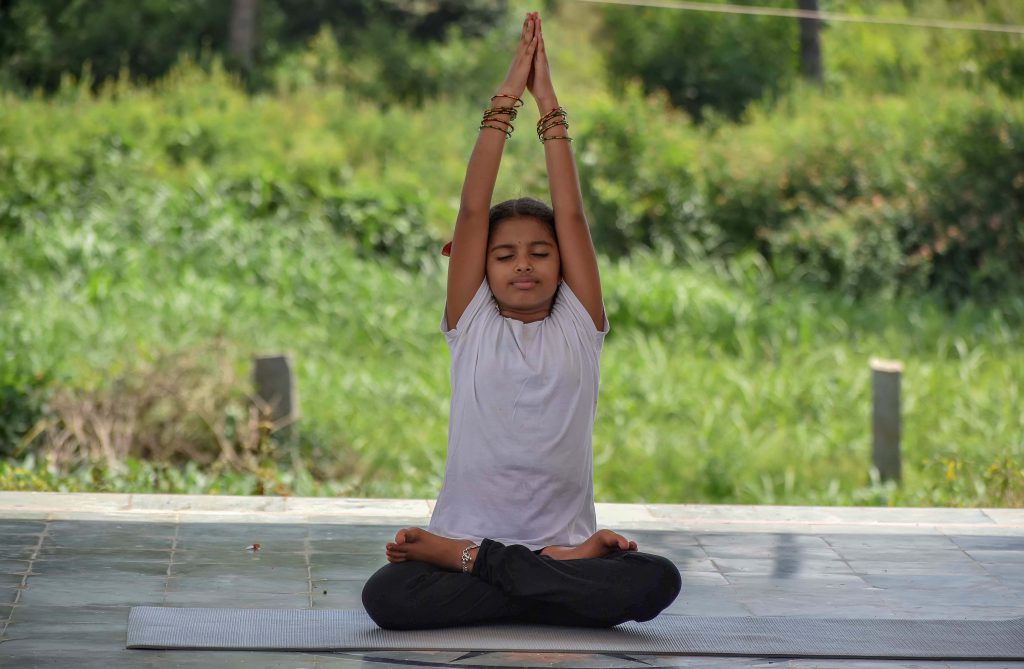
One of the easiest and healthiest parents can do with children is to practice Yoga or exercise with them daily. Both activities are great for improving overall health and keep the energy levels high a necessity during these times! Physical activity is good not only for physical well-being, but also for mental health, attention and focus. It is also a great opportunity to teach children the importance of having and maintaining good health.

Art and Craft
 

JIT 2527 1024x683 1


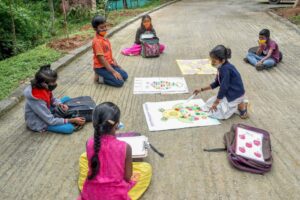
Engaging in arts and craft activities provide children with a unique and fun opportunity to learn and create. Many children express through art, which help parents get a better insight into how their child is feeling and also makes children more creative and productive.

Reading with Children
 

121198919 3909190399104899 4573913172754812 o 1024x728 2


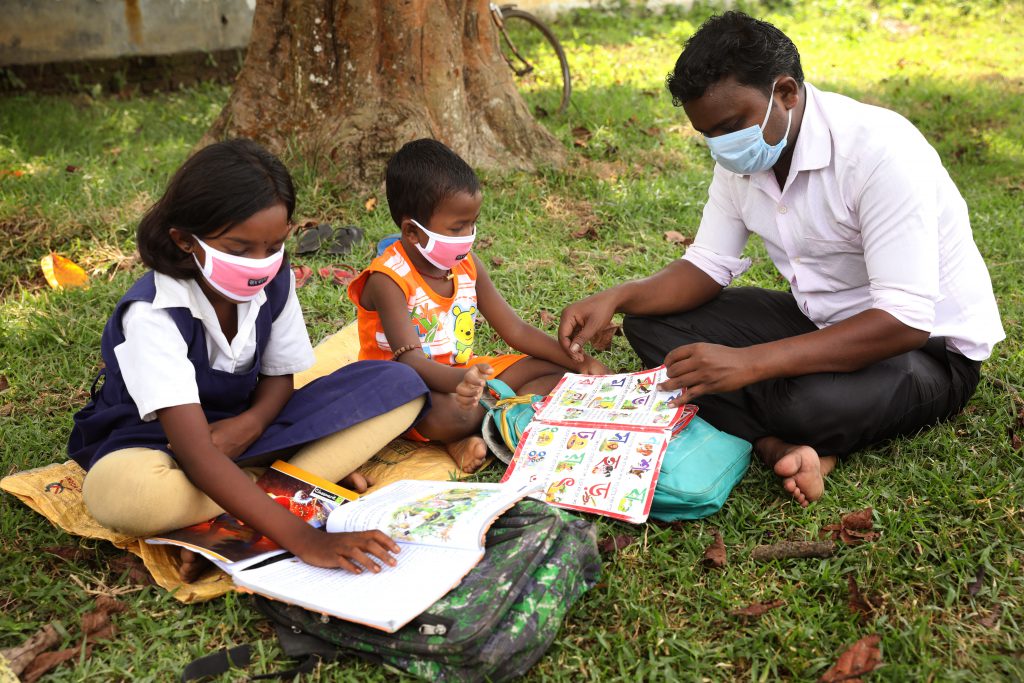
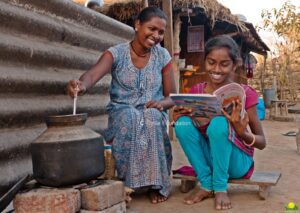
Apart from books in the curriculum children should also be encouraged to read story-books. Stories help build imagination and creative though in children. Reading for children and with children is a great way to bond and also help them build their vocabulary.


Other activities like encouraging children to write stories help them make use of their imagination, asking them to help around the kitchen while baking or cooking, learning a new language and following a new hobby like bird watching can also help children cope with little or no socialization with their peers and staying indoors while also bonding with their parents and siblings.


To know more about Smile Foundation visit https://www.smilefoundationindia.org/
Categories
In The Spotlight

SELF-CARE FOR MENTAL & PHYSICAL WELL-BEING

Self-care is important to our mental and overall health. It is any activity that we engage in to take care of our personal needs and well-being. It is vital to our mental and overall health and, most of the times it is something that we often neglect to practice.


The COVID-19 pandemic has had an impact on all aspects of our health and it cannot be understated. People continue to be infected at record rates with the virus, many others are grieving the loss of loved ones and some are dealing with financial distress. The pandemic is wearing us down; physically and emotionally. At such times focusing on self-care has become all the more important.


Following the basics of self care


Eating healthy food, getting a good night’s sleep and being active are bedrock of good self-care. Working out inside the house, practicing mindfulness or meditation are also important parts of self-care. These are activities which do not necessarily need any excessive expenses. It is important that locals, especially the elderly residing in rural areas or urban slums be sensitized to practice the same to reduce pandemic induced stress and anxiety. Engaging in extra-curricular activities also induce feel-good hormones as the mind is stress free and gives one the window to escape the web of negative thoughts. Self-care empowers people improve their quality of life; It allows people to take their health and wellbeing into their own hands. It improves recovery times and plays a key role in the prevention of certain health conditions. In the current times the most important of all self care activities are physical distancing, hand washing and taking care of respiratory hygiene.


Understanding your mental health for self care


One of the most important and urgent aspects of self care is mental well-being. Issues related to mental well-being of a person are seldom talked about because of the social- stigmas attached to the topic, but keeping oneself isolated and coping silently is not the answer. Of the many reasons why we need to talk about mental health, stigma is arguably the most important. Open dialogue about mental health can help everyone heal and it is one of the necessary steps for self-care.


How self care helps those around you


131148840 4098003923556878 7822398356230598257 n 768x748 1


Humans are communal beings. Nurturing friendships, family and those in the community is essential to self-care. When we begin self-care we start to understand the needs of those around us. The realization of caring for someone else’ happiness and well-being takes us on a journey of compassion, making us more caring and humane.


Self-care has long-term benefits for the mind if practiced correctly It brings your goals into sharper focus, helps one concentrate yielding in better productivity. It causes less stress leading to a better immune system. It helps one to be less critical of oneself. This can go a long way towards enhanced self-esteem. And do not forget that self-care needs practice, so start your journey today.

Categories
Insights

Changes in the Indian Education System

Good education has the power to change lives. Today’s children will be the free-thinking citizens of tomorrow. Their growth is parallel to the future of any country which is only reflected through the quality of the present education system. It is important that the curiosity of the young minds be stimulated and we should equip them with values and education to be better human beings. Elementary education is of utmost significance as it establishes the foundation from which is the beginning of the learning process for a person.


With an aim to improve the quality of primary education in India, the District Education Revitalization Programme (DERP) was launched in 1994. The main focus was to reform and vitalize the primary education system. A few years later, in the year 2001, “Sarva Shiksha Abhiyan”, popularly known as SSA, was launched and it was one of the biggest programs introduced in the education sector in India. The SSA duly focused on aspects like proper training of teachers, offering improved learning materials and also offering textbooks for special children with the motive of improving elementary education in India.


The most recent New Education Policy which was introduced by the Government of India in March 2020 seeks to reform the Indian education system and bridge the gap between current learning outcomes and those desired. The NEP seeks to do away with rote learning and introduce a more holistic way by replacing it with competency based learning. The New Education Policy 2020 aims at producing engaged and productive citizens for building an equitable, inclusive and plural society. It articulates that the purpose of the education system is to develop good human beings possessing compassion, empathy, courage and resilience and a future generation capable of rational thought and action, along with scientific temper and creative imagination.


The existing academic structure of 10+2 structure (ages 6-16 and ages 16-18) has been replaced with the structure of 5+3+3+4 and special focus has been given to Early Childhood Care and Education (ECCE) which is one of the key visions and focus of NEP 2020. To achieve the same Anganwadi Centres are proposed to be strengthened with high quality infrastructure, well-trained Anganwadi workers/teachers and play equipment. The project will be funded by the central and state governments. NEP 2020 further proposes a certification program to be mentored by the Cluster Resource Centres of the School Education Department to introduce comprehensive training of the Anganwadi workers/teachers.


18489696 1687943134562981 1729739397035738293 o 1024x726 1


Children with special needs, underprivileged children from rural areas and urban slums, girls and transgender are most affected when it comes to access to quality education. The New Education Policy has introduced an entire section which is focused on the inclusion of these Socio-Economically Disadvantaged Groups (SEDGs).


Through various comprehensive measures such as remodeling  of the school curriculum,  structure of examinations, teacher education, etc the New Education Policy 2020 aims to raise the standard of Indian education system at par with global standards.


While the NEP 2020 intends to transform the Indian education system by curtailing rote based learning and introducing a more holistic education with adequate focus on development of different life skills for the students, the real success of the policy will only be possible if it is supported and implemented at all levels.


To know about Smile Foundation’s work in the field of education visit https://www.smilefoundationindia.org/education.html

Categories
Insights

RECOVER BETTER- STAND UP FOR HUMAN RIGHTS

Where, after all, do universal human rights begin? In small places, close to home – so close and so small that they cannot be seen on any maps of the world. … Unless these rights have meaning there, they have little meaning anywhere. Without concerned citizen action to uphold them close to home, we shall look in vain for progress in the larger world.” – Eleanor Roosevelt


Human Rights Day is observed on 10 December every year. The Universal Declaration of Human Rights (UDHR) was adopted in the year 1984 by the United Nations General Assembly in Paris. Drafted by representatives from different legal and cultural backgrounds from all regions of the world the document proclaims the basic rights which everyone is entitled to as human beings – regardless of race, sex, nationality, ethnicity, language, religion, color, language etc. The rights include the right to life and liberty, freedom from slavery and torture, freedom of opinion and expression, the right to work and education, and many more.  Everyone is entitled to these rights, without discrimination.


The theme for Human Rights Day 2020 is Recover Better – Stand Up for Human Rights which is related to the covid-19 pandemic and focuses on the need to build back the society better by ensuring that Human Rights are the basic foundations to the recovery effort. In a Covid affected world we will have to create equal opportunities for all, only then will we be able to reach our common global goals in terms of Human Rights.


In India, most of the underprivileged population resides in rural areas and urban slums. People are deprived of basic human rights mostly because they are unaware and illiterate about the rights they can exercise. As a result they are deprived. In a crisis situation such as Covid-19; women, children and the elderly are the most affected sections. Hungers, illness, shelter, having little or no knowledge about Covid-19 precautions have been the most pressing problems in the current scenario.


The need of the hour is to end discrimination of every kind. The first step is to end structural discrimination against women especially underprivileged women and the poor population. Structural discrimination is rules or norms and behavior of institutions and other societal structures. They create obstacles to groups or individuals in achieving the same rights and opportunities that are available to the majority of the population.


By addressing inequalities and by the promotion of economic, cultural and social rights everyone can play a crucial role in development. We must encourage participation from all sections of the community to build a more sustainable post-Covid society. We need to ensure that the voices of the most vulnerable and underprivileged are heard and their problems are addressed.


DSC 7520 1024x600 1


With the vision of the bringing sustainable change through the life-cycle approach of development Smile Foundation through its various programmes is directly benefitting more than 15,00,000 underprivileged children and families every year. With a special focus on education for the underprivileged children, especially girl child education Smile Foundation seeks to empower the society from the grassroots.
Through it’s initiative India Shares Smile Foundation has provided Hunger Survival Kits to children and families in rural areas and urban slums across 22 states of India.


To know more about Smile Foundation visit https://www.smilefoundationindia.org/
Categories
In The Spotlight

Preparing teachers for Inclusive Education

Inclusive education (IE) is a new approach for educating children who are differently abled and face learning difficulties. Inclusive Education seeks to address the learning needs of all children with a specific focus on those who are underprivileged, vulnerable to marginalization and exclusion. The approach implies all learners – with or without disabilities to be able to learn together through access to common schools and community educational setting with an adequate network of support services. The principle of inclusive education was adopted at the World Conference on Special Needs Education: Access and Quality held at Salamanca, Spain 1994and was restated at the World Education Forum at Dakar, Senegal 2000.


Teachers play a critical and decisive role inthe processes of inclusive culture in a teaching-learning environment. The attitude and values of teachers have a major and everlasting effect on theself-esteem and emotions of young learners. The policies and efforts for facilitating inclusive educationwill not be successful if teachers, are not well equipped with the appropriate knowledge, skills and values.


Classroom teachings need be based more on realistic and honest experiences, a component thoroughly highlighted in the New Educational Policy 2020. When children share their experiences, it helps teachers understand the psycho-social attributes and needs of the learners, their special abilities and characteristics, their preferred mode of motivationand learning which most of the times results from home and community socialization. Hence it is very important that teachers are trained adequately and sensitised to the needs of each and every child in a classroom.


JIT 2527 1024x683 2


In a country where traditional forms of learning — such as blackboard teaching and reading from the textbook have been more prevalent, teachers will now have to unlearn their traditional approach to learning and once again learn how to use a new experiential framework while guiding students.The COVID-19 pandemic has given an unexpected push to online education in India, it facilitated the continuation of formal education as schools were closed to mitigate the spread of Covid-19. In times such as these when everything is being conducted online it has become all the more urgent and important that teachers mainly those belonging to remote rural areas be enabled and empowered in all aspects of digital education which in turn will help the children with limited or no access to proper digital education which is also inclusive in nature.  An optimal teacher training program will prepare teachers for the future, help them become more literate digitally and help in incorporating digital learning with the traditional methods.A change in the attitude of teachers can have an influential effecton the successful implementation of inclusive education, children will be more attentive and empathetic towards the needs of their peers.


Teacher Training programmes do not only deliver basic education to teachers but also help in creating awareness towards issues like educating of the girl child, women empowerment, awareness on the eradication of casteism, equal civic rights among all individuals, etc which will help lay the foundation of a better and promising India.


To know more visit https://www.smilefoundationindia.org/education.html

Categories
In The Spotlight

Celebrating International Volunteer Day

International Volunteer Day is observed every year on 5th December to recognize the contribution of volunteers, to support volunteer efforts and to promote volunteerism. The theme for this year’s International Volunteer Day is Together We Can Through Volunteering. Amid the pandemic the volunteers have been at the forefront acting as responders for medical, societal and community needs. From providing assistance to the elderly to helping the most vulnerable volunteers have done it all.


We at Smile Foundation would like to highlight some of the experiences of our volunteers who have worked with Smile to reach the most underserved and spread happiness.


Anitha


127278219 4050672151623389 254627428242178978 o


“I have always been taught that ‘Service comes before Self’, which implies that if you want to do good, start with doing it for others. Supporting other people in their time of need became the motivation towards doing more and more community work as I grew up. However, this pandemic has been the test of all times. Some people said that it feels like a punishment to have been born as a human because there was so much suffering. But as I had been taught since childhood, in any calamity, it is always the community and the society that comes to the rescue of people struggling the most. I decided to bring back the faith which people were rapidly losing in the changing times- the faith in humanity. Through healthcare and awareness sessions provided by Smile on Wheels doorstep healthcare team, I spread the message of togetherness among all the villagers who visit this mobile medical van. From door to door, I try to connect with people who might be in dire need of medical care but can’t access it due to the pandemic. In the past few months, the health conditions of all community members has improved vastly, thanks to Smile on Wheels team. When trust, faith and compassion was restored in this village, I finally realised that ‘Service before Self’ is nothing but a ray of hope to bring the biggest change in this world- the change of heart…to see the best among ourselves!”


Jahanvi


66622965 2750525944971356 4016001761306214400 o


Every time I am with these new found friends, I come back with a feeling of hope and inspiration. Their bright eyes, smiles and laughter, fill up my heart with an energy unlike any other I have ever experienced. A couple of weeks back, I started contributing my time to teach these children studying in Mission Education Centre (Dhaula Kuan). They reside in a slum nearby. I have come to realise that the lack of resources they live with, has not diminished their sense of purpose and positive energy towards everything they do. They have taught me more than I could have imagined when I walked into the small but very vibrant space that they have made their own. They have given me a sense of purpose. I have become aware and thankful about the privileges I have. And at the same time, I feel inspired to look at these little friends of mine. I have realized that with all the means I have been given, I can work towards handholding more and more such kids. I’m grateful beyond measure to have met them. I now want to give back to society in ways that matter.


Narsi


Narsi, volunteered at a Mission Education centre of Smile Foundation. She says, “these children lost their parents at a very young age. All they need is a little love, care & hope. I do not miss a single chance to make them feel special. It is a blessing to give your smile to someone who needs it the most.”


To know more visit https://www.smilefoundationindia.org/
Categories
Partners In Change

Teaching waste management to children

Global temperatures are rising and pollution levels are on an increase everywhere . It has been estimated that each year 1.2 trillion gallons of untreated sewage is dumped into the ocean. Pollution is one of the biggest global killers that exists, impacting over 100 million people. The dangerous levels of pollution have put our future generations at severe risk. In order to meaningfully combat the menace that is global pollution, we need to sensitize our children to the importance of waste management and focus on the 3 Rs; Reduce, Reuse and Recycle. Including children in the process and teaching children that every little contribution counts is important.


Learning Waste Management at Home


One of the first lessons that we impart to our children is to practise what we preach. The most common example to set is to use eco friendly alternatives to disposable plastics. Instead of using plastic bags that choke the seas, we can use cloth bags for groceries. Instead of buying single use plastic bottles for drinking water, we can carry water from home in when on the move.  Vegetable peels and fruit peels can be used as manure for plants and water used for washing and other activities can be recycled for further use.


Upcycling waste into Art


122847201 3956723127684959 5187175973066727497 n


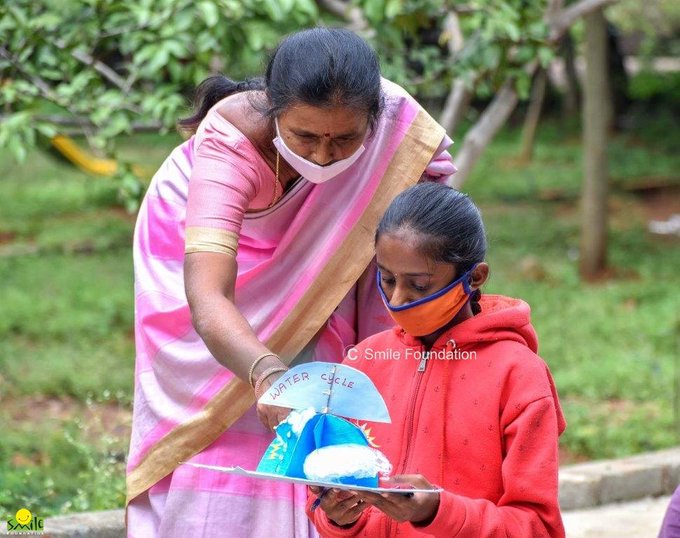
Children are naturally curious and creative so we must engage our imagination and start looking at waste and recyclables as useful materials and give them a new life. Turning plastic bottles into planters and starting an herb garden, creating mosaic art from bottle caps and turning cereal boxes into a periscope or a kaleidoscope help kids think creatively. Activities like these are fun and engaging. They also aid in the learning process of the children and make them more conscious from a very young age.


Eating Healthy


When we eat healthy we not only have a chance at improving immunity against diseases but it is also a step towards a more sustainable living. Adding more fruits and vegetables in a child’s diet aid in their growth and reduce plastic waste which comes in the form of packaged and processed food. Healthy food is also a mood booster because in a healthy body lives a healthy mind. Maintaining a kitchen garden and involving children in the day to day activities for growing one’s food helps children understand responsibility from caring for the plants. For children, gardening can also support emotional functioning as they express delight or disappointment when plants grow or struggle.


Waste management is beneficial for both children and adults. When a child is raised in an environment where people know how to reduce and recycle he/she becomes a responsible and thoughtful member of the community. As the leaders of tomorrow, children need to be well-equipped to safeguard the planet. By making them more environmentally conscious, we can give them the keys to make the world a better place.


To know more about Smile Foundation visit https://www.smilefoundationindia.org/
Categories
Insights

Teachers the frontline warriors for schools

In our quest to touch the lives of as many students as possible digitally while schools remain shut due to the pandemic, we at Child for Child have realized that teachers are proving to be the pillars of e-learning. They have adopted unknown platforms, adapted to the new normal, mentored their students while also working from home. They may not be the frontline warriors technically, yet they have during these unprecedented times stepped up and picked up the mantel of continuing with education that had completely stopped due to closure of schools. Come rain, hail or sunshine, teachers have continued in their tryst towards spreading knowledge from home, under tents or even going to school and taking online classes from computer labs if there was poor net connectivity at home.


At CFC we decided to support the teachers if not physically then mentally. We wanted to ensure that they in their journey of spreading the light of knowledge were also looked after. So we felt that we should assist them in their mental wellbeing.


World Health organization defines Mental wellbeing as the state of well-being in which the individual realizes his or her abilities, can cope with the normal stresses of life, can work fruitfully & productively, and is able to make a contribution to his or her community. Going by this definition we felt that stress is what needs to be eased for the teachers. They are surrounded by house work, school work and multiple chores as also, preparation for their e-classes.


pic2 YogaforPeace


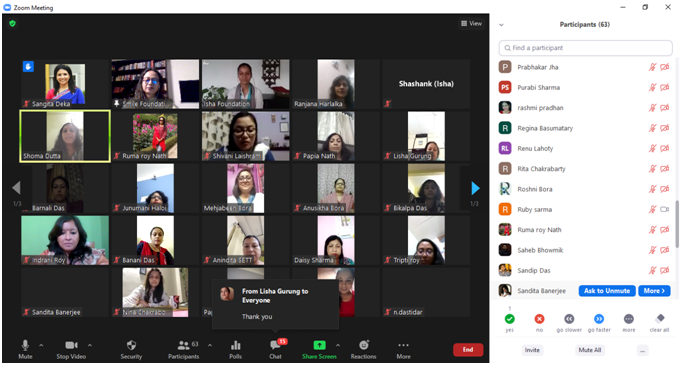
To facilitate this we spoke with Isha Foundation and asked them if they could be our partners in organizing sessions for teachers across different schools. Isha Foundation under the guidance of Sadhguru has become over time a support stem for many people across the world. The volunteers at Isha Foundation while continuing with their daily lives diligently devote few days and certain number of hours to “Sadhana”as well as organizing sessions for their audience online globally.


They provided us with a repertoire of programs for the wellbeing of teachers, students and parents. We then started to reach out to schools with our programs such that they can choose what is best for their teachers & school staff. And, Yoga for Peace was one such program that clicked well with teachers.


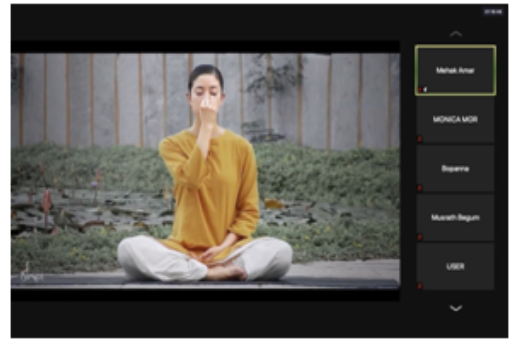
This is a one hour session which has certain pre requisites like being on a relatively light stomach before doing the kriyas as also being in a setup where there is no disturbance of any kind. It involves nadi shudhi and meditation for close to 45 minutes interspersed with Q&As so that participants are able to perform the asanas with ease.


pic 1 YogaforPeace


We had some teachers who felt very relaxed after the session, some who wanted to know more about it & to make it a part of their daily practice, while some due to prior health issues found the going tough. Whatever the takeaways, the session on Yoga for Peace, true to its name, successfully for over 45 minutes, provided peace & calm to all participants. Those who were finding it tough were provided solutions to make it simpler for them. Then those teachers who felt that it was time to start focusing on their self wellbeing were inspired by the session to pick up the journey of Yoga as a way for life for themselves.


We,at CFC, believe that if we can help in bettering the lives & state of mental being for even one person we are successful in our endeavours and efforts to reach out to our beneficiaries.


To know more about the CFC programme visit https://www.smilefoundationindia.org/childforchild.html

Categories
Partners In Change

Early Childhood Education- Need of the hour

“Education is the passport for the future, for tomorrow belongs to those who prepared for it today.” – Malcolm X


One of the most important requirements of current times is education during early childhood. As rightly said by Malcolm X, it is a passport to a better future and the one that needs to be provided to every child by the authorities.


The Problem in Education Sector


In India, a country of 1.35 billion people, there are over 472 million children making for the 39% of the country’s population. Out of this number, over 35 million children have never been to a school as per National Sample Survey Office (NSSO, 2014). Even with more than 1.5 million schools, early childhood education is a neglected topic for children living in urban slums and remote rural areas.


The problem isn’t just with poverty and ignorance when it comes to child education, but also the lack of infrastructure and adequate resources in the schools. While 29% of the schools are private, they are inaccessible to the 22% of the people who are below poverty line (Census 2011). Over 92,000 elementary and secondary level schools in the country have only one teacher in the school.


A large number of schools do not even have basic amenities like water supply, toilets, and even blackboards or a roof over the classroom at times. For a wholesome development of a child, a wholesome curriculum involving academics, sports, and recreational activities is necessary. However, in a scenario where children do not even have water to clean and drink, access to everything else becomes a luxury.


MG 2272 1024x683 1


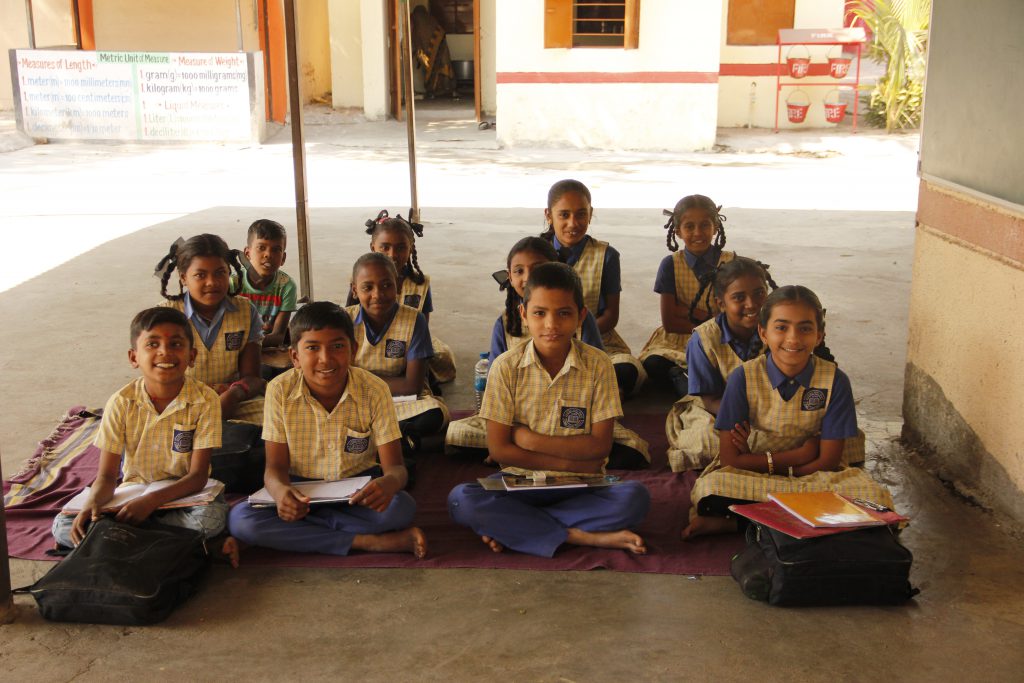
While the attendance in schools has increased significantly, the major reason for which is the mid-day meals offered in government schools. However, the environment and infrastructure required for the wholesome growth of the children are still missing in a significant number of these schools.


Smile Foundation’s Intervention


In a bid to provide the children the relevant requirements to develop in a safe and healthy space, Smile Foundation has associated with government authorities to improvise the learning conditions in the government schools.


The intervention includes providing students with books and uniform to installing water purifiers, building toilets as well as providing teachers to fill in for the deficiency of qualified and trained staff.


One such association current active is in a small heavily industrial town of Dahej, 55 kms from Bharuch in the state of Gujarat. With the entire area housing some of the poorest families, the need of children getting quality education becomes even more crucial. Smile’s intervention has been in terms of building toilets, setting up water purifier, and providing teachers for three subjects in this school.


Sensitizing Parents and the Community


Besides providing resources, sensitization of parents towards children to school is also regularly conducted by the Mission Education representative. More than half the children belong to extremely poor household where both parents work as daily labourers. Parents are reluctant to send children to school, specially girls, for they can contribute as an income source and assist in bringing one more plate of food to the family.


MG 2106 1024x683 1


Most children drop out of school after class 8th from this government school since the nearest higher education government school is in the city at a distance of 20 kms from the area. The parents are also encouraged by our agent to let the children continue on to higher education so that they can have a stronger and brighter future.


With each intervention, no matter how small, we are bringing a change that we hope to turn into a wave of transformation in the lives of the poorest. The best means to break the cycle of poverty is by educating the young and the same requires the support of both the teachers and parents, as well as authorities entrusted with the responsibility of providing opportunities to every child in the country.


To know more about early childhood education and help children go to school, click on: https://www.smilefoundationindia.org/me/

Categories
Partners In Change

Teaching children the universal language: Kindness

Kindness is a global religion, it is a language understood by all. In a world filled with different world views, it is kindness which brings us all together.


Every year November 13, is seen and celebrated as the World Kindness Day. The day is celebrated with the aim of spreading kindness through small gestures and creating a positive environment. It is celebrated to end the notion of hate against each other and to promote peace.


Be it volunteering with an organization to teach underprivileged children, helping the poor by providing them with basic requirements, feeding a stray, helping a specially abled cross the road; every act of kindness matters in this world filled with inequalities.


123263421 3966096936747578 5184416380074222310 o 3


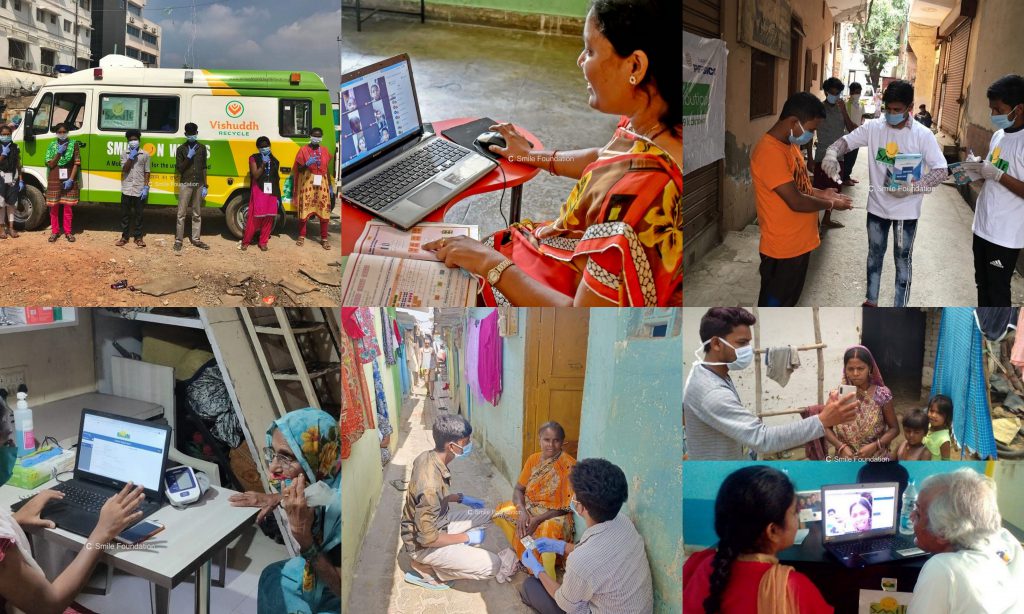
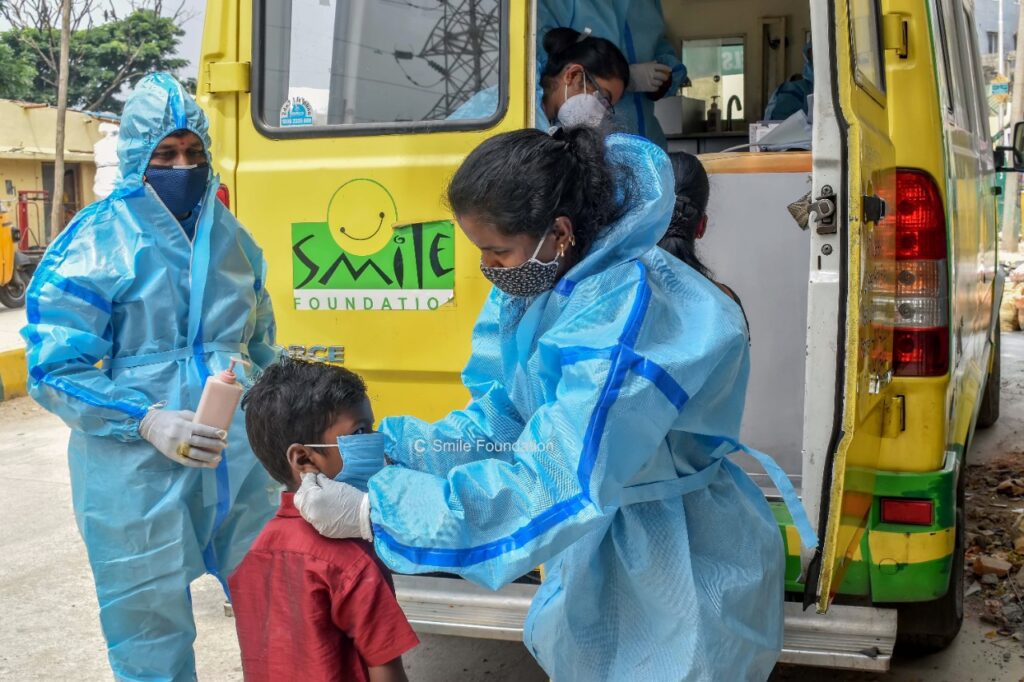
Smile on Wheels doctors, nurses and volunteers have been helping the poor and underserved before and throughout the pandemic. These brave-hearts travel to the most remote and rural locations in the country to provide relief in the form of free and accessible doorstep healthcare services. All precautions are being taken and to ensure safety for all.


122012984 3942016262488979 8045051934340053955 o 1


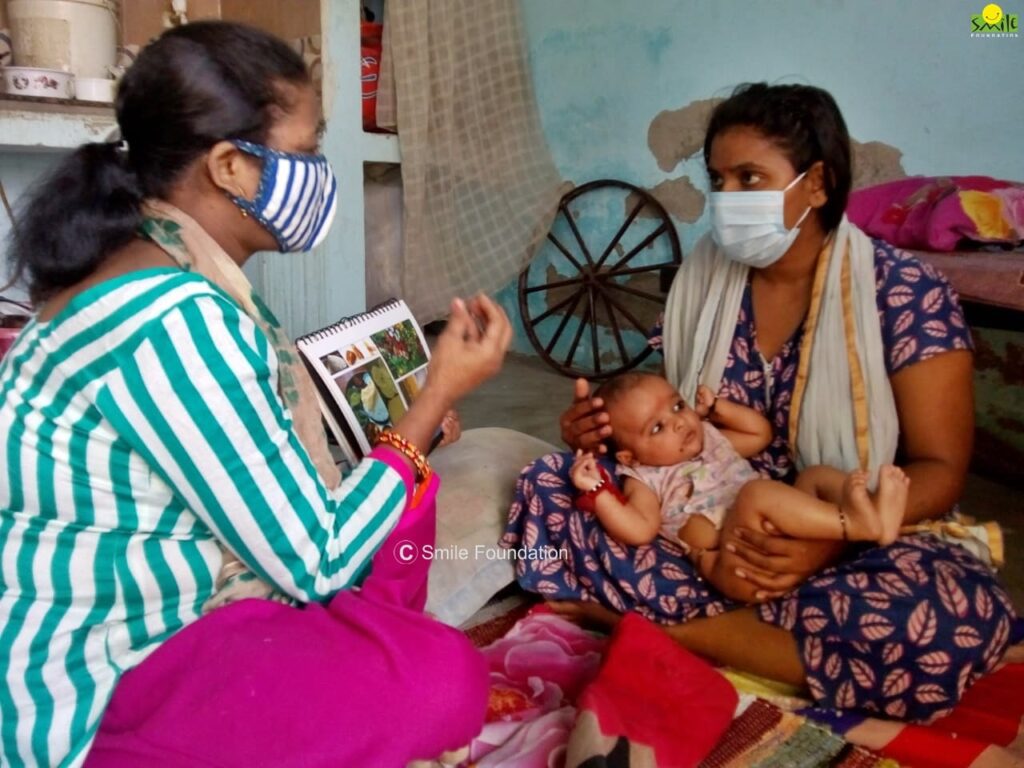
During the pandemic new mothers and young girls from underprivileged families faced a hard time. To take care of a new born in conditions when unemployment was rampant and a lot of misinformation was spread, navigation through first days of motherhood posed a great challenge for many. For young girls it was difficult to obtain sanitary pads, counselling about menstruation and proper information about nutrition. But ground workers from the Swabhiman programme came as messiahs for these underprivileged women and girls. They helped them understand the basics of caring for a child, the precautions to be taken to keep oneself and the newborn safe from Covid-19 and also provided girls with sanitary napkins and counselling.


121574992 3919341194756486 8583941707053353927 o


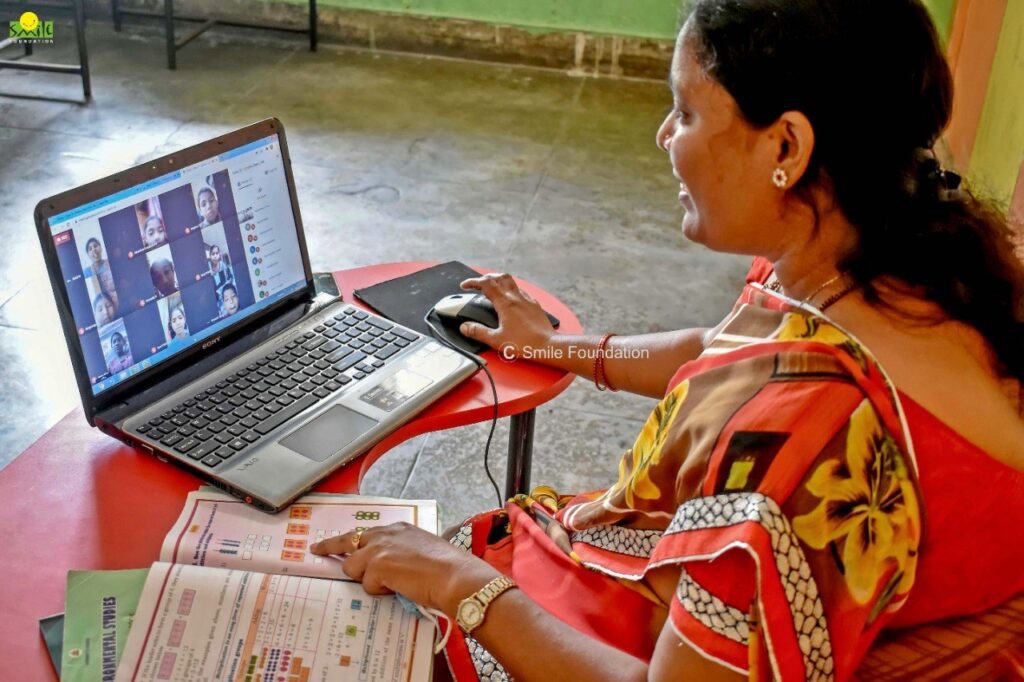
Teachers had a difficult time during the lockdown; to learn to teach through online mediums and to constantly encourage children to keep them motivated became a huge task for them. But their zeal to serve and educate children in any way possible kept them going. Mission Education teachers from all over the country helped the students with their studies through online mediums and later through cluster classes, constantly holding their hands in every step of the way.


With have many such great examples in our everyday society; of people who show kindness in various forms. These are the people whose examples can inspire children to be kind and teach others the language of kindness.


To know more about Smile Foundation visit https://www.smilefoundationindia.org/
0%