Categories
Insights

Education of Poor Students during lock-down

The outbreak of novel coronavirus has created an unprecedented situation around the world, it has impacted all sectors including education of rural poor students. Humankind is no stranger to calamitous outbreaks of diseases. However, this is the first viral outbreak of this nature and scale in our lifetime.


The number of novel coronavirus disease (COVID-19) cases surged to more than 22 million across the globe, while the number of cases in India crossed 2.9 million as of August 21, 2020.


The nationwide ‘unlock’ / ‘Lockdown’ phases in India began March 25th onwards. All educational institutions were closed to promote the need for social-distancing, aggravating the impact on education. Schools and educational institutes have remained closed even after the unlock phases to ensure the safety of students, teachers and their families.


COVID-19 has posed such an emergency situation that the whole educational system has switched to e-learning in order to keep the students engaged in their academics. The unexpected closure of schools during the lockdown has led to digital education to ensure safety and to keep up the students with the curriculum. Hence, it is quite challenging for teachers, parents, and students to get used to the new age of schooling through e-learning. As no one knows till when the schools and other educational institutions remain shut.


The impact was more severe for disadvantaged children and their families. In India, where most people still live in rural areas, almost 70 per cent of children attend government schools. Nationwide digital learning is practically impossible in such schools and comes with its opportunity costs.


Poor internet connectivity, power supply, lack of smartphones and other gadgets hinder education of poor students in rural areas. The Niti Aayog, in its Strategy for New India@75 report, said 55,000 villages in the country did not have mobile network coverage.


School students between 4 and 12 years of age in rural villages hardly own mobile phones or know how to use them for digital teaching.
 

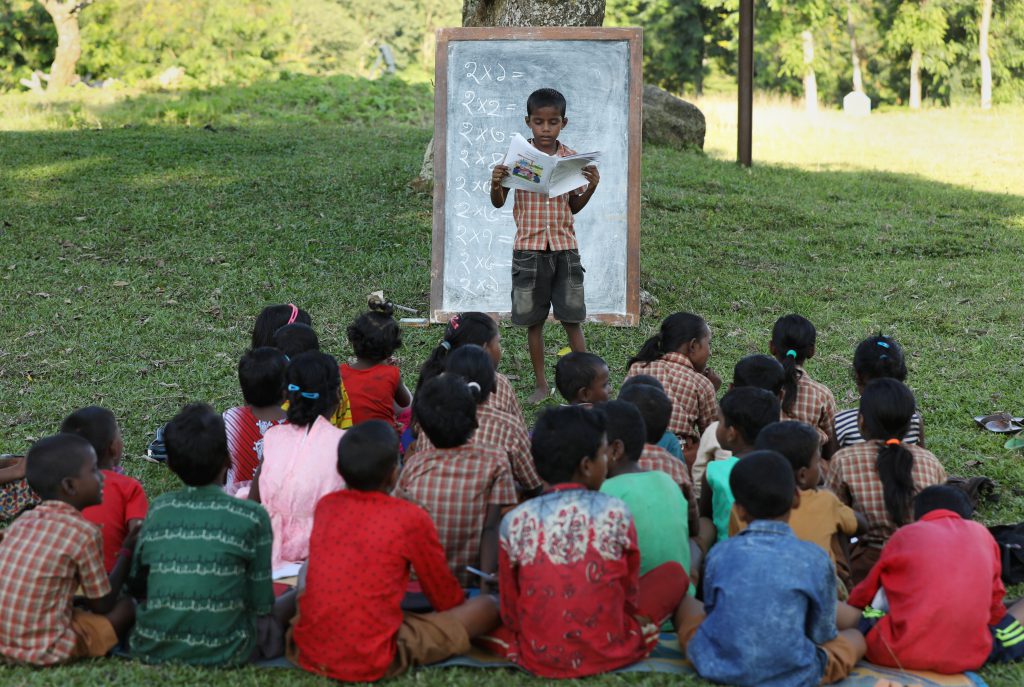
IMG 20200829 WA0061
Online class for education of poor children


Teachers connect with them through their parents’ phones, ultimately consuming their time. Mostly, parents who go outside from their homes, struggle between their work and the education of their children.


An in-house survey by the University of Hyderabad, it is found 2,500 students had issues with online teaching. Though 90 per cent of the respondents had a mobile phone, about 63 per cent of them could only access online classes infrequently or not at all.


Interestingly, among the concerns raised about online instruction, 40 per cent reported unreliable connectivity as being a major deterrent, while 30 per cent cited the cost of data. Significantly, 10 per cent reported on uncertain electricity supply as a concern. On the other hand, while mobile phones are more or less available to all, those who own laptops or computers are very few in number.


The New Education Policy, 2020 will prepare school systems to face such pandemics more efficiently and without prolonged disruption in the future and move towards building a strong public education system in the country specifically for students in rural villages in India. COVID-19 has taught us how schooling is not equivalent to merely learning, but encompasses a social space, a social process, to learn to live, think and act for the betterment of one’s self and society as a whole.


To know more about Smile Foundation’s research on lack of resources for online education visit https://www.smilefoundationindia.org/Media/about-56-pc-of-children-have-no-access-to-smartphones-for-e-learning-study.html
Categories
In The Spotlight

New Education Policy 2020: realities of digital divide & an under-skilled teaching staff

While the New Education Policy 2020 has the potential to build an intelligent society and a globally competitive workforce, the realities of digital divide and an under-skilled teaching staff can be formidable blockers on the way.


With the advent of intuitive technologies such as artificial intelligence (AI), the world was undergoing a steady shift. In the past six months this shift was expedited with the outbreak of COVID-19. The need for contact-less operation of day to day lives has forced the world to go virtual overnight. In the post COVID world where costs will be measured in terms of sustainability and digitalisation, survival will depend on how well we adapt to this new normal. In this backdrop, India’s launch of the New Education Policy (NEP) 2020 is not only timely but also has the potential to provide a safety-net that can insulate talent from any such future socio-economic jolts. Its focus on innovation, digital leverage and entrepreneurship is a great promise towards building a skill-based learning model where the outcome will be job security and better livelihood.


De-streaming education prepares one for the complex and multidisciplinary modern world


The New Education Policy 2020 blurs the boundaries between rigid streams of education – arts and sciences, sports, vocational and academic streams. This multi-disciplining will serve two purposes. One, it will prepare the students for a more complex business world of today which requires skills that are not soiled by technical-only or humanities-only approach. The inter-disciplining of education will also help inculcate attributes such as emotional intelligence, critical thinking and problem-solving – skills necessary for surviving in a rapidly machine driven intuitive tech world.


Multiple exit option will help skilling and employment to go hand in hand: The New Education Policy allows multiple entry and exit points to students during under-graduation. On completion of each year of education/a given program they are recognised with a certification, diploma or a degree. This enables students to temporarily break away from formal education to gain practical on-the-job training and then get back to higher education utilising the Academic Bank of Credit – a digitally storing academic credits system that students can use at any point of time to earn their degree. This is a classic way of integrating education with employment that will make students job ready and even eligible for higher wages as soon as they graduate.


Interjecting new age tech education to make talent thrive in an AI economy


Inclusion of coding from 6th standard will go a long way in making talent ready for the ‘21st-century skill,’besides closing the current skill gap in coding literacy. The emphasis on application of ideas and concepts for solving real world problems will make learning experiential. Introduction of contemporary subjects such as AI, Big Data Analysis, and Machine Learning will prepare India to thrive in an AI economy.


Holistic learning to build a cadre of globally responsible talent: Community engagement will constitute an important part of the new education system. It will help intertwining of subjects such as climate, culture, values and environment awareness.This approach will be foundational to building a talent cadre equipped to respond to the contemporary global challenges.


The essence of the NEP 2020 lies in the process in which students acquire skills. Through a learning model founded on digital, multilingualism and multidiscipline, the New Education Policy if implemented well, will be a true catalyst in building an intelligent society and a globally-competitive workforce.The challenge, however, will be in making this tech driven education vision inclusive. Digital divide remains a reality in India. What can the NEP 2020 do to bring the students – on the wrong side of the technology divide – into the fold of the new learning scheme? The other challenge is building a robust pool of teaching staff not only skilled in imparting education in a digital environment but also enabled to constantly upgrade knowledge to keep up with the constantly transforming market and technology.


To know more about research on digital divide by Smile Foundation visit https://www.smilefoundationindia.org/Media/56-children-have-no-access-to-smartphones-for-e-learning-study.html
Categories
In The Spotlight

Tele-medicine can be the game-changer for India’s rural healthcare

With tele-medicine the goal of Universal Health Coverage can find its finest success story in India, provided we come up with solutions that align to the country’s ground realities. Language, digital infrastructure and awareness will be the game changers.


The time to expedite the Universal Health Coverage (UHC) goal has never been more critical than now. The COVID-19 pandemic has brought healthcare to the centre stage of public discourse today. Government and health authorities are rejigging policies overnight to fast track delivery of medical care. A case in point is the announcement by NITI Aayog about India’s decision to recognise tele-medicine as a viable mode of remote health consultation. If implemented well, tele-medicine can revolutionise India’s access to healthcare.


At its current state, most of the medical specialists and advanced hospitals are concentrated in urban areas. This leaves approximately 926 million Indians who live in villages, small cities, and towns struggling for adequate care. Against the WHO recommended doctor to patient ratio of 1:1000, in India it is 1:2000. And the doctors who are working in remote areas are not equipped enough to offer any specialised consultation to the patients due to lack of adequate investment in rural healthcare infrastructure.


Tele-medicine can address these gaps to a great extent. Through community based tele-health kiosks in small towns and villages, patients can connect with specialist doctors at the nearest urban hospital to carry out diagnostics. The good news is India continues to have one of the fastest growing bases of internet users where the rural internet users are said to be increasing by 58 per cent annually. By 2034, 80 per cent of India will have digital connectivity. Similar projections are made for access to smartphones. These developments augur well for enhancing healthcare accessibility through digitisation.


Tele-healthcare can also improve efficiency in terms of coverage of patients per day. The number of examinations can double as compared to OPD consultations thanks to the streamlining of processes through technology. This can also fill the void of doctor patient ratio. 


Udaipur Rajasthan
tele-medicine and tele-healthcare for people in rural India


Rural health kiosks can also help enabling livelihood across the village communities. Each of these kiosks will require manpower which can be stationed at these centres. Through skilling, the village youth can become the first-line responders of preventive and essential healthcare. They can be trained to perform services such as checking blood pressure, running tests for intestinal sickness, blood glucose levels, and haemoglobin, and administering over-the-counter medicines for fever and aches.


However, to get there India will have to scale infrastructural and behavioural hurdles. For one, while a number of Indian startups have launched healthcare apps that facilitate remote consultation, very few support local languages. Second is the payment option. Most of the tele-health offerings support digital wallets like Paytm or Google Pay – this model of transaction may not be very popular in remote areas. A bigger challenge is the need for behavioural change. Population in smaller towns and villages have a bias towards brick and mortar health set up. Awareness about tele-medicine is low and therefore the buy-in about its effectiveness.


If these challenges are tackled then India can become the finest success story of the UHC goal. Not just that, tele-medicine can also become a thriving investment and entrepreneurship opportunity. The game-changer, however, will be launching solutions which are customised to the ground realities of the country.


Noida UP
tele-medicine and tele-healthcare for the rural poor in India


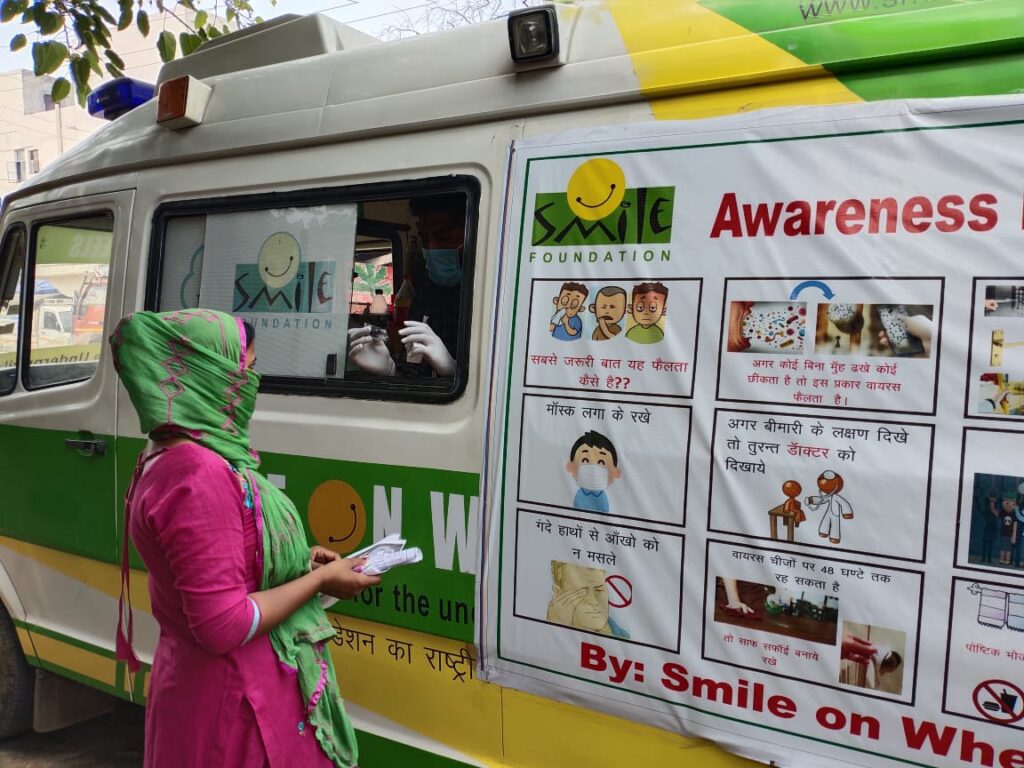
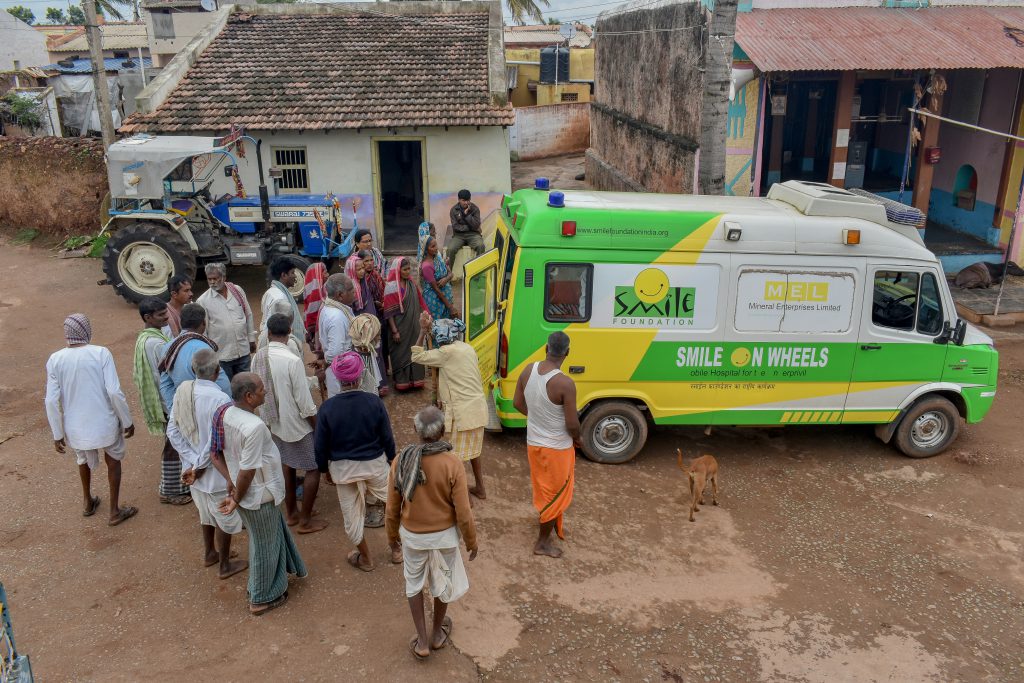
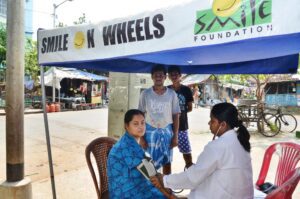
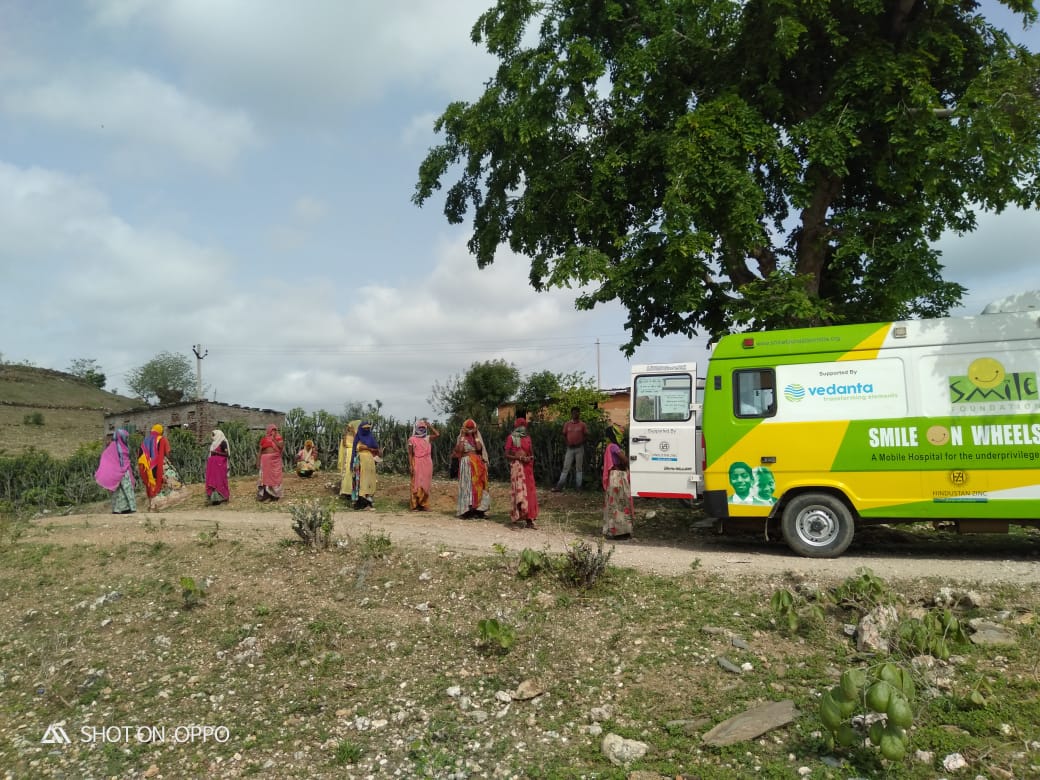
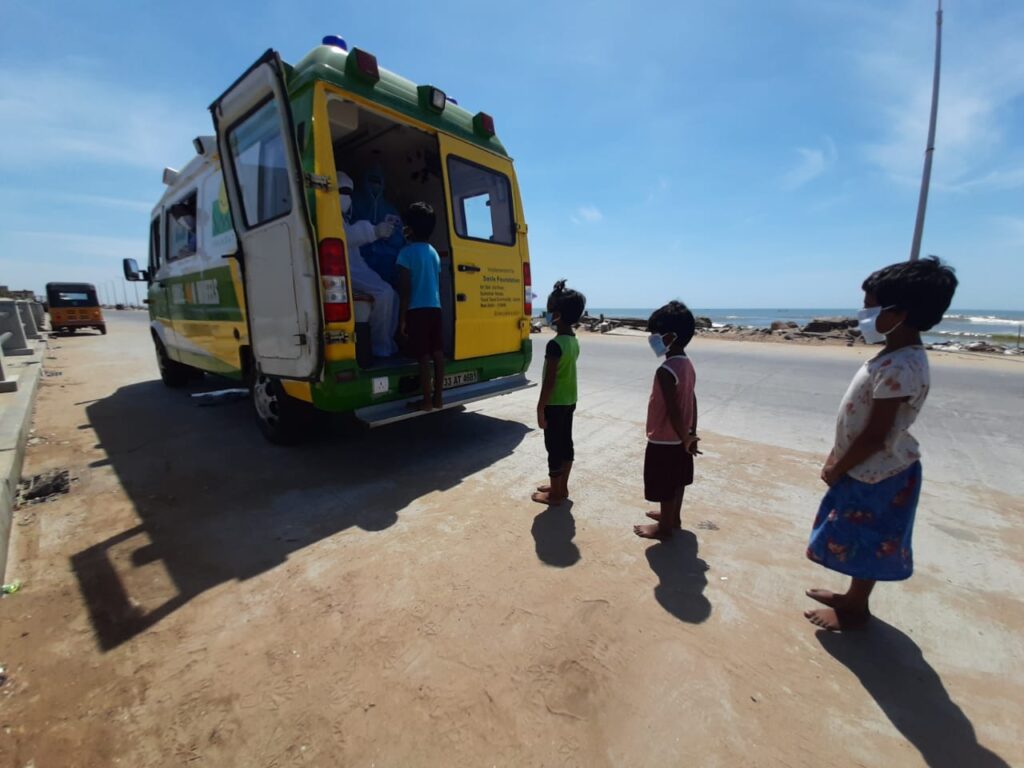
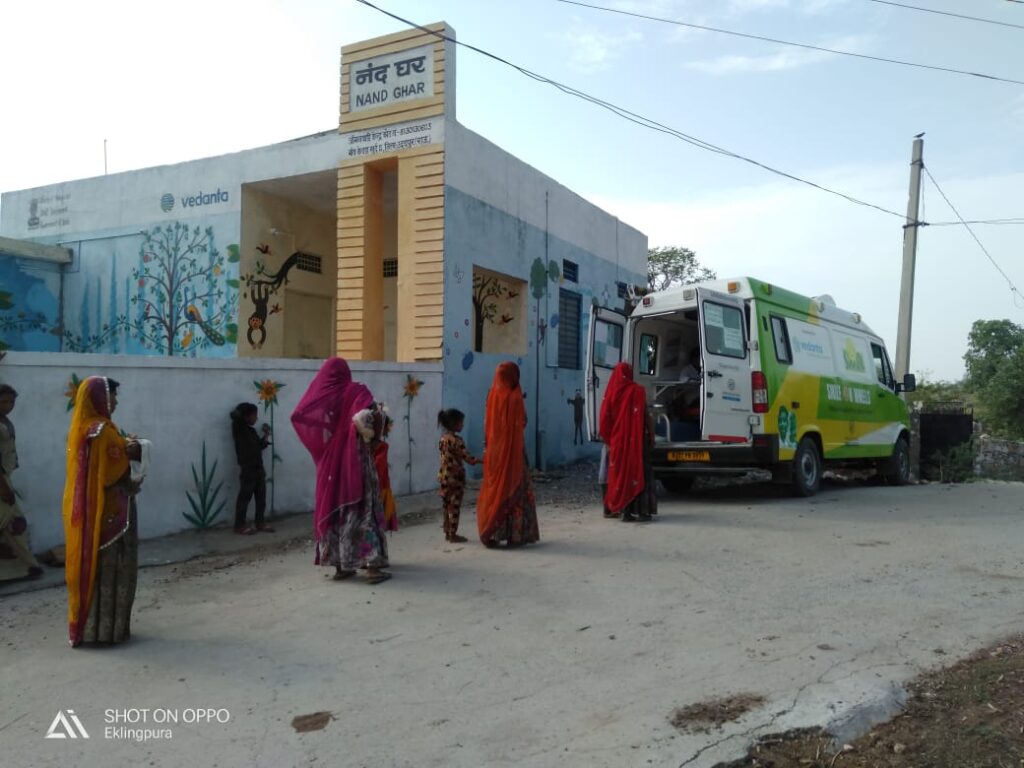
Smile on Wheels, a mobile hospital programme of Smile Foundation takes healthcare to the doorsteps of vulnerable communities in the hardest to reach places. It has benefited more than 1 million people so far.


Through it’s programme Health Online within the Smile on wheels programme, tele-medicine or e-clinics overcome the scarcity of doctors in remote rural locations. For every 10 on ground clinics with paramedics there is 1 digital clinic with a doctor covering many communities.


To know more about Smile Foundation’s healthcare initiative for the rural poor visit https://www.smilefoundationindia.org/health-cannot-wait/

Categories
Partners In Change

Online School Principals’ Meet by Smile Foundation

The COVID-19 pandemic has shifted the paradigm for the entire world. Businesses across all industries have taken a massive hit. Living standards and lifestyles have undergone a sea change. We have seen massive transformations in the way the world is moving ahead while dealing with the pandemic. We have seen many  industries shutting shop and many others opting for the digital route. There was  huge impact in the education sector as well with most of them moving to online schools. And who knows it better than the leaders of educational institutes.


So CFC team decided to get in touch with principals across the country. What we realized was that when the lockdown was announced and schools shut down, it created an atmosphere of uncertainty amongst principals, teachers, students and their parents. We decided to bring the school community online and we  started to reach out to our partner schools to understand how the classes would be conducted and how children could be kept happy. A series of webinars was then organized with principals to understand two things:


  1. How to keep children happy; &
  2. Best practices to manage online school in a Covidian world.


We got some very interesting perspectives from principals & school representatives in a series of webinars conducted pan India with our partner schools. Most of the schools who’s infrastructure was in place immediately went online with their curricular and their extra curricular activities. Teachers were trained to handle classes digitally and to even manage online class decorum. This was something new for all teachers and students and the entire school ecosystem. As class time tables were put in place, a huge amount of time slots were given to School counselors to speak with children and to help them rid their anxiety about the pandemic and to deal with issues related to increased screen time.


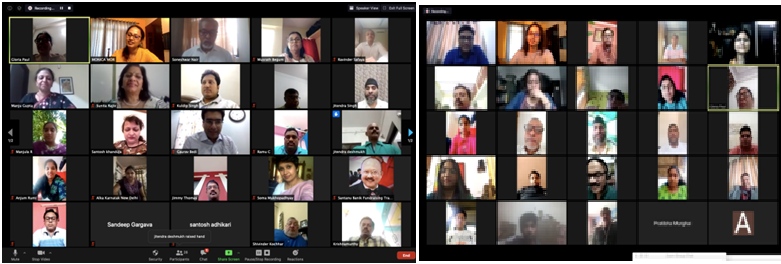
We conducted over 20 Principal Meets, both at the Regional and at the National level. We interacted with over 150 principals through Zoom platform and got an understanding about how online schools would be conducted. Principals from schools all across the country joined in, some of them being Police DAV Public School, Jalandhar; Kendriya Vidyalaya IIT, Chennai; South City International School, Kolkata; University of Life, Sindhudurgh; International Public School, Bhopal; and Sri Sri Academy, Hyderabad.


Below are quotes of few principals about how they have been managing their students and entire school fraternity:


“We have organized online musicals and painting competitions. All of which were very enthusiastically participated in by children. We created competitions like Khelo Manibhai to excite the students.” Anjali Deo, Principal, Manibhai Gujrati High School, Amravati


“We started first with getting children meet each other online. Then we moved on with online Mothers Day celebration. From there on, we used hand puppets and break out rooms to keep children engaged online.” Mrs. Sunita Rajiv, Headmistress, Ahlcon International School, Delhi


Mrs. Manila Carvaliho, Principal, Delhi Public School, East Bangalore addressing the panel during the National webinar on Managing schools during Covidian times.


online schools for privileged children


 “Our counselors have been in regular touch with children to assess the stress and anxiety levels amongst them.” Mrs. Manila Carvaliho, Principal, Delhi Public School, East Bangalore.


To know more about Child for Child programme visit https://www.smilefoundationindia.org/childforchild.html

Categories
Partners In Change Smile

Primary health-centres: Importance and need

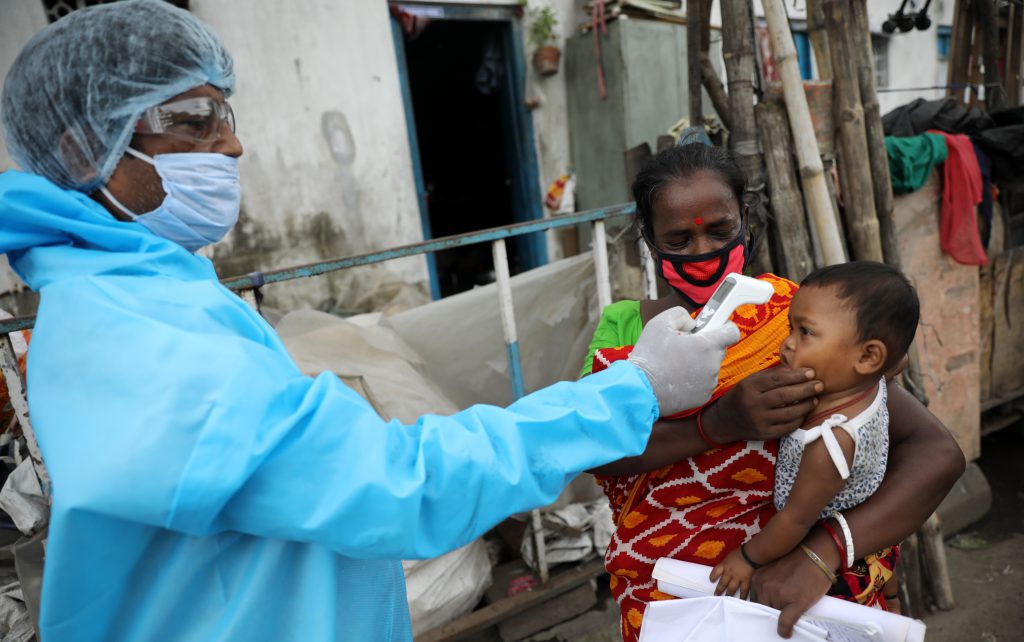
Millions of health care workers—physicians, nurses, technicians, other healthcare professionals, and hospital support staff who provide essential services have faced the challenge of providing care for patients during COVID-19. They have faced challenges of not being equipped properly and and many a times have risked their own lives to save the lives of others. In rural areas people have struggled with health issues due to lack of services and lack of primary health-centres. Smile Foundation health-care workers who begun travelling to remote rural areas during the pandemic report from the ground.


Dr. Anil Patel, Smile On Wheels, Chaibasa, Jharkhand


Lack of primary health-centres a problem for rural people


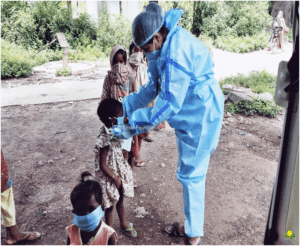
“It fills me with immense happiness when I am able to help children in any form. This time, it was about protecting them from the risk of catching communicable diseases that are on a rise during monsoons. Ensuring their safety by teaching them the use and necessity of wearing a mask, I feel I am able to protect them from harm. It is an empowering feeling not just for these children, but for me as well. It is moments like these that help me realise I am more than a health worker- I am also a caregiver.”


Dr. Sadan Kumar, Smile On Wheels, Chhattisgarh


Lack of Primary health-centres a problem for the poor


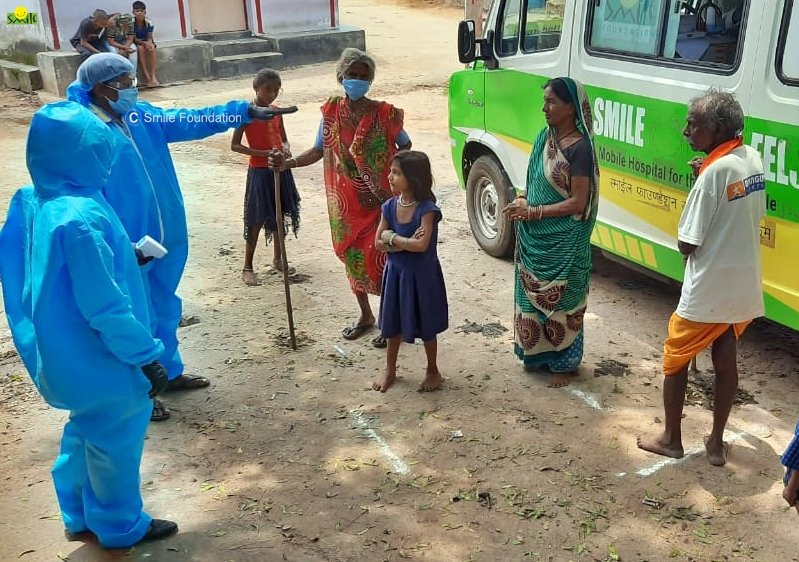
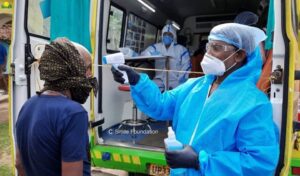
“Wearing PPE kits for all day long in a humid weather gets quite tiring. But when it comes to taking care of a pregnant women, or an elderly man walking with the help of a stick or even a small child complaining about fever, I forget about my own troubles. All my difficulties suddenly seem irrelevant when it comes to providing health services into remote communities in primary health-centres, where people have been struggling to receive basic health facilities since the lock down began. A smile or even a sigh of relief in return actually makes all my pain fade away.”


Dr. Manoj, Smile on Wheels, Gurugram


109603192 3628965960460679 7498884379450034139 o
Lack of primary healthcare a problem for the rural poor


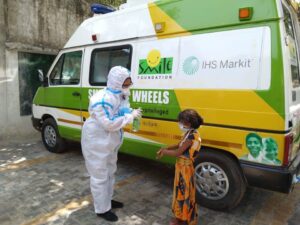
“Teaching children about healthy lifestyle is the best way to educate an entire community to safeguard their health by making it a priority. Working in remote corners and slum areas, we are spreading awareness regarding use of masks and sanitizers as the best ways to deal with the rapid increase in #Covid19 cases. And the kids are very responsive and enthusiastic. They learn from us, and pass it on to their elders. When I see this gradual change, I feel like my job as a healthworker is helping save more and more lives everyday.”


To know more about Smile Foundation’s healthcare interventions visit: https://www.smilefoundationindia.org/health-cannot-wait/

Categories
In The Spotlight

Unemployment and mental health top concerns for youth mitigating Covid-19

The youth may be far less susceptible health-wise to the Covid-19 virus, but they are not immune to the manifold and far-reaching adverse impact of the pandemic. According to a global survey of 15 to 24-year-olds by the Organisation for Economic Cooperation and Development (OECD), unemployment and managing mental well-being are the biggest concerns of the youth mitigating this difficult situation. And their concern is not without cause.


The economic crisis spurred by the pandemic is said to be worse than the great recession that rocked the world a decade ago. According to a Microsoft report, global unemployment in 2020 may reach a quarter of a billion people. The figures back home are no more encouraging. The COVID-19 pandemic and the subsequent lockdown measures led to an unprecedented rise in India’s unemployment rates, particularly during the months of April and May. The scenario is worst for youth, who make for the largest age-group wise segment in India’s workforce, as they face mass unemployment. According to data from the Center for Monitoring Indian Economy (CMIE) about 41% of people aged 15-29 were out of work in May; 27 million people aged 20-30 had lost their jobs in April. Even before the pandemic started, India’s economic growth was sluggish, and youth unemployment rates were record high.


Despite reports of the economy opening up and the overall unemployment rate dropping to pre-covid-19 levels, thousands of youth are still looking for a job in a market that may no longer have a space for them. The job market is undergoing a major transformation in the Covid era and so is the availability of jobs for the youth. Recently, while addressing the Digital Skills Conclave on the World Youth Skills Day, the PM emphasized on the need to “Skill, Reskill and Upskill” for surviving in the rapidly changing environment. Industry 4.0 had already brought a paradigm shift even before the pandemic with digital technology driving the job market. Covid-19 has only accelerated this process.


DSC 7049 1024x684 2
Skill Training to reduce unemployment


Skilling and education are central for enhancing the employability of the rising workforce, but they would become even more important following the pandemic. Employers are struggling to deploy people with the required skill set, whereas a huge number of displaced workers with limited skills are striving to regain livelihood. We, therefore, need to strengthen our skilling ecosystem today so as to enable workers to regain income and meet their career aspirations by securing quality jobs on the one hand and addressing the needs of employers and firms by providing them with the requisite talent for them to stay competitive on the other. While it is definitely important to provide a platform to the workers who have lost jobs to regain employment, it is equally important to address the persisting and ever-widening skill gaps in the job market.


One of the key steps for a successful and speedy economic recovery will be greater and inclusive access to the digital skills needed to fill newly available jobs. But technology is only a means to an end. In addition to digital skills, people-oriented soft skills remain as essential as ever – perhaps even more so given their durability at a time when technology continues to evolve at breakneck speed. The pandemic has highlighted the widening skills gap around the world which needs to be closed with even greater urgency to accelerate economic recovery. This calls for redoubled investment in skilling, ensuring that training reaches a wide population of youth with the greatest needs, making them gainfully employed.


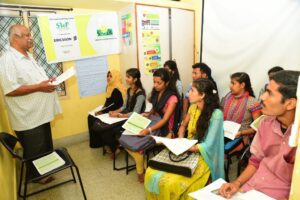
Smile Foundation’s STeP programme is aligned to this objective and is working towards building a digitally skilled workforce from less privileged youth that is prepared to face the new world thrown open by the pandemic. More than 10,000 young women and men are currently undergoing training at over 70 STeP centres across India.

Categories
Insights

Diseases in low-and middle-income nations causing deaths

Over a million premature deaths in low-and middle-income nations occur every year due to causes and diseases that can be either easily treated or prevented from becoming life threatening in the first place.


With ever advancing technology and breakthrough in medical field, quality healthcare is becoming more accessible and affordable for people with average and above average resources. The poorest, however, are still the worst affected in the struggle to get their hands on basic, get lifesaving healthcare. The problem is even more dive for people living remote regions, especially, the population of tribal and indigenous group.


The most common and top ten causes and diseases, that claim the lines of people in countries like India where an estimated 20% of population survives on barely a dollar or lesser a day, are usually the ones that easily preventable and treatable before it turns fatal. As per WHO 2018, the top 10 reasons for high deaths in lower and middle income countries are –


  • Ischemic Heart disease
  • Stroke
  • HIV/AIDS
  • Lower respiratory infections
  • Chronic obstructive pulmonary disease
  • Tuberculosis
  • Diarrhea
  • Diabetes
  • Childbirth and pregnancy related complications,
  • Road injury


Except deaths due to road injury (which can be reduced with safer driving measures in place), all of the above diseases are now preventable, treatable or treatable to the extent that one can lead a long and healthy life. Forming a large part of reasons for annual deaths, non-communicable diseases are easily preventable from becoming life threatening in a later, more advanced stage through awareness and regular access to necessary medications and consultations.


Excessive consumption of tobacco and low quality alcohol with lack of physical activity and proper nutrition are among the primary reasons why a large part of population is affected by these non-communicable diseases like heart attacks, strokes, diabetes, chronic obstructive pulmonary disease and asthma. If diagnosed on time and provided with proper consultation on how to live with a chronic disease, a lot of lives can be effectively saved.


As per a study in National Center for Biotechnology Information  (NCBI), 40% of all hospital stays are accounted by NCDs in India which also cause 53% of deaths and over 44% of disabilities in people in the country. The lack of awareness among the masses and access to timely necessary as well as affordable treatment in the country for these chronic diseases are the primary burden when it comes to noncommunicable diseases.


Treatment for once fatal tuberculosis has now been around for more than a decade and yet thousands of people in lower economic strata of the society lose their lives to this disease. The treatment for the same is also easily and affordably available in most government hospitals around the country. However, a lack of awareness and timely access to the necessary resources and also the location of most hospitals being in the cities, results in a lot people not being able to access the medicine on time as well as for the duration of treatment.


Deaths due to pregnancy and childbirth related complications occur is largely due to preventable and treatable causes made up of – severe bleeding (mostly bleeding after childbirth), infections (usually after childbirth), high blood pressure during pregnancy (pre-eclampsia and eclampsia), complications from delivery and unsafe abortions (as per World Health Organization). These four fold complications arising during and after pregnancy arise out of a the lack of prenatal and postnatal care that women require to maintain their health and that of their babies.


SCH 3346 1024x678 1
Smile on Wheels sensitises people on curable diseases


Smile Foundation has been on the forefront to bring healthcare to all through intervention and awareness under its health vertical, Smile on Wheels. With a focus on prevention, Smile on Wheels’ healthcare worker conduct health awareness sessions to educate people about non communicable diseases and the importance of maintain a healthy lifestyle with nutritious diet and adequate physical activity.


While most of the diseases can be prevented through early intervention and detection, awareness around safe and healthy pregnancy and childbirth still remain under addressed, largely among the rural and remote areas of the country. Smile Foundation under its women empowerment vertical, Swabhiman and healthcare program of Smile on Wheels, spreads awareness on reproductive and maternal health among underprivileged communities in urban slums and rural villages.In addition to encouraging healthcare seeking behaviour among young girls of reproductive age, pregnant women and new mothers, Smile On Wheels keeps a record of pregnant women and new mothers through Anganwadi workers to bring essential services for ANC and PNC for these women.

Categories
In The Spotlight

Importance of prenatal and postnatal care

For most women, becoming a mother and holding the newborn baby is among the happiest moment of their lives. It is right and happiness that every woman wishing to be a mother is entitled to. However, for many pregnant women this does not come true and at times even results in worst of the scenarios. Every day as many as 800 women die due to complications arising out of pregnancy (as per UNICEF) and uncountable many lose their baby.  In India, a woman dies every 20 minutes due to pregnancy or during childbirth, as per the World Health Organization. The major cause of this is insufficient and poor prenatal and postnatal care and the lack of awareness around the needs of women during pregnancy.


The high number of maternal and infant mortality is largely due to preventable and treatable causes made up of – severe bleeding (mostly bleeding after childbirth), infections (usually after childbirth), high blood pressure during pregnancy (pre-eclampsia and eclampsia), complications from delivery and unsafe abortions (as per World Health Organization). These fourfold complications arising during and after pregnancy arise out of the lack of prenatal and postnatal care that women require to maintain their health and that of their babies.


Pregnancy during Adolescence


The journey to safe and healthy a mother and child begins with educating adolescent girls about their bodies and encouraging them to make decisions about their bodies and health. Pregnancy and childbirth require a physically and mentally prepared woman, capable of handling the changes brought on in the process and proper prenatal and postnatal care. Globally, mortality is high among girls between the age of 15-19 years whose bodies are still growing and changing and who are put through the trauma and complications of pregnancy. As per a UNICEF report, as many as 100 in 1000 adolescent girls between 15-19 years go through pregnancy in India, as of 2018. The physical and psychological burden of pregnancy and childbirth can significantly weaken a girl’s young body leaving her vulnerable to risk in future pregnancies.


Maternal Healthcare


Every pregnant woman needs access to prenatal and postnatal care to ensure her and her baby’s health and welfare. As per WHO, every woman who is pregnant must have at least four prenatal attendance and have access to iron and folic acid supplements for at least 100 days alongside two tetanus shots and vitamins and calcium to maintain her physical health and prepare her body for childbirth. Prenatal visits provide the opportunity to detect and possibly prevent adverse birth events. However, only 21% utilize or get access to all four ANC visits and barely 30% take IFA for the minimum stated period. Low iron can lead to anemia which can be possibly life-threatening to both mother and child.


After childbirth, a woman’s body suffers from low levels of iron and calcium. For a speedy recovery, postnatal care includes access to iron, calcium, vitamin-enriched diets as well as supplements. These are necessary not just for the mother but also for the child who derives its nourishment entirely from the mother.


Most women in the country, especially in rural regions, find themselves at a disadvantage when it comes to receiving both ANC and PNC attention. Lack of primary healthcare centers and awareness among family members about the need of a pregnant woman with the rigorous lifestyle most women lead on an everyday basis puts them at high risk of not just miscarriages but also death.


1 5 1024x683 1
prenatal and postnatal care during pregnancy


Access to Safe Delivery and Emergency Care


To ensure a safe delivery, it is advised to have a skilled provider such as doctor, nurse, or midwife around to reduce maternal and newborn morbidity and mortality. India has achieved a significant feat where more than 81% of the deliveries take place in the presence of a skilled provider, thereby actively bringing down the mortality rate of mother and baby.


There, however, still remains a lack of emergency care such as cesarean section, or C-section which can be lifesaving interventions in case of a breech birth or some other serious complication, specifically in rural regions where hospitals and healthcare centers are not easily reachable.


Beginning for healthier and safer childbirth starts with awareness among girls and their families. In lieu of the same, Smile foundation under its women empowerment vertical, Swabhiman and healthcare program a Smile on Wheels, spreads awareness on reproductive and maternal health among underprivileged communities in urban slums and rural villages.


In addition to encouraging healthcare-seeking behavior among young girls of reproductive age, pregnant women and new mothers, Smile On Wheels keep a record of pregnant women and new mothers through Anganwadi workers to bring essential services for ANC and PNC for these women.


Without being healthy herself, a mother cannot completely provide her child with the adequate nourishment that an infant needs, and only with active attention, awareness, and invention can the world home come closer to reaching zero material and newborn mortality late.


To support the healthcare of women click https://www.smilefoundationindia.org/health-cannot-wait/

Categories
In The Spotlight

Healthcare for all: Reaching the unreachable

Healthcare is among the most important and most difficult to reach for by the people with no homes and no identities. As of 2020, approx. a billion people are displaced, out which 763 million are internally displaced. Most of these people do not have any documents relevant to seek essential services which are their human rights and that prevents them from getting access to their needs.


85 % of the total displaced people, both domestic and international, are being hosted by developing nations. The health infrastructure of these nations is too weak to serve the needs of these people looking for a home and support in an alien place. Another group of people that are worst affected are the ones living in remote locations, the tribal and’ indigenous population. Such regions, though sparsely populated, do not generally have hospitals or a primary healthcare facility.


The population living in these vulnerable conditions and remote regions face severely poor socioeconomic conditions due to unemployment and/or isolation which also puts them on a back foot when it comes to accessing healthcare.


Living with poor sanitation and contaminated water with limited to no availability of nutritious food, they are also at an increased risk to a range of bacterial, viral and parasitic infections, as well as disease that can be easily prevented by vaccines. Another major factors that make it difficult for people displaced from their homes can be of this legal status in the host region, a language barriers and discrimination.


Among these people, the most vulnerable are women, children and people with disabilities. The social and environmental impact of the changes they face elevates the health issues faced by them.


Chennai 4
Healthcare for children


In remote regions, the situation becomes critical due to the additional problems arising as a result of the lack of knowledge and awareness on the means to maintain good health, reduce preventable diseases and seek medical attention time. Even when people know when to seek medical attention, the non-functioning primary healthcare centres and non-availability of hospitals and doctors increases the rate of mortality among the population of people living in remote areas of the country.


Individuals and experts around the world seek to change the prevailing situation of weak healthcare facilities that are available for people in vulnerable situations and remote locations. With the advancement of technology, bringing quality healthcare to people around the world is becoming more and more easy. Among others, the most efficient and fruitful support is tele consultation and tele-medicine. With a rise in the use of smartphones and wide spread connectivity of the internet, providing medical assistance from healthcare experts to people living in remote regions is the way to go forward.


Most of the people in the challenging situations and locations are healthy, they do not suffer from chronic or deadly diseases, what they require is easy access to primary healthcare and regular awareness sessions on maintaining good health to avoid a health problem from becoming severe and possibly deadly. Teleconsultation can prove to be life-saving by helping in diagnosing a disease in its initial stage, for example, a common cold can be prevented from turning into pneumonia and more challenging to treat, if easy access to a doctor is available.


In regions, where people cannot reach or cannot afford to reach out for medical assistance, the same can be brought to them. By addressing, the primary and basic healthcare needs of the people surviving through social, environmental and economic challenges, the problem can be effectively removed before it turns into something far more severe.

Smile Foundation recognizes the above and under its healthcare vertical, Smile on Wheels, runs primary healthcare service vans that offers free quality medical assistances to underprivileged people at their doorstep in India. With regular consultation and a meticulously maintained health record of its beneficiaries, Smile on Wheels is able to address the primary and prevalent health needs of majority of the people they serve.


1 2 1
Healthcare through tele counselling


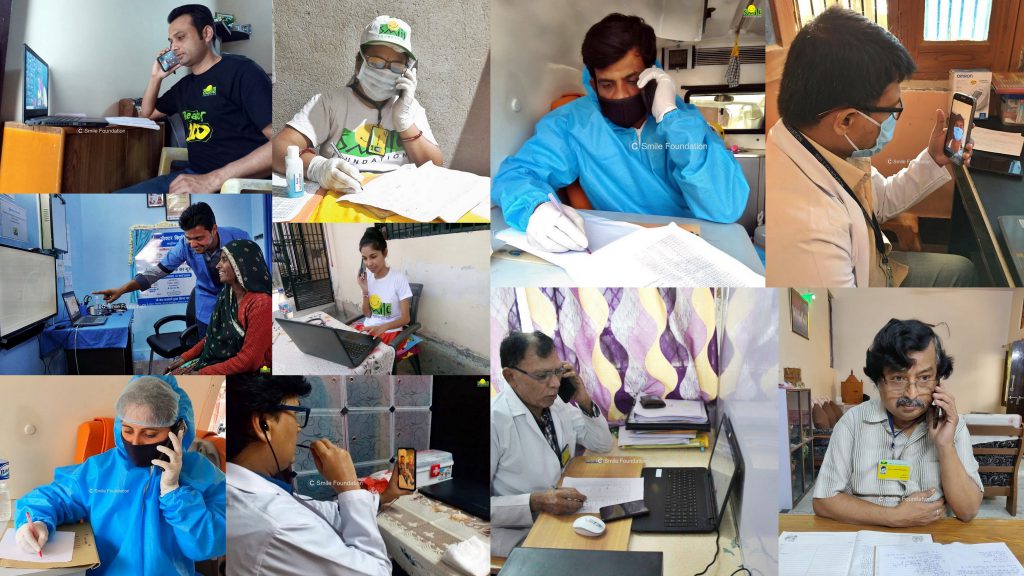
Teleconsultation and telemedicine is also a part of its program, where the doctors and health experts, connect with people through video and audio calls and address their healthcare needs when and where in person consultation is not possible. This has had a positive effect in terms of addressing the mental health problems of stress and anxiety arising due to difficult circumstances while the world learned to live with a pandemic.


Healthcare is a human right and every person should have easy access to means to maintaining a healthy body and mind. The world needs more innovations and implementation of services that bring quality healthcare to people without location or situation becoming unmovable hurdles in the path of it.


To help the most underprivileged support https://www.smilefoundationindia.org/health-cannot-wait/

Categories
Insights

Delayed immunization = bigger health crises

We still continue to fight the global pandemic that has entrapped the social, mental and physical well-being of the people. India recently crossed the mark of 8 lakh people who have tested positive for corona virus, with approximately 2.9 lakh active cases. According to the early notifications issued by the World Health Organization regarding Covid-19 worldwide spread, the virus was reported to affect the babies, older people and people with prior chronic medical conditions the most. However, with all the major and minor healthcare resources being directed towards curing the virus-affected patients, the basic medical facilities like vaccinations and immunization have been halted temporarily, either partially or fully.


Immunization is a core essential health service, especially for children below the age of 5 years. Primary immunization in a child’s life should not be delayed as it protects against diseases including pneumonia, diarrhea, meningitis, whooping cough and measles. In its guidelines, WHO has suggested that “During an epidemic, even a temporary interruption of basic health-care delivery such as routine vaccination/immunization services may lead to secondary health crises such as measles outbreaks during or after the recovery phase, amplifying the economic damage of the epidemic and exacerbating morbidity and mortality”.


The routine vaccination and immunization programs have been highly compromised due to various reasons during the corona crisis. Most common reason includes shutting down of these services or shifting of the immunization facility to support the Covid-19 patients. The other reason is the fear induced in the parents to take their children out for these services at such facilities with patients who are already fighting the corona virus. Disruption of continuity of these services may lead to major outbreaks of vaccine-preventable diseases that could be catastrophic for the communities and health systems of nations which are already battling the impacts of Covid-19.


SSH 0278 1024x683 1
importance of vaccination and immunization


While the countries globally accelerate the struggle of developing a vaccine against this new pandemic spread, it must ensure to protect its people against those diseases for which vaccines already exist. According to UNICEF, over 117 million children in 37 countries have missed out on receiving the measles vaccination over the past month. Some 26 countries have postponed their measles immunization campaigns to prevent a further spread of COVID-19 will join them in the coming weeks. In India, a majority of immunization services are provided by community-outreach facilities and due to the nationwide lockdown, these services have been shut down. The government needs to come up with strategic and timely decisions to tackle the shortage of health care workers and facilities, in case it plans to further extend the lockdown services. All the children who have missed their vaccinations as a result of the lockdown need to be listed and a systematic process needs to be maintained to follow up with their timely vaccinations further. A failure to act now will open up space for more and deadlier epidemics in the coming months.


Visit https://www.smilefoundationindia.org/health-cannot-wait/ to read about how Smile Foundation is spreading awareness about and ensuring access of primary healthcare services, with special attention to children and mothers, through its healthcare programme.

0%