Categories
Insights

Non communicable diseases cause of over 85% premature deaths

Healthcare and the availability of it for all. The world has come face to face with a situation it was not prepared for, bringing the focus of every person on globe on one thing – the state and quality of healthcare and measures being taken for effective treatment of the ailing. With a pandemic clouding all discussion on the topic of healthcare, a lot of prominent and prevalent problems have taken a backseat. One of them being of non communicable diseases which claim tens of millions of lives each year globally. The world is set lose over $7 trillion economically between 2011-2025 due to non communicable diseases not being given the attention they require.


The classic idea of health problems in the low- and middle-income countries is that of the prevalence of diseases due to infections and parasites. Chronic diseases like heart attacks, strokes, cancers, diabetes, chronic obstructive pulmonary disease, asthma and more claim as many as 41 million lives every year, making up for 71% of the total deaths globally, as per the World Health Organization. Out of this, 15 million deaths are premature, happening to people between the ages of 30-69 years. The worldview is that non communicable disease or NCDs affect and cause deaths of people, primarily, in the west. WHO, however, stats that more than three quarters, approximating 85% of deaths due to NCDs occur in the low- and middle-income countries.


The types of non communicable diseases is categorized into four areas – cardiovascular, cancers, chronic respiratory diseases and diabetes. Excessive consumption of tobacco and low quality alcohol with lack of physical activity and proper nutrition in poor nations put the poorest population of the nations around the world most at risk. The situation has reached India at a drastic pace and situation is such that the NCDs in India and other such low income countries can no longer be ignored.


As per a study in National Center for Biotechnology Information  (NCBI), 40% of all hospital stays are accounted by NCDs in India which also cause 53% of deaths and over 44% of disabilities in people in the country. By 2030, the country will lose more than $450 billion and 17.9 million years of productivity, pushing the people into further poverty in the country that homes 20% of the world’s poorest. The lack of awareness among the masses and access to timely necessary as well as affordable treatment in the country for these chronic diseases are the primary burden when it comes to noncommunicable diseases.
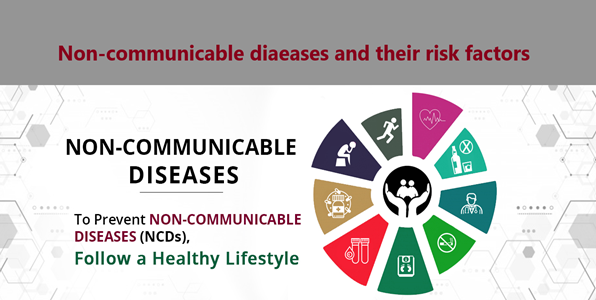
 

NCDs NHP1


What is needed is a free flow of awareness and a strong partnership between government and civil society to address the NCDs in India along with their risk factors to ensure prevention of premature deaths caused due to NCDs in a cost effective way. Most of the types of non communicable diseases are manageable, if proper treatment and guidance to leading a healthier life with them is provided to the patients.


Strengthening the health system with an emphasis on primary healthcare; creating and strengthening the national surveillance systems for NCDs; investing and implementing cost effective interventions; mobilizing resources on health promotion that focuses on prevention, early detection, alongside curative, rehabilitative, and palliative cares; and training the health workforce of the nation can significantly bring down the number of premature deaths due to chronic diseases.


WHO says that if the world manages to achieve 25% reduction in deaths due to NCDs by 2025, then as many as 37 million lives can be saved.
 

104456508 3544002982290311 3057983725931963897 o 1


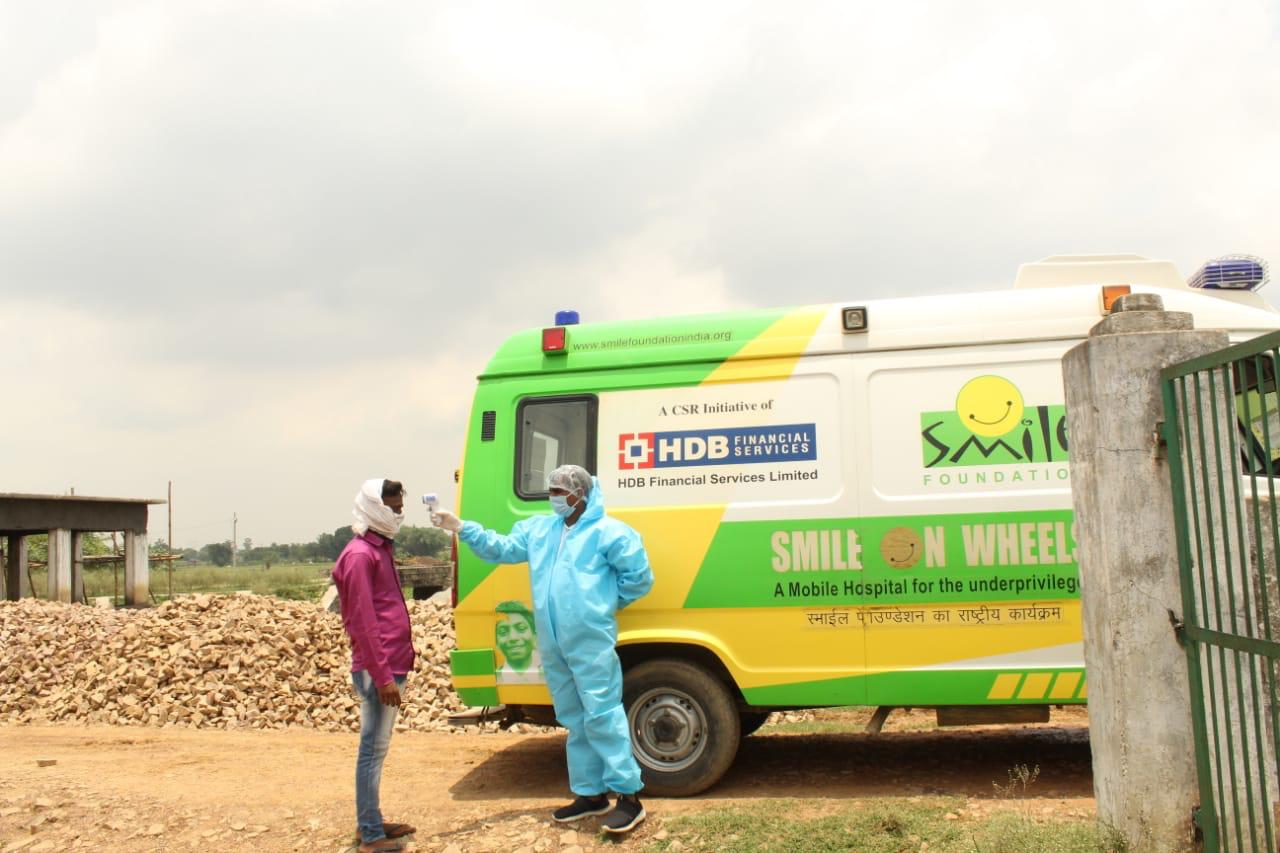
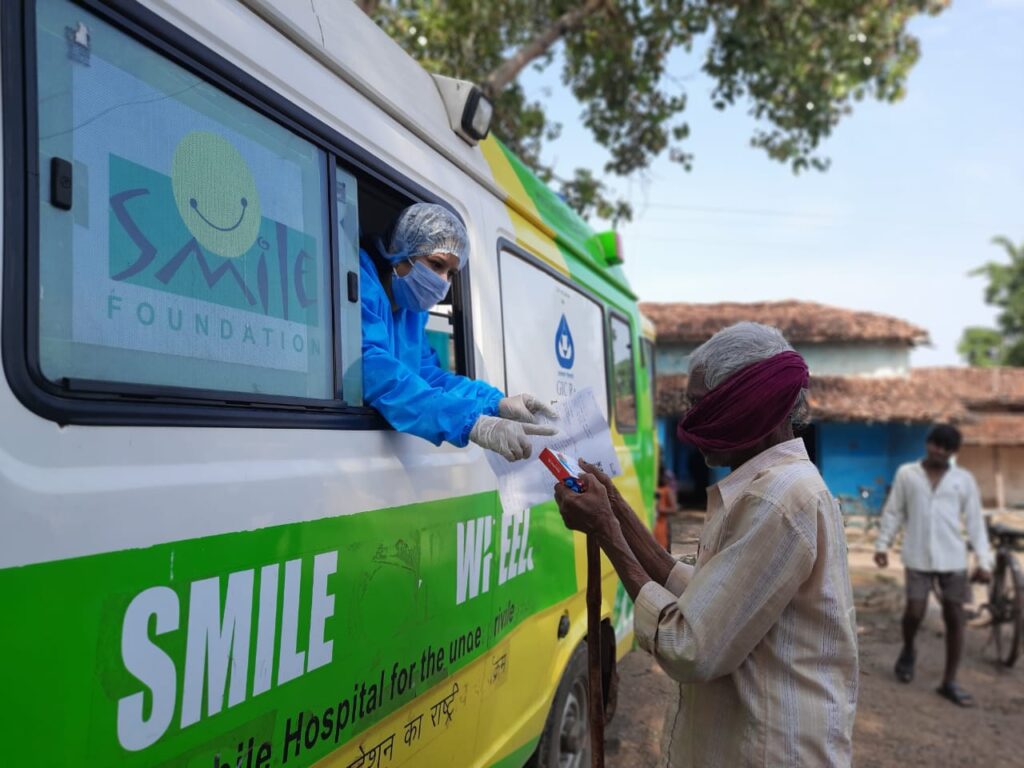
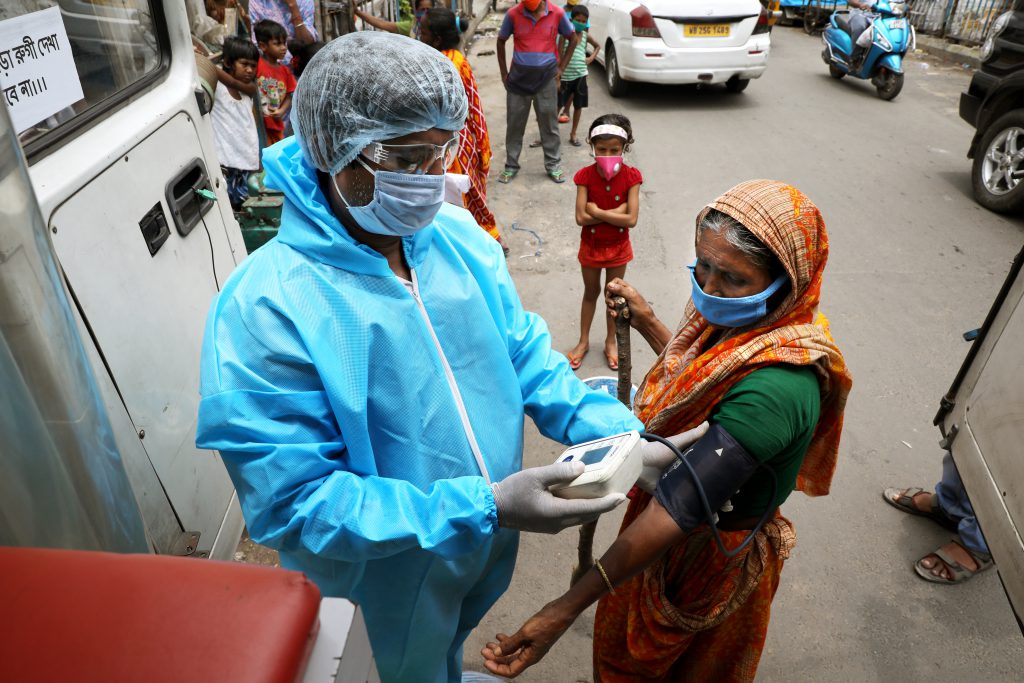
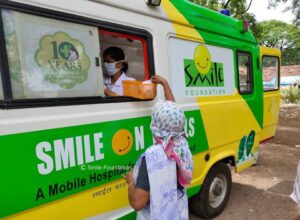
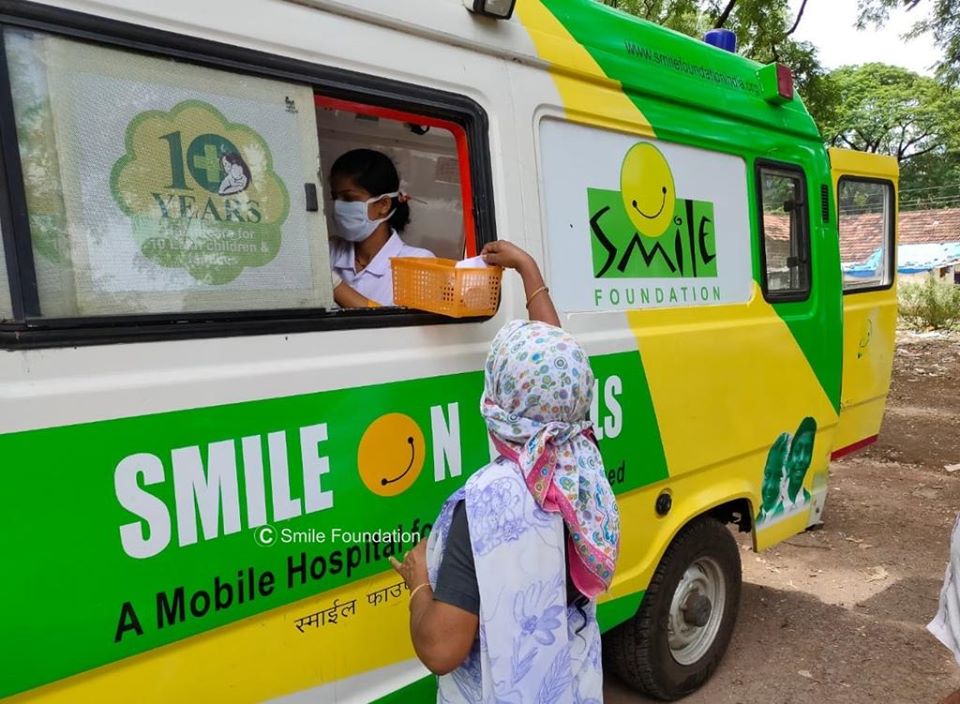
Smile Foundation has been on the forefront of fighting these non communicable diseases through intervention and awareness under its health vertical, Smile on Wheels. With a focus on prevention, Smile on Wheels’ healthcare worker conduct health awareness sessions to educate people about non communicable diseases and the importance of maintain a healthy lifestyle with nutritious diet and adequate physical activity. Health camps are conducted to facilitate the early detection of the signs of NCDs and any person living with diabetes and hypertension, which can lead to cardiovascular diseases, is provided with regular free consultations and medicines to help them lead a healthy life even with the chronic disease.


The poorest are the worst affected due to any crisis, be it lingering or abrupt. Smile Foundation aims to lessen the burden of underprivileged of the society by bringing quality healthcare to their doorstep for free. Smile on Wheels is dedicated to help and contribute towards a healthier nation where no premature deaths happen due to preventable causes. To read more about our efforts, https://www.smilefoundationindia.org/smile_on_wheels.html
Categories
In The Spotlight

Response & recovery mechanisms, awareness to control pandemic

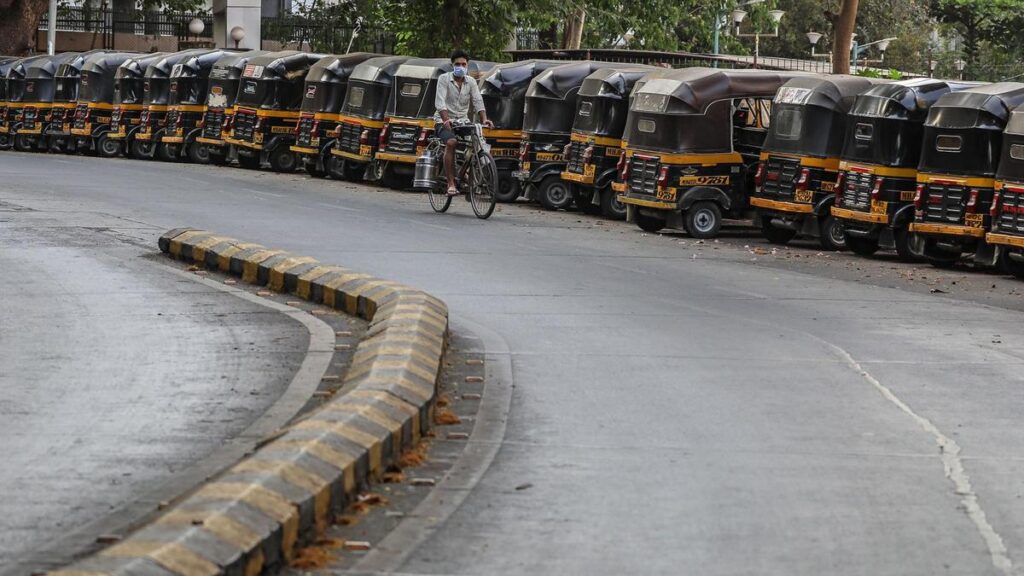
With Unlock 2.0 having come into effect from 1st July, it has become imperative for the government of India to formulate necessary regulations to put the outbreak of Covid-19 pandemic under control. As per the statistics, there still remain a total of 244814 active cases of Covid-19 as of 5th July, with the metro cities of Maharashtra, Tamil Nadu and Delhi consistently leading the charts with the highest number of positive cases being tested on a daily basis. The number of deaths across nation due to the virus totaled up to 19268. Currently India has the third highest number of confirmed cases, overtaking Russia, in the world, after USA and Brazil.


After several extensions of the lockdown, the government started easing restrictions by dividing districts into red, orange and green zones. Red zones are designated as the hotspots and will not see any relaxations until 31st July, in comparison to the areas considered less prone to the spread of the virus.The central government’s decisive actions – in announcing timely ban on travel, sealing of borders and a near complete lockdown has resulted in relatively low infections and casualties in India, given its population density. It has also allowed the state health departments to get their health infrastructure, human resources and medical supplies in place to handle the expected surge in cases.As per the public records, there has been a consistent increase in the number of tests being conducted regularly, reaching 248934 on July 5th and indicated to be ramping up to 5 lakhs a day by the Centre soon. The ever increasing rapid/community testing has also been advocated as a strong means for phasing out the spread of infection along with the private sector offering drive through and home sample collection services.Also, with the constant efforts of the health industry in the country, 409082 cases were reported recovered from the disease. The state governments have also been constantly mobilizing the necessary supplies of PPE kits, hand sanitizers, masks and ventilators for the people along with conversion of public facilities to quarantine centers. Arogya Setu at the national level, Tamil Nadu’s COVID-19 Quarantine Monitor, Maharashtra’s MahaKavach, Delhi’s plasma bank, chatbots in 24X7 command and call centers are among many solutions deployed.


WhatsApp Image 2020 04 17 at 8.04.25 PM


India, a leading manufacturer of vaccines and generic medicines, is expected to play a key role in the race for developing a vaccine against Covid-19. Bharat Biotech International Ltd. and Cadila Healthcare Ltd. have got an approval from the Drugs Controller General of India for human clinical trials for their indigenously developed vaccine candidates, Covaxin and ZyCov-D respectively, against Sars-Cov-2, the virus which causes the coronavirus disease.These two are among 11 out of 140 vaccines that have been approved for human trials in the world. However, this does not put a stop to the pandemic crisis and should be visualized only as a positive sign towards the recovery direction. Response and recovery plans still need to be more dynamic like the pandemic. A balance needs to be struck between opening up and managing the risk with strong guidelines, communication, surveillance, monitoring and preparedness, because clearly the virus does not seem to be leaving in a hurry and the nation needs to fight it.


It is equally important with Unlock 2.0 that awareness and preparedness be built into the public about handling the virus so that its spread can be controlled, particularly among the more vulnerable populations living in crowded urban slums with the bare minimum sanitation practices. Smile Foundation is continuously working towards creating awareness among the grassroots communities about precautions and preventive methods that should be adopted to keep children and families safe from the pandemic. To read more about our efforts, visit https://www.smilefoundationindia.org/health-cannot-wait/ 

Categories
Insights

Health Cannot Wait: Prioritizing Primary Healthcare

Acouple of years ago, the world had been shocked to see Odisha’s Dana Majhi carry his daughter’s dead body 8 km on foot to reach the nearest primary healthcare centre. Today, in the face of COVID-19, as lakhs of migrant labourers working in various cities of India compromised their safety and took to the roads to return to their villages, the question remains – will the poor always have to choose between hunger and healthcare, are some lives cheaper than the others?


As the world faces one of the worst health & heathcare crises of recent times in the form of COVID-19, once again the paramount importance of health has become front and centre. And yet again, the socio-economically marginalized are the worst sufferers. Whereas well-heeled Indians seem to be basking in a long holiday under the lockdown, the poor are in a state of unemployment and hunger, having lost their dignity, and in utter despair.


In the Covidian world, it has become glaringly obvious – Health Cannot Wait!


Healthcare in India


If we Google the term, ‘healthcare in India’, we would get around 80,40,00,000 results in 0.69 seconds. But when a person with limited means and at the highest risk to succumb to disease goes out to seek medical attention, he/she would find abysmally low choices. Either the person would have to sacrifice a day’s wage for a visit to the doctor or continue to live with the sickness and rely on fate. This is the unfortunate truth of our country – the ones who are in need of healthcare services the most are the last to receive them.


WhatsApp Image 2020 06 29 at 14.22.50


The overall healthcare scenario of the general population of India is a sad one. According to The Lancet, a global health indicator index, India ranks at 154 in a list of 188 countries. A staggering 70% of the population still lives in rural areas and has limited or no access to healthcare services or even a primary healthcare centre. The doctor-population ratio in India is 1:1456 against the WHO recommendation of 1:1000 (The Economic Survey of India 2019-20). On average, a government doctor attends to 11,082 people (Directorate of State Health Services and NHP, 2018), more than 10 times than what the WHO recommends. The country has the third-highest child mortality rate among SAARC countries with an average life expectancy of 69.4, which gives India a World Life Expectancy ranking of 130 (UNDP 2018). Our public health spending, at just about 1.3 percent of the GDP is among the bottom 24 countries globally. The out-of-pocket expenditure continues to be about three-fourth of the total health expenditure, which disproportionately burdens the poor.  


Way Forward: Public Health


Everyone everywhere is susceptible to infection and to illness. And the only way forward is together. The COVID-19 pandemic has forced us to learn the harder way, why what ails one – ails us all. An individual’s health security is interdependent on everyone else. And yet so many in our country are living in conditions that make them more vulnerable to ill health including over-crowded living spaces, poor sanitation as well as lack of awareness. As such, focus and investment on public health has become the need of the hour – viewing health as much more than simply not being ill at an individual level. 


Public health comprises of routinely analyzing the diseases that plague us, the determinants that impact our health, and the social dysfunction that ails our communities. It promotes a collective understanding and effort to promote healthy social and physical environments to prevent people from falling sick in the first place. Working together, we have a better chance of shaping social conditions that help individuals and whole communities to be healthy.


Health Cannot Wait


Adopting this collective path towards a healthier society, Smile Foundation’s Health Cannot Wait! campaign aims to a) provide primary healthcare services to the most vulnerable in urban slums, and the hardest to reach families in remote rural areas, and b) promote health-seeking behavior and living conditions among underprivileged communities to prevent people from falling ill. Through the campaign, we aim to reach 2 million people with primary healthcare.


WhatsApp Image 2020 06 29 at 14.22.47


Smile Foundation has designed a comprehensive primary healthcare  programme that aims at addressing the issues of accessibility, affordability, mobility, accountability and awareness in the delivery of primary healthcare services to the vulnerable underserved population of our country residing in remote rural areas and urban slums. Through four intensive initiatives, we are working every day to improve maternal, neonatal, and child health and nutritional status, reduce vulnerability to communicable diseases, combat non-communicable diseases and enhance the quality of life, complementing the government health system. 


The four initiatives are:


Smile on Wheels – A mobile hospital programme which takes healthcare to the doorsteps of vulnerable communities in the hardest to reach places through fully-equipped health vans, facilitated by a team of doctor and paramedics. 


Smile Health Camps – Complementing Smile on Wheels, Smile Health Camps provide healthcare services to larger communities and offer multi-disciplinary healthcare through a team of specialized doctors.


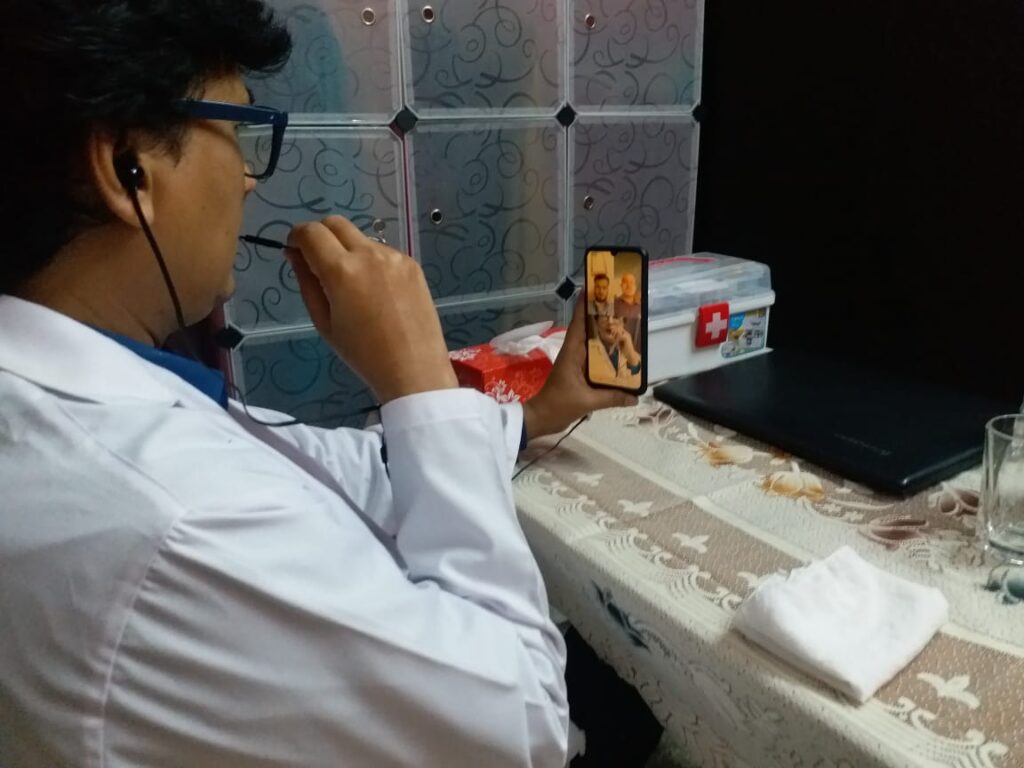
Baaton Baaton Mein Sehat – A unique tele-counseling initiative that provides emotional, physical and psychological support in the times of Covid-19.


WhatsApp Image 2020 06 25 at 12.18.20


Health Online – Telemedicine or e-clinics overcome the scarcity of doctors in remote rural locations. For every 10 on ground clinics with paramedics there is 1 digital clinic with a doctor covering many communities.


Look around us! One health crisis has changed our world. We are living in uncertainty every day. But for the poor, this has been their entire life. Poverty is a daunting enough burden in itself; add sickness to it and it has the power of crushing even the strongest as we are seeing around the world today. Let us not let them get crushed. Let us ensure a healthy society for all. Join the campaign – www.smilefoundationindia.org/health-cannot-wait

Categories
In The Spotlight

For Mental Health:Communicate, Share, Seek Help

While the world continues to face the repercussions of the global pandemic crisis, the people seem to be highly focused on the well-being of their physical health these days. All over social media, there are several videos being shared and live sessions being held for the people to continue to maintain their physical strength while staying at their homes. Several messages are constantly being shared over most of our WhatsApp family groups, almost daily providing us home remedies to keep up with our health. Meanwhile the people are immersed with the need to maintain the well-being of their physical health, they often tend to forget that it is not the only component of health. The other integral health component which is as affected in these corona times is our mental health.


According to the World Health Organization, “Mental health is a state of well-being in which an individual realizes his or her own abilities, can cope with the normal stresses of life, can work productively, and is able to make a contribution to his or her community. “Mental health is more than just the absence of mental disorders or disabilities.Without mental well being, there can be no true physical well-being. Social and financial circumstances, biological factors, and lifestyle choices can all shape a person’s mental health. Although mental health is a fundamental component of health, recognition of mental disorders and awareness about its importance is limited.An individual has a risk of developing a mental disorder regardless of age, income or social background, therefore it becomes now opportune to explore the paradigm of mental health awareness as a means of combating stigma, enhancing prevention, ensuring early recognition, and also stimulating simple and practical interventions within the community.Mental health has been a neglected concept for past many years, however with people still embracing the social distancing norms and settling in their homes for the lockdown, it is imperative that we acknowledge protecting it as a cause of concern.


In our country, discovering a mental disorder is often followed by hesitation and denial by self as well as by the society we are a part of. A report by the World Health Organization revealed that 7.5% of the Indian population suffers from some form of mental disorder. Mental illnesses constitute one-sixth of all health-related disorders and India accounted for nearly 15% of the global mental, neurological and substance abuse disorder burden. The lockdown has created unemployment and pay cuts for a large population which is one of the most common causes of depression among the working class and the ones hit by this turmoil the most is the underprivileged section. Social distancing has paved a way for changing daily routines and people feeling less connected to each other, leading to mood, eating and sleeping disorders. Mental health of an individual ultimately leads to physical disorders in human body. The basic causes like depression and insomnia which may seem insignificant at first, may lead to irrational and impulsive actions by the person, if neglected for long.


1 2 2
mental-health matters


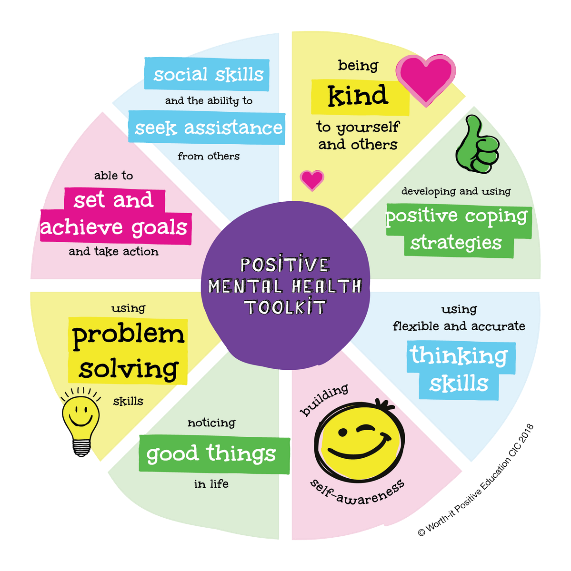
“Anything that’s human is mentionable, and anything that is mentionable can be more manageable. When we can talk about our feelings, they become less overwhelming, less upsetting, and less scary.” There was numerous ways of improving the well-being of your mental health like indulging in self-care or volunteering, but the most effective of all is to communicate, share and seek help. Smile Foundation’s “Baaton Baaton Mein Sehat” is a unique Tele Counselling initiative that has been conceptualized to address the arising mental well-being concerns post Covid-19 and provide appropriate guidance. Till date this program has already counselled over 40,000 people and aims to reach over 200,000 children and families across the country.

Categories
In The Spotlight

Music-Making for emotional well-being

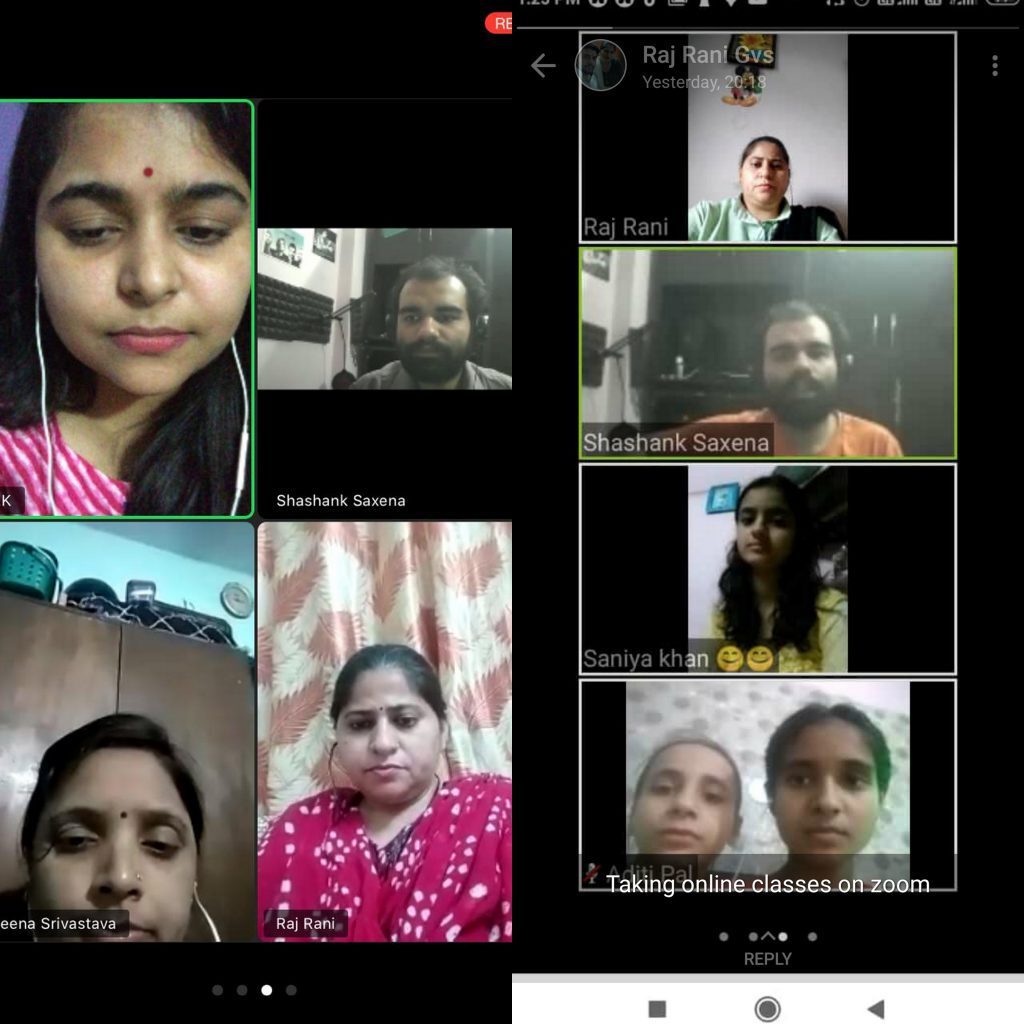
During COVID-19 Lockdown, SmileFoundationIndia.org in association with AmaniProject.org continued to teach the children (virtually) to manage their emotions through Music-Making, acting, games and many more activities that are designed to revolve around Social Emotional Learning and Community Development.


Amani Project has spent years developing programs specifically to prepare young people to be more resilient in difficult times. Smile Foundation partnered with Amani Project in 2018 and since then the project has been going on  at various centers in Delhi-NCR.


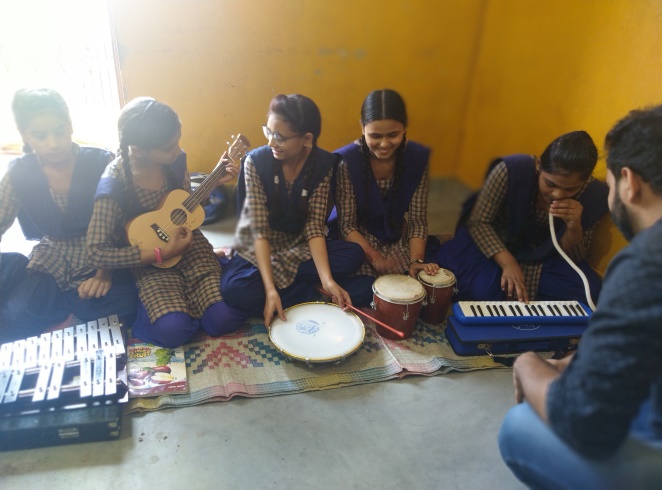
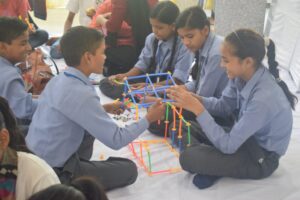
The project engages children in various gamified activities such as:


  • making instruments from found objects,
  • jamming in instrument circles,
  • learning elements of music-making in fun ways,
  • writing own songs on different emotions with the help of a tool called the Mood Meter,
  • composing songs based on Empathy,
  • interviewing important social personalities within their communities and creating/performing songs based on their work etc.


DSC 0254 1024x683 1


To adapt the E-Learning during the lockdown surveys were conducted with the students through telephonic and internet calls.


In these surveys, the students were asked about their emotional well-being and well-being in general, availability of landline or Mobile Phones  familiarity with the Communication Apps, Time Slot they preferred for the online sessions and  whether they were willing to attend the online sessions. An overwhelmingly positive response was received. After gathering all the required information and making sure that the children as well as the mentors were comfortable, the online sessions began.


For children who had access to the internet, sessions were held through various video conferencing apps, and for the others, the sessions were held via voice calls.


Desktop1 1024x1024 1
Music-making for emotional well-being during Covid-19


Music and music-making during Covid-19 did one of its main functions – it helped us to stay connected with each other.


Starting off sessions with everyone singing one single note in unison, learning simple compositions based on Indian Ragas, noticing and discussing how different notes are able to create different emotions in us, making new instruments from found objects, playing music on instrument simulator apps, etc helped the children to stay socially connected while maintaining the physical distancing during the lockdown. Apart from these sessions, the children also participated in various online campaigns that included making music for – the
Coronavirus Awareness, thanking the Corona Warriors and expressing empathy for the people affected by COVID-19.


Amani Project and Smile Foundation, along with many other organizations and individuals, such as you, yes YOU, tell us if we are wrong, are aware of the potential of music to help attain inner peace as well as balancing the harmony within smaller communities and the world as a whole.  Smile Foundation and Amani Project believe that everyone should have access to Music. The collaboration is engaging more and more members, especially children 8-14 years of  age under this project, irrespective of their backgrounds.


To know more, visit the websites SmileFoundationIndia.org   AmaniProject.org and consider subscribing to the newsletters.

Categories
In The Spotlight

Poor children and families during lock down

As the lock down reaches its version 5.0, the nation continues to suffer with the ramifications of Covid-19 daily, poor children and their families are the most affected ones. India currently has the largest number of confirmed cases in Asia and has the fourth highest number of confirmed cases in the world. The virus has posed challenges for India not only in terms of healthcare, but the economy of the country has been facing resultant downside from the past 3 months. The rate of unemployment in India was reported to have risen from 6.7% to 26%, that is approximately 4 times, within just the first month of the lock down period and further stood at 27.11% for the week ended May 3. The average employment reduced from an estimated 404 million during 2019-20 to 396 million in March 2020 which in April came down further to 282 million.


The pandemic has penetrated its way into the livelihood of the entire population; however, it seems to have a varied impact on the people belonging to different social groups. The most distressed section of the society that has been affected by the Covid-19 induced lock down is the poor children and their families which mainly comprises of migrant workers and the daily wage laborers. These groups, prior to the nationwide lock down, were mostly employed in the highly informal, unorganized and exploitative sectors like construction industries and manufacturing factories. With their workplaces being shut down, millions of these workers had to deal with the loss of income, food shortages and uncertainty about their future.According to estimates from the Centre for Monitoring Indian Economy, over 122 million people lost their jobs in April itself , of which 75% of this unemployment was attributed to this underprivileged section affecting poor children and their families.


With the current fear of contagion, the discrimination against the underprivileged is at an all-time high which is leading to a major dislocation of these migrants.In India’s six largest metros (Delhi, Mumbai, Kolkata, Chennai, Hyderabad and Bengaluru), 48% of residents were migrants in 2011, according to the migration figures released by the census earlier this year. These groups are the most exposed to risks of this virus due to limited access to the right information and healthcare which further stems to major issues like hunger and poverty. Thousands of these workers had to resort to walking back to their hometowns due to unavailability of any means of public transport during the lock down. A large population of the migrants have lost their lives, not just as a result of being COVID-19 positive, but due to reasons ranging from starvation, suicides, exhaustion, road and rail accidents, police brutality and denial of timely medical care.


DSC 0015 1024x683 1


The COVID crisis has finally created an acknowledgement for this section of the society, who for decades have moved across from state to state and city to city in search of opportunities and livelihood.The government has set certain directives in response to the atrocities being faced by the underprivileged. These include setting up of relief camps and quarantine facilities for the migrants. The labor laws have also been temporarily revised by the state governments of Uttar Pradesh, Madhya Pradesh and Gujarat with the purpose of attracting industries and investments for generating employment. Relief packages have been announced by the finance minister of the country for supplementing the livelihood of the poor. Additionally, the government has started with a few transport arrangements, including bus facilities and introduction of Shramik Special trains, for these migrants to return to their homes. It is now high time that we as a society realize the existence of the migrant laborers in India and recognize their contribution towards the economy.


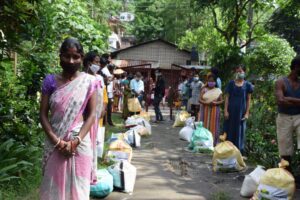
Smile Foundation is helping the communities during corona virus with easy access to food and essential items in such challenging times. 20 million meals will be provided to 2 lac children and families. To know more visit: https://www.smilefoundationindia.org/smile-fights-covid19/

Categories
In The Spotlight Smile

World Day against Child Labour greyed by COVID19

In 1993, the Government of India has introduced a law to prohibit any individual below the age of 18 years to be engaged by a commercial or family business in any form of dangerous employment or labour to safeguard the mental, spiritual, moral or social development. This law tightened further in 2006, ensured that no child below the age of 14 years can be engaged in any form of labour for the benefit of a commercial or family business. Since 1919, the International Labour Organization has been waging a war against child labour across the world. However, the World Day against Child Labour this year looks bleak in the face of the ongoing pandemic in the world.


An estimated 386 million children worldwide live in extremely dire poverty, as of 2019 as per a report by the United Nations. The current pandemic of coronavirus disease or COVID-19 will likely result in around 66 million children falling into poverty as the world struggles with a crippling economy. According to a census 2011 report, as many 10.1 million children are engaged in child labour in India and as the world readies itself to get back on its feet after the pandemic is contained, a lot of children will either be forced to engage in child labour for their own survival and/or trafficked into child labour by rings of traffickers. A lot of families struggling to survive will also pull their children out of schools to be made a bread earner to help them and support them in running the family

Children around the world belonging to underprivileged communities have also lost access to education. With a lockdown in place for the past four months in over 188 countries to order to break the spread of disease, only two-third of the countries with mandatory lockdown could provide children with distance and digital learning. However, for children without access to the internet or a device to access the internet, there are no measures taken to prevent their education from being hampered. Only 30% of the children in developing nations were able to continue their education amidst the lockdown.


MG 2178 1024x683 1


These children who are faced with a lack of education and now a danger of being pushed into child labour also face the crisis of malnutrition. 368 million children in 144 countries rely on their schools for nutrition through mid-meals provided to them. Millions of these children will also end up losing access to proper nutrition essential for their survival, physical and mental development, if and when pushed into child labour.


The World Day against Child Labour, celebrated on June 12 every year, is faced with hard and inevitable circumstances of millions of children in India and across the world becoming victims of child labour again. Years and years of hard work and efforts put into bringing children out of the circle of exploitation and harm will be rendered useless unless the world order decides to confront the problem head-on.


Even though the circumstances look bleak and a little like a post-apocalyptic movie, the situation is not entirely a lost cause, if the government and non-government agencies tie hands together and commit themselves to ensure that not a single child rescued from child labour has to go back to the deplorable lives again.


UNICEF Executive Director Henrietta Fore commented on the situation saying, “As we re-imagine the world post-COVID, we need to make sure that children and their families have the tools they need to weather similar storms in the future. Quality education, social protection services, and better economic opportunities can be game-changers.”


education 1024x628 1


Presently, ILO and UNICEF are developing a simulation model to look at the impact of COVID-19 on child labour globally and design the means to provide essential support that countries most at risk will require in order to help to mitigate the crisis in terms of child labour will arise in the world.


Smile Foundation, committed to its goal of bringing every child in school, has ensured regular contact with parents of our present beneficiary children to not let their morale down and consider taking their children out of school in the post-pandemic time. Smile has also reached out to people with support and donated over a million people with daily rations so that they do not have to worry their or their children’s survival in such difficult times.


The efforts being put by national and international authorities and the resolutions being adopted on the World Day against Child Labour by NGOs 7 IGOs, however, will not be possible without the support of the privileged of our country. People with resources to help the worst affected by the pandemic need to donate essential support so that we all can bring a brighter future to every child of this country.

Categories
From The People, For The People

Child for Child & Stop Motion Animation Workshop

The world has been in a complete shut since February this year and the new normal of working and exercising the day to day activities remotely from our homes, away from the public or any kind of gatherings is expected to last for some time as scientists work round the clock to develop a vaccine for COVID-19 disease.  In the current state of affairs, the worst affected are the children who have been snatched of their routine, their daily engagements with their friends, teachers, and loved ones and including all outside activities. The support that a child for child extends in a community has all but lost in the lockdown.


The restrictions imposed in engaging in any events or activities requiring a gathering of people and maintaining the necessary physical distance have been difficult even for adults to practice and the kids face a rare kind of difficulty which neither the current generation of adults or the generation before them have to face. The restrictions imposed on children has started showing up in them in the form of extreme aggression and frustration as they lack the means of channelizing their energy into sports and education.


Helping children and their parents by educating them in ways to keep children engaged and encouraged in realizing their nonacademic potential, Smile Foundation through its Child for Child Program has reached to these children and parents to engage children in art and unleash their creativity in an effort to keep them busy & engaged productively & progressively.


WhatsApp Image 2020 06 09 at 20.06.47


Continuing the same, Child for Child in cooperation with Debjani Mukherjee organized “Online Stop Motion Animation Workshop”, where a number of like-minded artists, filmmakers, children, and youth film festivals, associations and more from across the world came together for interactive sessions, live chats, film online film screening and more to break the monotony and frustration of the lockdown in children.


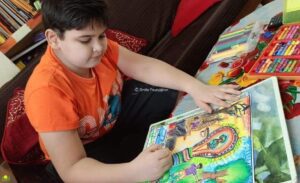
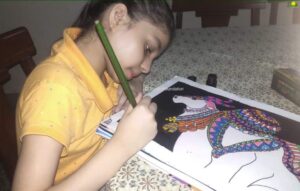
Targetting the age group of children above 7 years of age, a mandala competition was organized on June 07, 2020, where children from all across the country could participate and bring out their bright and creative side.


Mandala is a Sanskrit word for “magic circle”.  Mandalas are circular designs symbolizing the notion that life is never-ending. This is an art form that interests people across all age groups. Creating this piece of art using organic materials like pulses, cereals, pebbles & flowers makes it look even more beautiful.


It’s a technique in animation used to bring static objects to life on screen. This is done by moving the object in increments while filming a frame per increment. When all the frames are played in sequence it shows movement.


WhatsApp Image 2020 06 09 at 20.06.48 1


The workshop entailed children to use organic materials from the kitchen & their gardens to make a Mandala piece of art. Then with the help of an easily downloadable App for Stop motion animation, they can make animated videos of their piece of art on their smartphone or their tablet or laptop. The response received for this competition was overwhelming with hundreds of children from across the country taking part in the campaign.


In a time of crisis and isolation, art and literature set free an individual to reach into the depths of their mind and bring out the creativity that is dormant inside them. Children can learn a lot from art and the same also helps in advancing their emotional quotient and the give a lift to the elements of empathy as well as sensitivity in children. It also acts as a great pacifier and a tool to invest the plethora of restrained energy into something meaningful, engaging, and educating.


This campaign is one among the many that Smile Foundation under Child for Child conducted over the past three months of lockdown in the country. With an aim to encourage children to grow aesthetically instead of staying hooked to television or mobile phones all day long, art and similar creative activities can bring out in children a realization of their view of the world.

Categories
In The Spotlight

World Environment Day 2020 amidst COVID-19

For the past three months, the world witnessed unprecedented activities and occurrences. With a third of the world in complete lockdown, the global environment got the much-needed break from the intensive human interference with the natural cycle of the Earth. The World Environment Day, this June, will be unique since people around the world have not experienced fresh air, clean water, and nature in its raw form for decades that last up to half a century.


Coronavirus or COVID-19, that has spread across more than 190 countries in the world affecting over six million people in just three months is something that the population of the present century was not prepared. The pandemic has shut over half the population of the world inside their house this year since February this year. People across the world were brought face to face with a freshening spring and now with a lovely summer where we all got to know what true nature – air, water, and earth is like.


Since the global shutdown that commenced across the world in February this year, the air quality around the world has improved drastically and the level of pollution has been cut by as much as 60% with factories and traffic having been brought to a standstill. The water in rivers and lakes is clearer due to the lack of ships and boats, and sightings of unique animals and mountain ranges are reported which has not happened in decades.


08341207


With human interference in nature reduced drastically, Earth has started showing signs of being healed. But like most things in life, even these changes are temporary and the situation will worsen once the lockdown is lifted. With a number of positive news in terms of air quality and more coming due to global shutdown, it is left to be seen what the environmental effect of COVID-19 will due to an increase in the production of bio-medical wastes. Single-use plastic has been utilized more to deliver food to people as they stay at home to prevent the spread of disease. Most of which is and will not be recycled due to the fear of virus propagation. Even with the approaching World Environment Day, incidences of illegal deforestation, poaching, and fishing have also presented themselves in nature conservation zones the surveillance around which were shut due to the fast-spreading disease.


The few positives news with regards to our environment during the global lockdown which was seen before World Environment Day are all set to be eclipsed by the negatives when the world goes back to being as it was before the lockdown. Besides the inevitable rise in global air pollution, overexploitation of natural resources to balance the economy and increase employment will also be witnessed when the pandemic is over.


It is just a matter of time that humans being as selfish they are, return things the way they were before the pandemic hit the world.


The world did not need a pandemic for people to realize the benefits of being responsible for nature. The environment around the world has been degrading at an alarming rate for the past decade and still, no effective means have been implemented to conserve and reverse the effects of extensive exploitation of resources for the benefit of humans.


IMG 0357 1024x683 1


The reason why a pathogen that is usually found in animals managed found a support system to enter the human body is primarily because of human encroachment is animal territories. There are millions of other virus strains and pathogens in animals, which can easily help themselves into humans and prove to be far more dangerous and with a higher mortality rate than the current COVID-19. As we destroy the homes of wildlife and force our way into their territories leaving them without the support of their natural habitats, we make the human population vulnerable to the diseases in which the animal species will be clueless to donate to us.


It is, therefore, immensely crucial for all us to do our part to support and protect the only world we will get in our lives to live. A healthy environment would help us in becoming a healthy human being at risk of lesser diseases. Maintaining a balanced eco-system and providing support to the needs of animals, trees and every necessary ecological entity is essential which we as humans need to implement urgently. For even if humans manage to find another life-sustaining planet within this galaxy, reaching it will not be possible any time soon if we destroy our present home.


This World Environment Day, let us all pledge to not ignore our duties and donate whatever resources we can muster towards our world and support in improving the health and well-being of our plant.

Categories
Insights

Gender Equality to lift the global economy

For decades now, people around the world have to the realization of the importance of gender equality and have assessed the benefits of active participation of women in various fields of life, be it running a family and managing a household or being a part of a multinational corporation.


Presently, women make up to 40% of the global workforce, 43% of the global agricultural labor force, and more than half the percentage of students studying in universities across the globe. As much progress as women have made in the past century, there still a long way to go to achieve gender equality in every aspect. Even today, in my parts of the world there, exists a wide gap leading to major gender disparities. As per a report by the World Bank,   

“Females are more likely to die, number to as many as 3.9 million every year, in many low- and middle-income countries. About  two-fifths of  them  are  never  born,  one-sixth  die  in  early childhood, and over one-third die in their reproductive years.”


New Picture 2 1


Despite the progress made in terms of promoting women education, the number of girls enrolling in primary and secondary schools is still extremely low, especially in African and South Asian nations. Women also lack economic prospects, have no voice in domestic decision, are subjected to violence in many forms and have limited to negligible to access to opportunities to make significant progress in working markets.


The progress made in the past decades has taken a U-turn as the world struggles to fight with the pandemic of the novel Coronavirus or COVID-19 disease. With all the institutions instrumental in women empowerment and progress, the priorities of the world in the face of the disease have changed significantly. Most of the national and international agencies are now engaged in finding solution to looming problems like declining economy, increasing poverty, endangered food security alongside the primary problem of the all – finding a vaccine to the disease that has infected over 6 million across the globe.


Women across the globe have become externalities in the current situation and are the worst affected, especially in the poorest communities. The loss of job, source of living and increased subjugation to violence in confinement due to lockdown are among the few things that has left millions of women helpless and dependent for survival on their male counterparts.


Girl children and adolescent girls are facing a possible loss of education due to the lack of digital device which will leave them vulnerable to early marriage and exploitative relationships. UNWomen reports that over 743 million girls are out of school and adolescent girls are the most at risk of facing gender-based violations starting with the loss of education.


New Picture 3


What people fail to recognize is that by limiting as well as hindering the lives of women and girls as it was before the pandemic, will have a reverse effect at both micro and macro level of economy and domestic engagements. If the world has to rise up from the cascading economy once the pandemic has been subdued, it has to bring into its force women’s support to aid and abet the efforts to revive the economy.


With the help of women and a focus on gender equality, the world can look at an increase in productivity as well as morale to contribute towards developing the world as it was before the disease broke out in the world. To support these efforts at a national level in India, Smile Foundation has continued the work promoting girl education and women welfare during the COVID-19 crisis. Swabhiman officers and community mobilizers are still working on the field to help women in underprivileged communities. The work on the same includes donating dry ration kits to women in underprivileged communities so that they do not need to choose between the needs of their children and families before attending to themselves and addressing their healthcare needs. The Swaobhiman mobilizers have also facilitated four institutional deliveries during the lockdown by helping pregnant women understand the signs of labor and bringing them to the hospital and ensure that these women get the necessary medical attention during childbirth.  


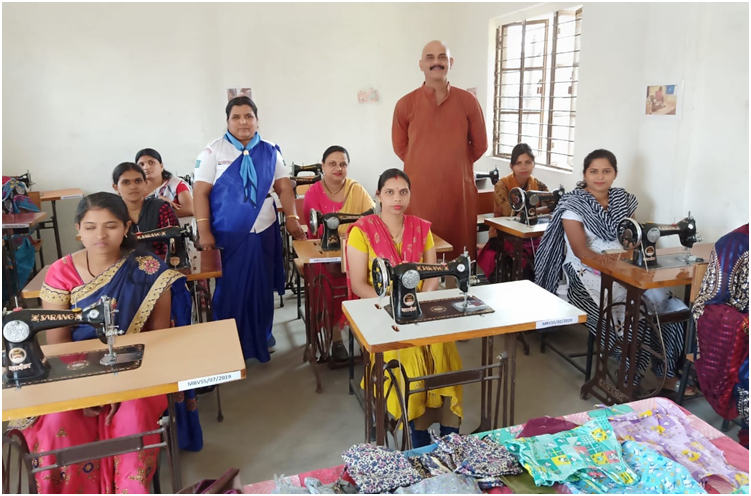
Under its scholarship program, Smile did donate to girls android tablets which have helped hundreds of girls in not losing out on their education during the four months of continued lockdown. Smile is also coordinated with its partners who are helping women by employing them for the production of facemasks and other protective gear. By employing gender equality in its workforce at ground level and also continuing the training of adolescent girls and women under its STeP program, Smile will support women by empowering them and helping them join the workforce to lift the declining economy and make it stronger than it was before.

0%