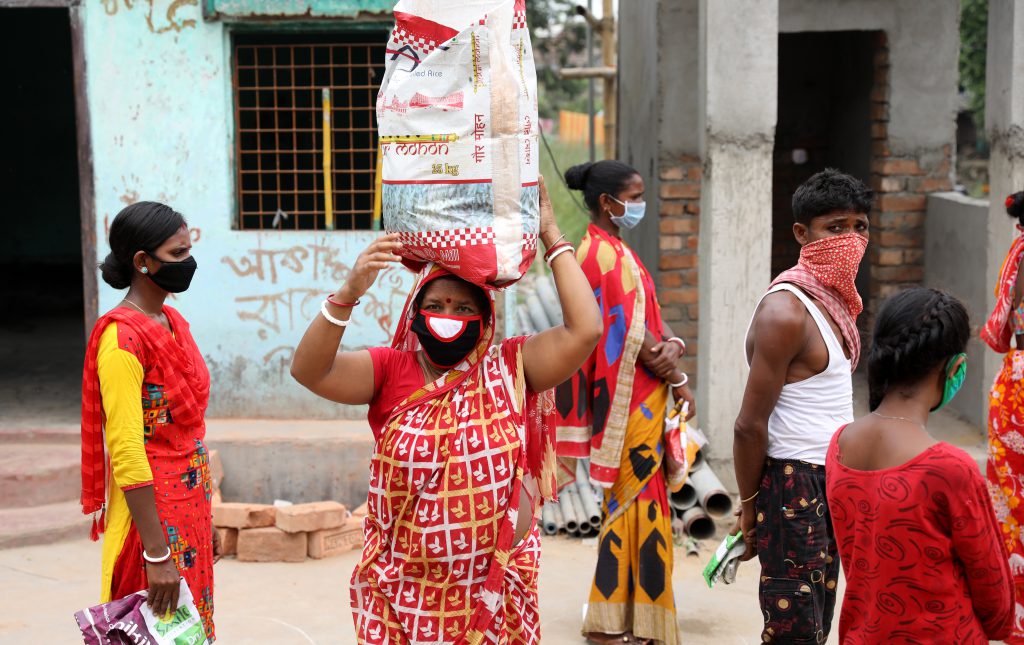
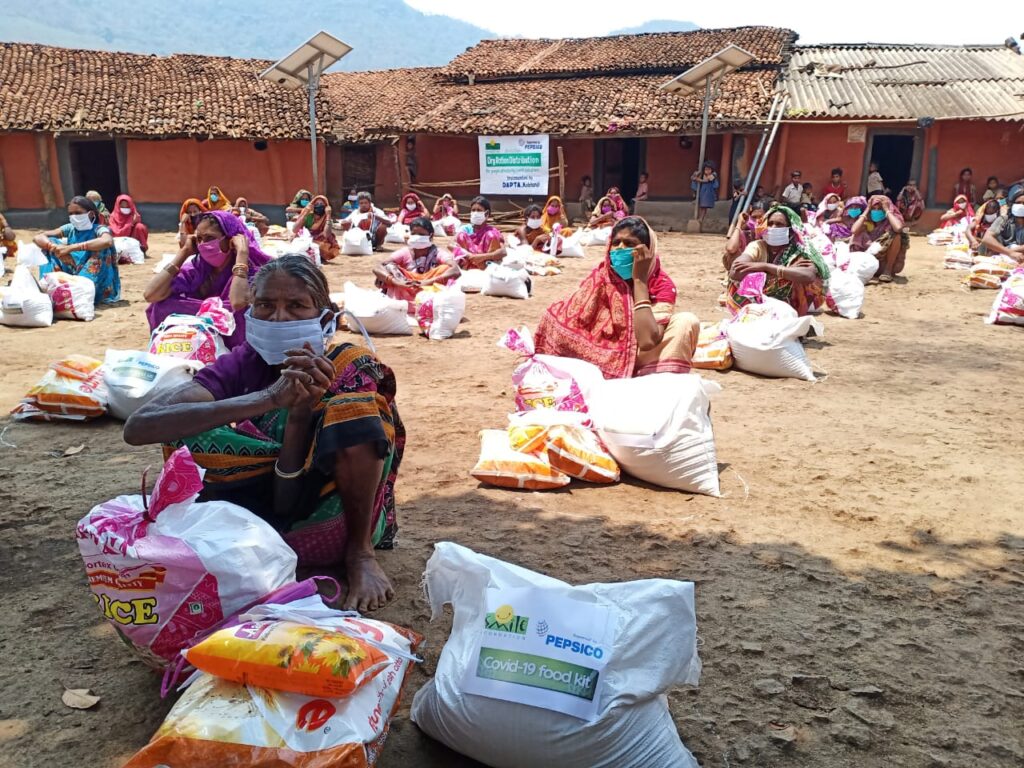
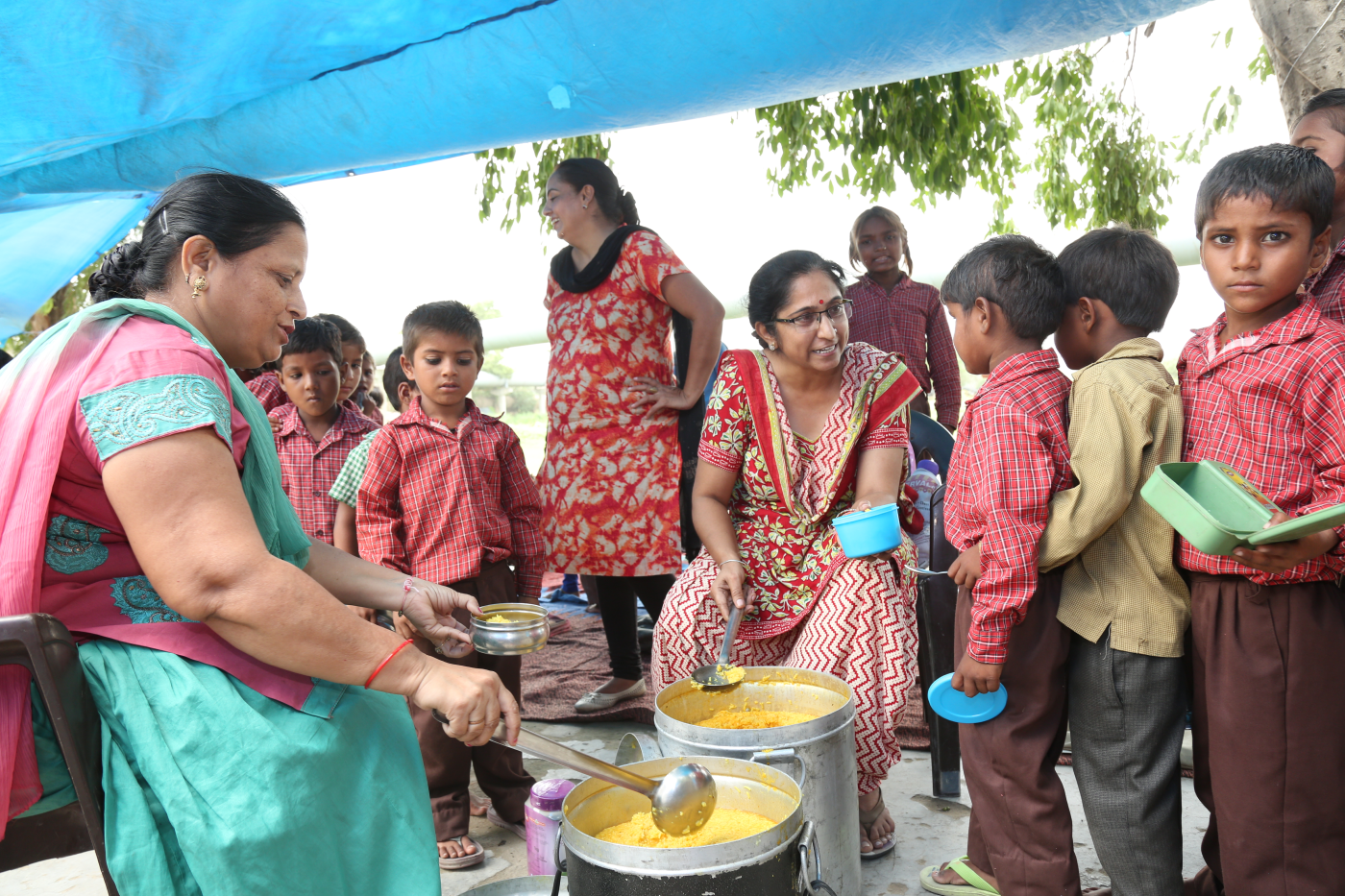
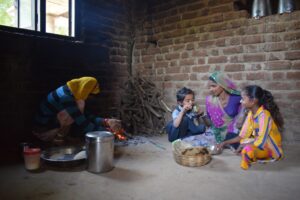
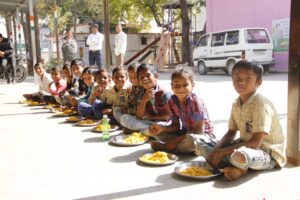
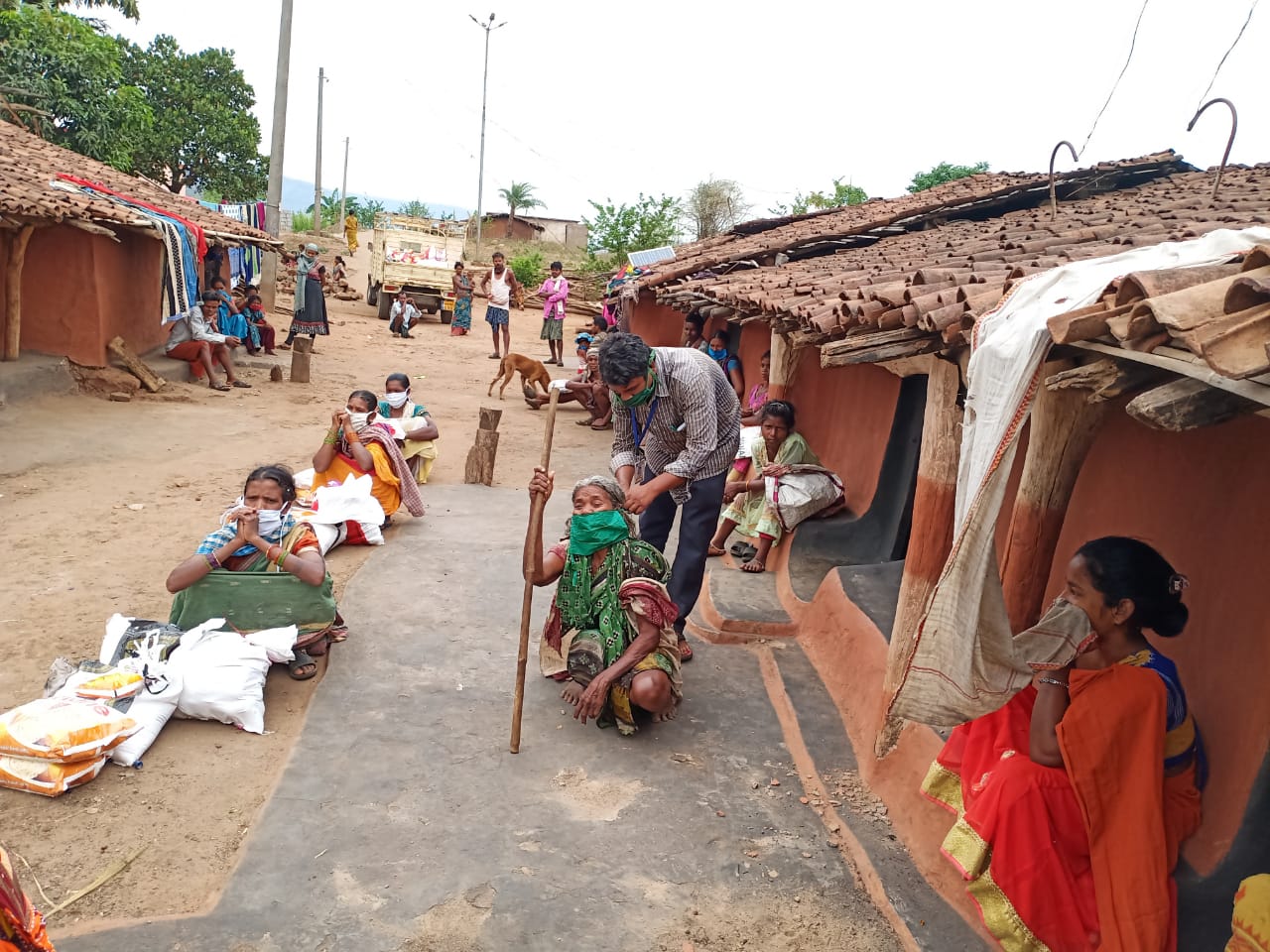
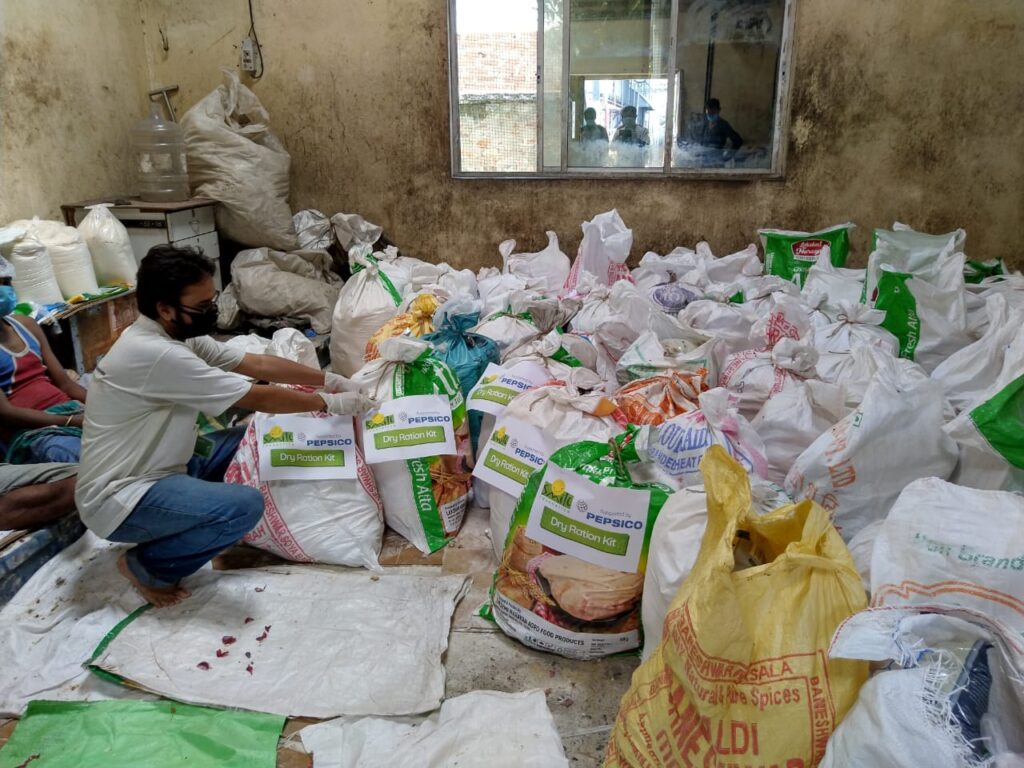
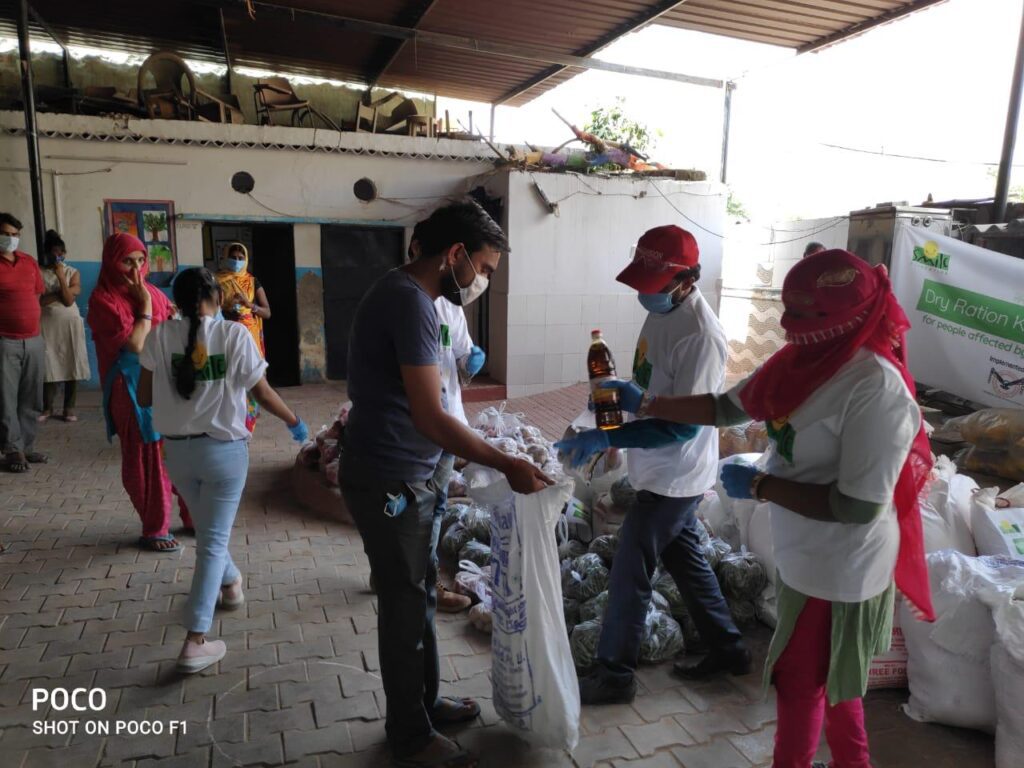
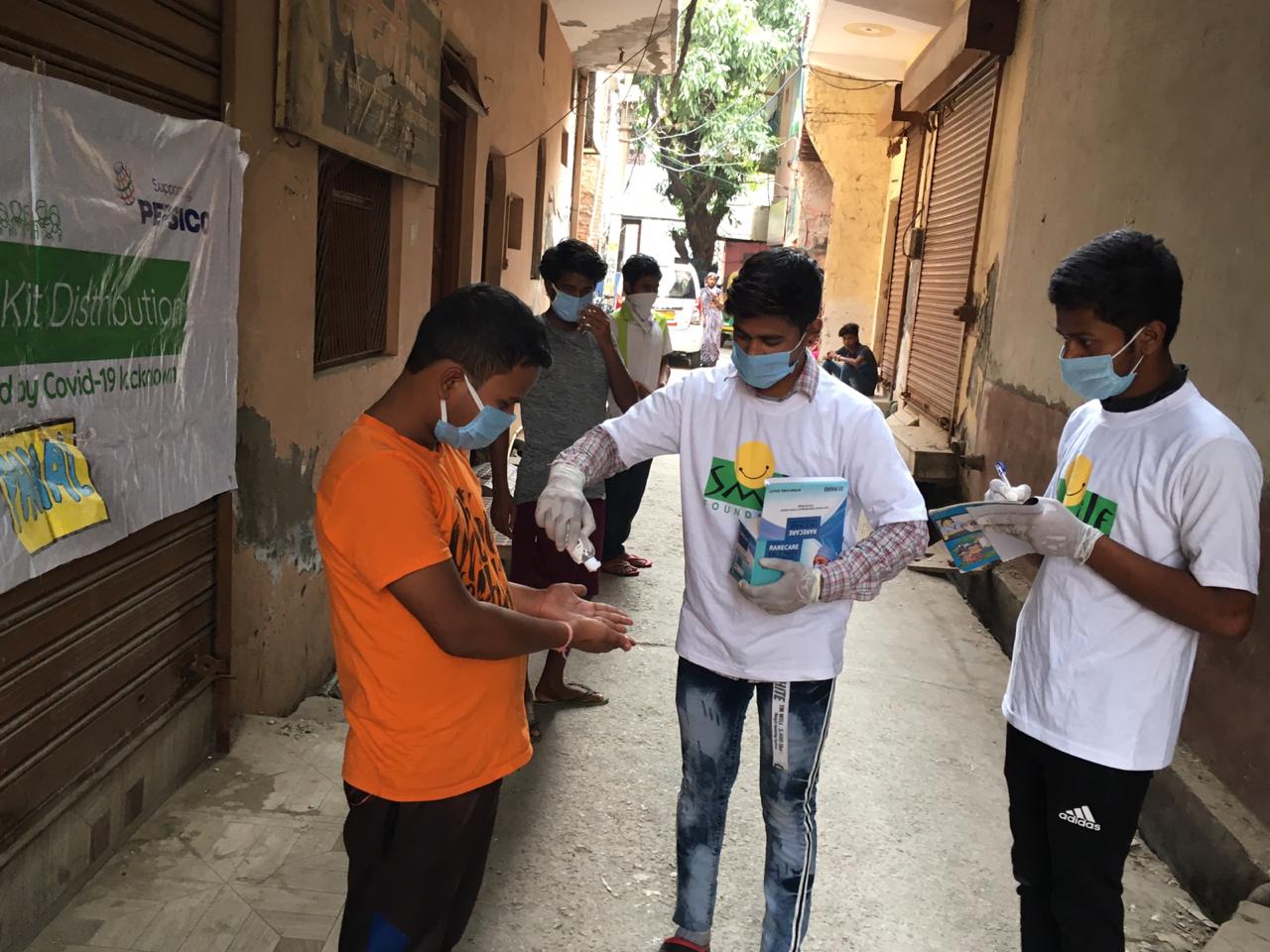
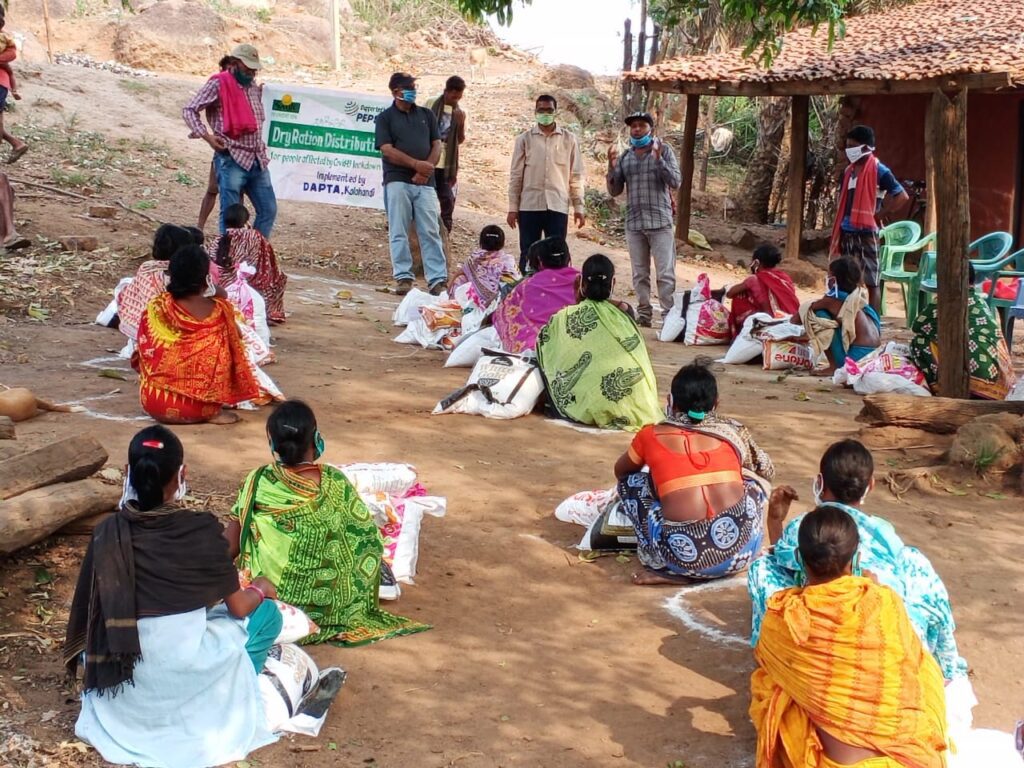
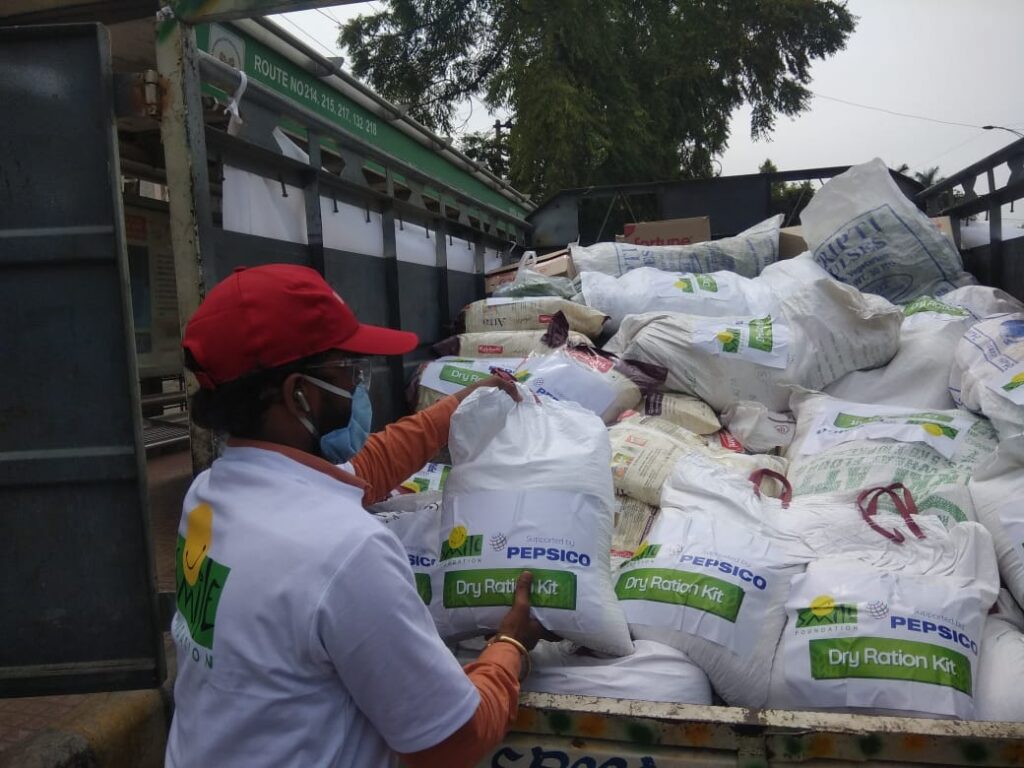
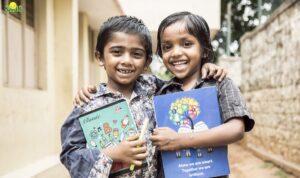
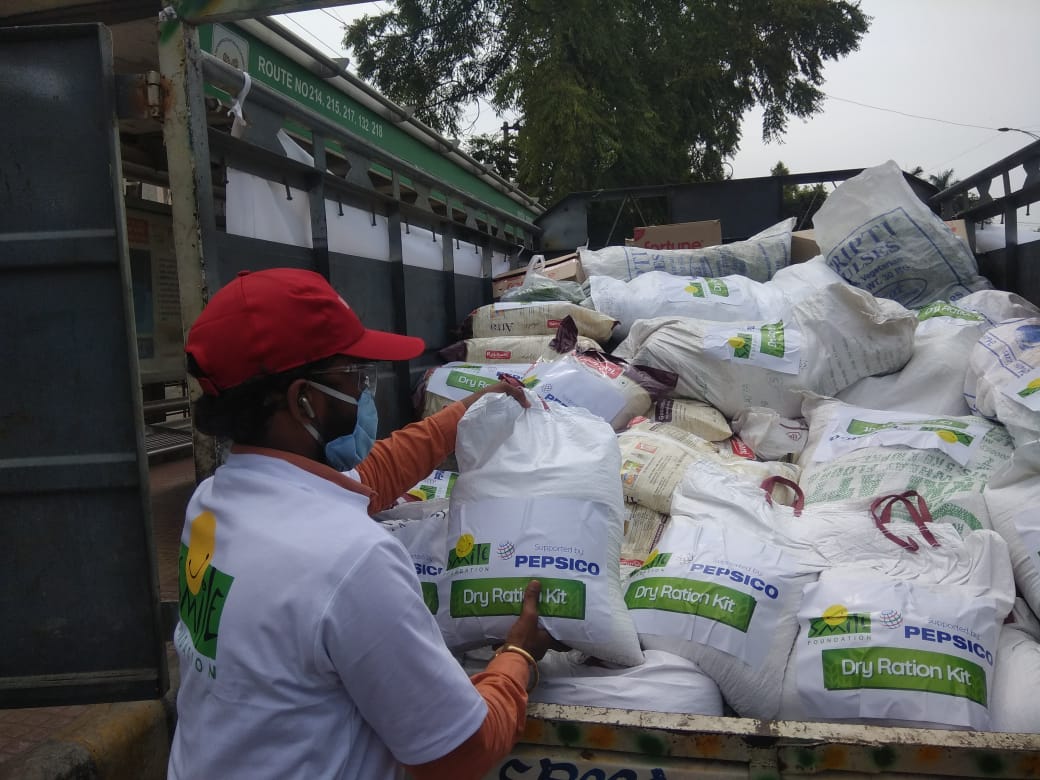
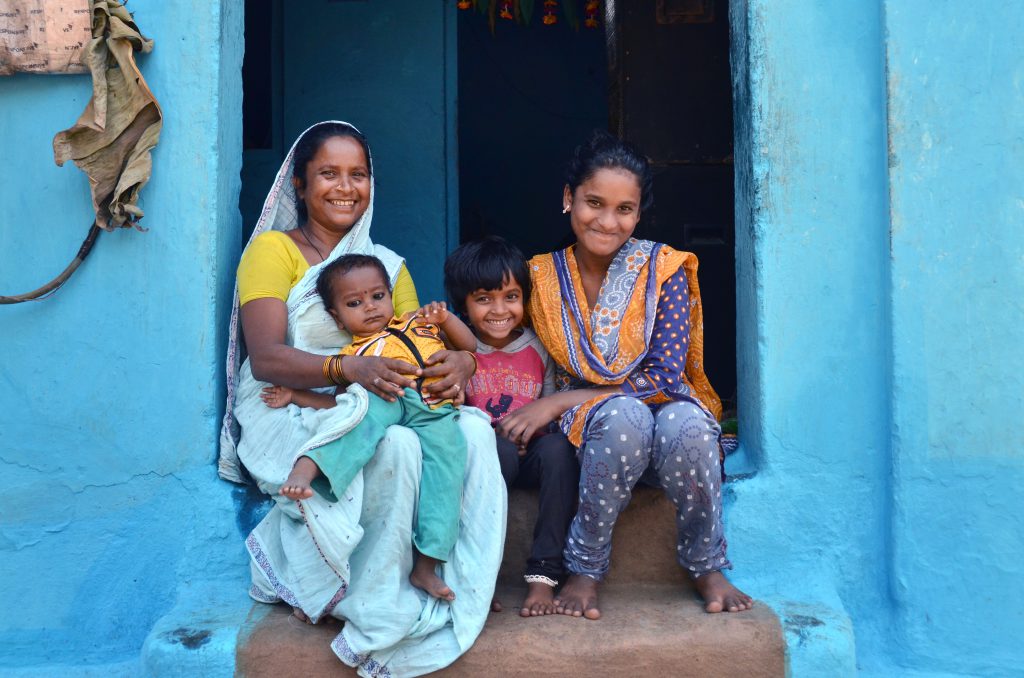
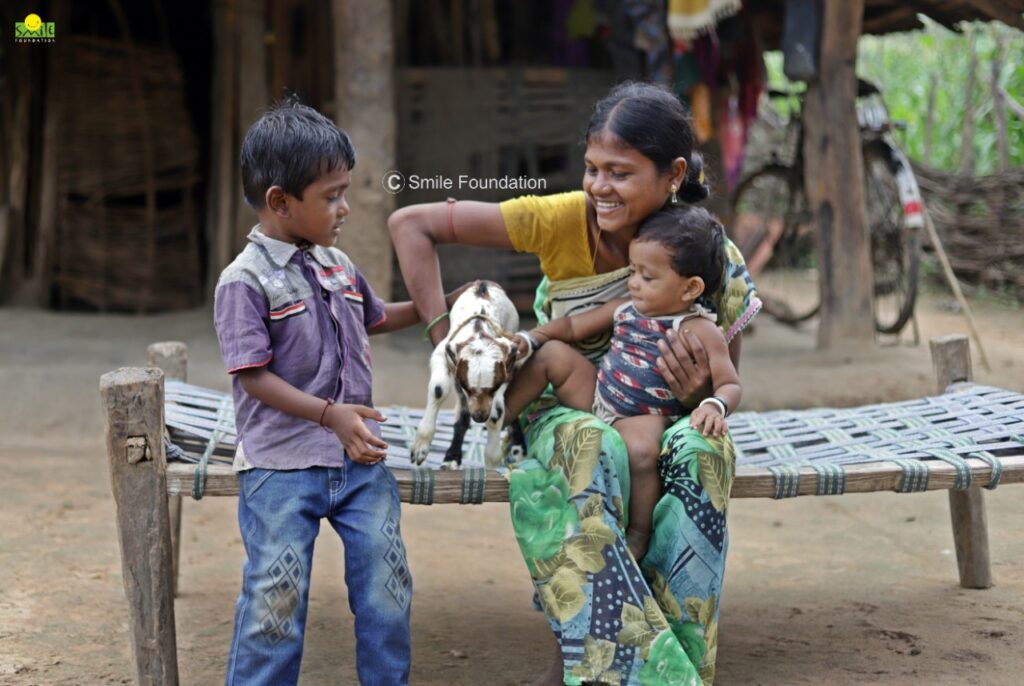
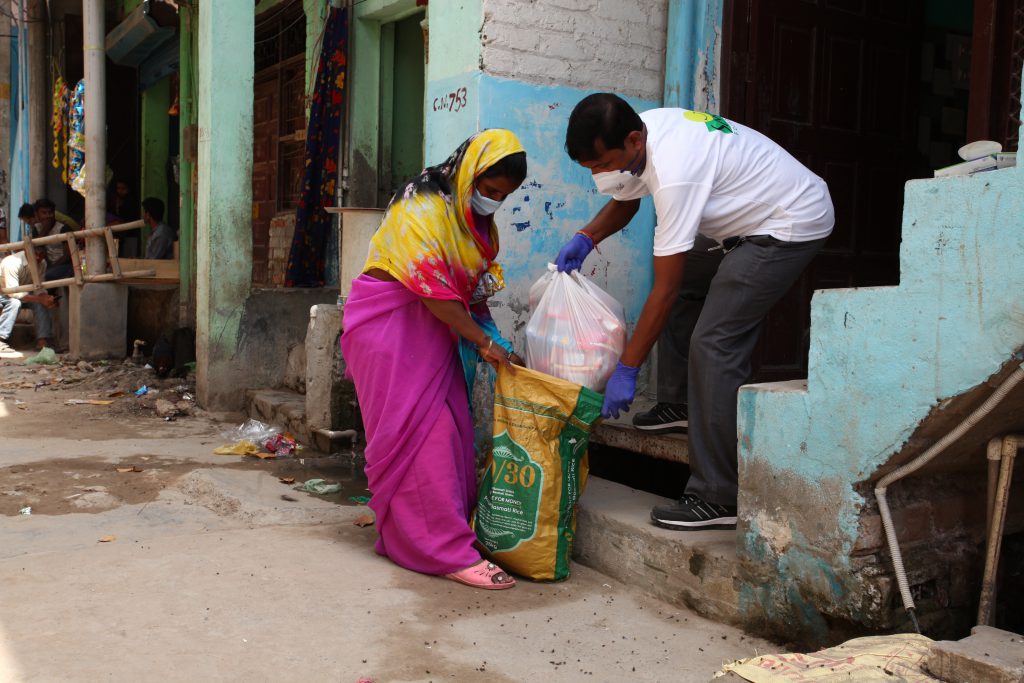
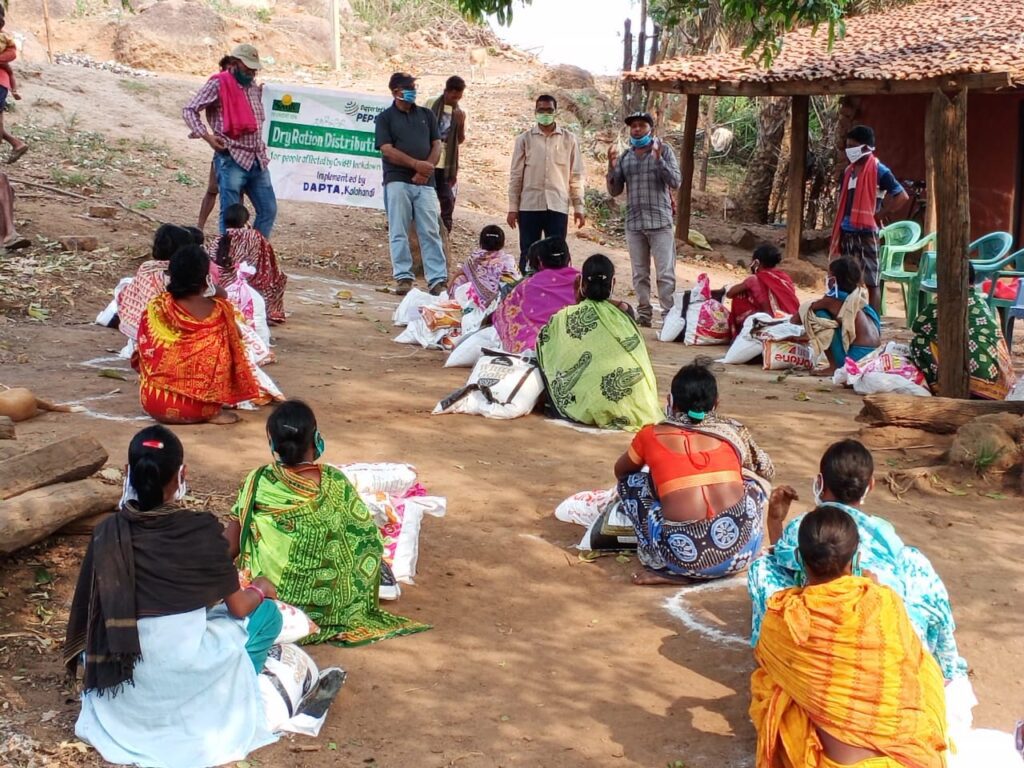
Daily wage labourers in remote rural areas and urban slums are struggling the most during these uncertain times of #COVID19. With Dry Ration distribution in every far-flung corner, Smile Foundation is helping the communities during coronavirus with easy access to food and essential items in such challenging times.
Tribal migrants from Chhattisgarh, specially the Muria and Gond Tribes displaced in the bordering districts and neighboring state of Telangana, have been living without adequate food and clean water, basic healthcare or livelihood opportunities for a long time, and the lockdown has worsened their situation further. There are about 216 of such inhabitants with nearly 2400 families.
Let’s help our communities during coronavirus
Helping our communities during coronavirus, Smile Foundation has reached 4 such villages (Regulavendi, Sarvikothur, Ramnagar and Rayanpeta) of Kunuavaram Gram Panchayath to provide dry ration kits, with the hope that this distribution will enable them to survive the lockdown.
The lives of the families of of Kutia Kondh primitive tribe in Kalahandi, Odisha were deeply impacted due to lockdown. These communities which are cut off from the rest of the world fall in isolated areas and reside in deep forests. The tribes which rely primarily on natural resources for their survival and crop cultivation, have received rations for a month.
More than 250 families of the primitive tribes- Kutia Kondh received dry rations in Kalahandi district which included 6 villages which were covered under Lanjigarh block.
Even though most areas from the North Eastern states have been declared as green zones now, the movement of goods and service providers into remote corners such as the seven sisters has become a bigger challenge than ever, due to the lockdown.
Helping our communities during coronavirus
In such a situation, the distribution of dry ration kits containing food for 30 days for a family of 4 members each at Singrijan and Niuland areas in Dimapur, Nagaland, and Damdamia in Tripura, is hopes to bring the relief to the people.
There is a famous adage “Man learns little from success, but much from failure”, it stands true, as every country is struggling in terms of insufficiency of current systems like health-care, to tackle the coronavirus epidemic and its aftermath effectively. With thousands around the world succumbing each day to the effects of the virus, the limitations of our healthcare system stand exposed. The analogue system that we took pride in will have to be replaced with the digital system as doctors complain how the pervasiveness of COVID-19 has clearly outpaced their ability to test, track and quarantine the people with symptoms of the disease. The age-old schooling system to teach students has gone for a toss while businesses are struggling to revamp their work processes to continue functioning as before.
Inducing Digitization in Healthcare
To counter the rapid spread of the disease, many private health-care companies have adopted digital solutions while deciding their next course of action through remote videoconferencing. However, this is limited to a few as many hospitals and clinics still rely on in-house visits and continue to operate from behind the brick-and-mortar walls. Availability of hospital beds is gradually dwindling, which has left the doctors to decide between hospital admission and home quarantine. The difficult choice between risking suppressed patients by exposing them to COVID-19 and suspending the much-needed care has called for an urgent transformation of our health-care delivery systems through digital technologies.
Digitization of healthcare services to help the poor
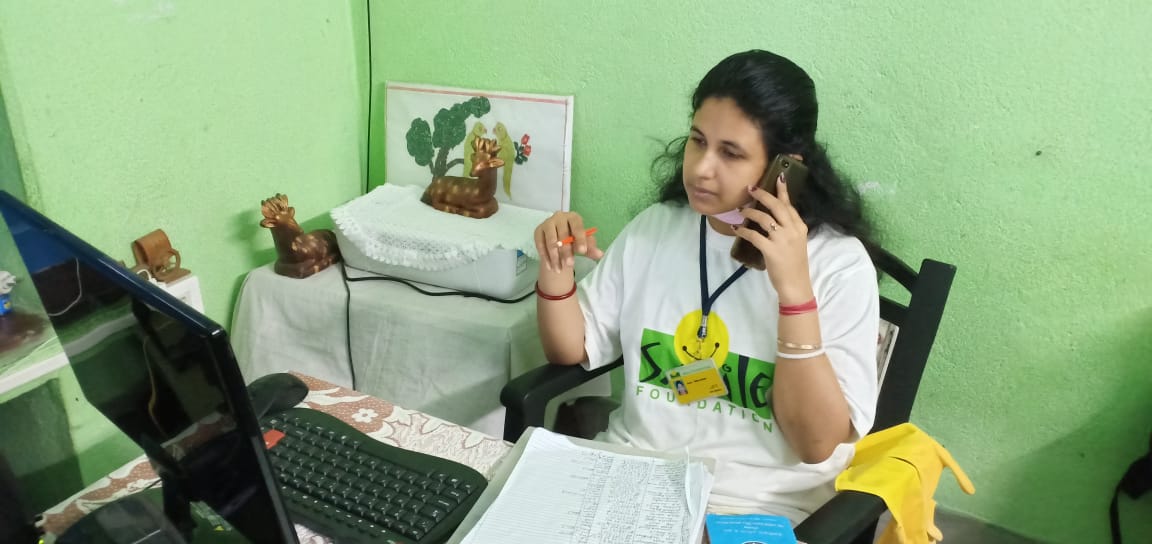
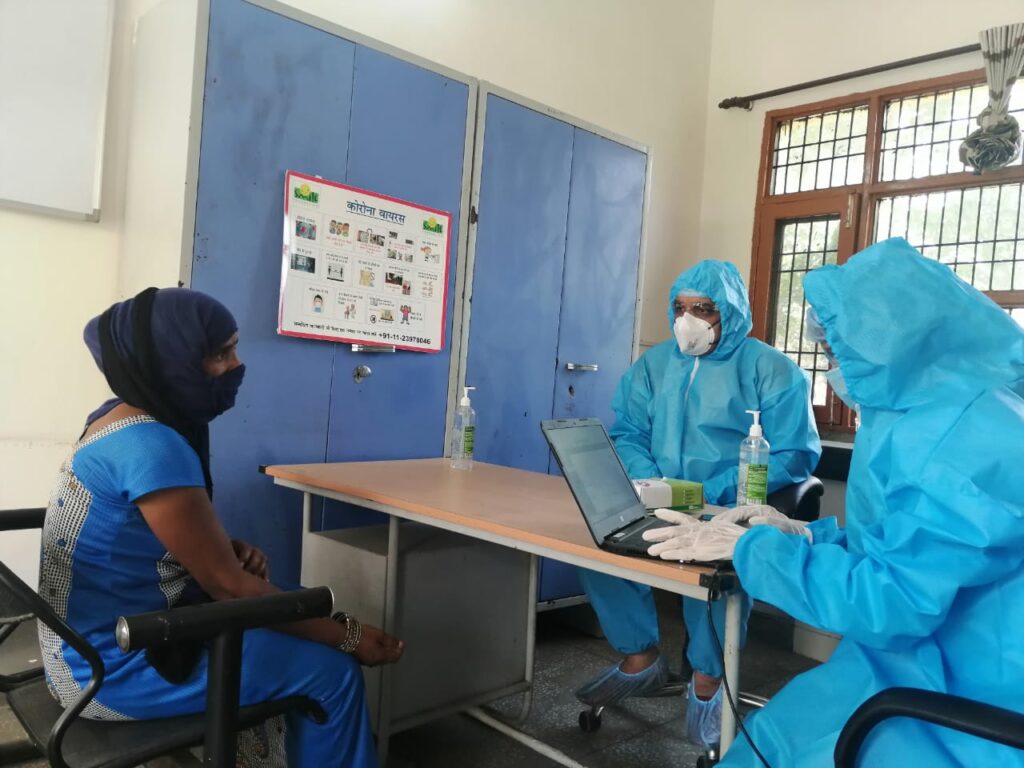
Though experts have talked about telemedicine in the past, disinclination towards the same had led to poor market penetration. The time has come to include essentially a digital imprint on all our health recovery strategic plans while finding a solution to factors that limit the execution of digital strategies in a country’s health-care system. Following ZERO CONTACT policy, Smile Foundation has launched a completely telephonic and digital Health Awareness Initiative, Baaton Baaton Mein Sehat to reach 200,000 children and families across 18 states of India. A team of medical experts and counselors from Smile Foundation are providing online medical assistance and tele counselling on queries about COVID 19, its precautions and the need for social distancing.
The closing down of schools due to the mandated lockdown has not dampened students’ enthusiasm to learn more. Online learning platforms have replaced the blackboard teaching method. Since the announcement of the lockdown, Edtech companies have announced free live classes on their apps, thus, allowing more students to benefit from their online products. Collaboration tools developed by both indigenous and foreign companies to allow unlimited video conferencing time between teachers and students along with smart calendar scheduling are other benefits that bolster current education tools, thus, supporting the distance learning process. Across the world, media houses are offering curriculum-based learning for kids that help them cover a part of the content before the school reopens post the lockdown period.
Teacher training on online classes to help children
Smile Foundation through its programme Mission Education is conducting online classes for children during the lockdown and is also training teachers on conducting such classes to help children keep up with their studies.
‘Work from Home’ Opportunities will Surge
The pandemic has had a determining effect on how businesses are run. With offices forced to shut down and employees feeling compelled to work online from their homes, companies may review the benefits of having a virtual workforce in place though following the COVID-19 pandemic, some work activities are expected to resume as per their original plans. However, given the corporate flexibility that people have experienced working from the comfort of their homes and the resulting increase in productivity levels, people will get more freedom to work from home than spending time on their daily commute to and from their offices. Also, for employees going back to their workplaces, temperature checks and social distancing will be the new norm. Conference rooms, video studios and meeting spaces will be larger. The lack of human touch during social interactions will lead people to appreciate and value community interactions, thus, making way for increased creativity and innovation.
When the year 2020 began, it was not much out of ordinary. However, there still were 135 million people in the world who were struggling with starvation and consistent lack of sustenance and need help. As the year drew on, the world was faced with a situation that it was not prepared to deal with – Coronavirus or COVID-19 pandemic. The disease has affected over 4.5 million people across the world since its outbreak in December and now threatens global food security for millions of people around the world.
As of April 2020, analysts at the World Food Program have estimated the number of people facing extreme hunger to double by the end of the year to 265 million. In fact, the executive director of WFP has estimated that people might face famine in about three dozen countries worldwide due to the problems global food security is suffering at the moment.
With one-third of the world population shut inside their houses to avoid getting infected by the virus, the production, storage, and supply of the essential food grains have taken an immense hit. The manpower required to oversee and help in all the major aspects of producing and handling food crops is presently, either limited to their homes or are in an unfortunate event suffering from the disease.
To ensure the food security for their citizens, as many as 14 countries have implemented food export bans on food crops that are crucial to feeding a major part of the population of the countries that import food from these countries. This has caused both shortage of food and a spike in the prices of the food resources available in the market currently.
The shortage of food is not the only factor affecting global food security. In many countries, producers of poultry and meat and even food crops have been forced to destroy their crops as there is a decline in demand on the available produce of grain in hotels and restaurants, and with export bans in place, these food stocks are becoming rancid with each passing day. In 23 countries in Africa and the Middle East, a crisis within a crisis is occurring which immensely threatens global food security with the worst locust infestation in decades. The same has even displaced as many as 12 million people in Africa and brought over 24 million people on the brink of starvation.
On the other hand, farmers from low to middle-income countries are the worst affected in the present scheme of affairs. Farmers in countries, whose major GDP depends on agriculture and thus the livelihood of farmers, are suffering because of the loss of livelihood due to quarantine measures, self-isolation, and aversion behavior in response to an outbreak and require immediate support.
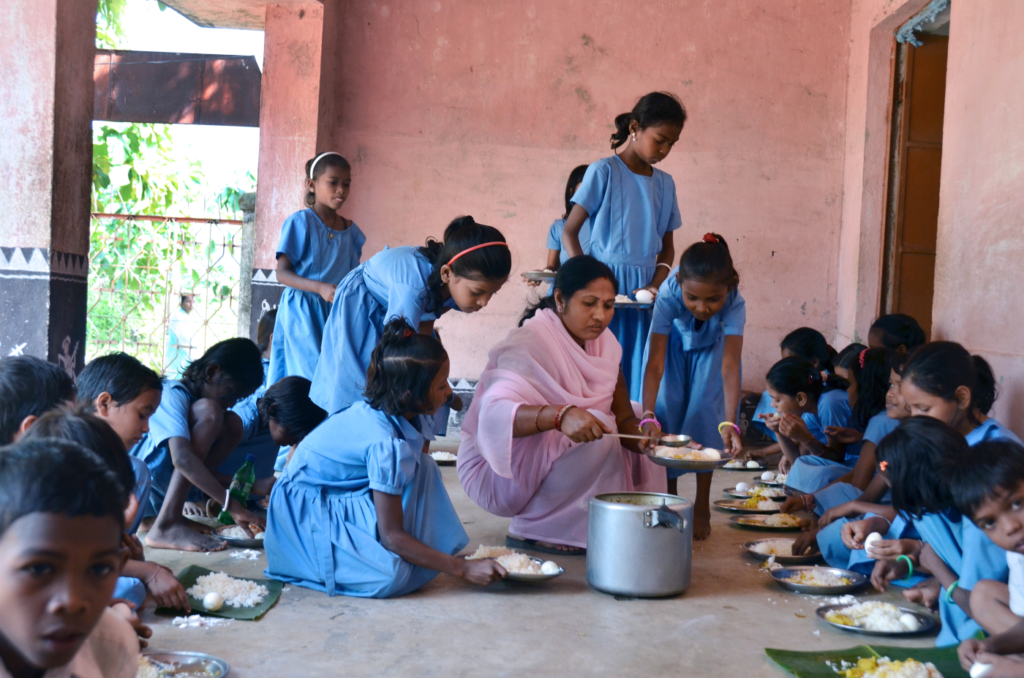
Besides the supply, demand, and production problems that global food security is threatened by, children from low-income families across the world need help as they are suffering due to malnutrition due to the loss of mid-day meals they got in schools which are now shut. Cases of undernourishment are at an all-time high which also has an immense impact on the health and immunity of these children as well as adults. There is also the loss of employment due to lockdowns placed not just in India but across the world that has left people without any source of income to provide for themselves and their families.
The World Bank alongside WFP has implemented measures to counter the threats to global food security as well as the humanitarian crisis that has originated due to the pandemic. In India, they are supporting women self-help groups, built over a period of 15 years, and tapping the skills of about 62 million women across the country to deal with the pandemic and its externalities.
Following their lead, Smile Foundation has mobilized its resources with the help of local grassroots NGO and volunteers motivated to aid their communities to successfully reach out to people living in urban slums of Delhi, Mumbai, Hyderabad, and other cities, rural villages of Rajasthan, Uttar Pradesh, and Kolkata and tribal communities deep inside the forests of Telangana and Orissa. To date Smile Foundation reached out to 100,000 families and distributed over 9 million meals to people across 19 states in the country to help them cope with the current situation.
Combating the imminent threat to the global food security and playing an active part in the global relief initiative at the national level in India, Smile Foundation has taken the mission to provide food and support to vulnerable and high-risk families, strengthen financial services in rural areas, and disseminate COVID-19 advisories among rural communities.
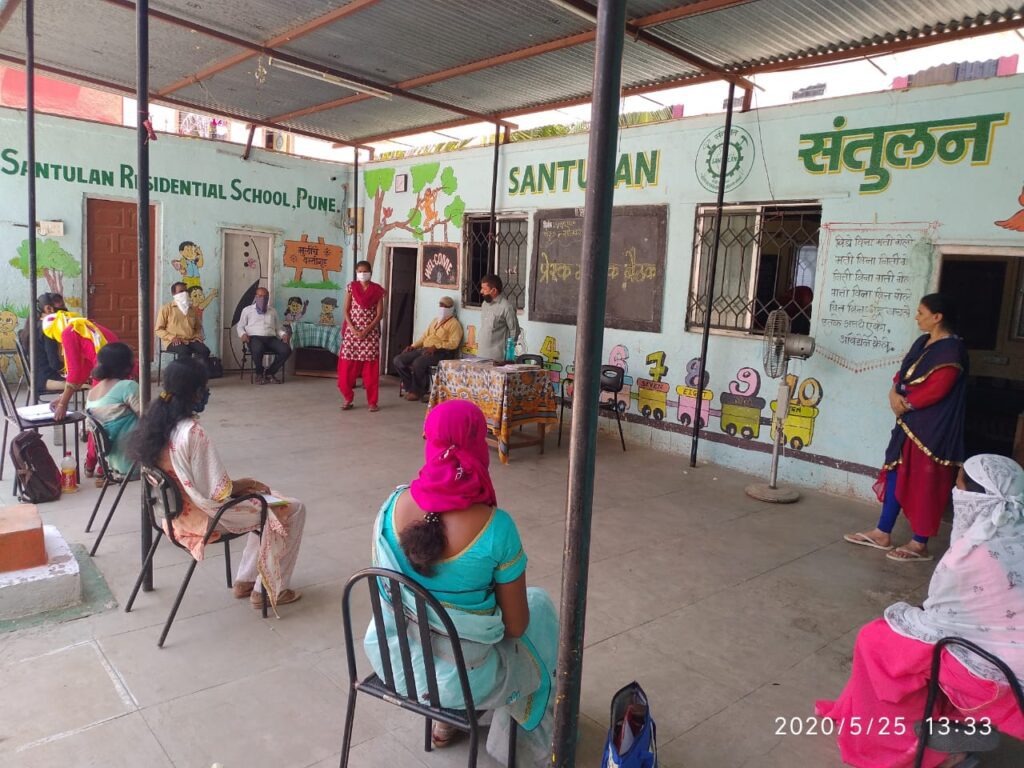
Pallavi Rege, 52, a volunteer from Pune has formed over 1000 self-help groups to help women from underprivileged backgrounds and worked for the past 27 years for the rights and needs of migrant workers. When the COVID-19 pandemic arrived in India, Pallavi’s put in efforts not just to provide the worst affected communities with rations but her prior initiatives in empowering women continued to aid the families of these women to survive through the crisis.
All across the country, the efforts and dedication of volunteer(s) and community workers such as herself have been invaluable in helping organizations such as Smile Foundation and their corporate donors in reaching out with the crucial aid to help the migrant and daily wage laborer make it through the pandemic without having to worry about their survival.
Inspired by the legacy left behind by Dr. Abdul Kalam, Santosh from Hyderabad contributes actively towards society. Even though he lost his own income as a salon worker when the pandemic hit the country, he felt the need to work for his community and ensure that people at least had one meal every day and do not starve as they count their days without any source of income through this pandemic.
He created the list of all the people he could know of who needed urgent assistance and has been a volunteer with Smile Foundation since the beginning of the ration distribution campaign and has reached out with aid to every person he knew he could help. Santosh also provides tuition classes to children in his community for free and still dedicates himself to the task for he believes that education is the only way to empower and strengthen the future of the country – our children.
Similarly, Savita, community healthcare volunteer from Gurgaon, has been working relentlessly in fulfilling her duty towards the society by reaching out to people every day with awareness about their health and hygiene during these critical times. Despite being the sole earner of four family members with three daughters and an ailing husband, Savita recognizes the importance of the role in the community and the assistance people, especially pregnant women, women and newborns requiring immunization and medical aid, and women struggling with menstruation and other health problems, require.
She has played a crucial role in reaching people with knowledge related to the pandemic and the measures of social distancing and hygiene that they need to follow to protect themselves. Besides this, she has been an immense support in helping Smile Foundation reach out to the most deprived communities with rations to make it through the period of lockdown.
With the efforts of many more such individuals all across the country Smile Foundation has been successful in reaching out to people living in urban slums of Delhi, Mumbai, Hyderabad and other cities, rural villages of Rajasthan, Uttar Pradesh, and Kolkata and tribal communities deep inside the forests of Telangana and Orissa. To date with the assistance and information provided by the volunteers and community workers from grassroots NGOs from across the country, we have reached out to over 60,000 families and distributed over five million meals to people.
Without the far-reaching resources and courage of people like Santosh, Savita, Pallavi, and more, it would have been next to impossible to bring the much-needed relief to the worst affected communities and to deal with the misinformation about COVID-19 and combat with the additional challenges this brings before overburdened frontline workers. A single case of misinformation can deeply risk the lives of thousands of people during a pandemic.
A volunteer is a very important entity of the public welfare system that ensures that critical resources reach out to the most affected people living in extremely necessitous regions of the country. Without his/her support, our work would be incomplete and full of unprecedented difficulties. For even if national agencies manage to reach out to the people with necessary information and resources, it is the local volunteers who help us in communicating it to people in their local language and help us in overcoming all the cultural and social barriers.
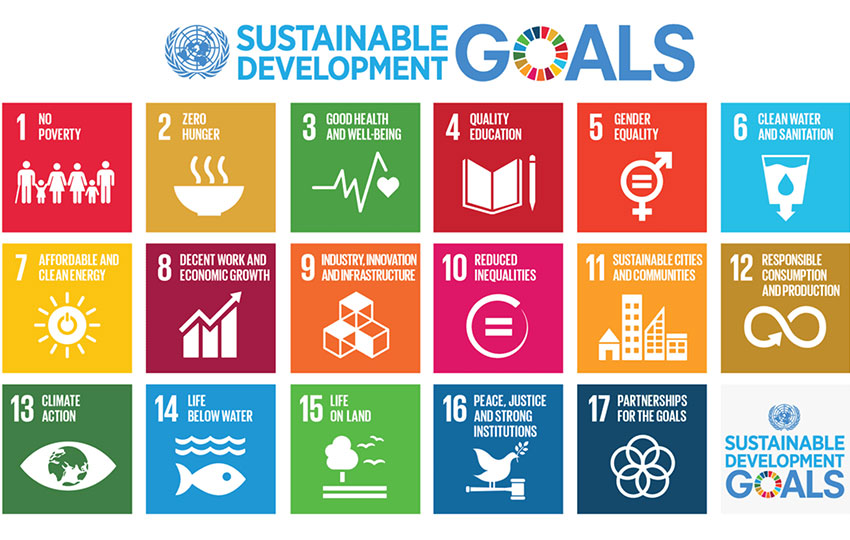
In 2015, United Nations General Assembly adopted 17 sustainable development goals (SDGs) to make the world a better place for the people worst affected by the raging poverty and inequality bringing to them a life of prosperity and opportunity. The primary aims were focused on eradicating poverty, inequality, hunger, and providing education, healthcare, clean water and sanitation, peace, and justice to the 7.5 billion people of the world. The UN had aimed to achieve these SDGs by 2030. However, the recent outbreak of coronavirus disease or COVID-19 pandemic has left the world struggling.
With the focus of the world leaders and welfare agencies in combating the effects of the COVID-19 pandemic on the world population, the attention which SDGs require has taken a backseat with the resources crucial to achieving the goals by 2030 now being invested in fighting the pandemic.
The worst affected SGDs will be that of reducing poverty, inequality, and hunger among the global population. The Covid-19 pandemic has brought the world economy to a standstill. With a third of the world’s population in lockdown has left a major chunk of economy building industries, non-functioning. A report by World Economic Forum estimates that in the worst-case scenario where the global economy is reduced by 20%, as many as 500 to 600 million people will be pushed into extreme poverty. The highest ever in the past three decades. This will result in the creation of obstacles to achieve other SDGs of providing every individual with quality education, clean water and sanitation, and sufficient and effective healthcare. For people struggling with poverty; education, healthcare, and sanitation move lower on their list of priorities as they fight every day to survive and live in unimaginable conditions.
The increase in poverty will also lead to an increase in global hunger which will also be affected due to the reduction in the production of food as the world fights the pandemic by staying at home. There will also be an increase in inequality and discrimination on the basis of gender, race, and more. The worst affected will be women and LGBTQ people.
A working woman with children now is working from home, doing household duties, taking care of kids, and now also needs to pay attention to homeschooling her children. Tto prevent them from having a mental breakdown from being locked inside the house all the time she has to keep them engaged. This is the “triple shift”, i.e. three times the amount of stress a woman is suffering from due to the COVID-19 pandemic.
As many as 70% of women work in the retail, service, and hospitality sector and the lockdown in the majority part of the world, a large number of people have lost their jobs, out of which 60% are women. In many developing countries as in South Asia, as many as 80% of women work in non-agricultural jobs in informal employment (ILO report).
These women do not have any legal security from the state to prevent them from losing their livelihood. The poorest are the worst hit. 57% of women who work part-time will lose their jobs in less than a quarter due to the economic slowdown that the virus is resulting in.
The world will also face an increase in the increase of environmental crisis to due excessive use of single-use resources and plastic to deal with the pandemic. An extreme rise in the amount of plastic and biomedical waste is expected which the world is not equipped to efficiently dispose of.
The only means to deal with the inevitable challenges that the world will face to achieve the SDGs is the global effort from both the world governments and the public. Governments, corporate businesses, multi-lateral national and international organizations, and worldwide civil society have in the shortest possible time raised billions of dollars to aid the front line workers as well as the population struggling to survive through the pandemic.
Taking this solidarity forward, we all together can contribute to do our part and help us all achieve the SDGs that will make the world a utopia all of us dream of living in. Keeping its focus equally on the relief efforts towards the crisis caused due to COVID-19 and the SDGs, Smile Foundation has continued with its work to serve the civil society by continuing its work in the fields of education, healthcare, and women empowerment. Utilizing technology to reach out to its beneficiaries, Smile ensures that the change brought in the lives of millions in the country does not come to a standstill due to a disease and aims to reach out to people not just with ration kits but also with the support and solace everyone needs in this time of difficulty.
During any large-scale crisis that puts a hold on human lives due to the massive impact it leaves in its wake, volunteers form a critical component in providing community relief and reaching out to people far and wide. It is the volunteers, community mobilizers, and social workers on the ground that become the essential link who help facilitate the effective means in bringing relief to the worst affected in any crisis.
COVID-19 is no different. The pandemic that has infected over four million people worldwide and continues to grow at an alarming rate has left a third of the population of the world confined to their houses. While it is essential for people to maintain adequate physical distance and hygiene, the volunteers and community workers have been on the ground working on the frontline in reaching out to help the vulnerable with the necessary aid.
The two most important responsibilities that these volunteers help agencies, such as Smile Foundation and corporates to reach out with aid to the needy, are awareness campaigns and resource distribution.
As the pandemic rages on across the world, rumors and misinformation become a major source of disruptions in the work of doctors, policepersons, and frontline workers as well as puts the health and lives of people at risk. Our volunteers and community mobilizers have played a crucial role in conducting awareness sessions in the most remote regions of the country about the disease and the necessary measures people must take to combat it.
They have ensured that people have the complete knowledge as publicized by credible health agencies about maintaining physical distance, personal hygiene, proper handwashing techniques and directions to be followed in case of appearance of any symptoms of the disease to minimize the contamination within the family and community.
Without the far-reaching resources and courage of our volunteers, it would have been difficult to deal with the misinformation about COVID-19 and combat with the additional challenges this brings before overburdened frontline workers. A single case of misinformation can deeply risk the lives of thousands of people during a pandemic.
The volunteers have also been our main point of action on the field in terms of helping us reaching to people with relief material. As the lockdown to cut the chain of infection continues since its commencement on March 24, millions of people have been left without work or any source of livelihood to survive through the pandemic as authorities try to mitigate and bring the situation under control. A lot of these people are migrant and daily wage workers who have nothing left with them with the loss of their source of income.
In order to help such individuals, make it through the lockdown until things become normal, people have extended a helping hand to provide essential rations and food material for these people and their families. It is our volunteers who are working tirelessly across the country to ensure that the aid being provided by NGOs, government agencies and corporate firms reaches the millions of people fighting with a hunger for their survival.
Our volunteers have reached to people living in urban slums of Delhi, Mumbai, Hyderabad and other cities, rural villages of Rajasthan, Uttar Pradesh, and Kolkata and tribal communities deep inside the forests of Telangana and Orissa. To date our volunteers and community workers from grassroots NGOs from across the country have reached over 60,000 families and distributed over five million meals to people.
Volunteers form the arteries of the public welfare system who ensure that critical resources reach out to the most affected people living in extremely necessitous regions of the country. Without their support, our work would be incomplete and full of unprecedented difficulties. For even if national agencies manage to reach out to the people with necessary information and resources, it is the local volunteers who help us in communicating it to people in their local language and help us in overcoming all the cultural and social barriers.
Coronavirus or COVID-19 pandemic has affected over three million people across the world and the number continues to grow with each passing day even after five months since its outbreak in Wuhan. And this pandemic is not going anywhere. The disease that is affecting the health of millions of people around the world will leave its scar on the global population. One of the most prominent, besides economic effects, will be its effects on children. Children worldwide might not be at as high a risk of contracting the disease as adults, mostly above the age of 60 years, but child rights have been left unchecked and vulnerable in the midst of the pandemic.
With the attention of authorities and agencies across the globe focused on combating with COVID-19, child rights face severe violations in terms of education, healthcare, safety, and sustenance. As of 2019, an estimated 386 million children across the world are living in extreme poverty, as per a report by the United Nations. The pandemic is expected to result in around 66 million children falling into poverty as the world struggles with a crippling economy.
Besides poverty, children around the world have also lost access to education. 188 countries have imposed lockdown in order to break the spread of disease which has affected the education of 1.6 billion children and youth world. Two-third of the countries with mandatory lockdown have provided for distance and digital learning to the students. However, for children without access to the internet or a device to access the same, there are no measures taken to prevent their education from being hampered. Only 30% of the children in developing nations are able to continue their education amidst the lockdown.
368 million children in 144 countries rely on mid-meals for nutrition and survival provided in their schools. With lockdown in place, such children are at a high risk of malnutrition. Not only this, but children are also losing out on essential healthcare and vaccines for diseases like polio and measles in the present situation. The mental health of children is also vulnerable to the lack of nutrition and from being limited to the confines of their homes. They are exposed to a disease that can turn fatal in the absence of sufficient healthcare as they live in unsanitary and crowded conditions in slums and in refugee camps which have a limited supply of water and almost no means of practicing social distancing.
Another imperative part of child rights that are currently being violated is the safety of children. Thousands of children worldwide are being subjected to mental, physical, emotional, and sexual violence during the lockdown in their homes. Children are also facing a threat as they risk being exposed to inappropriate content as well as online predator due to the increase in the use of online platforms for education. Children living in institutions, refugee settlements, slums, children with disabilities, and more are at an even higher risk of facing child rights violations in unimaginable ways and the current world order is engaged in fighting the pandemic to pay sufficient attention to the needs and safety of the children.
The need of the hour is to rebalance and implement a combination of interventions to minimize the damage that physical distance and lockdown is causing to the children. In such a critical situation where there is not enough manpower on the ground to cover every aspect of the social needs of the people, we all need to do our bit to ensure the safety and welfare of the little ones of the society.
The governments across the countries need to develop and execute a framework to prioritize the continuity of child-centering services in terms of education, healthcare, and safety. Authorities need to put in extra efforts and focus on equity of access to schools, immunization, nutrition, neo-natal and post-natal care for mother and child as well as community services that have been designed for the welfare of the children.
Awareness sessions need to be conducted on media with the high audience to educate parents, guardians, caregivers as well as communities to educate them about the risk that children in and around their houses face and how they can help in reducing the violation of child rights around themselves.
The policy brief by the United Nations on the impact of COVID-19 on children states, “while children are not the face of this pandemic, its broader impacts on children risk being catastrophic and amongst the most lasting consequences for societies as a whole.” This holds true in its entirety. If actions to promote the safety and prosperity of children are not taken, then the situation that began as global health emergency will effectively turn into degradation and the reversal of the global development of the future generations.
COVID-19 entered the human system from animals and spread out across the globe affecting more than 3 million people in 210 countries since its outbreak in Wuhan last December. The disease has changed the complete structure of the world system that had been in place for decades now. It not only challenged and revealed the major loopholes and faults in the healthcare system of the world but also immensely affected the lifestyle of the common people and the life after COVID-19, will be significantly different than the one prior to it.
The disease has confined a third of the global population within their houses for the past month and has affected all the established systems for work, education, essential commerce, recreation, health, and much more. Most of the people of the world today are living their regular lives on the telephone or the internet in some form. Whether to execute your office or attend classes or entertain oneself. People have had limited to no human contact in the last few weeks.
So, the question stands – what will life after COVID-19 be like, and what will be the new normal?
The two most important changes that will take place in the life after COVID-19 and must be employed by all us and the people in authority are to embrace the humanity and fraternity we are experiencing presently; and strengthening the current health system.
The pandemic brought us closer as a human community and addressed the fact that we are interconnected with and interdependent on each other in ways we were not aware of before. Our well-being and health are dependent on the health and well-being of those around us and not just at the level of our neighborhood but nationally and internationally as well.
A disease crossed the barriers of country borders, distance, cultures, systems, and everything that was in place. Our collective health also affects the global businesses and economies at both the national and international level. The solidarity and support that every one of us has received as we stay cut off from the outside world proves the strength of humanity and the need for a supportive community.
While we have the privilege of working from home and staying safe, there are people still going out into the world to take care of the sick to deliver groceries and essential items, to keep our areas and localities clean and sanitized. These workers are essentially keeping our societies running during lockdown at the risk of their and their families’ lives. For the first time, the contribution these people make to keep our lives healthy and smooth has been acknowledged at a global, and people have come forward to support them in these difficult times.
The second and in fact highly important step will and must be of structuring a universal healthcare system that is sufficiently equipped to handle a pandemic which could be far more deadly than the present one. With globalization, there has been a significant decrease in the living spaces between the humans and the wildlife. This puts us at the risk of contracting some other virus from the millions of unknown ones that the wildlife hosts.
In a scenario, where the virus is airborne making it even more contagious, has a longer incubation period, asymptomatic and worst of all, has a much higher mortality rate like Ebola or bubonic plague, the current world healthcare system will crumble to its knees in no time and millions will lose their lives.
Governments worldwide must take important measures to prioritize the well-being of their citizens and begin investing more in improving and strengthening the healthcare system than they do on defense. For the worst war that humans might face will be waged by nature.
It is crucial to implement a universal healthcare system that is equipped with adequate PPEs and equipment to deal with a crisis of a much higher scale. A standardized system that mandatorily trains not just the healthcare workers but every one of us on the correct ways of dealing with a contagious disease and the protocol that must be followed to ensure minimal loss of life and higher functionality of hospitals and medical staff.
Without these important measures in place, the world is walking on crutches and dreading to come face to face with a situation that has not been experienced in the past 100 years. For another pandemic is inevitable and if we are still not ready to bear such a crisis, life after COVID-19 would be futile and inefficient.
Empowering women is the need of the hour. Women getting an education, healthcare, safety, equal opportunity, and a life of independence and dignity has been a mission for visionaries around the globe. As per a report by McKinsey, an estimated $770 billion would be added to India’s economy by 2025, if gender equality is effectively achieved in the country.
However, the mission and hopes of millions of women and men to empower every woman in the world have come to a sudden pause in the midst of the recent pandemic of Coronavirus disease or COVID-19 which has infected over 3 million people globally in the last five months.
As per the United Nations Population Fund (UNFPA), a woman is affected thrice as much as a man due to this epidemic. A working woman with children now is working from home, doing household duties, taking care of kids, and now also needs to pay attention to homeschooling her children to prevent them from having a mental breakdown from being locked inside the house all the time. This is the “triple shift”, i.e. three times the amount of stress a woman is suffering from due to the COVID-19 pandemic.
Young girls face a possible loss of education due to the lack of digital device making them vulnerable to early marriage and exploitative relationships. Presently, 743 million (UNWomen report) are out of school and adolescent girls are the most at risk of facing gender-based violations starting with the loss of education.
Smile Foundation has been actively working in empowering women and in turn strengthening their families and communities for the past 15 years. Under its vertical with a focus towards empowering women, Swabhiman, Smile creates awareness among women in underprivileged communities about their health, education, and essential needs during periods, pregnancy, and prioritizing their health and welfare to take better care of their children and families. Alongside this, academically high-achieving girls are provided yearly scholarships until the completion of their college to promote girl education and encourage families to prioritize their education over social and domestic duties.
Continuing the work to promote girl education and women welfare during the COVID-19 crisis that has put a third of the world’s population into lockdown to cut the spread of the virus, Swabhiman officers and community mobilizers are still working on the field to help women in underprivileged communities. With the country in lockdown, most of the daily wage and migrant workers have lost their source of income as well as are not able to acquire essential resources for their survival. Women are especially susceptible to the worst of it for they will put the needs of their children and families before attending to themselves. To help women take care of themselves as well as their families, Swabhiman community mobilizers have crucial in dry ration distribution to such women and address their healthcare needs as well during a time when everyone and everything is focused on fighting the pandemic.
Through telephonic calls and text messages, the mobilizers have kept in constant touch with the existing beneficiaries to help them deal with the stress of the situation and help them reach all the support necessary to help them ease through this period. In the past 3 weeks, these mobilizers have also facilitated four institutional deliveries by helping pregnant women understand the signs of labor and bringing them to the hospital and ensure that these women get the necessary medical attention during childbirth.
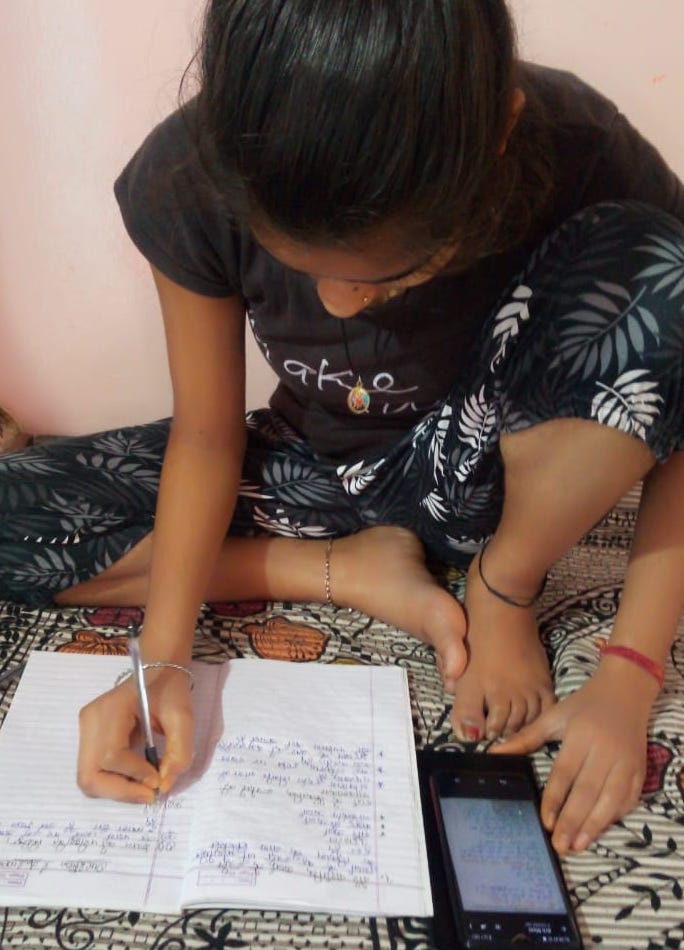
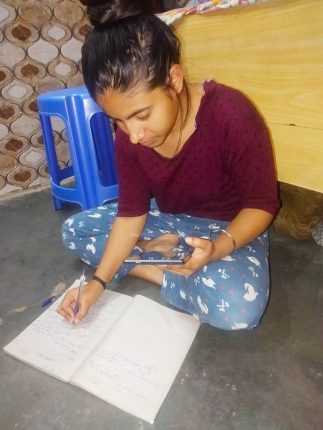
Smile also ensured that its Swabhiman Scholars are able to continue their studies digitally during the lockdown and not losing out on any opportunity to progress even as the world has come to a standstill. These adolescent girls under the scholarship program were given tablets which have been of immense help to them in continuing their studies online.
Guardians of the girls who don’t have tablets but do have a smartphone at home are regularly counseled and advised to let the device be accessible to the scholars for the purpose of their studies. The girls are also being presented with material and resources along with few apps for online courses to not lose even a day’s worth of studies as well as engaged in English communication courses to make the most of their time at home.
As the world works relentlessly to fight and stop the pandemic, Smile Foundation ensures to fulfill its existing responsibilities towards women and society and not let a pandemic become an obstacle for girls and women in achieving a brighter future and a healthier life that empowers them to realize the best of their potential.
The world as we knew is no longer the same as the disease that entered the human system from animals spread out across the globe. COVID-19 or coronavirus disease that was noticed by the people in late December last year in China has now infected an estimated 3 million people in 210 countries has not only challenged the healthcare system of the world but also the lifestyle of the common people had employed for decades and has also affected the routine of Smile’s Mission Education beneficiaries.
The disease has confined a third of the global population within their houses for the past month has affected all the established systems for work, education, essential commerce, recreation, health, and much more. Most of the people of the world today are living their regular lives on the telephone or the internet in some form. Whether to execute your office or attend classes or entertain oneself. People have had limited to no human contact in the last few weeks.
It is a necessary step required to break the chain of the spread of COVID-19 pandemic. India’s population has been under strict lockdown to cut the spread of the disease in the nascent stage which has so far been successful curbing the number of cases in the country. In the view of the present situation where a part of the population does not have the means to connect with relevant contact points for their needs, it becomes the responsibility of the abled to not leave behind and by helping and taking care of such people through communal contribution.
Smile Foundation has been actively working towards fulfilling its responsibility to the society and reaching out to the people who have no source of income as well as resources for survival due to the mandatory lockdown across the country.
Besides providing dry rations kits to the underprivileged communities living in urban slums, rural villages and remote areas, Smile Foundation, through its Mission Education vertical, is also addressing the urgent assistance required by such communities through tele-counseling and awareness sessions, associating with government and non-government agencies to help families in distress to reach out to people who can help them, and reaching out children who are being affected by the situation and experiencing emotions they do not fully understand.
The project coordinators of Mission Education centers around the country regularly call their student beneficiaries to spread awareness to the students, their families, and community stakeholders about COVID-19 and the means like practicing hygiene and physical distancing to protect themselves from contracting the disease. The children and their families are also provided with information related to important numbers to seek support in case of any symptoms of the disease or if they experience any personal crisis.
Children and their families are also being provided counseling to understand and deal with the stress and anxiety that everyone is experiencing due to limitations to movement and to human contact. So far, our coordinators have reached people living at the project locations in Siddharth Nagar, Bangalore, Gurugram, Gonda, Bharatpur, and more. Their progress and needs are also being tracked by our coordinators by checking up regularly with them and get an update on their health and needs.
Mission Education has also teamed with governmental and non-governmental agencies who are conducting local distribution of food and rations to the underprivileged communities. The representatives sharing the details of the local resource points as well as connect them with people who can provide them with essentials like food, water, or medicines in case of an emergency. Mission Education coordinators have been able to help desperate families facing difficult circumstances by reaching out to them remotely.
The field workers of Smile Foundation are also volunteering for the local administration to provide support to them to reach out to the maximum population for creating awareness and with the distribution of relief material in a shorter span of time.
In all our efforts, our most important tool has been technology which has helped in not letting any of our beneficiaries remain isolated from the help and relief they need to get through the COVID-19 crisis, for countering this pandemic does not just require the efforts from our medical workers and scientists but also the collective efforts of the masses and administration to bring everyone out of this crisis healthy and prosperous.