Categories
Nutrition Smile Women Empowerment

Swasth Nari Sashakt Parivar Abhiyaan: Powering a Nation through Women’s Health

“A nation will be empowered only when its women population gets empowered.”

Dr APJ Abdul Kalam 

Once upon a time, a jewel that weaved and nurtured beyond the walls of her home, gradually faded inside the walls– neglected as if she never existed – a woman’s journey in India, once a fairy tale, faded gradually; her status in the society diminished as the magic vanished away after midnight. Today, she still awaits for a happy ending – where her status is revered as an equal, where her health is a priority. 

The story of women’s health in India is inseparable from the story of women’s status. In the Rig Vedic age, women stood at the centre of intellectual and social life, but as history unfolded, their place was diminished, their rights eroded. Even in today’s modern era, the struggle continues. On one side, the lingering chains of patriarchy, binding women to a subordinate role; on the other, the urgent need for society to face an undeniable truth: a woman’s place is not a concession to be granted, it is a certainty. She is an equal – entitled to the same rights enshrined in the Constitution, chief among them the right to good health.
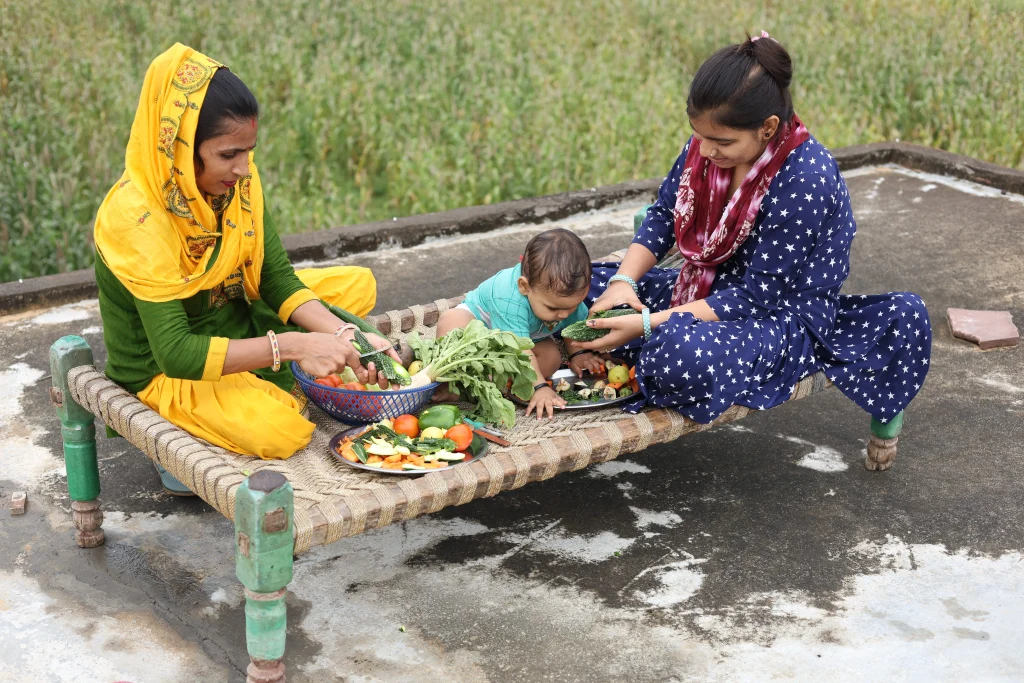
As Dr Kalam observed, a nation’s power rests on many pillars, but its true foundation lies in the well-being of its women and children. In this light, on 17 September 2025, the Prime Minister of India, Narendra Modi, launched the Swasth Nari Sashakt Parivar Abhiyaan – one of the country’s largest health mobilisation drives for women, adolescents and children.

This mission speaks with clarity: women’s health is not an afterthought, but a right that has always belonged to them. To restore that right is to give women the strength and dignity they deserve and through them, to build healthier, stronger communities across India.

Women’s Health with Swasth Nari Sashakt Parivar Abhiyaan

Being launched along with the 8th edition of Poshan Maah – the Swasth Nari Sashakt Parivar Abhiyaan is a strategic synchrony of the government’s effort towards uplifting women, children and adolescents health in India. 

Where Poshan Maah focuses on nourishing, this Abhiyaan builds systemic care, together forming a dual front to strengthen women and her community. 
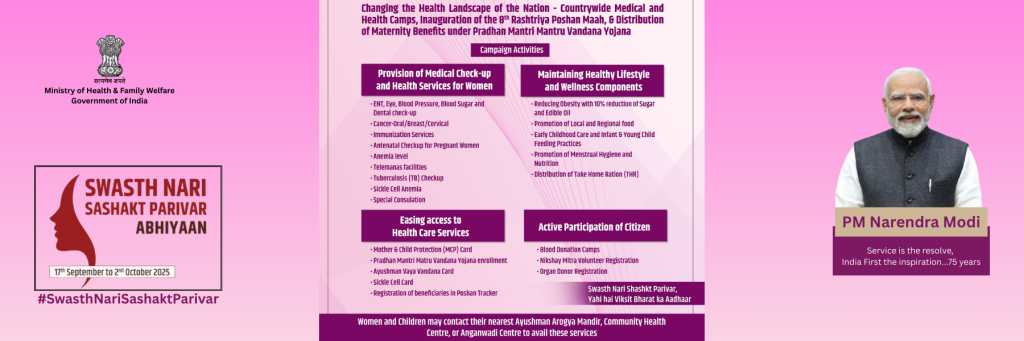
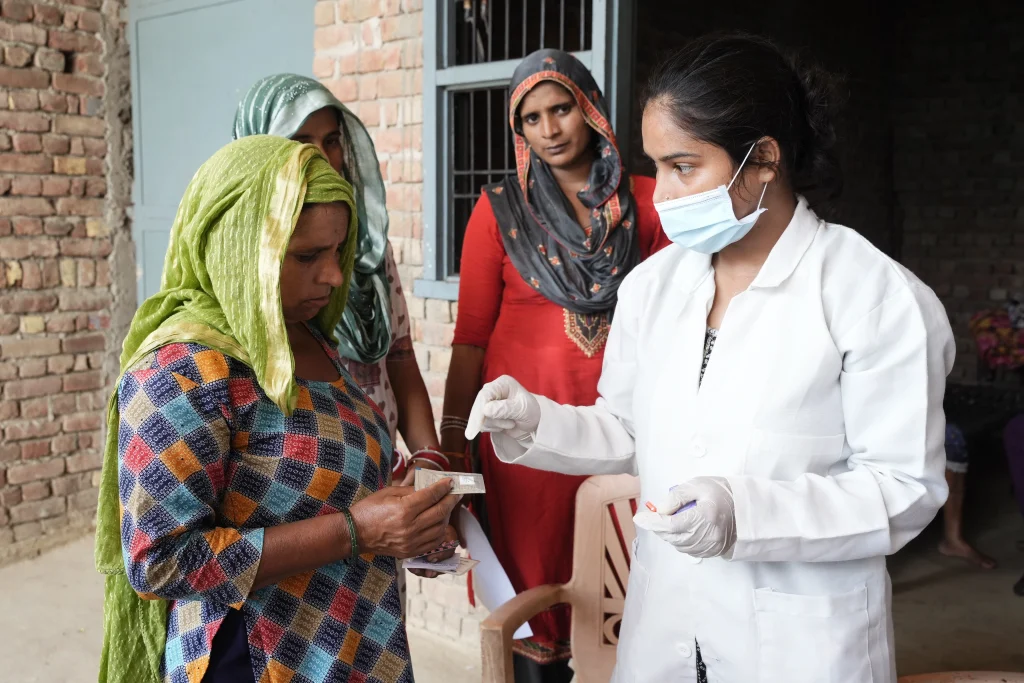
Starting from 17 September to 2 October 2025, with the support of the Ministry of Health and Family Welfare and the Ministry of Women and Child Development, the Abhiyaan will unfold nationwide. Community health centres, Ayushman Arogya Mandirs and Anganwadis will become the stage for screenings, interventions and awareness programmes bringing healthcare to the very heart of communities.
According to the Ministry of Health, this initiative extends the state’s long-term commitment: to ensure that women, especially in rural and urban-poor settings receive uncompromised access to quality healthcare. At its core, the campaign targets critical challenges 

  • Anaemia
  • Tuberculosis
  • Sickle cell anaemia
  • Cancers of the breast and cervix
  • Oral cavity 

It also aims in strengthening antenatal care, expanding vaccination drives, establishing blood donation camps and integrating AYUSH-based wellness – ranging from nutrition literacy and local food promotion to menstrual hygiene, early childhood care and distribution of take-home rations. Digital health services such as Ayushman Bharat Health Accounts (ABHA) and PM-JAY will provide continuity of care.

This mobilisation rests not only on institutions, but also on the people who carry trust into households. ASHA and Anganwadi workers, ANMs, self-help groups and panchayati raj institutions under the MY Bharat initiative will drive grassroots awareness. 

Specialist services in gynaecology, paediatrics, dermatology, psychiatry, ophthalmology and dentistry routed through medical colleges, district hospitals and apex institutions like AIIMS, ESIC and CGHS will ensure last-mile access to women’s health and child care.

The Health Ministry frames this campaign as aligned with the Prime Minister’s larger vision: a future where health, nutrition and fitness are not privileges, but pillars of a developed India by 2047.

The Generational Struggle

In India, women’s health is a mirror of the nation’s deeper struggles between progress and neglect, between bold schemes and persistent gaps. To understand these generational challenges is to recognise the silent currents shaping not just women’s lives, but the destiny of families and entire communities. 

Four challenges that have been clouding women of India’s health for centuries are anaemia, malnutrition, chronic disease like diabetes and fragile antenatal care. 

  1. Anaemia – The Invisible Weakness

Anaemia is both widespread and insidious. According to the NFHS-5 report, nearly 59% of adolescent girls and 67% of children are anaemic, while 32 million pregnant women battle the condition at any given time. 
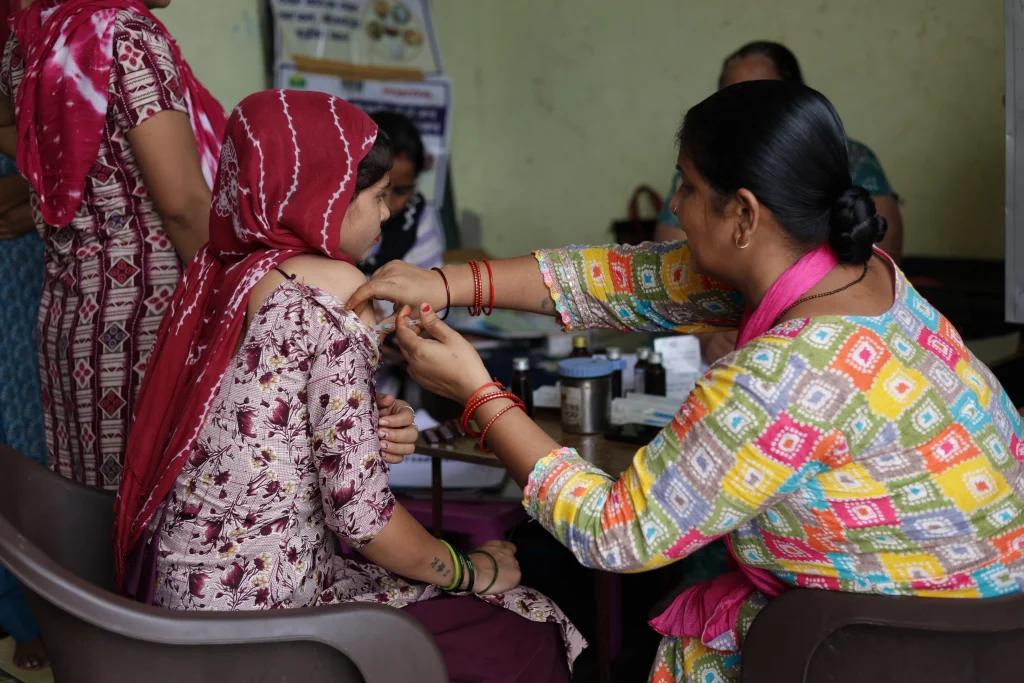
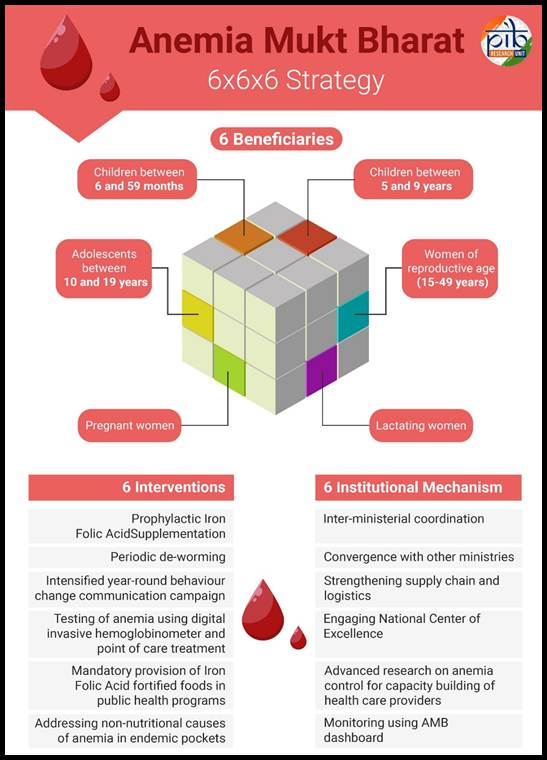
This long battle has robbed several mothers from strength and vitality; they have a risk of low birth weight, prematurity and maternal death. The government’s Anaemia Mukht Bharat campaign attempts to counter this through the 6x6x6 strategy that covers

  • Iron and folic acid supplementation
  • Deworming 
  • Digital tracking 
  • Fortified foods
  • Community outreach

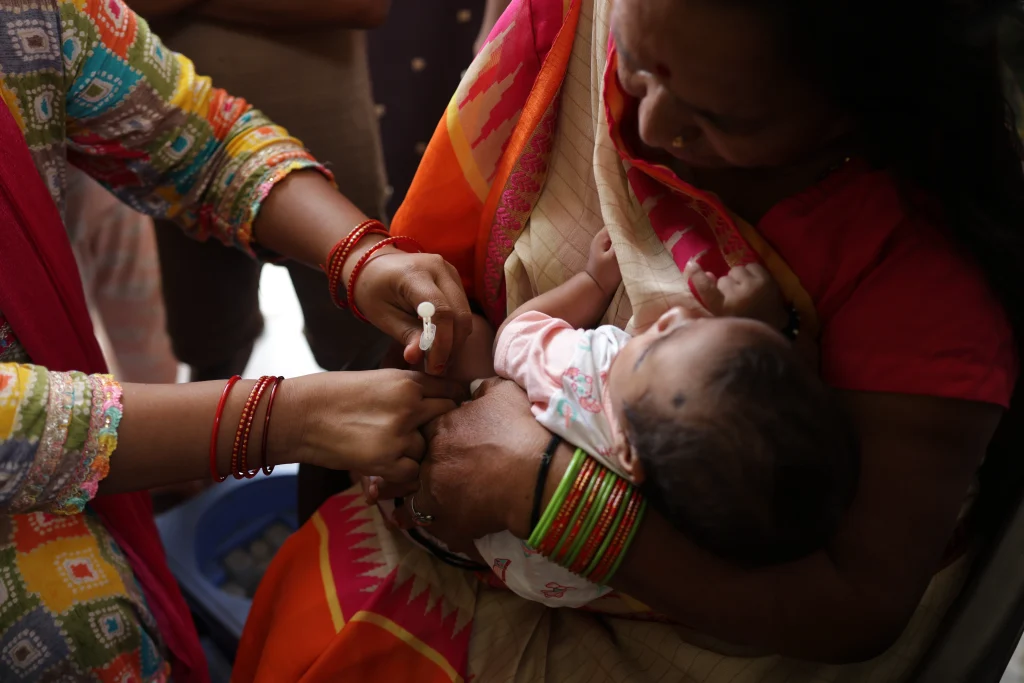
In 2024-2025, almost 154 million children and adolescents have received supplementation, but iron intake still remains low in three out of women. The anaemia struggle is not limited only to medical services, but cultural behaviours like diets lacking diversity, gender norms that force women to have inadequate diets and poverty are few of the reasons that result in women and young girls to be a victim of this silent disease. 

  1. Malnutrition v/s Overweight – The Double Burden 

Malnutrition and overweight are two challenges that women’s health in India faces alarmingly. On one side lies chronic energy deficiency, with millions of women entering pregnancy being underweight, weakened by insufficient protein and calorie intake. On the other hand, the alarming rise in overweight and obesity among adolescent girls adds a new layer of danger to women’s health in India. 

This double burden accelerates the cycle of poor maternal and child outcomes, as undernutrition leads to stunted child development, while obesity in young girls and women seeds chronic diseases like diabetes and hypertension in early adulthood.
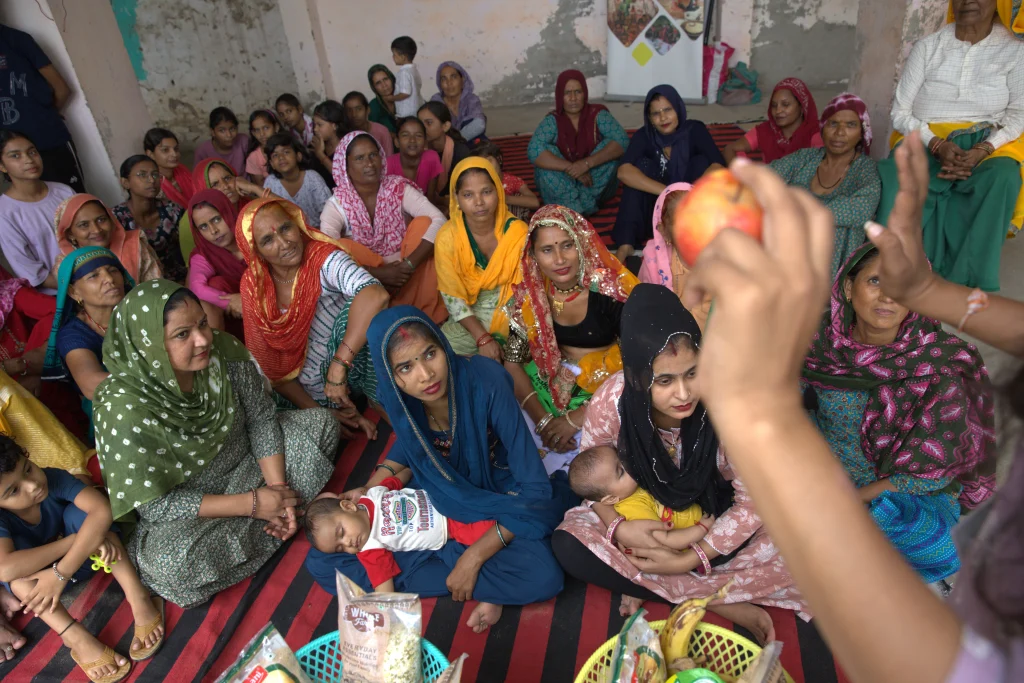
Government programmes such as Poshan Abhiyaan seek to balance this through

  • Counselling
  • Promotion of local foods
  • Take home rations 
  • Community-based awareness programmes

However, the concerning factor that our society faces is the harsh truth of behaviour change demanding consistent efforts and reduction in the resistance of transformation.

  1. Antenatal Care The Quality Gap

The WHO in 2016 revised its prescribed four antenatal visits to at least eight visits for safe motherhood and inspired from this India’s National Health Mission mandated that pregnant women must receive at least 4 or more antenatal check-ups that shall include

  • Timely registrations 
  • Essential lab tests
  • Tetanus toxoid vaccination 
  • 100 days of iron and folic acid

Yet, the gap lies not in numbers but in the quality of antenatal checkups in India especially for women belonging to rural India. Even as flagship efforts like the Pradhan Mantri Surakshit Matritva Abhiyan and its predecessors policies have driven the maternal mortality ratio down from 130 to 93 per lakh live births and the infant mortality rate from 39 in 2014 to 27 in 2021 – still the machinery falters at the level of practice. Check-ups often become perfunctory rituals, danger signs go unnoticed and counselling – the most human part of care – is absent.

  1. Menstrual Hygiene A Hidden Fault Line 

Menstruation in India remains less a biological reality than a battlefield of silence and stigma. In rural regions, despite schemes for free of subsidised sanitary products, millions of women such as 85% of women belonging to the Juang community, an ethnic group of Odhisha’s Keonjhar and Angul district still continue to depend on old cloth during menstruation. 

The continuation of unsafe menstrual hygiene practices still continue in India because of financial constraints, weak supply chains and cultural shame. Infrastructure gaps compound the issue – shared toilets without water, poor disposal systems and inadequate privacy – push women into unsafe practices, raising the risk of infection and long term reproductive harm. 
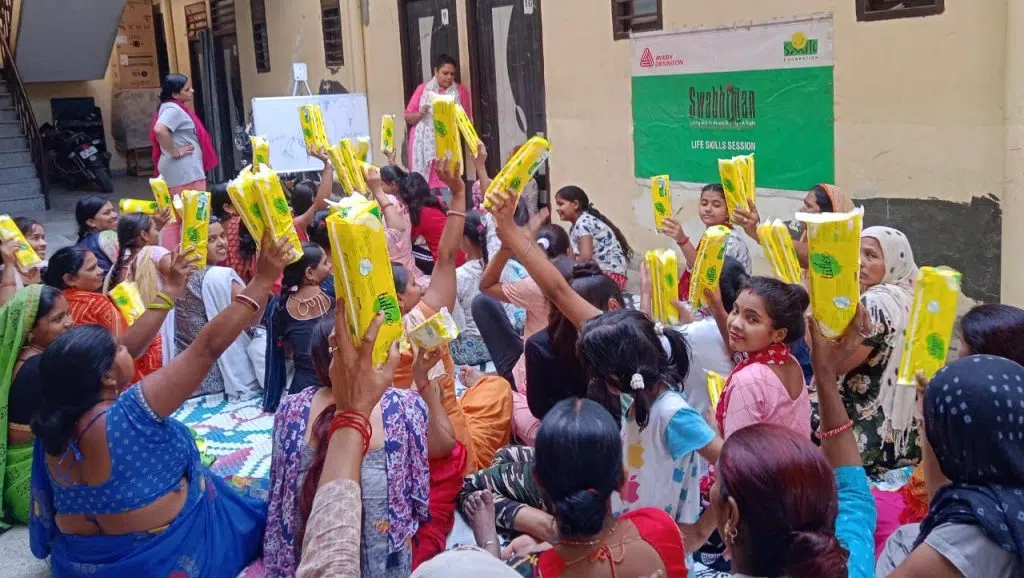
The consequences ripple far beyond discomfort. Girls end up missing school, opportunities shrink and psychological scars accumulate. A mother weakened by neglect passes vulnerability to her children and that ends up in continuing this generational cycle of shame and treating menstruation as a taboo. 

The Indian state has built a massive machinery for achieving robust women’s health conditions in India, but the reality is that impact lies when execution is done at the smallest details. A pill missed, a danger sign gone unnoticed, rations misallocated – individually they may be small, but continuity of them erodes the strategy. 

The women’s health crisis in India is generational and to solve this, it requires more than policy – it demands precision, relentless vigilance and the reshaping of cultural habits that have kept women last at the table.
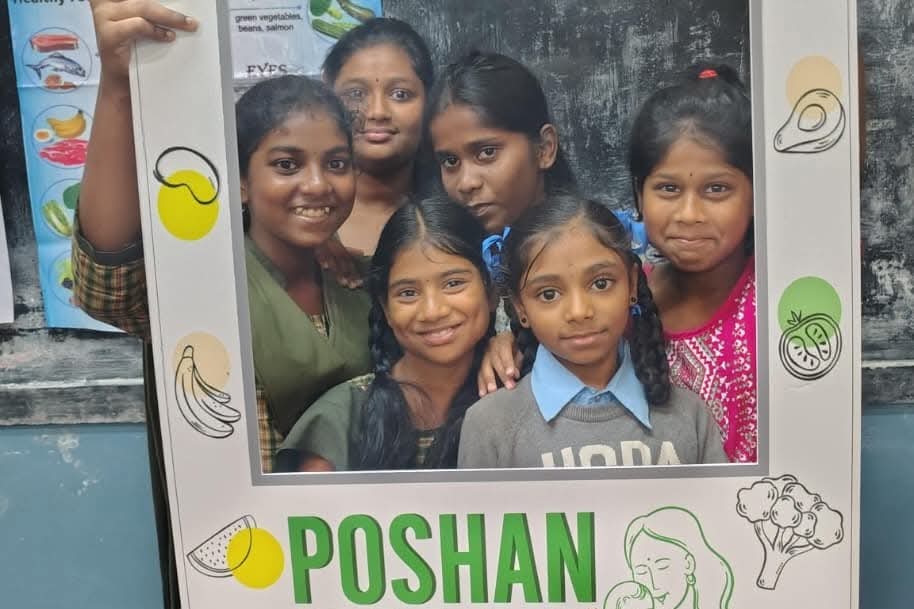
Swabhiman’s Efforts for Women’s Health

Women’s health in India is trapped in a cycle of neglect – anaemia, malnutrition, unsafe motherhood and the chronic erosion of dignity. The state has erected vast programmes for women’s health as beacon of hope with policies and intent, however, the battle against these diseases would be won only when the execution of these policies are done at the smallest levels, where vigilance falters and neglect renews itself. Here social stakeholders such as NGOs become indispensable.

Smile Foundation’s Swabhiman initiative exists to sharpen this edge. Our efforts are to amplify the government initiatives for women’s health in India. By aligning our efforts with campaigns like Poshan Abhyaan, Anaemia Mukht Bharat and Swasth Nari Sashakt Parivar Abhiyaan, we transform the government’s intent into reality to ensure the accomplishment of sustainable development goals and national development goals holistically. 

Our projects like the Pink Smile, launched in Mathura have screened over 1700 women to combat anaemia. With medical camps, tele- consultation and nutritional support we have aimed in developing a methodical behavioural change towards women and young girls health in the grassroot communities. 
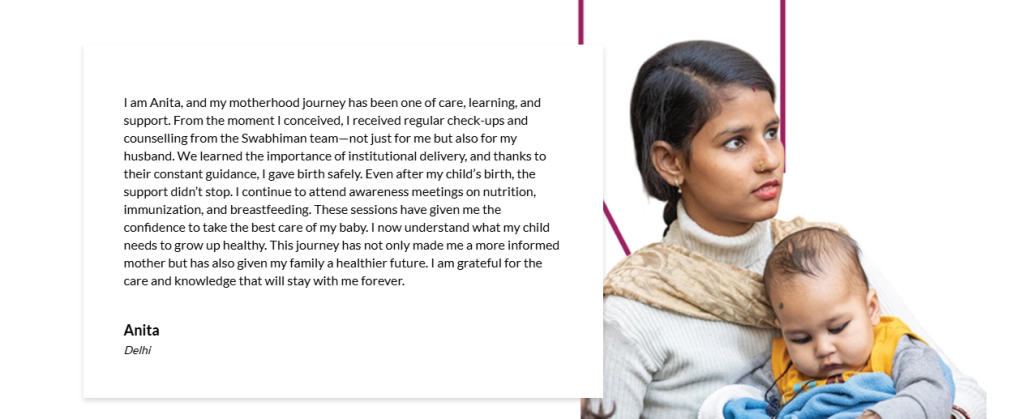
Swabhiman has been designed to see beyond treatment. It embeds nutrition into the household itself. 150 kitchen gardens have been established, so that food is no longer a luxury that cannot be dispensed but a practice cultivated; iron rich, locally sourced and sustaining regional food to ensure that women who once ate last and least are taught to reclaim the household table through low cost recipes and nutritional breakfast for expectant mothers. 
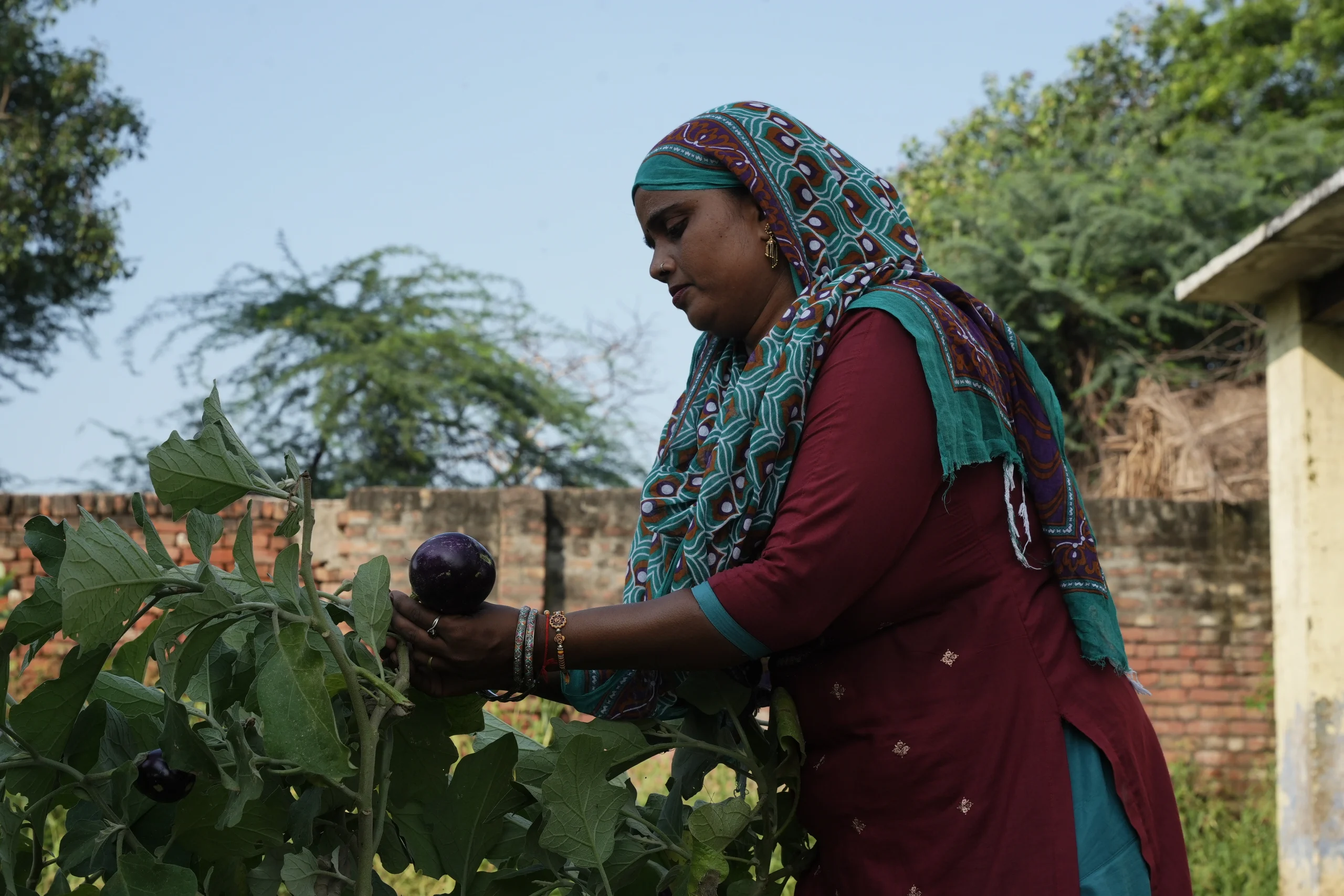
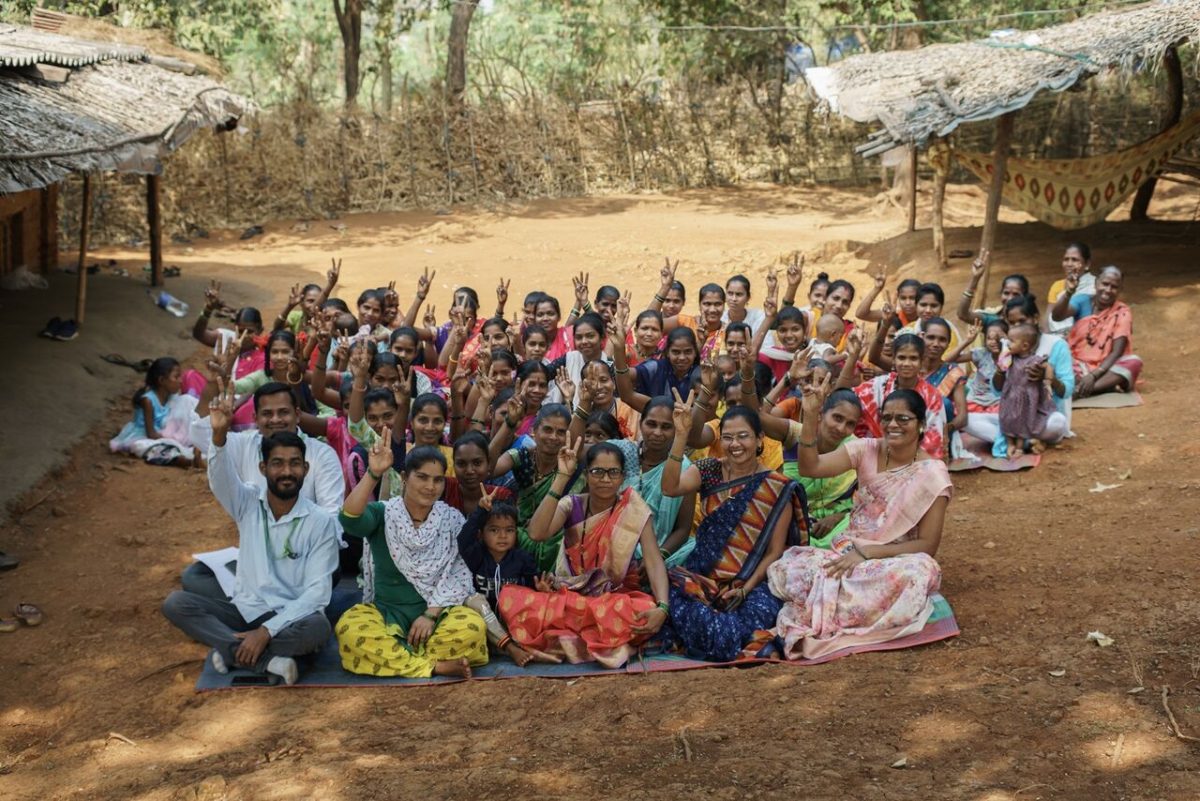
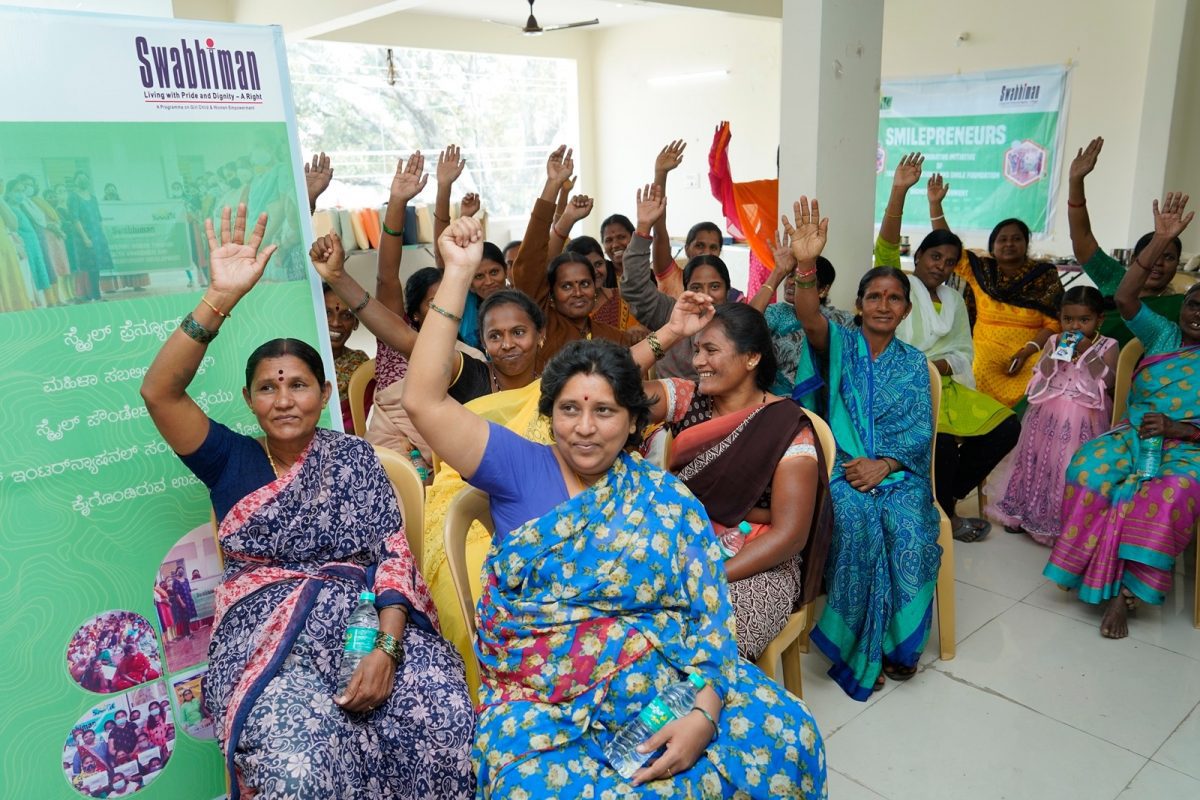
Swabhiman understands that health is not only an individual concern– it shapes the community. Therefore, to ensure that communities rise healthy, our intervention kickstarts right from the critical thresholds of motherhood. Through Godh Bharai ceremonies, couple counselling and reproductive awareness, Swabhiman aims at shifting the mother’s role from passive patient to informed decision maker. 

By training ASHAs, ANMs and Angandwadi workers, Swabhiman strengthened the women’s healthcare system at the grassroots level ensuring accountability in the service delivery.
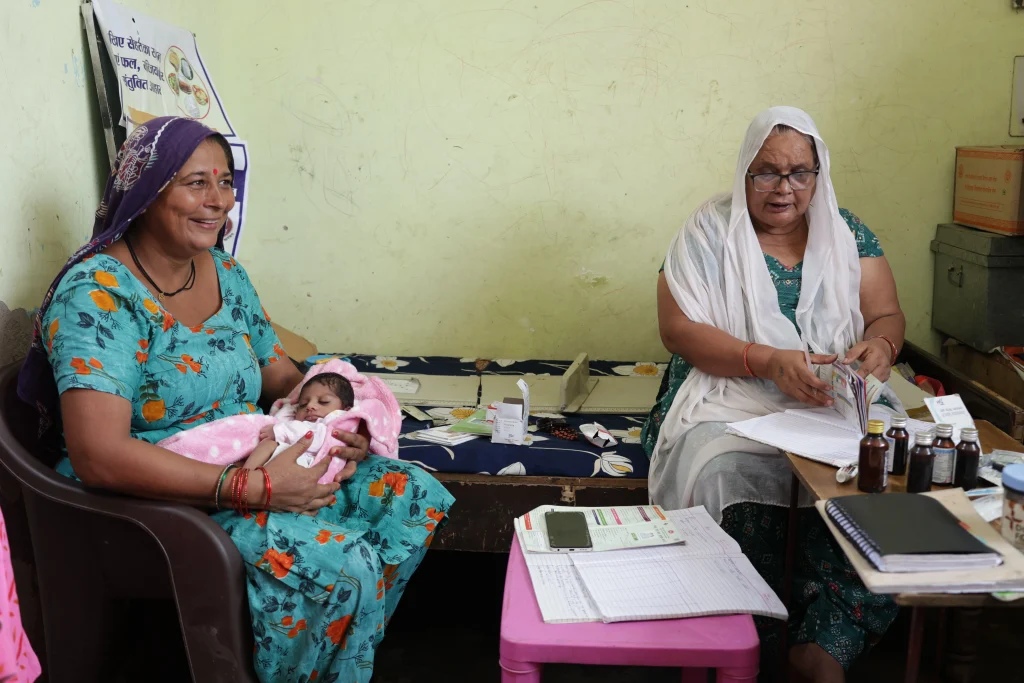
Equally, Swabhiman confronts the challenges around menstrual hygiene in girls. Our aim is to dismantle the long buried shame associated with menstruation. Through awareness campaigns, counselling and sanitary napkin distributions, our interventions do not just aim at maintaining hygiene, but cultivate young girls with autonomy on their body and future. 

At the core of every Swabhiman intervention lies a single unyielding truth–women’s health is generational. A weakened mother gives rise to a weakened child and the cycle reviews itself with ruthless precision. 

Swabhiman exists to break this cycle, through exacting work on the ground and the deliberate reshaping of habits and norms that have long condemned women to the margins of society and denied them their most fundamental needs – right to quality healthcare. 

Our purpose is not charity, but restoration; to see women, children and young girls of India rise strong, uncompromised and unashamed – claimed at last, as equal citizens and rightful architects of this nation’s future. 

Stand with us to forge a healthier, nourished India – where strong girls and women build resilient communities. Support Swabhiman!

Sources:

  1. PM Modi launch of ‘Swasth Nari, Sashakt Parivar Abhiyaan’
  2. Gender inequality makes beating malnutrition hard
  3. Swasth Nari Sashakt Parivar Abhiyaan
  4. Chances of dying from chronic disease increased in India, women affected more: Lancet study
  5. A half-won battle: why India’s growth is leaving a generation of women behind
  6. An analysis of inequality in physical health status of women in India: 2015‒2021
  7. India’s Fight Against Anemia- Nourish, Prevent, Protect
Categories
CSR Health Nutrition Partners In Change Partnerships Women Empowerment

Takes a Village to Raise a Child : Community Solutions for Maternal Care

India’s remarkable strides in maternal care and infant health paint a hopeful picture. The Maternal Mortality Ratio (MMR) has fallen from 130 to 97 per 100,000 live births. Neonatal and infant mortality rates have also dropped significantly—by 65% and 69% respectively—surpassing global averages. Yet behind these promising statistics lies a sobering reality of India’s rural maternal care system.

Each number represents a mother—often rural, frequently impoverished, and too often unheard. Her journey through pregnancy and childbirth is far more than a biological event. Such scenarios reflect that we are going through a test of strength of our maternal care system in rural India, the equity of our social structures, and the depth of our collective compassion, and we have a long way to go.

Rituals of care – More than cultural symbols

In rural India, baby showers, known by various names like Godh Bharai, Seemantham, Shaad, or Dohale Jevan, are threads in a communal safety net. These traditions embody emotional, spiritual, and nutritional support for the expectant mother.

In North India’s Godh Bharai, blessings, music, and festive meals offer joy and reassurance. South India’s Seemantham celebrates the mother with bangles believed to emit vibrations that calm the unborn child. In Eastern and Western regions, food, music, and community love are central to ceremonies like Shaad and Dohale Jevan.

Beyond their spiritual richness, these events reduce maternal stress, reinforce support networks, and provide emotional grounding—essentials for a safe pregnancy. The shared wisdom from older women, nourishing foods, and joyful celebrations help prepare her mentally and physically for childbirth and motherhood. Such ceremonies also mark a shift in the mother’s role, affirming her importance and care within the family.

This emotional reassurance, combined with social and nutritional support, contributes to better maternal health and can positively impact the baby’s development. In essence, these age-old customs are deeply rooted systems of community care that foster resilience, wellbeing, and healthy beginnings.

The gaps in rural maternal healthcare

India’s efforts to improve maternal health have yielded significant progress. Since 1990, the country has witnessed an 83% decline in its Maternal Mortality Ratio (MMR), a testament to national policy interventions and improved service delivery under frameworks like the National Health Mission. However, behind these promising statistics lies a more complex and uneven reality—particularly in rural India.

Critical complications such as excessive bleeding (postpartum haemorrhage), sepsis, pregnancy-induced hypertension, obstructed labour, and unsafe abortions continue to claim the lives of countless women, especially those in underserved regions. The persistence of these largely preventable causes underscores that while healthcare systems have expanded, their reach, reliability, and equity remain insufficient.

Awareness: What she doesn’t know can hurt her

Lack of awareness remains a major barrier to accessing maternal healthcare in India. Many women are unaware of the importance of antenatal check-ups (ANC), resulting in missed opportunities for early detection of complications. Among currently pregnant women, only 30% had three or more ANC visits, while 27% had none. Even among lactating women, 18% reported zero ANC visits. In Punjab, NFHS-4 data shows just 67.8% of women received four ANC visits. These figures underline the urgent need for targeted awareness campaigns to promote consistent, informed engagement with maternal and child health services.

Affordability: Confronting the cost of survival

For many rural families, maternal health is a financial compromise. The inability to afford nutritious food, travel for medical check-ups, or private consultations leads to delayed care and preventable complications. 

Furthermore, women delay antenatal check-ups or give birth at home, not by choice—but because they simply cannot afford the journey to a clinic, the tests, or even a nutritious meal. With no financial cushion, families often choose between food and healthcare. 

The absence of affordable iron supplements, fresh vegetables, or hygiene essentials leaves mothers dangerously malnourished and anemic. The result is a cycle of poor maternal outcomes passed down across generations because health becomes a luxury only few can buy.

Accessibility: When care is far, risks grow near

In rural India, many expectant mothers face the harsh reality of travelling several kilometres—often on unpaved roads or via scarce public transport—to access even basic healthcare. These delays can prove fatal, especially during labour or pregnancy-related emergencies. The absence of reliable transport systems and referral mechanisms further compounds the risk. Sub-centres and primary health centres, intended as frontline providers of maternal care, are frequently understaffed, under-equipped, or entirely non-existent. Without skilled birth attendants and timely access to essential medicines and diagnostic tools, treatable complications like haemorrhage, eclampsia, and infections become deadly. The distance to care becomes a life-threatening gap.

Availability: Geography and broken systems block the path to care

A mother in a remote village may walk miles for a blood pressure check, or worse, never go at all. Healthcare is often distant and sporadic, with clinics understaffed or unreachable. Mobile medical vans are rare, and even when available, they may not return soon enough. Anganwadi workers, often the only hope for health education, are stretched thin.

The lack of timely screenings or follow-ups can turn a manageable condition into a fatal one. For these women, distance and delay can be the difference between life and death.

Intersecting Inequities

These three barriers do not operate in isolation. Rather, their intersection deepens existing socio-economic divides. Data consistently shows that utilisation of maternal healthcare services—both antenatal and postnatal—varies sharply based on income, caste, education, and geography. Women from lower-income or marginalised communities are significantly less likely to receive skilled care during childbirth, contributing to disproportionate maternal health outcomes.

Moreover, the absence of skilled healthcare workers at the time of delivery remains a persistent challenge. Without trained personnel to guide safe births and manage complications, the goal of ensuring every mother a safe pregnancy remains unmet in large parts of the country. In sum, the journey towards maternal health equity in rural India requires more than infrastructure—it demands a transformation of systems, mindsets, and investments that address the availability, accessibility, and affordability of care for every woman.

Community care in action with Swabhiman

Our initiatives directly involve pregnant women, lactating mothers, caregivers, and children through awareness, counselling, and interactive sessions. We aim at driving behavioral change around nutrition and health practices for women within her community. In the financial year of 2024, Swabhiman

  • Reached 190,000+ women across 6 states
  • Sensitised 76,000+ women on reproductive and child health
  • Provided healthcare to 72,000+ women and children

Stakeholder & community engagements

Sustainable change in maternal and child health initiatives begins with effective collaboration among key stakeholders. Regular interface meetings are held with Panchayati Raj Institutions (PRI) members, government officials, and representatives from various sectors such as education, health, and local governance.

Key Initiatives and Community Involvement

  1. Community Kitchen Gardens:
    To improve nutritional intake, 22 community kitchen gardens were established, providing beneficiaries with locally grown vegetables such as bottle gourd, tomatoes, and pumpkins.
  2. Observing Special Days:
    Key health and nutrition-related days such as Women’s Day, Breastfeeding Week ,and POSHAN MAH  were observed with awareness campaigns, screening camps, recipe competitions, and educational sessions. These events aimed to educate women and caregivers on proper nutrition and maternal care practices.
  3. Breastfeeding Awareness Week:
    In partnership with ICDS and the PepsiCo Foundation, Smile Foundation organised breastfeeding demonstrations, emphasising the benefits of proper attachment and positioning. Awareness sessions educated caregivers on the importance of breastfeeding for both mother and child.
  4. Godh bharai and Annaprashan Diwas:
    Monthly events focused on maternal and child nutrition included Godh bharai for pregnant women, offering nutritional support and education, and Annaprashan for children starting complementary feeding. These celebrations provide vital community support and promote behaviour change in nutrition practices.
  5. POSHAN MAH Celebrations:
    Smile Foundation, along with ICDS and Education departments, organised nutrition recipe competitions, school-level activities, and kitchen garden initiatives during POSHAN MAH, enhancing community involvement and nutrition awareness.

Through these initiatives, stakeholder collaboration and community participation continue to drive positive outcomes in maternal and child health.

Nutrition is grown, served, and shared

Nutrition and maternal care are not just delivered — they are cultivated, practised, and celebrated within the community. Nutrition is grown in kitchen gardens, served through local recipes, and shared via counselling, health camps, and regular screenings — ensuring year-round wellbeing for mothers and children.

Growing nutrition inside homes

132 kitchen gardens were set up at Anganwadi centres and homes, including 3 community gardens, using distributed winter vegetable seeds. This ensured access to fresh produce for daily use and nutrition events. The Education Department expanded the model to 21 schools through district and NRLM support.

Learning through recipes
Inter-village recipe contests engaged 151 women and caregivers, showcasing healthy, affordable dishes using local ingredients. Judged by officials, the contests promoted practical nutrition and honoured winners at the district level.

Counselling and Follow-Up
Regular follow-ups were conducted for anaemic and malnourished women, with ASHAs, Anganwadi workers, and community staff offering focused counselling and timely referrals to strengthen maternal health outcomes.

PARTNER FOR COMMUNITY-LED TRANSFORMATION

Maternal care in India is at a pivotal moment. While national data reflects progress, the ground reality in rural areas demands deeper, more inclusive interventions. It is not merely about improving statistics but transforming lives.

The Swabhiman programme offers a blueprint for community-led, sustainable maternal health solutions. Its success is rooted in collective action—from mothers and caregivers to local officials and frontline workers.

CSR partnerships have the potential to amplify this impact manifold. By aligning business resources with community health goals, companies can co-create meaningful change—ensuring a robust maternal care in across India, including the remotest corners because every mother receives the care, dignity, and support she deserves.

This Mother’s Day, partner to scale community reach. Let’s make care meet for rural mothers of India.

Categories
Smile

Women’s Day 2025: Corporate Philanthropy for Women Empowerment

Women empowerment is the process through which women gain awareness of gender-based inequalities and acquire a stronger voice to challenge these disparities in their homes, workplaces, and communities. True empowerment means enabling women to take control of their lives—defining their own paths, acquiring essential skills, solving problems, and fostering self-reliance. In simpler terms and this women’s day 2025, women empowerment is the recognition of women as equal individuals, ensuring they have access to education, equal opportunities, and the autonomy to make informed decisions in every aspect of life—whether personal, professional, or financial.

The Significance of International Women’s Day 2025


The discourse around women’s empowerment has been ongoing for centuries. This year, International Women’s Day on 8th March serves as a poignant tribute to the achievements of women across social, economic, cultural, and political domains. It also acts as a rallying cry for gender equality, pushing for a world where women’s rights are non-negotiable.

In 2025, the United Nations commemorates the 30th anniversary of the Beijing Declaration with the theme: For ALL Women and Girls: Rights. Equality. Empowerment. This theme underscores the urgency of ensuring that every woman and girl is valued, empowered, and included, making gender parity a lived reality rather than an unattainable goal.

Challenges Hindering Women’s Empowerment


While significant progress has been made, the barriers to women’s empowerment continue to evolve, demanding innovative solutions. The challenges affecting education, financial stability, and health remain critical concerns across the world:

  • Poverty disproportionately affects women – One in ten women lives in extreme poverty. By 2030, an estimated 342.4 million women and girls—8% of the global female population—will survive on less than $2.15 a day.
  • Limited access to social protection – Women struggle to access employment-related benefits such as maternity leave, pensions, and unemployment support. Currently, 73.5% of women in wage employment lack sufficient security, creating an 8% coverage gap between men and women.
  • Greater food and water insecurity – Women face higher rates of food and water shortages than men (31.9% compared to 27.6%). The crisis is even worse for older, indigenous, and rural women, who are primarily responsible for water collection in 70% of households without on-site access.

These challenges highlight the urgent need to address education, health, and economic disparities that hinder gender equality worldwide.

Solidifying Women’s Empowerment Through CSR Partnerships


Women’s empowerment is an expansive goal that requires collective action. The vision of International Women’s Day 2025—“For ALL Women and Girls”—can only be realised when corporates, NGOs, and governments collaborate to create tangible, lasting change.

Government Initiatives Driving Women’s Empowerment


The Indian government has undertaken numerous initiatives to empower women by promoting education, reproductive health, nutrition, and sustainable livelihoods:

  • Education-Focused Initiatives: Beti Bachao Beti Padhao, Sukanya Samriddhi Yojana, and the CBSE Udaan Scheme help girls access quality learning opportunities.
  • Healthcare Programs: Surakshit Matritva Aashwasan (SUMAN), LaQshya, and Pradhan Mantri Surakshit Matritva Abhiyan (PMSMA) provide comprehensive maternal and reproductive healthcare services.
  • Financial Empowerment Schemes: Sukanya Samriddhi Yojana, Pradhan Mantri Mudra Yojana, and Mahila Shakti Kendra foster financial independence by providing monetary assistance, financial literacy, and business support.

These initiatives serve as foundational support systems, ensuring that women have the tools and opportunities they need to thrive in every aspect of life.

How CSR Can Drive Women’s Empowerment in India?

  • Through Education: Empowering Girls for a Brighter Future

Quality education is the cornerstone of empowerment. In rural India, where gender disparities in education remain stark, bridging the gap is essential for achieving true equality.

Smile Foundation, in collaboration with CSR partners, actively works to ensure that education is accessible to girls across India. Programmes like She Can Fly and Engineering Scholarships for Girls provide crucial support to young women who aspire to pursue higher education.

These scholarships cover essential expenses such as:

  • Tuition fees
  • School supplies
  • Transportation

Beyond financial assistance, beneficiaries receive mentorship and career guidance, equipping them with the tools to make informed decisions about their futures.

Through Healthcare: Promoting Health and Nutrition

Good health is central to true empowerment. Recognising this, Smile Foundation’s Swabhiman programme, supported by CSR partnerships, focuses on improving the health and nutrition of women and girls through:

  • Maternal, adolescent, and child healthcare awareness
  • Reproductive health education
  • Immunisation and nutrition programmes
  • Strengthening Anganwadi infrastructure

To ensure healthcare accessibility for rural women in India, Smile Foundation launched the Pink Smile Mobile Medical Unit (MMU). These mobile units offer:

  • Nutritious food for women and children
  • Early anaemia detection and immediate medical intervention
  • Community education on affordable, healthy diets

Additionally, the Nutrition Enhancement Programme (NEP), a three-year initiative by the PepsiCo and Smile Foundation has  positively impacted over 60,000 lives in Sangrur, Punjab. Aligned with Poshan Abhiyaan, it directly benefited 16,000 individuals—including pregnant women, lactating mothers, and young children—while indirectly reaching more than 45,000 people.

Through Livelihood: Building Financial Independence

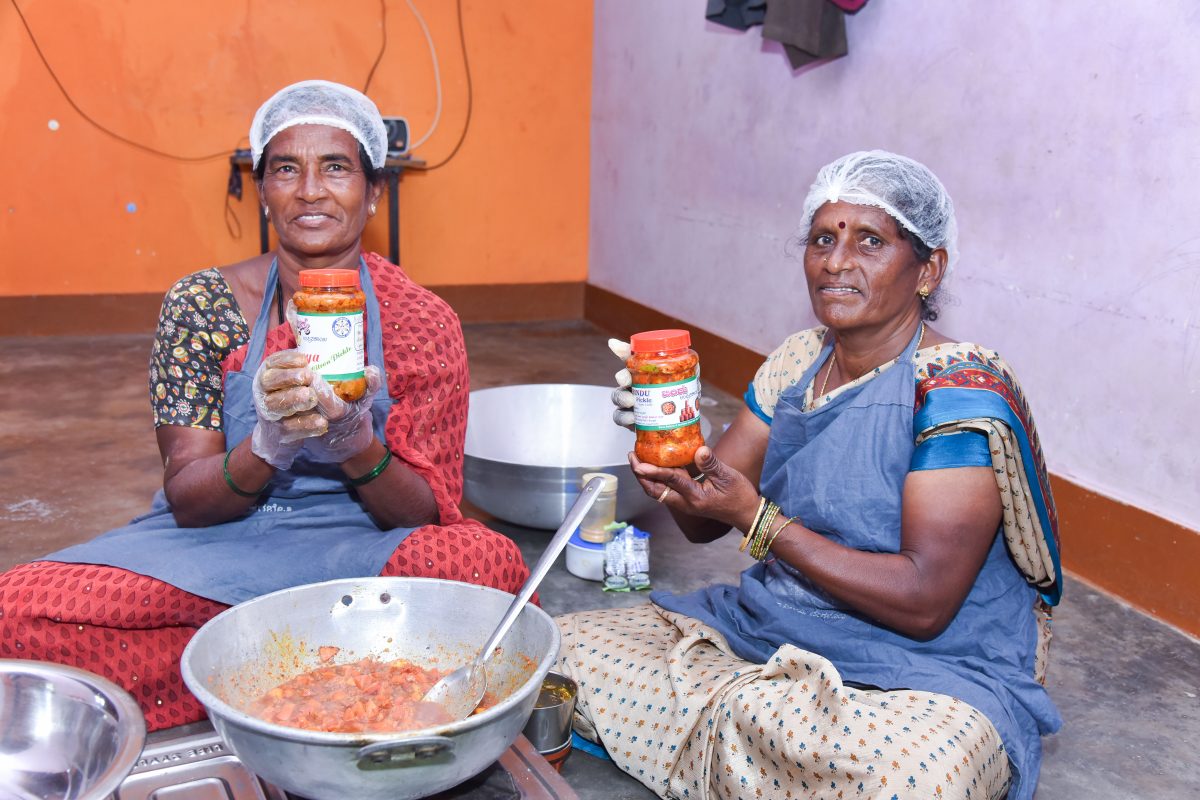
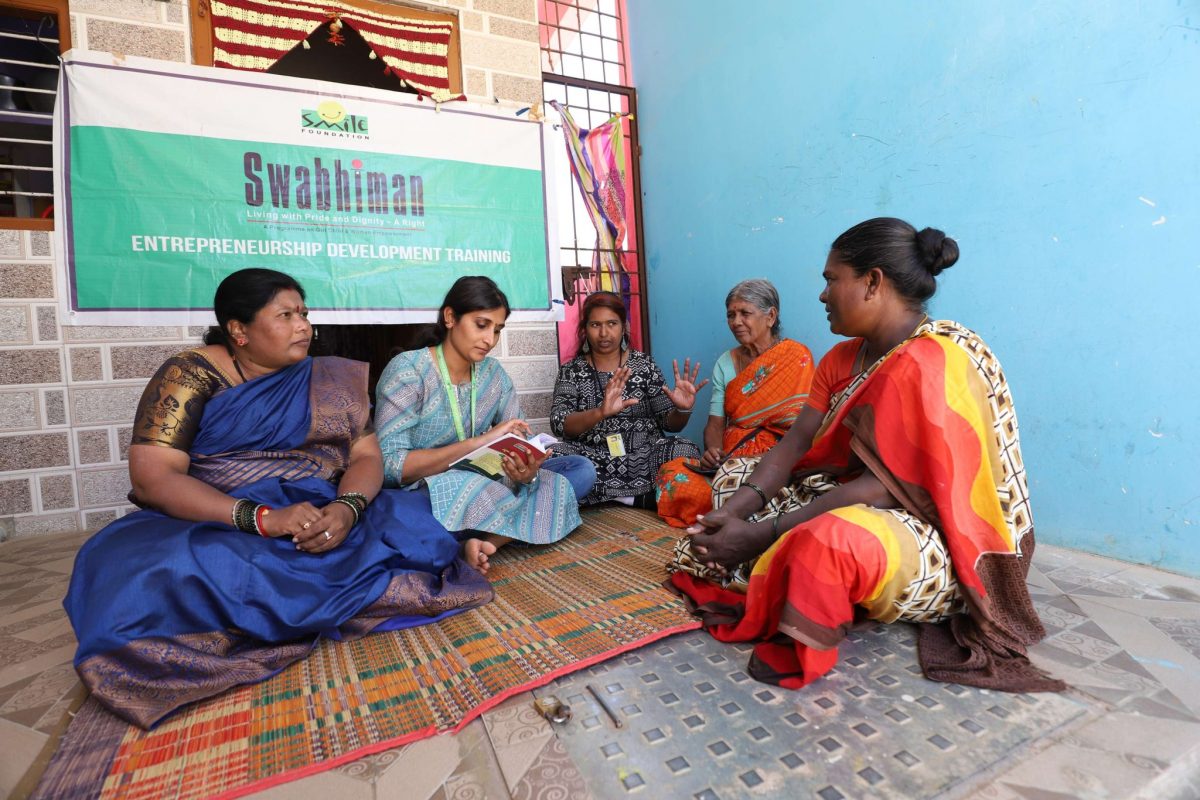
Economic independence is a powerful tool in breaking the cycle of poverty. Smile Foundation’s Swabhiman programme also provides entrepreneurship and skill development training to women from marginalised communities, helping them establish sustainable businesses.

Women enrolled in this initiative receive training in:

  • Business fundamentals: financial management, marketing, and communication
  • Digital and financial literacy
  • Access to seed capital to launch or expand their enterprises

Additionally, Project Manzil offers vocational training for young women in Rajasthan, equipping them with skills to pursue sustainable careers and achieve financial independence.

Women’s Day 2025: Creating Meaningful Impact Through CSR

Women’s empowerment cannot remain a slogan; women’s empowerment is not just a moral imperative—it is an economic and social necessity. All social stakeholders must take it to be a movement—one that businesses actively invest in, champion, and sustain. Corporations, NGOs, and government bodies must work together to dismantle barriers and create sustainable opportunities for women across education, health, and livelihood sectors.

How Corporates Can Contribute:

  • Invest in scholarship programmes to ensure girls have access to quality education.
  • Partner with healthcare initiatives that address maternal and adolescent health challenges.
  • Support entrepreneurship training and financial literacy programmes to build self-sufficiency.

Let’s collectively remember that when you empower a woman, you don’t just change her life—you change families, communities, and generations to come.

Be the force that turns equality into reality. Partner now for gender quality

Categories
CSR Partners In Change Partnerships Smile Women Empowerment

Addressing Mental Health Challenges: A Shared Responsibility

Is mental health a universal concern, or has it, too, been divided along socio-economic lines? While mental health is frequently discussed in urban circles, rural communities in India remain largely excluded from these conversations. This is especially concerning given the rising prevalence of mental health challenges among women in rural and economically disadvantaged urban areas.

A staggering 45 million women in India continue to live in poverty. If we consider how many of them struggle with untreated mental health conditions—due to lack of awareness, affordability, and access to carethe urgency of intervention becomes undeniable. In this scenario, corporate-NGO partnerships have the potential to play a transformative role in complementing government efforts to improve women’s mental well-being.

Mental Health: A Critical Concern for Rural Women

Rural women remain particularly vulnerable due to limited awareness, financial instability, restrictive social roles, and domestic violence. The situation is further compounded by deep-rooted social stigmas, where symptoms of mental illness are often misinterpreted—sometimes even leading to women being ostracized or accused of being “witches” due to their unusual behavior.

For many rural women, mental health care is an unfamiliar concept, yet they are expected to continue with their daily responsibilities while battling anxiety, depression, and other psychological challenges.

A study by Gawai and Tendulkar in rural Maharashtra revealed that many married women lack awareness of mental health and remain unaware of the services available to them. This highlights an urgent need to integrate mental health support within rural healthcare systems.

Strengthening Mental Healthcare Services in Rural India

The Indian government has taken a proactive approach by expanding mental health services through the  District Mental Health Programme (DMHP) under the National Mental Health Programme (NMHP). Currently implemented in 767 districts, this initiative focuses on:

  • Suicide prevention services
  • Workplace stress management
  • Life skills training in schools and colleges
  • Accessible counselling and medication
  • Emergency care at district hospitals, community health centres, and primary health centres
  • 10-bed inpatient facilities at the district level

While these initiatives offer a strong foundation, a collaborative approach is needed to ensure mental health services are adapted to rural India’s unique socio-cultural landscape. Corporate partnerships with NGOs can help bridge these gaps by promoting community-led solutions that integrate mental well-being into women’s daily lives.

Building a Holistic Mental Health Ecosystem for Rural Women

1. Shifting Perceptions

Mental health support must extend beyond treating disorders—it should focus on building emotional resilience. Awareness campaigns should equip rural women with the tools to recognize stressors, seek help early, and embrace a more balanced, self-sufficient life.

2. Community-Based Medical Interventions

Given the diverse languages, traditions, and customs across India, trained medical staff who understand the cultural complexities of rural communities are essential. Investing in local mental health professionals, community counsellors, and peer-led support groups can make interventions more accessible and impactful.

A Call to Action: Strengthening Mental Health Infrastructure

This year, India’s Union Budget has reaffirmed its commitment to empowering women through education, financial inclusion, and healthcare support. However, achieving long-term impact requires a multi-stakeholder approach. CSR initiatives can play a pivotal role in supporting and expanding mental health interventions by focusing on:

  • Reducing stigma through awareness campaigns
  • Enhancing medical interventions to prevent associated health complications
  • Training community-based mental health professionals
  • Developing infrastructure for long-term support and recovery

The World Health Organization (WHO) highlights the need to engage informal networks in accelerating mental health outreach. Corporate-NGO collaborations, such as those led by Smile Foundation, can be instrumental in scaling community-based mental health programmes for rural women.

Our flagship women empowerment initiative, Swabhiman, is dedicated to improving healthcare access, financial independence, and childcare for women across India. By strengthening healthcare infrastructure in underserved areas, Swabhiman prioritizes antenatal and postnatal care, ensuring equitable access to essential services in collaboration with Anganwadis and grassroots organizations.

A key focus is the training of healthcare professionals, enhancing maternal health outcomes and driving policy advocacy for women’s well-being. Additionally, Swabhiman promotes financial independence through entrepreneurship training, equipping women with the skills to build sustainable livelihoods. Through community-based healthcare centres, we raise awareness, reduce maternal mortality, and support long-term empowerment.

Recognizing the deep connection between mental health and overall well-being, Swabhiman also works towards addressing mental health challenges faced by rural women. By identifying early triggers and providing the right support, we aim to ensure that women receive the care they need before concerns escalate, fostering a healthier, more resilient future. Partner with us to help rural women of India live a holistically healthy – life and environment.

Categories
CSR Women Empowerment

Role of Budget 2025 in Advancing Women Empowerment Initiatives in India

As the world’s largest democracy, India operates on the foundational principles of equality, justice, innovation, and inclusion. Within this framework, the Union Budget serves as a cornerstone for national cohesion, reflecting the government’s unwavering commitment to holistic societal development. The Budget 2025 plays a pivotal role in strengthening the foundation of women empowerment initiatives, ensuring economic support, early childcare, and Anganwadi infrastructure. These targeted investments aim to provide women and their communities with the essential resources needed to lead healthy, stable, and prosperous lives.

Budget 2025: Women Empowerment Initiatives in Focus

The Union Budget is a strategic tool that shapes the nation’s economic landscape, ensuring inclusive growth while upholding the government’s responsibility to uplift minority groups. Budget 2025 carries forward this commitment, directing significant attention towards bridging gender gaps and advancing women’s financial and social well-being.

Financial Empowerment of Women in India

Budget 2025 underscores women’s financial inclusion, introducing initiatives that facilitate greater access to funding, business opportunities, and skill development. Key provisions include increased financial support for women-led businesses, offering them a stronger foothold in the entrepreneurial ecosystem. Notably, the 2025-26 gender budget introduces term loans up to INR 2 crore for first-time entrepreneurs, including women, over five years—a move aimed at accelerating female entrepreneurship.

Women’s Health is Non-Negotiable

Recognizing that women’s health is the foundation of a thriving society, the government has prioritized healthcare accessibility and maternal well-being. The allocation for women’s safety and security has seen a significant boost, reinforcing a safer environment for women across the country. The Saksham Anganwadi and Poshan 2.0 schemes have received an increased allocation of INR 450.98 crore, ensuring improved nutrition and early childhood development.

However, despite these progressive measures, experts have raised concerns about persistent gaps in women’s healthcare funding. The Matru Vandana Yojana, which provides INR 6000 per mother, has remained unchanged since 2013, failing to adjust for inflation, thereby reducing its impact. Additionally, Anganwadi workers continue to be underpaid, reflecting a chronic underfunding of maternal and child healthcare services. These gaps highlight the urgent need for targeted policy interventions and sustained investment in women’s health.

Equal Education for All with Budget 2025

Education is a powerful catalyst for change, and Budget 2025 aims to bridge the gender digital divide through the National Mission on Education through ICT, which has been allocated 100% funding for women. In a move to strengthen school infrastructure and learning quality, Samagra Shiksha Abhiyan’s budget has increased to INR 12,375 crore, while the PM SHRI Schools scheme has received a significant boost to INR 2250 crore.

Additionally, the government is promoting women’s participation in STEM fields, ensuring that women have equal opportunities to excel in science, technology, engineering, and mathematics. These investments reflect the government’s unwavering commitment to gender equality and fostering an ecosystem where women can thrive in every domain.

Budget 2025 Grants Special Status to Women- Why?

A gender-responsive approach is crucial to breaking down systemic barriers that have historically disadvantaged women. By addressing deep-rooted social norms, economic inequalities, and institutional biases, Budget 2025 aims to empower women to take control of their financial and social destinies. This involves advocating for a more equitable distribution of resources, fair labor market conditions, and holding governments and stakeholders accountable for their commitments.

In India, the Union Budget is more than just a financial document—it is a social protection tool for women. Targeted investments in financial inclusion, education, skill development, and entrepreneurship have the power to create transformative societal shifts.

Women Empowerment Initiatives in India- Collective Efforts

While Budget 2025 sets the foundation for women empowerment, truly speaking, its success depends on collaborative efforts between the government, corporate sector, and civil society. Being a social protection tool, the budget 2025 shall be able to benefit the maximum number of socially-economically challenged women of India, when social stakeholders and Corporate Social partnerships work hand in hand towards set goals. 

Thereby, it is pertinent to pause and align our corporate social responsibility goals towards gender inclusivity in leadership roles, participate in mentoring and investing women led businesses or encourage your organisation’s business culture to help NGOs for women like Smile Foundation to empower urban poor, rural and tribal women of India with access to quality education, healthcare and financial development.   

Collective Action with Social Stakeholders

At Smile Foundation, we recognize the transformative power of collaboration between corporate entities and NGOs in driving meaningful, sustainable change. With over 400 global corporate partners, we’ve seen how strategic alliances can address pressing needs and build a brighter future for women and girls in underserved communities.

Our flagship women’s empowerment initiative, Swabhiman, is focused on advancing healthcare, financial independence, and child care for women across India. By providing equitable access to healthcare and financial resources, Swabhiman works to enhance healthcare infrastructure in underserved areas, with a particular emphasis on antenatal and postnatal care. In partnership with Anganwadis and social development organizations, we ensure that essential services reach those who need them most. We also invest in continuous training for healthcare workers, improving maternal health outcomes and advocating for policy changes that prioritize women’s health.

Furthermore, Swabhiman empowers women through financial independence and entrepreneurship training, providing the skills needed to build sustainable livelihoods and break the cycle of poverty. Through our community-based healthcare centres, we raise awareness, reduce maternal mortality, and equip women with the tools for long-term independence.

Are your CSR goals aiming to achieve- 
  • Ways to take vital healthcare and financial resources to underserved women of India?
  • Tangible impact by supporting women’s empowerment at the grassroots level?
  • CSR efforts to drive social change and contribute to sustainable development in India?

If your organization is looking to make a lasting, strategic impact through women’s empowerment, we invite you to partner with Smile Foundation. Let’s work together to ensure your CSR initiatives are not only impactful but result-oriented, creating a future where every woman has the opportunity to thrive.

Categories
CSR Education Girl Child Health Livelihood Partnerships

Driving Gender Equality through CSR in India

The word “Equality” is derived from the Latin word “Aequus,” meaning fair and just. In today’s world, equal rights and treatment are recognised as fundamental rights, protected by law and embedded in social consciousness. However, when we delve deeper, it becomes clear that true equality remains elusive for many. In India, despite outward appearances, inequality still exists, especially for low-income families.

To ensure that equality becomes a lived reality for all, we must implement transformative measures. Since the advent of CSR in India, gender equality initiatives have gained vital support, helping many from disadvantaged communities break free from societal limitations and move toward empowerment.

CSR in India- Bridging Gaps

Corporate Social Responsibility (CSR) has emerged as a pivotal institution globally, acting as a bridge between those who have access to a dignified life and those who do not. In India, CSR is governed by Section 135 of the Companies Act, 2013, Schedule VII, and the Companies (CSR Policy) Rules, 2014. These frameworks outline eligibility, implementation and reporting requirements for CSR activities. India’s detailed CSR mechanism has positioned the country as a global leader, setting benchmarks in sustainability and working expeditiously on stakeholder activism for national development.

Women CSR Initiatives in India

The primary goal of Women CSR in India has always been clear: to address social challenges that impede national progress and create support mechanisms that promote equality, inclusivity and sustainability. Several noteworthy CSR initiatives in India, such as Project Nanhi Kali by Mahindra Group, Nand Ghar by the Anil Agarwal Foundation and Mansi by Tata Steel Foundation, have been instrumental in promoting gender equality, educational access and social empowerment for girls of families who are at the bottom of the economic progress pyramid.

Beyond Philanthropy with Smile

CSR represents a dynamic force that lives and breathes within our society. CSR initiatives aim to create a shared value ecosystem, empowering every individual to contribute to national progress, ensuring that no community is left behind. Collective growth, central to national development, relies on equal opportunities for all. 

Smile Foundation’s initiatives in education, health, livelihood and women’s empowerment have been designed with equality at their core, ensuring that each community experiences simultaneous progress.

Each year, Smile Foundation impacts over 1.5 million children and families across 2,000 villages in 25 states through carefully tailored programmes that promote gender equality alongside education, healthcare and livelihood support. Our initiatives focus on empowering both women and men, ensuring equal opportunities for all, especially in underserved communities where such opportunities are often scarce.

Education For All
Through our flagship programme, Mission Education, aligned with the National Education Policy, we prioritise access to quality education for all children, regardless of gender. By focusing on foundational language skills, numeracy (FLN) and STEAM subjects, we help children — particularly girls — build the skills needed for a successful future. This initiative aims to break barriers limiting access of girls to education, empowering them with the tools that enable them to continue their education beyond school classrooms.

Equal Access to Healthcare
Smile On Wheels (SOWs)
, our mobile healthcare units, go beyond basic medical care, ensuring that essential health services reach both women and men in remote areas. By offering outpatient care, diagnostic tests and free medications, we address gender disparities in healthcare access, particularly for women, who often face greater challenges in obtaining care. Our Swabhiman programme, which focuses on women’s health, tackles critical issues such as maternal, menstrual and neonatal care, raising awareness about these crucial health needs. By promoting hygiene practices and health management, Swabhiman empowers women to take control of their health, ultimately improving their quality of life and enabling them to contribute more actively to their communities.

Equal Economic Empowerment
To address gender inequality in the workforce, Smile Foundation’s vocational training programmes, such as STeP and Swabhiman, specifically focus on empowering women and youth through skills development. These programmes enhance employability and foster entrepreneurship, ensuring that young girls and women, especially from vulnerable communities, gain economic independence. 

Smile, Women CSR in India & Gender Equality

At Smile Foundation, gender equality is woven into the fabric of our initiatives, ensuring that every programme — whether it’s in education, healthcare or livelihoods — contributes to closing the gender gap. Our efforts are about providing resources and also creating a fair, inclusive ecosystem where both women and men are given the tools they need to thrive equally.

While we have made meaningful progress, we recognise there is still much work to be done in empowering both young boys and girls with a strong foundation rooted in equality. Our goal is to nurture a generation where gender equality is deeply embedded in the collective consciousness of India.

For years, our corporate partners have been instrumental in driving this mission, especially in empowering socio-economically disadvantaged women. Through our collaboration, we have worked to provide women with access to education, healthcare and livelihood opportunities, helping them achieve parity with their male counterparts. Equally crucial, we have focused on sensitising male communities to recognise the central role of women in society, encouraging a shared understanding that empowering women ultimately strengthens the entire community.

With a shared commitment to advancing the goals set forth by our government for a stronger nation, we believe that Corporate-NGO initiatives act as a powerful force for real change in society. If your CSR partnerships are focused on promoting gender equality and fostering a more inclusive society, we invite you to join us on this impactful journey.

Let’s do some meaningful, impactful for building a future where we get closer to the nation’s dream of more resources for all.

Categories
CSR Education Girl Child Partnerships Women Empowerment

Scholarships for Girls Help Them Continue their Studies

The right to education is a fundamental right for every child, regardless of gender, caste or background. It is a birthright that is and (should be) universally recognised. However, despite this widely accepted principle, girls’ education continues to face unique challenges. From birth, many girls are often confronted with the decision of whether they will attend school or take on household responsibilities, while their brothers are sent to school. In families with financial constraints, it is frequently the boys who are prioritised when it comes to education, based on the belief that they will ultimately become the primary breadwinners.

While gender bias is undoubtedly a significant factor in these challenges, it is important to recognise that the most pervasive barrier to girls’ education is poverty. Poverty, alongside issues such as poor nutrition, lack of financial literacy and limited empowerment opportunities, often prevents girls from completing their education. In this context, scholarships for girls’ education play a crucial role in bridging the gap, offering them the opportunity to realise their potential and live the reality of their ambition and hard work. By supporting girls in their educational journey, scholarships enable them to acquire the skills and independence needed to stand on their own feet and overcome the socio-economic challenges they face.

Girl Child Education is for Every Girl

Educating girls is a global imperative and a collective endeavour. Therefore, when we hear of girls being denied an education in countries like South Sudan, Chad and Afghanistan, we must pause and ask ourselves: how is this still acceptable? In today’s world, efforts to empower women through quality education and employment opportunities have become more aligned than ever. It is good food for thought to understand whether all women, regardless of their circumstances, are truly being included in this global movement or not.

India’s journey towards educating girls has been a long and evolving one. The nation’s educational landscape has been shaped by pioneering women who have played a vital role in this revolution. Figures such as Kamala Sohonie, a trailblazing scientist who championed women’s participation in STEM, Neena Gupta, a mathematician who provided the solution to the Zariski Cancellation problem and Dr. Gagandeep Kang, a leading scientist in the development of Rotovac, a vaccine that addresses diarrhoea – a major health issue that is the third leading cause of death among children under five, claiming an estimated 300,000 young lives in India each year.

These remarkable women exemplify the transformative impact of educating girls. There is no question that the roots of girls’ education in India have deepened, embedding themselves in the national consciousness. However, the collaborative implementation of this vision is still in its formative stages and requires continued effort and progress.

Solidify Girl Child Education in India

It is well recognised that challenges such as poverty, poor nutrition and inadequate healthcare are significant barriers to education of girls in India. However, rather than focusing solely on these obstacles, we should direct our attention to finding effective solutions. 

Scholarships for girl child education play a crucial role in bridging the gap, connecting the girl, her family and her community with an educational system that is progressively adopting inclusive practices. These scholarships offer hope and confidence to economically disadvantaged parents, encouraging them to prioritise their daughter’s education and invest in her future. In turn, this creates a positive cycle that can contribute to the broader goal of Education for All, ensuring that no child is excluded from the opportunity to learn and succeed.

Scholarships for Girls- Let her study

India’s efforts towards women’s empowerment have been evident across various sectors. Through women’s financial schemes, awareness campaigns, and educational initiatives for girls, the country has made significant strides in fostering a more conscious and sensitised community.

To ensure that girls in India grow up in a safe and healthy environment, particular attention has been paid to both their educational and health development as key pillars of the nation’s progress. Scholarships for girls have played a pivotal role in challenging societal prejudices against educating girls, while providing families with the financial security and confidence to invest in their daughters’ education. This, in turn, empowers girls to realise their aspirations and turn their dreams into reality.

Scholarships such as the AICTE Pragati Scholarships for Girls and the CBSE Merit Scholarship Scheme for Single Girl Child have been instrumental in reducing dropout rates among female students, increasing school enrolment figures and encouraging greater participation in skills development programmes. These initiatives have made a significant contribution to the broader goal of empowering girls and fostering their future success.

Smile for Girl Education

Since 2005, Smile Foundation has been dedicated to supporting economically disadvantaged communities by equipping them with the knowledge and resources needed to work towards their empowerment. 

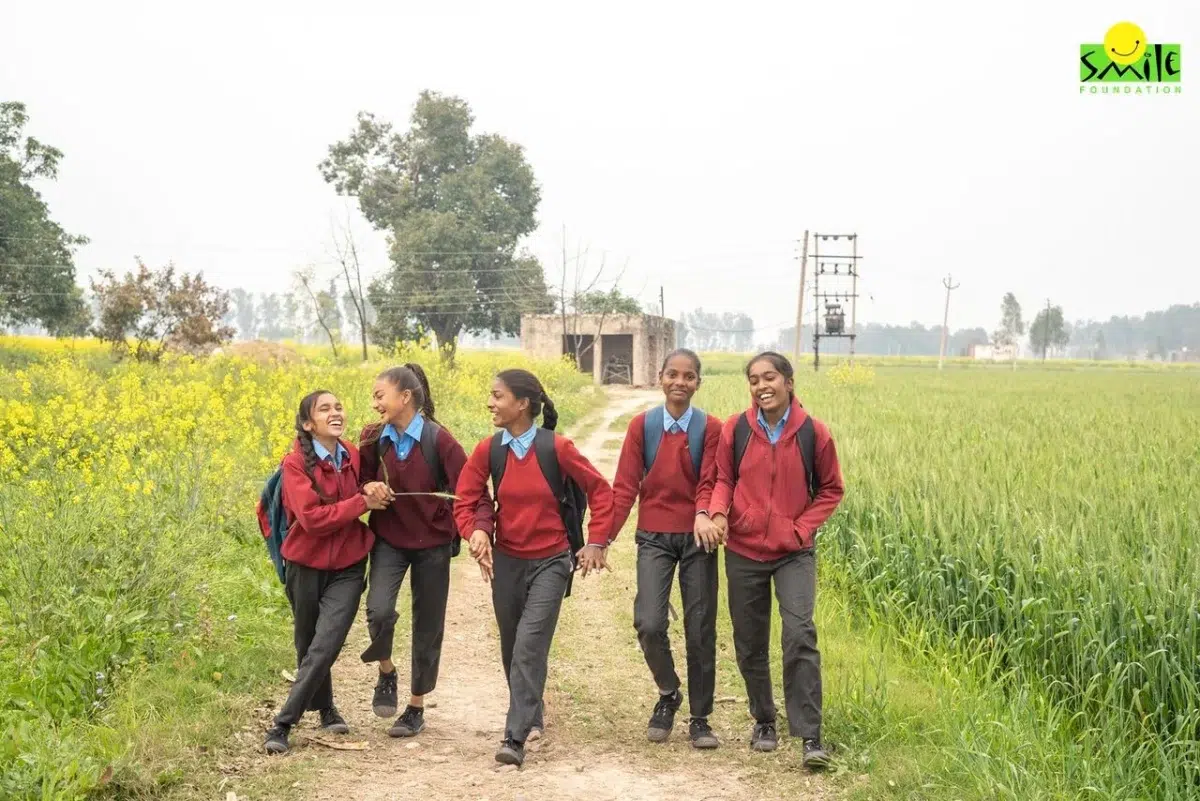
With a strong focus on women’s empowerment, our educational initiatives have been specifically designed to ensure that girls in India receive their right to quality education, with ease and accessibility. Our scholarship programmes for Schooling and Higher education, are actively working with young girls and women who are determined to pursue education and build a brighter future.

These programmes cover essential costs, including tuition fees, school supplies and transportation, enabling students from marginalised communities to concentrate on their studies. In addition to financial support, the scholarships also provide mentorship and guidance, helping students make informed decisions about their futures. Furthermore, recipients of the Higher education scholarships such as Engineering Scholarships are provided with laptops, career counselling and skills-building sessions, ensuring they are fully equipped to succeed in their chosen fields.

Aligned with the core values of the Indian government’s vision and initiatives to overcome the social and economic barriers to girls’ education, we are committed to providing Indian women with a safe, progressive environment where they and their communities can thrive through collective and holistic development. If your CSR goals echo a common vision of empowering girls with education, then join us to create conscious and impactful actions together.

Categories
Women Empowerment

Influence of AI on Women Empowerment

Across the globe, women continue to face social and economic inequalities, including lower wages, underrepresentation in leadership and limited participation in science, technology, engineering and mathematics (STEM). A UNESCO report revealed that women make up only 29% of science research and development (R&D) positions worldwide and are 25% less likely than men to know how to leverage digital technology for basic uses. With Artificial Intelligence (AI) becoming an increasingly dominant force, it has the potential to bridge these gender gaps. Whether it’s providing access to new job opportunities, enhancing financial inclusion or transforming the social landscape, AI is beginning to break down traditional barriers that have limited women’s roles in society. It has the potential to promote gender equality and empower women across the world.

Reskilling and Upskilling Women Workers

The AI revolution is bringing profound changes to the job market and ensuring women are part of this transformation is crucial. AI is expected to reshape industries, making digital skills a necessity. However, the gender gap in digital literacy and access to technology is a significant barrier. A report from UNESCO highlights that women are 25% less likely to use the Internet to search for jobs and the global gender gap in smartphone ownership means that around 327 million fewer women than men have access to mobile internet.

Additionally, it was discovered that women and girls worldwide are 25% less likely than men to understand how to use digital technology for basic tasks, like applying arithmetic formulas in a spreadsheet and are four times less likely to possess computer programming skills.

In India, the Digital India initiative has facilitated the creation of numerous AI-driven platforms designed to enhance women’s participation in the workforce. AI-powered programmes like i-Saksham, provide digital skills training, encouraging more women, especially from rural areas, to gain the tools needed to enter and thrive in technology-driven sectors, thereby a promising shift toward gender parity in education and future employment opportunities.

Breaking Economic Barriers

One of the most significant areas where AI is contributing to women’s empowerment is economic inclusion. Globally, women have historically been underrepresented in many high-paying industries, particularly in technology and finance. According to the World Economic Forum, it will take another 131 years to close the global gender gap and AI can help accelerate this closure.

AI helps connect women to job opportunities through platforms that match skills with employment needs, allowing them to enter fields that were once dominated by men. AI-driven platforms are being used to connect women artisans and farmers with markets and resources that were previously out of reach. Such initiatives are lifting women out of poverty and driving greater economic participation.

In the broader context, AI is democratising access to financial services for women. According to the World Bank, over 1 billion women worldwide remain financially excluded, a barrier AI-powered fintech solutions are working to dismantle. AI-powered platforms have the potential to bring women into the economy by allowing them to manage their finances independently, making it easier to start and grow businesses, access loans and achieve financial independence.

AI in Leadership and Decision-Making

Leadership roles have historically been dominated by men, but AI is beginning to create a level playing field. AI-driven analytics can help identify patterns of gender bias in hiring and promotions, allowing companies to take corrective measures. On a global scale, AI is being used in decision-making processes within businesses and governments, making it easier to monitor and promote gender equality.

Additionally, AI is empowering women in agriculture, a sector where they are often overlooked. In India, initiatives like the AI4AI program leverage artificial intelligence to provide women farmers with insights into climatic data, soil moisture levels and crop water requirements, enabling them to make better decisions and increase productivity.

Policies and Initiatives Driving AI in Women’s Empowerment

Governments and organisations are increasingly recognising the role AI plays in empowering women and are implementing policies to support this change. In India, the National Strategy for AI emphasises inclusive AI, focusing on ensuring that AI benefits all, including women. Initiatives like Women in AI, a nonprofit, community-driven initiative bringing awareness and knowledge through education, events and blogging, are examples of global efforts to bring women into the AI ecosystem.

Corporations are also stepping up, with companies like Google and Microsoft offering AI training to women in underrepresented regions. These initiatives aim to increase the number of women in AI-related fields, providing them with the tools to succeed in this emerging sector.

Challenges and the Road Ahead

Despite these advancements, challenges remain. The gender gap in AI remains stark, with women making up only 22% of AI professionals globally, according to the World Economic Forum. There are also concerns about the gender biases embedded in AI algorithms themselves, which can perpetuate existing inequalities. A report by UNESCO in 2024 warned that if not addressed, AI could reinforce gender stereotypes and widen the digital divide.

Ensuring equitable access to AI technology is another challenge, particularly in rural areas where digital literacy remains low. To truly empower women through AI, there must be a concerted effort to provide education, resources, and infrastructure that allow women from all backgrounds to participate in and benefit from AI innovations.

Conclusion

Artificial intelligence is a transformative technology with the potential to influence various aspects of society, including the promotion of women’s rights and opportunities. While significant strides have been made globally and in India, more needs to be done to ensure equitable access to AI technologies and opportunities. By continuing to push for inclusive policies, gender-neutral algorithms and educational programmes that bridge the digital divide, AI can become a powerful tool in achieving true gender equality. However, as we move forward, it is essential to remember that technology alone is not enough—sustained social change and inclusive efforts will be key to realising the full potential of AI in empowering women.

Categories
CSR

Retail Industry CSR and Women Empowerment- An Inclusive India

We all know the magic of retail therapy; it has been scientifically proven that retail therapy often improves mood, as a study suggests that 62% of people feel an improved mood after shopping for something. But, the retail industry has much more power than this.

Globally, the retail industry is worth approx. $31310.6 billion in 2024 at a compound annual growth rate (CAGR) of 8.5%. India’s retail industry is considered to be the 4th largest retail sector in the world and is estimated to become a $2 Tn by 2032 with a growth at 25% CAGR. Looking at the magnitude of the retail industry, it is important to note that as much as this sector helps its consumers to live a comfortable life, this industry is also considered as a reservoir of Corporate Social Responsibility, because of its close relationship with the society.

Therefore, in this light, let’s explore how the retail industry CSR and women empowerment can blend in for giving underserved women of India an opportunity to become financially independent and live a life with dignity. 

Opportunities for Female Entrepreneurs in India

There is no denying that India’s business landscape has seen a surge of Indian businesswomen who are walking shoulder to shoulder when it comes to leading magnanimous business empires just like their male counterparts. India has between 13.5 to 15.7 million women-owned businesses, creating direct employment for 22 to 27 million people. With targeted initiatives, this could grow to 31.5 million businesses by 2030, boosting direct employment by 50 to 60 million.

However, the availability of opportunities for rural women businesses in India are still limited, as constraints like lack of education, lack of resources and business support from banks, no access to digital literacy and financial literacy still fog the path for these women to enter the mainstream female entrepreneurship in India. 

SDG 5: Retail Industry CSR and Women’s Empowerment

The current scenario of the retail industry seems to be promising as many international and domestic brands are focusing on expanding their operations in India. Brand like Swedish furniture giant IKEA plans to invest INR 850 crore (US$ 102.41 million) in expanding its Indian operations, while H&M will introduce its home décor line through its website and Myntra next month. UAE-based Lulu Group is investing INR 2,000 crore (US$ 240.96 million) in a new mall near Ahmedabad.

Additionally, Reliance Industries is poised to sell an 8-10% stake in Reliance Retail Ventures Ltd to fund further expansion and prepare for an IPO. 

As the industry evolves, strategically aligning retail CSR and women empowerment initiatives to foster an inclusive framework will enable rural women in India to access opportunities for learning, earning, and thriving.

But how?

  • By investing in vocational training

Vocational training for the underserved communities is no more just an option, but a requirement that must be collectively supported by government, corporates and social organisations. Investing in vocational training for women and young girls, such as skills in tailoring and garment manufacturing, can provide a significant boost to their prospects.

Such training not only equips them with the expertise needed to start their own businesses or secure employment but also fosters sustainable futures for themselves and their communities. By offering these opportunities, retail CSR initiatives can help create pathways to economic independence and community development.

  • By supporting small retail businesses 

When it comes to skills and talent, rural India has been considered as a reservoir and all they await is an opportunity, a platform where they can showcase their skills and earn a sustainable livelihood.

Retail CSR programs can play a transformative role by providing these businesses with essential support and oversight. This includes training in business management, strategic logistics and implementation practices. Such support enables these businesses to expand, create additional job opportunities for women, and contribute to the local economy.

By investing in these areas, retailers can help build a robust ecosystem where women are not only integrated into the workforce but are also celebrated for their entrepreneurial contributions, thereby contributing to economic growth and gender equality in their communities.

  • By promoting workshops of digital and financial literacy

By organising targeted training programmes and workshops, retailers can teach women essential skills such as managing finances online, making secure transactions and using digital tools effectively. Providing access to technology, including computers and smartphones, is another crucial step, as it helps bridge the digital divide and ensures women in underserved areas can engage with the digital economy.

Additionally, partnerships with financial institutions can offer workshops on budgeting, saving and understanding credit, facilitating access to tailored financial products and services.

Support for women entrepreneurs is equally vital and with CSR programmes partnered with social development organisations like Smile Foundation, the retail industry can offer specific training on e-commerce, digital marketing and financial management.

Furthermore, the Retail CSR activities can also provide mentorship programnes that connect women with experienced professionals and provide valuable advice and networking opportunities, while awareness campaigns can highlight the importance of these skills.

Smile Foundation: Retail Industry CSR and Women Empowerment

Smile Foundation’s programme Swabhiman is well tailored to support retail CSR initiatives to integrate women into the retail ecosystem through proper skill training and business job opportunities that further enhances their practical experience, boosting their confidence and financial independence. 

Over the past two decades, we have been committed to grassroots development across India through our Lifecycle Approach. This comprehensive strategy ensures that women and their communities benefit from quality education, vocational training, and access to healthcare, enabling them to overcome generational economic deprivation and achieve sustainable progress.

Partnering with Smile Foundation offers CSR initiatives the opportunity to not only support women’s empowerment but also to challenge and transform entrenched beliefs about women’s capabilities. We are dedicated to holistic national development, recognising that isolated efforts can only achieve so much.

Categories
CSR

CSR in Banking- Promoting Inclusive Financial Service for all

Over the years, India’s financial ecosystem has been evolving to newer heights. With digital payments becoming a part of our day-to-day lives along with newer financial support schemes for women and underserved communities, India is striving to achieve an inclusive financial structure for all. In 2023, the Reserve Bank of India declared India’s Financial Inclusion Index standing at 60.1 whereas, in 2024, the Financial Inclusion Index stands increased at 64.2, hinting that the efforts towards having an equitable economic paradigm along with improvement in economic opportunities are possible in a country like India.

What is financial inclusion?

By definition, the Financial Inclusion programme aims to ensure that both individuals and businesses can access financial services that are useful and affordable, such as transactions, payments, savings, credit and insurance, responsibly and sustainably. 

Furthermore, the importance of financial inclusion has been identified in almost every Sustainable Development Goal. It is directly referenced as a target in eight of the seventeen goals. These include SDG 1, which focuses on eradicating poverty; SDG 2, aimed at ending hunger, ensuring food security, and fostering sustainable agriculture; SDG 3, which addresses health and well-being; SDG 5, dedicated to gender equality and the economic empowerment of women; SDG 8, which promotes economic growth and employment; SDG 9, which supports industry, innovation, and infrastructure; and SDG 10, which seeks to reduce inequality.

Furthermore, SDG 17, which concentrates on enhancing the means of implementation, implicitly highlights the importance of financial inclusion by encouraging increased savings mobilisation for investment and consumption, thereby potentially driving economic growth.

As India aims to become a $7 Trillion economy by 2030, it gets even more important for us to create financial inclusive programmes and institutions that offer equitable financial services to all. Government interventions like the Jan Dhan Yojana are among the most promising financial schemes. They have enabled over 50 crore people to open bank accounts and deposit over INR 2 Lakh crore, becoming part of the formal banking system.

Why are financial inclusive programmes important for India?

India’s robust economic growth has certainly become an example for many to follow globally. However, when it comes to achieving holistic economic growth for all and by all, we still have a long way to go. 

India’s underserved population still grapples with poor financial conditions due to lack of education, unemployment, skill training and poor health which eventually has kept them and their families in the loop of economic stagnation. 

Considering the importance of having an accessible and inclusive financial environment for all, the core focus now should be to develop low-income communities with opportunities that would enable them to develop themselves financially sustainable.

CSR initiatives in banks for empowering underserved communities 

Over the years, Banking CSR Strategies have opened up many opportunities for the underserved communities in India. With several financial inclusion programmes introduced by banks, children and their families are getting the chance to access e-literacy and financial literacy ,so that they can develop and be aligned to the demands of changing times.

Interventions by Axis Bank, SBI and RBL for empowering communities with sustainable livelihood training and opportunities have been very successful. Such initiatives have proven that CSR in banking can create a real impact at the grassroots level because, with their support and expertise, underserved communities can get knowledge on financial literacy and financial schemes that can help them navigate and build their finances better. 

CSR in banking- Going forward

By emphasising financial literacy, skill development and improved access to banking services, financial institutions play a crucial role in addressing the needs of underserved communities. Additionally, banks can provide microloans to small enterprises, support educational initiatives, and fund healthcare projects in rural areas, thereby facilitating the integration of these communities into the mainstream economy.

Moreover, banking CSR strategies should include investments in infrastructure to advance digital financial inclusion, ensuring that remote areas have access to essential banking services.

These initiatives are instrumental in transforming lives, stimulating economic growth and increasing social equity, significantly advancing the sustainable development of underserved populations in India.

Swabhiman- Financial Inclusion Programme for Women

With a focus on enabling women with financial stability, Smile Foundation’s Swabhiman programme has been tailored to provide them with entrepreneurship and skill development training.

This program supports underserved women from India’s urban poor and rural communities by providing them with the opportunity to achieve economic empowerment through starting their own businesses. They receive training in business basics such as financial management, marketing and communication, financial literacy, and digital literacy, enabling them to sustain and expand their small businesses to create a stable livelihood for themselves, their families and their communities.

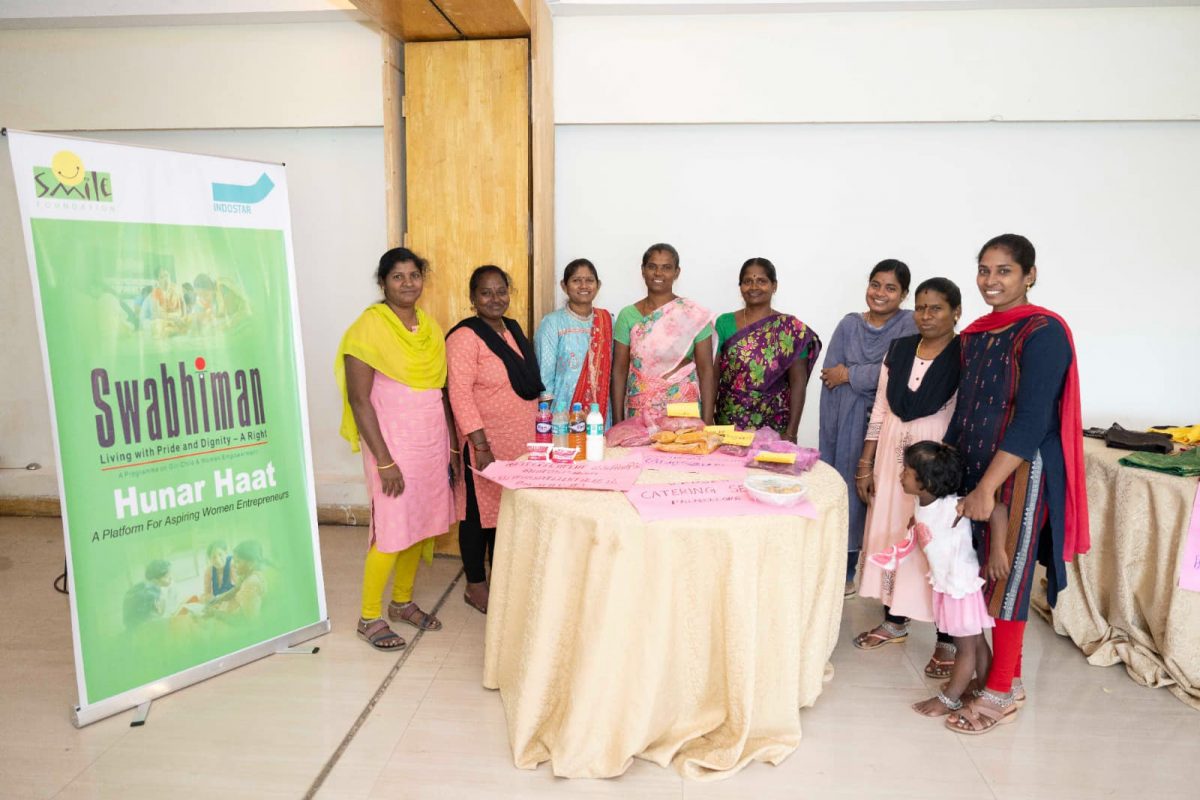
Several financial institutions such as SBI and IndoStar Home Finance have partnered with the Swabhiman programme to support women from marginalised communities. By providing them with workshops on financial literacy and business management skills, these financial institutions have contributed positively towards empowering women while also laying down the foundations of inclusive financial culture in India.

Smile Foundation firmly believes that creating lasting and meaningful change requires the collective efforts of all social stakeholders working toward a common goal. By consolidating our resources to promote an inclusive financial environment in India, banks and Smile Foundation can collaborate to enhance the impact of governmental financial initiatives. This potential partnership can achieve substantial and far-reaching results, offering women and their families the opportunity for financial stability.

Additionally, it aims to create a comprehensive and inclusive financial ecosystem that empowers these communities to overcome economic challenges and secure lasting financial well-being.

0%