Categories
Women Empowerment Girl Child

Menstrual Hygiene Health Education for Young Girls of India

Executive Summary

  • Menstrual Hygiene Day (May 28) is a global call-to-action on menstrual health. India’s NFHS-5 shows ~77% of young women now use hygienic menstrual products (up from 58% in NFHS-4), but urban–rural gaps remain (68% urban vs 43% rural).
  • Lack of awareness, stigma and access drive menstrual challenges. Behaviour change communication – sustained community education and peer-led outreach – is key to normalising menstruation and improving outcomes.
  • Government schemes (e.g. NHM’s menstrual hygiene scheme) provide subsidised pads (₹6 for 6 pads) via ASHAs, plus subsidised “Suvidha” pads at ₹1 through Jan Aushadhi. A draft National Menstrual Hygiene Policy (2024) aims to standardise menstrual health support across India.
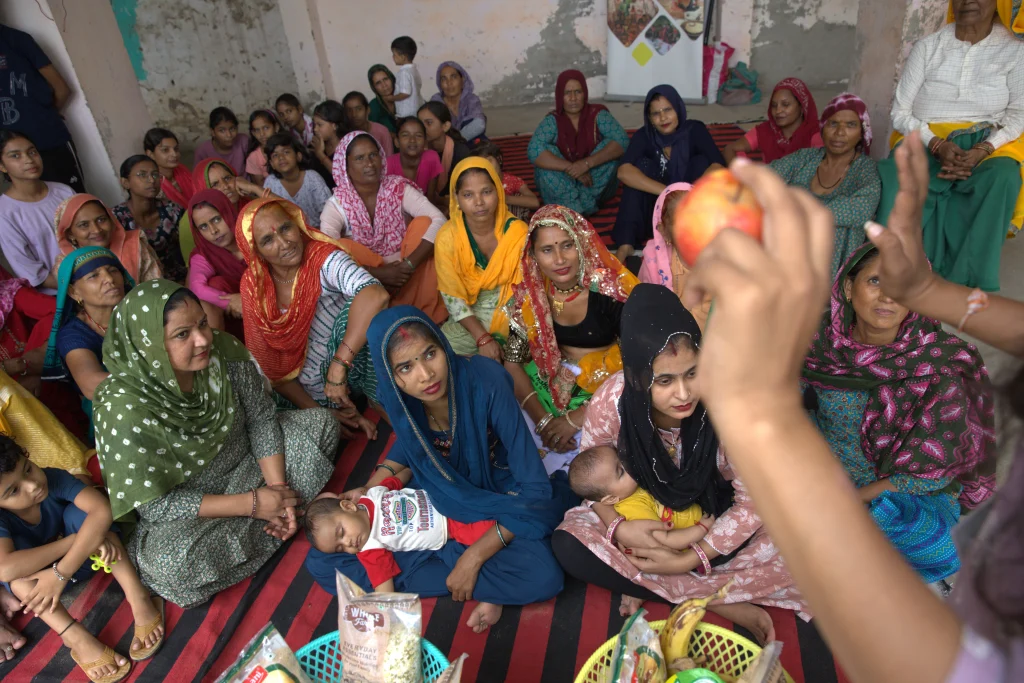
  • Smile Foundation’s Swabhiman programme exemplifies community-led intervention: training local women as health educators and peer counselors. Swabhiman’s one-on-one sessions empower girls to break silence about periods, creating a “butterfly effect” of shared learning.
  • Menstrual hygiene health education affects education and gender equity: about 1 in 5 Indian girls drop out of school over menstruation-related issues. New educational curricula, male engagement campaigns and eco-friendly products (biodegradable pads, menstrual cups) are recent trends helping to sustain behaviour change.
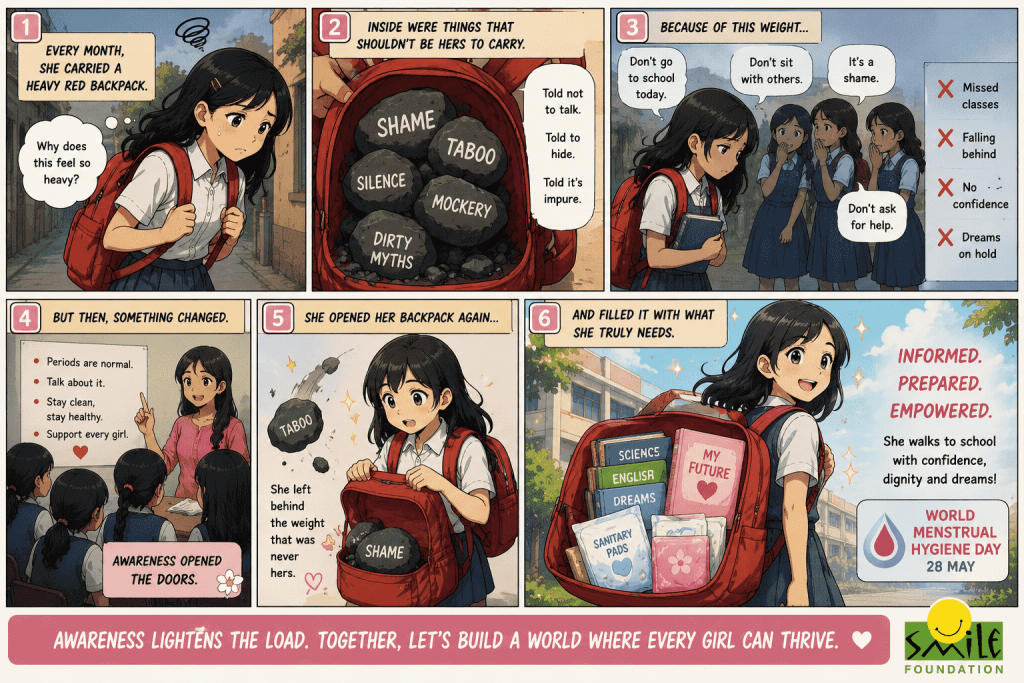
Adolescence is a phase of significant physiological, psychological and social transformation, bridging the gap between childhood and adulthood. During this crucial period, many young girls in India encounter menstrual difficulties, making reproductive health education essential. Unfortunately, a majority of teenage girls in India lack adequate knowledge about menstruation, reproduction and sexuality, largely due to sociocultural barriers and prevailing taboos. 

Menstruation remains a taboo topic in Indian society, often associated with myths and prohibitions. The cultural perception of menstruation as a curse or illness contributes to the lack of open discussions about menstruation. This inhibits young girls’ ability to understand their bodies and cope with the changes during menstruation effectively. As a result, they might develop feelings of shame and discomfort during their menstrual cycles, impacting their overall well-being.

Through menstrual hygiene health education, young girls can gain confidence in managing their health.

Educating communities about menstrual hygiene health education encourages open discussions.

Comprehensive menstrual hygiene health education improves the overall quality of life for girls.

Challenges in Menstrual Hygiene Management

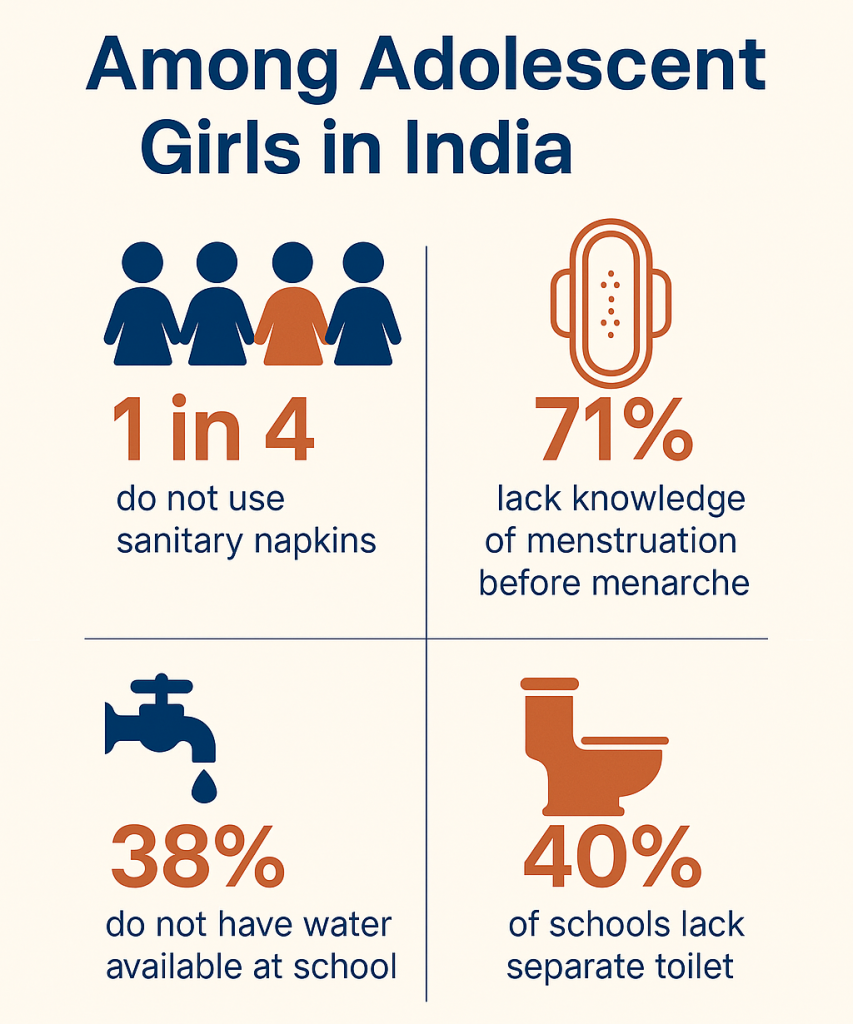
The lack of proper menstrual hygiene management can lead to adverse health consequences for adolescent girls. Poor personal cleanliness and unhygienic sanitary conditions increase the risk of reproductive tract infections (RTIs) and gynaecological issues. In resource-poor environments, where access to basic facilities such as water, bathrooms and privacy is limited, maintaining adequate hygiene becomes challenging.

Moreover, the affordability and availability of menstrual hygiene products pose significant obstacles. Many young girls cannot afford sanitary pads, leading them to rely on unhygienic alternatives, such as old cloth or rags, further exacerbating the risk of infections. Providing affordable and accessible sanitary pads is essential to ensure menstrual hygiene for all girls.

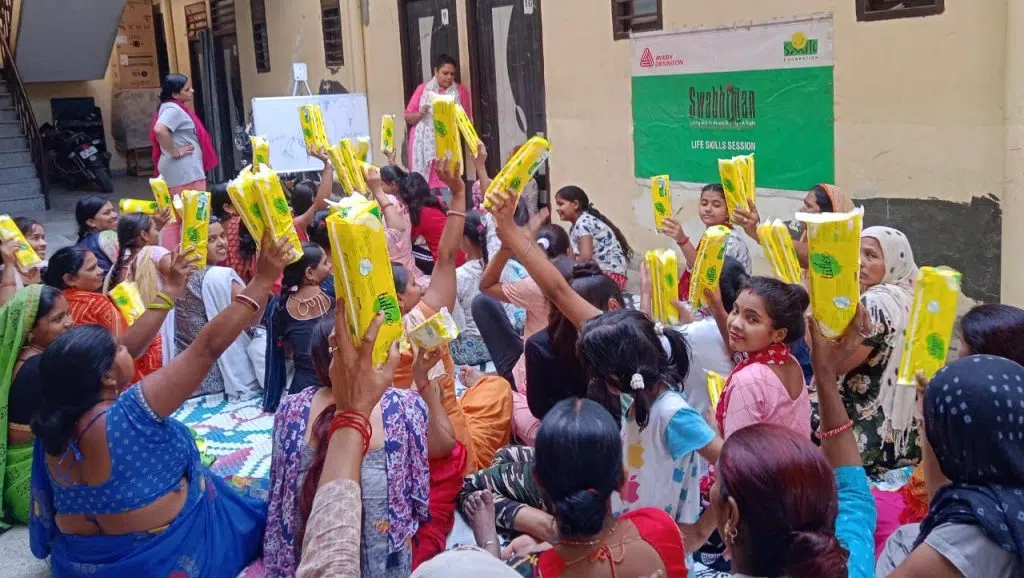
To bridge the gap in menstrual hygiene knowledge and practices, there is a pressing need for comprehensive menstrual hygiene education programmes targeted at adolescent girls in India. Such programmes must be implemented at multiple levels, including national, state and community levels, to create a conducive environment for open discussions and positive change. Our women empowerment programme, Swabhiman constitutes of menstrual hygiene awareness sessions and sanitary napkins distribution among adolescent girls and women of underserved families.

Menstrual hygiene health education is vital in creating awareness about menstrual health.

Promoting menstrual hygiene health education can help dispel myths and stigma.

Girls who in the past talked about menstruation in hushed voices, now have the confidence to talk in detail about it in school assemblies and home conversations. This created a ripple effect with many adolescent girls joining the sessions influenced by the learnings of their school peers and friends from the community.

Menstrual Hygiene Health Education
Marriage cannot ever be an Ally of Young Girls

Educational Initiatives and Sensitization

At the school level, integrating menstrual hygiene health education into the curriculum is crucial. Comprehensive modules covering various aspects of menstruation, including biology, hygiene practices, myths debunking and coping with menstrual discomfort, should be developed and implemented. These initiatives equip girls with essential knowledge and foster an environment where menstruation is normalized and free from stigma.

Incorporating menstrual hygiene health education into schools is essential for sustainable change.

Adolescent gynaecological clinics should also focus on menstrual hygiene health education for young girls.

Media campaigns highlighting menstrual hygiene health education can help change societal attitudes.

Creating awareness through menstrual hygiene health education is crucial for girls’ empowerment.

Families can support menstrual hygiene health education by facilitating open conversations.

Establishing dedicated “adolescent gynaecological clinics” is imperative. These clinics will focus on addressing menstrual morbidities, offering timely diagnosis and treatment for menstrual disorders and related issues. Adolescent gynaecology should receive more attention from researchers, clinicians, and society to improve the overall health and well-being of young girls.

Role of Media and Community in Menstrual Hygiene Health Education

The media, including print and social media, can play a vital role in breaking the menstrual taboo and promoting menstrual hygiene education. By featuring positive narratives, success stories and factual information about menstruation, media can contribute to changing societal attitudes and promoting open discussions about menstruation.

Additionally, community leaders, teachers, self-help groups and families must collaborate positively to support women and adolescent girls. By challenging harmful taboos and beliefs and encouraging open communication, families can create a supportive environment for adolescent girls to manage their menstrual health confidently.

Collaborative efforts in menstrual hygiene health education can enhance community resilience.

The #YesIBleed campaign, launched by the Ministry of Women and Child Development, aims to normalize conversations about menstruation and combat the stigma surrounding it. The campaign uses social media platforms to spread awareness, engage with young girls and encourage open discussions about menstrual health.

Government Initiatives to Promote Menstrual Hygiene Health Education

To encourage and promote menstrual hygiene practices, the Government of India (GoI) has launched several programmes and schemes aimed at providing access to menstrual hygiene products and education. One of the significant initiatives is the National Menstrual Hygiene Scheme (NMHS), which emphasizes the importance of menstrual hygiene education and awareness among young girls.

Under NMHS, the GoI has implemented various strategies, including subsidized sanitary napkin distribution through Accredited Social Health Activists (ASHA) and self-help groups (SHGs). This ensures that affordable and hygienic menstrual products reach women and adolescent girls in both rural and urban areas.

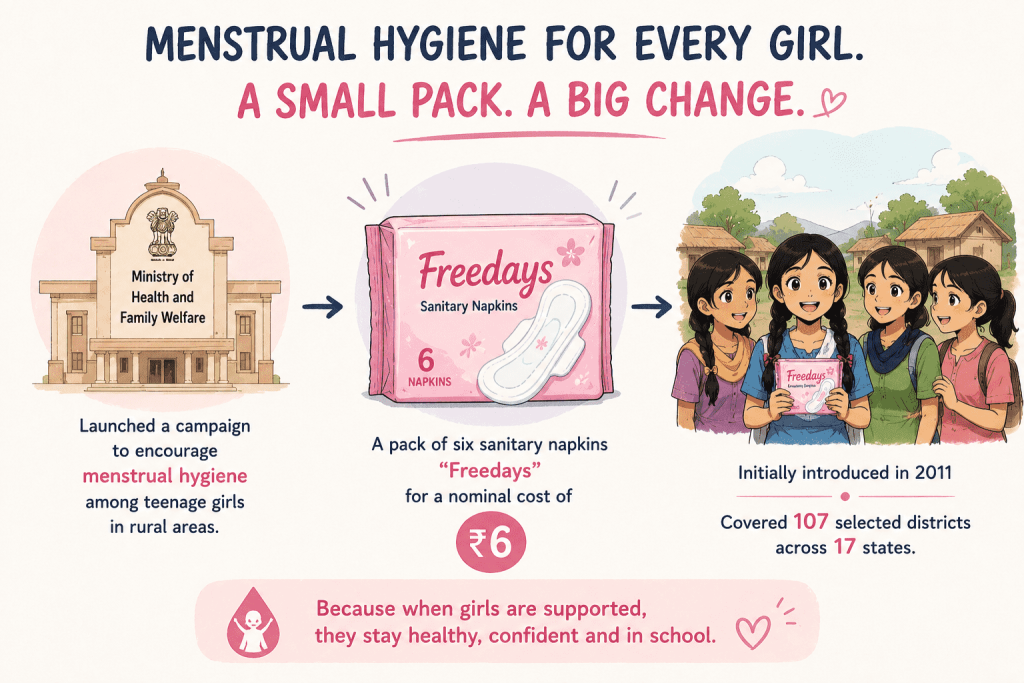
To encourage menstrual hygiene among teenage girls in rural areas, the Ministry of Health and Family Welfare launched a campaign. As part of the campaign, rural adolescent girls were provided with a pack of six sanitary napkins called “Freedays” for a nominal cost of Rs 6. This initiative was initially introduced in 2011 and covered 107 selected districts across 17 states.
Furthermore, Tamil Nadu has been running a free sanitary pad program since 2011 for females residing in rural regions. Participants are eligible to receive three packs of pads every two months, along with iron supplements and information about menstruation, through the assistance of “anganwadi” (female community health worker) workers.

1 Girl and 111 Trees: Caring about Girl Child in India

Over time, India has witnessed an improvement in women’s standing, with an increasing focus on education, independence and empowerment. As a result, the use of sanitary napkins has gained popularity. According to recent data, the level of sanitary napkin usage among young women (15–24 years) has risen from 58% in 2015–16 to 78% in 2019–20.

Breaking The Shame Cycle

Menstrual hygiene health education campaigns should include targeted messaging for rural areas.

Effective menstrual hygiene health education can empower girls to break the stigma surrounding menstruation.

Menstrual hygiene health education is not just about hygiene but also about empowering women and girls to embrace their bodies, take charge of their health and pursue their dreams without any hindrance. By breaking the barriers of silence and shame, we can create a society that celebrates menstruation as a natural and essential part of life.

Improving menstrual hygiene health education is essential for ending period poverty.

Engaging boys in menstrual hygiene health education is crucial for fostering empathy and understanding.

Let us join hands in the journey towards a world where every woman and girl can experience their menstrual cycles with pride, confidence and good health. Together, we can make menstrual hygiene health education a global priority and a catalyst for positive change in the lives of millions of women and girls worldwide.

Menstrual hygiene health education is critical in shaping the future of young women.

Addressing menstrual hygiene health education helps tackle challenges faced by girls in schools.

FAQs

1. What is World Menstrual Hygiene Day and why is it celebrated?
World Menstrual Hygiene Day is observed every year on 28 May. It’s a global initiative to break the silence around periods and advocate for menstrual health for all. On this day, NGOs, governments and individuals highlight the importance of good menstrual hygiene management and support behaviour change to end stigma.

2. How has menstrual hygiene in India improved recently?
According to NFHS-5 (2019–21), about 77% of young Indian women now use hygienic menstrual products (up from ~58% in NFHS-4). This jump reflects wider pad availability and education. Programmes like the National Health Mission’s menstrual hygiene scheme and campaigns like #YesIBleed have raised awareness. However, use remains much lower in rural areas, pointing to ongoing gaps.

3. Why is behavioural change important for menstrual health?
Knowledge alone doesn’t change habits overnight. Social taboos make many girls ashamed or uninformed. Behaviour change communication (BCC) uses repeated education, peer discussions and community influencers to shift attitudes. For example, Smile Foundation’s workshops show that when girls and communities talk openly about periods, hygienic practices spread by word-of-mouth. Sustained BCC normalises menstruation and encourages lasting hygiene habits.

4. What challenges do Indian girls face in menstrual hygiene?
Girls face multiple barriers: stigma and secrecy (families may ban normal activities during periods), limited access to products (especially in poor or rural areas) and poor sanitation (no private toilets or water at schools). These can cause absenteeism, infections or dropping out. For instance, one study found ~20% of Indian girls leave school because they lack menstrual support. Overcoming these requires both products and community support.

5. How do government programs support menstrual hygiene?
The Indian government’s NHM Scheme for Promotion of Menstrual Hygiene (since 2011) aims to increase awareness, access to pads and safe disposal of waste. Under it, ASHA health workers distribute subsidized pad packs door-to-door (currently ₹6 for a pack of 6). Separately, the PMBJP initiative sells biodegradable pads (‘Suvidha’) at ₹1 each in Jan Aushadhi stores. A draft National Menstrual Hygiene Policy is also in progress to standardise menstrual facilities in schools and public places, and foster behaviour change at scale.

6. How does menstrual hygiene impact girls’ education?
Menstrual hygiene and education are tightly linked. Lack of proper pads or toilets leads many girls to skip classes. Reports show roughly 1 in 5 girls drops out of school after menarche due to menstrual issues. Improving school WASH facilities, providing pads and period education (so girls know what to expect) greatly reduces absences. When girls feel supported during their periods, attendance and performance improve, helping to close the gender gap in education.

7. What are some effective community-led interventions?
Community-led interventions involve training local educators and volunteers. Peer education is key: girls are more comfortable learning from trained peers or relatable women. For example, Smile Foundation’s Swabhiman program mobilizes women in villages to host group sessions on menstrual health. These grassroots workshops, integrated into existing community and health structures, build trust. They often include interactive talks, demonstrations, and Q&A – a classic behaviour-change approach. By contrast with one-off camps, such sustained engagement (community behavioural change programs) embeds new norms in daily life.

8. What innovations and trends are emerging in menstrual hygiene?
Innovations include new sustainable products and policies. Biodegradable pads (e.g. PLA-based pads) and menstrual cups are becoming more available in urban India. Start-ups like Saathi sell compostable pads to raise awareness. Educationally, NGOs and companies are co-creating period curricula for schools (e.g. a UNICEF/P&G project launched menstrual modules for teachers). Social media and men’s movements (like #Men4Periods) are gaining ground to break taboos. Finally, global focus on “period equity” ties menstrual health to gender equality and sustainable development goals, accelerating policy action worldwide.

Sources: National surveys (NFHS-5) and UNICEF/NGO reports; Indian government releases on menstrual hygiene programs; Smile Foundation reports; educational campaign data.
Categories
Smile Nutrition Women Empowerment

Swasth Nari Sashakt Parivar Abhiyaan: Powering a Nation through Women’s Health

“A nation will be empowered only when its women population gets empowered.”

Dr APJ Abdul Kalam 

Once upon a time, a jewel that weaved and nurtured beyond the walls of her home, gradually faded inside the walls– neglected as if she never existed – a woman’s journey in India, once a fairy tale, faded gradually; her status in the society diminished as the magic vanished away after midnight. Today, she still awaits for a happy ending – where her status is revered as an equal, where her health is a priority. 

The story of women’s health in India is inseparable from the story of women’s status. In the Rig Vedic age, women stood at the centre of intellectual and social life, but as history unfolded, their place was diminished, their rights eroded. Even in today’s modern era, the struggle continues. On one side, the lingering chains of patriarchy, binding women to a subordinate role; on the other, the urgent need for society to face an undeniable truth: a woman’s place is not a concession to be granted, it is a certainty. She is an equal – entitled to the same rights enshrined in the Constitution, chief among them the right to good health.

As Dr Kalam observed, a nation’s power rests on many pillars, but its true foundation lies in the well-being of its women and children. In this light, on 17 September 2025, the Prime Minister of India, Narendra Modi, launched the Swasth Nari Sashakt Parivar Abhiyaan – one of the country’s largest health mobilisation drives for women, adolescents and children.

This mission speaks with clarity: women’s health is not an afterthought, but a right that has always belonged to them. To restore that right is to give women the strength and dignity they deserve and through them, to build healthier, stronger communities across India.

Women’s Health with Swasth Nari Sashakt Parivar Abhiyaan

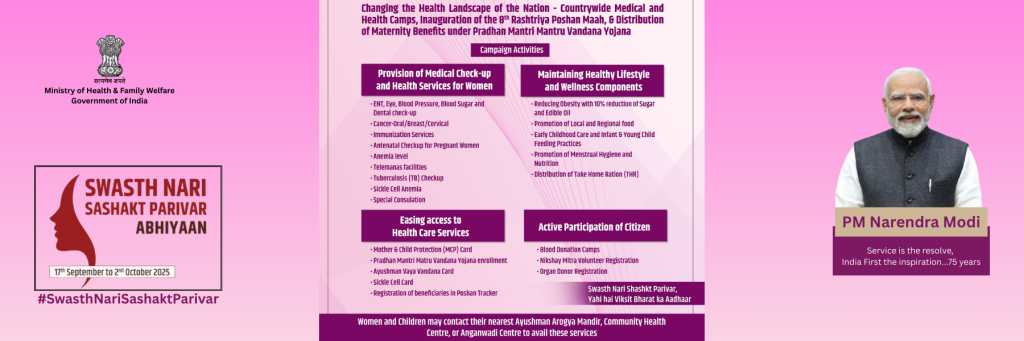
Being launched along with the 8th edition of Poshan Maah – the Swasth Nari Sashakt Parivar Abhiyaan is a strategic synchrony of the government’s effort towards uplifting women, children and adolescents health in India. 

Where Poshan Maah focuses on nourishing, this Abhiyaan builds systemic care, together forming a dual front to strengthen women and her community. 

Starting from 17 September to 2 October 2025, with the support of the Ministry of Health and Family Welfare and the Ministry of Women and Child Development, the Abhiyaan will unfold nationwide. Community health centres, Ayushman Arogya Mandirs and Anganwadis will become the stage for screenings, interventions and awareness programmes bringing healthcare to the very heart of communities.

According to the Ministry of Health, this initiative extends the state’s long-term commitment: to ensure that women, especially in rural and urban-poor settings receive uncompromised access to quality healthcare. At its core, the campaign targets critical challenges 

  • Anaemia
  • Tuberculosis
  • Sickle cell anaemia
  • Cancers of the breast and cervix
  • Oral cavity 

It also aims in strengthening antenatal care, expanding vaccination drives, establishing blood donation camps and integrating AYUSH-based wellness – ranging from nutrition literacy and local food promotion to menstrual hygiene, early childhood care and distribution of take-home rations. Digital health services such as Ayushman Bharat Health Accounts (ABHA) and PM-JAY will provide continuity of care.

This mobilisation rests not only on institutions, but also on the people who carry trust into households. ASHA and Anganwadi workers, ANMs, self-help groups and panchayati raj institutions under the MY Bharat initiative will drive grassroots awareness. 

Specialist services in gynaecology, paediatrics, dermatology, psychiatry, ophthalmology and dentistry routed through medical colleges, district hospitals and apex institutions like AIIMS, ESIC and CGHS will ensure last-mile access to women’s health and child care.

The Health Ministry frames this campaign as aligned with the Prime Minister’s larger vision: a future where health, nutrition and fitness are not privileges, but pillars of a developed India by 2047.

The Generational Struggle

In India, women’s health is a mirror of the nation’s deeper struggles between progress and neglect, between bold schemes and persistent gaps. To understand these generational challenges is to recognise the silent currents shaping not just women’s lives, but the destiny of families and entire communities. 

Four challenges that have been clouding women of India’s health for centuries are anaemia, malnutrition, chronic disease like diabetes and fragile antenatal care. 

  1. Anaemia – The Invisible Weakness

Anaemia is both widespread and insidious. According to the NFHS-5 report, nearly 59% of adolescent girls and 67% of children are anaemic, while 32 million pregnant women battle the condition at any given time. 

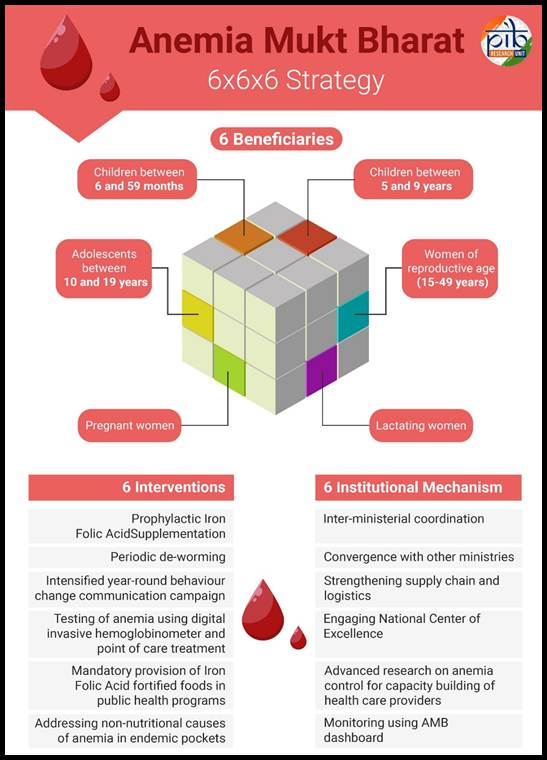
This long battle has robbed several mothers from strength and vitality; they have a risk of low birth weight, prematurity and maternal death. The government’s Anaemia Mukht Bharat campaign attempts to counter this through the 6x6x6 strategy that covers

  • Iron and folic acid supplementation
  • Deworming 
  • Digital tracking 
  • Fortified foods
  • Community outreach

In 2024-2025, almost 154 million children and adolescents have received supplementation, but iron intake still remains low in three out of women. The anaemia struggle is not limited only to medical services, but cultural behaviours like diets lacking diversity, gender norms that force women to have inadequate diets and poverty are few of the reasons that result in women and young girls to be a victim of this silent disease. 

  1. Malnutrition v/s Overweight – The Double Burden 

Malnutrition and overweight are two challenges that women’s health in India faces alarmingly. On one side lies chronic energy deficiency, with millions of women entering pregnancy being underweight, weakened by insufficient protein and calorie intake. On the other hand, the alarming rise in overweight and obesity among adolescent girls adds a new layer of danger to women’s health in India. 

This double burden accelerates the cycle of poor maternal and child outcomes, as undernutrition leads to stunted child development, while obesity in young girls and women seeds chronic diseases like diabetes and hypertension in early adulthood.

Government programmes such as Poshan Abhiyaan seek to balance this through

  • Counselling
  • Promotion of local foods
  • Take home rations 
  • Community-based awareness programmes

However, the concerning factor that our society faces is the harsh truth of behaviour change demanding consistent efforts and reduction in the resistance of transformation.

  1. Antenatal Care The Quality Gap

The WHO in 2016 revised its prescribed four antenatal visits to at least eight visits for safe motherhood and inspired from this India’s National Health Mission mandated that pregnant women must receive at least 4 or more antenatal check-ups that shall include

  • Timely registrations 
  • Essential lab tests
  • Tetanus toxoid vaccination 
  • 100 days of iron and folic acid

Yet, the gap lies not in numbers but in the quality of antenatal checkups in India especially for women belonging to rural India. Even as flagship efforts like the Pradhan Mantri Surakshit Matritva Abhiyan and its predecessors policies have driven the maternal mortality ratio down from 130 to 93 per lakh live births and the infant mortality rate from 39 in 2014 to 27 in 2021 – still the machinery falters at the level of practice. Check-ups often become perfunctory rituals, danger signs go unnoticed and counselling – the most human part of care – is absent.

  1. Menstrual Hygiene A Hidden Fault Line 

Menstruation in India remains less a biological reality than a battlefield of silence and stigma. In rural regions, despite schemes for free of subsidised sanitary products, millions of women such as 85% of women belonging to the Juang community, an ethnic group of Odhisha’s Keonjhar and Angul district still continue to depend on old cloth during menstruation. 

The continuation of unsafe menstrual hygiene practices still continue in India because of financial constraints, weak supply chains and cultural shame. Infrastructure gaps compound the issue – shared toilets without water, poor disposal systems and inadequate privacy – push women into unsafe practices, raising the risk of infection and long term reproductive harm. 

The consequences ripple far beyond discomfort. Girls end up missing school, opportunities shrink and psychological scars accumulate. A mother weakened by neglect passes vulnerability to her children and that ends up in continuing this generational cycle of shame and treating menstruation as a taboo. 

The Indian state has built a massive machinery for achieving robust women’s health conditions in India, but the reality is that impact lies when execution is done at the smallest details. A pill missed, a danger sign gone unnoticed, rations misallocated – individually they may be small, but continuity of them erodes the strategy. 

The women’s health crisis in India is generational and to solve this, it requires more than policy – it demands precision, relentless vigilance and the reshaping of cultural habits that have kept women last at the table.

Swabhiman’s Efforts for Women’s Health

Women’s health in India is trapped in a cycle of neglect – anaemia, malnutrition, unsafe motherhood and the chronic erosion of dignity. The state has erected vast programmes for women’s health as beacon of hope with policies and intent, however, the battle against these diseases would be won only when the execution of these policies are done at the smallest levels, where vigilance falters and neglect renews itself. Here social stakeholders such as NGOs become indispensable.

Smile Foundation’s Swabhiman initiative exists to sharpen this edge. Our efforts are to amplify the government initiatives for women’s health in India. By aligning our efforts with campaigns like Poshan Abhyaan, Anaemia Mukht Bharat and Swasth Nari Sashakt Parivar Abhiyaan, we transform the government’s intent into reality to ensure the accomplishment of sustainable development goals and national development goals holistically. 

Our projects like the Pink Smile, launched in Mathura have screened over 1700 women to combat anaemia. With medical camps, tele- consultation and nutritional support we have aimed in developing a methodical behavioural change towards women and young girls health in the grassroot communities. 

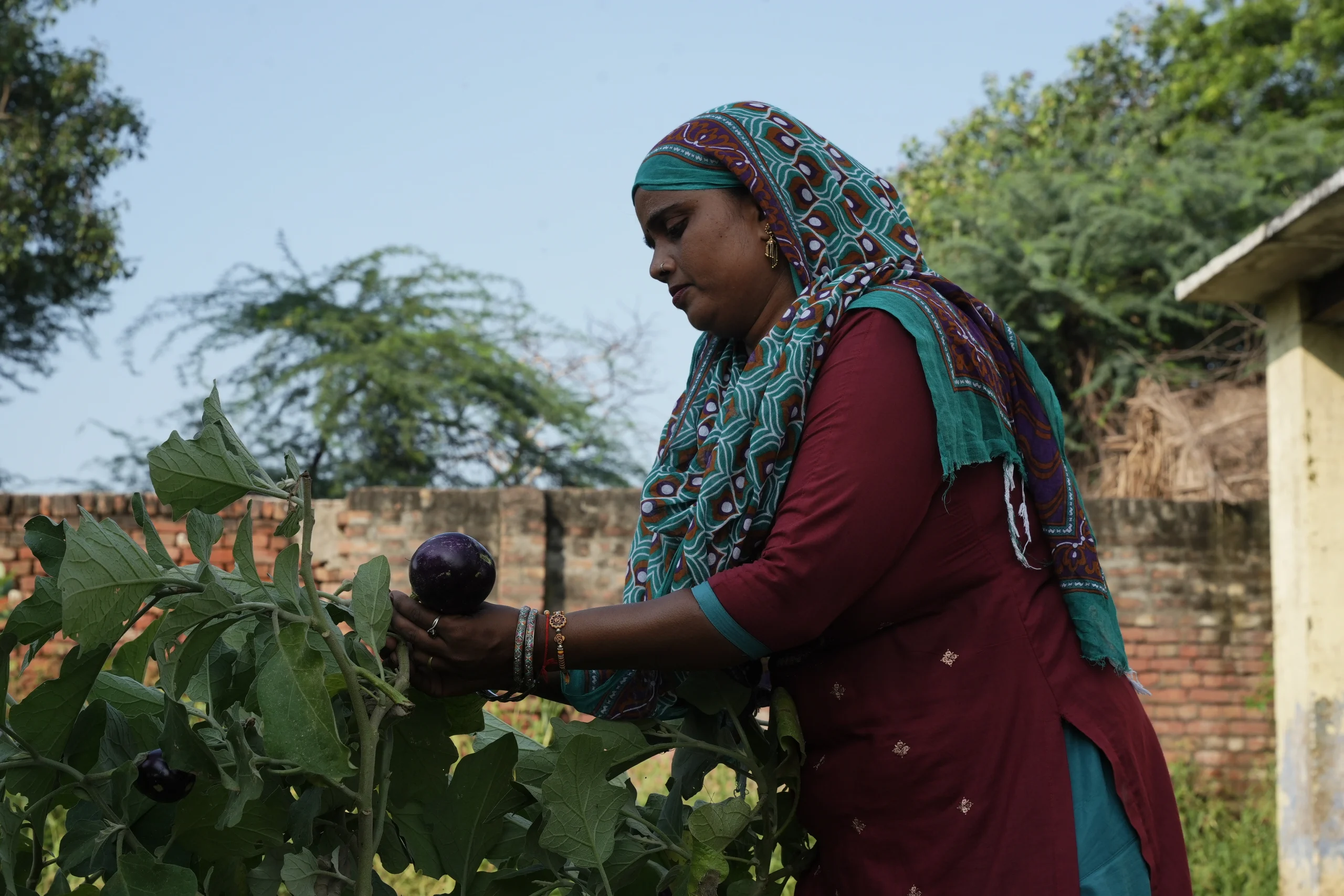
Swabhiman has been designed to see beyond treatment. It embeds nutrition into the household itself. 150 kitchen gardens have been established, so that food is no longer a luxury that cannot be dispensed but a practice cultivated; iron rich, locally sourced and sustaining regional food to ensure that women who once ate last and least are taught to reclaim the household table through low cost recipes and nutritional breakfast for expectant mothers. 

Swabhiman understands that health is not only an individual concern– it shapes the community. Therefore, to ensure that communities rise healthy, our intervention kickstarts right from the critical thresholds of motherhood. Through Godh Bharai ceremonies, couple counselling and reproductive awareness, Swabhiman aims at shifting the mother’s role from passive patient to informed decision maker. 

By training ASHAs, ANMs and Angandwadi workers, Swabhiman strengthened the women’s healthcare system at the grassroots level ensuring accountability in the service delivery.

Equally, Swabhiman confronts the challenges around menstrual hygiene in girls. Our aim is to dismantle the long buried shame associated with menstruation. Through awareness campaigns, counselling and sanitary napkin distributions, our interventions do not just aim at maintaining hygiene, but cultivate young girls with autonomy on their body and future. 

At the core of every Swabhiman intervention lies a single unyielding truth–women’s health is generational. A weakened mother gives rise to a weakened child and the cycle reviews itself with ruthless precision. 

Swabhiman exists to break this cycle, through exacting work on the ground and the deliberate reshaping of habits and norms that have long condemned women to the margins of society and denied them their most fundamental needs – right to quality healthcare. 

Our purpose is not charity, but restoration; to see women, children and young girls of India rise strong, uncompromised and unashamed – claimed at last, as equal citizens and rightful architects of this nation’s future. 

Stand with us to forge a healthier, nourished India – where strong girls and women build resilient communities. Support Swabhiman!

Sources:

  1. PM Modi launch of ‘Swasth Nari, Sashakt Parivar Abhiyaan’
  2. Gender inequality makes beating malnutrition hard
  3. Swasth Nari Sashakt Parivar Abhiyaan
  4. Chances of dying from chronic disease increased in India, women affected more: Lancet study
  5. A half-won battle: why India’s growth is leaving a generation of women behind
  6. An analysis of inequality in physical health status of women in India: 2015‒2021
  7. India’s Fight Against Anemia- Nourish, Prevent, Protect
Categories
Smile CSR Education Girl Child Partners In Change Partnerships

Menstrual Hygiene and Girls’ Education: Why Awareness Matters More Than Ever

In this essay:

  1. Menstrual hygiene remains a major barrier to girls’ education in rural India, with stigma, poor awareness and inadequate sanitation contributing to school absenteeism.
  2. Menstrual Hygiene Day highlights the urgent need to normalise conversations around periods and ensure adolescent girls can manage menstruation with dignity and confidence.
  3. Lack of menstrual hygiene awareness and access to sanitary products continues to affect girls’ health, confidence and long-term educational opportunities across underserved communities.
  4. Strategic CSR–NGO partnerships can strengthen menstrual hygiene management through infrastructure support, menstrual literacy and improved access to safe hygiene products.
  5. Community-led menstrual hygiene programmes involving ASHA workers, peer educators and schools can help reduce stigma and improve health-seeking behaviour among girls.
  6. Smile Foundation’s Swabhiman initiative is promoting menstrual hygiene awareness, peer education and access to sanitary products to reduce school dropouts and strengthen girls’ confidence.

In a classroom in Odisha, Shalini stood up to answer a question. She had no idea her life was about to change. A red stain on her seat, a sign of her first period, brought giggles, whispers and then silence. No one had spoken to her about menstrual hygiene or menstruation before. Frightened and ashamed, she thought she was unwell. The next day, she begged her parents not to send her back to school. In that moment, her education and confidence began slipping away together.

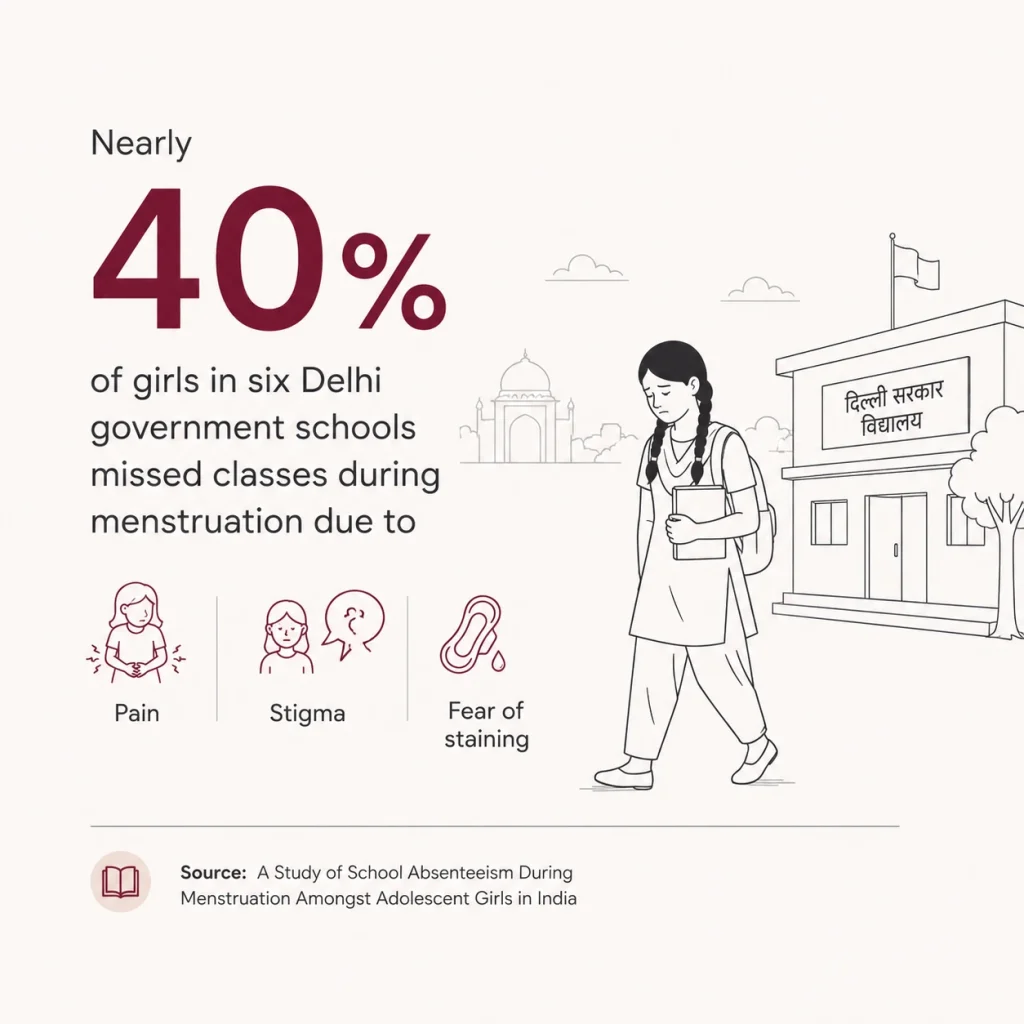
Shalini’s story reflects the harsh reality faced by countless girls across rural India, where lack of menstrual hygiene awareness, limited access to sanitary products and poor sanitation facilities continue to affect girls’ education. For many adolescent girls, periods become a reason to miss classrooms, fall behind in learning or eventually drop out of school altogether.

Menstrual hygiene is not only a health issue; it is deeply connected to dignity, confidence and equal access to education. Without safe spaces, awareness and support, millions of girls continue to navigate menstruation through silence, stigma and fear, limiting their potential long before they get the opportunity to realise it.

UNICEF & WATERAID INDIA STUDY (2015)*

The unspoken numbers

According to UNICEF India, over 253 million adolescents live in India, with nearly half being girls and 25% of them in rural areas. Despite several government-led menstrual hygiene initiatives, thousands of girls still drop out of school due to shame, pain, poor access to products and lack of supportive infrastructure.

Period absenteeism: Why?

Whether in rural villages or urban neighbourhoods, a girl’s first period often arrives unannounced and with fear. Her body undergoes unfamiliar changes, but in the absence of support and information, this moment becomes isolating. When compounded by poor infrastructure, stigma and silence, menstruation becomes not just a personal struggle, but an educational barrier.

  1. Social taboos 

Even today, in many parts of India, menstruating girls and women are subjected to regressive restrictions like being barred from entering temples, kitchens or even touching food on the grounds of being “impure.” These practices are reinforced by harmful myths, such as the belief that menstrual blood is toxic or that using sanitary pads causes infertility. As a result, many girls are pushed toward using cloth or other unhygienic alternatives compromising their health, dignity and confidence.

  1. Poor menstrual product access

In many rural communities, girls face limited access to safe menstrual products, clean cloth or private drying spaces. Adding to their troubles is the issue of no proper disposal facilities; they often resort to using ashes or rags as quiet acts of desperation that compromise their health and dignity. 

Menstrual hygiene in Indian women (15-24yrs)

Recent data reflects encouraging progress: 78% of women in India now use hygienic menstrual methods such as sanitary napkins, tampons or menstrual cups indicating growing awareness and improved access. However, among adolescent girls, only 42% rely exclusively on these hygienic practices*, with significant disparities persisting across states and districts. This gap underscores the urgent need for targeted interventions that address both availability and cultural barriers in underserved regions.

*Menstrual hygiene practices among adolescent women in rural India: a cross-sectional study

https://pmc.ncbi.nlm.nih.gov/articles/PMC9675161

  1. Paying the hidden cost of secrecy and infrastructure gaps

Many girls across rural India navigate their periods in secrecy by hiding pads in books, fearing stains, missing school events, and sometimes their yearly reviews as well because of menstruation. With no dustbins, running water or private toilets in schools, managing menstrual hygiene becomes near impossible. The result is a deafening mix of isolation, shame and lost days of learning. 

Menstrual health is a national priority

India has taken steps in the right direction. The Menstrual Hygiene Scheme (MHS), by the Ministry of Health and Family Welfare, offers subsidised sanitary napkins and peer counselling through ASHA workers. The Rashtriya Kishor Swasthya Karyakram (RKSK) promotes adolescent health, including menstrual awareness. The Suvidha Scheme by the Ministry of Chemicals and Fertilisers introduced biodegradable sanitary pads at ₹1, increasing affordability.

However, gaps persist. Many of these programmes struggle to reach India’s most marginalised girls. Product availability doesn’t always translate to product use, especially when surrounded by silence and stigma.

As a result, many adolescent girls navigate menstruation in isolation—confused, unprepared and unsupported. For countless girls, this social conditioning leads to school absenteeism, diminishing their confidence, academic continuity and long-term opportunities.

Addressing the gaps through strategic partnerships 

To bridge these challenges, strategic CSR–NGO partnerships are serving as catalytic agents. By combining grassroots reach with corporate scale, these collaborations have the potential to advance menstrual hygiene management as a systemic solution driving health equity, school retention and long-term social impact for adolescent girls across India.

Improving school infrastructure beyond brick and mortar

One major challenge for school girls from rural communities during menstruation is the lack of functional school infrastructure; poor washrooms, inadequate disposal, limited water and no privacy often lead to school dropouts.

What can be done

  • Support the development of gender sensitive washrooms with lockable doors, running water, disposable bins and incinerators. 
  • By partnering with NGOs, corporates can implement their CSR goals for women empowerment. Through impact dashboards, the projects can be tracked to identify the usage, maintenance, and overall the hygienic parameters required for young girls in home and schools. 

Culture stigma needs community solutions 

One of the most important issues that must be addressed immediately at a large scale is the lack of awareness about menstrual health amongst young girls and their communities. This becomes more concerning when the concerns of young girls are silenced due to vulture silence, shame and myths that often lead to fear, poor hygiene and isolation. 

What can be done

Corporates can support community based menstrual literacy programmes where they can collaborate with local organisations, ASHA workers and peer educators to increase awareness on menstrual hygiene. Furthermore, they can also educate the girls, teachers and community workers through culturally adapted IEC tools (flipbooks, comics, digital stories ) to challenge taboos and normalise conversations. 

Take the example of Shivani. Once hesitant and withdrawn, she found her footing through menstrual health sessions conducted by Smile Foundation’s Swabhiman programme. With accurate information and support, she gained not only knowledge, but also the confidence to speak up. Today, she serves as a peer educator empowering other adolescent girls in her community and promoting health-seeking behaviour.  

As part of its integrated approach to women’s health, Smile Foundation’s Swabhiman trains community-based volunteers as reproductive and menstrual health educators in underserved areas. This capacity-building intervention strategically addresses knowledge gaps, dismantles cultural taboos and promotes safe menstrual hygiene practices directly reducing school absenteeism and health risks among adolescent girls. By embedding peer-led advocacy into last-mile delivery, the initiative strengthens behavioural change at the community level while aligning with national adolescent health goals and SDG targets.

Making innovation accessible, affordable and adaptable 

As key drivers of social impact, CSR–NGO partnerships are well positioned to eliminate unhygienic menstrual practices such as the use of cloth, ash or sacks by co-developing and scaling access to affordable sanitary products tailored for rural adolescent girls. In light of growing environmental concerns, these partnerships must also prioritise innovation in biodegradable and reusable menstrual solutions, ensuring both adolescent health and ecological sustainability. Such an approach aligns with ESG goals and supports long-term, community-based health equity.

What can be done

  • Support women-led production units for biodegradable sanitary napkins or menstrual cups.
  • Collaborate on last mile distribution through workshops in local communities and schools, Anganwadis and frontline health workers.
  • Support impact evaluations to track product adoption, usage frequency, and behavioural shifts. 

For instance, through targeted workshops on menstrual hygiene, Smile Foundation’s Swabhiman programme ensures last-mile delivery of accurate, stigma-free education to adolescent girls in underserved communities. By promoting body literacy and safe hygiene practices, the initiative empowers girls with the confidence to stay in school, safeguard their health and become agents of change in their communities.

Her better health and future with Swabhiman

To commemorate Menstrual Hygiene Day 2026, Swabhiman is addressing menstrual hygiene as a critical enabler of uninterrupted education for adolescent girls in rural India. By training peer educators, frontline volunteers, and community health workers, Swabhiman delivers accurate, stigma-free menstrual literacy at the grassroots. It also facilitates access to sanitary products, promotes hygienic practices and advocates for safe, girl-friendly school sanitation infrastructure. This integrated approach reduces absenteeism and school dropouts caused by menstruation-related challenges. Aligned with national priorities and SDGs 4 and 5, Swabhiman empowers girls to manage menstruation with dignity transforming it from a source of shame into a gateway for continued learning and confidence.

A call to strategic CSR for menstrual hygiene in India

By investing in menstrual hygiene, CSR initiatives can move the needle on multiple fronts including school attendance, public health, gender empowerment and community resilience.

Smile Foundation invites partners committed to building inclusive, lasting impact. Let’s work together so that menstruation is no longer a reason for any girl to drop out but a moment where she steps into knowledge, dignity and power.

0%