Categories
CSR Women Empowerment

Business Advisory and Mentorship: The Missing Link in Women’s Entrepreneurship

SUMMARY :

  • Women entrepreneurs in India are driving inclusive economic growth by creating livelihoods, strengthening local economies and improving household resilience.
  • While technical expertise is abundant, sustainable business growth depends on access to finance, business advisory, mentorship, digital capabilities and market linkages.
  • Strategic entrepreneurship development CSR initiatives can bridge critical ecosystem gaps by enabling enterprise readiness rather than supporting livelihoods alone.
  • Government initiatives and corporate partnerships are creating stronger pathways for women-led enterprises to access formal markets, finance and business opportunities.
  • Investing in women entrepreneurship in India generates a multiplier effect, advancing gender equality, decent work, poverty reduction and sustainable community development.

While access to finance remains one of the most discussed barriers to entrepreneurship, research increasingly suggests that capital alone cannot sustain a business. Enterprises flourish when entrepreneurs have access to knowledge, mentorship, networks and market intelligence. For many women entrepreneurs in India, these support systems remain fragmented or inaccessible.

women entrepreneurship in india 1

The World Bank’s study on Growth-Oriented Women-Owned Enterprises (GOWEs) identifies inadequate business advisory services as one of the primary reasons why promising enterprises struggle to expand beyond the micro-enterprise stage.

Many women possess technical skills in production but have limited exposure to

  • financial planning
  • business strategy
  • branding
  • compliance
  • digital marketing
  • customer acquisition.

For first-generation entrepreneurs, the challenge is even greater. Unlike business owners from entrepreneurial families, they often lack informal guidance on navigating markets, managing risks or scaling operations. Academic research reinforces this observation, concluding that while family support and education encourage women to establish enterprises, long-term success is strongly influenced by self-confidence, leadership and continuous mentoring. 

Confidence, therefore, is not an innate quality but one that develops through sustained guidance and opportunities for learning.

skill building

This highlights an important shift in how entrepreneurship programmes should be designed. 

Capacity-building initiatives must move beyond one-time training workshops to long-term ecosystem support that includes 

  • business incubation
  • peer-learning networks
  • market exposure visits 
  • digital literacy 
  • access to experienced mentors
image

Entrepreneurship is not a single milestone but an evolving journey, and women require support at every stage from ideation to enterprise expansion.

Government Initiatives Supporting Women Entrepreneurs

India has made significant progress in recognising women-led enterprises as contributors to economic growth rather than beneficiaries of welfare. Several government initiatives are working to improve women’s access to markets, finance and institutional support, creating a stronger enabling environment for entrepreneurship.

Among the most notable initiatives is the Government e-Marketplace (GeM) Womaniya programme, which enables women-led Micro and Small Enterprises (MSEs) and Self-Help Groups (SHGs) to participate directly in government procurement. By connecting women entrepreneurs with institutional buyers, the initiative enhances transparency, expands market access and creates opportunities for sustainable business growth.

Such policy interventions demonstrate that entrepreneurship development initiatives can achieve greater impact when aligned with national development priorities. Government programmes create enabling frameworks, which can be amplified through ngo csr partnerships and financial institutions that can ensure entrepreneurial opportunities reach women at the grassroots.

NGOs and CSR: Critical to Entrepreneurship Development

Policy alone cannot eliminate the structural barriers that women entrepreneurs continue to face. Access to opportunity is often determined by local realities : social norms, educational attainment, digital access and community support.

 This is where development organisations and Corporate Social Responsibility (CSR) initiatives become indispensable. For organisations like Smile Foundation, women’s entrepreneurship is not viewed solely as an economic intervention but as a pathway to holistic community development. 

Livelihood initiatives under Swabhiman programm combine vocational training with financial literacy, entrepreneurship education, market exposure and mentoring enable women to build enterprises that are both sustainable and resilient.

CSR partnerships further strengthen this ecosystem by bringing together financial resources, technical expertise and market opportunities. Collaborative efforts through Swabhiman, support women entrepreneurs through:

  • Entrepreneurship and leadership training aligned with local economic opportunities.
  • Financial literacy and access to formal banking systems.
  • Business incubation and enterprise mentoring.
  • Digital literacy and e-commerce readiness.
  • Market linkages through corporate value chains and procurement opportunities.
  • Networking platforms that connect women entrepreneurs with industry experts and successful business leaders.

Such interventions create long-term value because they address both economic and social barriers. 

Research indicates that entrepreneurship programmes focusing only on technical skills often overlook the importance of confidence-building, leadership development and psychosocial empowerment. Effective CSR initiatives recognise that successful enterprises require both business capability and personal agency.

Moreover, women’s entrepreneurship generates multiplier effects that extend beyond individual enterprises. Increased household incomes often lead to improved educational opportunities for children, better healthcare utilisation, enhanced nutrition and greater financial resilience. Supporting women entrepreneurs therefore contributes directly to multiple Sustainable Development Goals, including gender equality, decent work, poverty reduction and inclusive economic growth.

women entrepreneurship in india 1 1

Recommendations for Strengthening the Entrepreneurial Ecosystem

Building a thriving ecosystem for women entrepreneurs in India requires coordinated action across government, businesses, financial institutions and civil society. Based on current research and policy recommendations, several priorities emerge.

  • Improve access to growth-stage finance. Financial institutions should design customised credit products that respond to the needs of expanding women-led enterprises rather than limiting support to microfinance alone.
  • Strengthen business development services. Continuous mentoring, market intelligence, branding support and digital capacity-building should become integral components of entrepreneurship programmes.
  • Promote market integration. Women-led enterprises should be connected with government procurement systems, corporate supply chains and digital marketplaces to enable sustainable business growth.
  • Invest in leadership development. Entrepreneurship programmes should combine technical training with confidence-building, communication, negotiation and decision-making skills.
  • Encourage collaborative partnerships. Greater collaboration between governments, corporates, NGOs, academic institutions and financial organisations can create stronger support systems that address multiple barriers simultaneously.

The World Bank also recommends recognising Growth-Oriented Women-Owned Enterprises as a distinct policy category, ensuring that enterprises with demonstrated growth potential receive targeted financial and institutional support.

Investing in Women Entrepreneurs Is Investing in India’s Future

The story of women entrepreneurs in India is ultimately a story of possibility. It is the story of women who transform adversity into enterprise, ideas into livelihoods and local opportunities into community development. Their success demonstrates that entrepreneurship is not merely about creating businesses it is about creating pathways towards dignity, resilience and shared prosperity.

Yet ambition alone cannot overcome structural inequality. Women require ecosystems that recognise their potential, invest in their capabilities and remove the barriers that continue to restrict enterprise growth. Finance, mentorship, market access and policy support must work together rather than in isolation.

As India advances towards becoming a more inclusive and resilient economy, entrepreneurship development CSR initiatives offer an opportunity to accelerate this transformation. By aligning corporate resources with community aspirations, CSR can help bridge persistent gaps in skills, finance and market access while strengthening local economies.

At Smile Foundation, women are viewed not merely as beneficiaries of development but as partners in nation-building. Every woman who gains the confidence to establish an enterprise contributes to something far greater than economic growth. She creates opportunities for her family, employment within her community and inspiration for future generations.

Partner with Smile Foundation to empower women entrepreneurs not only an investment in individual success, but as an investment that supports stronger communities, inclusive development and a future where economic progress is both equitable and sustainable.

Frequently Asked Questions (FAQs)

1. Why are women entrepreneurs in India important for economic development?

Women entrepreneurs in India contribute significantly to employment generation, household income, community resilience and local economic development. Their enterprises create shared social and economic value by improving education, healthcare and financial security while strengthening inclusive growth.

2. What are the biggest challenges faced by women entrepreneurs in India?

The primary challenges include limited access to formal finance, inadequate business advisory services, restricted market linkages, digital capability gaps, compliance support and professional mentoring. These barriers often prevent women-led enterprises from scaling despite strong entrepreneurial potential.

3. What is women entrepreneurship in India?

Women entrepreneurship in India refers to businesses established, owned and managed by women across rural, semi-urban and urban regions. These enterprises span sectors such as manufacturing, retail, food processing, handicrafts, services and digital businesses, contributing to employment and inclusive economic development.

4. How can entrepreneurship development CSR initiatives support women entrepreneurs?

Effective entrepreneurship development CSR initiatives go beyond skill development by providing financial literacy, business mentoring, market access, digital enablement, enterprise incubation and leadership development. These interventions help women-led enterprises become sustainable and scalable businesses.

5. Why is mentorship essential for women entrepreneurs in India?

Mentorship equips women entrepreneurs with strategic guidance, industry insights and professional networks that enable informed decision-making, business expansion and long-term sustainability. Research shows that continuous mentoring significantly improves entrepreneurial confidence and enterprise growth.

6. How do women entrepreneurs contribute to the Sustainable Development Goals (SDGs)?

Supporting women entrepreneurs in India advances multiple Sustainable Development Goals, including:

  • Gender Equality (SDG 5)
  • Decent Work and Economic Growth (SDG 8)
  • Reduced Inequalities (SDG 10)
  • No Poverty (SDG 1)
  • Sustainable Communities (SDG 11)

By creating employment and improving household well-being, women-led enterprises generate long-term social impact.

7. What role do NGOs play in strengthening women entrepreneurship in India?

NGOs strengthen women entrepreneurship in India by providing entrepreneurship training, financial literacy, mentoring, market linkages, digital skills and community mobilisation. They also connect women entrepreneurs with government schemes and CSR-supported opportunities to build resilient enterprises.

8. Why should businesses invest in women entrepreneurs in India through CSR?

Supporting women entrepreneurs in India enables businesses to create measurable social impact while strengthening inclusive supply chains, advancing ESG commitments and contributing to sustainable economic growth. Strategic CSR partnerships help build resilient enterprises that benefit communities, industries and the broader economy.

Sources:

Factor Analysis of ‘First Generation Women Entrepreneurs’ leading to
Entrepreneurship as a Career, Pacific Business Review International
Volume 12 issue 5, November 2019

Categories
Smile

World Rural Day: Building Resilient Rural India Together

India’s rural transformation is backed by strong policy support. With ₹1.88 lakh crore allocated in the Union Budget 2025–26, investments in healthcare, education, infrastructure, livelihoods and digital connectivity are accelerating inclusive rural development. 

But, rural development today isn’t just limited to building roads or improving agricultural productivity. 

It is about enabling people to lead healthier lives, ensuring children can dream beyond their circumstances, creating sustainable livelihoods for women, strengthening local institutions and building resilient communities capable of shaping their own futures.

Research increasingly positions rural development as a multidimensional process that combines healthcare, education, livelihoods, women’s empowerment and community participation rather than treating these as isolated sectors. 

The success of rural India will therefore, depend not merely on policy interventions, but on collaborative implementation where governments, corporates and civil society work together.

smile fy 26 1

Smile Foundation for over two decades has worked across multiple states through its lifecycle approach, recognising that sustainable rural development is achieved when every stage of life — from childhood to adulthood — is supported through integrated interventions. 

Whether it is bringing healthcare to remote communities, enabling girls to pursue higher education, empowering women entrepreneurs or nurturing aspirations among rural youth, every initiative contributes towards building stronger communities rather than delivering standalone services.

Rural Development Begins with Healthy Communities

A healthy community is the cornerstone of sustainable rural development. Yet for millions living in rural India, healthcare often remains inaccessible until illness becomes severe. Conditions such as anaemia, hypertension, skin diseases, reproductive health concerns and poor nutrition continue to affect women, children and the elderly, limiting productivity, learning outcomes and overall family wellbeing.

Recognising that development begins with good health, Smile Foundation’s lifecycle approach places preventive healthcare at the heart of community transformation.

rural healthcare in india smile foundation

Through initiatives like Swabhiman’s Pink Smile, mobile healthcare teams are reaching remote villages in Assam and Nuh, Haryana with anaemia screenings, reproductive health counselling and nutrition awareness for women and adolescent girls. Community sessions on hygiene, maternal health and nutrition empower women to take charge of their own wellbeing.  Through specialised interventions the aim is to ensure that  healthcare reaches their doorsteps, enabling early diagnosis, informed choices and healthier families. 

The impact extends far beyond healthcare. A healthier mother is more likely to ensure her child remains in school, a healthier adolescent girl is more likely to continue her education, and healthier families are better equipped to pursue sustainable livelihoods. In this way, preventive healthcare becomes the first step in building resilient rural communities.

Accessible Healthcare for Every Community

While awareness is important, access remains one of the greatest barriers to rural healthcare. Communities living along coastlines, mountainous regions and riverine islands often travel several hours simply to consult a doctor, resulting in delayed treatment and avoidable health complications.

To bridge this gap, Smile Foundation’s Smile on Wheels and Smile on Boat programmes bring quality primary healthcare directly to underserved communities.

Supported by CDSL, Smile on Wheels reaches 52 remote villages across the high-altitude region of Ladakh, delivering OPD consultations, medicines, diagnostic services and health counselling despite extreme terrain and weather conditions. Similarly, mobile medical units serving Chennai’s coastal communities ensure that families receive regular consultations, medicines and preventive healthcare without sacrificing a day’s wages or travelling long distances.

In Assam’s South Salmara district, where riverine islands remain disconnected from conventional healthcare systems, Smile on Boat, supported by MSD, serves more than 27,000 residents across 12 islands. The floating medical unit provides antenatal care, child healthcare, essential medicines and preventive health awareness, ensuring mothers, children and elderly residents receive timely care despite geographical barriers.

Healthcare, however, is not only about treating illness; it is also about changing conversations.

mini mathur women empowerment smile foundation

During an interaction hosted by Smile Foundation USA, television personality and certified women’s health coach Mini Mathur highlighted the importance of breaking the silence surrounding menopause. While menopause remains one of the least-discussed aspects of women’s health, particularly in rural India, normalising these conversations enables women to access information, healthcare and dignity throughout every stage of life. Such advocacy complements Smile Foundation’s Swabhiman programme, reinforcing that women’s wellbeing must be viewed as a lifelong journey rather than a single intervention.

Healthy communities create the conditions for children to learn, families to thrive and aspirations to grow. That is why healthcare naturally connects to the next pillar of Smile Foundation’s lifecycle approach—education.

Education Creates Generational Change

For rural development to be truly sustainable, good health must be accompanied by quality education. When children are given the right information and resources to learn, their aspirations expand, intergenerational poverty is broken and opportunities are created that reshape entire communities. Bhagyashree’s story beautifully captures this transformation.

rural education in india

Aman and his dream of joining the Indian Navy showcase remind us how important it is to hear the brewing dreams of young learners in rural India.  Inspired by his father’s resilience after a life-changing factory accident, Aman dedicatedly studies at Smile Foundation’s education centre in Sambalpur, where he receives academic guidance and mentorship that keep him focused on achieving his ambition.

His story reflects the broader vision of Smile Foundation’s lifecycle approach — supporting children not only to stay in school, but to pursue meaningful careers and contribute to nation-building

Building on this foundation, Smile Foundation’s Mission Education programme supports children throughout their learning journey, while Smile’s scholarships ensure that financial hardship does not interrupt academic excellence.

Recently a scholarship beneficiary Ishika’s selection for the prestigious IIT Hyderabad ACM Summer School on Symmetric Key Cryptography, alongside other scholarship recipients securing admission to leading institutions, demonstrates what sustained educational support can achieve. These are not simply stories of academic success — they represent increased social mobility, leadership and confidence emerging from rural communities.

Every scholarship creates a ripple effect. It inspires younger students, encourages families to prioritise education and demonstrates that talent, when nurtured consistently, can overcome socio-economic barriers.

A Catalyst for Rural Development- Women Entrepreneurs

rural entrepreneurship for women

Sustainable rural development depends on creating economic opportunities for women. Through Smile Foundation’s Swabhiman programme, Ramya and Sowmya transformed their culinary skills into Sahodari’s Kitchen, a cloud kitchen built with business mentoring, seed support and market linkages. From identifying a workspace to developing menus and securing customers, the programme enabled the family to establish a sustainable enterprise that now earns nearly ₹25,000 a month. Their journey demonstrates how women’s entrepreneurship strengthens household incomes, promotes financial independence and builds resilient rural economies. When women thrive, families prosper, communities grow stronger, and rural development becomes truly inclusive.

Partnerships that Scale Rural Development

Delivering integrated rural development at scale requires more than individual interventions. It requires partnerships that combine policy support, corporate resources and grassroots expertise. Smile Foundation’s collaborations with over 400 partners demonstrate how CSR–NGO partnerships can accelerate community transformation.

The launch of a Medical Care Unit in Hyderabad in partnership with HDFC Bank Parivartan, inaugurated by the Hon’ble Chief Minister of Telangana, strengthens access to primary healthcare through consultations, diagnostics, medicines, maternal healthcare and preventive health awareness for underserved communities.

smile foundation 11zon 1

Similarly, the partnership with Ditto Insurance extends beyond funding education. By supporting Smile Foundation’s Mission Education programme, it empowers children with quality education, life skills and the confidence to make informed choices throughout their lives.

These collaborations illustrate a larger truth: meaningful rural development cannot be achieved through standalone projects. It requires integrated ecosystems where governments create enabling policies, corporates contribute strategic resources and implementation expertise, and communities become active participants in shaping their own futures.

Building Rural India Together

As India moves towards its vision of becoming a $5 Trillion economy nation , rural development must remain at the centre of its growth story. While government policies and increased investments are creating an enabling environment, sustainability depends on strengthening the people and institutions that form the backbone of rural communities. 

Smile Foundation’s lifecycle approach  and CSR- ngo partnerships demonstrates how this interconnected model can create meaningful and measurable impact.   By combining corporate resources, government support and deep grassroots implementation, these collaborations enable solutions that are locally relevant, scalable and sustainable. Whether extending healthcare to remote villages, supporting first-generation learners, creating livelihood opportunities for women or preparing rural youth for the future, partnerships ensure that development reaches those who need it 

This World Rural Development Day, let’s accept and embrace a crucial truth for our developing nation: the future of rural development lies in collaborative, community-led solutions where that bridge gaps, unlock opportunities and empower every individual to participate in India’s journey towards inclusive and sustainable growth.

Frequently Asked Questions (FAQs)

1. What is rural development and why is it important?

Rural development is the process of improving the quality of life in rural communities through better healthcare, education, livelihoods, infrastructure and social empowerment. It is essential for reducing inequalities, strengthening local economies and ensuring inclusive national growth.

2. Why is World Rural Development Day important?

World Rural Development Day highlights the need for equitable growth in rural communities and encourages governments, businesses and civil society to work together towards sustainable rural development that leaves no community behind.

3. What are the key pillars of sustainable rural development?

Sustainable rural development is built on interconnected pillars including quality healthcare, education, livelihood opportunities, women’s empowerment, infrastructure, digital inclusion, environmental sustainability and community participation.

4. How do CSR–NGO partnerships support rural development?

CSR–NGO partnerships combine corporate resources with grassroots expertise to deliver scalable programmes in healthcare, education, skilling and livelihoods, ensuring that rural development initiatives create measurable and long-term impact.

5. How does education contribute to rural development?

Education equips children and young people with knowledge, life skills and opportunities that improve employability, reduce poverty and enable future generations to contribute to the social and economic development of rural communities.

6. Why is women’s empowerment central to rural development?

Women play a vital role in improving family health, children’s education and household incomes. Investing in women’s health, entrepreneurship and leadership strengthens communities and accelerates sustainable rural development.

7. How does healthcare strengthen rural development?

Accessible healthcare improves productivity, reduces financial hardship caused by illness and enables children to stay in school while supporting healthier families. Preventive healthcare is a critical foundation for long-term rural development.

8. How is Smile Foundation contributing to rural development in India?

Through its lifecycle approach, Smile Foundation advances rural development by integrating healthcare, Mission Education, scholarships, youth development, women’s empowerment, livelihood initiatives and strategic CSR–NGO partnerships, creating sustainable change across rural communities in India.

Categories
Girl Child Insights

How Central Government Schemes Help Reduce Dropout Rates Among Girl Students in India

Summary

  • Girls’ school dropout is driven by multiple barriers, including poverty, distance, unsafe infrastructure, domestic responsibilities and early marriage.
  • The Right to Education (RTE) Act guarantees free and compulsory education while promoting non-discrimination in schools.
  • Central Government Schemes like NSIGSE and Kasturba Gandhi Balika Vidyalaya (KGBV) encourage girls to continue secondary education through financial support and residential schooling.
  • Beti Bachao Beti Padhao (BBBP) seeks to transform social attitudes by promoting the value of girls’ education and gender equality.
  • Samagra Shiksha and PM POSHAN improve retention through better school infrastructure, separate toilets, nutrition and student support.
  • Sustained implementation, accountability and community participation remain essential to ensuring every girl completes her education.
Central government schemes for girls
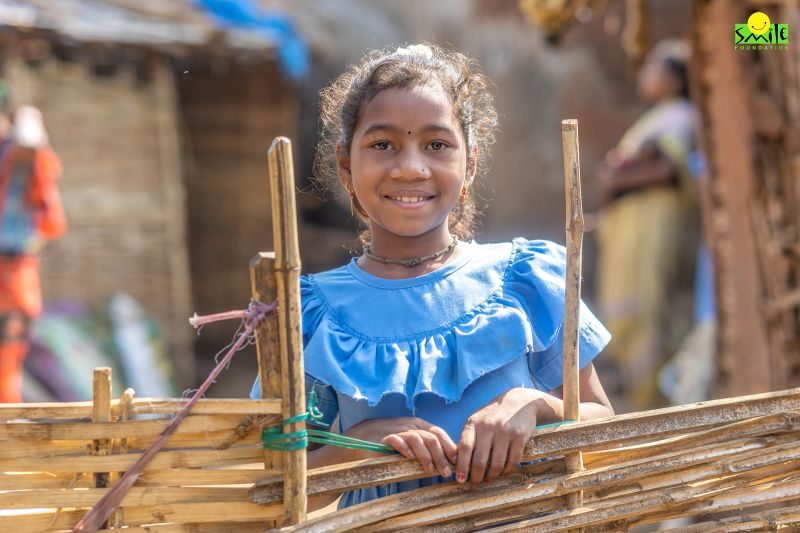
A sweet little girl from one of Smile Foundation’s Mission Education centres

A girl’s education in India rarely ends with a single dramatic event. More often, it is worn down gradually: by the secondary school that is too far away from home, the school toilet that does not work, the younger siblings who need care, the household income that cannot stretch to uniforms or the marriage proposal that arrives before the school certificate does. 

This is what makes school dropout such a difficult problem to address. It is not just one barrier but an accumulation of many reasons, each making it harder for a girl to remain in the classroom. 

Over the years, central government schemes have attempted to intervene in this chain of exclusion through several measures like scholarships, residential schooling, nutrition support, infrastructure and campaigns that frame girls’ education as a public priority. These measures have proved significant not in increasing enrolment, and in making continuity possible. 

Taking account of all aspects 

A series of government interventions have sought to address the many pressures that push girls out of school by treating dropout not simply as an educational problem, but as the outcome of economic hardship, social discrimination and unequal access to secondary schooling. At the foundation of this effort lies the Right to Education (RTE) Act, which guarantees free and compulsory elementary education and prohibits discrimination within schools, creating a legal framework that has helped keep millions of girls enrolled through the age of fourteen. 

The risk of dropout increases after elementary school due to rising education costs and social pressures, making targeted schemes crucial. The National Scheme of Incentive to Girls for Secondary Education (NSIGSE) provides financial incentives for girls who complete Class 8 and enroll in Class 9, alleviating household concerns about continuing education. Additionally, the Kasturba Gandhi Balika Vidyalaya (KGBV) scheme offers residential schooling for girls from marginalized communities in educationally backward areas, helping to mitigate barriers like long travel, domestic responsibilities, and the risk of early marriage that can disrupt their education.

Girls’ Education Changes Entire Economies

The thing about messaging 

The Beti Bachao, Beti Padhao (BBBP) campaign has, in many ways, evolved into a broader social movement. Conceived to confront another deeply entrenched barrier: the persistent devaluation of the girl child, it emerged in response to declining child sex ratios and enduring gender discrimination. By doing so, BBBP sought to frame girls’ survival, education and dignity not as matters of private family choice, but as questions of national urgency and collective responsibility.

Unlike scholarship or cash-transfer schemes, it does not offer direct financial support to individual beneficiaries. Its significance lies instead in the realm of public messaging and administrative convergence. By mobilising ministries, district administrations, schools and local communities around issues such as female foeticide, gender bias and girls’ education, the campaign attempts to reshape the social environment in which educational decisions are made. This matters because dropout is not driven by poverty alone; it is also sustained by cultural assumptions that daughters are temporary members of the household, that their education matters less than marriage or that investment in them yields limited returns. 

In that sense, BBBP operates less as a conventional welfare scheme than as a state-backed effort to alter the moral and symbolic value attached to girls. Its success, therefore, cannot be measured only in budgetary disbursals, but in whether it helps produce a wider climate in which families, schools and governments’ treat girls’ education as non-negotiable rather than optional. 

Lowering the cost of staying in school 

Alongside these financial and residential interventions, the state has increasingly recognised that retention depends on whether schools are materially equipped to support adolescent girls. Samagra Shiksha has been central to this shift, funding gender-sensitive infrastructure and support systems such as separate toilets for girls, stipends and self-defence training. The provision of functional toilets, in particular, has become one of the clearest examples of how infrastructure intersects with gender equity. Even when over 90 thousand schools are

For adolescent girls, the presence of a safe and usable toilet can determine whether school remains a viable space after puberty; sanitation is not a peripheral concern but one closely tied to dignity, menstrual health, absenteeism and dropout. 

A similar logic underpins the significance of the Mid-Day Meal Scheme, now continued as PM POSHAN. Although often discussed primarily as a nutrition programme, its educational effects are equally important. A cooked meal in school reduces classroom hunger, improves concentration and eases pressure on household food budgets, making regular attendance more feasible for children from low-income families. 

Seen from this perspective, the significance of central government schemes lies not merely in boosting enrollment figures or fulfilling policy targets, but in extending the time a girl is allowed to remain a student. This points to a larger truth about these schemes: their effectiveness depends not only on design but on delivery. Reducing dropout, then, is not just about preventing educational discontinuity; it is about widening the horizon of what girls can imagine for their own lives.

With these government schemes—despite uneven implementation and persistent gaps—there has been at least an effort towards reducing costs and improving infrastructure. The challenge now is to continue these interventions, and strengthen them with greater accountability.

Students studying in a classroom setting.

FAQs: Central Government Schemes

1. Why do girls drop out of school in India?

Girls often leave school because of poverty, long travel distances, inadequate sanitation, domestic responsibilities, safety concerns and early marriage.

2. What is the Right to Education (RTE) Act?

The RTE Act guarantees free and compulsory education for children aged 6–14 years and prohibits discrimination within schools.

3. What is the Kasturba Gandhi Balika Vidyalaya (KGBV) scheme?

KGBV provides residential schools for girls from disadvantaged communities, helping those who face barriers such as distance, social exclusion and early marriage.

4. How does Beti Bachao Beti Padhao support girls’ education?

Rather than offering direct financial assistance, BBBP raises awareness about gender equality and encourages families and communities to value girls’ education.

5. How does PM POSHAN help reduce school dropout?

PM POSHAN provides nutritious cooked meals in schools, improving attendance, reducing classroom hunger and easing financial pressure on low-income families.

6. Why are central government schemes important for girls’ education?

Central government schemes help remove financial, social and infrastructure-related barriers, enabling more girls to stay in school, complete their education and build brighter futures.

Categories
Gender Insights Smile

Women and Low Paid Work

India is poised to become one of the world’s largest economies, driven by a GDP growth of 7.7% in FY 26 from a 7.1% in FY 25. This robust expansion makes India one of the fastest-growing major economies globally. It is home to a young workforce, rapid digitalisation and sustained economic growth. But even as more women are entering the workforce than ever before, millions of them remain concentrated in jobs that are poorly paid, insecure and undervalued. 

If women constitute nearly half of India’s population and their labour force participation has steadily increased, why are women employed in low paid work? Why do so many women continue to earn less despite working as hard, and often longer, than their male counterparts? More importantly, what does this mean for India’s aspirations of becoming a developed economy?

The answer lies in decades of unequal access to education, entrenched gender norms, unpaid caregiving responsibilities, occupational segregation and limited access to productive assets and formal employment. Although India has made encouraging progress in increasing women’s participation in the labour market, the next challenge is ensuring that women have access not just to work, but to decent, dignified and fairly paid work.

Low paid work

A Changing Workforce but Not an Equal One Yet

India has witnessed encouraging progress in women’s labour force participation over the past decade. According to the Periodic Labour Force Survey (PLFS) 2023–24, the Female Labour Force Participation Rate (FLFPR) for women aged 15 years and above has risen to over 41%, compared to 24.5% in 2017-18. This represents a significant increase, reflecting greater participation across rural and urban India.

However, participation alone does not guarantee economic empowerment.

The International Labour Organization (ILO) estimates that nearly nine out of every ten employed women in India work in the informal economy. Informal work often means irregular wages, limited legal protection, poor working conditions and little access to social security benefits such as paid leave, maternity protection, gratuity or retirement benefits.

Equally important is the work that remains invisible.

According to India’s Time Use Survey (2019) , women spend almost five hours every day on unpaid domestic and caregiving responsibilities, while men spend approximately one and a half hours. This unequal distribution of unpaid work directly influences the types of jobs women can pursue and the time they can dedicate to skill development or career advancement.

As the World Bank has repeatedly highlighted, improving women’s access to productive employment is essential for India’s long-term economic growth. Likewise, McKinsey Global Institute claims that advancing women’s equality could add nearly US$700 billion to India’s GDP

These figures reveal an important truth: increasing the number of women in the workforce is only one part of the solution; the greater challenge is ensuring that women have access to sustainable, secure and fairly paid employment.

Why Are Women Employed in Low Paid Work?

Unpaid care work limits economic opportunities

If women are participating more in the workforce, why do they remain concentrated in lower-paying jobs?

One of the biggest reasons is the disproportionate burden of unpaid care work.

Across India, women continue to shoulder the majority of household responsibilities – from preparing meals and cleaning homes to caring for children and elderly family members. These responsibilities often leave women with limited time and flexibility to pursue full-time employment, higher education or professional development.

Consequently, many women choose occupations that accommodate these responsibilities rather than maximise their earnings. Home-based work, seasonal employment and part-time jobs may provide flexibility, but they often come with lower wages and limited career progression.

This is a structural constraint shaped by social expectations around gender roles.

Occupational segregation continues to shape women’s careers

Creating Successful Women Entrepreneurs

Another answer to why are women employed in low paid work lies in occupational segregation.

Women remain overrepresented in sectors such as caregiving, tailoring, domestic work, food processing, handicrafts and primary education. While these professions are indispensable to society, they have historically been undervalued and underpaid.

Conversely, higher-paying sectors such as manufacturing, engineering, finance, technology and infrastructure continue to have comparatively lower female representation.

Why does this happen?

Gender stereotypes begin influencing aspirations at an early age. Girls are often encouraged towards careers perceived as “safe” or “appropriate,” while boys are more likely to be encouraged to pursue technical or leadership roles. These expectations shape educational pathways, skill acquisition and eventually labour market outcomes.

Education opens doors, but skills create opportunities 

India has made remarkable progress in improving girls’ access to education. However, education alone does not guarantee economic mobility.

Many women, particularly those from underserved communities, continue to face barriers in accessing technical education, digital literacy and market-oriented vocational training. As industries become increasingly driven by automation and digital technologies, workers without relevant skills are more likely to remain confined to low-paying occupations.

Bridging this gap requires more than classroom education. 

Smile Foundation’s women empowerment initiative Swabhiman reflect this understanding by combining education with vocational training, entrepreneurship development and financial literacy. Rather than focusing solely on employability, these programmes equip women with practical skills that enable them to participate confidently in local economies, access sustainable livelihoods and make informed financial decisions. Such integrated interventions demonstrate that skilling becomes truly transformative when accompanied by mentorship and community support. 

Gender bias and unequal pay

Can women truly compete on equal terms when workplaces continue to be shaped by gender bias?

Although India has legal provisions promoting equal pay, women frequently experience wage disparities, slower promotions and limited representation in leadership positions. Only about 8% to 9% of CEOs in Indian organizations are women. 

Employers may assume that women are less committed to long-term careers because of caregiving responsibilities, influencing recruitment and promotion decisions. Women are also less likely to negotiate salaries aggressively due to social conditioning and workplace cultures that reward different behaviours in men and women.

These factors collectively contribute to persistent income inequality.

Informal employment and economic vulnerability

Women working as agricultural labourers, domestic workers, street vendors and home-based producers contribute significantly to India’s economy, yet they often lack written contracts, fixed salaries or retirement benefits.

Without health insurance, maternity protection or retirement savings, even temporary disruptions, such as illness, pregnancy or childcare responsibilities, can have long-lasting financial consequences. This is why awareness around reproductive health and childcare becomes so important. Smile Foundation’s initiatives in reproductive and childcare education help women better understand maternal health, infant care and family well-being, enabling them to make informed decisions that support both their livelihoods and their families.

Moreover, limited access to institutional credit often prevents women from investing in productive assets or expanding income-generating activities.

The result is a cycle in which women remain economically active but financially vulnerable.

The Ripple Effect of Low Paid Work

Low-paid employment affects much more than individual incomes.

Research consistently shows that women invest a larger proportion of their earnings in children’s education and nutrition. When women earn less, families have fewer resources to improve their quality of life, increasing vulnerability to poverty and economic shocks.

The effects extend to the broader economy as well.

The World Bank, ILO and EY have all emphasised that economies with higher female labour force participation and smaller gender gaps experience stronger productivity, greater household prosperity and more inclusive economic growth.

Addressing why are women employed in low paid work is therefore not simply about gender equality, it is central to India’s economic future.

Signs of Positive Change: Moving Away from Low Paid Work

Why are women employed in low-paying jobs?

Despite these challenges, there is reason for optimism.

More girls are completing school than ever before. Women’s participation in self-help groups has expanded significantly, creating opportunities for savings, entrepreneurship and financial inclusion. Digital banking and mobile technology have improved women’s access to financial services, while government and private-sector initiatives are creating new opportunities for skill development.

Across India, organisations working at the grassroots level are helping ensure that these opportunities reach women who have historically remained excluded from formal economic systems.

Smile Foundation, for instance, adopts a lifecycle approach to women’s empowerment by integrating education, health, livelihood generation and community participation. Rather than focusing solely on employment, its programmes work with women to build financial literacy, entrepreneurial capabilities and vocational skills while also engaging communities to challenge gender stereotypes that limit women’s participation in the workforce. This integrated model recognises that sustainable economic empowerment depends on both individual capability and supportive social ecosystems.

These interventions demonstrate that when women receive the right opportunities and community support, they are far more likely to secure sustainable livelihoods and improve their families’ quality of life.

Building a More Inclusive Labour Market

Understanding why are women employed in low paid work is only the beginning. Creating meaningful change requires coordinated action across governments, employers, educational institutions and civil society.

Invest in education and future-ready skills

Girls and women need greater access to STEM education, vocational training, digital literacy and financial education that prepares them for emerging industries rather than reinforcing traditional occupational roles.

Recognise unpaid care work

Affordable childcare, flexible workplaces and community care services can significantly reduce the disproportionate burden of unpaid care work borne by women. Encouraging shared household responsibilities is equally important.

Strengthen the informal workforce

Extending social security, maternity benefits, health insurance and legal protections to informal workers would improve both job quality and long-term financial security.

Promote equal pay and inclusive workplaces

Transparent recruitment, equitable promotion policies and regular pay audits can help reduce gender disparities while encouraging more women to move into leadership positions.

Support women entrepreneurs

Envisioning a World Where Women Truly Lead

Entrepreneurship offers women an opportunity to move beyond low-paid employment and become job creators. However, access to credit alone is insufficient. Women also require mentorship, business development support, market linkages and financial literacy.

Recognising this, Smile Foundation’s initiative Swabiman supports women through entrepreneurship development, livelihood promotion, financial literacy and self-help group participation. Such interventions help in strengthening household resilience and create local employment opportunities. 

The Role of Community Organisations

Policy reforms and economic growth alone cannot eliminate the barriers that keep women in low paid work. Lasting change must also emerge from within communities.

Community organisations play a critical role in addressing the interconnected challenges of education, financial inclusion, livelihood generation and gender norms. By working directly with families and communities, Smile Foundation demonstrates that uplifting women’s lives through is not a standalone intervention but a continuous process through skill training, financial literacy and health education. This holistic approach ensures that women are not only able to earn an income but also exercise greater agency over their lives and futures.

A battle bigger than just wages, low paid work

The question why are women employed in low paid work cannot be answered by wages alone. It reflects generations of unequal access to education, occupational segregation, unpaid caregiving responsibilities, informal employment and persistent gender bias.

However, the trajectory is changing.

More women are joining the workforce, acquiring new skills, leading enterprises and participating in local economies than ever before. The challenge now is to ensure that these gains translate into dignified employment, fair wages and equal opportunities for advancement.

Achieving this transformation requires collective action. Governments must strengthen social protection and invest in gender-responsive policies. Employers must build inclusive workplaces. Communities must challenge stereotypes that restrict women’s aspirations. Educational institutions must prepare women for the jobs of the future. And development organisations must continue creating pathways that connect education, skilling, entrepreneurship and livelihoods.

When women have access to decent work, they do far more than earn an income — they strengthen families, improve children’s futures, stimulate local economies and contribute to a more equitable society. Investing in women’s economic empowerment is therefore not only an investment in gender equality; it is an investment in India’s sustainable development.

Categories
In The Spotlight Smile

How to Prevent Cyberbullying for Kids: Smart Online Safety Rules Every Child Should Know

Summary

  • Cyberbullying can affect children anytime, extending beyond school into their everyday digital lives.
  • Online harassment can have lasting effects on children’s mental health, confidence and academic performance.
  • Teaching children safe online habits is one of the most effective ways to prevent cyberbullying.
  • Parents should encourage open communication so children feel comfortable reporting online abuse.
  • Schools, families and technology platforms all share responsibility for creating safer digital spaces.
  • Smile Foundation promotes digital safety through cyber awareness workshops that empower children to navigate the internet responsibly.

A generation ago, parents used to worry about playground bullying, unpleasant behaviour in school corridors or skirmishes between neighbourhood friends. Today, however, those concerns have expanded beyond mere physical confrontations and interactions into the digital world. Children are learning, socialising, playing games and expressing themselves online from an increasingly young age. While the internet has opened doors to learning and creativity, it has, on the contrary, also created new risks and challenges, with one of the most concerning being cyberbullying.

Unlike traditional bullying, cyberbullying can follow a child everywhere, even where they are not present. It does not end when the school bell rings, and it is getting increasingly easy to spread hurtful messages, embarrassing photos, exclusion from online groups and rumours through social media. Digital harassment and cyberbullying can affect children at any hour of the day. Especially for young minds that are still developing confidence and emotional resilience, these unwanted experiences can leave lasting impacts, which would take decades to heal.

According to research published by UNESCO, more than 30 per cent of students worldwide have experienced bullying, with cyberbullying becoming an increasingly significant part of the problem. UNESCO notes that bullying can negatively affect academic performance, emotional well-being and a child’s sense of belonging in school.

The silver lining, however, is that cyberbullying can be curbed to a greater extent through open and honest communication and by developing the right digital habits and practices. Teaching children to manoeuvre the online space safely and under parents’ supervision is likely to play an important part in that.

Understanding what Cyberbullying Really Looks Like

Cyberbullying, unlike our traditional understanding of bullying as direct insults or threats, usually takes more subtle forms. It may involve spreading rumours through social media, creating fake accounts to impersonate someone, sharing private photos without consent, excluding a child from online groups, posting embarrassing comments or repeatedly sending hurtful messages, and honestly, there seems to be no end to it.

The ripple effect of cyberbullying: Prevent cyberbullying
The ripple effect of cyberbullying

According to UNICEF, cyberbullying can occur through social media platforms, messaging apps, online games, discussion forums and even educational platforms. The anonymity offered by digital spaces can sometimes encourage behaviour that children would never display face-to-face and the cover of anonymity usually fuels cyberbullying.

One of the challenges is that many children hesitate or even refuse to report cyberbullying because they fear losing access to their devices or worry that adults will not be able to understand what they are experiencing. Hence, when the question becomes how to prevent cyberbullying for kids, prevention, therefore, becomes more about trust and understanding rather than surveillance.

Why Cyberbullying affects Children So Deeply

Adults often assume that online actions and comments are more benign since they are not made in the presence of the other person; however, research seems to suggest otherwise. A growing body of evidence indicates that online harassment can significantly affect mental health. A recent study published in BMC Public Health found that cyberbullying may contribute to symptoms associated with mental and emotional trauma and emotional distress among adolescents.

Similarly, a large-scale study involving more than 95,000 participants identified significant relationships between bullying experiences and anxiety, depression, sleep difficulties and other mental health concerns. Such concurrent findings suggest that online harassment issues should be taken seriously because their psychological effects tend to cause negative emotions, which, over time, tend to mould young adolescents.

As children, they are always at a stage where peer acceptance matters deeply, and a cruel comment seen by hundreds of classmates can feel overwhelmingly embarrassing. Unlike traditional bullying, digital content can be shared repeatedly and indefinitely unless lawfully stopped, making the child feel as though the humiliation never ends.

The emotional consequences may include anxiety, loneliness, low self-esteem, withdrawal from social activities, declining academic performance, and, in severe cases, self-harm ideation. This makes prevention not just a digital safety issue but a child protection priority, both for parents and for governments.

Some burdens dont come in books

Smart Online Safety Rules Every Child should Know to Prevent Cyberbullying

These are a few pointers that parents can impress upon their children, and also, children themselves may take a few notes on how to prevent cyberbullying for kids.

1. Think Before You Share

One of the simplest yet most powerful lessons children can learn is that everything shared online can potentially remain online.

Children should be encouraged to pause and think before posting photos, videos, personal information or comments. Developing a habit of checking what is being posted, helps children build a responsible digital footprint.

2. Keep Personal Information Private

Children often do not realise how much information they reveal online, even by simply sharing school names, addresses, phone numbers, passwords, locations or daily routines, can expose them to unnecessary risks.

Parents and educators should regularly remind and teach children that private information cannot be shared with people who cannot be trusted. Strong passwords and keeping the individual usage of parents away from children through privacy settings should become routine.

3. Never Respond to Online Harassment

A child’s first natural instinct may be to defend themselves when faced with a hurtful comment; however, children should be taught that engaging with cyberbullies often escalates the situation.

Children should know and also understand that they do not need to win every argument against everyone online. Blocking, muting, reporting, and seeking help from a trusted adult are usually far more effective responses than retaliation in most cases and children can be taught that from an early age.

4. Save Evidence

Many children immediately delete upsetting messages, as they want the whole experience to disappear, when, on the contrary, it can help to retain the evidence.

Evidence can assist schools, parents, platform administrators or law enforcement if intervention becomes necessary. Children should understand that documenting harmful behaviour is not tattling; it is a way of protecting themselves.

5. Speak Up Early

One of the strongest protective factors against cyberbullying is having at least one trusted adult who listens without judgment and can help thereafter.

Parents should also be more open-minded and regularly ask effective questions to understand their children and support their children when they choose to speak up. Research shows that when children know they can share concerns without being blamed or punished, they are more likely to seek help before situations worsen.

The Role of Parents and Schools

Children are our present and future

Parents need not become sudden experts on every social media platform, as what matters more than surveillance is involvement. Watching videos together, discussing trendy issues and showing genuine curiosity about their digital experiences can create opportunities for meaningful conversations and be key in finding solutions as to how to prevent cyberbullying for kids.

Research from Common Sense Media shows that cyberbullying remains a widespread concern among children and teenagers and creating family guidelines around screen use can also help. These guidelines should focus on responsible behaviour and mutual respect rather than punishment. Children are more likely to follow rules when they understand the reasons behind them.

Families and parents cannot tackle cyberbullying alone, as schools have an equally important role in creating a safe environment where children feel respected, included and supported.

UNESCO’s work on safe learning environments emphasises the importance of whole-school approaches that involve educators, parents, students, and communities working together. UNESCO’s landmark report, Behind the Numbers: Ending School Violence and Bullying found that comprehensive school-wide interventions can significantly reduce bullying while improving student well-being and educational outcomes. When schools treat cyberbullying as seriously as any other form of bullying, children receive a consistent message that online harm is real and unacceptable.

How Smile Foundation Supports Safe Childhoods

To foster safer and more supportive communities, Smile Foundation regularly conducts cybersecurity awareness and online safety workshops for students enrolled in our Mission Education centres. We believe the internet is a powerful tool for learning, creativity and skill development. At the same time, we recognise that children can be vulnerable to online risks and are committed to equipping them with the knowledge and skills to navigate digital spaces safely and responsibly.

As part of this effort, we at Smile Foundation, had partnered with Global Sign-GMO in 2024 to organise a cyberbullying prevention session for students. The employee engagement initiative featured interactive discussions on “How to Make Social Media Safer and Kinder,” where volunteers shared practical tips on recognising and preventing cyberbullying, practising responsible online behaviour and seeking help when faced with harmful or abusive interactions online.

Such interventions go beyond building digital awareness. They empower children to use technology with confidence, make informed choices and protect themselves from online threats. By encouraging students to share these learnings with their families and peers, we also help foster a broader culture of digital responsibility and safer online communities.

A Shared Responsibility to Prevent Cyberbullying

Cyberbullying is not simply a technology problem. It is a human problem that requires human solutions. Parents, educators, communities, technology companies and young people themselves all have a role to play.

The internet can be an extraordinary place for learning, creativity, and connection. By teaching children smart online safety habits, encouraging open communication and fostering empathy both online and offline, we can help ensure that digital spaces remain places where young people thrive rather than suffer.

FAQs

1. What is cyberbullying?
Cyberbullying is the use of digital platforms to harass, threaten, embarrass or deliberately harm another person.

2. Why is cyberbullying harmful for children?
It can lead to anxiety, low self-esteem, depression, social withdrawal, poor academic performance and other mental health challenges.

3. How can parents help prevent cyberbullying?
By encouraging open conversations, teaching responsible online behaviour and helping children use privacy and reporting tools.

4. What should a child do if they are being cyberbullied?
Avoid responding, save evidence, block or report the offender and seek help from a trusted adult immediately.

5. What role do schools play in preventing cyberbullying?
Schools can build safe learning environments through awareness programmes, clear reporting systems and digital citizenship education.

6. How does Smile Foundation support online safety for children?
Smile Foundation conducts cybersecurity awareness and digital safety workshops that help children recognise online risks and use technology safely and responsibly.

Categories
Smile

National Doctor’s Day 2026: History, Significance & How to Celebrate (Complete Guide)

The People Who Show Up
When Everything Else Fails

Every July 1, India pauses to thank the profession that never stops. This year, the conversation goes deeper — into who takes care of the carers.

There is a particular kind of trust that forms only under pressure — when you are frightened, in pain, or holding the hand of someone who is. You hand that moment to a stranger in a white coat and ask them to make it right. National Doctor’s Day exists because that act deserves more than a passing acknowledgement. It deserves a full stop. A date on the calendar. A country pausing, together, to say: we see you, and we are grateful.

In India, that date is July 1st. This guide explores why the date was chosen, who it honours, what this year’s theme is asking of all of us — and how individuals, hospitals, and organizations can mark the occasion in a way that actually means something.

What Is National Doctor’s Day?

National Doctor’s Day is an annual observance dedicated to recognizing the contributions of medical professionals to public health, individual wellbeing, and the fabric of society. In India, the day is coordinated by the Indian Medical Association (IMA), founded in 1928 and the country’s largest representative body for doctors practicing modern scientific medicine.

The observance is not a public holiday. It is a moment of intentional recognition — marked by felicitation ceremonies, medical conferences, community health camps, awareness campaigns, and private gestures of gratitude. Its significance grows from the simple fact that doctors, as a profession, spend every working day attending to other people’s worst moments. One day a year, those people attend to them.

Why it matters beyond symbolism: As of March 2026, India has 1,388,185 registered allopathic doctors — a doctor-to-population ratio of 1:811, surpassing the WHO benchmark of 1:1,000. That figure represents both significant progress and a persistent responsibility to keep attracting, training, and retaining medical talent.

The History: Dr. Bidhan Chandra Roy

July 1 was not chosen arbitrarily. The date marks a remarkable coincidence in Indian medical history: it is both the birth anniversary (1882) and the death anniversary (1962) of Dr. Bidhan Chandra Roy — physician, freedom fighter, educationist, and the second Chief Minister of West Bengal.

National Doctor’s Day 2026 Theme

2026 Official Theme: “Behind the Mask: Who Heals the Healers?”

This year’s theme turns the attention inward — toward the doctors themselves. It asks an honest question: in a profession built on caring for others, who is caring for them? The 2026 theme brings the mental, emotional, and physical wellbeing of doctors out of the background and into the centre of the conversation.

The theme is a direct response to what healthcare systems worldwide are grappling with: physician burnout, emotional fatigue, high rates of depression and anxiety within the medical profession, and the dangerous silence that often surrounds these issues. Doctors are trained to project calm and certainty. That training, essential for patient care, can make it difficult to acknowledge their own distress.

For hospitals and healthcare organizations, this theme is a call to action — not just for appreciation events, but for structural change: mental health support programs, sustainable working hours, access to peer support, and a cultural shift that allows doctors to be human as well as healers.

What Doctors Actually Face Every Day

14+ hrs

Average working hours during on-call shifts for hospital doctors in high-load settings across India

1 in 3

Doctors globally report experiencing burnout symptoms at some point in their career, per international healthcare studies

The numbers frame a reality that patients rarely see. Behind every consultation is a person who has been awake for hours, who carries the weight of decisions that affect lives, and who is expected to walk into every room with the same composed, confident presence — regardless of what came before it.

These are the pressures doctors navigate routinely:

  • Heavy Patient Load – Especially in government hospitals and tier-2 cities, doctors see far more patients than any single professional can serve well. Speed becomes a necessity, often at the cost of depth.
  • Irregular, Extended Hours – Night shifts, weekend emergencies, and on-call duty leave little room for recovery. The physical toll compounds over years of practice.
  • Emotional Weight of Critical Care – Delivering a terminal diagnosis. Losing a patient after a long fight. Managing families’ grief and fear. These are not abstract events — they accumulate, and they leave a mark.
  • Pressure to Keep Pace With Research – Medical science evolves continuously. Staying current with new treatments, studies, and protocols is a professional obligation that doesn’t pause when working hours end.
  • 5Managing Misinformation – Patients increasingly arrive with diagnoses from the internet. A significant portion of a consultation is now spent correcting misunderstandings — a task that is both time-consuming and emotionally draining.

How to Celebrate National Doctor’s Day Meaningfully

Gratitude expressed generically costs nothing — and, honestly, lands about as meaningfully. The gestures that doctors remember tend to be specific, human, and proportionate to the relationship. Here are approaches that hold up across contexts:

✍️

Write a Specific Note

Name the moment — a diagnosis, a late-night call, a difficult conversation handled with care. Specificity is what separates thanks from filler.

Leave a Genuine Review

A detailed, honest review on a trusted platform helps the next patient make a confident choice, and acknowledges your doctor’s professional reputation.

🤝

Refer Someone You Trust

Recommending a doctor to someone who needs good care is one of the most practical forms of appreciation — it says your trust extends beyond yourself.

🧠

Support Wellbeing Initiatives

Advocate for — or donate to — mental health programs for healthcare workers. In 2026, this is the conversation that matters most.

📢

Share Accurate Health Info

Stopping the spread of medical misinformation is a quiet but meaningful act of support for every doctor who has to correct it in the clinic.

🏥

For Organizations: Go Beyond the Event

Felicitation ceremonies are a start. What doctors need more is structural: fair hours, mental health access, safe working environments, and peer support systems.

A Quick Note on the Date Globally

India’s July 1 is not the only Doctor’s Day on the calendar. The United States marks the occasion on March 30, commemorating the first use of general anesthesia in surgery in 1842. Iran observes it on August 23, Cuba on December 3. The dates differ; the impulse behind them does not — a collective recognition that the people who carry the weight of public health deserve, at minimum, one dedicated day of visible acknowledgement.

Frequently Asked Questions (FAQs)

Q. When is National Doctor’s Day in India?

A. Every year on July 1st. The date marks both the birth anniversary (1882) and death anniversary (1962) of Dr. Bidhan Chandra Roy. In 2026, it falls on a Wednesday.

Q. What is the theme of National Doctor’s Day 2026?

A. “Behind the Mask: Who Heals the Healers?” — a focus on the mental, emotional, and physical wellbeing of doctors, and the systemic support they deserve.

Q. Who was Dr. Bidhan Chandra Roy?

A. A physician, freedom fighter, educationist, and the second Chief Minister of West Bengal (1948–1962). He helped found the Indian Medical Association, was instrumental in establishing AIIMS, and received the Bharat Ratna in 1961. He was also the personal physician of Mahatma Gandhi.

Q. When did India first observe National Doctor’s Day?

A. In 1991, when the Government of India formally recognised the observance following a proposal by the Indian Medical Association.

Q. Is Doctor’s Day the same date worldwide?

A. No. India observes it on July 1, the United States on March 30, Iran on August 23, and Cuba on December 3. The underlying message is consistent across all of them.

Q. How many doctors are there in India?

A. As of March 2026, there are 1,388,185 registered allopathic doctors in India, with a doctor-to-population ratio of approximately 1:811 — better than the WHO’s recommended benchmark of 1:1,000.

To every doctor who showed up — thank you.

National Doctor’s Day is a date. But gratitude for the people who carry our worst moments and help us through them belongs to every other day of the year too.

Roy was also the personal physician of Mahatma Gandhi — a detail that captures the breadth of his life. He moved between bedside and statehouse not because he had to choose between healing and governance, but because, for him, both were the same calling: to make human lives better.

Read about the theme here.

Read about Smile Foundation’s healthcare work here.

Doctor examining child in ambulance: National Doctor's Day
Doctor examining child in ambulance
Categories
In The Spotlight Insights

National Statistics Day: Why P.C. Mahalanobis still shapes India’s data revolution 

Summary

  • National Statistics Day honours P.C. Mahalanobis, the statistician who laid the foundations of evidence-based policymaking in India.
  • Mahalanobis introduced scientific sampling methods that transformed how governments collect and use data.
  • Institutions such as the Indian Statistical Institute and the National Sample Survey remain central to India’s statistical ecosystem.
  • His Mahalanobis Distance continues to power applications in AI, machine learning, fraud detection and medical diagnostics.
  • His work highlights the importance of representative, unbiased data for ethical artificial intelligence and better policymaking.
  • As STEM becomes increasingly data-driven, Mahalanobis’s legacy reminds us that meaningful progress depends on asking the right questions of data.
National Statistics Day

Our lives are governed by numbers. Whether it is running a household, a business, a city or an entire country, decisions rely on data. It is through surveys, censuses and statistical studies that governments and institutions understand the needs of millions and make decisions that affect them. How many children are enrolled in school? Which districts face the highest rates of malnutrition? How many households have access to clean drinking water? Behind every welfare scheme, public health campaign or development programme lies a vast body of data, all collected to answer one deceptively simple question: How do we know? 

For India, the answer to that question owes much to one man. Prasanta Chandra Mahalanobis, scientist and statistician, who transformed statistics from an academic discipline into a practical tool for governance. His pioneering work on sampling and data collection helped governments understand the realities of a vast and diverse country, laying the foundations of evidence-based policymaking that continue to shape India today. 

Today, data has gone on to become the language through which societies understand themselves. Governments rely on statistics to allocate resources, researchers use datasets to uncover patterns, companies train artificial intelligence models on vast quantities of information—the process is almost inexcusable. 

Observed every year on June 29, National Statistics Day commemorates Mahalanobis’s birth anniversary. While he is widely remembered for the statistical distance that bears his name, his greatest contribution may have been far more ambitious: convincing a newly independent nation that sound policy begins with sound evidence. 

National Statistics Day: Building a Nation Through Numbers 

Woman carrying child, doctor consulting nearby

When India gained Independence in 1947, it inherited enormous developmental challenges. Policymakers needed reliable information on agriculture, employment, health, education, industrial production and household consumption. Yet comprehensive administrative data were scarce, making informed planning exceedingly difficult. Imagine trying to plan for hundreds of millions of people without knowing how many children attend school, where crops are failing or which communities lack access to healthcare. That was the challenge confronting India’s leaders in the years after Independence. 

Before they could solve the country’s problems, they first had to measure them. 

Mahalanobis, a physicist by training but a statistician by instinct, understood that governing a country as vast and diverse as India required more than intuition or isolated observations. It demanded systematic, scientifically collected evidence. Long before evidence-based policymaking became a global development mantra, he championed statistical thinking as the foundation of public policy. 

This philosophy shaped some of independent India’s most enduring institutions. The Indian Statistical Institute (ISI) in Kolkata, founded by Mahalanobis in 1931, evolved into a globally recognised centre for statistical research. Equally transformative was the National Sample Survey (NSS), which pioneered the use of large-scale sample surveys as a practical alternative to complete enumeration. Instead of attempting the impossible task of measuring every household, carefully designed sampling techniques generated reliable national estimates while dramatically reducing cost and time. 

The innovation proved revolutionary. 

Today, sample surveys remain central to labour force studies, health assessments, agricultural statistics, consumption expenditure surveys and several other development programmes across the world. In many ways, Mahalanobis demonstrated that the quality of evidence depends not on collecting the most data, but on collecting the right data

His influence also extended beyond statistical methodology. As an architect of India’s early planning process, Mahalanobis advocated for using quantitative models to guide investment, industrialisation and resource allocation. Although aspects of his economic planning framework continue to be debated, his broader principle that complex national decisions should be grounded in rigorous empirical evidence rather than political instinct alone has endured. 

From Statistical Thinking to the Age of AI 

Smiling woman and boy together outdoors

Mahalanobis’s legacy has become even more relevant in an era defined by artificial intelligence and big data. While today’s technologies can process information at unprecedented speed, they remain fundamentally dependent on the quality of the data they receive. A flawed dataset can produce misleading predictions just as easily as a flawed survey can distort public policy. This is where Mahalanobis’s emphasis on representative sampling and rigorous statistical reasoning acquires renewed significance. 

His influence is also embedded in modern data science through the Mahalanobis distance, a statistical measure he introduced in 1936 to determine how similar or different a data point is from a larger dataset. Unlike conventional distance measures, it accounts for relationships between variables, making it especially effective for analysing multidimensional data. Today, it is widely used in machine learning for anomaly detection, pattern recognition, image processing, fraud detection and medical diagnostics, demonstrating how a concept developed nearly a century ago continues to underpin some of today’s most sophisticated AI systems.

At the same time, Mahalanobis’s work offers valuable lessons for contemporary debates around algorithmic bias and ethical artificial intelligence. Machine learning models often inherit biases embedded in historical datasets, leading to unequal outcomes across gender, caste, geography or income groups. Addressing these challenges requires more than just computational expertise; but one needs statistical literacy and an understanding of how data are collected, sampled and interpreted. The question is no longer simply whether an algorithm is accurate, but whether the data used to train it adequately represent the society it seeks to model. 

This convergence of statistics, computing, and the social sciences has indeed transformed STEM education too, because across AI, epidemiology, climate science, students are expected to analyse data, interpret evidence and solve real-world problems using statistical methods. Mahalanobis’s contribution is integral to such statistical thinking because he, in his practice, integrated statistics with economics, agriculture, planning, demography and public policy, making it inherently interdisciplinary. 

In this way, National Statistics Day can be believed to be more than a commemoration of one pioneering scholar. It happens to be an opportunity to recognise that numbers, when gathered responsibly and interpreted thoughtfully, are among the most powerful instruments for solving real-world problems. Nearly a century after Mahalanobis laid the foundations of modern statistical thinking in India, his central insight remains remarkably relevant: progress is not driven by data alone, but by our ability to ask meaningful questions of it. 

In a world increasingly defined by artificial intelligence and digital technologies, that lesson may be more important than ever.

FAQs: National Statistics Day

1. Why is National Statistics Day celebrated in India?
National Statistics Day commemorates the birth anniversary of P.C. Mahalanobis and recognises his contributions to statistics and national development.

2. Who was P.C. Mahalanobis?
He was an Indian statistician who pioneered modern sampling techniques and helped establish evidence-based policymaking in India.

3. What is the Mahalanobis Distance?
It is a statistical measure used to determine how different a data point is from a dataset, widely applied in AI, machine learning and medical research.

4. Why is Mahalanobis important in the age of AI?
His emphasis on representative data and rigorous statistical methods remains essential for building accurate, fair and unbiased AI systems.

5. What is the National Sample Survey (NSS)?
The NSS is India’s large-scale survey system that uses scientific sampling to generate reliable national statistics on employment, health, consumption and other development indicators.

6. Why is statistical literacy important today?
Statistical literacy helps individuals and institutions interpret evidence, identify bias and make informed decisions in an increasingly data-driven world.

Categories
In The Spotlight Insights Smile

Statistics to Measure Impact on the Ground: NGO Lens

Summary

  • Statistics help NGOs measure real impact, not just activities.
  • Baseline and follow-up data reveal whether interventions create meaningful change.
  • Data enables organisations to improve programmes through continuous monitoring.
  • Quantitative evidence is strongest when combined with qualitative insights.
  • Effective impact measurement strengthens accountability, transparency and public trust.
Statistics to Measure Impact on the Ground: NGO Lens

In the development sector, stories often carry the emotional weight of change and we use statistics to measure impact.

A woman who starts her own business after a vocational training programme can change the future of her entire family and clan. At the same time, a child who returns to school after years of absence or a village that gains access to clean drinking water can powerfully illustrate what social interventions often seek to achieve. 

Yet, for organisations working at scale, stories alone are not sufficient. In fact, keeping in sight the scope and expanse of work, NGOs need to turn to statistics as a reporting requirement as well as a tool for understanding whether their work is genuinely transforming lives. Donors seek measurable outcomes, governments demand accountability and communities themselves increasingly expect programmes that respond to their actual needs. This is why over time, the social sector has reshaped the language of social change through the rise of evidence-based development. 

Within this context, statistics have emerged as one of the most important instruments through which NGOs assess effectiveness, refine interventions, demonstrate impact, expand successful programmes and most importantly, strengthen accountability to donors, governments and the communities they serve. 

From activities to outcomes: Statistics to Measure Impact 

Human capital: Smile Foundation

Historically, many organisations measured success through outputs, say the number of workshops conducted, beneficiaries reached or resources distributed. In fact, for years these figures have served as the primary indicators of success. But at a time when NGOs operate in an environment where trust is harder to establish and organisations must constantly compete for funding, such numbers alone are no longer enough. While they remain useful, they reveal little about whether people’s lives have actually improved. Contemporary impact measurement therefore distinguishes between outputs and outcomes. 

An NGO working in education, for instance, may report that it trained 500 teachers, but the more meaningful question is whether student learning improved as a result. Similarly, a healthcare initiative that conducts thousands of screenings must ultimately assess whether disease prevalence declined, treatment adherence increased or health outcomes improved over time. 

Statistics and rigorous data analysis enables organisations to answer these questions by moving beyond activity counts to measuring real change. By comparing conditions before and after an intervention, NGOs can track shifts in indicators such as literacy rates, nutritional status, household income and access to essential services. 

This process usually begins with establishing a ‘baseline’, a statistical snapshot of a community’s conditions before a programme is introduced. Without this point of reference, it is difficult to determine whether subsequent improvements can reasonably be attributed to the intervention. Consider a livelihood programme aimed at increasing women’s earnings in rural communities. Baseline surveys may record participants’ average monthly income, employment patterns, savings behaviour and decision-making power within their households. Follow-up assessments months or years later can then reveal whether statistically significant changes have occurred, providing evidence of the programme’s effectiveness. 

Additionally, statistics can also help improve programmes while they are underway. If attendance at a health awareness programme begins to decline or certain demographic groups remain underserved, strategies can be adapted before the project ends. Real-time dashboards and digital monitoring systems allow organisations to track progress continuously and respond to emerging trends. 

Measuring what matters 

While statistics have become indispensable for measuring impact, they are far from neutral. Every stage of the process: deciding what to measure, which indicators to prioritise, determining how data is collected and analysed, in turn, shapes the story an organisation ultimately tells about its success. There is also the danger of reducing complex human experiences to rather direct and ‘neat’ numerical indicators. Development practitioners have long cautioned against this overreliance on metrics that prioritise what is easy to count while overlooking deeper, less tangible dimensions of wellbeing. 

This is so bnecause some of the most meaningful outcomes of social development are usually the most difficult to quantify. While improvements in income, school attendance or healthcare access can be measured numerically, any changes in confidence, agency, social inclusion or community resilience often resist simple statistical representation. Recognising these limitations, many NGOs increasingly rely on mixed-method evaluation frameworks. Quantitative data from surveys and administrative records are complemented by qualitative approaches such as interviews, focus groups, case studies and participant observation, allowing organisations to capture both measurable outcomes and lived experiences. 

Collecting reliable data also presents significant practical and ethical challenges. Ensuring representative samples, protecting respondent confidentiality, training field investigators and avoiding survey fatigue require considerable investment of time, expertise and resources—capacities that smaller organisations may not always possess. Responsible impact measurement, therefore, requires methodological rigour along with transparency about the limitations of the evidence being produced. 

Towards a culture of evidence: Statistics to Measure Impact

CSR in India

In times defined by heightened expectations of transparency and effectiveness, the capacity to measure impact is integral to the pursuit of social change. The increasing use of statistics within the non-profit sector reflects a maturation of development practice because evidence is no longer just a donor requirement but also a means of strengthening programmes and enhancing public trust. 

Yet, numbers should not be mistaken for the entirety of the story. 

They acquire meaning only when interpreted alongside the lived realities they represent and the most effective NGOs understand this balance. They recognise that behind every percentage point lies a person, a household or a community negotiating the possibilities of a different future. Statistics may provide the evidence, but it is human experience that ultimately gives development its purpose.

Frequently Asked Questions (FAQs): Statistics to measure impact

1. Why are statistics important for NGOs?
Statistics help NGOs measure programme outcomes, demonstrate impact, improve interventions and meet accountability requirements.

2. What is the difference between outputs and outcomes?
Outputs measure activities completed, while outcomes measure the actual changes or benefits experienced by beneficiaries.

3. What is a baseline survey?
A baseline survey captures conditions before a programme begins, providing a reference point to measure future impact.

4. Can statistics alone measure social impact?
No. Statistics should be complemented by qualitative methods such as interviews, case studies and focus groups to capture lived experiences.

5. How do NGOs use data to improve programmes?
By monitoring trends and analysing results, NGOs can identify gaps, adapt interventions and make evidence-based decisions during programme implementation.

Categories
Insights Smile

Best NGO Donation Website in India (2026): How to Identify Genuine and Trusted Charity Platforms

Choosing the right NGO donation website in India matters more than most donors realise. India has over 3.4 million registered organisations, but the quality, transparency and legitimacy of charitable platforms varies enormously. The right choice ensures your money reaches a verified cause. The wrong one, and your donation may go nowhere near the people it was meant for.

This guide helps you identify genuinely trustworthy charity websites, understand what to verify before donating, and find the platforms and organisations best suited to the causes you care about with 80G tax benefits where available.

NGO donation website
A girl going to school

Why Choosing the Right NGO Donation Website Matters

Digital giving has accelerated dramatically in India. UPI-based charitable contributions, payroll giving programmes and recurring donations through online platforms have collectively transformed how Indians engage with social causes. But this growth has also created opportunity for fraudulent operators who build convincing websites and launch persuasive campaigns on social media without holding the registrations that legitimate organisations are required to maintain.

The stakes are not only financial. A donation made to an unverified platform generates no 80G tax deduction, leaves you with no recourse if funds are misused, and contributes nothing to the cause you intended to support.

Risks of NGO Donation Website/Unverified Platforms

Documented risks of donating through unverified charity websites include:

  • Funds collected under emotional appeals — disaster relief, medical emergencies, child welfare — routed to personal accounts with no programmatic use
  • Websites that mimic legitimate NGO names or logos to exploit donor trust
  • Crowdfunding campaigns that pass initial platform verification but divert funds before closure — a pattern documented in cases reviewed by cybercrime authorities in Bengaluru and Hyderabad in 2024
  • No Form 10BE issued after donation, making 80G deduction claims impossible during tax filing
  • No recourse after payment, since informal transfers through WhatsApp-shared QR codes or personal UPI IDs leave no chargeback trail

The verification process takes five minutes. The potential loss, financial and otherwise, from skipping it is considerably larger.

How to Identify a Genuine and Trusted Charity Website in India

Every legitimate NGO in India leaves a verifiable paper trail across multiple government databases. The presence of all four registrations below is your baseline for any organisation you consider donating to.

FCRA Registration, 80G Certificate and Transparency Indicators

NGO Darpan registration is your first check. The NITI Aayog’s portal at ngodarpan.gov.in maintains a centralised database of registered organisations. Every credible NGO should have a Darpan Unique ID. Organisations seeking government grants or FCRA registration are legally required to hold one.

12A registration confirms the organisation’s income is legally exempt from tax under the Income Tax Act, 1961 — a prerequisite for operating as a genuine charitable institution.

80G registration confirms your donation is eligible for a tax deduction. Verify the current validity directly on the Income Tax Department’s portal at incometaxindia.gov.in, since 80G registration requires periodic renewal and can lapse.

FCRA registration is required for any NGO accepting donations from outside India, including from NRIs and international organisations. Current registration status can be confirmed through the Ministry of Home Affairs FCRA portal at fcraonline.nic.in.

Beyond legal registrations, look for:

  • Published audited annual reports with a clear breakdown of income and expenditure
  • A transparent programme description that names specific locations, beneficiaries and measurable outcomes
  • An active, verifiable track record — press coverage, government acknowledgements, long-term partnership announcements — going back several years
  • A secure HTTPS payment gateway, not informal UPI IDs or personal accounts

Best NGO Donation Websites in India in 2026

India’s giving landscape includes both dedicated crowdfunding platforms that host multiple NGOs and individual NGO websites where you donate directly to a specific organisation. Understanding the difference helps you choose the right channel.

No Children Should Be Out of School

How to Donate for Women Empowerment Online in India

Women’s empowerment is one of the most searched cause areas among Indian donors — and one of the broadest. It spans education for girls, economic livelihoods for women, legal aid, health and protection from gender-based violence. When donating to this cause online, being specific about what you want to fund produces better results than searching for “women empowerment donation” generically.

Trusted NGOs Focused on Women and Girl Child Education

Several well-established organisations work specifically on women’s economic empowerment and girl child education in India, with verifiable track records across multiple states.

Smile Foundation’s Swabhiman programme works directly with women in underserved communities through livelihood training, skill development and economic linkages. The WEDP (Women Empowerment Development Programme) and LEDP (Livelihood Empowerment Development Programme) under Swabhiman specifically target women’s financial independence and employment readiness. Through Mission Education and Shiksha Na Ruke, Smile Foundation also supports girl child education — keeping girls enrolled through academic, health, nutritional and emotional support, particularly in communities where dropout risk is highest. The organisation currently supports over 160,000 children across 27 states and holds valid Darpan, 12A and 80G registration.

When evaluating any NGO donation website focused on women’s empowerment, ask three specific questions. Does the organisation publish programme-level impact data, not just aggregate beneficiary numbers? Does it describe its approach to community entry and consent? And does it have a multi-year presence in the communities it claims to serve?

How Smile Foundation Accepts Donations and Uses Funds

🛡️

Giving With Confidence

Every contribution is backed by transparency, accountability and secure giving.

💳

Secure Donations

Choose one-time or monthly donations through a secure online payment portal.

🎯

Choose Your Cause

Support education, healthcare, livelihoods, women’s empowerment or contribute wherever the need is greatest.

📄

Complete Documentation

Instant donation receipts, Form 10BE and audited annual reports ensure complete transparency.

🏢

CSR Ready

Corporate partners receive impact reports, CSR documentation and support for Schedule VII compliance.

✓ Transparent Giving • ✓ Tax Benefits • ✓ Verified Impact
Every donation is acknowledged, documented and tracked—so you know exactly how your contribution helps transform lives.

Smile Foundation’s official website offers a transparent, secure donation portal with options for one-time and monthly recurring contributions. Donors can choose to support specific programmes like education, healthcare, livelihoods and women’s empowerment, or contribute to general operations.

The organisation issues automated receipts immediately after payment and provides Form 10BE for 80G deduction claims following the end of the financial year. Audited annual reports are published and publicly available, providing a full breakdown of how contributions are used across programme areas.

For corporate donors, Smile Foundation provides complete CSR documentation including Form 10BE and detailed impact reports, making it straightforward to demonstrate Schedule VII compliance under the Companies Act, 2013.

Tax Benefits When You Donate Through Verified NGO Websites

Donations to NGOs with valid 80G registration qualify for tax deductions under Section 80G of the Income Tax Act, 1961. For most registered charitable organisations, the deduction is 50% of the donated amount, subject to a qualifying limit of 10% of your Adjusted Gross Total Income.

The most important practical points:

  • The deduction is only available under the old tax regime. If you have opted for the new regime under Section 115BAC, you cannot claim an 80G deduction.
  • Cash donations above Rs 2,000 do not qualify — use UPI, net banking, debit card or cheque.
  • You need Form 10BE, issued by the NGO after it files Form 10BD with the Income Tax Department. Without it, your deduction claim may be disallowed even with a valid payment receipt.
  • Always provide your PAN correctly when donating, as Form 10BE is generated against this and a mismatch creates filing complications.

For CSR contributions, note that the same donation cannot be claimed simultaneously as both a CSR expense and an 80G deduction. Companies should structure contributions through the appropriate mechanism based on their tax and compliance position.

Choosing the Right Platform for Your Giving Goals

The right NGO donation website depends on what you are trying to achieve. For a one-time emergency contribution to a verified cause, GiveIndia’s vetted marketplace offers credibility and ease. For a specific community campaign — medical, educational or disaster-related — Milaap or Ketto offer accessible crowdfunding with broad social reach. For ongoing, structured support to a specific cause with regular impact updates, donating directly through a well-established NGO’s own website, such as Smile Foundation’s, gives you the most direct connection to the work and the most complete transparency on how your money is used.

Whatever platform you choose, the verification steps remain the same: Darpan ID, 80G and 12A registration, current annual reports and a track record that extends beyond a well-designed landing page.

FAQs — Best NGO Donation Websites in India

What is the best NGO donation website in India in 2026?

Smile Foundation is widely regarded as India’s most rigorously vetted donation platform, with periodic field audits of listed NGOs and a strong corporate giving programme. Donating directly through an individual NGO’s official website with verified Darpan, 12A and 80G registration is also a highly reliable option.

How do I know if a donation website is genuine and safe?

Verify that the organisation holds valid NGO Darpan registration, 12A and 80G certificates. Check FCRA registration if the NGO receives international funds. Look for a published, audited annual report, a multi-year track record and a secure HTTPS payment gateway rather than informal personal accounts or UPI IDs.

What is FCRA registration and why does it matter for NGOs?

FCRA is the Foreign Contribution (Regulation) Act, which legally permits Indian NGOs to receive donations from outside India. Only around 16,000 NGOs currently hold active FCRA registration following stricter 2020 compliance requirements. If you are donating internationally or the NGO claims international funding, verify current FCRA status through the Ministry of Home Affairs portal.

What are the best NGO donation websites to donate to in India?

Well-established organisations with long track records, transparent financials and verifiable impact include Smile Foundation, CRY and Pratham. Always verify current registration status and recent annual reports before donating, regardless of an organisation’s reputation.

How do I get an 80G tax receipt after donating online?

After donating, the NGO files Form 10BD with the Income Tax Department and issues you Form 10BE — your official donation certificate. Ensure your PAN is registered correctly at the time of donation, and request Form 10BE from the NGO before filing your annual return.

Which platforms accept donations for women empowerment in India?

Smile Foundation hosts campaigns from NGOs working on women’s empowerment. You can donate directly through Smile Foundation’s website to support the Swabhiman programme, which works on women’s livelihoods, skill development and economic independence across multiple states.

How can I donate to support girl child education online?

Donate through a verified NGO like Smile Foundation — which supports over 160,000 children across 27 states through Mission Education and Shiksha Na Ruke — via their official website using a secure, traceable digital payment method. Provide your PAN to receive Form 10BE for your 80G deduction.

What should I check before donating to an NGO website?

Check Darpan registration at ngodarpan.gov.in, 80G and 12A status on the Income Tax portal, FCRA status if international funding is claimed, the most recent audited annual report, and the organisation’s verifiable programme presence. Use a digital payment method and avoid informal transfer channels.

How does Smile Foundation use the donations it receives?

Smile Foundation publishes audited annual reports detailing income, expenditure and programme spending across education, healthcare and livelihoods. Donors can review programme-level breakdowns on the organisation’s website. For CSR donors, full impact documentation including Form 10BE is provided for Schedule VII compliance.

Categories
Smile

Why Education in Rural India Still Faces Infrastructure and Teacher Shortage Issues

Education in rural India has come a long way since independence, yet millions of children still attend schools with crumbling walls, no toilets and teachers who are stretched thin across multiple grades. The gap between what the system promises and what students actually experience remains stark. Understanding why this gap persists and what is being done about it, is essential for anyone who cares about India’s future.

Rural classrooms: Smile Foundation
A girl child coming to Smile Foundation’s Mission Education centre in a rural location in India

State of Education in Rural India Today

India has made real progress on paper. The Right to Education Act of 2009 made schooling compulsory for children aged 6 to 14. Gross enrolment ratios have improved significantly over the past two decades. But enrolment is not the same as learning.

Literacy Rates and Enrollment Data in Rural Areas

According to the Annual Status of Education Report (ASER) 2023, nearly half of Class 5 students in rural India cannot read a Class 2-level text fluently. The rural literacy rate, while improving, still lags behind urban India by around 15 percentage points.

Key numbers that tell the story:

  • Rural female literacy stands at roughly 65%, compared to over 85% in urban areas
  • Only about 4 in 10 rural students who enrol in Class 1 eventually reach Class 12
  • Over 1.5 lakh government schools in rural India have fewer than 50 students enrolled

These numbers point to a system where access has improved but quality has not kept pace.

THE EDUCATION JOURNEY

Every School Day Begins With Hope

Every child starts Class 1 with dreams and possibilities. But as the years pass, many disappear from the classroom.

The school bell rings…

CLASS 1
CLASS 5
Two students have already left school.
CLASS 8
Financial pressures, distance and household responsibilities force many more children to leave.
CLASS 10
The journey becomes even harder.
CLASS 12
4/10

Only four out of every ten rural students who enter Class 1 complete Class 12.

Every missing silhouette represents a child whose education journey ended too soon.

Key Infrastructure Challenges in Rural Schools

When a child walks into a school without electricity or clean drinking water, the message they receive is that their education is not a priority. That message has consequences.

Lack of Buildings, Toilets, Electricity and Libraries

A report by the Ministry of Education found that a significant share of rural government schools still face basic infrastructure deficits. Some of the most pressing issues include:

  • Dilapidated or incomplete school buildings that become unusable during monsoons
  • Absence of functional toilets, which is a primary reason girls drop out after puberty
  • Unreliable or no electricity, making afternoon classes difficult and digital learning impossible
  • No libraries or reading materials beyond textbooks
  • Inadequate drinking water facilities, forcing students to bring water from home or go without

In states like Jharkhand, Chhattisgarh and Odisha, the situation is especially severe in tribal and remote areas. Schools may exist on maps but function only a few months a year due to seasonal access issues and staff vacancies.

Teacher Shortage in Rural Schools: Causes and Impact

The teacher shortage in rural India is not just a numbers problem. It is a structural one. Even where teachers are technically posted, showing up is another matter entirely.

According to government data, India has over 1 million vacant teaching posts in government schools, with the majority concentrated in rural and remote areas. Here is why this happens:

  • Most trained teachers prefer urban postings for personal and professional reasons
  • Rural schools often lack housing, transport, and basic facilities for teachers
  • Contract and para-teacher models have created an underpaid, undertrained workforce
  • Transfer policies are inconsistent, leaving some schools overstaffed while others have none

Multi-Grade Teaching and Absenteeism Issues

In hundreds of thousands of rural schools, a single teacher manages three to five grades simultaneously in one classroom. This is known as multi-grade teaching, and it severely limits the attention each child can receive.

Teacher absenteeism compounds the problem. Studies have found that rural government school teachers are absent on average 20 to 25% of working days. Reasons range from legitimate administrative duties to poor accountability structures.

The combined effect: children fall further behind each year, and many quietly stop attending.

Challenges Faced by Girl Students in Rural Areas

Girl child education in rural India faces a unique set of barriers that go beyond infrastructure. Social norms, early marriage, domestic responsibilities and safety concerns all play a role.

Education in rural India
Digital classrooms bridging the rural–urban education divide

Specific challenges include:

  • Schools without separate toilets for girls see dramatically higher female dropout rates
  • Long distances to school expose girls to safety risks, particularly in remote areas
  • Families with limited income often prioritise sons’ education when forced to choose
  • Child marriage remains common in parts of Rajasthan, Bihar, and Madhya Pradesh, pulling girls out of school prematurely

The Path That Disappears

For many girls in rural India, the classroom isn’t always far away. The path to it slowly disappears.

🏠
HOME
🚻

No Separate Toilets

Schools without separate toilets for girls experience much higher female dropout rates.

🚶

Long & Unsafe Journeys

Long distances and safety concerns make regular school attendance difficult.

💰

Families Forced To Choose

When resources are limited, boys’ education is often prioritised over girls’.

💍

Child Marriage

Early marriage continues to end the education journey for thousands of girls.

HOME
🏫 SCHOOL

Sometimes the school is still there.

The path isn’t.

Every gap in the chalk line represents a barrier that quietly removes a girl’s opportunity to learn.

The dropout rate for rural girls rises sharply after Class 8. This is the age when many families consider formal schooling optional and domestic or economic contributions more important.

Addressing girl child education in rural India requires both physical infrastructure improvements and sustained community engagement.

Want to contribute to bridging the rural education gap? Smile Foundation welcomes volunteers, donors and policy advocates. Even small actions can create meaningful change.

Government Initiatives to Improve Education in Rural India

The Indian government has not stood still. Several schemes have been launched with significant funding aimed directly at rural education.

Samagra Shiksha, Mid-Day Meal and Digital India

Samagra Shiksha Abhiyan is the flagship integrated scheme covering pre-school to Class 12. It merges earlier programmes like Sarva Shiksha Abhiyan and Rashtriya Madhyamik Shiksha Abhiyan. Its goals include improving school infrastructure, reducing dropout rates, and supporting teacher training. In 2023-24, the scheme received a budget of over Rs 37,000 crore.

The Mid-Day Meal Scheme (now PM POSHAN) serves hot cooked meals to over 118 million children in government and government-aided schools. The nutritional support has been one of the most effective tools for improving attendance, particularly in low-income rural households.

Digital India and the PM eVIDYA initiative aim to bring digital content and connectivity to rural schools. While progress has been made, the digital divide in rural education remains wide. Unreliable electricity and poor internet connectivity in remote areas mean that even distributed devices often go unused.

Kasturba Gandhi Balika Vidyalayas (KGBVs) are residential schools for girls from disadvantaged communities. They have helped keep thousands of girls in education by removing distance and safety barriers in one step.

These schemes are meaningful, but implementation at the last mile remains inconsistent.

Solutions and the Way Forward for Education in Rural India

Fixing education in rural India requires interventions at multiple levels. No single policy will be enough.

On infrastructure:

  • Prioritise toilet construction and maintenance in all schools, especially for girls
  • Invest in school buildings that can withstand local climate conditions
  • Expand solar power to rural schools to address the electricity gap
  • Build teacher housing near remote schools to reduce absenteeism

On the teacher shortage:

  • Reform teacher recruitment and posting policies to make rural postings more attractive
  • Increase salaries and career incentives for teachers in hard-to-reach areas
  • Train and properly compensate local community members as teaching assistants
  • Use technology for teacher training and monitoring without making it a surveillance tool

On learning outcomes:

  • Shift focus from enrolment statistics to actual foundational literacy and numeracy
  • Invest in mother-tongue instruction at the primary level, particularly in tribal regions
  • Use ASER report data to identify district-level gaps and direct resources accordingly

On girls’ education:

  • Make functional girls’ toilets a non-negotiable baseline for every school
  • Expand KGBVs and residential school options in high-dropout districts
  • Engage parents and communities through awareness programmes on the value of girls’ education

The path forward is not a mystery. The data, the frameworks, and many of the tools already exist. What is needed is consistent political will and local accountability.

FAQs: Education in Rural India

Why is education still a challenge in rural India?

Despite decades of investment, rural schools continue to struggle with poor infrastructure, too few qualified teachers, poverty-driven dropouts and geographic isolation. The gap between policy intent and ground-level reality remains large.

What are the main problems faced by schools in rural areas?

The biggest problems are lack of proper buildings, no functional toilets, teacher shortages, high absenteeism, low learning levels and inadequate digital access. Taken together, they create a cycle that is hard to break.

How does teacher shortage affect education quality in rural India?

When one teacher handles multiple grades, no child gets enough individual attention. Combined with absenteeism, entire school years can pass with minimal actual teaching. This directly explains why rural students perform well below grade level in reading and maths.

What is the infrastructure situation of rural schools in India?

While the number of schools has grown, many still lack toilets, electricity, libraries and safe drinking water. Infrastructure gaps are most severe in tribal districts and the educationally backward blocks identified by the government.

What are the dropout rates in rural Indian schools?

The dropout rate rises sharply at the secondary level. Roughly 17 to 18% of rural students drop out between Classes 9 and 10. For girls, the rate is higher in states with persistent poverty and early marriage practices.

How does poverty affect education in rural areas?

Poor families often cannot afford indirect costs like uniforms, stationery, or transport. Children, especially older ones, are frequently pulled into agricultural or domestic work. This makes even free schooling effectively inaccessible for the most marginalised.

What are the biggest challenges for girl students in rural schools?

Distance to school, absence of girls’ toilets, early marriage, safety concerns and family prioritisation of boys’ education are the main barriers. All of these are addressable with the right combination of infrastructure and social support.

What government schemes address rural education challenges?

Samagra Shiksha Abhiyan, PM POSHAN (Mid-Day Meal), PM eVIDYA, Kasturba Gandhi Balika Vidyalayas and NIPUN Bharat (focused on foundational literacy and numeracy) are among the key central government initiatives.

How does digital education help in rural areas?

When electricity and connectivity are reliable, digital tools can extend the reach of quality teaching through recorded lessons, remote tutoring and interactive content. However, the digital divide in rural education means these benefits are still out of reach for many students.

What are practical solutions to improve education in rural India?

The most impactful steps are building functional infrastructure (especially toilets), making rural teacher postings more attractive, focusing on foundational learning outcomes from Class 1 and keeping girls in school through residential options and community engagement.

0%