
Summary:
- UDISE+ reports that the schooling system largely succeeds in keeping children enrolled through the early grades. The real leakage begins during adolescence.
- Nearly half the children who enter Class 1 do not stay until Class 12 (of the 98.5 enrolled at the elementary levels, 51.9% remain in school by Grade 12.
- Dropout and out-of-school children cannot be used interchangably.
- 5,663 schools reported zero students, yet they still had 20,667 teachers
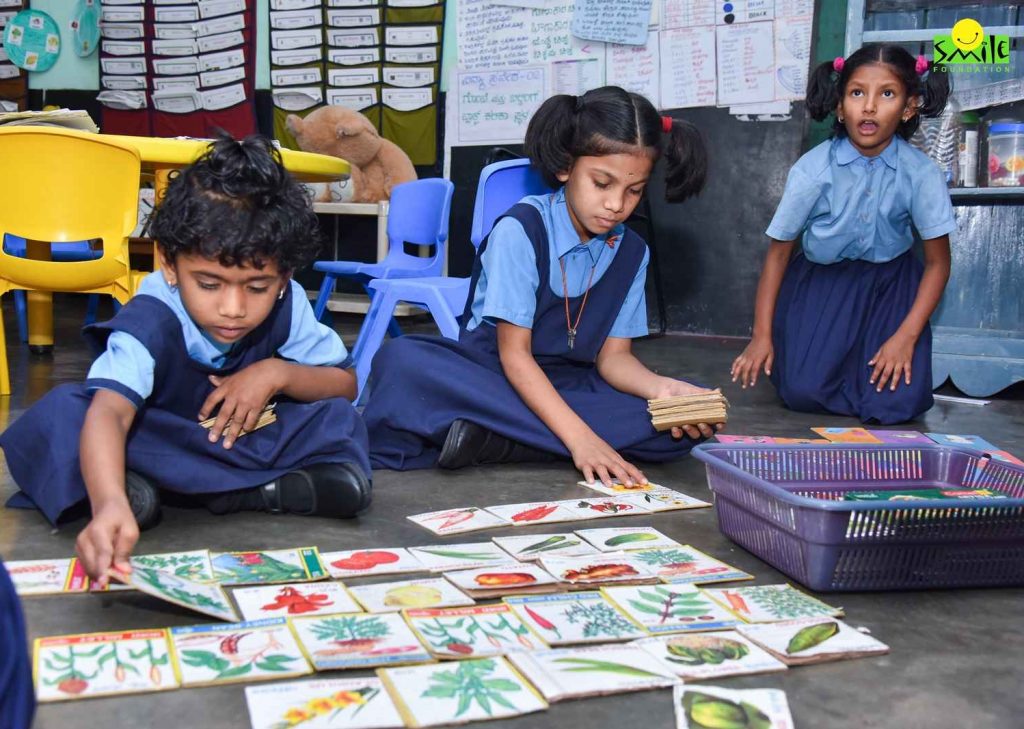
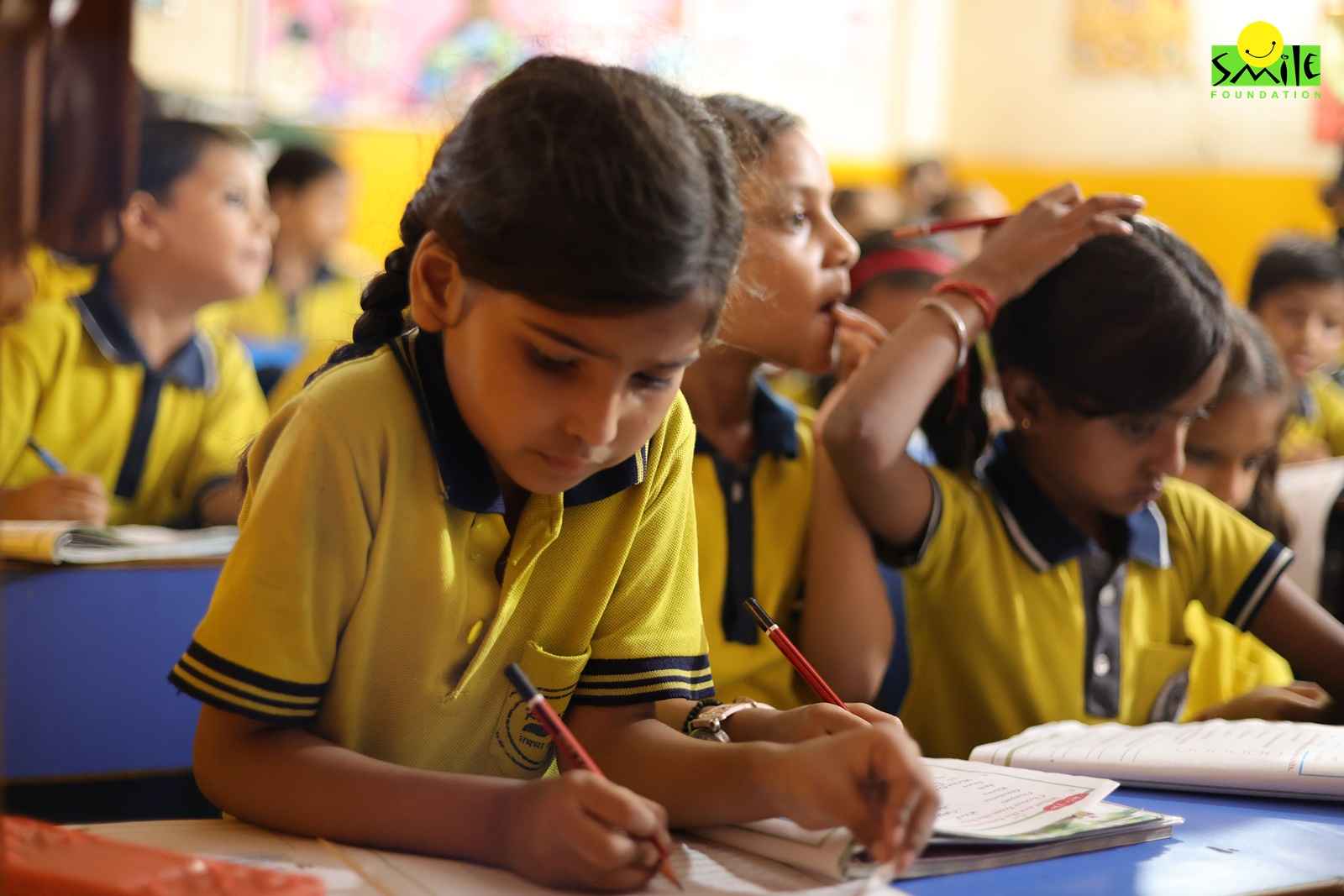
Education is often hailed as the backbone of a nation’s progress, and this is true for India as well. Our huge educational system with 14.67 lakh schools and 24.72 crore pupils is a symbol of the country’s dedication to nurturing young minds. But behind the rising enrolment rates and increased facilities lies a tough challenge: ensuring that every child not only starts school but also stays there, especially during the important years of adolescence.
NEP’s goal is to ensure children are enrolled, attending school, and are able to re-enter after dropping out. But how much of this is actually happening? Confusing dropout and out-of-school children risks solving only half the problem.
Dropout and Out-of-school Children
The terms “dropout” and “out-of-school children” are commonly used interchangeably, yet the difference between them is far from insignificant. Dropouts are children who enroll in school but leave before finishing the cycle, whereas Out-of-school children are children who do not enroll or children who have been out of the system for a substantial amount of time. This variation is important to note as each group has its own set of hurdles and needs specific responses.
Barriers for Out-of-School Children
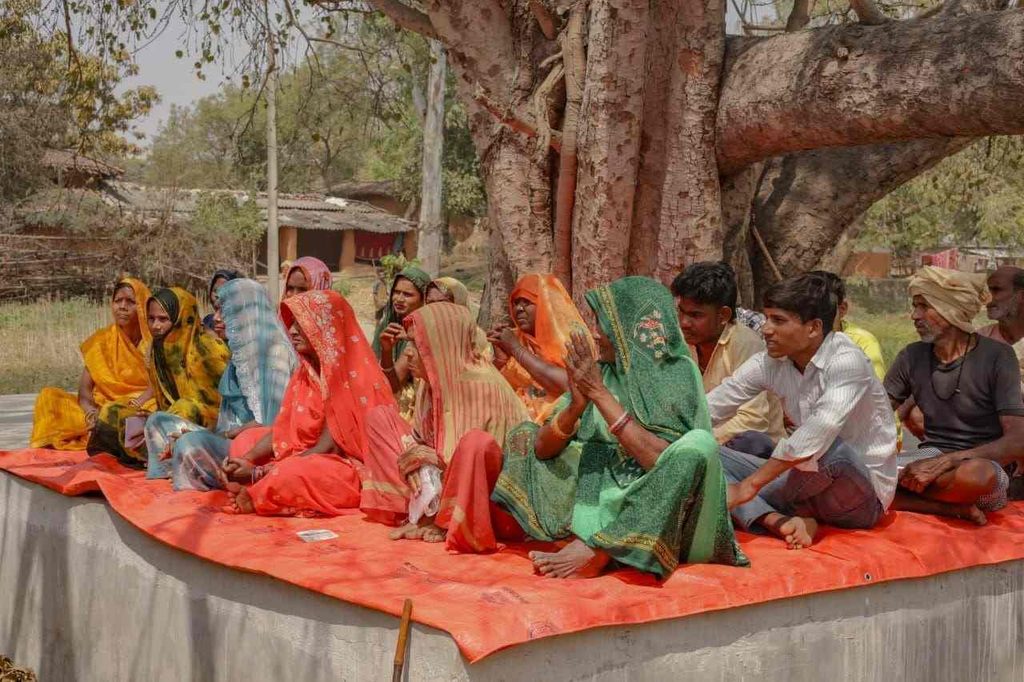
- Sometimes, it’s a matter of sheer survival. Families living on the margins, whether in remote villages, tribal hamlets or the teeming lanes of informal settlements, often can’t spare the money for uniforms or the daily bus fare.
- For others, work comes before study. Children are pulled into the workforce or left in charge of younger siblings, simply because their parents have little choice. Seasonal migration for work can uproot an entire family, making it nearly impossible for children to settle into a classroom routine.
- The weight of social exclusion is just as heavy. Discrimination, whether due to caste, disability or ethnicity, can make schools feel out of reach.
- Distance is another silent barrier. In many rural corners, the nearest school might be several kilometres away, the road to learning littered with risks and uncertainty. Parents, especially of young girls, may decide it’s simply too dangerous or demanding.
- In some communities, old beliefs linger. Early marriage or the notion that girls don’t need an education, still keeps too many at home. Add to this the bureaucratic hurdle of a lack of birth certificates or proper identification that shuts out countless children before they even get started.

Why Do Students Drop Out?
Dropping out is rarely a sudden decision; more often, it’s the result of a long, slow slide.
- As children grow, their realities change. For adolescents, the pressure to earn often outweighs the promise of a distant future. Boys, in particular, are expected to find work and help support the family, while girls are drawn deeper into domestic responsibilities — or sometimes married off before they finish their education.
- School itself can become a source of frustration. Overcrowded classrooms, uninspiring lessons, and a lack of individual attention can make it easy to fall behind. Without extra support at home, children who struggle often start skipping classes, gradually disengaging until they drop out altogether.
- For girls, puberty is a turning point. The absence of proper toilets or menstrual hygiene resources, combined with the stigma that still surrounds menstruation, can be enough to push them out of the system. Long, unsafe commutes and fears for personal safety only compound the problem.
- Transitions are precarious moments. Moving up to upper primary or secondary school often means new expenses, unfamiliar teachers, lack of support like tuitions and longer journeys. It’s at these junctures that dropout rates spike.
- Children living with disabilities, those who face bullying, and those without a network of support are particularly vulnerable. And for families that migrate with the seasons, continuity in education is a near-impossible dream.
- Finally, when schools themselves lack the basics, like reliable electricity, safe drinking water and decent classrooms, many students lose the motivation to keep showing up.
Advances and Continued Shortfalls
The latest UDISE+ 2025-26 data comes with reasons for optimism and caution. National dropout rates decreased at all levels: 1.8% at the preparatory level, 3.6% at the middle level and 7.0% at the secondary level, an improvement over the preceding four years. The gross enrolment ratio (GER) in secondary level has gone up to 71.7%, which is a good jump compared to prior years.
However, the numbers indicate that roughly three out of ten adolescents of formal secondary-school age remain outside the education system. States such as Andhra Pradesh, Kerala, Tamil Nadu, Telangana and Maharashtra do well on indicators, whereas Bihar, Meghalaya, Arunachal Pradesh, Jharkhand, Assam, Madhya Pradesh and Uttar Pradesh lag, highlighting the deep-rooted inequities associated with geography and socio-economic status.
The Price of Missed Opportunity
The implications of dropout and out-of-school children are deep, for individuals and for the nation. The World Bank finds that each extra year of schooling can raise a country’s GDP by 0.37%. For women, each extra year of schooling might raise future earnings by 10-20%. But the odds of escaping poverty, gaining healthcare or finding a decent job plummet once children leave school.
At a social level, these wasted chances drag down economic progress, perpetuate poverty cycles and entrench gender inequity. As India attempts to achieve Sustainable Development Goal 4, the true challenge is not just to get children into classrooms, but to retain them there until they are ready to enter adulthood with the abilities and confidence they need.
The Road Ahead
In the future, India needs to focus on making sure every child finishes their education.
Targeted help for dropout and out-of school children, taking account of the different challenges they confront. Holistic interventions that encompass health, hygiene and social protection, as well as learning. Community mobilisation to question societal conventions and create a feeling of collective responsibility. Investing in teacher training and deployment, especially in underserved areas.
India has made significant strides in its drive for universal education, but the trip is far from complete. The difference between dropouts and out-of-school children is the key to unlocking more effective, egalitarian solutions.
Smile Foundation’s projects like Mission Education ensure that dropout and out-of-school children in India not only enrol in school but also complete their education.
Sources:
- PDF report – https://dashboard.udiseplus.gov.in/#/
Frequently Asked Questions (FAQs)
1. What is the difference between dropout and out-of-school children?
The key difference is that dropouts are children who enrolled in school but left before completing their education, while out-of-school children are those who have never enrolled or have remained outside the education system for a prolonged period. Understanding the distinction helps policymakers design targeted interventions for each group.
2. Why is the difference between dropout and out-of-school children important?
Although the terms are often used interchangeably, they describe different challenges. Out-of-school children typically face barriers to entering school, such as poverty, migration or lack of documentation. Dropouts, on the other hand, leave school due to factors like financial pressures, poor learning outcomes, unsafe school environments or early marriage.
3. What causes children to become out of school?
Children may remain out of school because of poverty, seasonal migration, disability, social discrimination, lack of nearby schools, inadequate documentation, child labour or cultural norms that discourage education, particularly for girls.
4. Why do students drop out of school in India?
Students usually drop out because of a combination of economic, social and educational factors. These include financial hardship, the need to work, poor learning experiences, lack of sanitation facilities, unsafe travel to school, family responsibilities, early marriage and limited support during the transition to secondary education.
5. How many children drop out of school in India?
According to the latest UDISE+ data, dropout rates have declined across all school stages. However, secondary education remains a major challenge, with only around 51.9% of children who enter Class 1 remaining in school by Class 12, highlighting the need to improve retention during adolescence.
6. Who is more vulnerable to dropping out of school?
Children from economically disadvantaged families, girls, children with disabilities, migrant children, those living in remote areas and students facing discrimination are at greater risk of dropping out. Adolescence is a particularly vulnerable stage, as financial pressures and social expectations often intensify.
7. How can India reduce school dropouts and bring out-of-school children back into education?
Addressing the problem requires different approaches for different groups. Out-of-school children need support to enrol through community outreach, flexible admission policies and improved access to schools. Preventing dropouts requires better school infrastructure, financial assistance, safe transport, quality teaching, menstrual hygiene facilities, counselling and continued support during key transition years.
8. How does Smile Foundation help reduce school dropouts?
Through its Mission Education programme, Smile Foundation works with underserved communities to improve access to quality education. The programme supports children’s enrolment, regular attendance and continued learning while engaging families and communities to reduce the risk of children dropping out before completing their education.