
Every livelihood needs a skill, but not every skill leads to a livelihood. Learning a trade is only the first step; people also need access to work, the means to get started and support to build a regular income.
Someone may learn tailoring, plumbing, electrical work or beauty services, but knowing how to do the work does not always mean there will be work available.
For someone who has just completed a training course, the next step is not always clear. They may not know where to find their first customers, how to afford the tools and materials they need, or how to find an employer willing to give them a chance. Even when they do find work, earning a regular income can take time.
This is why skill development cannot end with training. People also need a way to put what they have learnt to use, find opportunities and build an income they can depend on.
Skill Development to Livelihood: What Happens After Training?
Once training is complete, the next challenge is finding a place where those skills are needed. This can be difficult, particularly for people entering the workforce for the first time or trying to establish themselves in a trade.
For young people seeking employment, the challenge often involves:
- Finding employers who need their skills.
- Getting an opportunity to demonstrate what they have learnt.
- Understanding workplace expectations.
- Accessing interviews and placement support.
Training programmes can help bridge this gap through industry exposure, employer interactions and placement support.
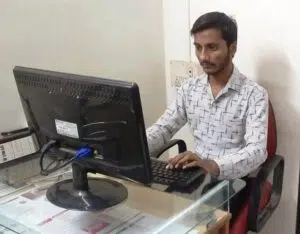
Ruturaj from Talegaon, Maharashtra, is one example. His family depended on his father’s carpentry work, while Ruturaj worked at a local grocery shop. When the pandemic disrupted their livelihoods, his father struggled to find carpentry assignments and Ruturaj lost his job too.
Interested in sales and marketing, Ruturaj joined Smile Foundation’s Skill Training and Employability Programme (STeP) and enrolled in a digital marketing course. After completing the training, he secured a job as a Digital Marketing Executive at Ace Marketing Solutions. At the time of Smile Foundation’s account of his journey, he was earning ₹11,000 a month.
Those looking to work independently face a different challenge: finding customers. A person trained in tailoring, plumbing or electrical work may be ready to take on assignments, but reaching people who need their services can be difficult.
Ruturaj also used his new digital marketing skills to create online profiles for his father, helping him reach potential customers beyond their immediate locality. His experience shows how access to the right platforms can help skilled workers find work and how one person’s new skills can benefit others in the family.
This is an important part of the journey from skill development to livelihood. Training prepares people to do the work, but access to employers and customers gives them a way to put those skills into practice.
What Are the Costs and Challenges of Getting Started?
Finding an opportunity is one step. Being able to take it up is another. For people starting work independently, even a small assignment can involve expenses that are difficult to manage when savings or financial support are limited.
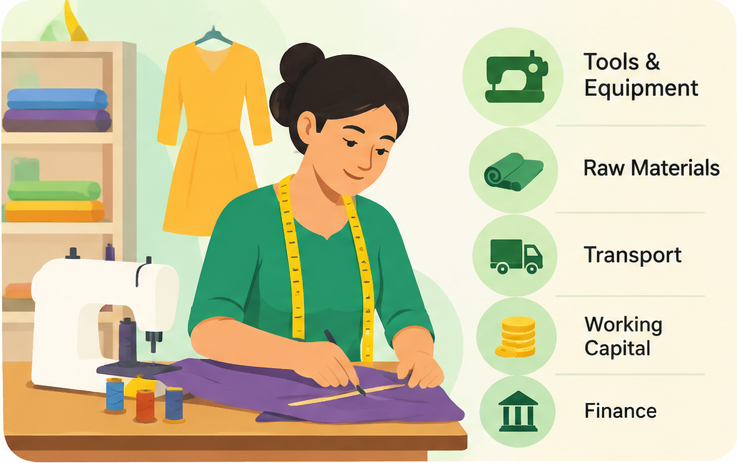
Some common costs include:
- Tools and equipment: Plumbers, electricians and tailors need specific tools to take up paid assignments. Buying them can be expensive when they are just starting out.
- Raw materials and supplies: People working in tailoring, food processing or beauty services need materials to deliver their work. They may have to pay for these before receiving money from customers.
- Transport: Travelling to customers, reaching workplaces or carrying equipment to different locations adds to the cost of getting started.
- Working capital: Independent workers need money to buy supplies, take on assignments and manage expenses while waiting for payments.
- Access to finance: A lack of credit history, collateral or awareness of available options can make formal loans difficult to obtain.
The scale of self-employment in India makes these challenges particularly relevant. According to the Ministry of Statistics and Programme Implementation’s Periodic Labour Force Survey 2023–24, 73.5% of rural women workers and 42.3% of urban women workers were self-employed.
Access to finance is another concern. An International Finance Corporation (IFC) report on women-owned very small enterprises in India found that around 90% of the women entrepreneurs surveyed had not accessed finance from formal financial institutions. The report points to barriers such as lack of collateral and limited support for small businesses.
These figures underline why skill development to livelihood also depends on access to resources. Having the ability to work independently does not always mean having the means to do so. Without financial support, even a promising opportunity can remain out of reach.
Why Continued Guidance and Connections Matter?
Training, access to work and the resources to get started are all important. But people entering a new job or setting up independently may still need help making decisions, building relationships and finding ways to grow.
Guidance Helps People Make Their Skills Count
Knowing a trade is one thing; knowing how to earn from it is another. A person starting out may need guidance on:
- Deciding what to charge for their work.
- Managing expenses and payments.
- Dealing with customers and building trust.
- Maintaining the quality of their work.
- Knowing when to invest in better tools or take on more assignments.
Mentorship and practical business guidance can help people make these decisions with greater confidence. They also give new workers a chance to learn from people who have already faced similar challenges.
How you can help: If you have experience running a business or working in a particular industry, consider sharing your knowledge. You could volunteer as a mentor, offer practical advice or help someone understand how to price their work.
The Right Connections Bring More Work
For independent workers, being introduced to potential customers, local businesses, contractors and other professionals can help them find assignments beyond their immediate circle. These relationships can lead to referrals, repeat work and a wider customer base.
Ruturaj’s efforts to help his father find carpentry assignments through digital platforms offer a simple example. His father’s work was no longer limited to people he knew locally; online enquiries helped him reach potential customers in other places.
For those seeking formal employment, connections with employers and industry professionals can provide information about job openings, interviews and workplace expectations.
How you can help: Your professional network can open doors that may otherwise remain out of reach. Introduce skilled workers to potential employers, contractors, businesses or customers. A referral or recommendation may help someone find their first assignment or interview.
How Smile Foundation Supports the Move from Skill Development to Livelihood
Smile Foundation’s livelihood programme works along two distinct pathways, recognising that young people seeking jobs and workers already practising a trade have different needs.
- The Skill Training and Employability Programme (STeP) prepares young people from underserved communities for formal employment in sectors such as retail, banking and financial services, healthcare and IT-enabled services. Along with technical and employability training, participants receive career counselling, mentoring, industry exposure and placement support. In 2024–25, 7,887 young people completed training and 5,417 secured formal employment. The programme also offers a wide network of more than 400 employment partners.
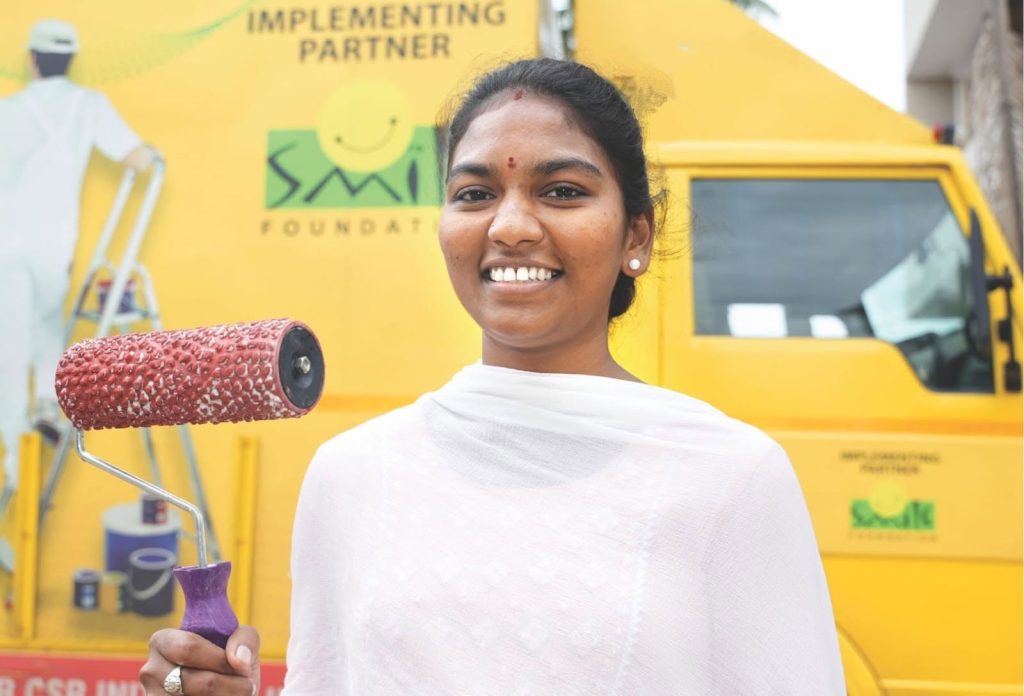
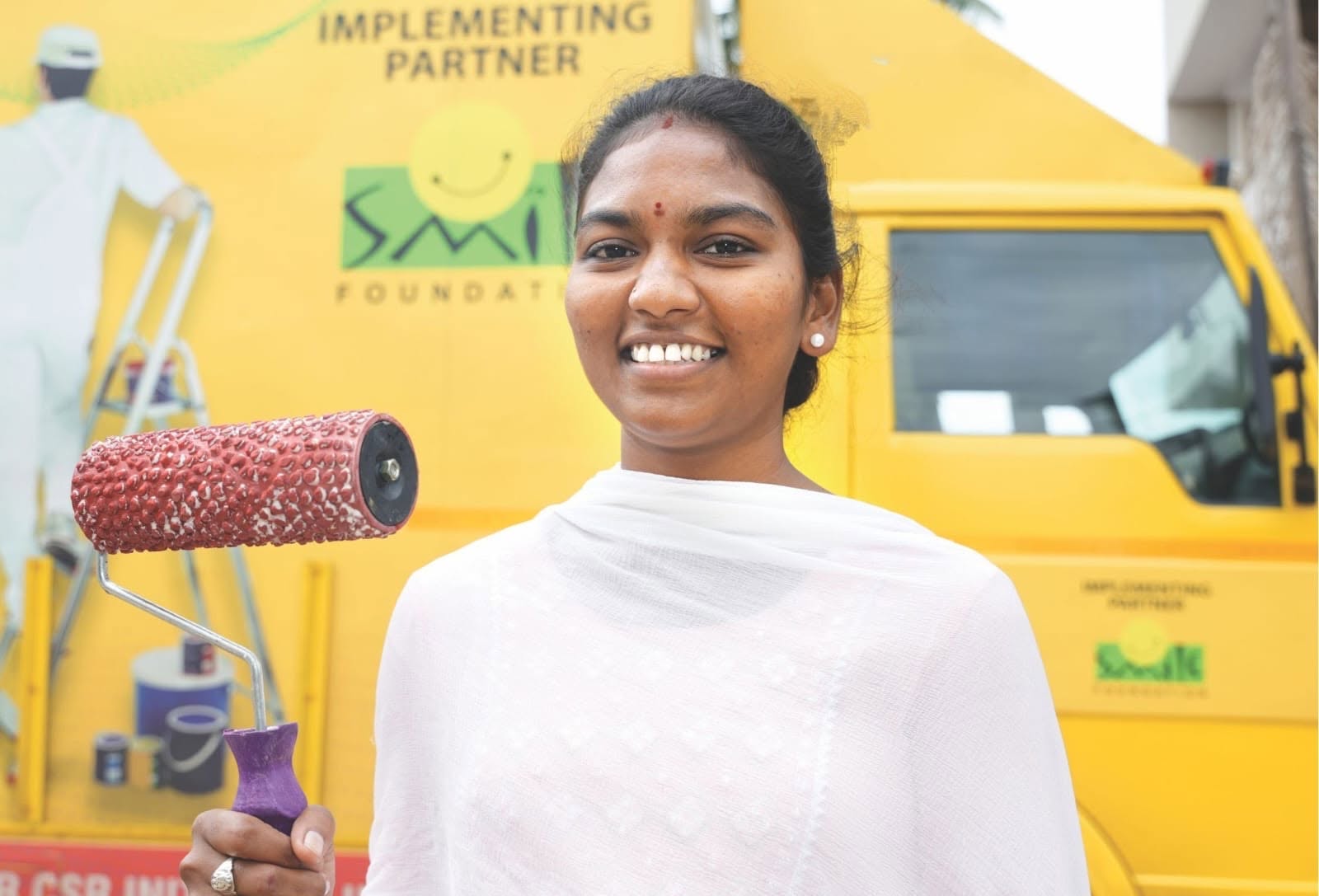
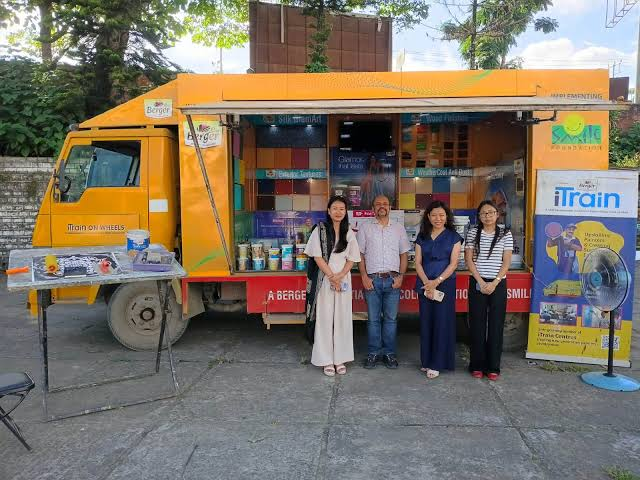
- For workers already engaged in informal trades, initiatives such as iTrain on Wheels, Plumber Saathi and Electrician Training focus on improving technical skills, safety and professional practices. They also introduce participants to entrepreneurship and ways to expand their work.
In 2024–25, Smile Foundation reached 1,35,493 workers who were upskilled through these initiatives. Among the participants surveyed, 97.11% reported an improvement in income, 51.58% said they had doubled their earnings, and 95.05% reported expanding their client base.
How you can help: Your professional network can open doors that may otherwise remain out of reach. Introduce skilled workers to potential employers, contractors, businesses or customers. Even a referral or recommendation can help someone find their first opportunity.
If you would like to understand how companies can contribute, read our guide to What is CSR in India?.
A Livelihood Takes More Than a Certificate
The value of a livelihood is not limited to the money a person earns. It can bring greater independence, confidence and the ability to make plans for the future. It can also change the choices available to a family and give people a stronger sense of control over their lives.
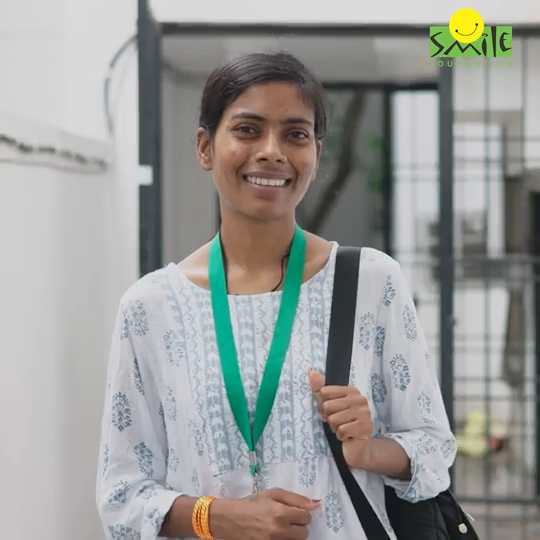
Shivani, a participant in Smile Foundation’s Skill Training and Employability Programme (STeP), is working towards that future. Through workplace communication and professional development, she is learning how to navigate an environment that may be new to her. This preparation is an important part of her journey from being a trainee to becoming a confident professional.
Her story is a reminder that the impact of skill development is not always immediate. It can begin with learning something new, grow through preparation and confidence, and eventually open the door to opportunities that were once difficult to imagine. The journey from skill development to livelihood is about making those possibilities real and giving people the chance to build a future they can depend on.
Partner with Smile Foundation
Building sustainable livelihoods takes more than training. It calls for organisations, businesses and individuals to come together and create opportunities that people can access and build on.
If your organisation would like to support skill development, employment or livelihood initiatives, explore partnership opportunities with Smile Foundation. You can also write to cp@smilefoundationindia.org to discuss how your organisation can contribute.
Frequently Asked Questions
- What is the difference between skill development and livelihood?
Skill development teaches practical abilities, while a livelihood is about using those skills to earn an income through employment, self-employment or entrepreneurship. - Why do people struggle to find work after vocational training?
A training certificate does not guarantee employment. Many people still need workplace exposure, employer connections, placement support or access to customers. - What challenges do people face when starting work after training?
Common challenges include the cost of tools, equipment, raw materials, transport and working capital, along with limited access to finance. - How can mentorship help people build a livelihood?
Mentors offer practical guidance on pricing, managing customers, maintaining work quality and handling finances, helping people make informed decisions. - How can businesses support skill development and employment?
Businesses can provide jobs, industry exposure, mentorship, practical training and market connections to help people turn their skills into income. - How does Smile Foundation connect skill development to livelihood?
Through STeP and trade-based initiatives, Smile Foundation combines skills training with employability support and opportunities to improve earning potential.