Categories
Women Empowerment Girl Child

Menstrual Hygiene Health Education for Young Girls of India

Executive Summary

  • Menstrual Hygiene Day (May 28) is a global call-to-action on menstrual health. India’s NFHS-5 shows ~77% of young women now use hygienic menstrual products (up from 58% in NFHS-4), but urban–rural gaps remain (68% urban vs 43% rural).
  • Lack of awareness, stigma and access drive menstrual challenges. Behaviour change communication – sustained community education and peer-led outreach – is key to normalising menstruation and improving outcomes.
  • Government schemes (e.g. NHM’s menstrual hygiene scheme) provide subsidised pads (₹6 for 6 pads) via ASHAs, plus subsidised “Suvidha” pads at ₹1 through Jan Aushadhi. A draft National Menstrual Hygiene Policy (2024) aims to standardise menstrual health support across India.
  • Smile Foundation’s Swabhiman programme exemplifies community-led intervention: training local women as health educators and peer counselors. Swabhiman’s one-on-one sessions empower girls to break silence about periods, creating a “butterfly effect” of shared learning.
  • Menstrual hygiene health education affects education and gender equity: about 1 in 5 Indian girls drop out of school over menstruation-related issues. New educational curricula, male engagement campaigns and eco-friendly products (biodegradable pads, menstrual cups) are recent trends helping to sustain behaviour change.
World Menstrual Hygiene 1

Adolescence is a phase of significant physiological, psychological and social transformation, bridging the gap between childhood and adulthood. During this crucial period, many young girls in India encounter menstrual difficulties, making reproductive health education essential. Unfortunately, a majority of teenage girls in India lack adequate knowledge about menstruation, reproduction and sexuality, largely due to sociocultural barriers and prevailing taboos. 

Menstruation remains a taboo topic in Indian society, often associated with myths and prohibitions. The cultural perception of menstruation as a curse or illness contributes to the lack of open discussions about menstruation. This inhibits young girls’ ability to understand their bodies and cope with the changes during menstruation effectively. As a result, they might develop feelings of shame and discomfort during their menstrual cycles, impacting their overall well-being.

Through menstrual hygiene health education, young girls can gain confidence in managing their health.

Educating communities about menstrual hygiene health education encourages open discussions.

Comprehensive menstrual hygiene health education improves the overall quality of life for girls.

Challenges in Menstrual Hygiene Management

The lack of proper menstrual hygiene management can lead to adverse health consequences for adolescent girls. Poor personal cleanliness and unhygienic sanitary conditions increase the risk of reproductive tract infections (RTIs) and gynaecological issues. In resource-poor environments, where access to basic facilities such as water, bathrooms and privacy is limited, maintaining adequate hygiene becomes challenging.

Moreover, the affordability and availability of menstrual hygiene products pose significant obstacles. Many young girls cannot afford sanitary pads, leading them to rely on unhygienic alternatives, such as old cloth or rags, further exacerbating the risk of infections. Providing affordable and accessible sanitary pads is essential to ensure menstrual hygiene for all girls.

To bridge the gap in menstrual hygiene knowledge and practices, there is a pressing need for comprehensive menstrual hygiene education programmes targeted at adolescent girls in India. Such programmes must be implemented at multiple levels, including national, state and community levels, to create a conducive environment for open discussions and positive change. Our women empowerment programme, Swabhiman constitutes of menstrual hygiene awareness sessions and sanitary napkins distribution among adolescent girls and women of underserved families.

Menstrual hygiene health education is vital in creating awareness about menstrual health.

Promoting menstrual hygiene health education can help dispel myths and stigma.

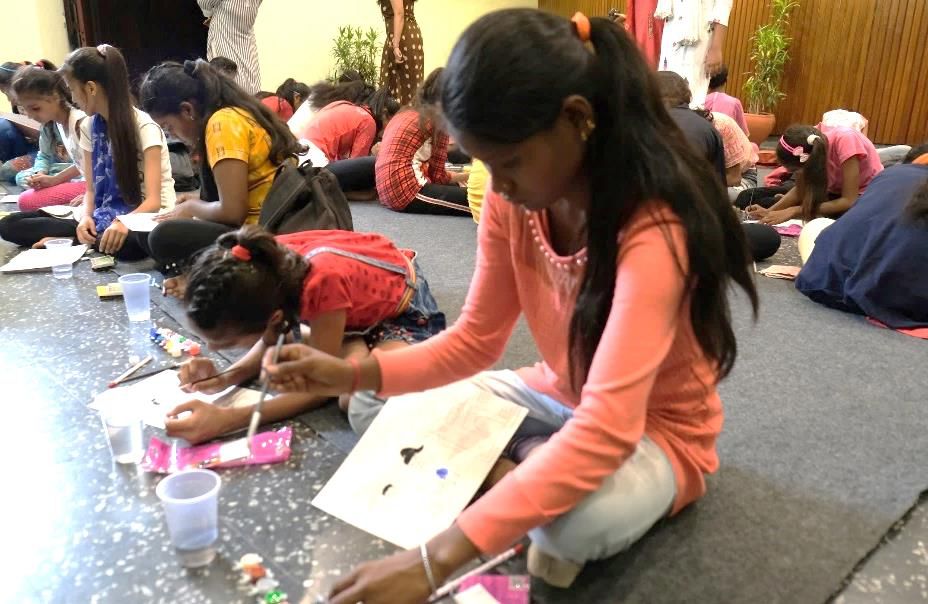
Girls who in the past talked about menstruation in hushed voices, now have the confidence to talk in detail about it in school assemblies and home conversations. This created a ripple effect with many adolescent girls joining the sessions influenced by the learnings of their school peers and friends from the community.

Menstrual Hygiene Health Education
Marriage cannot ever be an Ally of Young Girls

Educational Initiatives and Sensitization

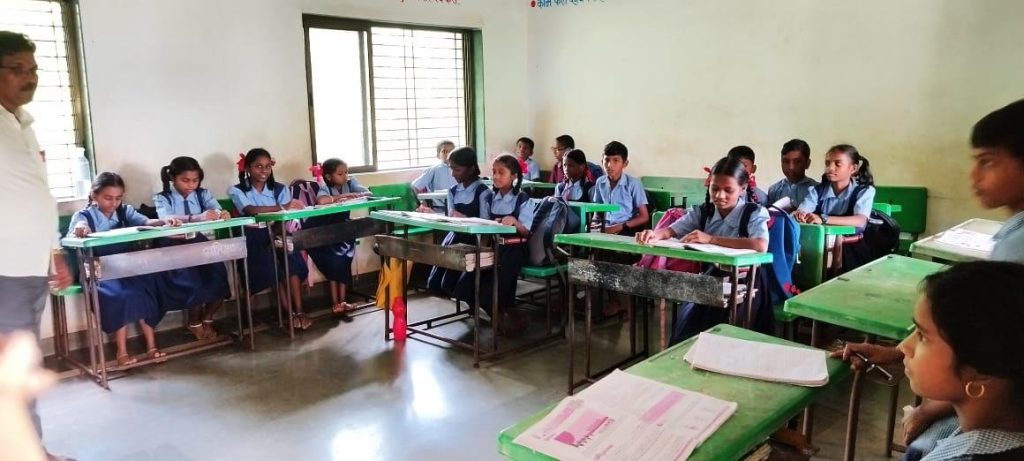
At the school level, integrating menstrual hygiene health education into the curriculum is crucial. Comprehensive modules covering various aspects of menstruation, including biology, hygiene practices, myths debunking and coping with menstrual discomfort, should be developed and implemented. These initiatives equip girls with essential knowledge and foster an environment where menstruation is normalized and free from stigma.

Incorporating menstrual hygiene health education into schools is essential for sustainable change.

Adolescent gynaecological clinics should also focus on menstrual hygiene health education for young girls.

Media campaigns highlighting menstrual hygiene health education can help change societal attitudes.

Creating awareness through menstrual hygiene health education is crucial for girls’ empowerment.

Families can support menstrual hygiene health education by facilitating open conversations.

Establishing dedicated “adolescent gynaecological clinics” is imperative. These clinics will focus on addressing menstrual morbidities, offering timely diagnosis and treatment for menstrual disorders and related issues. Adolescent gynaecology should receive more attention from researchers, clinicians, and society to improve the overall health and well-being of young girls.

Role of Media and Community in Menstrual Hygiene Health Education

The media, including print and social media, can play a vital role in breaking the menstrual taboo and promoting menstrual hygiene education. By featuring positive narratives, success stories and factual information about menstruation, media can contribute to changing societal attitudes and promoting open discussions about menstruation.

Additionally, community leaders, teachers, self-help groups and families must collaborate positively to support women and adolescent girls. By challenging harmful taboos and beliefs and encouraging open communication, families can create a supportive environment for adolescent girls to manage their menstrual health confidently.

yesibleed

Collaborative efforts in menstrual hygiene health education can enhance community resilience.

The #YesIBleed campaign, launched by the Ministry of Women and Child Development, aims to normalize conversations about menstruation and combat the stigma surrounding it. The campaign uses social media platforms to spread awareness, engage with young girls and encourage open discussions about menstrual health.

Government Initiatives to Promote Menstrual Hygiene Health Education

To encourage and promote menstrual hygiene practices, the Government of India (GoI) has launched several programmes and schemes aimed at providing access to menstrual hygiene products and education. One of the significant initiatives is the National Menstrual Hygiene Scheme (NMHS), which emphasizes the importance of menstrual hygiene education and awareness among young girls.

Under NMHS, the GoI has implemented various strategies, including subsidized sanitary napkin distribution through Accredited Social Health Activists (ASHA) and self-help groups (SHGs). This ensures that affordable and hygienic menstrual products reach women and adolescent girls in both rural and urban areas.

To encourage menstrual hygiene among teenage girls in rural areas, the Ministry of Health and Family Welfare launched a campaign. As part of the campaign, rural adolescent girls were provided with a pack of six sanitary napkins called “Freedays” for a nominal cost of Rs 6. This initiative was initially introduced in 2011 and covered 107 selected districts across 17 states.

Menstrual hygiene for every girl 1

Furthermore, Tamil Nadu has been running a free sanitary pad program since 2011 for females residing in rural regions. Participants are eligible to receive three packs of pads every two months, along with iron supplements and information about menstruation, through the assistance of “anganwadi” (female community health worker) workers.

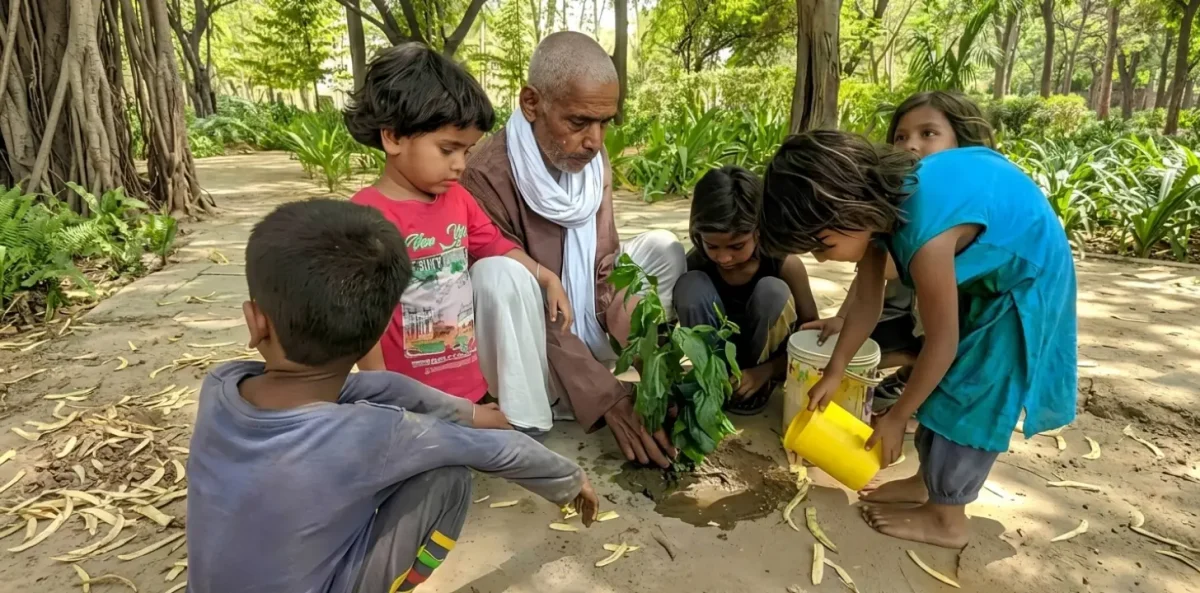
1 Girl and 111 Trees: Caring about Girl Child in India

Over time, India has witnessed an improvement in women’s standing, with an increasing focus on education, independence and empowerment. As a result, the use of sanitary napkins has gained popularity. According to recent data, the level of sanitary napkin usage among young women (15–24 years) has risen from 58% in 2015–16 to 78% in 2019–20.

Breaking The Shame Cycle

Menstrual hygiene health education campaigns should include targeted messaging for rural areas.

Effective menstrual hygiene health education can empower girls to break the stigma surrounding menstruation.

Menstrual hygiene health education is not just about hygiene but also about empowering women and girls to embrace their bodies, take charge of their health and pursue their dreams without any hindrance. By breaking the barriers of silence and shame, we can create a society that celebrates menstruation as a natural and essential part of life.

Improving menstrual hygiene health education is essential for ending period poverty.

Engaging boys in menstrual hygiene health education is crucial for fostering empathy and understanding.

Let us join hands in the journey towards a world where every woman and girl can experience their menstrual cycles with pride, confidence and good health. Together, we can make menstrual hygiene health education a global priority and a catalyst for positive change in the lives of millions of women and girls worldwide.

Menstrual hygiene health education is critical in shaping the future of young women.

Addressing menstrual hygiene health education helps tackle challenges faced by girls in schools.

FAQs

1. What is World Menstrual Hygiene Day and why is it celebrated?
World Menstrual Hygiene Day is observed every year on 28 May. It’s a global initiative to break the silence around periods and advocate for menstrual health for all. On this day, NGOs, governments and individuals highlight the importance of good menstrual hygiene management and support behaviour change to end stigma.

2. How has menstrual hygiene in India improved recently?
According to NFHS-5 (2019–21), about 77% of young Indian women now use hygienic menstrual products (up from ~58% in NFHS-4). This jump reflects wider pad availability and education. Programmes like the National Health Mission’s menstrual hygiene scheme and campaigns like #YesIBleed have raised awareness. However, use remains much lower in rural areas, pointing to ongoing gaps.

3. Why is behavioural change important for menstrual health?
Knowledge alone doesn’t change habits overnight. Social taboos make many girls ashamed or uninformed. Behaviour change communication (BCC) uses repeated education, peer discussions and community influencers to shift attitudes. For example, Smile Foundation’s workshops show that when girls and communities talk openly about periods, hygienic practices spread by word-of-mouth. Sustained BCC normalises menstruation and encourages lasting hygiene habits.

4. What challenges do Indian girls face in menstrual hygiene?
Girls face multiple barriers: stigma and secrecy (families may ban normal activities during periods), limited access to products (especially in poor or rural areas) and poor sanitation (no private toilets or water at schools). These can cause absenteeism, infections or dropping out. For instance, one study found ~20% of Indian girls leave school because they lack menstrual support. Overcoming these requires both products and community support.

5. How do government programs support menstrual hygiene?
The Indian government’s NHM Scheme for Promotion of Menstrual Hygiene (since 2011) aims to increase awareness, access to pads and safe disposal of waste. Under it, ASHA health workers distribute subsidized pad packs door-to-door (currently ₹6 for a pack of 6). Separately, the PMBJP initiative sells biodegradable pads (‘Suvidha’) at ₹1 each in Jan Aushadhi stores. A draft National Menstrual Hygiene Policy is also in progress to standardise menstrual facilities in schools and public places, and foster behaviour change at scale.

6. How does menstrual hygiene impact girls’ education?
Menstrual hygiene and education are tightly linked. Lack of proper pads or toilets leads many girls to skip classes. Reports show roughly 1 in 5 girls drops out of school after menarche due to menstrual issues. Improving school WASH facilities, providing pads and period education (so girls know what to expect) greatly reduces absences. When girls feel supported during their periods, attendance and performance improve, helping to close the gender gap in education.

7. What are some effective community-led interventions?
Community-led interventions involve training local educators and volunteers. Peer education is key: girls are more comfortable learning from trained peers or relatable women. For example, Smile Foundation’s Swabhiman program mobilizes women in villages to host group sessions on menstrual health. These grassroots workshops, integrated into existing community and health structures, build trust. They often include interactive talks, demonstrations, and Q&A – a classic behaviour-change approach. By contrast with one-off camps, such sustained engagement (community behavioural change programs) embeds new norms in daily life.

8. What innovations and trends are emerging in menstrual hygiene?
Innovations include new sustainable products and policies. Biodegradable pads (e.g. PLA-based pads) and menstrual cups are becoming more available in urban India. Start-ups like Saathi sell compostable pads to raise awareness. Educationally, NGOs and companies are co-creating period curricula for schools (e.g. a UNICEF/P&G project launched menstrual modules for teachers). Social media and men’s movements (like #Men4Periods) are gaining ground to break taboos. Finally, global focus on “period equity” ties menstrual health to gender equality and sustainable development goals, accelerating policy action worldwide.

Sources: National surveys (NFHS-5) and UNICEF/NGO reports; Indian government releases on menstrual hygiene programs; Smile Foundation reports; educational campaign data.

Categories
Smile Insights

Behavioural Change: Stepping Stone To Progress In Life

Summary

  • Behavioural change is the foundational mechanism through which lasting improvements in public health, education and women’s empowerment are achieved
  • Information alone does not produce behaviour change — sustained community engagement, peer-led interventions and trust-building are essential to moving people from awareness to consistent, long-term action
  • Maternal health outcomes in India remain deeply unequal, with rural and low-income communities facing the greatest gaps in antenatal care utilisation, institutional delivery, and postnatal follow-up — gaps that are as much behavioural as they are infrastructural
  • Menstrual hygiene awareness programmes that rely on one-time information delivery consistently underperform relative to those that embed menstrual health education within ongoing community relationships and peer networks
  • Smile Foundation’s behaviour change communication approach — across Mission Education, Swabhiman, Health Cannot Wait and STeP — is built on the understanding that sustained community mobilisation produces measurable shifts in health-seeking behaviour
  • Women-centred outreach consistently produces stronger health outcomes for entire families — when women have agency over health decisions, the benefits extend to children’s nutrition, immunisation rates and household well-being
  • Peer-led interventions, where trusted community members model and reinforce new behaviours, are among the most evidence-backed mechanisms for producing durable behavioural change in low-resource settings
  • The awareness-to-action journey in community health is non-linear and requires repeated touchpoints, social permission and the dismantling of deep-rooted stigma
awareness to action 1

Oprah Winfrey is a media mogul, philanthropist and influential figure known for her television talk show, The Oprah Winfrey Show. Throughout her career, Oprah openly discussed her personal struggles and journey towards self-improvement, demonstrating the power of behavioural change in transforming one’s life.

Oprah’s journey of behavioural change began with her upbringing. Coming from a challenging background marked by poverty, abuse and personal hardships, Oprah recognized the need for transformation and took it upon herself to overcome these obstacles.

One significant aspect of Oprah’s behavioural change was her commitment to personal growth and self-reflection. She actively engaged in self-examination, seeking therapy and participating in personal development workshops. By addressing deep-seated emotional wounds and understanding the root causes of her challenges, Oprah was able to make meaningful changes in her life.

Oprah’s story highlights the transformative power of behavioural change in overcoming personal challenges and achieving success.

Behavioural Change Powering Our Lives

In our journey through life, we constantly seek progress and growth. Whether it’s personal development, professional success or building meaningful relationships, progress is the key to a fulfilling life.

However, progress doesn’t happen in isolation; it begins with a fundamental element: behavioural change. By understanding the power of behavioural change and embracing it, we can pave the way for transformative progress in various aspects of our lives.

Recognizing the Need for Change

The first step towards progress is recognizing the need for change. It requires self-reflection and introspection to identify areas in our behaviour that may be hindering our growth. It could be negative thought patterns, self-limiting beliefs, unhealthy habits or resistance to change itself. By acknowledging these aspects, we open ourselves up to the possibility of transformation.

Embracing Growth Mindset

A growth mindset is crucial for behavioural change. It is the belief that our abilities and intelligence can be developed through dedication and hard work. By adopting a growth mindset, we embrace challenges, seek opportunities for learning and improvement, and are open to feedback. This mindset allows us to break free from fixed notions and fosters a willingness to change and grow.

Setting Clear Goals

To facilitate behavioural change, setting clear and specific goals is essential. These goals act as guiding lights, providing direction and focus. By defining what we want to achieve and breaking it down into actionable steps, we create a roadmap for progress. It is crucial to make these goals realistic, measurable and time-bound to track our progress effectively.

Cultivating Positive Habits

Habits shape our daily lives and have a significant impact on our progress. By consciously cultivating positive habits, we can create a solid foundation for behavioural change. Start small, identifying one habit at a time, and consistently work towards incorporating it into your routine. Whether it’s practicing gratitude, regular exercise or developing effective communication skills, positive habits lay the groundwork for long-term progress.

Seeking Continuous Learning

A thirst for knowledge and continuous learning is vital for progress. Embrace opportunities to expand your skills, gain new perspectives and challenge your existing beliefs. This could include attending workshops, reading books, listening to podcasts or engaging in meaningful conversations. By fostering a mindset of lifelong learning, we remain adaptable, open-minded and receptive to change.

Building a Supportive Network

Surrounding yourself with a supportive network plays a crucial role in behavioural change and progress. Connect with like-minded individuals who share similar goals and aspirations. Seek mentors, coaches or accountability partners who can guide and support you on your journey. Together, you can share experiences, provide encouragement and hold each other accountable, accelerating the pace of progress.

Embracing Resilience and Patience

Behavioural change is a process that requires resilience and patience. It’s important to understand that progress may not happen overnight. There will be setbacks, obstacles and moments of self-doubt. Embracing resilience and maintaining a positive outlook during challenging times is crucial. Remember that progress is a journey and each step forward, no matter how small, is a step closer to your goals.

Behavioural Change and Progress in Life

The behavioural change serves as the stepping stone to progress in life. By recognizing the need for change, embracing a growth mindset, setting clear goals, cultivating positive habits, seeking continuous learning, building a supportive network and embracing resilience, we can pave the way for transformative progress.

It is through these intentional changes that we unlock our true potential, achieve personal and professional growth, and ultimately lead a more fulfilling and purposeful life. Embrace the power of behavioural change and watch as progress unfolds before your eyes.

How Smile Foundation Programmes Drive Lasting Behavioural Change

All of Smile Foundation’s programmes are designed around a central insight: sustainable change in underserved communities does not begin with information. It begins with trust.

This distinction matters enormously in public health. Decades of research on behaviour change communication consistently show that knowledge alone — knowing that antenatal visits are important, that menstrual hygiene matters, that nutrition in the first 1,000 days is critical — does not reliably translate into changed behaviour. What moves people from awareness to action is a combination of social permission, peer reinforcement, repeated engagement and the presence of trusted intermediaries who reflect the community’s own experience.

All our programmes are designed in a manner that promotes and propagates the behavioral change. Be it Mission Education, Health Cannot Wait, Swabhiman and STeP, every initiative serves to bring holistic and sustainable changes into the lives of the underserved communities of India located in urban villages and rural areas of the nation.

Swabhiman: Women’s Health as a Behavioural Change System

Smile Foundation’s Swabhiman programme operates in one of the most behaviourally complex domains in Indian public health: women’s reproductive health, menstrual hygiene and family planning. These are areas where stigma, cultural taboo and entrenched gender norms actively resist information-only interventions.

Swabhiman’s model is built around community mobilisation and peer-led behaviour change. Women from within the target communities are trained as change agents — not external health educators, but trusted neighbours and peers who carry credibility that no government campaign or NGO field worker can replicate. These change agents conduct door-to-door outreach, facilitate group discussions and build the kind of repeated, relationship-based engagement that gradually shifts social norms as much as individual behaviour.

The focus on menstrual hygiene awareness illustrates this approach clearly. In communities where menstruation is surrounded by restriction and silence, a single awareness session produces almost no lasting behavioural change. What Swabhiman’s model produces instead is a gradual normalisation of open conversation — first among women in group settings, then between mothers and daughters, then within households. The behaviour change is not an event. It is a process that unfolds across multiple interactions, over months and years, as social permission accumulates.

The same logic applies to maternal health. In communities where institutional delivery is avoided due to fear, previous negative experiences or the influence of traditional birth practices, behavioural change requires more than information about the benefits of hospital delivery. It requires women who have delivered in institutional settings speaking to those who have not. It requires ASHA workers and Swabhiman change agents working in coordination, addressing specific fears with specific evidence and accompanying women through the process rather than simply directing them toward it.

Research on community-based maternal health interventions consistently shows that women-centred outreach — where women are engaged as active agents rather than passive recipients of health messaging — produces significantly stronger outcomes in antenatal care utilisation, institutional delivery rates and postnatal follow-up. Swabhiman’s approach reflects this evidence base, positioning behavioural change not as a communication challenge but as a social change process that requires sustained investment in relationships and community trust.

Health Cannot Wait: Behaviour Change at the Point of Care

Smile Foundation’s Health Cannot Wait programme, delivered primarily through the Smile on Wheels mobile healthcare units, addresses a specific and consequential behavioural gap in India’s public health landscape: the gap between the availability of healthcare and its utilisation by underserved communities.

Healthcare underutilisation in rural and low-income urban communities is not primarily a function of physical distance or cost, though both matter. It is also a function of deeply ingrained health-seeking behaviours — patterns of delay, self-medication, reliance on informal providers and avoidance of formal health systems that have roots in past negative experiences, cultural norms and a fundamental lack of trust in institutions.

Health Cannot Wait addresses this not by bringing information to communities, but by bringing healthcare itself, and doing so repeatedly, consistently, and with genuine community engagement built around each visit. When a mobile health unit returns to the same community month after month, when the health worker conducting screenings is recognised and trusted and when the care provided is experienced as dignified and effective, health-seeking behaviour gradually shifts. The mobile clinic becomes a reference point rather than an anomaly, and the behavioural pattern of proactively seeking healthcare becomes, over time, a community norm rather than an exception.

This mechanism repeated positive contact with a trusted health institution is one of the most well-evidenced pathways to sustainable behavioural change in public health. It is also one of the most resource-intensive, which is precisely why it is underinvested in most public health systems and why NGO-led models like Health Cannot Wait play an essential complementary role.

The programme’s focus on maternal and child health, nutrition screening and reproductive health creates reinforcing behaviour change across multiple domains simultaneously. A woman who attends a mobile clinic for anaemia screening may leave not only with treatment, but with nutrition counselling that changes household food practices, with referral information that shifts her utilisation of antenatal services, and with the experience of dignified, respectful care that makes her more likely to return — and to encourage others to attend.

Mission Education: Behavioural Change as a Foundation for Learning

Mission Education operates in a domain where the connection to behaviour change is less immediately visible but no less significant. The barriers to consistent school attendance, learning engagement and educational continuity in underserved communities are not primarily cognitive — they are behavioural and social. They include the normalised expectation that education is less important than economic contribution, the absence of role models who demonstrate educational pathways and the daily practical barriers that erode attendance over time.

Mission Education’s learning centres address these barriers through a combination of academic support and the creation of environments where learning is consistently experienced as safe, engaging and relevant. The behavioural change goal is not the acquisition of specific academic skills — it is the formation of a durable identity as a learner and the development of the habits, expectations and aspirations that sustain educational engagement over time.

For girls in particular, Mission Education’s impact on behavioural change extends beyond the individual student to the family and community. When a girl’s consistent school attendance and academic engagement are visible in a community, they create social proof that girls’ education is both possible and valuable — a form of community behavioural change that is slower and harder to measure than individual outcomes, but ultimately more durable.

STeP: Behavioural Change and Economic Participation

Smile Foundation’s STeP livelihood programme addresses the behavioural dimensions of economic participation for youth and women from underserved communities. The barriers to formal employment and entrepreneurship in these communities are not only skill-based — they include deeply held beliefs about what kinds of work are appropriate, achievable or safe for people from particular backgrounds.

STeP’s approach to behavioural change in this domain combines skills development with deliberate exposure to role models, workplace environments and peer networks that expand the range of possibilities that participants can genuinely envision for themselves. The aspiration gap — the distance between what a person is capable of and what they believe is available to them — is one of the most significant barriers to economic participation in underserved communities, and it is one that skills training alone cannot close.

By embedding career guidance, self-efficacy building and peer support within vocational training, STeP creates the conditions for the kind of sustained behavioural change that translates into lasting economic outcomes — not just job placement at programme completion, but the development of the agency, confidence and professional identity that sustain economic participation over time.

Frequently Asked Questions (FAQs)

What is behavioural change in the context of public health?

Behavioural change in public health refers to the process through which individuals and communities shift their health-related practices, attitudes and norms in ways that improve health outcomes. This includes changes in health-seeking behaviour such as attending antenatal care, adopting safe menstrual hygiene practices or following vaccination schedules, as well as broader shifts in social norms that enable and sustain individual behaviour change.

Why is community-led behavioural change more effective than information campaigns?

Information campaigns operate on the assumption that people change their behaviour when they have the right knowledge. Research consistently shows this assumption is incomplete. Behaviour is shaped by social norms, peer influence, past experience, trust in institutions and the practical conditions of daily life — factors that information alone does not address. Community-led interventions, which engage trusted community members as change agents and create repeated, relationship-based touchpoints, are significantly more effective because they address these underlying drivers of behaviour rather than simply adding to people’s knowledge base.

How does behavioural change affect maternal health outcomes in India?

Maternal health outcomes in India are significantly influenced by health-seeking behaviour — whether women attend antenatal care, deliver in institutional settings and access postnatal care. These behaviours are shaped by social norms, family dynamics, past experiences with health systems, and trust in healthcare providers. Community-based behaviour change communication programmes that address these factors — through peer-led outreach, mobile health services and sustained community engagement — have been shown to improve antenatal care utilisation, institutional delivery rates and postnatal follow-up, particularly in rural and underserved communities.

What role does menstrual hygiene awareness play in behavioural change for women and girls?

Menstrual hygiene awareness is a critical but insufficient component of behavioural change in this domain. In communities where menstruation is surrounded by stigma and taboo, a single awareness session produces minimal lasting change. Effective menstrual hygiene behaviour change requires sustained community engagement that normalises open conversation, peer-led interventions where trusted community members model safe practices, and the integration of menstrual health education into ongoing community health relationships rather than one-off campaigns.

How do NGOs like Smile Foundation drive behavioural change in underserved communities?

Organisations like Smile Foundation drive behavioural change through sustained, community-rooted engagement that addresses the social, cultural and practical barriers to health-seeking behaviour and positive health practices. This includes training community members as change agents, deploying mobile health services that create repeated positive contact with formal healthcare, integrating peer education into programme design and working across multiple domains simultaneously — education, health, women’s empowerment and livelihoods — to address the interconnected drivers of behaviour in underserved communities.

What is behaviour change communication and how is it used in women’s health programmes?

Behaviour change communication is a systematic approach to promoting positive health behaviours through strategic communication with individuals, communities and systems. In women’s health programmes, it involves using trusted messengers, culturally relevant content and appropriate communication channels to shift attitudes and practices around maternal care, reproductive health, menstrual hygiene and nutrition.

Why does sustained community engagement matter more than one-time awareness events?

One-time awareness events produce short-term knowledge gains but rarely produce lasting behavioural change because they do not address the social, cultural and practical barriers that shape behaviour over time. Sustained community engagement through regular visits, peer networks, ongoing counselling and consistent presence in communities creates the conditions for behaviour change by building trust, normalising new practices through repeated exposure and providing the kind of social support that helps people maintain new behaviours in the face of competing social pressures.

How does women’s empowerment connect to broader public health behavioural change?

Women’s empowerment and public health behavioural change are deeply interconnected. When women have greater agency over health decisions for themselves and their families, the behavioural outcomes extend well beyond individual health. Research consistently shows that women with greater decision-making power invest more in children’s nutrition, immunisation and education; are more likely to seek antenatal and postnatal care; and serve as more effective agents of community-level behaviour change.

Categories
In The Spotlight Insights

The Importance of Trainers in Development Imperatives

Summary

  • Development programmes often fail not due to poor design, but weak knowledge transfer
  • Importance of trainers is critically felt in turning content into real-world understanding
  • Effective training requires communication, adaptability, and contextual relevance
  • Investing in “training the trainer” helps scale impact across systems
  • Strong trainers improve programme quality, efficiency, and long-term outcomes
  • Ignoring trainer capacity leads to poor retention, weak implementation, and lost knowledge
  • Building in-house trainers ensures sustainability and cost efficiency

Being well-versed in a subject and teaching it effectively are two very different skills. Knowing your subject is about mastery, while imparting it is about mastery, communication, connection and engagement. A teacher in the classroom can truly teach, guide students to learn and help them grow in a subject only when she has a strong command of it and knows how to deliver lessons and engage effectively. They are much like trainers. 

Just as teachers serve as trainers in schools, companies and organisations rely on trainers who are architects of knowledge, skill and growth, fostering continuous learning. But to an extent, a teacher in a school setup is, in most cases, trained to break down complex ideas, adapt to different learning styles and manage a classroom. Strangely, this rigour disappears in adult training environments, where the stakes are often higher. 

When we consider development initiatives, companies and organisations spend a great deal on skilling programmes, public health campaigns, workforce development and education reforms. But if the outcomes fall short, then it’s time we understand the importance of trainers in development imperatives.

Knowing the Gap: Importance of Trainers

Missing link to impact

There is a reason for this gap, and it rarely gets attention. We focus on what is being taught. We spend far less time thinking about who is doing the teaching and how well they are equipped to do it. Every development effort, no matter how well designed, eventually comes down to a professional standing in front of people, showing some slides, trying to transfer knowledge and answering questions at the end. If that link is weak, the entire chain breaks.

Effective training requires the ability to organise knowledge in a way that makes sense to the learner. It calls for flexibility in delivery because people do not learn in the same way. A good trainer reads their target audience in advance, adjusts pace and style of presenting, and creates space for interaction. If needed, they may have follow-up sessions.

There is also a psychological layer that is often ignored. People learn better when they feel comfortable asking questions, when they see relevance in the material and when the environment signals and supports participation. This environment is built by a skilled trainer.

Train the Trainer

When you train one individual to become an effective trainer, you expand their impact beyond their own role. They begin to transfer knowledge to others. Those people, in turn, perform better. The effect spreads across teams, organisations and systems. 

It is a simple idea, but its implications are significant. Development efforts often struggle with scale. How do you ensure consistent quality when programmes expand across regions, languages and contexts? When organisations invest in structured capacity building, they strengthen their ability to expand impact without losing focus. This depends on developing capable internal trainers who can carry the message forward in ways that feel relevant and relatable. With a strong foundation in place, mission-driven efforts can lead to measurable and lasting progress.

Empowering ideas for social change

Why Trainers Matter

Let’s see some advantages of trainers for organisations. 

  • Trainers in the development sector help staff build the skills and knowledge they need to run successful programmes. By sharing what they’ve learned through effective training, they can carry the impact of their work forward into future projects and even the next generation.
  • Trainers know the challenges on the ground, the constraints of the system and the realities of the learner. This makes training more useful. People are often more receptive when they learn from someone who truly understands their environment, culture, habits, daily realities, challenges and lived experiences.
  • From a cost perspective, the case is equally strong. Relying entirely on external trainers can be expensive and difficult to sustain. Building in-house capability allows organisations to train more people without proportional increases in cost. It also ensures continuity, as training does not end with a single session, but rather becomes an ongoing process.
  • Finally, trainers help improve the overall quality of programmes. By strengthening the skills and confidence of teams, they support better planning, more effective use of resources and stronger implementation. They also help organisations adapt their work based on evidence instead of assumptions, leading to initiatives that are more relevant and better aligned with their goals.

The Cost of Neglect

The risks of ignoring this are already visible. Many development programmes invest heavily in content and infrastructure but see limited behavioural change, lack of skill transfer and lack of knowledge retention. The gap between training and real-world application remains wide.

There is another challenge on the horizon. In several sectors, experienced workers are approaching retirement. They carry years of tacit knowledge that is not always documented. If this knowledge is not passed on effectively, it is lost. Training these individuals to become trainers can help capture and transfer that expertise before it disappears.

What Needs to Change

Despite this, trainers rarely receive the attention they deserve. Their role is undervalued, even though they sit at the centre of knowledge transfer. Trainer development must become a core part of any serious development strategy. It should be structured. It should include training in communication, instructional design and adult learning principles. It should also be continuous. As industries evolve, so must the methods of teaching.

Trainers should have practical teaching techniques and strong communication skills so they can create engaging, interactive learning experiences. They also need to explain ideas clearly, adapt to learners’ needs and build an inclusive environment where everyone feels valued.

Technology can support this process through digital tools, hybrid learning models and data-based feedback that help trainers improve their approach. But technology cannot replace human connection. At the same time, organisations and institutions need to recognise trainers as key drivers of growth and treat investment in their development as essential.

Training success through better trainers

The People Who Make Development Work

India does not lack ambition, programmes and policies when it comes to development. What it often lacks is consistent, high-quality delivery at scale. That gap will not be closed by better content alone. It will be closed by better trainers. Nothing works unless someone can carry that knowledge forward in a way that people understand and use. Transformation of this kind comes when mindsets and attitudes change. Capacity building, in the end, is about people enabling other people. And that begins with the ones who stand at the front and teach.

Frequently Asked Questions (FAQs): Importance of Trainers

1. What is the importance of trainers in development programmes?

Trainers ensure that knowledge is not just delivered but understood and applied, making them essential for effective programme outcomes.

2. What is the difference between a subject expert and a trainer?

A subject expert has knowledge, while a trainer has the ability to communicate, adapt and ensure learners understand and apply that knowledge.

3. What does “training the trainer” mean?

It refers to building the capacity of individuals to become effective trainers, enabling them to pass knowledge on to others at scale.

4. Why do many development programmes fail despite good design?

Because the focus is often on content rather than delivery. If trainers are not skilled, knowledge does not translate into action.

5. How do trainers improve programme quality?

They enhance learning retention, adapt content to real-world contexts and ensure better implementation on the ground.

6. What skills make an effective trainer?

Communication, adaptability, audience understanding, instructional design and the ability to create an engaging learning environment.

7. How does investing in trainers help scale impact?

Trained trainers can teach multiple people, creating a multiplier effect across teams, communities and programmes.

8. Are in-house trainers better than external trainers?

In-house trainers often bring contextual understanding and continuity, making training more relevant and sustainable.

9. What role does technology play in training?

Technology supports training through digital tools and feedback systems, but cannot replace human interaction and engagement.

10. How can organisations strengthen trainer capacity?

By investing in continuous training, communication skills, teaching methodologies and creating structured training systems.

Categories
Livelihood Partnerships

India’s Higher Education ROI Crisis: When a ₹40 Lakh Degree Leads to a ₹5 Lakh Job

Summary

  • India produces approximately five million graduates annually, yet only around 2.8 million find employment, and far fewer secure quality, formal-sector jobs that justify the cost of their education
  • The total cost of a typical engineering degree in India has risen to approximately ₹34.1 lakh, while average starting salaries hover around ₹4.74 lakh per annum, creating payback periods that stretch across decades
  • Under 7% of Indian graduates secure a permanent salaried job within a year of graduating, and nearly 40% of graduates under 25 are unemployed — figures that point to a structural failure rather than an individual one
  • The growing disconnect between university curricula and industry requirements — particularly in communication and applied technical skills — has weakened the signalling value of a degree and accelerated a shift toward skills-based hiring
  • The financialisation of higher education, driven by declining public funding and the expansion of private providers, has transferred educational risk onto families with consequences that include delayed financial independence, reduced household savings and heightened economic vulnerability
  • Addressing the crisis requires curriculum reform, stronger vocational pathways, transparent placement data, and critically demand-side intervention through job creation, entrepreneurship support and labour market expansion

The Morning the Promise Broke

On a humid convocation morning, a newly graduate student walks across a stage to collect a degree that may have cost anywhere between ₹10 lakh and ₹40 lakh. The families seated in the hall celebrate, photographs are taken with this unspoken assumption that this investment will pay off, and will translate into mobility and long-term dignity. However, increasingly, this promise is breaking down. 

The numbers are stark. Recent analyses show cases where students spend more than ₹30 to 40 lakh on professional degrees only to enter job markets offering starting salaries of ₹4 to 5 lakh annually. More troubling is not just low pay, but the absence of employment altogether. Under 7 per cent of Indian graduates secure a permanent salaried job within a year of graduating. Meanwhile, nearly 40 per cent of graduates under 25 are unemployed, and only a fraction of those employed enter stable, formal-sector roles. In absolute terms, India produces roughly five million graduates annually, yet only about 2.8 million find employment, and far fewer find quality jobs. 

In a nutshell, India’s higher education system, once seen as a reliable pathway to upward mobility, is facing a profound return-on-investment (ROI) crisis. The mismatch between the cost of acquiring a degree and its economic outcomes is not just anecdotal but structural.

The Arithmetic of Disillusionment

To illustrate the scale of the problem, undergraduate engineering programmes offer a useful case study. According to the 1 Finance Global Economic Outlook 2026, the total cost of a typical engineering degree in India has risen to around ₹34.1 lakh, while the average starting salary for graduates is approximately ₹4.74 lakh per annum, pointing to a clear mismatch between investment and returns. MBA programmes—especially from private universities—can range from ₹15 lakh to upwards of ₹40 lakh. Even in non-elite institutions, fees have risen steadily due to declining public funding and the expansion of private providers. 

On the other hand, for management degrees, one of most sought after ones in the country, students end up paying anywhere between ₹15 lakh to upwards of ₹40 lakh. In non-elite institutions, fees have risen steadily due to declining public funding. Even when the number of MBA institutes have increased in the country (as of 2025-26, we have about 3,095 institutes) job creation has failed to keep pace. As a result, placement outcomes are also weakening, with several top B-schools reporting declines in average salaries, including a 15 per cent drop at IIM Indore. 

This mismatch produces long payback periods. A graduate who spends ₹20 to 30 lakh on education but earns ₹4 to 5 lakh annually may years to recover the initial investment, assuming continuous employment and minimal additional expenses. For those earning at the lower end or facing constant periods of unemployment the financial returns become even more uncertain.

The comparison with global peers is instructive. In the United States, a well-documented student debt crisis has produced significant policy response and public debate. India’s version of the same problem is less visible — in part because education loans are less universally used, and in part because the burden falls disproportionately on families rather than on individual graduates but it is no less real in its consequences.

What Is Driving the Disconnect

The higher education ROI crisis has multiple causes, and understanding them separately matters for designing effective responses.

The curriculum-industry gap is perhaps the most immediately visible. Employers across sectors have consistently reported that fresh graduates lack job-ready skills — particularly in communication, applied problem-solving, and the kind of practical technical competency that comes from doing rather than studying. A 2023 report by the India Skills Report found that fewer than half of graduates were considered employable in the roles for which they had trained. This is not a new finding, and it has persisted across years of policy attention without meaningful resolution — partly because curriculum reform in higher education is slow, contested, and constrained by regulatory frameworks that privilege compliance over innovation.

The shift to skills-based hiring is an industry response to this gap, and it is reshaping the labour market in ways that further undermine the value of traditional degrees. Employers are increasingly using certifications, portfolio evidence, internships, and skills assessments to evaluate candidates, rather than treating a degree as the primary signal of employability. For graduates who have invested significantly in formal qualifications, this shift is disorienting — and for those whose degrees come from institutions with limited brand recognition, it can be practically devastating.

The decline of public funding has driven the expansion of private higher education, which now accounts for a substantial majority of India’s higher education capacity. In 1990, public institutions provided the bulk of higher education. By 2023, more than 65% of higher education institutions in India were privately managed. This shift has transferred the cost of education from the state to families, and with it, the financial risk of educational investment. Families who spend their savings or take loans on the assumption that a degree will produce commensurate returns are exposed to significant financial harm when that assumption proves incorrect.

The demand-side failure is the most structurally significant driver. India’s economy has grown considerably in recent decades, but this growth has been concentrated in sectors — technology, finance, services — that employ a relatively small proportion of the labour force. Labour-intensive sectors that have historically absorbed large numbers of graduates — manufacturing, construction, retail — have not grown at a pace commensurate with the expansion of the graduate population. The result is a structural oversupply of graduates relative to the formal-sector jobs available to receive them.

The Human Cost Behind the Data

What the aggregate data does not fully capture is the human dimension of the higher education ROI crisis — the ways in which it reshapes individual lives and household trajectories.

For the families who take loans to finance a child’s degree, a poor employment outcome does not just produce disappointment. It produces financial vulnerability that can persist across years. Education loans in India typically carry interest rates of 8–12%, and for graduates earning ₹4–5 lakh annually, the margin available for repayment after living expenses is thin. Delayed loan repayment accumulates interest, and the pressure of debt can constrain the kinds of career and life choices that graduates would otherwise make — limiting geographic mobility, forcing early acceptance of unsatisfying employment, and reducing the risk tolerance needed for entrepreneurship.

The psychological dimension is also significant. Research on graduate unemployment consistently links sustained joblessness or underemployment to reduced self-esteem, increased anxiety and a sense of betrayal by institutions that promised more than they delivered. For first-generation graduates, students whose families sacrificed significantly on the expectation of social mobility, the gap between investment and outcome carries a weight that is not only financial.

Women graduates face compounding barriers. Despite comprising a growing share of India’s graduate population, women are less likely to find formal-sector employment constrained by gender norms, safety considerations around commuting and hiring biases that persist in many industries. The higher education ROI crisis, for women, intersects with a labour market that was already less accessible.

What Global Experience Tells Us

India is not unique in facing this challenge, and the responses developed in other contexts offer useful reference points.

Germany’s dual education system which integrates vocational training with academic learning and embeds students in workplace settings throughout their education produces graduates who are practically competent and employer-ready in ways that purely classroom-based systems rarely achieve. The system is built on structured partnerships between educational institutions and industry, with employers actively shaping curriculum and providing training placements. Adaptation to India’s scale and diversity would require significant institutional innovation, but the underlying logic that education designed with employment in mind produces better employment outcomes is well-established.

South Korea has invested heavily in shifting its higher education system toward skills and competency-based assessment, and in expanding the social recognition of vocational pathways so that they represent genuine alternatives rather than fallback options. The cultural dimension of this shift — reducing the social stigma associated with non-degree education — is perhaps as important as the structural one.

Singapore’s SkillsFuture initiative, which provides citizens with credits to pursue skills upgrading throughout their working lives, offers a model for continuous skills development that supplements rather than replaces formal education. For a country like India, where the pace of technological change is rapidly altering the skills required for employment, a similar lifelong learning infrastructure could meaningfully improve graduate outcomes.

What Needs to Change

The higher education ROI crisis in India will not be resolved by any single intervention. It requires coordinated action across multiple dimensions simultaneously.

Curriculum reform is necessary but insufficient on its own. Aligning degree programmes more closely with industry requirements through employer input into curriculum design, mandatory internship components and a greater emphasis on applied learning can improve graduate employability at the margins. But curriculum reform cannot, by itself, create the jobs needed to absorb India’s graduate output.

Vocational and skills-based pathways need to be genuinely strengthened — not just expanded in scale, but elevated in social recognition. India’s National Skill Development Corporation has made progress in building vocational training infrastructure, but the social stigma associated with non-degree education remains a significant barrier to uptake, particularly in communities where a degree is seen as a marker of family status as much as an economic investment.

Transparency in placement data is a necessary precondition for informed decision-making. Students choosing where and what to study have limited access to reliable information about the employment outcomes of graduates from specific institutions and programmes. Mandating transparent, standardised placement reporting, and making it publicly accessible, would allow families to make investment decisions based on evidence rather than institutional marketing.

Smile Foundation’s approach to employability and livelihoods illustrates what ground-level intervention can look like. By combining STEM and experiential learning with digital literacy and offering vocational training across sectors including retail, healthcare, IT, digital marketing and skilled trades, the organisation works to build pathways to employment that do not depend on the traditional degree route. This kind of targeted, sector-specific skills development delivered to young people who might not otherwise access formal higher education is one of the most direct ways to address the gap between education and employment at the community level.

Demand-side intervention is ultimately the most significant lever available. Expanding access to higher education without corresponding job creation will continue to produce the imbalances that define the current crisis. Policy that actively supports growth in labour-intensive sectors, lowers barriers to entrepreneurship, strengthens the small and medium enterprise ecosystem and creates formal employment opportunities in underserved regions is not ancillary to education reform, it is integral to it.

The broken promise of education in India

Reimagining What Education Is For

The higher education ROI crisis in India reflects something deeper than a mismatch between supply and demand. It reflects a set of assumptions — about what education is for, who should pay for it and what it should deliver — that have not kept pace with the realities of a changing economy.

A degree remains meaningful. Knowledge, critical thinking and the networks formed during higher education carry real value that salary figures do not fully capture. But the promise that a degree — any degree, from any institution — will produce commensurate economic returns is one that India’s higher education system can no longer credibly make. And the consequences of continuing to make it fall most heavily on the families who can least afford to be wrong.

Rebuilding the relationship between education and economic opportunity in India requires honesty about this failure, structural reform across the supply and demand sides of the labour market, and a genuine expansion of the pathways through which young people can build productive, dignified working lives. The convocation photograph will continue to be taken. What needs to change is what it reliably represents.

Frequently Asked Questions (FAQs)

What is the higher education ROI crisis in India?

The higher education ROI crisis refers to the growing mismatch between the cost of obtaining a degree in India and its economic returns in the form of employment and salary. With engineering degrees costing upwards of ₹34 lakh and average starting salaries around ₹4.74 lakh per annum, graduates face payback periods that stretch across years and many face unemployment altogether. The crisis is structural rather than cyclical, reflecting misalignments between curriculum, industry requirements and labour market capacity.

How many graduates in India are unemployed?

India produces approximately five million graduates annually, of which only around 2.8 million find employment of any kind. Under 7% of Indian graduates secure a permanent salaried job within a year of graduating, and nearly 40% of graduates under 25 are unemployed. These figures reflect not a temporary labour market disruption but a persistent structural gap between the supply of graduates and the availability of quality formal-sector employment.

Why is the cost of higher education rising in India?

The cost of higher education in India has risen significantly due to the decline of public funding and the corresponding expansion of private higher education providers. More than 65% of India’s higher education institutions are now privately managed and these institutions charge fees that reflect the cost of delivery without the subsidy that public institutions historically provided. As a result, families bear an increasing share of educational cost and the financial risk of educational investment has shifted from the state to households.

What is the skills mismatch in India’s graduate labour market?

The skills mismatch refers to the gap between the competencies that India’s graduates possess and those that employers require. Surveys of employers consistently identify deficiencies in communication, applied technical skills and practical problem-solving among fresh graduates. This mismatch has led to a shift in hiring practices, with employers increasingly prioritising certifications, internships and demonstrable competencies over formal degree qualifications weakening the labour market value of a degree as a signal of employability.

How does the higher education ROI crisis affect low-income families?

For low-income families, the consequences of the higher education ROI crisis are particularly severe. Families who take loans or spend savings to finance a child’s degree on the expectation of future returns face significant financial vulnerability when employment outcomes fall short. Education loan repayment on a ₹4–5 lakh annual salary leaves little margin and debt can accumulate over years. The crisis also produces delayed financial independence, reduced household savings and the kind of economic vulnerability that limits future choices including the ability to invest in the next generation’s education.

What are vocational education alternatives in India?

India has made progress in building vocational education infrastructure through the National Skill Development Corporation and sector-specific skill councils. Programmes across sectors including retail, healthcare, IT, construction and financial services provide training pathways that do not depend on traditional degree routes. Organisations like Smile Foundation supplement this with targeted vocational training in areas including digital marketing, banking, electrical work and painting that connects young people with practical, employment-ready skills and specific sector opportunities. The challenge is not availability but social recognition — changing the perception that vocational pathways are fallback options rather than genuine career routes.

What policy changes are needed to address the higher education ROI crisis?

Effective policy responses need to address both the supply and demand sides of the problem. On the supply side, curriculum reform that aligns university programmes with industry requirements, mandatory internship components and transparent placement data reporting are all necessary. On the demand side, which is ultimately the most significant lever, policies that support growth in labour-intensive sectors, lower barriers to entrepreneurship, strengthen the small and medium enterprise ecosystem, and create formal employment in underserved regions are essential. Education reform alone cannot produce the employment that an expanding graduate population requires.

How can transparency in placement data help students make better decisions?

Currently, students choosing where and what to study have limited access to reliable, standardised information about the employment outcomes of graduates from specific institutions and programmes. Institutional marketing, which emphasises selective placement success stories is a poor substitute for systematic data. Mandating transparent, standardised reporting of placement rates, salary ranges and employment outcomes and making this information publicly accessible would allow students and families to make educational investment decisions based on evidence rather than aspiration. This kind of transparency is a necessary precondition for a more rational market in higher education and for reducing the information asymmetry that currently disadvantages students relative to institutions.

Categories
Education In The Spotlight Insights

National Technology Day 2026: History, Theme and India’s Journey in Science and Innovation

Summary

  • National Technology Day is observed every year on 11 May to commemorate India’s landmark scientific achievements of 1998, including the Pokhran-II nuclear tests under Operation Shakti, the first flight of the indigenously developed Hansa-3 aircraft, and the successful test of the Trishul missile
  • The day was officially declared by former Prime Minister Atal Bihari Vajpayee on 11 May 1999, and has since served as an annual occasion to recognise the contributions of scientists, engineers, innovators and entrepreneurs to India’s scientific and technological progress
  • The theme for National Technology Day 2026 is expected to focus on Responsible Innovation for Inclusive Growth, with emphasis on Artificial Intelligence, semiconductor manufacturing, clean energy, space innovation, deep-tech research and digital public infrastructure
  • India’s scientific journey since independence has been remarkable — from ISRO’s cost-effective space missions including Chandrayaan and Mangalyaan, to the rise of UPI as one of the world’s largest digital payment systems, to a thriving startup ecosystem that now ranks among the fastest-growing globally
  • India has made significant strides in defence technology through DRDO and growing private-sector partnerships, developing indigenous missile systems, drones, radar technologies and cybersecurity tools — reducing dependence on imports while strengthening strategic independence
  • Despite rapid technological progress, significant challenges remain, including uneven internet quality between urban and rural areas, gaps in IT infrastructure in rural schools, a persistent gender gap in STEM careers where women constitute 43% of STEM graduates but only 20–30% of professionals and device access barriers in low-income communities
  • Community-level technology initiatives, including Smile Foundation’s Shiksha Na Ruke campaign using WhatsApp and basic phones for rural education, and the Smile on Wheels programme combining mobile clinics with telemedicine, demonstrate that affordable, locally grounded digital innovation can meaningfully improve education, healthcare and livelihoods
  • India’s future technological priorities include AI adoption across agriculture, education, healthcare and public administration; green technology investment in solar energy, electric vehicles and green hydrogen; semiconductor manufacturing capacity; and deep-tech fields including quantum computing, robotics and biotechnology

Every year, May 11 marks National Technology Day, when India celebrates the country’s scientific achievements, technological progress, and the people behind these milestones. The day reminds us that science and technology are not limited to laboratories or machines, but they are, in fact, powerful tools that improve daily life, strengthen national security, and help shape the country’s future. 

In 2026, National Technology Day once again offers India an opportunity to reflect on its remarkable journey. Over the decades, the country has moved from depending heavily on imported technology to becoming a recognised force in space research, digital innovation, pharmaceuticals, defence systems and entrepreneurship.

What is National Technology Day 2026 and its significance?

Indias journey of innovation and growth

The National Technology Day was officially declared by former Prime Minister Atal Bihari Vajpayee on May 11, 1999, to commemorate India’s landmark scientific moments in 1998. The day is linked to a historic series of achievements that took place on 11 May 1998.

On that day, India successfully conducted the Pokhran-II nuclear tests under Operation Shakti in Rajasthan, establishing India as a nuclear-capable nation and demonstrating the strength of its scientific and strategic capabilities. The same day also saw the successful first flight of Hansa-3, an indigenously developed light aircraft created by the National Aerospace Laboratories, marking an important achievement in Indian aviation technology. 

India also successfully tested the Trishul missile, reflecting progress in indigenous defence technology. Together, these achievements made 11 May a symbol of technological confidence and self-reliance. These tests also demonstrated India’s scientific prowess and strategic self-reliance.  

The purpose of this day has been to recognise the contribution of scientists, engineers, innovators and entrepreneurs who have helped build the scientific structures of modern India. It also encourages young people to develop scientific thinking and contribute to the nation through innovation and research.

National Technology Day 2026: Responsible Innovation for Inclusive Growth

The theme of National Technology Day 2026 is expected to highlight “Responsible Innovation for Inclusive Growth”. The discussion around this year’s celebration is expected to focus on key sectors such as Artificial Intelligence, semiconductor manufacturing, clean energy, space innovation, deep-tech research and digital public infrastructure—sectors central to India’s long-term growth strategy.

The day is celebrated across India by government institutions, schools, universities, research centres and private companies, with the Department of Science and Technology and the Technology Development Board usually leading the national-level celebrations.

India’s journey in science and innovation

From modest beginnings after independence, India’s journey in science and technology has been remarkable, with the country earning global respect within technological ecosystems.

Space technology success

India’s space programme, led by ISRO, is one of the greatest examples of national scientific success. Missions such as Chandrayaan to the Moon and Mangalyaan to Mars earned worldwide recognition for their high efficiency and cost-effectiveness. India has also launched communication, navigation and Earth observation satellites that support everyday services and national development, placing India among the world’s leading space powers.

Digital revolution

India has come a long way through its digital technology expansion. One of the strongest examples is the rise of UPI (Unified Payments Interface), which has changed how millions of Indians make transactions instantly using smartphones. India now has one of the world’s largest digital payment systems. Alongside UPI, services such as Aadhaar, online banking, telemedicine, e-governance platforms and digital learning tools have made technology a part of everyday life, bringing about a digital revolution that has improved convenience, financial inclusion and access to services.

Startup Ecosystem

India has become one of the world’s fastest-growing startup ecosystems with cities such as Bengaluru, Hyderabad, Gurgaon, Mumbai and Pune emerging as centres of innovation and entrepreneurship. Indian startups are developing solutions across sectors such as fintech, education technology, healthcare, logistics, software services, artificial intelligence and electric mobility, following a boost from government programmes such as Startup India. This has further encouraged young entrepreneurs to launch new businesses.

Defence and Strategic Technology

India has invested strongly in indigenous defence systems through organisations such as DRDO and through growing private-sector partnerships. The country has developed missile systems, radar technologies, drones, fighter aircraft projects, naval systems and cybersecurity tools. These efforts are helping India reduce dependence on imports while strengthening national security and strategic independence.

Healthcare and Vaccine Innovation

India has also shown remarkable strength in healthcare innovation, and during global health emergencies, Indian companies became leading suppliers of vaccines, generic medicines and medical equipment to many countries. The country is now investing further in biotechnology, genomic research, diagnostics and AI-powered healthcare systems, improving healthcare access and strengthening India’s role in global medicine.

Empowering lives through technology in India

Focus Areas for the Future

As India moves toward becoming a developed economy, technology will play an even bigger role in national growth. Artificial Intelligence is expected to transform sectors such as agriculture, education, healthcare, banking, manufacturing and public administration. Smart automation and data-driven systems can significantly improve productivity and service delivery.

Green technology is another major focus area. India is investing in solar energy, electric vehicles, green hydrogen, battery storage and smart grids. These technologies are important for balancing economic growth with environmental responsibility.

India is also pushing semiconductor manufacturing to reduce dependence on imports and build strategic capacity in electronics production.  And at the same time, deep-tech fields such as robotics, quantum computing, advanced materials, biotechnology and private space technology are likely to shape the next generation of innovation.

Significance to students

For students, National Technology Day is not just a symbolic occasion but a source of inspiration. It has shown that the pathway to careers in science, engineering, coding, robotics, research and entrepreneurship can directly contribute to national progress. The day also serves as a reminder to young minds that innovation often begins with curiosity, problem-solving and the courage to experiment.

Challenges India Still Faces

Despite rapid growth, India still faces several important challenges. The country needs higher investment in research and development, stronger collaboration between universities and industries, better access to technology in rural areas and a larger skilled workforce.

In 2019, only about 35% of Indians used the internet. While around 86% of households now have access, quality and speed still vary. Rural and low-income areas often face weak broadband, power cuts and lower usage, especially among older citizens.

Further, although India produces many graduates, the quality is uneven. Rural schools often lack IT infrastructure, limiting e-learning. Women make up about 43% of STEM graduates, yet only 20–30% of STEM professionals. Outdated curricula, teacher shortages and dropouts also slow progress.

Cheap data has helped connectivity, but device costs remain a barrier. About 85% of households own smartphones, though shared devices reduce individual access. Many villages still lack high-speed fibre and language barriers also limit the use of digital services.

Additionally, women face cultural and safety barriers to technology access. Around 75% of rural women own mobiles compared to 79% of rural men. Despite strong graduation rates, relatively few women enter tech careers.

Technology in welfare

National Technology Day 2026 is more than a celebration of past success. It is a reminder of India’s scientific confidence and innovation potential. Our work at Smille Foundation leads the way for it. Initiatives like Smile Foundation’s Shiksha Na Ruke campaign use WhatsApp, basic phones and local volunteers to deliver virtual classes in villages, showing how low-tech solutions can support rural education. Its STEM on Wheels programme combines mobile clinics with telemedicine, helping villagers access doctors remotely through hybrid healthcare models. In agriculture, ITC Limited’s e-Choupal network connected farmers to market prices, weather updates and direct buyers, improving incomes across 40,000+ villages. Together, these examples show that affordable, community-led digital innovation can transform education, healthcare and livelihoods in rural India, though success still depends on reliable connectivity, training and local support.

Frequently Asked Questions (FAQs): National Technology Day 2026

What is National Technology Day 2026 and why is it celebrated on 11 May?

National Technology Day 2026 is observed every year on 11 May to mark a historic series of Indian scientific achievements that occurred on the same date in 1998. These included the successful Pokhran-II nuclear tests under Operation Shakti, the maiden flight of the indigenously developed Hansa-3 light aircraft by the National Aerospace Laboratories and the successful test of the Trishul missile. Former Prime Minister Atal Bihari Vajpayee officially declared 11 May as National Technology Day in 1999 to honour these milestones and recognise the scientists, engineers and innovators who made them possible.

What is the theme of National Technology Day 2026?

The theme of National Technology Day 2026 is expected to focus on Responsible Innovation for Inclusive Growth. The celebration is anticipated to centre on key sectors including Artificial Intelligence, semiconductor manufacturing, clean energy, space innovation, deep-tech research and digital public infrastructure — all of which are central to India’s long-term development strategy. The theme reflects a growing recognition that technological progress must be equitable, sustainable and directed toward the needs of all citizens, not only those in urban or well-resourced settings.

What were the key scientific achievements that led to the creation of National Technology Day?

Three significant achievements occurred on 11 May 1998. India successfully conducted the Pokhran-II nuclear tests under Operation Shakti in Rajasthan, establishing itself as a nuclear-capable nation. On the same day, the Hansa-3 — an indigenously developed light aircraft created by the National Aerospace Laboratories — completed its first successful flight, marking an important milestone in Indian aviation. India also successfully tested the Trishul surface-to-air missile, reflecting progress in indigenous defence technology. Together, these achievements represented a significant demonstration of India’s scientific confidence and strategic self-reliance.

How has India progressed in space technology?

India’s space programme, led by the Indian Space Research Organisation, is one of the most recognised examples of the country’s scientific achievement. Missions including Chandrayaan to the Moon and Mangalyaan to Mars earned global attention for their technical sophistication and cost-effectiveness — the Mars Orbiter Mission remains one of the most affordable interplanetary missions ever conducted. India has also developed communication, navigation and Earth observation satellites that support everyday services, agriculture, disaster management

and national development. These achievements have placed India among the world’s leading space powers.

What role has digital technology played in India’s development? Digital technology has transformed everyday life in India across multiple dimensions. The Unified Payments Interface (UPI) has made India home to one of the world’s largest digital payment systems, enabling instant transactions for hundreds of millions of people. Aadhaar-based digital identity, e-governance platforms, online banking, telemedicine and digital learning tools have collectively improved access to services, financial inclusion and administrative efficiency. India’s digital public infrastructure is now studied globally as a model for technology-enabled development at scale.

What challenges does India still face in technology access and inclusion?

Despite significant progress, important gaps remain. Internet quality and speed vary considerably between urban and rural areas, with many villages still lacking high-speed fibre connectivity. Rural schools frequently lack IT infrastructure, limiting access to digital and e-learning tools. Women make up approximately 43% of STEM graduates in India but represent only 20–30% of STEM professionals, pointing to persistent structural and cultural barriers to gender equity in technology careers. Device costs remain a barrier for lower-income households and language barriers continue to limit access to digital services for many citizens.

How are community organisations using technology to reach underserved populations?

Community organisations are demonstrating that technology does not need to be expensive or sophisticated to be effective. Smile Foundation’s Shiksha Na Ruke campaign uses WhatsApp, basic mobile phones and local volunteers to deliver virtual classes in rural villages showing that low-tech solutions, thoughtfully designed, can meaningfully support education access. The Smile on Wheels programme combines mobile healthcare clinics with telemedicine, allowing villagers to consult doctors remotely through hybrid healthcare models. These initiatives illustrate that affordable, community-led digital innovation can transform education, healthcare and livelihoods when accompanied by adequate training and local support.

What are India’s key technology priorities for the future?

India’s future technology agenda spans several interconnected areas. Artificial Intelligence is expected to transform agriculture, education, healthcare, banking, manufacturing and public administration improving productivity and service delivery at scale. Green technology including solar energy, electric vehicles, green hydrogen, battery storage and smart grids — is a major priority as India seeks to balance economic growth with environmental sustainability. Semiconductor manufacturing is being developed to reduce import dependence and build strategic capacity in electronics. Deep-tech fields including quantum computing, robotics, advanced materials, biotechnology and private space technology are expected to define the next generation of Indian innovation.

Categories
CSR

How to Choose NGO for CSR in India: 2026 Guide

Summary

  • India’s CSR mandate under Section 135 channels over ₹27,000 crore annually into social development but the quality of outcomes depends less on how much is spent than on who implements it; there is always the question of “How to choose NGO for CSR?”
  • Partner selection is the single most consequential CSR decision a company makes, yet it is frequently done under time pressure, without adequate due diligence, and against the wrong criteria
  • The most common mistakes in NGO selection are choosing based on visibility rather than capability, prioritising compliance ease over impact depth, and treating NGO relationships as vendor arrangements rather than strategic partnerships
  • In 2026, ESG integration and outcome-based reporting expectations mean that choosing an NGO for CSR is no longer just an operational decision but a reputational and governance one
  • The right NGO partner brings implementation capacity, community trust, programme design expertise, geographic reach and the measurement systems that allow companies to demonstrate genuine impact
  • Smile Foundation’s model operating across education, healthcare, skilling and women’s empowerment in 27 states, with over 400 corporate partners illustrates what a credible, integrated CSR implementation partnership looks like at scale
CSR budget in India

The Partner Problem

India’s CSR ecosystem has matured significantly since Section 135 of the Companies Act 2013 made social investment a legal obligation for eligible companies. Compliance rates have improved. Budgets have grown. The infrastructure of corporate giving — CSR committees, annual policies, MCA portal disclosures — is now broadly in place.

And yet, a persistent gap remains between what India’s collective CSR budget is capable of achieving and what it actually produces. Schools are built but not equipped. Health camps are conducted but not followed up. Skilling programmes certify graduates who cannot find employment. Women’s empowerment initiatives train without connecting to economic opportunity.

The root cause of most of these failures is not a lack of resources or genuine commitment. It is partner selection — the decision about which NGO to work with, made too quickly, against incomplete information, without a clear framework for what good implementation actually requires.

When companies struggle to deploy their CSR budgets effectively, the question most commonly asked is: what should we fund? The more useful question is: who should we trust to do it? The answer to the second question determines the answer to the first.

This guide is designed to help CSR heads, sustainability leaders and corporate decision-makers develop a rigorous, practical approach to choosing the right NGO for CSR — one that produces impact proportionate to investment, accountability proportionate to commitment and a partnership capable of compounding in value over time.

The option to choose NGO for CSR Matters More Than Ever

The stakes in NGO selection have risen considerably in recent years, driven by three converging pressures.

The first is regulatory. The Companies (CSR Policy) Amendment Rules 2021 tightened the framework around unspent funds, mandatory reporting, and increasingly impact verification. The era of activity-based CSR reporting is giving way to outcome-based accountability. Companies that cannot demonstrate what changed as a result of their CSR investment, not just what was funded, are facing growing scrutiny from regulators and civil society alike.

The second is ESG. Institutional investors, global rating agencies and corporate governance frameworks are integrating social impact quality into their ESG assessments with increasing sophistication. A CSR programme that produces impressive spend figures but limited verified outcomes is not an ESG asset. It is a liability and the companies whose NGO partners cannot provide the outcome data to substantiate their impact claims are discovering this in uncomfortable ways.

The third is reputational. In an environment where CSR activities are publicly disclosed, where NGO governance failures make headlines and where community organisations increasingly have the voice and the platforms to share their experiences of corporate partnerships, the choice of NGO partner carries reputational weight that it did not a decade ago. A company associated with an NGO that misuses funds, inflates numbers or delivers poor-quality programmes absorbs that reputational damage directly.

Choosing an NGO for CSR has always mattered. In 2026, it is a governance decision, not just a programme one.

The 2026 CSR Reality: What Companies Need from NGO Partners

The expectations that CSR leaders bring to NGO partnerships have evolved substantially and the gap between what most companies say they need and what they actually evaluate when selecting partners remains significant.

Scale and credibility are threshold requirements. An NGO that has successfully managed small, localised programmes is not necessarily equipped to absorb a ₹2 crore multi-district CSR investment and deliver it with the programme quality and administrative rigour that corporate partnerships require. The ability to scale, that is, to maintain programme depth while extending geographic reach, is a specific organisational capability, and one that should be assessed directly rather than assumed from reputation.

Data and reporting capability is no longer optional. CSR leaders need partners who can provide baseline data, track outcome indicators through the programme cycle, and produce reports that are verifiable, comparable, and useful for internal decision-making and external disclosure. This requires investment in monitoring and evaluation systems that many smaller NGOs have not yet built. The presence or absence of these systems is one of the most reliable indicators of implementation quality.

Multi-sector expertise matters for companies that want their CSR investment to address interconnected development challenges rather than isolated symptoms. An education programme that does not account for the health and nutritional barriers to learning, or a skilling programme that does not address market linkage, will consistently underperform. NGOs that operate credibly across multiple programme areas like education, health, livelihood and women’s empowerment are better positioned to design interventions that reflect how development challenges actually work.

Geographic reach determines whether a company can direct its CSR investment toward the communities that need it most, rather than those that are most convenient to serve. The aspiration to fund programmes in underserved districts requires an implementation partner with actual presence — community relationships, staff and operational infrastructure — in those geographies.

The Core Framework: How to Choose an NGO for CSR

The decision to choose an NGO for CSR should be approached with the same analytical rigour that companies bring to any significant procurement or investment decision. The following framework addresses the dimensions that most reliably predict implementation quality and impact outcomes.

Alignment with CSR Goals

NGO alignment decision flowchart

The starting point is straightforward but frequently skipped: does the NGO’s programme expertise align with the development challenges your company is trying to address? Sector alignment — in education, healthcare, women’s empowerment, skilling, or environmental sustainability — is not just a question of what the NGO says it does. It is a question of what it has evidence of doing well, in contexts comparable to the ones your CSR programme will operate in.

Beyond sector, consider time horizon. Some NGOs are structured for rapid-deployment, one-year interventions. Others have built programme models designed for sustained, multi-year engagement that compounds in depth and reach over time. If your company intends to make a genuine, long-term CSR commitment — as the evidence strongly suggests you should — you need a partner whose programme model is compatible with that intention.

Implementation Capability

On-ground implementation capability is where the gap between NGO presentation and NGO performance is most commonly found. The questions to ask are specific: How many full-time staff does the NGO have in the geographies where the programme will operate? What is their relationship with local communities, local government, and other development actors? How have they managed programmes of comparable scale and complexity previously, and what do the outcomes show?

Site visits — to existing programme locations, not just head offices — are among the most reliable sources of evidence about implementation quality. What you observe in a functioning programme tells you more than any proposal document can.

NGO capability evaluation flowchart

Financial Transparency and Compliance

CSR eligibility requires NGOs to meet specific registration and governance criteria. Section 135 and the CSR Rules specify the types of entities through which CSR funds can be channelled, and companies are directly responsible for ensuring that their implementation partners meet these requirements. The MCA portal and NGO-DARPAN — the Government of India’s database of NGOs — provide baseline information, but direct verification of registration status, audit history and financial governance is essential.

Look beyond compliance to the quality of financial management. Audited accounts, internal controls, fund segregation practices and the transparency of financial reporting to existing donors are all indicators of the fiduciary rigour with which your CSR investment will be managed.

Governance check and decision flow

Impact Measurement Systems

The presence of a genuine impact measurement framework — not just an output tracking spreadsheet — is one of the clearest signals of NGO maturity. Ask to see the tools used to establish baselines, the indicators tracked through the programme cycle and the methodology used to attribute outcomes to programme activities.

The distinction between output, outcome and impact measurement is worth understanding clearly. Outputs are what was delivered — workshops held, people reached, infrastructure built. Outcomes are what changed as a result — learning levels, health indicators, income, employment. Impact is the portion of that change attributable to the programme rather than other factors. Most NGOs measure outputs. Fewer measure outcomes. Fewer still have the systems to attribute impact rigorously. The quality of measurement capability directly determines whether your CSR investment can be defended, improved and built upon.

Impact measurement flowchart guide

Community Connect

Development programmes that are designed without deep community understanding and implemented without genuine community trust consistently underperform relative to those that are rooted in authentic relationships with the people they are designed to serve. This is not a soft criterion. It is a practical one.

An NGO with strong community connect can mobilise participation that an outsider cannot. It understands local dynamics, cultural sensitivities, and the practical barriers that keep people from engaging with development programmes. It has the credibility to navigate local political and institutional contexts in ways that ensure programme continuity. And it has the feedback loops, both formal and informal, that allow programme design to be responsive to what communities actually need rather than what they are assumed to need.

Partnership Approach

The final and most consequential dimension is the hardest to evaluate from a proposal: does the NGO approach CSR partnerships as co-creation or as contract execution?

The difference matters enormously. An NGO that treats corporate partners as funders to be managed will design programmes to specification, report against agreed metrics, and deliver what was commissioned — no more and no less. An NGO that approaches partnerships as co-creation will bring its programme expertise and community knowledge to the design process, challenge assumptions that are likely to produce poor outcomes, share accountability for results, and invest in the relationship as a long-term asset rather than a transactional arrangement.

The latter produces better outcomes, more honest reporting, and a partnership that actually improves over time. Identifying which approach an NGO takes requires direct conversation — about how they engage corporate partners in programme design, how they handle situations where implementation is not going to plan, and what they understand their accountability to be.

Partnership decision flow chart

Common Mistakes Companies Make When Choosing NGOs

The most persistent mistakes in NGO selection share a common root: insufficient time and rigour devoted to the decision.

Choosing based on visibility rather than capability is perhaps the most widespread. Large, nationally recognised NGOs are not automatically the best implementation partners for every programme type or geography. Name recognition is a function of communications and fundraising investment, not necessarily of programme quality. The NGO with the highest-profile events calendar may have less relevant expertise and weaker outcomes data than a less visible organisation with deep specialisation in the area you care about.

The one-time funding approach — treating CSR as a series of annual grants to different organisations rather than sustained investment in a small number of trusted partners — is another common failure mode. Development outcomes do not emerge from a single year of funded activity. They require continuity, trust-building, iterative learning and the kind of sustained engagement that annual grant cycles cannot support.

Ignoring measurement systems during partner selection and then expecting outcome data at the end of the programme cycle is a pattern that reliably produces disappointment. Measurement capability must be assessed before partnership, built into programme design from the beginning and resourced adequately — it is not a free service that NGOs provide on request.

Fragmenting CSR investment across a large number of small NGOs in search of geographic coverage or sectoral diversity may appear strategic but typically produces shallow engagement with each partner and insufficient scale for any single programme to achieve meaningful outcomes.

The Case for Strategic NGO Partnerships

The organisations best positioned to help companies choose an NGO for CSR effectively — and to deliver on the promise of genuine impact — are those that have built the organisational infrastructure to operate at scale, across sectors, in the geographies where development need is greatest.

Smile Foundation’s model illustrates what this looks like in practice. Working with over 400 corporate partners across 27 states, the organisation operates across education through Mission Education, healthcare through the Smile on Wheels mobile health programme, skilling and livelihood initiatives and women’s empowerment — not as parallel silos but as an integrated development system designed to address the interconnected dimensions of deprivation.

For corporate partners, the practical implication is that a single implementation relationship can address multiple CSR goals coherently, with consistent reporting standards and accountability frameworks across programme areas. The alternative — managing separate relationships with separate NGOs for each programme area — introduces coordination complexity and fragmentation that typically reduces both efficiency and impact.

Smile Foundation’s corporate partnerships are built on multi-year commitments, co-designed programme goals and outcome-based reporting that allows companies to demonstrate to their Boards, investors, and regulators not just that the CSR budget was spent, but that it produced verified, meaningful change in the communities it was intended to serve.

A Practical Checklist for CSR Leaders: 2026

Before committing to an NGO partnership, CSR leaders should be able to answer the following questions affirmatively:

  1. Does the NGO’s sector expertise directly match our CSR programme goals, and is that expertise backed by verifiable outcome data from comparable programmes?
  2. Does the NGO have full-time operational presence — not just network relationships — in the geographies where we intend to invest?
  3. Is the NGO registered under the relevant provisions for CSR implementation, with clean audit records and transparent financial governance?
  4. Does the NGO have a genuine impact measurement framework with baselines, outcome indicators and a clear attribution methodology?
  5. Can the NGO provide references from existing corporate partners who have worked with them for more than one year, and are those partners willing to speak candidly about programme quality?
  6. Is the NGO’s programme model designed for multi-year engagement and is the organisation structured to sustain programmes through funding cycle changes and personnel transitions?
  7. Does the NGO demonstrate a genuine partnership orientation — contributing to programme design, sharing accountability for outcomes and communicating proactively when challenges arise?
  8. Is the NGO’s leadership and governance structure stable, transparent and free from conflicts of interest that could affect fund management?
  9. Does the NGO have the administrative capacity — financial management, HR systems, legal compliance — to manage a corporate partnership at the scale you are considering?
  10. And finally: does the NGO’s theory of change reflect a genuine understanding of how the development challenges you are addressing actually work — including their interconnections with other dimensions of deprivation?

The Future of CSR Partnerships in India

The trajectory of CSR in India is moving, gradually but consistently, from project funding toward ecosystem building. The most forward-looking corporate CSR strategies are no longer asking which activities to fund. They are asking which systems to invest in, which communities to commit to over time and which implementation partners have the depth and credibility to co-create lasting change.

This shift has significant implications for how companies choose an NGO for CSR. The criteria that matter most are no longer primarily about scale and visibility. They are about programme depth, measurement rigour, community trust and the quality of the partnership relationship itself. The NGOs that will be most valuable as the framework evolves are those that can function as strategic partners — bringing not just implementation capacity but programme design intelligence, community insight, and the kind of honest accountability that helps companies improve their CSR investment over time.

The regulatory direction reinforces this. Outcome-based reporting, third-party impact verification and the integration of CSR into ESG accountability frameworks are all pointing toward a future in which the quality of NGO partnerships is as visible, and as consequential, as the size of the CSR budget.

High impact CSR outcomes infographic

The Difference Between Spending and Creating

India’s CSR mandate ensures that the money flows. What it cannot ensure, and what only good partner selection can produce, is that the money matters.

Choosing the right NGO for CSR is not a procurement exercise to be completed under deadline pressure at the end of the financial year. It is a strategic decision that determines the quality of every outcome your CSR investment produces, the credibility of every impact claim your company makes, and the long-term value of every rupee your CSR budget deploys.

The companies that will define the next phase of CSR in India are not those with the largest budgets. They are those with the strongest partnerships — built on rigour, sustained over time and accountable for outcomes that are real, verified and worth the investment they represent.

The right choices create lasting change 1

Frequently Asked Questions (FAQs)

How do companies choose NGO for CSR in India?

The most rigorous approach combines sector alignment assessment, implementation capability verification, financial transparency review and direct evaluation of impact measurement systems. Site visits to existing programmes, reference checks with current corporate partners and a clear framework of decision criteria — applied before time pressure forces a choice — consistently produce better partnership outcomes than reputation-based selection under deadline pressure.

What makes an NGO eligible for CSR funding in India?

Under the Companies (CSR Policy) Rules 2014, CSR funds can be channelled through registered trusts, registered societies, Section 8 companies and certain other entities that meet specific registration and governance criteria. The NGO must be registered for at least three years and have an established track record in its area of work. Companies can verify eligibility through NGO-DARPAN, the Government of India’s NGO registration database, and should conduct direct compliance verification before committing funds.

What should CSR leaders evaluate before partnering with an NGO?

The most important evaluation dimensions are sector expertise backed by outcome data, on-ground implementation presence in target geographies, financial transparency and governance quality, genuine impact measurement capability, community trust and last-mile delivery track record, partnership orientation and organisational stability. Each of these should be assessed through direct evidence — programme visits, outcome data, financial accounts and reference conversations — rather than proposals and presentations alone.

How should companies measure NGO impact in CSR programmes?

Impact measurement should be built into programme design from the beginning, not added at the end. It requires baseline data collection before programme activities begin, clear outcome indicators established in advance, regular monitoring through the programme cycle and end-line assessment that allows comparison with baseline. The most credible impact measurement also addresses attribution — the degree to which observed changes can be linked to the programme rather than other factors — and ideally involves third-party verification for larger programmes.

What are red flags when selecting an NGO for CSR?

Key red flags include: inability to provide audited accounts or evidence of clean financial governance; programme data that consists only of output counts with no outcome indicators; reluctance to allow site visits or reference checks; a track record of short-term, one-off programmes without evidence of sustained community engagement; governance structures that lack independence or transparency; and a partner orientation that is primarily focused on receiving funds rather than co-creating programmes and sharing accountability for results.

Why do long-term NGO partnerships produce better CSR outcomes?

Development outcomes require time to materialise — learning levels, health indicators, income and employment do not shift measurably in a single year of programme activity. Long-term partnerships allow for the community trust-building, iterative programme learning and sustained engagement that meaningful change requires. They also allow the relationship between corporate partner and NGO to develop — improving programme design, strengthening accountability and compounding the value of investment over time.

How can companies avoid choosing the wrong NGO for CSR?

The most reliable protection against poor partner selection is a structured, criteria-driven evaluation process applied with adequate time — ideally beginning six to nine months before the programme is intended to start. This allows for due diligence that would be impossible under year-end deadline pressure. Companies should also resist the temptation to select partners based on familiarity or visibility, and should invest in building implementation relationships over time rather than assembling them under pressure.

What is the difference between an NGO as a vendor and an NGO as a strategic partner?

A vendor NGO executes activities to specification, reports against agreed metrics and treats the corporate relationship as a transactional arrangement to be managed. A strategic partner NGO contributes to programme design from its programme expertise and community knowledge, shares accountability for outcomes rather than only for delivery, communicates proactively when challenges arise and invests in the relationship as a long-term asset. The latter produces better outcomes, more honest reporting and a partnership that genuinely improves over time.

How does Smile Foundation support companies in choosing and implementing CSR programmes?

Smile Foundation works with corporate partners to co-design programmes aligned with specific development goals, implement them across 27 states through established community and operational networks and track outcomes through rigorous monitoring and reporting systems. The organisation’s integrated model spanning education, healthcare, skilling and women’s empowerment allows corporate partners to address interconnected development challenges through a single, accountable partnership, with the transparency and outcome evidence that regulatory and ESG frameworks increasingly require.

Sources referenced: Companies Act 2013 (Section 135), Companies (CSR Policy) Rules 2014 and 2021 Amendments, Ministry of Corporate Affairs CSR Guidelines, NGO-DARPAN (Government of India NGO Registry), NITI Aayog Aspirational Districts Programme, Annual Status of Education Report (ASER) 2023, MCA CSR Dashboard.

Categories
CSR Insights Partners In Change Partnerships

Why Most Companies Struggle to Spend Their CSR Budget And How NGO Partnerships Solve It

Summary

  • India’s mandatory CSR framework requires eligible companies to deploy 2% of average net profit annually generating a collective CSR budget of over ₹27,000 crore each year
  • Despite rising compliance rates, persistent inefficiencies remain — last-minute spending, fragmented project design and weak outcome measurement undermine the impact of significant capital
  • Over ₹1,000 crore of allocated CSR funds in the last few financial years went unspent and had to be transferred to designated government funds — a direct consequence of poor planning and insufficient implementation infrastructure
  • The most common failure in CSR budget utilisation is not intent but execution — the absence of credible, experienced implementation partners who can absorb funds effectively and deliver measurable outcomes
  • NGO partnerships are not a vendor arrangement. They are a systems investment — bringing implementation capacity, community trust, programme design expertise and impact measurement frameworks that companies cannot build in-house
  • The strategic shift required is from compliance-driven annual spending to outcome-oriented, multi-year investment aligned with ESG goals and accountable for genuine, verifiable change

The Contradiction at the Heart of Indian CSR

Commitment to social impact journey

Every year, corporate India commits thousands of crores to social development. The regulatory framework is clear, the compliance machinery is established and the numbers on paper are impressive. India’s collective CSR budget has crossed ₹27,000 crore annually, making it one of the largest pools of directed corporate social investment anywhere in the world.

And yet, every year, a significant portion of that budget goes unspent. Another portion is deployed in rushed, poorly designed interventions that produce reports but not results. And a further share funds programmes that are disconnected from the communities they are supposed to serve, the problems they are supposed to solve, and the outcomes that would justify the investment.

The contradiction is stark, and it is worth stating plainly: India has mandated the spend. It has not mandated the impact. And in the gap between those two things — between rupees allocated and lives genuinely changed — lies the central challenge of corporate social responsibility in India today.

This is not primarily a story about bad intentions. Most companies that allocate a CSR budget do so with genuine commitment. It is a story about the difficulty of converting financial resources into systemic change, and about what happens when that difficulty is underestimated, under planned for or addressed with the wrong tools.

The flow breaks lost in fragmentation

The Scale of the CSR Budget in India

Section 135 of the Companies Act 2013 introduced something unprecedented: a legal obligation for profitable companies to invest in social development. Any company with a net worth of ₹500 crore or more, an annual turnover of ₹1,000 crore or more or a net profit of ₹5 crore or more is required to spend at least 2% of its average net profit from the preceding three years on qualifying CSR activities.

The cumulative effect of this mandate has been substantial. Annual CSR spending in India has grown steadily since the law came into force, crossing ₹26,000 crore in FY2021-22 and continuing to rise as corporate profits grow and compliance rates improve. The MCA’s CSR portal now tracks company-level disclosures, making the data more transparent than it has ever been.

Compliance itself has improved significantly. The proportion of eligible companies meeting their full CSR obligation has risen year on year. The framework has created a culture of CSR planning — committees, policies, annual budgets — that did not exist in most companies a decade ago.

But compliance is not impact. And the persistent gap between what the CSR budget is capable of achieving and what it is actually achieving is one of the most important, and least publicly examined, questions in India’s development landscape.

Why Companies Struggle to Spend Their CSR Budget Well

The challenges are real and varied. Understanding them clearly is the first step toward addressing them.

Why planning breaks financial impact

Last-minute compliance pressure

Perhaps the most widespread problem in CSR budget utilisation is the timing of spend. A significant proportion of India’s annual CSR investment is deployed in the final quarter of the financial year, often the final weeks, as companies scramble to meet their obligations before the March 31 deadline.

The consequences of this pattern are predictable. Programmes are selected for speed of deployment rather than quality of design. Implementation partners are engaged without adequate due diligence. Activities are chosen because they are easy to execute and report, not because they address the most significant needs. Year-end CSR spending is, almost by definition, suboptimal CSR spending, and the impact data consistently reflects this.

The root cause is not a lack of funds. It is a lack of planning — the failure to begin programme design early enough in the year to allow for the kind of thoughtful, partner-driven development that effective CSR requires.

Lack of credible implementation partners

Finding NGOs with the scale, governance, programme expertise and geographic reach to absorb significant CSR investment effectively is harder than it sounds. India has hundreds of thousands of registered NGOs, but the proportion with the organisational infrastructure to manage large, multi-year programmes, maintain rigorous monitoring systems and report transparently against outcome indicators is considerably smaller.

Companies that have not invested in building implementation partnerships over time find themselves, when the budget needs to be deployed, choosing between organisations they know little about, under time pressure that prevents adequate assessment. The result is a mismatch between the resources available and the implementation capacity to use them well.

Geographic and operational constraints

Corporate CSR activity is heavily concentrated in the states where company headquarters and major operations are located — Maharashtra, Karnataka, Delhi, Tamil Nadu and Gujarat consistently account for a disproportionate share of total CSR investment. This is partly a function of familiarity and partly a function of implementation infrastructure — NGOs with the capacity to manage significant programmes are more numerous in urban and semi-urban centres than in remote districts.

The consequence is that India’s aspirational districts — the 112 districts identified by NITI Aayog as having the lowest development indicators — receive far less CSR investment per capita than their needs would suggest. The communities that most need the support that a well-deployed CSR budget can provide are, structurally, the communities least likely to receive it.

Fragmented project design

Many companies approach their CSR budget as a portfolio of separate, annual projects rather than as a sustained investment in specific communities and outcomes. A school library in one year, a health camp in the next, a skilling workshop the year after — each may be well-intentioned, but the cumulative effect is fragmentation rather than depth.

Development challenges do not resolve themselves in a single project cycle. Children’s learning outcomes require years of sustained educational support to shift measurably. Community health improvements require sustained access to care, not occasional camps. Women’s economic empowerment requires an ecosystem of skill, finance and market access built over time. CSR budgets deployed in one-year increments, without continuity of intent or implementation, consistently underperform relative to their potential.

Measurement challenges

Most CSR reporting in India measures outputs — the number of people reached, schools built, patients seen, workshops held. These are the numbers that appear in annual reports and MCA filings, and they are the numbers against which CSR teams are most commonly evaluated internally.

What they do not measure is outcomes — whether learning levels improved, whether health indicators changed, whether women’s incomes increased and were sustained. The gap between output measurement and outcome measurement is not merely technical. It represents a fundamentally different understanding of what CSR is for, and companies that measure only outputs are, in effect, measuring whether they spent the budget, not whether spending it made any difference.

The Cost of Inefficient CSR Budget Utilisation

The consequences of poor CSR budget utilisation are not merely reputational, though reputational risk is real in an environment of increasing ESG scrutiny. They are developmental in the most literal sense.

When ₹1,000 crore of CSR funds go unspent in a single year and must be transferred to government funds, that is ₹1,000 crore that did not reach the communities it was intended to serve. When rushed year-end programmes produce activity without impact, the resources consumed could have funded slower, better-designed interventions that would have produced lasting change. When CSR investment is concentrated in areas that are already relatively well-served, the communities with the greatest need continue to go without.

There is also the opportunity cost of misaligned intervention. A health camp that treats symptoms without addressing underlying causes does not build community health resilience. A skilling programme that certifies but does not place does not improve employment. An education programme that builds a computer lab without training teachers to use it does not improve learning outcomes. In each case, the CSR budget has been spent. The problem it was meant to address has not been moved. The needle did not move.

This is not a trivial concern. It is a systemic failure in how one of India’s most significant pools of development capital is being deployed, and it is one that the current framework, focused primarily on ensuring that money is spent rather than that impact is produced, has not yet adequately addressed.

Why NGO Partnerships Solve the CSR Budget Challenge

The organisations best positioned to address the inefficiencies in CSR budget utilisation are not consultancies, not compliance platforms and not government agencies. They are NGOs — specifically, the subset of NGOs that have built the programme design capability, implementation infrastructure, community relationships and measurement systems required to convert financial resources into genuine outcomes.

Strong NGO partnerships address each of the structural challenges described above. They bring programme design expertise that allows CSR budgets to be planned early, against clear theories of change, with realistic timelines and measurable outcome goals. They provide the implementation capacity to deploy funds effectively in the communities and geographies where they are needed, including the aspirational districts that corporate in-house teams cannot easily reach. They offer the community trust and sustained presence that makes multi-year programme continuity possible. And they maintain the monitoring and evaluation frameworks that allow companies to report not just on what was spent but on what changed.

Critically, strong NGO partnerships are not a vendor arrangement. They are a systems investment. When a company commits to a multi-year partnership with an experienced NGO, it is not buying a service. It is investing in an implementation ecosystem — one that compounds in effectiveness over time as community relationships deepen, programme learning accumulates and the evidence base for what works in specific contexts grows stronger.

This is the difference between outsourcing CSR and doing CSR well. Outsourcing says: here is the budget, deliver the activities. Genuine partnership says: here is the budget, here are the outcomes we are committed to achieving together and here is the accountability framework that will tell us both whether we are succeeding.

What Integrated Partnership Looks Like: Smile Foundation

Smile Foundation’s model illustrates what this kind of partnership looks like at scale. Working with over 400 corporate partners across 27 states, the organisation operates across education, healthcare, skilling and women’s empowerment as an integrated development system designed to address the interconnected dimensions of deprivation.

Corporate partners do not simply transfer funds. They co-design programme goals, participate in monitoring and receive outcome-based reporting that allows them to demonstrate to their Boards, their investors, and their regulators not just that the CSR budget was spent, but that it produced verified, meaningful change.

Case Example

A manufacturing company with operations in Rajasthan partnered with Smile Foundation to address the education and health needs of communities near its plant. Over three years, the partnership funded a network of learning centres providing foundational education to over 2,000 children, a mobile health unit conducting regular screenings and referrals and a women’s livelihood programme reaching 500 women in surrounding villages.

By year three, learning outcome assessments showed measurable improvement in literacy and numeracy. Healthcare utilisation in the target communities had increased, with maternal and child health indicators improving. Over 60% of women in the livelihood programme had generated independent income within 18 months.

These outcomes were not the product of a large budget. They were the product of a sustained, integrated, outcome-focused partnership — the kind that only becomes possible when companies plan their CSR budget with the same rigour they bring to their core business investments.

How strategic planning drives impact

What Companies Should Do Differently

The path from compliance-driven CSR to impact-driven CSR is not complicated. But it requires deliberate choices that many companies have not yet made.

Begin planning the CSR budget at the start of the financial year, not the end. This seems obvious, but the pattern of year-end spending suggests it is not standard practice. Early planning allows for proper partner identification, programme design, baseline data collection and the kind of thoughtful implementation that rushed deployment prevents.

Partner, do not outsource. The distinction matters enormously. A genuine implementation partner is engaged in programme design, shares accountability for outcomes and brings institutional knowledge that improves the quality of the intervention. A vendor delivers activities to specification. The former produces impact. The latter produces reports.

Commit to multi-year programmes. Development outcomes do not materialise in 12 months. Companies that structure their CSR budget as a series of annual projects rather than sustained multi-year investments will consistently find that their spend does not compound into systemic change. Three to five year commitments, with annual reviews against outcome milestones, are the minimum timeframe for serious impact work.

Invest in measurement from the beginning. Outcome measurement is not something to layer onto a programme after it is designed. It requires baseline data, clear outcome indicators and monitoring systems built into the programme architecture from the start. Companies that invest in measurement are companies that can learn from their CSR investment — and that learning is itself a form of value.

Align CSR with business strengths. The most effective corporate CSR programmes are those where the company’s core competencies — in technology, logistics, healthcare, finance, agriculture — are brought to bear on the development challenges being addressed. A pharmaceutical company funding community health programmes is not just providing money. It is potentially bringing scientific knowledge, supply chain capacity and institutional expertise that a pure financial grant cannot replicate.

The Shift Ahead: From Spending to Impact

The regulatory direction in India is clear. ESG integration, outcome-based reporting expectations and the increasing scrutiny of institutional investors are all pushing corporate CSR from a compliance function toward a strategic one. The companies that will be best positioned in this environment are not those that have the largest CSR budgets. They are those that can demonstrate, with credible evidence, that their CSR investment is producing genuine, measurable change.

This shift requires a different relationship with the CSR budget — not as an annual obligation to be discharged, but as a strategic resource to be deployed with the same rigour and accountability that companies bring to their core capital allocation decisions. It requires a different relationship with implementation partners as systems builders to be invested in over time. And it requires a different definition of success — not the clean deployment of a budget, but the verified improvement of lives.

The Budget Is Not the Challenge

India’s CSR framework has achieved something significant: it has created a culture of corporate social investment where none existed before, channelled tens of thousands of crores toward social development, and established accountability mechanisms that are slowly but genuinely improving.

But the next phase of CSR in India will not be defined by the size of the CSR budget. It will be defined by what happens to it — by whether the resources that corporate India is legally required, and increasingly morally committed, to invest in social development are deployed in ways that produce outcomes commensurate with their scale.

The challenge is not spending the CSR budget. Every eligible company in India is capable of that. The challenge is spending it in ways that make a difference that can be verified, that lasts beyond the programme cycle, and that justifies the investment in the lives of the people it is intended to serve.

That challenge is solvable. But it requires planning, partnership, patience, and a willingness to be held accountable for outcomes rather than only activities. For the companies ready to make that commitment, the opportunity — to contribute meaningfully to India’s development while building genuine ESG credibility — has never been greater.

From intent to lasting impact

Frequently Asked Questions

What is a CSR budget?

A CSR budget is the amount of money a company is required or chooses to allocate for corporate social responsibility activities. Under India’s Companies Act 2013, eligible companies must spend at least 2% of their average net profit from the preceding three financial years on qualifying CSR activities each year. The CSR budget must be planned, deployed on eligible activities, and reported publicly through the MCA portal.

What happens if CSR funds are unspent?

If a company does not spend its full CSR budget in a financial year, the unspent amount must be transferred to a designated Unspent CSR Account within 30 days of the financial year end. Funds related to ongoing projects must be spent within three years. Funds not linked to ongoing projects must be transferred to a Schedule VII government fund within six months. Non-compliance can result in penalties of up to three times the unspent amount.

How can companies use their CSR budget more effectively?

The most effective approach combines early planning, strong implementation partnerships, multi-year programme commitments and outcome-based measurement. Companies that begin programme design at the start of the financial year — rather than the end — and that partner with experienced NGOs rather than rushing to deploy funds under deadline pressure, consistently achieve stronger and more verifiable outcomes from their CSR investment.

Why should companies partner with NGOs for CSR implementation?

NGOs with established programme design capability, community presence, and monitoring systems provide the implementation infrastructure that most companies cannot build in-house. They enable last-mile reach into communities and geographies that corporate teams cannot easily access, bring sustained community relationships that make multi-year programmes possible, and offer the impact measurement frameworks that regulators and investors increasingly require.

What activities are eligible under the CSR budget?

Eligible CSR activities are defined in Schedule VII of the Companies Act and include education, healthcare, hunger and poverty alleviation, environmental sustainability, women’s empowerment, rural development, skilling and contributions to specified government funds. Activities that benefit only company employees, involve political contributions, or are conducted outside India do not qualify. All activities must align with the company’s Board-approved CSR policy.

How is CSR impact measured?

CSR impact measurement involves tracking both outputs — activities delivered, people reached — and outcomes — actual changes in learning levels, health indicators, income or other development metrics. Strong impact measurement requires baseline data, clear outcome indicators established before programme implementation, regular monitoring and ideally third-party verification. India’s regulatory framework is moving toward mandatory outcome reporting for larger CSR programmes.

What are the most common mistakes in CSR budget planning?

The most common mistakes are leaving programme planning until late in the financial year, selecting implementation partners under time pressure without adequate due diligence, designing one-off projects rather than sustained multi-year programmes, measuring outputs rather than outcomes and concentrating investment in geographically convenient areas rather than communities with the greatest need. Each of these patterns is addressable through earlier, more deliberate planning and stronger implementation partnerships.

How does Smile Foundation help companies deploy their CSR budget effectively?

Smile Foundation works with corporate partners to co-design programmes aligned with specific development goals, implement them across 27 states through its established community and implementation networks, monitor outcomes rigorously through regular assessments and report transparently against agreed indicators. The organisation’s integrated model spanning education, healthcare, skilling and women’s empowerment allows corporate partners to address the interconnected dimensions of development challenges through a single, accountable implementation relationship.

Can CSR funds be used for multi-year programmes?

Yes, and multi-year programmes are increasingly encouraged under the CSR framework. The rules create a specific mechanism for ongoing projects, allowing unspent funds allocated to these projects to be held in the Unspent CSR Account and deployed over up to three years. This structure directly incentivises the kind of sustained, multi-year engagement that produces stronger outcomes than annual project cycles.

How should companies align their CSR budget with ESG goals?

CSR and ESG are increasingly integrated in how regulators, investors and civil society assess corporate social performance. Companies should ensure that their CSR budget is allocated to programmes that contribute to clearly defined social and environmental outcomes, reported against standardised metrics and verified through credible third-party assessments. Aligning CSR spend with specific SDGs and tracking progress against those goals provides the framework that most institutional ESG assessments are looking for.

Categories
CSR In The Spotlight Insights Partners In Change Partnerships

CSR Impact in India: 10 Numbers That Tell the Story

Summary

  • India’s total annual CSR spend has crossed ₹27,000 crore but the gap between spending and measurable outcomes remains the defining challenge of the framework
  • Education and healthcare together absorb over 50% of CSR funds, reflecting national priorities but learning quality and healthcare access in underserved communities remain deeply unequal
  • Over 1.5 crore children remain out of school in India, pointing to where CSR for education still has significant ground to cover
  • Women’s economic participation in India stands at around 37% — well below global averages — making women’s empowerment one of the highest-leverage areas for CSR investment
  • Only around 45% of India’s eligible youth have access to formal skilling — a gap that CSR-funded vocational programmes are beginning, but not yet managing, to close
  • Geographic concentration of CSR spend in Maharashtra, Karnataka and Delhi means that states with the highest development need often receive the least corporate investment
  • The shift from output reporting to outcome measurement is the single most important evolution needed in how CSR impact in India is assessed and communicated
CSR impact in India transforming futures

The Problem With Measuring CSR in Rupees

CSR impact in India is most commonly reported in one unit: rupees. How much was spent, by whom, on what category of activity. These numbers are useful. They tell us something about the scale and direction of corporate giving. What they do not tell us is what actually changed as a result.

The distinction matters enormously. A company can spend its full 2% obligation on school buildings that are never equipped, on health camps that treat people once and then disappear, on skilling programmes that produce certificates but not employment. By the rupee measure, each of these is a CSR success. By any honest measure of impact, they are not.

The 10 numbers that follow are an attempt to look at CSR impact in India differently — not just at what was spent, but at what it reveals about where corporate social responsibility is working, where it is falling short and what the evidence says about how to close that gap. Some of these numbers are about scale. Some are about quality. Some are about the distance still to be travelled. Together, they tell a more honest and more useful story about what CSR can really achieve.

10 Numbers That Define CSR Impact in India

1. ₹27,000 Crore+: India’s Annual CSR Spend

This is the headline number — and it is genuinely significant. India’s mandatory CSR framework, introduced through Section 135 of the Companies Act 2013, has created one of the largest pools of directed corporate social investment in the world. Annual CSR spend crossed ₹26,000 crore in FY2022 and has continued to grow as corporate profits rise and the compliance regime matures.

What the number reveals, however, is as much about what is missing as what is present. A substantial portion of this spend is concentrated among a small number of large companies — the top 10 spenders account for a disproportionate share of the total. Many smaller eligible companies spend the minimum required and no more. And the geographic distribution of this capital is heavily skewed toward states where corporate headquarters are clustered, leaving the states with the greatest development need chronically underfunded.

The insight here is not that ₹25,000 crore is insufficient. It is that the number, on its own, tells us very little about whether it is being deployed where it is most needed, or in ways that are most likely to produce lasting change.

2. 60%: Share of CSR Funds Going to Education and Health

More than 60% of India’s total CSR spend flows into two sectors — education, which receives approximately 25% and healthcare, which receives approximately 29%. Environment and sustainability account for a further 9%. The remaining third is distributed across rural development, women’s empowerment, skilling and other Schedule VII categories.

This concentration reflects national priorities, and it is broadly appropriate. Education and health are the foundational investments that determine individual and community well-being across every other dimension of development. But concentration also carries risk. It means that other critical areas — mental health, nutrition, clean energy access, urban poverty — receive relatively little corporate attention despite significant need.

The deeper issue is not what sectors receive CSR funds, but what those funds produce within them. Education spend that improves attendance without improving learning is not education impact. Health spend that runs camps without building sustained access to care is not health impact. The 60% figure is a starting point for analysis, not a conclusion.

3. 1.5 Crore: Children Still Out of School in India

Despite near-universal primary enrolment rates, an estimated 1.5 crore children in India remain out of school — concentrated in specific geographies, communities and demographic groups. Children from scheduled tribes and castes, children with disabilities, children in migrant families and girls in certain states are disproportionately represented in this number.

For CSR impact in India to be genuinely meaningful in the education space, it needs to be directed not just at the children who are already in school but at the systems and communities that are still failing to include those who are not. This is harder work — it requires community engagement, family-level interventions and sustained presence in the places that are hardest to reach. It is also the work that produces the most significant impact, precisely because it addresses the deepest exclusions.

4. 43.3%: Rural Grade 5 Students Who Can Read a Grade 2 Text

This number, from ASER 2023, is perhaps the most important single data point in India’s education landscape, and it is one that CSR investment in education has not yet adequately confronted.

Nearly six in ten rural children who have reached Grade 5 cannot read a text that should have been accessible to them three years earlier. This is not an access failure. These children are in school. It is a learning failure — a failure of the quality of education being delivered and the conditions in which it is being received.

CSR investment that focuses on infrastructure and enrolment while ignoring foundational learning is investing in the container while neglecting what the container is supposed to hold. The most impactful corporate investment in education in India today is investment in what happens inside classrooms — in teaching quality, pedagogical approach and the conditions that allow children to actually learn.

5. 37%: Women’s Labour Force Participation in India

India’s female labour force participation rate, approximately 37%, is among the lower figures for a major economy, and it has been stubbornly resistant to improvement despite decades of policy attention. The gap between men’s and women’s economic participation represents an enormous cost — to individual women, to households and to the economy as a whole.

CSR investment in women’s empowerment has grown, but it has often been deployed in ways that address surface symptoms rather than structural causes. Skills training without market linkage produces trained women who cannot find work. Entrepreneurship programmes without access to credit produce business plans that never become businesses. Awareness campaigns without the community engagement needed to shift household dynamics produce knowledge that cannot be acted upon.


The most effective CSR programmes for women’s economic empowerment are those that address the full ecosystem — skill, market, finance and the social norms that determine whether women can use what they have learned.

6. 45%: Share of Eligible Youth With Access to Formal Skilling

India has one of the youngest populations in the world — a demographic dividend that will only materialise if the country’s youth are equipped with relevant skills. Currently, only around 45% of India’s eligible youth population has access to formal skilling or vocational training. The gap is most acute in rural areas and among young women.

CSR-funded skilling programmes have reached millions of young people, but outcomes have been uneven. The central failure in many programmes is the disconnection between what is taught and what employers actually need — a gap that produces graduates who are formally certified but practically unprepared. The most effective CSR investment in skilling is investment that is co-designed with industry, includes job placement support and measures success by employment rates rather than enrolment figures.

7. 400+: Districts in India With Minimal CSR Presence

India has 776 districts. The MCA’s CSR data consistently shows that CSR activity is heavily concentrated in a small subset of them — primarily in Maharashtra, Karnataka, Delhi, Tamil Nadu and Gujarat, where large companies are headquartered and where implementation infrastructure is strongest.

This leaves hundreds of districts, many of them in NITI Aayog’s list of aspirational districts, where development indicators are lowest, with minimal corporate social investment. The children who most need the support that CSR can provide are often in the places where CSR is least present.

Closing this geographic gap is one of the most significant opportunities available to CSR leaders in 2026. It requires deliberate routing of funds toward underserved geographies, investment in NGOs and implementation partners with presence in those areas, and a willingness to accept the higher operational complexity that working in remote or underserved districts involves.

8. ₹1,000 Crore+: Unspent CSR Funds in a Single Year

In FY2021-22, over ₹1,000 crore of allocated CSR funds went unspent and had to be transferred to designated accounts. This figure points to a structural problem in how many companies approach their CSR obligations — one that is as much about programme design as about intent.

Companies that struggle to deploy their CSR budgets effectively are often those that have not invested in building the implementation infrastructure and partner relationships that effective deployment requires. Finding credible NGO partners, co-designing programmes, establishing monitoring systems — this is work that takes time and companies that leave it until late in the financial year consistently find themselves unable to spend their full allocation on qualifying activities.

The answer is not a simpler compliance path. It is earlier, more deliberate programme planning and stronger implementation partnerships built over time rather than assembled under deadline pressure.

9. 15 Lakh+: People Reached Annually by Smile Foundation’s Programmes

Smile Foundation directly benefits over 15 lakh people every year through its education, healthcare, livelihood and women’s empowerment programmes across more than 400 corporate partnerships and 27 states. The figure is meaningful not just as a scale indicator but as a reflection of what sustained, multi-year CSR partnerships can produce.

The organisation’s programmes are designed to be integrated recognising that a child’s ability to learn is shaped by her health, that a woman’s ability to earn is shaped by her access to finance and markets, that youth employment depends on both skill and connection to opportunity. This integration is what allows impact to compound rather than remain isolated within a single programme area.

For corporate partners looking to understand what credible CSR implementation looks like at scale, Smile Foundation’s reach and programme depth offer a useful reference point — not as a promotional claim, but as evidence that the integration of intent, implementation quality and sustained commitment produces results.

10. 2028: The Year by Which CSR Outcome Reporting May Become Mandatory

India’s regulatory direction is clear. The government has been signalling — through updated CSR rules, through MCA guidance, and through the broader ESG framework — that the era of activity-based CSR reporting is drawing to a close. The expectation, increasingly formalised, is that companies will be required to demonstrate not just what they funded but what changed as a result.

Third-party impact assessments for larger CSR programmes, standardised outcome metrics, and verified reporting are all on the regulatory horizon. Companies that are still measuring CSR impact in India by the number of beneficiaries touched, camps held or workshops delivered will find themselves increasingly unable to satisfy either regulatory requirements or the expectations of ESG-conscious investors.

The companies that will be best positioned in 2028 are those that begin building outcome measurement into their programme design now — not as a reporting exercise, but as a genuine commitment to understanding and improving what their investment is achieving.

What the Numbers Reveal

Taken together, these 10 numbers tell a story that is more complex than either celebration or critique. CSR impact in India is real — significant resources are reaching education, health and livelihood programmes that would not exist without corporate investment. The lives of millions of people are better because of it.

But the numbers also reveal consistent patterns of underperformance — geographic concentration that leaves the most underserved communities behind, output-focused measurement that conceals the gap between spending and learning, skilling investment that does not connect to employment, women’s empowerment programmes that do not address the ecosystem required for economic independence.

The pattern is not one of bad intentions. It is one of incomplete design — of programmes that address one dimension of a challenge that has many, and that measure success by what was delivered rather than what changed.

From Spend to Impact: The Shift That Defines the Next Phase of CSR Impact in India

The next phase of CSR impact in India will not be defined by how much is spent. It will be defined by the quality of thinking behind how it is spent — and by the willingness of companies, NGOs, and regulators to hold each other accountable for outcomes rather than activities.

This requires a genuine shift in how programmes are designed. Outputs — schools built, patients seen, people trained — are the beginning of impact measurement, not the end. The questions that matter are what children learned, how many patients had sustained access to care, how many trained people found employment and sustained it.

It requires longer time horizons. Education change, health system strengthening, and women’s economic empowerment are slow processes. The two or three year programme cycle that dominates corporate CSR planning is incompatible with the timelines of genuine systemic change. Multi-year commitments, with patient capital and genuine partnership between companies and implementation organisations, are what the evidence consistently points toward.

And it requires systems thinking — the recognition that development challenges are interconnected, and that the most effective CSR investment is investment that acknowledges and addresses those connections rather than isolating one problem from the ecosystem of challenges that surround it.

The Role of Implementation Partners

No company implements its CSR programme in isolation. The quality of the implementation partner — the NGO, the social enterprise, the community organisation — is one of the most significant determinants of whether CSR investment produces genuine impact.

Strong implementation partners bring four things that companies cannot provide on their own: community trust, built over years of sustained presence; programme design expertise, developed through iterative learning; monitoring and evaluation capacity, required to track outcomes rigorously; and the institutional stability to sustain programmes through the inevitable disruptions of funding cycles, personnel changes, and external shocks.

Smile Foundation’s model working across education, healthcare, skilling, and women’s empowerment in partnership with over 400 companies reflects what this kind of partnership looks like at scale. The organisation’s programme outcomes are tracked through regular assessments, reported transparently to corporate partners and designed to be cumulative rather than episodic.

For CSR leaders looking to maximise their impact, the quality of the implementation relationship is at least as important as the size of the budget.

Measuring What Matters

CSR impact in India is not a fixed quantity. It is a function of how clearly companies define what they are trying to achieve, how well they choose and sustain their implementation partnerships, how rigorously they measure outcomes and how honestly they use what they learn to improve what they do next.

The 10 numbers in this blog are not a verdict. They are a map showing where corporate social responsibility in India is producing genuine results, where the gaps are largest, and where the most significant opportunities for improvement lie.

The next phase of CSR in India will be defined by the companies that treat these numbers not as reporting material but as a brief — a set of real challenges, in real communities, that require strategic, sustained and accountable corporate commitment to address.

The resources are already there. The question is whether the intent, the design, and the follow-through are equal to the opportunity.

Frequently Asked Questions (FAQs)

What is CSR impact in India?

CSR impact in India refers to the measurable outcomes produced by corporate social responsibility investment — improvements in education, health, livelihoods, environmental sustainability and community well-being. It is distinct from CSR spend, which measures what was invested, and focuses instead on what actually changed in people’s lives as a result of that investment.

How is CSR impact measured in India?

CSR impact is measured through a combination of output indicators — people reached, infrastructure built, programmes delivered — and outcome indicators, which track actual changes in learning levels, health status, employment rates or income. Outcome measurement requires baseline data, follow-up assessment and increasingly, third-party verification. India’s regulatory framework is moving toward mandatory outcome reporting for larger CSR programmes.

What sectors benefit most from CSR in India?

Education and healthcare consistently receive the largest share of CSR funding — together accounting for over 50% of total annual spend. Environment and sustainability, rural development, women’s empowerment and skilling also receive significant investment, though typically at lower levels. The sectors with the greatest unmet need relative to their CSR funding include mental health, nutrition and climate resilience.

How much do companies spend on CSR in India?

India’s total annual CSR spend has exceeded ₹25,000 crore in recent years, driven by the mandatory 2% of average net profit requirement under Section 135 of the Companies Act 2013. The largest individual spenders include Reliance Industries, Tata Consultancy Services and HDFC Bank, each committing hundreds of crores annually. However, many smaller eligible companies spend closer to the minimum required.

What are examples of strong CSR impact in India?

Strong examples include multi-year digital education programmes that have measurably improved learning outcomes in rural schools, mobile health units that have extended primary healthcare access to tribal communities and integrated women’s livelihood programmes that have produced sustained income gains. In each case, the impact is a product of sustained engagement, strong implementation partnerships and rigorous measurement — not just of the resources deployed.

How does CSR improve education and health outcomes?

CSR improves education outcomes by funding infrastructure, teacher training, digital tools and foundational learning programmes that the public system cannot fully provide. It improves health outcomes by extending mobile health services, funding community health workers and supporting nutrition programmes in underserved communities. In both cases, impact depends on the quality and continuity of the intervention, not just its presence.

Why is impact measurement important in CSR? Without impact measurement, CSR is accountable only for what was spent and what was delivered, not for what changed. This creates incentives to fund visible, easy-to-report activities rather than the harder, slower work of genuine systemic change. Rigorous outcome measurement shifts accountability toward what matters, helps organisations learn and improve and provides the evidence base that corporate partners, regulators and communities deserve.

How can companies maximise CSR impact in India?

Companies maximise CSR impact by choosing implementation partners with proven outcomes and deep community presence, committing to multi-year programmes rather than annual projects, measuring outcomes rather than only outputs and designing interventions that address the interconnected dimensions of the challenges they are targeting. Strategic alignment between CSR investment and a coherent theory of change rather than a portfolio of disconnected activities is the single most important determinant of impact quality.

What is the biggest gap in CSR impact in India today?

The biggest gap is geographic. CSR spend is heavily concentrated in states where large companies are headquartered, leaving hundreds of districts — many of them among India’s most underserved with minimal corporate social investment. Closing this gap requires deliberate routing of funds toward aspirational districts, investment in NGOs with presence in remote areas, and a regulatory environment that incentivises reach rather than only scale.

How does Smile Foundation deliver CSR impact at scale?

Smile Foundation works with over 400 corporate partners across 27 states, delivering integrated programmes in education, healthcare, skilling and women’s empowerment that are designed to produce compounding outcomes across development dimensions. Programme outcomes are tracked rigorously and reported transparently. The organisation’s scale reflects sustained corporate commitment over time — the kind of long-term partnership that the evidence consistently identifies as the most effective model for producing genuine CSR impact in India.

Categories
CSR Education Partners In Change

CSR and Education in India: How Corporates Can Help

Summary

  • India has achieved near-universal primary school enrolment, but the learning crisis persists — ASER 2023 found that only 43.3% of Grade 5 students in rural India could read a Grade 2 level text
  • Over 1.5 crore children remain out of school, with dropout rates rising sharply at the secondary level, particularly among girls from low-income and rural communities
  • CSR in education in India represents one of the most significant non-government levers available to address these gaps — education consistently receives around 25% of total CSR spend, roughly ₹6,500 crore annually
  • The most impactful CSR interventions go beyond infrastructure to address teacher training, digital access, foundational learning and the emotional well-being of children
  • One-off CSR projects in education consistently underperform — sustained, multi-year partnerships with experienced NGOs produce measurably stronger outcomes
  • Smile Foundation’s Mission Education programme operates across 27 states, working with corporate partners to deliver education, digital learning and teacher capacity-building to children in underserved communities
  • In 2026, the most strategically valuable CSR investment in education is not the one that builds the most visible infrastructure — it is the one that improves what happens inside the classroom, consistently, over time
  • Integrated development, connecting education with health, nutrition and livelihoods, produces compounding outcomes that siloed education programmes cannot achieve alone
CSR and education in India A roadmap

The Access Problem Is Not the Whole Problem

India has done something genuinely remarkable over the past two decades. It has brought the vast majority of its children into school. Gross enrolment ratios at the primary level now sit close to 100%. School buildings have been constructed in remote villages. Mid-day meal programmes have addressed one of the most persistent barriers to attendance. By the measure of access, India’s education story is one of significant progress.

But access was always the easier problem. The harder one, what children actually learn once they are inside a classroom, remains largely unsolved.

This is where CSR in education in India enters, and where it matters most. The learning crisis in India is not a crisis of infrastructure alone. It is a crisis of quality — of teacher capacity, of classroom environment, of foundational skill-building, of the conditions that determine whether a child who shows up for school actually leaves it knowing how to read, reason, and participate in a changing economy.

Government investment has been substantial, and its results are real. But the scale of what remains to be done exceeds what the public system can address alone. Corporate India, through strategic, sustained CSR investment in education, has the resources, the reach and increasingly the institutional sophistication to make a meaningful difference, not at the margins, but at the level of systemic change.

The State of Education in India: Beyond the Enrolment Numbers

The most important number in India’s education conversation is not the enrolment figure. It is the learning level.

The Annual Status of Education Report (ASER) has been tracking learning outcomes in rural India for nearly two decades, and its findings have been consistent and sobering. In its 2023 report, focused on youth aged 14 to 18, it found that a significant proportion of older students still lack foundational literacy and numeracy skills that should have been established in the early primary years. Only 43.3% of Grade 5 students in rural India could read a Grade 2 level text. The gap between being in school and actually learning is wide, and it is not closing fast enough.

Dropout rates compound the problem. While primary level dropout rates have improved, secondary level dropout, particularly among girls, remains a serious concern. Economic pressure, early marriage, inadequate sanitation infrastructure and the simple absence of a school within reasonable distance all contribute to a pattern in which children enter the system but do not complete it.

Infrastructure gaps persist in ways that directly affect learning quality. Classrooms that are structurally inadequate, schools without functional toilets, communities without access to digital tools, these are not marginal issues. They shape, on a daily basis, whether learning can happen at all.

Teacher capacity is perhaps the most consequential variable of all. India faces a significant challenge not just in teacher numbers but in the quality of pedagogy being delivered. Undertrained teachers, high administrative burdens, large class sizes and limited professional development opportunities combine to produce classrooms where content is delivered but learning is not reliably happening.

These challenges do not exist in isolation. They intersect, and any serious attempt to address them must reckon with that interconnection.

Why CSR in Education in India Matters

The scale of India’s education challenge is such that government investment alone, however significant, cannot close all the gaps. This is not a critique of public education. It is a statement about the size of the problem relative to the resources any single actor can deploy.

CSR in education in India currently represents around 25% of total annual CSR spend, approximately ₹6,500 crore flowing into education-related programmes each year. That is a substantial sum, and it is reaching communities and schools that public investment has not yet fully served.

But the question is not only how much is being spent. It is how intelligently. The history of CSR investment in education includes many examples of well-intentioned spending that produced limited outcomes — school buildings that were constructed but not furnished, computer labs that were installed but never used, teacher training programmes that delivered a one-day workshop and then disappeared. The gap between CSR spending and CSR impact in education is real, and it is largely a function of how interventions are designed and sustained.

The opportunity, then, is not just to spend more. It is to spend better with longer time horizons, stronger implementation partnerships, clearer theories of change and a genuine commitment to measuring what changes in children’s lives rather than what is delivered to their schools.

Where CSR Can Make the Most Impact

Not all CSR investment in education produces equivalent outcomes. Some areas consistently show stronger returns than others, and understanding where the leverage is highest is essential for companies trying to deploy their resources strategically.

School infrastructure remains a genuine need in many parts of India — but the most valuable infrastructure investments are those that directly affect learning conditions: clean drinking water, functional sanitation, ventilated and adequately furnished classrooms. Infrastructure that improves health and dignity translates into better attendance and engagement. A school building without these basics is less useful than it appears.

Digital classrooms and technology-enabled learning represent one of the most significant opportunities in the current landscape. The pandemic exposed enormous disparities in digital access between urban and rural, and between private and government school students. CSR investment that brings digital tools, connectivity and locally relevant content into underserved schools addresses a gap that is growing more consequential every year as the economy increasingly demands digital literacy from its workforce.

Teacher training is arguably the highest-leverage intervention available and it remains chronically underfunded relative to its importance. A well-trained teacher transforms the learning outcomes of every child they teach, year after year. CSR investment in sustained, practice-based teacher development — not one-off workshops but ongoing professional support — produces returns that compound over time in ways that infrastructure investment alone cannot.

Foundational learning — ensuring that children in the early primary years develop solid literacy and numeracy before the curriculum moves on — is the area where ASER data most consistently identifies failure, and where targeted intervention can change trajectories. Remedial learning programmes, bridge courses, and structured pedagogy support at the foundational level address the root cause of later disengagement and dropout.

Girls’ education deserves specific attention. Girls in low-income and rural communities face compounding barriers — social pressure, inadequate sanitation, early marriage and the expectation that education is a lower priority than domestic or economic contribution. CSR programmes that address these barriers directly, through both infrastructure and community engagement, produce outcomes that extend well beyond individual girls to affect household well-being and the next generation.

From Access to Learning Outcomes: The Shift That Matters

The most important reorientation in CSR for education is the shift from measuring access — enrolment, attendance and infrastructure — to measuring learning outcomes. These are different things, and conflating them has been one of the most persistent sources of misallocated investment in Indian education.

A child who attends school but does not learn to read is not a development success. A school that has a computer lab but no trained teacher to use it is not a digital learning intervention. An attendance rate of 90% in a classroom where the teaching is ineffective is not evidence of impact.

Learning outcomes depend on more than content delivery. They depend on the emotional readiness of the child — whether she feels safe, valued and capable in the classroom. They depend on the relational quality between teacher and student — whether the teacher sees the child as a person, not a performance metric. They depend on the home environment — whether the child is fed, rested and free from the acute stress that impairs cognitive function.

CSR investment that takes these dimensions seriously — that invests in the whole child and the whole classroom environment — consistently produces stronger outcomes than investment focused exclusively on materials and infrastructure.

The Case for Long-Term CSR Partnerships in Education

One-off CSR projects in education are not just ineffective. They can be actively counterproductive. They create expectations that are not sustained. They build relationships that are then abandoned. They produce data that looks good in a one-year report and tells nothing about whether anything changed.

Education is a slow process. Learning outcomes take time to shift. Teacher capacity takes time to build. Community trust takes time to establish. The timelines of genuine educational change are incompatible with the timelines of annual CSR reporting cycles — which is precisely why long-term, multi-year commitments are not a nice-to-have in CSR for education. They are a prerequisite for impact.

Companies that have made sustained commitments to education partners — three, five, even ten years of consistent investment in the same communities, with the same implementation partners — consistently report stronger, more verifiable outcomes than those that rotate programmes annually in search of new visibility.

The evidence from Smile Foundation’s own programme experience supports this pattern. Communities and schools where corporate partnerships have been sustained over multiple years show measurably different outcomes from those where engagement has been episodic.

Smile Foundation’s Approach to CSR in Education

Smile Foundation’s Mission Education programme is one of India’s most established CSR implementation platforms in the education space, operating across 27 states and directly reaching over one lakh children annually through a network of learning centres, school support programmes and community engagement initiatives.

The programme’s approach is built on three interconnected pillars. First, creating learning environments that work through infrastructure support, child-friendly classroom design and the psychosocial conditions that allow children to engage. Second, building teacher and facilitator capacity through sustained training, mentoring and the kind of ongoing professional support that produces lasting change in classroom practice. Third, driving learning outcomes through structured pedagogy, foundational learning programmes and digital tools that extend learning beyond the classroom.

Corporate partners work with Smile Foundation not as grant recipients but as programme co-designers contributing to the definition of impact goals, participating in monitoring, and receiving the kind of transparent, outcome-based reporting that ESG frameworks increasingly demand.

The model is deliberately integrated. Education programmes are designed with awareness of the health and nutrition dimensions that affect children’s capacity to learn, the gender dynamics that determine whether girls stay in school, and the livelihood pressures that shape family decisions about education.

CSR and Education as a Driver of Systemic Change

The most powerful argument for CSR in education in India is not about individual schools or individual children, though those outcomes matter enormously. It is about what education produces at scale, and how that connects to everything else.

A child who completes a quality education is more likely to be employed, healthier and better positioned to support the next generation’s development. A woman who stays in school through secondary level is more likely to delay marriage, have fewer children, and invest more in those children’s education. A community with strong educational outcomes is more resilient, more economically productive and more capable of demanding the services and accountability that further development requires.

Education is not a standalone development intervention. It is the multiplier through which other investments compound. CSR that treats education as one programme among many misses this fundamental point. CSR that treats education as the foundation of a broader development strategy connected to health, nutrition, skilling, and women’s empowerment is investing in the logic of systemic change.

What Corporate India Should Do in 2026

The direction for corporate India’s CSR investment in education in 2026 is clear, even if the path requires some institutional adjustment.

Move from spending to strategy. The 2% mandate sets a floor. What companies do with that obligation, whether they treat it as a compliance exercise or a strategic investment, determines whether it produces genuine impact. Strategy means a coherent theory of change, not a portfolio of disconnected activities.

Move from outputs to outcomes. Schools built, tablets distributed, workshops delivered, these are outputs. What changes in children’s learning levels, attendance rates, and aspirations, these are outcomes. The shift from measuring one to measuring the other is not administratively convenient, but it is the only honest measure of whether CSR investment in education is working.

Invest in implementation quality. The best-designed programme in the world underperforms with a weak implementation partner. Choosing NGOs with deep programmatic experience, transparent governance, strong community relationships and robust monitoring capacity is one of the most consequential decisions a CSR team makes.

Commit to the long term. Education change does not happen in a financial year. Companies that are willing to make multi-year commitments to education programmes, and to measure their impact over those timescales, will produce outcomes that single-year projects never can.

Education Is Where Everything Else Begins

India’s development story will ultimately be written in its classrooms — in whether the children sitting in those classrooms learn to read, think, and participate fully in the society and economy they are inheriting. That story is not yet settled. There is significant work still to be done, and the resources and reach of corporate India are urgently needed to do it.

CSR in education in India is not a charitable impulse. It is a strategic investment in the conditions that make everything else possible — economic productivity, public health, social cohesion, and the individual lives of millions of children who deserve, and are capable of, far more than the system currently offers them.

Smile Foundation works with corporate partners who understand this — who are looking not for a compliance solution but for a genuine, accountable and impactful investment in India’s educational future. If that is the kind of partnership you are looking for, the conversation starts here.

Building stronger futures through education

Frequently Asked Questions (FAQs)

What is CSR in education in India?

CSR in education in India refers to the investment that eligible companies make under the mandatory 2% CSR framework in improving educational access, quality and outcomes for children and communities. This includes funding school infrastructure, digital learning, teacher training, foundational literacy programmes and girls’ education initiatives, typically through implementation partnerships with NGOs or directly through company-run programmes.

How can companies support education through CSR?

Companies can support education through CSR by funding specific interventions like infrastructure improvement, digital classrooms, teacher capacity building or remedial learning, or by partnering with established NGOs to implement multi-year education programmes. The most effective corporate support combines financial commitment with programme involvement, impact measurement and a willingness to stay engaged over multiple years.

What education initiatives qualify under CSR?

Under Schedule VII of the Companies Act, education-related activities that qualify for CSR include promoting education, vocational skills and livelihood enhancement, particularly for children, women and marginalised communities. This covers school infrastructure, learning programmes, teacher training, digital education, girls’ education, adult literacy and scholarship programmes for students from low-income backgrounds.

Why is CSR important for education in India?

Government investment in education, while significant, cannot fully address the scale of India’s learning challenges, particularly in quality, teacher capacity, and infrastructure in underserved communities. CSR fills critical gaps, bringing private-sector resources, management expertise and innovation into spaces where the public system needs supplementary support. Done well, CSR in education in India can accelerate outcomes that public investment alone would take decades to achieve.

How is CSR impacting rural education in India?

In rural India, CSR investment has supported the construction and improvement of school infrastructure, the introduction of digital tools in classrooms with no prior technology access and the training of teachers in communities where professional development has been minimal. Organisations like Smile Foundation have used CSR partnerships to extend quality learning programmes into remote villages and small towns where public education infrastructure exists but quality remains low.

What are examples of CSR in education in India?

Examples include TCS’s digital education and skilling initiatives through goIT and BridgeIT, Infosys’s support for education and teacher training, and Smile Foundation’s Mission Education programme which has reached over one lakh children annually across 27 states through corporate partnerships with over 400 companies. These programmes span foundational learning, digital access, infrastructure support and teacher capacity building.

How can companies partner with NGOs for education CSR? Companies looking to partner with NGOs for education CSR should prioritise organisations with demonstrated programme outcomes, transparent governance, strong community presence and robust monitoring and reporting systems. The partnership works best when it is multi-year, co-designed around clear impact goals and evaluated against learning outcomes rather than just activity outputs. Smile Foundation’s partnership model is built on exactly these principles.

What are the biggest gaps in India’s education system?

The most significant gaps are in learning quality rather than access. Foundational literacy and numeracy remain underdeveloped for a large proportion of primary school students. Teacher capacity and pedagogical quality are inconsistent, particularly in rural and underserved areas. Digital access is improving but remains deeply unequal. Girls’ secondary completion rates, while improving, still fall below what they should be. And the psychosocial dimensions of learning — the emotional well-being and safety of children in classrooms — are almost entirely absent from mainstream education planning.

How does Smile Foundation use CSR funds for education?

Smile Foundation’s Mission Education programme uses CSR funding to operate learning centres in underserved communities, support school infrastructure improvements, deliver structured foundational learning programmes, train and mentor teachers and facilitators and introduce digital tools into classrooms. The programme is designed for measurable outcomes, tracked through regular assessments, and for the kind of transparent, outcome-based reporting that corporate partners and regulators increasingly expect.

What should companies prioritise in their education CSR strategy in 2026?

In 2026, the most strategically valuable CSR investment in education prioritises learning outcomes over infrastructure visibility, sustained engagement over one-off projects and implementation quality over programme size. Companies should invest in partners with proven track records, commit to multi-year timelines and build impact measurement into programme design from the outset — measuring not just what was delivered, but what changed in the learning lives of children.

Categories
CSR In The Spotlight Insights

The Whole Is Greater: Why Integrated Development Is the Future of CSR in India

Summary

India’s CSR ecosystem has grown substantially in scale and sophistication. But much of it still operates in silos — education here, health there, skilling somewhere else — without the connective tissue that turns individual interventions into lasting change. The evidence from decades of development practice is consistent: isolated programmes, however well-designed, underperform because the challenges they address do not exist in isolation. This where the future of CSR can step in and create a greater change.

A child’s ability to learn is shaped by her health. A youth’s employability depends on more than a certificate. A woman’s economic independence requires an ecosystem, not just a training. Smile Foundation’s integrated development model called the Lifecycle Approach — spanning education, healthcare, skilling and women’s empowerment — is built on this understanding.

Education and learning access graphic

When Good Work Is Not Enough For The Future of CSR

Consider a scenario that plays out with regularity across India’s development landscape. A well-funded CSR programme delivers quality education to children in a low-income urban community. Attendance is tracked. Learning levels are assessed. A corporate partner receives a detailed impact report at the end of the year, showing improvements in literacy and numeracy. On paper, the intervention has worked.

But look more closely at the same community, and a different picture emerges. Several of the children whose learning levels improved were frequently absent — not because they were disengaged, but because they were unwell. The school had no access to healthcare support and families could not afford to miss a day’s wages to take a sick child to a clinic. The learning gains, real as they were, were built on an unstable foundation.

Or consider the young man who completed a government-linked skilling programme and received a certificate in a trade that has genuine demand. By every output metric, the programme succeeded. But six months later, he is not employed in that trade. The programme had no market linkage component, no employer partnership, no support for the transition from training to work. The skill exists. The opportunity does not.

These are not failure stories in the conventional sense. Nobody did anything wrong. The intentions were right, the execution was competent and the resources were real. What was missing was integration — the recognition that development challenges do not respect the boundaries that programmes draw around them, and that interventions designed to address one dimension of a problem will consistently be undermined by the dimensions they leave untouched.

Healthcare on wheels for every child

The Limits of Siloed CSR

India’s mandatory CSR framework has channelled enormous resources into social development since 2014. Education and health consistently receive the largest allocations. Skilling, women’s empowerment and rural development follow. The categories are clear and companies have built programme portfolios that map neatly onto them.

The problem is that the categories are a filing system, not a theory of change. They describe what money is being spent on. They do not describe how human lives actually work.

An education programme that does not account for the health of the children it is trying to teach will find its outcomes constrained by factors it never measured. A women’s empowerment programme that delivers training without addressing access to credit, market linkages or the domestic dynamics that determine whether a woman can actually use what she has learned will produce graduates who know more but can do little differently. A skilling programme that is disconnected from industry will train people for jobs that are not available, in formats that employers did not ask for, measured by completion rates that tell funders nothing about whether anyone’s livelihood improved.

None of this is a critique of the people running these programmes. It is a critique of a structure that incentivises neat, bounded, reportable activity over the messy, interconnected, harder-to-measure work of actually shifting outcomes.

The honest assessment of siloed CSR is not that it produces no impact. It is that it produces less impact than it should, given the resources committed, and that the gap between what is invested and what is achieved is, in significant part, a function of the failure to connect interventions that belong together.

How Development Challenges Are Actually Connected

The connections between health, education, livelihoods and women’s empowerment are not incidental. They are structural, and they operate in both directions.

A child’s health determines whether she can attend school consistently. It determines whether, on the days she does attend, she has the physical and cognitive resources to learn. Chronic illness, anaemia, malnutrition — these are not interruptions to the education story. They are part of it. An education programme that does not engage with the health of its students is working with one hand tied.

Education, in turn, shapes employability — but not in the simple, linear way that skills-focused programmes often assume. It shapes it through the confidence it builds or fails to build, through the literacy and numeracy it produces or does not produce, through the aspirations it expands or leaves unchanged. A young person who leaves school without foundational skills is not a good candidate for a skilling programme, however well-designed that programme is. The two interventions are not alternatives. They are sequential dependencies.

Skilling affects income. Income affects household nutrition, housing stability and the ability of parents to keep children in school rather than sending them to work. Women’s income, specifically, has well-documented multiplier effects: research consistently shows that when women control household income, a larger share goes toward children’s health and education than when men control it. Women’s empowerment is not a parallel stream of development work. It is one of the highest-leverage points in the entire system.

The thread that runs through all of this is that development is not a set of separate problems with separate solutions. It is an ecosystem, and ecosystems respond to intervention differently than individual components do.

Vocational training for skill development

The Case for Integration For The Future of CSR

An integrated development model for the future of CSR does not simply deliver multiple programmes to the same community. That would be coordination, not integration. Integration means designing interventions so that they are aware of each other, informed by each other and structured to produce effects that no single programme could produce alone.

The logic is straightforward, even if the execution is demanding. When a child receives education support alongside health monitoring, the education outcomes improve because one of the primary constraints on learning has been addressed. When a woman receiving livelihood training also has access to financial products and market linkages, her economic outcomes improve because the training is embedded in an ecosystem that allows her to use it. When youth skilling is designed in partnership with employers and connected to job placement support, employment rates improve because the programme was designed for employment, not for certification.

In each case, the compounding effect is greater than the sum of the parts. This is not a theoretical claim. It is a well-documented pattern in development practice, reflected in evaluations of integrated programmes across India and globally, and increasingly recognised in the frameworks that guide both government development planning and corporate CSR strategy.

The shift from siloed to integrated is also a shift in the timeframe over which impact is measured. Isolated programmes tend to produce short-term, bounded outcomes that are visible within a reporting cycle. Integrated models are designed for systemic change — the kind of change that takes longer to materialise but is more durable, more scalable and more honest about what development actually requires.

The Policy and CSR Context

The direction of travel in CSR governance is clear. Regulators, investors and civil society are all pushing in the same direction: away from activity-counting and toward outcome measurement, away from one-year projects and toward multi-year commitments, away from inputs and toward impact.

The integration of CSR into broader ESG frameworks has accelerated this shift. Companies are no longer assessed only on what they spend, but on what changes as a result. Institutional investors are increasingly factoring social impact quality into their ESG assessments. The pressure to demonstrate genuine, attributable outcomes — rather than impressive-sounding activities — is intensifying from multiple directions simultaneously.

In this environment, integrated development models have a strategic advantage. They are designed from the outset to produce outcomes rather than outputs. They are built for the kind of long-term, multi-dimensional impact that ESG frameworks are trying to capture. And they offer CSR leaders a more credible, more defensible account of what their investment is achieving because the theory of change is coherent, the interventions are connected and the outcomes are real.

Empowering women building stronger communities

What Integrated Development Looks Like: The Smile Foundation Model

Smile Foundation’s work across India is built on a lifecycle approach — the understanding that human development is not a series of separate challenges but a connected journey, and that the most effective way to support that journey is to engage with it at multiple points simultaneously.

The organisation’s education programmes — delivered through Mission Education and a network of learning centres — are designed with an awareness of the health, nutritional and psychosocial dimensions that shape a child’s ability to learn. The Smile on Wheels mobile health programme extends healthcare to communities and schools that formal health infrastructure does not reach, creating a direct link between health access and educational participation.

Livelihood and skilling programmes are connected to employer networks and market realities, designed not just to produce certificates but to produce employment. Women’s empowerment initiatives combine skill development with financial literacy, access to credit and market linkages — recognising that economic independence requires an ecosystem, not just a training programme.

These are not parallel programmes that happen to serve the same communities. They are designed to work together, to address the constraints that each would face in isolation and to produce the kind of compounding impact that integration makes possible.

What Integrated Development Looks Like on the Ground

In a community in Rajasthan where Smile Foundation operates across multiple programme areas, the interconnection between interventions is visible in practice. A girl enrolled in a Mission Education learning centre receives regular health screenings through the Smile on Wheels unit. Her attendance, previously disrupted by untreated anaemia, stabilises. Her learning outcomes improve.

Her mother, enrolled in a women’s livelihood programme, completes training in tailoring and receives support to access a micro-credit product. Within a year, she is generating income. A portion of that income goes toward her daughter’s supplementary learning materials and, eventually, toward keeping her in school through secondary level rather than withdrawing her for early marriage.

Her elder brother, who completed school under a previous cohort of the programme, is enrolled in a market-linked skilling initiative. He is placed with an employer partner within three months of completing the programme.

Three interventions. One family. Outcomes that none of the three would have produced alone. This is what integrated development looks like.

Building livelihoods through women empowerment

Why This Matters for CSR Leaders and The Future of CSR

For companies making CSR decisions, the case for integrated models is ultimately a strategic one. The return on investment — measured not in rupees per beneficiary but in the depth, durability and scale of actual change — is higher from integrated approaches than from isolated ones.

Integrated models also offer something that siloed programmes cannot: a coherent narrative. When a company can point to a community where education, health, livelihoods and women’s empowerment have moved together — where the changes are visible, connected and attributable — the story of impact is more credible and more compelling than a set of disconnected programme statistics.

For CSR leaders who are increasingly being asked to demonstrate not just what was spent but what changed, integrated development provides both the substance and the language to answer that question honestly.

The Shift Required

The transition from siloed to integrated CSR requires a shift in how programmes are designed, how impact is measured and how partnerships are structured. It requires moving from projects to ecosystems — from discrete interventions with clear boundaries to connected approaches with shared theories of change.

It requires funders who are willing to support programme design that takes time, implementation that requires coordination and impact measurement that looks beyond the next reporting cycle. It requires NGO partners who have the organisational capacity to operate across multiple programme areas without losing depth in any of them. And it requires a shared understanding, between corporate partners and implementation organisations, that the goal is not a successful programme. It is a changed community.

Integration Is Effectiveness

Connecting communities through integrated support

The future of CSR in India will not be determined by how much is spent. It will be determined by how intelligently it is deployed — and by whether the interventions that India’s development challenges require are designed to work together or to work in parallel.

Development succeeds when the pieces are connected. A child who is healthy enough to learn, supported by a family that has economic stability, in a community where women’s agency is growing and youth have pathways to employment — that child’s outcomes are the product of a system, not a programme.

Integration is not a more complicated way of doing CSR. It is a more honest one. It acknowledges that people’s lives are interconnected, that challenges compound each other, and that solutions must do the same.

Smile Foundation’s work is built on that acknowledgement. For CSR leaders looking to move from activity to impact, from compliance to genuine contribution, the conversation starts with the same question: are your interventions designed to work together? If not, it may be time to start building the ecosystem.

Frequently Asked Questions (FAQs)

What is integrated development in the context of CSR?

Integrated development refers to an approach in which multiple interventions — education, health, livelihood, women’s empowerment — are designed to work together rather than independently. Rather than addressing one dimension of a development challenge in isolation, integrated models recognise the interconnections between challenges and structure programmes to address them simultaneously, producing compounding outcomes that siloed approaches cannot achieve.

Why is siloed CSR insufficient for lasting impact?

Isolated programmes address one part of a problem that has many. An education programme that does not account for the health of its students will have its outcomes constrained by health-related absenteeism. A skilling programme without market linkage will produce certified graduates who remain unemployed. When interventions do not connect to each other, they leave in place the constraints that undermine their own effectiveness.

How do development challenges intersect in practice?

The connections are structural. Health affects school attendance and cognitive performance. Education affects employability. Skilling affects income. Women’s income affects household nutrition and children’s schooling. Each of these relationships is well-documented, and each means that an intervention in one area will be more or less effective depending on what is happening in the others.

Why is future of CSR moving toward integrated and outcome-based models?

Regulatory pressure, ESG integration and increasing investor scrutiny are all pushing in the same direction — away from activity-counting and toward genuine impact measurement. Companies are being asked not just what they spent, but what changed as a result. Integrated models, designed from the outset to produce outcomes rather than outputs, are better positioned to answer that question credibly.

What role do NGOs play in integrated development?

NGOs with multi-programme capacity are the essential implementation partners for integrated development. They bring the ground-level knowledge, community trust and operational infrastructure to connect interventions that might otherwise remain separate. The quality of the NGO partner — their ability to operate across education, health, livelihoods and gender without losing depth in any area — is a critical determinant of whether integration works in practice.

How can companies move from siloed to integrated CSR?

The shift begins with choosing implementation partners who operate across programme areas and have a coherent theory of change that connects them. It requires willingness to fund programme design and coordination costs, not just direct delivery. And it requires a commitment to measuring outcomes — changes in people’s lives — rather than only outputs. Multi-year funding commitments are essential; integrated change takes longer to materialise than any single programme cycle.

How does Smile Foundation’s model reflect integrated development?

Smile Foundation operates across education, healthcare, skilling, and women’s empowerment — not as parallel programmes, but as a connected system designed to address the multiple, intersecting dimensions of deprivation. The Smile on Wheels mobile health unit supports the same communities as Mission Education. Livelihood programmes are connected to financial access and market linkages. The design is intentional: each programme is aware of the others, and the outcomes are compounding rather than additive.

Is integrated development more expensive than siloed CSR?

In the short term, integrated models can require higher upfront investment in design, coordination and multi-year commitment. But the relevant comparison is not cost per activity — it is cost per outcome. Integrated approaches consistently produce more durable, more significant change per unit of investment than siloed ones. For CSR leaders focused on genuine impact rather than compliance, the return on integrated development is substantially higher.

0%