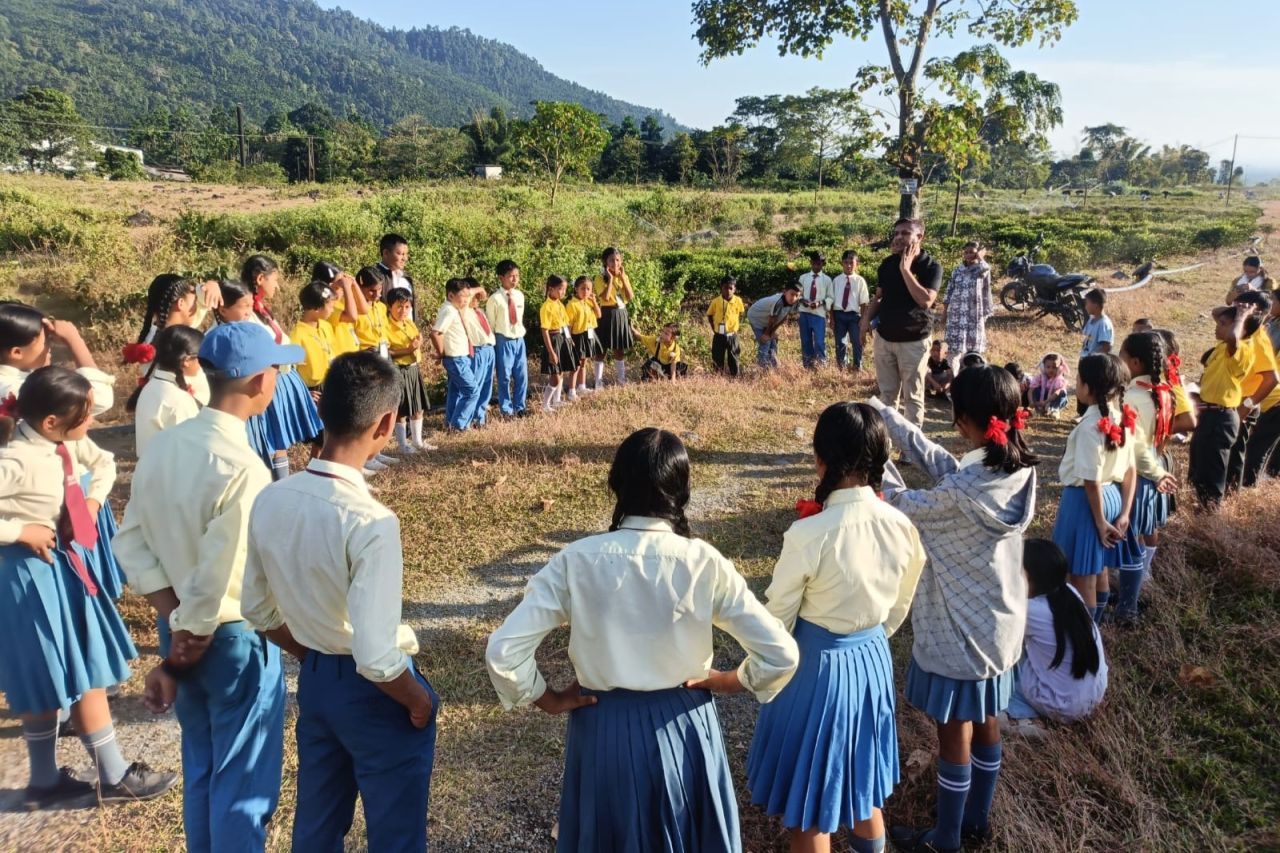

In India today, millions of children wake up every morning without a school to go to. Not because they don’t want to learn. But because the cost of staying in school — notebooks, uniforms, bus fare, a midday meal — is simply too much for their families to bear. So thinking to Donate for child education in India is one of the most direct ways to change that reality, and it costs less than most people think.
Rs 500 a month. That is roughly the price of a meal for two at a mid-range restaurant. For a child from a low-income family, it can mean the difference between dropping out and finishing school.
Why Millions of Children in India Still Need Your Help

India has made extraordinary strides in education over the past two decades. Enrolment rates have improved. New schools have been built. The Right to Education Act legally guarantees free and compulsory education for every child between 6 and 14.
And yet the gap between enrolment and learning, between showing up and staying, remains wide and stubborn.
How Many Children Are Out of School in India?
According to UNESCO, India still has one of the largest out-of-school child populations in the world. UNICEF estimates that millions of children, particularly girls, children with disabilities and children from marginalised communities, either never enrol or drop out before completing primary education.
The Annual Status of Education Report (ASER) has consistently shown that even among children who do attend school, many struggle to read a simple sentence or do basic arithmetic by the time they reach Class 5. Being in school and receiving an education are not always the same thing.

What Stops a Child From Going to School?
The barriers are rarely just one thing. They stack up.
- Poverty: Families in extreme poverty cannot always absorb even indirect school costs — stationery, shoes, transport.
- Child labour: Older children, especially boys, are often pulled into work to supplement family income.
- Early marriage: Girls in rural areas face pressure to marry young, cutting short any educational future.
- Distance: In remote regions, the nearest school can be several kilometres away with no safe transport.
- First-generation learners: When neither parent has been to school, they often cannot support a child’s learning at home or advocate for their education.
Each of these barriers is real. Each requires more than goodwill to overcome. But each can be addressed, piece by piece, through sustained support.
Donate for Child Education: How Even a Small Contribution Can Change a Child’s Life
It is easy to feel that individual contributions are too small to matter in the face of a problem this large. That feeling is understandable and almost entirely wrong.
Child education in India does not fail because of a lack of ambition. It often fails at the smallest, most preventable points: a child who cannot afford a notebook, a girl who drops out because there is no toilet at school, a boy who stops attending because his family can no longer feed him in the afternoons.
Targeted donations, especially when pooled and deployed by organisations that understand local realities, fix exactly these kinds of problems.
What Rs 500 a Month Can Do
Rs 500 a month, sustained over a year, can:
- Cover the cost of books and stationery for one child for an entire academic year
- Contribute toward a school uniform that allows a child to attend without stigma
- Fund remedial learning support for a child falling behind in foundational literacy
- Support a midday meal programme that keeps children in school through the afternoon
- Help pay for digital learning tools in under-resourced classrooms
None of these are abstract interventions. They are the practical, unglamorous things that keep a child enrolled, engaged and moving forward.
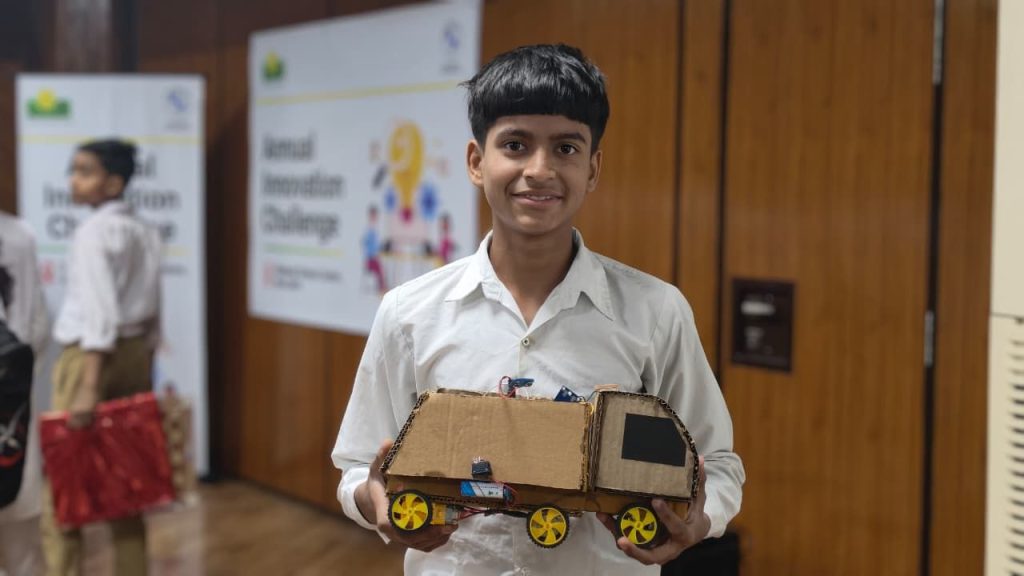
Real Stories of Children Helped: Donate for Child Education
Across the communities where Smile Foundation works, children supported through Mission Education regularly describe the same turning point: the moment someone showed up and said the school would be there for them.
For Priya, a 12-year-old in Rajasthan, that moment came when a remedial learning centre opened in her village. She had been attending school but could not read. Within a year of focused support, she was reading full paragraphs in Hindi and doing multiplication independently.
For Arjun, growing up in a resettlement colony on the outskirts of Delhi, it was access to a bridge education programme that caught him after he had already dropped out. He is now back in the mainstream school system.
These are not exceptional cases. They are what consistent, well-designed support produces.
How to Donate for Child Education in India
If you have decided you want to help, the process is simpler than most people expect.
You can donate for child education to Smile Foundation’s Mission Education programme directly through the Smile Foundation website. The platform accepts one-time and monthly contributions, is secure and issues a receipt immediately.
If you are donating on behalf of a company as part of a CSR commitment, Smile Foundation also works with corporate partners to design structured giving programmes aligned with specific geographies or outcomes.
One-Time vs Monthly Donation: Which Is Better?
Both matter. But monthly giving has a compounding effect that one-time donations cannot replicate.
A one-time gift funds a specific resource. A monthly donation funds continuity. It allows organisations to plan, hire, train and maintain programmes without the anxiety of funding gaps. For a child, continuity is everything. Dropping out often happens not in one dramatic moment, but gradually, across weeks of slow disengagement.
Monthly donors make sustained attendance possible.

How to Claim 80G Tax Benefits on Your Donation
Donations to Smile Foundation are eligible for 80G tax deduction under the Income Tax Act. This means a portion of your contribution is deductible from your taxable income.
To claim the benefit:
- Ensure you receive an 80G receipt from Smile Foundation after your donation
- Keep the receipt ready when filing your income tax return
- Enter the donation amount under the relevant section in your ITR form
For salaried individuals, this can meaningfully reduce annual tax liability while directing money toward something that genuinely matters.
How Smile Foundation Uses Your Donation for Child Education


Smile Foundation’s Mission Education programme runs learning centres, remedial programmes and school readiness initiatives across multiple states in India. It focuses specifically on children from low-income urban and semi-urban communities: the first-generation learners, the early dropouts, the children who fell through the cracks of the formal system.
The programme does not just support enrolment. It tracks attendance, monitors learning outcomes, trains local educators and works with families to reduce the pressure to pull children out of school.
Funding goes toward learning materials, educator salaries, infrastructure support and the kind of community trust-building that makes families believe education is worth the investment of time and sacrifice.
Transparency matters too. Smile Foundation publishes its annual reports and programme data, giving donors a clear view of where contributions go and what they achieve.
FAQs: Donate for Child Education in India
How does donating for child education help in India?
Your donation funds the direct costs that prevent children from attending or staying in school: books, meals, uniforms, learning support and educator training. When pooled and deployed by experienced organisations, small contributions create measurable, lasting change at the community level.
How much does it cost to educate one child in India?
Estimates vary by programme and region, but many well-run NGOs can provide meaningful educational support for one child for Rs 500 to Rs 1,000 per month. This covers materials, learning support and programme costs, not institutional fees.
What happens to my donation for child education?
Organisations like Smile Foundation allocate donations across learning materials, educator salaries, programme delivery and community engagement. Smile Foundation publishes annual reports so donors can verify exactly how funds are used.
Can I sponsor a specific child’s education in India?
Some programmes offer child sponsorship models. Smile Foundation’s approach pools contributions across programme areas, which allows resources to reach more children more efficiently, though you can often designate a geography or initiative you want to support.
Is a monthly donation better than a one-time gift?
Monthly giving creates continuity, which is particularly valuable in education. It allows programmes to plan ahead and ensures children receive consistent support rather than sporadic resources.
How do I get an 80G tax receipt for my child education donation?
Smile Foundation issues 80G receipts automatically after a donation is processed. Keep this receipt to claim a deduction when filing your income tax return.
Can I donate books and stationery instead of money?
Some organisations accept material donations. However, monetary donations are often more efficient, allowing organisations to procure exactly what is needed in specific locations at lower cost.
How can I verify that my donation is being used properly?
Look for organisations with published annual reports, outcome data and regulatory compliance. Smile Foundation is registered and compliant under relevant Indian charity laws, with publicly available financial and programme reports.
How do I start donating Rs 500 a month for a child’s education?
Visit Smile Foundation’s donation page, select the monthly giving option, choose your amount and complete the secure payment. The entire process takes under five minutes.
What does Smile Foundation do when you donate for child education?
Smile Foundation runs Mission Education, a programme that supports out-of-school and at-risk children through community learning centres, remedial education and school readiness initiatives. Donations fund educators, materials, outreach and the sustained community presence that keeps children enrolled.
Every child who drops out of school does not disappear. They grow up. They enter adulthood with fewer choices, narrower opportunities and a harder road ahead. The decision to donate for child education in India is not charity in the abstract. It is an investment in a specific child’s specific future.
Rs 500 a month. One less reason for a child to stop showing up.
Support Smile Foundation’s Mission Education programme here.