
Summary
- Practical skilling is emerging as a critical force in reshaping livelihoods across developing economies, particularly in India and the Global South.
- Initiatives like Smile Foundation’s Plumber Saathi and Swabhiman programmes demonstrate how structured, hands-on training can generate sustainable livelihoods while restoring dignity to vocational labour.
- Women stand out as significant beneficiaries, with skilling programmes enabling greater participation and autonomy in contexts where formal employment remains structurally inaccessible.

Across India and much of the Global South, conversations around employment often focus on degrees and formal qualifications. At the same time, the crisis of job scarcity isn’t unknown to anyone. However, beneath this discourse, another transformation is unfolding, one led not by elite institutions alone, but by practical skilling initiatives rooted in everyday life. Rural women learning digital bookkeeping, young people who are new into the workforce training in solar panel repair; practical skilling like plumber jobs is increasingly reshaping the relationship between education, work and survival of communities dependent on informal labour.
Unlike conventional education systems that have historically promoted theoretical knowledge, practical skilling focuses on applied competencies: the ability to repair, design, manage, communicate, cultivate, build, code or fix. These forms of learning are often deeply local and responsive to changing economic realities. In doing so, they also challenge older hierarchies that separated knowledge work from manual or vocational labour.
The significance of practical skilling today lies not only in employability, but in the dignity and social mobility they bring about.

The changing nature of work

The expansion of platform economies, automation, climate disruptions, etc., has fundamentally altered contemporary work structures in today’s times. Stable long-term employment has been flagged as a major concern particularly for young people in developing economies. According to the International Labour Organization, youth unemployment and underemployment remain disproportionately high across low- and middle-income countries, even among graduates. This has exposed a contradiction at the heart of formal education systems: degrees do not automatically translate into livelihoods. Employers across sectors increasingly seek adaptable workers capable of problem-solving, communication, digital fluency and technical competence.
Practical skilling programmes attempt to bridge this gap by aligning training with lived economic realities. Scholars such as Amartya Sen have long argued that development should be understood through the lens of capabilities rather than income alone. From this perspective, skilling is not just about producing labour for markets, but about expanding an individual’s capacity to participate meaningfully in social and economic life.

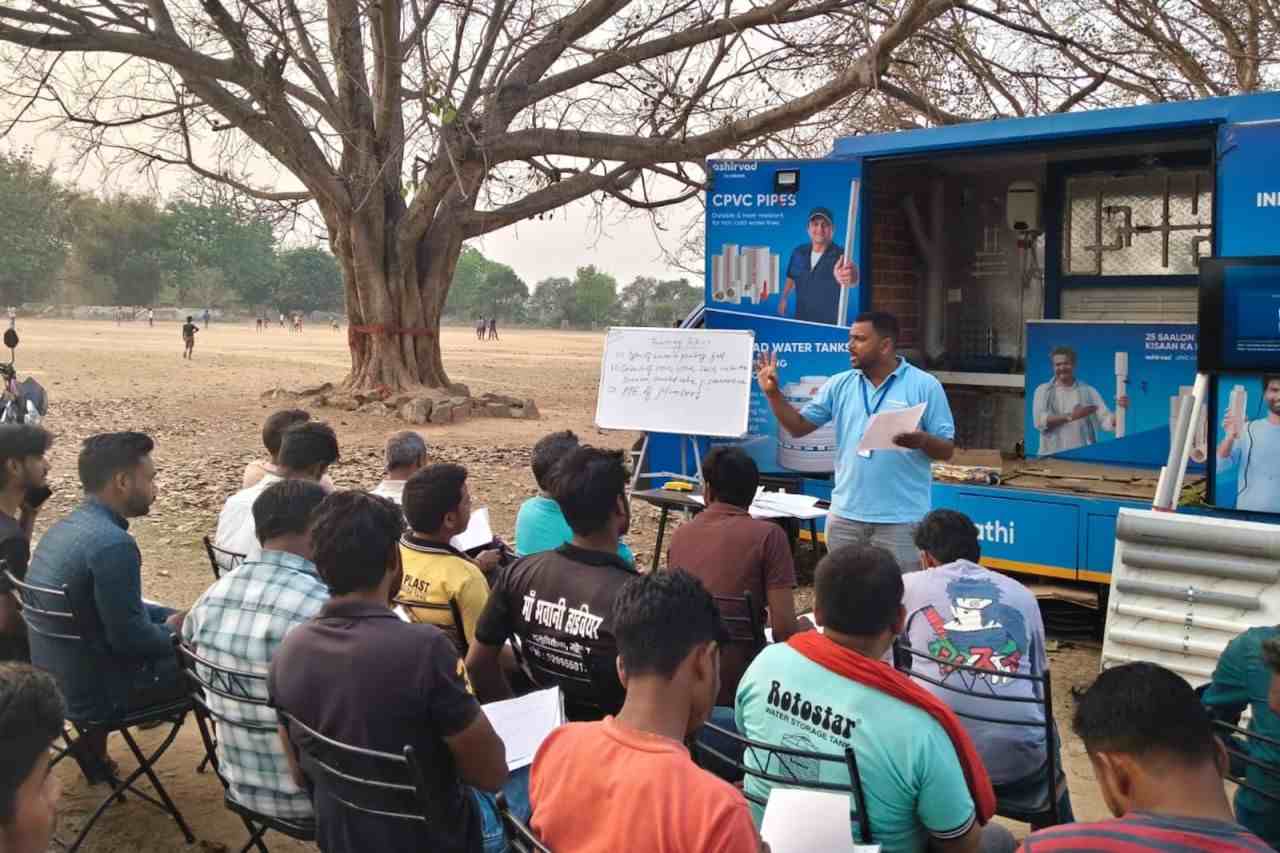
Smile Foundation’s Plumber Saathi initiative, supported by Ashirvaad by Aliaxis, offers a pertinent example of how practical skilling translates directly into stronger and more sustainable livelihoods. Much like broader shifts in contemporary labour markets, the initiative recognises that employability today depends not only on theoretical knowledge but on hands-on, adaptable expertise rooted in everyday working conditions. Through structured on-ground training, plumbers are introduced to modern plumbing systems, advanced installation and repair methods, safety protocols and practical problem-solving skills that can be immediately applied at worksites. This becomes especially significant in sectors like plumbing, where workers often rely on informal, experience-based learning without access to formal certification or updated technical knowledge.
The programme also reflects a larger transformation in how vocational labour is being revalued within developing economies. In fact, given the scope of the requirement of practical skills in the society, contemporary skilling initiatives now also include areas such as renewable energy maintenance, logistics, digital marketing, healthcare support, community journalism, food entrepreneurship, AI-assisted workflows etc. The idea of skill itself has thereby expanded.
Climate, migration and new future of labour

Climate change is also redefining the urgency of skilling. Agricultural instability, heat stress, water scarcity, ecological degradation are accelerating patterns of migration and precarious labour around the globe. Communities dependent on seasonal work increasingly require diversified income sources to survive economic shocks. Practical skilling programmes connected to climate adaptation, such as sustainable farming techniques, waste management, green construction, solar technology and water conservation, therefore hold particular importance. They create livelihoods while simultaneously addressing environmental vulnerabilities.
Migration patterns further complicate this landscape. Large sections of informal workers move between cities and villages, often without stable protections. Thus, adaptable skills become crucial forms of economic security. A worker trained in electrical repair, caregiving, or mobile servicing may navigate multiple labour markets more effectively than someone dependent on a single unstable sector. The COVID-19 pandemic made these vulnerabilities sharply visible. Millions of workers across South Asia faced sudden unemployment and displacement. In the aftermath, many grassroots organisations shifted toward hyper-local skilling ecosystems designed to reduce dependency on distant urban employment.
Women and economic agency
One of the most significant impacts of practical skilling has been visible among women, especially in semi-urban and rural communities where access to formal employment remains structurally limited. Self-help groups, micro-enterprise training programmes, cooperative-led skilling models have enabled more women to get paid work while negotiating restrictive social norms. Skills such as tailoring, food processing, handicrafts, digital literacy, financial management and community health work have become pathways toward greater economic participation.
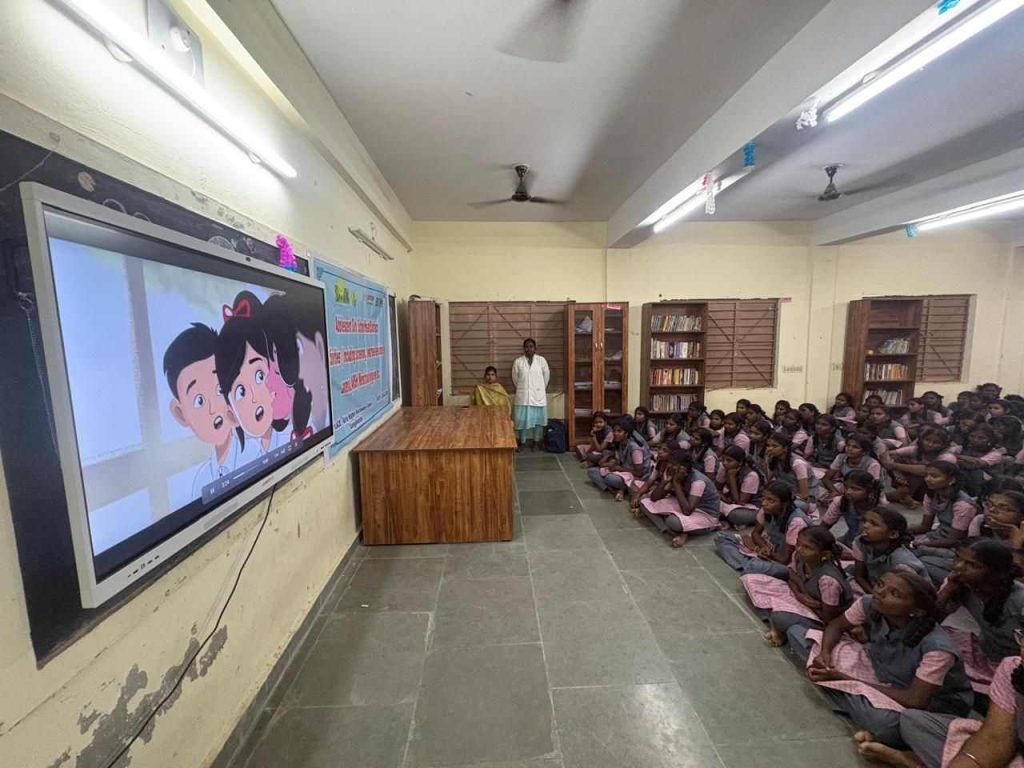
Smile Foundation’s women upskilling initiatives, particularly through its Swabhiman and STeP programmes, show how practical skilling can become a powerful tool for economic participation and social mobility among marginalised women and adolescent girls. By combining vocational training with financial literacy, entrepreneurship and equipping women with market-relevant skills, these programmes move beyond conventional welfare models to create pathways toward long-term livelihood generation.
Conclusion

Practical skilling is often discussed narrowly through the language of employability statistics or economic growth. Yet its deeper significance lies elsewhere. It creates infrastructures of resilience in communities facing inequality, climate instability, migration and technological change.
The shifts reveal that economic empowerment does not emerge only from elite institutions or formal labour markets. It also emerges from local knowledge, collective participation and the ability to transform skill into social possibility. In this sense, practical skills isn’t simply about preparing individuals for work. It is about reimagining how societies value labour, knowledge and human capability itself.
FAQs
Q1. What is practical skilling and how is it different from formal education?
Practical skilling focuses on applied, hands-on competencies — repairing, building, coding, cultivating, managing — directly aligned with real economic conditions. Unlike formal education, which often prioritises theoretical knowledge, it is locally responsive, immediately usable and designed to create livelihoods rather than credentials.
Q2. Why is practical skilling especially important in developing economies?
In low- and middle-income countries, youth unemployment remains high even among graduates, exposing a disconnect between degrees and employment. Practical skilling bridges this gap by equipping people with adaptable expertise that matches what employers and informal markets actually need.
Q3. How does climate change relate to the need for skilling?
Climate disruptions — agricultural instability, water scarcity, heat stress — are accelerating migration and making seasonal livelihoods unreliable. Skills tied to climate adaptation, such as solar technology, sustainable farming, green construction and water conservation, help communities build economic resilience while addressing environmental challenges simultaneously.
Q4. How does practical skilling benefit women in particular?
Women in semi-urban and rural areas often face structural barriers to formal employment. Programmes combining vocational training with financial literacy and entrepreneurship like Smile Foundation’s Swabhiman and STeP initiatives have enabled women to generate independent incomes, expand economic agency and navigate restrictive social norms more effectively.
Q5. Is practical skilling only about getting a job?
No. While employability is one outcome, its broader significance lies in building dignity, social mobility and community resilience. Drawing on Amartya Sen’s capabilities framework, skilling expands an individual’s ability to participate meaningfully in social and economic life — not just produce labour for markets.