
Summary
- Marathons create rare community moments, bringing together people across class, age and profession in shared public spaces.
- India’s running boom is exploding: the Tata Mumbai Marathon draws 65,000+ participants and the running gear market is projected to reach USD 4.8 billion by 2033.
- Running has democratised fitness in India, making health aspirational and driving lifestyle changes among first-time runners.
- They have become major fundraising platforms, raising crores for causes including women’s empowerment, disability inclusion, child welfare and clean energy.
- Organisers face a core tension: as events scale commercially, preserving the social mission is essential to maintaining their emotional and civic impact.

A city looks and feels different on a marathon morning. For a few hours, instead of the city’s usual mad rush, there is a quiet rush as the city starts to feel like a community. The roads are empty of traffic but full of people. Office executives stand beside college students, amateur runners warm up next to elite athletes, celebrities join the runners and volunteers line the streets with water bottles and energy drinks. And above all, strangers cheer for strangers.
That shift explains why running today mean far more than sport. Across the world, and especially in India, marathons have evolved into powerful platforms for social change, bringing communities together, raising awareness and generating funds for meaningful causes. They influence public health, philanthropy, local economies, urban culture and civic participation in ways few sporting events can.
Marathon Stats
According to the IMARC Group, the India running gear market reached USD 2.4 billion in 2024 and is on track to hit USD 4.8 billion by 2033, driven by a steady 7.71% CAGR from 2026 to 2033. Behind those numbers is a running culture that’s exploding, both in India and around the world. In Mumbai, the Tata Mumbai Marathon has become a flagship event, drawing more than 65,000 participants in recent editions and now eyeing over 69,000 runners.
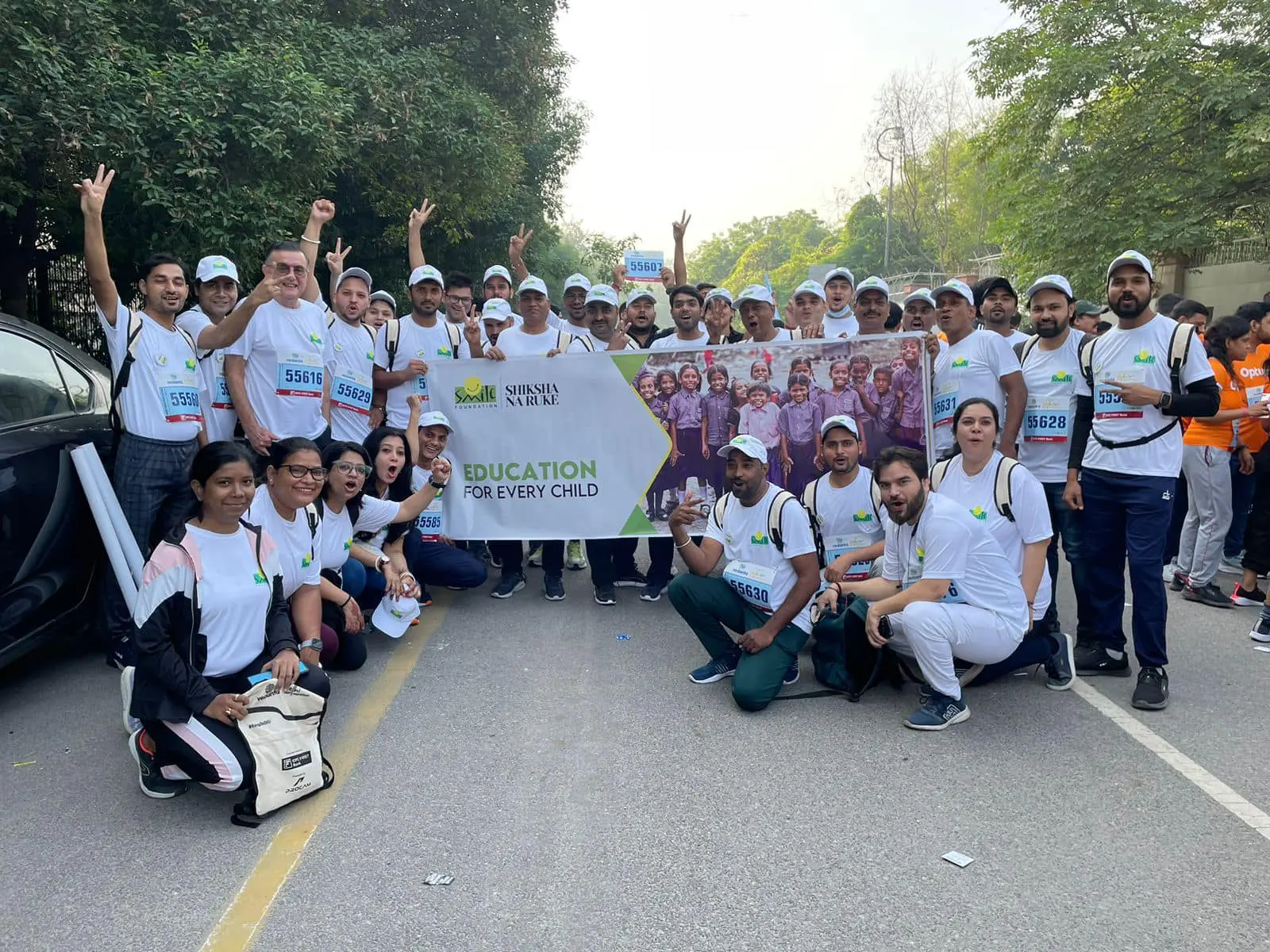
Delhi’s Vedanta Delhi Half Marathon is seeing similar momentum, with over 40,000 people taking part in 2025 across the half-marathon and related categories, underlining how inclusive these events have become.
This isn’t just an India story either. Globally, marathons are surging in popularity, with Britain offering one of the clearest examples: more than a million people applied for a spot at the London Marathon, including about 850,000 British runners and a striking share of them were Gen Z women.
Building Communities
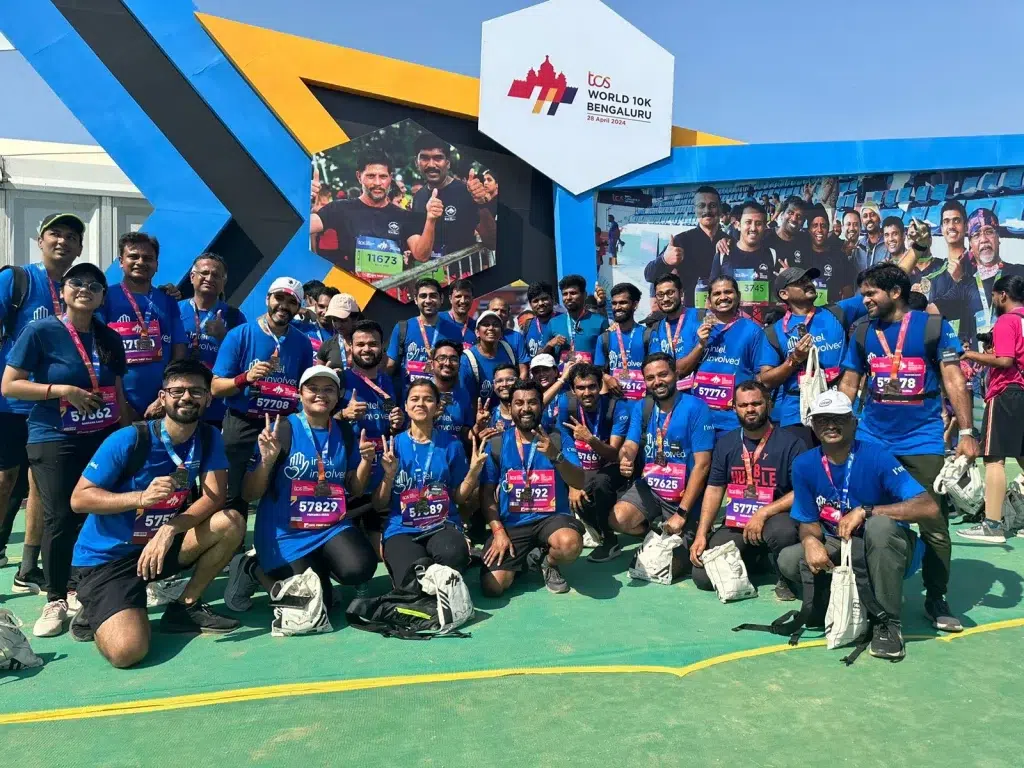
One of the biggest strengths of a marathon is its ability to bring together people who would otherwise never cross paths. That shared experience creates a rare sense of equality in cities often divided by class and routine.
Behind every successful event are thousands of volunteers, local residents, NGOs, schools, healthcare workers, sponsors and event teams. People distribute water, cheer from balconies, hold signs for runners, and help manage logistics through the night.
There is no dearth of ideas. Impact Marathon’s Nepal chapter immerses runners in the country’s remote trails while engaging them in hands-on volunteering projects, allowing them to witness the impact of their efforts first-hand. It’s a unique opportunity to connect with the people shaping Nepal’s future.
Running clubs and fitness communities often continue long after the race ends. In several urban centres, early morning running groups have become part of the social fabric. Many participants discover friendships, support systems, and even professional networks through these events.
Turning Fitness Into a Public Movement
India’s running boom is also part of a bigger change in how people think about health. For a long time in cities, fitness mostly meant going to the gym, playing niche sports or joining exclusive wellness clubs. Running changed that. It brought fitness out into the open, made it easier for everyone to try and turned it into something people could share and do together.
The simplicity of running in a pair of shoes, with just some discipline and consistency, has helped marathons attract first-time runners across age groups.
Today, many people train for their first 5K or half marathon because they want structure, motivation, and better health. They change their routines to gear up for the marathon. They sleep earlier, improve their diets, reduce or may even quit alcohol consumption. They may even commit to long-term fitness goals. Training for running can improve your cardiovascular health, boost your immune system, improve your mental health and help you maintain a healthy weight. Marathons have made health aspirational in a country battling rising lifestyle diseases.
The Rise of Purpose-Driven Running
The most remarkable change, however, is how running have blended fitness with philanthropy. Nowadays, running are increasingly becoming platforms for raising funds for various social causes, such as education, healthcare, environmental protection, disability support, and women’s empowerment. A prime example of this is the Tata Mumbai Marathon.
Running has evolved into a way for people to engage in civic participation. Around the world, organizations like the Impact Marathon Series are taking this concept even further. Their events promote long-term systemic change and provide immediate humanitarian assistance. For instance, in Guatemala, their partner organization is dedicated to nurturing grassroots community leaders over several years.
Events like the Tata Mumbai Marathon, TCS World 10K in Bengaluru, and city runs in Chennai, Goa and New Delhi are raising crores of rupees and awareness for causes such as cancer care, women’s empowerment, housing for the homeless, drug abuse prevention, disability inclusion, child welfare and clean energy initiatives like rooftop solar.
The Challenges Behind the Movement
None of this means marathons are perfect. Large-scale events create traffic disruption, environmental waste and logistical strain. High registration fees can exclude lower-income participants. Commercial sponsorships sometimes overshadow the social mission. These challenges, however, drive progress, such as improved planning, sustainable practices and inclusive policies.
As marathons grow bigger, organisers face an important challenge: preserving purpose while scaling operations. Because once the event becomes purely commercial, it loses the emotional force that made people care in the first place.
The Real Impact
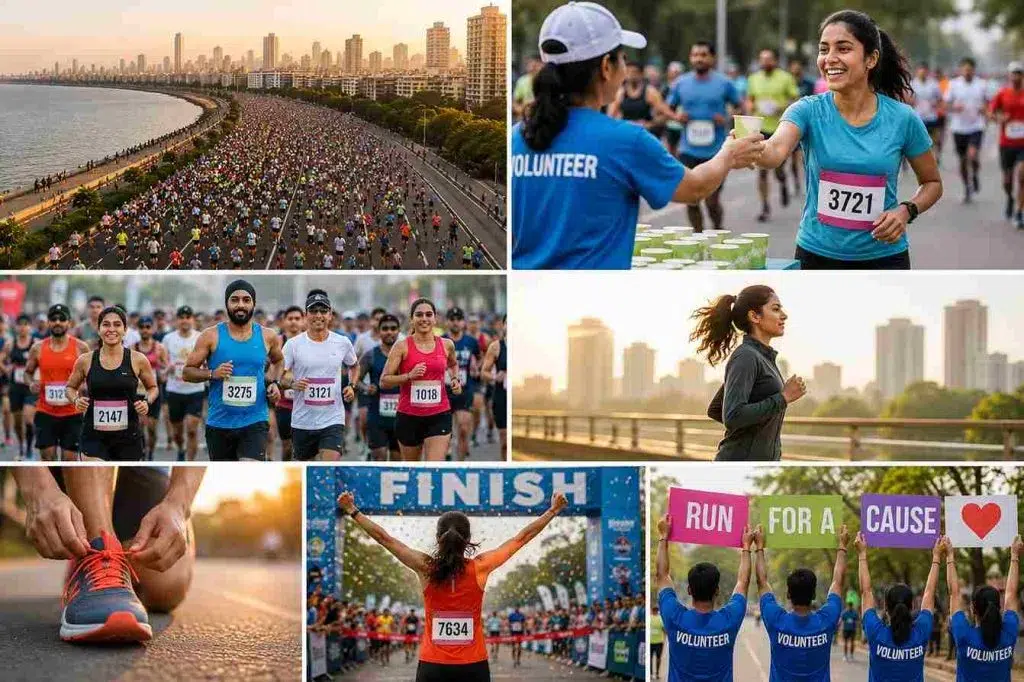
A truly impactful marathon approach blends long-term systemic change with immediate, tangible outcomes. Carefully selected partner organizations address both the root causes and urgent needs within communities. By working closely with local groups and allowing unrestricted support, marathons can move beyond fundraising, making global goals relatable and creating sustainable transformation through running.
Marathons represent something larger. A city coming together, citizens investing in their health, communities raising money for causes they believe in, public spaces becoming more inclusive and people finding meaning through participation. That is why marathons continue to grow across India and around the world. The real impact of a marathon is measured by what the event leaves behind for the greater good.
FAQs
1. How have marathons become platforms for social change?
By blending fitness with philanthropy, marathons now raise funds and awareness for causes like healthcare, education and women’s empowerment — turning participation into civic action.
2. How big is the running culture in India?
Significant and growing. The Tata Mumbai Marathon draws over 65,000 runners, the Delhi Half Marathon attracted 40,000 participants in 2025 and India’s running gear market is on track to reach USD 4.8 billion by 2033.
3. What health benefits does training offer?
Training improves cardiovascular health, boosts immunity, supports mental wellbeing and helps maintain a healthy weight — while also encouraging better sleep, diet and long-term fitness habits.
4. What challenges do large marathons face?
Traffic disruption, environmental waste, high registration fees that exclude lower-income participants and the risk of commercial interests overshadowing the event’s social mission.
5. What makes running truly impactful beyond race day?
Lasting impact comes from partnering with organisations that address root causes, enabling unrestricted community support and building running communities that sustain long after the event ends.
Sources: