Categories
In The Spotlight Insights

Scaling Social Impact Is Harder Than Scaling Startups

In today’s innovation economy, “scale” has become one of the most celebrated words in the entrepreneurial lexicon. Nowadays, the success of any startup is often judged by how quickly they can grow, the pace with which they acquire the users, the rapid market expansion and their efficiency to raise capital.

In 2025 alone, global venture capital funding crossed $368 billion, reflecting just how deeply speed and growth are embedded in the money flow into the startup model, helping it scale. But when this same vocabulary is applied to the social sector, it misses the learnt experience that scaling social impact is fundamentally different and significantly harder than scaling startups.
Unlike startups, which often scale products or services, social organisations aim to scale change — whether that means reducing poverty, improving education, expanding healthcare access or shifting social norms. These are not linear problems and they rarely respond to quick fixes because social change is slow, layered and dependent on the unending chain of humans choosing to show up for one another.
Startups Scale Products but Social Impact Scale Trust

Social impact vs startups

The startup ecosystem is designed around repeatability. Once a company finds product-market fit, it can often scale rapidly through technology, automation and capital infusion. A mobile app can be downloaded by millions overnight; a SaaS platform can onboard users globally with minimal marginal cost.

On the other hand, social impact does not work that way. A programme cannot simply be “rolled out” into a new community without understanding its unique social, cultural and political context. Trust must be built, sometimes over years, before any intervention can start seeing a semblance of success.

This is visible in the work of Smile Foundation, one of India’s leading development organisations, which reaches over 1.5 million children and families annually across 2,000+ villages and slums. Its scale has not been achieved through replication alone, but through deep, community-rooted engagement that adapts programmes to local realities.

That kind of scaling takes time and patience.

Measuring Social Impact is Harder than Measuring Growth

For startups, growth is often measured through relatively straightforward and immediate indicators such as revenue, app downloads, customer retention, churn rates or company valuation. These metrics are visible, quantifiable and can usually be tracked in real time, offering a clear picture of whether a business is growing or struggling.

Social impact, however, operates very differently. Its most meaningful outcomes are often deeply human and far more difficult to capture through numbers alone. How do you measure dignity, confidence, empowerment or a person’s ability to imagine a different future for themselves?

According to the Organisation for Economic Co-operation and Development (OECD), social outcomes often involve “long causal chains,” meaning that the full effects of an intervention may take years and sometimes decades to become visible. A girl receiving a scholarship, for instance, is easy to count as an output. But the real impact goes much deeper: does that scholarship give her the confidence to delay early marriage, pursue higher education, negotiate greater autonomy within her family or build a professional career?

Those transformational shifts are harder to quantify, yet they are often the outcomes that matter most. To address this complexity, nonprofits and development organisations increasingly rely on frameworks such as Social Return on Investment (SROI) and Theory of Change, which aim to map not only what changes but also how and why those changes occur over time.

Organisations like ours, Smile Foundation, too, have strengthened our focus on impact measurement and social return on investment through detailed annual reporting and programme evaluations. The irony, however, remains central to the challenge of scaling social impact: the outcomes that are easiest to count are often not the ones that matter most, while the changes that truly transform lives are often the hardest to prove.

Capital Behaves Differently in Social Impact

Unlike startups, which are funded by investors who knowingly accept risk in pursuit of outsized returns, the social sector operates within a very different financial reality. Venture capital is built on the understanding that not every investment will succeed; in fact, failure is often treated as an expected part of innovation, with the belief that one successful breakthrough can justify multiple unsuccessful attempts.

Philanthropy, however, tends to function with far less tolerance for uncertainty. According to the India Philanthropy Report 2025, nonprofit funding in India remains heavily outcome-driven, with donors increasingly expecting visible, measurable and immediate accountability for every rupee invested. While this demand for transparency is both understandable and necessary, it can unintentionally discourage experimentation, the very process through which new and more effective solutions are often discovered.

Social organisations frequently spend substantial time and resources on grant applications, donor reporting, compliance requirements and outcome documentation, all to secure and sustain funding. These are essential functions, but they also divert attention and energy away from innovation, community engagement and programme design. The result is a striking paradox: the organisations working to solve some of society’s most complex and deeply rooted problems—poverty, inequality, education gaps, public health, gender injustice—are often the ones operating with the least flexibility to take risks, test new ideas or learn through failure. In a sector where innovation is urgently needed, the very systems designed to support impact can sometimes make meaningful experimentation harder.

Human Systems Don’t Scale like Technology

Technology scales because it is designed to replicate flawlessly. Once a piece of code is written, it can be copied and deployed millions of times with near-perfect consistency, whether it reaches ten users or ten million. Human systems, however, do not scale as efficiently. They depend on individuals with varying skills, which makes growth far more complex.

Training one teacher, for instance, is manageable, but training 10,000 teachers while ensuring each of them maintains the same quality, commitment and motivation is difficult and complex.
The same challenge applies across the social sector, whether it involves community health workers, volunteers, frontline staff or local programme leaders.

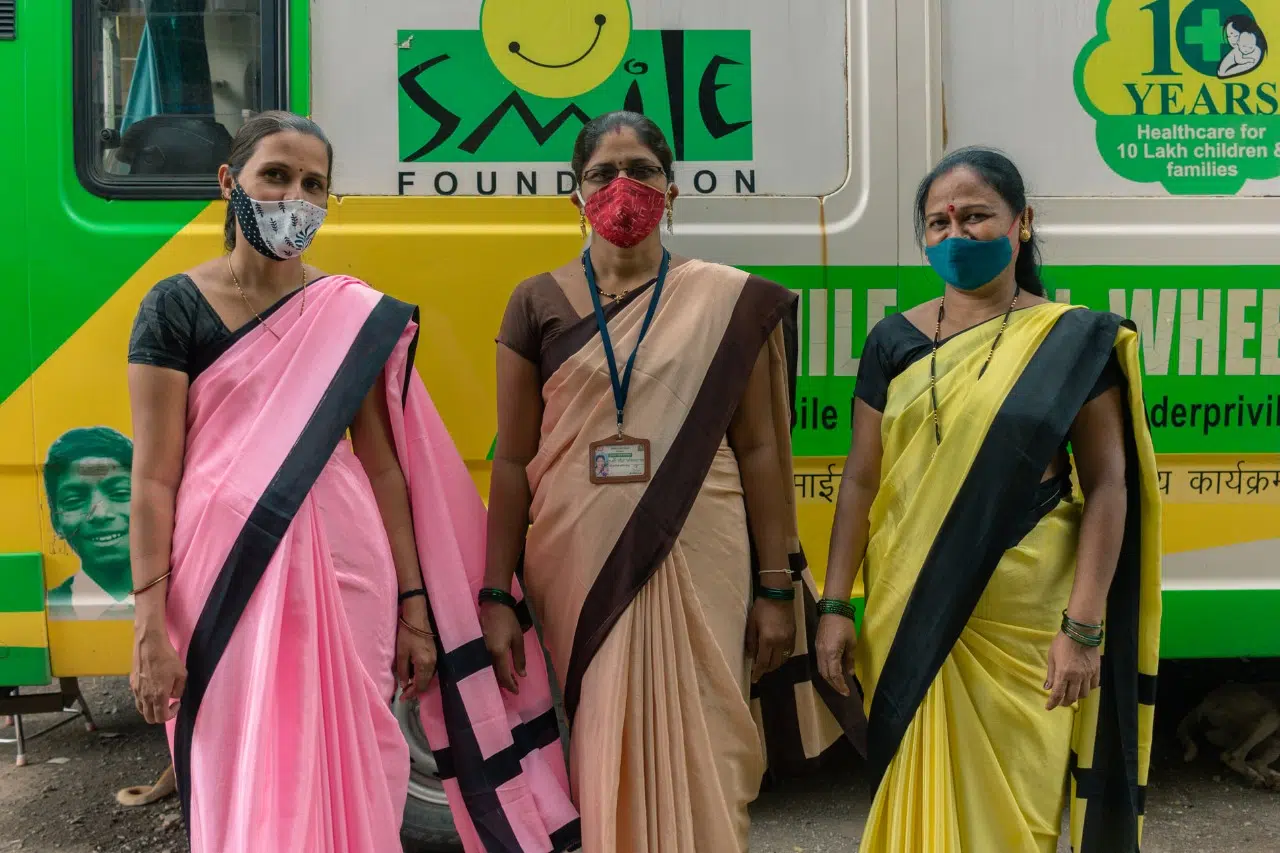
According to the World Health Organization, the world is projected to face a shortage of nearly 11 million health workers by 2030, a stark reminder that human systems are inherently fragile and cannot simply be scaled on demand. This challenge becomes especially visible in programmes like Smile Foundation’s Smile on Wheels, which delivers mobile healthcare services to underserved and remote communities across India.

On the surface, the model appears highly scalable. If one mobile medical unit works, why not launch a hundred more? But each additional van requires far more than physical infrastructure. It demands qualified doctors and healthcare staff, logistical coordination, fuel and maintenance, local permissions, sustained operational funding and most importantly, community trust and mobilisation to ensure people actually access the services being offered.

Expanding such a programme is not simply a matter of duplication; it is a process of building systems, relationships and institutions that can endure.

That is not software scaling, it is institution-building, and it is far more demanding.

Social Systems Change takes Decades

A startup can design, build and launch a product in a matter of months or sometimes even days. Social change rarely moves at that speed. Transforming public systems, behaviours and institutions often takes years, if not generations, because the problems being addressed are deeply embedded within society’s structures. Whether the challenge is sanitation, childhood vaccination, girls’ education or nutrition, lasting progress depends not only on individual interventions but on strengthening governments, reforming policy and improving the capacity of public institutions to deliver services at scale. These are not quick fixes; they are long-term commitments. 

Building trust for impactful change

Swachh Bharat Mission offers a powerful example of this reality. Launched in 2014, the nationwide programme took nearly a decade to facilitate the construction of over 100 million toilets across India, a remarkable achievement, but also a reminder that meaningful systems change requires sustained political will, financial investment, behavioural change and continuous implementation over time.

We recognise this complexity. Rather than attempting to build parallel systems, we believe in complementing and supplementing government efforts, aligning our work with the Sustainable Development Goals (SDGs) and acknowledging that durable impact is created through collaboration, not duplication. We believe that progress may appear slow from the outside, but slowness does not mean inefficiency or failure. More often, it signals something far more valuable, change that is embedded, institutionalised and built to last.

Burnout is the Hidden Barrier

A major overlooked challenge in scaling social impact is the human cost borne by those doing the work.

In the startup world, burnout is frequently romanticised, framed as hustle, ambition or a necessary sacrifice on the road to success. In the social sector, however, burnout receives far less attention, even though it is deeply pervasive and often more emotionally complex. 

Development professionals, social workers, community mobilisers and nonprofit leaders engage daily with poverty, trauma, inequality, crisis and human suffering. Their work demands not only technical skill but sustained emotional labour—listening to distress, responding to emergencies, navigating systemic failures and carrying the weight of unresolved social problems. Over time, this constant exposure can lead to profound mental and emotional exhaustion.

According to the Centre for Effective Philanthropy, 95% of nonprofit leaders reported experiencing burnout-related stress in recent years, highlighting how widespread this challenge has become. Yet conversations about scaling often focus on programmes, funding and systems, while overlooking the well-being of the people expected to carry these missions forward. This creates a fundamental contradiction: organisations are asked to deliver long-term impact while often neglecting the resilience and care of their own teams. Without investing in the people behind the mission, no social impact initiative can scale sustainably. Protecting human capital is not a side issue; it is central to the work itself.

Scale is Not the Goal, Change is

Perhaps the biggest mistake we make is assuming that scale itself is success. For startups, scale may mean valuation. For social organisations, scale means human dignity. A startup may improve convenience. A social organisation can change the course of a life.

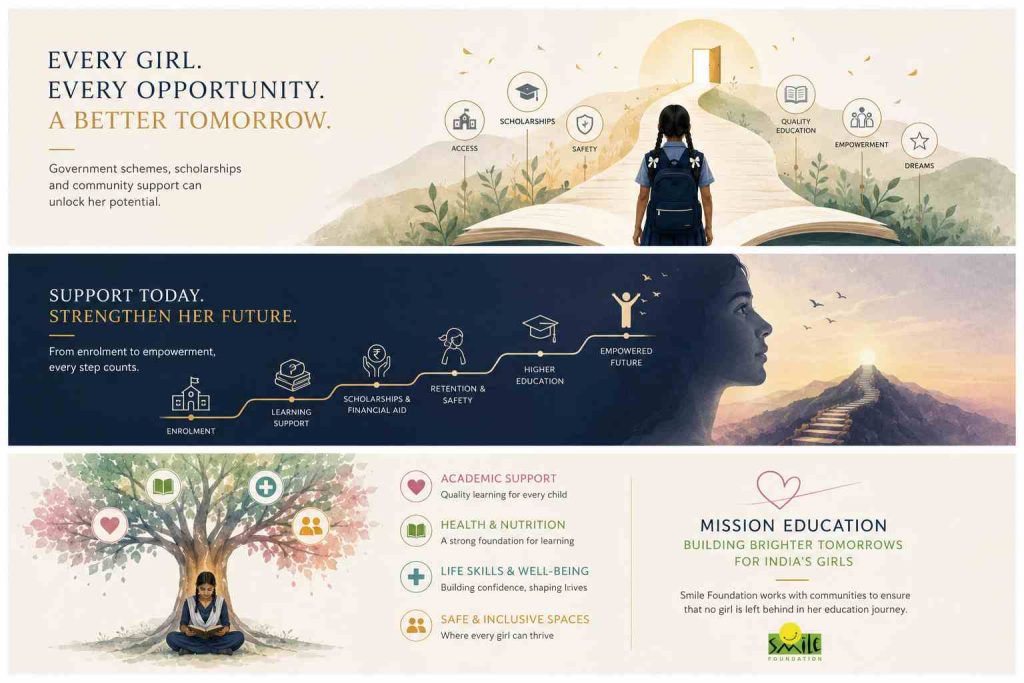
Smile Foundation’s campaigns, such as She Can Fly, Shiksha Na Ruke and Mission Education, are not products but pathways toward dignity, opportunity and inclusion.

That is why scaling social impact is harder than scaling startups. Because startups scale systems. Social organisations scale hope. And hope is always harder.

Categories
In The Spotlight Insights Smile

Last-Mile Delivery: The Hardest Part of Any Social Programme

Summary

  • Last-mile delivery — the final step between a policy or programme and the individual it is designed to serve — remains one of the most persistent and underaddressed challenges in global development
  • Infrastructure and geography are only part of the problem; the deeper barriers are institutional, including weak monitoring systems, exclusion errors in beneficiary databases, corruption and poor grievance redressal mechanisms
  • Lack of awareness is one of the most overlooked reasons welfare schemes fail — many eligible citizens never claim entitlements because information does not reach them through official channels
  • Digital systems like India’s Direct Benefit Transfer have reduced leakages significantly, but technology alone cannot guarantee inclusion — poor connectivity, limited digital literacy and biometric failures create new forms of exclusion
  • Frontline workers — ASHA workers, Anganwadi staff, community mobilisers, teachers, and local volunteers — are the indispensable bridge between policy and people, yet they remain underpaid, overstretched and undervalued
  • Trust is a form of infrastructure: communities engage with services only when they trust the institutions, providers, and processes behind them — and that trust must be built locally, patiently and person by person
  • Effective last-mile systems are built on community ownership, hyperlocal staffing, continuous monitoring, flexibility and long-term persistence — not one-time interventions or uniform top-down models
  • Smile Foundation’s programmes — Mission Education, Smile on Wheels, Swabhiman, and the STEM Education Programme — are built around the principle that reaching underserved populations requires trusted local presence, not just service delivery infrastructure

In public policy and social development, designing a programme framework is often seen as the most difficult stage, and once completed, it is frequently celebrated as the greatest achievement. Governments announce ambitious schemes, philanthropies commit millions in funding and organisations invest heavily in designing robust implementation models. But, the true success of any social programme is rarely decided in policy rooms, board meetings or launch events. It is determined at the last mile, the point where a service, entitlement or intervention must finally reach the individual it was intended to serve.

This “last mile” is often the shortest in terms of distance, but the hardest to cross administratively, socially and emotionally. It is where well-designed policies can either transform lives or fail completely.

Across sectors such as health, education, nutrition, sanitation and social protection, last-mile delivery remains one of the most persistent development challenges globally, particularly in countries like India, where diversity, geography and inequality complicate implementation.

What is last-mile delivery?

Last mile first impact initiative

The World Bank considers last-mile service delivery central to reducing poverty because service quality often declines most sharply at the point where citizens interact with the system.

Originally a logistics term, “last-mile delivery” refers to the final step in getting a product to a consumer’s doorstep. In development, it means the final step in ensuring a citizen actually receives and benefits from a public service.

This is where policy meets reality. It is where a nutrition programme must translate into food on a child’s plate, where a healthcare scheme must become treatment in a patient’s hands and where an education policy must become learning inside a classroom. Between programme design and lived impact lies a complex terrain of logistical barriers, institutional inefficiencies, social inequalities, and trust deficits. It is in navigating this terrain that many well-designed interventions falter.

For example:

  • A vaccination programme succeeds only when the child receives the vaccine.
  • A scholarship succeeds only when the student can access and use it.
  • A welfare scheme succeeds only when money reaches the intended household.

Anything less is incomplete delivery.

Why is the last mile so difficult?

Infrastructure and cost

The common assumption is that last-mile challenges are about remote villages and poor roads. Infrastructure matters, but geography is only one part. The real distance is often institutional.

A health clinic may physically exist in a village, but if it lacks medicines, staff or trust, it remains inaccessible.

In India, approximately 65% of the population still lives in rural areas, many in regions where transport and service infrastructure remain uneven. This dramatically raises delivery costs and complexity. The last mile isn’t just about physical distance. It’s about bridging economic divides, overcoming infrastructure gaps and creating pathways 

Lack of efficiency in delivery 

Many welfare systems lose efficiency through administrative delays, poor beneficiary databases, corruption, weak monitoring and duplication.

India’s welfare architecture has improved significantly through digital reforms, but studies continue to show that exclusion errors, where eligible citizens are left out, remain a major issue. This means the system may “deliver” on paper while failing in reality.

Strengthening the last-mile delivery system is not only about building strong infrastructure but also about building a stronger ecosystem, which includes robust institutional capacity, appropriate consumer-interface architecture, efficient human operations and a well-functioning grievance redressal system. 

Information does not reach everyone

One of the most overlooked barriers is simple – people often do not know what they are entitled to.

A report by India Development Review found that lack of awareness remains one of the biggest reasons welfare schemes fail to reach intended beneficiaries. In many communities, information travels through informal networks, local leaders and word of mouth rather than official channels.

Over-centralisation, corruption, systemic leakages and weak transparency and accountability mechanisms remain some of the most persistent bottlenecks in effective service delivery. These challenges are often compounded by limited public awareness about scheme eligibility and availability, inefficient resource allocation, and entrenched local power dynamics. Together, they not only weaken implementation but also suppress demand, preventing many of the very communities these programmes are designed to serve from accessing or claiming their rightful entitlements.

If communication fails, delivery fails.

Technology alone cannot solve human problems

Digital systems have undeniably transformed social programme delivery by improving efficiency, strengthening targeting and enabling scale. In India, for instance, the Direct Benefit Transfer (DBT) ecosystem has enabled billions of rupees to be transferred directly into beneficiaries’ bank accounts, significantly reducing leakages and intermediary inefficiencies. However, digital infrastructure alone does not guarantee inclusion.

Large sections of the population continue to face barriers, including poor internet connectivity, limited digital literacy, biometric authentication failures and a lack of access to smartphones or banking infrastructure. For many vulnerable communities, these challenges can turn a digital solution into a new form of exclusion. A platform is only effective if people can actually access and use it. Technology may streamline systems, but it cannot replace the trust, human support and institutional responsiveness that meaningful service delivery ultimately depends on.

Frontline workers help building trust 

Last-mile delivery - Smile Foundation

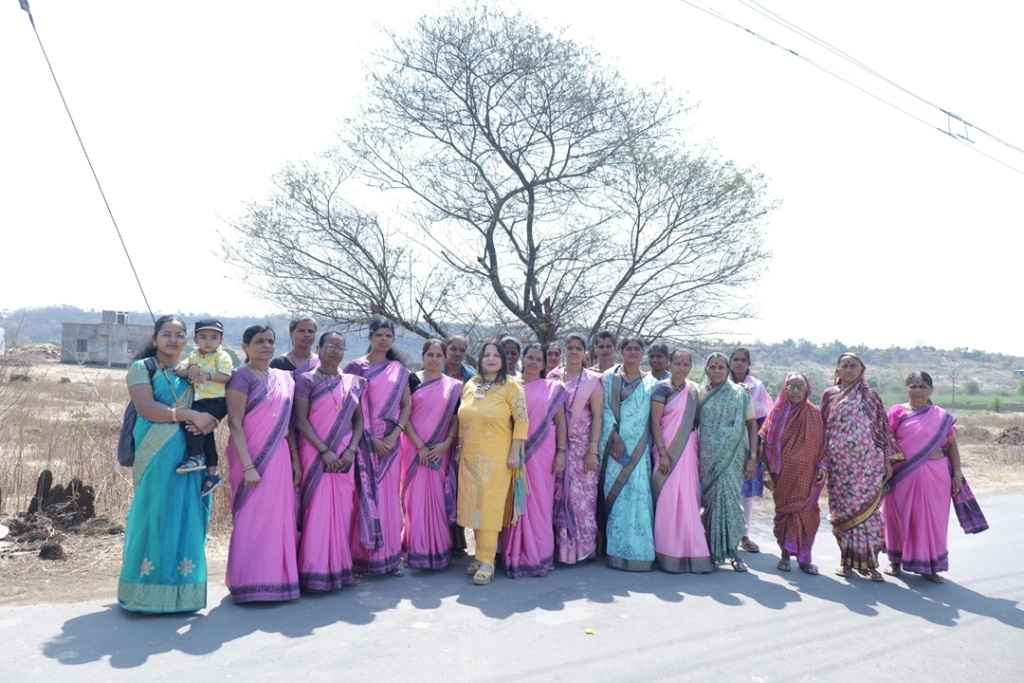
At the heart of every successful social programme are frontline workers, the often invisible but indispensable bridge between policy and people. Whether they are ASHA and Anganwadi workers, school teachers, community mobilisers, local volunteers or social workers, they are the ones who carry programmes into homes, communities and everyday lives.

A policy may be designed in a capital city, but it is ultimately delivered by someone travelling on a motorcycle, a bicycle or often on foot, navigating difficult terrain and complex human realities. Yet across the world, these workers are frequently underpaid, overstretched, insufficiently trained, and undervalued, despite being central to programme success.

Their work also highlights an equally critical but often overlooked truth: trust itself is a form of infrastructure. Development conversations tend to focus on roads, buildings, and digital systems, but communities engage with services only when they trust the institutions, providers and processes behind them. Families agree to vaccinate their children because they trust health workers; parents keep their daughters in school because they trust educational institutions; women access financial services when they trust the system meant to support them.

Unlike physical infrastructure, trust cannot be built centrally or imposed through policy; it must be nurtured locally, patiently and person by person. Without frontline workers, there is no last mile; without trust, there is no meaningful delivery.

At Smile Foundation, we believe that strong social programmes depend not only on sound design, but on empowered people who can deliver them effectively at the community level.

Across our education, healthcare, livelihoods and women’s empowerment programmes, we invest heavily in strengthening frontline workers—whether teachers, health mobilisers, community volunteers or local leaders—through continuous training, capacity-building, and on-the-ground support to ensure that these frontline actors are not treated merely as implementers, but as trusted change-makers who understand local realities, build relationships and sustain engagement over time. 

Building strong last-mile delivery systems 

Successful last-mile delivery is rarely the result of a single intervention but is built on a combination of principles that place communities at the centre of implementation.

  • The most effective models are rooted in community ownership, where people are not passive recipients but active participants in shaping solutions. 
  • Last-mile delivery systems rely on hyperlocal staff who understand local languages, cultural contexts and trust networks, making delivery more responsive and credible.
  • Strong last-mile systems also prioritise continuous monitoring, using real-time feedback to identify gaps early and adapt quickly. 
  • Equally important is flexibility—the ability to tailor implementation to local realities rather than imposing uniform models—and persistence, recognising that meaningful social change requires repeated engagement, trust-building and long-term commitment rather than one-time interventions.

Vocal for local: Building stronger last-mile systems, therefore, demands a shift in how governments and organisations think about delivery. It requires greater investment in people, particularly frontline workers who need better training, support and compensation to perform effectively. It also calls for more decentralised decision-making, allowing local actors the autonomy to adapt programmes to community needs. At the same time, institutions must use data more intelligently—tracking outcomes and lived impact, not just numerical outputs—and create mechanisms to genuinely listen to communities so that feedback informs programme design and course correction.

Partnerships with NGOs: Finally, strengthening the last mile requires stronger partnerships with civil society organisations, which often possess the trust, local presence and agility that larger systems struggle to build. NGOs and community-based organisations frequently succeed where formal systems cannot, reaching the most marginalised populations and filling critical delivery gaps. Together, these approaches recognise a fundamental truth: successful last-mile delivery is not just about reaching people, it is about building systems that are local, adaptive, accountable and human-centred.

Last-mile is where development becomes real

A social programme is not successful simply because it was announced, funded or formally implemented. It is successful because it creates a meaningful change in someone’s life. That transformation happens at the last mile: when a child not only enrols in school but learns meaningfully; when a patient in a remote village receives timely healthcare; when a young person gains skills that translate into dignified employment; when a woman accesses financial independence; and when a vulnerable family feels seen, supported and included by the systems designed to serve them. 

This is why last-mile delivery cannot be treated as a technical afterthought or a final administrative step, but it is the very heart of development, where policy is translated into human dignity and measurable impact.

Over two decades, Smile Foundation has built a community-centred development model that prioritises reaching underserved populations where they are, rather than expecting them to navigate inaccessible systems. 

  • Through its flagship education programme, Mission Education, the organisation works directly with children from marginalised communities, ensuring that access to education goes beyond enrolment to sustained learning outcomes. 
  • Its healthcare initiative, Smile on Wheels, delivers primary healthcare through mobile medical units to hard-to-reach communities, literally taking services to the last mile where formal healthcare infrastructure is weak or absent.
  • Its commitment to last-mile impact is equally visible through Swabhiman, which focuses on empowering women and adolescent girls through health, education and livelihood support, and
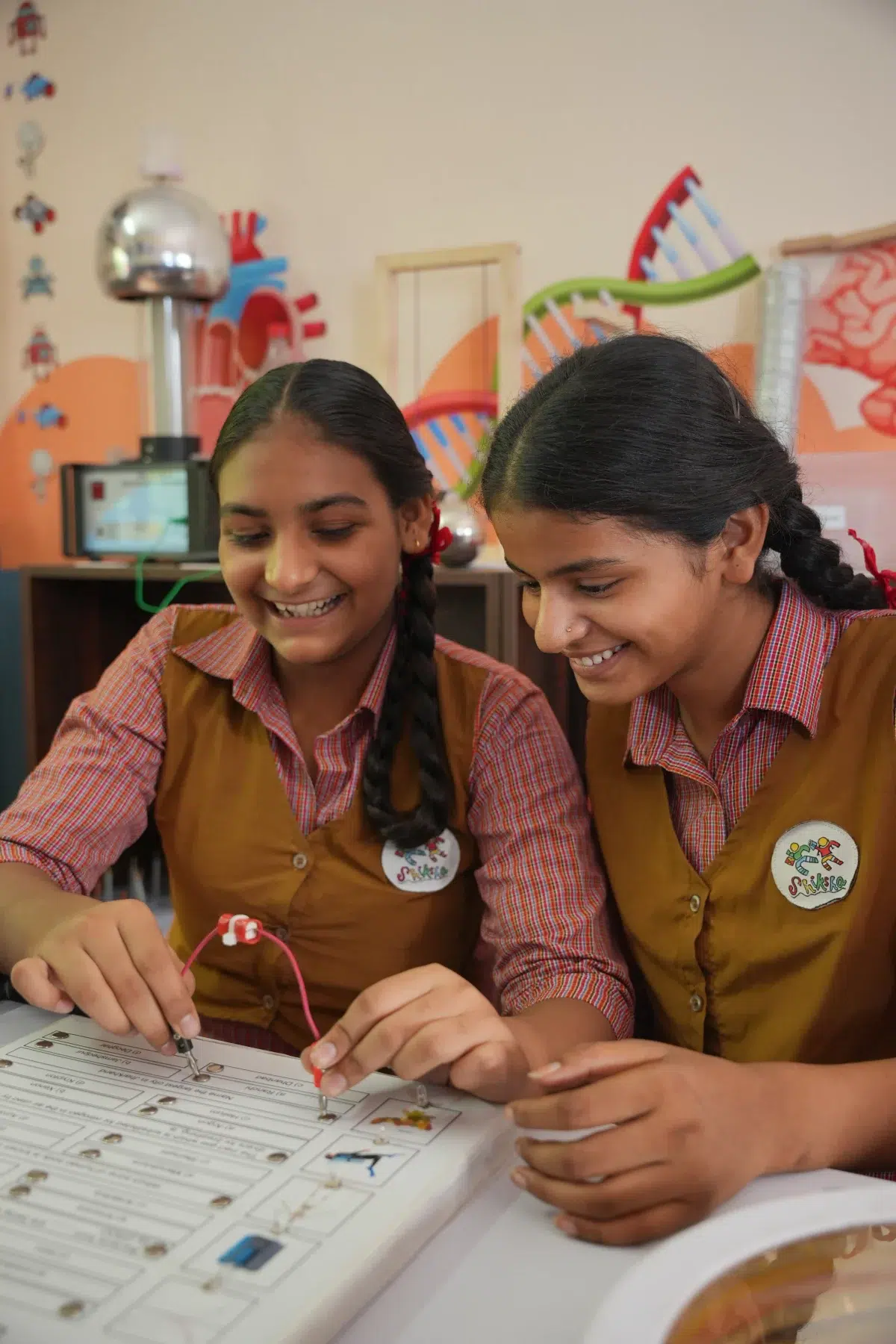
  •  STEM Education Programme, which works to bridge educational inequities in underserved schools. Importantly, our model relies heavily on local partnerships, community mobilisers, teachers, health workers and volunteers, recognising that sustainable delivery depends on trusted local actors who understand community realities. 

Real impact is not created in offices, policy papers or boardrooms—it is created in communities, through trust, persistence and the everyday work of reaching people who are too often left behind, one last mile at a time.

Frequently Asked Questions

What is last-mile delivery in development and social programmes?

Last-mile delivery refers to the final step in ensuring that a citizen actually receives and benefits from a public service or social programme. The term comes from logistics, where it describes getting a product to a consumer’s doorstep. In development, it means translating a policy or programme into real impact — a child learning in school, a patient receiving treatment, a welfare transfer reaching the intended household. It is the point where policy meets reality.

Why is last-mile delivery so difficult in India?

India’s last-mile challenge is shaped by a combination of geographic diversity, infrastructure gaps, institutional inefficiencies and deep social inequalities. Approximately 65% of India’s population lives in rural areas, many in regions where transport and service infrastructure remain uneven. Beyond geography, weak beneficiary databases, exclusion errors, limited public awareness, corruption and entrenched local power dynamics all compound the difficulty of reaching the most marginalised populations.

Why do well-designed social programmes still fail to reach people?

Programme design and programme delivery are two fundamentally different challenges. A scheme can be well-designed, adequately funded, and formally implemented while still failing at the last mile due to administrative delays, poor communication, lack of awareness among intended beneficiaries, weak frontline capacity and trust deficits between communities and institutions. Success is not determined in policy rooms — it is determined at the point of delivery.

What role do frontline workers play in last-mile delivery? Frontline workers including ASHA workers, Anganwadi staff, community health mobilisers, teachers and local volunteers are the essential bridge between policy and people. They carry programmes into homes and communities, build the trust that makes services usable and navigate the human and logistical complexities that formal systems cannot address from a distance. Despite their centrality to programme success, frontline workers are frequently underpaid, undertrained and undervalued.

Why is trust described as a form of infrastructure in development?

Unlike roads or digital platforms, trust cannot be built centrally or mandated through policy. It must be nurtured locally, through consistent presence, honest communication and responsive service delivery over time. Communities engage with health services when they trust health workers, keep children in school when they trust educational institutions and access financial services when they trust the systems designed to support them. Without trust, even the best-designed service delivery system fails at the last mile.

How does technology help and where does it fall short in last-mile delivery?

Digital systems like India’s Direct Benefit Transfer have transformed social programme delivery by reducing leakages, improving targeting and enabling scale. However, technology alone cannot guarantee inclusion. Large sections of vulnerable populations face barriers including poor internet connectivity, limited digital literacy, biometric authentication failures and lack of access to smartphones or banking infrastructure. A digital platform is only as effective as the ability of its intended users to access and navigate it.

What makes a last-mile delivery system effective?

Effective last-mile systems share several characteristics: they are rooted in community ownership rather than top-down implementation; they rely on hyperlocal staff who understand local languages, cultures and trust networks; they use continuous monitoring and real-time feedback to identify and address gaps quickly; they are flexible enough to adapt to local realities; and they are built for persistence, recognising that meaningful social change requires long-term engagement rather than one-off interventions.

How does Smile Foundation approach last-mile delivery?

Smile Foundation’s model is built on the principle that reaching underserved populations requires trusted local presence, not just service delivery infrastructure. Mission Education works directly with children from marginalised communities to ensure sustained learning outcomes beyond enrolment. Smile on Wheels delivers primary healthcare through mobile medical units to communities where formal health infrastructure is weak or absent. Swabhiman supports women and adolescent girls through health, education, and livelihood interventions. Across all programmes, the model relies on community mobilisers, local teachers, health workers and volunteers who understand community realities and sustain engagement over time.

Categories
Education Gender Health Livelihood Skill Development

Smile Foundation’s Lifecycle Approach: Solving One Problem at a Time Doesn’t Work in India

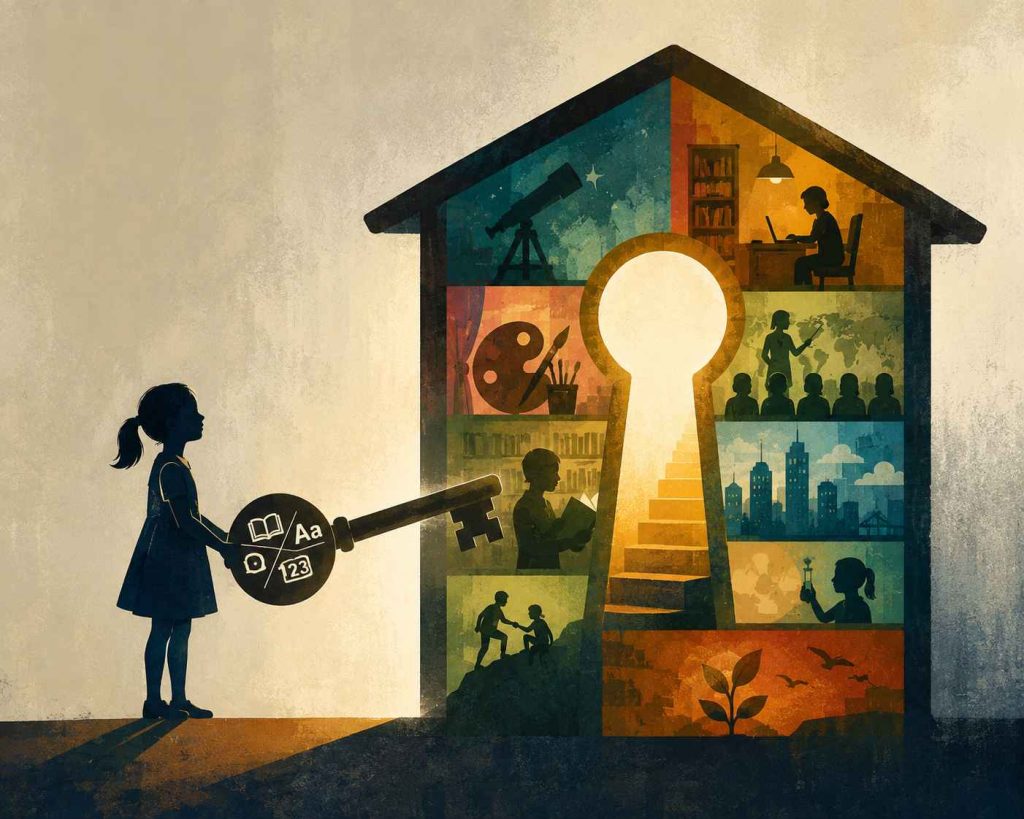
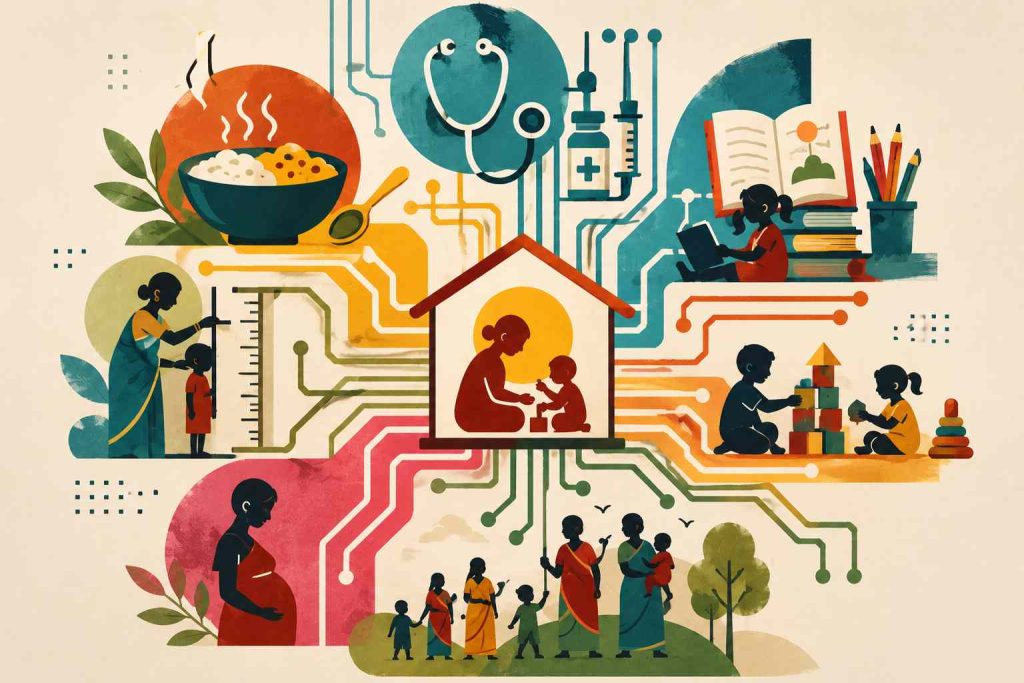
A lifecycle approach is a lot like taking care of a house. Imagine your roof starts leaking. You could keep putting buckets under the drip every time it rains and for a little while, that might seem to work, or you might call a professional who would fix the leak with some plumbing material. But over time, the walls begin to stain, the foundation can weaken, the wiring may get ruined and mold can slowly take over.  To truly fix the problem, you need to go deeper; you need to find the source of the leak, fix it, then repair the roof, reinforce the structure if required, improve drainage and take care of the whole system together. When one part collapses, the rest often follow. Solving one problem while ignoring the others produces temporary relief, not long-term change.

Building stronger foundations together

Welfare and development models struggle here. Most interventions still operate in silos, wherein education programmes focus on schooling; healthcare programmes focus on treatment; skill-building initiatives focus on employment; and women’s empowerment becomes a separate vertical altogether.

S&P Global’s “India Forward: Emerging Perspectives” emphasises India’s projection as a leading global economy. The report highlights that India is on track to become the third-largest economy by fiscal 2030-31. This follows an impressive GDP growth of 8.2% in the fiscal year 2024. This statistic is significant because, although the country is positioned for remarkable growth, it also highlights the need to address internal challenges that could hinder its progress. 

Smile Foundation’s lifecycle approach is built around this reality. While education remains at the core of its efforts, the organisation has expanded into health, livelihoods, skill-building and women’s empowerment to support the full ecosystem around the child. In doing so, it helps create the conditions for children to stay in school, learn well, and thrive, and ultimately drive societal progress. 

Why the Lifecycle Approach Matters

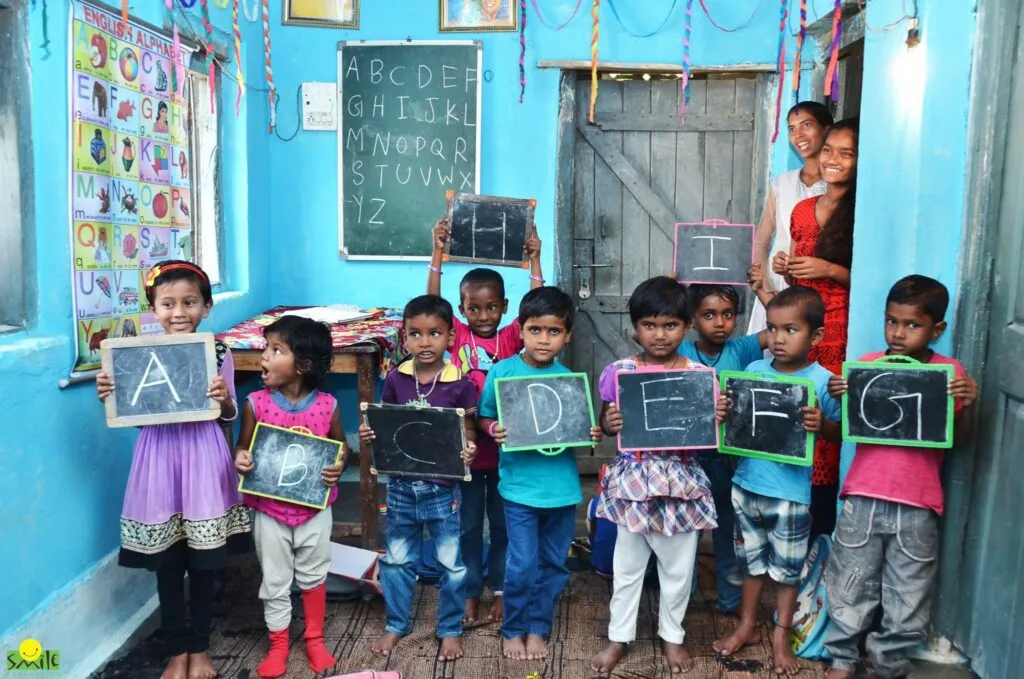
children continue their education

The lifecycle approach starts with a straightforward concept: for sustainable change to happen, we need support at various stages of life, rather than just stepping up when and where there’s a need.

This thinking is increasingly backed by global development research. The UNFPA’s people-centred lifecycle framework argues that health, education, gender equality, livelihood and social protection are deeply interconnected across an individual’s life stages. It stresses that disadvantages in childhood often continue into adolescence and adulthood, especially for girls and vulnerable communities, which is a pattern we see across India.

Poor maternal health affects childhood nutrition and cognitive development. Unsafe or unequal environments push adolescent girls out of school. Lack of employable skills leads to unstable incomes later in life. Economic vulnerability then affects the next generation all over again.

This shift reflects a larger global understanding of development, repeatedly emphasising that development must address “the totality of individual needs at different stages in life” across sectors, including health, education and employment. In countries like India, where social vulnerabilities compound each other quickly, that approach becomes even more relevant.

Building an Integrated Development Model

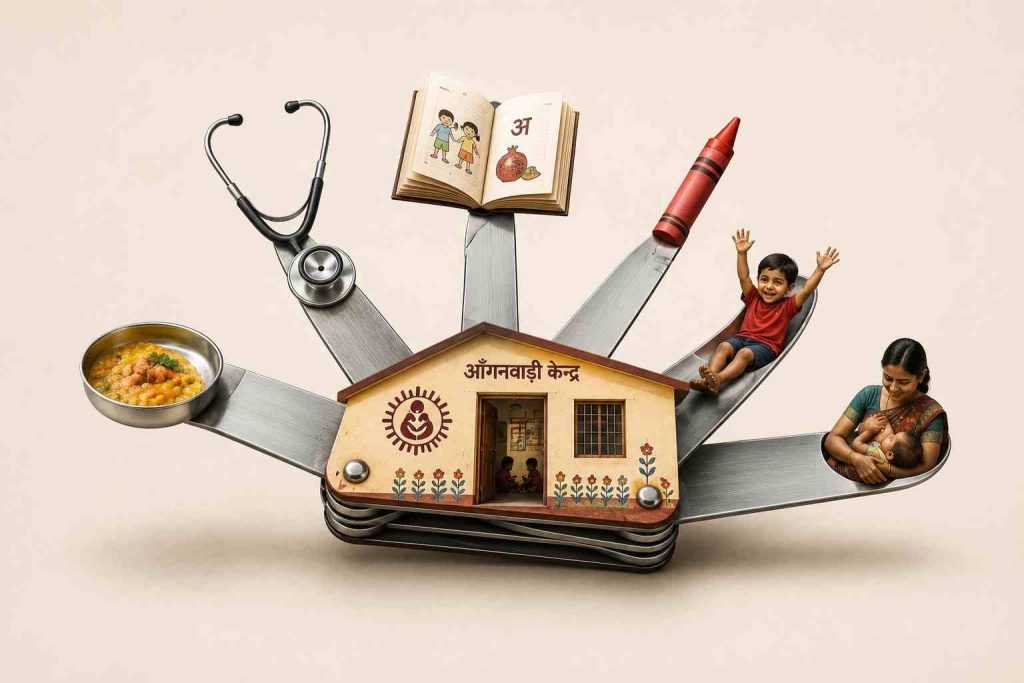
Smile Foundation’s lifecycle approach operates through four interconnected pillars: education, healthcare, livelihood and women’s empowerment.

Education remains the starting point. Mission Education works on foundational learning and mainstream school enrolment for underserved children. But the organisation no longer sees classrooms as the complete answer.

Healthcare became the next layer of intervention through Smile on Wheels, mobile healthcare units that deliver preventive and primary care in underserved rural and urban communities. The reasoning is straightforward. A family dealing with chronic illness or high medical expenses becomes financially unstable very quickly. In such households, education is often the first thing sacrificed.

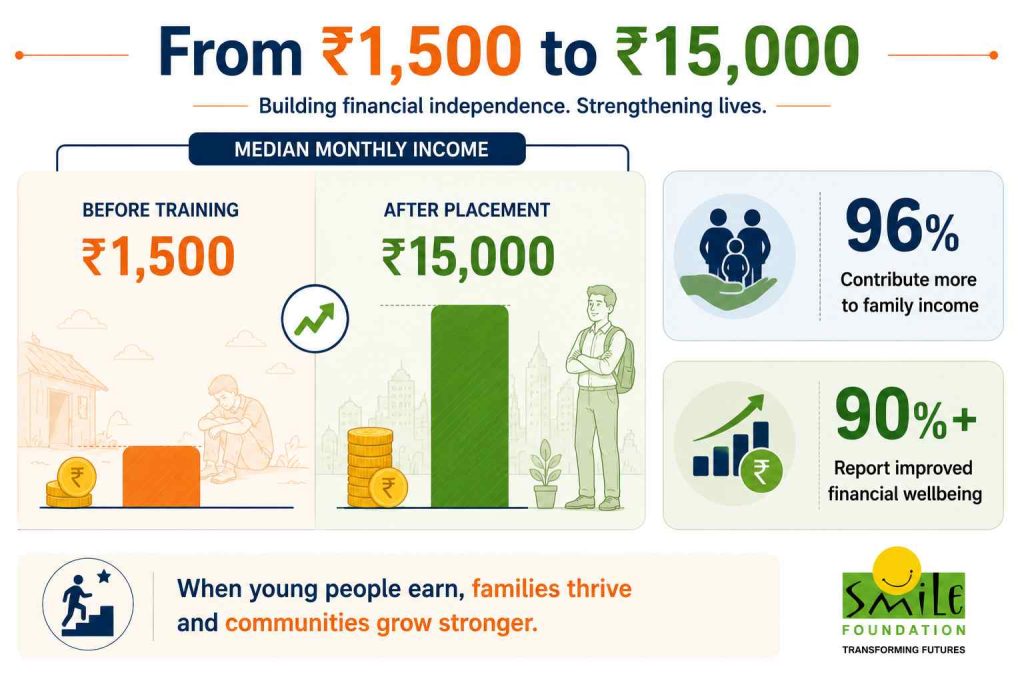
Livelihood support emerged as another critical component. Through STeP, Smile Foundation focuses on employability and market-linked skills for underserved youth. The programme recognises that education without economic opportunity cannot sustain long-term mobility.

Women’s empowerment is a crucial pillar of progress as well. Through the Swabhiman initiative, Smile Foundation focuses on vital areas like maternal health, menstrual hygiene awareness, reproductive healthcare, education and community involvement. This effort is especially important in India, where gender inequality often dictates access to education, healthcare and financial independence for families.

Numerous studies have shown that issues like gender inequality, limited access to reproductive healthcare, early marriage and violence against women have a direct impact on educational continuity, economic participation and long-term health outcomes. 

Why India Needs Integrated Development, Not Fragmented Welfare

STEM Education

India’s social challenges are too interconnected for fragmented welfare systems to work effectively anymore. A scholarship may help a child stay in school temporarily. But if healthcare costs push the family into debt, the child may still drop out. A girl may be forced to stop her education because of early marriage, deep-rooted beliefs that education is not valuable, concerns about her safety, responsibilities at home and the shame often associated with poverty. A skilling initiative may train young people, but without stable support systems or opportunities, employment remains fragile.

The lifecycle approach focuses on continuity in outcomes. It is harder to implement because it requires commitment, long-term investment, coordination across sectors and deeper community engagement. But it reflects how people actually live and how problems seep and accumulate at different stages of life. For that reason, solutions must also be designed to respond holistically, addressing needs, risks and opportunities across the entire course of life.

India’s development story will depend on whether institutions can respond to the complexity of everyday life. Smile Foundation’s lifecycle approach matters because it recognises a truth India can no longer afford to ignore: no social problem exists alone.

A lifecycle approach to lasting change

Frequently Asked Questions (FAQs)

What is a lifecycle approach to development and why does it matter?

A lifecycle approach to development recognises that an individual’s needs, vulnerabilities and opportunities change across different stages of life, and that these stages are deeply interconnected. Disadvantages experienced in childhood, such as poor nutrition or interrupted schooling, consistently carry forward into later life. Addressing development challenges at one stage while ignoring others produces incomplete solutions. The lifecycle approach designs interventions that respond to this interconnectedness rather than treating each problem in isolation.

Why do siloed welfare programmes fail to produce lasting change?

Siloed programmes address one dimension of a problem while leaving the surrounding conditions unchanged. A scholarship may help a child stay in school, but if healthcare costs push the family into debt, dropout follows. A skilling programme may train a young woman, but without stable support systems or market linkages, employment remains fragile. Fragmented welfare produces temporary relief because it does not engage with the full ecosystem of conditions that determine whether change is sustained. Real change requires coordination across sectors and continuity across time.

How does Smile Foundation’s lifecycle approach differ from conventional development programmes?

Most development programmes focus on a single sector — education, health or skilling — and measure success by outputs within that sector. Smile Foundation’s lifecycle approach is built around the understanding that these sectors are interdependent and that outcomes in one are shaped by conditions in the others. Its four pillars — Mission Education, Smile on Wheels, STeP and Swabhiman — are designed to work together, creating a support ecosystem around children and families rather than addressing isolated dimensions of their circumstances.

What does Mission Education provide beyond classroom instruction?

Mission Education provides structured academic support, bridge learning, early childhood education, nutritional support, health screenings and community engagement with families. It operates across more than 27 states in urban slums, rural villages and remote communities. The programme is aligned with NEP 2020 and SDG Goal 4. Its design is based on the recognition that learning is not possible without the surrounding conditions — health, nutrition, safety and family engagement — that make regular attendance and concentration achievable.

How does Smile on Wheels connect to educational outcomes?

Smile on Wheels provides free mobile primary healthcare to underserved communities. Its connection to education is direct: when a family faces high out-of-pocket health costs or chronic illness, education is typically the first expenditure sacrificed. By delivering preventive care, maternal and child health screenings and basic diagnostics at the community level, Smile on Wheels reduces the health-related financial shocks that consistently interrupt children’s schooling. Healthcare stability is, in this sense, an educational investment.

What is the STeP programme and who does it serve?

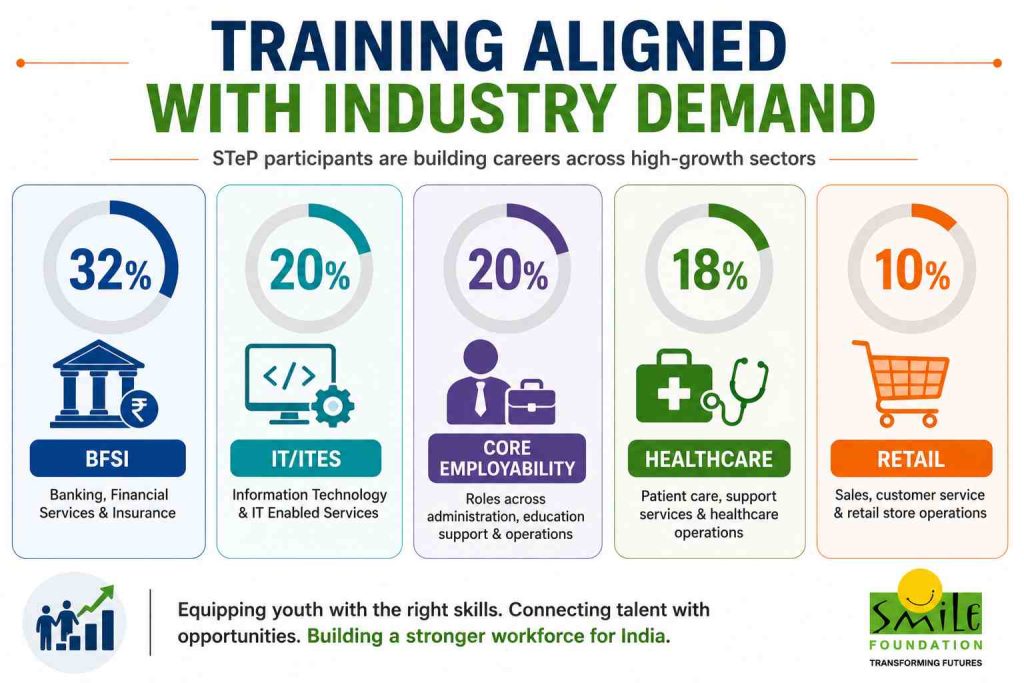
STeP is Smile Foundation’s skilling and livelihood programme for underserved youth. It provides market-linked vocational training across sectors including retail, healthcare, IT, hospitality and financial services, alongside career counselling, employer partnerships and post-placement support. STeP serves young people who have completed foundational education but lack the economic pathway to translate it into stable employment. Its design addresses both skills acquisition and the confidence, networks and practical knowledge needed to enter and sustain participation in the formal economy.

Why is women’s empowerment treated as a foundational pillar rather than a separate initiative?

Gender inequality in India compounds every other development challenge. A woman without health agency affects household nutrition. A girl pulled out of school reduces the next generation’s developmental foundation. A woman without economic independence leaves the household without a buffer against crisis. Swabhiman addresses these interconnections through community-based peer education, maternal and reproductive health support and economic participation programmes. Treating women’s empowerment as a separate vertical misses its role as a condition that shapes outcomes across all other development dimensions.

What does India’s development trajectory have to do with the lifecycle approach?

India is projected to become the world’s third-largest economy by 2030-31. But sustained economic growth depends on whether the population driving that growth has the health, education and economic stability to participate in it fully. Social vulnerabilities that compound across generations — poor maternal health feeding into low childhood cognitive development, interrupted schooling feeding into unstable employment — represent a structural drag on the growth story. The lifecycle approach is not only a social development model. It is, in the most practical sense, an economic one.

Sources:

  1. chrome-extension://efaidnbmnnnibpcajpcglclefindmkaj/https://arabstates.unfpa.org/sites/default/files/pub-pdf/life_cycle_2021-11-30.pdf
  1. https://www.spglobal.com/en/press/press-release/india-is-set-to-become-the-third-largest-economy-by-2030-31
Categories
Education Insights

What It Takes to Run a Rural Classroom Every Day

We talk endlessly about AI learning tools, digital classrooms and curriculum reform. Those conversations matter. But they often miss a harder truth: a classroom cannot run on pedagogy alone. The question before us is simple: Does the country truly value what it takes to make learning possible every single day in a rural classroom of India? 

Article 21-A of the Indian Constitution gives children between the ages of 6 and 14 the fundamental right to free and compulsory education under the Right to Education (RTE) Act. This legal promise reflects a clear goal that every child, regardless of caste, gender or economic background, should have access to quality education. But in rural India, reality tells a different story. Rural communities still face deep structural barriers that keep the RTE from being fully realised.

Imagining a Day in a Rural School

Rural classrooms in India

A teacher arrives after travelling from a nearby town on a road that becomes nearly unusable during the monsoon or they may not arrive at all. A child walks several kilometres to school in forty-degree heat. A girl may miss school every week because of household responsibilities or drop out altogether due to the distance and lack of toilet facilities. The midday meal supplies need counting. A classroom wall still carries damp patches from last season’s rain. Some children trickle in late because they spent the morning fetching water, grazing goats or helping at home. Isn’t the reality so uncomfortable?

In many rural classrooms, even the most basic facilities are still unreliable. Functional toilets, clean drinking water, steady electricity and usable classrooms are often far from guaranteed. Girls carry this burden most heavily. The lack of safe sanitation facilities pushes many adolescent girls out of school long before anyone notices and their absence is often a quiet response to humiliation and neglect.

The Mental Load Rural Children Carry in a Rural Classroom

A rural classroom child

A student who spends the morning carrying water buckets or caring for younger siblings, and then walks to school, does not enter the classroom with the same mental bandwidth as someone who sat down to breakfast and came in a car, a bus or a public transport. Yet schools expect both children to perform identically. One of the biggest failures in education policy is the refusal to acknowledge the emotional and cognitive burden many rural children carry into school every morning.

Children in low-income households often balance school with labour, caregiving and household responsibilities. Many study in cramped homes, with no quiet spaces and limited electricity. Sleep is irregular. 

For migrant families, schooling becomes even more unstable. Children move between districts, languages and curricula. They arrive in classrooms where they may not fully understand the language of instruction. Labels like weak student, slow learner, poor performer enter the scenario when children struggle.

Rarely do systems ask whether the child ever had a fair chance to learn consistently in the first place.

What Actually Keeps a Rural Classroom Running

NGO for Education 1

Running a rural classroom every day requires an entire ecosystem to function under pressure. Water, electricity, teacher attendance, nutrition, transport, emotional safety and community trust are all critical to running it. Remove even one of these and learning begins to crack.

  • Start with infrastructure. Some rural classrooms remain overcrowded, poorly ventilated or vulnerable to seasonal damage. Electricity cuts interrupt teaching. Internet connectivity is patchy. During peak summer, heat drains concentration from both students and teachers. During the monsoon, damaged roads and leaking roofs disrupt continuity.
  • Then comes staffing. Teachers in rural schools are routinely expected to perform several jobs at once. They teach multiple grades in the same room. They manage administrative paperwork and supervise midday meals. They handle government surveys and local coordination work.
  • Nutrition forms another crucial aspect. Midday meals are often framed as welfare support. For many children, the meal served at school may be the most dependable food they receive all day. Hunger affects concentration, emotional regulation and memory retention. 
  • Distance creates another layer of instability. In many villages, children still walk long stretches to reach school. Seasonal flooding, unsafe routes and economic pressures frequently interrupt attendance. During harvest periods, many children disappear from classrooms for days or weeks at a time.

Together, they define the learning experience.

What Serious Investment Would Look Like

Rural schools need durable investment in the basics: safe buildings, reliable water supply, clean toilets, electricity and functional classrooms. 

Teachers need support systems too—decent housing in remote areas, less administrative pressure, training for multilingual and multi-grade classrooms and stable staffing that allows them to stay and grow with the communities they serve.

Learning systems also need to be built with flexibility. Remedial programmes, bridge learning spaces and community-based support are not short-term fixes. In many rural areas, they are what keep children connected to learning, day after day.

Partnerships between governments, non-profits, local communities and CSR initiatives can play an important role in strengthening these systems. But the priority must remain continuity, not visibility.

But the challenge does not end at the classroom door. Many rural students who manage to complete school and earn college degrees still struggle to find stable employment. Schooling must prepare students for meaningful economic participation, especially in regions where opportunity remains uneven.

A Rural Classroom Held Together Every Day

484852313 1127466466071161 56623

A rural classroom survives because teachers, children and families spend enormous energy compensating for gaps in the system. Teachers improvise around limited resources. Parents continue sending children to school despite economic strain in the hope of a better future. Children adapt to instability with far more resilience than they should ever have to carry.

If India is serious about educational equity, it must stop treating rural schools as peripheral institutions expected to achieve more with less. Learning outcomes are built through stable systems that allow children to attend school regularly, safely and with dignity.

How Smile Foundation’s Mission Education Is Addressing the Gap

Understanding that a rural classroom cannot run on pedagogy alone, Smile Foundation built Mission Education around something more fundamental: the recognition that a child cannot learn if she is hungry, unsafe, unwell or simply absent.

Mission Education is Smile Foundation’s flagship education programme, operating across urban slums, rural villages and remote communities in over 27 states. It works with children who are out of school, at risk of dropping out or receiving an education so inadequate that it offers little real pathway forward. The programme does not treat these children as exceptions to be managed. It treats them as the centre of a system that needs to be rebuilt around their actual lives.

The programme establishes learning centres in communities where formal schooling is either inaccessible or insufficient. These centres provide structured academic support, bridge learning for children who have fallen behind and early childhood education for those who have never been to school at all. Facilitators are trained to work across mixed-age groups and different learning levels which is a direct response to the multi-grade reality that defines most rural classrooms.

Teacher instructing students in classroom

Nutrition is embedded into the programme’s design, not treated as a separate welfare function. Smile Foundation recognises what the research confirms: that hunger and learning are inseparable. Children who attend Mission Education centres receive nutritional support as part of their daily programme, directly addressing the concentration and memory deficits that food insecurity produces in the classroom.

Health and wellness are equally integrated. Regular health screenings, hygiene education and linkages to Smile Foundation’s Smile on Wheels mobile healthcare units mean that children in Mission Education communities receive the kind of basic health support that should be a given in any educational setting but is rarely available in the communities where they live.

For girls specifically, Mission Education prioritises the conditions that make continued education possible. Safe learning environments, age-appropriate health education, community engagement with families and support for adolescent girls navigating the competing pressures of household responsibilities and schooling all form part of the programme’s design. The premise is straightforward: a girl who feels safe, supported and seen in her learning environment is far more likely to stay in school.

Teacher and facilitator capacity is another deliberate focus. Mission Education invests in training its educators not just in academic content but in the social and emotional dimensions of working with children who carry significant burdens into the classroom. Facilitators are trained to recognise signs of stress, hunger and disengagement, and to respond in ways that build trust rather than deepen the child’s sense of failure.

The programme is aligned with the National Education Policy 2020, which emphasises foundational literacy and numeracy, holistic development and flexible, learner-centred approaches. It is also directly aligned with SDG Goal 4, which calls for inclusive and equitable quality education and lifelong learning opportunities for all.

What distinguishes Mission Education from many education initiatives is its understanding that attendance and learning do not happen in isolation from everything else in a child’s life. The programme works with families and communities and not just children to build the conditions in which sustained learning becomes possible. Parents who understand the value of education and feel respected by the institution are more likely to keep their children enrolled through the seasonal, economic and social disruptions that rural life consistently produces.

This is a programme designed for the long, slow, necessary work of educational equity that shows up in a child who stays in school through harvest season, who reaches Grade 8 with the foundational skills she was supposed to have by Grade 3, who grows up with a relationship to learning that no one thought to give her.

Frequently Asked Questions (FAQs)

Why do rural schools in India still struggle with basic infrastructure despite government schemes?

India has invested significantly in rural school infrastructure through schemes like Samagra Shiksha and the Swachh Bharat Mission, and progress has been real. However, the scale of need, combined with gaps in implementation, maintenance funding and last-mile delivery, means that many schools, particularly in remote districts, still lack reliable electricity, functional toilets and usable classrooms. Building infrastructure is one challenge. Maintaining it consistently over years is another.

How does the lack of sanitation facilities affect girls’ education in rural India?

Inadequate and unsafe toilet facilities are one of the most consistent drivers of dropout among adolescent girls in rural India. When a school has no private, functional toilet block for girls, managing menstruation becomes a reason to stay home, and repeated absences accumulate into academic gaps that make returning increasingly difficult. This is not a hygiene issue in isolation. It is an educational equity issue with a straightforward physical solution that has not been consistently prioritised.

What cognitive challenges do rural children face that urban education policy often ignores?

Rural children frequently arrive at school after completing labour, caregiving, or domestic responsibilities that urban children do not share. They may have had disrupted sleep, inadequate food or significant emotional stress before the school day begins. These factors directly affect concentration, working memory and emotional regulation — the very capacities that learning depends on. Education systems that evaluate all children by the same standards without accounting for these differences are not measuring learning. They are measuring circumstance.

Why is teacher retention such a significant challenge in rural schools?

Rural schools frequently offer inadequate housing, poor infrastructure, social isolation and high administrative workload with limited professional support. Teachers transferred to remote postings often seek reassignment at the earliest opportunity. The result is high turnover in exactly the schools that most need consistency and experience. Without stable teacher presence, schools cannot build the community relationships or continuity of instruction that sustained learning requires.

How does hunger affect learning outcomes in rural classrooms?

Hunger directly impairs cognitive function. Research consistently shows that food-insecure children have lower concentration, reduced memory retention and greater emotional dysregulation in classroom settings. For many rural children, the midday meal served at school is the most reliable food they receive in a day. When that meal is delayed, inadequate or absent, the learning losses are real and measurable. Nutrition is not separate from education — it is a precondition for it.

What role do NGOs like Smile Foundation play in addressing rural education gaps?

NGOs with deep community presence and long-term programme commitments fill critical gaps that government systems cannot always reach. Smile Foundation’s Mission Education programme, for example, works in communities where formal schooling is inaccessible or inadequate, providing learning centres, nutritional support, health screenings and facilitator training. Crucially, these programmes work with families and communities and not just children to build the broader conditions that make sustained learning possible.

What does Mission Education by Smile Foundation actually provide to children?

Mission Education provides structured academic support, bridge learning for children who have fallen behind grade level, early childhood education, nutritional support, health and hygiene education and linkages to mobile healthcare services. It operates in urban slums, rural villages and remote communities across more than 27 states. The programme is aligned with NEP 2020 and SDG Goal 4, and is designed around the understanding that learning cannot happen unless the conditions surrounding it like safety, health, nutrition and community trust are also addressed.

What will it take to achieve genuine educational equity in rural India?

Genuine educational equity requires durable investment in the basics — safe, well-maintained school buildings, reliable water and electricity, functional sanitation and stable teacher staffing. It also requires flexible learning systems that acknowledge the real conditions of rural children’s lives, including remedial support, community-based learning and programmes that engage families as partners. Most importantly, it requires a shift in how rural schools are valued — not as peripheral institutions expected to achieve more with less, but as the foundation of a fair society.

Sources:
https://www.smilefoundationindia.org/blog/school-infrastructure-quality-education-india/

https://www.teachermagazine.com/in_en/articles/engaging-students-in-rural-classrooms

https://countercurrents.org/2026/05/the-classroom-that-doesnt-teach-the-degree-that-doesnt-pay

Categories
Health

Donate For Healthcare in Rural India: Why Access to Basic Medical Care Is Still a Luxury

In India, where 65% of the population lives in rural areas, access to basic medical care remains out of reach for millions of people. When you choose to donate for healthcare in rural India, you are not funding a distant problem. You are helping a mother reach a doctor before a treatable illness becomes fatal.

Rural healthcare in India has improved in patches. But the gaps remain deep, and for many communities, a doctor visit still means a half-day journey on an empty stomach. This article explains why the crisis persists, who suffers most and how donations are directly changing lives on the ground.

India achieving Universal Health Coverage (UHC)

Why Rural Healthcare in India Is Still a Crisis

Rural India is home to over 900 million people. Yet only about 30% of the country’s hospitals, 20% of its beds and a fraction of its specialists serve this population.

The National Health Mission has made genuine progress since its launch in 2005. Immunisation rates have improved. Maternal mortality has fallen. More health sub-centres exist today than ever before.

But the fundamentals remain broken. Distance, cost, lack of trained staff and poor infrastructure continue to keep basic medical care away from hundreds of millions of people who need it most.

Doctor and Infrastructure Shortage in Rural Areas

Nonprofits can play Key Role in curbing Rise of NCDs
School children lining up outside a Smile on Wheels mobile medical unit for their weekly health check-ups

India has one of the world’s most severe rural doctor shortages. According to government data, the doctor-to-population ratio in rural India falls far below the WHO-recommended standard of 1 doctor per 1,000 people.

The situation on the ground reflects this starkly.

  • Over 25,000 primary health centres across India face staff shortages
  • Specialist doctors in rural sub-district hospitals are available at less than 50% of required capacity
  • Many health sub-centres operate without a nurse or trained birth attendant
  • Rural hospital infrastructure remains inadequate in over half of India’s districts

Young doctors trained in cities have little incentive to relocate to villages. The infrastructure to support them often does not exist. And the communities that need them most have no practical alternative.

Telemedicine is beginning to fill some of this gap. But connectivity limitations and low digital literacy mean that even this solution reaches only a portion of those who need it.

Who Suffers the Most — Women, Children and the Elderly

The burden of rural healthcare inequality does not fall evenly. Three groups carry a disproportionate share.

Women face the greatest risk around pregnancy and childbirth. India still accounts for a significant share of global maternal deaths. In rural areas, many women deliver without skilled attendance and post-natal follow-up is often non-existent.

Health dividend
Maternal care changing women’s health parameters

Children under five remain vulnerable to diseases that are entirely preventable. Diarrhoea, pneumonia, malnutrition and vaccine-preventable infections continue to claim lives in communities where a health worker’s visit is the only medical contact a family ever receives.

The Precious Lives of Healthcare Workers
The Precious Lives of Children

The elderly in rural India often manage chronic conditions like diabetes, hypertension and tuberculosis without consistent care or medication. A condition that is manageable with regular treatment becomes life-threatening when care is interrupted for months.

Preventive healthcare 1
The elderly need free quality healthcare

These are not abstract statistics. They describe the daily reality of communities that live hours away from the nearest functioning public hospital.

What Happens When Basic Medical Care Is Out of Reach

When healthcare is inaccessible, the consequences compound quickly.

A family that cannot afford the transport cost to reach a district hospital waits. A cough becomes tuberculosis. A high fever becomes cerebral malaria. A difficult pregnancy ends in preventable tragedy.

The economic impact is equally serious. Out-of-pocket health expenditure is one of the leading causes of household poverty in rural India. Families sell land or livestock to pay for emergency care. One hospitalisation can wipe out years of savings.

According to World Bank data, catastrophic health expenditure pushes tens of millions of Indian households below the poverty line every year. Most of these households are rural and most are already economically fragile.

The cycle is clear. Lack of preventive care leads to emergency hospitalisation. Emergency hospitalisation leads to catastrophic spending. Catastrophic spending leads to deeper poverty. Deeper poverty makes the next health crisis even harder to survive.

How Donations Are Making Healthcare Accessible in Rural India

Gender-Sensitivity in Rural Women Healthcare

Alongside government systems, NGO-driven healthcare programmes are filling the gap in ways that policy alone cannot.

Donations fund the infrastructure that government budgets often cannot reach. They pay for trained community health workers, mobile diagnostic equipment, medicine stocks and the logistics of reaching villages that public services miss.

The most effective programmes combine multiple approaches. Mobile clinics bring diagnostics and consultations directly to communities. Community health workers provide follow-up, referrals and health education. Telemedicine connects village-level workers with specialist doctors in cities. Together, these layers create a basic but functional healthcare network where none previously existed.

Mobile Health Clinics and Telemedicine

A mobile health clinic is not simply a vehicle with medicines. It is a fully equipped unit that brings diagnostics, consultations and referral services to communities that may not have seen a doctor in years.

In the right hands, a mobile clinic can conduct basic blood tests, identify early-stage TB or anaemia, provide maternal health screenings and refer critical cases before they become emergencies. Across rural India, mobile units are reaching hundreds of villages each year that no permanent facility serves.

Telemedicine adds another layer. When a community health worker in a remote village can connect a patient to a doctor via a tablet or phone, the barrier of distance is partially overcome. Early evidence from several rural health programmes in India suggests that telemedicine consultations can significantly reduce both emergency hospitalisations and out-of-pocket costs.

Community Health Workers and ASHA Support

No healthcare system in rural India works without the ASHA — the Accredited Social Health Activist. These frontline workers are the connective tissue between villages and health systems. They conduct home visits, track maternal and child health, encourage immunisation and refer patients to facilities.

But ASHA workers need support. Training, supervision, diagnostic tools and reliable medicine supplies all depend on resources that government budgets do not always provide consistently.

Donations that fund ASHA support — training materials, basic diagnostic kits, mobile connectivity — multiply the reach of every programme they back. One well-supported community health worker can meaningfully improve the health outcomes of hundreds of households.

How Smile Foundation’s Smile on Wheels Brings Health to Villages

Is India's healthcare system healthy?
A little child being taken care of by a doctor at Smile Foundation’s healthcare mobile medical unit

Smile Foundation’s Smile on Wheels programme is one of India’s most established mobile healthcare initiatives. It operates a fleet of fully equipped mobile medical units that deliver free primary healthcare, diagnostics and medicine to underserved rural and peri-urban communities.

Each unit is staffed by a doctor, a nurse and a health educator. Services include general consultations, maternal and child health check-ups, basic diagnostics, health education sessions and referrals for specialist care.

Smile on Wheels reaches communities where the nearest public health facility may be hours away. It operates in alignment with NHM priorities and works in coordination with ASHA workers and local health systems to ensure continuity of care rather than one-off visits.

The programme also addresses health literacy — equipping communities with the knowledge to recognise symptoms early, understand preventive practices and seek care before conditions become emergencies. This is where long-term health change actually begins.

If you are considering where to donate for healthcare in rural India, Smile Foundation’s Smile on Wheels offers a transparent, impact-verified model with decades of on-ground evidence behind it.

How to Donate for Rural Healthcare in India

Supporting rural healthcare through a trusted NGO is straightforward. Here is what the process typically looks like through Smile Foundation.

  • Visit the Smile Foundation donation page and select the healthcare programme
  • Choose a one-time or recurring contribution — even small monthly donations add up significantly over time
  • Receive a confirmation and tax receipt for your records
  • Track the impact of your donation through Smile Foundation’s regular programme updates

Donations can be made online through the Smile Foundation website, which accepts UPI, cards, net banking and international transfers.

Tax Benefits Under 80G

Donations to Smile Foundation qualify for tax deductions under Section 80G of the Income Tax Act. This means your contribution reduces your taxable income while directly funding healthcare access for people who have none.

For corporate donors, CSR contributions to healthcare programmes through registered NGOs like Smile Foundation qualify under Schedule VII of the Companies Act, making them eligible for CSR reporting.

How to Donate for Healthcare in Rural India — Making Your Contribution Count

When you choose to donate for healthcare in rural India, the impact goes further than a single consultation.

Your donation funds mobile units that visit villages every month. It trains community health workers who follow up with families between visits. It stocks medicine supplies that might otherwise be unavailable for weeks. It pays for the diagnostic equipment that catches a treatable condition before it becomes a crisis.

A contribution of any size matters. Recurring monthly giving — even a small amount — is particularly valuable because it allows programmes to plan, staff, and operate consistently rather than relying on unpredictable one-off funding cycles.

The communities that benefit most from your generosity are the ones least able to ask for it. They do not have the connectivity, the voice or the proximity to urban institutions that might otherwise reach them. Your donation brings the healthcare system closer to them.

Frequently Asked Questions

Why is healthcare access still a problem in rural India?

Rural India faces a combination of structural challenges — severe doctor shortages, inadequate health infrastructure, high transport costs and low health literacy — that public systems have not fully overcome. Despite progress under the National Health Mission, many communities still have no reliable access to basic medical care, diagnostics or specialist referral. The gap between policy intent and ground-level delivery remains significant.

What are the biggest healthcare challenges in rural India in 2026?

In 2026, the most pressing challenges include the shortage of trained medical staff in rural areas, inadequate primary health centre infrastructure, high out-of-pocket healthcare costs that push families into poverty, limited availability of medicines and diagnostics at the village level and persistent gaps in maternal and child health services. Telemedicine is growing but connectivity barriers continue to limit its reach.

How does donating help improve healthcare in villages?

Donations fund the practical infrastructure that government systems often cannot sustain — mobile medical units, community health worker training, medicine stocks and diagnostic equipment. They also fund health education, which builds the awareness and behaviours that reduce illness in the first place. Every donation to a credible healthcare NGO translates into direct, measurable services for underserved communities.

What is a mobile health clinic and how does it help rural areas?

A mobile health clinic is a vehicle-based medical unit staffed by doctors, nurses, and health educators. It travels to villages and communities that have no permanent health facility nearby, providing free consultations, basic diagnostics, maternal and child health screenings and referrals for specialist care. Mobile clinics are particularly effective in reaching last-mile populations where even primary health centres are inaccessible.

How does Smile Foundation provide healthcare in rural India?

Smile Foundation’s Smile on Wheels programme operates mobile medical units staffed by qualified healthcare professionals. These units visit underserved rural and peri-urban communities on a regular schedule, providing free primary care, diagnostics, health education and referrals. The programme works in coordination with ASHA workers and government health systems to ensure continuity and community integration rather than isolated visits.

What is Smile on Wheels and how does it work?

Smile on Wheels is Smile Foundation’s flagship mobile healthcare initiative. Each unit carries a doctor, nurse and health educator and is equipped with basic diagnostic tools and medicines. Units visit specific communities on a scheduled basis, providing free consultations and screenings. The programme prioritises maternal health, child health and the management of chronic and infectious diseases in communities with no other reliable healthcare access.

Can I get 80G tax benefits on healthcare donations?

Yes. Donations made to Smile Foundation qualify for deductions under Section 80G of the Income Tax Act of India. This allows individual donors to reduce their taxable income by the eligible donation amount. Smile Foundation provides donation receipts that can be used when filing your income tax return. Corporate donors can also claim CSR eligibility for qualifying contributions.

How is donated money used in rural healthcare programmes?

Donations are used to fund mobile medical unit operations including fuel, staff salaries, medicines and diagnostic consumables. They also support community health worker training and supervision, health education materials, telemedicine infrastructure and programme monitoring. Reputable NGOs like Smile Foundation publish impact reports that show donors exactly how funds are deployed and what outcomes they produce.

What is the doctor-to-patient ratio in rural India?

India’s rural doctor shortage is severe. Government data shows that doctor availability in rural primary health centres falls well below WHO-recommended standards. Many health sub-centres operate without any doctor at all, relying on nurses or trained health workers to manage basic care. This shortage is one of the primary reasons that mobile health clinics and community health worker programmes are so critical in rural settings.

How can I donate to support rural healthcare through Smile Foundation?

You can donate through the Smile Foundation website, which accepts UPI, debit and credit cards, net banking and international transfers. You can choose a one-time donation or set up a recurring monthly contribution to the healthcare programme. Smile Foundation provides a tax receipt under 80G and regular programme updates so you can see the impact of your support.

Support Smile Foundation's Smile on Wheels programme and help bring healthcare to the communities that need it most. Every contribution — however small — funds a consultation, a screening, or a referral that might save a life.
Categories
Livelihood

India’s Young Workforce Is Studying Longer. Why Is Stable Work Still Out of Reach?

India has more educated young people than at any point in its history. College enrolment has risen sharply, vocational institutions have expanded across states and millions of young people are staying in education far longer than previous generations ever could. By most conventional development indicators, this should have been a success story. But, the transition from education to young workforce in the form of stable employment is becoming increasingly uncertain.

The recently released State of Working India 2026 report by Azim Premji University captures this contradiction clearly. India’s demographic dividend is approaching its peak, with nearly 367 million young people of working age. But beneath the optimism surrounding the world’s largest youth population lies a growing structural concern: education has expanded faster than meaningful economic opportunity.

India is not merely facing a jobs problem. It is facing a transition problem.

India's Higher Education ROI Crisis: When a ₹40 Lakh Degree Leads to a ₹5 Lakh Job

The Demographic Window Is Narrowing

India’s demographic dividend has long been treated as an economic inevitability. A young population was expected to drive consumption, productivity and long-term growth. But demographic advantage only matters if young people can move successfully from classrooms into decent, stable and productive work.

That window is beginning to narrow.

According to the report, India’s youth population is expected to peak around 2030, after which the share of elderly people will begin rising steadily. Out of the country’s 367 million working-age youth, nearly 263 million young people outside formal education require meaningful employment opportunities.

The scale of the challenge is unprecedented.

For decades, India’s policy focus remained centred on increasing access to education. That expansion did happen. School and college enrolment improved significantly across genders and regions. Among young women aged 15–19, enrolment rose from 38% in 1983 to 68% in 2023. For young men, it rose from 49% to 73% over the same period.

But enrolment and employability are not the same thing.

India successfully expanded participation in education. It did not expand young workforce readiness at the same pace.

The Explosion of Institutions Did Not Guarantee Quality for Young Workforce

young workforce: Smile Foundation

The scale of institutional expansion over the last three decades has been enormous.

Following liberalisation, India witnessed a rapid growth in higher education and vocational institutions. The number of higher education institutions reportedly increased from around 1,600 to nearly 70,000. Industrial Training Institutes (ITIs) expanded almost fourfold between 2005 and 2025.

Much of this growth came from the private sector. Today, nearly 80% of higher education institutions and ITIs are privately operated.

On paper, this appears transformative. But expansion alone did not guarantee quality.

The report points to a gradual deterioration in vocational training quality across multiple indicators, including enrolment performance, trade diversity and pass percentages. Newer private ITIs, in particular, often rank lower than older public institutions.

This reflects a larger problem in India’s education ecosystem. Infrastructure expanded rapidly, but labour-market alignment remained weak.

Young people are entering educational systems that often remain disconnected from:

  • actual industry demand
  • emerging technologies
  • workplace communication
  • problem-solving skills
  • digital fluency

Degrees continue to function as signals of aspiration. But increasingly, they are no longer guarantees of stable employment for a young workforce.

India’s Real Crisis Is the Classroom-to-Workforce Transition

The most important finding in the report is not unemployment alone. It is the fragility of the transition between education and work.

Graduate unemployment has risen sharply even as the number of graduates has expanded. In 2023 alone, 11 million graduates between the ages of 20 and 29 were unemployed.

Even more revealing is what happens after unemployment.

Tracking young male graduates for one year after they reported being unemployed showed that roughly half eventually found some form of work. But only a very small percentage secured permanent salaried employment.

This distinction matters.

India’s labour market is not failing to generate all forms of work. It is failing to generate stable, secure and upwardly mobile work at the scale young people expect.

The result is growing underemployment:

  • graduates taking low-skilled work
  • informal employment despite formal qualifications
  • temporary contracts replacing permanent jobs
  • prolonged preparation cycles for competitive exams
  • increasing dependence on gig and platform work

The issue is no longer simply about whether young people are educated. It is about whether education meaningfully translates into economic mobility.

Access Remains Unequal

Preparing the Youth for India’s 5 Trillion Economy Goal

Even educational expansion itself remains deeply unequal.

The report highlights continuing caste and income disparities in higher education participation. While enrolment among Scheduled Castes and Scheduled Tribes has improved significantly over the last decade, both groups still remain below the national average.

Professional degrees remain especially inaccessible.

Courses like engineering and medicine continue to be concentrated among wealthier households because of rising educational costs. Students from poorer families are far more likely to enrol in commerce or humanities streams, often linked to lower-paying employment outcomes.

In other words, educational inequality is increasingly becoming stratified by affordability.

Regional inequality also persists sharply.

Southern and western states have expanded institutional access more effectively, while states such as Bihar and Jharkhand continue to lag behind in higher education infrastructure and vocational training access.

The consequence is not merely unequal education. It is unequal access to future opportunity itself for the young workforce.

Young Men Are Leaving Education Earlier

One of the more understated findings in the report concerns young men dropping out of education due to financial pressure.

Between 2017 and 2023, the share of young men citing household income responsibilities as the reason for leaving education rose sharply.

This points to a wider economic anxiety shaping Indian households.

As education becomes more expensive and employment more uncertain, families often cannot afford prolonged educational journeys without immediate economic returns.

For poorer households, education continues to carry opportunity costs:

  • delayed income
  • migration expenses
  • coaching costs
  • transport
  • digital access
  • living expenses in urban centres

Many young people are therefore caught between aspiration and affordability.

Women’s Employment Is Changing — Slowly

The report also captures an important long-term shift in women’s work participation.

Young women are increasingly entering manufacturing and service-sector jobs, especially in textiles, apparel, healthcare, education and information services. At the graduate level, the gender pay gap has also narrowed considerably over time.

These changes matter because they reflect slow but important shifts in occupational segregation.

Younger workers today are less likely to remain trapped within traditional caste- and gender-linked occupations than previous generations.

But structural barriers remain powerful.

Women’s participation in education or skilling programmes does not automatically translate into labour-force participation. Social norms around mobility, safety, caregiving and household responsibilities continue to shape workforce access.

Digital access itself remains unequal. Many young women, especially in rural and low-income households, still face restrictions around internet usage, phone ownership and independent mobility.

Which means employability is shaped by much more than classrooms alone.

The Labour Market Changed Faster Than Institutions Did

Perhaps the most important reality shaping young workers today is that the nature of work itself has changed dramatically.

The economy young people are entering now is fundamentally different from the one previous generations prepared for.

Growth sectors increasingly include:

  • AI and automation
  • digital services
  • e-commerce
  • logistics
  • renewable energy
  • healthcare support
  • platform-based work

These sectors demand continuous adaptation rather than static qualifications.

The problem is that institutions evolved more slowly than labour markets did.

Many educational systems still prioritise:

  • rote learning
  • examination performance
  • theoretical instruction

while employers increasingly prioritise:

  • communication
  • adaptability
  • digital literacy
  • teamwork
  • applied problem-solving

This disconnect is becoming one of India’s biggest development challenges.

Why Young Workforce Development Requires Ecosystems

Key findings Indias young workforce 2026 1

One of the clearest lessons emerging from workforce-development conversations is that employability cannot be solved through degrees alone.

Young workforce increasingly require:

  • mentorship
  • digital access
  • health continuity
  • mobility
  • confidence-building
  • career exposure
  • local support systems

This is where community-based organisations and CSR-led workforce programmes are beginning to play a larger role.

Smile Foundation, for instance, works across multiple stages of the education-to-employment pipeline through programmes such as:

Together, these interventions address not just employability skills, but also the social and structural barriers that interrupt workforce participation.

STeP combines digital learning, communication training and placement support for underserved youth. Mission Education strengthens foundational learning among children vulnerable to dropping out. Swabhiman works on health, confidence and life skills among adolescent girls and women, while Smile on Wheels addresses healthcare disruptions that often push families out of educational continuity.

These programmes matter because workforce readiness is increasingly shaped by ecosystems rather than isolated interventions.

India’s Challenge Is No Longer Access Alone

For decades, India’s development conversation focused on access:

  • access to schools
  • access to colleges
  • access to training
  • access to digital tools

Those questions remain important.

But the next phase of India’s development challenge is different.

The question now is whether access translates into agency, employability and stable opportunity.

India’s demographic dividend will not automatically convert itself into economic growth. A young population alone is not enough.

The real challenge lies in ensuring that young people across caste, gender, income and geography can move meaningfully from education into dignified work.

That transition is where India’s young workforce story will ultimately be decided.

Categories
Livelihood Skill Development

How Skill Training Is Transforming Livelihoods in India’s Painting Industry

Summary

  • India’s paint and coatings industry is projected to grow at 10–12% annually, yet a chronic shortage of formally trained painters continues to limit both worker earnings and industry quality standards
  • The iTrain Programme, launched by Berger Paints India Limited in partnership with Smile Foundation, operates across 31 fixed training centres and 23 mobile units, reaching painters in remote and underserved communities across 20 Indian states
  • 97% of surveyed participants reported higher incomes following iTrain training, with 62% stating their earnings had doubled — and 84.24% reporting increased savings that went toward assets including vehicles, homes, and land
  • Entrepreneurial skill development saw the most dramatic year-on-year growth, rising from 54.78% in 2024 to 80.94% in 2025 — signalling a significant shift from wage employment toward independent contracting and small business ownership
  • Soft skills proved as transformative as technical ones — 96.75% of participants reported improved communication and interpersonal skills, directly contributing to expanded client bases and stronger professional networks
  • 73.65% of participants were first-generation painters, making iTrain one of the few structured pathways available for workers whose families had no prior access to formal industry training
  • The programme’s mobile units play a distinct role in reaching rural communities where fixed infrastructure does not exist, with peer-driven referral emerging as a stronger recruitment mechanism in these settings
  • The impact assessment, conducted independently by Social Lens across 12 cities and 425 respondents, provides rigorous evidence that sustained, industry-aligned skilling produces measurable and lasting economic change
DSC01838 1 11zon

When a Paintbrush Becomes a Pathway: How the iTrain Skill Training Programme Is Transforming Livelihoods in India

There is a version of skill development that arrives in a community once, delivers a certificate and disappears. Participants gain a document but not necessarily a livelihood. The gap between training and outcome remains wide and the promise of economic mobility stays just out of reach.

The iTrain Programme is something different. Launched by Berger Paints India Limited in 2014 and significantly expanded in 2021 through a strategic partnership with Smile Foundation, iTrain is built on a more honest understanding of what it takes to change the trajectory of a working person’s life. Technical knowledge matters. So does confidence, communication, client management and the belief that one’s work has professional value. The programme invests in all of it, and the evidence, gathered through a rigorous third-party impact assessment by Social Lens Consulting in 2025, shows what that investment produces.

The Industry Behind the Programme

India’s paint and coatings industry is growing fast. Currently valued at approximately INR 70,000 crore, it is projected to expand at a compound annual growth rate of 10–12% over the next five years, driven by construction, infrastructure development and rising demand for home improvement. The sector is, by any measure, a significant part of India’s economic story.

But that story has a gap running through it. The majority of painters working in India today learned their trade informally, on the job, without access to structured training, safety protocols or the kind of professional standards that clients in a growing market increasingly expect. The result is a workforce that is large but unevenly skilled and a sector that struggles to meet quality demand at scale.

This is the problem iTrain was designed to address by teaching painting techniques and equipping them with the full range of competencies — technical, interpersonal and entrepreneurial — that allow them to compete, grow and sustain their livelihoods in a changing market.

DSC02006 11zon

What the Programme Does Through Skill Training

iTrain operates through two complementary delivery models. Thirty-one fixed training centres, established across India, provide structured theoretical and hands-on instruction in a consistent, well-equipped environment. Twenty-three mobile training units extend the programme’s reach into rural and remote areas where painters may have no other access to formal skilling. Together, they cover 20 Indian states and thousands of painters and contractors.

The curriculum is deliberately holistic. Technical modules cover paint surfaces, waterproofing, working with wood, moisture meters, textures and product types — the practical knowledge that determines work quality and professional credibility. But the programme does not stop there. Sessions on communication, client management, time management, financial literacy, project planning and entrepreneurship reflect a clear-eyed understanding that what limits most painters in the informal economy is not only technical skill but the professional infrastructure around it.

Smile Foundation’s role in the partnership, particularly through the mobile unit deployment, brings deep community engagement experience and the implementation infrastructure needed to reach workers who would otherwise remain outside any formal development programme. The collaboration reflects both organisations’ shared understanding that skill development is most effective when it is accessible, consistent and embedded in the communities it is designed to serve.

The People iTrain Reaches

The 2025 impact assessment surveyed 425 painters and contractors across 12 cities — Bhubaneshwar, Cochin, Delhi, Faridabad, Ghaziabad, Guwahati, Jalandhar, Kolkata, Kollam, Pune, Tirunelveli and Vijayawada. The profile of respondents tells a story that is worth pausing on.

The average participant was approximately 40 years old. Nearly half had worked in the painting profession for between 11 and 20 years. A significant 30.6% had never attended school. Most started working around Grade 8, well before completing their formal education.

skill training

These are not people who lack commitment or capability. They are people who entered the workforce early, often out of economic necessity, and built careers through experience alone, without the formal validation or professional development that might have accelerated their growth. For 73.65% of respondents, this is the first generation of their family to work in painting. iTrain, for many of them, is the first time anyone has invested in their professional development.

That context matters for understanding what the programme’s outcomes actually represent. A painter who doubles his income after training is not simply a data point. He is someone who without formal skilling infrastructure might have spent a career earning a fraction of what his skills, once developed and recognised, can command.

What Changes After Skill Training

The 2025 findings, independently assessed by Social Lens Consulting with a 95% confidence level and 5% margin of error, are consistent and substantial across multiple dimensions.

Income and economic mobility are the most immediately visible outcomes. 97% of respondents reported a positive change in income following iTrain participation. 62% stated their earnings had at least doubled. A further 17% reported income growth between 50 and 75%. Only 3% reported no income change. These are not marginal gains — they represent a genuine transformation in the economic lives of working people.

The financial benefits extend beyond income. 84.24% of participants reported increased savings. Those savings are being invested in ways that signal a shift in economic status and long-term planning: 62.35% purchased a vehicle, 52.94% bought a mobile phone, 41.18% invested in a home and 35.53% acquired land. These are not luxury purchases. They are the building blocks of household stability and intergenerational security.

Confidence and career progression show similarly strong gains. 84.25% of respondents reported increased confidence in their professional abilities — up from 77.2% in 2024. 77.5% reported career advancement. 71.75% noted an expanded professional network. The year-on-year improvement across these indicators is not incidental. It reflects a programme that is deepening in its impact over time, not plateauing.

Soft skills, often undervalued in workforce development programmes, proved among the most consequential outcomes. 96.75% of participants reported improved communication and interpersonal skills — a figure that reflects both the programme’s curriculum emphasis and the community dimension of the training centres themselves. Participants described the centres not just as places to learn techniques, but as spaces where peer relationships form, informal mentoring happens and professional identity develops. 82.25% reported stronger time management skills. 69.25% improved their client expectation management.

Entrepreneurial ambition represents perhaps the most striking shift in the 2025 data. 80.94% of participants valued the entrepreneurial skills component of the programme — a dramatic rise from 54.78% in 2024. First-generation painters, in particular, described iTrain as a stepping stone toward growing their own businesses and building contractor networks. The programme is producing not just better employees, but the foundations of small business ownership in a sector where that transition has historically been difficult without formal support.

What the Mobile Units Do Differently

The data from fixed and mobile training centres reveals distinct but complementary patterns. Mobile units slightly outperformed fixed centres in technical skill development — 84.38% versus 79.94% — likely because the hands-on, accessible format resonates particularly well with participants who may be engaging with formal training for the first time.

Mobile centres also showed stronger peer-driven recruitment. 11.22% of mobile centre participants were referred by fellow painters, compared to 5.5% at fixed sites. This matters because peer referral is one of the most reliable indicators of genuine community trust — people recommend things that have worked for them.

The mobile units serve a population that fixed infrastructure cannot reach. In communities where a painter might not have the means or the time to travel to a training centre, the programme coming to him is not a convenience feature. It is the difference between access and exclusion. Smile Foundation’s experience in community mobilisation and remote programme delivery is what makes this possible.

The Difference Sustained Engagement Makes

One of the clearest findings in the assessment is the relationship between continued participation and outcome quality. Participants who attended more sessions consistently showed stronger skill development and higher satisfaction with the programme’s relevance. Several reported returning for sessions they had already attended — not for revision, but to stay current as new tools and techniques entered the market.

This points to something important about what effective skilling actually requires. A single training cycle, however well-designed, has limits. The workers who benefit most from iTrain are those who engage with it as an ongoing professional resource — returning as the industry evolves, building relationships with trainers and peers over time and using the training centre as a community of practice rather than a one-time event.

The data on centre maturity reinforces this. Mid-stage centres, those operating between seven and nine years, consistently produced the strongest business outcomes across client acquisition, contract growth and network expansion. These are centres that have built real relationships with local painting communities, developed experienced trainers and adapted their delivery over time. They represent what a long-term investment in skilling infrastructure looks like when it matures.

Why This Matters for CSR in India

The iTrain Programme is, among other things, a case study in what CSR investment in workforce development can produce when it is designed with genuine rigour, sustained over time and implemented through partners with deep community presence.

India’s skill development landscape includes many programmes that measure success by enrolment and certification. iTrain measures something harder and more honest: whether participants earn more, grow their businesses, gain clients, and invest in their futures. The independent impact assessment commissioned by Berger Paints reflects an accountability standard that more CSR-funded skill programmes should aspire to.

Smile Foundation’s partnership role demonstrates the value of implementation expertise in translating corporate investment into community-level impact. The mobile units, the community engagement, the reach into underserved geographies — these are not features that a corporate programme can build overnight. They are the product of years of trust-building and operational depth that purpose-driven NGOs bring to the table.

What Comes Next

The 2025 assessment also identifies where the programme can grow. Participants are asking for more specialised modules on epoxy applications, damp proofing, and advanced textures; more real-time training as new products enter the market; more space for iterative learning that does not overwhelm in dense sessions.

The absence of women in contractor-level roles at surveyed sites points to a structural gap in the sector that the programme has an opportunity to address more deliberately as it scales. Trainers noted that women do participate in iTrain as daily wage painters in other locations — the question is how to build the pathway from participation to leadership.

These are not critiques of what iTrain has achieved. They are the natural next questions that a programme producing real results earns the right to ask.

Dignity Through Craft

A painter who completes iTrain and doubles his income has not simply learned new techniques. He has been recognised as a professional whose knowledge has value, whose craft is worth investing in, and whose ambitions — to grow a business, to own a home, to give his children better options — are legitimate and reachable.

That recognition is as important as any certificate. And it is what Smile Foundation, in partnership with Berger Paints India Limited, is working to extend — one training session, one mobile unit visit, one first-generation painter at a time.

The data is compelling. But the story it tells is a human one: that when investment in working people is sustained, rigorous and genuinely respectful of their potential, the outcomes speak for themselves.

Categories
Smile

CSR That Builds Workforce Pipelines: Companies Are Solving Their Own Talent Gap

Quick Summary

  • India faces a widening talent gap despite millions entering the workforce annually.
  • Companies are shifting CSR investments towards employability and workforce readiness.
  • Traditional education systems are struggling to match industry demand.
  • Digital access alone does not guarantee employment opportunities.
  • CSR-led skilling is increasingly linked to ESG and long-term business resilience.
  • Inclusive workforce development requires mentorship, community engagement and life skills.
  • NGO-corporate partnerships are helping create local talent pipelines.
  • Workforce development is becoming central to India’s long-term economic growth.
The broken pipeline and talent g

India’s Talent Gap Is Reshaping CSR and Workforce Development

India adds millions of young people to the labour market each year, yet employers across sectors struggle to find job-ready talent. Reports have flagged this mismatch for years. Thus, companies are increasingly trying to make the most of India’s moment, with 75% of its population in the working-age group. They know that this young cohort of the workforce significantly drives India’s economy. From the employer’s perspective, hiring is risky and costly. Companies often consider candidates who are not job-ready and, thus, experience high training costs, lower productivity, project delays and so on. 

Over the past decade, CSR in India has moved from a compliance-driven requirement to a strategic focus aligned with long-term business objectives, sustainability and readiness of the workforce. This is further highlighted by a recent global skill gap study by ISR (2025) across 23 countries, which showed an alarming deficit of 83 million workers. Closing this gap could contribute a staggering $11.5 trillion to global GDP by 2028. 

Today, the talent gap has become more than an HR challenge. It is increasingly shaping corporate strategy, business continuity and long-term economic resilience.

From the employer’s perspective, hiring has become both risky and expensive. Companies often recruit candidates who require months of additional training before they become productive. This results in higher onboarding costs, project delays, lower efficiency and increased attrition. Many businesses now recognise that workforce readiness cannot begin at recruitment. It has to be built much earlier.

That realisation is reshaping how companies think about Corporate Social Responsibility (CSR).

From Compliance to Capability

Education vs employability the t

India’s CSR framework, formalised under the Companies Act, required companies to set aside 2% of their profits for social development. For years, much of that money went into scattered efforts such as school infrastructure, health camps and other short-term initiatives that rarely tackled deeper, systemic gaps.

That approach is now losing relevance. As fields like AI, cybersecurity, data science and e-commerce reshape industries across the world, companies are placing greater emphasis on digital readiness so people can adapt to an increasingly connected job market. Today, the focus is shifting towards outcomes that actually improve employability.

The logic is straightforward. Companies face persistent pressures. Some of them are as follows.

  • The talent supply gap is the first pressure. Even though universities are churning out millions of graduates, many of them aren’t quite ready for the workforce. Companies end up investing a lot in training new hires, but the outcomes can be a hit or miss.
  • Next, there are the specific demands of different sectors. We’re seeing new roles emerging in areas like AI, renewable energy, healthcare support and digital operations, all of which need specialised skills. Unfortunately, traditional education systems are having a tough time keeping up with these changes.
  • One of the biggest mistakes in CSR-led skilling is assuming that access automatically creates opportunity. Looking beyond just the statistics—like how many devices are handed out or how many online courses are created—it’s clear that employability is influenced by a lot more than just having internet access. Many young women, particularly those in rural areas or from low-income families, still encounter significant barriers when it comes to using phones, accessing the internet and moving around freely, due to social norms that dictate who controls these resources.
  • Let’s talk about workforce stability. When companies hire young people who were trained locally, they often see better retention rates. Employees from nearby communities tend to stay longer and grow within the organisation.

CSR-led skilling allows companies to shape training around real job roles. It builds a steady flow of candidates and also strengthens ties with local communities, which matters for long-term operations.

What the New CSR-Skilling Model Looks Like

A pattern is emerging across effective programmes.

Training is aligned with industry demand. Courses are designed around actual job functions, like digital literacy, communication skills and domain-specific knowledge, which are integrated into the curriculum. Partnerships play a central role. Companies work with NGOs that understand local realities and can operate at the grassroots.

The most effective programmes combine technology with mentorship, community engagement and human support. AI-driven interview preparation tools, multilingual learning platforms and virtual volunteer networks are helping underserved youth prepare for jobs with greater confidence. But these tools work best when local ecosystems support them and reflect cultural realities. Workforce development today demands inclusive design; otherwise, companies risk digitising exclusion instead of addressing it.

Most importantly, lasting impact requires continuity, in the form of longer engagements, which give communities time to build trust and allow outcomes to stabilise.

CSR Meets ESG and Long-term Strategy

Another shift is shaping this space, i.e. CSR is merging with broader ESG (Environmental, Social and Governance) frameworks.

Today, companies are stepping up by aligning their social investments with sustainability goals and global standards. This shift has led businesses to co-design programmes instead of just outsourcing them. Further, workforce development is increasingly being assessed through an ESG  perspective. Companies facing challenges from digital disruption, automation and climate change understand that having access to skilled and adaptable talent is essential for their future resilience. CSR-led skilling programmes are therefore becoming part of larger ESG and risk-management strategies, especially in sectors undergoing rapid technological change.

The ESG conversation has also sharpened focus on inclusion. Companies are being pushed to examine who is being left out. Are young women able to access digital tools freely? Are rural communities receiving the same opportunities as urban centres? Are programmes designed for low-bandwidth and multilingual environments? These questions now sit at the heart of responsible workforce development.

The Role of Partnerships

Smile Foundation works right at the crossroads of corporate goals and community needs, turning CSR budgets into well-structured, scalable programmes. A number of their initiatives illustrate how workforce pipelines are built in real life. 

STeP (Smile Twin e-Learning Programme) serves as a direct pathway to employment. It combines technical training with soft skills and placement support. The scale is significant. Over 90,000 youth trained and more than 56,000 placed in jobs. A large proportion of participants are young women, which adds a gender inclusion dimension to workforce development.

Mission Education works earlier in the pipeline. It targets children at risk of dropping out and strengthens foundational learning. Without basic literacy and numeracy, employability later becomes difficult. By improving learning outcomes, the programme feeds into long-term talent readiness.

Smile on Wheels addresses health through mobile medical units that deliver primary care in underserved areas. Healthier communities mean fewer disruptions in education and training. It also reduces the financial shocks that often push families out of learning pathways.

Swabhiman, the women empowerment programme, tackles social constraints that limit workforce participation. It focuses on health awareness, hygiene and life skills for adolescent girls and women. When women gain confidence and agency, their participation in skilling and employment programmes rises sharply.

Conclusion

CSR in India is moving away from fragmented giving towards structured, outcome-driven investment. Skilling sits at the centre of this shift. It offers a direct link between social impact and business value.

Companies that invest in workforce development today gain access to trained, job-ready candidates who understand local contexts and stay longer. The companies that recognise this early will not spend years chasing talent. A workforce that is skilled, healthy and empowered supports growth across sectors.

FAQs

1. What is the talent gap in India?

The talent gap refers to the mismatch between the skills employers need and the capabilities many job seekers currently possess, particularly in rapidly evolving sectors.

2. Why are companies investing in skilling through CSR?

Companies increasingly view skilling as a strategic investment that strengthens workforce readiness, improves retention and supports long-term business resilience.

3. How is CSR evolving in India?

CSR is shifting from short-term philanthropic activities towards long-term, outcome-driven investments focused on employability, sustainability and workforce development.

4. Why is employability a major concern in India?

Many graduates lack practical industry skills, communication abilities and digital readiness required for modern workplaces despite having formal qualifications.

5. How does ESG connect with workforce development?

ESG frameworks increasingly recognise workforce resilience, inclusion and skilling as critical to long-term sustainability and operational stability.

6. Why are NGO partnerships important in skilling programmes?

NGOs help companies understand local realities, build community trust and implement context-sensitive workforce development programmes.

7. How do social barriers affect employability?

Gender norms, digital exclusion, mobility restrictions and unequal educational access can prevent many young people, especially women, from participating fully in skilling opportunities.

8. How is Smile Foundation contributing to workforce development?

Through programmes like STeP, Mission Education, Smile on Wheels and Swabhiman, Smile Foundation supports employability, foundational learning, health access and women’s empowerment across underserved communities.

Categories
Girl Child In The Spotlight

Child Marriages and India’s Development Blind Spots

Quick Summary

  • Child marriage in India has declined overall, but regional disparities remain sharp.
  • Telangana’s data reveals high rates of child marriage even among relatively privileged communities.
  • Economic progress does not automatically dismantle patriarchal social norms.
  • Education without agency often fails to shift decision-making power for girls.
  • Development indicators frequently measure access, not autonomy or choice.
  • Behavioural change and community engagement are essential to reducing child marriage.
  • Life skills, mentorship and girls’ empowerment programmes can strengthen agency.
  • Sustainable progress requires addressing both economic inequality and social attitudes.
The Art of Simplicity in Life and Work
A sweet little girl from one of Smile Foundation’s Mission Education centres

In 2025, there was a real reason to celebrate the decline in child marriage. Between April 2022 and March 2025, child marriages dropped sharply by 69% among girls and 72% among boys. State-level figures revealed Assam leading the way, followed by Maharashtra and Bihar, while Rajasthan and Karnataka also dropped.

Even so, the picture is far from uniform. In Telangana, the Congress government’s 2024–25 caste survey found that around 5% or 2.16 lakh of girls under 18 were married. The Telangana Socio, Economic, Educational, Employment, Political and Caste (SEEEPC) Survey 2024 also found that nearly two-thirds of women in the state had not studied beyond secondary school. The number is hard to ignore. 

Rethinking Data

What is even more unsettling is that deprivation is not the only cause; the highest rates appear among groups often regarded as educated, urban and economically secure. This points to something India’s development story struggles to see, i.e. a blind spot. The failure lies in interpretation. We assume progress in income, education and urban exposure naturally weakens regressive practices. 

Telangana’s data tells a different story. It shows how development can advance while leaving core social norms intact. It shows that social outcomes do not always follow economic indicators in predictable ways.

Cultural Persistence Beneath Economic Mobility

Social norms and gender expectations remain difficult to dismantle. Even when families know the law, traditional beliefs around protecting a girl’s “honour” or getting her married “at the right age” often override legal deterrents. 

Promoting STEM Education amongst Girl Children & STEM jobs for women

Child marriage is often explained through poverty. But poverty alone cannot explain the pattern seen in Telangana. If it did, higher rates would not appear among relatively privileged groups. The deeper drivers lie in regressive social norms. Marriage is still seen as a parental responsibility. 

Moreover, while research shows that economic mobility dilutes regressive social practices, in reality, it does not hold. Typically, in Indian society, delaying it invites scrutiny and becomes a source of concern. Her presence is tied to ideas of honour, purity and family standing. These beliefs operate in both rural and urban contexts. As families move up, their anxieties may reduce, but they do not disappear. Concerns around status, reputation and social control remain strong. 

Thus, marriage becomes a way to manage these concerns. It regulates a girl’s autonomy and reinforces family expectations. Urbanisation changes lifestyles. It does not automatically dismantle patriarchal authority. The survey reflects that communities with access to education and economic resources still report high rates of early marriage, where families and society still make the decisions, rather than the girls themselves.

Education Without Agency

There’s a crucial piece missing in India’s approach to education: agency. For too long, progress has been measured by the number of girls attending school, rising literacy rates and the push for higher enrolment. These are steps forward, no doubt, but they don’t tell the whole story. 

In Telangana, 65.5 per cent of women have not studied beyond Class 10. That points to a serious access gap among marginalised groups. Yet the persistence of early marriage among better-performing communities points to an agency gap.

A girl may attend school, even complete higher education. Yet she may still have little say in when she marries. Education, in such cases, improves qualifications but does not shift decision-making power. For girls to have real agency and act on their aspirations, they need to know that they are capable of taking action, and that their actions will make a difference in the world around them. Without that confidence, they are less likely to act. They also need the right skills to do so effectively, both to manage themselves and to lead and influence others.

India tracks how long girls stay in school. It does not track whether education translates into control over life choices. Without that shift, education coexists with early marriage instead of preventing it.

Where the System Falls Short

National Girl Child Day 2024

India has laws, policies and awareness campaigns to prevent child marriage. National data shows a decline over time. However, the Telangana findings reveal uneven progress.

Policy tends to focus on visible vulnerability. It targets poorer regions and marginalised communities. Moreover, education and financial incentives are more focused on. These interventions matter, but they do not engage deeply with social norms. Education needs a bigger change in curriculum, for instance, life skills would be more impactful. Policies also overlook communities where the problem is assumed to be minimal.

The Better Approach

The consequences of these blind spots are severe and far-reaching. We have known this forever that early marriage exposes girls to serious health risks. Adolescent pregnancies increase complications; infants face higher risks of low birth weight and long-term health challenges. Girls who marry early are more likely to leave school, remain outside the workforce, and depend financially on others. 

  • It’s time to recognise that lasting change depends on behaviour as much as access. Involving families, community leaders, and local networks that influence everyday decisions is a must. It also means using granular data to identify where high rates persist, without relying on assumptions on caste or class.
  • India must improve birth and marriage registration through stronger laws and support systems, so that proving a girl’s age at marriage is possible.
  • Greater government investment is needed to build enforcement capacity in vulnerable communities, districts, and states. Police, judicial officials, and local representatives in high-prevalence areas should receive better training to enforce child marriage laws effectively.
  • Increasing girls’ access to education is central to reducing child marriage. Special attention should be given to the transition from primary to secondary school, where dropout rates are high.
  • Programmes that offer adolescent girls life skills training, mentorship, and economic empowerment have shown strong positive results. Life skills should focus on improving girls’ confidence and aspirations, allowing them to envision different alternatives for their lives; giving girls tools to negotiate for what they want; and helping girls build stronger social networks to support their decision-making process. These can be scaled up by the government in partnership with non-governmental organisations.
  • Public education and mass media campaigns on the harms of child marriage and the laws against it should focus on high-risk areas. Religious and Panchayat leaders should be actively engaged, as they influence community attitudes and can help discourage child marriage and dowry practices.

Redefining Progress

What will it take for us to realise that child marriage is a violation of a girl’s rights? It seriously undermines efforts to reduce gender-based violence, advance education, alleviate poverty and improve health indicators. Telangana’s data show that development is taking place, but it is failing to address some critical issues. A society cannot claim to be truly advancing if girls do not have freedom and choice.

Smile Foundation is working to break the cycle of child marriage through its flagship programme, Mission Education, which supports children aged 3 to 18 living in challenging circumstances, especially girls who are at greater risk of early marriage. Recognising the strong connection between education and child marriage, the foundation believes that keeping girls in school gives them the confidence and strength to resist pressure to marry young. Through the Swabhiman scholarship initiative, first-generation girl learners who may otherwise drop out because of marriage are supported to continue and complete their education, and to build essential life skills such as decision-making, saying no, and managing conflict. Smile also supports families and communities through health interventions, women’s empowerment and livelihood training.

FAQs

1. What does Telangana’s child marriage data reveal?

The data reveals that child marriage persists even among educated and economically stable communities, highlighting how social norms can survive despite economic development.

2. Why is child marriage still prevalent in India?

Child marriage continues due to deeply rooted gender norms, concerns around honour and social expectations that often outweigh legal deterrents and educational progress.

3. How does education fail to prevent child marriage?

Education may improve qualifications, but without agency and decision-making power, girls may still have little control over when and whom they marry.

4. What is meant by “development blind spots”?

Development blind spots refer to the gap between economic progress and social transformation, where indicators like income and schooling improve while regressive social practices continue.

5. Why is behavioural change important in reducing child marriage?

Behavioural change addresses the social norms, beliefs and community attitudes that sustain child marriage, making long-term prevention more effective than policy interventions alone.

6. How does child marriage affect girls’ futures?

Child marriage increases health risks, limits educational opportunities, reduces workforce participation and weakens girls’ long-term economic independence.

7. What interventions help reduce child marriage?

Life skills training, mentorship, community engagement, secondary education support and economic empowerment programmes have shown strong results in delaying early marriage.

8. How is Smile Foundation addressing child marriage?

Through Mission Education and Swabhiman, Smile Foundation supports girls’ education, scholarships, life skills development and community-based interventions that strengthen agency and reduce the risk of early marriage.

Categories
Education

Why Companies Are Investing in STEM Education at the School Level

Summary

  • The global STEM education market in K-12 was valued at USD 60 billion in 2024 and is projected to reach USD 132 billion by 2030, with India expected to register the highest growth rate among all countries
  • Despite this growth, much of India’s science education remains memorisation-heavy and exam-driven producing students who can recall formulas but struggle to apply them in unfamiliar contexts
  • Early STEM exposure, particularly between ages 6 and 14, is critical for building the reasoning habits, curiosity and confidence that determine long-term engagement with science and technology
  • Girls face compounding disadvantages in STEM absorbing stereotypes early, losing confidence in middle school and facing limited role models making gender-responsive programme design a necessity
  • Companies are increasingly investing in school-level STEM education through CSR because the skills gap they face in hiring cannot be fixed at the point of recruitment — it has to be addressed at the point of formation
  • Smile Foundation’s Mission Education programme, in partnership with BT Group and British Asian Trust, offers a grounded model of how STEM can be taught as a way of thinking rather than a body of knowledge — with particular attention to girls, teachers, and resource-constrained settings
  • The most important outcomes of STEM education — confidence, curiosity, and the ability to ask better questions — are difficult to measure but determine the trajectory of learning far more than any device or laboratory
National Technology Day 2026: History, Theme and India's Journey in Science and Innovation

The importance of Science, Technology, Engineering and Mathematics (STEM) education cannot be overstated. And currently, with Artificial Intelligence already rewriting the rules of work, STEM education takes on a new role. For many young professionals, the ground is shifting before their careers even begin.

As AI takes on routine and repetitive work, the value of human capabilities is changing. Employers are looking for people who can ask better questions, interpret complexity and apply judgment where machines fall short. At the same time, they are turning their attention to schools, where habits of thinking take shape far earlier. As a result, businesses have begun to invest in how that talent is formed.

How India Teaches Science

The global STEM education in K-12 market size was estimated at USD 60,143.9 million in 2024 and is projected to reach USD 131,978.3 million by 2030. Country-wise, India is expected to register the highest compound annual growth rate (CAGR) from 2025 to 2030.

But to achieve those numbers, science cannot be taught as something fixed and final, as it has always largely been. Students memorise formulas, while teachers demonstrate experiments. Where then is curiosity? By the time students reach middle school, concepts become more abstract and many students get convinced that science is not meant for them. This can have an even stronger negative effect on girls, as stereotypes about science are often absorbed from an early age. It is especially important, then, for classroom practices to encourage inclusion and curiosity in every student.

India is not alone in facing this challenge, but its scale makes it particularly consequential. With over 250 million students enrolled in schools, even marginal improvements in the quality of STEM education translate into significant outcomes at the national level. The National Education Policy 2020 recognised this explicitly, emphasising experiential learning, critical thinking, and the integration of vocational and academic education. The intent is sound. The gap between that intent and what happens in most classrooms, particularly in rural government schools, remains wide.

Part of the challenge is structural. Indian school curricula have historically been designed around examination performance rather than conceptual understanding. Teachers, many of whom were trained under the same system, teach in ways that reflect how they were taught. Without deliberate intervention — in curriculum design, teacher development, and learning environment — the cycle perpetuates itself. A student who sits through twelve years of science education and emerges unable to formulate a hypothesis or explain a phenomenon in their own words has not received a STEM education in any meaningful sense.

Girls enjoying STEM lessons

The infrastructure dimension adds another layer. While urban private schools increasingly have access to laboratories, digital tools and extracurricular science programmes, government schools in rural and peri-urban areas often lack even basic science equipment. This creates a two-track system in which access to quality STEM learning correlates closely with socioeconomic status — a pattern that, left unaddressed, reproduces existing inequalities through the labour market.

Why Early STEM Exposure Matters

Early childhood greatly influences how children perceive learning and their own abilities. During these formative years, experiences can build confidence, spark curiosity and encourage children to try new things. When STEM is introduced early through hands-on, age-appropriate activities, children are more likely to see it as something they can engage with rather than something difficult or intimidating. They also begin developing problem-solving skills as they face uncertainty, experiment and learn through trial and error.

Research from the OECD’s Programme for International Student Assessment consistently shows that attitudes toward mathematics and science are largely formed by age 10. Students who develop a positive relationship with STEM subjects in primary school are significantly more likely to pursue them in secondary education and beyond. Conversely, students who disengage early rarely re-engage — the confidence gap compounds over time rather than closing.

The middle school years are equally important. This is often the time when students start to grapple with more abstract ideas, and without a solid foundation, many begin to struggle. For girls in particular, this stage can be especially challenging. Social pressure, limited role models, and classroom dynamics can all impact their confidence. A 2023 UNESCO report found that globally, girls perform as well as or better than boys in science in primary school, but begin to fall behind in secondary school — not because of ability, but because of the accumulated weight of stereotypes, discouragement, and the absence of visible examples of women in scientific careers.

By the time support reaches students in higher secondary school or college, their perceptions are often already deeply formed. A student who has spent years believing she is not good at science is unlikely to change that belief overnight. This is why interventions that begin early — and that deliberately counter the social messages that narrow students’ sense of what is possible for them — are qualitatively different from those that arrive later.

STEM as a Way of Thinking

Globally, the conversation around STEM has moved beyond jobs and degrees. Education systems now treat it as a way of thinking. Research from organisations such as UNESCO and the OECD points to a broader outcome. Students exposed to inquiry-based STEM learning show stronger reasoning, better adaptability and greater resilience in uncertain situations. These skills are central to how individuals navigate modern life and they are precisely the skills that the AI-augmented economy increasingly demands.

STEM Education and Revolution of India

The distinction matters because it reframes the purpose of STEM education entirely. If the goal is to produce graduates who can code or conduct experiments, then investment in infrastructure and curriculum is sufficient. But if the goal is to produce citizens and workers who can reason through ambiguous problems, challenge assumptions, and adapt when conditions change — then the learning environment, the relationships between teachers and students and the degree to which curiosity is welcomed and rewarded all become critical variables.

Countries like Finland and the UK have responded by embedding STEM early, but in ways that prioritise exploration over performance. Finland’s system, which consistently produces among the world’s strongest STEM outcomes, places less emphasis on standardised testing and more on project-based, collaborative learning. Teachers are highly trained and trusted professionals who function as facilitators of inquiry rather than deliverers of content. India has signalled a similar intent through the National Education Policy. Yet the classroom reality often lags as access to this kind of learning remains uneven across states, school types, and income groups.

Why Companies Are Stepping In

For businesses today, the changes in education have real consequences for the workforce they rely on. Industries driven by artificial intelligence, clean energy and advanced manufacturing need individuals who can think holistically rather than just follow set procedures. Waiting until the end of the educational pipeline to hire does not fix the gaps that have formed much earlier in the process.

According to the India Skills Report 2024, fewer than 50% of graduates across engineering and science disciplines are considered job-ready by employers. The gap is not primarily technical — it is cognitive and behavioural. Graduates lack the problem-solving orientation, communication skills, and capacity for self-directed learning that employers in knowledge-intensive industries require. These are not skills that can be acquired in a six-month onboarding programme. They are habits of mind that develop over years, and the window for forming them most effectively is in school.

This has prompted a clear strategic shift. Companies are now putting money into school-level STEM education to shape individuals who start their journey into the professional world from early on. There are three main reasons behind this trend.

The first is workforce readiness. The skills gap is no longer just about having degrees — it is about being adaptable and solving problems in conditions that no training programme fully anticipates. Companies that invest in the quality of STEM education at the school level are, in effect, investing in the quality of the talent pool they will draw from in ten or fifteen years.

The second is innovation. When curiosity is nurtured early and young children learn by doing, it tends to produce greater creativity later. Companies understand that innovation starts in classrooms where students are encouraged to explore and experiment — to ask why something doesn’t work rather than simply accepting that it doesn’t.

The third is long-term social stability. In fast-changing economies, societies need citizens who can analyse information, challenge assumptions and make informed choices. These are skills that traditional, rote-based education has consistently failed to develop at scale. Companies that depend on stable, capable, civic-minded societies have a direct interest in the quality of the education system producing them.

Corporate Social Responsibility has become the main avenue for many of these investments. However, the goal is shifting from seeking short-term visibility to building long-term capabilities. The most thoughtful corporate STEM investments are not about branding — they are about building educational ecosystems that outlast any single programme cycle.

Smile Foundation’s Approach

Some initiatives in India reflect this shift with clarity. Smile Foundation’s work in education offers a grounded example of what it looks like when STEM is embedded in a broader educational philosophy rather than bolted on as an extra.

For corporates aiming to make long-term, scalable impact through their CSR investments, partnering with NGOs that have deep community presence and programme design expertise is increasingly recognised as the more effective route. Organisations like Smile Foundation act as ecosystem enablers, bridging the critical gap between national education priorities and ground-level realities through culturally rooted, community-led models. They bring the implementation depth that most corporate partners cannot develop in-house — community trust, teacher relationships and the kind of sustained engagement that produces genuine behavioural and attitudinal change.

Through its Mission Education programme, STEM is not treated as a separate track but as part of everyday learning. Students explore concepts through activities connected to their immediate environment, including water conservation, health and basic engineering. This contextualisation is not a pedagogical nicety — it is a necessity in communities where abstract, decontextualised science feels irrelevant to daily life. When a student connects water filtration to the quality of water in her own village or understands basic electricity through a problem her household faces, science ceases to be something that happens in textbooks and becomes something that explains and potentially changes her world.

Hands-on learning is central to the approach, with DIY kits, simple experiments and group projects helping turn abstract ideas into real experiences. This is especially valuable in resource-constrained settings, where high-end infrastructure is not always possible. The model demonstrates that inquiry-based STEM education does not require expensive equipment — it requires thoughtful programme design, well-supported teachers and a learning culture that welcomes questions.

Teacher support is a key part of the programme. Educators are equipped with practical tools and structured guidance rather than being expected to adapt on their own. This matters because teacher confidence and pedagogical approach are among the strongest determinants of student learning outcomes. A teacher who is uncertain about how to facilitate open-ended inquiry will default to instruction and memorisation — not because she wants to, but because she has not been given the support to do otherwise.

Mentorship, especially for girls, is one of the most distinctive aspects of the model. In partnership with BT Group and the British Asian Trust, Smile Foundation facilitates interactions between adolescent girls and women working in STEM fields. These sessions are not simply motivational — they are informational, practical and relationship-building. When a girl from an underserved community meets a woman who grew up in similar circumstances and now works as an engineer or data scientist, the possibility of that trajectory becomes real rather than theoretical. Research on mentorship in STEM consistently shows that even brief, structured interactions with role models from similar backgrounds have measurable positive effects on girls’ academic self-concept and career aspirations.

The Road Ahead

India’s STEM education challenge is large but not intractable. The NEP provides a policy framework. A growing body of evidence shows which interventions work. Corporate CSR funding provides a significant source of supplementary investment. And a network of NGOs with deep community presence offers the implementation infrastructure that government systems alone cannot provide.

What is needed now is a shift in how that investment is designed and measured. Too much STEM-related CSR spending still focuses on visible, countable outputs — laboratories built, tablets distributed, students reached. The outcomes that determine whether any of this produces lasting change — student confidence, teacher capability, the degree to which girls see themselves in STEM — are harder to measure but ultimately more important.

Companies that are genuinely serious about building the talent pipeline of the future will need to invest in these harder-to-measure outcomes, over longer time horizons, through partnerships with organisations that have the depth and presence to produce them. The return on that investment is not visible in a financial year. But it is real, and it compounds.

Conclusion

Do students feel confident enough to attempt difficult problems? Do girls see themselves in STEM careers? Do classrooms encourage curiosity, or suppress it? These questions do not lend themselves to easy measurement. Yet they determine the trajectory of learning far more than any device or lab.

Companies investing in STEM education are, in effect, investing in these intangible shifts. When done well, and with the right partners, this is some of the highest-leverage investment available in the development space — because it shapes not just what the next generation knows, but how they think.

Frequently Asked Questions (FAQs)

Why is STEM education important for India’s economic future? India’s economy is undergoing a significant structural shift toward knowledge-intensive, technology-driven industries. As AI and automation reshape the labour market, demand is growing for workers who can reason through complex problems, adapt to new tools and apply judgment in situations that machines cannot handle. STEM education — taught well — builds exactly these capacities. With over 250 million school-going children, India’s ability to compete in the global knowledge economy depends significantly on the quality of STEM learning happening in its classrooms today.

At what age should STEM education begin? Research consistently points to the primary school years — broadly ages 6 to 12 — as the most critical window for forming positive attitudes toward STEM. Attitudes toward mathematics and science are largely established by age 10, according to OECD data. Children who engage with hands-on, inquiry-based STEM activities in these years are significantly more likely to remain engaged with STEM subjects in secondary school and beyond. Waiting until secondary school or university to introduce quality STEM learning means intervening after many of the most formative beliefs about ability and belonging have already been established.

Why do girls disengage from STEM, and how can this be addressed? Girls perform as well as boys in STEM subjects in primary school globally, but begin to fall behind in secondary school — not due to ability, but due to accumulated stereotypes, limited role models and classroom environments that may unconsciously discourage their participation. Effective interventions address this through deliberate programme design: mentorship with women in STEM careers, teaching practices that encourage all students to contribute and learning environments that explicitly challenge the idea that science is a male domain. Smile Foundation’s partnership with BT Group and British Asian Trust, which connects adolescent girls with women in tech and digital fields, is a direct application of this approach.

How are companies approaching STEM education through CSR? Corporate STEM investment through CSR has evolved significantly. The earlier model — donating computers or funding laboratory construction — has given way to more programmatic, long-term engagement focused on learning outcomes rather than infrastructure. Companies are increasingly partnering with NGOs that have deep educational programme expertise and community presence, designing multi-year interventions and investing in teacher development alongside student-facing activities. The strategic rationale is clear: the skills gap companies face in hiring cannot be solved at the point of recruitment — it has to be addressed at the point of formation.

What makes Smile Foundation’s STEM approach distinctive? Smile Foundation’s Mission Education programme integrates STEM as a way of thinking into everyday learning rather than treating it as a separate subject or add-on activity. It uses contextualised, hands-on learning that connects science concepts to students’ immediate environments, making the subject relevant to children whose daily lives may seem far removed from conventional science narratives. It invests heavily in teacher support, recognising that pedagogical change requires sustained professional development rather than one-off training. And it specifically addresses gender equity through mentorship and role-model exposure, with particular attention to adolescent girls.

What is the connection between STEM education and AI readiness? As AI automates routine cognitive tasks, the skills that remain distinctively human — complex reasoning, creative problem-solving, ethical judgment and adaptability — become more economically valuable, not less. STEM education, taught through inquiry-based methods, develops exactly these capacities. A student who has learned to formulate hypotheses, test them, interpret results and revise her thinking is significantly better prepared for an AI-augmented workplace than one who has memorised formulas and procedures. The link between quality STEM education at the school level and AI readiness in the workforce is direct and well-evidenced.

What role does teacher development play in improving STEM outcomes? Teacher quality is among the strongest determinants of student learning outcomes in any subject and STEM is no exception. In India, many teachers were trained in a system that emphasised content knowledge and examination performance over inquiry-based pedagogy. Without deliberate support — in the form of practical tools, structured guidance, and opportunities to observe and practice new approaches — expecting teachers to shift their classroom practice is unrealistic. Effective STEM programmes invest in teacher development as a core component, not an afterthought, recognising that sustainable improvement in student outcomes depends on sustainable change in teaching practice.

How should companies measure the impact of their STEM CSR investments? The most meaningful indicators of STEM education impact are attitudinal and behavioural rather than purely quantitative. Beyond the number of students reached or laboratories built, companies should track changes in student confidence in approaching difficult problems, shifts in girls’ self-concept in relation to STEM subjects, improvements in teachers’ pedagogical practice, and longer-term indicators such as secondary school STEM enrolment and performance. These measures are harder to collect and take longer to manifest, but they reflect the actual outcomes that determine whether any investment in STEM education produces lasting change.

0%