Summary
- Disguised unemployment means more workers than needed, with little added output.
- It’s common in agriculture and family-run businesses with surplus labour.
- Seasonal unemployment occurs when work is available only during certain times.
- It affects sectors like tourism, fisheries, construction and farming.
- Smile Foundation’s STeP programme builds employability skills to address both.
Unemployment remains one of the most significant economic challenges faced by countries around the world. While unemployment is often understood as a situation where individuals are unable to find work, economists recognise that not all unemployment is visible or straightforward. In many economies, especially those that depend heavily on agriculture and seasonal industries, workers may appear employed while contributing little to national production, or they may find employment only during certain periods of the year. These situations are known as disguised and seasonal unemployment.
Understanding the difference between disguised and seasonal unemployment is important for students, policymakers and citizens alike because both forms of unemployment affect productivity, income, and economic development. Although they share some similarities, their differences arise from different causes and require different solutions.

Understanding what constitutes unemployment
Unemployment is defined as a condition in which individuals, who are willing and capable of working, are unable to find suitable employment. It is an important indicator of a country’s economic performance and labour market conditions. However, unemployment is not always reflected in people actively searching for jobs. In some cases, individuals may be engaged in work that does not fully utilise their abilities or labour. For these reasons, economists classify unemployment into several forms, including structural, frictional, cyclical, seasonal and disguised unemployment. Among these, disguised and seasonal unemployment are particularly relevant in developing economies where agriculture continues to employ a large share of the workforce.
What is disguised unemployment?
Disguised unemployment is a situation in which more people are engaged in a particular economic activity than the number of people actually required for that work. In such a situation, some workers contribute little or nothing to the total production. If these surplus workers were removed from the activity, overall output would remain largely unchanged.
This form of unemployment is often described as “hidden unemployment” because the individuals involved appear to be employed, but their labour is not being used productively. The unemployment remains hidden because people are technically working, even though their presence does not significantly increase output. This phenomenon is most commonly found in agriculture, family-owned enterprises and informal economic activities where labour is shared among family members. It reflects inefficient utilisation of human resources and often results from limited access to alternative employment opportunities.
Disguised unemployment is commonly observed in rural agricultural communities where entire families depend on small plots of land for their livelihood.
For example, a farm may require only five workers to cultivate crops efficiently. If eight or ten family members work on the same land, the additional workers may not significantly increase agricultural output. Even if some of them stopped working on the farm, production levels would remain nearly the same. These surplus workers represent disguised unemployment.
According to the International Labour Organisation (ILO), underemployment and labour underutilisation remain important challenges in many developing economies, where workers often engage in low-productivity activities due to a lack of better employment opportunities.

What is seasonal unemployment?
Seasonal unemployment refers to unemployment that occurs when individuals are employed only during specific seasons or periods of the year and remain without work during the off-season. Workers are fully productive when work is available, but opportunities disappear during the off-season. The unemployment is temporary rather than permanent and tends to repeat itself according to predictable seasonal patterns. Unlike disguised unemployment, seasonal unemployment is visible and occurs because certain industries operate only at particular times.
Agriculture provides one of the clearest examples. Agricultural labourers may find abundant work during sowing and harvesting seasons but face unemployment during periods when farming activities are limited. Similarly, workers in tourism, hospitality, fisheries and construction may experience fluctuations in employment depending on weather conditions, tourist demand or seasonal production cycles.
The Organisation for Economic Co-operation and Development (OECD) notes that seasonal employment patterns continue to influence labour markets worldwide, particularly in sectors that depend heavily on climate conditions or cyclical consumer demand.
Difference between disguised and seasonal unemployment
The difference between disguised and seasonal unemployment lies primarily in how labour utilisation is done. In disguised unemployment, individuals appear employed throughout the year, but some workers contribute little or nothing to production. The problem is excess labour relative to the available work. In seasonal unemployment, workers contribute effectively when employed, but employment opportunities are available only during specific seasons.
Another important distinction is visibility. Disguised unemployment is often difficult to identify because workers seem to have jobs. Seasonal unemployment, on the other hand, is easily observed because workers become unemployed during off-season periods. Disguised unemployment is most commonly associated with agricultural and family-based occupations, whereas seasonal unemployment occurs in industries such as agriculture, tourism, fisheries and construction that experience regular fluctuations in demand.
Furthermore, disguised unemployment can persist throughout the year, while seasonal unemployment is temporary and linked to recurring seasonal cycles. In disguised unemployment, removing surplus workers may not affect output. In seasonal unemployment, unemployment occurs because economic activity itself declines during certain periods.
Examples of disguised unemployment
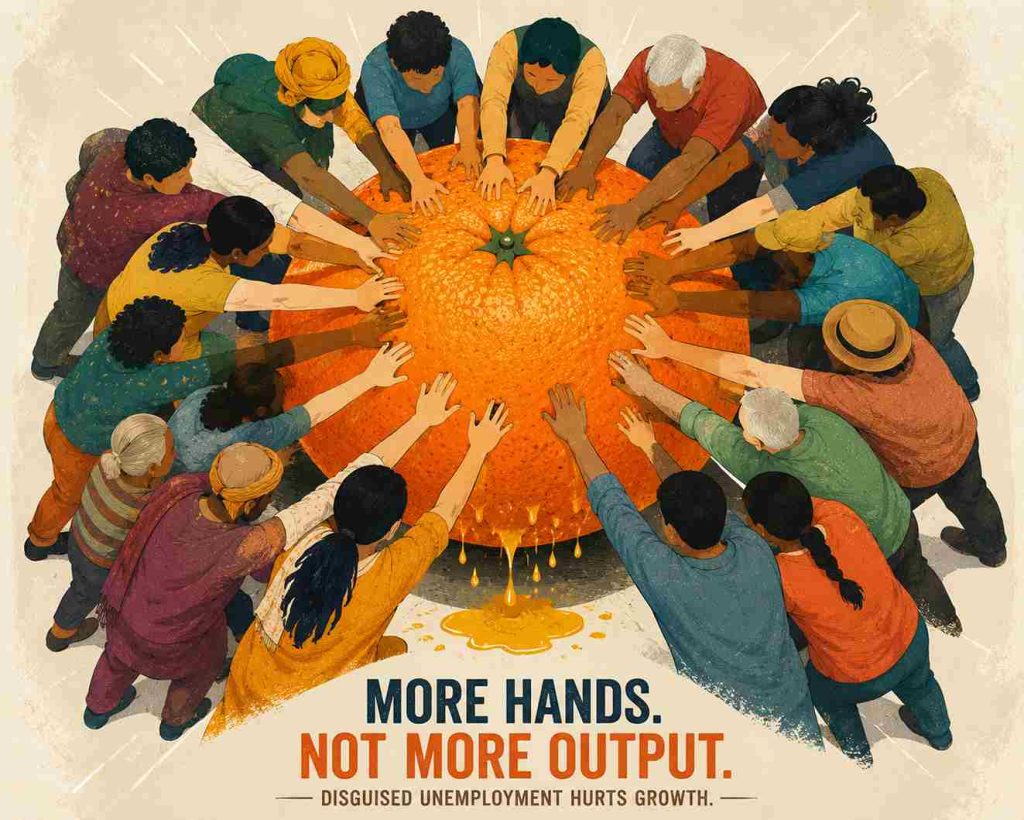
Disguised unemployment can be observed in many rural settings. Similar to family farming, where multiple family members work on a small piece of land, multiple small family-run shops or businesses may involve several relatives performing tasks that could be handled by one or two individuals. In such situations, labour is spread across too many workers, resulting in low productivity and hidden unemployment.
Another example can be found in villages with limited non-agricultural employment opportunities. When workers have no alternative occupations, they often remain attached to farming activities regardless of whether their labour is actually needed.
Examples of seasonal unemployment

Seasonal unemployment is particularly common in occupations tied to weather conditions or consumer demand. Agricultural labourers often experience periods of unemployment after planting or harvesting seasons have ended. Workers in tourist destinations may find employment during peak holiday periods but struggle to secure work during quieter months.
Construction workers may also face seasonal unemployment when heavy rains, extreme temperatures or adverse weather conditions slow down projects. Similarly, fishing communities often experience temporary unemployment due to weather patterns, breeding seasons or regulatory restrictions on fishing activities.
What causes disguised and seasonal unemployment?

Several factors contribute to disguised unemployment. Population growth increases pressure on limited land and employment resources, particularly in rural areas. In many developing countries, agriculture continues to absorb large numbers of workers despite offering limited productivity gains. The lack of industrial development and alternative employment opportunities forces surplus labour to remain in low-productivity occupations.
Educational and skill gaps can further worsen the problem. When workers lack access to training or vocational education, they may find it difficult to transition into sectors that offer more productive employment opportunities. Additionally, disguised unemployment persists due to the lack of market-relevant skills and employment opportunities outside agriculture. Many young people in rural communities lack access to formal training that could help them transition into manufacturing, services or entrepreneurship.
Seasonal unemployment arises because some industries are inherently dependent on seasonal factors. Agricultural production depends on rainfall patterns, climate conditions and crop cycles. Tourism fluctuates according to holiday seasons, weather and travel trends. Construction activity may slow down due to environmental conditions, while fisheries often operate according to seasonal regulations and ecological cycles.
Because these factors are largely predictable, seasonal unemployment tends to recur regularly each year.
Through our livelihood and skilling initiatives, we at Smile Foundation seek to bridge this gap by equipping youth with practical skills that enhance employability and create pathways to sustainable livelihoods. A staggering youth population continues to be underutilised in the job market because of a lack of requisite qualifications and training are upskilled, uplifted and mainstreamed to become a part of the country’s growth story. The livelihood programme aims to complement the government’s vision and efforts under the Skill India mission and aligns with Sustainable Development Goals 4 and 8.
Economic impact of disguised and seasonal unemployment
Both disguised and seasonal unemployment can hinder economic development, although they do so in different ways. Disguised unemployment reduces overall labour productivity because too many workers are engaged in activities that generate limited output. This inefficiency slows economic growth and often contributes to persistent poverty in rural communities.
Seasonal unemployment, meanwhile, creates instability in household incomes. Workers may earn sufficient wages during peak seasons but face financial hardship during periods of unemployment. This uncertainty can reduce savings, increase vulnerability to economic shocks and encourage temporary migration in search of work.
According to the World Bank Employment and Labour Overview, improving labour market opportunities remains essential for reducing poverty and supporting sustainable economic growth, particularly in countries with large rural populations.
Long-term unemployment and underemployment can have consequences that extend far beyond lost income. They often limit access to quality education, healthcare, nutrition and opportunities for upward social mobility, trapping families in cycles of poverty that can persist across generations. This is why addressing unemployment requires more than simply creating jobs; it demands a holistic approach that tackles the interconnected barriers preventing individuals from realising their full potential.
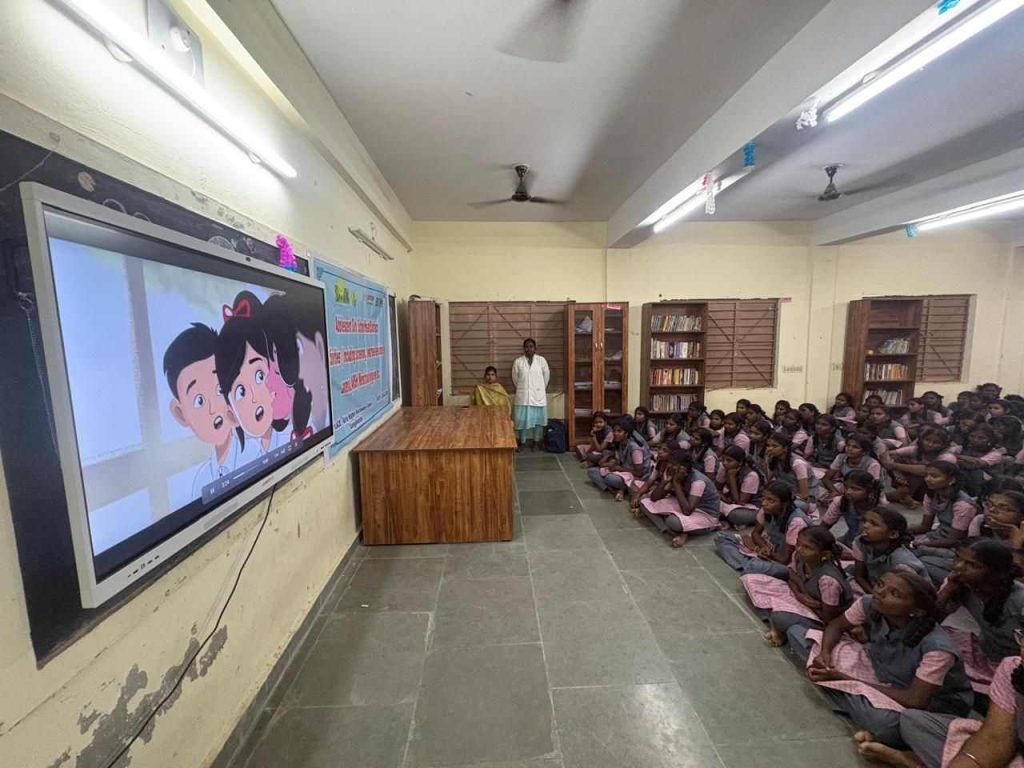
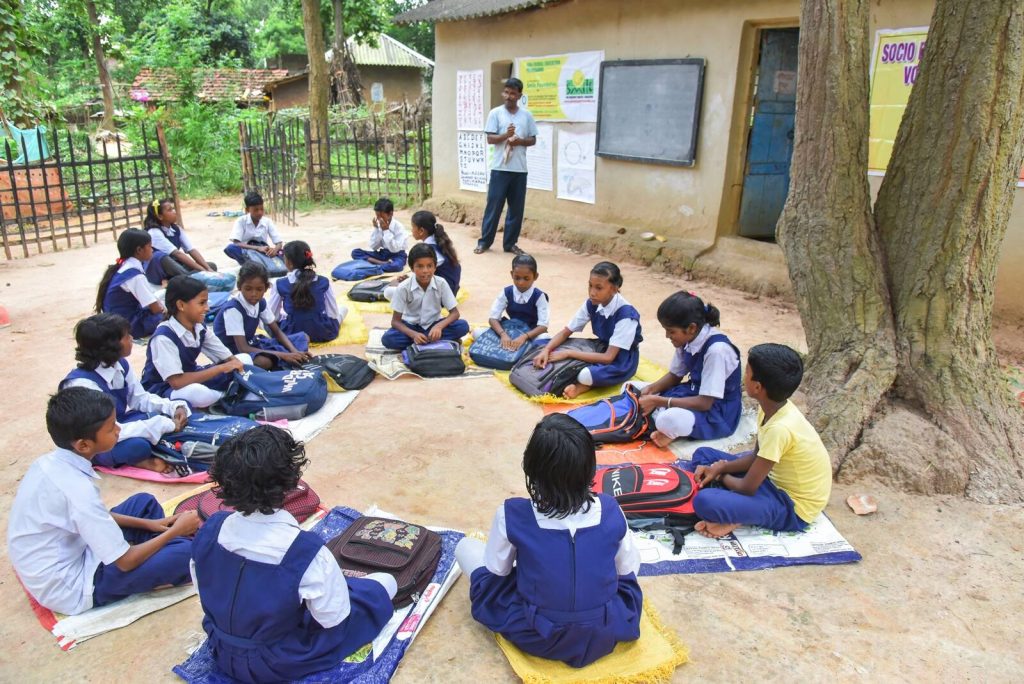
At Smile Foundation, this understanding informs an integrated development model that combines education, healthcare, skilling and livelihood interventions. Through initiatives such as Mission Education, children gain access to quality learning opportunities, while programmes like STeP (Smile Twin e-Learning Programme) equip underserved youth with employability and vocational skills. By addressing these challenges simultaneously, integrated development approaches can help individuals build the skills, health and confidence needed to secure sustainable livelihoods and break the cycle of poverty.
Measures to reduce disguised and seasonal unemployment

Understanding the difference between disguised and seasonal unemployment is essential for analysing labour market challenges and economic development. Disguised unemployment occurs when more workers are employed than necessary, resulting in hidden underemployment and low productivity. Seasonal unemployment, by contrast, occurs when employment opportunities are available only during specific times of the year due to seasonal fluctuations in economic activity.
Although disguised and seasonal unemployment arise from different circumstances, both point to a common challenge: the need for more productive, stable and sustainable livelihood opportunities. Addressing these issues requires more than economic growth alone. It calls for investments in skill development, rural industrialisation, economic diversification and stronger pathways to employment, particularly for vulnerable communities. Achieving this also demands collaboration between governments, businesses, educational institutions and civil society organisations.
Through initiatives such as STeP (Smile Twin e-Learning Programme) and its broader focus on education, health and livelihoods, we, at Smile Foundation, work to equip underserved youth with market-relevant skills and opportunities that can lead to meaningful employment. Such efforts recognise that reducing unemployment is not only about creating jobs but also about enabling people to access them. By strengthening employability, expanding economic opportunities, and supporting long-term community development, these interventions help individuals move beyond vulnerable forms of work and contribute more effectively to the economy. Ultimately, tackling both disguised and seasonal unemployment is essential for building a more inclusive economy where growth translates into improved livelihoods and greater social mobility for all.
Frequently Asked Questions (FAQs)
1. What is disguised unemployment?
It’s when more people work than necessary, so removing some wouldn’t reduce output.
2. What is seasonal unemployment?
It’s unemployment that occurs only during certain periods, like off-farming or off-tourist seasons.
3. How are disguised and seasonal unemployment different?
Disguised unemployment hides within jobs; seasonal unemployment is visible and tied to timing.
4. Which sectors face seasonal unemployment the most?
Agriculture, tourism, fisheries and construction are most affected by seasonal work cycles.
5. How does Smile Foundation address these unemployment issues?
Through STeP, it builds employability and vocational skills for underserved youth nationwide.