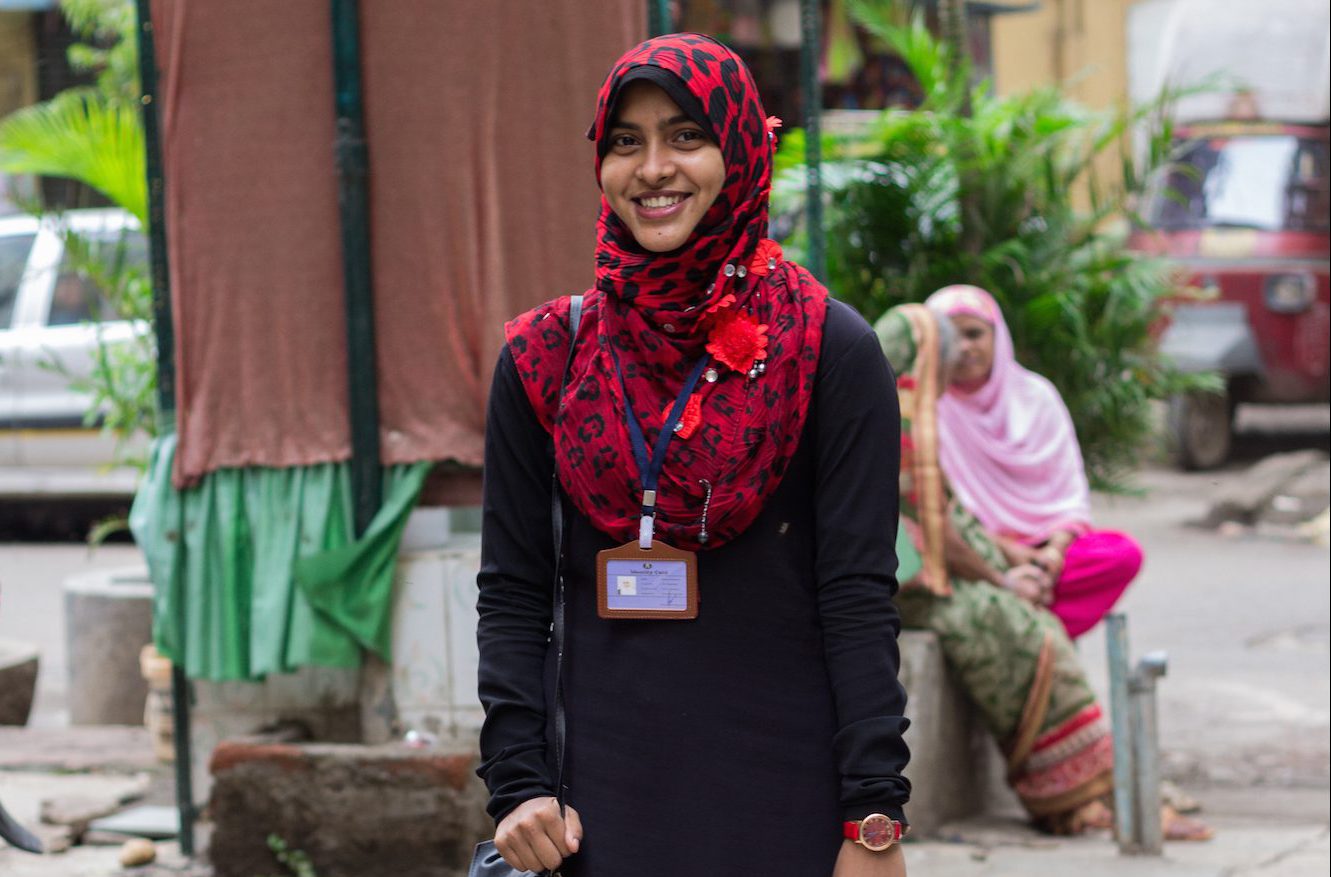
I come from a family, where it wasn’t easy for me to have dreams. No one in my family had received education, and the same was applicable for me as well. Despite her inclination towards studies, my mother was not allowed to go to school. But she had a dream for me that I get educated and become an independent woman when I grow up. She bravely told her wish to my father, who opposed and threatened her with dire consequences. He said we don’t have money to fund my education and moreover, there is no point providing education to girls. They just have to sit at home and perform household chores. What good would education do? But my mother stood by her decision, fought against all odds and managed to send me to a government school. She promised to my father that she will take care of my education expenses and would never ask him for money.” Afreen hails from a family where neither her mother, grandmother, nor her aunts had received education. None of the women in the family had been to a school.
Though Afreen started school, it wasn’t easy for her and her mother. She tells that her father used to fight a lot with her mother and would always point out her education to be the cause of shortage of food, clothes and day-to-day expenses. “There were times I used to hold my books and cry silently as my mother continued to brave the harsh words hurled at her.” Her father was not the only one who had problems with her education; there were relatives who would say things that made it more difficult for Afreen to continue with her studies. “While some of my relatives would come to my home and advise my father to get me out of school as it was leaving a bad impression on their children, others had stopped talking to my family”. Amidst all these struggles, Afreen managed to study till class 10th.
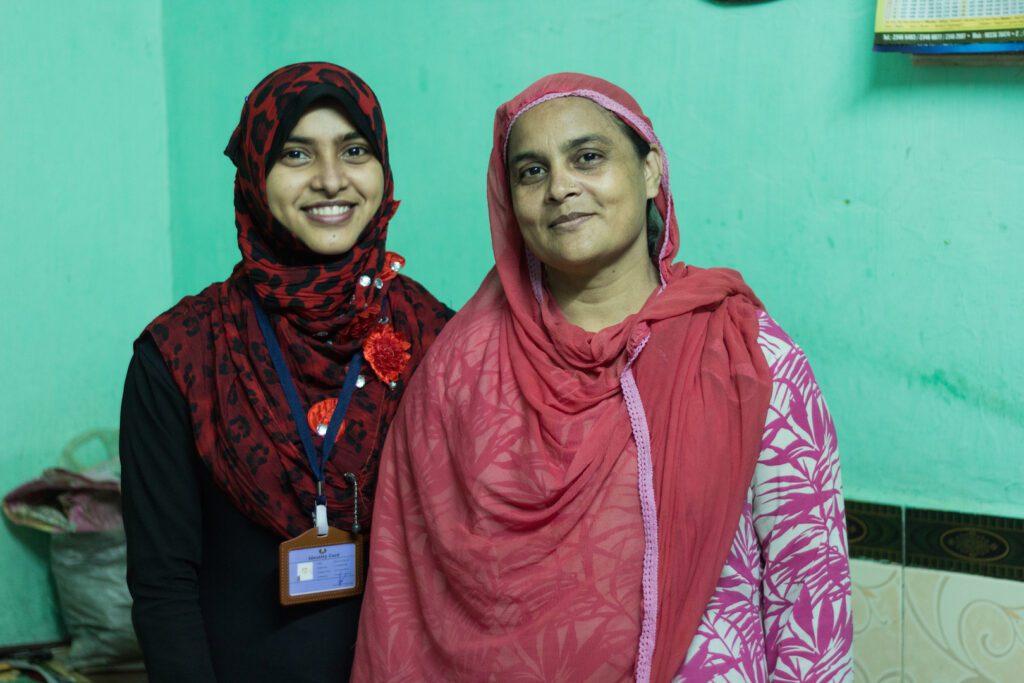
Afreen’s mother worked hard to ensure her daughter’s education.
Afreen had the enthusiasm to study and become an independent woman. She managed to go to school but her education was not enough to make her capable of earning a livelihood. She needed to learn skills that would make her employable. Smile Foundation gave her proper guidance to achieve her dream through its national livelihood programme STeP (Smile Twin E-learning Programme). “With the skill development programme, I regained my confidence and once again started nurturing my dream to become an independent woman”, says a happy Afreen who now works at a reputed Law Firm in Mumbai. Afreen, like many other youth in her village, has been trained for six months in English Proficiency, Basic Computer Education and Soft Skills that are essential skills that organizations look for when hiring an employee.
Afreen has two younger sisters, who should have by now started their schooling. But due to the conditions at home and witnessing the struggles their elder sister had to face, they don’t even think of going to school. Afreen plans to save every penny of her earnings to educate her sisters, for she believes that only education can light up their lives. Afreen’s story has not only inspired her relatives, some of whom have also started sending their daughters to school, but she has also set up an example for the entire community in her village. She says her father has now started believing in education and hopes that he would not oppose when her sisters start schooling.
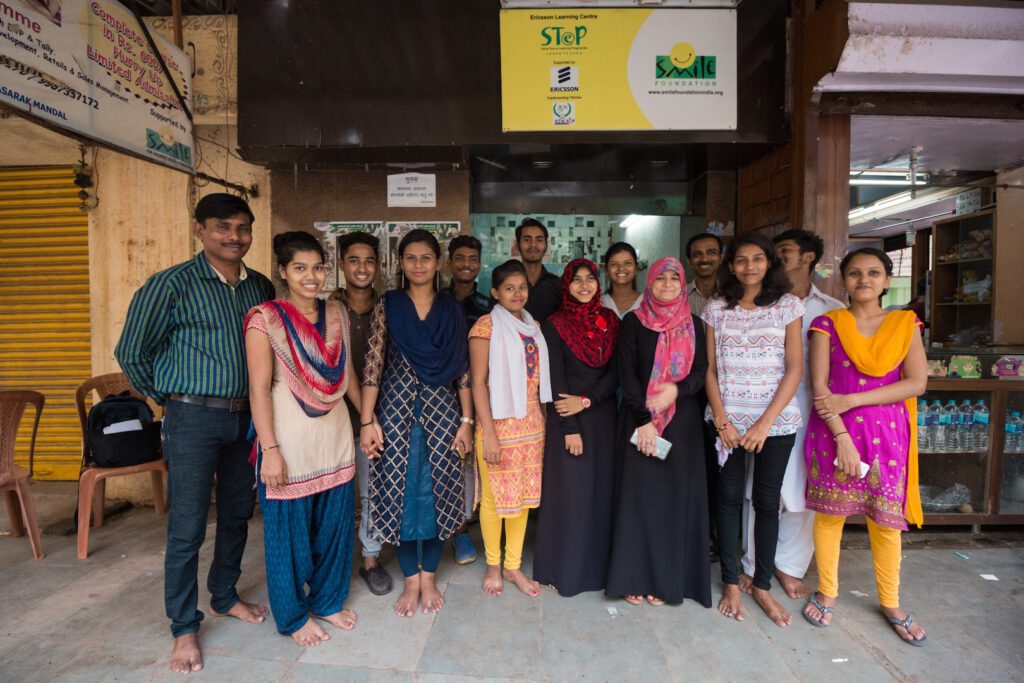
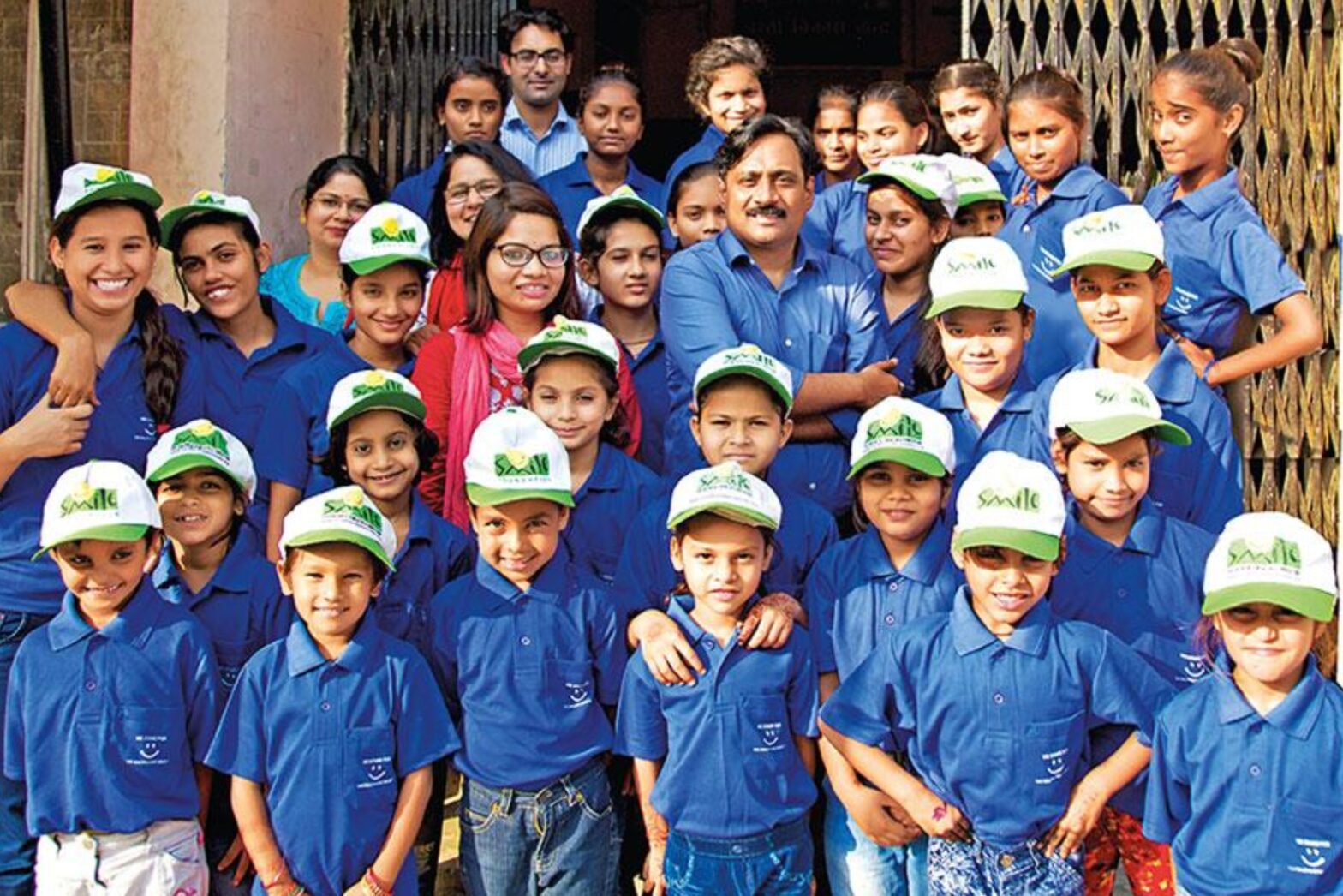
Afreen with the other students of her batch at the STeP centre. Many of them are now employed like her and are earning a dignified livelihood.
Like Afreen, the over 100 youth currently enrolled at the centre have faced extremely difficult circumstances to even go to school. Some had to drop out after completing Class 10th, while others were able to finish school, but could not pursue higher education. Consequently, they could not get good jobs and were unable to support their families financially. After completing the STeP course and getting a hands-on workplace experience through its specially designed value-addition sessions such as career counseling, employer engagement and industry exposure visits, the youth are now assured, confident and score high on the employability scale. They are all set to become the first generation white collar workers in their families, a matter of great pride to their parents.
More than 32,000 youth have been trained under STeP so far, and of these, over 19,000 youth have been placed in around 150 reputed brands across India. With more young boys and girls like Afreen enrolling for the programme, Smile Foundation has been able to help them take the first step in the journey of turning their dreams into reality.
Now employed in a law firm, Afreen’s dream is to educate her young sisters. Her biggest victory has been to change the outlook of her father, who has finally started believing in the power of education.
To know more about Smile Foundation’s livelyhood programme, please visit our website.
With a population of more than a billion, delivery of good healthcare to every nook and corner of the country becomes complex and demanding. Sitting in metropolitan cities where we have access to world-class hospitals, one cannot imagine how difficult it is for a person living in a remote tribal belt of Arunanchal Pradesh, a hamlet in the middle of the Thar desert, or a village in the interiors of Bihar, to get the best medical care when in need. Why? Owing to some disturbing facts like these regions have on an average a whopping 3,000 people per doctor. Given the rough terrains, getting to the nearest hospital (setup miles away) is one of the biggest challenges faced by the inhabitants.
Unfortunately in our country, those with the greatest need of healthcare services have the greatest difficulty in accessing them, and are the least likely to have their healthcare needs met. There are many unreached rural regions across the country where there is a serious dearth of healthcare services. The hospitals are usually built in the city and very few doctors are appointed in these areas, leading to an extremely poor health scenario in the communities. There still exists a sizeable population in our country, which considers health to be largely a matter of chance and fate, rather than choice. Mostly it is because they really do not have a choice. The situation is no better for the urban poor, who have hospitals within reach, but are either left standing in the long queues outside public health facilities, or are unable to afford the huge fee charged by the private hospitals. For daily wagers, the situation becomes even more critical as they have to choose between earning a day’s wages, and taking a leave for a visit to the doctor – a difficult question for those living a hand-to-mouth existence.
In order to address the increasing healthcare concerns prevalent among the underprivileged population, it is important that we ensure effective reach of healthcare services for one and all. The idea is simple – if the people in these regions cannot reach a doctor due to unavailability, distance or other factors, the doctors can be made to reach them by means of mobile healthcare programmes/systems.
Delivering healthcare to full spectrum of the society
As per the Provisional Population Totals of Census 2011 in India, of the 1.21 billion Indians, 83.3 million people live in rural areas. Cities and towns with a population of 50,000 had a total of 42.6 million that is 22.6% of the urban population living in slums. A major proportion of these people stay in highly vulnerable surroundings that are overcrowded and have open drains, stagnant water and unhealthy drinking water. The deteriorating healthcare conditions in the underprivileged sections of the society is reflected in the poor healthcare indicators published in the National Family Health Survey (NFHS-3), which states that the Infant Mortality Rate was 42 per 1,000 live births in urban India.
According to a study conducted in an urban slum in the National Capital Region, there is high prevalence of risk factors (smoking, alcohol, lack of fiber intake in diet, physical inactivity, and obesity) that lead to non-communicable diseases. Even the availability of good government and private healthcare facilities in the urban areas, does not mitigate the risk factors as the urban poor remain deprived due to high cost and lack of proper assistance at these health care facilities. Creating an infrastructure where the health needs of every individual can be met through good hospitals and medical services will take time. Thus, mobile healthcare is the solution to delivering health services to the deprived and underprivileged urban and rural population in the country.
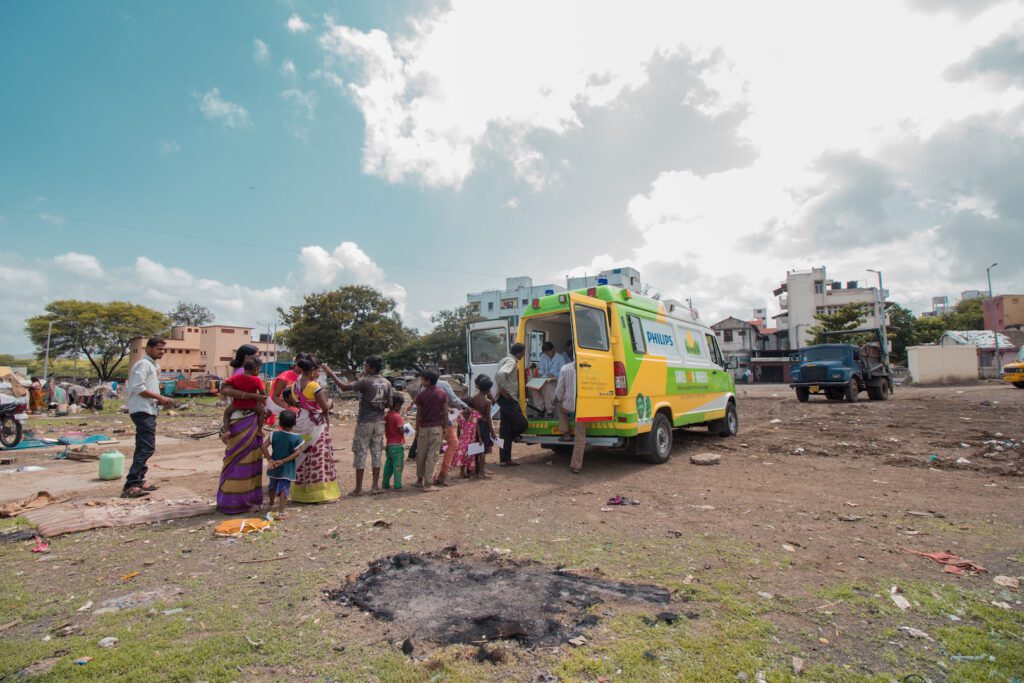
Smile on Wheels in Pune providing health care services in the Dapodi garbage dump
High quality care at low cost
Mobile clinics services ensure that good quality healthcare reaches to the vulnerable sections of the society. Being the first point of contact to healthcare for the underprivileged population, these services ensure better prevention and chronic disease management by spreading awareness. Reaching to the doorsteps of the deprived sections of the society, mobile healthcare ensures affordable healthcare services for one and all. Factors like financial issues, logistical constraints, transportation issues and long queues outside hospitals are things people no longer have to worry about.
Efficient healthcare delivery
A well-equipped mobile healthcare unit is capable of performing simple diagnostic tests, pre- and post-treatment care, lab testing, dental treatment and minor surgeries. Patients feel convenient to come to the mobile healthcare unit as they don’t have to travel miles. Studies have shown that mobile healthcare systems have been successful in identifying high rates of chronic ailments among the underprivileged population. This has subsequently led to improved treatment and prognosis. One of the major benefits of launching mobile healthcare units is the increase in awareness among the rural population. The rural communities are now more aware about prevention, screening, and chronic disease management.
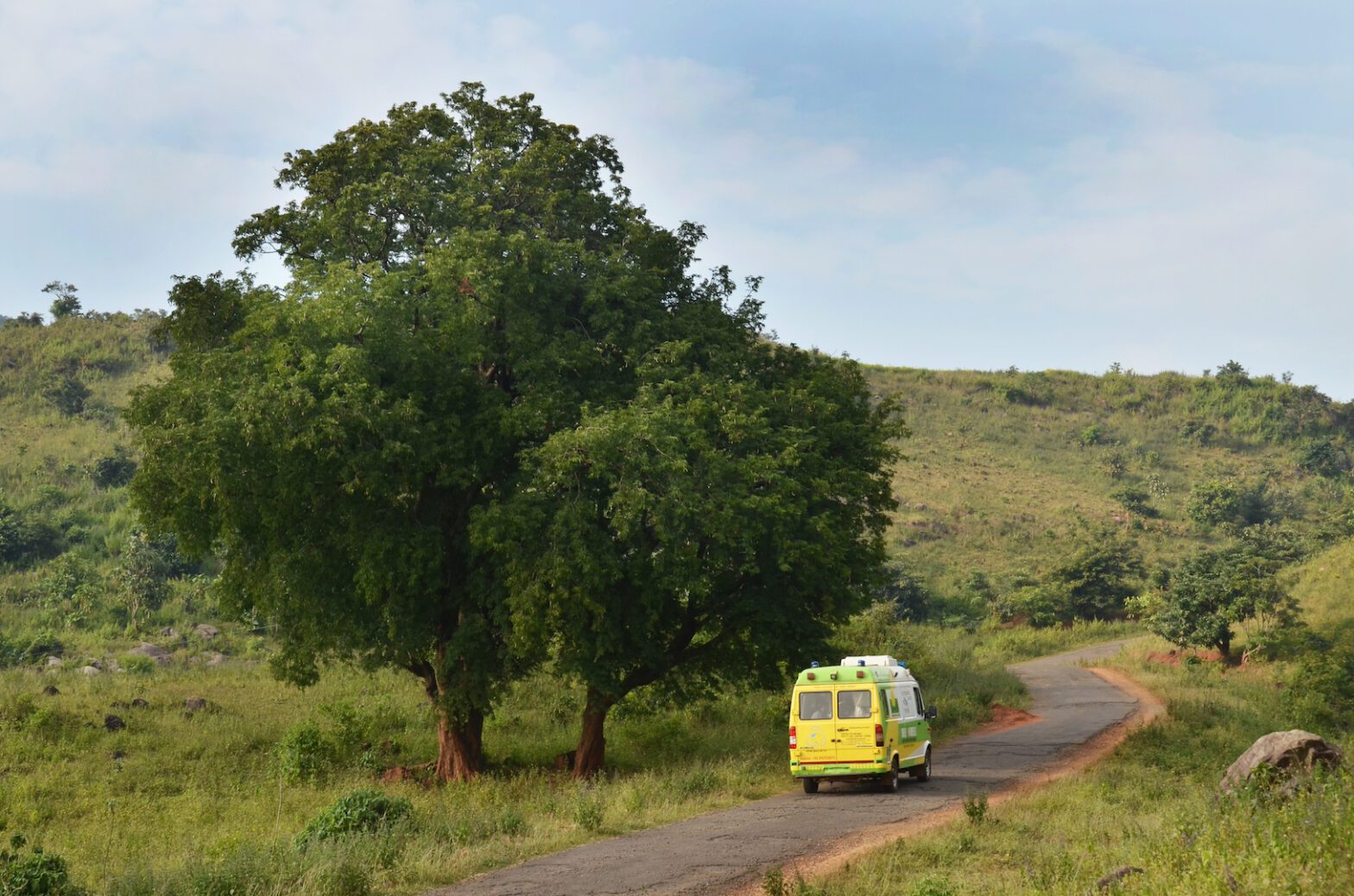
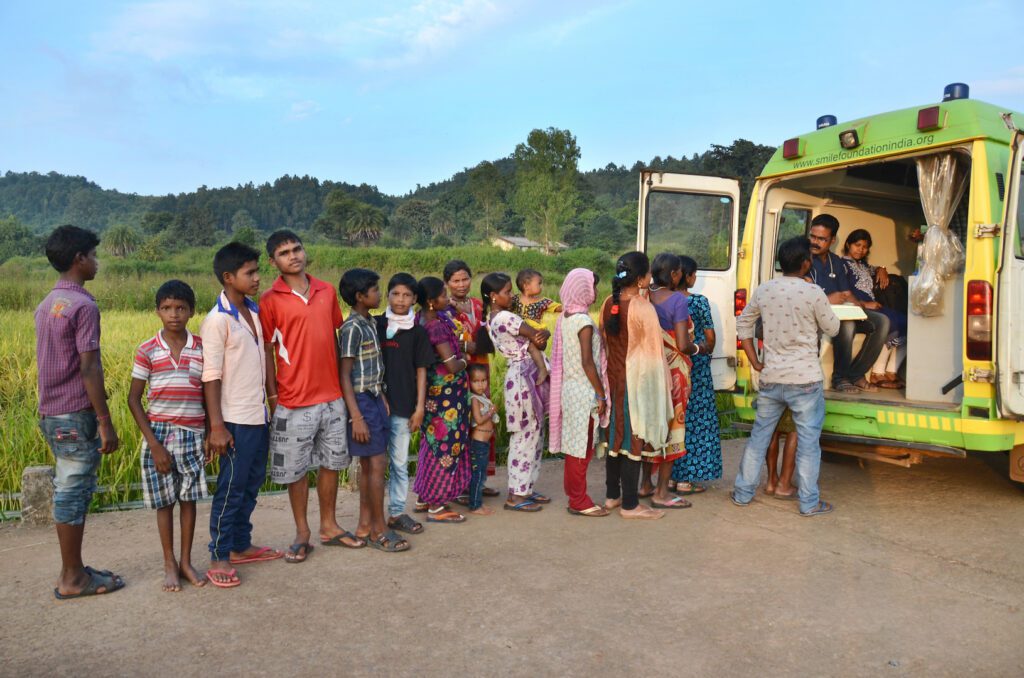
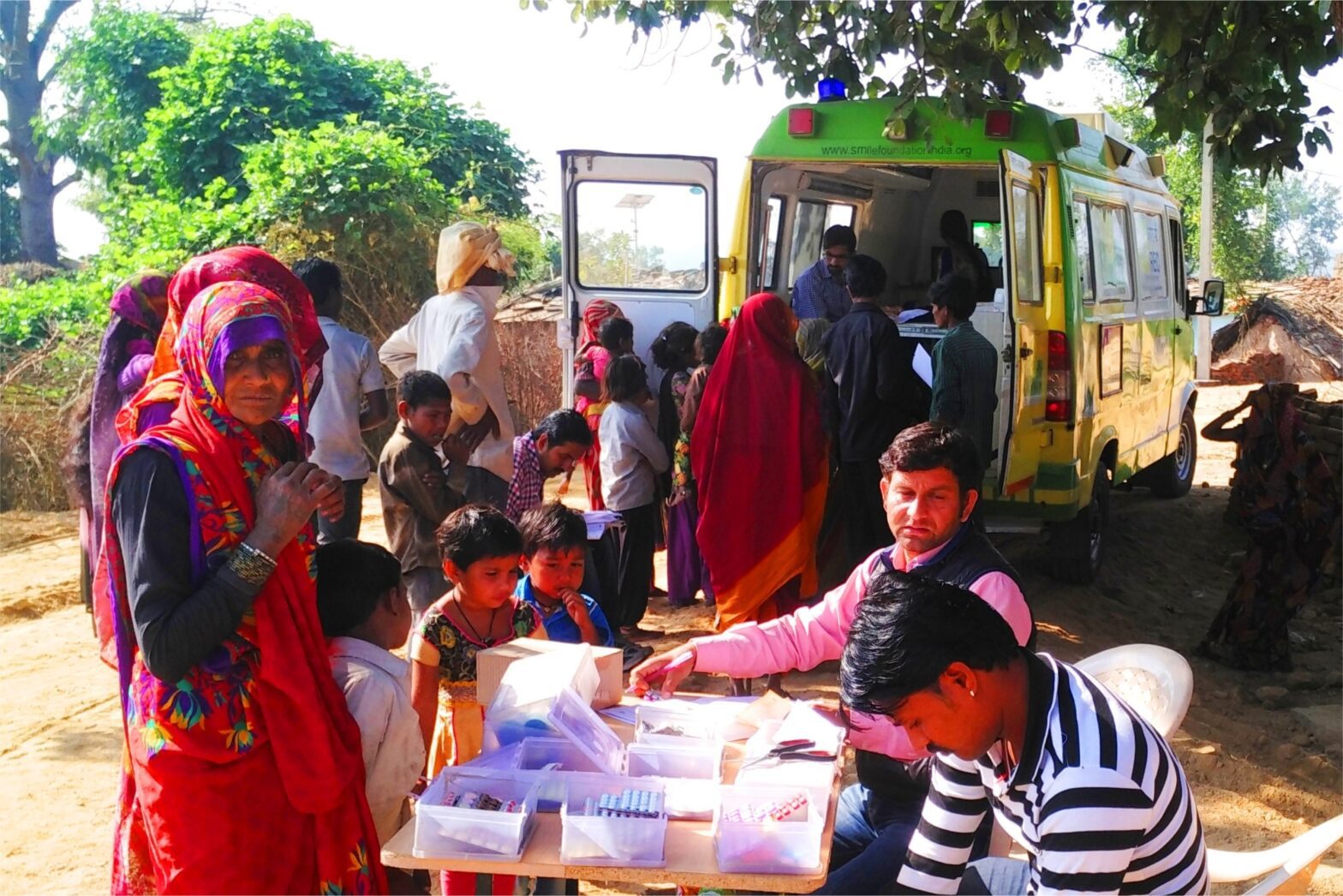
Farmers and their families from a remote village in Kalahandi recieve check-ups.
The ability to move
One of the major advantages of mobile healthcare units is their ability to move. One healthcare unit is capable of serving multiple locations and thus caters to the healthcare requirements of a significant population. In order to keep the critical services available, a mobile healthcare unit can be moved from one location to another as per the need of the hour. Mobile healthcare services are thus an excellent alternative to bridging the gap between the available healthcare and patient volume in a region.
Understanding the growing need to meet the healthcare demands of the underprivileged population, Smile Foundation continues its Smile on Wheels mobile hospital initiative. Smile on Wheels not only provides free of cost and clinically advanced healthcare services to the poor and marginalized people in the urban slums and rural villages of the country, but also ensures prevention by spreading awareness. At present, 40 Smile on Wheels mobile hospital projects are operational across 17 states of India, covering more than 800 villages and directly benefitting more than 500,000 children and families.
Given the huge population and lack of affordable healthcare, mobile healthcare needs to be made an integral part of the Indian healthcare system. It is important that healthcare reaches to one and all by overcoming the barriers of location and affordability. Mobile healthcare is capable of reforming the present healthcare delivery structure in the country by getting to the doorsteps of the needy. The urban poor population of the country is exposed to a wide range of disease causing agents and lies at the risk of facing serious health issues. Therefore, there is an urgent need to provide affordable quality health services to these citizens. Mobile healthcare is a quick and effective means by which medical care facilities can be made available to all.
To know more about Smile Foundation’s healthcare programme, please visit our website.
Today’s children are the citizens of tomorrow, goes the saying. Where illiteracy is still a burning problem, does this maxim hold ground when thousands of children are still deprived of quality education owing to poverty and lack of facilities? No all-weather school building in slum localities! Irregularity of teachers’ attendance in remote locations! Late delivery of textbooks hampering studies! Dilapidated condition of many school structures! Lack of teachers! Lack of basic educational infrastructure! Besides, going by the latest technology, the smart classroom concept is not yet in place. These are only few issues rampant in every nook and corner of India. And these issues need to be dealt with effectively for the creation of a stronger nation. Tackling unequal access to education and building a robust education system at the primary level is the need of the hour.
The government has been allocating funds every budget for the education sector. Allocation of resources in this segment should be adequate. Here are possible outcomes that Budget 2018 can bring to the primary education segment.
Increase of Education cess from 3 percent to 4 per cent
The government has been levying a 3 percent cess to run government-sponsored programs in health and education. This budget 2018, the government increased the education cess from 3 percent to 4 percent. The increase of 1 percent cess will help the government raise an additional Rs 11,000 crore. The government has announced the allocation of this additional amount with prime focus on education and health.
Sarva Shiksha Abhiyan
The government had launched the Sarva Shiksha Abhiyan as a pet project last year. It focused on the universalisation of elementary education. This program had been allocated Rs. 23,500 crore in Budget 2017. It was a success with 100 percent enrolment. The mid-day meal scheme, which was part of the program, received an allocation of Rs. 10,000 crores. This Budget 2018, the focus should be shifted from enrollments to learning outcomes. The government is expected to allocate funds on this shift directed towards periodic monitoring of students’ performance and development. The government should adopt a robust assessment model for its effective implementation. It should be directed towards imparting quality education.
There are lakhs of primary schools across the length and breadth of India. To impart quality education, the focus should be on improving quality of teaching in schools. Teachers should be regularly trained and made accountable. While teacher-student ratio should be according to norms, quality control systems should be well in place to monitor development. The entire education system needs restructuring. This Budget 2018 allocation of funds should be comparatively higher compared to last year’s fund allocation in the primary education segment.
Public Private Partnership
In government run schools, dropout rate of students is very high. Lack of English medium learning and facilities are the key reasons. Educators are hoping for the government’s alignment of the educational system to the realities of 21st century learning techniques. It is not feasible with govt funds alone. This Budget 2018, the government is also looking at Public-private partnership (PPP) where govt and private schools can work together to achieve the above objective. Any private or public organization with a revenue of 25 crore plus or earnings of 10 crore can fund govt. schools to align to an international curriculum as part of their corporate social responsibility (CSR). The research-oriented international curriculum will not only decrease dropout rate of students but also promote their creativity, communication skills, and widen their skills.
Considering allocation of funds in the education sector as a percentage of the GDP, the government fares lower compared to her BRICS peers. Most of the BRICS countries allocate a good percentage of the GDP towards education. India should increase allocation of resources in the education sector so that the goal of transforming the education landscape is effectively achieved.
A literate India, a better India should be the ultimate goal!
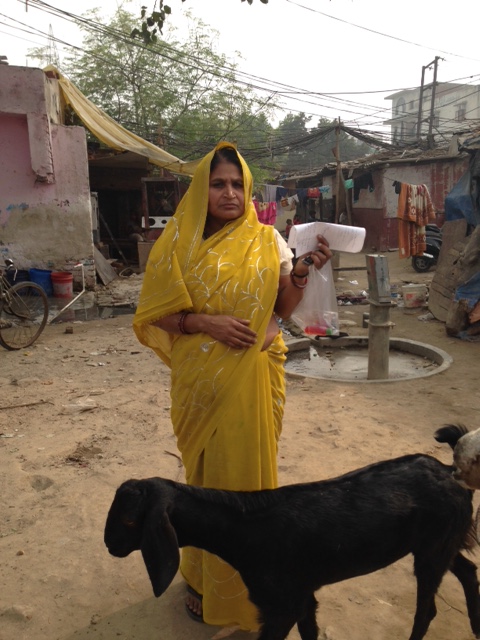
Phulmati is dressed in a bright yellow sari. But its glittery embroidery doesn’t hide the anxiety on her face. As she awaits her turn to see the doctor, the 50-year-old keeps glancing at the sheet of paper in her hand.
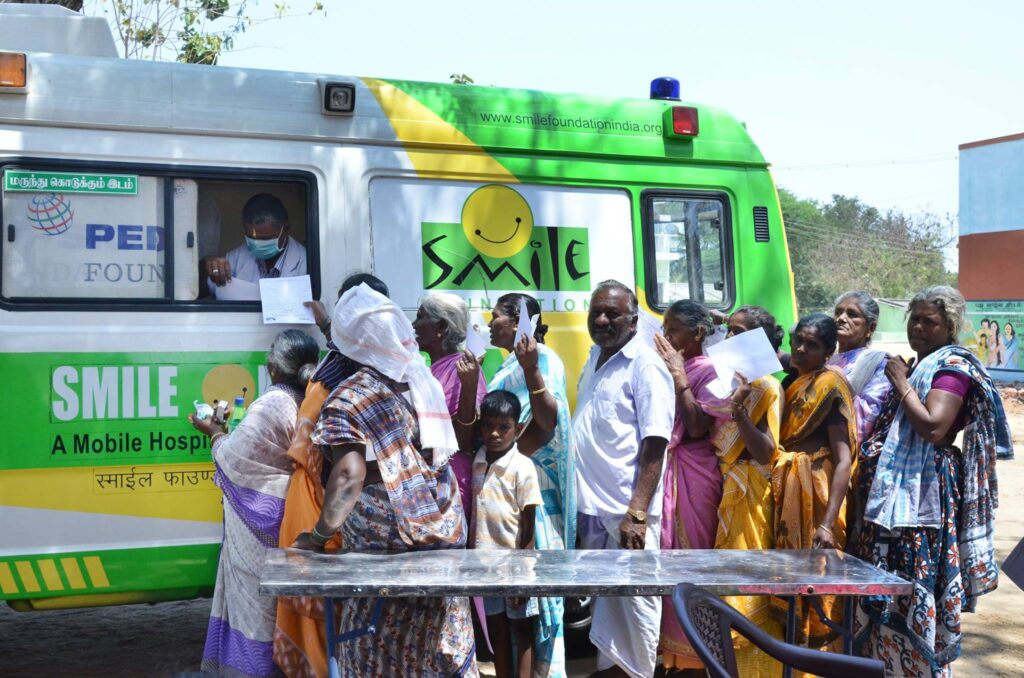
Thankfully, she doesn’t have to wait long. Phulmati is able to meet the doctor within ten minutes of her standing in the queue in front of the mobile health van stationed in Noida’s JJ colony slums where she stays. On being told that her hypertension was under control and she should continue with the medicines advised, the smile returns to Phulmati’s face.
Now she can return to work without any worries or lose a day’s wage.
Phulmati
This is the essence of such ‘mobile hospitals’. In a country where the poor must routinely make the difficult choice of giving up a day’s wages to get medical treatment, quick and reliable clinics close to their residences can be true life-changers.
India has a population of 1.21 billion people, of which 833.3 million people live in rural areas, according to 2011 census. Further, about 23 per cent of the population living in major cities and towns lives in slums.
Lack of infrastructure and a cheek-by-jowl existence in urban slums means a majority of these people stay in surroundings where open drains, unhealthy drinking water, lack of sanitary toilets and waste disposal systems increase their risk to infections and disease.
Bringing doctors to their doorsteps not only ensures quality essential healthcare services to underprivileged communities but is also in keeping with India’s efforts towards achieving the sustainable development goal to promote healthy lives and wellbeing for all.
To find more about the realities of running such mobile operations, we got in touch with the Smile Foundation, whose flagship health initiative is the ‘Smile on Wheels’.
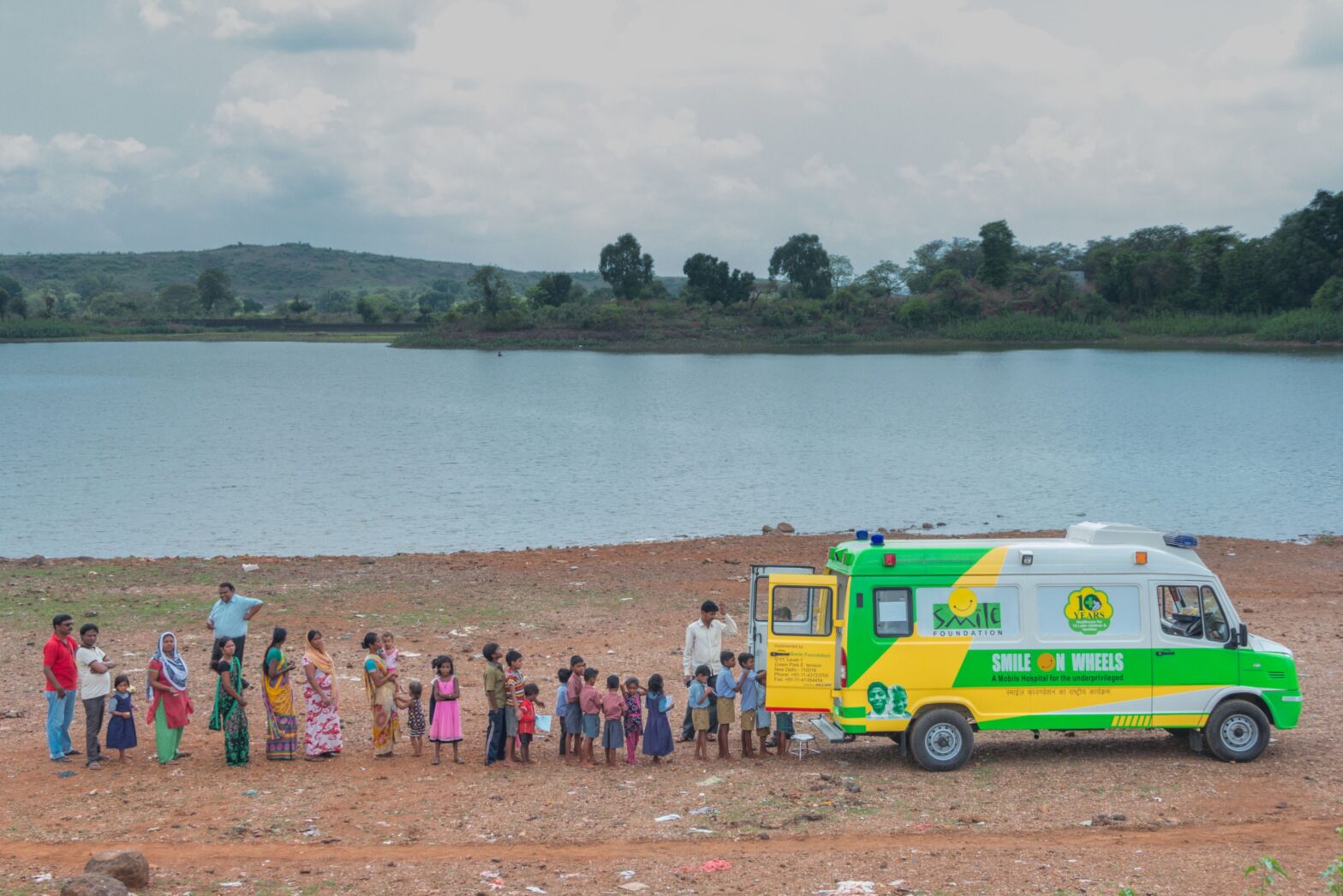
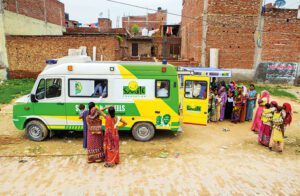
Smile on Wheels in action.
“Smile on Wheels, our mobile hospital, provides clinically advanced healthcare services free of cost to the poor and marginalised people in the urban slums and rural villages in the country. It cuts down on the out-of-pocket expenditure that often slides a family into debt,” said Sanjeev Dham, chief operating officer, Smile Foundation.
At present, 40 Smile on Wheels (SoW) mobile hospital projects are running in 17 states, reaching over 500,000 families in 800 villages.
Last year, the SoW programme provided healthcare service to over three and a half lakh (3,54,088) people living in 465 remote villages and underserved slums. Of these, 60 per cent were women.
While the need for such services in villages is obvious, urban slums have been an important focus point as well. Communities living there, mainly migrants, are at high risk of both communicable and non-communicable diseases due to poor nutrition, sanitation and hygiene.
While cities do not usually lack medical services, the high costs of private health facilities exclude a majority of slum residents. And government hospitals are so overwhelmed by the volume of patients that many are daunted by the prospect of missing out on wages because they have to spend the entire day waiting for their turn.
This is where mobile clinics, like SoW, make all the difference.
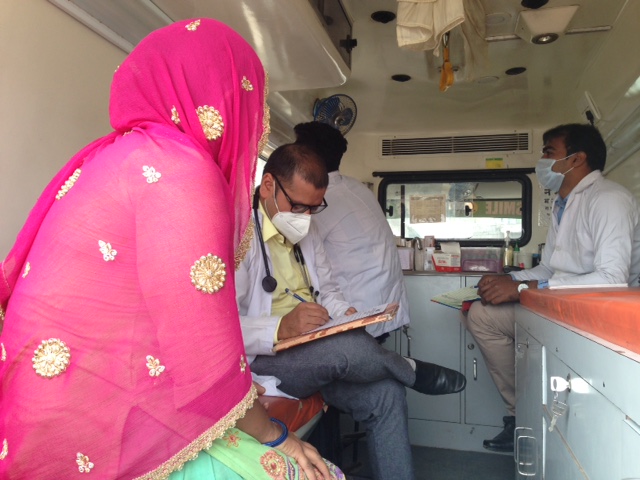
The vans are equivalent to a mobile hospital, being equipped with an oxygen cylinder, nebuliser and ECG machine and are served by a doctor, female nurse and lab technicians who conduct pathological tests.
So, the community gets healthcare services without losing out on hard earned money.
And it does work. Phulmati didn’t have to waste time in travel or waiting her turn to seek healthcare services. She was served by one of Smile Foundation’s SoW. She could return to her job in a factory near her JJ colony slum, in Delhi, without having to miss a day’s work.
“I am a widow and with two children. I cannot afford to lose even a day’s wage because of my illness. I have pulled out both my sons from school and put them to work so that we can survive. Since they also give the medicines, I don’t have to worry about any expenditure. This van is a boon for me and everyone living here,” said Phulmati.
Rajendra Prasad agrees. As a vegetable vendor, he needs to be at work every day.
“Missing one day means a loss of Rs 300 at least. Since I have diabetes, I had to spend money on blood tests and medicines. Ever since the van started to come to JJ colony slum two years ago, I have saved money and time as they conduct free blood tests. I have to live with this disease my whole life. The medical van is a life saver for me,” said Prasad.
Non-communicable diseases (NCDs) like diabetes accounted for six in ten deaths in India according to the first state-level disease burden and risk factors estimate by the Indian Council for Medical Research, the Public Health Foundation of India and the Institute of Health Metrics and Evaluation released in November 2017.
It found that the share of NCDs in India in 2016 had risen to 61.8 per cent, an increase of 23.9 percentage points from 1990, underlining the need for more mobile health units.
Initially, it takes a while to get the community to access their services.
“Street plays, and community meetings were held to sensitize people on health-related issues and improve their health-seeking behaviour. Now, everyone knows when the SoW van will drive into their area. In the JJ Colony slum, all 25,000 residents know that Monday means SoW. Whether there is rain or sunshine, we get almost 70-90 patients each time. If our doctor finds that they need specialized treatment, they are referred to nearby government health facilities,” said Hitesh Kumar Choudhary, Project Coordinator, Smile on Wheels.
Besides diabetes and gastritis, most of the ailments are related to respiratory problems and cough and cold, according to Dr Amit, in charge of the mobile medical unit that visits JJ Colony among other slums.
This is not surprising considering air pollution, particularly in the national capital region, had crossed permissible danger limits. In 2016, outdoor air pollution had caused 6.4 per cent of India’s DALY or total disability-adjusted life years. DALYs is a measure of both premature mortality and disability due to disease.
Improving coverage of antenatal care among pregnant women to ensure safe motherhood and elimination of maternal mortality is another area of focus.
Pregnant women are counselled on pregnancy diets, newborn care, breastfeeding, immunisation and family planning. Multivitamins, iron, folic acid, and calcium tablets are given if needed.
Be it the Smile Foundation or any mobile clinic; the biggest challenge lies in the next step – ensuring their patients get due and respectful care at government facilities they have been referred to. This has not always been possible.
Developing greater rapport with the frontline health workers like the accredited social health activists (ASHAs), Anganwadi workers (AWWs) and the auxiliary nurse midwives (ANMs) in their areas of operation is helping to overcome some of these barriers.
Ultimately, all Indians have a right to health – and the faster and closer to home they get it, the better it is for them. As Smile Foundation would put it – it is a battle to bring back smiles.
To greet me, Suman came out of the house carrying her 3-month-old baby in a gray shawl. They live in the remote village of Godhan, 218 kilometres away from Bhopal in the rural district of Ashok Nagar (Madhya Pradesh). Godhan village is located in Chanderi Block of Ashok Nagar, where access to primary health services is extremely limited, especially for expecting mothers. Aside from limited services, majority of the villagers in Chanderi uphold the belief that traditional birth attendants, who usually have never received formal medical training, are a better option than experienced midwives in a nursing home or health centre.
Very few women in Godhan or other villages in the district give birth in a health facility. The risk of infant and maternal deaths associated with home births increases 2-3 times than the risks associated with planned hospital births. Even though the villagers have witnessed disastrous complications in poorly assisted home births, they rarely prefer visiting hospitals during pregnancy, due to myriad reasons – lack of awareness, extreme poverty, and remoteness.
Suman explains, “I learned about the risks of giving birth at home from the volunteers and health workers of Smile on Wheels. I was concerned about giving birth safely, so I went to the referred health centre for regular check-ups.”
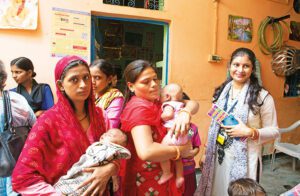
Volunteers and the frontline health workers of Smile Foundation under Smile on Wheels (Ashok Nagar project) gave Suman critical information on pregnancy and early childhood. The education Suman received is part of the Maternal Health Programme that Smile on Wheels project in Ashok Nagar covers. Smile on Wheels project was launched in Chanderi block of Ashok Nagar in 2013 with RECL’s support. The project is implemented in 20 villages of the block, benefiting more than 55,500 people every year.
The Maternal Health Programme is designed to increase knowledge among pregnant women and lactating mothers and caregivers on appropriate care during pregnancy, safe delivery and postnatal care; as well as demand for quality services. The health workers on ground who educate mothers and caretakers on maternal and child health provide an invaluable bridge between the community and the healthcare system. This is because the volunteers are equipped with the essential knowledge on birth registration, maternal, newborn and child health, immunization and nutrition (including breastfeeding and micro-nutrient supplementation).
Suman explains, “Smile on Wheel’s staff advised me to give birth at the referral hospital because it was my first pregnancy. They said that the referral hospital had appropriate equipment for delivering in case I had an emergency. The team carried out follow-ups in every 15 days and ensured safety for me and my child.” After participating in community parenting sessions, a component of the Maternal Health Programme, Suman chose to deliver her baby girl at the referral hospital in Chanderi.
Like Suman, 1457 women from 20 villages in Chanderi have received Antenatal and Postnatal care in the last two years. Infants were born safely at the local health centre and using traditional birth attendants have reduced, resulting in a significant decrease in the number of infant and maternal deaths.
Whether you’re in a lavish apartment in a big, sprawling city, or in a small hut in a tiny village, there’s one beaming question in your mind at the end of a long, tiring day – what’s there for dinner, how will we nourish everyone?
In the middle of the 70s, when an emergency had been imposed in India, I was still a little kid living in Amritsar, blissfully unaware of the gravity of the situation around me. But the implications of the emergency soon hit me when I saw our struggle to get daily supplies. On one lucky day, we somehow managed to get a sack of potatoes. And that led to our family eating potato curry for every meal.
But soon enough, I got sick of it. After all, I was a kid who was living in a bubble away from the politics that was going on outside. I was content in the green fields and fresh air of Amritsar. So one afternoon, I refused to eat the same potato curry again. At that time, Biji, my grandmother, told me that what I was eating that day was ‘curry potato’ and not ‘potato curry’.
It was only then that I realized how important it is for us to value food. But over the years, I realized that it is equally essential to get nutritious food. I was fortunate to have had a family that took care of my nutrition when I was growing up. Even with all my tantrums of not wanting to eat healthy, my family ensured my nutrition needs were met.
But sadly, this is not the reality for millions of children in India. While they somehow manage to secure food by either begging, or eating leftovers, they are often undernourished or malnourished. Sadly, the rate at which children are suffering from stunting or malnourishment cannot be captured accurately in numbers. But the reality is brutal nevertheless.
Truly enough, with India recently ranking 100 out of 118 countries on the Global Hunger Index is testament to the crisis that we are currently facing.
This crisis is something that has pained me ever since I can remember.
When I joined hands with Smile Foundation in 2011, I wanted to do my bit for the land that gave me everything that I am today. I don’t live in India, but I wanted to fill the void that not living here leaves in my heart. We had only one vision – to help the millions of malnourished little ones in India get nutritious food and education, and a chance to be able to make their lives in the present and the future, better. We wanted to nourish everyone.
That is how the campaign ‘Nutrition for Education’ was born. I’m a bachelor, but now, thanks to Smile, I have 22000 kids. And together, we are trying to give these champs a fighting chance to make a constructive, tangible, and realistic change in their lives.
After hours and hours of brainstorming and through several collaborative efforts and initiatives, we have been able to bring several stakeholders together. On one hand, we have been able to bring in the section of the society which could help; together with my children who need help and have been taken under the wings of Smile Foundation. We knew that both these worlds are as different as they can be, and it was a challenge when we began, but we wanted these two stratas of the society to interact with each other, learn from each other, and in the process, help each other.
By the grace of God, and the nonstop work of the countless members of our team, we have been able to host events for the past few years and raise funds to bring smiles to innumerable faces. But more than that, we have been able to successfully raise awareness for the cause of nutrition. We have also been able to tap in the different layers of the society to sensitize people on how the right food enhances the quality of education; on how it’s time we move from adequate food to the ‘right’ food!
However, our journey towards a healthy India has only begun, and this Children’s today, which also happens to be my birthday, I am strengthening my efforts for this cause. Are you joining me and pledging your support?
(Even amid the pandemic, we are constantly working to provide vulnerable children with nutritious meals and continued education. Know more about our Shiksha Na Ruke campaign here.
Imagine a scorching temperature of 47 degrees and miles to walk. Alternatively, imagine an all time low of 3 degrees with as many of those several miles to cover. If you had to choose one, which one would you pick? Perhaps neither. For neither of these prospects are pretty to consider, but the sad reality today is that both of these scenarios hold true for thousands of children in India. School is a distant dream for many and for some it is just the distance which makes it impossible for them to go to school.
Miles and miles to walk to just get to their school. Yet, thousands of children trod down the dirt roads and they do so because they believe in the beauty of their dreams! 6 years old Nitya dreams of opening a bangle shop for her father. Having seen him go door-to-door every day to sell bangles, her only hope for her father is to be able to open a shop for him – just so that he doesn’t have to walk.
Nithya, smiling as she always does, in her bright blue school uniform at our Mission Education centre in Bengaluru.
“I have bangles of every color”, rejoices Nitya as she dons multi-colored bangles on her tiny wrists. “I will study hard and earn a lot of money to help papa”, says she. She has come to believe in the power of education and that education alone will be the game-changer. Truly enough, the only way for her to get to the finish line is through receiving an education. However, when these children struggle to even get to school each passing day, this path becomes a bit too hard to cover.
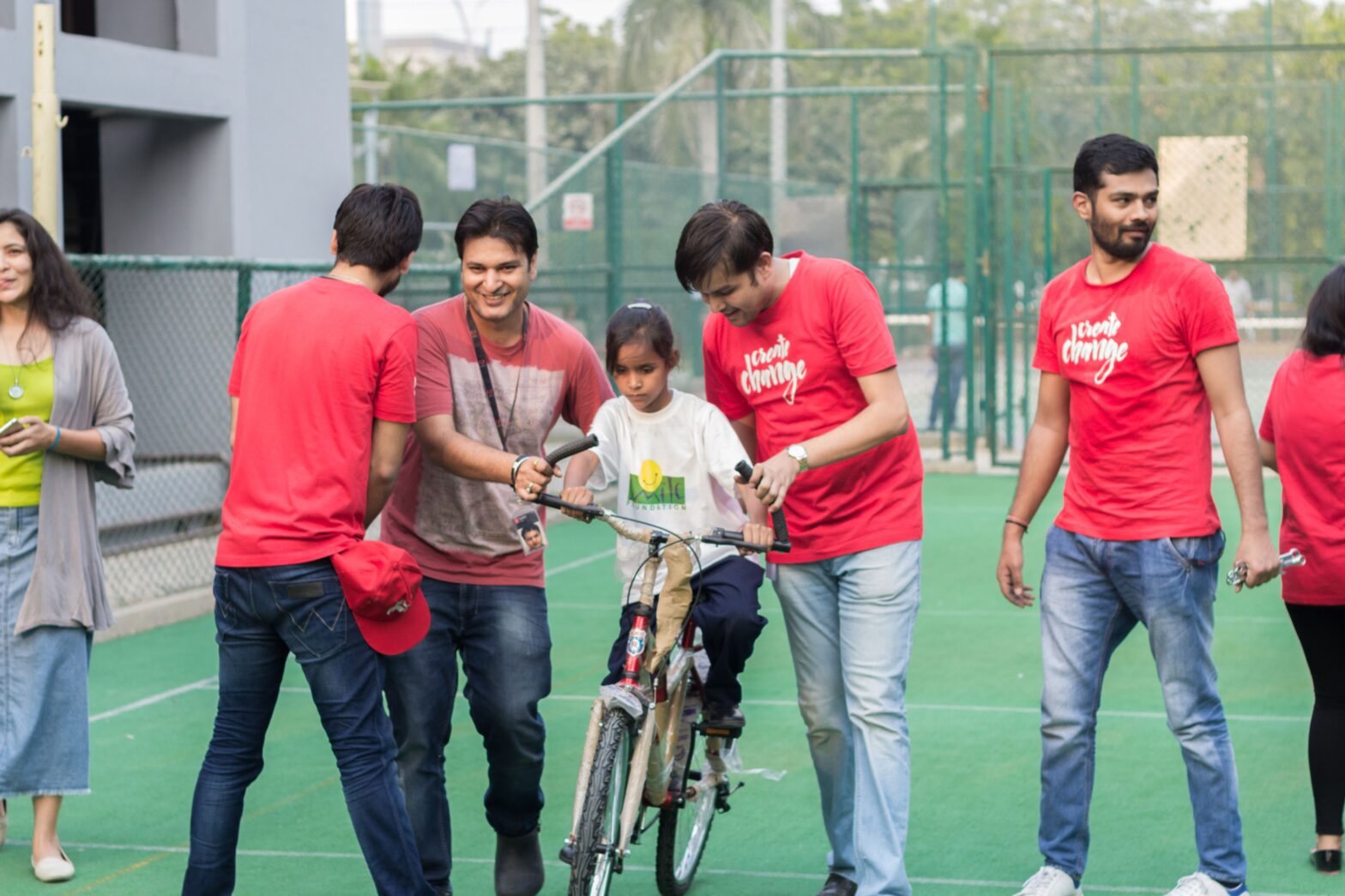
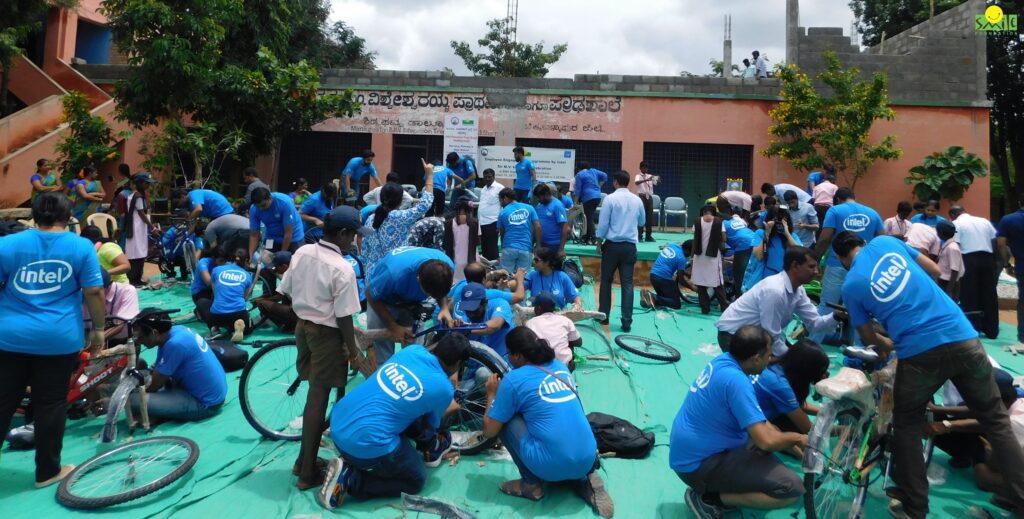
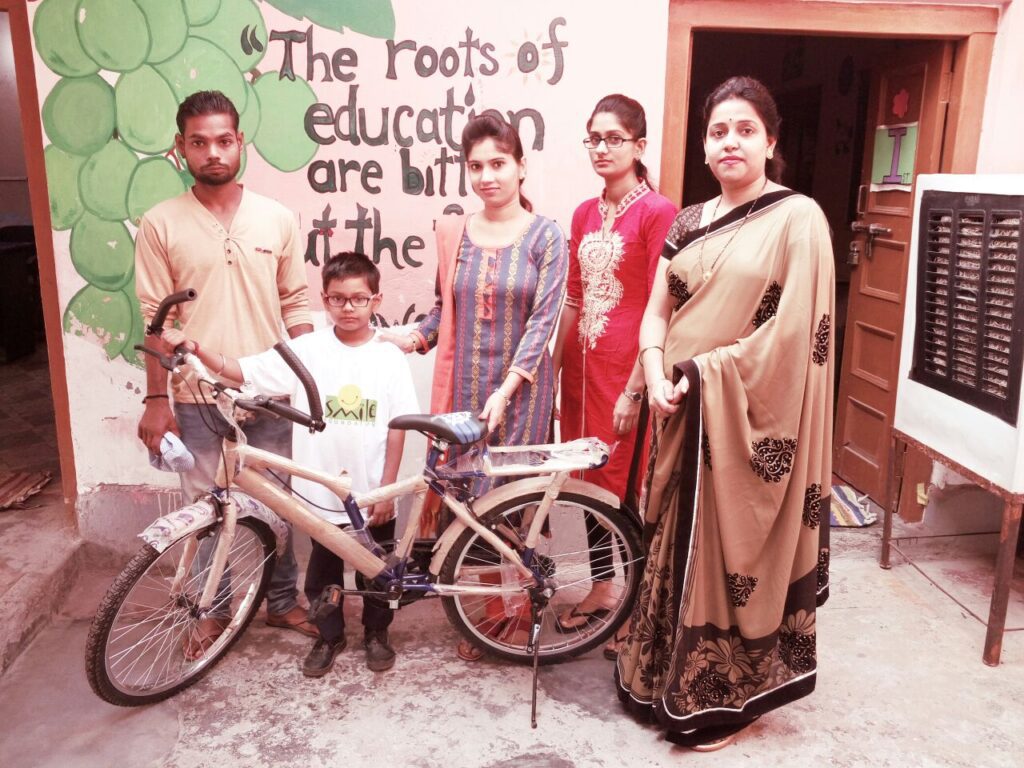
In a small effort to ease their every day struggles, Smile Foundation came up with a unique concept – ‘Build A Bike’. Under this, we engage corporate volunteers and employees in the strenuous task of building a bicycle from scratch! They participate and compete in this physically and mentally tasking challenge to create bicycles – all to gift a better future to children.
Our recent ‘Build A Bike’ challenges with Intel and Adobe were a testament to the strength and indomitable spirit of the employees. Even as they were drenched in sweat, the feeling of doing something bigger than themselves kept them going. “It was a truly engaging and a rewarding experience”, noted an Adobe employee.
Intel employees during their ‘Build A Bike’ challenge
As the employees finished building brand new bicycles, they then went and gifted them to children who undertake long distances to get to school. The feelings and emotions of the children is perhaps best known to them, but one thing we all learnt is that we’re just getting started and getting to school would no more be one of all the struggles lesser privileged children face!
Student from our centre in Noida with his brand new bicycle
Together, we are working to see #EveryChildInSchool, and if you would like to partner with us for ‘Build A Bike’ challenge, then please visit www.smilefoundationindia.org/csr.html
When Smile Foundation was launched in 2002, corporate social responsibility wasn’t the big thing that it is now. The government didn’t demand it of companies. Managements and promoters saw giving as charity — voluntary and scattered — and rarely, if ever, was the social involvement of a company seen as a driver of the country’s development process.
The founders of Smile thought the equation could be different — more meaningful for society. They were young professionals in their thirties with management and accountancy degrees. A decade into economic reforms, they felt the corporate sector had a responsibility to deal with inequalities.
Smile wanted to imbue NGOs with rigour and sound managerial practices so that they could find it easier to access funds from the corporate sector for serious development work. On the other hand, by bonding with NGOs, companies would have a better understanding of social realities.
It has taken 15 years, but Smile has built a platform for doing good which few voluntary initiatives of its kind have managed to achieve. It supports more than 250 welfare projects in education, health, skill-building and women’s empowerment in over 950 remote villages and urban slums in 25 states. It has even produced an internationally acclaimed film, I am Kalam, to inspire underprivileged youngsters to reach for the stars.
At a time when NGO leaders say funding for development projects is declining and the sector is facing a slump, Smile, headquartered in New Delhi, is making steady progress. Its decision to partner the corporate world much before the law mandating corporate social responsibility came into existence has paid off with 80 percent of its funding coming from companies.
“We turned to the corporate sector when no one was really looking at it as an accelerator of social development. We felt companies could partner with us for social initiatives because they had the money and we could provide the platform,” explains Santanu Mishra, one of the founders of Smile and its Chief Executive Officer.
“As we saw it, a company needed to be competitive not just in business terms but also in its social orientation. Being inclusive was more than charity. It was a strategic investment in the future of the country and the image of the company,” says Mishra.
Smile called it Social Venture Philanthropy by which it put seed money into dedicated grassroot organisations with great ideas who were unable to do it alone because of the lack of financial, professional and managerial resources.
K.C. Pant, who founded Rasta School in Khora Colony, with his little students.
“Being a young organisation, we were willing to learn and try,” Mishra recalls.
Smile defined its role as that of a facilitator and catalyst. Over the years, in certain remote areas, it has also taken to directly implementing development projects. But it remains committed to bolstering change agents and moving on.
“We seek to empower NGOs in every possible way, including their capacity to raise funds so that they are not dependent on us,” says Sanjeev Dham, Chief Operating Officer at Smile.
Connecting NGOs and companies throws up many wonderful opportunities for effective development work. But it is also full of challenges. There is a clash of work cultures and attitudes. NGOs thrive on passion and idealism. Companies are result-driven and need quantifiable outcomes.
“It is a good thing for society if NGOs become more business-like and companies allow themselves to be more idealistic. But it is not easy to achieve. For instance, assessing impact in the social context is different to defining results in business terms. So, getting NGOs and companies to understand each other is fraught with problems though the intentions on both sides may be the same,” explains Mishra.
Companies have strict governance and monitoring processes, they want resources efficiently used and they expect results. Smile helps NGOs learn the latest management techniques, forge strategic partnerships, deliver efficiently and follow standards of transparency.
Smile sets itself apart in its approach to handling development projects. “We apply result-oriented business models, principles and practices to the social sector to ensure optimum use of resources and the highest social returns on investment,” says Mishra.
Smile’s Swabhiman programme empowers women and creates change agents in the community
Smile itself is an example of how a professionally run organisation has been set up from scratch. Civil Society first came across Smile a decade ago. It was in an airless basement at Safdarjung Enclave in South Delhi. Mishra was the go-to person and the other founders were as reclusive as they are today. But over these years, a buzzing organisation with defined systems has been built. The Delhi office now occupies three floors of a building in Green Park Extension and employs more than 150 people. In addition, there are offices in Mumbai and Bengaluru.
From the outset, in 2002, Smile’s founders identified education as the torchbearer of change. But they soon realised that a concerted effort was needed. So, Mishra, a law graduate and alumnus of the Indian Institute of Management, Ahmedabad, gave up his corporate job to give Smile “thought, structure and soul”.
Over the years Smile Foundation has partnered with 250 global brands including Ericsson, FIS, Airbus, Deutsche Bank, Microsoft, PepsiCo and BAE Systems. Smile now has a sizeable footprint. It has a staff strength of 400 development professionals. The core team works with a supporting network of some 3,000 individuals who associate themselves with Smile on a project basis.
The programmes it implements range from education to healthcare to skill training for young people. Swabhiman is a programme to empower women. Empowering the grassroots boosts the capacity of NGOs. There are other programmes as well.
“We have demonstrated our ability to scale up our programmes. That is our value proposition,” says Dham.
But at the core of Smile’s effort is the lifecycle approach. What this essentially means is that while education is the goal, healthcare, livelihood and women’s empowerment are all linked to it.
Santanu Mishra, CEO of Smile Foundation
“While working on the ground, we realised that children’s education cannot be done in isolation, without ensuring the welfare of the whole family,” explains Mishra. “Health is also a part of education. A child will not go to school if he is sick. If a child’s parents are afflicted with health problems, he might drop out of school and start earning instead. Unless the mother is healthy and empowered, the child cannot be either. It is all interlinked.”
“Our other programmes evolved as a logical progression to our education programme – be it livelihood, health or women’s empowerment. Today, children and education continue to remain at the centre of all we do, but through the lifecycle approach we also address the needs of the children’s families and communities.”
School for all
Mission Education is Smile Foundation’s flagship programme. Dedicated individuals and NGOs are helped to set up informal schools that offer bridge courses, remedial education, pre-school learning and vocational courses. To ensure quality education- teacher training, parent-teacher meetings and exposure visits are organised.
“Mission Education addresses the needs of out-of-school children and vulnerable children who might drop out,” says Partha Pratim Rudra, director of the programme.
In Noida, Smile supports Sankalp Saksharti Samiti, an informal school started by Meena Nijhawan, now 71, in 1993. Meena had time on her hands so she began teaching her domestic help, Padma. One day they noticed four street children wandering about in their neighbourhood. Meena invited them in, gave them a bath and a meal and advised them to study.
To their surprise, the children soon after turned up at her doorstep and asked to be taught. So Meena and Padma began teaching them. In no time word spread and children of rickshaw pullers, domestic helps and rag-pickers began to seek admission in Meena’s impromptu school. Meena found herself running out of money to pay for meals, stationery and books. She also grappled with issues which children, who had faced a rough life on the streets. Smile extended a hand of support. Meena’s little school now places children in mainstream schools and pays for their education. Her ex-students have become professionals.
A resource centre where women are advised on breastfeeding and nutrition
In the tribal Kalahandi-Bolangir-Koraput region of Odisha, one of the poorest in India, Smile along with Jana Sewak Sangh, a local voluntary group, helps to improve government schools in Bolangir.
Smile’s remedial education project has helped with recruiting teachers, healthcare, nutrition, libraries, computer labs, learning material and innovative toolkits for subjects like math, science and English.
In eight years, the number of children in school has increased from around 100 to more than 1,100 in Smile’s five Mission Education centres at Kudasinga, Kuturla, Shastri Nagar, Ichhapara and Tulsi Nagar. The number of dropouts has declined drastically and the academic performance of children has improved.
In Mumbai, Smile Foundation helped Amcha Ghar, a home for girls, scale up and become a full-fledged school using English as the medium of instruction. Amcha Ghar was started by two social workers, Susheela Singh and Anthony Dias. Sometime in 1995, they rescued a hapless girl who was being sexually exploited. But no institution would admit her because she wasn’t an orphan. To their surprise, Singh and Dias discovered that there was in fact no place for girls who were sexually exploited or emotionally abused, could go to.
The helplessness of the girls moved the two social workers. On 14 April, 1996, in Uttan village in Bhayander they started a home called Amcha Ghar with three girls. Amcha Ghar now has 25 girls and around 700 children study there. Smile supported training of teachers, setting up of computer labs and libraries.
Smile’s mobile hospitals go to urban slums and remote rural areas
In Lucknow, Jupiter Academy’s partnership with Smile enabled it to hire more teachers, admit more students and introduce vocational courses. The academy was started by Sandeep Bhatnagar, a fabricator who in the summer of 1998, took in two poor children hanging around outside his unit, and began teaching them. Soon the number of children, mostly between four and 12, rose to 75. Bhatnagar, who taught math, got his wife to help out and hired three teachers. His academy now has 1,200 students and five ‘branches’. Children can join pre-nursery and opt for skill training when they finish school. Jupiter’s students even produce a toilet cleaner called Kick and market it.
“Smile has played a big role in our success,” says K.C. Pant, founder of Rasta Girls School in Khora Colony in Ghaziabad, UP. “They give us hand-holding support. They check the academic progress of the children they sponsor and monitor us closely. We have a common objective. They have the expertise to raise resources and our strength is our work in the field.”
The Rasta School, abuzz with mostly Muslim girls, has become a landmark in Khora Colony, a poor neighbourhood of congested lanes. Pant, who founded the school in 2007, says 600 girls now study there.
It all began as a sort of challenge, he says. Vinod Khanna, a retired IFS officer and a consultant with Tech Mahindra, jokingly asked Pant if he could start a school for Muslim girls. Pant, who had worked 22 years for Deepalaya, said he just couldn’t refuse.
Pant had to use all his persuasive skills to get parents to send their girls to school. “Here I was, a Hindu Pandit from Uttarakhand trying to teach Muslim girls,” he recalls. He and his field staff trudged to local masjids, madrassas and the neighbourhood. Finally, the community acquiesced and Pant began an informal pre-school and remedial classes for 250 girls. About 60 girls were helped to pass the National Institute of Open Schooling exam.
Rasta Girls School has now been recognised by the Uttar Pradesh State Education Board. The girls can appear for the CBSE exams too as private candidates. Meanwhile, Pant has opened two more Rasta schools.
Altogether Rasta provides education to 900 girls. The school has earned enormous goodwill within the community. The parents find the fees of Rs 250 per month affordable.
Skill training, jobs
Skill training for youth was a logical step for Smile from Mission Education. Once children finish school, where would they get jobs? Smile began its Twin e-learning (STeP) programme in 2007 when the retail and information technology sectors were on an upswing. Beginning with two experimental centres in Delhi with NGOs, Smile now supports 88 centres. So far 32,000 young people have been trained and 20,000 have been placed.
Partha Pratim Rudra
“Young people from underserved backgrounds need to be able to communicate in English and learn etiquette and body language. They need to understand the importance of time management and develop decision-making skills,” says Bipasha Patnaik, manager of Smile’s livelihood programme.
The Aarohan skilling centre was set up by Smile three years ago in Malviya Nagar with funds from Ericsson. Around 600 young people between 18 and 25 have passed out of the centre. Jobs have been found for 300 of them and the others have found some form of self-employment. These young people have passed Class 10 or Class 12 and are taught computers, English, basic management and retail management, personality development and soft skills. The course is for four months. Students pay Rs 100 a month which covers the centre’s overheads and works as an incentive for them to attend classes.
Ravi Paswan, 18, works at a Chinese restaurant. He comes from a little village in Nepal. Paswan passed Class 10 some years ago but couldn’t study further. He hopes to find a better job after training. “I heard about the centre from someone and decided to join. I have picked up a little English and learnt a lot,” he says.
Ashish Kumar, a diffident youngster, makes notes as he sits in on a computer theory session. Kumar completed Class 12 from a village in Azamgarh district of UP and came to Delhi to join computer classes on the advice of his maternal uncle. His father is a farmer. “I have been here one month and I like my classes. I am prepared to do a job, any job,” he says.
Young people seeking skills invariably struggle with English. But they have a dedicated English teacher in the soft-spoken Sunita Dhar, who has been closely associated with Aarohan since 2005. “I am teaching English as Hinglish so that they can understand the language better. I never pass negative remarks. Instead, I become a child with them,” she says.
K. Sarva Lakshmi teaches retail management, explaining organisational structures, job opportunities, the global retail scenario and sales skills. “We take photographs when young people join and after they complete the course. It is heartening to see the difference in them at the end of four months,” says Lakshmi.
Over time the centre has built a reputation for itself. Smile has placed young people with Big Bazaar, HDFC Bank, Max Life Insurance, Vodafone, Bharti Airtel, KFC, Café Coffee Day, Westside and Amazon. These are jobs for which salaries vary between Rs 7,000 and Rs 15,000 a month.
Seema Kumar
Aarohan was thoroughly vetted before Smile took the NGO on board as a STeP partner. The NGO is well known for its work in education. “I was interviewed to determine whether we would be able to set up a centre. I said I could try because this was a new thing for us. Until then we were not placing children, only equipping them with digital literacy. After that Smile gave us this project. This is another feather in our cap and we are running it very well,” says Rani Patel, founder-president of Aarohan.
The project is entirely sponsored by Smile which pays for salaries, computers, rent, learning material and so on.
Mobile hospitals
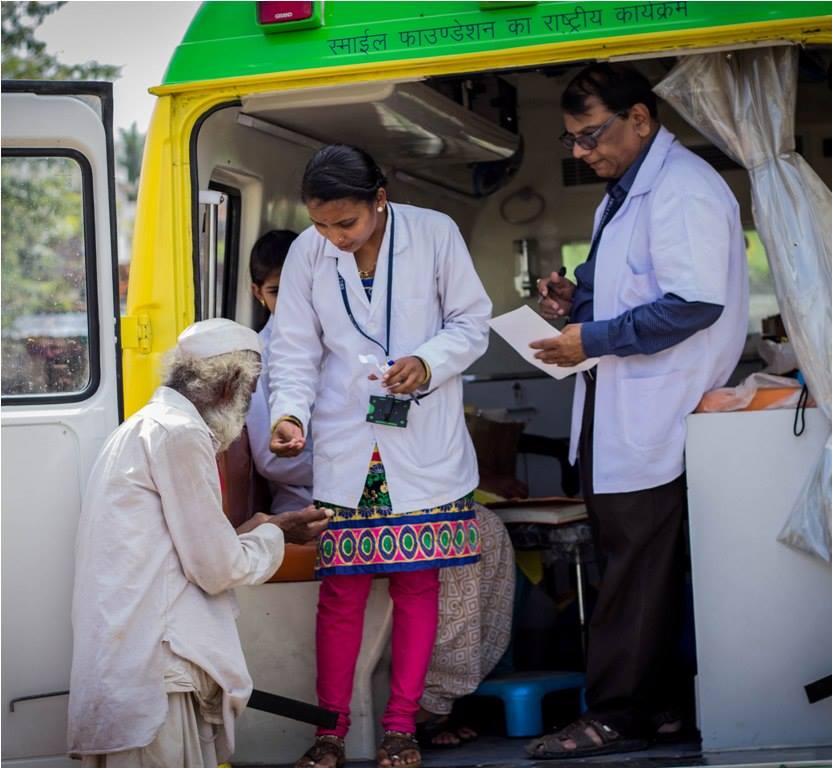
Smile on Wheels takes healthcare to the doorstep of underserved slums and remote villages. These vans are equipped and staffed to make them equivalent to mobile hospitals. Apart from doctors, there are nurses and technicians and health workers who serve as mobilisers.
A mobile hospital begins by dealing with specific ailments. But it has a much larger role in connecting with the community so that Smile can identify and address issues relating to the overall well-being of the people. Medical assistance and advice are just the beginning of deeper and sustained engagement. Better awareness about maternal and neonatal health leads in turn to greater empowerment for women.
“Every quarter we analyse the disease pattern of a particular place and, based on our findings, we weave in health awareness activities,” says Satnam Singh, national manager of Smile’s health programme. “The government has useful communication material on health and we use it.”
The mobile hospital at Chajjarsi visits the locality once a fortnight and attracts 90 to 120 patients every time. Project coordinator Hitesh Kumar Chowdhury says, “Earlier we needed to announce our presence but now people eagerly wait for us.”
Dr Ajit Kulkarni’s mobile hospital covers seven out of 27 urban slums in Kalyan municipality in Thane district of Maharashtra, including Pisawali, Katemiyali, Amrahi and Prabhudhanagar in Maharashtra. On an average, he sees 150 patients every time.
“The mobile hospital has complete medical facilities. There is satisfaction in seeing happy faces when my patients wait for me and I know that I have their blessings,” he says.
An MBBS from Shivaji University in Kolhapur, Dr Kulkarni had a flourishing private practice for 35 years. His most recent assignment was as medical officer with the Maharashtra government’s Integrated Counselling Testing Centre (ICTC) van that traversed many miles in Thane district to detect, counsel and refer HIV patients for further tests.
Six years ago, he received a call from Smile Foundation to join Smile on Wheels and he took up the offer without hesitation.
Dr Kulkarni travels with a complete team — a nurse, pharmacist, pathologist, a community mobiliser and a project coordinator. The van has 95 medicines, including antibiotics, analgesics, tonics, calcium tablets and skin ointments. There are facilities like an oxygen cylinder, nebuliser and ECG machine. The pathologist can run the entire gamut of tests.
The focus is on antenatal and postnatal care. Pregnant women are registered and given multivitamins, iron, folic acid, calcium tablets and protein powder. For their deliveries women are referred to the nearest government hospital. There is growth monitoring of babies and multivitamin drops are dispensed. The women are also given advice on breastfeeding.
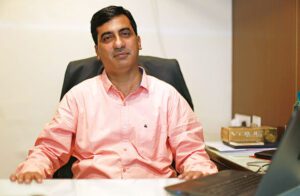
Sanjeev Dham
Adolescent anaemic girls are given iron tablets for three to six months and advised haemoglobin tests every month. Kulkarni also prescribes medicines and advises on menstrual complaints and reproductive tract infections. “We focus on cases of malnutrition, worm infestations, growth problems, rickets and TB in children,” he says.
Networking with government hospitals is very important so that they take special care of Smile’s patients, says Kulkarni. If necessary, he visits the primary health centre or municipal hospital himself.
Preventive aspects of healthcare are emphasised. In August, due to heavy waterlogging in Mumbai after the rains, there were over 70 cases of leptospirosis, a severe bacterial infection that can cause multi-organ failure and even death. To prevent the spread of the disease in Kalyan, Kulkarni distributed capsules of Doxycycline.
Dr Anurag Sobhari’s mobile hospital goes to 10 locations in Gurgaon. He says that health awareness to prevent seasonal diseases is very important in slums and rural areas. “We also educate people on washing hands, sanitation and related issues. Street plays are organised by professional theatre groups and community meetings are held regularly.”
Empowering women
As Smile Foundation began working in slums and villages it came across incidents of domestic violence against women. To counter this, Smile launched Swabhiman, which means self-respect. Over the years, the programme has expanded to include health, education, life skills, women’s rights and male sensitisation.
The programme identifies adolescent girls and women with good communication skills who can mobilise their community. They are trained as change agents and they keep educating the community after Smile pulls out. Girls from poor homes who do well in school are given a scholarship, helped with career counselling and linked to vocational institutes. They become key change agents.
Outside the Smile resource centre at Shashi Garden, a resettlement colony in East Delhi, seven young women with babies listen attentively as Nisha Sharma, a community health educator, explains the benefits of breastfeeding. She then informs the women of the next date for immunisation of babies at the local dispensary.
Group discussions are also held on topics ranging from menstrual hygiene to the importance of education, reproductive and child health and so on.
Swabhiman’s male health volunteers initiate meetings with men as well. Men can sometimes be seen at Labour Chowk discussing family planning, TB awareness, seasonal diseases and immunisation. “It’s very important for women that we work with men,” says Pooja Rani, assistant manager of the Swabhiman project.
Swabhiman change agents also work with anganwadi workers. Says Usha Rani, a cheerful anganwadi worker, “Many women are illiterate. They don’t know where or how to register for antenatal and postnatal care. We connect them to clinics and dispensaries. We also issue them cards that track immunisation and vaccination details.”
Satnam Singh
In the two years that Smile has been working in Shashi Garden, home deliveries are down to 1.1. percent, immunisation coverage is 100 percent, the education of girls has been boosted and so has male support. “We will soon be pulling out of the community. We have created awareness and we have change agents to carry forward our work,” says Seema Kumar, general manager of Mission Education and Swabhiman.
Swabhiman has a mobile health unit project which is a smaller version of the Smile on Wheels mobile hospital with a doctor, pharmacist and health workers.
One such unit is stationed in a narrow alley in Chattarpur Pahari in Delhi. Dr Neelu Shrivastav, who heads it, has been working with Smile since 2006. She visits Ashok Nagar, Dhaula Kuan, Chattarpur Pahari and Shashi Garden with her unit. Apart from her voluntary work with Smile, she and her husband have a flourishing private clinic. “I find great satisfaction in this work. The people who come to my unit really need good medicines and consultation,” she says.
Every small action offsets a bigger one; every small step towards change creates bigger ripples of change. As is often said, change is the only constant, and change alone can lead us to an empowered nation.
Today, youth has a big role to play when it comes to contributing to change. Every single point of action is a change-maker in process, and we call these champions #YouthForChange.
In the same spirit, the students of IIT Roorkee are often seen in different parts of the city, volunteering and teaching children in their free time. Going around the city, one would often find them scattered in places, trying to affect change in every minute way possible.
They decided to scale it up by advocating for the cause of education with Thomso, their annual cultural festival. In fact, this fest has also been recognized as the “Annual Youth Festival of Uttarakhand” by the government and is regarded as one of the most culturally rich youth festivals of India.
This year, in an effort to work together towards an educated and empowered India, Smile Foundation has joined hands with IIT Roorkee as the ‘Social Initiative Partner’ for Thomso’17. Our team will be there throughout the course of the festival, that is, from 27th to 29th October raising awareness towards the cause of education- for we all believe in seeing #EveryChildInSchool!
(The 35th edition of Thomso will be organized from Ocober 27 to October 29, 2017 with an approximate footfall of 20,000 students from across the country. This year Thomso will be graced by guests such as Farhan Akhtar, Nucleya, Pranati Rai Prakash, Pankhuri Gidwani, RJ Naved, RJ Devangana et al. You can register for Thomso’17 at www.thomso.in.)
(To know more about Smile Foundation’s #EveryChildInSchool initiative, please visit smilefoundationindia.org/me)
A couple of months back, I, along with another colleague of mine went for a visit to one of Smile Foundation’s Mission Education centre. This particular visit grabbed my attention because the centre was located at Khora colony, a small settlement on the Delhi-UP border, which happens to be my birthplace.
I had spent the first four years of my life here but obviously had very faint memories of the place. My parents had told me that Khora had only gotten from bad to worse; and hence they had never taken me there in my later years. So when the centre visit was planned, I thought it was time to revisit the place.
This particular centre, Rasta, is an all-girls centre for girls who are predominantly Muslim owing to the vast presence of the community in the colony. This information which I already had before visiting the centre had not prepared me for what I experienced there.
It had rained the day before and Khora was in a complete mess. Rough streets, overflowing sewers and the odour emanating out of the open garbage dumps narrated the miserable state of hygiene amid which the inhabitants were living. I tried to bring back any memories from the past – is this where I began?
We stopped in front of a house, with unpainted brick walls and an iron gate; a board overhead read “Rasta”. Our visit had been planned on a Saturday, which happens to be the day scheduled for Parents-Teacher meetings. As it was the end of the academic session, results were being declared for the primary and middle classes. The centre was teeming with mothers and kids, the ones enrolled and younger ones who could not be left alone at home. This meant we could interact with not just the students and teachers, but also with the parents.
A cheerful, verbose and very cooperative lady, Ms. Himani, who is a senior teacher at the centre, welcomed us warmly and informed us with delight that the results had been exceptionally good. She first took us to the grade 7 classroom, which was packed with mothers and their kids, all sitting expectantly. The teacher was just about to announce the best performers of the class. All the kids stood up and wished us in unison. As the names were announced, we joined in the applause while three girls came forward and shyly stood besides the teacher; their mothers beaming with pride.
After congratulating the kids on their good results, we climbed a flight of stairs and reached the first floor. I realized that it was a well-spread out centre with separate classrooms for each grade and the basic amenities all in place. This floor was even busier with mothers and kids flowing around to the designated classrooms. As my colleague sat down with Ms. Himani to start the formalities of the monitoring visit, I drifted away.
Spotting a classroom where a young teacher was putting her papers in place, I entered and settled down for a chat. She was the pre-school teacher and had just ticked off the last parent on her list. I asked her if they had started preparations for bringing a new batch of girls to the class. She said that they had been going on community rounds for weeks and had got a good number of registrations. “But even if we do not go, people themselves come and get their daughters admitted when they reach the right age. When we had started, it was very difficult to convince the parents. They are very conservative; educating girls was not considered good. Only those families where both the parents were working and had no time to spare for their daughters sent them here. We used to pick them up and drop them back home. But now things have changed and people understand that educating their daughters is important.”
Noticing that only mothers had come to pick up the results, I inquired if the fathers were still against their daughters going to school. “No, it’s not that. Most of their fathers do labour work or carpentry; they cannot miss their day’s wage. But on regular days, many of them drop their daughters to school on their way to work,” Ms. Himani clarified.
I next entered a class where the teacher had gone out on an errand and two mothers were waiting with their kids – 10 in number – starting from a toddler to a 12 year old. I asked the women what they did. “Nothing. We just sit at home and take care of the kids. We don’t know anything”, said the mother of six. Both the women had never been to school, so I asked what had made them send their daughters to school. The other woman said, “Look at us. We could not do anything in life; we never go out. They will study and do something. They will be different. If God wishes, they will also help us change.” There was hope in their eyes.
This hope is what has become the foundation for these first generation learners who study at the centre. When I visited the grade 6 teacher, she showed me the attendance register for the PTM. “Look, some of the mothers have made thumb impressions, but many have signed their names in English. We told the girls at the last PTM to teach their mothers how to write, starting from their name. Today, when they wrote their names, some of them had gravity in their eyes which we will never understand, while others just laughed it off. The mothers always feel good when they come for PTM; they never get an opportunity to participate in any other public space.”
Indeed, we will never know what those women felt when their daughters taught them how to write their names. These young girls are not only beginning to form an identity for themselves but also giving their mothers something which they long desired, but never got a chance.
The sincerity and aspirations of the girls, the pride and hope of the parents, the satisfaction and ownership of the teachers, made me curious about how the centre began and I put up this query to the founder of Rasta, Mr. KC Pant. The good natured man smiled and said, “Oh it was during a casual conversation with a close friend, who decided to put up this challenge in front of me. I told him I was a teacher and my job is to teach, no matter what difficulties stand in the way. He then told me about Khora – there is no govt. school in the vicinity, except one which stands non-functional and in a dilapidated condition; the parents are completely against sending their daughters to school.; they do send their sons to govt. schools in Delhi; each family has a slew of daughters, all ages, sitting at home. I was moved, and told him I would readily take up this challenge. And this is how we started.”
As we took leave of the teachers and Mr. Pant, I felt a surge of emotions. Khora, when my parents left it had been a hopeless hole which they had thought best to leave behind, but a seed of hope had been planted and has started blossoming; the future will be different. And I feel good that in however microscopic a way, being a part of Smile Foundation, I am a part of this change that is unfolding in the place of my birth.
(To know more about our Mission Education programme, or to contribute to this change, please visit smilefoundationindia.org/me)