Categories
Insights

Decentralizing health management for meeting local health needs

With growing population and advancement in the medical technology and increasing expectation of people for quality health care, it has now become imperative to establish a system to render accessible and effective healthcare services.


Addressing this need, the National Health Mission (NHM), formerly known as National Rural Health Mission (NRHM-2005-2012) is a major undertaking by the Government to honor its commitments under the common minimal programme. NHM is a strategic framework to implement the National Health Policy 2002 with its key guidelines including equity, decentralization, involving Panchayati Raj Institutions (PRIs) and local bodies in owning primary health care management, and strengthening of primary health care institutions.


Upgradation of CHCs (Community Health Centres) to FRUs (First Referral Units) and establishment of 24X7 PHCs have been some major strategic interventions under NRM, to provide sustainable quality care with accountability and people’s participation, along with total transparency. However, there is a general apprehension that this may not be possible unless a system is evolved for ensuring a level of permanency and sustainability.


To resolve this, the decentralization of health management can play a pivotal role in ensuring a quick turnaround in the decision making for procurement of logistics, improving infrastructure etc. This requires strengthening of District Programme Management Unit (DPMU) – functioning under the guidance of District Health Society (DHS) led by Chief Medical Officer (CMO) with the support of District Health Manager (DPM). In principle, DPM is responsible for setting-up and operationalizing the DHS.


Although the DPMU has vertical and horizontal linkages with the health functionaries, there are some underlined challenges. To make a decentralized system functional, we need to have clear guidelines with details of roles and responsibilities along with the details of the compliances one has to adhere to. Since the programme management is ever evolving and dynamic, hence the guidelines need to reviewed and adapted as per the changing need of the programmes. The ambiguity in the guidelines and “static” or adopting ad-hoc processes to address the issues, hinder the decision making process. Hence, to keep the essence of the decentralization intact, it is important to have clarity in guidelines especially at the level of DPM, who manages the DPMU. This will result in crystallizing the goals of programmes at local level and the role of people involved in the overall programme.


The DPM should be authorized to make some critical estimations and decisions at DPMU level. For instance, to ensure that individuals have the ability to choose, obtain and use quality contraceptives/ family planning method, whenever they need them, requires addressing a number of factors. The DPM at district level must be equipped to estimate the supply and demand of different contraceptives and should also gauge the changes in the demand over time. In addition to estimating the demand, it is important to ensure the procurement of required equipments and consume them in the required time frame. Since the DPM is a person who brings on board the techno-managerial skills, hence the authority should be with him/ her make critical decisions in this regard.


Currently, the procurement and logistics system is built up in a manner, where the emphasis is on ensuring uninterrupted equipments, logistics, medicines, consumables such as condoms, OCPs, IUCD, supply at the facility level with the district warehouse as the hub. This procurement system allows huge cost savings and ensures very good quality and safety in the procurement process. The rate contracting done at the state level to gain economies of scale and ensure quality and safety of the required commodities can be done centrally. 


In addition to this, the Rogi Kalyan Samiti (RKS) can play an important role in raising the awareness of decision makers about the benefits of creating a system to procure the contraceptive commodities at the health facility level, without compromising on quality standards, so as to ensure that there is no stock-out, ever, of these. This decentralized system, if strengthened further, will also ensure the availability, repair and replacement of the essential equipments required to provide any family panning service.


In principle, decentralizing the procurement process of family planning health sector leads to a number of benefits. For one, local governments become more responsive to local priorities than central governments are. Because more authority rests at the local level, local decision makers are given freedom to identify family planning priorities based on local needs. Furthermore, the community members can also hold local decision makers more accountable to ensure that health issues are resolved. With priorities identified at the local level, funding/ resource allocation and the procurement process, even with to a limited extent should also be decentralized in a way that best responds to local priorities.


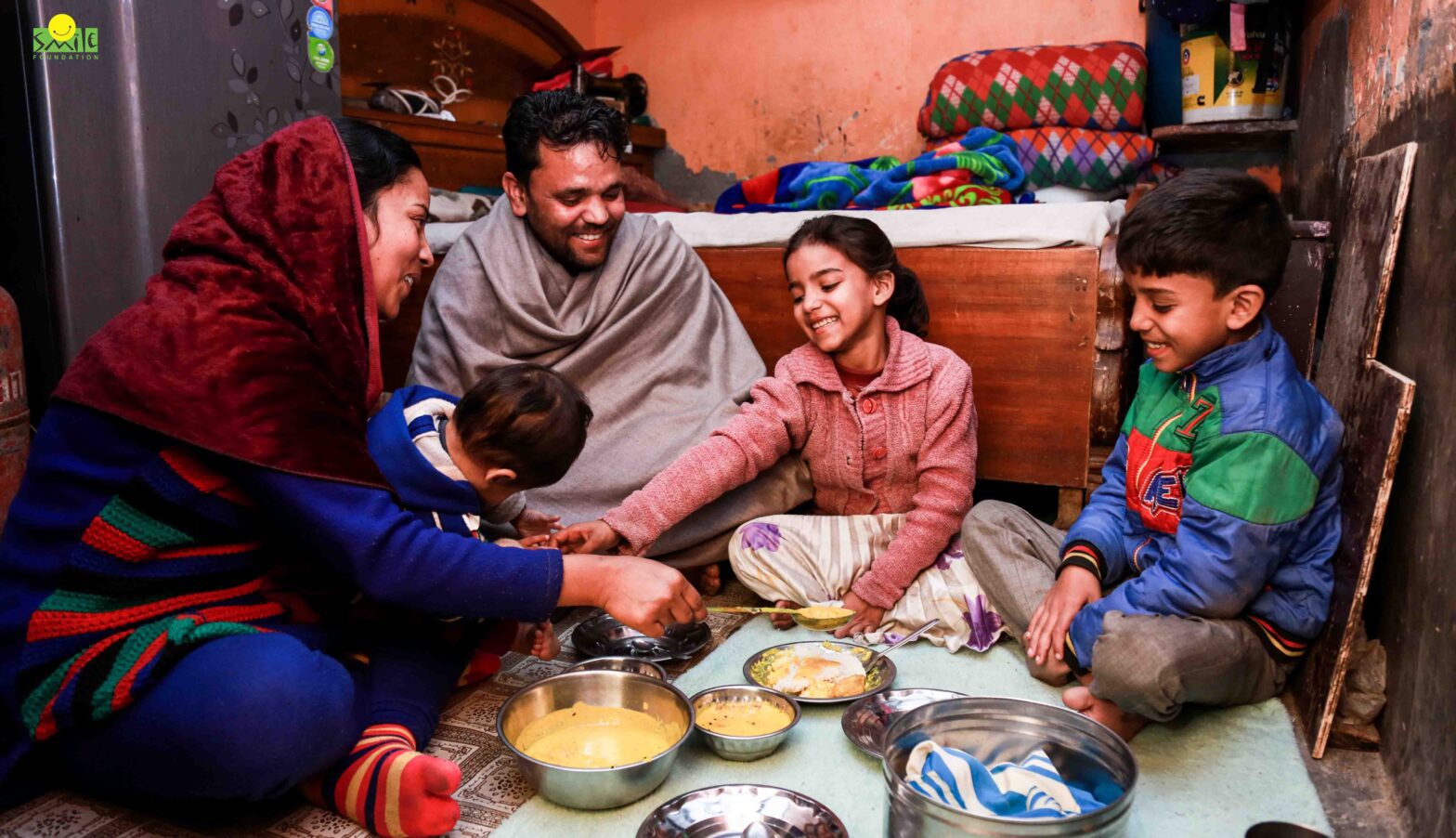
(Under its swabhiman programme, Smile Foundation works closely with communities, local authorities, health workers and institutions to ensure that women and their families are aware of and have access to primary healthcare services.


To know more, visit: https://www.smilefoundationindia.org/swabhiman.html)
Categories
Women Empowerment

A Tribute to All the Mother’s

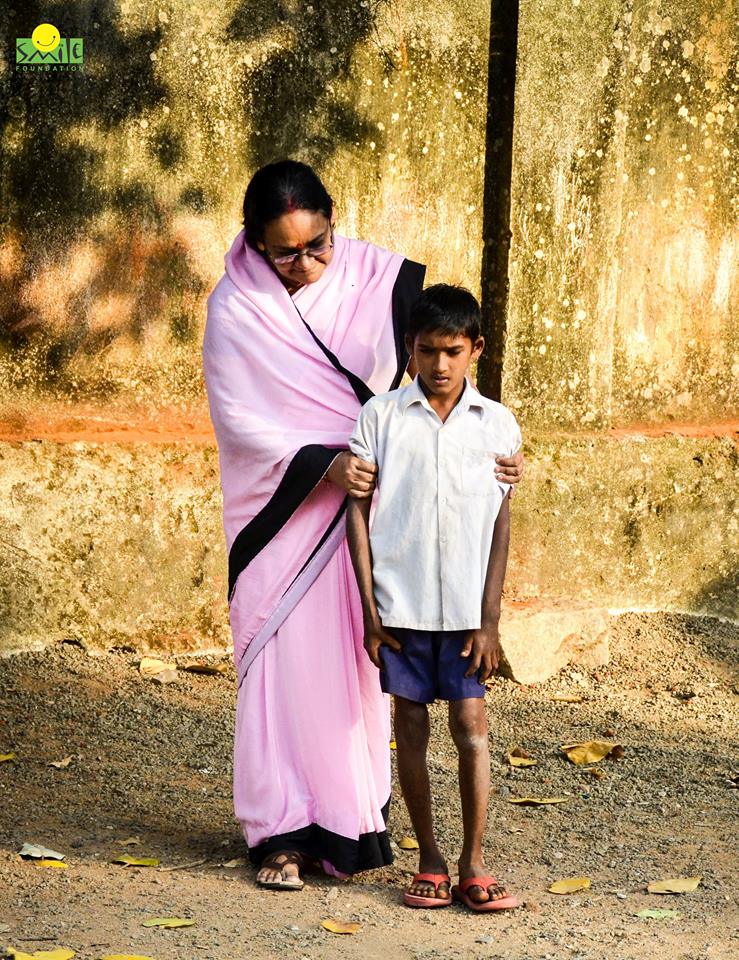
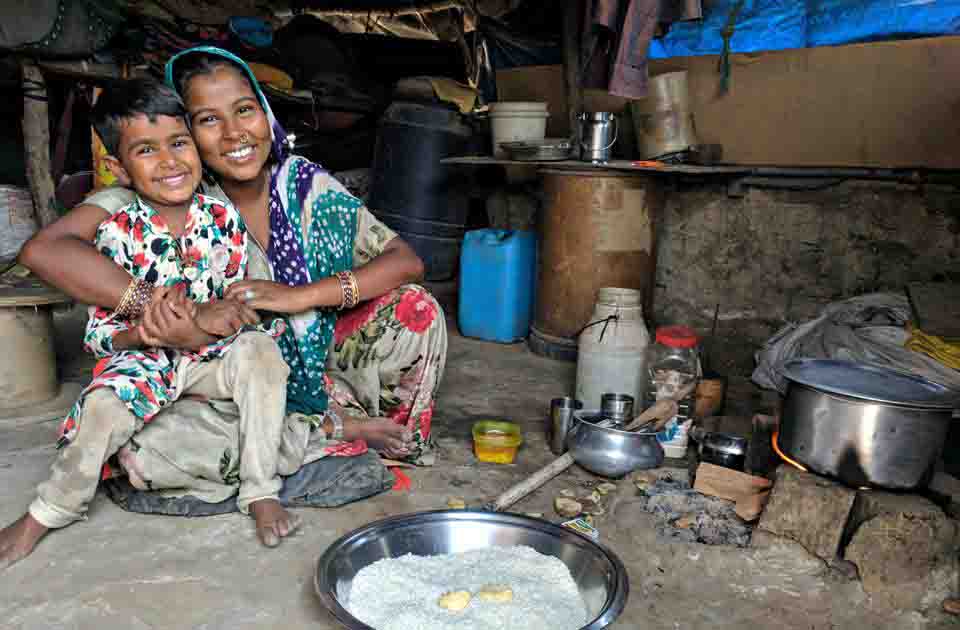
Mother is one person who means the whole universe in itself. Without a mother even the strongest person would be shattered. A mother nurtures her child, instill good manners and guide us in the journey called life. Mothers are omnipresent in our hard times and treat us dearer than anything else in this planet. Mother’s love is selfless and without her love life would be incomplete for everyone. Here are some stories of brave mothers who are special in their own way.

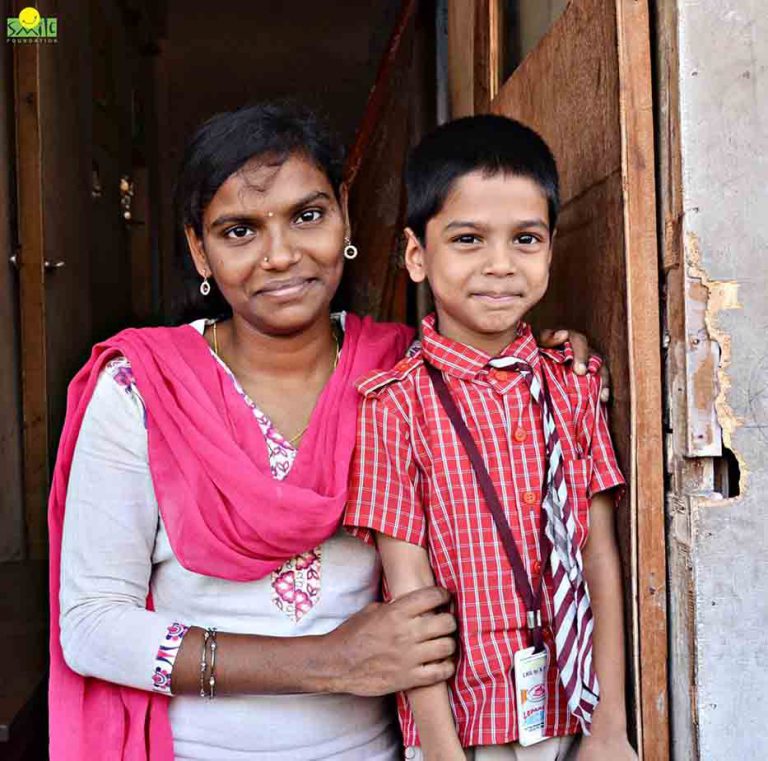
31124811 2053289608028330 1825191922038210560 n 768x761 1 7-years-old Mukesh studies in Grade 2 at Mission Education centre – Lepakshi in Visakhapatnam, Andhra Pradesh

‘I used to feed him water as dinner. I had no option. His father left us when he was just 1-year-old. Since I was unable to pay the rent, our landlord kicked us out. With such tiny baby in my arms, I had no place to go. We spent nights at the railway station and bus stand. I still remember that sometimes, the stray dogs would chase us away. We felt lucky on the days when people offered us food outside temples. It was painful when I could not protect him from scorching sun and stormy rains. He would often catch cold and fever, but I had no means to get him treated. He learned to heal on his own. I felt that the mother inside me failed to do justice to my child. It was then that one of the women visiting the temple offered me to work as a maid in her house. I felt life knocking at my door. I could do anything to keep my innocent child surviving. He’s all grown up today. Seeing him happy, I too have forgotten the pain. And yes, I have not failed as a Mother.’

– Sarala (Mukesh’s Mother)

A tribute to all the Mother’s We feel happy to provide doorstep healthcare to Tara Devi and her loved ones through Smile on Wheels in the slum clusters of Gurgaon.

‘My husband is an alcoholic. He beats me almost every day. And sometimes – in front of our son too. When he stopped working, we didn’t have food to eat for days. I had to beg for food from our neighbours, so that my child didn’t have to sleep empty stomach. The entire responsibility to earn a three-time meal fell on my shoulders. Working as a maid in others’ houses was the only option left. But I had to keep my child surviving. He is the only hope that keeps me alive. All my mental and physical pain will fade away once my child will succeed in life.’

– Tara

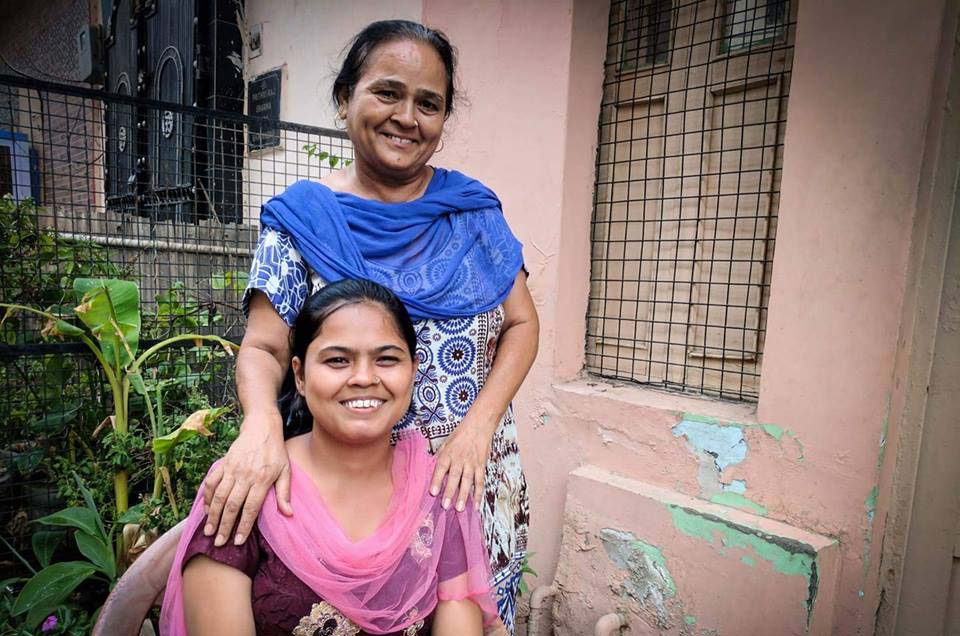
29101377 2004891946201430 3414667302908461056 n Seema was identified and trained on employability skills under Smile Foundation’s livelihood programme – STeP and placed as a teacher in Mumbai

‘Respect’ is the most important thing in a human’s life. My father did all kind of small jobs in his life to survive with his family. Sometimes he worked as a labour on construction sites, sometimes he worked on small shops as a helper, and sometimes he did loading and unloading of goods in factories. He was bound to respect everyone – those who were older than him and also those who were very younger than him. On the other hand people insulted him for being uneducated and poor. Despite the hard struggles, my father ensured that I and all my sisters get an education. He says society respects educated people, and I always wanted to earn that respect for him. Today, I work as a teacher and nothing brings more happiness to my heart when people talk to my father with admiration and honour.”

– Seema

29196724 2006302536060371 8995127454586634240 n Sneha has started schooling at Smile Foundation’s Mission Education centre – IPDP in Laggere, Bengaluru

“I don’t remember a single day when I wasn’t tortured mentally and physically by my husband. He used to spend all his earnings in his drinks. I never had even a single rupee in my hand. There were times when my daughter didn’t get anything to eat and I helplessly waited all night for my husband to return home with food. My daughter never cried in hunger – as if she has learned to live without adequate food. The day my husband fell sick, I spent all night on the hospital floor – crying besides him. No matter how worse situations were, I couldn’t leave him that way. I couldn’t give up on him.I did different works on daily wages – some days I broke stones, some days I carried 1000 bricks, and some days I cleaned factory floors – and earned money to pay for my husband’s medical bills. I never rested. I carried my daughter to all workplaces. Her smile gave me energy, gave me motivation and hope at every minute of my struggle. My husband is still recovering. When he thanks me for saving his life – I tell him, it’s our daughter’s smile that has kept both of us alive.”

– Mother of Sneha

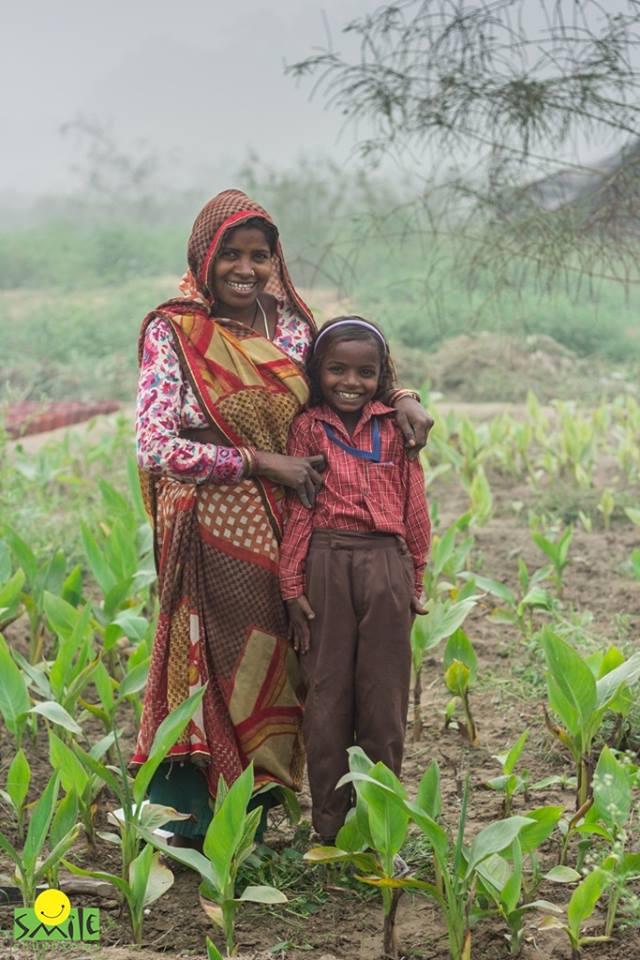
28958707 2001339319890026 2775610262714056704 n Her daughter has been identified and enrolled at Smile Foundation’s Mission Education centre PWS in the Yamuna River Bank, Delhi

‘Only a labourer like me will understand how much hard work it takes to survive. If I do not put my sweat and blood in the work I do, my child will starve. I earn very little daily wages, so every single rupee is valuable. It doesn’t matter if our roof is broken, or we sleep on the cold mud-floor in winters. Nothing matters more than food for my child. When I feed my child I become the happiest person in this world. I feel no more pain when my daughter holds me and smiles. Who can be happier than me?’

Sarita (a single mother living her life with her only daughter Priya)

Categories
Livelihood

Inspiring Stories on Youth Empowerment

The youth comprises over one-third of the Indian population which in turn constitutes a major part of the labour force of the country. The number of underprivileged youth in India who lacks education and proper guidance is so huge that according to the reports of the Financial Express only 15% of the young graduates passing out of colleges are employable; the rest are branded unemployable.

Smile Twin e-Learning Programme (STeP) is such an initiative of Smile Foundation that aims at creating a pool of young and independent people, from a section of underprivileged youth, through skill enhancement in tandem with market requirements. It is an effort towards bridging the gap between demand and supply of skilled manpower in the fast emerging services and retail sectors of modern India.

Here are some inspiring stories of young girls from across India who have been skilled, trained and empowered under the STeP programme to earn an independent and dignified livelihood:

30624661 2041250292565595 7414291653835358208 n

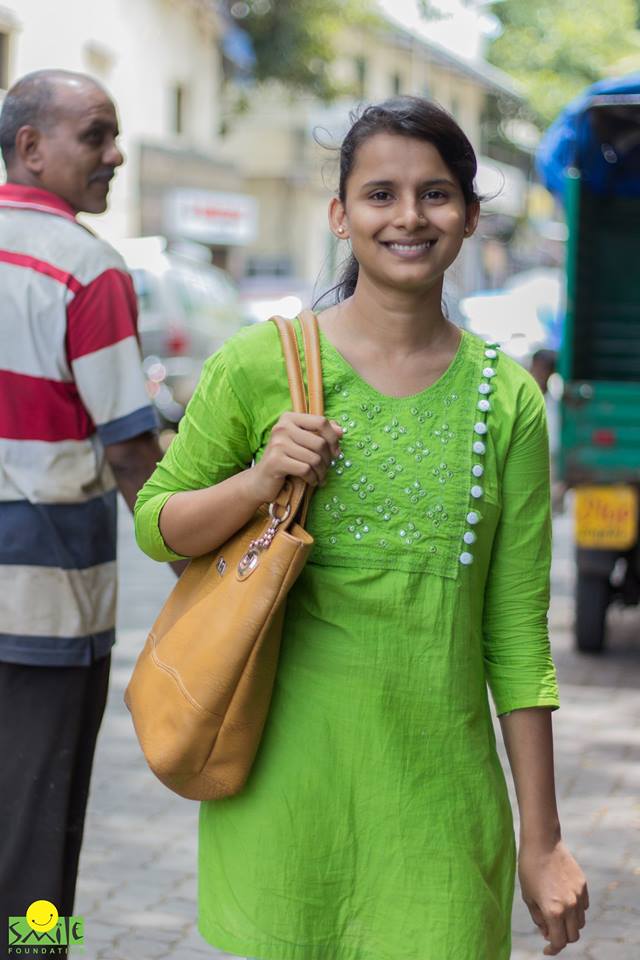
Neha is one of the 20,000 youth who have been so far placed after completion of employability training under Smile Foundation’s livelihood programme STeP

“It is not easy for girls to have dreams. I was one of the only few girls in our slum who went to school. My parents were never able to buy new clothes for us. Every year I prayed to God to not grow since I had to wear the same cloth all the time. I knew my father’s income wasn’t enough to feed the six members of our family. My father struggled every day to ensure that I go to school. Because of lack of money I could not study beyond class 12. I stayed indoors to avoid talking to people. Neighbours and relatives started blaming my father for pinning their hopes on a daughter. He had suffered the same taunts when he had decided to send me to school, when the family was almost starving. When I got my first job, my father was the happiest man. He always says – If you have a heartbeat, there’s still time for your dreams.”

– Neha


bolog
Mamta was identified and trained on employability skills for six months under Smile Foundation’s livelihood programme – STeP. She has been placed in Haryana State Electricity Board.

“Orphaned in childhood, harassed by in-laws over dowry, beaten by husband, two miscarriages – life has shown me everything that can give shivers to any woman. After losing both my parents in childhood, emptiness killed me every day. I craved for a family, for belongingness. At the age of 21, my aunt got me engaged. There were fears, but somewhere I hoped to get a soul mate and new parents too. But destiny betrayed me again. My in-laws from whom I sought parental love started torturing me for dowry. What devastated me further was my husband’s attitude towards me. Despite taking marital vows of always supporting me, he started beating me mercilessly for demanding a car from my aunt. I got pregnant twice, but they never took me to doctor for routine check-ups. Due to poor health and mental trauma, both time, I suffered miscarriages – and the mother within me died one day.

Having lost hope and faith in life, I came back to my aunt’s house. Days passed but I could not move on. Being unproductive and sitting idle at home made me feel worthless and a burden on my aunt. Once I was a daughter, a wife and a mother… and suddenly one day, I became alone in a lost world where there was nothing but darkness. It was easy for me to remain in that darkness, but I decided to stop crying behind closed doors. I began fighting a battle nobody knew about – to earn food and dignity. My aunt says it’s my rebirth now and she wants me to celebrate it every day.

– Mamta (Name changed to protect identity)


29597241 2030023993688225 3521903343454358167 n
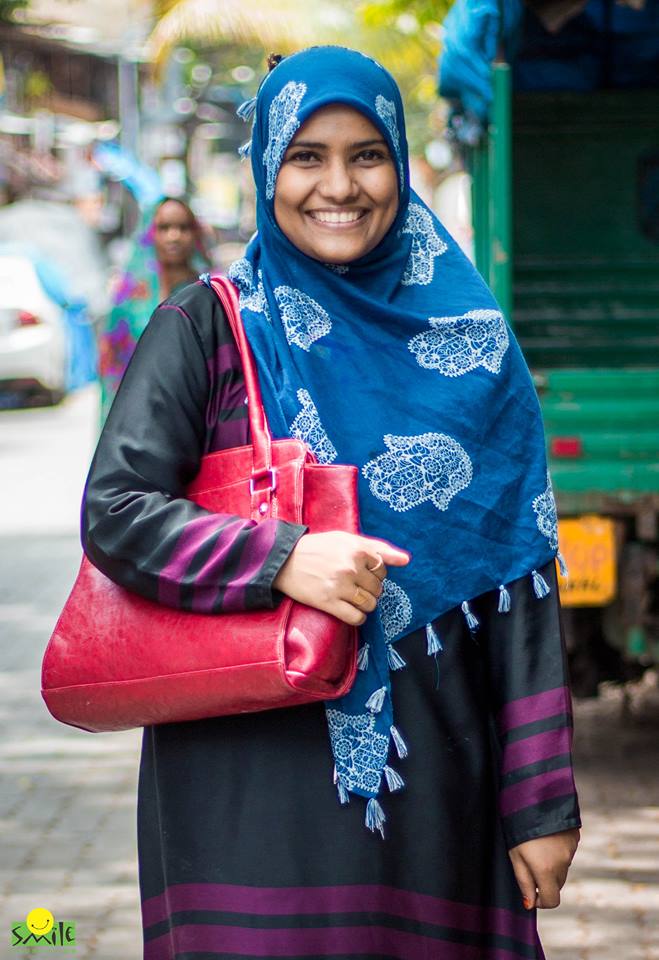
Sana was trained on employability skills under Smile Foundation’s livelihood initiative STeP and placed in an IT firm in Mumbai

“Being a girl always represented a lot of ‘NO’s. I wanted to study, the answer was ‘no.’ I wanted to join singing classes, the answer was ‘no.’ I wanted to travel, the answer was ‘no.’ All my life, I felt like there was a barrier separating me from life. I grew up in a densely populated slum in Mumbai… in a one-room house where everything is limited – limited space, limited clothes and limited food. After lots of debates and fights at home, I got the chance to go to school. However, I could not study beyond class 10 because my father could no more afford my school fees. The only thing my family wanted for me was to get married. I lost almost four years of my life sitting at home and unable to do anything. Eventually I reached a moment where I knew that my only chance was to make a major change. I chose to stand against all ‘NO’s for the first time. I enrolled myself for an employability training and was fortunate to get a job upon completion. I am the first girl in my family to have got an employment. This has changed many things – people’s opinions about me, my family’s faith on me, and of course – me as a person. ‘NO’ is not always the answer.”

– Sana (Name changed)


29472172 2018165841540707 7059536028743948598 n
Seema was identified and trained on employability skills under Smile Foundation’s livelihood programme – STeP and placed as a teacher in Mumbai

“Respect is the most important thing in a human’s life. My father did all kind of small jobs in his life to survive with his family. Sometimes he worked as a labour on construction sites, sometimes he worked on small shops as a helper, and sometimes he did loading and unloading of goods in factories. He was bound to respect everyone – those who were older than him and also those who were very younger than him. On the other hand people insulted him for being uneducated and poor. Despite the hard struggles, my father ensured that I and all my sisters get an education. He says society respects educated people, and I always wanted to earn that respect for him. Today, I work as a teacher and nothing brings more happiness to my heart when people talk to my father with admiration and honour.”

– Seema


To know more about our STeP Programme please visit us at https://www.smilefoundationindia.org/livelihood/

Categories
Partners In Change

Reaching the Unreached

CSR: Healthcare on wheels: Reaching the unreached with urgent health needs

The age old maxim ‘health is wealth’ may not hold true for millions of Indians who live below poverty line (BPL) in urban and rural areas. Healthcare has turned expensive and with rising population and prosperity, there has been a spurt in communicable and lifestyle diseases. The underprivileged aren’t financially equipped to take care of their health. India ranks at 154 in a list of 195 countries on a range of health indicators and has the third highest child mortality rate among SAARC countries. The healthcare industry is estimated to grow from $81.3 billion in 2013 by 17% in 2020. Will this benefit the underprivileged? We doubt!


The government allocates funds for the healthcare sector every fiscal, but the allocation is very less compared to those spent by countries like China and US. Besides, majority of healthcare professionals leave rural areas and concentrate themselves in lucrative urban areas. India has less than 1 doctor per 1000 population, which is fewer than in developed nations. To add to the shortcoming is the lack of a robust infrastructure to cater to the growing healthcare demand. Rural areas that comprise 70% of India’s population have no or limited access to hospitals and clinics. Condition of government primary healthcare facilities is deplorable both in urban and rural regions.


The Participation for a Healthier India

The need of the hour is increased participation by both private and public organizations as part of their corporate social responsibility (CSR). Besides, the empowered can further empower their fellow underprivileged citizens. Through their collective partaking, they can assist in nation building, alleviate the healthcare gap, and empower India from her grassroots.


Smile Foundation has been creating avenues for CSR partnership, partnering with organizations to change the healthcare landscape of India. The NGO has been proactively involved in a multitude of activities directed towards economical, social, and moral upliftment of the underprivileged and downtrodden in India, especially in the areas of education, healthcare, women empowerment, and skill development. Organizations and empowered citizens can join hands with Smile in building a healthier India, a stronger India.


Smile on Wheels (Mobile Hospital for the Underprivileged)

As aforementioned there has been a rise of lifestyle and communicable diseases in India. Lack of education and thereby lack of awareness is one of the key reasons why urban slum dwellers suffer from adverse health conditions. The same applies with the rural underprivileged sections of the society. As most of them are dependent on daily wage for their livelihood, they rather prefer not to miss the day’s wage. Thus any ailment they suffer from remains unaddressed and their health conditions deteriorate further.


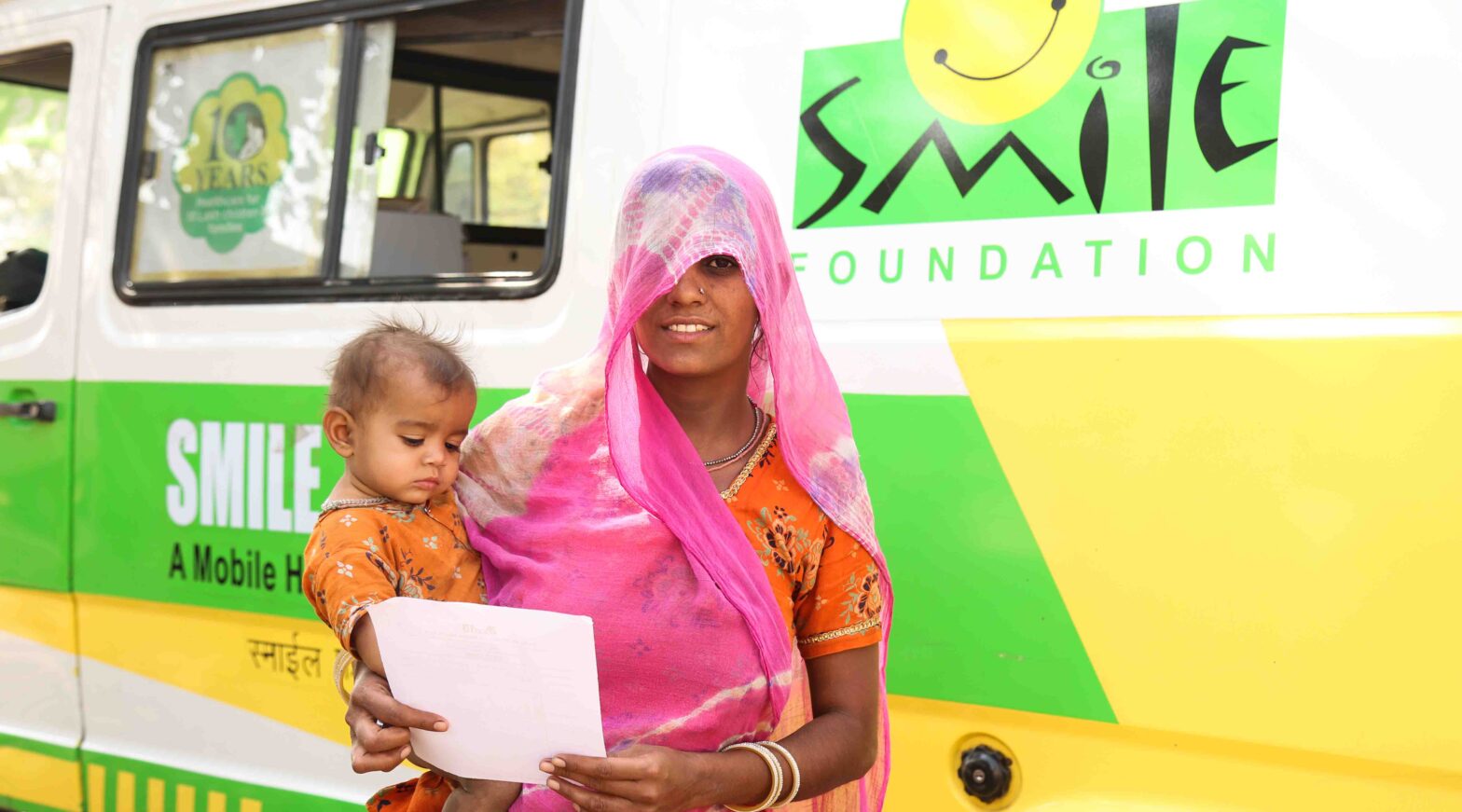
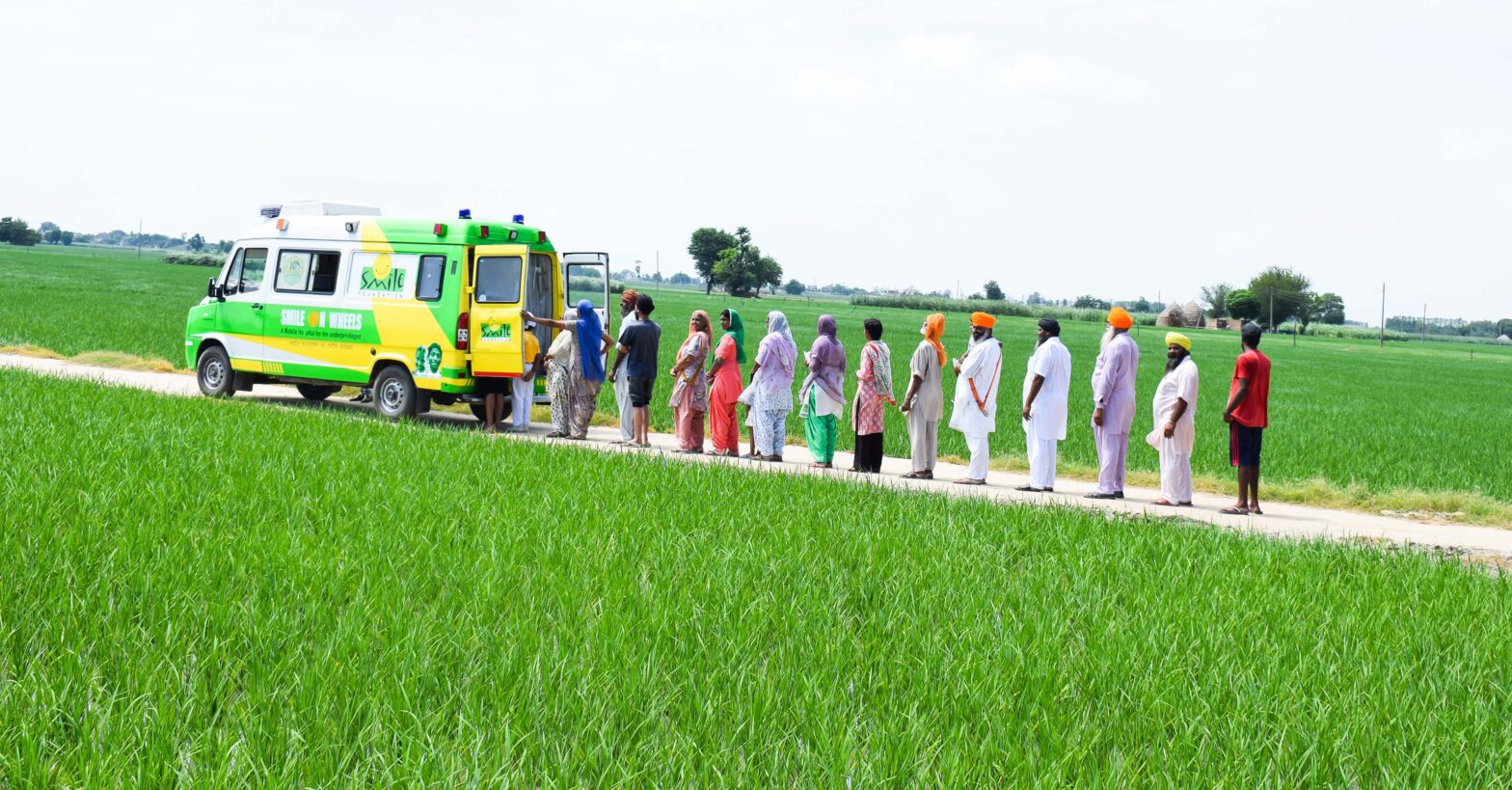
Smile on Wheels is a mobile hospital started by Smile Foundation to make quality healthcare services available at their doorstep in both rural and urban areas. Spreading awareness about the many diseases and healthcare issues is also part of the SoW initiative. Smile has been spreading smiles amongst lakhs of the underprivileged across the length and breadth of India, empowering them to live better, healthier lives.


Building hospitals and engaging doctors for the underprivileged in every region of India where healthcare facilities aren’t available is a ‘near impossible’ task! Even if it has to happen, it may take years with massive investment. Mobile healthcare services delivery system is the most practical mechanism in such a scenario. The unique Smile on Wheels program addresses problems of mobility, accessibility and availability of primary healthcare. The program specially focuses on children and women, in urban slums and remote rural areas. Remedies for child malnutrition, improved health profile of rural and urban underprivileged are other focus areas of the Smile on Wheels program.


Smile on Wheels Facilities

The Smile on Wheels mobile health van is equipped with a number of advanced facilities and medicines for diagnosis of ailments and treatment. Each van is backed by an expert and well-trained team of doctors and para-medical staff, who are experienced to look into the specific health care needs of each patient. In emergency cases, it functions as a referral clinic and an ambulance. Stationed in an urban centre, usually with a static hospital, it also acts like a referral medical centre.


Services offered in Smile on Wheels include OPD, ante-natal/post-natal services, identification of difficult pregnancy and referral for institutional care, immunizations, minor surgery, BP examination, X-ray, ECG, first aid, distribution of Iron folic tablets, Vit-A prophylaxis, and treatment of mal-nutrient cases, and the list goes on.


Smile Foundation involves volunteers to ensure that those suffering from ailments including young mothers and children visit the mobile hospital.


The Impact

Under the Smile on Wheels program, Smile Foundation has been able to facilitate healthier lives of over 10 lakh individuals including women and children in 855 remotest rural villages and slums across 17 plus states. The count is only increasing by the day. On an average, over 250,000 lives are directly benefitted in a year through multiple projects in association with CSR partners across India.


In 2017 alone, 580,207 people received healthcare services through 39 operational projects in 625 remote villages and slums. 3,010 children were benefitted from school health programs aimed at building a health seeking next generation. 66% of the total beneficiaries covered in the reporting period were women. Besides, 114 multi-specialty health camps met the immediate healthcare needs of 21,792 people.


The Smile on Wheels team also spreads awareness about sanitation and hygiene issues, the results of which have been observed.


Conclusion

CSR strategies focusing on the role of public private partnerships to cater to the healthcare needs of the society can go a long way in building a healthier India fast. The CSR partnership for further spreading happiness through the Smile on Wheels program has helped in effectively taking healthcare services to the door steps of the underprivileged communities the big way. With the support of more corporate establishments and empowered citizens taking part in this initiative, India, in no time will be self sufficient on health aspects.


To know about the Smile On Wheels program log in to http://www.smilefoundationindia.org/smile_on_wheels.html


To partner with us, please write to cp@smilefoundationindia.org

Categories
Insights

The Earth is all we have in common

The importance of Earth Day lies in the scope of preserving humanity. The improvement that we have in our life now using fossil fuels are slowly melting the ice in the glaciers and instigating global warming at an accelerated rate. That is why it is necessary to use renewable energy and stored energy. By moving away from harmful bio products, the environment can be restored to its natural order.


We appreciate the uniqueness of the planet Earth with its immense biodiversity through Earth Day. On this day we come forward to ensure that various activities are supervised to understand and protect our biodiversity and also to save our nature – plants, animals and environment.


We dedicate this day to increase awareness about the issues and the problems that our planet Earth is facing. Today, millions of people participate in activities in Earth Day to maintain and safeguard our nature making it the largest civic observance in the world. Various acts and policies such as Clear Air Act, Clean Water Act, Endangered Species Act and many others are sanctioned in this unique event.


People have been witnessing the increased global warming and changing weather patterns, shortage of food and increase in fuel prices which is why Earth Day has gained significance in the past. Acknowledging the importance of our planet is very much needed which makes people aware about the contemporary environment issues such as global warming, depleting resources etc. Even adults and kids are conscious about the strategies and tactics which can be adopted by them in day-to-day life to ensure cleaner and sustainable environment.


Various approach have been bought forward to notice about recycling, reduce air pollution, keeping clean environment, save water, reduce toxins in air, protect and love animals who inhabit the earth. There are small ideas which can create a huge impact such as – planting a tree, switching off light when not in use, use recyclable bags for grocery shopping etc.


Now even companies are getting engaged and contributing in their part to save this planet from pollution and degradation. They are asking their employees to make use of public transportation, car pooling to reduce pollution, switching off AC when not in use, engage in tele or video conferencing, using of CFL Lights and bulbs, using renewable source to generate power etc.


Companies have started manufacturing and selling hybrid vehicles which run on electricity and batteries that do not make use of petrol or diesel to run. This new technologies are coming in par the fuel prices making these cars and vehicles more efficient to use.


If we start implementing in some of these and bring changes in our behaviour towards Mother Earth, then we would be able to make our planet a much better place to live in – also for the future generations.

Categories
Partners In Change

Smile Foundation’s Mission Education Program: Avenue for CSR Partnership

Socio-economic progress of a nation depends on how educated its citizens are. Though there has been a six fold improvement in the literacy rate since independence, yet the current literacy figure 76.32% (2022) is lower than the average world literacy rate of 86% (2022). 1.17 million children are currently out of school!

Besides, there is a wide gender disparity in the literacy rate in India with low female literacy. Lack of a good educational infrastructure in rural areas and slum regions and dearth of trained teachers add to the crisis. The situation doesn’t look promising!

Despite implementation of government programs including the Sarva Shiksha Abhiyan, India is still a far way to go in terms of literacy. It is the underserved children in remotes rural areas and slum dwellings who are the most deprived of education. And school dropout is a common issue in these areas. If the children of today are not educated and trained well, how can they, as tomorrow’s citizens assist in nation building?

Smile Foundation’s Mission Education program

Smile Foundation has been proactively involved in multitude of activities directed towards economical, social, and moral upliftment of the underserved and downtrodden in India, especially in the areas of education, healthcare, women empowerment, and skill development.

Smile Foundation believes education is both the means as well as the end to a better life. It empowers an individual to not only evolve as a better citizen but also pursue livelihood opportunities. The NGO has set up Mission Education centres in the remotest rural areas and slum regions across India. These centres impart education to underprivileged children who are under difficult circumstances, encompassing child labour, children of poorest of the parents, children inflicted and affected with HIV/AIDS, street and runaway children, children with rare disabilities, disaster struck children, slum children, and more.

Special emphasis is given on girl child and women education, so that they and their families get empowered.

Improvement in the quality of education imparted would only mean creation of better individuals. A well-designed education model has been implemented in the Smile Mission Education centres ever since the start. While all teachers involved are trained to nurture the educational needs of each child according to and beyond the curriculum, priority is laid on the holistic development of the children. Besides the academic curriculum, students are encouraged to participate in workshops related to art, debate, drama, etc. Going by the present and futuristic trends in education, the NGO has introduced digital education in most of its centres across India.

Smile Foundation’s educational initiatives include:

  • Pre-school [3-6 yrs.]
  • Non Formal Education [6-14 yrs. non-school going]
  • Remedial Education [6-14 yrs. school going]
  • Bridge Course [14-18 yrs. drop-outs]

CSR Avenues for Smile Foundation’s Mission Education program

Organizations partnering with Smile Foundation can collectively help the nation in qualitatively improving its literacy rate. CSR is a part of strategic decision making in many an organization directed towards welfare of the community. It is about creating a positive impact in the society while doing business. Because only government initiatives for a better India aren’t the solution! Organizations through CSR activities can not only help in create a educatedIndia but also enhance their brand identity in the process.

Partnering with organizations, Smile has been able to impart quality education to lakhs of underserved children in India. CSR partnership can go a long way in empowering the children and youth of India. Organizations, through their CSR participation with Smile, can help in the set up of more Mission Education centres across India. Lakhs of more children can be empowered to lead better lives in the future and add to the socio economic development of the nation.

Besides, empowered citizens of India can also participate in shaping India’s future.

The Impact

Since 2002, over 300,000 underserved children from across the length and breadth of rural and urban India have directly benefitted from Smile Foundation’s Mission Education program. The count is only increasing by the day.

In 2024 alone, 120000 children were directly provided education through hundreds of centers in 25 states. 100% children received regular nutrition and health care support. 50% of the total beneficiaries enrolled were girl children, to ensure a fair start for all. 100% teachers received training in innovative teaching skills.

Corporate organizations and empowered individuals joining hands through our Mission Education program can help create an impact the big way. 1.17 million children being currently out of school is a huge number! Working together towards educationally empowering these children, thereby creating responsible citizens of the 21st century, is what Smile Foundation aspires. Collectively, the impossible can be made possible!

Talk to us today and put smile on children’s faces by changing their lives.

Categories
Smile

A dream fuelled: Change unfolds in Bhaktharahalli village, Karnataka

Just 60 kilometres away from the bustling city of Bengaluru is the little known village of Bhaktharahalli which cuts a very different picture from its neighbouring metropolitan. Bad, broken down roads and limited transport facilities make even the most basic amenities inaccessible for the villagers.

Home to around 500 families, Bhaktharahalli has majority of its population engaged in farming and agricultural labour. Due to consistent low rainfall, the area is declared drought prone every year with the poor, landless farmers bearing the brunt of crop failure and incurring heavy losses.


For these families struggling to survive every day, sending their children to school had never been a priority. Steeped in poverty, the villagers had neither the awareness nor the time to understand the importance of education. Preparing children to become extra hands at work and add to the household income seemed a much better prospect to them for sustaining their hand-to-mouth existence.


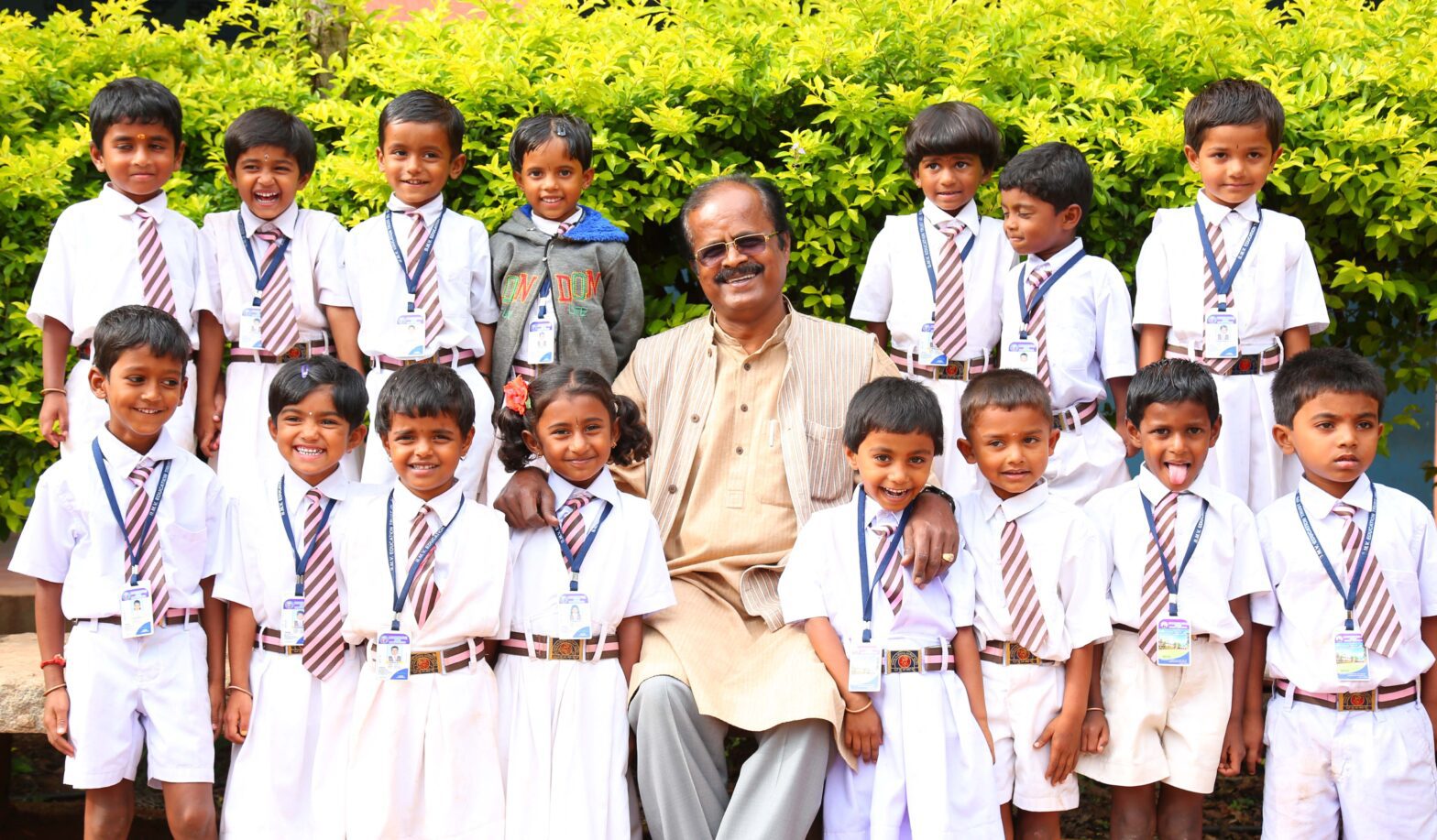
We were born here and grew up here. We have faced all the challenges first hand. Till 1986, there was only a single-teacher primary school in the village. Higher secondary education was a distant dream for us, which we pursued hard, walking more than 15 kilometres daily to reach the nearest school. For the girls, the situation was even worse. Parents would not let their daughters make the long journey alone. This became an excuse for confining them to household chores and marrying them off early”, shares L Kalappa, who initiated BMV Education Trust some three decades back with his friends, to make education accessible for children in the Bhaktharahalli village.


The idea was to start a school within the village, so that children could save the time and trouble of travelling far just to reach their school. L Kalappa and his friends worked hard relentlessly to get all the permissions and registrations, and then set about the task of finding the right space for the school, and starting the actual construction of the building. With limited resources, they had to face challenges every day, and many times they thought about closing down the project. But somehow one helping hand joined with another and they were able to establish a primary school in Bhaktharahalli.


One of the biggest challenges was inducting the first batch of students. The dedicated team of teachers from BMV went from door to door, talking to parents, convincing mothers to send their children to school. Many doors were shut in their face by parents who wanted their children to work and earn rather than learn. But they did not give up and with rigorous efforts were able to bring more and more children under the fold at education.


It was the first small victory for us when after a few initial years parents started enrolling their children to the school without being prompted. It was all thanks to the efforts of the teachers, who were working day and night and giving their best to the children. Parents could see the difference education was making – the children behaved properly, dressed up neatly, talked confidently. What pained us was that despite the extra labour being done by the teachers, we could not pay them adequately. Due to lack of funds, there were times when we were not even able to pay their meagre salaries for months” L Kalappa says.


There were other hiccups – the upkeep of the school could not be maintained, no qualitative transformations were possible. With a fresh batch of children joining every year, and requests of admission coming in from neighbouring villages, the space as well as scope of the project was becoming limited. Just when the school had been accepted by the community, a crisis situation looked imminent, and L Kalappa and his friends started seeking help from all quarters to make it survive.


We could not crush the hopes of the children, of the parents after first raising them. We were in the worst possible situation when Smile Foundation approached us. That was in 2008, and we have not looked back since. With the support of Smile, we were able to provide facilities like transport, computer labs, library, special coaching for senior students, nutritious meals, exposure visits, sports and other co-curricular activities to our students for the first time. Over the years, through continued handholding and training sessions they helped us not only remunerate our teachers well, but also facilitated their capacity building. Innovative teaching learning material, mathematics workshops, science exhibitions, brainstorming and ideological camps were introduced in the school to enhance the overall learning experience of the children”, shares L Kalappa.


BMV started as a primary school, but now has a High School and Nursery School too. Children from seven villages – Kakachokkondahalli, Basavapattana, Malamachanahalli, Belluty, Tadur and Thotluganhalli, besides Bhaktharahalli study at the school. The school has been consistently achieving 100% results in the SSLC examinations, and many BMV pass-outs are now studying to become doctors, engineers and officers. Every once in a while there is a gem like Kumari Monica who secured 96% in her SSLC (2015-16) examinations, and became the district topper.


L Kalappa sums it up, “We feel proud that we have been able to bring some change in our village, in the place of our birth. Our children do not have to face the same challenges that we had to. And the outlook of the people has drastically changed. But this is just the beginning. There is still so much more to do”.

Categories
Partners In Change

In Conversation with Parmod Arora, Associate Vice President & Managing Executive Officer, Mitsubishi Electric

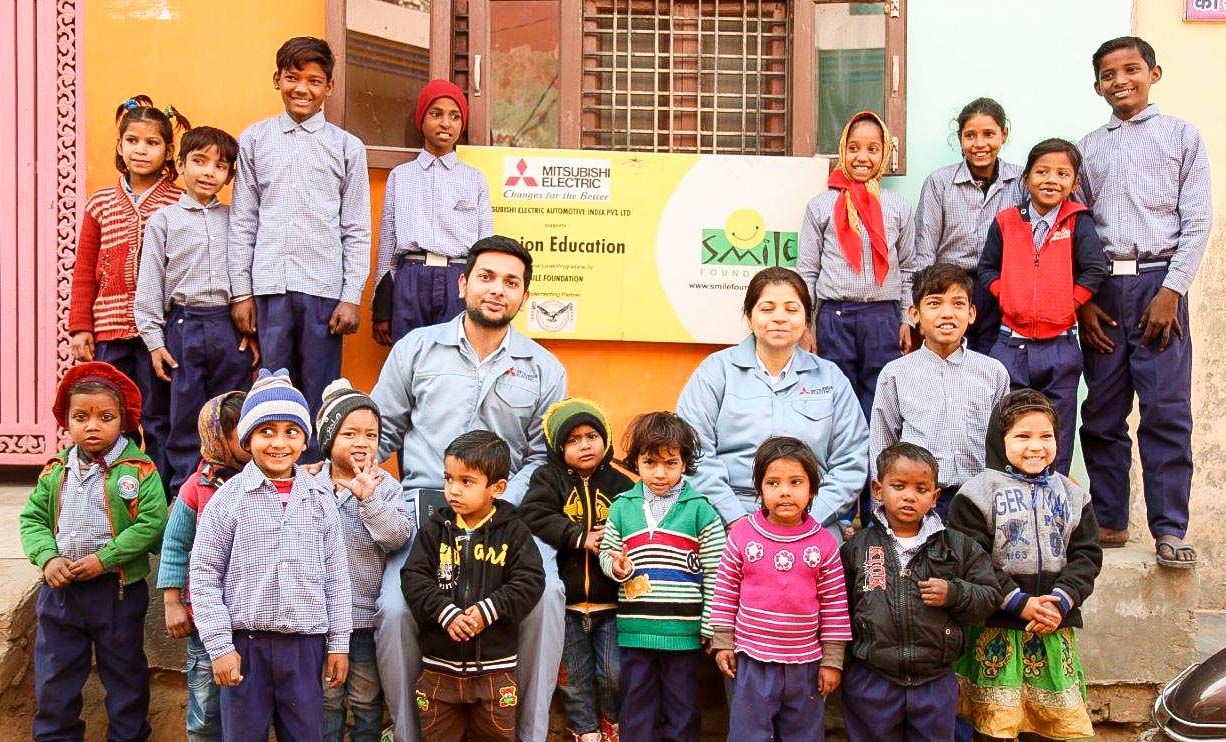
Mitsubishi Electric has been partnering with Smile Foundation for over two years now, to provide educational support to the hardest to reach children in urban slums.


Q.  Do you think NGOs’ partnership with the corporate world can help them become more effective towards environmental progress and betterment of society?

Yes, NGOs’ partnership with the corporate world may lead to fruitful results and reinforcement of positive energies provided the NGOs ensure their core mission for social development and non-profit approach. The partnership is effective due to the fact that they often enjoy a high degree of public trust, because they work closely with the community and can effectively make efforts for the development to of the society with the help of funding of the corporates.


Q.  Strategic partnerships and philanthropy can add to the greater good of society. What are the constraints that come between them?

Companies need their partnerships to reflect their values, and advance their business and social objectives. A sustainability framework has the potential to do this at a deeper and more strategic level than other forms of CSR. It is now recognized that bright ideas for development of society and environment and their translation into transformative and meaningful change is not the sole province of any Government and it requires private sector’s collaborative problem solving.


As a result there has been an intensifying interest in philanthropy by private sector and NGOs working together, taking active steps to engage with each other on a more formalized and consistent basis.


The major constraints between the strategic partnerships can be: changing the behaviours of the targeted society, changing their mindsets and bringing them along for their development, and secondly understanding their religious and community constraints and catering to the same with organization expectations with transparency.


Q.  What is the core CSR ideology of Mitsubishi? How do you see CSR 10 years from now?

The Mitsubishi Electric group follows the same ideology worldwide and it has positioned Citizenship as a pillar of its corporate management, based on its Corporate Mission and Seven Guiding Principles. One of these principles is “As a global player, contribute to the development of communities and society as a whole”.


Accordingly, the Group has made committed efforts to become a corporation whose efforts are appreciated through its initiative towards solving social issues. Or in other words, a corporation that is trusted by its stakeholders, including its society, customers, shareholders, and employees as a whole, and that earns their satisfaction through its business practices.


We foresee CSR as a core stream of business as each business unit doing business and making profit is obliged to return some share towards upliftment of under privileged section of society or work towards social developmental activities. The next generation of business leaders is even more likely to prioritize CSR. Rather than staffing a modest CSR department — and slapping it on the org chart as a small offshoot of the public relations or philanthropy division — many companies are now trying to embed CSR into their operations. Thus in upcoming years we may witness focused CSR which will be integrated into the DNA of the organizations.


Q.  Mitsubishi has been implementing CSR initiatives with Smile Foundation. How has the journey been?

We have been associated with Smile Foundation since November 2015 to provide education support for 400 children at two centres in Gurgaon i.e. Nangli Umarpur and Bhawani Enclave. The journey with Smile Foundation has been very good and we appreciate their contribution towards the MEAI’s CSR focus on supporting education.


“Financial matters are not the only factor important for a company continuing to be seen as needed; its efforts in terms of corporate social responsibility are also extremely important. In keeping with the sentiment of our Corporate Statement “Changes for the better,” the group is united in its effort to contribute toward realizing this aim: “To Become A Company That Society Needs” 


– Masaki Sakuyama, Group President, Mitsubishi Electric


To know about our education programs , please log in to http://www.smilefoundationindia.org/education.html

To associoate with us, please write to :

cp@smilefoundationindia.org

WhatsAppFacebookTwitterLinkedInEmailShare

Categories
Insights

Impact Assessment: Smile Twin e-Learning Programme – Smile Foundation’s Livelihood initiative

Smile Twin e-Learning Programme (STeP) works for the marginalised youth, helping them attain a decent employment by providing vocational education and training. Targeting girls and boys between the age group of 18 and 25 years, the programme strives to empower them through market-oriented skill training, along with placement support in the end. In addition to enhancing the youth’s prospects of employment in the fast expanding retail and service sector, the programme aims at making them confident and independent to lead dignified lives.


Impact of the programme in 2017:

STeP spread its reach in 12 cities across 9 states including Delhi, Haryana, UP, Maharashtra, Andhra Pradesh, Telangana, Karnataka, Tamil Nadu and West Bengal. In total, 9468 youth were trained during the year.


The capability, skills, and learning levels of a student can be judged through regular assessments. This not only helps teachers to improve their modes of teaching but also helps students to understand their weaknesses and strengths, giving them an opportunity to improve their performance.  The programme initiated centralized assessments of the trainees across the country which helped in standardising the process.


To improve the capacity of the STeP trainers and encourage them to use learner-friendly teaching methods, extensive four days training sessions were conducted in Delhi, Kolkata, Chennai and Bengaluru.


Exposure visits took the students outside the confines of the classroom into the real world where they would soon be working. Employer engagement programme brought professionals from the industry into the classroom who shared their experiences. 213 employer engagement sessions and 203 industry exposure visits were held during the year.


STeP programme’s central placement cell coordinated with potential employers in the retail and service sectors and was able to achieve around 70% placement, securing employment for 5256 youth. STeP has tied up with over 150 reputed brands like Airtel, Eureka Forbes, Burger King, Reliance Market, HDFC Bank, Aegis, Wave Cinemas, D-Mart, Westside and Vodafone to provide employment to the trainees.


STeP was benefitted significantly by volunteers from Universities and colleges, who as part of the internship programme, assisted the STeP coordinators. The volunteers conducted sessions for the trainees on retail management and communication skills; workshops on confidence building; role plays and activities as part of personality development.


To know more about our STeP programme please log in to http://www.smilefoundationindia.org/e_learning.html

Categories
From The People, For The People

Promoting Healthy Living Practices in Ludhiana Slums

Today in many of the slums and villages in Ludhiana, the sight of children and their families crowded around a big green and yellow vehicle on a hot summer or a cold winter day is not unfamiliar. This vehicle is Smile Foundation’s Smile on Wheels mobile hospital that provides free healthcare to children and their families at their doorsteps.


Over the last two decades, Ludhiana has emerged as one of the most important industrial towns in not just Punjab, but the whole of North India. Such rapid and enormous growth of the city has resulted in migration of poor population from smaller areas of Punjab and other states like Bihar, Uttar Pradesh, Haryana and Rajasthan in search of employment. Due to low income level and inadequate housing facilities, several slum clusters mushroomed in and around the city to accommodate the migrants. As per the provisional records in Census 2011, at least 15% of Ludhiana’s estimated population of 1.6 million live in slums; this does not include a significant number of the homeless and other people from non-notified slums who remain outside the purview of municipal records.


Absence of safe portable water, sanitation and toilets, waste collection and other civic amenities in slums have made living conditions onerous for its residents. Communicable and vector borne ailments like tuberculosis, diarrhoea, dysentery, worm infestation, malaria, typhoid, dengue, skin infection, scabies and RTI/UTI among women are common in the region. Already burdened with the grim physical environment, these slum dwellers working as daily wage labourers, rickshaw pullers, rag pickers and housemaids can hardly make ends meet let alone spend on healthcare.


Smile Foundation has partnered with Deutsche Bank to serve the underserved population in the city. Jugiana, Shrabha Pind, Pratappura, Jamalpur, Tajpur Road, Fatehpur and Mandi Ahmedgarh are among the 18 slum settlements in Ludhiana where Smile Foundation is rendering preventive, promotive and curative healthcare services.


Every day at 9 AM, the team of Smile Foundation’s health workers, including a doctor, nurses, pharmacist, lab technician, volunteers and a project coordinator, start their journey through the grey streets of Ludhiana. They carry out daily OPD services in two shifts – morning and afternoon. The Smile on Wheels mobile hospital treat more than 100 children and women every day for common illnesses, providing medicine and immunization services, as well as micronutrients and nutritional supplements to treat and prevent malnutrition.


DSC 0594

“The most common cases we see are related to cold cough, joint pain, scabies, UTI among women during winters and diarrhoea, vomiting, scabies, dysentery, and worm infection during summers. During monsoon, the number of patients increases and we get many cases of malaria, typhoid, dengue and skin infection,” said Dr. GP Singh, Senior Doctor who leads the medical team.


“The slum dwellers live in poor hygiene conditions – amidst the rubble, combined with a general lack of safe water, causing more children to fall ill,” he added. The number of families relying on the Smile on Wheels mobile hospital is increasing every day, as the nearest Primary Health Centre is at least at a distance of 10 km. Moreover, the unwillingness to lose a day’s wage makes people ignore health conditions of their self and of their families.


 “Although we come here every day for six hours, we barely stop work for one minute. We see one child or mother every 10 minutes while dozens of others are lining up outside in the chilling cold,” said Sitaram, Project Co-ordinator of the Smile on Wheels Mobile hospital in Ludhiana.


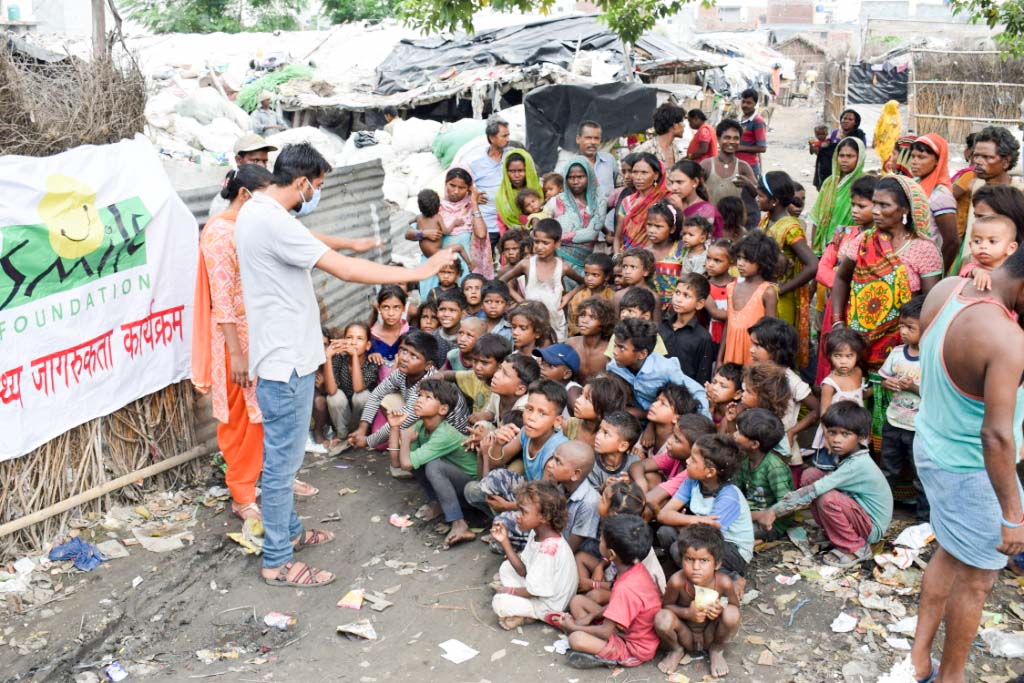
To spread awareness on health-seeking behaviour, a team of community volunteers also accompanies the mobile health clinic, passing on information to caregivers and answering questions on how to prevent children and the family members from common illnesses. Several IEC activities like street plays and audio visual shows are also conducted to encourage health-seeking behaviour in people and sensitise them about basic hygiene and healthy living.


On a regular basis, exclusive community meetings are conducted to address women-related issues, such as childbirth, ANC/PNC, maternal and infant nutrition, immunization and family planning.


DSC 0927

“Newborn children and infants are left to be cared for by their grandmothers, deprived by default of natural breastfeeding and even complementary infant feeding, which they can’t afford to buy,” said Gangandeep, one of the nurses and counsellor from the project. Some caregivers are improvising by preparing sugary water drinks. But even children who are under the care of their parents face challenges as well.


“During one-on-one sessions with mothers, we hear all kinds of dreadful stories. Many of them are single mothers who are facing the world alone. Their psychological wellbeing and lack of a support system makes it hard for mothers to exclusively breastfeed and to provide the most nutritious foods in their children’s early years of life,” Gagandeep adds. “So we are their support system, we’re their friends and their confidants.”


Besides delivering preventive, promotive and curative services at the doorstep of beneficiaries, Smile Foundation develops a bridging network between them and the public healthcare system through referrals.


Started in 1st January 2017, the Smile on Wheels mobile hospital project in Ludhiana has benefitted over 18000 children and their families in one year.


To know more about the Smile on Wheels Project visit our page at http://www.smilefoundationindia.org/smile_on_wheels.html

0%