Categories
Insights

WOMEN OF THE 21ST CENTURY

WOMEN OF THE 21ST CENTURY
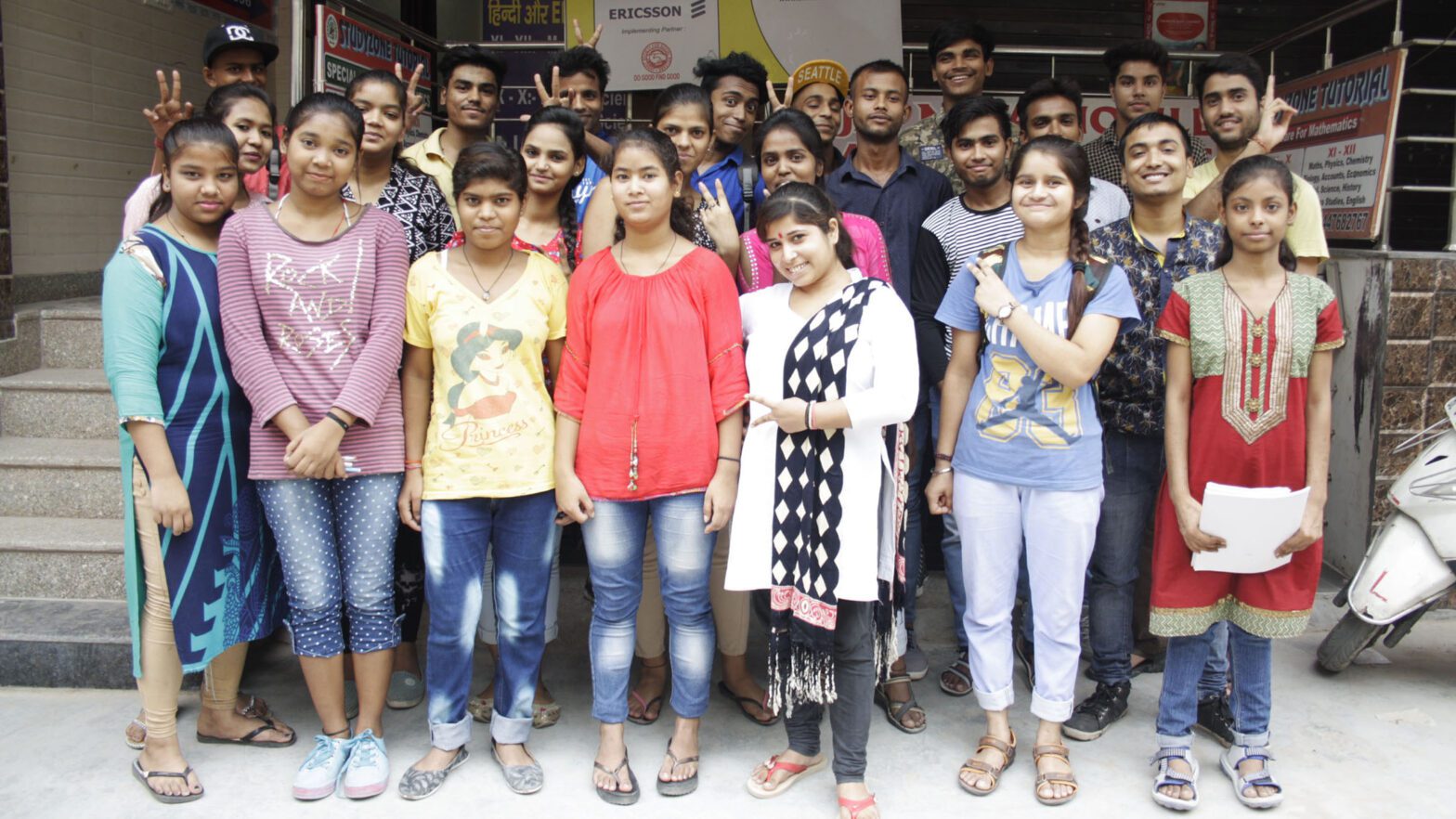
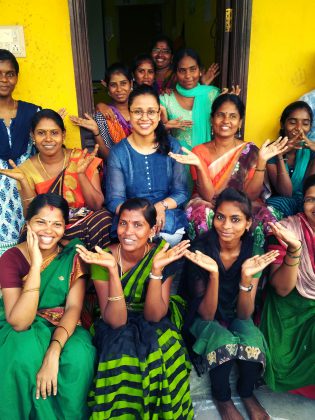
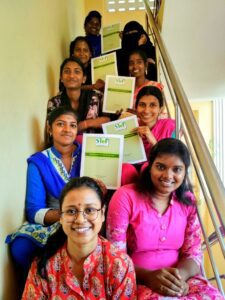
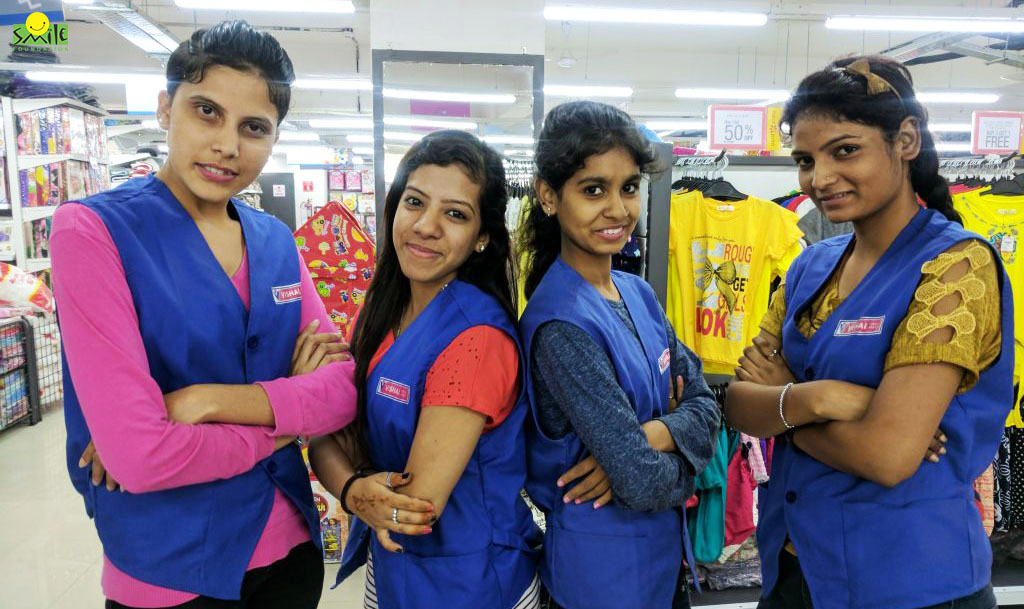
Alumni of our employability training program STeP

Since the past few years women have made efficient use of the opportunities given to them and have proved time and again that they are no less as then anyone else. With talks and initiatives on women empowerment on rife 21st century provides women with ample opportunities to excel in whatever field they choose. Be it joining the armed forces or taking up leadership roles in government offices there has been active participation of women in all spheres.


Despite all these opportunities there exists a divide between the women in rural areas and urban areas. The benefits of empowerment have not penetrated into the rural sections of the society. Although there are various women from rural areas who have excelled and gained success but still a lot of them find themselves restricted to household work. These women are waiting for opportunities which can help them succeed in life. In this scenario it is imperative that the concerned authorities provide women with opportunities which would help them support their families.


Along with the focus on empowering women it is crucial to provide women the means to earn. Women in the country are already empowered and the successful implementation of social entrepreneurship initiatives and Self Help groups with women as major stakeholders provide testimony to the fact that women are willing to step out of the confinement of their houses and work for themselves.


What is required is the creation of various employment opportunities through which women can become financially independent. At Smile Foundation we realise the importance of women in the society and through our campaign “SHE CAN FLY” we enable, equip and empower women with quality education, good nutrition and instil in them a sense of self confidence which helps them thrive in the society.


It is high time that people also realise that it is paramount that women get as much opportunities as men and should not be looked down upon. It is essential to provide women with a level playing field so that they can excel. They already have wings. All they need is an open sky to help them fly.


To know more about Smile Foundations initiative on women empowerment, please visit the link https://www.smilefoundationindia.org/swabhiman.html
Categories
Insights

TAKING CHARGE- WELL BEING IN OUR OWN HANDS

Health is interpreted as a state of physical well-being but good health is a combination of a healthy body along with a healthy mind. Health has an impact on the resilience of a society, it’s living standards and productivity.
In a country as diverse as India, a majority of its population – especially girl children are undernourished.  Being victims of micronutrient deficiencies and anaemia, malnutrition prevails in its most acute form.


The causes for malnutrition in children can be fundamentally categorised into three substantial rationales – namely immediate, underlying and basic. The immediate causes are a result of poor diet and diseases like HIV, measles, hookworms and various infections like diarrhoea amongst others. The underlying causes pertain to food insecurity, unhygienic living conditions and inadequate health services but the fundamental causes are a result of calamities, poverty, and lack of information and inadequacy of resources.


Irrespective of their dwellings, the underprivileged and the poor end up facing the critical challenge of nutrition shortage. Poor surroundings and lacks of fresh and pure air, sunlight and greenery result in unhygienic environment around the slums. Regardless of regulations on child labour, children work in glass factories, leather industries, brick industries, etc. and end up in a harmful atmosphere. All this can lead to fatal infections like malaria, measles and diarrhoea and in turn precipitate acute malnutrition and aggravate the existing nutritional deficit. Though the government has set up various schemes and programs in this regard but due to lack of awareness, the poor and the under privileged usually remain unaware of the benefits they can entail.


Malnutrition in the expecting mothers is a big contributing factor to the existing state of poor health of the young generation. Their diet is usually inadequate in both quantity and quality. This leads to complications in pregnancy and birth resulting in health conditions of the new born. Many a times their illiteracy and ignorance can be blamed as families are either unaware or choose to ignore the dietary requirements of the expecting mother. Inequitable distribution of food in the family is seen frequently in India. This is primarily due to gender inequality in the society.  In most of the poor households, females and preschool children end up receive less food than the economically active male members.


There is a need to inject new energy into efforts to improve people’s nutrition nationwide. A plethora of steps are being taken towards this goal. One such measure taken up is the Midday meal scheme, enabling the poor children to be given food in their respective schools. This has not only led to children being well fed but has also promoted children to attend schools regularly. In a bid to tackle the countrywide public health threat of intestinal worm infections in children, India’s first National Deworming Day took place on the 10th February 2015. This has consequently helped in deworming more than 100 million children every year. Under the Sustainable Development Goals, India has also promised to end all forms of malnutrition by 2025. This addresses the internationally agreed targets on stunting and wasting in children less than 5 years of age and the nutritional needs of adolescent girls and pregnant women.


A good health care system can go a long way in preventing malnutrition in the society. Nutrition intervention addressing the ignorance of proper healthcare and nutrition requirements are needed. Moreover, Self Help Groups (SHG’s) and NGOs can be empowered by the government to help protect the nutrition requirements of women and girls. Attention also needs to be paid to understanding what prevents the nation from achieving its goals related to nutrition. For its part, civil society must respond in a responsible manner. Thus eliminating poverty, education and spreading awareness is the key to ending malnutrition in all its forms. Consequently, this will lead to a healthier and productive society and the economic development of our nation.


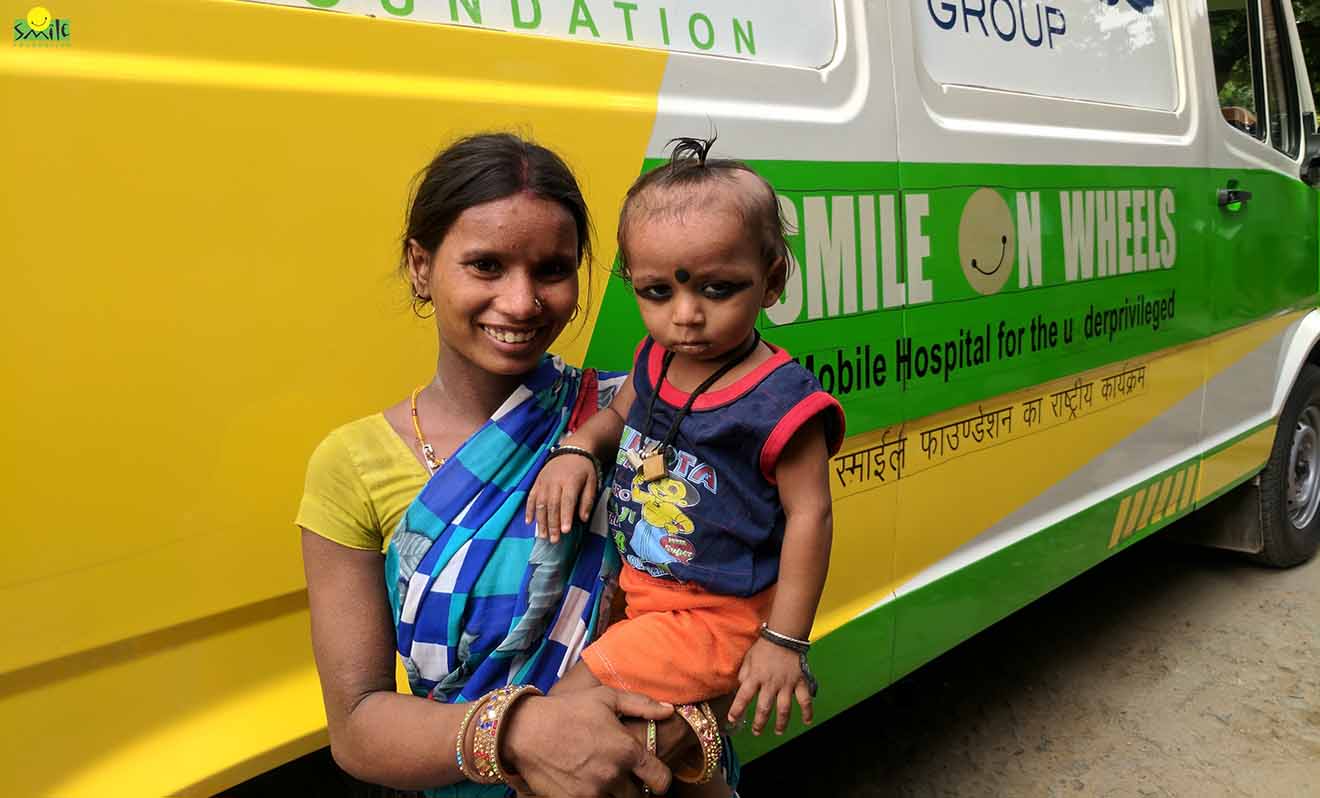
Smile Foundation has been been profoundly working on the improvement of health among children, To know more about there initiative please visit https://www.smilefoundationindia.org/smile_on_wheels.html

WhatsAppFacebookTwitterLinkedInEmailShare

Categories
Insights

WINDS OF CHANGE

The worth of a society is pronounced by the status enjoyed by its women. India’s ancient culture, ascribed one of the greatest honoured places to its women. But history has it that in the later period, the position of women deteriorated due to various factors and they were compelled to keep themselves within the confinement of four walls, with a veil. This led to women exploitation, that plagues the Indian society till date. Women are often mistreated, oppressed and victimized by the very people they love and care for. Though the Indian Constitution today has given women, an equal status with men and there must not be any discrimination between men and women, still the social fabric remains compartmentalized on gender basis.


Even after the Equal Remuneration Act (1976) there exists huge disparity in the value given to women’s profession as against men. From the fields of medicine, education to film business, the wage gap is very apparent. There is sexism in hiring and promotion received by the employees whereas, there should be no bias of this sort and employment should solely be on the grounds of one’s qualifications. The same stands for wages, the degree of work should be the decisive factor not the gender of the person. This culture of discrimination against women needs to be addressed.


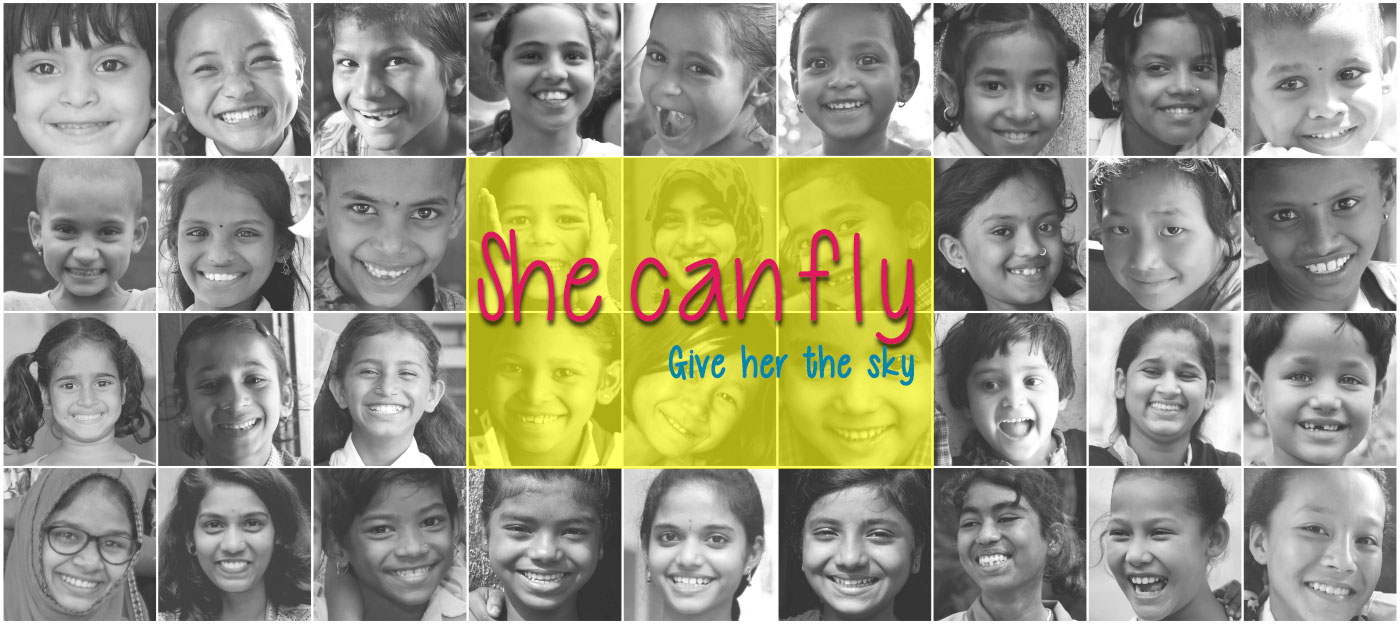
Female foeticide is another prevalent taint present in the Indian community. The Medical Termination Act (1971) and the Pre-Conception and Pre-natal Diagnostic Techniques Act (2004) clearly state this as illegal, however due to improper implementation it still prevails. The gender stereotype is evident as often girls are not educated and put to do household work, without their endurance. Smile Foundation’s initiative ‘She Can Fly’ is an effort to encourage girl child and enable, equip and empower them with quality education so that they can grow to fulfil their aspirations. This provides a platform for encouragement and support of women to overcome and walk beyond the social barriers and shallow mind-sets.


The main cause of all the above is rooted in gender-based discrimination and social norms. The best way to address this issue is by preventing it from happening in the first place by approaching its root and systemic cause. We can begin with educating and working with young boys and girls to promote respectful relationships and gender equality. This is the fastest way for sustained progress in preventing and eradicating gender-based cruelty. While public policies and interventions often overlook this stage of life, we need to come together and proactively work with the youth as it is a critical time when values and norms around gender equality are moulded. There is a need for strong focus on prevention by promoting gender equality, women’s empowerment and their enjoyment of human rights. This can be made possible by proper implementation of measures related to education, training and awareness building, in order to ensure that women are protected from exploitation in all forms of abuse.


Let us all strive towards making the home and public spaces safer for women and girls, ensuring women’s economic autonomy and security, and increasing women’s participation and decision-making powers—in the home and relationships, as well as in public life.


Let us all come forward and join hands to give wings to her dreams. Empower, educate, and make her strong to stand her own ground and shine in her efforts. She Can Fly, let’s give her the sky!


To know how Smile Foundation is taking an initiative to help the empowerment of girls and women please log in to https://www.smilefoundationindia.org/she-can-fly/

WhatsAppFacebookTwitterLinkedInEmailShare

Categories
Insights

Educated India is Empowered India

literacy can be described best in the words of Kofi Annan “Literacy is…. the road to human progress and the means through which every man, woman and child can realise their full potential”.


The Indian subcontinent has a population of 1.3 billion and only 80% population is literate. The country has been developing economically through the years ever since the British rule ended. But the economic development may not lead to an empowered nation unless the citizens are literate. The literacy level in 1947 was 12% which has seen a slow progress though the years. It is necessary to understand that only literacy can take India to new heights.


There are various reasons of the widespread illiteracy in India. In certain households where the parents are not educated they consider education a choice and not necessity. Thus, these children do not attain education and comprise of the large number of the uneducated in the country. The other barrier that hinders the education in the poor is the economic instability that prohibits families to invest in education. They prefer to send their wards to work and earn money instead of spending on education. Thus illiteracy passes on from one generation to another.


The consequences of illiteracy directly affect the lives of the uneducated and further hinders the growth of the nation. The problems such as child marriage, lack of family planning and poverty that are undermining the development of the country are mainly caused due to illiteracy. The country’s gender disparity is visible in the records as the number of educated men is way more than women. Women fail to be educated and the absence of literacy makes them inferior to men in the household. They cannot help in making decisions of the household or be aware about social duties like family planning.


The power vested in education can be used to eradicate all the problems the underprivileged in the country are facing. Thus, national level organizations like Smile Foundation are running programmes aimed at the education of the youth. ‘Mission Education’ is a national level programme of Smile Foundation, which is committed to providing basic education and healthcare to underprivileged children. Through efforts of Smile Foundation, 21,346 children were directly provided education through 120 centres in 21 states also the enrolment had equal participation as 50% enrollers were girls.


Initiatives such as this are helping the poor to attain education and become assets to the economy. With an educated youth the country shall prosper even further in the sectors of education, medicine, information technology and sciences not merely in India but at the global stage. The contribution of each literate individual would also help the process to spread education widely in every sector of the society. it is the duty of the privileged to hold hands of the less privileged and help them attain the same stature in the society. Education in the best remedy to the problem of the country as it opens endless doors of opportunities.


To know more about Smile Foundation’s initiative Mission Education please log in to https://www.smilefoundationindia.org/education.html

Categories
Insights

SWABHIMAN: WOMEN’S HEATLH, HYGIENE AND AWARENESS

Awoman’s body undergoes various changes when she reaches puberty, one such change is menstruation. Despite being a natural process there is a lot of stigma attached to this subject. Women cannot openly discuss about it, men don’t talk about it and as a whole society treats it as a taboo.  One of the most important aspects of this entire process is maintaining hygiene. Menstrual hygiene is an important aspect of personal cleanliness and if ignored can lead to a variety of diseases such as reproductive tract infection etc. Due to lack of awareness women in rural areas do not take proper care and often resort to using unsafe means of cleanliness.


There are various conservative religious beliefs which put restrictions on menstruating women and stop them from leaving their houses or going to temples or using measures to maintain cleanliness when they menstruate. Women in rural areas often use dirty clothes, sand or ash in place of sanitary napkins which has a detrimental effect on their health. The shame and taboo attached to the entire subjects make women uncomfortable even to ask for better means from their families to maintain hygiene. According to a survey, this is why the cases of reproductive tract diseases are more prevalent in rural areas than in urban areas.


Apart from the shame and the discomfort of talking about menstruation, knowledge and awareness about the existence of products that can be used for hygiene purposes is another factor why women in rural areas don’t use these products. Even where there is awareness the financial inability to buy these products becomes a hurdle. In such cases it is imperative to initiate talks and educate people on the importance of menstrual hygiene.


There are many organisations working on manufacturing low cost sanitary pads for rural women and educating them on the need to use them. In this time when the talks on women empowerment are on rife it is one of the ways to bring women to understand their need to maintain hygiene and fulfil them. It emboldens young girls in rural areas who are the future of the nation to not live under shadows of men and fight for their own needs.


Smile Foundation’s Swabhimaan programme aims to bridge the gap between the necessity of such hygienic measures and the easy access to it. The very core of empowerment of women lies in the roots of freedom and self-respect and access to basic health. It is the duty of every individual to spread awareness, sensitize the common population and work towards the empowerment of the girl child and women. It is time for us to speak about this “less talked about” subject and help in empowering women in true sense of the word.


To know more about Smile Foundation’s  initiative ‘swabhiman’ please log into https://www.smilefoundationindia.org/swabhiman.html
WhatsAppFacebookTwitterLinkedInEmailShare

Categories
Insights

CHILD MARRIAGES IN RURAL INDIA

Throughout the past few years people have raised their voices against various socially unacceptable practices but still a lot of work remains undone. One such practice is CHILD MARRIAGE. As per the Indian law any marriage where either the woman is below 18 years of age or the man is below 21 years of age is regarded as child marriage. Despite the presence of such laws child marriages are prevalent in the rural parts of the country. These conservative practices mess up the future of young children who are forced to live with a relation which is formed against their wishes.


According to some religious faiths the father is said to have wronged his daughter in case she is not married right after attaining puberty. The fear of dowry also instigates the parents to marry their daughters as it is believed that the younger the daughter the lesser the dowry. More often than not due to poverty the parents get their children married hoping to give them better future. Poverty induces the parents to marry their sons so that they can earn something in dowry. In many parts of the country there are community laws in existence which force people to indulge into such practices.


Child marriages devastate the future of young children. In many cases it leads to pregnancy related deaths since young girls are unable to give birth to a child at such a tender age. Even if the mother and the child live the child is likely to die within one year of birth due to problems like low birth weight and malnutrition. Higher fertility rates in child marriages lead to an increase in the population. The people in rural areas find it difficult to earn for a living which makes their children live a life of drudgery. In many child marriages women have to face domestic violence which shatters their confidence and destroys their future.


There are various laws which have been enacted to stop this practice. The need of the hour is to educate people about the existence of such laws so that they can take an action against it if they are subjected to child marriage. The awareness about the effect of early marriages on the lives of children should be penetrated in the rural areas so that people stop these practices.


To give rural children better future and for the development of rural areas it is imperative that these practices cease to exist.


To know more about Smile Foundation and its initiative on Children welfare please log in to https://www.smilefoundationindia.org/education.html

Categories
Insights

SKILLING THE YOUTH – THE STeP WAY

What is Skill Development?


In the threshold of 21st century, skill development has become a buzzword in the developing countries. Following the trend, India being one of the young developing country has put its efforts to increase the percentage of skilled workforce which have been highly fragmented so far. Despite the efforts, there is a huge gap in the Indian job market between the demand and supply of the workforce. A recent study by Economic Survey 2014-15 has quoted that as per the labour Bureau Report 2014, the present skilled workforce in India is only 2 percent, which is much lower when compared to the developed nations. To name a few, the major key issues which have been broadly discussed as driving challenges are – lack of cohesion between formal and vocational education, inadequate training facility and infrastructure, quality of training materials and trainers, etc.


 Smile’s Role:

With an aim to address this issue, Smile Foundation launched Smile Twin e- learning Programme (STeP) in the year 2007 which aims at creating a pool of young and independent youth between the age group 18-28 years, who are 10th pass/12th pass/undergraduates, from the marginalized section, through skill enhancement in tandem with market requirements. It is an effort towards bridging the gap between demand and supply of skilled manpower in the fast emerging services and retail sectors of modern India.


Since last year more than 24,000 youth have been trained and 16,000 have been placed through operational STeP centers located in Delhi & NCR, Mumbai, Kolkata, Chennai, Bangalore, Pune, Hyderabad and Ahmadabad. Smile caters to more than 500 employers who employ the youth trained under STeP Programme. 55% of the total beneficiaries were women


My Experience:

Smallest of things can make you smile. Making someone happy, helping them earn a living, adding more knowledge to a person’s life is an experience worth cherishing and value forever. When you get to hear the success stories of people you met and worked with, it gives you immense satisfaction and makes you proud of your efforts.


IMG 20180322 170307 315x420 1


My idea of Skill Development is to raise confidence, boost productivity and provide the right direction to the youth to get entry-level jobs. Development of skills at a young age is very essential to channelize them for proper opportunities.

Nevertheless, every job should be given equal opportunity and emphasis.


IMG 20180326 205255 768x1024 1


To know more about our program STeP, please log into https://www.smilefoundationindia.org/e_learning.html

Or Contact Priyanuja – 9643141586

Categories
Insights

Are mid day meals the way to bring back children to school?

Many a times we notice poor children begging on the streets, sitting on pavements or just roaming around. A sense of pity strikes in but hardly do we ever ask ourselves some rational questions about their health, needs and education. These children did not wish for and do not deserve the kind of life they lead. For them life is a struggle for even the basic necessities such as food, clothing etc. Most of these children are malnourished due to lack of proper food.


Education and Health; the most important facets of life are largely ignored. Even one meal a day is a struggle for them. Their right to education is taken away from them because going to school will not fetch them anything. Their parents usually withdraw them from schools to earn some extra money and support their family. This messes up with their education and their careers are just reduced to doing odd jobs for their entire lives.


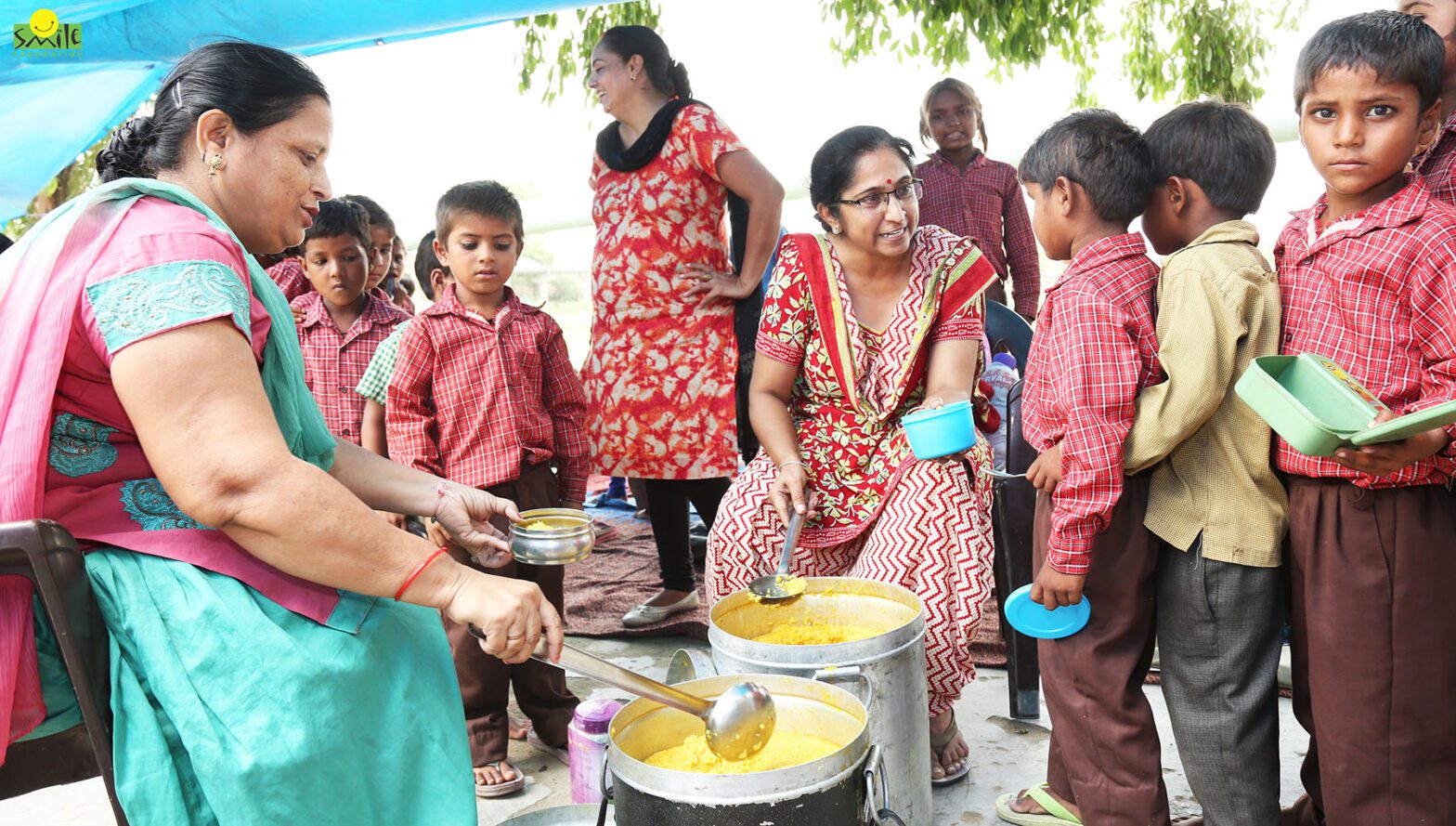
Here steps in the role of schemes like the MID DAY MEAL. Under the scheme the students in primary and upper primary classes are given free lunch in schools in order to induce more and more students to attend schools. When earning a day’s food is a struggle free lunch at school is motivating enough for the parents to send their children to schools. This ensures that the children get proper education and it also relieves their parents of the responsibility to give their children food.


The food served at schools is prepared keeping in mind the health and nutrition standards. It helps to fight the problem of malnourishment by ensuring that the food has the required nutrients.  The scheme helps to increase enrolment of children in schools, improves attendance and the health standards of the children. Not only does the scheme help the children but it also creates employment. Many women are employed for preparing food in schools. In this way it also leads to women empowerment.


The scheme has emerged a game changer largely benefitting the underprivileged people. Through schemes like these and their successful implementation India can triumphantly climb the ladder of social empowerment. It will provide a level playing field to all the sections of the society wherein everyone would be open to opportunities and excel in whatever field one chooses.


To know more about how Smile Foundation has involved in the scheme of mid day meal please log in to https://www.smilefoundationindia.org/education.html


To support or donate please log in to https://www.smilefoundationindia.org/nutrition.asp

Categories
Insights

EDUCATION IN INDIA – THE NEED TO FOCUS ON QUALITY OVER QUANTITY

Starting from the gurukuls in ancient India to the current IIT’s and IIM’s the educational system in India has gone through a plethora of reforms. While some of the reforms have had a positive outcome some have hampered the learning process. The government has been working on ensuring everyone in the country gets proper education through campaigns like Sarv Shiksha Abhiyaan but the quality of education provided in the country has been largely overlooked. The current education system does not focus on the holistic development of an individual. Rather a lot of importance is given to the theoretical aspect of education.


Unnecessary focus on marks, sky high cut offs for colleges and peer pressure are some of the characteristics of education nowadays. Mugging up concepts and spitting them out on an answer sheet is what education has become. There is a little focus on skill development of an individual. Many a times the skills of an individual do not match with the requirements of the actual job market. What use is that degree which cannot even fetch a person a decent job?


The shortcomings in the system call for an action to be taken in this regard. The fault here lies in the initial years of education where passing exams and securing high marks is the only matrix of judging a student. To stop this the teachers at primary and upper primary level should up their game and understand their responsibility towards the children. They should encourage students to think pout of the box and focus on developing an all-round personality. In university level education too more focus should be given to training an individual for the actual job market rather than passing exams.


The current scenario in the education system of the country needs to be revamped which will slowly pave the way for a system which ensures holistic development of an individual, impart practical skills and does not compromise on creativity. The government programmes which focus on imparting education should be extended to enhance the quality of education as well.


These changes would further help in the development of the country by ensuring better jobs for the youth and enabling the country to compete internationally. The future of the country lies in the betterment of the education and it is high time we bring suitable changes in the education which will result in a better India.


To know more about the initiative of Smile Foundation in the field of education,


please log in to https://www.smilefoundationindia.org/education.html

Categories
Insights

CHILD ABUSE- A THREAT TO HUMANITY

More often than not we hear or read about stories pertaining to child abuse on internet or in newspapers. Even thinking about what the innocent souls are subjected to makes the heart skip a beat. Child abuse whether sexual or nonsexual is a question mark on humanity. The recent rape case in Kathua grabbed a lot of eyeballs with various celebrities coming out in support of the victim. But there are many more stories or instances like these which do not come in front of the public eye and get the required attention. Moreover the media attention too does not lead to solving the problem. It just acts as a way to boost their ratings. As long as the concerned authorities do not take an action nothing can be done.


Leave apart the outside world the children are not even safe at their homes anymore. Recently a video of a woman beating her child for not completing her homework went viral on social media and there was a lot of outrage against it by activist groups. The fault here lies in the education system which encourages rote learning from the onset of ones education as well as in the parents who fail to understand that the children are to be treated gently and with care.


Any form of child abuse can have severe effects in the lives of children. It can hamper their mental wellbeing as they begin to feel unsure of their own selves. Suffering from abuse can make the children introvert and they begin to have trust issues. It stays with them throughout life and they feel difficulty in making and maintaining relationships. Many children who face sexual abuse start blaming themselves and carry it with them in the form of guilt throughout their lives. Moreover it also destroys their academic career a seeing themselves fail results into various problems like depression, anxiety disorders etc. Scarred for life they usually resort to taking extreme steps such as suicide.


It is high time for the concerned authorities to up their game and take the required steps to curb the problem of child abuse from the society. Physical punishment should be banned in schools and a strict check should be maintained in this regard. Schools should be encouraged to have counselling classes for children where they should be taught the need to report any kind of abuse. Parents should have conversations with their children and should be involved in the lives of their children till they reach a certain age. Strict punishments should be imposed on those who indulge in sexual abuse so that it serves as a lesson for those go against the law. The society should join hands to fight back this social evil to provide a happy and healthy environment to the children.


Smiles Mission Education programme, is crafted with the purpose to provide a safe and secure learning environment to craft the young minds.


Visit us at https://www.smilefoundationindia.org/education.html

WhatsAppFacebookTwitterLinkedInEmailShare

0%