Categories
Insights

Menstrual Hygiene Day: Access to Sanitary Care Remains Uneven

Summary

  • Menstrual hygiene in India remains deeply unequal, with limited access and affordability affecting millions of women and girls
  • Gaps in WASH infrastructure, including lack of safe toilets and disposal systems, continue to restrict safe menstrual management
  • Social stigma and silence around menstruation undermine awareness, dignity and informed decision-making
  • Poor menstrual hygiene impacts education, workforce participation and long-term economic outcomes
  • Government efforts exist but face challenges in last-mile delivery and sustained implementation
  • Integrated approaches, including CSR-NGO partnerships like Smile Foundation’s Swabhiman programme, are critical to ensuring access, awareness and dignity at scale

Indian women are steadily making their mark across the globe from entertainment and sports to academia and financial institutions. Yet, their true potential can only be realised when they have unequivocally equal access to education, healthcare and economic opportunities, just as men do in a truly progressive society. This Menstrual Hygiene Day, it is important to pause and reflect on the everyday challenges that still shape how women, especially in rural and remote communities, are able to manage their menstrual hygiene with dignity.

Menstrual Hygiene: A Multilayered Challenge

  • Access and Affordability 

Women and girls in India face significant challenges in accessing menstrual hygiene products. Out of an estimated 350 million women, aged 12-45, only 12% can afford sanitary towels, highlighting a critical affordability gap in menstrual hygiene.

At a basic level, access to sanitary products, appropriate underwear and related essentials remain a transactional challenge, particularly for low income and rural populations.

  • Infrastructure and WASH Gaps 

India’s fight to eradicate menstrual health challenges for young girls and women in India has been a long battle. With multiple policies to enhance menstrual hygiene management, India has been working towards full proof menstrual management for young girls and women. However, the execution of these policies has still been a challenge. Menstrual hygiene management is further constrained by

  • Inadequate WASH (Water, Sanitation and Hygiene) infrastructure
  • Lack of safe, private toilets with functional doors
  • Limited access to clean water
  • Inadequate disposal mechanisms for menstrual waste

These challenges are especially pronounced in schools, workplaces, public spaces and health centres, with many rural households still lacking access to toilets altogether.

  • Social Norms and Cultural Barriers

Beyond infrastructure, menstrual hygiene is deeply influenced by social norms and cultural perceptions.

  • Menstruation continues to be viewed as impure or unclean
  • A pervasive culture of silence restricts open conversations
  • Limited awareness impacts both women and men

This environment not only restricts access to information but also undermines the dignity and health of women and girls.

  • Social and Economic Consequences

The implications of poor menstrual hygiene extend beyond health.

  • School absenteeism among girls due to lack of facilities and support
  • Reduced participation in education and workforce
  • Long-term economic implications for individuals and national productivity

Additionally, many girls avoid using public toilets, further restricting their mobility and access to sanitation.

  • Environmental Impact

Even with relatively low usage rates, menstrual waste poses a growing concern.

  • Less than 18% of women use sanitary pads
  • Paradoxically, urban India generates approximately 58 million discarded pads annually

This creates a significant burden of non-biodegradable waste, highlighting the need for sustainable menstrual hygiene solutions.

Managing Menstrual Hygiene in Rural India
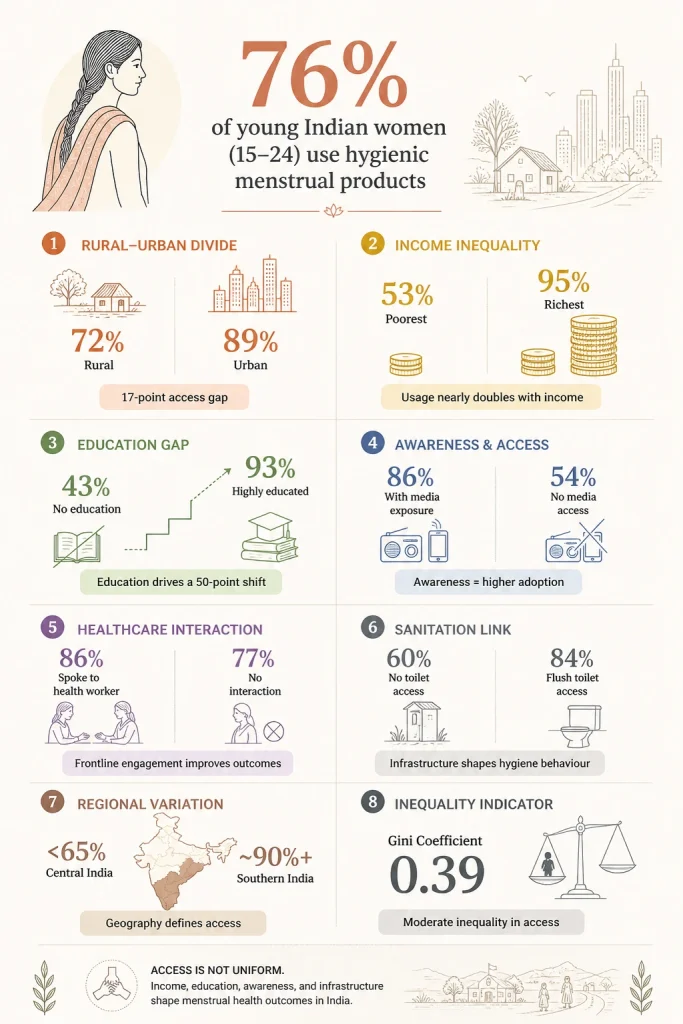
Menstrual Hygiene 1

Source: Understanding period product use among young women in rural and urban India from a geospatial perspective

At least 500 million women and girls worldwide still lack access to adequate menstrual hygiene management (MHM) facilities, highlighting a persistent gap in basic dignity and health. In India, the Swachh Bharat Mission has brought MHM into sharper focus by supporting the construction of girl-friendly sanitation facilities and promoting awareness within communities, including among boys and men, to help break long-standing taboos around menstruation.

Globally, similar efforts are gaining ground. In Liberia, the Education Sector Plan integrates MHM and disability-inclusive infrastructure into school and WASH planning. In Ethiopia, school-based WASH programmes prioritise MHM to improve girls’ enrolment and attendance. Together, these initiatives, supported by partnerships between governments and organisations such as the World Bank, are helping elevate MHM from a neglected issue to a national priority.

Beyond Health: The Cost of Poor Menstrual Hygiene 

Menstrual hygiene is closely linked to education, dignity and economic participation. When addressed holistically, it enables girls and women to stay in school, access opportunities and lead healthier lives.

However, on ground experience across rural and tribal communities highlights a few common and persistent barriers that extend beyond access alone. Deep rooted social norms often create mistrust towards external interventions. Conservation around menstruation remains limited and unfamiliar service providers are not always readily accepted, restricting timely access to essential care and information.

  • Dropping out of school

Infrastructure gaps further compound the issue. The absence of clean, safe and private sanitation facilities in schools continue to impact adolescent girls disproportionately, often leading to absenteeism or permanent dropouts at critical stages in their education.

  • Lack of reproductive health agency

Equally significant is the lack of agency around reproductive and menstrual health. Many women and girls do not have access to reliable information or the freedom to make informed choices about menstrual products and practices. This limits their ability to manage their health with dignity and confidence.

  • Lack of emergency preparedness 

Recent crises like the pandemics or natural disasters, further exposed the vulnerabilities faced by women. Disruptions in supply chains, restricted mobility and financial strain reduces access to essential menstrual hygiene products and management, reinforcing the existing inequalities. These challenges underline the urgent need to integrate menstrual health into emergency preparedness and ensure continuity of care in uncertain times.

As highlighted by UNICEF and Indian constitution, menstrual hygiene is a fundamental right and bringing this in full effect for every female in India, sustainable community engagement is required to strengthen infrastructure and collaborative efforts that place dignity, awareness and accessibility at the centre of focused menstrual health interventions.

Role of the government

The Ministry of Health and Family introduced the Menstrual Hygiene Scheme under the National Health Mission’s Menstrual Hygiene Management Programme, to improve awareness, expand access to affordable sanitary napkins and promote safe disposal practices.

However, the impact has been limited. The scheme envisioned distributing sanitary napkins across 107 districts while enabling self help groups to produce and sell low cost pads (under Rs 8 per pack) in an additional 45 districts, but due to inconsistent supply and weak last mile delivery, the action plan couldn’t be implemented to its full potential.

And this is where CSR-NGO Partnerships can come into the picture to execute the government’s action plan.
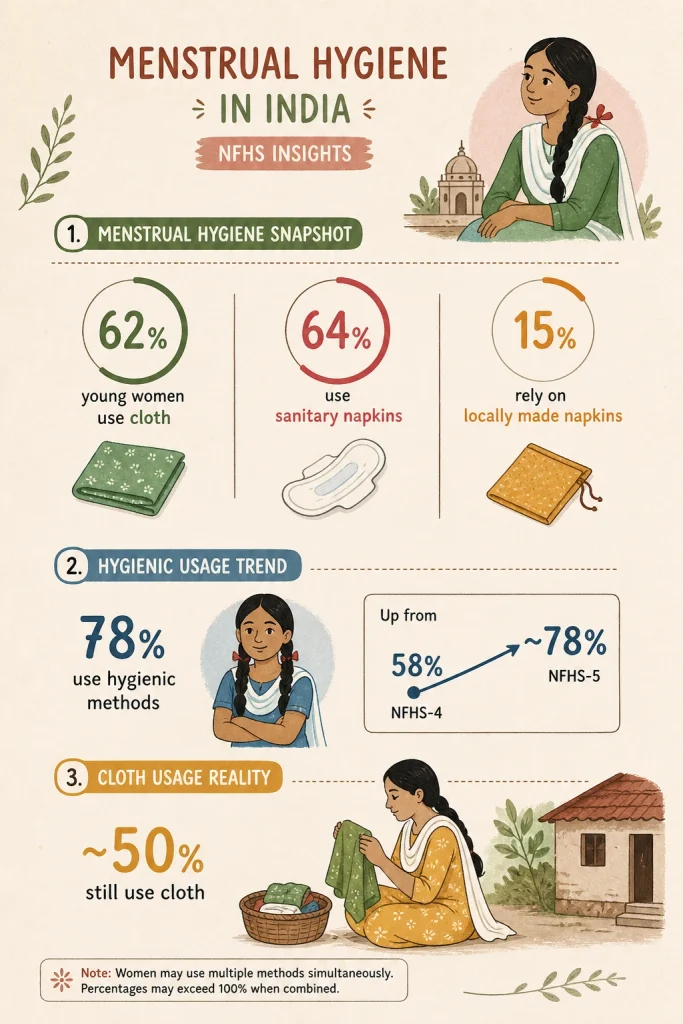
Menstrual Hygiene 2

Source : The Times of India

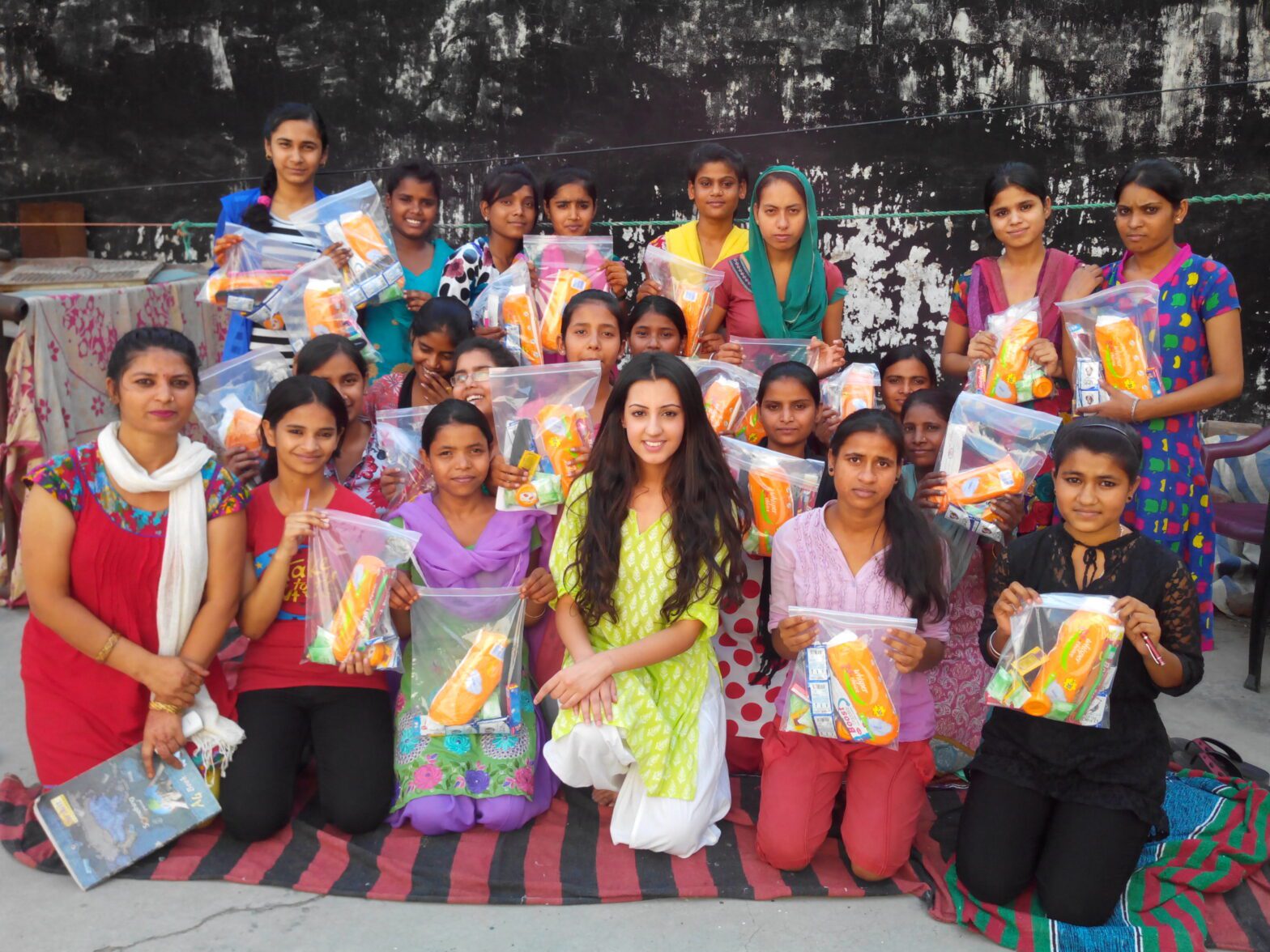
Promoting women’s menstrual health with Smile

Menstrual hygiene management (MHM) cannot be viewed as sanitation alone. For millions of women and girls it is closely tied to dignity, bodily autonomy and their ability to access, education, work and wider life opportunities. Addressing MHM, therefore, is fundamental to advance gender equality in a meaningful and sustained way.

As guided by the World Bank, the efforts to strengthen the MHM agenda must include technical expertise, data-driven insights and ecosystem building efforts which can be achieved through targeted  partnerships for women’s health. One such example in India, is Swabhiman by Smile Foundation. With over two decades of grassroots engagement and 400+ partnerships, Smile Foundation has reached more than 1.90 lakh women and girls in FY 2024–25 alone.

Through its Swabhiman programme, the organisation combines health, nutrition, and livelihood support delivering integrated maternal and adolescent healthcare through lifecycle approach, ensuring the young girls and women of rural communities of India, can access, avail and afford menstrual hygiene with ease and for long term.

1. Why is Menstrual Health Day important for global development?

Menstrual Health Day highlights the link between menstrual hygiene, dignity, education, and economic participation. It drives global awareness and encourages multi-sectoral action to ensure women and girls can manage menstruation safely and without barriers.

2. What are the key barriers to menstrual hygiene in India?

Limited access to menstrual hygiene products, inadequate WASH infrastructure, affordability constraints and deep-rooted social stigma collectively restrict women’s ability to manage menstruation safely and with dignity.

3. How does access to menstrual hygiene products impact girls’ education?

Reliable access to menstrual hygiene products reduces school absenteeism and dropout rates. When girls can manage menstruation safely, they are more likely to attend school consistently and participate fully in academic and social environments.

4. How can CSR partnerships strengthen menstrual health outcomes?

CSR-NGO partnerships can improve last-mile delivery of menstrual hygiene products, strengthen community engagement, and enable behaviour change interventions—ensuring sustainable, scalable menstrual health solutions in underserved regions.

5. Why is Menstrual Health Day relevant for corporate stakeholders?

Menstrual Health Day offers an opportunity for organisations to align ESG and CSR strategies with gender equity goals, supporting initiatives that improve access, awareness and infrastructure for menstrual hygiene management at scale.

6. What role do menstrual hygiene products play in economic empowerment?

Access to affordable menstrual hygiene products enables women to participate consistently in the workforce, reducing productivity losses and supporting long-term economic inclusion, particularly in rural and low-income communities.

7. How can Menstrual Health Day drive behaviour change at the community level?

Through targeted campaigns, Menstrual Health Day helps normalise conversations, reduce stigma, and promote informed choices creating an enabling environment where women and girls can adopt safe and hygienic menstrual practices.

8. What makes menstrual hygiene a multi-sectoral development issue in India?

Menstrual hygiene intersects with health, education, gender equality, and sanitation. Ensuring access to menstrual hygiene products, awareness and infrastructure is critical to achieving inclusive and sustainable development outcomes in India.
Categories
Insights

The Importance of Education

We live in a world where the importance of education is on a constant rise. In today’s world, educated and skilled individuals have better conditions and more successful lives. A good education is necessary for every individual to move forward in life and to earn respect in society. The job market is also focused on hiring freshers who have knowledge in specific fields. A lack of good education not only affects their life but the overall development of the country too. Every educated individual focuses on how and what to do for the betterment of society and the nation.


If students educate themselves at the right stages of life, it will improve their chances of reaching long-term goals. Value education plays a big part in dictating their betterment and their social status in future. If we educate children well and train them in a specific field, it will help them build a successful life. Children can follow their dreams with the aid of proper education.


Cons of lacking education


Uneducated people can never be fully aware of their responsibilities towards other human beings and to the world as a whole. As humans, we have to give back to the society we live in and make it a better place for everyone to live in. Proper education teaches a person to think beyond their personal interests. It also helps them develop the ability to make the world a happier, safer place for the next generation.


One of the key points of importance of education today stems from the fact that diverse skills provide greater opportunities for creativity in the workforce. Technology has changed the face of education. With this, students can use digital advancements to gain a holistic understanding of their chosen field of interest. They also learn to develop an awareness of the prevailing issues and contribute to improving it.


Mission Education showing the importance of education for all


Mission Education is one such programme of Smile Foundation. It is committed to providing basic education and healthcare to underprivileged children to help follow their dreams. With quality education and innovative learning for many children in different regions, we support the betterment of their life.


This pandemic brought many challenges in the education, teaching, and learning process. During this period, lots of underprivileged children have not been able to get access to good education and learning process. This is because most people have been afraid to work on the ground.


In these difficult times, we still feel proud. At Smile, we have been working with a lot of children and working for their better future.

Categories
Insights

Online Safety of Children in Times of E-Learning

As long as we can think back, children’s education was meant to be a shared activity. Teachers and children would spend a significant time of the day on school premises, and children would engage in a lot of other activities than just studying from their books. However, the COVID-19 pandemic threw all of our deep-seated beliefs for a toss. As schools shut down, e-learning became front and centre for all children. Children are now spending more and more time online, and it is more important than ever that we take care of the online safety of children.


What are some of the ways in which you can protect your children while they spend time online?


Spend time with them online


It is important that you spend time with your child online to guide them on their online habits. Create a safe and positive environment for your child in which they can have fruitful interactions with their friends and teachers. Help your child identify age-appropriate apps, games, and websites. Ensure that they know where and how to access digital resources, if they use the computer by themselves.


Familiarize yourself with the school’s policies for online learning. Get informed about helplines to report cyberbullying or inappropriate online content for your child.


Use technology to your advantage


Try to stay ahead of unsafe online environments. Use technology to protect your children rather than be scared of it. Install antivirus and latest updated software on the computer. Turn on privacy settings. You can even choose to activate the parental controls on the system. Tell your child to be cautious of online educational resources. Reliable online resources most often do not ask for a photo or full name.


Encourage healthy online behaviour and habits


Help them understand that they may need to adjust their habits to suit online interaction.  Encourage your child to be kind and respectful to classmates. They should also be mindful of the clothes they wear for online classes and avoid joining calls from the bedroom. Spend time with your child to identify age-appropriate apps, games, and other online entertainment.


Monitor surfing habits for online safety of children 


Children have been spending more and more time online. As a result, they are also exposed to more and a wide range of advertising. This may include unhealthy foods, gender stereotypes, or age-inappropriate material such as porn websites. Help them recognize links which they should not click on and how they can avoid negative messaging. Cybercriminals also try to take advantage of children’s unsuspecting nature and lure them into financial fraud schemes by making them give up their parents’ credit card information, etc.


In the current scenario, there is also a lot of misinformation about COVID-19 out there, which may become a source of anxiety for your child. Make sure that if your child is seeking COVID-related information online, she does so from reliable sources such as UNICEF and WHO.


Use of school email addresses


Most schools which are conducting classes online have created the necessary technological infrastructure to ensure online safety for children. They have created email IDs for each child, and only these IDs must be used to attend the classes. Using a personal email ID will be an invitation for cyber criminals to break through the security firewalls and access your personal information.


Counselling for online safety of children


In the digital world, children may be exposed to a variety of risk factors which could affect them mentally as well as physically. Children should be counselled about the following risks.


Inappropriate advances: Sexual ‘grooming’ and exploitation is rampant in the digital world. Children need to be warned about these risks when they use the Internet by themselves. Moreover, radical and extremist groups may also target children in an attempt to recruit them. Parents need to keep track of the interactions their children have online.

Inappropriate behaviour: Children need to be educated on what is appropriate and inappropriate behaviour towards them as well as by them. Adults may indulge in online exploitation or abuse of children. At the same time, children who are unaware may also share images of themselves on digital platforms which may be used in an inappropriate manner by predators. Teach your child to keep personal information private, especially from strangers.

Unsuitable content: Schools and institutions may recommend online resources for children. However, it is the parents’ responsibility to ensure that their children are not inadvertently exposed to unsuitable and irrelevant content. 

Personal data misuse: Some platforms ask for students’ personal information. One should be extra careful while providing this information. There are cybercriminals who mine, misuse, and sell the data gathered online.


Give them the space to enjoy, express, and learn


Given the vast range of resources available online, children can move beyond the school curriculum and use the extra time at home in learning something they enjoy. This could be a skill such as coding, cooking, gardening, etc. or perhaps a foreign language. They can even indulge in physical activities such as yoga by watching online videos and tutorials.

Categories
Partners In Change

Smile on Wheels Van Spreading Joy

Shonal Rath,  Fellow of the Royal Asiatic Society 
for Great Britain and Ireland;
Founder-Demystified Initiative

As I stepped into the Smile on Wheels van and started speaking with the doctors on board, I realized how hard our doctors and non-profits have been working in these tumultuous times. A massive line of beneficiaries approached the van one by one, and the doctors conducted their OPD with such ease. I was visiting the van to conduct collaboration research on how post-COVID recovery requires resilience-building and prepping for any subsequent waves of the COVID-19.


SOW 575x430 1


I appreciate that even with limited resources, they have been able to ensure sustainable livelihoods, and Smile Foundation has all its operations in place. By focussing on the most vulnerable people, such as the women, children, and the disabled, they are employing the defined strategy of the trickle-down effect. These communities have been the most downtrodden and stuck hardest by the adversities of the pandemic. As per research, there was a 45% loss of jobs in female workers compared to men and 65% of the youth aged 14-25 compared to those aged 26-45.


Contributions made by Smile on Wheels vans


“I have never had such convenience of access to medicines and medical consultations since I lost my job,” says Ms. Asha. She is a migratory worker serving domestic households. There was a sense of satisfaction and an air of confidence among these beneficiaries. This has been their support system throughout the pandemic. During the second wave, there was a shortage of medicines, oxygen cylinders, and disarray in the functioning of healthcare. However, non-profit initiatives strategically located their limited supplies to aid the communities.


“In the second wave, my husband was susceptible to the virus. We waited in long lines, but they would always tell us to come back some other day. We never received the treatment we needed. With this van in place, we are getting timely assistance,” shares the contented Ms. Durgawati. The Smile Foundation has been catering to regions such as Noida, Faridabad, Gurgaon, and other remote locations in NCR. It serves hundreds of patients and beneficiaries in these areas.


Smile on Wheels van: A blessing in disguise


SOW 2 575x430 1


All these people have been at the mercy of over-burdened public health facilities during the course of the pandemic. They are at higher risk of COVID as well as non-COVID related ailments. For the time being, we all need to be clear that even if we all wear masks and the government continues vaccinating people, the pandemic will still continue to spread. We need to make all the effort to stop short of another terrible COVID wave and lockdown.


We must maintain optimism that even with the spread of the virus, we must brace ourselves for a possible third wave. Our frontline workers, doctors, police officers, and the operating non-profits will discover every drop of superhero blood to save the sick. The most crucial necessity of the hour is to secure the economic stability and well-being of the weak, whom we failed miserably the last time around.


In the past, pandemics have shown that they occur in waves, that systems must be awake throughout each wave, and that tracking viral changes is critical. Arguments of “natural immunity” must also be avoided because India lost 40 million people between 1817 and 1920 due to the cholera, plague, and influenza pandemics.

Those sobering figures, as well as the sorrow, death, and suffering experienced by COVID-19’s second wave, should serve as a cautionary lesson for pandemic planners. “We have already failed before. If a third wave attacks us, only these non-profits have a way to cater to us,” is the common opinion among all these beneficiaries about the Smile on Wheels van.

Categories
In The Spotlight

International Youth Day: Stories of Inspiration from Smile Foundation

International Youth Day is observed on August 12 every year. It is a day that has been demarcated by the United Nations to recognise and focus on the problems that youth face. The idea of International Youth Day was first floated in 1991 at the Vienna session of the World Youth Forum. It was recommended in 1998 at the World Conference of Ministers Responsible for Youth in Lisbon. It was first celebrated in 1999.


One of our core values at Smile Foundation has been to empower the youth of today so that they can become successful, independent leaders tomorrow. We believe in celebrating youth every single day of the year.


The STeP Programme and International Youth Day


India is among the youngest nations in the world. We produce a large number of graduates each year. Unfortunately, rampant unemployment is a huge problem for India. This is due to a variety of reasons, including lack of jobs and job creation as well as under-skilled job seekers.


Through our STeP initiative (Smile Twin e-Learning Programme) launched in 2007, Smile Foundation aims at creating a pool of young and independent youth between the ages of 18 and 24. Most of these young people have passed their class 10th and 12th examinations, or have finished their graduation. These job seekers belong to the marginalized sections. Through skill enhancement in tandem with market requirements, the programme seeks to bridge the gap between demand and supply of skilled manpower in the fast emerging sectors of India.


To commemorate International Youth Day, we would like to share some of our most endearing success stories. These young individuals are sources of inspiration to thousands like them.


Ramesh Awasthi – Student of STeP in 2015


Twenty-three-year-old Ramesh came to India from Nepal in 2015 in the hopes of a better and brighter future. Soon after he arrived, he enrolled at a STeP centre to undergo skill training. ‘I learnt a lot of things at the STeP centre—personality development, e-mail writing, English speaking, basic computers. After completion of the training, I got my first job as a data entry operator for a salary of Rs 7,000,’ he shares.


Since then, Ramesh has never looked back. He moved on to a better job with a higher salary as an Assistant Manager at a reputed restaurant. The confidence that the STeP training instilled in him has enabled him to dream of a better future for himself. Through his hard work, he is building a better life for himself, step by step. Currently, Ramesh works as an accountant at a private firm. ‘I am working in the night shift now because I am also planning to start my own business,’ says the budding entrepreneur.’


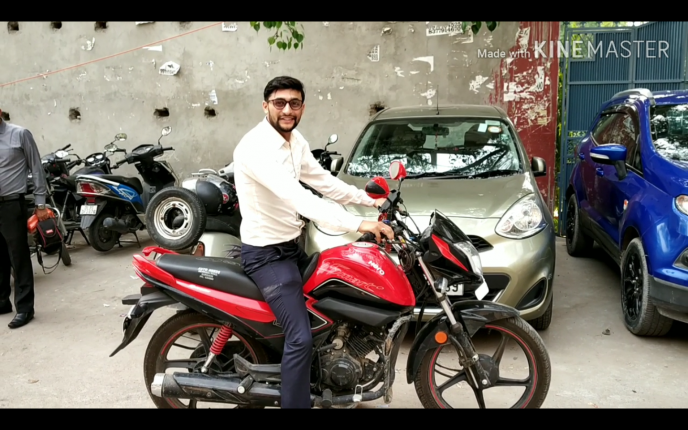
The young man shares that back in 2015, he did not even have Rs 10 to take a rickshaw ride. Now, he is the proud owner of a motorcycle that he bought for himself through his own hard-earned money.


Ramesh Awasthi 688x430 1


Vinay M. – STeP Student from 2015-16 batch


Vinay’s story tells how an unemployed youth can be gainfully employed with the right training and guidance. Before he joined a STeP centre in Bengaluru in 2015, Vinay had a hard time finding a job. As part of his training, Vinay learned basic computers, soft skills, and English.


Vinay M. 688x430 1


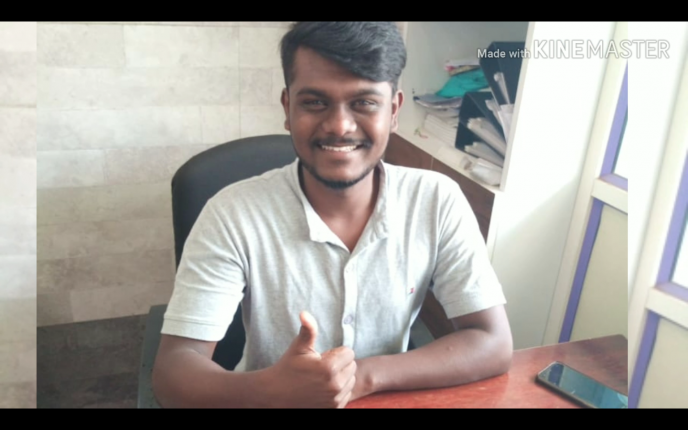
‘I got a job as an executive at a private company soon after completing my course. My salary that time was Rs 8000. After gaining a year of experience, I got a job as an accountant at a salary of Rs. 15,000,’ Vinay shares.


He is thankful to Smile Foundation and STeP for helping him gain the necessary skills he needed to gain employment.

Categories
In The Spotlight

Inspiring Women at the Olympics: Fighting Against All Odds

Indian women at the Tokyo Olympics 2020 have done us proud. Fighting all odds and working tirelessly towards their goals has finally got them the prize they have been working for. Here’s a look at the inspiring women at the Olympics who have opened up doors for millions of girls to dream.


These women prove that if given a chance, they too can excel in the world of sports.


Mirabai Chanu – Silver for Weightlifting


Mirabai Chanu

Mira faced a huge setback in her Olympic dreams at Rio in 2016. The 26-year-old almost gave up her sport. It was her supportive mother who encouraged her to not worry about the past but focus on the future. Her mother runs a small tea shop and there were days when she could barely feed Mira. However, her support for her daughter was undettered.

Her coach, Vijay Sharma, says that she did not go to her home for almost five years. She did nothing but eat, sleep, and train. This kind of dedication is what won Mira the coveted Olympic medal. “I completely failed in 2016. But I learned a lot from that defeat. I told myself that I need to do better at the next Games. That’s why I have improved and won,” she says.

Mira has revealed that is grateful to the truck drivers who stopped at her mother’s tea stall during the early days of her training. They often gave her free rides from her home in the Nongpok Kakching village to the training centre at the Khuman Lampak sports complex in Imphal, 25 kilometres away! Her story will go down in history as one of the inspiring women at the Olympics.


PV Sindhu – Bronze for Badminton


PV Sindhu 420x280 1

At the young age of 24, shuttler PV Sindhu has created history by becoming the first Indian woman to win two Olympic medals. She became interested in badminton at the very young age of 8. Her badminton idol was P. Gopichand and she joined his academy, 56 kilometres away. Her willingness to travel so far for training can be seen as a sign of her grit and determination.

Sindhu has a one-of-a-kind record at the World Championship. She has won five medals over a total of only six appearances! This is the fastest that a player has won so many medals at the World Badminton Championship.

She is also the only Indian singles player to hold an Olympic silver which she won at in 2016. 


Lovlina Borgohain – Bronze for Welterweight Boxing


Lovlina Borgohain

Belonging to the tiny Baro Mukhia village of Assam’s Golaghat district, 23-year-old Lovlina became the third Indian boxer to win an Olympic medal.
The young gun has spent the past several years training, away from the comfort of being close to family. Lovlina stayed away from her family for almost eight whole years. She says that not being there when they were going through problems has been a real struggle and her biggest sacrifice. It was only last year during the COVID lockdown that she spent some time with her family, albeit in unfavourable circumstances. While caring from her mother who was recovering from a kidney transplant, Lovina contacted COVID and had to miss out on a vital training camp in Italy.

During the COVID lockdown last year, Lovlina also helped out her father in his paddy fields. This helped her stay in touch with her roots.

The Olympic medallist’s village is around 320 kilometres from Dispur and a mud-and-stone track connected it to other places. However, a lot can be said about Lovlina’s Olympian feat. Just days after her win, her village can now be accessed through a concrete road.


Women’s Hockey Team – A Special Mention


Hockey team

In the previous innings of the Olympic Games at Rio, the Indian women’s team suffered a great defeat. The fact that they just narrowly missed out on the bronze medal in Tokyo speaks volumes for the kind of hard work they have put in over the last few years. They definitely need to be counted among the inspiring women at the Olympics.

With a fighting spirit and can-do attitude, the team made Olympic history by gaining the fourth position in the event.

Rani Rampal and her team did not have it easy at all. In a culture where hockey is considered a ‘manly’ sport, the girls and their parents often had to deal with ‘what will people say’. A lot of people told their parents that it is inappropriate to have your daughter running around in short skirts. But none of these things made a difference to the hardworking team who are now gearing up for the Paris Olympics in 2024.

Categories
Insights

Reopening of Schools: Urgent Need or Remote Possibility?

As the third wave of the COVID pandemic looms over us, the reopening of schools has become a bone of contention among all involved parties. A number of states have been discussing the possibility of opening schools for primary or secondary classes or both.


Some state governments have opened up the discussion to teachers and parents. Others say that schools will be remain shut till everyone is vaccinated, but it is not clear if this includes children as there is no approved vaccine for children yet. Let us look at what various stakeholders say.


Scientists speak


The scientific community across the globe largely appears to be in favour of reopening schools. It is worth noting that schools in more than 170 countries have opened up. In fact, some countries such as France and Netherlands did not shut down schools even at the peak of the pandemic, or did so for a very brief period.


The Indian Council of Medical Research (ICMR) chief, Balram Bhargava, recently announced that it might be good idea to reopen primary schools before secondary schools in India. The reason for this is that children handle viral infections much better than adults do. It is possible for children to get infected with the coronavirus. However, they do not have sufficiently developed receptors in their lungs through the virus enters the body to make you sick. A child with co-morbidities is at a comparatively higher risk than a healthy child.


Moreover, sero-surveys reveal that more than 50% of children have antibodies against the coronavirus, indicating that they have already been infected at some point without any significant symptoms or complications.


Scientists suggest that it is safe for children to go to school provided that the support staff, drivers, and teachers are vaccinated.


What teachers say


Many teachers are concerned about the online mode of teaching and examinations. Many principals have said that they are willing to open their schools. There are many considerations that go behind this.


Online teaching is not something that all school-going children have access to. If we think about the vulnerable and low-income families, there many that do not have a smartphone, laptop, or Internet access. Even if they do, it is likely that a single device is being shared by the entire family, and the parents need to take the phone when they step out of the house. For students who do have resources to attend online classes, it has not been the same as attending regular classes. The cancellation of examinations and promotion to the next class has only pulled down the already dismal education standards.


The children enrolled under the RTE policy in elite private schools are also facing a similar problem. While their classmates have access to facilities that can ensure uninterrupted education at home, these children from low-income families do not.


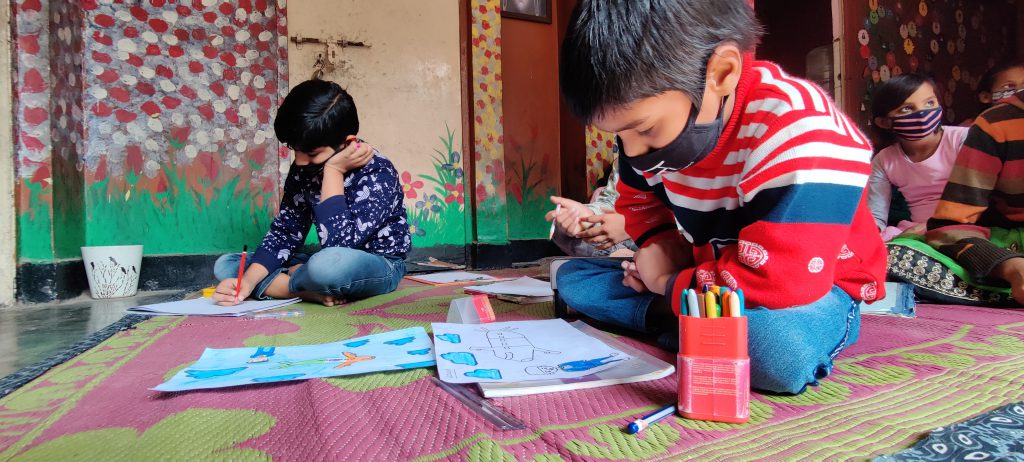
Teachers in many backward regions have made the effort to go to students’ homes to teach them. Another alternative is holding cluster classes, as is being done under Smile Foundation’s Shiksha Na Ruke campaign.


Concern of parents


As far as coronavirus is concerned, there has been a mountain of information as well as misinformation that is being circulated. There is new research coming in every day, and also a variety of opinions that follow.


Some evidences suggest that the impending third wave will affect children much more than adults. Additionally, circulation of wrong facts on social media and through WhatsApp has added to the concern of parents as even they are not sure what would be the outcome of sending children to school.


On the other hand, there are lower income families for whom it is difficult to hire help to take care of children. In such families, the parents have to take out time from their work schedules to ensure their child attends online classes. This added responsibility usually falls on the mother. If we think about the economic value of the time spent by them (not the middle class and above, where 89% of the women do not work but the lower middle class and below) in facilitating online schooling and compensated for the loss of productive time, the government might have opened the schools.


What critics and experts say on reopening of schools


As per UNESCO data, the number of out-of-school children is set to double after the prolonged COVID-induced closure of schools. The NSSO 2017-18 household survey had estimated the number of out-of-school children in India (6–17 years) at 3.22 crore. It is a tragedy that most of these children may never return to school. 


Experts and task forces, scientific advisors and educators, all agree that the reopening of schools is a must. Those in favour of reopening schools cite massive loss of learning which outweighs any benefits gained from a shutdown. Moreover, the losses incurred by smaller private schools has led to closing down of thousands of them, leaving all their teachers unemployed.


Critics of reopening the schools say that this may be a bid by private schools to get back to pre-pandemic business as usual.


It now remains to be seen what the government will finally decide and how this will impact the fate of children.

Categories
Insights

Education during the Pandemic: My Experience and a Team’s Efforts

The coronavirus (COVID-19) pandemic has caused an unprecedented crisis in all areas. Education during the pandemic has also been severely affected. The emergency has led to the massive closure of face-to-face activities in educational institutions around the world. This has created a lot of challenges in the Indian education system. Understanding these challenges is the key to manage the crisis.


Reopening of schools


Let’s start with a fact. The plan to return students to physical classes has faced a major setback in the past few weeks, with the country still witnessing a significant number of daily COVID-19 cases.


That said, there is a silver lining to this cloud. Eventually, the government and educational institutions want to facilitate a return to offline pedagogy. The present delay gives them more time to prepare a better roadmap to ensure a safe transition to school-based education.


Can e-learning be the answer?


Some may question whether a return is necessary. After all, e-learning is on the rise during the pandemic and is being heralded as the future of education.


However, while online pedagogy does a great job of complementing offline education, it hardly serves as a replacement for the latter. This is especially true in a developing economy like India for several reasons.


The pandemic has exposed the deep digital divide among classes. This shows how important it is to develop digital infrastructure. The pandemic has brought about challenges as well as opportunities to learn and adopt new things in education. Teachers who were distant from technology are now taking classes on various digital platforms such as Zoom, Google Meet, etc.. Students are getting worksheets and educational videos through WhatsApp.


How can students cope with education during the pandemic?


Almost an entire unproductive year has gone by for several students. Only those who had continuous access to the Internet have been able to continue studying from home. Can students take one more year of this? No. This time we need to be more organized and fully prepared about how we can help students be productive and use this opportunity to develop useful habits and learn new skills.


Here are some tips that can help students be productive during the pandemic holidays.


Change your habits


The pandemic can be considered an opportunity to pick up new habits and get rid of old ones. It is a scientifically proven fact that it takes 21 days to change and develop a habit. Develop an effective habit during this time spent at home. Invest your time and energy to become more productive. Be aware of how you are investing your time and energy during this period.


Polish your creativity


Polish your creative skills like writing, painting, crafts, etc. while schools remain closed. Earlier, you may have felt bored with the predictable monotonous routine of school tasks that stifle your creativity. Perhaps you did not have enough time to engage yourself in the art of your choice. Now, you have enough time to sit back and indulge in your creative brilliance.


Enhance your communication skills


You can work on your communication skills by improving your English grammar and speaking. Any material that you want to know or learn is available on the Internet these days. You can take advantage of the opportunity yourself. You can also learn a foreign language.


Learn new skills


Are vocational course compulsory in your school? Maybe not. Why not invest in learning new skills? You can learn knitting, sewing, jewellery making, gardening, and a host of other things while at home. These skills might also help you later.


Join an online course


If you feel bored and stuck at your home in your daily routine and want some quality time to exchange knowledge with people, you can join an online course that interest you. You can join courses to prepare for competitive exams, to learn a language, or even for physical fitness.


Read more, expand your knowledge


We usually do not have time to read books which are outside our school syllabus because we are busy with school assignments. This pandemic has given us a chance to know the world through reading. Reading can be one of the best habits you can develop during this pandemic.


Use the Internet wisely


Playing video games and scrolling down social media feed are the most common pasttimes during the pandemic. Regulate this by setting a limit. Filter the content you see on social media and instead spend more time on productive things.

Categories
In The Spotlight

Malnutrition in India: Can we beat it together?

Union Minister for Women and Child Development Smriti Irani’s recently made some revelations about malnutrition in India. This has once again brought this persistent and grave issue into focus. She informed that as per the latest data, over 9 lakh children in India suffer from severe malnutrition November 30, 2020. These children range between the ages of 6 months to 6 years. She also added that there are about 4 lakh such children in Uttar Pradesh alone.


Plate Half Full 5 420x279 1


The problem of malnutrition in India


Malnutrition is among the leading causes of death and disease in children under the age of five. It severely affects development and learning capacities among children.


Wasting is a critical health condition in which a child is nine times more likely to die as compared to a healthy child. According to National Family Health Survey (NFHS)-4 conducted in 2015-16, 21% of under-5 children in India suffered from Moderate Acute Malnourishment (MAM) and 7.5% suffered from Severe Acute Malnourishment (SAM).


The kinds of hunger


Plate Half Full 4 285x430 1

There are two kinds of hunger among children. One arises out of poverty, where children do not have access to food. They can be found lurking behind garbage bins hunting for food or begging in the streets to feed themselves. These children are either engaged in some sort of labour or simply loiter around in the hunt for food. The other kind of hunger arises out of the lack of proper nourishment. This is also called hidden hunger. Hundreds of school-going children suffer from hidden hunger. The parents in poor and vulnerable families provide whatever meal they can with the meagre amount they earn. However, this doesn’t provide proper nourishment.


Girl child and malnutrition


The situation is worse when it comes to girl children. Due to poor health, parents often discontinue the education of their daughters.


However, what is often not acknowledged is that it is not education that causes problems but lack of proper food and nutrition. Given that the parents are also living below the poverty line, they too struggle to get complete meals for their families.


Government interventions


The government has various targeted outreach and service delivery programmes to combat malnutrition in India. These include POSHAN Abhiyaan and Supplementary Nutrition and Anaemia Mukt Bharat, among others. However, a large number of states are still showing an increase in SAM, as per NFHS data for 2019-20.


Impact of the pandemic


The COVID-19 pandemic has only made the situation worse. Closing of schools (and by extension disruption of midday meals) and Anganwadi Centres, as well as a disrupted supply chain, have resulted in further increasing malnutrition in India. Additionally, access to primary healthcare centres has also been restricted due to COVID-19 and subsequent lockdowns.


The causes of acute malnutrition are many. It is a complex socio-cultural problem which encompasses inequitable access to nutritious foods and health services, sub-optimal feeding practices, lack of maternal education, poor access to clean water and sanitation, poor hygiene practices, food insecurity, and unpreparedness for emergencies. The pandemic has laid bare these inefficiencies. The need of the hour is to adopt sustainable solutions to manage acute malnutrition and mitigate the impact of COVID-19.


Plate Half Full 1


The Plate Half Full campaign


This need is the basis for Smile Foundation’s Plate Half Full campaign. This initiative is aimed at enhancing education with adequate nutrition. Along with education, it is also important for children to have regular and nutritious meals.


This campaign seeks to fill the half-empty plates of those who do not have their plates full.  It also aims to sensitize teachers and caregivers on the need for proper nutrition.


You can also do your part and make a contribution here.

Categories
Insights

Adapting to the Pandemic: A New Way Forward

Ever since the pandemic hit in early 2020, the world seemingly turned upside down. Each and every aspect of our lives were affected. Smile Foundation’s work, like everything else in the world, also took a hit. And like everyone else, we had to relook at everything from the perspective of pandemic-tinted glasses. Adapting to the pandemic became the topmost priority.


Grief and resilience indeed live together. And nothing has proven this more than the pandemic. In the face of terrible and unforeseen circumstances, we at Smile managed have successfully adapted and adopted a COVID-friendly philosophy. Very soon after the pandemic hit, we asked ourselves how we can continue to ease the lives of the vulnerable communities. All our programmes have been edited and modified to suit the needs of the pandemic. And all our new campaigns are aimed at helping the vulnerable during these tough times.


Healthcare


Health Cannot Wait is the campaign that is aimed at providing healthcare relief to vulnerable communities during the pandemic. The government facilities have been overwhelmed under the burden of COVID relief. Moreover, there is disruption in transportation and other services as well, making it difficult for people to access basic healthcare facilities.


In such a situation, Smile Foundation introduced some interventions aiming to ease the life of vulnerable communities. Dry ration and hygiene kits, PPE for frontline workers, telemedicine, telecounselling for vaccine awareness, creating oxygen banks and strengthening COVID care centres are just some of the measures. Most importantly, our Smile on Wheels mobile healthcare vans are taking primary healthcare to the doorsteps of communities in need.


Livelihood


Before the advent of COVID, our Smile Twin e-Learning Program (STeP) focussed on skilling underprivileged youth in sectors such as retail and hospitality. Due to the pandemic, these sectors took a huge hit. Thus, we had to realign the program to make it suitable as per current job market.


As a result, we are now training youth to gain employment in sectors like healthcare, digital marketing, and e-logistics. A large number of our students in the last year have completed their training successfully and also got placed.


Education


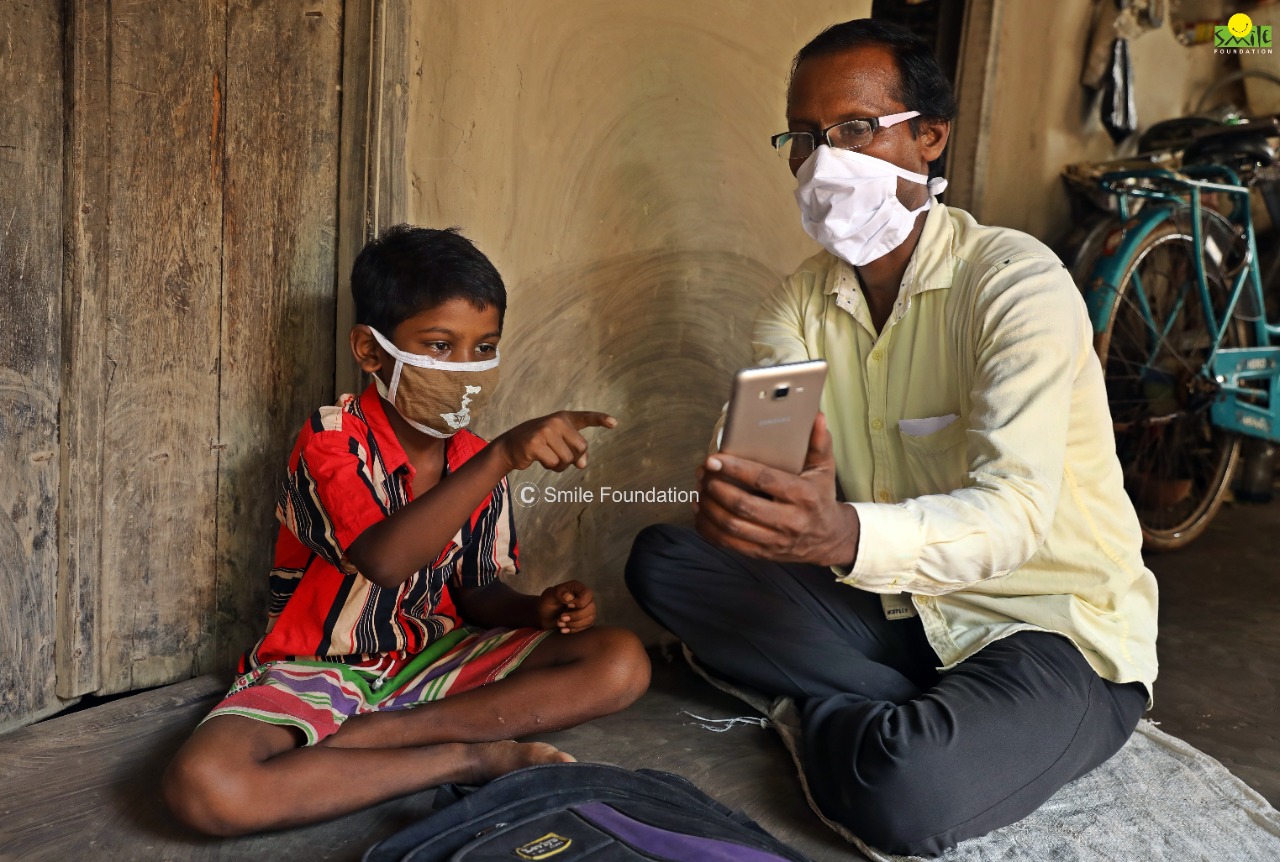
The pandemic inspired us to introduce blended learning at our Mission Education centres through the Shiksha Na Ruke campaign. We have done our best to ensure that the education of vulnerable children continues despite the disruptions caused by COVID. Many of these children are not able to afford smart devices and data packs. We have aimed to provide these to as many children as possible to ensure a seamless yet interactive learning process for them.


Adapting to the pandemic: Lessons learnt and unlearnt


This year has been full of ups and downs, and some terrible lows. But the resilience we see all around us is a reason for hope. The challenges we are facing now are showing us what we are truly capable of in the hardest of times, and this is the biggest learning the pandemic is giving us.


We have been made to see that there is more than one way of doing things. In the face of tremendous hardship, humans can evolved, grow, adapt to make the best of any situation, and keep pushing forward.

0%