Categories
In The Spotlight

PepsiCo and Smile Foundation Join Hands for ‘Waste No More’ campaign

Smile Foundation and PepsiCo India are working towards contributing to the Swachh Bharat Abhiyaan through their ‘Waste No More’ initiative. The aim of the campaign is to make the student community across the country be more sensitized towards the environment. It will also encourage them to participate in the drive to ensure communities understand the concept of ‘Jo swachh hai, wo swasth hai’ through the various competitions we have organised.


Why ‘Waste No More’


Finding new ways to adapt to the pandemic has become a way of life for all of us. Among the affected groups, students are among the most vulnerable. With constant disruptions in their education, holistic development of students is getting hampered. With the primary focus being on theoretical education, online as well as offline, students do not have much opportunity to get their creative thoughts flowing.


However, it is now more important than ever that children engage in creative and awareness activities. After all, they are the leaders of the future! Thus, we have started our initiative to create awareness around  plastic waste management.


Our reach and the participants


Counting on our large network of private, aided, and government schools, our outreach includes 2 lakh children from 200 schools across 50 cities. More than 3000 entries are expected for the various competitions. Our initiative will mark the importance of Rashtriya Swachhata Diwas.


There will be multiple activities that children can participate in. All children will apply by entering one of the following three categories. Private schools, government schools, as well as Mission Education centres will participate in the initiative. The states covered include Andhra Pradesh, Assam, Bihar, Chandigarh, Chhattisgarh, Delhi, Gujarat, Haryana, Karnataka, Maharashtra, Odisha, Punjab, Rajasthan, Tamil Nadu, Telangana, Tripura, Uttar Pradesh, and West Bengal.


‘Waste No More’ Activities
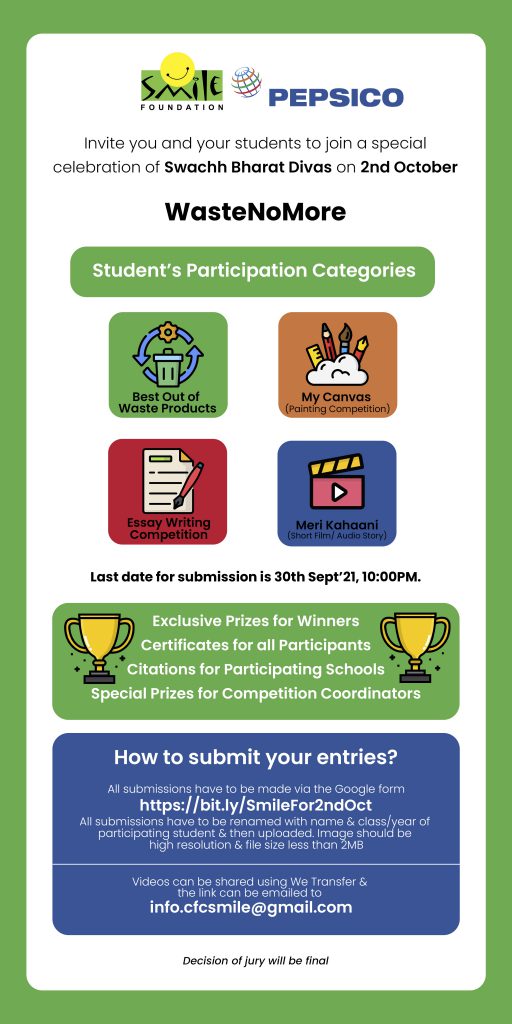
 

Competitions that are part of the ‘Waste No More’ campaign


The campaign will see students, teachers, and partner NGOs participating in a number of awareness-building activities around the importance of waste management. The competitions range across a number of formats.

Best Out of Waste

Students will use old waste materials to create something new and make a timelapse video of the same.

My Canvas

Students can paint on one of the following themes:

  1. Protect our ocean
  2. Reusing plastic products
  3. Swachhta aur Swasthya–ek mazbut kadi

Essay Writing

Participants can choose one of the following topics to write a 500-1000 word essay:

  1. How can I be a Swachh Bharat Sevak and ensure plastic waste management in India;
  2. Ways of recycling and reusing plastic products
  3. Swachhta aur Swasthya–ek mazbut kadi

Meri Kahaani

Children can make short videos on importance of plastic waste management.

Kahaani Plastic Ki

This is a competition is specially for NGO-run schools. They can make a video about a ‘swachhta’ or plastic waste management activity they have carried out in the past one year.

Apart from this, there will also be a plantation drive by NGOs where they will recycle and reuse plastic waste.

Entries can be submitted till 30 September 2021. All the entries have to be submitted digitally.
Categories
In The Spotlight

This World Heart Day Pledge to Take Care of Your Heart

September 29 is marked as World Heart Day every year. Cardiovascular diseases are among the biggest health risks that the young as well as elderly face these days. Nearly half of the world’s non-communicable diseases are cardiovascular in nature. Thus, there is a need for awareness around this health issue. Through World Heart Day, the World Heart Federation is attempting to make people aware and sensitive towards this health risk. And thus, a day has been earmarked for the same.  


How World Heart Day came about


As per the World Health Organisation (WHO), cardiovascular diseases take 17.9 million lives every year. This constitutes 31% of all the global deaths due to non-communicable diseases. To curb this threat, world leaders met in May 2012 and committed to reduce deaths caused by non-communicable diseases by 25% by the year 2025.


As a step towards this goal, 29 September was designated as World Heart Day. This is a global campaign for the world to actively start taking charge of their cardiovascular health. Individuals, families, communities, and governments all participate in this day. Heart-healthy living is an important aspect of good cardiovascular health. Thus, this day is a reminder for everyone to take good care of their hearts and avoid preventable heart-related ailments.


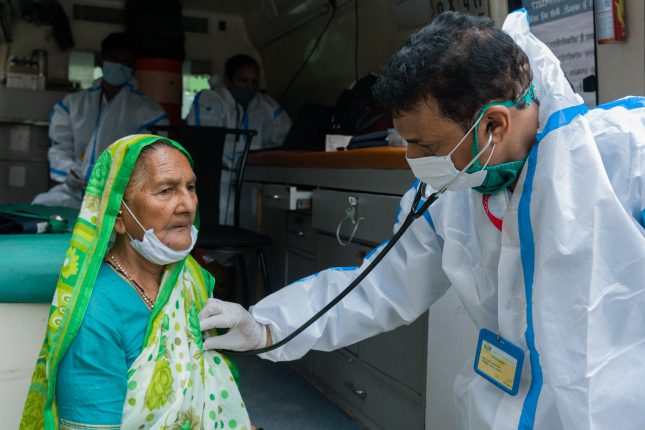
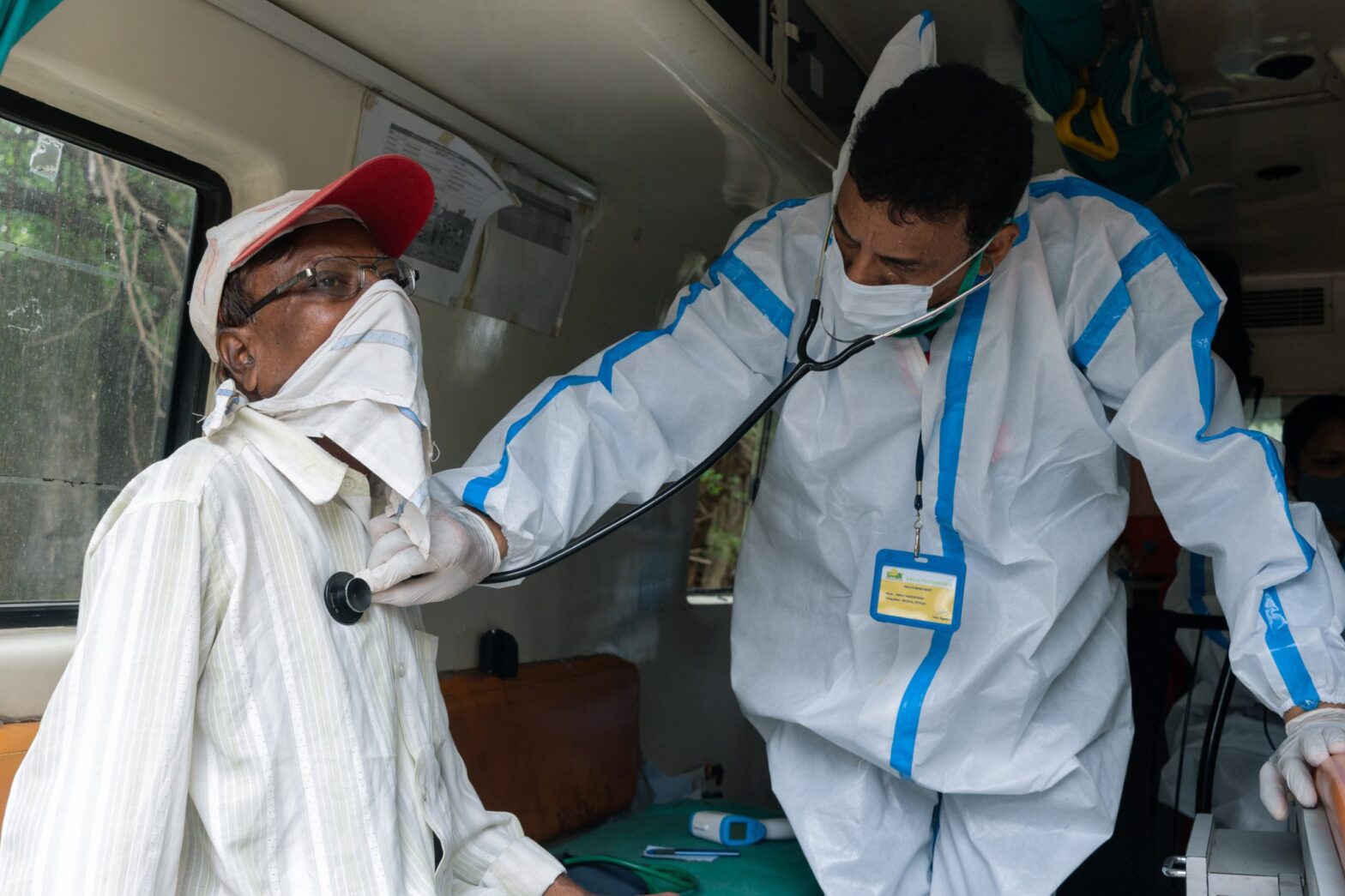
A patient getting a check-up at a Smile on Wheels van


What are the main causes behind heart diseases?


Till a few years back, heart diseases were believed to have affected elderly people more. However, with changing lifestyles and the advent of new kinds of diseases, such as COVID-19, the young and seemingly healthy people are also at risk.


Sitting for hours in front of the computer, eating unhealthy and junk food, pulling all nighters, and eating adulterated food are some of the reasons behind an unhealthy heart. Add to this the lack of physical activity, use of tobacco products (like cigarettes and bidis), and consumption of alcohol. All these factors together contribute to the risk of cardiovascular disease.


Why is heart health more important than ever?


The coronavirus, directly as well as indirectly, has contributed to the increasing heart-related problems. Being stuck at home once can develop issues like high blood pressure, high blood sugar, gaining excess weight, all due to the lifestyle we are now leading. Ordering in junk food and not getting much exercise has become a way of life almost. All of this is contributing towards increased risk of heart attacks.


Additionally, increased risk of blood clotting and heart attack is also possible if one contracts COVID-19, or it could be a post-recovery complication. Thus, the coronavirus has had a direct impact on heart health as well.


Against this backdrop, the World Health Federation, through the World Health Day, aims to educate people about the risk of heart disease. This can be done by controlling risk factors such as tobacco use, unhealthy diet, and physical inactivity. If everyone adopts these heart-healthy ways of living, at least 80% of premature deaths from heart disease and stroke can be avoided.

Categories
In The Spotlight

Celebrate Daan Utsav 2022 with Smile Foundation

Daan Utsav is held every year from October 2 to 8. It is a special week of giving in India where people from all walks of life come together to celebrate the joy of giving. This year, Smile Foundation is celebrating Daan Utsav 2022 through the ‘Give A Smile’ festival.


Impact of ‘Give a Smile’ during Daan Utsav


Shiksha na ruke 4 672x430 1
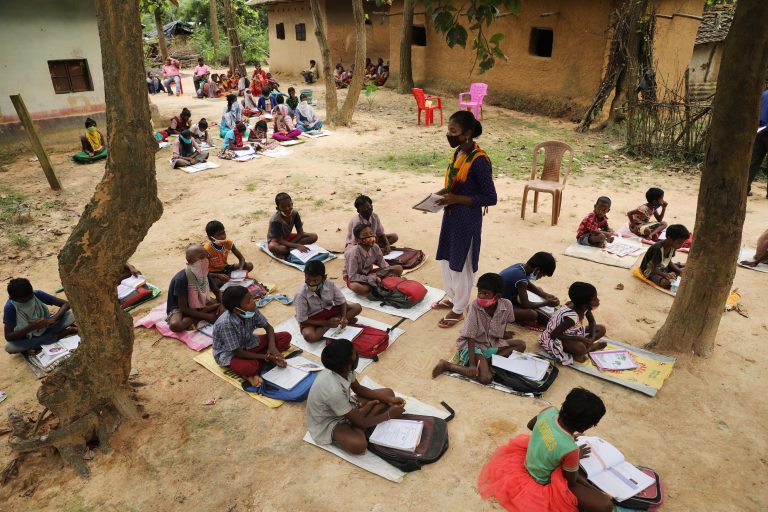
A cluster learning session at Smile Foundation’s centre. Photo by ARIJIT SEN


All funds raised by Smile Foundation from the festival this year will go towards the Shiksha Na Ruke campaign. The goal is to raise awareness and support the education of over 50,000 children who are currently enrolled at our centres. The campaign also aims to reach out to another 50,000 children living in difficult circumstances across the country and bring them under the fold of education through the blended learning approach.


How does it work


Shiksha na ruke 2 768x512 2
Students during a cluster learning session amid COVID pandemic. Photo by ARIJIT SEN


In today’s time, employer branding is a vital aspect of conducting an efficient business. Employees too want to be part of something bigger and a socially aware and sensitive organization provides that.


The ‘Give a Smile’ Festival is an opportunity to show your social commitment. And institutions can do this while engaging their employees in constructive and enjoyable ways. Instead of being passive onlookers, this is a chance for employees to become active participants. As organizations spearhead the campaign, their employees become agents of change in the lives of underprivileged children.


Give a Smile 1 420x379 1
Each entry can make a difference

Organizations and employees can contribute to bringing about a positive change in the life of an underprivileged child. The ‘Give a Smile’ Festival takes place over a month and culminates in a finale celebration on 7­‑8 October 2021. We have organized over 25 different engagement activities and competitions for employees and their families.

For each activity, an employee can make a voluntary contribution in the form of the participation fee. All donations to Smile Foundation are 50% tax exempted under Section 80G of the IT Act.

There are also special award categories for corporate.

Smile-a-thon Championship – The corporate with the maximum number of awards

‘Give a Smile’ Festival Championship – The corporate with the highest number of participants.

Companies such as Birlasoft, R1RCM, Mastek Foundation, SBI Card, and Cosmos Maya Animations have already partnered with Smile Foundation for this initiative.


Thought behind Daan Utsav


Like any other festival in India, Daan Utsav is also celebrated with much fanfare. But this is one of the few festivals which do not have any religious or mythological context. Rather, it is all about sharing what you have with those who are less privileged.


The inception of Daan Utsav can be traced back to 2009. Since then, it begins every year on the occasion of Gandhi Jayanti, 2 October, and culminates a week later. The participants of this grand festival are not restricted in any way. Entrepreneurs and CEOs, companies and employees, parents and children, schools and colleges, all participate in the festival of giving.

Categories
In The Spotlight

National Education Policy 2020: A way to turn around Indian education?

The Union Cabinet of India approved the National Education Policy 2020 (NEP 2020) on 29 July 2020. It defines the goal for India’s new education system. The new policy has replaced the 1986 National Policy on Education. In both rural and urban India, the program provides a comprehensive framework for education. This includes basic through higher education as well as vocational training. The initiative seeks to completely restructure India’s educational system by 2040.


When the policy was announced, there was some confusion as to the medium of instruction. The administration confirmed shortly that no one will be forced to study any particular language. Moreover, it will not be necessary to change the medium of teaching from English to any regional language. Rather than strict rules, the NEP suggests guidelines that are advisory in nature. States, organizations, and schools can decide how to implement it.


Origins of the policy


A group led by former Cabinet Secretary T. S. R. Subramanian began the consultation process for the New Education Policy in January 2015. Former ISRO chief, Krishnaswamy Kasturirangan, released a draft NEP in 2019 based on the committee report from June 2017. The Ministry of Human Resource Development later announced the Draft New Education Policy (DNEP) 2019, which was followed by a series of public discussions. The NEP Draft was 484 pages in length. “Over two lakh proposals were received from 2.5 lakh gram panchayats, 6,600 blocks, 6,000 Urban Local Bodies (ULBs), and 676 districts,” according to the Ministry.


Vision of National Education Policy


National Education Policy 2020 envisions an India-centric education system. By delivering high-quality education to all, it contributes directly to our nation’s long-term transformation towards an equal and thriving knowledge society.


The NEP 2020 includes numerous reforms to India’s education policy. It aspires to increase public education spending from around 3% to 6% of GDP as soon as possible.


The policy amplifies the use of native or local languages as a language of instruction until Class 5, with the recommendation that it be maintained until Class 8 and beyond. Sanskrit and foreign languages will be given priority as well. Under the guidelines of the policy, all pupils should learn three languages at school. At least two of the three languages must be Indian native languages. It also stipulates that the pupils will not be forced to learn a language.


When it comes to teachers and teacher education, NEP 2020 proposes a number of policy adjustments. By 2030, a 4-year Bachelor of Education will be the minimum prerequisite for becoming a teacher. In addition, there will be improvements and transparency in the teacher-recruiting process. By 2021, the National Council for Teacher Education will draft a National Curriculum Framework for Teacher Education. And by 2022, the National Council for Teacher Education will draft a National Professional Standards for Teachers. The policy aspires to ensure that all teachers are passionate, motivated, highly qualified, professionally educated, and well-equipped teachers at all levels of schooling.


Latest developments in National Education Policy 2020


On 21 September 2021, the Union Education Ministry formed a 12-member national steering group. This group seeks to establish a new national curriculum framework (NCF) in accordance with NEP 2020. K Kasturirangan, who previously led the NEP 2020 drafting group, is chairing this committee.


Latest reports suggest that a tech platform will also be set up to accept inputs from states at the district and block levels. The suggestions gathered through the platform will be taken into account by the committee for drafting the framework.


The committee will finalise the framework only after the committee takes into account comments from numerous stakeholders. These include states and union territories, the NCERT’s Executive Committee (EC) and General Body (GB), and the Central Advisory Board on Education (CABE). The NCERT Director will work with the committee to finish its module.

Categories
Insights

Why prenatal care is important for all women

Prenatal (or antenatal) care is the first step towards the good health of the mother and child. It refers to the regular medical care recommended for women during pregnancy.  Prenatal care is important during pregnancy to ensure that doctors or midwives can treat any potential health problems and mitigate any avoidable health issues. It benefits both the mother as well as the baby. All women need access to prenatal care during pregnancy.  Skilled care during childbirth, and care and support in the weeks after childbirth also play vital roles for the good health of the baby and mother.


What does prenatal care include?


It includes a range of measures including, but not limited to:


Monthly doctor visit during the first two trimesters (from week 1–28)

Fortnightly doctor visit from 28th week to 36th week of pregnancy

Weekly visits after week 36


Physical examinations as part of prenatal care consist of medical examination of the expecting mother as well her primary caregiver.


Ultrasounds are an important diagnostic test that must be conducted during pregnancy.  As they are consideredquite safe, they are widely used to monitor the health of both mother and fetus.  The ultrasound test is used to check a number of things.


Multiple fetuses

Possible risks to the mother and child

Fetal malformation (such as club foot, cleft palate, clenched fists)

To monitor the development of the fetus

Determine due date


Government interventions for prenatal care


The Government of India recommends that every pregnant woman must make at least four visits for prenatal care over the course of her pregnancy. Initiatives to improve maternal health have also been started by the government. As a result, the rate of preventable maternal death rates has gone down considerably.


As per UNICEF, the number of women and girls who die each year due to issues related to pregnancy and childbirth has dropped considerably on the global scale. There has been a 38 per cent decrease, from 451,000 in 2000 to 295,000 in 2017.


However, there still remain considerable gaps in terms of knowledge, availability of resources, and policies. There are also gaps between the urban and rural, and the rich and poor.  Economic circumstances play a huge role in the access to healthcare services.


Smile Foundation’s impact through Swabhiman


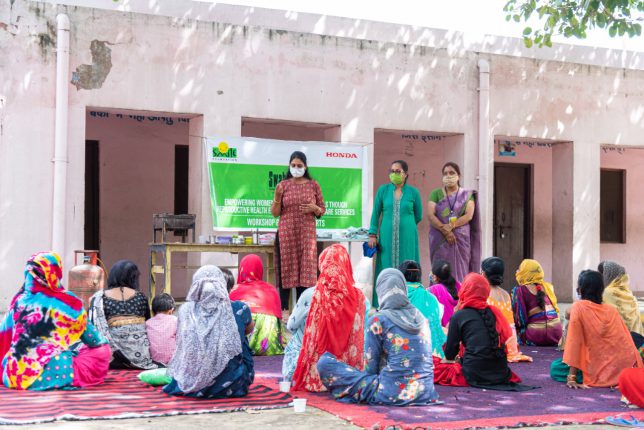
The Swabhiman programme works with women of various ages and circumstances, including pregnant and lactating women. As part of this programme, we also conduct workshops, awareness campaigns, and IEC activities with small groups of women as per community requirements.


The workshop at Alwar


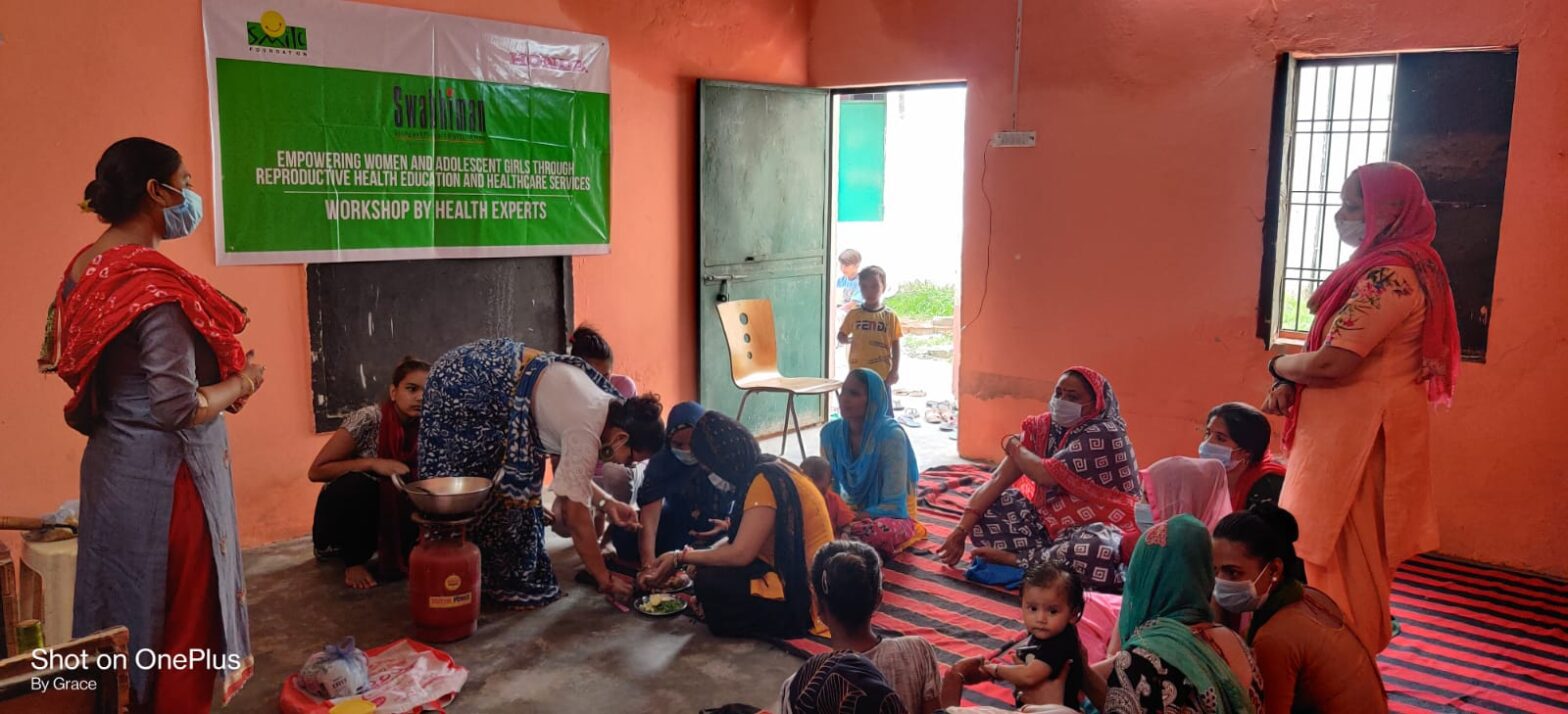
As per data collected from the intervention areas in Alwar and Greater Noida, women have very poor health indicators and cannot access government health institutes easily. The main issue for women in these communities is that they don’t understand the importance of a balanced diet for their own and their child’s health. Some of the discussions with pregnant woman revealed that they were not taking adequate diet.  Based on this data, we organised a low-cost recipe demo workshop in marginalised communities of Banbeerpur and Karoli of Alwar district. Women were trained on how to make meals that are tasty as well as healthy using easily available household items.


Interventions like these help women understand why prenatal care is important for both mother and child.

Categories
In The Spotlight

Working on NIPUN Bharat through Mission Education Initiative

Children are the backbone of our country.” We have heard these words on several occasions in different forums and conversations.  However, how can children be the backbone of our nation if we are not able to engage them in the learning and systematic growth of mental and physical well-being? The government’s National Initiative for Proficiency in Reading with Understanding and Numeracy Bharat scheme is aiming to do just that. And Smile Foundation is actively working on NIPUN Bharat through the Mission Education programme.


Data on foundational learning


Divya Tripura I love going to school and my dream is to become a doctor. 420x280 1
A beneficiary of Mission Education programme.

Research shows that 90% of brain growth occurs by the age of 5. This means that the quality of early childhood education has a crucial impact on development. The ongoing pandemic has widened the learning gaps for not having digital devices among children especially in the underserved community.

The Annual Status of Education Report (ASER) 2019 revealed that only 16% of children in Class 1 can read the prescribed text. Almost 40% cannot even recognize letters. This report shocked us about the learning progress of children at the primary level. Foundational learning support at the primary level is the key to all future learning for a child. Not being able to achieve these basic foundational skills of reading with basic comprehension, writing, and doing basic mathematics operations leaves the child unprepared for the complexities of the curriculum in the future. This may decrease the interest of the students in the school curriculum and lead to increased drop out rate.


The NIPUN Bharat Scheme


The “National Initiative for Proficiency in Reading with Understanding and Numeracy” (NIPUN Bharat) is being set up by the education department of Government of India. The purpose is to secure school retention and ensure learning of the children. Additionally, the scheme also seeks universal acquisition of foundational literacy and numeracy skills for every child by the end of grade 3. The target year for achieving this goal is 2026-27. 


COVID-enforced school closure for almost two years has greatly affected learning and cognitive development of children. We all need to address this at the earliest. We need to work on this mission on a war footing and leave no stone unturned.


NIPUN Bharat through Mission Education


Smile Foundation is dedicated to the education of children. Thus, we have taken all possible steps to connect with students through various means. Community-based cluster classes, apps-based learning support, visiting homes, and sharing worksheets through offline and online modes are some of the methods we have employed. We have been working with 49,000 children, largely first-generation learners in the underserved communities, through 240 Mission Education centres across 22 States and Union Territories. The children need regular follow-ups, motivation to continue their education, guidance to pursue their dreams, and empathy in communication. Disconnection from education would mean a learning loss for thousands of children.


Cluster class at Budi Bawal 768x512 1
Mission Education cluster classes towards NIPUN Bharat goals.


We have been working and promoting activity-based teaching support in curricular and co-curricular activities. Community-based trained teachers are helping us to implement this. This will help children improve their communication skills and also become well-versed in the subjects taught. These centres are located in the interior places of tribal and rural communities across the country. In these areas children have less exposure and guidance for holistic development. The Mission Education centres also feel proud to support the NIPUN Bharat scheme to achieve universal foundational literacy and numeracy.

Categories
In The Spotlight Partners In Change

Principals Meet Online to Discuss Best Practices in Blended Teaching and Learning

“Schools to be reopened,“ screams one newspaper headline. “Students from IXth upwards to start school twice a week,” declares another. “Third corona wave to be amongst children as they are the non-vaccinated group”, announces a third one. Amid this, one is left wondering whether blended teaching and learning is successful or not.


These kind of headlines and news articles leave school communities in a quandary. They are forced to question their own COVID SOPs for the nth time. Principles and teachers are still going back to their drawing boards to brainstorm and figure out the way forward. This includes education, learning, and the entire business of it all.


Child for Child’s ‘Best Practices’ digital mee


Online edu 1024x683 1
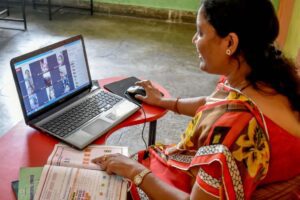
A teacher using online mode of teaching.


This background highlights the consternation amongst the school fraternity. The Child for Child programme decided to connect with as many heads of schools as possible. The purpose was to bring them on a common platform and arrive at some semblance of sanity about the way forward for education. The topic for the online principals meet was “Best practices followed by schools in blended form of learning and teaching”. This theme resonated very well with how the world views the future of education. It also covers how schools can prepare for the future, keeping a mix of online and offline elements in both teaching and learning.


Insights on blending teaching and learning


Principals were invited from across different regions. They all helped get an understanding of how different schools were dealing with the COVID situation. Apart from this, they shared their preparation for welcoming students and teachers back to school. They all initially shared insights from a year of blended learning and teaching during the pandemic. The past one year has brought immense learnings for every member of the school fraternity. Teachers, principals, students, and their parents are currently more comfortably placed. They are far better skilled digitally and have also procured devices and gadgets that facilitate education almost seamlessly.


Teachers are better placed when it comes to dealing with “zoom bombers”, absentees, off videos, and inattentive students. Children have also accepted digital classrooms with gusto. They have become more disciplined and adept at submitting their assignments while managing their friends in the chat rooms. Parents are also more aware and more comfortable with online learning after a year. Their presence during classes has reduced, their misgivings are addressed more quickly. Now they have accepted that digital is here to stay in some form or the other. Even the school staff started going to school after getting vaccinated to maintain the infrastructure. They are playing a key role in planning the reopening of schools.


Dealing with a pandemic


With all these key elements in place, the discussions veered towards managing schools and education seamlessly amidst a pandemic. Apart from COVID, education also gets disrupted for reasons like school closure due to pollution or an outbreak of a vector-borne disease! It emerged that the blended teaching and learning model could continue even if schools were to reopen fully. Elements of digital education would be integrated in mainstream education.


Dr Kusum Kanwar, a participating principal

The participating principals talked at length about how the school fraternity had risen to the challenge of the pandemic. They have adopted new-gen technology and adapted to the unprecedented situation in an unbelievably short time period. The teachers have put in a lot of hard work. And the tech teams have managed to put together an ecosystem for flawless teaching and learning.

Some schools are now designated as Microsoft-supported schools to maximise the use of MS teams.

Mr. Baljinder, Principal of Dayanand Model School, Nakodar, Punjab, was of the view that the pandemic actually helped his school. They began looking into innovative ways of learning and teaching. For instance, they adopted gamification and used educational apps for certain lessons. They plan to continue using these even after schools reopen completely.


Paving the way forward


Mr. John Bagul Principal South City International School Kolkata West Bengal 1
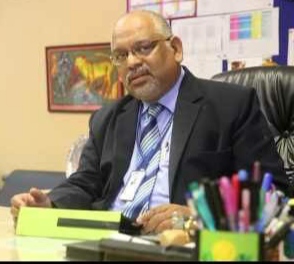
Mr. John Bagul, Principal of South City International School, Kolkata

All principals stated that when schools adopt the New Education Policy, they would benefit from the blended teaching and learning methodology. Although it arose due to the pandemic, it ended up removing unnecessary clutter from daily lessons and improved the useful.

It was noted that completely online setup also comes with drawbacks. In the offline mode, children learn a lot from being present on school premises. They get to interact with their teachers and friends and can also make effective use of the in-campus sports infrastructure.

Mr. John Bagul, Principal of South City International School, Kolkata, mentioned that his school was using Promethean Interactive Whiteboards. They had encrypted security. The school also focuses a lot on mental well-being of everyone to ensure that students do not become socially awkward during the time spent away from home.


International School Fraternity


There were a few heads of institutions from Indonesia and Uganda as well. They shared stories of how the COVID situation in their countries had brought school infrastructure to its knees. They also shared their learnings outside the classroom. Dr. Ni Putu Tirka Widanti, President of Yayasan Green School, Bali, Indonesia, gave a virtual tour of her school’s eco-friendly campus. She also shared that her residential students often took many sessions online even pre-pandemic while also picking up from green schooling philosophy of “Learning from Nature”. This blended form of learning helped her school fraternity move completely online without any issue.


Smile Foundation showing the way ahead


The participants appreciated Smile Foundation for playing the role of a facilitator of such think tanks. The Child for Child team hopes to continue ideating such meets amongst school fraternity. We want to ensure that education continues–online, offline or in a blended form with best practices!


The panel discussions  were not only riveting to listen to but there was also a huge amount of learning for the principals and heads of institutions from each other during the meet. They reiterated how a blended form of education would be the new way of teaching and learning.

Categories
In The Spotlight

Celebrating International Literacy Day 2021

International Literacy Day is celebrated on 8 September every year. It reminds the global community about the importance of literacy for everyone, including individuals, communities, and societies. It also aims to push for more intensified efforts towards more literate societies.


The first International Literacy Day was celebrated in 1967. It began as an initiative to remind the common people about the importance of literacy to ensure dignity and human rights. A more literate society leads towards a more sustainable society.


This day draws attention to the fact that there are still millions of people who struggle to gain literacy even today, let alone receive a formal education. It is meant to create awareness about the importance of literacy, numeracy, and education. These should also be made accessible to those who need it the most.


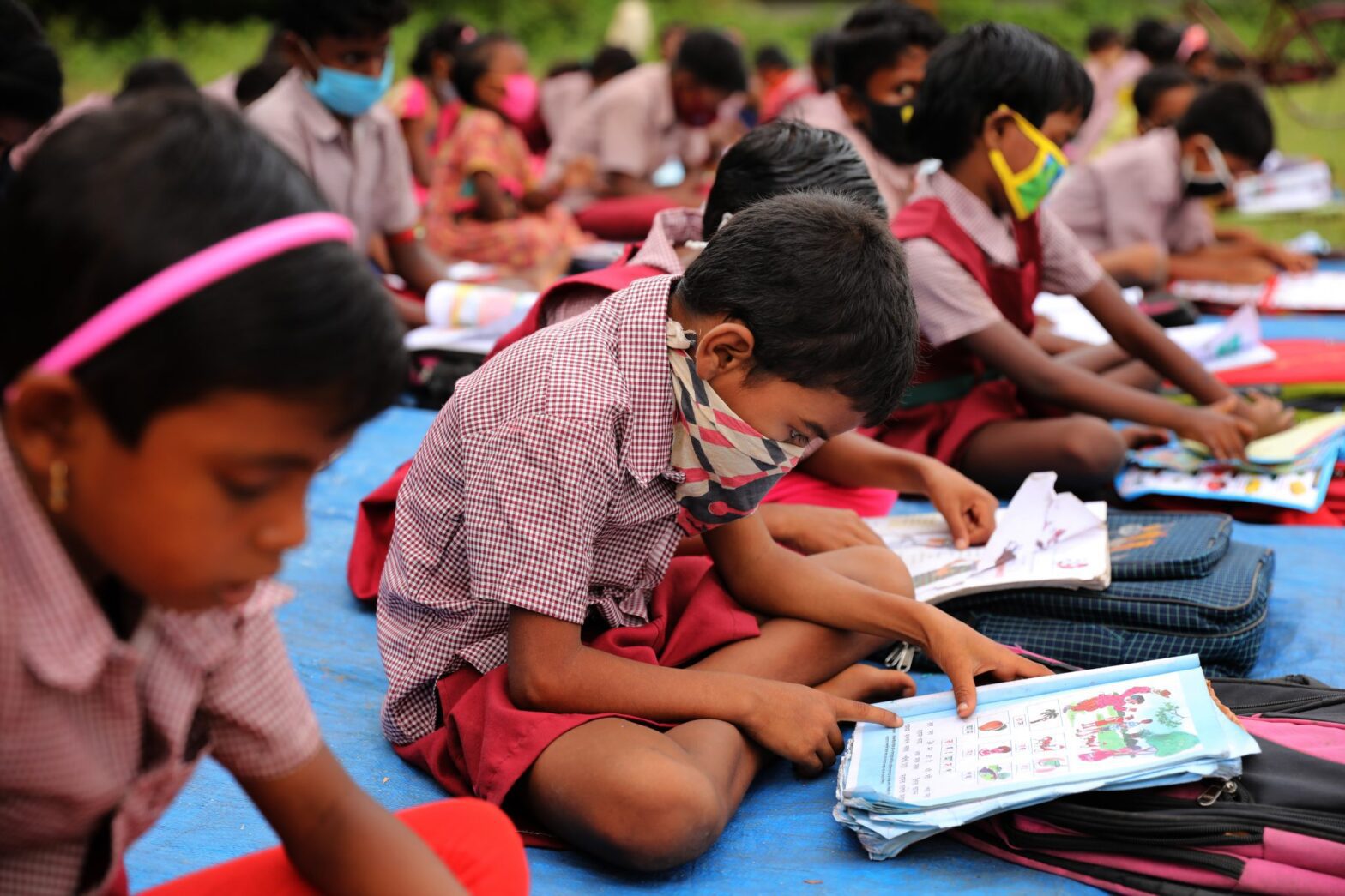
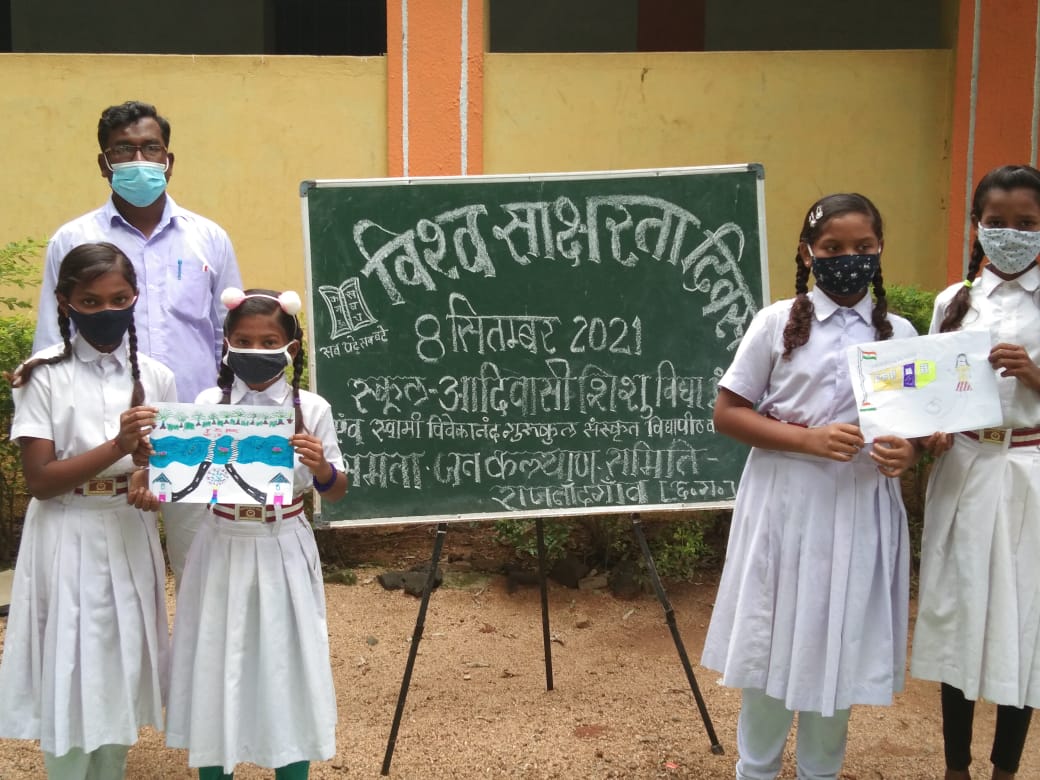
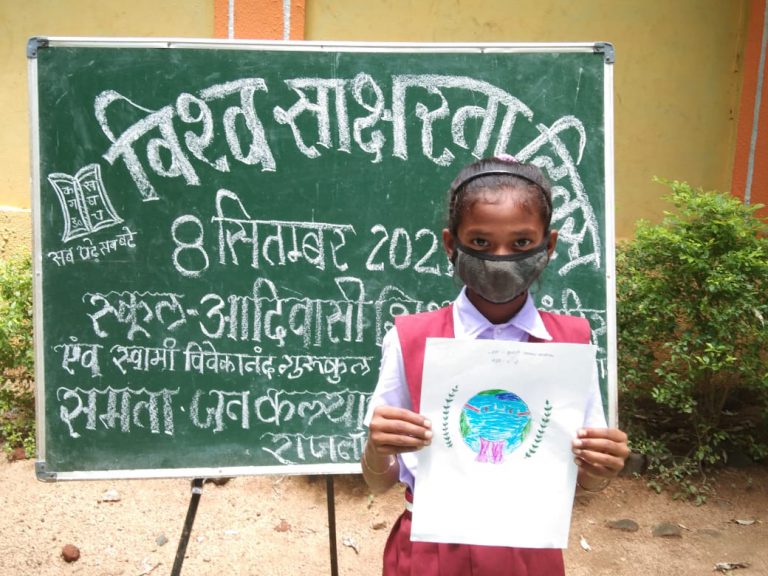
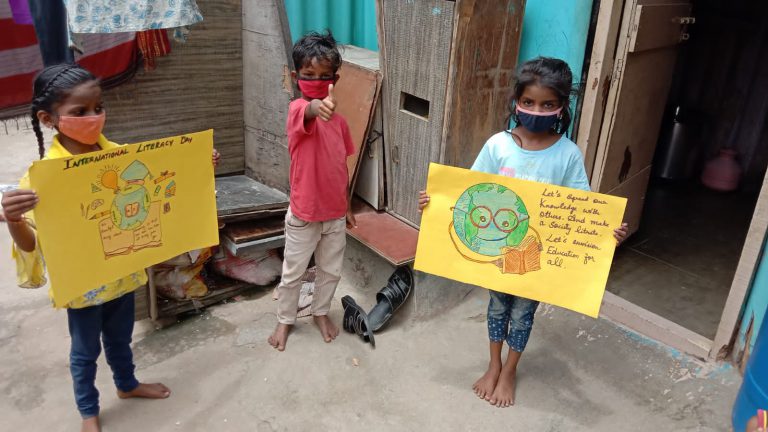
International Literacy Day being celebrated at a Mission Education centre

Why literacy?


As per UNESCO data, at least 773 million adults worldwide lack basic literacy skills. While children’s education and literacy is often at the centre of the discourse, not many people think about literacy for adults. This is equally important for the development of a society and a nation.


Literacy is one of the key components of the UN Sustainable Development Goals. The target of Goal 4 is to ensure that all young people become literate and achieve numeracy. The adults who lack these skills should also get the opportunity to acquire them.


A literate population can open many doors out of poverty and unemployment. It may even open doors for entrepreneurship. Literacy is the first step towards education. Thus, it is futile to undermine the importance of literacy.


International Literacy Day 3 768x432 1
International Literacy Day celebrations at Smile Foundation’s centre

Theme for International Literacy Day 2021


As a result of the disruptions caused by the COVID-19 pandemic, the theme for this year is ‘Literacy for a human-centred recovery: Narrowing the digital divide’. The focus of this theme is to explore opportunities to spread an inclusive and technology-based literacy. It is very important to bridge the digital gap that has surfaced as a result of COVID-19.


It is vital to acknowledge that being literate and educated/informed can lead to our personal and professional growth and improve our overall lifestyle. Thus, education is one of the most important aspects of a human being’s development. International Literacy Day 2021 promotes this idea.

Categories
Insights

The Value of Breastfeeding Awareness

A child’s nutrition is the building block of her future health. It is important to nourish children right from the moment they are born. This is why it is vital to breastfeed children. However, there is a lack of correct information around the benefits of breastfeeding. Thus, breastfeeding awareness campaigns play a key role in educating mothers and community members about the importance of breastfeeding. 


The government as well as various non-profits and social development organisations have a number of community mobilisation activities to promote awareness about breastfeeding. 


Breastfeeding benefits for the baby 


Many new mothers may be unsure about breasfeeding their baby. This is possibly due to a lack of awareness or an overdose of confusing information. However, as per medical professionals and researchers, the benefits of breastfeeding are many.  


Breast milk is easily digested by babies and it contains the right amount of nutrients. Moreover, as your baby grows, the breast milk’s composition and quantity also change to suit the baby. 

It is easily available, even when you are on the go. You do not even need to heat it as it is the correct temperature for your baby. 

It helps your child develop immunity against various viruses and bacteria. Thus, babies who breastfeed tend to fall sick less often. Latest studies suggest that lactating mothers who got the COVID-19 vaccine can pass on antibodies to their babies through breast milk. 

Breastfeeding promotes healthy weight gain in babies and also helps prevent childhood obesity. In addition to this, breastfed babies self-regulate their milk intake as they consume only as much as they require. This develops healthy eating patterns. 

Some studies also suggest that babies who are breastfed are smarter and have higher IQs. 

The bond between mother and child is strengthened during breastfeeding. 


It helps mothers too! 


Elders in the community and family often know about the pros of breastfeeding for the baby. However, very few people are aware about how important and useful it is for the mothers too. Below are a few ways in which it helps mothers. 


For many women, breastfeeding helps in losing the extra weight gained during pregnancy. It helps burn calories. 

During breastfeeding, the body releases hormone oxytocin. This helps the uterus to contract and go back to the pre-pregnancy size. 

Mothers who breastfeed are at lesser risk of post-partum depression, which is very common in new mothers. 

Women who breastfeed are at lower risk for many diseases—high blood pressure, arthritis, diabetes, and breast cancer. 


Breastfeeding awareness campaigns are the need of the hour 


The World Health Organisation recommends breastfeeding up to 6 to 24 months. In fact, some research even suggests that a baby should be breastfed as early as one hour after birth. Despite this being such a natural thing, there is a hush-hush attitude about breastfeeding. Due to this taboo, women are afraid to ask the necessary questions to educate themselves.


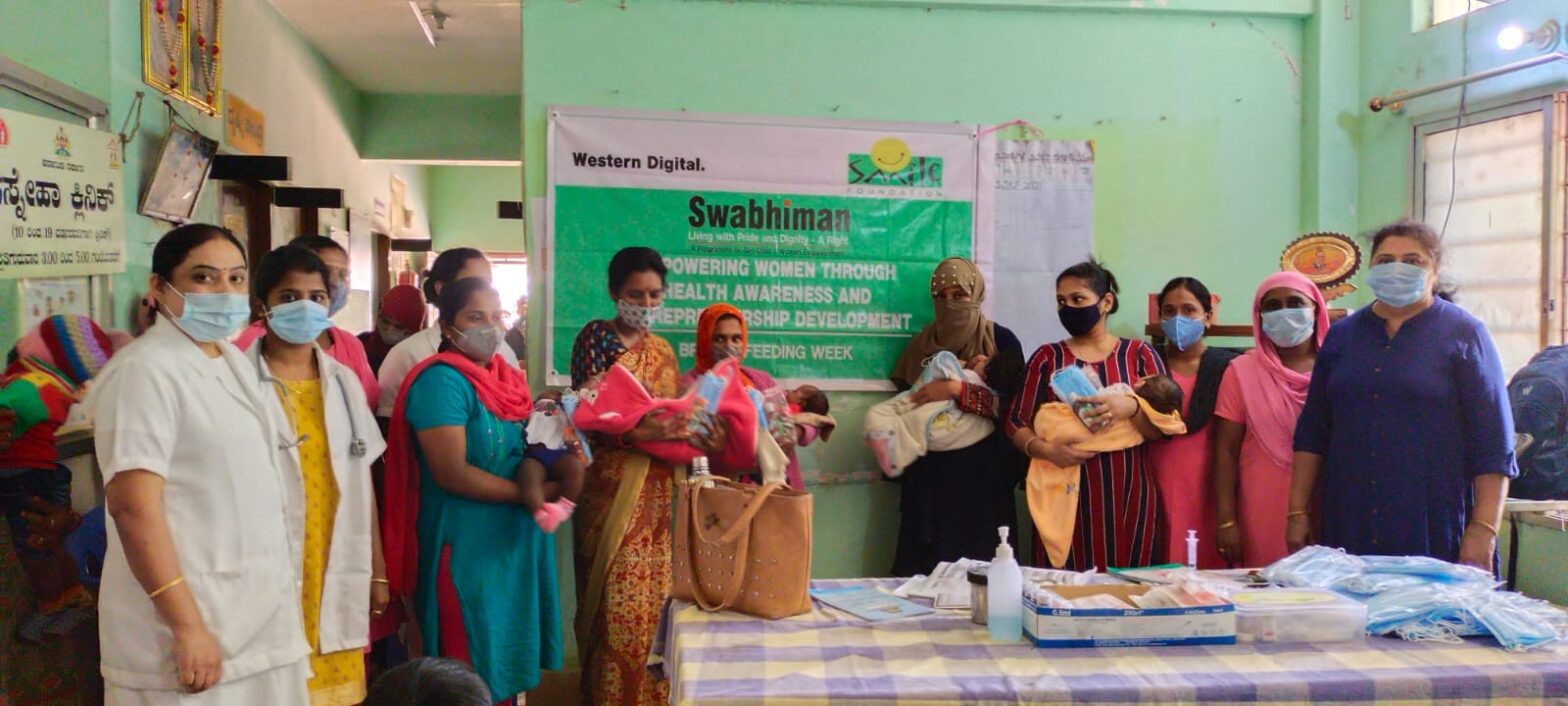
We at Smile Foundation understand the nutrition and health needs of both mother and child. Thus, under our Swabhiman programme, we organise various sessions for underprivileged and at-risk women. For instance, a breastfeeding awareness campaign was recently held in Bengaluru to inform and educate lactating mothers about the benefits of breastfeeding. 


The “Innocenti Declaration” was made by the WHO and UNICEF to make lactating mothers aware of the importance of breastfeeding and to revive the good old practice. The declaration states that “all women should be enabled to practice exclusive breastfeeding and all infants should be fed exclusively on breast milk up to 4 to 6 months of age as a global goal for optimal maternal and child health and nutrition”. 


Breastfeeding and COVID-19  


As the COVID-19 pandemic surged, lactating mothers were concerned about infecting their child in case they got infected. Initially, pregnant and lactating women were not even sure if it was safe for them to take the vaccine.


Now, doctors have clarified that COVID-19 does not spread through breast milk. However, mothers must follow all the necessary precautions while feeding their little ones. For instance, they must wash hands before and after touching the baby, wear a mask, disinfect surfaces, and so on.


It has also been declared that pregnant and lactating women can take the COVID-19 vaccine without risking the health of their baby.

Categories
In The Spotlight

Teacher’s Day: Celebrating Our Heroes during COVID-19

Teacher’s Day is celebrated every year on 5 September in India. It marks the birth anniversary of Dr S. Radhakrishnan, former president of India. As he was a beloved teacher and a favourite with his students, it was decided that his birthday should be celebrated as Teacher’s Day across the country.


When the COVID-19 pandemic broke out in early 2020, everyone was at a loss on how to deal with the situation. Among the worst affected were students and teachers, especially from the vulnerable communities. Unlike those with means and money, these children were left without any way to continue their education. As a result, the contribution of teachers has been vital to ensure that children’s education continues.


This Teacher’s Day, Smile Foundation salutes the contribution of teachers in these difficult times.


Celebrating innovation on Teacher’s Day


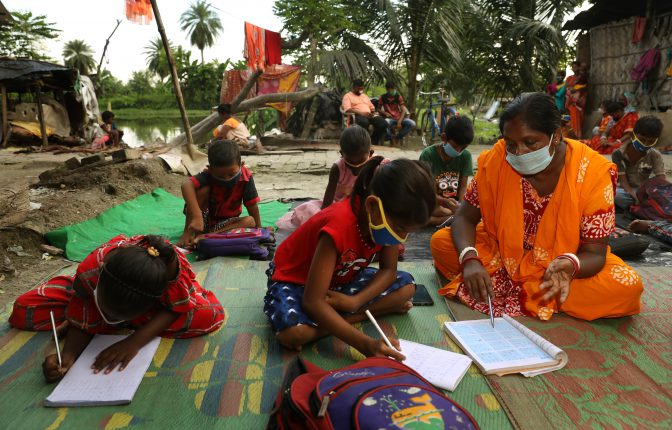
Sonali with a student


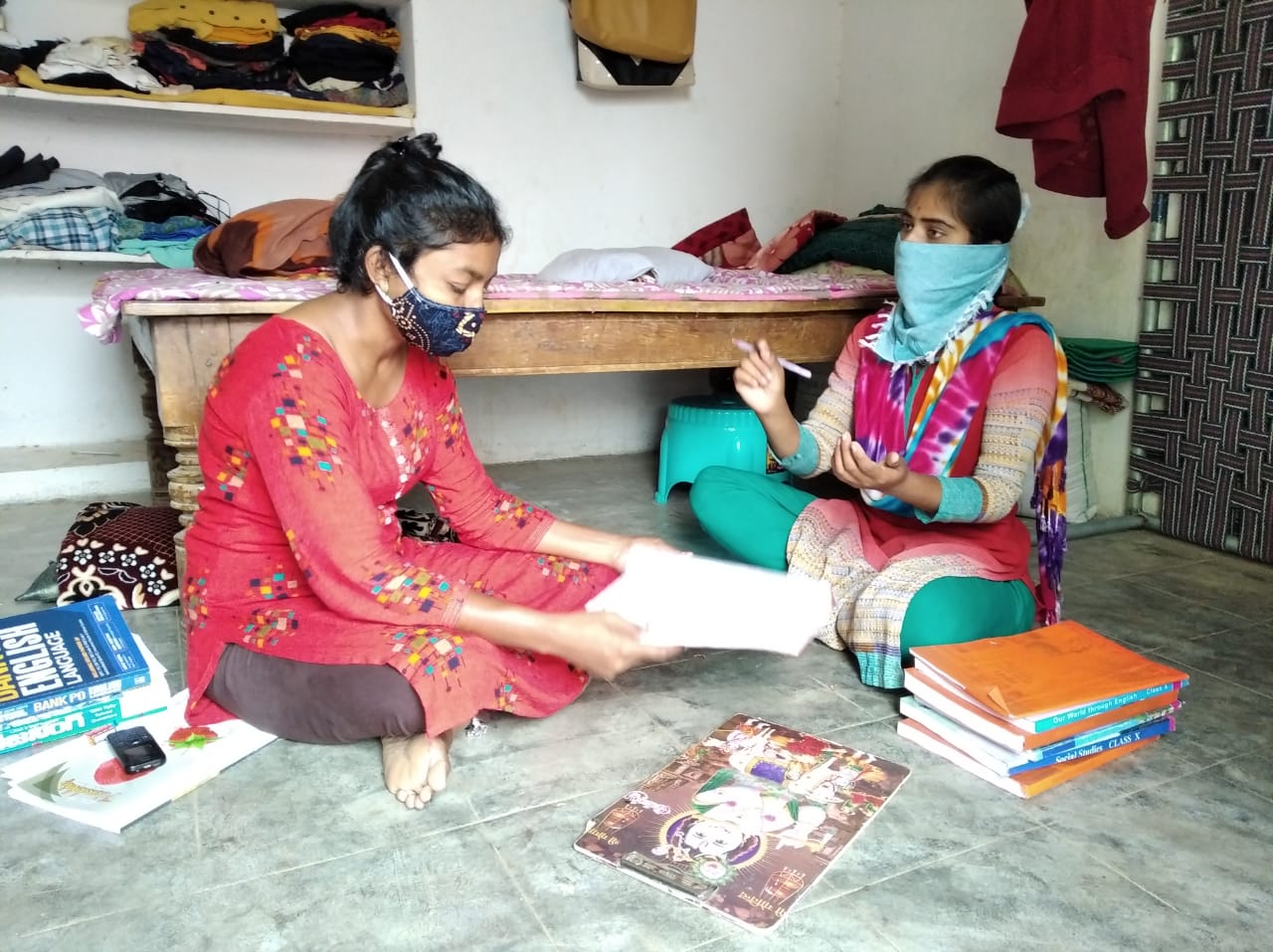
Sonali is responsible for teaching the higher classes at a centre for learners with Santhali background. Most of these students are first-generation learners and have a hard time grasping the subjects and topics in the curriculum. Thus, the challenges thrown by COVID threw them for a spin. Learning through online mode was even more difficult for them and was leading to a situation without hope.


Sonali belongs to a simple background and had limited knowledge of the Internet. To overcome this, she printed question papers of every subject and class to circulate among the students. Even under total lockdown, she was part of the team of teachers at food distribution centres distributing worksheets along with dry ration.


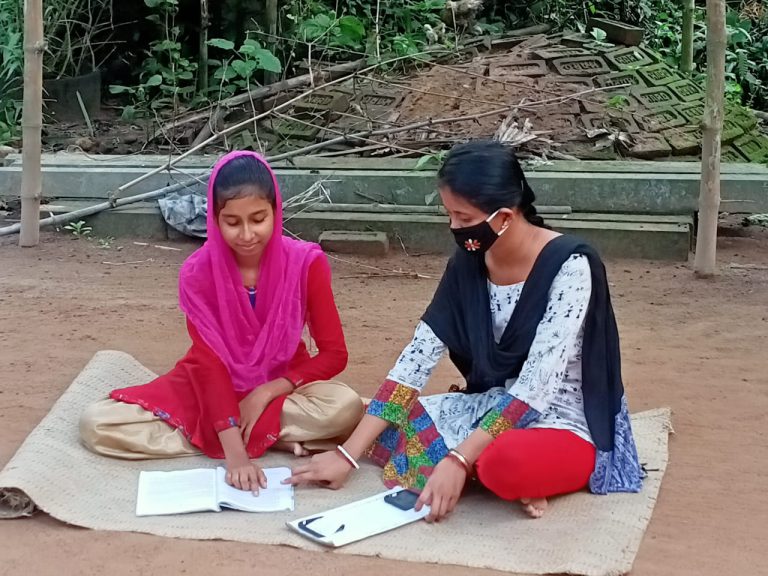
Through sheer determination, Sonali has developed a remote learning centre in all the village sin her area. The teachers here give all the students question papers each week, which they need to complete and bring back the next week. The centres maintain all COVID-19 protocols. Through this initiative, Sonali succeeded in maintaining a learning habit amongst students and also spread awareness about COVID-19 in the community. Sonali has proved to be not only a great teacher but also a change agent of the society.


All of us at Smile Foundation salute her grit and determination.

0%