Categories
In The Spotlight

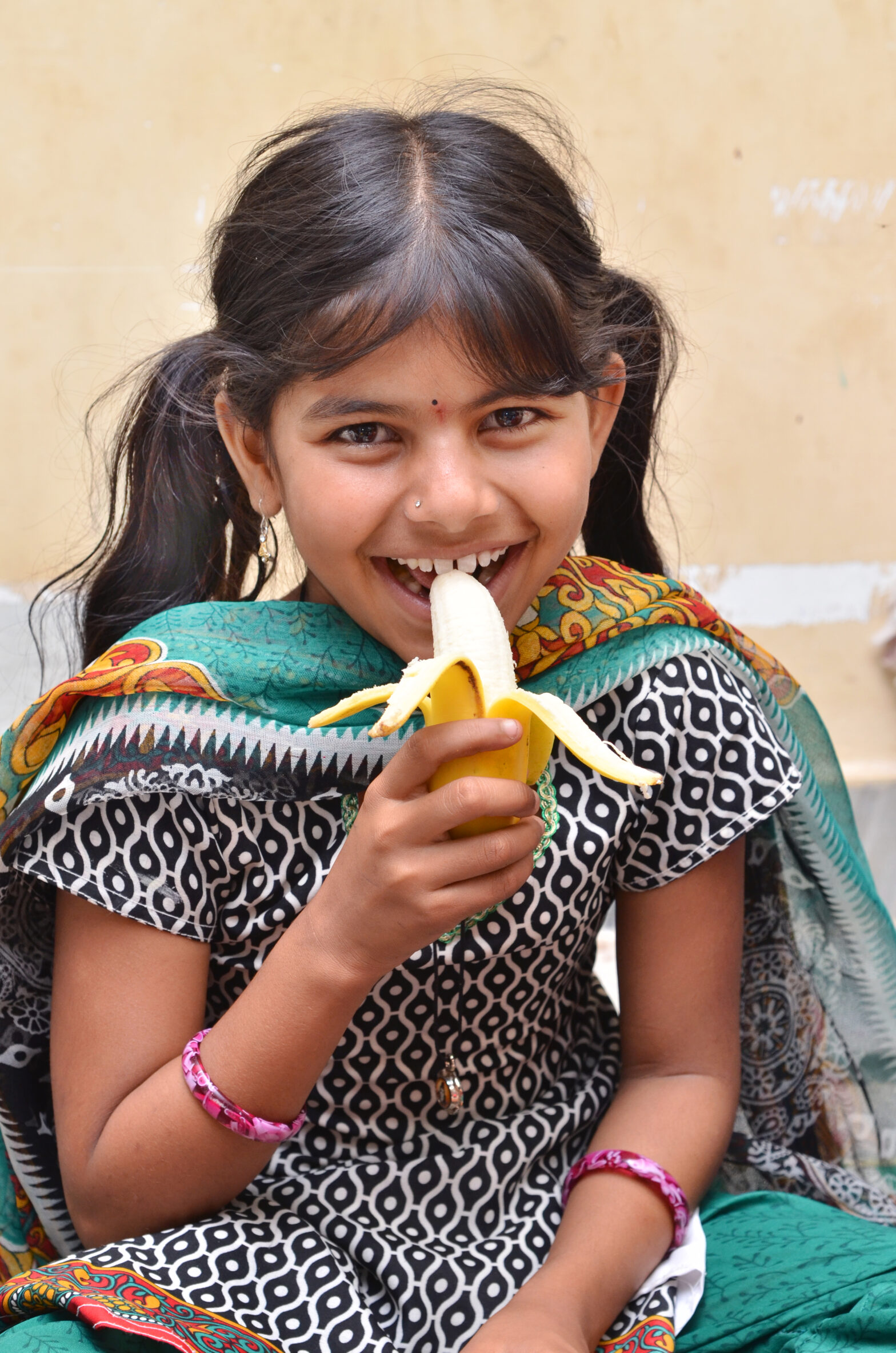
Vocational Training to Empower Adolescent Girls

Vocational training by Smile Foundation: Project Manzil


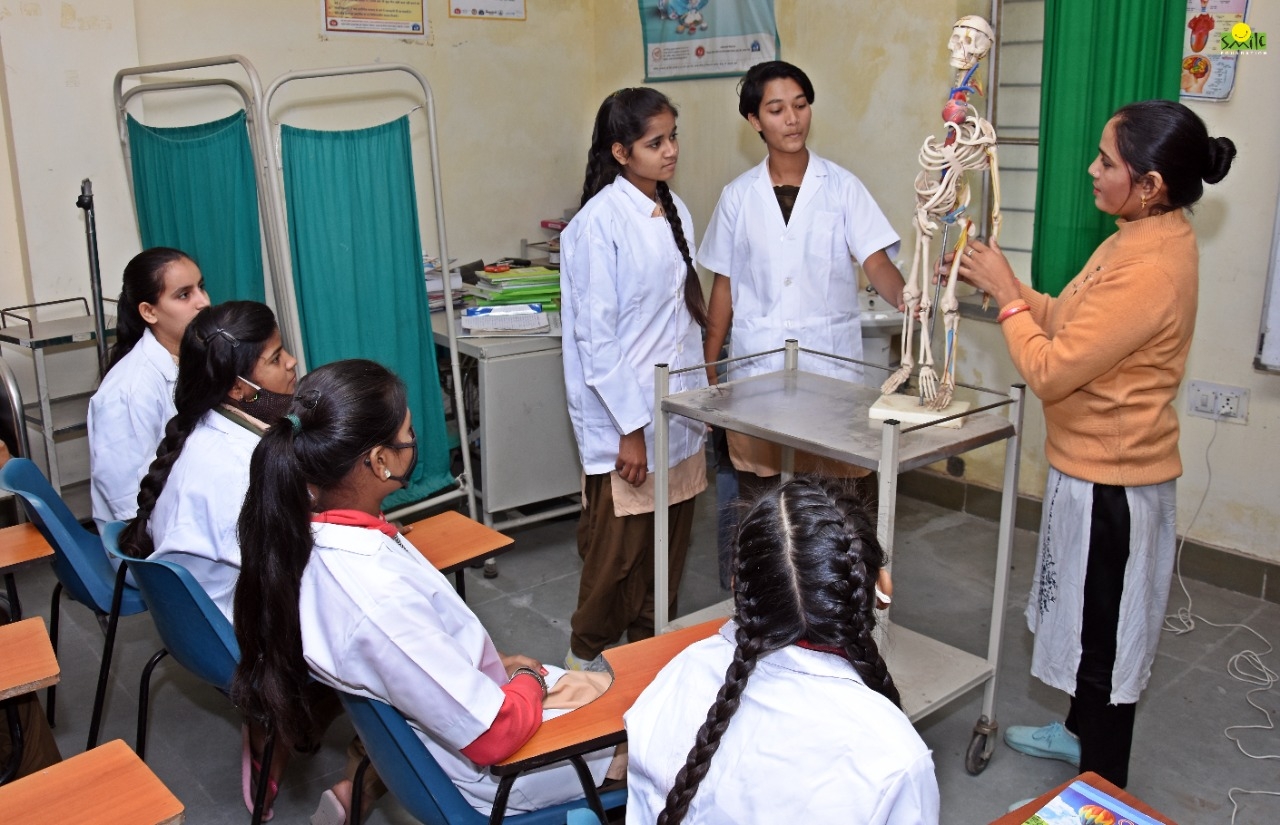
Vocational training is an important way in which one can improve their future. This is especially true for girls. Many parents and girls from smaller towns are skeptical about professional training and going to work in big professions and companies. However, they do have dreams for their future, of being independent and free. Smile Foundation’s Manzil project in partnership with IPE Global is helping thousands of such girls from Rajasthan gain vocational and on-the-job training (OJT). The project also seeks to retain girls in school and reduce drop-out rates.


We have already benefitted a number of girls under the project. Here are some of their stories.


Rajni

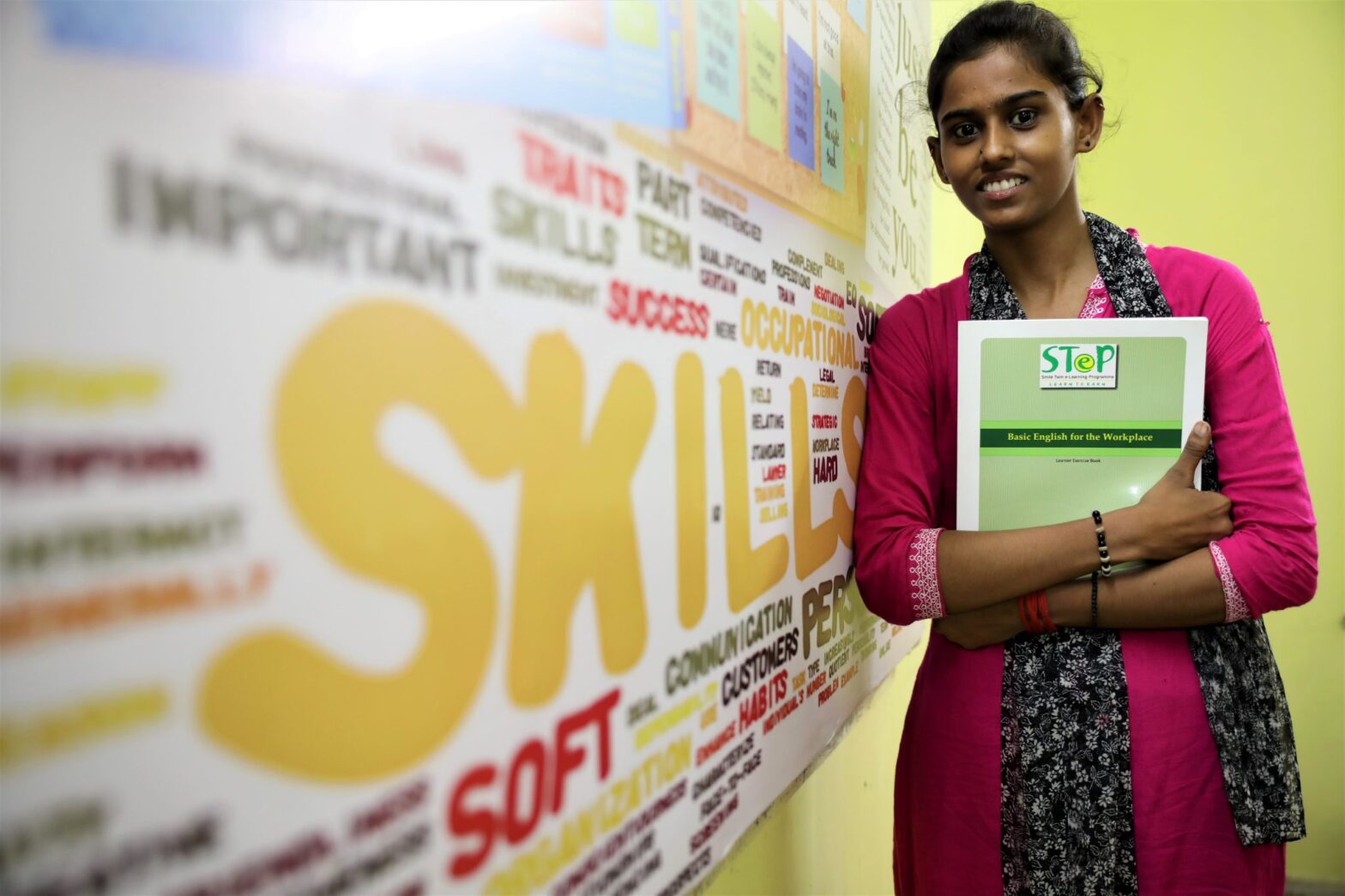
Rajni is receiving vocational training from Smile Foundation

Rajni belongs to a very poor family of Rajasthan. She is one of four siblings, all still studying. Her father died a few years back and now her mother is the only earning member of the family. She works very hard as a domestic helper in other people’s homes. However, taking care of four children and ensuring they get a proper education is no mean feat.

Rajni is a bright girl who has completed her schooling in 2021. Despite her meagre means and circumstances, she scored 93.16% in her boards. She is now pursuing her bachelors degree, but given her situation, she is eager to learn skills and become more employable.

The Manzil program has helped Rajni embark on her path to success. As she wanted to gain vocational training in a lucrative sector while she continues her studies, she enrolled in the online classes for healthcare training.

She learnt a plethora of skills through the Just Learn App under Manzil Parijona. Eager to learn more, the young women expressed her desire for OJT at a hospital. Smile Foundation facilitated 15 days of OJT for Rajni at a hospital, which she has completed with flying colours.

The training has done wonders for Rajni’s self-confidence. She is now confident that she can work as a General Duty Assistant (GDA) at any hospital.

In future, she aspires to join the Rajasthan Administrative Services (RAS).


Farah


Farah resides in Bhinay village of Ajmer district with her family in a rental accomodation. Her family belongs to a very humble background. Farah’s father has only studied up to 5th standard and her mother is illiterate. Her younger brother has dropped out of school after class 8 and now works as a plumber to contribute to the family income. As far back as they can remember, Farah’s family has relied on daily wages and manual labour to earn a living. However, she wants to break this chain and create a stable future for herself.
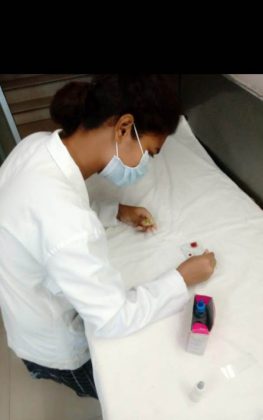
Farah is also getting vocational training under the Manzil Project


Farah’s journey to Smile Foundation’s Manzil program


After completing her 12th standard, Farah enrolled for a bachelors degree. However, her family was unable to pay the fees. Hence, she had to opt out of the course and she has lost at least one year of her education. She started helping her mother make lace at home. It takes Farah and her mother almost the entire day to prepare 1 lace, and they get the measly sum of Rs 20 for per lace.


Farah has an interest in the healthcare sector, and she is enthusiastic about working in the sector. A counselling session organised by Manzil at Bhinay Vidyalaya made her aware about the online training sessions. As a result, she was soon enrolled in the program.


Trained for the future


After joining the Manzil program, Farah received OJT at Getwell Hospital in Vaishali Nagar. She proved to be an enthusiastic learner; her behavior and passion were appreciated by the hospital staff. Farah now plans to continue her studies and has enrolled in the bachelors course again. Eventually, her dream is to pursue her career in the health sector and support her family financially.


“By joining life skill classes, I found my confidence and the earlier hesitation has gone away. I have never gone out of the house alone, but now I go to the hospital alone every day. My fear of doing things alone has gone. I also have the confidence to speak openly now,” she shares.

Categories
Insights

Digital Education during the Pandemic

COVID-19 has impacted all areas of life globally and created various issues and problems. People have been forced to accept the uncertainty. The ‘new normal’ was everywhere. Many people lost their near and dear ones. Beyond the staggering impact on human life, the pandemic has disrupted the access to education as well. The research says that more than 168 million school-going children across the world have been forced to stay at home as their schools have been closed for over a year. This is where digital education during the pandemic has shown its importance. The pandemic forced education departments and school managements to find innovative and practical approaches to continue teaching and learning.


Digital education: The new alternative


The unprecedented situation has provided an opportunity to discover new and alternate ways of teaching. Children from privileged classes had access to digital devices. They remained in touch with their teachers, classmates, and the school, and were able to continue their education. The same is not true for underprivileged and vulnerable children. Their access to to digital education is limited or non-existent due to financial crisis.


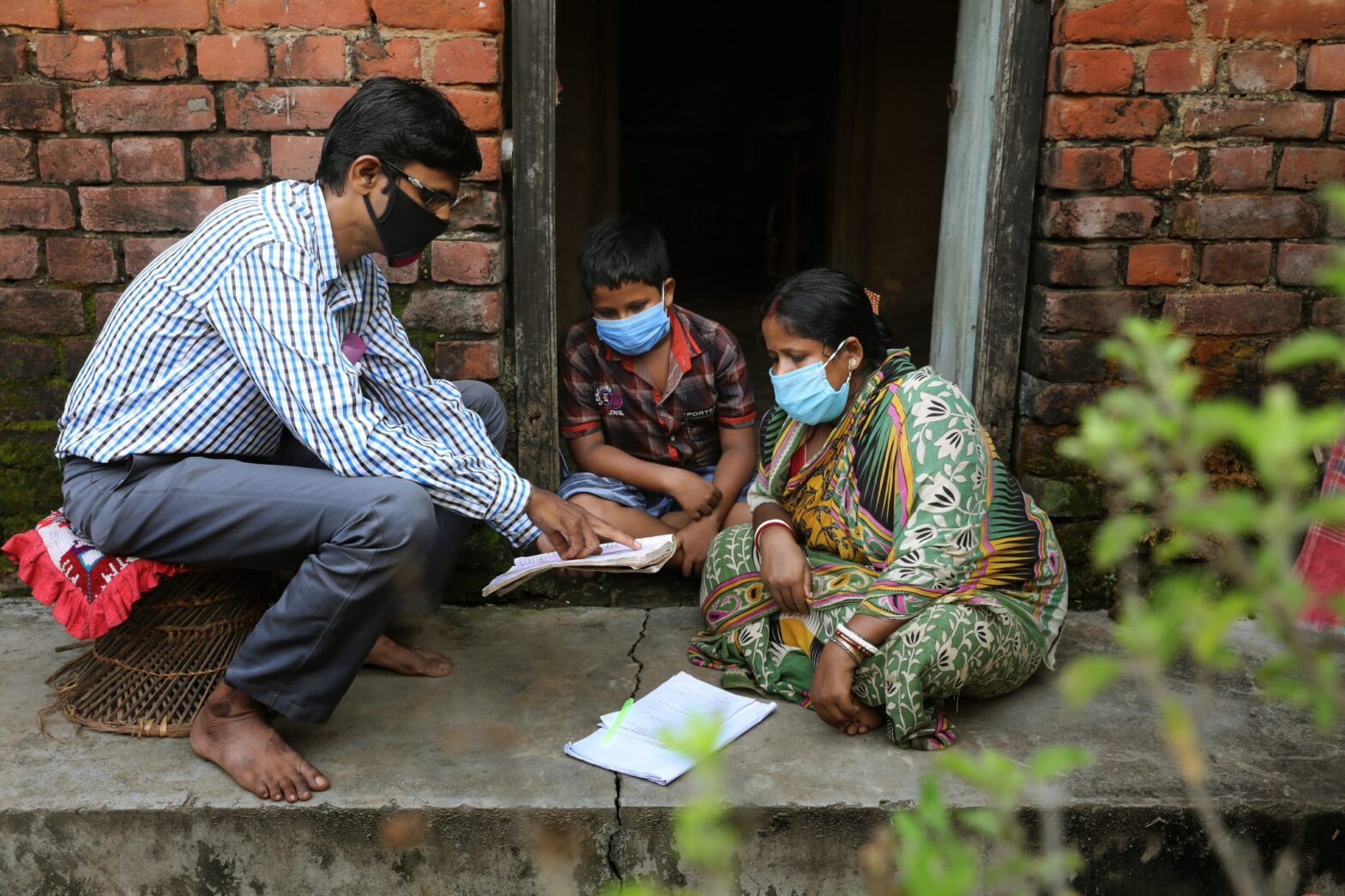
When the mode of learning and teaching went virtual, some children kept learning by watching education channels on television etc. Academic facilitators of Smile Foundation also went to homes of students and took classes there, with strict adherence to COVID guidelines. When the relaxation was announced by the government, some children from rural areas were able to start attending cluster classes along with digital classes.


In Tamil Nadu, for instance, students of government schools tend to follow rote learning instead of concept-based learning. But during COVID-19, the teachers have created WhatsApp groups to circulate the syllabus and content. Learning videos are also shared on these groups. This is also true for schools (private and government) in many other states.


This method has had a positive impact on many students. They were able to focus more due to concept-based video learning. In a way, digital education has helped children come out from the rut of rote learning to concept-based learning.


Spreading awareness through Shiksha Na Ruke


Even amid the pandemic, we have been educating children as well as parents through our Shiksha Na Ruke campaign. Counselling parents as well as children is an important aspect of our work on the ground. Through our WASH programme, we are creating awareness. These are effective in preventing COVID-19 infection as well as for the overall health and nutrition of the child.


Through our Mission Education programme we are not only focusing on children’s learning ability but also concentrating as holistic development. We are using the children as change agents and reaching their parents and the society.


Effect of digital education on nutrition


Regular hand washing is the effective proven method to prevent coronavirus infection. Maintaining social distance also helps reduce the risk of contracting the virus. However, diet and nutrition also play a major role during the pandemic.


Due to school closures, many children lost their access to mid-day meals. These meals were a major source of healthy nutrition for children from vulnerable sections of society. They were assured of at least one good meal a day even during financial woes at home. The pandemic threatened this severely as millions of children lost out on this meal, and thus on nutrition. While the government and civil society organisations have been making efforts to ensure that children are able to avail of this facility, there are still many gaps that need to be filled on this front.


Nutrition is intricately linked to immunity and to the risk and severity of infections. Individuals who are poorly nourished are at a greater risk of various bacterial, viral, and other infections. Chronic or severe infections can also lead to nutritional disorders or worsen one’s nutritional status. Therefore, paying attention to diet and nutrition are imperative during the pandemic.


During COVID-19, most of our supported beneficiaries’ parents lost their jobs. It was a tough time for them to survive especially in urban area. The pandemic crisis affect diets primarily through declining access to vegetables, fruits, and essential provisions. As part of our remedial programme, we have distributed dry ration kits to our supported beneficiaries at various locations to keep our beneficiaries stable and healthy. 

Categories
In The Spotlight

‘Want Youngsters To Be Inspired’: Ravi Dahiya Teams Up with Shiksha Na Ruke by Smile Foundation

Meeting an Olympian is a dream for millions of youth across the world. Thus, when Olympic medal winner Ravi Dahiya decided to visit a Mission Education centre to meet the children studying there, their joy knew no bounds.


To support the education of underprivileged children, Ravi Dahiya has teamed up with Shiksha Na Ruke campaign by Smile Foundation. This campaign was developed to help those children who lost their access to education during the pandemic. It uses the blended learning approach to ensure that education continues for the most vulnerable children of our country.


Ravi Dahiya teams up with Shiksha Na Ruke


Ravi Dahiya interacting with Shiksha Na Ruke students

The silver medalist visited one of Smile Foundation’s centres to interact with the children studying there. During his visit, he shared his personal experiences of his journey from a village in Haryana to the Olympic medal in Tokyo. He explained how he battled resource constraint and other difficulties in his quest for excellence. Dahiya shared that unflinching support from his parents was the vital ingredient for his success.


The underprivileged children studying at the Smile centres have all been deeply affected by the pandemic. Their education has come to a grinding halt as they do not have access to gadgets such as mobile phones, tablets, and laptops. ‘Smile Foundation came up with the campaign called “Shiksha Na Ruke” so that all children can continue to dream,’ Dahiya said at the event.


By joining hands with Shiksha Na Ruke, Ravi Dahiya has requested his fans to contribute to the campaign. ‘Please support underprivileged children by funding their education and contribute in providing them devices for uninterrupted digital education,’ he added.

Ravi Dahiya teams up with Shiksha Na Ruke

Of course, being a professional sportsperson himself, he also understands the importance of sports and holistic development for a child. “I would like to encourage children to start playing a sport. This can help them make a name and strong future for themselves. I would urge people to come forward and help in every possible way so that each child can attend classes and study without difficulty.’


Why Shiksha Na Ruke


Ravi Dahiya has teamed up with Shiksha Na Ruke to support this cause. ‘I hope this campaign will help in increasing awareness about the problems faced by underprivileged children who lack facilities for online education. Through this, I hope to motivate these children to face up to the challenges caused by the pandemic. I want youngsters to be inspired,’ Dahiya said about his association with Shiksha Na Ruke.


Under Shiksha Na Ruke, Smile Foundation provides tools for online education to underprivileged children. This includes smartphones and tablets, as well as data packs. It also creates educational content for delivery through radio, television, and door-to-door visits by its volunteers.


Moreover, Smile also trains teachers for the dynamic digital learning environment and counsels parents to ensure children’s active participation. Additionally, Smile Foundation runs helplines to deliver one-on-one mentoring sessions to children to keep them engaged.

Categories
In The Spotlight

International Day of the Girl Child : Digital Generation, Our Generation

October 11 is celebrated as International Day of the Girl Child. The idea behind the day of awareness is to spread awareness about the importance of nurturing girls globally.


This day for celebrating the girl child is also important to make people about the need for equality between the sexes. This includes areas and issues such as access to education, nutrition, legal rights, medical care, and protection from discrimination.


International Day of the Girl Child is also important in the world movement for women’s equal rights. Only girls who are empowered and educated today can become fruitful contributors tomorrow in the public and private spheres.


History of the day


International Day of the Girl Child was first observed in 2012. It emerged from a project of international non-governmental organization Plan International. The organization first began with their ‘Because I am Girl’ campaign for raising awareness around issues faced by girls globally.


It was decided that October 11 would be celebrated as International Day of Girl Child on December 19, 2011, at the United Nations General Assembly in Canada.


Theme for International Day of Girl Child 2021


For 2021, the theme is ‘Digital generation. Our generation’. The UN decides the theme for each year.


On the occasion this year, the UN explained about the theme. ‘Girls know their digital realities and the solutions they need to excel on their diverse pathways as technologists for freedom of expression, joy, and boundless potential. Let’s amplify the diversity of these tech trailblazers while simultaneously widening the pathways so that every girl, this generation of girls – regardless of race, gender, language, ability, economic status and geographic origin – lives their full potential.’


Why we need to celebrate girls


International Day of the Girl Child is important because it brings the challenges that girls face in today’s world to the forefront. This is simply an occasion to discuss these issues in the mainstream.


For millions of girls in India, access to education, health care, nutrition, and safety are still far-fetched dreams. This is true for women and girls in other developing countries as well. Awareness and information about these problems faced by girls worldwide is vital to the path towards gender equality.


A girl child has the same expectations, dreams, and aspirations as a boy. However, for girls, the way towards achieving these is much more challenging. Society has set different rules for girls and boys. As a result, girls can miss out on a lot of things such as education. Moreover, they also face mental, emotional, and physical impacts of this kind of discrimination.


Smile Foundation’s ‘She Can Fly’ campaign is an attempt to enable and empower girl children with quality education, proper nutrition, good health, and a sense of self-confidence. A girl needs all this to live life to its full potential.


This campaign is also a step towards sensitizing civil society at large. It aims to help create a girl child/women friendly society to help her thrive. It is the responsibility of each one of us to ensure that we are moving towards a future that is equal, safe, and prosperous for girls.


To empower the world, we need to empower the girl child first!

Categories
Insights

Promising Developments for Sustainable Livelihoods in the Next Decade

Social entrepreneurs in India, such as Smile Foundation’s Santanu Mishra, are exploring innovative ways to empower people to solve their problems. They are driving the developments for sustainable livelihoods. By building sustainable livelihoods, they are making room for more people to lead in their own communities.


The future appears bleak as COVID-19 affects millions of livelihoods in India. As of May 2020, according to projections, 104 million additional people in India could slip below the poverty line in the worst-case scenario.


Migrant labourers in the country report missing one to three weeks of work, resulting in an income loss of INR 4,000-10,000 per person (approx. USD 50-130).


livelihood is considered “sustainable” when it can provide a stable, dignified way of life even during times of crisis and change without jeopardizing the natural resource base.


One thing is certain: the human population in the next decade will be significantly larger than it is now. Despite the fact that global population growth is slowing, the world’s population could reach 9-10 billion people. And because this is going to put a strain on our existing natural resources, new sustainable modes of livelihood become more vital than ever.


While the challenges of our new reality are daunting, we have seen hints of success in recent years that can continue through into the post-pandemic future.


It has thus become important to talk about the favourable trends which are emerging for establishing sustainable lifestyles. Here are the top five that could leave an impact over the next decade.


Women are taking more responsibility for their finances


The last year, defined by the COVID-19 crisis and uncertainty, has brought financial issues to the forefront of women’s minds. As a result, a majority of them are now taking responsibility for their own finances. According to one survey, 60 % women agree that taking control of their money and financial destiny is the path to confidence. As a result, despite admitting to being risk averse, women are actively participating in financial planning decisions and investing more.


Social entrepreneurs providing innovative solutions to develop sustainable livelihoods


In light of the pandemic, various foundations have issued requests for collaboration on solutions with social entrepreneurs. Some have pledged to ease or abolish restrictions on current grants, contribute to disaster response money, and assist grantees in bringing about employee-related policy reforms. This opens up new opportunities for social entrepreneurs to innovate.


Social entrepreneurs are crucial change agents in producing solutions as aren’t in this for monetary gains. They work with people and have a more people-centric and holistic approach.


For instance, Smile Foundation, under the leadership of Santanu Mishra, has been innovating in all its programmes. Since the pandemic began, they have also adapted all their programmes to incorporate COVID-related relief work as well.


Use of technology to create novel solutions


Markets and market dynamics are greatly influenced by new technology. This has always been the case. However, in the digital era, as well as due to the COVID pandemic, it is happening quicker than before. We have seen how digital technology has impacted a variety of markets over the previous few decades. Streaming of content has affected the entertainment industry as a whole. Social networking has completely transformed the media industry.


Let us now look at 5G technologies. As 5G becomes a commercial reality, numerous new capabilities and opportunities arise. These include network slicing, ultra-low latency, lightening fast speeds, and high reliability, to name a few. And these capabilities are enabling a slew of new applications, ranging from remote control of vehicles in a mine to minuscule sensors with a 10-year battery life. These technological qualities will disrupt the current logic of many businesses. Also, it will open up new markets for those who see the possibilities, thus opening up new employment opportunities.


Artificial intelligence (AI) is another technology field that will create new markets and market niches across a wide range of industries.


Beneficiaries taking an active role in policy-making


The pandemic has shone a spotlight on policy-making. According to a PWC analysis, when stakeholders are not involved in the policy-making process, policies and initiatives often fail. Social entrepreneurs have demonstrated the importance of involving everyone in the solution.


Sajida Rahman Danny, who created the Parents Forum for the Differently Abled (PFDA) in Bangladesh, says, “When we first started our work, legislators barely interacted with organizations like us to receive comments or ask for participation in the creation of any regulations. There is an ongoing debate (with us) regarding the inclusion of individuals with disabilities in the workplace,” she says, adding that “the government is also establishing regulations to promote this.”


In the coming years, the role of governments will change such that more information is gathered from people and organisations in order to properly comprehend the problem.


Village-level entrepreneurs developing new business models


How can we use resources in a more sustainable manner? In the foreseeable future, a larger dispute will emerge at the micro-level, at the village level. Climate change and natural resource use will be taken seriously at these levels since they will be facing the brunt of the consequences and will be more aware of them.


Here, social entrepreneurs will play a crucial role in fostering a better knowledge of the problem based on its regional and cultural context. They will also be able to co-create models that are contextually appropriate. In this manner, we can move beyond the trap of developing a single model for all.


We will require a transparent structure that works in tandem with many communities. More inventive models that handle specific problems beginning with communities themselves will emerge in the coming years.


What will be the implications of these developments for sustainable livelihoods?


Social entrepreneurs in India are finding innovative methods to empower individuals to tackle problems in their lives. They are creating room for more individuals to lead in their own communities by building sustainable livelihoods.


These long-term tendencies are a sign of hope for a society where everyone can be a changemaker throughout any global crisis.

Categories
In The Spotlight

Smile Foundation and Big FM partner up for Shiksha Na Ruke

Digital technology and the Internet have taken over all aspects of our lives. Despite this, radio still remains the go-to medium for the masses. It is easily accessible in urban as well as rural areas. Thus, Smile Foundation and Big FM have partnered up to spread the word about the Shiksha Na Ruke campaign.


Over the next few weeks, Big FM and their RJs will be doing their part for this noble cause. Beneficiaries of the programme as well as our own COVID warriors will also be sharing their stories and experiences through the medium of Big FM. Their RJs across various different cities will share these endearing stories with listeners.


Smile Foundation and Big FM 1536x499 1
Shiksha Na Ruke campaign on their shows.” width=”750″ height=”244″ /> Big FM RJs have been engaging with the Shiksha Na Ruke campaign on their shows.


Association of Smile Foundation and Big FM for Shiksha Na Ruke


Did you know that nearly 60 per cent children in India do not have access to smart phones? With schools being closed, no Internet, and no online classes, how are these children continuing their education?


Schools are slowly reopening in phases after almost a year and a half. But the question still remains. How will these children get back to school? Will they be forced to drop out and return to the dreaded reality of child labour and early marriage? Staying at home can possibly lead to a huge learning gap for children who are still not able to access education. Currently, many state governments are still hesitant to open the schools. Thus, there is a certain air of uncertainty around the education and future of millions of vulnerable children.


Through the Shiksha Na Ruke campaign, we are following a blended mode of learning. We are also creating customized solutions for individual children with special requirements. Teachers are using smartphone-based app-learning modules, cable-based television learning programmes, one-on-one mentoring, home visits, cluster learning sessions, projector-based learning, and many other methods to ensure seamless education for children. The campaign seeks to provide education during the pandemic to children even in the remotest villages of India.


Our key interventions


Provision of smartphones and tablets for deprived children

Alternate learning mediums – curating educational content for radio, TV, door-to-door visits

Teacher training – To train them for the dynamic digital learning environment

Regular counseling of parents to ensure children’s participation

Ensuring mental well-being – Helpline services and one-on-one monitoring sessions for children to keep them engaged


As part of the campaign, we are also training teachers to adapt to the new digital environment. At the same time, parents are being counseled regularly on how they can support their children’s education. Along with this, value education lessons are also being conducted for the overall development of the children.


You can tune in to Big FM to learn more about the campaign and the people associated with it. You can show your support here.

Categories
In The Spotlight

Ravi Dahiya Teams Up with Shiksha Na Ruke

An Olympic medal is a dream-come-true for any sportsperson and also for their fellow countrymen. Thus, when India’s Ravi Dahiya won the silver for wrestling at the Tokyo Olympics, everyone was extremely proud of him. It is a source of great joy and pleasure for Smile Foundation that Olympian Ravi Dahiya is supporting our Shiksha Na Ruke campaign.


The 23-year-old wrestler is a source of inspiration for millions. The humble sportsperson, who is everyone’s favourite at the moment, will be visiting one of Smile Foundation’s Mission Education centres in a slum cluster in Delhi on 6 October. During this meet-and-greet session, he will interact with some beneficiaries of the Shiksha Na Ruke campaign. Meeting an Olympic medallist who is a household name is an unachievable desire for most people. However, Ravi Dahiya has set aside time for this cause—that each child has the right to continued education, even in the midst of the pandemic.


Children between the ages of 9 and 16 will get a chance to interact with Dahiya during this session. For these children from such an underprivileged background, meeting such an inspirational person can motivate them to a great extent. This can be the push they need to keep working hard and not give up, just like Ravi Dahiya.


He shares, “I also would like to encourage children to start playing a sport, which can help them make a name and strong future for themselves. I would urge people to come forward and help in every possible way so that each child can attend the classes and sturdy without much difficulty.”


Ravi Dahiya teams up with Shiksha Na Ruke to support children’s education


The COVID-19 pandemic has left over 24 million children globally at risk of dropping out of school. According to the Annual Status of Education Report (ASER) 2020, the number of out-of-school children increased tremendously in 2020 as compared to 2018, especially in rural areas.  Almost 5.3 per cent of rural children aged 6-10 years have not enrolled in school this year. In 2018, this number was 1.8 per cent. This is on account of various factors, which include financial constraints of parents and the digital divide between the urban and the rural.


Underprivileged children are still deprived of learning as they have no access to computers or smart phones. The pandemic has made their difficult journeys harder. For lakhs of such children, education has come to a halt. They can’t afford smartphones or Internet data packs.


Shiksha Na Ruke attempts to help these children continue their dream of getting an education.


Speaking on being associated with the campaign, Dahiya, said, “I am happy to team up with Smile Foundation for such a cause. I hope this campaign will help in increasing awareness about the problems faced by underprivileged children who lack facilities for online education. I also hope to motivate these children to face up to the challenges caused by the pandemic.


Shiksha na ruke 2 768x512 1
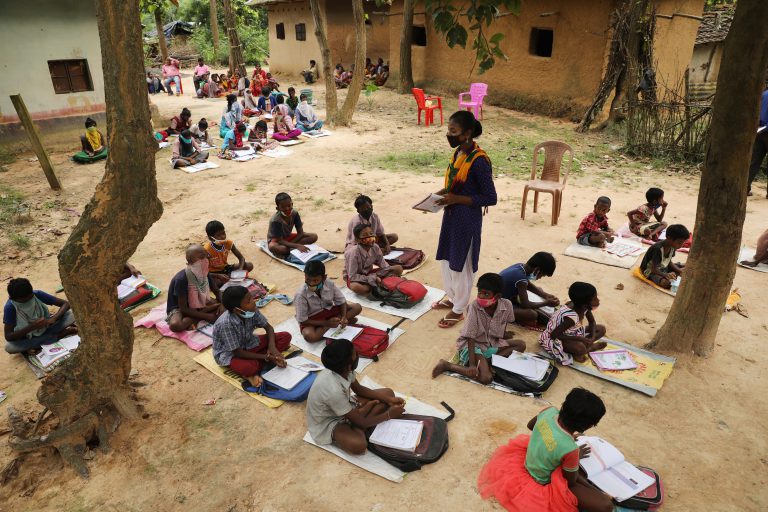
Students during a cluster learning session as part of the campaign. Ravi Dahiya has teamed up with Shiksha Na Ruke to support education for all. Photo by ARIJIT SEN


Key interventions under Shiksha Na Ruke


Tools for Education: Provision of smartphones and tablets for the deprived children

Alternate Learning Mediums: Curating educational content for radio, television, door to door visits

Teachers Training: Training teachers for the dynamic digital learning environment

Counseling for Parents: Regular counseling of parents to ensure the child’s participation

Ensuring mental well-being: Regular helpline services and one-on-one mentoring sessions for children to keep them engaged.


Ravi Dahiya supports Shiksha Na Ruke campaign. You can also donate now.

Categories
In The Spotlight

World Teachers’ Day: A Day to Honour Our Gurus

October 5 is observed as World Teachers’ Day every year to celebrate and recognize the importance of teachers throughout the globe. In the past one and a half years, we have all understood the value of teachers even more. They have been at the forefront to ensure continued education for millions of children across the globe. Thus, they definitely deserve a special day dedicated to them.


Origin of World Teachers’ Day


World Teacher’s Day was first observed in 1994 by UNESCO to focus on teachers and their concerns. This day is celebrated to honour UNESCO’s 1996 adoption of the Recommendations Concerning Teachers’ status to ensure the Fundamental Right of Education for all. 


These recommendations were adopted in 1996. They dealt with the rights and responsibilities of teachers, their achievements, preparations, and education. These recommendations also covered the aspects of recruitment, employment, teaching, and learning conditions. These along with the Recommendation Concerning the Status of Higher-Education Teaching Personnel in 1997 stressed on higher education. Governments from all over the world have recognized these guidelines and taken steps to value teachers in ensuring quality equation for all.


Theme for this year


Keeping in view the impact of lockdown on teachers and educators, the theme of World Teachers’ Day 2021 is Teachers at the heart of education recovery”.  This time, the focus is on the impact of the pandemic on the profession. It also seeks effective policy response and actions required to empower educators and help them realize their full potential.


Why teachers deserve a special day

Dr APJ Abdul Kalam 642x430 1

Teachers play a pertinent role in education. And the exert a significant influence on their students, especially in the formative years. Education is not limited to just course work. Thus, teachers have a bigger responsibility of shaping students as individuals, and in ensuring that they grow holistically. A good teacher can motivate students to stay positive, learn good values, and contribute to a wholesome future for themselves, their families, and their country.

India has produced many great teachers. For example, Dr. Sarvepalli Radhakrishnan’s birthday is celebrated as ‘Teachers’ Day’ in India. Savitribai Phule is remembered for starting schools for girls of the Dalit community.  Great educators like Swami Vivekanand and A.P.J Abdul Kalam are also widely celebrated throughout the country.


Teaching-learning during COVID


The deadly COVID-19 pandemic has significantly altered the teaching-learning landscape. As the mode of education shifted online, laptops and smartphones became the new classrooms. Teachers who work with Smile Foundation have gone the extra mile more often than we can count. A case in point is mentioned here.


Geetha, a Mathematics teacher at a Mission Education Centre run by Smile Foundation at Hyderabad says that Mathematics is a difficult subject to teach. During the pandemic, it was tougher as the teaching shifted online. “Due to collected efforts by other teachers and constant support by Smile Foundation, we used various online modes to teach children and eventually shifted to offline classes”.


On the one hand, there were many teachers who weren’t familiar with the online mode of teaching. Initially they had a difficult time in coping with new “classroom” spaces. Adjusting to the online mode was as difficult for teachers as it was for the students. Teachers had to become innovators during this period to ensure that their students did not suffer any learning losses during this difficult time. At the same time, thousands of educators across the world were also laid off due to huge economic losses following the pandemic.


Teacher’s role in the post-COVID world


Due to the pandemic, a lot of teaching-learning has become digital. As a result, there seems to be a potential threat to the role of teachers in school/college education. Another aspect of the teaching profession is the increase in digital divide. Therefore, there is an urgent need to re-imagine the role of teachers in the post-COVID world and take adequate steps to ensure that our educators are protected and empowered.


Categories
In The Spotlight

Second Batch of CtGA Youth Chapter Leaders Graduate with Flying Colours

Training the youth to make them better leaders tomorrow is an important aspect of social development and change. Thus, Change the Game Academy and KidsRights have joined forces to create ‘Change the Game Youth’.  Smile Foundation is the official partner for CtGA in India.


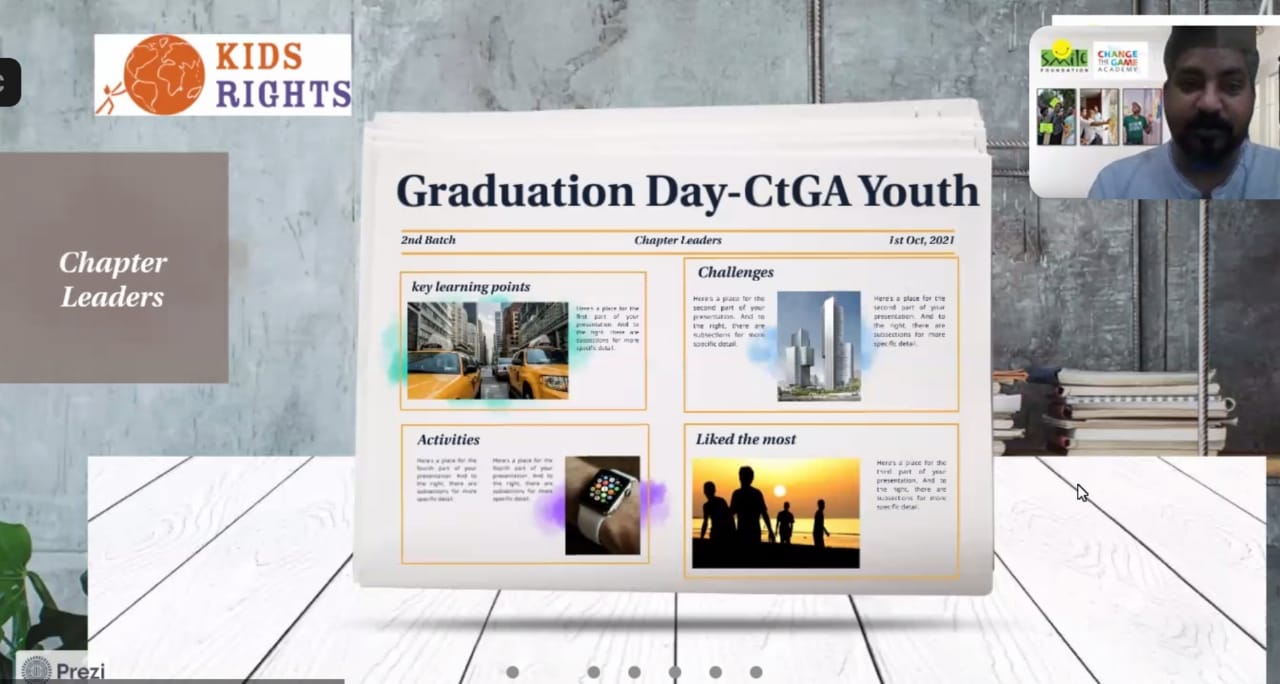
The partnership aims to support grassroots projects and young changemakers through projects, research, and advocacy. The second batch of CtGA Youth Chapter Leaders graduated on 1 October in a virtual ceremony. These young people are independently developing and implementing projects and networking actions on the ground with the help of CtGA Youth.


About CtGA Youth


This initiative seeks to create digital tools to support youth ambassadors ‘on the ground’. The youth ambassadors are selected by KidsRights. All these youth are eager to bring change in their respective communities. They are being trained by the CtGA coaches for the same.


CtGA started coaching the first batch of chapter leaders in 2020 as a pilot project. The successful project coached five chapter leaders in India, along with similar implementation in Kenya and Brazil as well.


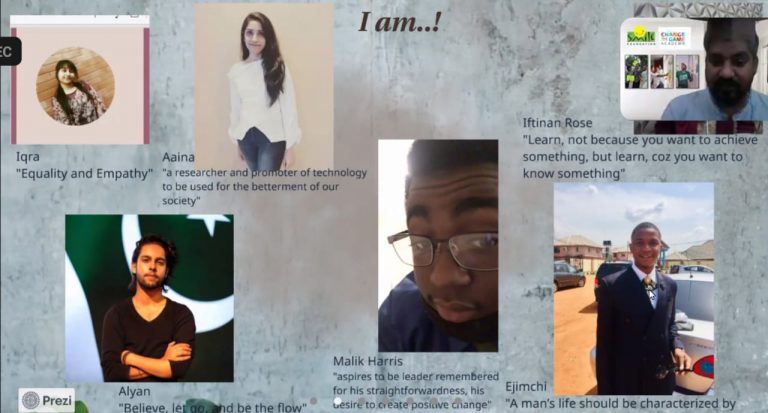
The 2nd batch of CtGA Youth Program is being facilitated by Wilde Ganzen Foundation of the Netherlands. They have collaborated with CtGA National Partners and KidsRights Foundation, the Netherlands. India had two chapter leaders in the second batch of this program–Iqra Khan from Panchkula, Haryana, and Aaina Lohia from Ludhiana, Punjab. Coaching has been done on modules of LFR, MS and Social & Leadership Skills for all chapter leaders. Youth leaders from countries such as Indonesia and Pakistan were also part of the training modules.


CtGA Youth Chapter Leaders from India


Iqra is a student of Claa 12 at Satluj Public School in Panchkula. She has experience of working as an intern at Rising Youth Model United Nations (RYMUN). She is skilled at creative writing, problem solving, team work, and collaboration.


Aaina is studying to become a computer engineer in Ludhiana. She is also a volunteer at Missing Link Trust. She is also a part of the marketing team of FM 90.8 MHZ Community Radio. Aaina brings a lot to the plate with her wide range of skills. She is well-versed with a wide range of design and communication tools. She works great independently as well as in a team.


Iqra and Aaina have both been actively involved in learning and implementation of the skills they have learned from the CtGA Youth modules. Since their training began, they have organized different activities around Sustainable Development Goals. Iqra has worked on a tree plantation activity. Aaina has been working on LGBTQI+ issues, inequality in education opportunities, and raising awareness about mental health.


WhatsApp Image 2021 10 01 at 4.58.17 PM 1 768x413 1


Second Batch Graduates


During the graduation ceremony, the youth chapter leaders and the mentors all shared insights about their work.


Nienke Nuijens from Wilde Ganzen Foundation was happy to share her thoughts. ‘CtGA was developed for leaders like you, to give you the tools you need.’


‘This was my first time as a leader, so I was very nervous. Although the activities we were conducting were successful, I was still feeling under-confident,’ Aaina shared. She further told her peers and mentors how she used the learnings from the CtGA modules, such as elevator pitch, to implement on-ground activities.


Iqra also shared her experiences of the CtGA training. ‘Before joining CtGA, I didn’t even know that I needed this! Working with the CtGA team, sharing thoughts and ideas, coming up with solutions—it has all been amazing. I especially found the module on mobilizing support very helpful.’


Santanu Mishra, Co-Founder and Executive Trustee of Smile Foundation also attended the graduation ceremony. “This is a reality that we are in the middle of a convergence of the physical world and the virtual world. At the same time, there exists a great disparity and inequality in the society. I believe that we must find a balance between both the extremes. At such a young age, you already know that this is what you want to do. You also have a vision of bringing real change, and you are committed to it. I think this is wonderful.”

Categories
In The Spotlight

International Day for Older Persons: Aiming for Digital Equity for All

October 1 is marked as International Day for Older Persons. This is an important day because elderly people are a vulnerable group. This day has been earmarked to celebrate the older generation. It is also for reminding everyone that it is important to take them into consideration while moving forward on the path to development. As per a report by the UN published in 2019, there are 703 million persons aged 65 or over. The regions of Eastern and South-Eastern Asia was home to the largest number of older persons (261 million). This is followed by Europe and Northern America (over 200 million). These large numbers make it more important than ever to bring into focus the issues faced by elderly people of our community.


eLDERLY PEOPLE 2 1536x1024 1


History of International Day for Older Persons


The United Nations General Assembly declared 14 December 1990 as the International Day of Older Persons. Before this, the Vienna International Plan of Action on Ageing was in place. This had been adopted in 1982 by the World Assembly on Ageing.


Following the declaration in 1990, the UN General Assembly adopted the United Nations Principles for Older Persons. Later, in 2002, the Second World Assembly on Ageing adopted the Madrid International Plan of Action on Ageing. All of these measures were taken to respond to the opportunities and challenges of population ageing in the 21st century and to promote the development of a society for all ages.


Theme for International Day of Older People 2021: Digital Equity for All Ages


Like every year, this year also there is a theme for the International Day of Older Persons—Digital Equity for All Ages. This theme seeks to affirm older people’s need for access and meaningful participation in the digital world.


The idea is to bring awareness about the inclusion of older persons in the mainstream. At the same time, we also need to address stereotypes, prejudices, and discrimination. Elderly people face all of this on the path to digitalization.


Need for protecting the elderly


Growing use of digital technology has transformed all aspects of our lives. It has impacted the way we live, work, and relate to one another. Despite the staggering impact of digital innovation in our lives, the International Telecommunications Union has done a survey revealing some notable figures. Almost half of the global population was using the Internet in 2019. However, the percentage of youth among this is 69 per cent. This shows that elderly people are not using the Internet as much. Moreover, their reports also indicate that women and older persons experience greater digital inequity. This can be due to various reasons. For instance, they may lack access to technologies or are not able to fully benefit from the opportunities provided by technological progress.


People from the older generation are at new kinds of risks in the digital era. They are prime targets for cybercrimes which can threaten their privacy and security. The policy and governance spaces have not been able to keep up with the rapid digitization of technology. Thus, digital equity is an important aspect in the life of an older person.


Objectives set by the UN for inclusion of elderly people


Bring awareness of the importance of digital inclusion of older persons, while tackling stereotypes, prejudice and discrimination associated with digitalization, taking into account sociocultural norms and the right to autonomy.

Highlight policies to leverage digital technologies for full achievement of the sustainable development goals (SDGs).

Address public and private interests, in the areas of availability, connectivity, design, affordability, capacity building, infrastructure, and innovation.

Explore the role of policies and legal frameworks to ensure privacy and safety of older persons in the digital world.

Highlight the need for a legally binding instrument on the rights of older persons and an intersectional person-centered human rights approach for a society for all ages.


0%