Categories
Insights

Are philanthropic efforts sufficient to curb issues such as world hunger?

Philanthropy is often counted upon to help mitigate various issues and crises. Many are of the opinion that it is the moral responsibility of the ultra rich to share their resources and money for the benefit of others. However, can we really say that $6 billion dollars donated by the world’s billionaires can help solve an issue like the world hunger crisis?


***


A recent war of words on Twitter has once again sparked this debate. This time, it is billionaire Elon Musk against UN World Food Programme. A controversy erupted when UN WFP Executive Director David Beasley said in an interview that just a fraction of the wealth of the world’s billionaires could solve world hunger. In response, Musk tweeted that he will sell his Tesla shares and donate $6 billion (2 per cent of his wealth) if the UN WFP could describe how the money will be used to solve world hunger.


As it turns out, Beasley responded to Musk saying that he had been misquoted. $6 billion will not solve world hunger. But it will resolve a host of other issues that lead to hunger in various degrees. Geopolitical instability and mass migration have pushed 42 million people to the brink of starvation. This is an unprecedented crisis, brought on by COVID, climate and conflict.


While the richest people in the world could possibly play a vital role in mitigating hunger, as urged by UN WFP, the problem goes much deeper than the availability of funds.


There are a number of causes for global hunger. Poverty, unemployment, food shortage and waste, market conditions, climate change, poor infrastructure, war or conflict, quality of nutrition, and discrimination are only a few. To address the issue of sustainable human development and to move towards that goal, an all-round approach is needed.


Issues such as hunger are quite complex. Thus, simple solutions, such as donating $6 billion in funds, cannot work for them. Apart from the logistical problem of providing meals, there are many other things to be taken into consideration.


On one hand, a situation of acute starvation demands urgent, quick, maybe on-time intense effort and resources. On the other hand, mitigating or ending hunger requires world communities and governments to deal with dynamic challenges such as war, pandemic, calamity, discrimination, shortage and wastage of food, lack of infrastructure, state of economy, poverty, and climate change. Moreover, even after hunger is dealt with, malnutrition will continue to be a major focus area that needs to be addressed.


Thus, setting a timeline or a fixed amount for mitigating this humungous task is fruitless. The problem of world hunger can be dealt with through focused and long-term awareness efforts around all these issues.

Categories
Insights

Could Vocational Training Be the Path to a Secure Future?

What is vocational training?


Vocational training is skill-based training that equips one to work in a particular field. This can be in sectors such as banking, health care, finance, computers, trade, tourism, and others. The purpose of vocational training is to impart practical knowledge to the students, over and above theoretical knowledge.


Skilled and efficient employees are the need of the hour. Every industry and every company is seeking well-trained employees. Vocational training helps youth who are just entering the workforce to gain skills. These make them more employable and perform better.


Why is vocational training important?


Skill-based training gives an opportunity to even those who are not academically very good. But that does not mean that vocational training is only for those who are not able to cope academically. Practical industry-based training gives one the knowledge required for a specific job. With the right vocational skills, any learner is better equipped for employment in the long run, whether they scored marks in school or not.


Moreover, academic and vocational learning are complementary to one another. For example, it is important for an engineering student to learn hands-on skills along with theoretical knowledge.


Tayyari Kal Ki providing vocational education


Smile’s Twin e-Learning Program (STeP) aims at skilling youth. It is not just a medium of education but also a means of nurturing their mental health and personality development. STeP facilitates their contribution in making the world a better place.


The livelihood program has succeeded where most ‘vocational’ training courses fail. It addresses the requirement of soft skills needed at the workplace and makes the candidates confident through personality development. So far, Smile Foundation has trained over 47,000 youth through its e-learning programs. More than 28,000 of them have been placed in over 200 brands through 95 operational projects across India.


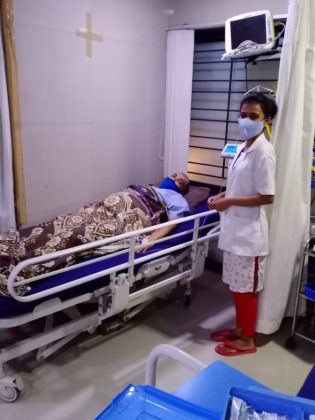
Since the pandemic, we also had to rethink the program and align it with the current times. Our initiative, Tayyari Kal Ki, is a step towards this. The industry-wise requirement of skilled workers shifted with the pandemic. For instance, healthcare became a booming sector. This livelihood mission is in alignment with the Government of India’s ‘Skill India’ initiative. It aims to skill people in the 18-32 years age bracket. The program is operational through 81 centres across 18 cities in 16 states. We have skilled over 10,000 youth under this initiative till now and created thousands of COVID warriors in the process!


The bigger picture: Vocational training and the New Education Policy


Government of India’s New Education Policy seeks to introduce students to vocational learning from Grade 6 onwards. STeP and Tayyari Kal Ki are both aligned with this goal. In the earlier model, only students from urban areas got exposure to skill training, if at all. The idea behind introducing vocational skills at school and college level was to enable gainful employment for students who drop out of school or college.


Vocational education serves as a tool for those who want to learn a skill or trade quickly but cannot afford to invest time and money in a university degree. It offers more job opportunities and costs much lesser than a conventional degree.


Skill-based training needs to become an important component of our education system—from schools, to universities. This will contribute to a holistic education of youth and create better workers and leaders for the future.

Categories
In The Spotlight

Nurturing Livelihoods of Women through Our STeP Programme

Educating and empowering a woman is the first step towards her safe and secure future. And ensuring livelihoods of women is a vital step towards this empowerment. However, it is not just enough to create jobs. We need to make sure that women, and youth in general, possess the necessary skills to not just find a job but also sustain it. Smile Foundation is working towards this sustainable livelihood for thousands of the country’s youth through the STeP initiative. Here are some of our success stories in creating livelihoods for women.


Shivani Tiwari

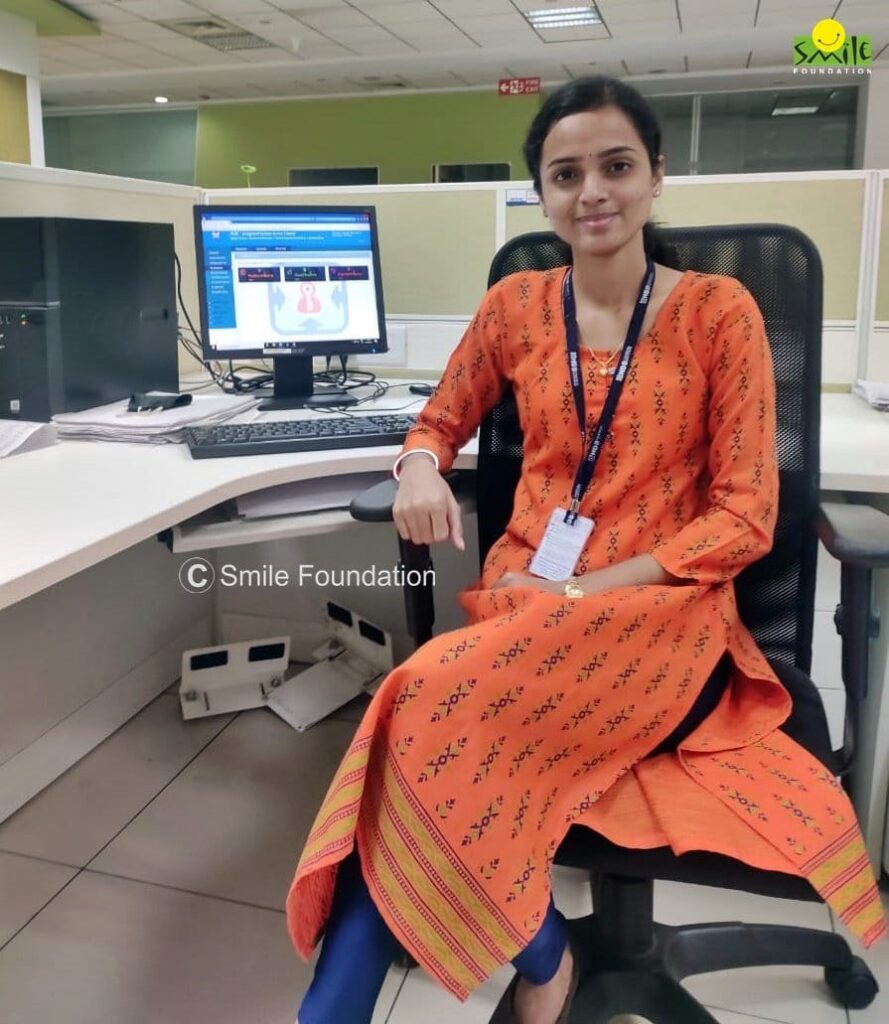
Shivani at her new job.

When Shivani joined the STeP course, she was an introvert. She lacked confidence while speaking. Through the course,  she developed good interpersonal skills and her English communication also improved.

Career counselling sessions helped map a path for her future. The financial literacy course of the programme helped her in managing her savings as well.

Now Shivani is working with Paymaster as a Customer Service Executive earning Rs 12,000 per month and good incentives. Her most recent achievement was winning the employee of the month award!


Priyanka Shirke


Priyanka enjoys her work now.

Priyanka belongs to an underprivileged family from Mumbai. Her father is a carpenter and her mother is a homemaker. She has completed her graduation in commerce. Priyanka wanted to pursue her master’s but due to financial issues she decided to pursue her career from her own earnings.


Priyanka also realized the importance of finding a job in order to support her family. Due to the pandemic and national lockdown, she was unable to find a suitable job. 


Priyanka’s goal was to begin earning as soon as possible, so that she could contribute to her family’s income and pursue further education. She decided to improve her core employability skills. She took a step forward to join four months of online STeP training. Through the course, Priyanka received training specific to Banking, Financial Services and Insurance (BFSI).


The training has taught her to communicate more effectively and confidently. She also learnt interview and presentation skills.


Priyanka has now secured a job as Junior Office Processing Executive at HDB Financial services with the salary of Rs 14984 per month.


Nisha excelling at her job.

Nisha Chauhan

Belonging to a middle-class family, Nisha is 20 years old and has studied up to 12th standard. Due to her family’s financial problems, she wanted to work.


Nisha began looking for a job after completing HSC. She wanted to help her family financially and support the education of her siblings as well her own education.


Unfortunately, due to lack of confidence, poor communication skills, she was not able to get a job until she found out about Smile Foundation’s health care training programme from a friend. Nisha enrolled with STeP immediately.


After successful completion of training, she got a job as GDA at Care and Cure clinic and is now earning Rs. 10200 per month.  She is happy that her contribution is helping her father meet the needs of the family.

Categories
In The Spotlight

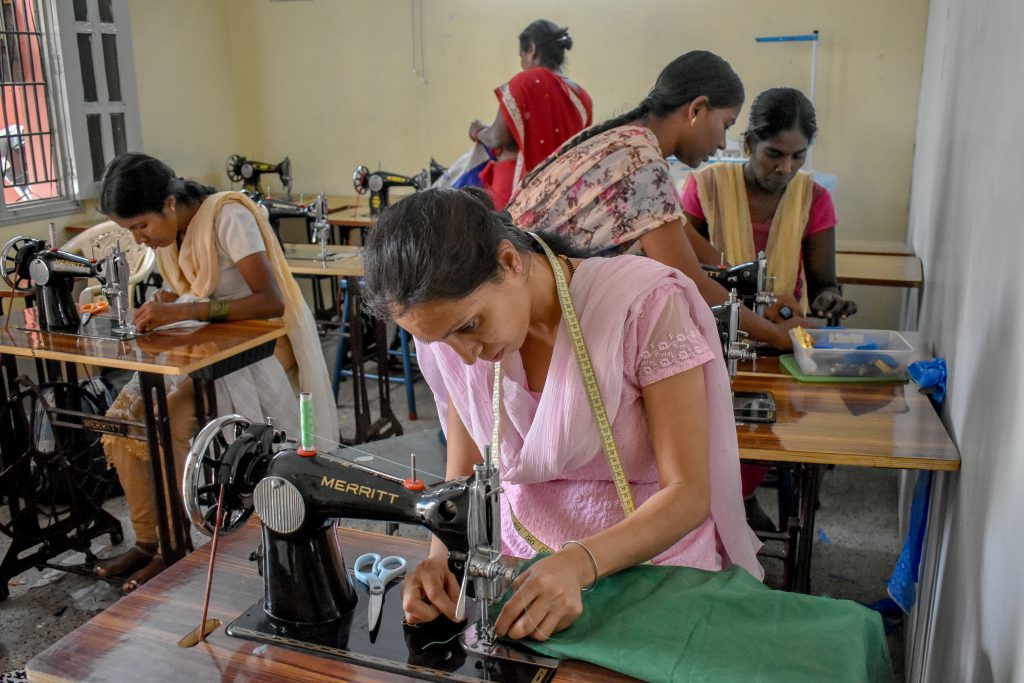
Entrepreneurship Training for Women: An Important Aspect of Empowering Women

In the post-pandemic world, entrepreneurship training for women has gained much-needed momentum. This has become a key focus area for our work with women as well. Women entrepreneurs are slowly becoming an important part of the economy. They contribute significantly not just to their families but also to their communities at large.


Financial independence is a key aspect of women’s empowerment. And thus, through our Swabhiman programme, we are aiming to reach out to women entrepreneurs and equip them with the necessary skills and training to make their enterprises sustainable.


Entrepreneurship Training for Women in Bengaluru


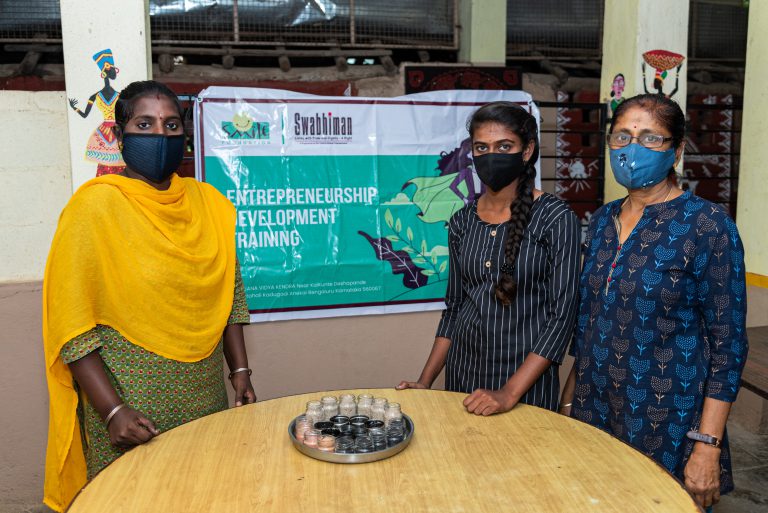
Under our Swabhiman project in Bengaluru we put together a team to provide enterprise development support to women entrepreneurs in Deshapande Guttahalli village in Anekal Tehsil. There are many aspects of entrepreneurship development that need to be addressed at such grassroots level.


Mobilization


Mobilization is the first step towards any activity on the ground. For this particular workshop, we did home visits for about 200 women and gathered information about their livelihoods. Most of the women showed a lot of interest in generating more income, but they did not know how to go about it. Small vendors managing everything on their own need more guidance.


Financial literacy


Assessing existing knowledge plays a key role in any training. The same is true for financial literacy as well. Being an important part of running one’s own business, it is important for entrepreneurs to be financially literate. Savings and investments, loans and borrowings, insurance, and digital transactions were all taught through the sessions on financial literacy.


However, it is important to keep in mind the target group. Thus, stories, examples, and case studies in the local language were used to teach this.


Entrepreneurship training session


Business Idea Generation


Many women face a specific dilemma when they first start a business. What should the business be? Will I be successful at this? Is it sustainable?


Generating a business idea is a structured process. It includes a few key components that were covered in the entrepreneurship training.


  1. Assess whether or not you have the basic requirements needed to be a successful entrepreneur.
  2. Clearly explain any business idea that comes to your mind.
  3. Identify potential sources of business ideas and create an idea list.
  4. Shortlist and then select the best idea to pursue in order to start your own business.
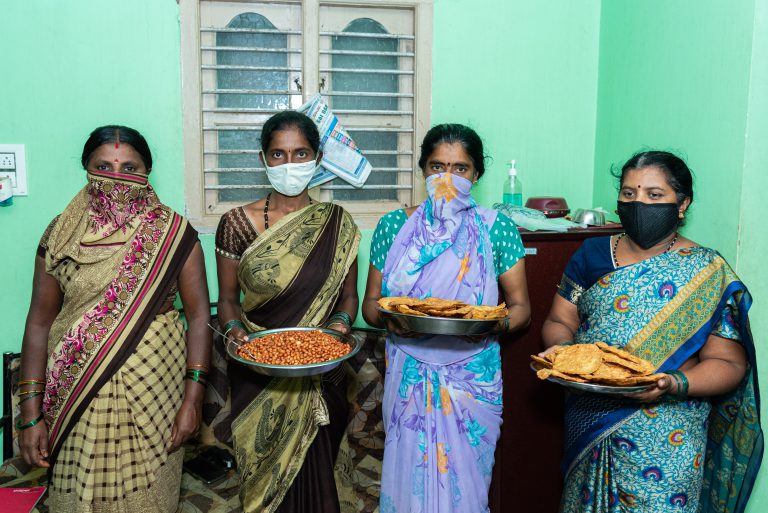
Entrepreneurship training for homemade snacks business


Nurturing the women entrepreneurs

The whole idea of the training was to assess the participants’ socio-economic status and their preparedness to start the business. After due market assessment and brainstorming, a few lucrative business ideas emerged.


  1. Sanitary pads  
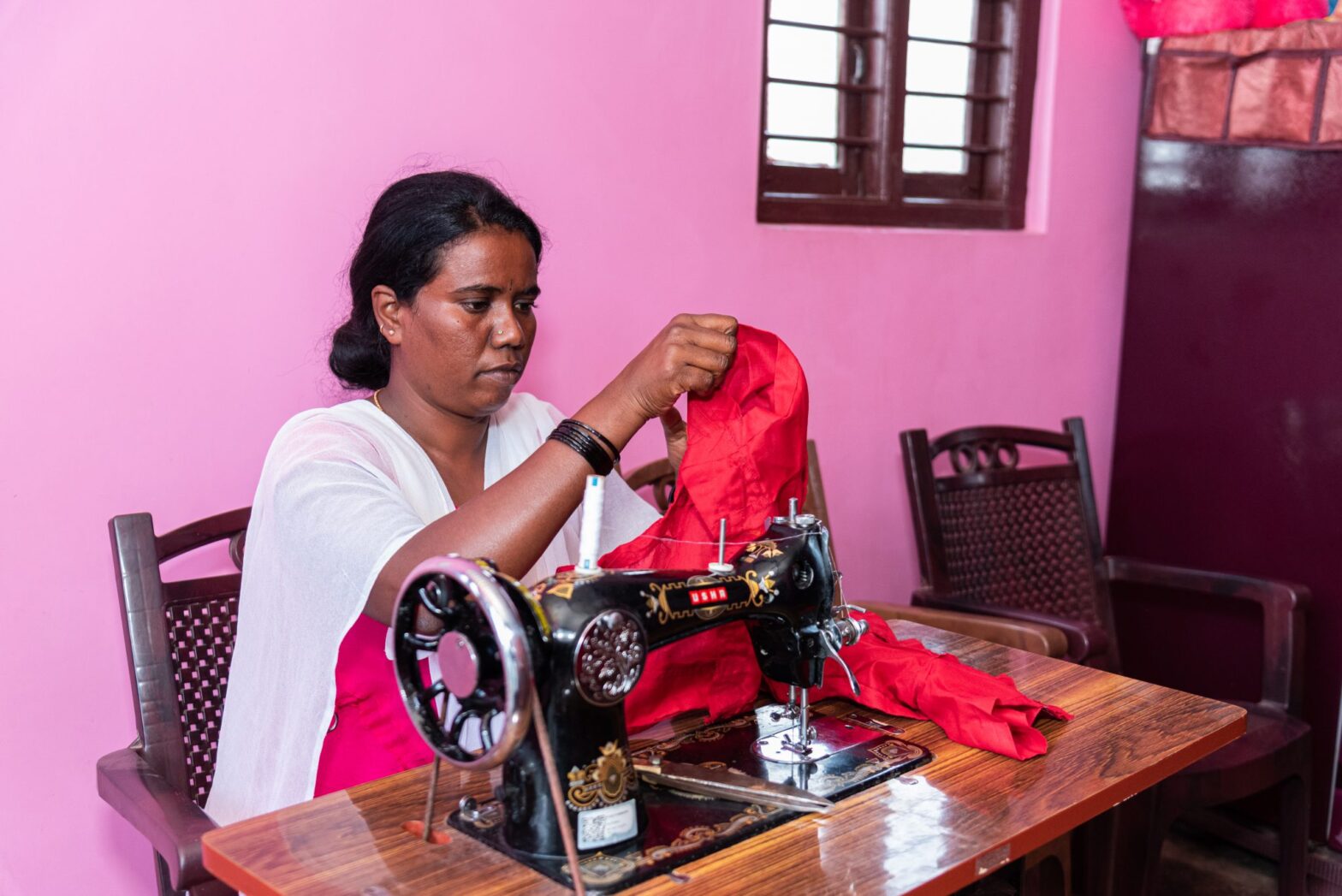
  2. Tailoring
  3. Handmade cosmetics 
  4. Snacks
  5. Cattle rearing 
  6. Saree weaving


Our team identified the women who could work together to set up each of these businesses. To help these women achieve success, we are also providing them with technical and hands-on training, as per their requirement.

Categories
Insights

Nutrition after the Pandemic: Shifting the Focus from Hunger

With the culmination of Poshan Maah 2021 celebration in September, the issue of malnutrition still remains critical to India. Constant and rigorous communication and action are needed to transform the practices amongst our population on this front. Hunger emerged as a primary concern during the spread of COVID-19. But we have now reached that stage where we can shift the focus to nutrition after the pandemic.


What the numbers say about nutrition


The NFHS-4 shows that one-third of children under 5 years of age are stunted. A third of them are underweight. And almost 2 out of 10 children are nutritionally wasted. Fifty-two per cent of all women in the reproductive age (15-49 years) are anaemic. This could lead to multigenerational effects on human health and development.


The Global Health Index (2021) is calculated on the basis of total undernourishment of the population, child stunting, wasting, and child mortality. It has ranked India at 101 out of 135. Countries like Sri Lanka, Nepal, Bangladesh, Myanmar, and Pakistan have been ranked higher than India at 64th, 73rd, 75th, and 88th respectively.


Nutrition after the pandemic


Malnutrition has been a major concern in India. Over the last decade, India has been working slowly to address it. The efforts to curb malnutrition got accelerated with the launch of Government of India’s Poshan Abhiyan. This was envisioned as a Jan Andolan or people’s movement, programme in 2018. However, the effect of the pandemic was felt here too. Health systems, food systems, nutrition programmes, and economy were also impacted. This posed a threat to the most vulnerable in the society. COVID-19 brought these efforts to a halt and challenged the entire system.


The coronavirus pandemic has proved to be catastrophic throughout the world. But it has had an especially negative impact on the health and well-being status of women and children in India due to major disruptions in preventive health and nutrition services. The fear of transmission of COVID-19, social distancing, and lockdowns affected public services, especially public health and nutrition, directly or indirectly. Global research in 2020 on the effect of COVID-19 estimated about 14.3 per cent increase in wasting globally. No specific data are available yet to measure the impact of COVID-19 on nutritional status of Indian population. However, we can envisage the impact of this disruption on food supply chain, health system, and broken financial and physical access to food and nutritional services.


How we have adapted


Frontline workers adapted their services to the situation, ensuring delivery of food to the people. Smile Foundation joined hands with their efforts and provided ration to hundreds of families.


Since the COVID-19 vaccine for children is still awaited, nutrition is now more important than ever. Children, pregnant women and lactating women need extra care for their nutrition during this pandemic.


Smile Foundation has been working to address and strengthen the government initiatives to support nutrition activities. We have distributed millions of meals to the vulnerable and affected families during the pandemic. These families found the first and second waves particularly difficult. ‘Build, strengthen, and expand’ is the core modality behind this nutrition programme. Our efforts are based on collaborating, enhancing reach, and impacting lives of the vulnerable population, especially women and children.


Where nutrition is concerned, it is important to concentrate on maternal nutrition as well. Thus, building knowledge of caregivers on ante-natal and post-natal care is also an important aspect of enhancing nutrition. Through such interventions, caregivers and women are informed about various aspects of health. Iron and folic acid supplementation, institutional delivery, early and exclusive breastfeeding, timely and age appropriate complementary feeding, complete immunisation are some of them,.


Interventions to ensure good nutrition after the pandemic


Government initiatives such as Poshan Maah are important interventions. However, reaching out to people at the individual level is also important. This is where Anganwadi workers play a vital role.  Focusing and endorsing the activities and building capacities of beneficiaries and Anganwadi workers for behaviour change pertaining to food habits is vital for good nutrition.


It is important to realise that malnutrition is mostly preventable. All our efforts at Smile Foundation aim to improve nutritional status of mothers, infants, and young children to promote holistic and healthy development and helping them reach their full potential. The COVID-19 pandemic has taught us lessons and has given a central place to health and nutrition. Nutrition is interlinked to various components of development. Smile Foundation strongly believes in constantly working to build a stronger and resilient community to address the challenges to nutrition posed by COVID-19.

Categories
Insights

Reverse Migration from Private to Government Schools: A Downward Trend or an Opportunity?

The COVID-19 pandemic left us in the lurch on many things. One of the major curveballs has been education. With constant disruptions and switching to online mode, education has suffered huge setbacks. In the midst of this, an unforeseen trend has emerged. Data shows that there is a reverse migration from private to government schools. And this trend is being seen across different states.


What the data says


In Hyderabad, for instance, over 300 schools are staring at closure with majority of their students ‘missing’ in action. “In many schools, the strength has dropped from 600 in 2019-20 to less than 300 in 2021-22 as many families with meager or no incomes have not been able to pay fees or buy gadgets required to attend online classes. Multiple calls to parents have yielded no response. We are now wondering if we should consider these students as dropouts and shutdown our schools,” said S. Madhusudan, advisor of TRSMA.


“We have observed an up to 20% rise in enrollment from private to government schools. This is largely owing to the inability to pay fees,” said Chava Ravi, General Secretary of Telangana State United Teachers Federation.


Factors behind reverse migration from private to government schools


Inability of parents to pay fees due to loss of jobs, pay cuts, and shutting down of budget schools due to financial crisis have contributed to this phenomenon to a large extent. On the bright side, mid-day meal (or ration kit) provided in government schools is also an important aspect of this. It ensures nutritious meals for one’s child even in face of financial difficulties.


Moreover, as there are no physical classes, parents feel that paying the fee is a waste. At a government school, education is free and their children will automatically be promoted to the next class. The fact that many students and their parents, especially in rural and remote areas, are not interested in online classes or paying the fees, has made matters worse.


During the academic year 2020-21, students attended physical classes for hardly two months. Despite this, as many as 3.8 lakh parents from Telangana, mostly the ones with school-going children, have taken loans to pay the school fee.


Reports suggest that about 900 schools in Telangana have tied up with third-party firms to provide EMI options for parents to clear school fees. This appears as a major factor for students seeking transfer from private to government schools.


What this means for Smile Foundation


Our Mission Education centres charge minimal or no fees compared to the other low budget affordable schools. Thus, for us, this trend has brought about positive results.


Many children who are part of our remedial programs are already enrolled in government schools. Some of our ME NGO partners have seen an increase in students’ enrolment from other low budget schools while retaining the existing students. Additionally, we have being taking other measures to keep children in school or bring them back.


Provision of teaching-learning materials and resources

Counseling of parents and students, encouraging them to continue the learning process, and

Provision of essential ration kits to the students’ families. (This helped us support the parents during the pandemic and enable them to ensure that the learning process for their children continues.)


Way ahead


Government schools can take this opportunity of reverse migration to buck up and get the ball rolling towards improvements in the education system. This unexpected phenomenon can end up making quality education affordable for all.


With inputs from Gargi Kapoor and her team at Mission Education.

Categories
In The Spotlight Partners In Change

Results for Waste No More by PepsiCo and Smile Foundation

This pandemic, the world witnessed a massive shift in consumption habits of people. What we saw was an upsurge in home deliveries and usage of PPE kits and masks. Plastic has clearly become an integral part of our daily lives, even more so than before. What we can do, however, is to use it judiciously and recycle/upcycle it as much as we can. Towards this aim, PepsiCo and Smile Foundation tied up for the Waste No More initiative.


The Waste No More Initiative

Waste no more 300x292 1

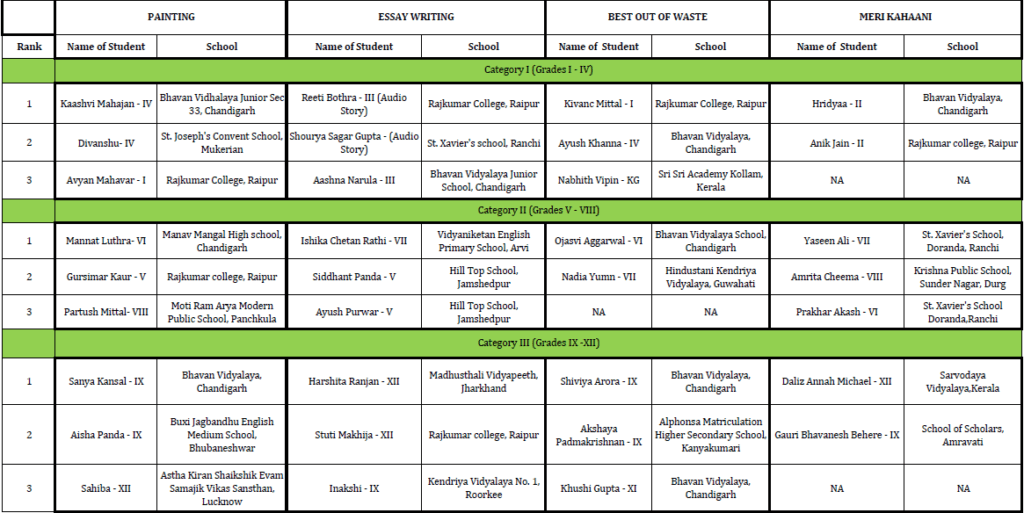
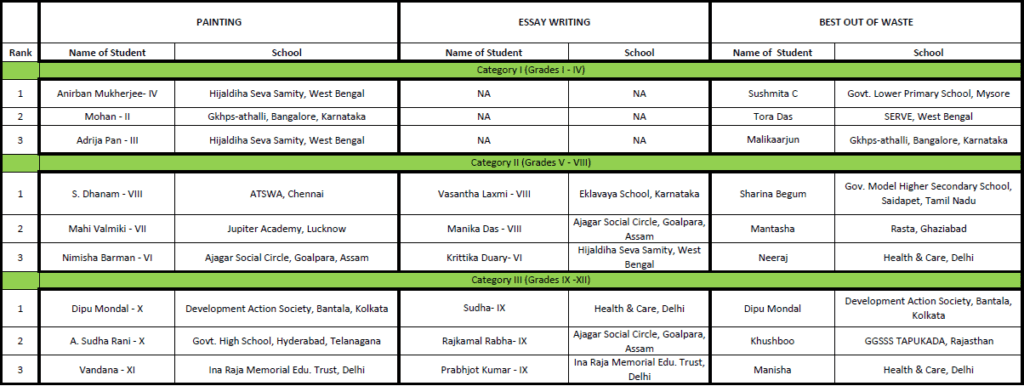
This October, on the occasion of Gandhi Jayanti and Rashtirya Swachhata Diwas, Smile Foundation collaborated with Pepsico India. The aim was to promote and spread awareness about plastic waste management. And where would the best place to start be, but with our little friends. The idea of Waste No More formed the basis of the the initiative. This was taken to students across the country to help build an India where plastic is no more a waste. We connected digitally with 250+ schools in over 50 cities and got them to participate in various thematic competitions. They could write essays, make paintings, make best out of waste, or share videos and audio stories around plastic waste management.

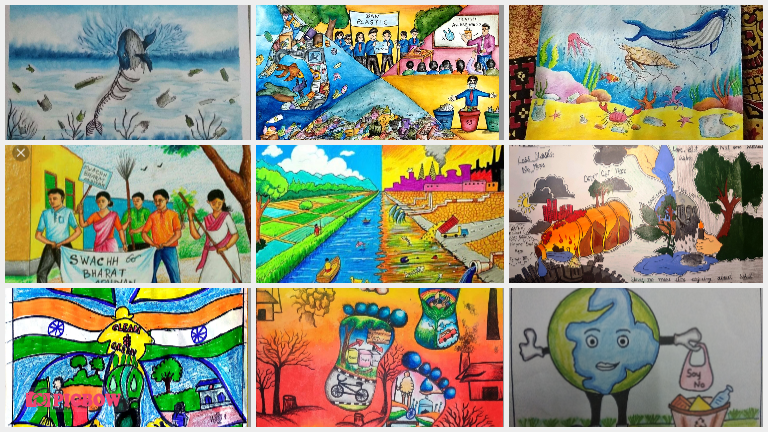
The entries remained open from 23 September-2 October 2021. There was outreach to private and government schools pan India. The competitions were also open to students attached with the Mission Education program of Smile Foundation. Children could submit their entries digitally through a dedicated platform. They wrote essays on how to reuse plastic, made paintings on how to protect the ocean and keep the environment clean, made items with upcycled plastic and other waste materials lying in the house. We even had some children share video and audio stories on how used plastic is no more a waste.


Got the creative juices flowing


Over the course of the initiative, we received a myriad of creative ideas to reduce, reuse, and upcycle. From making a collage with plastic lying around the house, to a poster that depicts how to save our oceans, and essays on Swachhata aur swathya  ek mazbut kadi, each entry was more innovate and inspirational than the previous one. Students shared audio stories on how they have seen cows eating plastic and what they have done to prevent the same. Some students made paintings depicting the damage to the environment and how plastic can be used to protect if used judiciously. One thing is quite apparent–it’s time we let our youth pick up the mantle to protect and preserve Mother Earth. The message is quite clear: we truly should Waste No More.


There is wealth in waste. Despite a massive shift in our consumption habits, there is hope if we take Bapu’s message forward. “When there is both inner and outer cleanliness, it approaches Godliness.” This Rashtriya Swachhata Diwas, our children have shown us the path to leave behind a better and cleaner environment for future generations. This is a world where plastic remains a part of our lives but there is no more a waste. Here’s a big hurrah to all who sent in their submissions and many congratulations to the winners.


The jury


We need to thank our jury members who came on board to choose the best amongst the best. We had with us Ms. Seema Kohli, a reputed contemporary artist; Ms. Shreya Krishnan, VP & Head Marcom, Aon India Insurance Brokers; Ms. Teenaa Pasricha, a National Award-winning film maker; and Prof. Sapna A. Narula, Dean, Management Studies at Nalanda University. They loved every entry they went through. Thus, it was a daunting task to arrive at the top 3 across all categories.


We congratulate all students who participated with enthusiasm and the organizers from Smile Foundation and Pepsico India in taking forward the beautiful message of Waste No More.


Results of Waste No More (CFC schools)
Result of Waste No More (ME schools)
Categories
Insights

5 Healthcare Priorities to Watch Out for in 2021 and Beyond

What goals should hospitals and health care system boards prioritize in these exceptional circumstances in order to prepare for the future? As firms deal with the pandemic, we anticipate that continual disruption will be the norm, and that paths to success will increasingly rely on teamwork, innovation, digitization, and scaling ahead of the competition. We need to watch out for certain healthcare priorities.


Ecosystem of collaboration to channelize healthcare priorities


COVID-19 has shown key vulnerabilities in health care organizations around the world, including safety, equipment, data availability, and infrastructure. Early on, it became clear that relying solely on an organization’s own supply lines and competencies was not an option. This resulted in impromptu alliances, with providers, suppliers, and non-health-care organizations stepping in to contribute resources and capacity to meet the situation.


Successful firms will expand on this approach, looking for ways to bridge gaps and innovate with partners who bring unique capabilities to the table in order to address healthcare priorities.


Patient Analysis


Today, we can receive items the same day we order them and trace them from order placement to delivery minute by minute. It’s not surprising that patients expect their health-care providers to be just as efficient and transparent. Instead, some patients may have to wait weeks or months for an appointment and have no idea when their exam results would be ready. To increase the convenience, timeliness, and transparency of care, organizations must examine their present barriers to consumer satisfaction and employ analytics and patient-centric solutions. For example, by implementing precision scheduling methods to reduce wasted time between imaging scans, a West Coast health institution was able to free up 5,000 extra exam slots each year, allowing patients to be scheduled sooner.


Automation and Artificial Intelligence


AI is having a huge influence in radiology, with solutions to eliminate repetitive activities, decrease bias-based reading errors, discover data patterns in pictures to forecast danger, and improve workflow procedures. For example, a collaboration between GE Healthcare and Intel promises to improve patient care while lowering costs for hospitals and health systems through the use of digital imaging solutions deployed via edge and cloud. Together, the firms believe that their solutions will boost hospital efficiency by improving asset performance, lowering patient risk and dosage exposure – thanks to faster picture processing – and shortening the time to diagnosis and treatment.


Automation is simplifying business operations in health systems that rely largely on repeated tasks, such as supply chain, revenue cycle, and customer support. Expect to see new sensors in health care (HL7, cameras, speakers, weather forecasts, and more) that will significantly increase productivity.


Importance of Virtual Care


Virtual care solutions will continue to emerge across the care continuum, from telehealth visits to virtual hospital care and home-based care. In February 2020, telehealth accounted for fewer than 1% of Medicare primary care visits; by April, the figure had increased to 43%, owing to the pandemic. This expansion appears to be sustainable, as patients and clinicians alike adopt a new virtualized paradigm. Organizations will need to connect their virtual approach with the changing needs of their markets, growth plan, and developing payment mechanisms. This is not a panacea, but rather a natural development toward better supporting physicians and patients: virtual needs to become the way organizations work rather than a separate component of the plan.


Cooperative Competition as a Strategic Option


Cooperative competition, often known as coopetition, is a major trend in health care. While some providers perceive big-box retailers, national pharmacy chains, and other newcomers as dangers, others see opportunity. Their aim is to use these power players’ strengths to lower the cost of care, improve downstream market capture, and focus on core specialist services while remaining highly connected to the patient.


CVS and Walmart now provide basic primary care, simple diagnostic services, and chronic illness management — things that health systems have struggled to provide profitably. Finding possibilities to collaborate with retail businesses to address this gap can assist to streamline organizational services, enhance access, and provide better patient care at a cheaper cost.


Diversification of Revenue


Data is becoming the money of future, according to my interactions with chief information officers, and infrastructure must enable needs at scale. Large businesses will make significant efforts to better utilize and monetize data in order to improve productivity, improve patient care, and drive more money for essential programs. We also see organizations monetizing data/intellectual property through associations with nontraditional pharma and big tech partners, as well as forming venture capital funds to monitor downside risk associated with unforeseen patient volumes and the volatility of traditional non operating investments.


Healthcare priorities for the coming years


The year 2020 has laid the groundwork for digital transformation and innovation in the healthcare system, and we must now work to scale it up and increase digital inclusion in the most remote parts of the country.

Categories
Insights

स्मार्ट डिजिटल शिक्षा माध्यम से परम्परागत शिक्षा की ओर पुनरागमन

प्राचीन शिक्षा विशेषकर मानसिक और आध्यात्मिक विकास पर बल देती थी जिसके अनुसार केवल ज्ञानार्जन एवं अनुशासन आदि को ही शिक्षा का एकमात्र उद्देश्य माना जाता था। आधुनिक शिक्षा व्यक्ति के न केवल मानसिक और आध्यात्मिक विकास पर बल देती है बल्कि शारीरिक एवं सामाजिक विकास तथा आवश्यकता या बाज़ार के अनुसार भी शिक्षा पर भी बल देती है। कुल मिलाकर कहा जा सकता है कि आधुनिक शिक्षा/डिजिटल शिक्षा का उद्देश्य व्यक्ति का सर्वांगीण विकास तथा उसमें सामाजिक कुशलता के गुणों का विकास करना है।


प्राचीन भारत में शिक्षा की व्यवस्था के लिए गुरुकुल प्रणाली का विकास किया गया था | उस समय कागज का अविष्कार नहीं हुआ था , इसलिए पुस्तको द्वारा शिक्षा देने का प्रश्न ही नहीं उठता | उस समय सब प्रकार की शिक्षा मौखिक या व्यवहारिक रूप में दी जाती थी | इसलिए उस समय के विद्यार्थी जो कुछ पढ़ते थे उसे जन्म भर के लिए स्मरण शक्ति द्वारा सुरक्षित बना लेते थे |


विद्यार्थियों को स्वावलंबन का पाठ पढ़ाया जाता था जिससे वह अपने आगामी जीवन में कंही भी और कैसी भी परिस्थिति में अपने पैरो पर खड़ा हो सकता था |


शिक्षा की परंपरागत प्रणाली ही भारत की पहचान है। आधुनिक शिक्षा तभी सुद्रण होगी जब वह शिक्षा की भारतीय परम्परा को आत्मसात करेगी। आत्मनिर्भर भारत के लिए शिक्षा में रूपांतरण अति आवश्यक है।


शिक्षा प्रागितिहास में शुरू हुई, क्योंकि वयस्कों ने युवाओं को उनके समाज में आवश्यक ज्ञान और कौशल में प्रशिक्षित किया। पूर्व-साक्षर समाजों में, यह मौखिक रूप से और नकल के माध्यम से प्राप्त किया गया था। कहानी सुनाने से ज्ञान, मूल्य और कौशल एक पीढ़ी से दूसरी पीढ़ी तक पहुंचा। जैसे-जैसे संस्कृतियों ने अपने ज्ञान को कौशल से आगे बढ़ाना शुरू किया, जिसे नकल के माध्यम से आसानी से सीखा जा सकता था, औपचारिक शिक्षा विकसित हुई।


इधर तेरहवीं शताब्दी में कागज तथा पंद्रहवी शताब्दी में छापने के यंत्रों का अविष्कार हो गया जिसके परिणामस्वरूप जन-साधारण को भी इन स्कूलों में शिक्षा प्राप्त करने के अवसर मिलने लगे।


पेस्टालॉजी ने इन स्कूलों के सम्बन्ध में ठीक ही लिखा है – “हमारे अमनोवैज्ञानिक स्कूल बालकों को अनके प्राकृतिक जीवन से दूर कर देते हैं, उन्हें अनाकर्षक बातों को याद करने के लिए भेड़ों के समान हांकते हैं तथा घण्टों, दिनों, सप्ताहों, महीनों एवं वर्षों तक दर्दनाक जंजीरों से बांध देते हैं।“


शिक्षा को अपने सांस्कृतिक जीवन मूल्यों का ठोस आधार और भारतीयता का व्यापक संदर्भ देना यह प्रमुख मुद्दा है। शिक्षा को सिर्फ परीक्षाओं में आने वाले सवालों के जवाब देने तक सीमित रखने के बजाय जीवन उन्मुखी बनाने का प्रयास होना अत्यंत आवश्यक है। विद्यार्थी को मनुष्य बनाना यही शिक्षा का मुख्य उद्देश्य है। व्यक्ति को मनुष्य बनाना इसका मतलब यह होता है कि राष्ट्र और समाज के प्रति संवेदनशील बनाना। यही संवेदनशीलता मनुष्य को सामाजिक एवं राष्ट्रीय मुद्दों से जोड़ती है। गत 70 सालों से चली आ रही शिक्षा प्रक्रिया को हम देखते हैं तो वह हमारी मानवीय स्वतंत्रता और संवेदनशीलता का दमन करने वाली महसूस होती है। समाज में अस्वस्थ प्रतिस्पर्धा को उकसाने वाली, मनुष्य को निर्जीव अंक एवं आंकड़ों से जबरन जोड़कर रखने वाली मालूम पड़ती है।


इस प्रकार की शिक्षा प्रणाली विद्यार्थियों में भारतीय मूल्य और जीवन से जुड़े मूल्यों के प्रति वास्तविकता और व्यवहार में निष्ठा का विकास करने वाली कैसे संभव हो सकती है?


इस प्रकार परम्परागत शिक्षा कागज विहीन होने से लेकर पुस्तकों के रूप तक का सफ़र तय किया और पुँनः अपने वर्तमान समय में परम्परागत रूप को तकनीकी स्वरुप लेकर आधुनिक शिक्षा जगत में प्रवेश किया | जिसे डिजिटल शिक्षा अथवा स्मार्ट बोर्ड कम्प्यूटर आधारति शिक्षा प्रणाली के रूप में जाना जाता है |


 उत्तर प्रदेश के परिषदीय स्कूलों में स्माइल फाउंडेशन का द्वारा इस डिजिटल शिक्षा अथवा स्मार्ट बोर्ड कम्प्यूटर आधारति शिक्षा प्रणाली का शुभारम्भ जनपद गोंडा मी किया गया और शिक्षा के क्षेत्र में नई तकनीकी का समावेश किया गया |


डिजिटल शिक्षा अथवा स्मार्ट बोर्ड कम्प्यूटर आधारति शिक्षा


ये शिक्षा प्रणाली  कागज मुक्त शिक्षा है | जो की पूर्णता सहज और सरल तथा मात्रभाषा ने निर्मित पाठ्यक्रम को संगृहित कर बच्चो के अधिगम को सुगम बनता है |


शिक्षण पाठ्य को हम तीन स्तरों में बांट सकते हैं :-

1. स्मृति स्तर (Memory Level)

2. बोध स्तर (Understanding Level)

3. चिंतन स्तर (Reflective Level)


स्मृति स्तर


 स्मृति स्तर में ऐसी परिस्थितियां उत्पन्न की जाती है, जिससे छात्र पढ़ाई की विषय वस्तु को (Content) आत्मसात कर सकें । इस स्तर पर प्रत्यास्मरण क्रिया पर जोर दिया जाता है । स्मृति शिक्षण में संकेत अधिगम (Signal Learning), शृंखला अधिगम (Chain Learning) पर महत्व दिया जाता है ।


बोध स्तर पर शिक्षण


बोध स्तर के शिक्षण में शिक्षक छात्रों के समक्ष पाठ्यवस्तु को इस प्रकार प्रस्तुत करता है कि छात्रों को बोध के लिए अधिक से अधिक अवसर मिले और छात्रों में आवश्यक सूझबूझ उत्पन्न हो। इस प्रकार के शिक्षण में छात्रों की सहभागिता बनी रहती है । यह शिक्षण उद्देश्य केन्द्रीय तथा सूझबूझ से युक्त होता है।


चिन्तन स्तर पर शिक्षण


चिंतन स्तर में शिक्षक अपने छात्रों में चिंतन तर्क तथा कल्पना शक्ति को बढ़ाता है ताकि छात्र दोनों के माध्यम से अपनी समस्याओं का समाधान कर सके । चिंतन स्तर पर शिक्षण समस्या केंद्रित होता है । इस स्तर में अध्यापक बच्चों के सामने समस्या उत्पन्न करता है और बच्चों को उस पर अपने स्वतंत्र चिंतन करने का समय देता है । इस स्तर में बच्चों में आलोचनात्मक तथा मौलिक चिंतन उत्पन्न होता है।


डिजिटल शिक्षा अथवा स्मार्ट बोर्ड कम्प्यूटर आधारति शिक्षा प्रणाली  के प्रति नयी राष्ट्रीय शिक्षा नीति 2020 का समर्थन


नयी राष्ट्रीय शिक्षा नीति 2020 मे शिक्षा क्रांति का दावा सम्मिलित है। इसमें पाठ्य-पुस्तकों का बोझ कम करके पढ़ाई को अधिक से अधिक प्रयोगात्मक बनाने की बात कही गयी है। यह सर्वविदित तथ्य है कि जिस शिक्षा पद्धति को यह नीति विकसित करना चाहती है उसमें सर्वाधिक सहायक ऑनलाइन शिक्षण प्रणाली ही हो सकती है। सतत विकास के चौथे लक्ष्य “गुणवत्तापूर्ण शिक्षा”, जिसमें समावेशी व न्यायसंगत गुणवत्तापूर्ण शिक्षा को सुनिश्चित करने का लक्ष्य है, की वास्तविक प्राप्ति सभी वर्गों को शिक्षण प्रक्रिया में शामिल किये बिना संभव नहीं हो सकती। चूंकि ऑनलाइन शिक्षण व्यवस्था में बिना किसी बाधा के हर आयु और वर्ग को सम्मिलित किये जा सकने की संभावना है, इसलिए यही एसडीजी-4 का सर्वोत्तम साधन परिलक्षित होती है।


सर्वसुलभ होने के साथ-साथ कुछ और बिन्दु ऑनलाइन शिक्षण प्रणाली के महत्व को उजागर करते हैं, जैसे इसकी लागत कम होना, परंपरागत कक्षाओं से अधिक शिक्षार्थियों को एक साथ सम्मिलित कर सकना, अधिक दृश्य-श्रव्य सामग्री के उपयोग की सुविधा, कईं शिक्षकों द्वारा एक ही मंच पर एक साथ बहुपक्षीय संवाद की सुविधा, वस्तुनिष्ठ ऑनलाइन परीक्षाओं की सुविधा,  ई-लर्निंग के स्रोत जैसे स्वयं, स्वयंप्रभा, ज्ञानदर्शन आदि के विकास के साथ अनेक ऑनलाइन कोर्स, शोधपत्र, ईबुक्स की उपलब्धता आदि।


परंपरागत शिक्षा पद्धति कोई आलोचना का विषय नहीं है। यह पद्धति धीरे-धीरे तकनीकों का सहारा लेकर अपने अस्तित्व को पुनः कायम कर लिया है |


परिवर्तन यदि समाज के लाभ के लिए हो रहा है तो उसे न स्वीकारना, समाज के विकास में बाधक बनना है। यही स्थिति ऑनलाइन शिक्षण प्रणाली के आलोचकों की भी है, जो किन्हीं व्यक्तिगत कारणों या पूर्वधारणाओं के कारण इसके महत्व को अनदेखा करना चाहते हैं। शिक्षा के व्यापक उद्देश्यों- ज्ञान सृजन, ज्ञान का प्रसार तथा ज्ञान का सरक्षण- तीनों को ही प्राप्त करने मे ऑनलाइन शिक्षण प्रणाली का विशेष महत्व है और इसका लचीलापन इसे और अधिक उपयोगी बना देता है।


इस प्रकार से परम्परागत शिक्षा अपने प्राचीन स्वरूप को आधुनिक तकनीकी शिक्षा के डिजिटल माध्यमो के द्वारा वापसी किया है | और शिक्षा मौखिक या व्यवहारिक रूप में विद्यार्थी के अधिगम स्तर में वृधि और स्मरण शक्ति को सुद्रढ़ करने , स्वावलंबन तथा किसी भी परिस्थिति में अपने पैरो पर खड़ा होने की क्षमताओ के विकास पर बल दे रही है |

Categories
Partners In Change

Effective Fundraising Training by Change the Game Academy

Change the Game Academy is training social entrepreneurs to turn them into changemakers and better leaders for tomorrow. The Virtual Classroom on Local Fundraising focuses on effective fundraising training for non-profits. It will also teach the social entrepreneurs the importance of support and funding base to ensure long-term sustainability.


About the training


The association with Light for the World (LfW) began with a Leaders’ Workshop on 18 October 2021. The participants consist of five Indian partners of LfW. This training will help these leaders to acquire knowledge and skills to diversify their resource and support base. It will also help them understand how they can achieve credibility and sustainability by developing local fundraising event plans.


The  Virtual Classroom Course on Local Fundraising began with a Leaders’ Workshop on 18 October 2021. The focus was to help them understand the importance of local fundraising. In today’s scenario, it is important to learn how to develop fundraising ideas.  In the days to come, it is going to become crucial for the non-profit sector to increase their support and funding base. This can help them move towards sustainability and bringing change at the grassroot level.


A five-day training session from 25-29 October 2021 will be held.


Objective of the LFR Training


This Virtual Classroom Course on Local Fundraising is being organised for social entrepreneurs. These are endeavoring partners working to bring change at the grassroots level. They are using community welfare initiatives in different parts of the country. This training on LFR is meant for those who lead grassroots initiatives. It will help these entrepreneurs understand the importance and usefulness of local fundraising initiatives.


There many sustainable ways of raising funds. Effective communication, strong leadership, good governance, transparency and accountability are some of these ways, which will taught over the course of the training.


At the end of the course, participants will be able to assess their learning level on the subject and lay down their expectations for future action. The course will help them to enhance their learning on the subject and to inculcate the skill set to apply their learning. CtGA will also help them draw up a tentative local fundraising plan, which will be relevant to their area, nature, and context of work.


The partners receiving fundraising training


The five partners in the programme all belong to the North-East region of India. Each of these partners work in various arenas of social development at the grassroots level.


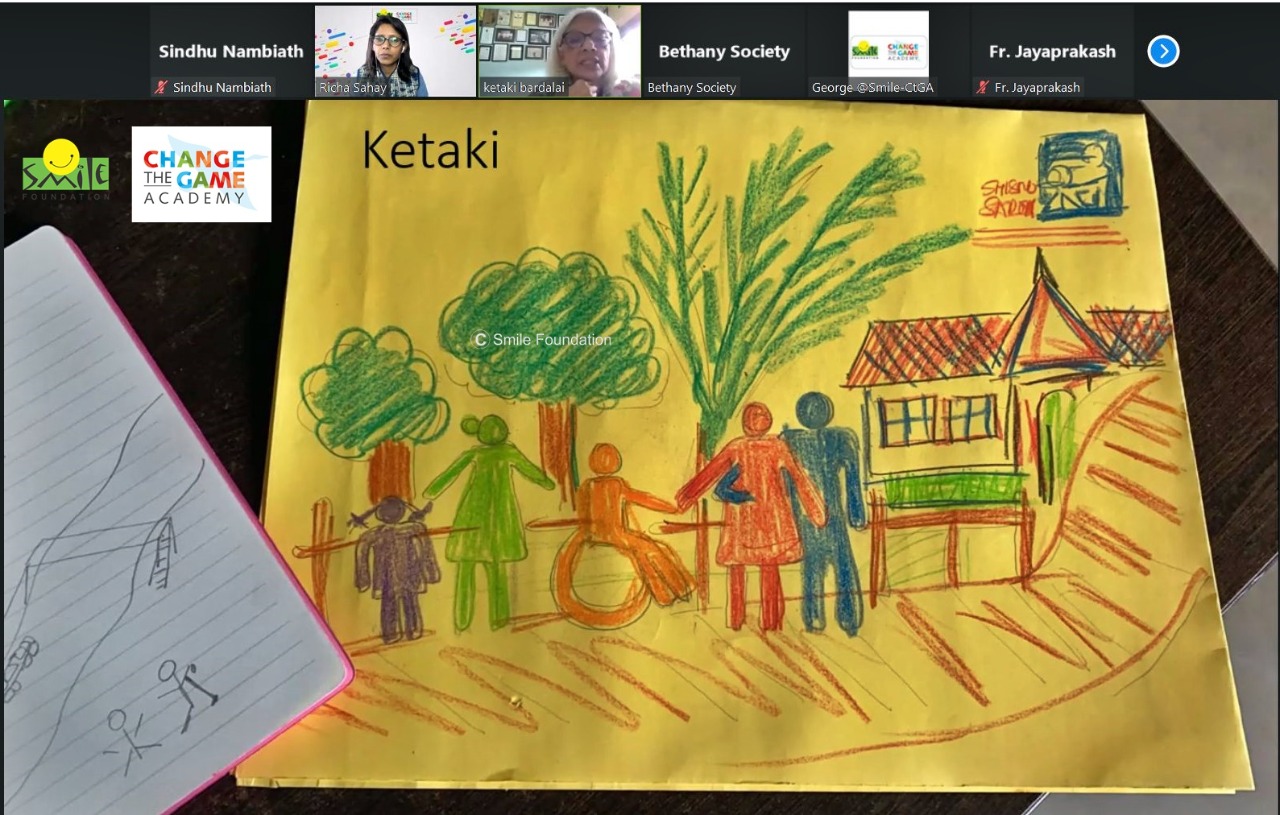
Shishu Sarothi


Shishu Sarothi had modest beginnings in 1987. There were just two children, a trained professional, and a small group of parents and volunteers. Over the last three decades, it has become a leading regional institution. They now serve thousands of children with disabilities from North-East India and beyond. Along the way, it has managed to strike a successful balance between service delivery and a rights-based approach to disability. The core services of the organisation include the domains of health and education and advocacy of rights of persons with disabilities.


Bethany Society


Bethany Society (BS) is a non-profit, secular, charitable society founded in 1981 in the state of Meghalaya. The organisation’s vision is to improve the quality of life of the most vulnerable sections of society. There is special focus on those residing in remote rural communities. They form partnerships with people and communities in order to create opportunities which empower and lead to security of health, food, livelihoods and shelter.


They work on collaborative projects with like-minded NGOs and government agencies for greater impact. Formation of village-level self-help and advocacy groups, working to create livelihoods, and innovations in climate-resilient technologies are part of their grassroots work. Their programmes are organised across 600 villages in Meghalaya with hubs in Shillong and Tura.


Bosco Reach Out


Bosco Reach Out (BRO) is the official social development organization of the Salesians of

Don Bosco, Guwahati. Since its foundation in 1983, it has undertaken various programmes, particularly in community development.  Their interventions in rural development activities concentrate on forming and empowering self-help groups (SHGs).


BRO visualizes a self-sustaining, self-reliant, and dignified community where people live responsibly, striving for a just, equal, and harmonious society. They seek to achieve integrated development through empowerment of people by enabling them to build people’s organizations and enhancing their capacities to utilize their resources.


Franciscan Clarist Congregation


They work in the Bongaigaon district of Assam running a residential cum day-care center for children. They run the only school in the district for children with disabilities. Their programmes work towards social inclusion and mainstreaming of disabled children in the community and enable them to fight for their rights and entitlements. They also provide various interventions for home-based rehabilitation support and therapeutic interventions and training opportunities for income generation to support themselves and their families. All these programmes are carried out with the objective of helping them make their own futures.


Caritas India CBR


The CBR Forum is based in Bangalore. It has emerged from a small organisation in 1996 with a few

projects to a big centre for CBR. It has now been fully integrated with Caritas India. This organization works for the rehabilitation and inclusion of persons with disabilities in rural India. CI-CBR sensitizes the local communities towards persons with disabilities and their families. It plays an active role in facilitating their inclusion in the daily life of the community.

0%