Categories
In The Spotlight

Primary Healthcare through SOWs during Pandemic

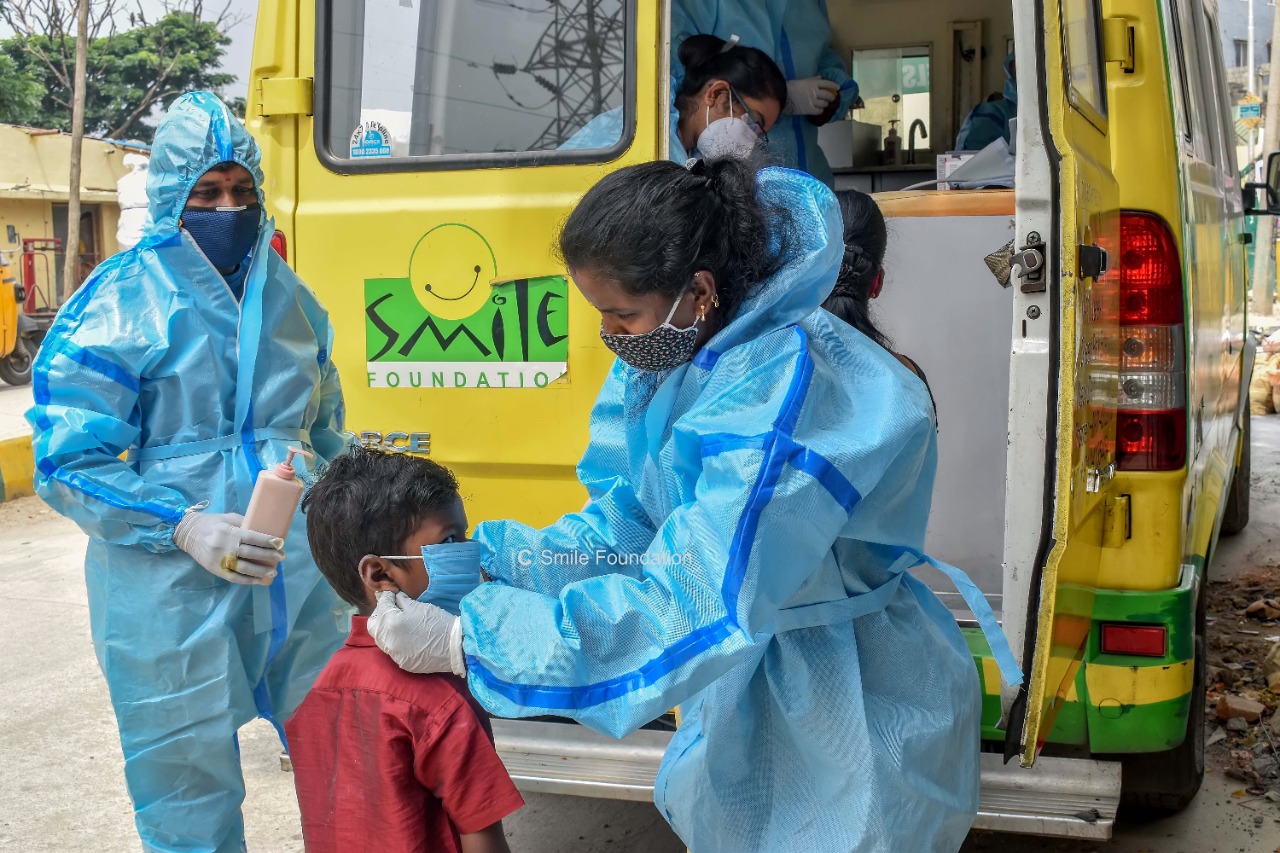
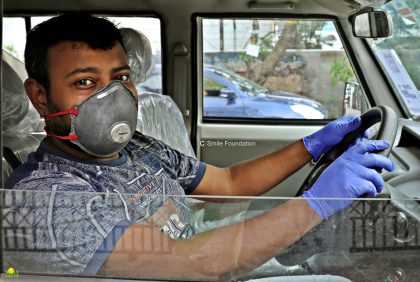
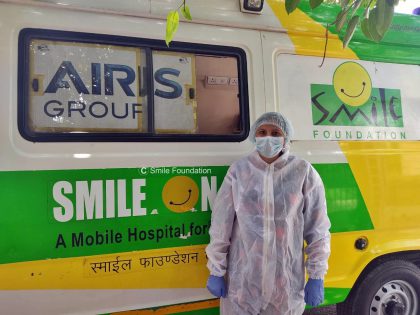
Smile Foundation’s Health Cannot Wait campaign has truly lived up to its name. We understand that even in the midst of the pandemic, regular people continue having regular health issues. However, due to the restrictions at healthcare facilities, not everyone has been able to access primary healthcare. Smile Foundation has stepped up to take primary healthcare to the doorsteps of the vulnerable people who are dependent on government facilities. Our Smile on Wheels mobile healthcare vans have benefitted thousands. Here are some of the instances where it has left the most impact.


Primary healthcare in Noida
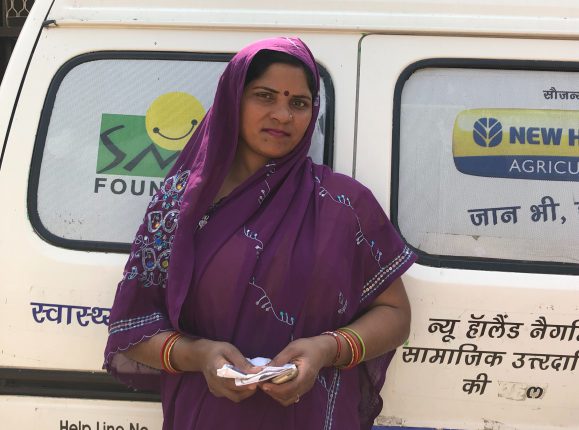
 

CNH Raj Rani 579x430 1


Raj Rani is a 30-year-old woman who stays in Noida. The Smile on Wheels team treated her for scabies. “When the symptoms presented initially, I did not pay much attention to it. I assumed it was just an itch. When the itching did not stop for months, I finally sought medical advice. After several misdiagnoses and intermittent treatments, the doctors finally diagnosed scabies,” she shares. Scabies is a very common disease in her locality. Raj Rani started taking medication for the disease. However, every time she tried to wean off the medicines, it came back with worse symptoms.


Raj Rani came to the Smile on Wheels for treatment. The medical officer confirmed the scabies diagnosis and prescribed medicine. Over the course of a few sessions, the SoW team also taught her about preventive measures for this communicable disease. She has now recovered. She appreciates the value of good health now more than ever.


Relief for Meera in Agra
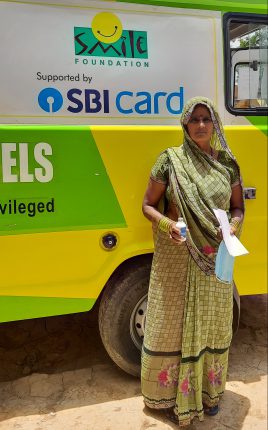
 

Meera e1627451787570 268x430 1

Meera stays with her husband, three sons, and one daughter in a small two-room house near Agra. Due to the COVID-induced lockdown, her husband and sons cannot find any work. Arranging ration for the house has become a great difficulty. In case anyone needs even primary healthcare, visiting the doctor and buying medicines takes a toll.

Meera says, “I was first told about SOW by a community mobilizer. I had consulted many doctors for body ache and itching throughout my body. I kept buying and taking medicines, but did not find any relief. Finally, I visited the SOW. The medical officer suggested a course of treatment and gave me a few medicines.”

After just two days, Meera experience relief. And after 15 days, she was feeling much better than earlier. Since then, if anyone in her family falls sick, they visit the SOW.


A boon for baby Yash
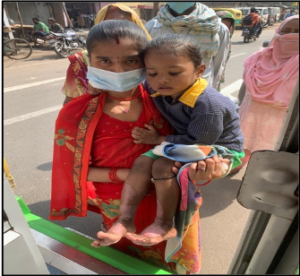
 

Yash

Yash is the five-year-old son of Sispal, a vehicle mechanic by profession. His father earns a meagre amount every month to support his family, who live in the JJ Colony of Noida’s Sector 9.

Yash needed urgent medical attention in the middle of the pandemic. However, his family could not take him to government hospital due to the threat of COVID, and they could not even go to a private hospital due to the high treatment cost. During the regular visit of the Smile on Wheels van in his area, Yash visited the MMU with burns. The SOW team gave him proper medication and counselled his parents on how to take care of him.

As a result of the correct treatment, his condition has now improved. His parents are very grateful and satisfied with the treatment which saved their time as well as money.


SOW provides aid to diabetic patient in Agra
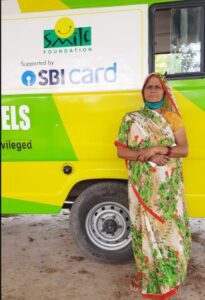
 

Meena pic e1627452098251 294x430 1

Meena is 60 years old and has been living in Bhamrauli Katara for 30 years. She has four sons and one daughter. She works as a daily wage labourer. Some days, they have difficulty in arranging ration for the family.

She shares, “I was diagnosed with diabetes about it three years ago. After my husband, there is no means of income to buy medicines or consult a doctor.” In January 2021 Meena met a community mobilizer who told her about the SOW. Within 15 days of starting treatment, she experienced relief from her ailment. Now she is a regular patient of the SOW.
Categories
Insights

How the Third Wave of COVID-19 will impact the education sector

The coronavirus pandemic has been engulfing the world for the past two years. It has greatly affected the normal life of the public. If we look at what has been the most affected after health, it would be the education system. We now have to wait and see how the third wave of COVID-19 will impact the education sector.


COVID’s effects on education


Cancellation of the Board exams for Class 10 and 12 is one of the biggest impacts on the education sector. The government did form a high-level committee to declare the result for Class 10. This was based on their annual examination of Class IX and assessments of Class 10. Thus, many students have errors in their results.


Students of Class 12 are also confused about their fate. Although the government declared the results, many questions remain about the methodology for awarding marks. As of now, we do not know what the future of these students would look like. Will this method of determining the results harm their prospects?


Third wave of COVID-19: A fresh concern


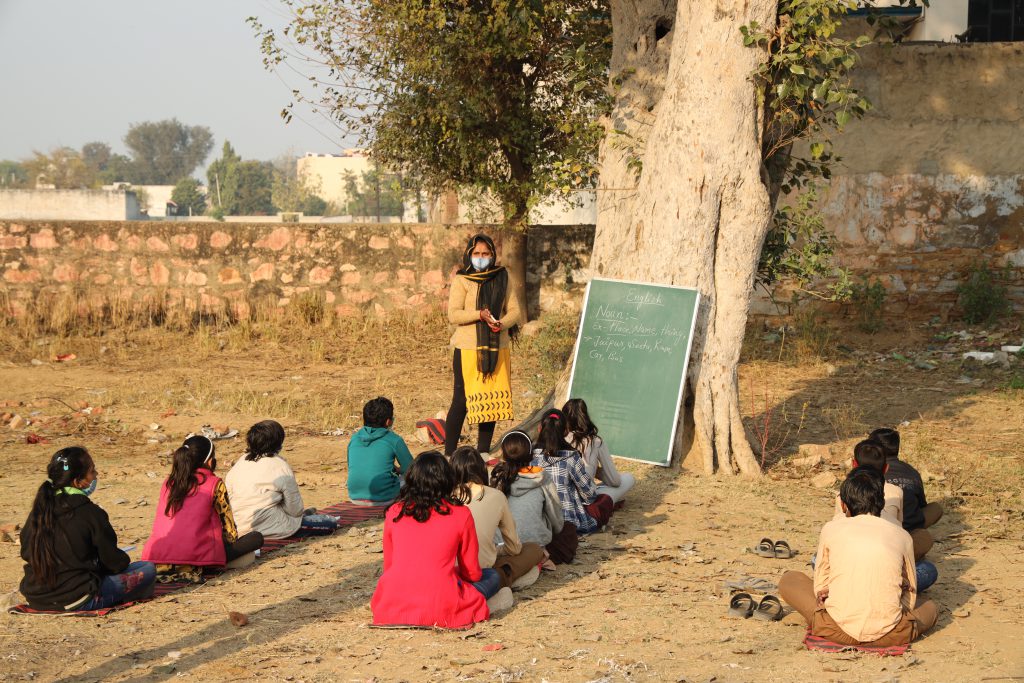
The third wave of COVID-19 pandemic is a matter of concern for the education system. This is especially true for the primary classes and the tribal/rural areas. Since schools started shutting down, many students have dropped out.


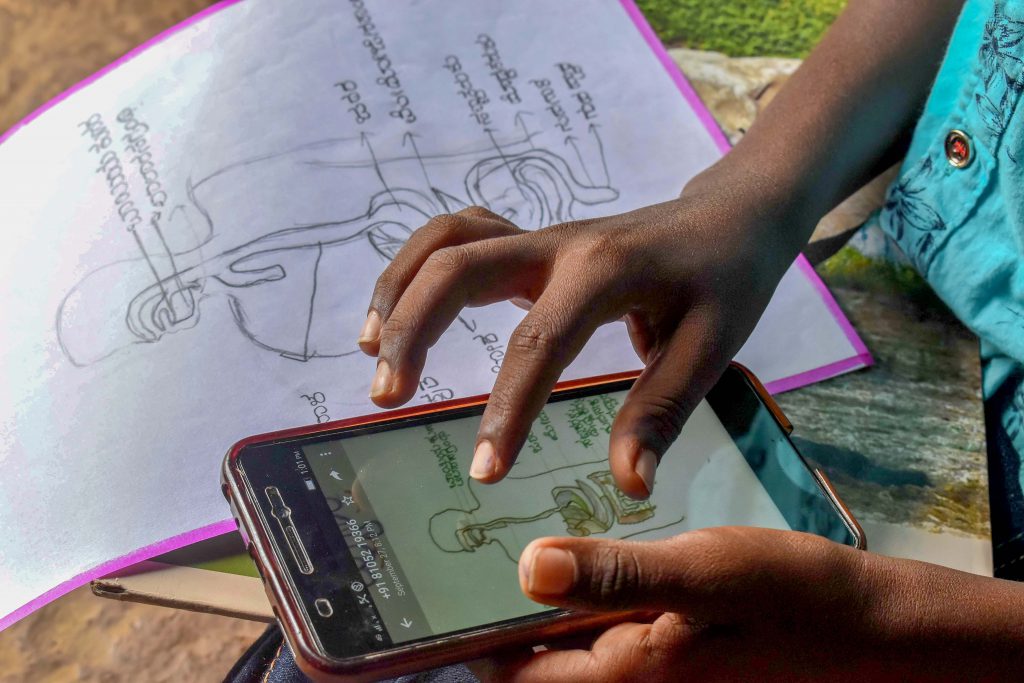
In the current context, online academic support is the only solution. This is, however, available mainly in the urban and semi-urban areas. In the rural and tribal interiors, where there is less internet penetration, online education is a distant dream for students.


So far, the government has not taken any proper measures, making it a matter of concern. This is something that needs immediate attention, as the future of our children depends on this.  


How to deal with the situation?


To deal with the impending third wave of COVID-19, the government should take the necessary measures. Proper planning and strategizing are the need of the hour. And these need to be done in consultation with teachers and parents. There is one main question right now is. How can we can provide quality education to children where there is no internet and electricity?


Organisations like Smile Foundation have been attempting to continue the education of vulnerable children. Cluster classes, proper assessment and evaluation, etc are some of the techniques we are using. Initiatives like these need to be at the core of government interventions to deal with the third wave of COVID. This is because if measures are not implemented now, we will one day be left with a highly weakened education system.

Categories
In The Spotlight

Sustainable Livelihood Training—Paving the Way for Youth Employability

The current economic scenario, propelled by COVID-19, the job market vulnerable. In India, millions of salaried employees lost their jobs, and are recovering only now. As for the unorganised sector, one can only make estimates of the number of people rendered jobless.

For young graduates just joining the workforce, the situation looks tough. Due to a lack of valuable skill training, the prospects of them getting jobs becomes even more remote. Thus, training for sustainable livelihood is needed urgently.

What the data says

A report by Wheebox, titled the India Skills Report 2021, finds that Delhi-NCR, Odisha, and Uttar Pradesh have the highest pool of employable talent in the country. 

About 45.9% of the youth were considered highly employable as per the study. Mumbai emerged as the city with the most highly employable resources, followed by Hyderabad. 

However, the changing nature of work requires a transformation of skill set as well. According to the study, youth employability stood at 45.9%, significantly lower than 46.2% of the previous year. The skill gap is the most likely reason for this lowering of employability.

Upcoming industries

Another survey analysis by Wheebox found that knowledge of software and hardware is a growing demand in various industries—from travel and tourism, to energy and manufacturing. Without the proper skills and training, young graduates are finding it harder to find jobs, thus making them less employable.

Sustainable livelihood training: Need of the hour

People now are realising that it is not just sufficient to create jobs—it is equally important to have a skilled workforce that can take up the jobs which are created.

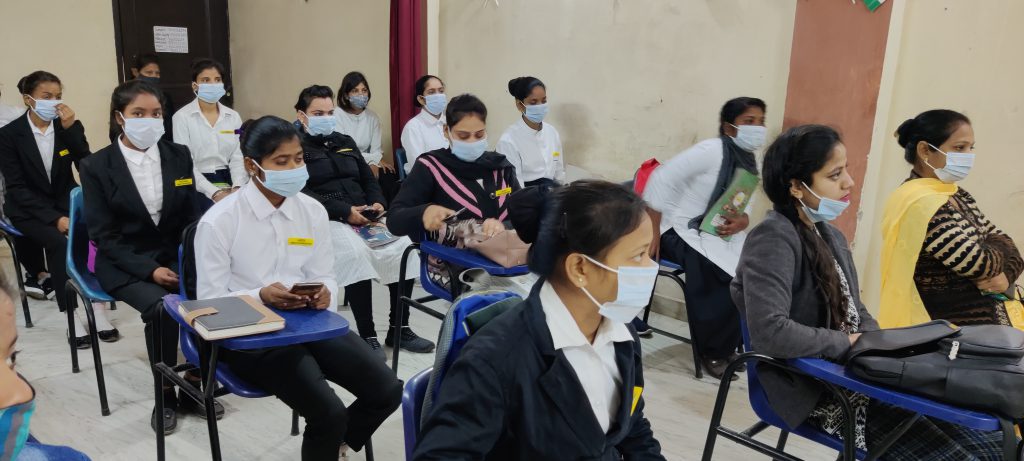
Organisations like Smile Foundation, through their Smile Twin e-Learning Programme (STeP) are aiming to do just that. Keeping in mind the availability of jobs in various sectors, Smile Foundation has been training young graduates and drop-outs to prepare them for sustainable livelihoods. In the pre-COVID era, the focus industries included retail , hospitality, etc. Apart from basic English, personality development, basic computers, and financial literacy, the students enrolled in STeP were given training to become employable in such sectors.

Since COVID, the focus industries have shifted. Due to the changing economic scenario, sectors such as digital marketing, e-logistics and e-commerce, and health care are upcoming. As a result, STeP students now train for these sectors and many have become gainfully employed in these sectors.

Proper skill training can ensure sustainable livelihoods as well as improve employability of youth.

Government interventions

In order to train youth to achieve sustainable livelihood, governments too have started interventions.

For instance, the Delhi Skill and Entrepreneurship University (DSEU) will set up centres near slum clusters in Delhi. These centres will help youngsters develop skills for better employability.

The aim of the programme is for urban disadvantaged youths to be trained under a sustainable livelihood programme. It is expected that the intervention will enable youth in low income or slum communities to make informed life choices and acquire necessary skills for employability. A similar project in Pune has facilitated employment of almost 5,500 youth.

Categories
In The Spotlight

Virtual Classroom on Local Fundraising for Grassroots Initiatives

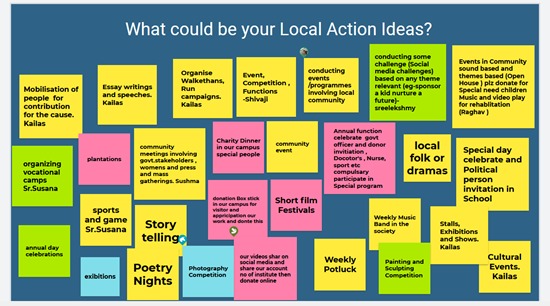
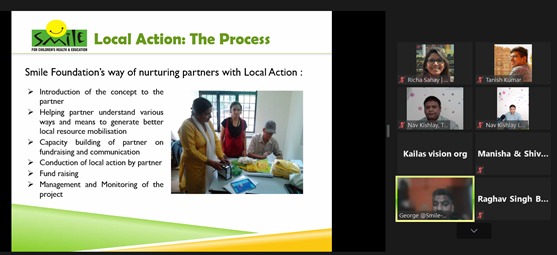
Smile Foundation, under its flagship programme, Change the Game India, recently organised a 7-day Virtual Classroom Course on Local Fundraising. The course was aimed at training social entrepreneurs in capacity-building, helping them realise the importance of mobilising local resources, and widening the sources of funding. All these will lead to a higher level self-sustainability and less reliance on donor funds.


This is among other such initiatives by Smile to empower community-based organisations. Smile Foundation partnered with Wilde Ganzen in 2016 to co-create Change the Game Academy (CtGA). This is an innovative blended-learning programme for social entrepreneurs and individuals working at the grassroots level.


LFR training 2


The importance of local fundraising


For development professionals, local fundraising is a more sustainable option, especially in the long run. Knowing the skill of local fundraising can also increase community engagement and local ownership.


Moreover, workshops like these help the development sector become independent instead of relying on corporate donors only for their funds. They are encouraged to adapt new and innovative approaches to continue their on-ground work.     


Our local fundraising workshop


Experts from the field trained community-based development professionals in the art of local fundraising through our most recent workshop. The training covered a wide range of relevant topics. Some of the bases covered in the workshop are donor mapping and profiling, communication techniques, good governance, and activities and events.


LFR training 3


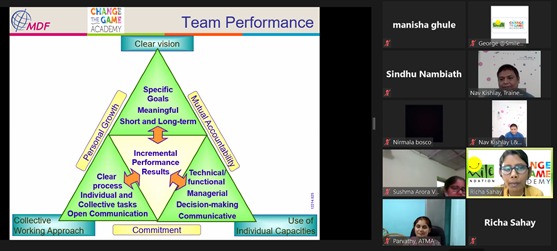
The primary goal of the training is not just to gather knowledge for oneself. Rather, participants were also encouraged to assess their own learning levels of the topics as well as share knowledge with peers.


Santanu Mishra, co-founder and trustee, Smile Foundation, said, “More often than not, we find social entrepreneurs, particularly in low resource settings, in distress due to lack of technical know-how in raising funds and ever-changing avenues for raising funds. This impacts development activities. Unpreparedness creates disruption in the flow of funds for on-ground initiatives. This takes them two steps back and thus, affects the dependent communities. Therefore, a systematic and structured process of raising funds and maintaining a regular flow of funds is critical for creating impact at the grassroots.”


The participants


A total of 16 individual participants from Odisha, Chhattisgarh, Madhya Pradesh, Telangana, West Bengal, Maharashtra, and Kerala completed the course.


The development professionals work across a range of causes. These vary across healthcare, rehabilitation, education, environment, human rights, nutrition, disaster relief, women’s empowerment, and so on.


Participants speak


Parvathy was a participant from Thrissur. “I have been fortunate to get the opportunity to participate in this workshop on local fundraising. Anyone working in this field knows what a challenge fundraising is. It requires a lot of time, professionalism, and a unique skill set. This workshop has given us skills in a hands-on manner that we can directly apply to our work. We also got ideas about potential local and in-country resources, along with a roadmap on how to access these resources.”


LFR training 4


Kailas is another participant. He belongs to Telangana. He shares, “Smile Foundation has been supporting us with kinds of training. This LFR training is very useful for us. The practical and technical knowledge will be helpful for us. We are thankful to Smile Foundation and CtGA.”

Categories
In The Spotlight

Mission Education Unhalted through the Pandemic

Smile Foundation has been working for the education of underprivileged children at the grassroots level since the past two decades under its Mission Education centres. This is a significant enterprise by itself. Now, the added obstacles posed by COVID-19 have forced us to quickly adapt to situations and adopt new learning methods to keep our centres going.


The Nai Disha centre of Mission Education is one such institution that has been keeping the dream of education alive for children with negligible opportunities. Here are some of their stories.


Zaheer


ME Zaheer


Zaheer is a bright 13-year-old student of ME Centre Nai Disha studying in Class 5. His family hails from West Bengal and has been residing in Noida for over 30 years. Zaheer’s father, Md. Basir, works as a tailor. His mother, Reshma Khatun, works as a domestic helper. Before the pandemic, the family’s monthly income was about Rs. 20,000. Now, it has reduced by half.


Zaheer has four older sisters. While two are married, the other two are still students. Limited earnings and so many mouths to feed, along with constant uncertainty about finances and health, is a perpetual cause of worry and struggle in Zaheer’s household. Therefore, the burden on the parents is immense.


Mission Education for Zaheer


The only ray of hope for the parents is seeing their children continue their studies in the face of such adversity. At Nai Disha, Zaheer is exposed to a variety of extra-curricular activities, which contributes to his all-around development. His sisters are receiving higher education after graduating from school. Their parents are conscious of the fact that their children will have an edge over the ones who are not going to school.


Zaheer is a keen student and will give his best wherever he goes. Regardless of the challenges, he is doing well in his studies and performing efficiently in all the assessments. His favourite pastime is cricket. As the family is shifting to Greater Noida, Zaheer plans to continue his education at a mainstream school there.


Mala


ME Mala


Mala is a student of Class 5 at the Mission Education Centre Nai Disha. She is a bright 12-year-old who hails from Bihar. Her family has been residing in Noida for about 12 years. Mala’s father, Ashok Kumar Yadav, studied up to Class 8 and now operates a paratha stall. Her mother, Sunita Devi, is a homemaker. Their monthly family income is about Rs. 12,000.


Raising and educating three children on such a limited income is quite a daunting task. Mala’s mother suffers from knee problems, so she is unable to work and supplement the earnings. For such families, private schools are an unaffordable option, especially during the pandemic. Mala has two siblings, an elder brother in Class 8 and a younger brother in Class 3 at the ME Centre Nai Disha.


How Mission Education helped her


The post-COVID scenario in education forced everyone, including Mala, to adapt to new learning methods. However, by the time she was able to use the smartphone efficiently, she lost interest in studies. It was only with counselling and guidance from her teachers, as well as encouragement from her parents, that she started to enjoy and learn diligently through her virtual classes. The textbooks, notebooks, and other learning materials like worksheets and assignments have helped in reviving her interest in studies.


The family has to fight many obstacles on a daily basis. But at least their children are still learning and their education is supported continuously. Her parents are now trying to enrol her into the nearest government school so that her studies can continue seamlessly.


Shanti


ME Shanti


Shanti is a student of Class 5 at the Mission Education Centre Nai Disha. Her family is originally from Nepal but they have been staying in Noida since many years. Babu Ram, her father, is a cook. Her mother, Sushila, works as a domestic helper. Together, they earn around Rs. 12,000 per month. Both Shanti’s parents have studied up to Class 5. She has two elder brothers in Classes 8 and 9. The family stays in a servants’ quarter in Sector 29. The clean living surroundings have a positive impact on the health and development of the children.


The family managed fairly well, managing to educate their children so far. COVID has, however, affected them like everybody else. Shanti’s father was out of work for some months, and thus had no income during that time. The blessing was that they still had a quarter to live in.


Shanti at Mission Education


Her father’s work has now resumed, so there is a ray of hope. Shanti is a bright, conscientious, and well-behaved student, which gives her the zeal to study hard and become a better person in life. She has worked very hard with the efforts of the ME teachers over the years and shown great improvement in her studies. She also participates in speech competitions and other activities.


Shanti wants to be a teacher when she grows up and is keen to continue her studies for as long as possible.

Categories
In The Spotlight

Hygiene Kits to Prevent COVID-19 Infection

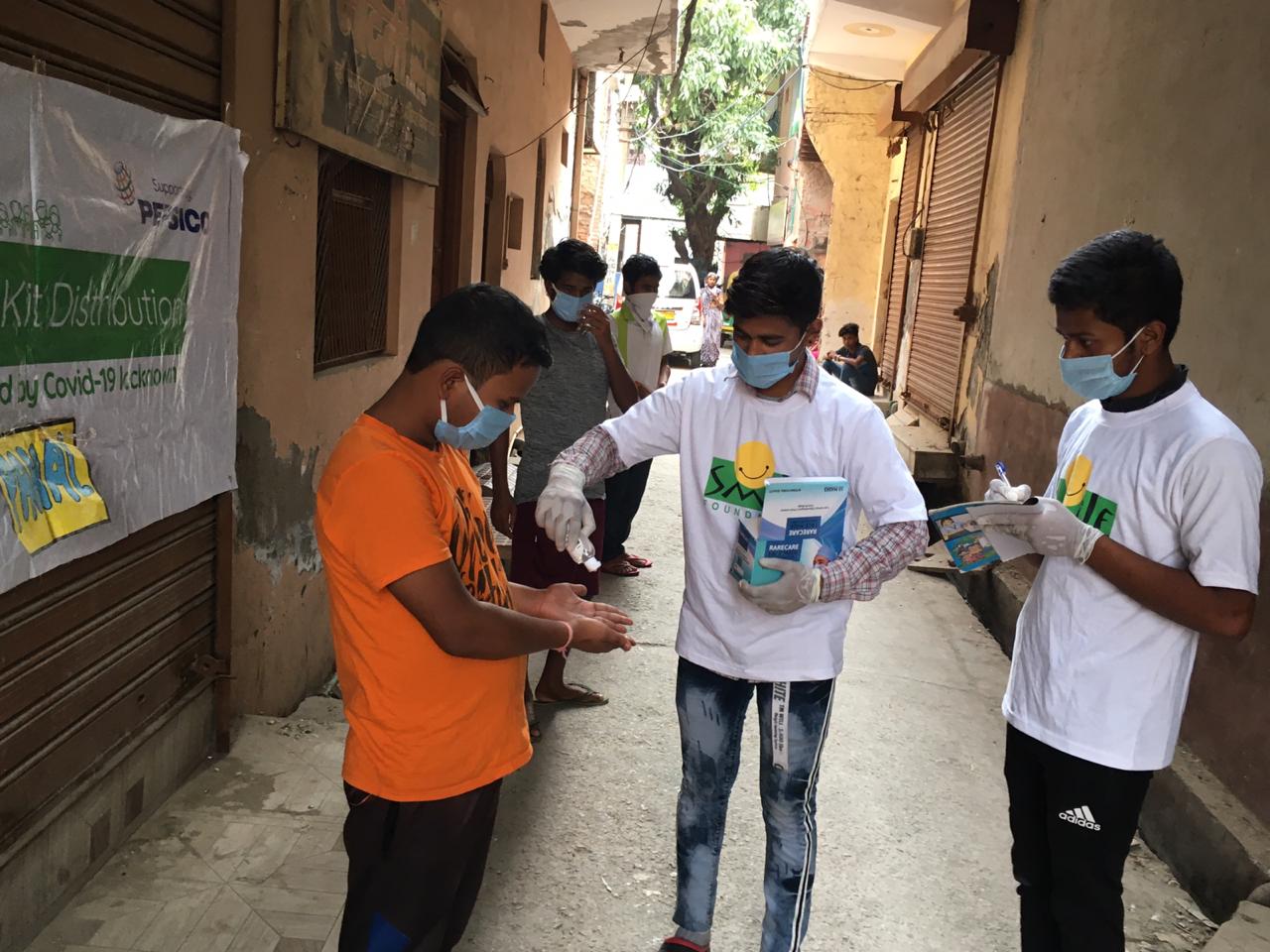
The COVID-19 pandemic has wreaked havoc upon many livelihoods and communities. People are left with no source of food, shelter, and basic amenities. Their basic hygiene conditions are not good enough to protect them from the impact of the virus. Thus, Smile Foundation has been aiming to distribute hygiene kits to families in these vulnerable communities.


Some communities at higher risk


A majority of people in developing nations are below the poverty line. In India, approximately 26% are below the poverty line and 72% live in rural areas. They lack adequate access to necessities like health, education, shelter, food, security, employment, justice, and equity. Moreover, the lack of employment makes it difficult to procure sufficient nourishment for children, essentials like sanitary pads for girls, and other basic cleanliness measures. All these factors combine to put these populations at higher risk.


How do they suffer?


There are many communities that are at higher risk of exposure to the coronavirus. Some of these are people from ethnic minorities; elderly people; migrants and refugees; prisoners; homeless people; people with disabilities; and sex workers. ‘Home quarantine’ and ‘isolation’ are alien concepts for them. The impact of COVID-19 will only worsen their predicament. Beyond the human tragedy, significant economic consequences are expected in all countries for these communities in particular.


How do hygiene kits help?


Frequent and proper hand hygiene is one of the most important measures that can be used to prevent infection with the COVID-19 virus. The most important step in controlling the virus’s transmission and flattening the curve is to maintain the required hygiene standards. The underprivileged and downtrodden groups of a major portion of the country have little or no access to the sanitation standards and services essential to avoid the coronavirus. Thousands of disadvantaged families, abandoned elders, and orphaned children can all benefit from hygiene kits.


Protecting ourselves and others through proper handwashing and hygiene practices has never been more important. But basic water and hygiene facilities remain out of reach for many children.


How Smile Foundation is helping


There are higher chances of contracting the coronavirus due to unsanitary and highly congested living conditions, lack of awareness, and necessary protective gear. Smile Foundation is providing hygiene kits to less privileged children and families to enable them to protect themselves.


So far, we have provided over 2,00,000 hygiene kits to vulnerable communities. Our aim is to provide 5,00,000 kits to underprivileged families.
The cost of each hygiene kit is Rs 100 and includes soap, sanitizer, and masks (both surgical and reusable).


You can also donate hygiene kits


You can contribute to COVID-19 relief services in a number of ways. It is crucial for us to stand with the ones who need essential care and protection. Even the smallest step matters, such as making your domestic help a personal hygiene kit.


You can also donate online. Your small contribution can go a long way in providing life-saving care to someone. Help India fight coronavirus. Provide hygiene kits to underprivileged families across India.

Categories
Insights

Can COVID-19 Have a Positive Impact on Education?

The coronavirus pandemic has wreaked havoc in everyone’s life. There is no one in the world who has remained untouched by the effects of the virus. Some have lost their job; some have lost their family and friends. Children across the world have lost the school-going experience. However, it may not be all bad. After all, every cloud has a silver lining. Thus, COVID-19 has a positive impact on education as well.


Rise of blended learning methods


The pandemic forced educators across schools, colleges, and universities to adopt a blended mode of learning. It is a big possibility that face to face delivery along with online modules will become ‘the new normal’. Initiatives like this are vital.


This is, however, not without challenges. Teachers have had to quickly adapt to technology and be trained in the same so that they are equipped to deal with this method of learning. This may well become a basic requirement for all teachers in the near future. Blended learning may also open up avenues for curriculum development and pedagogy facilitated by the new way of delivery and assessment of learning outcomes being adopted. This can also be seen as an opportunity for curriculum designers to improve upon the quality of the learning material.


Mental health of children


The pandemic has highlighted the importance of mental health in a way no event before this ever did. Human beings are social animals and being deprived of social interaction for such a long period of time has taken its toll on many. Children are among the worst affected in this regard. Not being able to go to school or the playground, there have been significant changes in their behaviour. This has led many parents to become concerned over their child’s mental health and well-being. In a way, this is a welcome change from the focus on pure academic advancement.


All-round development over report cards


It is important to keep children engaged in various activities in the absence of being able to go out. Baking, drawing, painting, and gardening are some of the skills that children have picked up in the pandemic. All of these contribute to the overall development of children and thus open up the path to non-traditional curriculum.


At the same time, it is important to understand that many children do not access to such opportunities. Due to this, returning to school is important for them.


Change in expectations


In India, the pandemic forced an event that was possibly unthinkable before—cancellation of the Board exams for 12th and 10th standards. Changes like this will force the educators and policymakers to rethink the necessity of assessments in the traditional mode of learning.


The advent of blended learning and unforeseen circumstances may lead to development of curriculum which focuses not just on academics but also on resilience, critical thinking, leadership, courage, and decision-making.


Learning management systems: A booming industry


Before the pandemic, companies that were developing learning management systems were thought to be a niche as not too much mainstream learning was happening online. Its scope was mainly limited to professional learning or those who had greater access financially. The stay-at-home imposed by COVID has changed all this.


Learning management systems can potentially now grow at a very fast pace. Those companies in the sector which have already strengthened their base over a period of time will be at an advantage. At the same time, new players may arrive and even out the playing field a little. This might make e-learning more affordable. This is yet another positive impact on education as well as industry.


Collaboration: Paving the way for a positive impact on education


Teaching and learning do not need to be compartmentalized and restrictive any longer. The pandemic has presented the opportunity for collaborations between students and teachers regardless of geography, socio-economic background, or any other factors.


Is there a positive impact on education?


As per this article by the World Bank, the pandemic will be leaving a long-term negative impact on education. However, as illustrated above, there can be a significant positive impact as well.


As the human race, we can make the best out of the situation. We can innovate and improve the existing pedagogy.


Categories
In The Spotlight

Doctor’s Day: Smile Salutes Our Healthcare Workers

National Doctor’s Day is observed every year on July 1. The day commemorates the birth as well as the death anniversary of Dr Bidhan Chandra Roy, former chief minister of West Bengal. The day is dedicated to all the doctors and healthcare workers who have been serving people by risking their lives.


As a result of the pandemic, the role of frontline workers has become more important than ever. Smile Foundation celebrates the lives and contributions by our doctors, nurses, and health care workers. Here are some of their moving stories to celebrate Doctor’s Day.


Inspiring stories from the ground on Doctor’s Day


Swapna, Community Mobilizer, Smile on Wheels


Swapna 420x282 1


Swapna works with our Smile on Wheels programme in Hyderabad. In her role as community mobilised, she keeps a tab on the well-being of the people in the local community. “I was raised to believe that extending care to those who need it the most is the biggest act of kindness. As a result, my biggest desire was to become a doctor someday. During the course of achieving my dream, I found an opportunity to work in close contact with the community. I faced the harsh reality and realized that working as a doctor would not fulfill the true purpose of my life. I still wanted to help people, but feeling the pain of those who struggle to pay the doctor’s fee changed my perspective.”


Swapna met tons of people who felt it is better to hold on to their daily wage to feed their families rather than giving it to a doctor. They were suffering in silence. Thus, she decided to start visiting remote communities in rural areas and inaccessible slums. She listened to their problems and extended help. “My job now is to mobilize such people and sensitize them into seeking proper healthcare provided free of cost through the medical unit of Smile On Wheels,” she says. Now when someone asks her what she does, she proudly replies, “My job is to help people!”


Vani, ANM, Smile on Wheels


Vani 420x280 1


“I have been working as a nurse for more than 20 years. Seeing the grateful emotions reflected in a patient’s eyes pushes me to work harder for them. The amount of love I receive when I am serving them fills me with immense gratitude,” says Vani, an ANM worker for Smile on Wheels. Her undeterred service towards people belonging to far-flung villages and slums during this time of crisis is an inspiration in itself.


Srabanti, ANM, Smile on Wheels


srabanti 421x430 1


In a pandemic-gripped world, people in remote regions have lost access to effective healthcare. Our tele-counseling initiative, ‘Baaton Baaton Mein Sehat‘, has rallied to help those in need. ANM Srabanti Das from the Smile on Wheels programme in Kolkata is one such person who is striving hard to keep track of the health of people from tight-knit slum clusters and far-flung rural areas by providing them with essential consultation and awareness on COVID-19 during this difficult time.


Deepak Kumar, Ambulance Driver, Kolkata Municipal Corporation


deepak 420x282 1


Smile Foundation salutes individuals like Deepak Kumar who have been waging the war against COVID-19 at the frontlines. “Coronavirus has turned all our lives upside down. For the past two months, I have been ferrying COVID-19 patients to the hospital. I work like this for 14 hours every day, but I have no idea how many of these patients make it out alive out of the hospital. I always keep a smile on my face despite the dreary circumstances,” says the untiring and selfless Deepak.


He further adds that despite the demanding schedule and meagre pay, he and his wife feel grateful to be able to serve these patients. He recently provided ration to a few needy families in his locality as a way of easing the burden of the crisis.


Sunita, ANM, Smile on Wheels


sunita 420x315 1


Sunita works with the Haryana chapter of Smile on Wheels as an ANM. The pandemic posed many challenges to her which she has never encountered before. However, she laboured on and continues to do so. “Having double roles to perform as a homemaker and as a health worker was a bit tough in this pandemic, especially with my sick mother-in-law at home. But I know that health cannot wait for anyone at home or on the ground,” she shares.


Dr. Anurag Sobhari, EGI Project, Gurgaon


Dr.Anurag 420x315 1


Dr. Anurag Sobhari has been working as a doctor with Smile on Wheels in Gurgaon since the past five years. During these COVID times, the role he plays as a doctor has definitely increased tremendously and has become quite vital. He shares his experiences.


“The people who need health care services were unable to get them because of COVID-19. People are scared to go to the hospitals for check-ups due to the fear of catching the virus. So we are taking OPD to the doorsteps in slums for the underprivileged and marginalized people. The patients who come to our Smile on Wheels van always tell me that they are facing many problems due to the lockdown and this pandemic. I have even had to do home visits sometimes.”


Ritu, ANM, EGI PROJECT, Gurgaon


Ritu ANM Doing RBS 420x315 1


Ritu, and ANM with Smile on Wheels in Gurgaon shares that the SoW vans have played an important role during the pandemic for the elderly, women, as well as children.

“As a health worker, it is my responsibility to serve the community in any situation. Sometimes my parents are concerned about my health and safety due to the possibility of exposure to the virus. But I tell them that the pandemic is a tough time and we should try to help those in need,” she adds.


Sujata, ANM, Smile on Wheels


Sujata 2 323x430 1


Sujata is a resident of village Patlikuhal in Himachal Pradesh. Her home is around 24 kms from Kullu where the Smile Foundation office is. So she has to travel around 50 kms daily to and from work. She has been working in the Mobile Medical Unit (MMU) in Kullu.


“Our team members remained fearless in the face of COVID. We were always ready with our MMU to serve the people in need. PoC tests were also conducted whenever required,” she shares.


Smile Foundation salutes all the frontline health workers on the occasion of Doctor’s Day. Kudos to our warriors who are fighting the COVID pandemic.

Categories
In The Spotlight

An Effort to Reduce Vaccine Hesitancy

Since the advent of the COVID-19 pandemic, scientists started working vigorously towards creating a vaccine. It is common knowledge now that various vaccines have been successfully created across the world, and a couple of them are available in India as well. At this point, it is imperative that the entire population is vaccinated at the earliest. For this, it is important to reduce vaccine hesitancy. While the jabs may not be able to prevent infection completely, they have proven to prevent the severe effects of the coronavirus on the human body.


The importance of vaccination in health care


Vaccination has been one of the greatest contributions towards saving millions of human lives every year.  More than 1 billion children have been vaccinated for various diseases over the last decade. Immunization is a major component of primary health care. It helps in eradicating many infectious diseases.


Currently, 4-5 million deaths are prevented through immunization for vaccine-preventable diseases. Yet there is a gap in the global immunization coverage. Nearly 20 million children have insufficient access to vaccination.


Why do we come across vaccine hesitancy?


There are a number of misconceptions against vaccination. One of these is that diseases started disappearing due to better hygiene and sanitation, not due to vaccines. Another is that vaccines do not protect us as we can still get sick from the same disease but with mild symptoms. People also think that the risks of a vaccine outweigh its benefits.


The concept of vaccine opposition isn’t new. It has been around since vaccines were invented. Even way back in the 1800s, during the outbreak of smallpox, vaccinations were considered to be against religion/god. There were also political objections and criticism based on sanitary reasons since the smallpox vaccine consisted of cowpox blister.


There is another widespread assumption that immunisation is no longer necessary because these diseases have been eradicated. However, the truth is that vaccines will only keep diseases from resurfacing as long as they are utilised to prevent them.


Being naturally strong versus getting vaccinated


Since there has been no evidence that immunization works over going natural, it all comes down to personal choice. A person’s immune system might perform well even though they refuse to be vaccinated. But we can be sure the immunized person is safer because their body already knows about the potential infections.


A vaccine introduces the virus into your body in its weak form so that it has least impact. As a result, the body continues to perceive it as a pathogen and produces antibodies to attack it. The second dose, referred to as a booster dose, stimulates a second infection in the body. Consequentially, once the body detects that another infection of the same virus has entered the body, it develops unusually large amounts of antibodies against it, killing the infection produced by the vaccine very rapidly. So, once the vaccine’s weakened virus is killed, there is already a surplus of antibodies in the system that operates as a line of defence when you get sick.


What is telecounselling and how can it be used to reduce vaccine hesitancy?


1 2


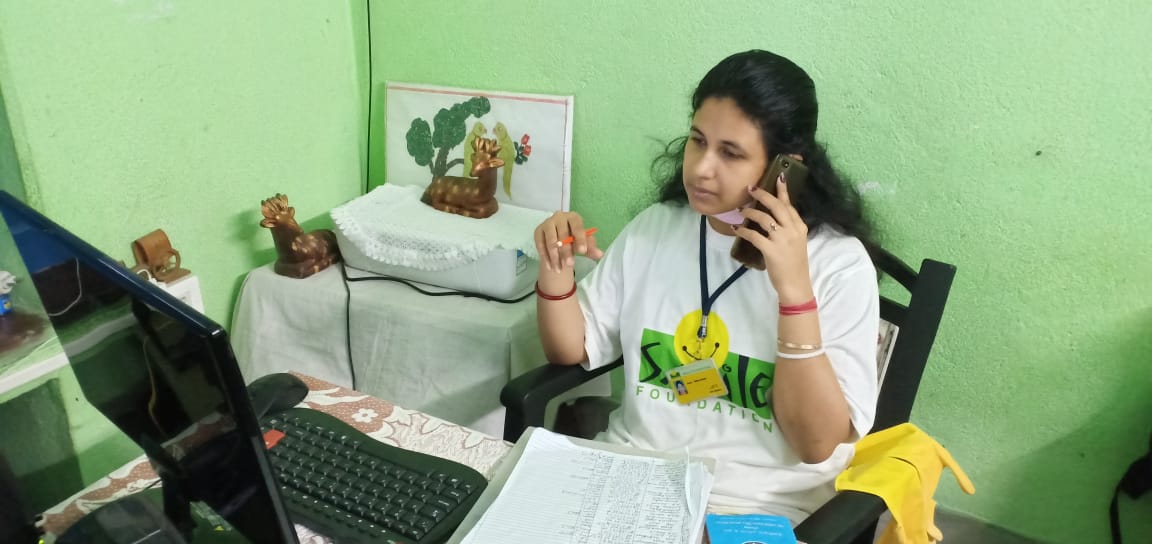
Telecounselling is any type of counselling service provided over the telephone. It can be used to address the vaccine reluctance of people. Counsellors listen to the concerns of the patients, actively listening to doubts and fears. The main concerns are: Is this going to be of any use to me? Is it safe? And so on.


Understanding the situation of the patient, supporting the patients’ beliefs, and engaging in truthful communication while giving them the correct message can help reduce vaccine hesitancy and achieve a higher number of vaccinations.


How can you help as an individual in the present situation?


Engage in open conversations with vaccine-hesitant people


The most effective way is listening to the concerns of the hesitant person. Respect their opinions and gain their trust, so that they are open to considering your opinion too. Trying to convince a person to get vaccinated is not our job but to be open to a conversation is. Using scientific facts and statistics and trying to understand their concerns will help in the discussion.


Help COVID patients in this time of need


You can help your friends, relatives, and neighbours by bringing to them essential supplies. Home-cooked food also aids in the recovery of COVID patients. Instead of shunning them, help them towards a speedy recovery.


Donate to a COVID-19 relief fund


The pandemic has affected the lives of many, especially the vulnerable communities across India and across the world. Donating through fundraisers or NGOs can be a great help to those in dire need of basic amenities.

Categories
Insights

Can we predict the effects of the pandemic on the girl child?

Several studies have been conducted on the impact of the COVID-19 induced school closures across the world. Most of them have drawn similar conclusions. Closure of schools will lead to lower levels of schooling and learning, reduced earnings in the future, and an increased drop-out rate. For women and girls, the socio-economic risks posed by the pandemic are manifold. It is likely that they are at higher risk in the realm of education too. As a result, the long-term effects of the pandemic on the girl child and on women will be significant. UNESCO has projected that 11 million girls may never return to school following the pandemic.


The education and welfare of girls have been deeply challenged by the pandemic. This is especially true for girls from low-income households and those in rural areas and underdeveloped countries. Economic distress can put girls at greater risk of exploitation, child labour, and gender-based violence. The lockdowns imposed due to coronavirus may harm girls’ autonomy. The attitudes and practices that regard girls as ‘lesser’ than men may become front and centre again.


Dropout rates for girls may increase


A study by the Malala Fund has found that more than 20 million girls (from pre-primary to upper secondary) are at risk of dropping out and may never return to school. This is a sharp increase in the number of girls who would not be able to return to school after the pandemic settles down.


Many girls may be pushed into child labour during the lockdown period while schools are closed. Once caught in the web, it is very difficult for them to get out.


Lack of access


Millions of girls are not able to access essential health care facilities due to the pandemic-induced closures.


Due to travel restrictions, many girls are not able to access reproductive health services. Some countries have the practice of ‘after school girl clubs’ which are safe spaces for girls to share their troubles. All of these are inaccessible to girls now.


Threat of sexual abuse


UNESCO’s COVID-19 Global Education Coalition has reported that teenage pregnancy across sub-Saharan Africa could increase by as much as 65 per cent as a result of school closures because of the COVID-19 pandemic.


Sexual and reproductive rights of girls are highly compromised in a lockdown situation. This is because girls are unable to seek safety from their abusers outside their homes. This could lead to increase in adolescent pregnancy rates in many societies. There was also an increase in rape cases, leading to unwanted pregnancies. Such survivors are more likely to drop out of school.


Child marriage on the rise


Latest numbers suggest that child marriage has quadrupled in Maharashtra’s largest district since the pandemic hit. Many families are struggling to make ends meet, and getting their daughter married off means one less mouth to feed. Some parents are also concerned about the future of their daughters if the parents die.


Moreover, due to the COVID-19 restrictions, it is now possible to have a wedding with lesser expenses because of the limited number of guests. For low-income families, this is almost an opportunity to get their daughters married off without having a large gathering and spending a lot of money.


More responsibility for girls


If there are any ill or elderly family members, or any young siblings, it is expected that the girls of the family will take care of them while schools remain closed. As a result, this may lead to dropping out of school, early marriage, and other things that could have long-term impacts on the girl child.


Additionally, girls and young women from families facing severe economic distress are more likely to take on work that puts them at high risk.


Are there any positive effects of the pandemic on the girl child?


Despite all of these factors, there may still be hope. Parents who were earlier concerned about the safety of their daughters travelling to school may find the online mode of learning more preferable. This way, their daughters can learn in the safety of their homes.


However, this is again contingent on a number of factors. Some of these are the availability of a smartphone, tablet, or device at home; Internet access; parents’ ability to help their child with online learning; and readiness of teachers to adapt to digital methods of teaching.

0%