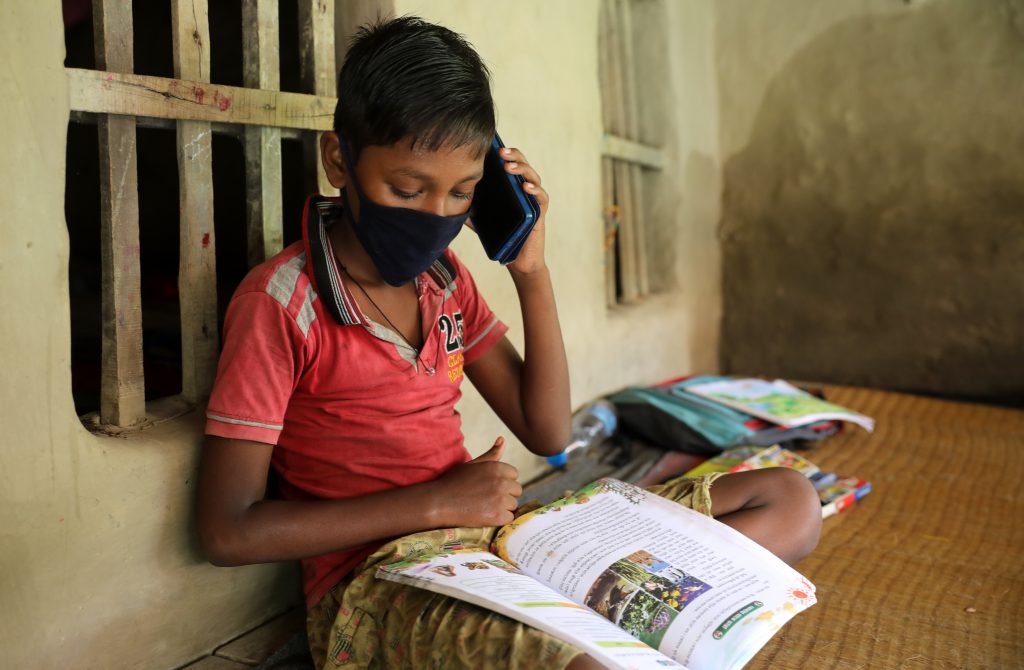
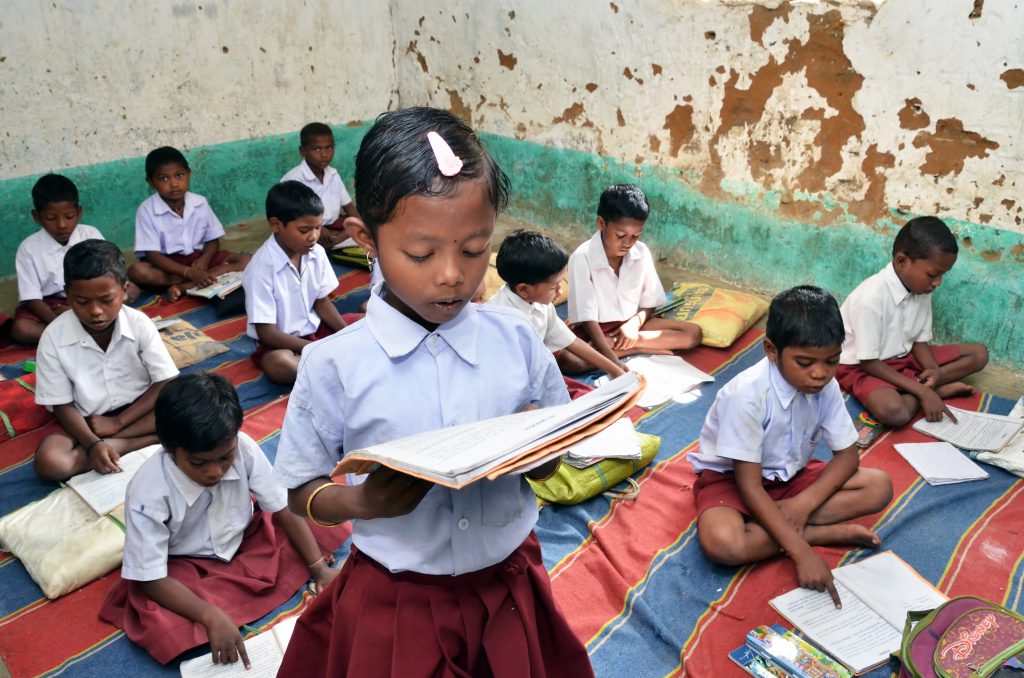
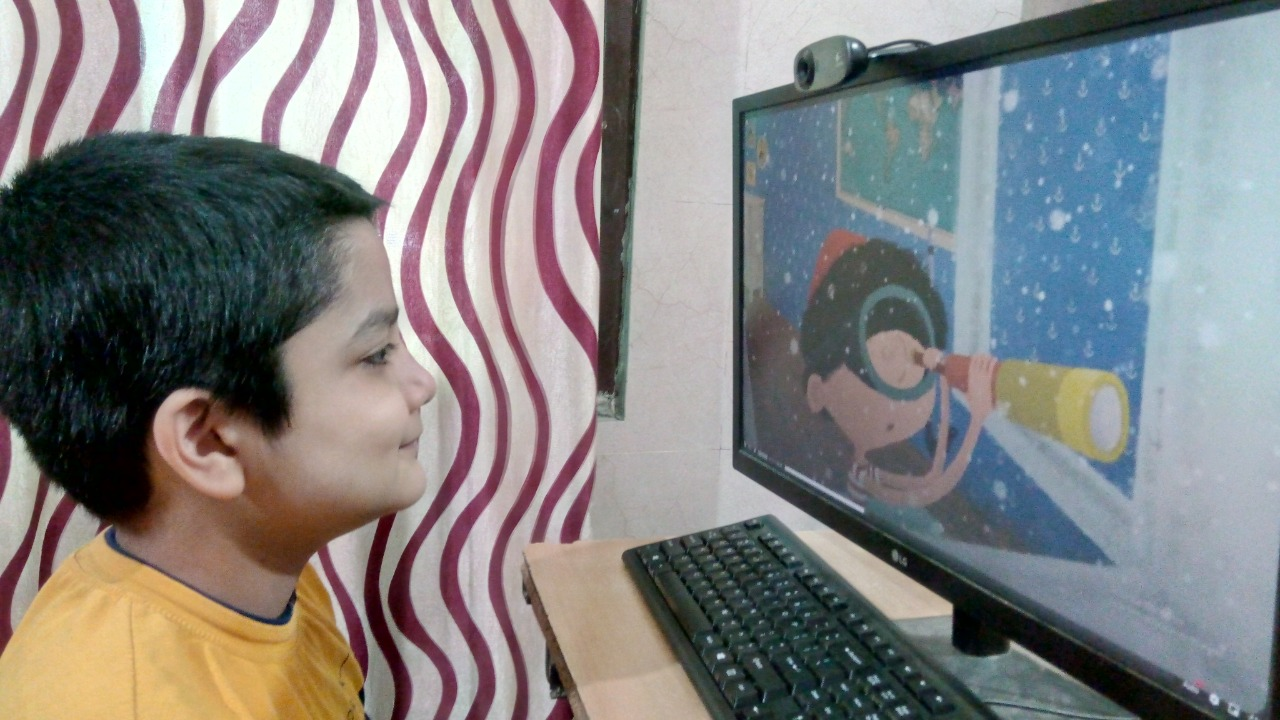
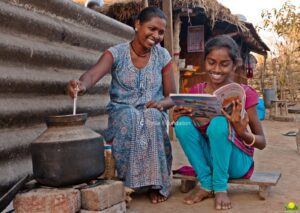
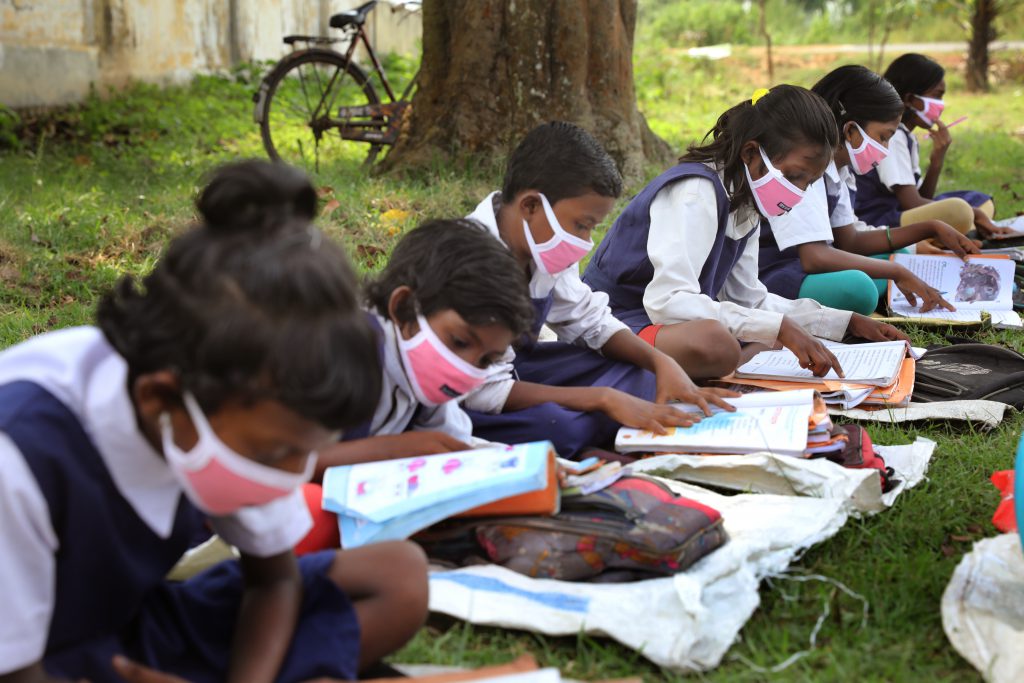
Digital devices divide classrooms in terms of access to learning materials during lockdowns amid the COVID surge. For instance, most of the students in Siddharthnagar cannot access an android device on a daily basis. They have only one device in their family, which is mostly used by their father or the earning member of the family. Thus, it remains “out of bounds” for them. It is time we ask whether the smartphone can be replaced with a basic phone for virtual education.
Many government schools formed Whatsapp groups last year to share study materials for students. However, the question remains—how many of these groups are actually effective?
Smile Foundation has been attempting to fulfill the goal of continued education for the vulnerable. Last year, Siddharthnagar’s Smile team was able to mobilise the community and find some volunteers for our Shiksha na Ruke campaign.
This year, we have committed to a new solution. Through the appointment of a ‘Shikhamitra’, our team will be able to mitigate the learning gaps by continuous community visits and cluster classes. The best part is when all the students are given a classroom feel through remote classes. All the students can be a part of it; all they need is a basic phone. Students can participate actively in an interactive virtual class through their basic phones.
Role of ‘shikshamitras’
Our ‘shikshamitras’ are well connected with parents. They are continuously trying to figure out the problems and challenges faced by the children during these difficult times. Being community-based volunteers, it is a source of personal satisfaction for them to see the happy faces of the children.
Sometimes, if a student misses a class, the shikshamitras update them over call . There is a long way to go, definitely. But it is an achievement to get them interested in the class at the field level.
The COVID-19 pandemic has highlighted the disparities in our society. Unequal access to healthcare, lack of job safety, not being able to access basic resources like food and shelter. These are just some of the problems the pandemic has presented. Marginalised children are among the worst affected groups.
Revelations of NSO survey
A survey by the National Statistics Office (NSO) published in 2020 reveals some stark statistics. The ‘Household Social Consumption on Education in India’ report mapped 1.52 lakh students in 1.13 lakh households spread across 8,000 villages and 6,000 urban blocks. The survey period was July 2017 to June 2018.
The survey result reiterates the rural-urban divide. It reveals that the differences lie not just in expenditure on education but also in access to digital resources. About 4.4 per cent of rural households and 23.4 per cent of urban households had a computer. As for an Internet connection, 14.9 per cent of rural households and 42 per cent of urban households had it.
Among those aged 5 and above in rural areas, only 9.9 per cent were able to operate a computer, 13 per cent were able to use the Internet and 10.8 per cent had used the Internet in the 30 days before the survey. On the other hand, in urban areas the figures were 32.4 per cent, 37.1 per cent, and 33.8 per cent respectively.
Impact of the pandemic on marginalised children
The pandemic has made these circumstances even worse. Although the figures are slightly better for the urban areas, it is important to remember that the pandemic has forced education to become digital. Marginalised children are the biggest victims of the pandemic. They are the ones who will most likely face very long-term consequences. Children from well-to-do families who have access to computers, smartphones, and tabs are able to continue their education. Unlike them, majority of children are marginalised in all aspects of life, including access to education.
Assessment by Smile Foundation
A survey by Smile Foundation in their Mission Education programme between July 2020 and August 2020 has also revealed some interesting data. Gargi Kapoor of Smile Foundation writes, ‘With only 51 per cent of the respondents satisfied with the current learning methods, 80 per cent are waiting for schools to reopen. … Almost 68 per cent feel that the online/tele-calling classes are very rarely (sometimes/never) scheduled as per parents’ availability. … 68 per cent of respondents expressed that they need guidance or they are not able to access [mobile phones] properly while 74 per cent are not able to guide their children regularly. Furthermore, 44 per cent mentioned that they do not have adequate availability of educational resources to facilitate home-based learning for their children.’
Some of the challenges
More marginalised children may drop out of school
A UNESCO report says that the closure of schools affected 320 million children in India since the beginning of the pandemic. There are many reasons for this. A few of these are widespread unemployment leading to loss of income, the inability of households to pay for school fees, and difficulty in accessing resources required to continue education. Moreover, since the pandemic began, many children from marginalised communities have had to assist with household chores and also contribute to the income of the family.
Digital divide reinforcing income and social inequalities
A number of alternate teaching channels have emerged since the onset of the COVID-19 pandemic. There is direct online teaching (primarily in private schools), government portals, cable channels, etc. However, due to inconsistencies and disruptions in electricity and Internet services, and inaccessibility to mobile or computer devices, this has not been an easy run. This is true for both students as well as teachers.
We need to ensure that children are provided with tabs/computers and also data packs to help them with online learning. The situation has also exposed the flaws in our infrastructure in terms of Internet and electricity. For so many of us working/studying from home, it is common to face delays and disruptions due to improper supply of power and Internet.
Gender disparity in education may increase
Due to the financial and opportunity costs, families may choose to discontinue their daughters’ education. To make matter worse, the number of child marriages is increasing during the pandemic. Parents feel it is economically viable to have a ‘COVID wedding’ with fewer people.
The access to digital infrastructure is also disproportionate. ‘Only 33 per cent women had access to Internet, while this figure is 67 per cent for men. This disparity is more prominent in rural India where 72 per cent men and only 28 per cent women had access to Internet’, writes Protiva Kundu.
New challenges for teachers
The situation has thrown up challenges for teachers as well. They are not well-equipped or trained to shift their mode of teaching so drastically. Government school teachers have to do COVID duty, whereas those in low-paying private schools have had to face salary cuts or unemployment. Thus, the quality of teaching is getting affected.
It is important to equip teachers to deal with these unforeseen circumstances and to ensure teacher retention.
Our interventions
Through the Shiksha Na Rukeinitiative, Smile Foundation has provided around 200 tablets to the beneficiaries of several projects in different states. To ensure that there is no misuse, we keep the tablets at the ME centres and students use them under the supervision of their teachers. During the lockdowns, children were attending cluster classes to continue their learning on tablets.
We have also provided some of our teachers in Mumbai with data packs. This is to facilitate training and counselling sessions.
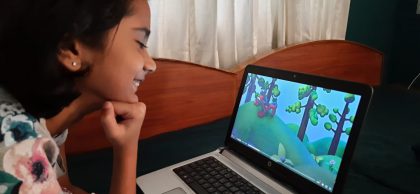
Zlin Film Festival and Smile International Film Festival came together this summer. Together they brought for the children of India a little over 100 minutes of fun and entertainment from 27 May to 1 June. And all this happened in the safety of their homes during the second wave of the pandemic. SIFFCY had organised a virtual film festival last year too.
We showed the children 10 animated, non-verbal, and super entertaining movies. We believe that cinema is a powerful medium and it helps to instill values such as empathy and compassion amongst children. In addition, such value-based movies contribute towards their mental well-being and also teach them to be more responsible.
About Zlin Film Festival
The Zlín International Film Festival for Children and Youth is the oldest and largest film festival of its kind. It was founded in 1961 and is held in Czech Republic’s town of Zlín, home of Tomas Bata, founder of the Bata shoe empire. The festival’s mission is to present international films produced for children and teenagers, to make them accessible to young audiences, and offer a high-quality alternative to commonly available audiovisual content.
An important aspect of the festival is to educate young audiences through the medium of film. Moreover, it seeks to expand their awareness of the outside world and develop their aesthetic, social, and moral senses.
Our Reach
Hundreds of schools received the invitation to join the film festival. Seven among these exclusively partnered with Smile Foundation to take this festival to all their students. These were Shemrock Senior Secondary School, Mohali; DAV Police Public School, Panchkula; Army Public School, Secunderabad; Bharti Public School, New Delhi; DAV School, Chattisgarh; Allons Public School, Chattisgarh; Delhi Public School, Durg. Two private school associations also partnered with us, namely All India Private School Association and All Kerala Private School Association.
Over 20,000 children from our Child for Child campaign partner schools watched the films online. Many students from Mission Education (ME) centres also participated with enthusiasm. The movies could be viewed at any time of the day till 1June. This ensured that the children from Smile Foundation’s ME centres could watch the films on their parent’s mobile phones after they got back from work.
Getting the children involved
Some of the most loved movies were About a Tree, Cloudy, Little Rainworm, and Wildlife Crossing. Most importantly, we did not want this to become a passive activity. For this, the Child for Child team put together a competition for all the participating students. The competition required students to send in a review or an analysis of their favourite movie(s). The response was overwhelming and we received some amazing reviews from over 100 children. Further, some of them even shared video feedbacks and photos of themselves enjoying the movies.
Tokens of appreciation for everyone
Students who participated in the competition received free online passes to attend Anim!Arte – International Student Animation Festival of Brazil. All schools and students who registered for the film festival received certificates of participation.
Children from Niveda Foundation too watched the movies screened during the fesival. After that, they also sent in their wonderful reviews about the movies they liked.
Some of the best reviews from children
I totally enjoyed this movie. This is because the lives of both chicken and the dog and their everyday struggles were depicted in a funny, enjoyable and interesting way. And the story was easy, neat and understandable for every kid. I loved the animation used in the film. The other movies I really liked were “Wildlife Crossing”, “Zizalaci Hrisci” and “About a tree”.
Ishita Seby
I’m studying in class 5 at Kendriya Vidyalaya No. 1, Air Force Academy.
I felt very happy watching the movies through Smile-Zlin Film Festival. This pandemic has been very scary. Me and my friends are locked down in our homes and restricted from going outside. As soon as our honorable Principal Madam sent the link, I registered myself and watched the movies.
I liked all the movies as they instilled good moral values. I especially liked the movie “Little Rainworms”. In this story the little rain worms and black bird deal with an illegal dump. They have fun using a meat grinder to turn all of the junk into attractions with colourful swings and slides. They mark their newly built playground and then the worms and blackbird are the first to play on it. I liked this story because I too like to play with clay. The moral of the story is that we can create new innovative things using junk.
This again reminds me about our Principal madam, HM madam and my class teacher who teach us not to waste anything. We can always make BEST OUT OF WASTE and learn to recycle the waste material.
Thank you, Smile Foundation, for the movies. They are innovative and creative. I got great knowledge and had fun watching them all!
Srihita S
I enjoyed the film festival very much. It was very entertaining and meaningful. I liked the idea of making a film with the help of paper and clay. I appreciate it and would love to see more movies like this in future.
Manini Mahajan
Our partners
We would like to thank the Embassy of Czech Republic, SIFFCY, our partner schools, all the participating institutions, and team members from Child For Child and Mission Education programmes who worked with us to make this one-of-a-kind online film festival for children a huge success!
We are fortunate that the second wave of coronavirus in India has started going down. However, it is not over. The virus is still new for experts. It is unpredictable and we cannot be sure what the future holds. We need to strengthen COVID care centres and government hospitals. We must be prepared for a possible rise in cases in the near future.
The crisis
When the pandemic first hit, we realised that there was an urgent need for isolation and COVID care centres. The second wave hit India in an unimaginable way. Government hospitals ran out of beds and other healthcare equipment. Doctors and other healthcare workers are risking their lives each day on the frontlines. However, without proper equipment and supplies, our frontline workers cannot save precious lives.
Impact on society
The situation has resulted in increased inequalities between different sections of society. On the one hand, there are few who had enough money to acquire resources by any means without burning a hole in their pocket. Then, there are middle-class people who have exhausted all their savings in getting healthcare for their family members.
And there are others who simply do not have the option to go out of the way financially. They are entirely dependent on the government’s healthcare infrastructure and do not have any spare cash for out of pocket medical expenses.
Can we strengthen COVID care centres and government hospitals?
Smile Foundation understands the seriousness of the crises which the pandemic has thrown at us. We have broadened our scope to become a COVID-19 relief fund. COVID care centres and government health institutions are facing shortage of oxygen cylinders, oxygen concentrators, BiPAP machines, PPE kits, sanitizers, oximeters, thermal scanners, and masks. These are absolutely essential for the treatment of COVID patients and the safety of doctors.
Our target is to equip at least 100 COVID care centres and government hospitals with the necessary provisions. Corporates and institutions have been a big support till now.
YOUR contribution!
It is important to remember that strengthening the healthcare infrastructure of the country is a step towards development. It is not just about the underprivileged but about helping society as a whole. This pandemic has shown us that health cannot wait. You can do your part by donating to a COVID-19 solidarity response fund for the betterment of the healthcare infrastructure of the country.
The coronavirus pandemic has completely disrupted children’s lives, making them vulnerable to many challenges all at once. A normal school-going child is facing pangs of anxiety due to the sudden change of schooling environment and experience. They are also not able to meet their friends or play outdoors. In such a situation, we need to think about ways to safeguard children from the pandemic.
A variety of challenges
Families have suddenly been thrown together and have to spend a lot more time with each other in close quarters. In the pre-pandemic era, each family member was busy in their world till now. This sudden closeness and lack of space/me-time can lead to many misunderstandings, fights, and interpersonal issues.
There are added challenges for teenagers. Their sleeping and eating patterns have completely changed and impacted their circadian rhythm. This is adding to the already ongoing hormonal imbalance they face.
These are just a few problems that can be dealt with through planning or therapy.
Our survey showed some of the challenges for children during the pandemic.
Poor children at a disadvantage
The poor are at a bigger disadvantage. Living conditions, getting a meal on their plates, or access to healthcare are only some of the problems they face. Among such problems, education is the last priority for them. Paying for education just adds to their financial burden.
These children often also have to face toxic households. On the surface, every individual is good. However, one never knows how toxic a person/family can be without experiencing it personally.
Most children who go through domestic violence and abuse are held inside their homes by their abusers with no way out. For any organisation trying to help or reach out during the pandemic, there is no means to survey, not enough support to help the child in distress, and mostly no information and no way in. The children are no longer in regular contact with their teachers and welfare workers with whom they can share.
Need to safeguard children from the pandemic
Like countries such as Brazil, Bangladesh, and Mexico, we can include messages on violence/abuse when you make a call. There should also be a hotline that will respond immediately.
Hygiene kits are an important tool to prevent the spread of the pandemic. These must be distributed to vulnerable children and their families. We must give out positive parenting tips, mental health and psychosocial support (MHPSS) services, and COVID-19 prevention messages through the use of loudspeakers at the community level.
It is important to set up a child helpline. This should allow counsellors to reach out to children remotely for case management and psychosocial support services.
What can citizens do?
The best we citizens can do is look out for our neighbours or react to signs and reach out to either the abused or a helpline because there is no bigger trauma than going through it all alone. Preventing a mishappening may benefit a child’s life and give him a happy childhood instead of a traumatic one. This is one of the most important problems that need attention.
Among those infected with the coronavirus, only about 4 per cent of the affected people need hospitalization, while nearly 96 per cent can recover through isolation and care. With our healthcare infrastructure overburdened, home isolation has become a valuable and effective means of dealing with the coronavirus.
What does home isolation mean?
As per the WHO, “Being in isolation means being separated from other people, ideally in a medical facility where you can receive clinical care. If isolation in a medical facility is not possible and you are not in a high-risk group of developing severe disease, isolation can take place at home.”
It further states, “If you have symptoms, you should remain in isolation for at least 10 days plus an additional 3 days without symptoms. If you are infected and do not develop symptoms, you should remain in isolation for 10 days from the time you test positive.’
Home isolation kits
For the poor in India, home isolation presents many challenges.
First, it requires you to have a separate room and attached toilet. In the homes of the poor in India, space is often a significant problem, even under normal circumstances. Families of four to six members often reside in one- or two-bedroom houses in congested areas. In many instances, these houses do not have attached bathroom or toilets. All the residents of the area use community toilets.
Second, self-isolation without the care of doctors and nurses requires that you keep a track of your temperature, oxygen saturation level, etc. Doctors also recommend steam for smoother recovery from Covid-19. Thus, you need to have a thermometer, a pulse oximeter, and a steamer at home. Most families cannot afford to buy these items because they survive on daily wages and a hand-to-mouth subsistence.
Third, there should be a designated person to take care of the Covid patient at home. This is not possible for many families, and hiring help is not even an option.
Thus, it is important to remember that isolating at home is a privilege that not everyone has easy access to.
What can you do?
You may be wondering where you can donate for coronavirus relief? Smile Foundation is providing home isolation kits for Covid-19 patients who have mild and less severe symptoms. This can ensure that they get effective care at home, as far as possible. This is one of the many interventions of our Health Cannot Wait campaign, which is aimed at providing aid during the Covid-19 crisis in India.
Our target is to provide 50,000 home isolation kits to underprivileged Covid patients. The cost of one home isolation kit is Rs 2300. It includes digital thermometer, pulse oximeter, steam inhalation equipment, medicines, and supplements. Donate TODAY towards relief for the Covid emergency in your country.
“I have learned to value food and not waste it. We have seen how difficult it is to access food and seen our parents struggling to make ends meet.” A child at one of Smile Foundation’s Mission Education centres in Bangalore said this. These centres are working actively towards imparting life skills in the youth.
The impact on children
The Covid pandemic has affected all sections of society in one way or the other. Among other things, we also have to worry about the well-being of our children. They are missing out on meeting friends, playing outside, extracurricular activities, besides observing, exploring, and learning from the world outside.
As per UNICEF, the 2020 lockdowns led to the closure of almost 1.5 million schools in India. This brought chaos to the lives of over 247 million students of elementary and secondary schools. Further, this situation could have a profound impact on the mental and socio-emotional well-being of children.
Children are deprived of play and physical contact. These are critical for their psycho-social well-being and development. Therefore, the role of parents, educationists, and development workers in keeping them engaged, motivated, hopeful, and happy has increased a lot.
Use this time to impart life skills!
We must look at the positive sides as well. Children are spending more time with their family at home. This could be the time and place to help them imbibe critical life skills along with moral values. It is an opportunity to nurture a generation that inculcates humane values of gratefulness, compassion, respect, and kindness towards humanity and nature. This is a time to show them that there is more to life than academics to lead a fulfilling life.
Teach them responsibility
Assigning small tasks and errands to children gives them a sense of importance. They will feel that you value their inputs and contribution. They get hands-on experience and realise the significance of taking responsibility. Many children have learned new skills to help around the home – cooking, gardening, and other household chores, for instance.
‘One Earth, One Home’
We joined hands with WWF on the ‘One Earth, One Home’ initiative. We implemented this through our Mission Education centres across India. The children enthusiastically learned to appreciate, explore, and learn from nature.
They learned how to work along with their parents and family because of staying at home. They learned how to grow plants, avoid wasting water, and keep the environment clean. These little encouragements can impart the spirit of teamwork, independence, collaboration, accomplishment, and responsibility.
The resilience of children
This is a time when families have been exposed to several kinds of struggles including financial, psychological, and health-related. Many adults lost their jobs, had to take pay cuts, survive on limited resources, and face health issues due to the coronavirus pandemic.
Children who have single mothers working as domestic help were hit severely during the lockdown. Their movements were restricted and they were advised not to visit the homes where they work. The majority of them had to remain without pay or got only part of their salary.
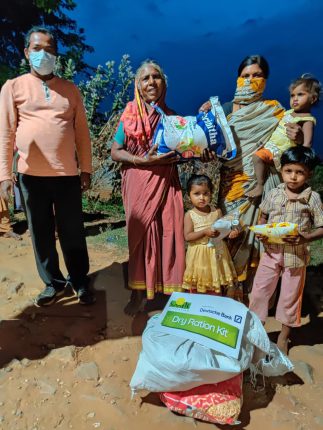
These families faced a huge financial burden to access basic needs too. However, the timely intervention from the Mission Education centres and Smile Foundation’s dry ration kit distribution drives ensured that children and their families have access to nutritious food during the crisis.
Children have had to silently bear witness and participate along with the family to manage and overcome the crisis. The support that family member’s have extended to each other instills confidence and belief in oneself and in the family as a unit. Through this, family bonds have become stronger. You learn that no matter what, you can always bounce back to life with more vigour and positivity, together with loved ones.
Importance of self-care
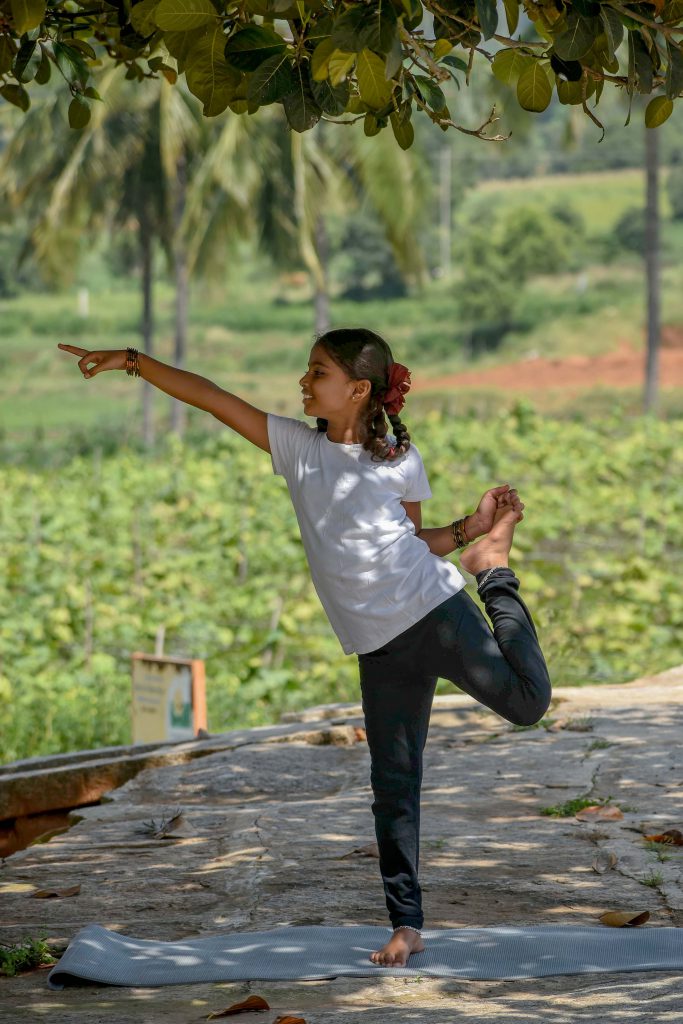
Staying fit and practising physical activities is a must for emotional, mental, and physical well-being. Physical exercise or yoga are integral elements in the curriculum for a blended mode of learning by the ME centres. All work and no play is making children fatigued and dispirited.
Children, parents, and teachers learned the importance of self-care across ME centres on occasions like Women’s Day, Children’s Day, etc. The importance of consuming healthy nutrients, soaking in sunlight, and exercising can help relieve some of the stress and fear among children and adults.
Let’s be grateful
Being grateful and appreciating life is a key learning for children. Parents and teachers can share anecdotes and explain to them about the commendable work done by Covid warriors. Doctors, health workers, police, and social volunteers are providing much-needed care, essentials, and food packets, and supporting relief initiatives.
As human beings, we are interdependent in each other and these pandemic has revealed that we are all in it together. It is the little things in life that work miracles and alleviates the pain and sorrow of our neighbours in these difficult times.
Continuing with hope
We need to accept the challenges of the pandemic and turn them into opportunities. Smile’s ME teachers and staff are managing and guiding the children emotionally and academically. Another year of blended learning from home appears to be a real possibility at the moment.
Apart from academic learning, we need to teach our children critical socio-emotional life skills to help them tide through this time. We must reignite their self-awareness, mindfulness, grit, and appreciation for this journey called life.
The coronavirus pandemic has led to the realisation that our healthcare infrastructure is not well-equipped to deal with a disaster of this scale. The second wave has made matters worse. Frontline health workers are working round the clock to save lives. They are putting their lives at risk every day.
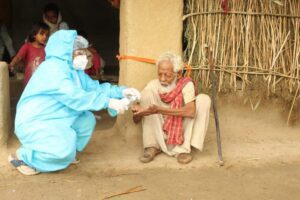
Frontline worker in Sonbhadra, UP
What we believe
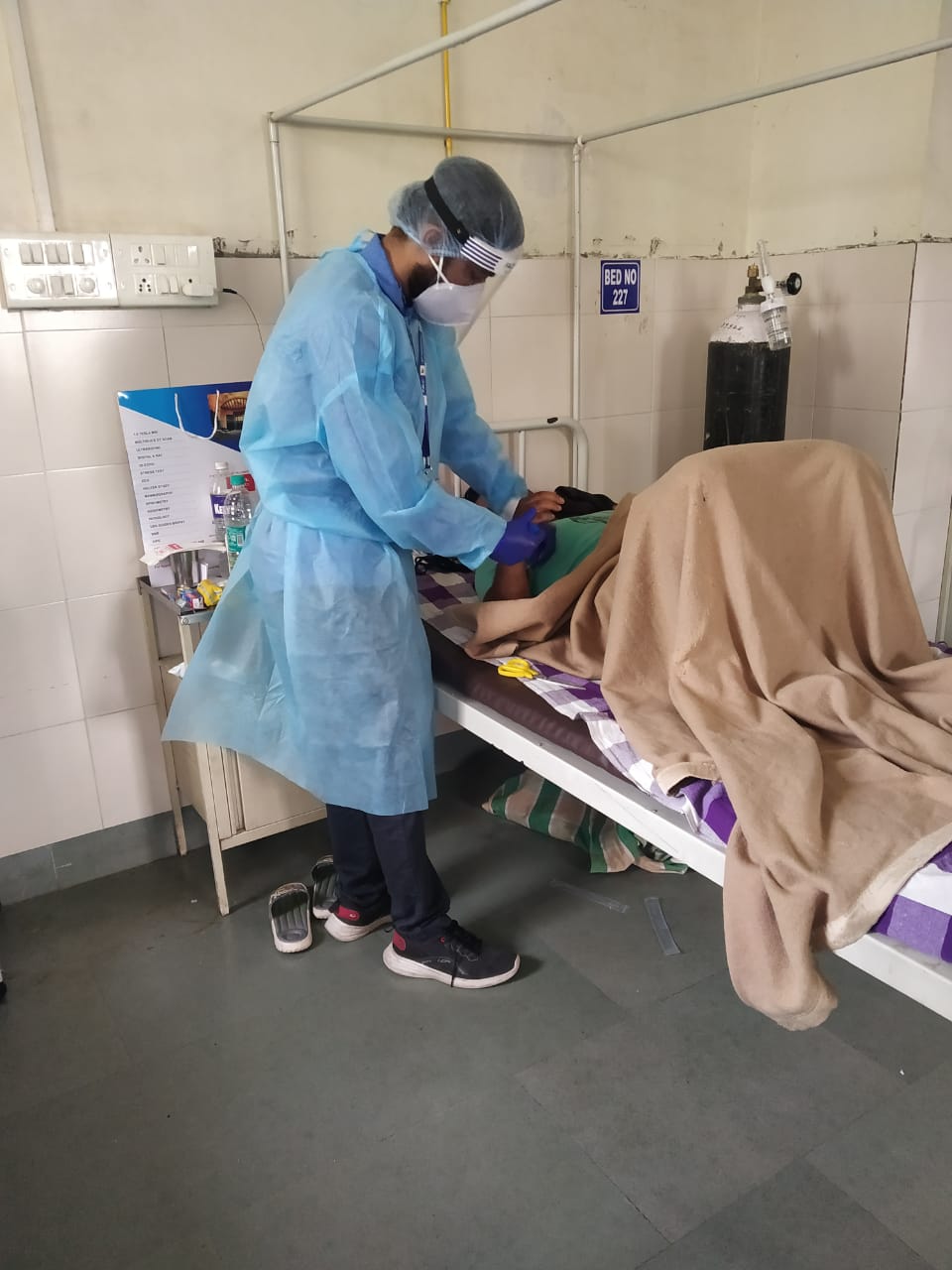
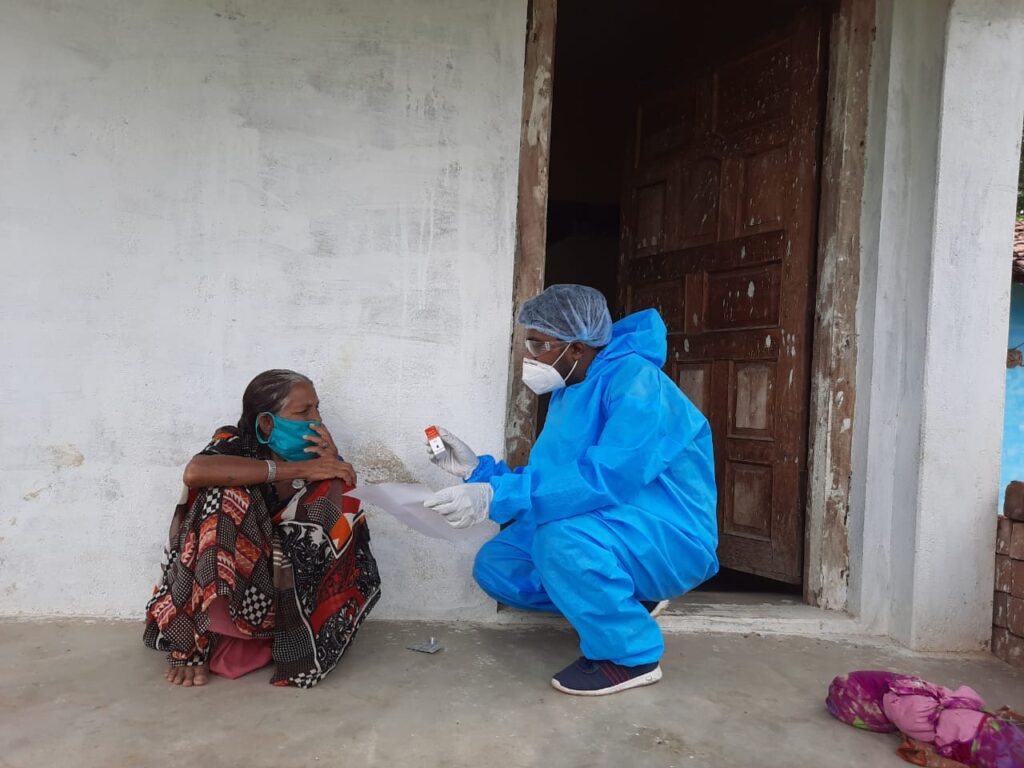
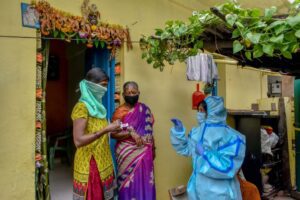
We at Smile Foundation are donating relief during the Covid-19 pandemic on all possible fronts. As part of our interventions, we are trying to ensure that our frontline workers, including doctors, nurses, paramedics, and ASHA and Anganwadi workers, have access to protective gear like PPE kits and masks.
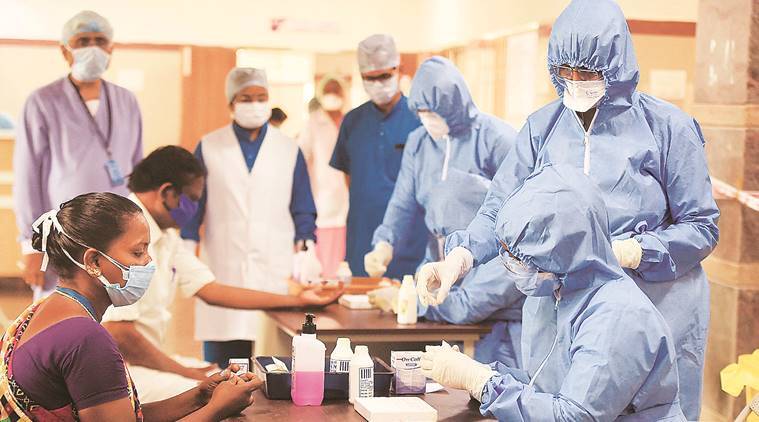
Frontline workers in PPE kits
Smile Foundation believes that it is important to protect our health workers as much as possible. After caring for patients all day, they also have families to go back to and they need to protect them as well as the patients whom they care for. They are leading India’s battle against the deadly pandemic.
Challenges for frontline health workers
By the end of May 2021, India had recorded close to 2.8 crore Covid-19 cases. Some studies estimate that the real number is much higher. One of the first challenges that India faced when the crisis hit was the shortage of PPE kits. India was not manufacturing enough and also exporting a significant amount of PPE kits.
On account of many people buying and hoarding various essential goods, there had been a shortage of N95 masks as well.
By the time the second wave hit in March 2021, the production of PPE kits and N95 masks in India has gone up considerably. However, many frontline workers still do not have access to proper protective gear. There may be various reasons for this, such as, shortage of funds, problems in transporting supplies, a lax attitude towards health and safety by the administration of medical facilities, and so on.
Our interventions
Healthcare workers wearing PPE kit in Khaira, UP
So far, we have provided over 80,000 protective gear to frontline health workers. Our aim is to provide at least 1 million sets of protective gear to frontline health workers. The cost of each set is Rs 12,000. It includes PPE kits, N95 masks, and sanitiser for one healthcare worker for 30 days.
Do your part!
We have been working tirelessly to work as a Covid-19 response fund. In the past year, we have amped up our efforts to help the healthcare infrastructure workers and helpers in useful ways. But all our efforts have a crucial backbone – YOU. You can also become a Covid-19 warrior and donate now! Join our Health Cannot Wait campaign to make a difference today.
As the second wave of Covid-19 grips the country, we witness a more intense and rapid spike in the active cases per day. This has led to new threats being posed to human life and education. Amid educational institutions being shut down, how is the Covid-19 pandemic affecting student learning?
The COVID-19 pandemic has impacted almost every sector across the globe. It has affected the education system in India and across the globe. Educational institutes, including schools, colleges, and universities, have been shut owing to the nationwide lockdown implemented by the government. Classes have been suspended and all examinations and entrance tests have been postponed indefinitely.
Thus, the lockdown has hampered the schedules of almost every student. Undoubtedly, this is a crucial time for the education system as several entrance tests and competitive examinations are held during this period.
A new way forward
Classes, examinations, and internships of all education institutions have been cancelled. Instead, they are using online modes of learning and teaching. Initially, there was confusion among teachers and students with regard to coping with the situation. However, the lockdown has taught us many lessons on managing the pandemic.
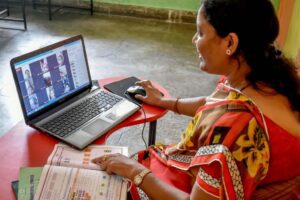
A teacher taking an online class.
This lockdown has given teachers and students a way to continue education online. The teachers deliver their lectures through various video conferencing apps like Zoom, Google Meet, Facebook live, Skype etc.
The perception of schools has changed since the lockdown. With schools being closed for months, e-learning has taken centre stage all over the world. Digital learning has become the new normal for schools and other institutes. The pandemic has accelerated the adoption of online classes. It has given a chance to students to develop skills through online learning in a more productive and efficient way. There are many benefits of digital learning as it has no physical boundaries and students get to learn new things while staying in their comfort zone.
Government interventions
Moreover, there have been many digital initiatives from the Ministry of Human Resource Development (MHRD) for secondary as well as higher education during this pandemic.
The central government has launched online platforms and applications to aid learning during the COVID-19 pandemic. For instance:
Diksha
E-Pathshala
Swayam
Does the pandemic affect student learning positively?
Despite the hindrances caused by the global pandemic, there are many things that have happened in favour of the educational system.
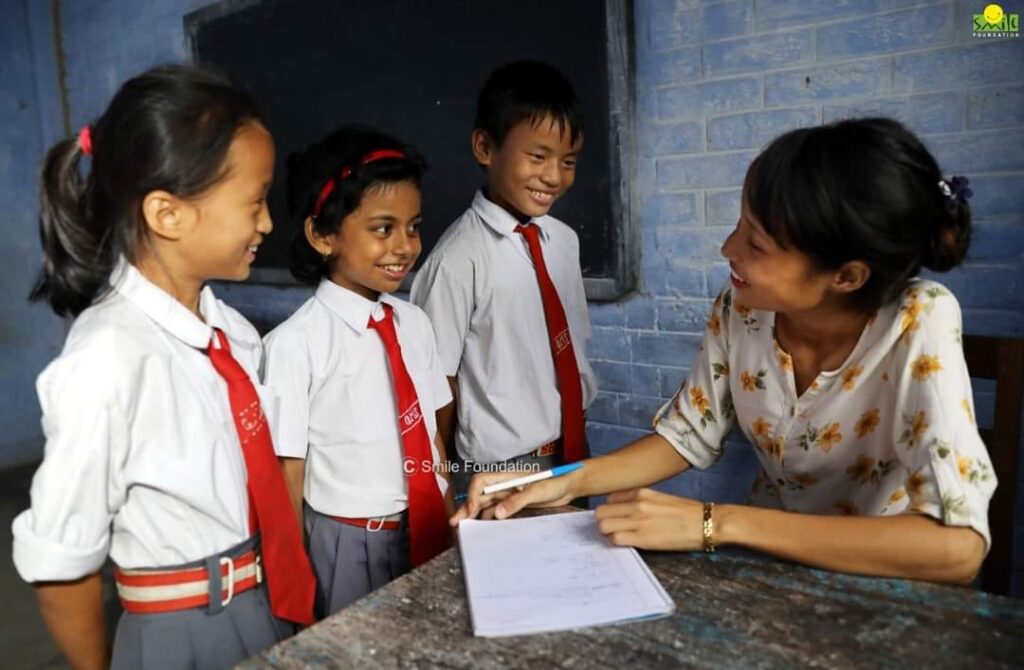
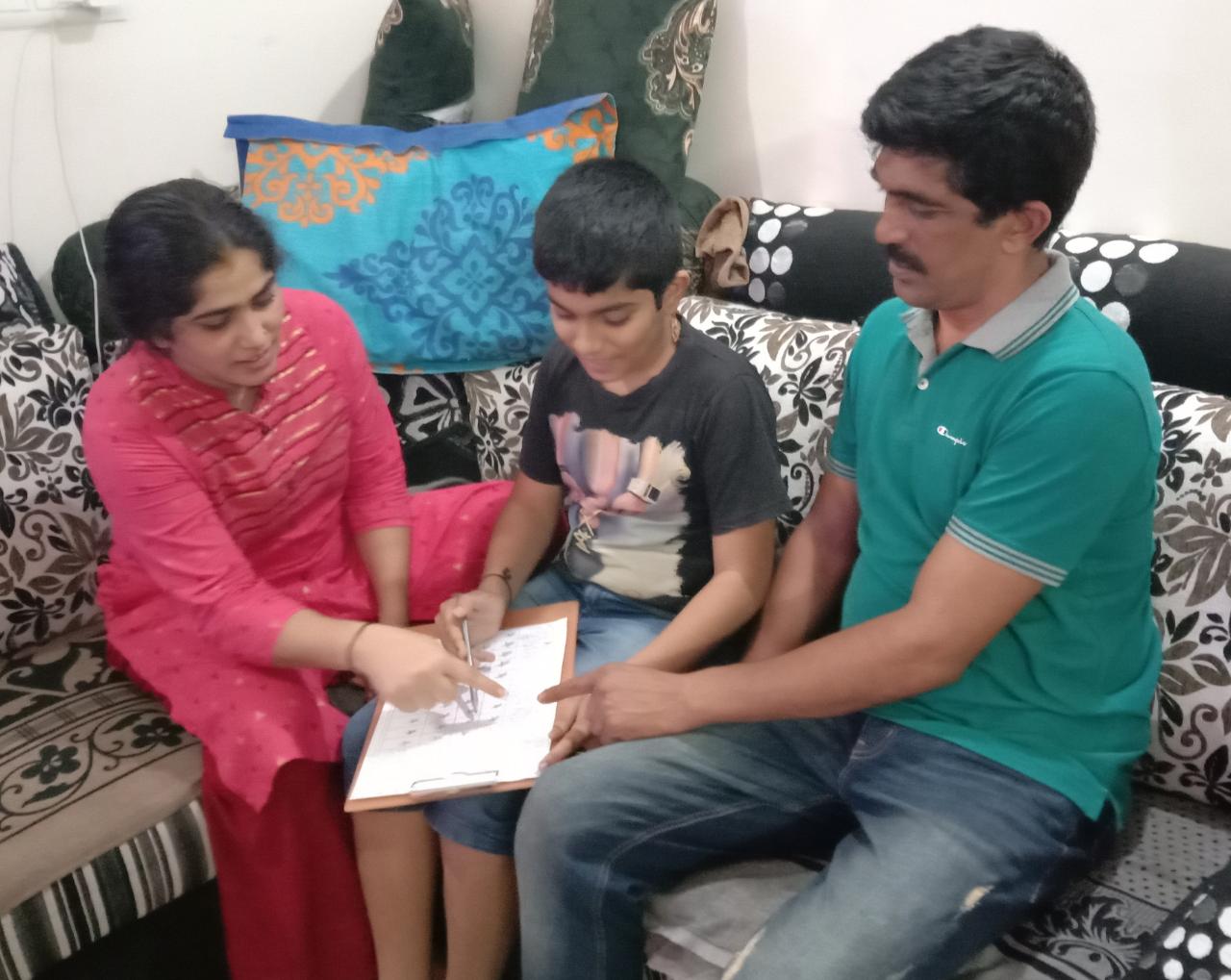
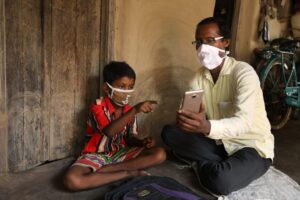
A teacher giving worksheet support and guidance to a student during a home visit in Bankura. Photo by ARIJIT SEN
The Indian education system needs to transform from a traditional approach and adopt digital methods. The pandemic has accelerated the demand for digital education and encouraged students and teachers to learn and work together and gather knowledge.
Due to e-learning, students are taking online notes and preparing digitalized copies of their work, which saves paper and benefits the environment.
There has also been a collaborative effort from both teachers and students to work in this environment. Furthermore, students can easily connect with teachers around the world through online meetings and teleconferencing. Hence, the pandemic is affecting student learning in positive ways as well.
School closures affecting children’s nutrition
On the other hand, there are some negative impacts of this too. For instance, school meals are designed to give children the nutrition they need, and some families rely on free school meals for their children. With the coronavirus-triggered school closures, children are missing out on not just education but potentially on nutritious and affordable lunches too.
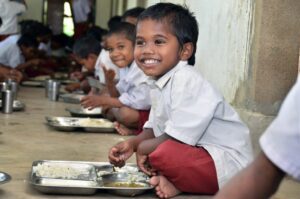
A child enjoys his midday meal in school before the pandemic.
The World Food Programme estimated that around three hundred million primary school children who depend on free school lunches are missing out on them because of school closures.
If children aren’t attending school and receiving these free meals, the need to buy more food for weekday lunches can place financial pressure on parents. Parents may also find it difficult to come up with lunch ideas that are affordable and nutritious.
Missing education can impact children’s mental health
For many children, the current events are stressful and upsetting. Their usual routine has been disrupted, and there’s a lot of uncertainty surrounding when they will be able to return to school. This uncertainty can leave children feeling worried and insecure.
Children are also missing out on their social life as the lockdown is a drastic change from seeing their friends and classmates almost every day. This can affect children in different ways — they may feel lonely, unmotivated, stressed, or depressed.
It may help to talk to children about what’s going in the world, explain the reasons for the lockdown, and the importance of staying safe. Listening to and acknowledging their thoughts, feelings, and worries can also help children feel better about the situation.
Parents should also encourage their children to stay in touch with their friends, other family members, and classmates using technology. There are video calling applications, messaging platforms, and online games that children can play together.
Conclusion
Covid expert committees at both central and state levels have always given the least priority to reopening schools during the pandemic. This is primarily because of the challenges in ensuring Covid-appropriate norms among children.
With the emergence of the second wave, the education system needs to be prepared to witness a repeat of what was seen in the past year until all or a majority of the population is vaccinated. The pandemic will be affecting student learning for a while.
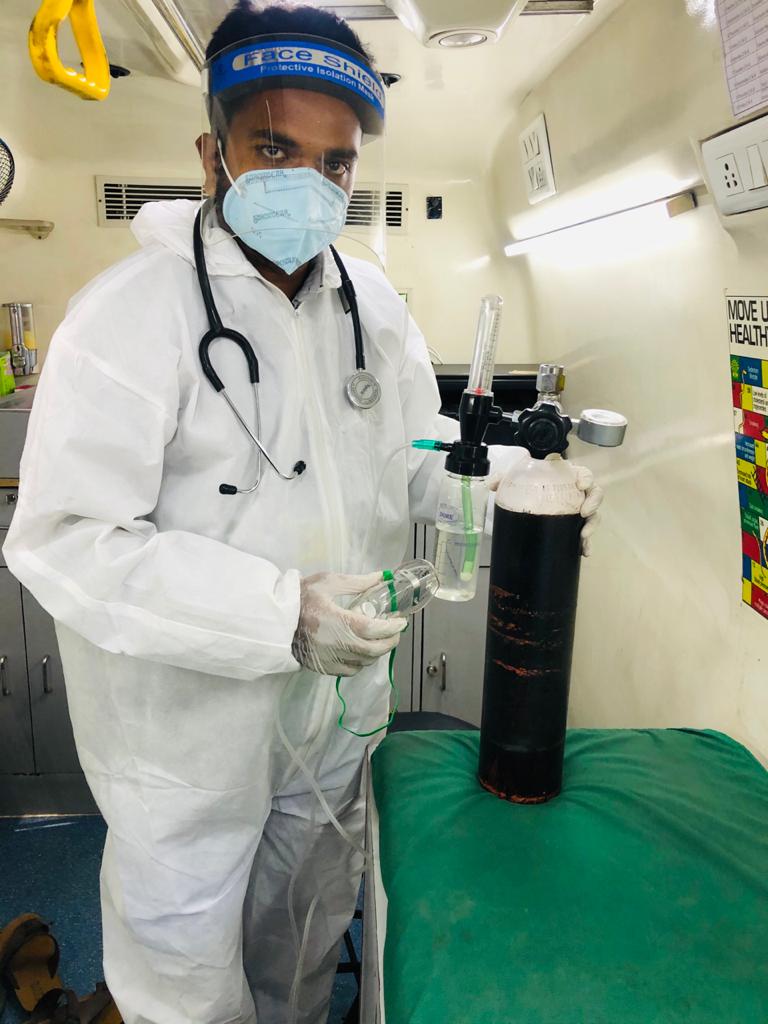
The biggest challenge in the second wave of coronavirus in India has been the shortage of oxygen cylinders and oxygen concentrators. As a result of this, many lives have been lost. Oxygen banks are the need of the hour. Smile Foundation is working towards this goal vigorously by utilising Covid donations.
A Smile Foundation volunteer with an oxygen cylinder for Covid patients
Why do we need oxygen banks?
The coronavirus has spread rapidly throughout the nation and has stretched our healthcare infrastructure to its limits. Hospitals have regularly been sending out SOS signals announcing that they only have a few hours of oxygen left. Many healthcare facilities also had to turn away a number of patients because of the shortage. This led to more loss of lives.
Who is most affected?
In the bigger cities, people have more money and more resources. Thus, a few are able to arrange these facilities, but at exorbitant prices. However, the less privileged communities are the worst affected because they have the least access to such provisions and life-saving equipment.
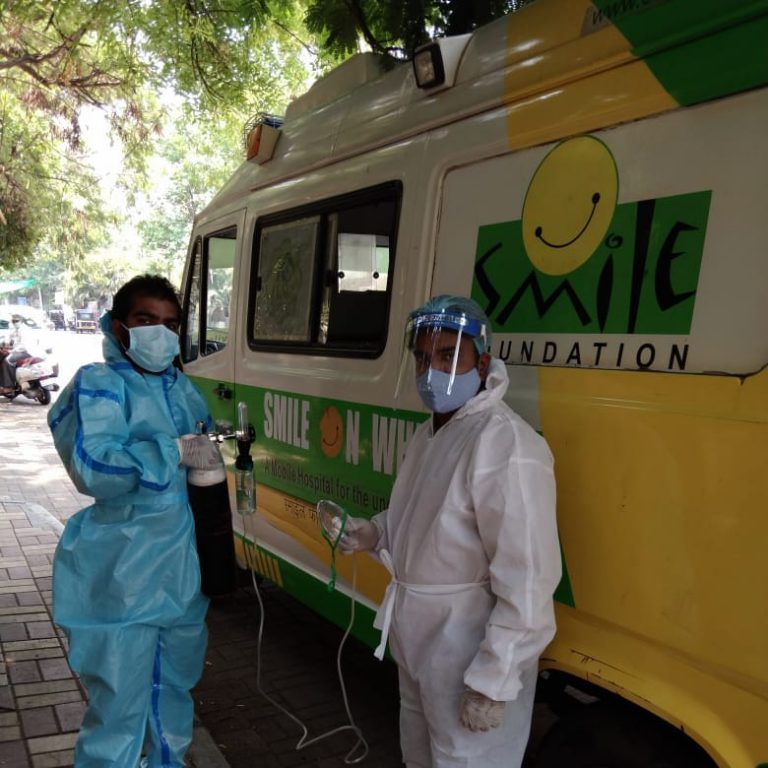
Oxygen being supplied from a Smile on Wheels van.
Vulnerable communities in remote parts of the country are in urgent need of oxygen cylinders and concentrators. Due to lack of funds and disruption of transportation networks, they cannot simply go to their nearest town and get proper healthcare. Without these, their chances of surviving the pandemic are significantly lower.
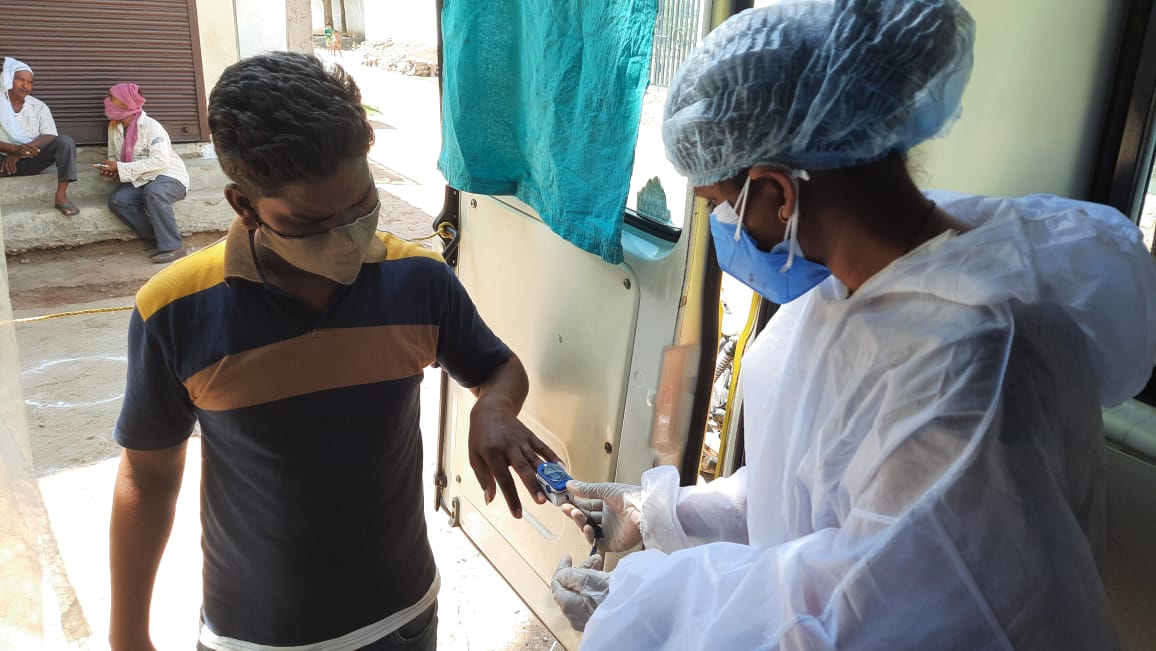
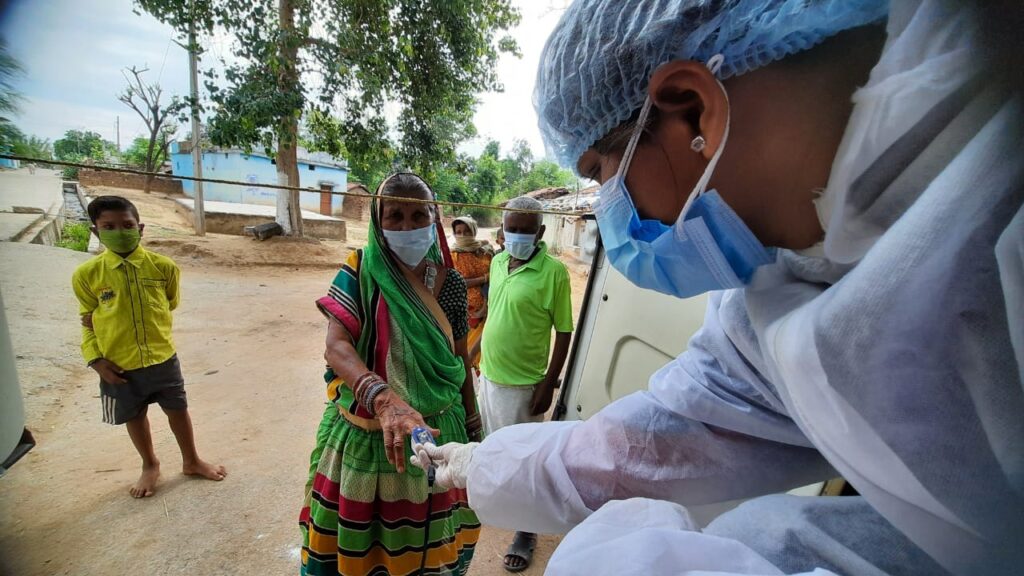
With the rapid rise in cases, other essential provisions are also in short supply. Oximeters, which monitor oxygen saturation in the blood, are one of the most essential tools in the Covid-19 recovery process. Currently, these are either unavailable in the markets or being sold at exorbitant prices. Either way, the underprivileged sections of society are not able to access these.
Providing oxygen and oximeters
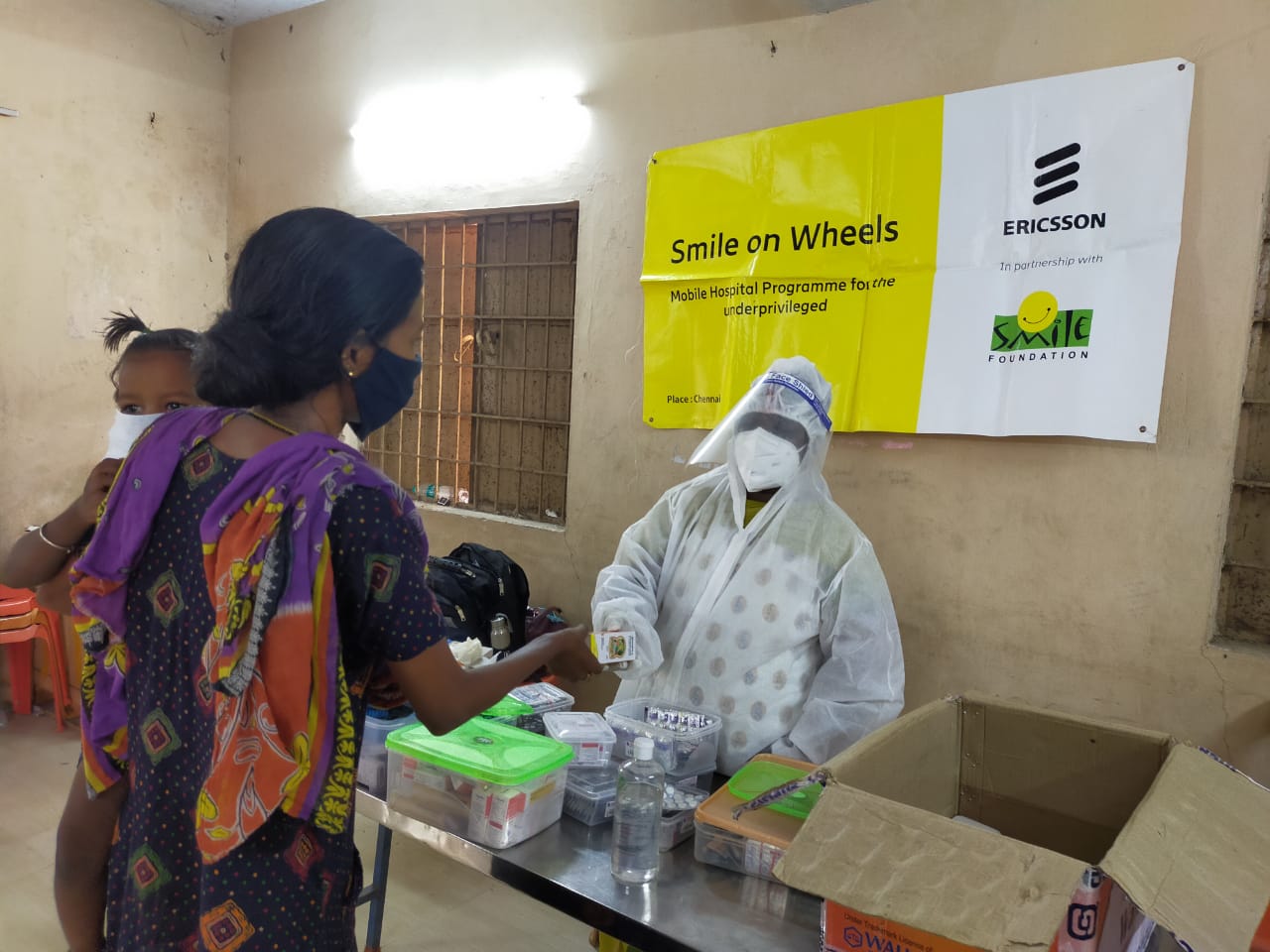
Smile Foundation is helping to provide oxygen and oximeters to individuals and facilities that need it the most. Corporates such as Tecnimont, S&P Global Foundation, Western Digital, and Ericsson Global are donating generously towards the same.
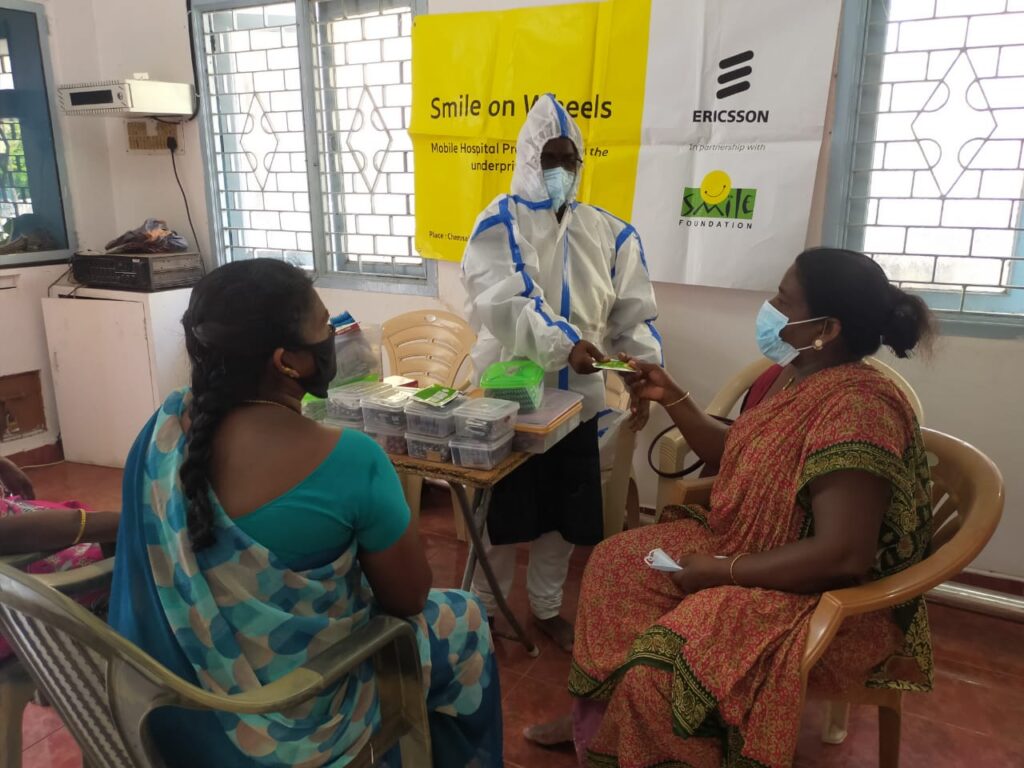
A woman getting her oxygen saturation checked at a Smile on Wheels van
Oxygen banks – The need of the hour
Most importantly, we are working on creating 100 oxygen banks across the country to help critical patients from vulnerable communities have access to oxygen supply. The cost of 1 oxygen cylinder is Rs 12,000 and each bank will have 20 oxygen cylinders.
Do your part!
You can also do your part by responding to the coronavirus crisis appeal. Join hands with us and donate to our Health Cannot Wait campaign that is vigorously providing on-ground support, services, and provisions to the worst-affected sections of our society.