Categories
In The Spotlight

Doorstep Healthcare Services by Smile on Wheels

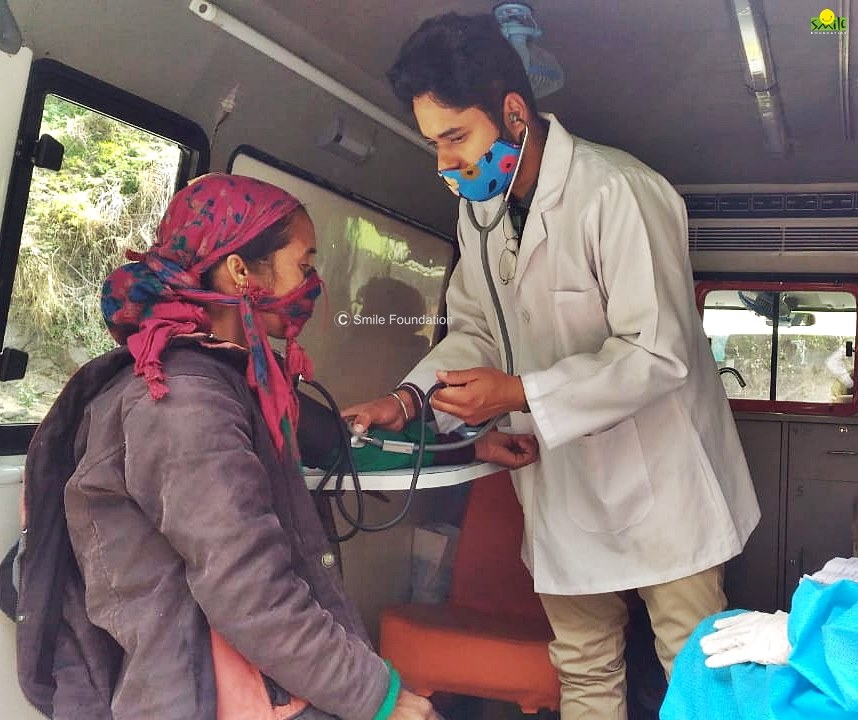
The second wave of the coronavirus has swept through India. As a result, India’s infrastructure is struggling to keep up with Covid-19 relief services. Major cities along with remote parts of the country are facing the impact. To help deal with this difficult situation, Smile Foundation is reaching out to the people in need. We are providing them with the necessary doorstep healthcare services through our ‘Smile on Wheels’ initiative.
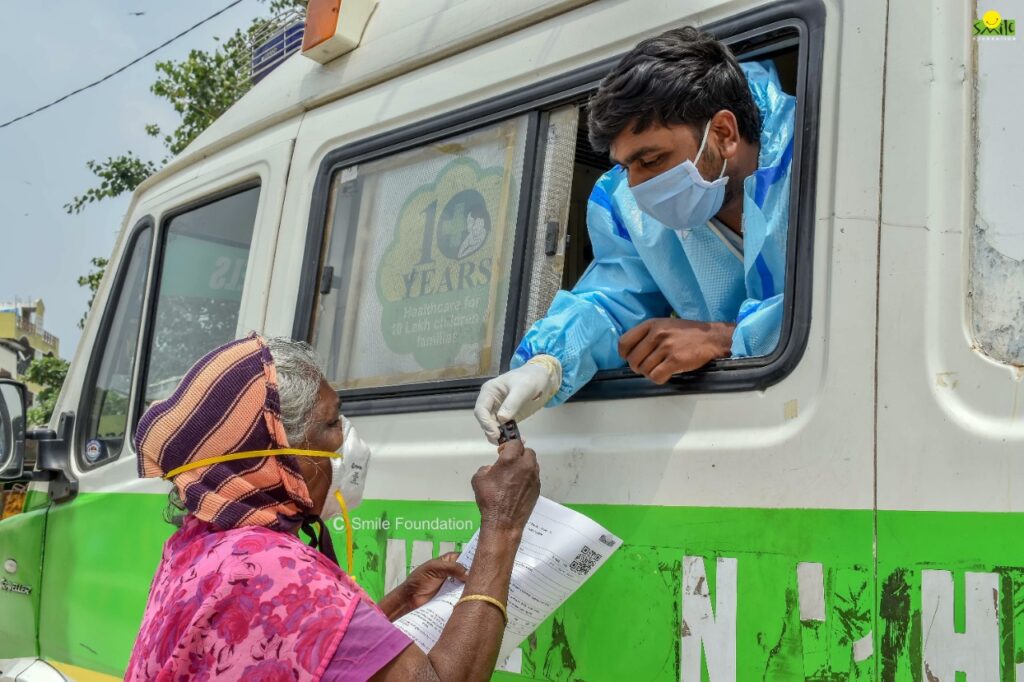
 

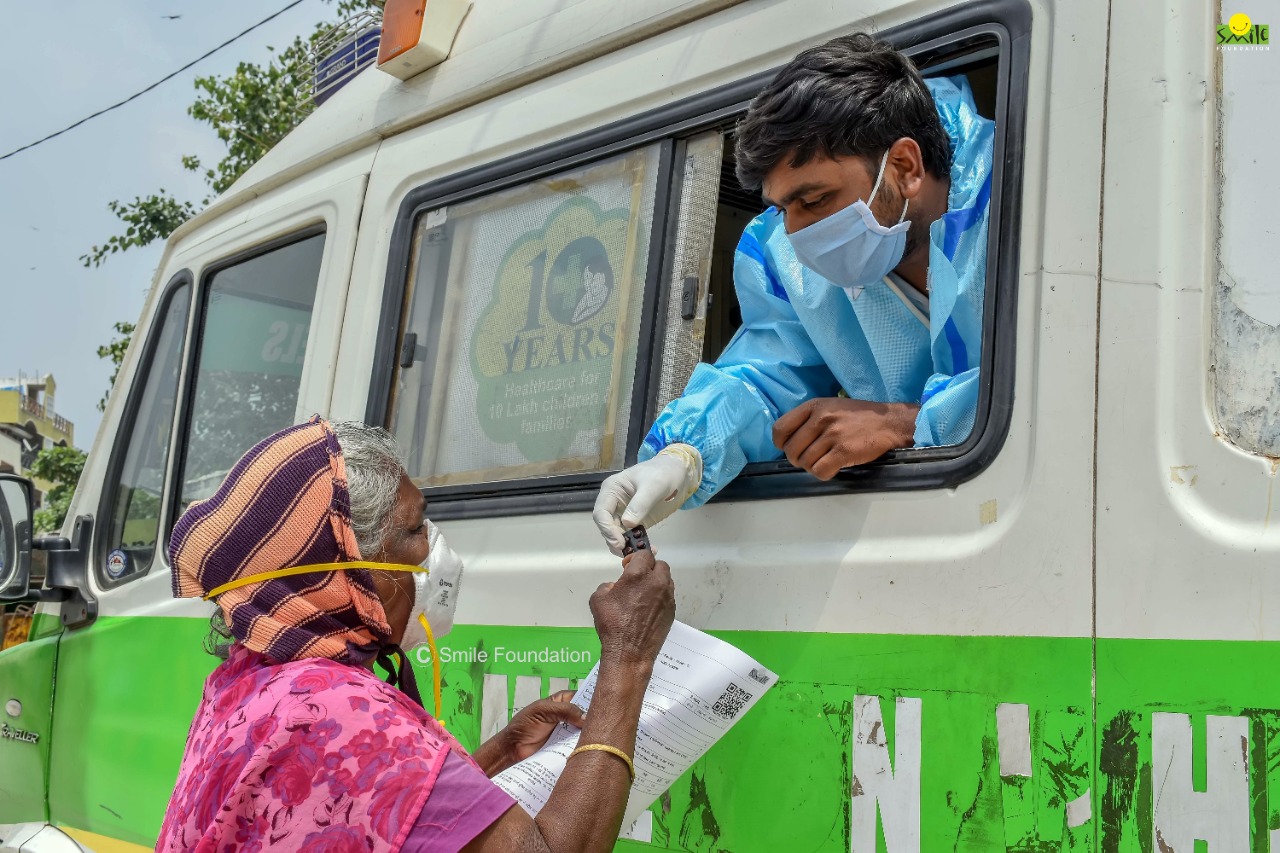
A patient gets medicines from a Smile on Wheels mobile hospital.


Lack of basic healthcare


A major problem that the underprivileged are facing in these tough times is the lack of access to primary healthcare facilities. Many are not able to reach the hospitals or dispensaries. Moreover, a large number of government health facilities have been transformed into Covid centres. This makes it difficult for people to get medical attention for other ailments.


Smile on Wheels – Healthcare at your doorstep!


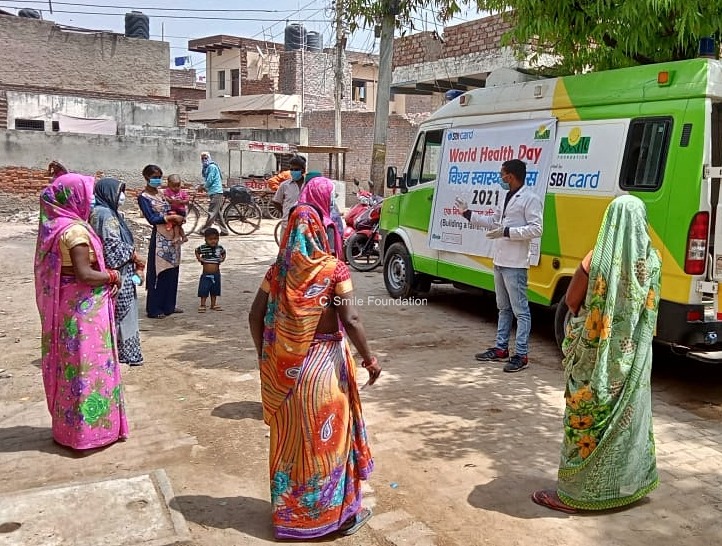
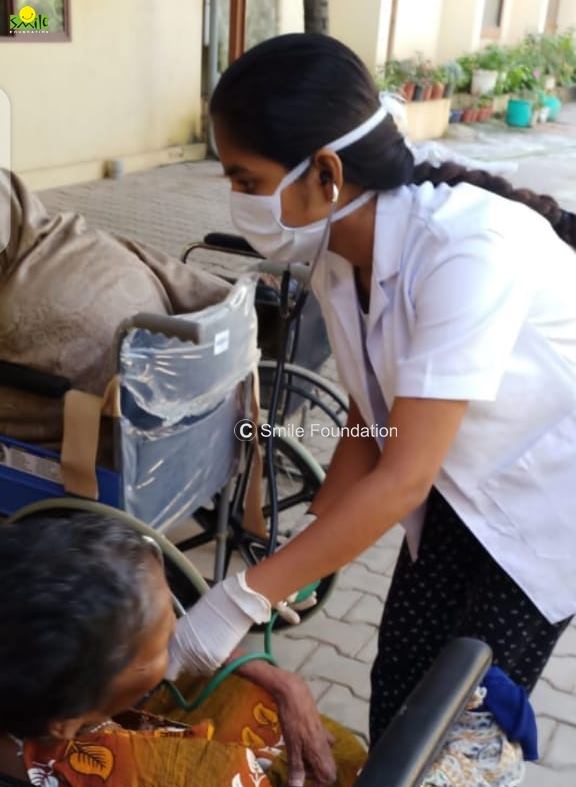
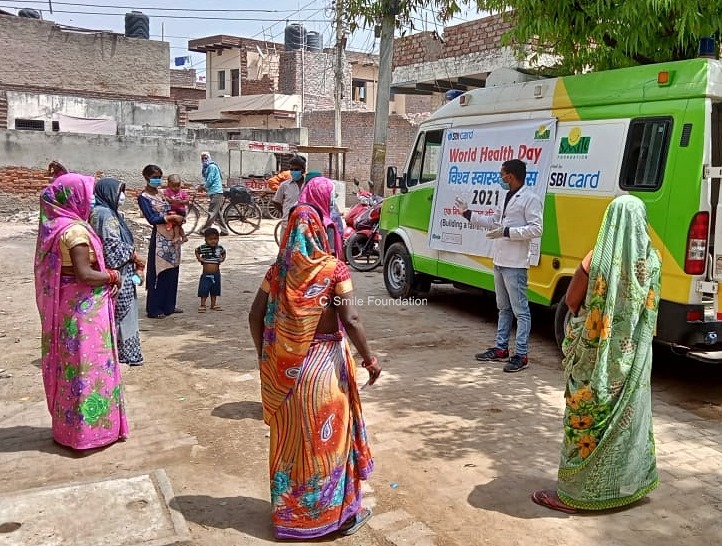
Smile on Wheels is a mobile hospital programme. It benefits thousands of people who do not have access to basic healthcare services because of the pandemic. These mobile hospitals take primary healthcare as well as Covid-care services to the doorsteps of the most vulnerable children and their families. The Smile on Wheels vans aim to reach even the remote villages and slums. This service includes not just doctors’ consultation at your doorstep but also other facilities such as free medicines and point of care tests. Each van has a qualified doctor, a nurse, and an attendant along with modern facilities.
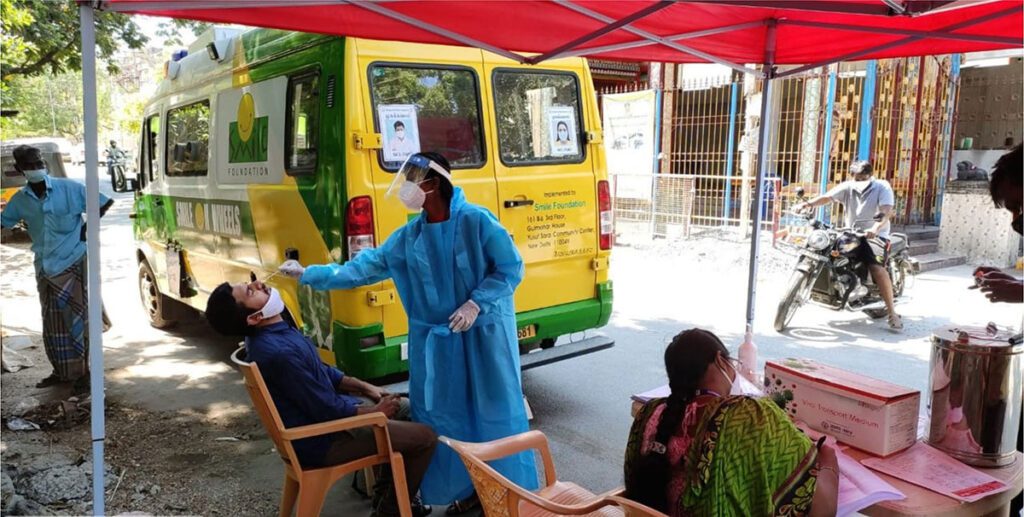
 

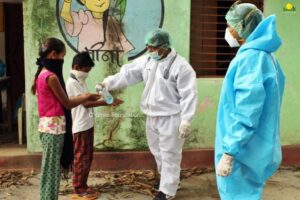
An RT-PCR test for the coronavirus is being carried out by a Smile on Wheels volunteer.


Tele-medicine and tele-counselling – A blessing for many


Smile Foundation is also providing tele-medicine services to those who cannot visit a hospital or dispensary physically. A big factor in the rampant spread of the virus is the lack of understanding among people who, because of this, are not able to take necessary precautions to protect themselves from the disease. Tele-counselling plays an important role here. It is being used as a medium to spread awareness about the coronavirus pandemic and informing people about how they can prevent getting infected. Over 1,00,000 families have already been sensitised about Covid-19 through our tele-counselling services.
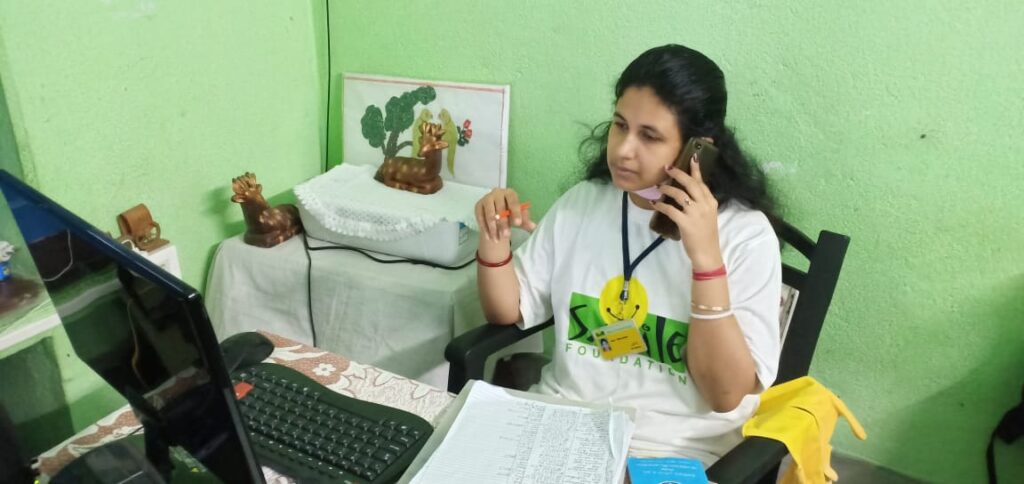
 

Tele-counselling service by Smile Foundation volunteer in Kolkata


Our reach


Our range of programmes was primarily children’s education and health. We are now redirecting some of our resources towards Covid-19 charity to help India in the fight against the virus. Till now, over one million people from 2,200 vulnerable communities have been provided doorstep healthcare services through our mobile hospitals and telemedicine programmes. Our target is to reach at least two million people in FY 21-22.


The OPD cost for one person is Rs 240. It includes consultation, medicines, point of care tests, referral services, awareness and counselling.


What can YOU do?


You can do your part by donating to help fight Covid’s second wave in India. that has impacted millions of our fellow citizens. The pandemic has left them more vulnerable than ever before. This is why they need our help. Our warriors on the ground need resources to help the less privileged members of our society. You can donate these resources TODAY.
Categories
In The Spotlight

Donate Dry Ration Kits through Smile Foundation

The second wave of the coronavirus pandemic in India has once again left lakhs of daily wage earners and migrant workers in the lurch. The COVID-induced lockdown in March 2020 had forced thousands of migrants to return to their home states in the absence of work. This year a lot of them have decided to stay back, but they need help. Smile Foundation has taken the initiative to donate dry ration kits to lakhs of families.


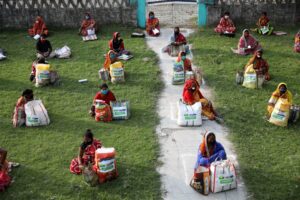
Smile Foundation distributes dry ration to the residents of Bantala area in Kolkata on Sunday 19 April 2020. Photo by ARIJIT SEN


Why donate dry ration kits?


In these tough times, everyone is worried about something new unfolding each day. Some are concerned about their jobs and their children’s education. Others have to deal with different situations and problems. However, it gets really intense when the issue is – How to feed your family?


This is what lakhs of daily wagers and migrant workers are going through because they rely entirely on their daily income to get food on the table for their families. In this hour of need, can we in any way help India during this ferocious COVID surge?


Plight of daily wage earners


With businesses shut and shops closed, daily wagers and migrant labourers are struggling to survive and make ends meet during this lockdown period. Their livelihoods have been severely affected by the curbs imposed by several states in a bid to restrict the fast-spreading viral disease. 


They are now being faced with the twin burden of surviving against the deadly COVID-19 as well as battling hunger on a daily basis. The children of many of these people were earlier able to avail the midday meal scheme at their schools. However, this option too has become a distant reality for them with schools being closed indefinitely. The pandemic has made hunger an ominous reality for millions of our fellow citizens.


Social distancing nearly impossible


Moreover, protection from the disease is also a far cry for them. If hunger doesn’t get them, the disease surely will. Their makeshift homes that are very close to each other make it difficult to avoid contact with others. Social distancing is an alien concept and almost impossible to follow, even if they tried. Their living conditions are deplorable as the most basic hygiene and sanitation facilities haven’t reached them yet.


In such a situation, we need to ask ourselves what we can do to help the needy during this pandemic. It is not possible or feasible for individuals to venture out on their own and distribute food and ration. Apart from the safety aspect, there are also restrictions in place that will prevent us from venturing out to aid someone in need.


Our Covid relief campaign


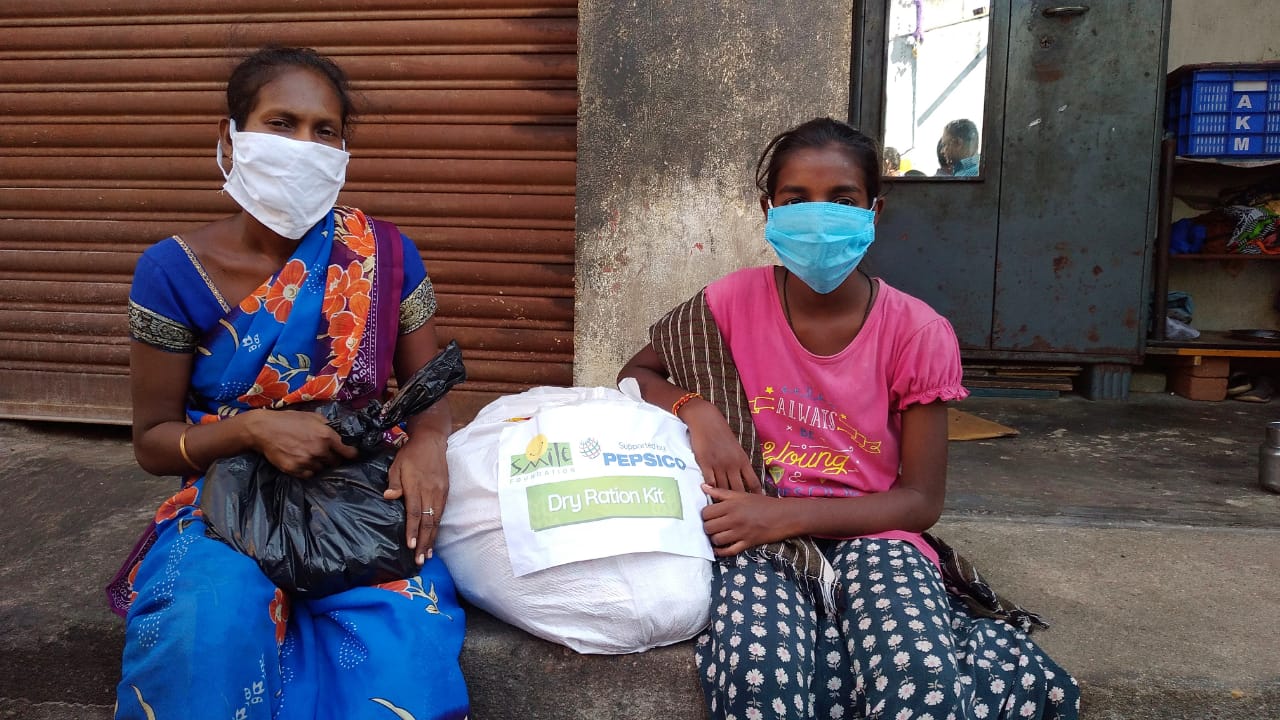
To help ease the situation, Smile Foundation, through their Health Cannot Wait campaign, is aiming to combat the crisis in a number of effective ways. One of these programmes is to provide three square meals a day to as many families as possible. Counting on our broad ground-level network, Smile has been distributing dry ration kits to the families that have been most affected by the pandemic.


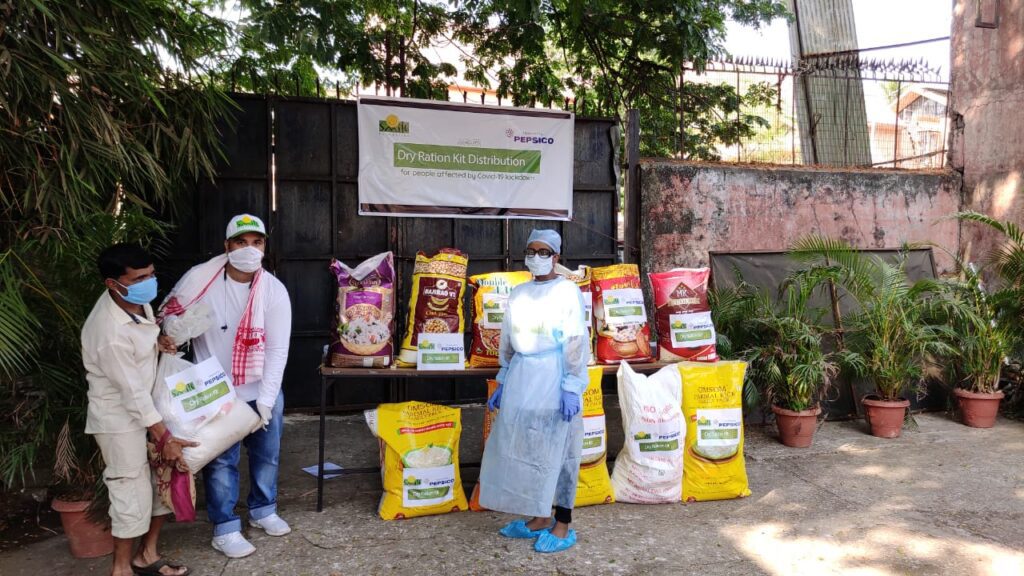
Distribution of dry ration kits in Mumbai, Maharashtra.


Cost of dry ration kits


So far, we have provided 27.7 million meals to more than 2,00,000 families in 23 states of India. Our target is to provide three square meals a day to more than 2,50,000 families.


The cost of one dry ration kit is Rs 1700 which includes rice, dal, salt, oil, sugar, chilli powder, turmeric powder, suji, wheat flour, onion, potato, dalia, and biscuits (for children). The quantity provided in each kit is sufficient for 30 days for a family of five.


How you can help


While this may not seem a lot for someone who is from a different section of society, donating dry ration kits like this can go a long way for families who are doubting their very survival during the pandemic. These people and their families need your support and you can donate right now to ensure that these families don’t go hungry.

Categories
In The Spotlight

Child Labour Awareness Campaign by Smile Foundation

We at Smile Foundation organized an online awareness campaign for child labour. The purpose of this campaign was to distract the thoughts of children from the horrifying news and images that are all around us these days while spreading awareness about the issue.


In the midst of the surging second wave of Covid-19, schools that had started to reopen had to shut down once again. This left students feeling quite distressed and disheartened. They were unable to physically meet their friends and teachers as the second wave sent them into another round of lockdown. The campaign helped many children engage proactively in something creative and thoughtful.


Awareness campaign for child labour


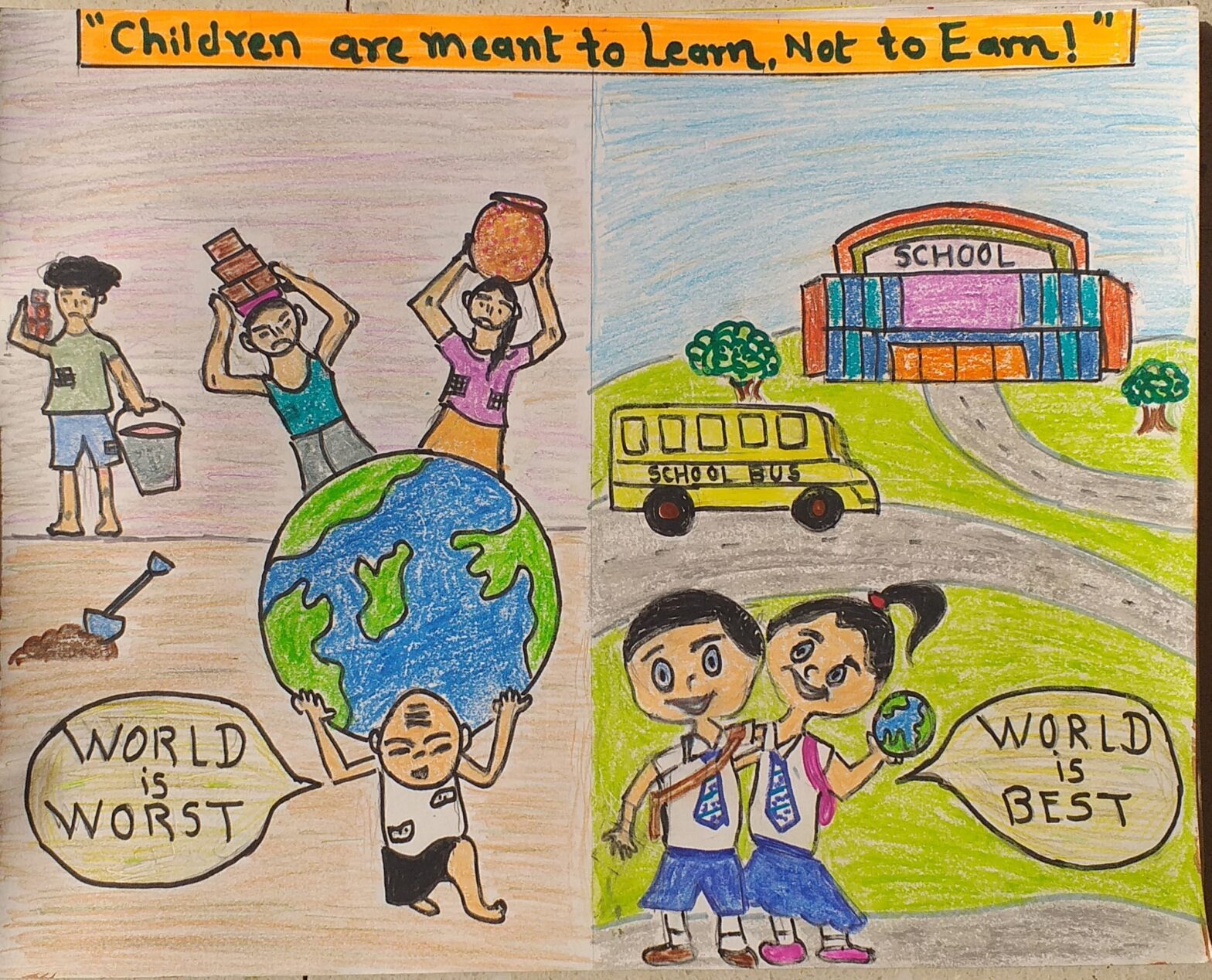
The Child for Child team of Smile Foundation built an online awareness competition titled “A Child is Meant to Learn, Not to Earn”. This included a painting and an essay writing competition. The aim was to keep children busy with art and creative writing. We felt that this would contribute hugely towards their mental well-being and keep them distracted as they worked on their entries for the competition.


We got everyone involved!


Over a hundred schools from across the country participated. We also got to know that parents and grandparents actually guided their wards, spent substantial time doing online research, and then helped the child put together the final poster or the essay that eventually reached us digitally.


Siddharth Sinha VII 844x1024 1


Eco-friendly prizes from For Earth’s Sake Cafe


The cause of child labour is so heartfelt that we even got a gift sponsor for the winners. A zero-waste café from Gurugram named For Earth’s Sake Café sponsored the gifts for the winners in each category—eco-friendly notebooks with covers that have seeds in them and can be planted in soil. Children can put it in soil, water it, and see a plant grow from the cover page of a notebook!


Painting and essay writing on child labour


It was a tall task to choose the top few from amongst the remarkable submissions in each category. The paintings that we received reflected the pain felt by children whenever they saw a child labourer at a roadside dhaba or working in the fields. The essays spoke volumes about how India has one of the highest numbers of child labourers in the world. They also talked about the intensive work that NGOs like Smile Foundation are doing to prevent and to rehabilitate the victims of child labour.


The messages across all essays and paintings revolved around poverty being one of the main causes for this, how education of underprivileged children is essential, and how society should get involved and bring about a civic-driven change to get rid of this deep-rooted malaise.


Our jury


We are extremely grateful to our august jury panel for deciding upon the winners for our child labour campaign. For the painting competition Ms. Parul Bali, an esteemed artist who also manages a beautiful digital gallery, was our juror.


For the essay competition, the judge was Ms. Nirupama Subramanian, an established author who has multiple publications and also conducts leadership workshops for organizations. They had to each screen over 300 shortlisted entries and were overwhelmed by the beautiful submissions by children


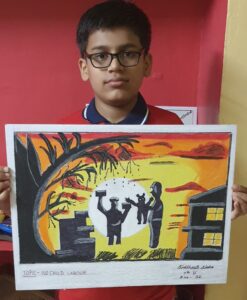
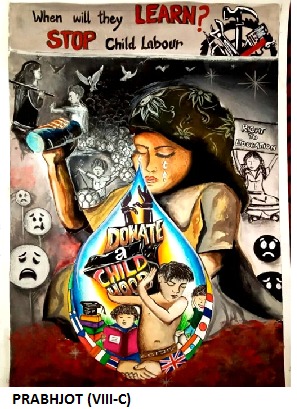
One of the paintings that won


Winners of Painting Competition:


Category A (Grades 5, 6, and 7)


1st – Himasri Roy, Grade VI of Sarala Birla Gyan Jyoti, Guwahati

2nd – Trisha P. Iyer, Grade VI of Vikhe Patil Memorial School, Lohegaon

3rd– Aryan Jain, Grade V of BCM Sr. Sec. School, Ludhiana


Special Mention – Shraddha S. Sur, Grade VII of Gujarat Refinery English Medium School, Vadodara


Category B (Grades 8, 9, and 11)


1st – Manya Sagar, Grade IX of Mother’s Global School, Delhi

2nd –Devika Santhosh, Grade XI of St. Thomas School, Indirapuram

3rd – Prabhjot, Grade VIII of Swami Sant Dass Public School, Jalandhar


Special Mention – Arushi Saini, Grade IX of Bhawan Vidyalaya, Sec. 15, Mohali.


Winners of Essay Writing Competition:


Category A (Grades 5, 6, and 7)

1st – Saksham Sabharwal, Grade VII of Swami Sant Dass Public School, Jalandhar

2nd – Heeral Agarwal, Grade VII of Sarala Birla Gyan Jyoti, Guwahati

3rd – Lehar Jain, Grade V of Sarala Birla Gyan Jyoti, Guwahati

4th – Komal, Grade VI of Swami Sant Dass Public School, Jalandhar


Special Mention – Tabassum, Grade VII of Ekalavya School Kasthuri Trust ME Center, Bengaluru


Category B (Grades 8, 9, and 11)


1st – Roshni Bharadwaj, Grade VIII of Sarala Birla Gyan Jyoti, Guwahati

2nd – Eshaan Lokesh, Grade VIII of Primus Public School, Bengaluru

3rd – Aparan, Grade IX of Swami Sant Dass Public School, Jalandhar

4th – Bala Roshni B., Grade XI of Vana Vani M.H.S. School, Chennai


Special Mention – Apurba Rattan Poddar, Grade VIII of Rama Krishna Sarada Vidya Mandir, Katihar


Seeing students embracing their creative side in these unprecedented times fosters the mental well-being of not just the individual but also of those who are working with them to put together the final output and those who are viewing the paintings and reading the essays. We wish all the schools, teachers, and parents who motivated the participants our heartfelt good wishes. And to the winners, many many congratulations!

Categories
In The Spotlight

Covid-19: 2nd Wave- Safety Measures

COVID-19 is an infectious disease caused by the recently discovered coronavirus. Covid-19: 2nd wave has been disastrous for India. People can get infected with the virus from others who already carry it. The disease can spread from person to person through small droplets from the nose or mouth. When an infected person with COVID-19 coughs or exhales the droplets land on objects and surfaces around them. Other people contact COVID-19 by touching these objects or surfaces, then touching their eyes, nose, or mouth.


The most common symptoms of COVID-19 are fever, tiredness, and dry cough. Some patients also experience aches and pains, nasal congestion, runny nose, sore throat, or diarrhea. These symptoms are usually mild and begin gradually. Some people who are infected also remain asymptomatic. Most people (about 80%) recover from the disease without needing special treatment. Around 1 out of every 6 people who come in contact with the virus become seriously ill and develop breathing difficulties. Older people, and those with underlying medical problems like high blood pressure, heart problems, or diabetes, are more likely to develop serious illnesses. People with fever, cough, and difficulty breathing should seek medical attention. India is currently going through Covid-19: Second Wave.


Precautions against Covid-19


Wash Your Hands


2H2A6911 1024x683 1


Regular hand washing is important to avoid any kind of infections, same goes for Covid-19.  Wash your hands at regular intervals with soap and water for at least 20 seconds. It is more important to wash hands after you have been in a public place, after touching common surfaces such as doorknobs or handles, or after blowing your nose, coughing, or sneezing.

Wash hands before and after eating, touching your face, handling your mask, or touching animals and pets.

We should also use a hand sanitizer that contains at least 60% alcohol. Cover all surfaces of your hands and rub them together until they feel dry.

Avoid touching your eyes, nose, and mouth with unwashed or un-sanitized hands.


Wear a Mask


DSC 0046 1024x683 1


According to the Centre for Disease Control, everyone above the age of two should wear masks in public.

One should wash their hands or use hand sanitizer before putting on the mask to avoid accidental infections.

The mask should be worn over the nose and mouth and secured it under the chin. The nose should not be exposed under any condition.

Find a mask that fits properly and ensure that you can breathe easily while wearing it.

Dispose of off the used mask properly to ensure others do not get infected due to the soiled mask.


Maintain Distance


169770120 4426805367343397 8265340625384085070 n 1


Avoid close contact with people who are sick inside your homes. Maintenance of 6 feet of distance between the person who is sick and other household members is essential.


It is important to remember that a lot of people who we meet outside the house may be asymptomatic. Put 6 feet of distance between oneself and people who we meet outside of our homes.


When someone coughs or sneezes they exhale or let out small liquid droplets from their nose or mouth which may contain the virus. If you are too close, you can breathe in the droplets, including the COVID-19 virus, and be at risk.


Always cover coughs and sneezes


Put on a new, clean mask after sneezing/ coughing and wash your hands.


Inside your homes, if you are not wearing a mask always cover your mouth and nose with a tissue while coughing or sneezing, or use the inside of your elbow. Do not spit everywhere and always throw used tissues in the dustbin.


Clean your hands immediately with soap and water for at least 20 seconds or use sanitizer.


Eating Healthy and Monitoring Health Daily


Eat fresh fruits and vegetables regularly and always be alert for symptoms such as fever, cough, shortness of breath, or other symptoms of COVID-19.


Check your temperature if you feel unwell or develop symptoms.


Exercise daily to keep fit and healthy.


Recent government announcements have also confirmed that all citizens above the age of 18 are now eligible to get vaccinated. Registrations start from the 28th of April 2020 and vaccinations for those who are registered on the CoWIN Platform and Aarogya Setu app will start from the 1st of May 2021. Together let’s follow all precautions and get through Covid-19: 2nd Wave.


To support Covid-19: 2nd wave relief visit https://www.smilefoundationindia.org/health-cannot-wait/

Categories
In The Spotlight

Health Cannot Wait for the poor and vulnerable

The pandemic has pushed millions of people into poverty. It has also increased the inequalities between the different sections. People have been deprived of food, necessary medicines, shelter, and care. Inequality in the health sector in India has remained a major concern and needs the immediate attention of all stakeholders. The pandemic has pushed India, backwards in terms of accessibility and affordability.


In these trying times, organizations like Smile Foundation have been able to provide relief to people living in remote areas and urban slums through its healthcare unit Smile on Wheels. While the rest of the world was advised to remain indoors Doctors, nurses, healthcare volunteers came out to take healthcare to the doorsteps of those who needed it the most. On this Nation Health Day, here are some stories of the people who came forward to aid the most vulnerable.


Dr. Neelabh, Smile on Wheels, Sonbhadra, Uttar Pradesh


DR. Neelabh


“Working for the good health of others means being there for them at their most vulnerable times.


Recently, as the state governments allowed migrants to travel back to their hometowns, Rajveer and Rajnandini finally returned home from Punjab with their parents. Since then, they had been quarantined inside their home. With a team of doctors, nurses and health workers, we reached them through our doorstep medical unit of Smile on Wheels and took every measure to help them normalize into living in isolation. From helping them understand the importance of hand-washing to showing them the use of the Aarogya Setu app, we helped them get through this period of uncertainty without losing hope.


At every step of this process, I felt more and more humbled towards my profession, as it teaches me to take care of people in a holistic way.”


Swapna, Community Mobilizer, SoW, Hyderabad


Swapna 1024x688 1


“I was raised to believe that extending care to those who need it the most is the biggest act of kindness. I have always believed in it with all my heart. As a result, my biggest desire was to become a doctor someday. During the course of achieving my dream, I found an opportunity to work in close contact with the community. I faced the harsh reality and realized that working as a doctor would not fulfill the true purpose of my life. Sure, I wanted to help people in all ways possible…but feeling the pain of those who struggle every day to pay the fees for a doctor changed my perspective towards life. I met people who decided to suffer in silence, instead of giving away their precious little daily wage that helps to feed a family of five members. Thus, I decided that these were the people who needed me the most. I started visiting remote communities in far-reached rural areas and inaccessible slums. I listened to their problems and started extending help. During the pandemic my job was to mobilize such people and sensitize them into seeking proper healthcare provided free of cost through the medical unit of Smile on Wheels. I regularly communicate and keep a tab on the health and well-being of almost all the people of the community.


Supriya A. (Ex student, STeP student, Bengaluru)


144607732 4229236033766999 4551920407862569073 n


“At the end of the day, when I count the number of people I could help, it gives me the greatest satisfaction I could have achieved. So now when someone asks me- “What do you do?”, I reply with pride- “My job is to help people!”


I was taking care of my father on his death bed when I realized our society needs more nurses to extend care to the patients who are suffering the most.


But after my father passed away, our family’s financial conditions had dipped down to a new low. Every day, we were faced with the basic question- Where will the next meal come from? I knew I needed to look for a job immediately even though I had further plans to study and become a Nurse.


While the Covid had definitely affected society and the world’s economy at large, I viewed it as an opportunity to train with Smile’s Twin e-Learning Program and work with the healthcare community to support the employee shortage that the country had been facing.


After my training completed, I was hired as a Patient Caretaker into a health facility- ‘Santhwana’. I began work with utmost enthusiasm because I was now able to support my family also while fulfilling my dream.”


More than 1 lakh people were reached through tele-counseling through Smile Foundation initiative, Baton Baton Mein Sehat. It is a telephonic and digital Health Awareness Initiative providing counseling on physical as well as mental wellbeing to the most vulnerable during COVID-19. More than 1 million people were reached through the Health Cannot Wait campaign.

Categories
In The Spotlight

Take A Time Out Teachers!

The year 2020 was a tough one and it set on our paths multiple challenges. As we move ahead with new energy, the Child for Child team organized a competition for teachers. They have been the frontline Covid warriors for all schools and colleges. We wanted them to participate, have fun, bring out their creative side. And just “Take a Time Out” as they juggle their hectic schedules at home and at work.

The Concept Behind

In our interactions with the school fraternity, we realized that our teachers are extremely creative and we have seen that manifested in their classrooms when they came out with the most innovative methodologies to keep their students engaged. Some have used puppetry, some storytelling while some actually created the most amazing videos to get through to even their weakest links in the classroom. Last year saw a staggering amount of creative ideas on display when teaching shifted to an online mode.

So, it was time that the overworked teaching fraternity let their hair down, and just as the competition is titled Take a Time Out for themselves. And, even better was, when the teachers did a bit of fundraising to support the underprivileged children associated with children from Smile Foundation’s Mission Education centers under the Shiksha Na Ruke campaign. Under this campaign, our school fraternity has been donating towards the cause of the education of underprivileged children, especially during the pandemic when many such children have fallen off the education grid.

About the Competition

 The competition comprised 3 elements: Designing a book cover using artistic skills, Singing a Medley & Writing a short story. Since teachers are extremely busy especially, with the entire hybrid system of teaching & conducting year-end exams, we gave them an entire month to register and send in their submissions. We received an overwhelming response from teachers across schools pan India and some of the most incredible submissions. Teachers have recorded their extremely melodious musical performances and have even shared time-lapse videos while working on their designs for Book covers.

The Winners

book cover Manasi Tambekar 816x1024 1

We are proud to announce the result of the competition. While our aim is to not negate any participant’s submission, we had to arrive at a result for the 3 competitions. It was a tall task from amongst the remarkable submissions to arrive at the top 3 positions for each competition.

For “Singing a Medley” our top 4 winners (in descending order) are: Malini Koushik from DPS Bangalore, South. Smita Dey from DPS Bangalore East; Manjula from Bhavan Vidyalaya Sector 15, Panchkula, and finally Jagriti Sood again from Bhavan Vidyalaya Sector 15, Panchkula.

For “Designing a Book Cover” our top 4 winners (in descending order) are:  Geena Saji from The Choice School, Thiruvananthapuram. Hari Krishna Dhara from DDMS P Obdul Reddy Public School, Hyderabad. Manasi Tambekar from DPS Bangalore South, and finally Dibha Samal, Gopalan National School, Bangalore.

For “Writing Short Stories” our winners (in descending order) are: Abha Ranjan from DPS Bangalore, East followed by Indu Bala from Bhavan Vidyalaya Sector 15, Panchkula.

Congratulations on The Great Display of Talents

Notebook cover Hari Krishna Dhara 1024x768 1

Going through the submissions was not only heartening but it was also a pleasant experience. What came out starkly was that our teachers are incredibly talented and often the jury was startled by the creativity. This was especially found to be true for the toughest of the competitions, that of writing a Long Story Short. The stories written in Hindi by the winning participants were found to be extremely beautiful. The narrative, the use of words, and the tonality were equal parts humorous and inspirational.

We wish all our participants and especially the winners Many Congratulations. We hope that in all our future competitions we get maximal participation where teachers can showcase their talents.

Teachers, while you are the role models for all your students, this time via your competitive spirit you also made a positive impact in the lives of so many underprivileged children. Child for Child team thanks you for your support once again.

To know more about Smile Foundation’s Child for Child programme visit https://www.smilefoundationindia.org/childforchild.html

Categories
In The Spotlight

Shifting from Online Education to Classrooms

Students from different schools across the country were eagerly waiting for almost a year to visit school. Initially, online education was a matter of thrill for them. But slowly they had to deal with the challenges of online classes also. Moreover, a large number of students were precluded from online access due to Covid- 19 pandemic effects on their families. Though online education, connect to continue has become a new normal during the Covid- 19 situation. Students have suffered due to the lack of supportive infrastructure. There was also a lack of psychological preparedness of parents, teachers as well as themselves.


Smile Foundation Survey on Online Education


A nationwide sample survey conducted by Smile Foundation shows that only about 40% of students have proper material access to continue online education. This opportunity has also gradually reduced due to income shrinkage, pandemic fatigue, uncertainty about income and life. Constant community interactions were conducted by different social organizations including Smile Foundation. It reflected that the students were eagerly waiting to go back to school. Physical copies of books are more tempting to them than the video and pictorial explanation of the course curriculum.


Smile Foundation Cluster Classes


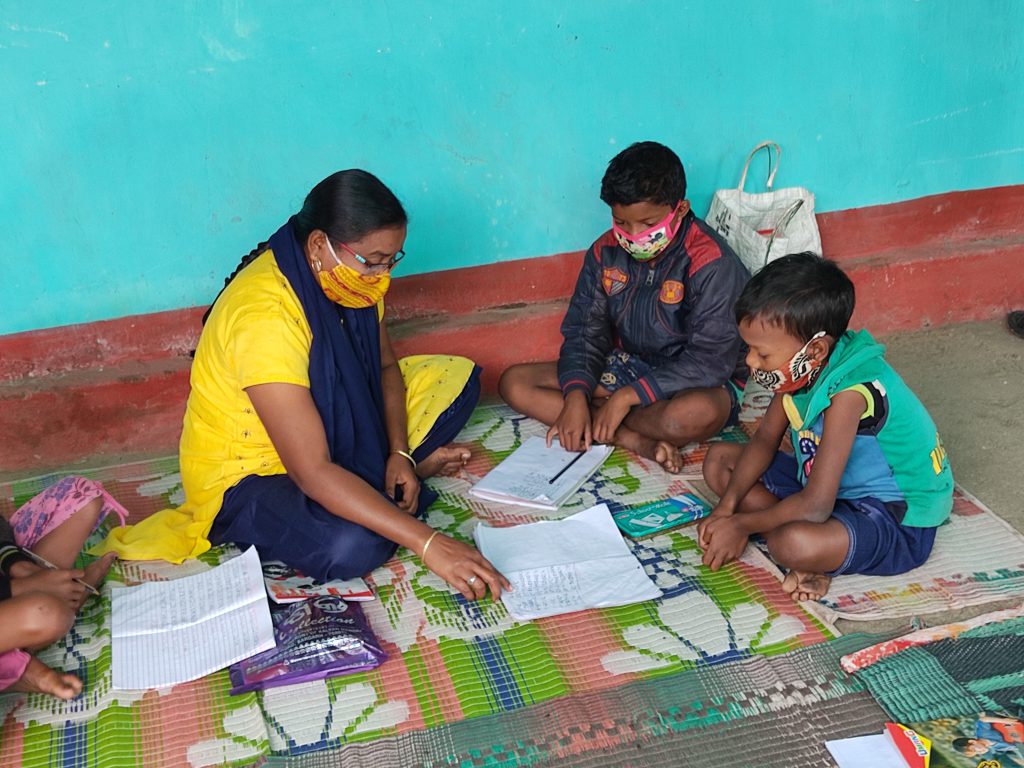
Community-based cluster classes were conducted by Smile with proper social distancing. These cluster classes gave a sense of School activity. They recreated the feeling of a classroom by joyfully and meaningfully engaging students. These classes show a change among the students during the period, November 2020 to February 2021. It has also included all the students who were not in a touch with online education effectively. It has also strengthened the process of bringing back students to School.


Going Back to School


Internationally it has been observed that when schools reopen after a long gap, enrolment has been highly affected. This is a common phenomenon, especially in developing countries. 25% of students in Sierra Leone and 13% of students in Liberia did not return to school after the Ebola outbreak. Girls’ participation is even more at risk. In Liberia, the number of girls out of school was 3 times higher compared with pre-Ebola numbers. In Sierra Leone’s most affected communities, girls were 16% less likely to be in school after reopening. According to preliminary estimates by UNESCO, 24 million children and youths from preprimary to tertiary levels may be at risk of not returning. But in India especially in the Govt. school different individual study has shown the reverse trend. Students are joining school more than expected and the enrolment rate is better.


On-Ground implementation of RTE


IMG 20210217 101718 1024x768 1


During the school closure period Smile Foundation with its partners worked together towards the implementation of the RTE mandate. This was done for proper infrastructural facility development for creating a conducive learning environment. It includes safe and adequate drinking water facility, separate toilets for boys and girls, etc. These steps have also revamped the picture of the Govt. schools. The present scenario of the Govt. schools in terms of facility and wholehearted online support from the teachers during the lock-down period have made the schools a most preferred destination for children. As per the MHA and Ministry of Education SOP to reopening of the school classes are to be conducted on alternative days. Though it is between 30 to 50% in terms of attendance, it has been seen about 80% of the student are attending schools. Though we are waiting for a nationwide comprehensive study to reach a final conclusion.


To support Smile Foundation’s cluster classes and help underprivileged children visit https://www.smilefoundationindia.org/me/

Categories
Insights

Educate a poor child for nation-building

India is a developing country. According to a report by UNICEF, India is now no longer on the list of countries facing extreme poverty.  But India’s economic advancements have not proved to be helpful for all. There has been little or no change in the lives of the underprivileged, especially women and children. Education for poor children takes a back seat due to poverty, lack of sanitation facilities in school, etc. Globally, India performs very poorly on the standard child nutrition calculator, ranking 114 out of 132 countries. This has a direct impact on the education of poor children. Malnutrition among poor children results in poor learning outcomes.  42.5 percent of children in India in grade three can read a grade one text.


Poor Children and the Right to Education Act


The Right to Education Act states that all children between 6-14 years of age are entitled to free and compulsory education. The RTE also lays down norms and standards relating to Pupil-Teacher-Ratios, providing separate toilets for girls and boys. Availability of proper drinking water, number of school-working days, working hours of teachers, etc are also part of the RTE. Every elementary school, which includes a primary school and middle school in India, has to comply with this set of norms to maintain a minimum standard set by the Act. Despite these measures 1 in 4 children of school-going age in India are out of school. The pandemic and the subsequent lockdown have also widened the learning gap.


Why poor children are deprived of education


Poverty


Poverty is one of the main reasons why poor children are deprived of quality education. Most parents of these poor children work as daily wage laborers. They are illiterate, do not understand the value of good education due to a lack of sensitization. Often in poor families, children are encouraged to participate in labor activities or helping around in the house. There are over 8.3 million child laborers who are between the ages of 5 and 14. Education for poor children in this case is a distant dream.


Early Marriage


Child marriage in India has been practiced for centuries. Even though the government has outlawed the custom many people still practice it. Child marriage is mainly rooted in religious practices combined together with social and economical factors. It is one of the major reasons in the way of poor child education, especially girls. According to a UN report, India has the highest number of child brides. The number is 23 million, which is expected to rise due to the pandemic.


Other Factors


Lack of proper schools in rural areas, distance from the homes of the children to schools are other factors affecting poor child education. There is also a lack of teachers in rural areas. There is an imbalance in the number of posts that are open versus the number of people who actually want to relocate to rural areas to teach.


Smile Foundation’s Mission Education Programme


Started in the year 2002, Smile Foundation’s Mission education programme aims to educate the poor child and reduce the gap in the education sector for children who are underprivileged. With more than 250 Mission education centers in 23 states, the programme has so far benefitted more than 2,000,00 underprivileged children, out of which more than 50 % were girl children. Regular teacher training is conducted for the ME teachers. Children are also provided nutritious meals at the education centers every day. Smile Foundation over the years has been able to bring many underprivileged children under the folds of education through its programme Mission Education.


Educate a poor child for development. Support https://www.smilefoundationindia.org/me/

Categories
In The Spotlight

Promoting STEM Education amongst Girl Children & STEM jobs for women

Science, Technology, Engineering, and Mathematics are those areas in education and work where we see a poor representation of women. This is a phenomenon not only seen in India but globally as well. This has actually given rise to many movements. STEM Education for Girls, Girls for Coding are a few of them. At Smile Foundation our NGO partners have been working extensively to reduce the gap in this sector. They also work to bridge the gap between the privileged and the underprivileged children. And in fact, make education more inclusive with a strong focus on STEM to be promoted amongst girls in schools.


Findings on STEM Education for Girls


According to a UNESCO report Cracking the code: Girls’ and women’s education in STEM, only 35% of STEM students in higher education globally are women. Differences are also observed only within STEM disciplines. Despite the fact that every institution, organization, and government has been talking about the benefits & employability aspects of STEM.


As a discipline of education, it indeed fosters some very innovative areas for learning. Hence, they are now being encouraged amongst girl children, like coding, AI, robotics, big data, space research, etc. Smile Foundation’s Child for Child team has been working with children from both the privileged & the underprivileged strata of society. So we realize that gaps exist everywhere and hence we are working towards making STEM education more inclusive.


STEM for Her


Pic 2 for PD


Recently, International Women’s Day was chosen by Smile Foundation to throw light on the theme “STEM for Her”. Eminent panelists were invited for the virtual Panel Discussion. These panelists are at positions of responsibility who would also be able to take this message ahead amongst schools, teachers, and especially amongst students.


We started the session with a welcome address by Mr. Sanjeev Dham, COO, Smile Foundation. He talked about how STEM education and employment is garnering the right amount of attention amongst the female community. He also spoke about how Smile Foundation is propagating STEM amongst underprivileged students in its Mission Education centers.


Promoting Coding among Underprivileged Children


The focus then shifted to Ms. Shivani Shrotri, a Xth grader from Ecole Mondiale World School, Juhu, Mumbai. She along with the CFC team is planning on setting up an Internet Access hub. The hub will be in one of the Mission Education Centers. This will promote Coding amongst underprivileged children. It will also to ensure that they are equipped with a skill set that will make them employable. Her project was endorsed by the Principal of her school, Ms. Diane Lewthwaite. This was followed by views shared on the theme by participant principals from various other schools. Mrs. Manila Carvalho, DPS Bangalore East; Ms. Anjli Sharma, St. Soldier Convent International School; Ms. Sandhya Dewan, Cambridge International School, Nakodar; and Mr. Yashpal Sharma, DPS, Durg, Bhilai.


Problems in STEM Education for Girls


Each Principal focused on how in privileged schools girl students are equally enthusiastic about specializing in STEM subjects. The problem often happens when they move to higher education. Girls invariably switch to liberal arts and end up building a career in non-STEM fields. There is a lack of support system and structured institutional investments to encourage women to build careers in the field of STEM. A steady stream of capacity-building programs for trainers and teachers is required. This will help in promoting these fields amongst girls at an early age.


Insights from the Corporate Sector


Pic 1 for PD 768x292 1


To get insights from the corporate sector Mr. Rajesh Ramakrishnan, Managing Director, Perfetti Van Melle was invited. He shared his views on how women are integrated into the corporate workforce. He also hared his insights on how departments in organizations where women tend to not participate or have a lesser presence. In functions like R&D, Food Technologists, Packing Technologists, Data Analytics women bring in their logical & analytical bent of mind. They also thrive in their careers.


Session by Women Leaders from Tech & Medical Fields


The highlight of the session specifically was the talk given by women leaders from Tech and Medical fields. Dr. Mona is a dental surgeon and spoke about the challenges that she had faced while studying and pursuing a career in the field of medicine. She has, despite all adversities and had the opportunity to excel in the same and is looking forward to opening her dental clinic in the near future. We thereon moved to our next speaker, Ms. Ritika Basu, Global Technology Leader, India and Career at Mercer. She talked about her journey as an engineering graduate to now a leader in the field of STEM. Ms. Basu is currently also the Mercer representative of MMC Women in Technology board. She complimented the women leaders in her life who inspired to continue her journey to “infinity”. A true role model was what she emerged as.


Lastly, the Panel Discussion was indeed the perfect weave of the academic and the professional. It was a reflection of how STEM for Her is important and also how institutions be it Govt, Schools, Corporate & even NGOs are resonating with this message. Child for Child team thanks all the panelists and the audience for joining hands with Smile Foundation to spread a wonderful message on Women’s Day, “STEM for Her”.


To know more about Smile Foundation’s work on girl child education support https://www.smilefoundationindia.org/she-can-fly/

Categories
Education

Equality and Education for Girl Child

To educate girls is to lead the way to prosperity. It is the best way to reduce inequalities and build communities. When we educate girls we also take a step towards reducing poverty. But around the world girl, children face discrimination in various forms. Girls do not receive adequate nutrition; they have less or no access to healthcare and there is a huge gap in the education for girls. According to a UN report, 132 million girls are currently out of school. Some of the main reasons which act as barriers for girl child education are poverty, gender bias, gender-based violence as well as lack of proper sanitation facilities in schools, etc. In India as per census, 2011 female literacy rates have increased from 18.33 percent in 1951 to 74.00 percent in 2011. But the problems that girls face to get an education still remain the same.

Challenges to Girl Child Education

Gender Discrimination in India

Girls in India face discrimination both inside their homes and outside in their communities. Inequality in India means unequal opportunities for girls. India is the only country in the world where the mortality of girls under- 5 years exceeds that of boys.*  Girls are encouraged and also engaged more in household work and drop out of school at an early age. Most of the time their movements are restricted to get an education and engage in social exchanges.

Poverty

Poverty and gender-based preference are two of the main challenges which impact girl child education. Girls are forced to stay at home or engage in daily wage labor to contribute to the income of the house.  According to a UN report, every year more than 1.5 million girls in India are married before they turn 18. They are not allowed to go to school after marriage. Eventually, these young girls become mothers at an early age which has adverse effects on the health of both mother and child.

Distance from Home

Even though 80 percent of schools in India are in the country’s villages, most of them are non-functional. There is a severe lack of teachers, proper teaching-learning facilities, and infrastructure. Children in rural areas often have to walk a long distance to reach school in a different village or city. Due to fear of harassment and violence against girls, most parents prefer to not send their girls to school.

Lack of Toilets in Schools

In developing countries like India, a lack of separate toilets for girls and boys is one of the top barriers to education. Adolescent girls frequently miss school due to hygiene-related problems and eventually drop out. Schools do not provide sanitary napkins due to extreme taboo which often lead to girls of menstruating age dropping out of school.

Smile Foundation Interventions

Girl Child Education

Smile Foundation works extensively in the field of girl child education and health. With 240 Mission education centers across 23 states of India, the organization has ensured education for every child, especially girl children. Counseling sessions are held for parents to help them understand the benefits of education for their girls. Women and adolescents girls are counseled on a routine basis on the need and importance of personal hygiene. Special sessions are conducted with mothers to reduce sex-selective discrimination. Male members of the families are educated to encourage their girls to continue their education. Young girls are trained to become confident, self-reliant and lead the way forward for nation-building.

To support girl child education, nutrition, and health visit https://donate.smilefoundationindia.org/she-can-fly

*https://data.unicef.org/country/ind/

0%