Categories
Health Insights

Junk food, sedentary lifestyle leads to rise in hypertension, obesity 

Our parks are full of people on their morning walk or practising yoga. So are our gyms that are filled with people pursuing their fitness goals. There are more takers for master health check-ups and advances are being made in the field of healthcare. Yet, studies reveal that more Indians are unhealthy, and lifestyle diseases such as diabetes and hypertension are on the rise in modern India leading to a health crisis.

Why is India facing a health crisis?

The GOQii’s India Fit Report 2024, ‘Thriving at Any Age: The Blueprint for Healthy Longevity’ gives us a few insights as to why our country is facing various health crises. According to it, 45% of Indians are unhealthy. According to data compiled from over six million users, 59% of women were categorised as unhealthy compared to 40% of men.

Government data estimates that every year roughly 5.8 million Indians die from heart and lung diseases, stroke, cancer and diabetes. One in four Indians risks dying from a non-communicable disease (NCD) before they reach the age of 70. India stands to incur a loss of $4.58 trillion between 2012 and 2030 due to NCDs.

NCDs also account for about 40% of all hospital stays and roughly 35% of all recorded outpatient visits. These diseases are caused, in part, by underlying, modifiable risk factors. The major risk factors for NCDs in India are tobacco use, harmful use of alcohol, lack of physical activity, and a poor diet.

Lifestyle diseases on the rise leading to health crisis

The most prevalent diseases in India are high BP, high cholesterol, diabetes, and thyroid disorders, says the GOQii2024 report. Hypertension was found to affect 23% of the population, diabetes affects 17% of the population, 8% suffers from thyroid disorders. High cholesterol is a major risk factor for heart attack and stroke.

According to healthcare experts, the burden of diseases is high due to a few factors – an increasingly sedentary lifestyle, high calorie and nutrient poor diets, and stress.

“There are a number of reasons why India is facing such health crises,” says Dr V Mohan, chairman, Dr Mohan’s Diabetes Specialities Centre, Chennai. “The healthy’, organic products available in the market are not affordable for all. People tend to eat carbohydrates such as rice and wheat in excess but consume very little protein, so lack muscle. And exercise is not our forte.” People are also sleeping late and sleeping less (four-to five hours), and dealing with more stress, he adds.

“In urban India, you see that more people work from home (WFH), and consume more junk food. Even in rural India, earlier more people were involved in agricultural work, which has decreased. All this impacts our health,” says Dr Mohan.

Diet, the main culprit

Indians generally consume food that is rich in carbohydrates, fats, and sugars. Recently, the ICMR released 17 dietary guidelines to meet the requirements of essential nutrients and prevent non-communicable diseases (NCDs) such as obesity and diabetes. On the occasion, ICMR said that, according to estimates, 56.4 per cent of total disease burden in India is due to unhealthy diets.

The National Institute of Nutrition (NIN) under the apex health research body also said that healthy diets and physical activity can reduce a substantial proportion of coronary heart disease (CHD) and hypertension (HTN) and prevent up to 80% of type 2 diabetes, as reported by The Economic Times.

Rise in consumption of processed foods

According to the Global Food Policy Report 2024, almost 38% Indians consume junk and processed foods instead of having healthy meals. Only 28% people are eating healthy foods and 16.6% of the Indian population is suffering from malnourishment. 

It also recorded a rise in the consumption of packaged and processed foods, which are high in sugar and salt, along with processed meats and instant meals. The report found that people are neglecting fresh vegetables, greens, pulses, proteins, fibres, fruits, and other micronutrient-rich foods. In fact, only 28% of the population consumes a healthy diet, which includes all five recommended food groups — vegetables, starchy staples like rice, fruits, pulses, nuts or seeds, and animal-based foods.

“Of late, we see people not just in the high-income group but also middle and lower-income groups coming for master health check-ups. And most of them are pre diabetic, diabetic, obese, and/ or have high cholesterol,” says Meenakshi Bajaj, dietician, Tamil Nadu Government Multi Super Specialty Hospital.

As Indians, we love snacking, especially on fried food in the evening, she says, which is bad for health. “This is seen in people of all income groups. People love to snack on murukku, chips or other fried snacks. Many people also consume vegetables only during lunch and not dinner and many have no idea of portion control,” she adds.

Late nights, the silent killer

WFH and working across time zones, addiction to cell phones and OTT platforms can all lead to staying up, and eating, late at night. And this can also have a huge impact on your health.

“Even if you eat healthy food with low glycaemic index late at night, the impact is the same as eating an unhealthy meal. It can be disastrous for your metabolic health,” says Meenakshi.

Is affordability a factor?

Affordability is also a factor impacting people’s food choices as there is a stark income inequality. According to the Global Food Report, 16.6% of the country’s population suffers from malnutrition due to the eating habits of the majority. India faces a double burden – that of obesity as well as malnutrition.

Food like fruits and vegetables that are rich in nutrients are more expensive than calorie-rich, processed food. So people from lower income groups are forced to opt for cheap, calorie-dense foods. This doesn’t nourish the body and can lead to more weight gain.

“You find that people in the lower income group buy a packet of biscuits rather than fruit,” says Meenakshi. “They are more focussed on satiety and taste rather than nutrition.”

Eating right

People need to focus on eating the right kind of food. “You can have millets, healthier forms of rice and wheat, pulses and grams,” says Dr Mohan. “Awareness will spread once you disseminate the right kind of information and explain the impact bad food choices can have on your health.”

Smile Foundation helping to tackle health crisis

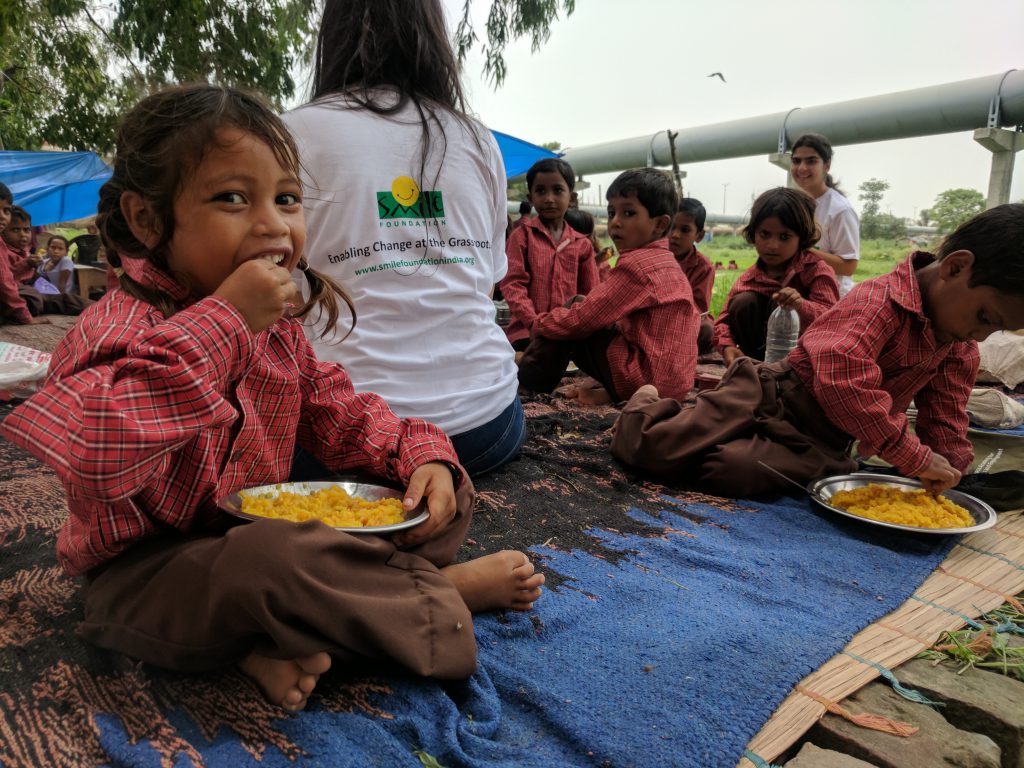
Smile Foundation is addressing malnutrition tackling health crisis and promoting better health through our dedicated nutritional healthcare programmes. At the core of our efforts is the provision of essential nutritional support to underserved communities. Our healthcare initiatives include programmes that children, pregnant women, and families receive balanced and nutritious meals. By targeting the most vulnerable populations, we help mitigate the impact of malnutrition, providing critical nutrients that are often lacking in the diets of low-income families.

We emphasise on the importance of nutrition education. Through a range of awareness campaigns and educational sessions, we try to equip families with knowledge about healthy eating habits and the preparation of balanced meals using locally available ingredients. These educational initiatives are designed to empower communities to make informed dietary choices, ultimately fostering long-term health improvements. By integrating practical nutrition education, Smile Foundation addresses both immediate needs and the underlying causes of poor nutritional status.

Collaborating with local healthcare providers and leveraging partnerships, Smile Foundation enhances the reach and effectiveness of its nutritional programs. These collaborations help in delivering comprehensive care, including medical check-ups and nutritional counselling tackling health crisis. By working closely with healthcare professionals, Smile Foundation ensures that our programmes contribute to sustainable health outcomes. Our approach, which includes education and partnerships, positions Smile Foundation as a key player in the fight against malnutrition and in promoting healthier lifestyles across India.
Categories
CSR

A decade of business-led social change in India

The year 2024 marks a significant milestone for India in its journey towards implementing more strategic and meaningful social initiatives in its landscape. For it has been 10 years since the country realised that social change cannot be brought about just by the government without contributions from individuals and private parties. In 2014, the union government mandated Corporate Social Responsibility (CSR) under the Companies Act, 2013 to join hands with corporates in their journey. Following the landmark legislature, the country has witnessed a profound shift in how companies involve themselves and engage with societal issues. During the tenure, the traditional philanthropy has not just grown to accommodate corporate philanthropists but also widened its wings to create strategic and sustainable initiatives in society. The transformation, which is a dynamic interplay between corporate acumen and social responsibility, has been resulting in significant progress in various sectors in recent times.

Evolution of Corporate Social Responsibility (CSR)

Corporate Social Responsibility is a self-regulating business model that assists a business in being socially accountable to itself, its stakeholders, and the public. In simpler terms, it is an idea that companies should operate in accordance with the policies that can make a sustainable positive impact on society and the environment. By voluntarily integrating ethical, sustainable, and responsible practices into their core business strategies, companies aim to create an impact on consumers, stakeholders, employees, and society. CSR activities go beyond the legal obligations of companies.

Though philanthropy has been in the blood of businessmen for years, the path to streamline and monitor CSR mandate activities began in the late 2000s. That’s when the Indian government recognized the importance of inclusive growth and believed it to be an essential part of becoming a superpower.  It also fell in line with the government’s commitment to uplift and include the marginalised sections of society in the growth process. Subsequently, inclusive growth was a part of its 11th five-year plan in 2007. That’s the story of conception of CSR. According to the Ministry of Corporate Affairs, “it was conceived as an instrument for integrating social, environmental, and human development concerns in the entire value chain of corporate business.”

The government took the first step towards mainstreaming business-led responsibilities in 2009 and issued ‘voluntary guidelines on corporate social responsibility, 2009’. Two years later, the refined guidelines provided an understanding and approach for inculcating responsible business conduct among companies. A set of nine principles was released as the ‘National Voluntary Guidelines on Social, Environmental, and Economic Responsibilities of Business, 2011.

The mandate

To check on non-compliance, the government made CSR mandatory under Section 135(4) of the Companies Act, 2013. It became effective in April 2014. The legislature requires companies with a specific turnover or net worth to spend at least 2% of their average net profits from the last three financial years on CSR annually. India is one of the very few countries that has mandated the provision. It was believed to be an essential and significant move in pushing the country towards achieving sustainable development goals by creating a public-private partnership.

The legislature provides a set of activities that can be included under the CSR policies of the companies. They are:

  1. Promotion of education
  2. Promotion of gender equality and empowering women
  3. Reducing child mortality and improving maternal health
  4. Eradicating extreme hunger and poverty
  5. Social business projects
  6. Ensuring environmental sustainability
  7. Combating diseases like AIDS and malaria.
  8. Enhancing vocational skills
  9. Contribution of funds for socio-economic development projects.

A decade after CSR mandate for corporates

Around the same time, about 10 years ago, there had been a lot of criticism and speculation from various stakeholders, though some of them supported the government’s move with enthusiasm. Those who supported it saw this move as an opportunity to formalise and increase their existing philanthropic activities. They believed that CSR activities would be institutionalised and would create a more structured and impactful approach to corporate philanthropy. However, activities had seen the move as an approach to increase the funds rather than improving the quality of projects. Critics worried that corporates might treat the move as a mere checkbox to tick, rather than focusing on meeting the minimum requirements to implement socio-economic projects.

However, as time passed, many companies started to adapt to the new legislature and involve themselves wholeheartedly. Many of them developed comprehensive CSR strategies and set up dedicated teams to manage them. This has also allowed corporates to explore the avenue of establishing partnerships with government bodies, Non-Governmental Organisations (NGOs) and other community groups to take initiatives. This approach has helped in leveraging expertise and resources. It in turn came in handy to tackle social issues more effectively. The mandate has also ensured greater transparency and accountability in CSR activities. Both corporates and the government have been publishing detailed CSR reports.

Important data

According to the National CSR portal, 24,392 companies in 40 states and union territories have spent Rs 29,986 crore on CSR activities in the financial year 2022-23. The amount has increased significantly over a period of time. In 2018-19, the amount stood at Rs 20,217 crore. As many as 51,966 projects got implemented across 14 development sectors in 2022–23. The number was 32,071 in 2018-19. Companies have spent more than Rs 1000 crores in areas like rural development, sports, education, livelihood, women empowerment, gender equality, health, and sanitation. The portal says that non-public sector companies have spent more than public sector companies. While PSUs spent Rs 4,095 crore, non-PSUs spent Rs 25,891 crore. Maharashtra, Gujarat, Karnataka, Tamil Nadu, and Delhi were in a list as the top 5 high-performing states.

Social innovation through CSR mandate

The mandate has also played as a catalyst for social innovation in the country. For over the last 10 years, corporates have come up with creative solutions to pressing social issues using their own resources, networks, and expertise. Technologies are used for social good. For instance, ITC’s mission, Sunehra Kal, has been focusing on sustainable water management techniques like rainwater harvesting, watershed development, and other water conservation programmes. Similarly, Mahindra’s sustainability in agriculture programme works towards enhancing agricultural productivity and sustainability by providing farmers with access to training, resources, and technology. They are assisting the farmers by training them with effective irrigation techniques and soil health management practices.

In the last decade, India has witnessed how CSR can evolve into a powerful driver of social change and innovation. Visible impacts across sectors reflect a growing recognition that corporate responsibility extends beyond philanthropy to include strategic, proactive, innovative, and sustainable initiatives to tackle socio-economic issues. As CSR continues to evolve, the focus will continue to remain on creating meaning and sustainable impacts in society that will address both immediate and long-term requirements.

Our corporate partnerships

Smile Foundation’s corporate partnerships have been instrumental in advancing our mission to improve the lives of underserved communities in India. Over the past decade, as India embraced business-led social change through the Corporate Social Responsibility (CSR) mandate, Smile Foundation has actively collaborated with various corporates to create impactful social initiatives. These partnerships have enabled us to leverage corporate expertise, resources, and networks to tackle pressing social issues effectively.

With the support of corporate partners, we have been able to scale our programmes across multiple sectors, including education, healthcare, women’s empowerment, and skill development. These collaborations have not only provided essential funding but also introduced innovative approaches and solutions, combining corporate acumen with social responsibility. For example, through joint initiatives, we have been able to conduct health camps, provide vocational training, and support sustainable education and livelihood programmes, reaching thousands of beneficiaries in marginalised communities.

The decade-long journey of business-led social change has demonstrated that impactful corporate partnerships are key to creating sustainable social development. By working together, Smile Foundation and its corporate partners continue to drive meaningful change, addressing both immediate needs and long-term societal goals. These collaborations are a hat tip to the power of collective action in creating a more equitable and inclusive society.

Categories
CSR Partnerships

Vedanta Delhi Half Marathon: The Great Delhi Run in 2024

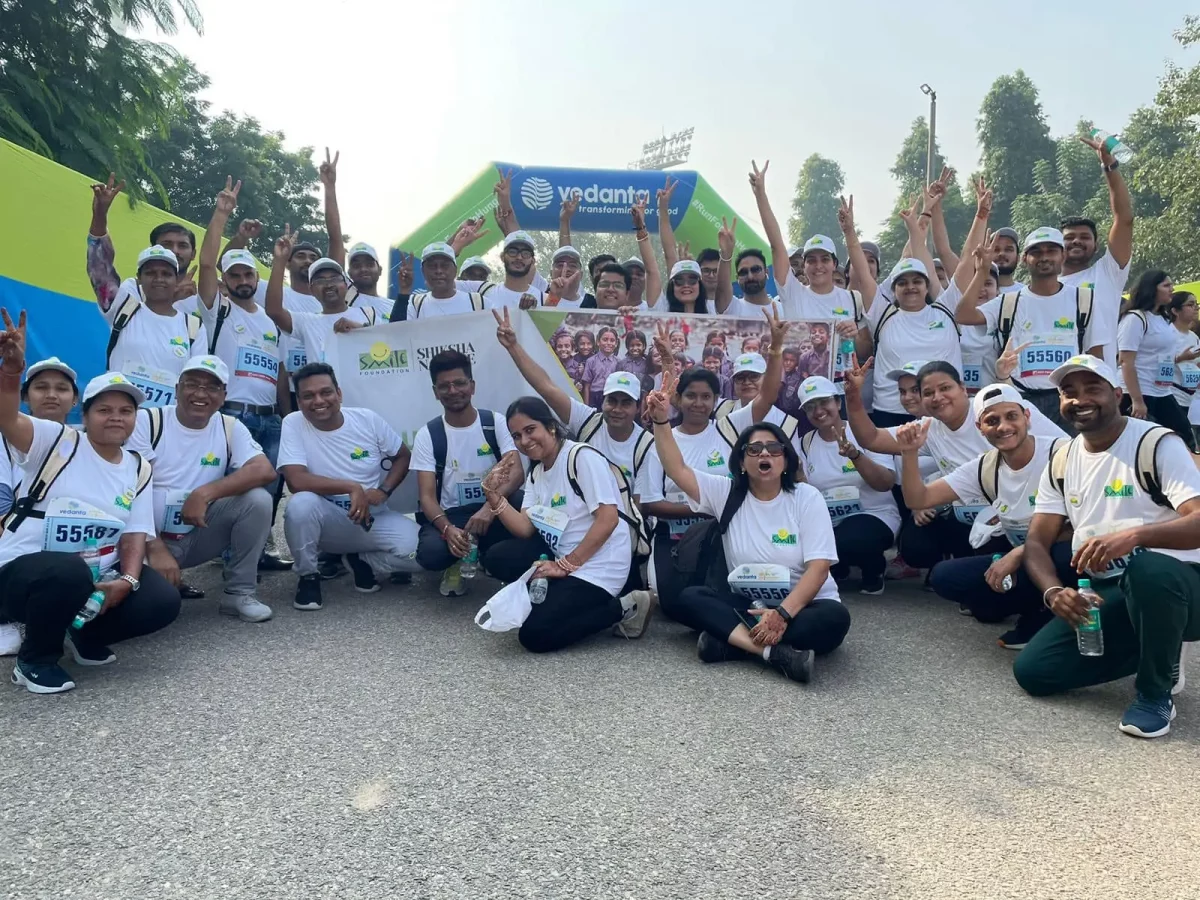
As the sun rises over the historic streets of Delhi on the morning of 20th October 2024, thousands of runners, from seasoned athletes to enthusiastic amateurs, will converge to participate in a marathon that encapsulates the essence of Delhi’s diversity, energy, and generosity. Beyond the medals, accolades, and personal records, this marathon holds a greater purpose— running for social causes that touch lives, bring hope, and transform communities.

The Goodness of Running

Running is more than a mere physical activity; it’s a profound experience that brings about positive changes, not just in the runner’s life but also in the world around them.

Health and Wellness

Running is a fantastic way to stay physically fit and mentally healthy. It strengthens the heart, enhances lung capacity, and releases endorphins, the “feel-good” hormones that boost mood and reduce stress.

Unity in Diversity

Running events like the Vedanta Delhi Half Marathon bring people from diverse backgrounds together. Regardless of age, gender, or ethnicity, participants share the same roads, goals, and aspirations, fostering a sense of unity and camaraderie.

Pushing Boundaries

Running challenges individuals to push their boundaries, both physically and mentally. It’s a constant pursuit of self-improvement, encouraging individuals to set and achieve goals they once thought were impossible.

Empowerment

Running empowers individuals to take control of their health and well-being. It instills discipline, determination, and perseverance, qualities that are not only beneficial in running but also in life.

Community Building

Running clubs and events create a sense of community. Runners often form deep connections, supporting and motivating each other to achieve their goals.

Philanthropy

Many runners, especially employees of corporates, use their passion for running to raise funds and awareness for charitable causes. This intersection of fitness and philanthropy is a powerful way to make a difference in the world.

The Marathon with a Heart: Vedanta Delhi Half Marathon 2024

The Vedanta Delhi Half Marathon goes beyond the typical running experience. It’s an opportunity to run with purpose and passion, to contribute to social causes that truly matter. Here’s why this marathon stands out:

  1. Diverse Participation: The Vedanta Delhi Half Marathon welcomes participants from all walks of life. Whether you’re a professional runner, a corporate executive, a student, or a homemaker, there’s a category for you. This inclusivity promotes a sense of belonging and unity.
  2. Multiple Race Categories: You can choose from various race categories, including the Half Marathon (21.1K), 10K, and 5K runs. This flexibility ensures that participants of all fitness levels can join in and be part of the event.
  3. Running for a Cause: What sets this marathon apart is its strong commitment to social causes. The event provides a platform for corporates and individuals to run for causes close to their hearts, be it education, healthcare, livelihood, or women empowerment. Each step taken during the marathon contributes to meaningful change.
  4. Corporate Engagement: The Vedanta Delhi Half Marathon encourages corporate participation. It’s a unique opportunity for businesses to engage their employees in a shared mission of social impact. When employees run together for a cause, it not only boosts team morale but also showcases the company’s commitment to corporate social responsibility (CSR).
  5. Empowering Communities: The funds raised through the marathon support the Smile Foundation’s initiatives, which empower underprivileged communities across India. From providing quality education to healthcare services and livelihood opportunities, the Smile Foundation is dedicated to transforming lives.

The Joy of Running for Social Causes

Running for social causes adds an extra layer of purpose to the marathon experience. It’s not just about personal achievements; it’s about making a positive impact on society. Here’s why running for social causes is a great thing:

  1. Creating Awareness: Running for a cause raises awareness about critical social issues. It brings attention to problems that may go unnoticed, fostering dialogue and driving change.
  2. Fundraising: Running events often serve as fundraisers for charitable organizations. Participants collect donations and sponsorships, which are used to support programs and initiatives that benefit disadvantaged communities.
  3. Personal Connection: Running for a cause allows participants to form a personal connection with the mission they support. It gives greater meaning to the race and motivates individuals to go the extra mile, knowing their efforts will directly impact those in need.
  4. Inspiration: When people see others running for social causes, it inspires them to get involved as well. It creates a ripple effect, encouraging more individuals and organizations to contribute to positive change.

Run Vedanta Delhi Half Marathon with Smile Foundation

The Vedanta Delhi Half Marathon in 2024 is an opportunity to be part of a movement that brings together the goodness of running and the power of social impact. Whether you’re an individual runner or a corporate team, your participation can make a significant difference in the lives of those less fortunate.

So, lace up your running shoes, set your goals, and get ready to run with heart and purpose at the Vedanta Delhi Half Marathon. As you cross that finish line, remember that your every step contributes to building a brighter, more inclusive, and compassionate world. Join the movement, run purposefully, and be a part of positive change.

The Vedanta Delhi Half Marathon awaits your participation with Smile Foundation. Are you ready to make a difference, one step at a time? Join us today!

Categories
Partnerships CSR

Run for a Cause: Delhi Half Marathon 2024 for Social Change

Marathon as an athletic event traces its origins to ancient Greece. The first recorded marathon occurred in 490 BCE during the Battle of Marathon. The story goes that a messenger named Pheidippides ran from the town of Marathon to Athens, approximately 26 miles (42 kilometers), to deliver the news of the Greek victory over the Persians.

According to legend, Pheidippides arrived in Athens, proclaimed the victory, and then collapsed and died from exhaustion. This event is often cited as the inspiration for the modern marathon race.

The first organized marathon race as we know it today took place during the modern Olympic Games. The marathon was introduced to the Olympic Games during the Athens Olympics in 1896, commemorating the legendary run of Pheidippides.

Since then, the marathon has become one of the most iconic and popular events in the Olympic Games and other major athletic competitions worldwide. It’s also widely run as a standalone race and has grown into a symbol of endurance, determination, and the human spirit.

Running has evolved beyond mere exercise and competition. It has transformed into a powerful tool for raising awareness and awareness for social causes. It has become a means of expressing solidarity and empathy for causes that matter. The act of lacing up one’s running shoes is now synonymous with taking a stand for change.

Why Run for Smile in the Delhi Half Marathon 2024?

Smile Foundation partners with thoughtful corporates and they run together in marathons all across the country every year for social causes that matter to the dedicated partners.

At the heart of this initiative lies the empowerment of marginalised families. Running for a cause adds depth and meaning to every step taken on the track. Participants know that their strides directly contribute to improving the lives of countless children. It’s not just a race against time; it’s a race against social inequities.

Running alongside like-minded individuals and corporations fosters a sense of unity and shared purpose. The Delhi Half Marathon 2024 is a platform where people from diverse backgrounds come together, transcending differences for the greater good.

Beyond the physical act of running, this event serves as a catalyst for raising awareness and funds. The Delhi Half Marathon 2024 exemplifies how ordinary individuals can come together to create extraordinary impact. It’s a reminder that every step counts, and collectively, we can race toward a more equitable future.

Join Smile Foundation in the journey of running with purpose, and together, let’s sprint toward a world where every individual has access to education, healthcare, and a chance at a deliciously good life.

Categories
Livelihood Skill Development

Bridging talent and skill gaps in emerging sectors of India

India has emerged as a global powerhouse in the workforce, particularly in the technology sector, where Indian professionals are increasingly occupying vital managerial positions in international organisations. Noticeably, there has been a massive shift in both the destinations and skills of Indian migrants. Historically, Indian migrants in gulf countries often engaged in low-skilled and informal jobs. However, this trend has undoubtedly evolved as more Indian professionals are securing high-skilled positions in high-income countries including the US, UK, and various East Asian nations, including Singapore, Japan, Australia, and New Zealand.

In fact, as per a 2023 World Bank report, remittances sent back home by international workers reached a staggering $125 billion—a 12.3 per cent surge from 2022. 66 per cent of all remittances flowing into South Asia are to India, up from the previous 63 per cent. The statistics demonstrate that despite emerging competition from APAC countries, the Indian workforce is making significant strides, and we anticipate these numbers to grow even further.

However, within this changing trend, we notice a newer gap between the talents and skill gaps of the workforce, which hinders the growth of specific sectors and the potential of earning higher money and advancing career opportunities. 

A New Era of Advancements in Emerging Sectors of India

Over the next few decades, we anticipate sectors such as healthcare, insurance, renewable energy, real estate, and information technology to experience significant growth in the country. What drives this expansion is evolving trends and increasing demand in these industries. 

As the nation adapts to new technological advancements, environmental priorities, and changing economic landscapes, these emerging sectors of India will play a crucial role in shaping the future job market and economic development. In the same vein, the workforce would have to develop such that their skill set aligns with the changing demands of the country. 

For example, a 2020 paper published by the UNESCO-UNEVOC International Centre for TVET highlights the promising future of green jobs in the energy-saving and renewable energy sectors. It also notes that as markets evolve and mature, workers’ qualification levels in the renewable energy sector expect to rise significantly above the average qualification level for the rest of the economy. One way to illustrate this is by considering the field of solar PV technology, where manufacturing solar cells and systems requires strong research skills in areas like chemistry, system design, and process engineering, along with a wide range of manufacturing expertise in silicon diffusion and processing.

Other sectors

The technology and IT industry are also facing a significant and widening skills gap, with a reported shortfall of 55% in software and app development and an even more striking 59% in emerging technologies, as per a report. This gap primarily exists because recent graduates often lack practical experience due to insufficient hands-on training in their academic programmes, and because current industry professionals may not have kept up with the latest advancements or acquired the skills necessary for more advanced roles. In response, we are looking at more investments in internal training to bridge that gap. 

Similarly, in the rapidly evolving Fast-Moving Consumer Goods (FMCG) industry, which is already undergoing significant digital transformation, there is a critical need to focus on developing skills for the long term. To keep pace with the industry’s continual evolution, workers must be proficient in digital literacy, data analysis, and emerging technologies such as artificial intelligence, machine learning, and automation. By equipping the workforce with these skills, businesses can ensure that their employees are well-prepared to meet the ever-changing demands of the FMCG sector.

Developing, Reinventing, and Innovating Schemes

Looking ahead, it is clear that employees will need to balance human skills with artificial intelligence (AI) capabilities. The goal is to achieve the proper equilibrium between interpersonal skills and technological proficiency. Various stakeholders—including employers, educational institutions, and policymakers—can play a pivotal role in supporting the workforce through this transition, ensuring that employees are equipped to thrive in an increasingly AI-driven job market.

Even when the demand for skilled labour in India surged to about 103 million workers in 2022; the supply fell short by 29 million workers—states a report by the National Skill Development Corporation (NSDC). This gap will significantly impact fields that are adopting drone technology and robotics, including semiconductor manufacturing, green jobs related to waste management, and agriculture.

In a similar vein, in an article for ET Government, Manoj Karb highlights the urgent need for a comprehensive skilling strategy to address the growing skill gap. He advocates for a model that involves identifying pre-skilled candidates and assessing their current skill sets to design and implement targeted training programmes for specific skill shortages. Karb emphasises the importance of developing curricula that meet international industry standards. This involves integrating technology upgrades and involving internationally qualified trainers to ensure these programs are relevant and effective in preparing candidates for the global job market.

What more does it necessitise?

An additional crucial intervention in workforce development is the integration of language training. This training should extend beyond basic conversational skills, including business communication and industry-specific terminology. Additionally, incorporating financial literacy programmes can further enhance the skilling model, equipping individuals with the knowledge needed for both professional and personal financial management. 

The evolving job market necessitates ongoing learning and adaptability. Implementing a comprehensive skilling model that includes the elements mentioned can significantly enhance the competitiveness and global relevance of the Indian workforce. This approach is likely to result in higher remittances, stimulate economic growth at both national and regional levels, and strengthen India’s position on the global stage.

To contribute to these changing trends, Smile Foundation is dedicated to supporting unemployed or underemployed youth from disadvantaged communities by helping them secure jobs in emerging sectors of India with significant growth potential and high employability. Our skilling and livelihood programme STeP (Smile Twin e-Learning Programme) is designed to complement the government’s Skill India mission and aligns with Sustainable Development Goals 4 and 8, enhancing educational outcomes and economic opportunities.

Categories
Education

Understanding the full scope of ECCE and FLN

The COVID-19 pandemic had a significant global impact on education, with one of the most severe effects being the disruption of early childhood education. Schools and early childhood education centers worldwide were closed, affecting millions of young learners. According to a UNESCO report, around 1.6 billion students in more than 190 countries experienced school closures at the pandemic’s peak. This widespread disruption raised concerns among educators and policymakers about the state of Early Childhood Care and Education (ECCE).

The closure of educational institutions hindered ECCE, vital for cognitive, emotional, and social development during the foundational years. Consequently, the importance of ECCE has become more critical than ever.

In June of this year, in collaboration with UNICEF, UNESCO published a pivotal report on ECCE to readdress its scope in contemporary times This report highlighted the ongoing global learning crisis, revealing a critical issue: unless immediate interventions are made, by 2030, over 300 million children—about 37 per cent of the worldwide population—are at risk of not attaining essential reading proficiency levels.

From COVID to present 

Sustainable Development Goal 4 emphasises the importance of inclusive education for all. However, post-COVID, progress towards this goal has significantly stalled worldwide. The report above underscores the significant impact of the COVID-19 pandemic on education, particularly for children from low-income families and marginalised communities. These groups experienced disproportionate disruptions, exacerbating pre-existing inequalities in access to quality education. The interruption of in-person learning during the pandemic has had lasting effects on children’s developmental progress and literacy, amplifying the urgent need for targeted educational support and reform.

As countries gradually recover from the pandemic and schools reopen, the focus has shifted to addressing the learning losses and inequalities exacerbated during the pandemic. However, the impact on ECCE remains a significant concern. Early childhood experiences are crucial, laying the foundation for all future learning.

Improvements needed

Despite recognising ECCE as essential for driving economic growth, promoting social equity and supporting sustainable development, investments in ECCE still need to be improved to realise its full potential. The sector needs to be more funded and more cohesive. UNESCO mentions that increasing focus and investment in ECCE could transform the future of education worldwide by advancing literacy development during these critical early years. It has thus highlighted that for Sustainable Development Goal 4 to make significant progress, it is crucial to extend the right to education to also include ECCE since implementing legal provisions for free or compulsory pre-primary education can significantly benefit children’s early development.

Currently, no international legal framework explicitly guarantees the right to ECCE. Therefore, establishing a framework is essential for a comprehensive approach to preparing children for school. An international strategy would enable governments and the global community to address learning and well-being challenges more effectively by fostering an integrated ECCE ecosystem that better supports children and their families.

Millions of our children and their needs

Millions of young children, especially in low and middle-income countries, start school without the essential foundational skills they need. In this case, Foundational Literacy and Numeracy (FLN) further becomes the bedrock of academic achievement, personal growth, and economic advancement. These early skills are crucial for all future learning and for developing vital 21st-century abilities like critical thinking.

Without a strong foundation in FLN in early childhood, children face significant hurdles that can stunt their educational progress and limit their future potential. Thus, incorporating ECCE and FLN paves the way for a more enriched future for children. 

The same also benefits students with disabilities. Research shows that about 4 per cent of children until age four face challenges in one or more functional areas. Those with disabilities are 25 per cent less likely to access early childhood education. A holistic, multi-sectoral strategy beyond traditional education can bridge the gap in creating a level playing field and providing tailored educational support to ensure smooth transitions from home to early childhood settings and formal schooling. 

A Focus on Foundational Literacy

Emphasising foundational literacy is crucial for advancing global learning and addressing well-being challenges. To achieve this, it is essential to develop an integrated ECCE ecosystem that effectively supports children and their families. A critical intervention within this framework is the standardisation and contextualisation of data, which will enhance our understanding of the diverse ECCE environments and the specific needs and challenges across different regions.

Investing in pedagogical training for pre-primary education and increasing the number of qualified educators are also vital steps. The UNESCO report identifies regions such as Central Asia, Northern Africa, Western Asia, Southern Asia and sub-Saharan Africa as needing new teaching positions more than just replacements. 

Furthermore, governments must prioritise and reallocate public funds towards ECCE and foundational literacy to support the most disadvantaged and underserved communities. The Tashkent Declaration of 2022 marks a pivotal moment in international education policy by urging member states to dedicate at least 10 per cent of their education budgets to pre-primary education.

Moreover, it is crucial to ensure that vulnerable children—those impacted by conflict, displacement, migration or historical inequalities—are not denied access to high-quality early care and education. Meeting these needs fosters individual development and brings substantial economic and social benefits.

Future of ECCE and FLN

Improving access to effective learning systems, increasing the number of dedicated pre-primary educators and boosting funding for early education are essential steps toward securing a brighter future for all children. We can promise a more equitable and supportive learning environment that helps every child thrive by addressing these areas.

The future of ECCE and FLN hinges on the ongoing commitment of governments, educators and communities. Investing in early childhood education and addressing learning losses are crucial for ensuring all children have access to the quality education they need to thrive.

Smile Foundation’s Commitment to ECCE and FLN

Smile Foundation recognises the critical importance of ECCE and FLN as important elements in a child’s educational journey. In response to the setbacks caused by the COVID-19 pandemic, we have intensified our efforts to address the learning gaps and ensure that every child receives a solid foundation in their early years.

Through its comprehensive ECCE and FLN initiatives, we are dedicated to fostering an environment that supports cognitive, emotional and social development from a young age, ensuring children are better prepared for their future educational endeavours.

Smile Foundation’s programmes are designed to provide equitable access to quality early childhood education, particularly for children from marginalised and underserved communities. By establishing early learning centers and training community educators, we focus on enhancing the quality of early education. These centers are equipped with age-appropriate learning materials and follow a curriculum that integrates play-based and experiential learning, crucial for developing foundational skills in literacy and numeracy. We also work closely with parents and caregivers, sensitising them to the importance of ECCE and equipping them with strategies to support their children’s learning at home.

The Global Push

In alignment with the global push for a comprehensive ECCE ecosystem, Smile Foundation emphasises a holistic approach that goes beyond traditional educational frameworks. This includes advocating for improved policies and increased public funding for pre-primary education, particularly in regions and communities where children face the greatest barriers to access. The foundation’s efforts extend to providing nutritional support, health check-ups and safe learning environments, addressing the multifaceted needs of young learners. By fostering a nurturing environment that supports both the educational and overall well-being of children, Smile Foundation is helping to lay the groundwork for a more inclusive and effective early education system.

Through our dedicated initiatives in ECCE and FLN, we are trying for all children, regardless of their socio-economic background, to have the opportunity to develop the foundational skills necessary for lifelong learning and success.

Categories
Smile Education

Why is it important to regularly train our school teachers?

Unlike any other profession, teaching demands continuous learning and adaptability to newer and changing times. Dynamic in nature, a holistic educational environment requires teachers who are committed to adapting and adjusting to new challenges.

At a time, when digital learning is making its way fast into the realm of learning and education and there’s a heightened awareness of events and issues arising from politics, society, culture, mental health, technology, online and social media, and so on, traditional teaching methods may only partially engage students or address their diverse needs.

Today, training is not limited to students only but as well as teachers in such evolving times. Recognising the importance of teachers’ training, the National Education Policy 2020, for the first time acknowledged that teachers must regularly update their skills to stay abreast of the evolving educational landscape. To support this, the NEP even mandates that every teacher must complete at least 50 hours of training annually through various regional, local and national workshops, and highlights the necessity of incorporating technology into teacher training.

Why teachers should be continuously trained?

Teaching, like any profession, demands regular skill development as time evolves. Given that teachers play a vital role in guiding students towards their future careers, we should prioritise them for continuous training and skill enhancement. Training school teachers regularly through teacher training programmes is crucial to ensuring that our education system meets the needs of the students and children from the current generation to aid their overall development. 

In a small instance, to understand why regularly training school teachers is a must, we must look back at how the extended COVID-19 shutdowns impacted education. Following the pandemic, the widening digital divide, and remote learning has created substantial challenges for both students and teachers. Many students from disadvantaged backgrounds lost access to learning resources, and teachers have since then struggled to revert to traditional in-person methods. Such issues require immediate attention due to their potential short-term and long-term effects.

In these circumstances, teachers become crucial components in helping students recover lost learning, making it imperative to focus on their training to keep at par with the education system.

What is a teacher training programme?

A teacher training programme is designed to provide educators with the latest techniques and modern pedagogical strategies which enable them to connect with, manage and teach their students more effectively. These programs, when well-executed, can significantly enhance teachers’ ability to positively influence students both academically and beyond.

The role of teachers in general education has evolved significantly, shifting from excluding students with individual needs to including them in regular classrooms. Hence, it must be noted that teacher training is closely related to addressing diverse student needs within a single classroom, ensuring that educators possess the necessary knowledge and skills to effectively meet these needs. 

For another instance, empowering marginalised students through inclusive education begins with effective teacher training. This inclusive education, through the right teacher training, can help build awareness and sensitivity where can recognise and address their own biases, creating a safe, inclusive, and discrimination-free classroom. They can create and foster strong collaboration and open communication to address issues early on.

Benefits of teachers’ training programme

  • Enhanced Teaching Quality: Teacher training programmes significantly improve educational quality by equipping educators with advanced teaching techniques and methodologies. These programs help teachers become more effective in their instruction, enhancing student engagement and learning outcomes. By learning innovative teaching practices, teachers can create a more dynamic and interactive classroom environment.
  • Integration of Technology: As schools increasingly adopt digital tools and smart technologies, teacher training is essential for helping educators effectively use these resources. Training ensures that teachers can integrate technology into their lessons, which is crucial for modern education. Familiarity with educational technology enables teachers to enhance their teaching methods and provide a more engaging learning experience for students.
  • Improved Classroom Management: Effective training prepares teachers to handle classroom dynamics and challenges more adeptly. This includes managing student behaviour, fostering a positive learning environment, aiding students with special needs, and ensuring active student participation. Good classroom management is essential for maintaining an effective learning atmosphere.
  • Ongoing Professional Development: Continuous teacher training provides educators with up-to-date knowledge of the latest educational trends and research. This ongoing professional development helps teachers remain aware of new pedagogical approaches and practices.
  • Better Student Outcomes: Ultimately, well-trained teachers contribute to improved student performance. By applying best practices learned through training, educators can help students achieve better academic results and overall success.

How teacher training be effective?

Studies show that there is a clear connection between teacher training, teaching methods, and students’ academic achievements – indicating how continuous teacher training receives better responses from the students as compared to untrained teachers. A research in 2019 (Nzarirwehi et al. (2019)) compared the academic performance of students taught by trained versus untrained teachers, revealing that students of trained teachers achieved higher academic results. Similarly, a 2017 study (Behroz-Sarcheshmeh et al. (2017)) found that students’ academic achievement and interest improved when trained teachers applied teaching methods suited to the classroom environment and situations.

Teacher training in fostering education among marginalised communities

When it comes to acting upon the importance of teacher training, Smile Foundation aims to improve STEM education for students from marginalised and underserved communities through creative learning programs in collaboration with corporations, educational institutions and community organizations.

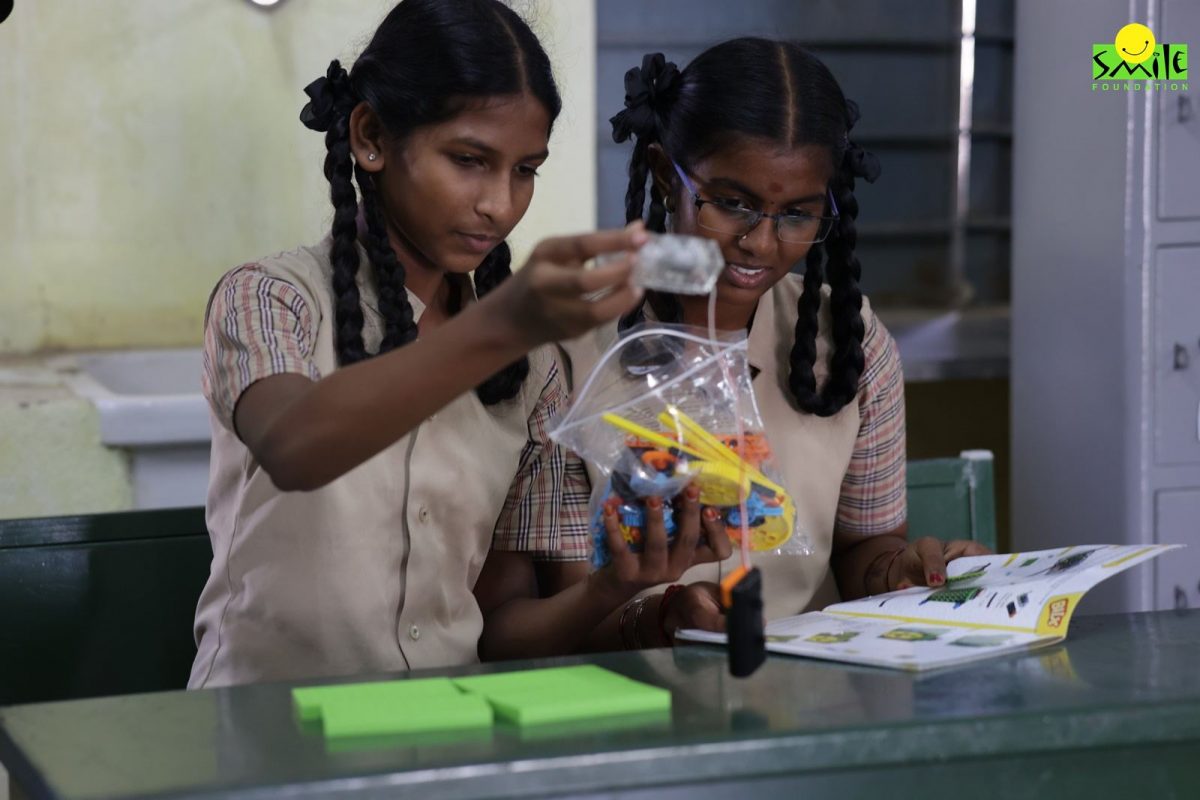
Smile’s Teacher Training & STEM initiatives focus on making classrooms more interactive and dynamic, emphasizing inquiry-based and activity-based learning, classroom management, child pedagogy, experiential learning in math and science, and effective lesson planning.

Smile Foundation training teachers regularly

Smile Foundation’s education programme takes a comprehensive approach to empower teachers and enhance education in underserved communities, recognising that well-trained teachers are pivotal to fostering quality education. Smile’s Teacher Training & STEM initiatives focus on making classrooms more interactive and dynamic, emphasising inquiry-based and activity-based learning, classroom management, child pedagogy, experiential learning in math and science and effective lesson planning.

By partnering with corporations, educational institutions and community organisations, we have been able to implement creative learning programmes that improve STEM education for students from marginalised backgrounds. Through these initiatives, teachers gain access to the latest techniques and modern pedagogical strategies that allow them to connect with, manage and teach their students more effectively. This approach not only improves the overall quality of education but also ensures that children receive the support they need to thrive academically and beyond, creating a more inclusive and equitable learning environment for all.

Categories
Smile Partners In Change

Systems Thinking for NGOs in India

In India’s social sector, nonprofits play a vital role in addressing a range of challenges, from poverty and education to health and environmental issues. However, the interconnected nature of these problems means that solutions must also be multifaceted. This is where systems thinking comes into play—a multi-faceted approach that allows NGOs to understand the complexities and interdependencies within the social sector. By adopting systems thinking, NGOs in India can not only improve the effectiveness of their interventions but also contribute to sustainable, long-term social change.

Understanding Systems Thinking

At its core, systems thinking is an approach that views a system as a set of interrelated and interdependent parts working together to achieve a common goal. In the context of NGOs, this means understanding how different social, economic and environmental factors interact and influence each other.

Unlike traditional linear thinking, which focuses on isolated events or problems, systems thinking encourages a broader perspective that considers the relationships and dynamics within a whole system. This approach is particularly useful for NGOs, as it allows them to identify root causes, anticipate unintended consequences and develop more comprehensive and sustainable solutions.

The Need for Systems Thinking in India’s NGO Sector

India’s social landscape is characterised by a complex web of challenges that are often deeply intertwined. For example, issues like poverty, lack of education and poor healthcare are not isolated problems but are interconnected in a way that each one affects the others. A child in a rural village may drop out of school due to health issues, which in turn may be caused by a lack of clean drinking water or poor sanitation facilities. In this context, a traditional approach that focuses solely on providing education without addressing underlying health or sanitation issues is likely to be ineffective.

Systems thinking enables NGOs to look beyond immediate problems and consider the broader context in which they exist. By doing so, they can identify leverage points—areas within the system where a small change can lead to significant improvements. For example, instead of only focusing on building schools, an NGO might also work on improving community health and sanitation, ensuring that children are healthy enough to attend school regularly.

Benefits of Systems Thinking for NGOs

  1. Holistic Problem Solving: Systems thinking encourages NGOs to look at the bigger picture, ensuring that their interventions are not just treating the symptoms of a problem but addressing its root causes. This leads to more sustainable solutions that have a lasting impact.
  2. Identifying Interdependencies: By understanding the interdependencies between different social issues, NGOs can better coordinate their efforts with other organisations and stakeholders. This collaborative approach can lead to more efficient use of resources and a greater collective impact.
  3. Anticipating Unintended Consequences: One of the challenges of social interventions is that they can sometimes lead to unintended negative consequences. Systems thinking allows NGOs to anticipate potential ripple effects of their actions and plan accordingly to mitigate risks.
  4. Improved Decision-Making: With a systems perspective, NGOs can make more informed decisions that consider the long-term impact of their actions. This strategic approach helps organisations prioritise interventions that offer the most significant potential for positive change.
  5. Building Resilience: Systems thinking helps NGOs build resilience by preparing them to respond to complex and changing circumstances. By understanding the dynamics of the systems they operate within, NGOs can adapt more effectively to new challenges and opportunities.

Implementing Systems Thinking: A Step-by-Step Guide for NGOs

  1. Map the System: Start by creating a detailed map of the system, identifying all relevant actors, factors and their relationships. This could include government bodies, local communities, other NGOs, private sector partners and environmental conditions.
  2. Identify Leverage Points: Look for points within the system where a small change could lead to significant improvements. This could be an underserved community, a policy gap, or a critical resource that is lacking.
  3. Engage Stakeholders: Systems thinking requires input from a diverse range of stakeholders. Engage with community members, local authorities, other NGOs and experts to get a comprehensive understanding of the system and co-create solutions.
  4. Develop a Multi-Faceted Strategy: Based on the system map and stakeholder input, develop a strategy that addresses multiple aspects of the problem. For example, an education-focused NGO might incorporate health and nutrition components into its programmes.
  5. Monitor and Evaluate: Use systems thinking to continuously monitor and evaluate the impact of interventions. This involves not just measuring immediate outcomes but also assessing long-term changes in the system.
  6. Adapt and Iterate: Systems are dynamic and constantly changing. NGOs should be prepared to adapt their strategies as new information becomes available and conditions change.

Case Study: Systems Thinking in Action

An excellent example of systems thinking in action is the approach taken by some Indian NGOs to tackle child malnutrition. Instead of just providing food, these organisations have adopted a multi-pronged strategy that includes educating mothers about nutrition, improving access to clean water and sanitation and advocating for government policies that support child health. By addressing the multiple factors contributing to malnutrition, these NGOs have achieved more sustainable and impactful results.

Challenges and the Way Forward

While systems thinking offers many benefits, implementing it can be challenging. It requires a shift in mindset from linear to non-linear thinking, which can be difficult for organisations accustomed to traditional approaches. It also requires time, resources and the ability to work collaboratively with a wide range of stakeholders. However, the potential rewards in terms of improved outcomes and sustainable social change make it a worthwhile investment.

NGOs in India are increasingly recognising the value of systems thinking and are beginning to integrate it into their work. By adopting this approach, they can enhance their effectiveness, contribute to more sustainable social change and better address the complex and interrelated challenges facing India today.

By embracing systems thinking, NGOs in India can better navigate the complexities of the social sector, ensuring that their efforts lead to meaningful and lasting change. Whether working on education, health, environment or economic development, a systems approach enables NGOs to address the root causes of problems, anticipate unintended consequences, and create more sustainable solutions that improve the lives of millions across the country.

Lifecycle Approach of Smile Foundation

Smile Foundation’s lifecycle approach is a comprehensive strategy designed to address the diverse needs of individuals and communities at every stage of life. By focusing on the entire lifespan, from early childhood to adulthood, Smile Foundation ensures that its interventions are both holistic and sustainable. This approach recognises that the challenges faced by individuals evolve over time and effective solutions must be adaptable and inclusive.

In the early years, Smile Foundation’s programmes emphasise early childhood care and education, laying a strong foundation for lifelong learning and development. As children grow, the foundation extends its support to include health and nutrition, ensuring that young individuals are healthy and well-nourished. This is followed by initiatives focused on education and skill development for adolescents and young adults, preparing them for future employment and leadership roles.

Additionally, the lifecycle approach addresses the needs of adults and families, providing support for livelihood opportunities, community development and health care. By integrating programnes across different stages of life, Smile Foundation creates a continuum of support that helps individuals thrive and communities flourish.

Categories
CSR

CSR in Banking- Promoting Inclusive Financial Service for all

Over the years, India’s financial ecosystem has been evolving to newer heights. With digital payments becoming a part of our day-to-day lives along with newer financial support schemes for women and underserved communities, India is striving to achieve an inclusive financial structure for all. In 2023, the Reserve Bank of India declared India’s Financial Inclusion Index standing at 60.1 whereas, in 2024, the Financial Inclusion Index stands increased at 64.2, hinting that the efforts towards having an equitable economic paradigm along with improvement in economic opportunities are possible in a country like India.

What is financial inclusion?

By definition, the Financial Inclusion programme aims to ensure that both individuals and businesses can access financial services that are useful and affordable, such as transactions, payments, savings, credit and insurance, responsibly and sustainably. 

Furthermore, the importance of financial inclusion has been identified in almost every Sustainable Development Goal. It is directly referenced as a target in eight of the seventeen goals. These include SDG 1, which focuses on eradicating poverty; SDG 2, aimed at ending hunger, ensuring food security, and fostering sustainable agriculture; SDG 3, which addresses health and well-being; SDG 5, dedicated to gender equality and the economic empowerment of women; SDG 8, which promotes economic growth and employment; SDG 9, which supports industry, innovation, and infrastructure; and SDG 10, which seeks to reduce inequality.

Furthermore, SDG 17, which concentrates on enhancing the means of implementation, implicitly highlights the importance of financial inclusion by encouraging increased savings mobilisation for investment and consumption, thereby potentially driving economic growth.

As India aims to become a $7 Trillion economy by 2030, it gets even more important for us to create financial inclusive programmes and institutions that offer equitable financial services to all. Government interventions like the Jan Dhan Yojana are among the most promising financial schemes. They have enabled over 50 crore people to open bank accounts and deposit over INR 2 Lakh crore, becoming part of the formal banking system.

Why are financial inclusive programmes important for India?

India’s robust economic growth has certainly become an example for many to follow globally. However, when it comes to achieving holistic economic growth for all and by all, we still have a long way to go. 

India’s underserved population still grapples with poor financial conditions due to lack of education, unemployment, skill training and poor health which eventually has kept them and their families in the loop of economic stagnation. 

Considering the importance of having an accessible and inclusive financial environment for all, the core focus now should be to develop low-income communities with opportunities that would enable them to develop themselves financially sustainable.

CSR initiatives in banks for empowering underserved communities 

Over the years, Banking CSR Strategies have opened up many opportunities for the underserved communities in India. With several financial inclusion programmes introduced by banks, children and their families are getting the chance to access e-literacy and financial literacy ,so that they can develop and be aligned to the demands of changing times.

Interventions by Axis Bank, SBI and RBL for empowering communities with sustainable livelihood training and opportunities have been very successful. Such initiatives have proven that CSR in banking can create a real impact at the grassroots level because, with their support and expertise, underserved communities can get knowledge on financial literacy and financial schemes that can help them navigate and build their finances better. 

CSR in banking- Going forward

By emphasising financial literacy, skill development and improved access to banking services, financial institutions play a crucial role in addressing the needs of underserved communities. Additionally, banks can provide microloans to small enterprises, support educational initiatives, and fund healthcare projects in rural areas, thereby facilitating the integration of these communities into the mainstream economy.

Moreover, banking CSR strategies should include investments in infrastructure to advance digital financial inclusion, ensuring that remote areas have access to essential banking services.

These initiatives are instrumental in transforming lives, stimulating economic growth and increasing social equity, significantly advancing the sustainable development of underserved populations in India.

Swabhiman- Financial Inclusion Programme for Women

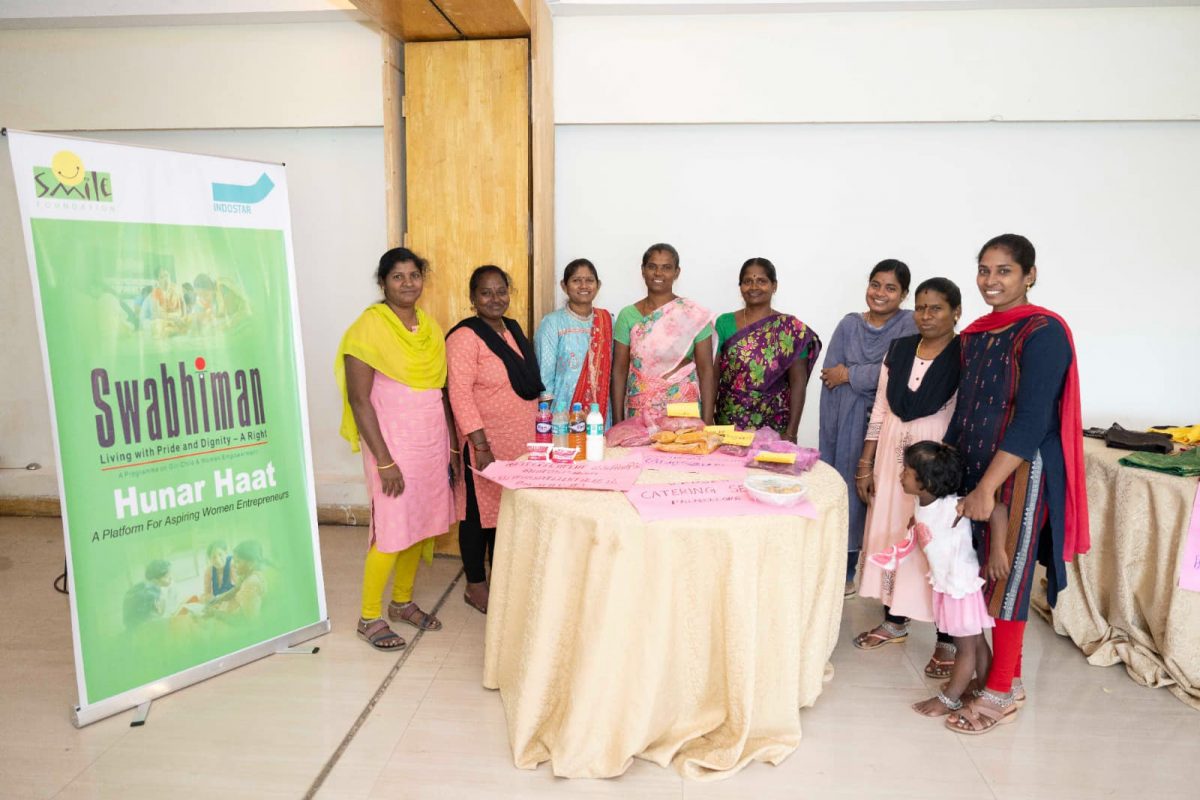
With a focus on enabling women with financial stability, Smile Foundation’s Swabhiman programme has been tailored to provide them with entrepreneurship and skill development training.

This program supports underserved women from India’s urban poor and rural communities by providing them with the opportunity to achieve economic empowerment through starting their own businesses. They receive training in business basics such as financial management, marketing and communication, financial literacy, and digital literacy, enabling them to sustain and expand their small businesses to create a stable livelihood for themselves, their families and their communities.

Several financial institutions such as SBI and IndoStar Home Finance have partnered with the Swabhiman programme to support women from marginalised communities. By providing them with workshops on financial literacy and business management skills, these financial institutions have contributed positively towards empowering women while also laying down the foundations of inclusive financial culture in India.

Smile Foundation firmly believes that creating lasting and meaningful change requires the collective efforts of all social stakeholders working toward a common goal. By consolidating our resources to promote an inclusive financial environment in India, banks and Smile Foundation can collaborate to enhance the impact of governmental financial initiatives. This potential partnership can achieve substantial and far-reaching results, offering women and their families the opportunity for financial stability.

Additionally, it aims to create a comprehensive and inclusive financial ecosystem that empowers these communities to overcome economic challenges and secure lasting financial well-being.

Categories
Employee Engagement

Modern world, modern solutions for employee engagement activities in India

Can you imagine how you would feel if all you were permitted to do at the workplace was work and talk about work only? The very thought feels so grim and tiresome, right? Don’t you want to work in a vibrant and productive workplace where working is nothing short of joy? Unlike your expectations, workplaces were once upon a time grim. Businesses were focusing only on their productivity and employees were squeezed to their maximum extent to increase productivity.

Following numerous protests and agitations came the labour rights and laws over a period of a century. These laws ensured that the basic necessities of employees were fulfilled. Least did the companies realise the direct connection between the working condition and productivity. Following significant labour reforms, better workplace safety standards were put in place.

The History

Around the 1960s, various theories started talking about workplace motivation. Important among them are Theory X and Theory Y proposed by Douglas McGregor. The theories of human work motivation and management were rooted in Abraham Maslow’s theory on the hierarchy of needs. They propose contrasting models of motivation applied by employers in human resource management, organisational behaviour, organisational development and organisational communication.

Though the theories have laid the groundwork for the engagement practices, employee engagement started gaining specific attention only after the 1980s. It was only then that companies started to realise the importance of employees’ emotional commitment in the company’s performance and retention. It in turn led a shift in focus from mere productivity to understanding of employee commitment and engagement.

Employee engagement activities in India have become a no-skip rule in every company in the 21st century. Companies began to implement well-planned and structured initiatives aimed at improving engagement while targeting to increase their business outcomes. Companies also started to invest a huge sum for such programmes. Not just budget allocation for measuring the impact of employee engagement, but leadership development programmes have become a must.

Though many companies fail to see its significance beyond a simple HR strategy and reduce it to a mere checkbox, several organisations implement the strategic plan and implement such programmes, realising its profound impact. To appreciate its importance, one needs to understand employee engagement practices in detail.

Understanding employee engagement activities in India

Employee engagement is a Human Resources (HR) concept that describes the level of enthusiasm, emotional commitment and dedication employees have towards their organisation and its goals. It shows how engaged employees are with their work, their willingness to go beyond their designated role, and their motivation to contribute to the organisation’s success. More engaged employees feel a deeper connection to their organisation. They care about their work and organisation and believe that their role makes a difference in the organisation.

Engaged employees think more about their role and organisation than mere paycheck. Employees’ engagement always becomes visible in their performance and burnout rate. It in turn increases the chances of achieving the company’s goal easily. Given its link to job satisfaction and employee morale, employee engagement is crucial for a company’s success.

Companies can encourage engagement practices in multiple ways. Some of the ways are offering rewards and promotions based on their performance, communicating clearly about their expectations from them, providing regular feedback, keeping employees informed about the company’s performance and moves, taking efforts to make employees feel respected and valued and ensuring that their ideas are being heard and understood.

Numbers, numbers and more important numbers

Research and studies continuously emphasise the robust link between employee engagement and performance. Insisting the significance of prioritising and enhancing employee engagement activities, the Gallup Institute has uncovered that only 23% of the global workforce is totally engaged. It has been proven that businesses prioritising the well-being of employees observe a considerable rise in productivity, satisfaction and financial performance. According to the institute, companies with highly engaged employees witness a 21% rise in profitability compared to their counterparts.

Also, engaged employees contribute to about 40% less absenteeism. It means the companies have a consistent and productive work environment. Gallup studies also say that impact of employee engagement leads to a 10% higher customer rating. The financial implications of disengaged employees are of serious concern. For one disengaged employee, equating to an average annual profit loss of $2,500, according to Aon Hewitt Consultancy.

Virtual employee engagement activities in India

With the rise in technological growth, digital transformative initiatives and widespread remote work options in recent times, traditional employee engagement activities have taken a backseat. Just like in every other sector, technology continues to play a wider role in keeping employees engaged.

As the modern world needs modern solutions, organisations have already started prioritising virtual employee engagement activities to improve the overall experience of their workforce. Organisations have begun integrating technology to streamline communication, simplify processes, maintain team morale and foster collaboration while ensuring productivity.

Through this, employers are actually cultivating a culture of engagement that attracts top talent and inspires employees to thrive.

Some of the effective and interesting virtual engagement activities are

  1. Virtual social events: Employees can do online meet-ups for a casual chit-chat or play games with or without a themed dress code. Virtual coffee breaks to discuss funny stuff or employees can even conduct virtual talent shows.
  2. Professional and personal development events: Organisations can host a series of webinars on industry trends, skill developments or other relevant topics either using in-house experts or by inviting industry experts from outside. Discussion regarding articles, books or podcasts related to professional and personal development can be held.
  3. Virtual team-building games: Organisations can form teams among their employees and ask them to solve puzzles together or provide a topic on the spot and ask them to deliver an impromptu speech. Organisations can even conduct virtual scavenger hunts.
  4. Wellness and fitness activities: Companies can conduct online yoga, Zumba, Pilates or dance workshops. They can even encourage their employees to participate in exercise or step challenges and track progress together. Organisations can also conduct workshops on mental well-being and stress management.
  5. Creative and fun activities: Organisations can host virtual cooking sessions, craft making workshops or even play online board games or multiplayer video games.

Smile Foundation and employee engagement activities

Understanding the importance of employee engagement programmes, Smile Foundation has been offering opportunities to couple engagement with purpose. It is to ensure that employees get out of their mundane routine and relax themselves even as they work towards fulfilling a cause. The organisation has expertise in conducting programmes that are beneficial both to children and employees.

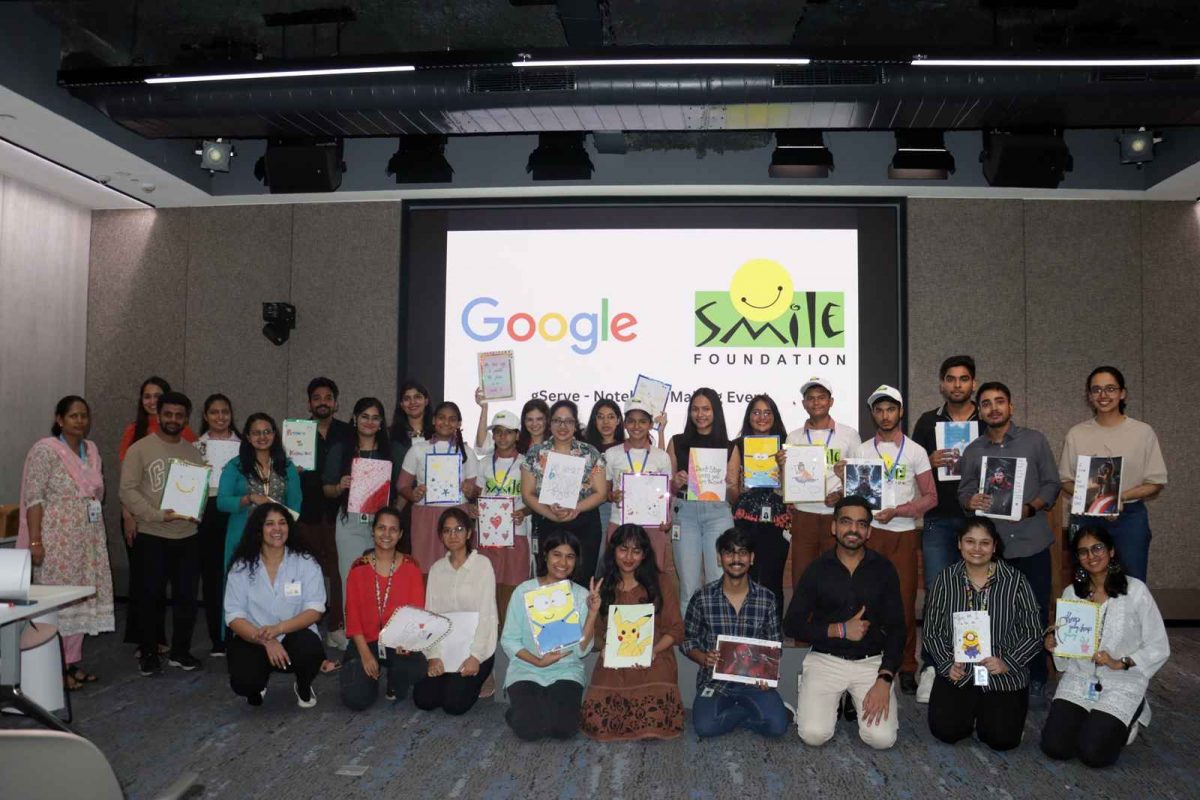
Some of the physical employee engagement ideas proposed by us are the happy feet challenge, mandala greeting card making, t-shirt bag making and painting, plantation drives and building a bike. To keep the employees engaged in the modern world, they also provide virtual employee engagement activities like best out of waste, career counselling sessions, toys from trash, create your own small kitchen garden and mentoring.

What’s more satisfying than to listen to a testimony from one of the beneficiaries? One of the employees of Avery Dennison, Neha Dabral, who took part in one of the engagement activities, said, “These girls are now my dose of motivation. We all keep complaining about our lives, but each one of these girls is truly fighting a battle with big smiles on their faces. It felt so good to spend a day with them. I came to encourage and went back inspired. I feel so proud to be associated with Avery Dennison. We get such wonderful chances to do some good in our own little way.” We all know that she is not the only one to feel so grateful after being part of the foundation’s employee engagement activities in India.

0%