Categories
Skill Development

Creating long-value in reskilling

In the aftermath of the pandemic, the business landscape has evolved with several emerging trends. A 2020 survey by McKinsey & Company revealed that the pandemic significantly accelerated the adoption of digital technologies, and it was anticipated that these changes would persist. Four years on, this forecast has proven accurate. Digital technologies have been widely adopted across organisational and industrial levels, as well as among consumers.

Artificial Intelligence (AI) and other advanced technologies are transformative in this shift. The Organization for Economic Cooperation and Development (OECD) projects that technology will reshape 1.1 billion jobs over the next decade due to AI and machine learning advancements. This transformation is expected to have an impact on human resources.

Business leaders face the challenge of addressing widening skill gaps. In the coming years, the gap between available workers and open positions is further expected to widen. The mismatch between the skills required for various roles and the knowledge employees currently possess could exacerbate these issues as employees may struggle to transition into roles critical for business operations. 

In turn, recruiting skilled talent from outside the organisation will likely become more costly than it is today, underscoring the crucial need for comprehensive reskilling programmes to stay competitive and relevant in this rapidly evolving environment. 

Navigating the future 

Reskilling refers to the process of equipping an employee with new skills to enhance their current job performance or to prepare them for a more advanced role. A 2023 study by the Digital Data Design Institute at Harvard’s Digital Reskilling Lab, in collaboration with the Boston Consulting Group’s Henderson Institute, underscores the urgent need in today’s business environment. Based on interviews with leaders from nearly 40 organisations worldwide, the study highlights that reskilling is no longer a matter of ‘what and why’ but ‘how’.

The study argues that reskilling has become a strategic imperative for contemporary businesses. Avoiding layoffs and fostering positive public relations is essential because factors like the ageing workforce increasingly constrain the labour market. Implementing effective reskilling programmes can give companies a competitive advantage by developing job-specific skills that are not readily available in the market, giving them a head start over their competitors.

Several companies have set notable examples in implementing impactful reskilling campaigns. For instance, Infosys has launched a flagship digital learning platform designed to equip individuals, communities and society with the skills necessary for success in the 21st century. This platform focuses on upskilling in areas such as digital technologies, emerging tech and essential life skills.

Similarly, ICICI Bank has been running an intensive reskilling programme to prepare graduates from diverse backgrounds for managerial positions. This initiative underscores the bank’s commitment to developing a skilled workforce capable of meeting the demands of today’s evolving business environment. 

Another trend to keep into account is the rise of green technology. Given the growing emphasis on sustainability and the shift towards greener practices, we are now witnessing the rise of a green-collar workforce. In response to this, reskilling becomes increasingly essential. As companies and governments focus on reducing carbon footprints, a rising demand for jobs centred around sustainability exists.

The share of green talent in the workforce rose by a median of 12.3% between 2022 and 2023, according to LinkedIn’s Global Green Skills Report 2023. This shift necessitates reskilling for those in industries like fossil fuels, who may need to transition to roles aligned with sustainability efforts. In this case, reskilling plays a critical role in helping workers adapt to these evolving job markets and seize emerging opportunities. 

Through collective effort and inputs

In reskilling processes, it is crucial to view employees as partners in the journey. The Harvard study underscores that reskilling demands substantial time and effort from employees. Consequently, organisations should aim to minimise the associated risks, costs, and burdens to enhance the effectiveness and efficiency of the process.

Adopting a people-centric approach is essential. Consider IBM’s reskilling model as a prime example. IBM launched the IBM Skills Academy to provide employees with advanced training in emerging technologies. By partnering with educational institutions and implementing an internal mobility system, IBM enables employees to transition into new roles within the company as they acquire new skills. This strategy has fostered a culture of continuous learning, giving IBM a competitive edge and creating a pipeline of strategically skilled employees.

Furthermore, the reskilling process demands considerable effort from management, extending beyond mere employee training. Successful reskilling requires fostering the right mindset and behaviours among employees and managers. Given the high costs involved, coalitions of companies might be more effective in addressing reskilling challenges than individual organisations. By collaborating on joint training initiatives, companies can mitigate some of the difficulties of reskilling. Partnerships with local colleges and training institutes further enhance these efforts, providing valuable resources and support.

In a nutshell, the importance of reskilling brings in several key benefits. It is essential for adapting to a rapidly changing environment, future-proofing careers against automation and AI, meeting shifting organisational needs, and enhancing long-term employability. As we navigate the Fourth Industrial Revolution, or Industry 4.0, where the boundaries between technology and business continue to blur, skilled employees are more critical than ever. They are the driving force behind client relationships, technology management and business growth. 

To maintain competition and relevance in the market, employees will increasingly have to engage in continuous skills training as individuals and organisations risk falling behind and becoming obsolete without sufficient learning opportunities.
Categories
Smile

Teacher’s Day 2024: Changing Student-Teacher Relationship

Teacher’s Day in India, celebrated on September 5th, honours the birth anniversary of Dr. Sarvepalli Radhakrishnan, a distinguished teacher and the second President of India. When his students expressed a desire to celebrate his birthday, Dr. Radhakrishnan suggested observing it as a day to honour teachers nationwide. Since then, Teacher’s Day has been a tribute to the tireless efforts of educators in shaping the future of India.

It also offers a moment to reflect on how the student-teacher relationship has evolved over the years, particularly in the context of India’s changing social and educational landscape.

In the past, teachers were viewed primarily as authority figures whose role was to impart knowledge and maintain discipline. This traditional dynamic has undergone significant transformation. Today’s educators are more than knowledge providers– they are mentors, guides and often, friends to their students. This shift is partly driven by changes in educational philosophies, technological advancements and evolving societal expectations.

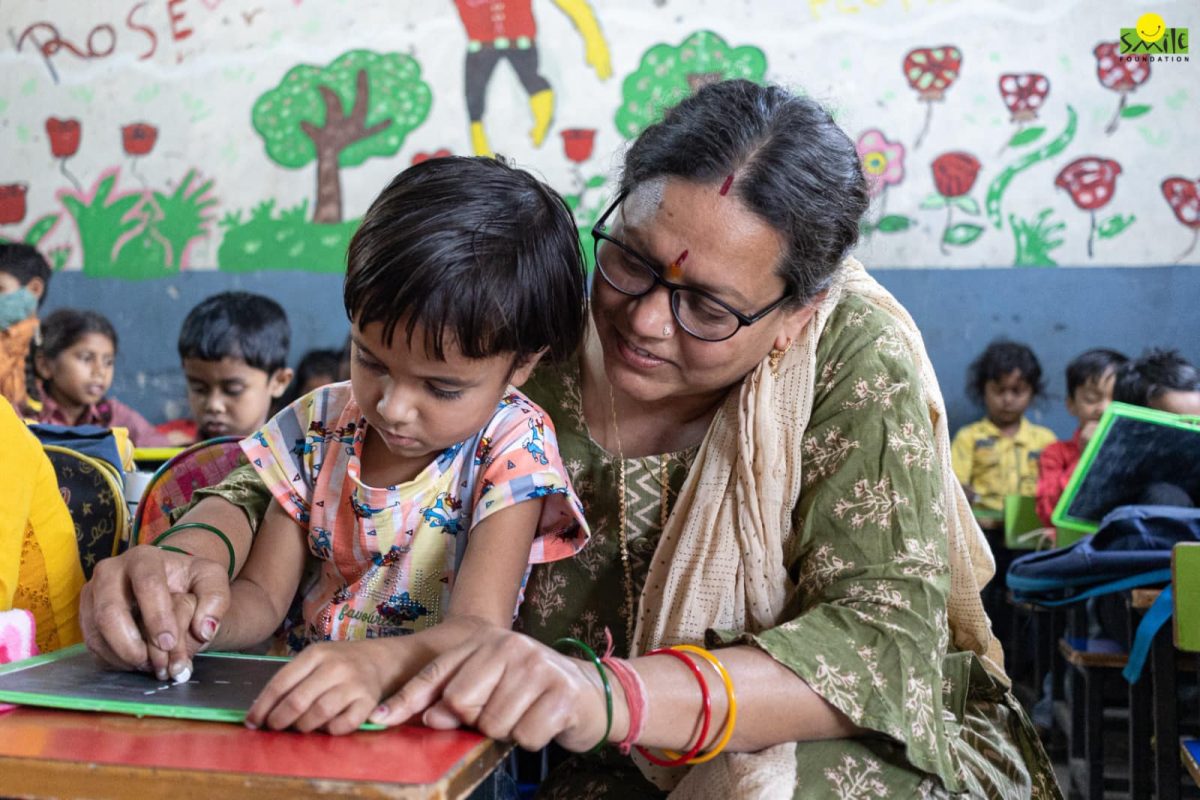
Teachers today engage in a more collaborative and empathetic approach, recognising the importance of addressing the emotional and psychological needs of students. They adapt to diverse learning styles and work closely with students to develop a conducive learning environment. In India, this evolution is particularly significant given the diverse socio-economic backgrounds of students, including a large number of first-generation learners.

The Role of Teachers as Influencers and Change-Makers

Teachers are often the first real influencers in a child’s life. For many students, especially those from underserved backgrounds or first-generation learners, teachers provide the first glimpse into a world of possibilities beyond their immediate circumstances. They play an important role in nurturing curiosity, fostering self-belief and encouraging students to aspire for more.

Teachers inspire, challenge and motivate, often becoming role models figures in their students’ lives. In a country like India, where educational access and quality vary greatly, the role of teachers becomes even more critical. They bridge gaps, provide encouragement and serve as role models, especially in rural or under-resourced areas.

This influence is not confined to academic knowledge– it extends to life skills, ethics and values. The modern teacher’s role encompasses being a mentor who can help students navigate the complexities of life, cope with challenges,and develop resilience. This broader role is particularly vital in supporting students from marginalised communities, helping them overcome societal barriers and equipping them with the skills needed to succeed in a competitive world.

Recognising Excellence in Teaching: National Teachers’ Awards 2024

To honour the dedication and commitment of exceptional educators, the Ministry of Education’s Department of School Education and Literacy has announced the winners of the National Teachers’ Awards 2024. This year, 50 teachers from across the country will get recognition for their outstanding contributions to education. The award ceremony, scheduled for September 5th at Vigyan Bhawan, highlights the diverse representation of teachers from 28 states, 3 union territories, and 6 organisations. Among the awardees are 34 male and 16 female educators (something that we should be concerned about in terms of gender representation), including two differently-abled teachers and one working with children with special needs (CWSN).

These awards are a proof of the dedication and impact of these educators in their respective communities. The selection process is rigorous, involving evaluations at the district, state and national levels. The awardees of this year represent a wide spectrum of teaching professionals who have gone above and beyond to provide quality education and nurture a fruitful learning environment.

The Changing Nature of Teaching in India

The nature of teaching in India has evolved significantly in recent years, driven by technological advancements, pedagogical innovations and a deeper understanding of diverse student needs. Teachers are now more equipped with digital tools and platforms that enhance the learning experience. This shift has necessitated continuous professional development, with teachers increasingly becoming learners themselves.

The integration of technology in classrooms has changed how teachers deliver content and engage with students. From smart classrooms to online learning platforms, the role of a teacher has expanded to include being a facilitator of digital literacy and critical thinking skills.

Additionally, the emphasis on inclusive education has reshaped the role of teachers. Educators today are trained to support diverse learning needs, including those of differently-abled students and those from varied socio-economic backgrounds. This inclusive approach fosters an environment where every student feels valued and capable of achieving their potential. The National Teachers’ Awards also recognise this aspect by honouring teachers who have excelled in inclusive education, thereby reinforcing the importance of diversity and equity in education.

The Future of Student-Teacher Relationships in India: Celebrating Teacher’s Day 2024

Looking ahead, the student-teacher relationship in India will become even more dynamic. With an increasing focus on personalised and experiential learning, teachers will continue to play a crucial role in adapting their teaching methods to suit individual student needs. The future of education in India will likely see a blend of traditional values with modern pedagogical approaches, fostering a learning environment that is both nurturing and challenging.

On this Teacher’s Day 2024, as we celebrate the teachers who have dedicated their lives to educating the next generation, it is also a time to reflect on the evolving role of educators. They are mentors, guides and, most importantly, changemakers who help shape the future of India.

A Special Thanks from Smile Foundation on Teacher’s Day 2024

On this occasion, Smile Foundation extends its heartfelt gratitude to all the teachers including those involved in our education programmes. These dedicated educators are changing lives of countless children, especially those from underserved backgrounds. Their commitment towards teaching has enabled many students to overcome barriers and achieve their dreams. At Smile Foundation, we recognise and celebrate the great impact our teachers have on shaping not just the future of our students, but also the future of our nation. We are deeply thankful for their unwavering dedication and passion.

Happy Teacher’s Day 2024 to all the educators who are making a difference, one student at a time!

Categories
Women Empowerment

Is there an ongoing gender equality fight for entrepreneurship?

On August 29, Hurun India released a list of the top 10 wealthy people in the country. Though the list contained all the familiar names, it was heartbreaking to see that the list contained no names of women. This, despite the significant rise in the number of women leading businesses in the country in recent times. What is more heartbreaking is the fact that India is the world’s third-largest startup ecosystem and one of the thriving economies in the world.

However, the institute also released a separate list titled ‘Top 10 self-made women in Hurun India Rich List 2024’. The list was topped by Zoho’s co-founder Radha Vembu, followed by Nykaa’s founder Falguni Nayar and Arista Networks’ Jayshree Ullal.

The report also noted that women’s representation in Indian business and the workforce remains relatively low. “Women constitute only 14% of all entrepreneurs in the country and just 35% of startup employees are women. Even more striking, in 2021, only 5 out of 136 unicorn founders were women, a stark decline from previous years. In micro, small, and medium enterprises (MSMEs), women oversee a mere 20% of the 58.5 million enterprises,” the report said.

The data clearly shows that gender equality in entrepreneurship continues to remain an elusive goal. NSE data also confirms the same. As per the data, only close to 100 companies in the country have women as either managing directors or CEOs. This percentage of women CEOs in India is much lower than the global average of 23.3%.

Why does the gender inequality continue to persist in the Indian start-up ecosystem? What are the challenges faced by women entrepreneurs? Let’s discuss further in detail to get an overall understanding. 

Challenges for women entrepreneurs:

Access to capital

One of the evident barriers that women face in their entrepreneurship is access to capital. Research shows that women-led start-ups receive less funding in comparison with their counterparts, even though their performance is better in all aspects. The lack of access to capital makes their businesses underfunded. As a result, many budding women entrepreneurs end up shutting down their businesses within a short period of time.

Despite the fact that studies show that women-led companies tend to outperform their male counterparts in terms of return on investment, there is a misconception among the investors about the scalability and profitability of their businesses. Not just that, the glaring stereotypes and biases often cloud decision-making in the investment community. Venture capital and investment communities are dominated by men and often have less or no women representation.

The lack of women’s representation in the sectors reflects the lack of support or advocacy they need to run their businesses. The barrier to access to capital remains strong despite women constantly proving that they are well capable of establishing a successful business. 

Societal expectations

    Despite women holding important positions both in the government and multi-national companies, women are even today expected to juggle multiple roles. In many households, which are often considered supportive by society, women are expected to allocate time for their business only after completing their household chores, caregiving and motherly duties. How can a woman put her complete concentration on work if she ends up exhausting all her energy and time in taking care of her house?

    Perceived notion puts women only in domestic and caregiving positions and does not allow her to raise to beyond that. A woman is always expected to put her family first, not just over business pursuits but also over herself. If anything ever goes wrong anywhere—be it at home or at the workplace—society always puts the blame on the woman and accuses her. This bias often shatters the confidence of women and stops them from pursuing their entrepreneurial dreams.

    Mentorship and networking

      Most of the networking spaces, including professional events, have historically been catered to male priorities and interests. This often does not align with the needs of women entrepreneurs. Also, when a woman enters the man-dominated domain, she is often looked down upon.

      Women also face challenges in networking and grabbing mentorship from experts due to the existing socialisation pattern and societal expectations. This further deters women from pursuing their entrepreneurial ventures. The sector also lacks structured mentorship programmes that are tailored to support women entrepreneurs. Women are often not allowed to travel out of their city to attend mentorship programmes or broaden their networking connections.

      Also, the sector hardly has many women mentors or role models. This often results in putting women entrepreneurs with less or no mentorship. Without proper guidance and a lack of networks to expand the business, women-led startups often stall before collapsing completely—becoming one of the biggest challenges for women entrepreneurs.

      Bias and discrimination

        Gender bias and discrimination in entrepreneurship manifest in several ways. More than often, it negatively impacts women entrepreneurs at various stages of their business journey. Due to the entrenched stereotypes related to the role of women, their confidence and reliability, clients prefer to work with men over women. Without being treated on par with men, women often receive less respectful and more critical feedback from clients.

        Support systems like business incubators, accelerators, and advisory services may not always address the specific needs of women entrepreneurs. Even though it does, they are less accessible to them. The laws against gender discrimination remain insufficient and ineffective in the country. It makes it further harder for women to address and abolish discriminatory practices at the workplace.

        The country can see a rise in the number of successful women entrepreneurs only if the challenges are addressed properly. We need to follow a multifaceted approach by creating more inclusive networking spaces, supporting mentorship programmes and effective and stringent laws against discrimination at the workplace to resolve the issues. The government should take steps to encourage diversity and equal inclusion of women in investment to reduce funding disparities.

        Stakeholders should be educated about gender biases and how their impact can help challenge and change existing stereotypes and practices. Communities should also work on encouraging a cultural shift towards greater recognition and support for women in business. Without bringing in a change in society and their expectations for women, there will be no path ahead for women entrepreneurs. 

        Smile and Swabhiman

        Smile Foundation’s Swabhiman programme is a powerful force in the journey toward gender equality. This initiative takes a holistic approach, focusing on improving health, education and self-reliance for women in underserved communities. By offering essential resources and skills training, Swabhiman is breaking down the barriers that prevent women from realising their full potential.

        In the context of entrepreneurship, the programme provides a foundation for women to rise above systemic challenges like limited access to capital, mentorship and networking opportunities. Swabhiman equips women with vocational skills and with the confidence to pursue their ambitions. It’s a platform for women to transform their futures and reshape their communities. As the conversation around gender equality in entrepreneurship continues, initiatives like Swabhiman are important in leveling the playing field and creating lasting change.

        Categories
        Women Empowerment

        Envisioning a World Where Women Truly Lead

        In her influential TED Talk, “We Should All Be Feminists,” Nigerian author Chimamanda Ngozi Adichie presents a compelling vision for a world where gender equality redefines leadership. Adichie argues that rethinking our perceptions of gender can pave the way for a more just and balanced society where both men and women have the opportunity to flourish. She advocates for a world where women are in leadership roles, noting that such a shift would empower women and liberate men from restrictive societal expectations.

        Quoting the late Kenyan Nobel Peace Laureate Wangari Maathai, who poignantly observed, “The higher you go, the fewer women there are.” Adichie thus highlights the persistent gender disparities that continue to marginalise women despite their growing numbers in various sectors.

        A Disparity-Ridden Environment

        The statistics further highlight the significant difficulties women encounter around the world. According to the World Food Programme’s Gender Policy and Strategy, women and girls constitute 60 per cent of the chronically hungry population. Furthermore, women are significantly underrepresented in land ownership, holding less than 20 per cent of the world’s land, even though they comprise approximately 43 per cent of the agricultural labour force in developing countries. The alarming rates of violence against women further exacerbate the situation.

        The National Crime Records Bureau’s 2022 report on gender-based violence revealed a troubling increase from previous years, with over 445,000 cases registered in that year alone—equivalent to nearly 51 reported incidents every hour. This escalation underscores a systemic issue where women face significant threats to their safety and well-being.

        Overall, the disparities highlight a world that remains deeply unfair to women. Despite their substantial presence in various sectors and critical societal roles, women continue encountering significant barriers to equal opportunities and growth. The lack of supportive environments and persistent structural inequalities reflect a broader issue of gender injustice that needs to be addressed to create a truly equitable world where both women and men can thrive.

        Working towards a utopia: Where there are more women in lead roles

        In the face of this situation, to imagine a world wherein women indeed lead would be a challenging act of great diversion. To get a little less critical and think of this, it’s possible that in a world where women lead in every sphere—political, economic, social, and cultural—leadership’s core values and priorities could shift dramatically. To quote Dee Dee Myers, author of Why Women Should Rule the World, “If women ruled the world, politics would be more collegial, businesses would be more productive, and communities would be healthier.”

        Since women bring diverse perspectives as well as varied experiences to their respective roles, it can contribute to more holistic decision-making and inclusive policymaking. Myers argues that women’s focus on care and justice characterises women’s leadership. If women were to assume greater control over global leadership, they would likely prioritise sustainability, education and healthcare more vigorously, mirroring their historical roles in nurturing and community-building.

        According to Myers, women’s leadership styles typically emphasise collaboration, empathy, and consensus-building, which could lead to a more cooperative and less aggressive approach to governance and organisational management. 

        Leading by example

        A notable example is Jacinda Ardern, who became Prime Minister of New Zealand in October 2017. She provides a compelling case study of how women leaders can drive transformative changes in governance. Ardern’s leadership has been characterised by empathy and compassion. Her response to the Christchurch mosque attacks in March 2019 was marked by sensitivity and received widespread acclaim. “They are us. The person who has perpetrated this violence against us is not. They have no place in New Zealand,” Ardern had stated.

        Her immediate and heartfelt reaction, including her decision to wear a hijab in solidarity with the victims, showcased her deep sense of compassion and understanding. Under Ardern’s leadership, New Zealand also prioritised well-being and social justice. Her government introduced the Well-being Budget in 2019, shifting the focus from traditional economic indicators to broader measures of well-being. Her policies have also emphasised inclusivity and collaboration. Additionally, Ardern prioritised climate action, setting her apart from many other countries. Her leadership enhanced public trust and served as a model for different leaders.

        A long way to go for women in lead

        In his 2024 International Women’s Day speech, UN Secretary-General António Guterres underscored the remarkable efforts of women worldwide who are breaking barriers and challenging gender stereotypes despite numerous obstacles. Their relentless pursuit of equality has been inspiring and painstaking, reflecting a significant commitment to creating a fairer world. Yet, the journey toward gender parity has been slow and arduous.

        Guterres called for global governments to prioritise equality and bolster women’s representation to accelerate progress in the coming decade. His emphasis on the vital role of women in leadership vividly illustrates how a world where women are at the helm could offer a more equitable and inclusive future for all.

        To sum it up, a world where women genuinely lead represents a profound shift in how we understand and implement leadership. It promises a future marked by inclusivity, empathy and collaborative problem-solving. However, achieving this vision requires addressing systemic barriers, overcoming resistance, and fostering an intersectional approach to leadership.

        A nation-building vision drives Smile Foundation’s commitment to women’s empowerment. Our Swabhiman programme, launched in 2005, is dedicated to supporting marginalised and socially excluded women through targeted nutrition, healthcare and livelihood interventions and foster women in lead roles. By implementing innovative community-based practices, we aim to empower women and foster sustainable changes within their communities. The primary goal of Swabhiman is to promote gender equality, actively involving men and boys in the process of women’s empowerment.

        Categories
        Girl Child

        Can Education Protect Girl Child in India?

        For decades, India struggled with the problem of skewed sex ratio owing to the gender discrimination with people favouring a male child over female. According to the National Family Health Survey (NFHS-5), the overall sex ratio in India is 1,020 females for every 1,000 males.

        While this may look promising, the problem actually lies in the details. The sex ratio varies widely between the states. For example, while Kerala has a sex ratio of 1084 females per 1000 males, Haryana, on the other hand, has only 879 females for every 1000 males. This disparity within the states leads to serious illegal activities like paying money to get brides from other states.

        Eradicating the problem from the root

        The problems of female foeticide and infanticide have existed in India in the past which led to the passing of Pre-Natal Diagnostic Techniques (PNDT) Act of 1994 which banned sex-determination and sex-selective abortions. However, it cannot be said with surety that the problem has completely been eliminated. While legal measures are important to deal with this situation, what works the best is cultural and societal transformation. By bringing in a change in the way people think about girl child, we can ensure that this problem is eradicated from its root. This is where education comes in.

        Education is a fundamental right and a powerful tool for social change. In India, where gender disparities are deeply entrenched, education can play a crucial role in protecting and empowering the girl child. There are numerous examples of girls in different parts of the country who have to leave schools because they are forced to take care of household chores or simply because the parents do not think that education is any good for a girl child since eventually, she has to get married and take care of her husband’s family.

        This creates a deep chasm between how girls and boys are treated and the opportunities that are made available to them. If the girl child is seen only has a burden, it is only through education that she can be allowed to grow and pave a path for herself. Let’s take a deeper look at how education can protect girl child in India:

        Impact on Child Marriage

        One of the biggest impacts of ensuring education to girl children is that it eliminates the problem of child marriage. When girl children are encouraged to study and build careers, it protects them from the possibility of being married off at a young age. According to UNICEF, girls with secondary education are six times less likely to marry as children compared to those with no education. The National Family Health Survey (NFHS-4) data shows that the median age at first marriage for women with 12 or more years of schooling is 22.7 years, compared to 17.2 years for those with no schooling.

        Economic Empowerment

        Another positive impact of education is that it enables the girls to find relevant employment opportunities and become financially independent. By doing this, they are not just able to take care of themselves but also their families. This also helps in breaking the societal myth that it is only the men who are supposed to be breadwinners. Educated girls are more likely to participate in the workforce and contribute to their families’ economic well-being. A study by the World Bank found that every additional year of schooling for girls increases their future earnings by 10-20%. This economic empowerment helps break the cycle of poverty and reduces the likelihood of exploitation and abuse.

        Health and Well-Being

        While it may not seem like a direct correlation, but it has been found that education significantly impacts the well-being and health of women. This is because educated women are aware of the needs and requirements of their bodies. They are more likely to seek health assistance for themselves and their children leading to better health outcomes for the family. The NFHS-4 data indicates that children of mothers with no education are twice as likely to die before their fifth birthday compared to children of mothers with at least a secondary education

        Social and Cultural Change

        Educating the girl children creates a positive circle of social and cultural change because educated women are more likely to fight for their right as well as the rights of other women. It also enxourages critical thinking and challenges traditional gender norms. Educated women are also more likely to influence policy decisions and fight against existing ills in our society. The increase in female literacy rates from 53.7% in 2001 to 70.3% in 2011 reflects a positive shift towards gender equality.

        Legal Frameworks and Policies

        Over the years, India has implemented several policies to promote girls’ education, including the Right to Education Act (2009), which guarantees free and compulsory education for children aged 6 to 14. Recently, the central government has launched dedicated campaigns to spread awareness for gender equality and educating the girl child. One such example is the Beti Bachao Beti Padhao (BBBP) scheme, launched in 2015, which aims to address the declining child sex ratio and promote girls’ education and empowerment.

        Barriers to Girls’ Education

        Despite all these interventions and the overall change in the societal construct around education of girl child, several factors still hinder the equal access to education for girl child. These include poverty, cultural norms, safety concerns, and inadequate infrastructure. In a poor household, it is the male child who is more likely to be favoured to get an education as compared to a girl child.

        According to a report by the International Center for Research on Women (ICRW), 40% of adolescent girls in the age group of 15-18 years are not attending school. This shows that there is still a long way to go if we want to ensure education for every girl child in India.

        Role of NGOs and Community Initiatives to Protect Girl Child

        Non-government organisations (NGOs) play a critical role in solving this problem by providing scholarship support, improving infrastructure, addressing security issues and raising awareness among the communities. Community initiatives, such as the formation of mothers’ groups and village education committees, also contribute to creating a supportive environment for girls’ education.

        If we are able to educate our girl children and bring them at an equal level as the male child, it will bring a cultural change where girls will not be seen as burden anymore. Thus, it will protect the girl child and help in creating a more equitable society.

        Education is a powerful tool that can protect and empower the girl child in India. By delaying marriage, improving health outcomes, and fostering economic independence, education helps girls break free from the cycle of poverty and discrimination. However, achieving universal education for girls requires addressing the persistent barriers and ensuring sustained efforts from all stakeholders, including the government, NGOs and communities. By intervening in this area, we can ensure safety and protection of girl child and education is the key to this.

        Smile Foundation’s Girl Child Education Campaign

        Smile Foundation’s She Can Fly is dedicated to bridging the educational gap for girls in underserved communities across India. The campaign operates with a mission to empower young girls by ensuring they receive the education they deserve, thereby breaking the societal cycle of discrimination and limited opportunities.

        By focusing on holistic education, the campaign doesn’t just aim to teach girls basic academic subjects—it seeks to nurture their confidence, critical thinking, and leadership skills. Education, after all, is the key to equipping these girls to challenge the societal norms that often hold them back. As girls become more educated, they gain the power to make informed decisions, stand up for their rights, and become change-makers in their communities, ultimately transforming both their lives and the lives of those around them.

        Categories
        Disaster Relief

        Role of NGOs in Disaster Management

        Every year in the Assam state of India, lakhs of people are impacted due to floods. Many people lose their livelihood, houses, while some also lose their lives. Natural disasters like floods, forest fires, earthquakes, cyclones, etc., can occur at any time without warning. In such events, a large number of people suffer because of the aftermath needing immediate assistance in the form of medical supplies, food, safe drinking water, clothing, etc.

        Whenever such an emergency arrives, it is through the collective effort of government agencies, security agencies, public, and non-government organizations (NGOs) that countless lives are saved and communities are rebuilt. Particularly, the role of NGOs cannot be ignored in these activities as they work on the grassroots with the communities and are able to provide quick assistance because of their network.

        Disasters, whether natural or man-made, can have catastrophic impacts on communities, causing loss of life, displacement, and economic hardship. In such times, NGOs often serve as the first line of defence, providing critical support and resources. This highlights the crucial role NGOs play in disaster management, a role that extends far beyond immediate relief to encompass preparedness, recovery and mitigation.

        Immediate Response

        It is often the NGOs who are the first responders in the wake of a disaster. Their proximity to affected communities and ability to mobilise quickly allows them to provide immediate relief, including food, water, shelter and medical care.

        Coordination and Relief Efforts

        One of the biggest advantages that NGOs have is that they have a ready network of volunteers and community workers who can mobilise people in a short duration. The established systems allow them to quickly coordinate when an emergency situation arrives and ensuring that aid reaches those who need it the most. They work closely with local authorities, international organisations and other NGOs to streamline the distribution of resources and avoid duplication of efforts.

        Providing Medical Assistance

        When the second wave of Covid-19 pandemic swept through Delhi, it caused an acute shortage of oxygen supply. This was when NGOs came together, raised funds and made available oxygen cylinders to the hospitals and patients who needed it. There are a number of NGOs who specialise in providing medical assistance to people in the event of such disasters. Apart from that, they also provide essential medical services, including vaccinations and disease prevention measures.

        Offering Shelter and Supplies

        One of the biggest challenges in the aftermath of a natural disaster is to provide shelter to thousands of people. This is to ensure that no further injuries or casualties occur and the people who have lost their homes find temporary support before they are rehabilitated by the government. This is where NGOs come in as they provide essential support by building shelters, distributing supplies and rebuilding homes.

        Addressing Mental Health Needs

        While this has largely been ignored for a long time, people are becoming more and more aware of the impact of such events on the mental health of those who are impacted. Therefore, NGOs that work in the area of mental health can provide necessary support to anyone who is in need of it. The psychological effects of a natural disaster can be profound, especially for those who lose their homes or loved ones. These people require immediate intervention to help them cope with their loss.

        Disaster Preparedness and Risk Reduction

        As we talked about the example of Assam at the beginning of this article, there are various initiatives that provide support to the local communities and educate them for disaster preparedness. NGOs can help by educating communities about potential hazards and how to mitigate them. They conduct training sessions, develop early warning systems and create disaster preparedness plans. This is especially useful in areas which are prone to regular natural events that cause loss of life and property.

        Advocacy and Policy Influence

        Lastly, NGOs work with the government and legal agencies to advocate for policies that help in enhancing disaster management and risk reduction. They work to influence government policies and international frameworks to ensure that disaster management strategies are inclusive and effective. They also work with local communities to press for the implementation of these policies on the ground.

        Smile Foundation and Disaster Management

        These are some of the ways in which NGOs play an important role in the wake of a natural disaster. At the same time, there may be several events where human-made disasters also create similar situations where NGOs have to come in and support those affected. One such example can be the recurring landslides in Himalayan regions of India. The country has also seen horrific events like the Bhopal gas tragedy where millions of people were impacted, and those effects continue to shape those lives even today. NGOs work with the victims of the tragedy to ensure they get the assistance they are entitled to.

        Similarly, there are innumerable examples of how NGOs intervene before and after a disaster, and how they help in disaster management in the immediate aftermath of the event. Their efforts complement those of government agencies and other stakeholders, helping to save lives, alleviate suffering, and rebuild communities. By continuing to support and collaborate with NGOs, we can enhance our collective ability to respond to and recover from disasters.

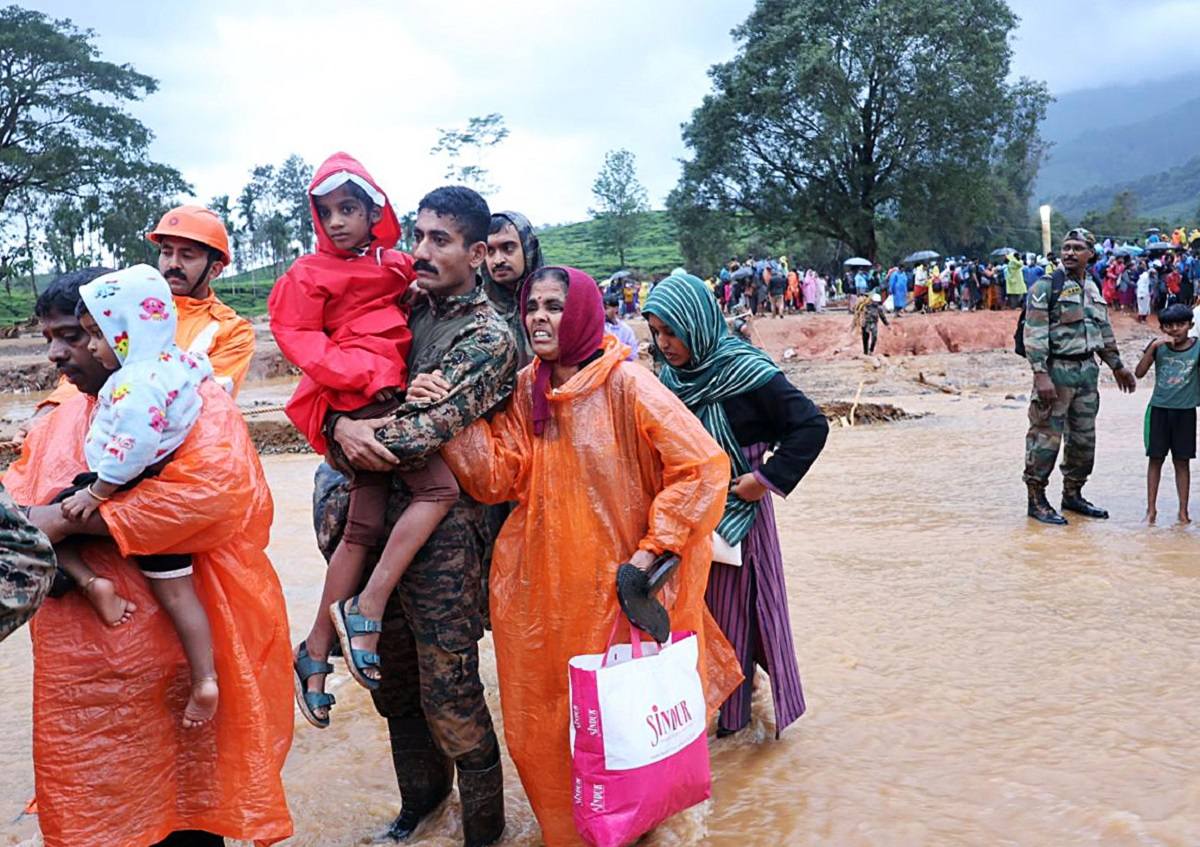
        In response to the recent floods in Wayanad, Smile Foundation swiftly mobilised its resources to provide critical relief to affected communities. Leveraging our strong grassroots network, we were able to deliver immediate assistance, including food, clean drinking water and medical supplies to those in need. Our team also focused on offering shelter and addressing the mental health challenges faced by flood victims, ensuring holistic support during this crisis. This effort highlights our ongoing commitment to disaster management, working hand-in-hand with local authorities and other stakeholders to rebuild and strengthen communities in the aftermath of such devastating events.

        Categories
        Health

        Importance of IEC material for pregnant women and their child

        From the period of pregnancy until infancy, a child’s health is mostly predetermined depending on the mother’s health and well-being. The child must get the highest level of care from the prenatal period through the fifth year of life since any issues that arise during this period or pregnancy of the mother, might have a significant impact on their health. Besides receiving clinic-based treatment, mothers should be made aware of home care and healthy practices and also recognition of early danger signs.

        To attain a long-term healthy status for their bodies and their children, pregnant women worldwide should get Information, Education and Care (IEC) material as part of their prenatal care through various communication channels. Regular IEC programs, whether given in groups or one-on-one settings during prenatal care, lead to favourable changes in people’s health behaviours, which benefit both the mother and the unborn child.

        Data on maternal deaths

        According to certain studies, one of the most crucial factors in lowering maternal morbidity and death is the IEC material provided to expectant mothers during prenatal care. Recent data released by the World Health Organisation, which tracked maternal deaths from 2000-2020, showed that every two minutes, a woman dies during pregnancy or childbirth. It also revealed alarming setbacks for women’s health over recent years, as maternal deaths either increased or stagnated in nearly all regions of the world. It showed there were an estimated 287,000 maternal deaths worldwide in 2020. This marks only a slight decrease from 309,000 in 2016 when the UN’s Sustainable Development Goals (SDGs) came into effect.

        In India, about 1.30 million maternal deaths occurred between 1997 and 2020, with about 23,800 in 2020, with most occurring in poorer states and among women aged 20-29 years.

        Approximately 270 million women lack access to contemporary family planning methods, and almost a third of women do not receive necessary postnatal care or have even four of the eight recommended prenatal exams.

        Commenting on the report, UNICEF Executive Director Catherine Russell, said, “No mother should have to fear for her life while bringing a baby into the world, especially when the knowledge and tools to treat common complications exist. Equity in healthcare gives every mother, no matter who they are or where they are, a fair chance at a safe delivery and a healthy future with their family.”

        Hence, why is IEC material an important factor?

        Pregnant women who receive IEC material as part of antenatal are better able to identify pregnancy-hazard symptoms, such as antepartum haemorrhage (vaginal bleeding), convulsions, intense headaches with blurred vision, fever, breathing difficulties, severe abdominal pains and backaches, and to report to a medical facility as soon as they suspect or experience any of the symptoms.

        IEC given during ANC also improves a woman’s capacity to make several care plans to meet the demands of her pregnancy. IEC also impacts women’s decisions to seek professional delivery support by increasing their awareness of potential pregnancy complications.

        One of the most crucial factors in lowering maternal morbidity and death, according to some studies, is the information and education provided to expectant mothers during prenatal care.

        IEC material’s goal for children’s well-being and social initiatives

        IEC’s goals go beyond simply the basic contents of materials and collateral like hoardings, banners, brochures and posters. The IEC material has a greater influence on social behavioural change through various government initiatives and programs. Raising knowledge of maternal and child health can thus result in children living better lives and greater chances for them to participate in and lead social projects.

        IEC is a crucial component of Integrated Child Development Scheme (ICDS)  initiatives and programs that aim to positively influence mothers, kids, families and communities via behavioural changes that raise understanding of nutrition and health.

        Regular IEC training with communities can help children develop awareness and enhance their knowledge about sexually transmitted diseases, prevention, testing, treatment and care and issues concerning growing up, from a young age. This also leads to addressing risk perception and improving self-efficacy.

        IEC can help in enhancing skills to cope with negative peer pressures and taboos in terms of health difficulties, it encourages safer sexual health behaviours, instilling confidence to demand and access quality youth-friendly services, including testing, counselling, treatment and care, establishing linkages with ASHA clinics and government policies and sensitising on issues surrounding gender vulnerabilities, human rights, stigma and discrimination.

        Frequent IEC training in communities can assist young children in being more aware of and knowledgeable about sexually transmitted diseases, prevention, testing, care, treatment and difficulties related to growing up. Addressing risk perception and enhancing self-efficacy follow from this as well. Establishing connections with ASHA clinics and government policies, promoting safer sexual health behaviours, building confidence to demand and access high-quality, youth-friendly services like testing, counselling, treatment, and care, and raising awareness of issues about gender vulnerabilities, human rights, stigma, and discrimination — are all the ways that IEC can support the development of coping mechanisms and taboos surrounding health difficulties.

        Swabhiman programme and inclusive training

        Smile Foundation’s work in promoting safe health practices through programmes like Smile Foundation has been exemplary in this regard.

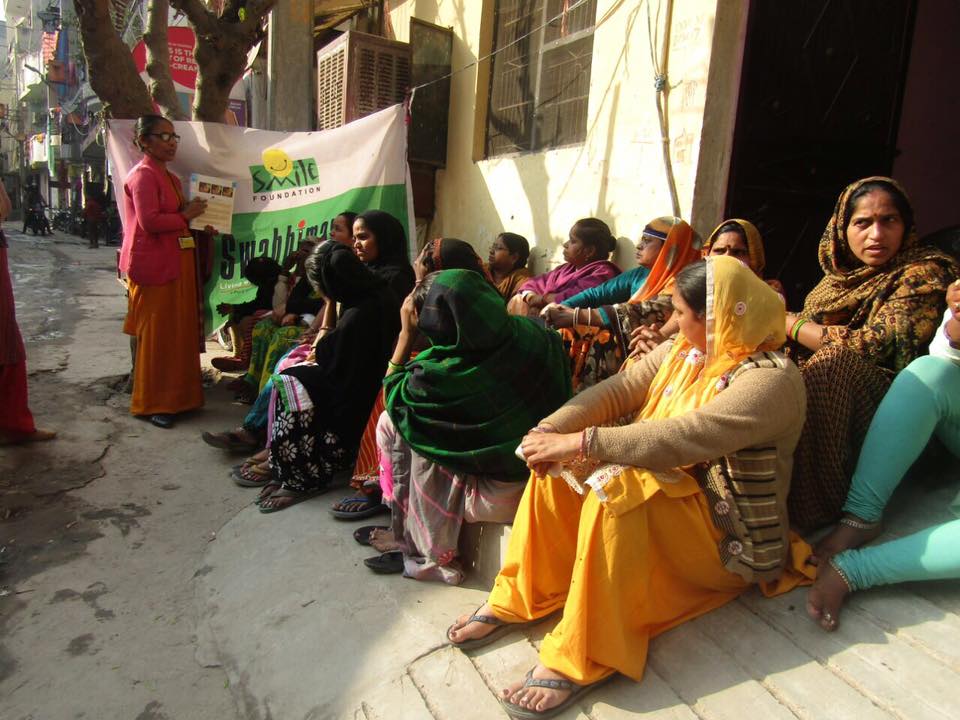
        Under a recent training session, that was initiated under the Swabhiman programme, Smile Foundation distributed a set of IEC materials to mobilise communities effectively and communicate the right knowledge interestingly, so that their families and communities can develop a conscious awareness towards such sensitive issues.

        Several essential themes on a woman’s body and life were discussed, including her reproductive system, menstruation, pregnancy, and other issues. The main objective was to inform young girls and women about recent government initiatives, as well as the wider community, which includes men and young boys who are often overlooked in this context.

        Categories
        Livelihood

        Upskilling painters of India for better quality of life

        Blue-collar workers form a significant portion of India’s workforce, accounting for over 80% of the non-agricultural employment sector. As India’s economy continues to expand, the demand for blue-collar jobs is set to grow substantially, with projections indicating that these roles will drive 70% of new job growth by 2030. This growth is fueled by factors such as urbanisation, the rise of e-commerce and the increasing demand for essential services, all of which rely heavily on blue-collar workers for operational success.

        The surge in blue-collar job opportunities underscores the importance of skill development and training for this workforce segment. Upskilling initiatives not only improve the employability of these workers but also enhance their potential for career advancement and economic mobility. As industries continue to evolve with technological advancements and changing consumer needs, equipping blue-collar workers with the necessary skills like upskilling painters will be important to ensure they can contribute effectively and benefit from the country’s economic growth.

        iTrain on Wheels initiative with Berger Paints

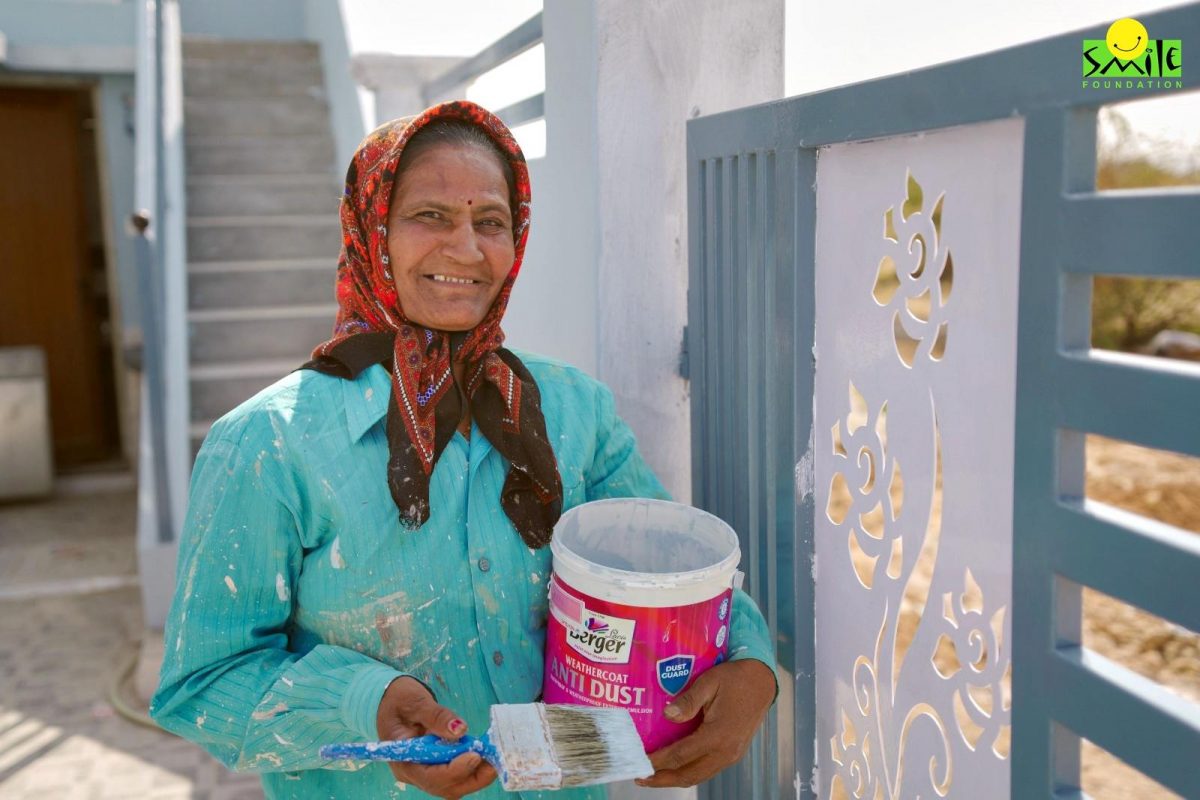
        The collaboration between Smile Foundation and Berger Paints India Ltd. under the iTrain on Wheels initiative is making a significant impact on communities across India. Launched in 2021, this programme aims to enhance the skills and employability of painters by offering comprehensive training in both communication and technical skills. The initiative targets aspiring and experienced painters, equipping them with modern techniques and tools needed to meet market demands.

        One of the unique aspects of the programme is its mobile nature, reaching over 100 remote sites across 24 states through mobile iTrain vans. These vans bring training directly to the painters, who otherwise would have limited access to such resources. The sessions are designed to be hands-on and practical, focusing on overcoming communication barriers and ensuring that all participants, regardless of their educational backgrounds, can easily understand and apply the training. This approach not only improves the skills of our painters but also empowers them to become entrepreneurs and elevate their economic status.

        Stories of Transformation and Empowerment

        The impact of the iTrain on Wheels initiative is best illustrated through the inspiring stories of its participants. Sakhiat Pala Laloo from Shillong, Meghalaya, is one such example. Despite facing numerous challenges, she aspired to become a paint contractor and empower other women in her community. Through the iTrain programme, she learned advanced techniques and gained the confidence to overcome obstacles. Today, she leads a successful painting business and continues to inspire others with her journey.

        Similarly, Ferdinancy Laloo from Shillong wanted to support her family better amidst rising living costs. She joined the programme to enhance her painting skills and quickly established herself as a professional in the market. Her dedication paid off as she saw her income increase by over 300%, allowing her to provide a better life for her children.

        Another remarkable story is that of Bhanuben, who chose to upskill herself after losing her husband. Her determination to learn advanced decorative painting techniques through the iTrain programme led to significant professional growth. She now earns a steady income and trains others in her community, fostering employment and economic development.

        Bridging Gaps and Creating Opportunities through upskilling painters

        The success stories don’t end there. Amrutben is another inspiring example of how skill development can transform lives. Initially working on construction sites, she joined the programme to acquire advanced painting skills. Despite being one of the few women in the programme, her commitment to learning helped her become a leader in her field. Today, she leads a team of 8-10 people and earns a substantial monthly income. Her story demonstrates the transformative power of skill development and the potential for women to break barriers in traditionally male-dominated fields.

        A Celebration of Journeys: ‘From Canvas to Community’

        To celebrate the impact of the iTrain on Wheels initiative, Smile Foundation and Berger Paints launched a coffee table book titled ‘From Canvas to Community’ recently at Oxford Bookstore of Kolkata. The book chronicles the inspiring journeys of 12 painters who transformed their lives through the programme. It serves as a testament to the power of vocational training and skill development in empowering individuals and uplifting communities.

        Strategic Vision and Digital Initiatives

        In a recent discussion, Mr. Santanu Mishra (Co-Founder and Executive Trustee of Smile Foundation) praised the passion and dedication of the Berger team. He emphasised that the partnership goes beyond CSR activity, reflecting a strong commitment to social investment. Mr. Abhijit Roy (MD & CEO, Berger Paints India Ltd) outlined a broader vision for the programme

        “Beyond merely upskilling painters, the goal is to elevate their social standing and ensure they receive the respect they deserve.”

        To further support this vision, Berger Paints is pioneering digital initiatives aimed at helping painters become self-sustaining entrepreneurs. One such initiative is the introduction of QR-coded cards, which allow customers to instantly access a painter’s credentials. This innovation fosters trust between painters and customers, ensuring quality workmanship and enhancing the marketability of painters.

        The way forward for upskilling painters

        The iTrain on Wheels initiative is a movement towards a more inclusive and empowered society. By upskilling painters, the initiative is helping to bridge the gap between aspiration and achievement. It underscores the importance of vocational training in enhancing employability and economic development.

        As the initiative continues to expand, its impact will only grow, helping more painters across India achieve their dreams and contribute to their communities. The stories of Sakhiat, Ferdinancy, Bhanuben and Amrutben are just the beginning of what promises to be a long and inspiring journey of transformation and empowerment through skill development. Here is to painting a brighter, more colourful future for all.

        Categories
        Health

        Is India’s healthcare system healthy?

        It has become common in recent times to spot news articles regarding the death caused by medical negligence. But, often, we also happen to see articles praising the progress of the medical fraternity and how foreigners land up in India for treatment due to the expertise of Indian doctors. It makes us wonder about the status of India’s healthcare system.

        Many of us just read the articles and forget about them in no time. Have you ever actually wondered how healthy our healthcare system is? After all, we are trusting our lives in the hands of the healthcare professionals. These days we are running up to hospitals even if the cold refuses to go for a week. Thanks to the Covid-19 pandemic. It has not just inculcated health consciousness in our mind but also increased the fear of living. Don’t you think it is high time we actually put efforts into understanding our healthcare system and analysing its pros and cons?

        Understanding India’s healthcare system

        Just like its people, the healthcare system of India is also diverse and complex. Both the public and private sectors have come together to cater to the medical needs of about 1.4 billion people. The union and the state governments run primary, secondary and tertiary care facilities.

        While primary care centres remain the first point of contact for people, secondary care centres like district hospitals, focus on acute and specialist services. Tertiary centres like medical college hospitals provide advanced medical services, like super-specialty services, to people. As far as the private sector is considered, India has clinics, nursing homes, super-specialty and corporate hospitals. While the government-run hospitals provide treatment to patients at no or minimal costs, private hospitals charge a sum that is set by the government for the treatment.

        According to reports, India has about 2 lakh public health facilities. It has 767 district hospitals, 1,275 sub-district hospitals, 6,064 community health centres, 31,053 primary health centres and 1.61 lakh sub-health centres.

        Transformation of healthcare system

        Though it is true that the healthcare system needs improvement, it is also important to mention that the system has undergone a huge and significant transformation over a period of time. 

        One of the main reasons for the transformation is continuous investment in the field. It in turn has paved the way for innovative healthcare delivery models, modernisation of medical equipment and low-cost medical devices, among others. The continuous monitoring system has been ensuring patient safety, cost control and promoting high-quality care. These are the main reasons that sow hope in experts and the public to remain optimistic about the future of India’s healthcare system.

        Further, the government has also been implementing multiple programmes both to improve the quality of the healthcare system and to provide healthcare access to the people in marginalised and remote locations. Insurance coverage has been provided under various schemes to ensure people avail of quality treatment. The government has also been taking steps to improve community participation and engagement in decision-making and service delivery.

        Not just that, India has also been emerging as one of the leading destinations for medical tourism. It is mainly due to comparatively low medical procedure costs, expertise and usage of advanced technology. 

        Challenges faced by India’s healthcare system

        A recent study by the Indian Public Health Standards (IPHS) revealed that only 20% of the assessed facilities have met the required benchmarks for infrastructure, human resources, drugs, equipment and diagnostics. It has assessed 40,451 facilities, of which only 8,089 have met the required benchmark.

        It also said that about 17,190 facilities, i.e., about 50% of them, do not meet even the basic requirements. This means that there is a huge shortfall in meeting the basic healthcare standards at government-run hospitals and healthcare centres across the country.

        The findings have underscored the necessity to look at the challenges faced by the healthcare system of the country closely. It in turn will help us understand and address it promptly. Some of the major challenges are listed below.

        Inadequate bedding facilities at hospitals

        The Indian government has laid down a set of rules and regulations in the Indian Public Health Standards (IPHS) to ensure quality in its healthcare system. As per which, primary healthcare centres should have at least six indoor or observation beds to cover 20,000 to 30,000 population, community health centres should have 30 beds to cover 80,000 to 1.20 lakh population, sub-district hospitals should have 31-100 beds to cover 1 lakh to 5 lakh population, and district hospitals should have 101-500 beds to cover 30 lakh population.

        But according to the reply given by the minister of states for health department, Dr Bharati Pravin Pawar, at Lok Sabha in 2022, India has only one bed for the 1844 population in 2018. It means that 1000 people had 0.54 beds. However, the number seems to have improved marginally in recent years. According to the national health profile 2021, the country has about 8.25 lakh beds, i.e., 0.6 beds per 1000 population. 

        Insufficient public healthcare funding

        As we all know, India is one of the largest private healthcare systems in the world. Only close to 20% of all the healthcare services come under the purview of public funding. Even then, the fund allocated by the government continued to remain insufficient. According to government data, the country had spent about 1.2% of its GDP on the healthcare system in the financial year 2014.

        In the last decade, the percentage has gradually increased, and in the financial year 2023, it has spent about 2.6% of its GDP on the healthcare system. Still, the funding remains insufficient. Many government facilities suffer from shortages of medical supplies, staff and facilities. This shortage often results in compromised quality and limited accessibility. Because most of its population is dependent on the public healthcare system.

        Infrastructure disparities

        One of the major challenges faced by the country is its evident infrastructure disparities in the healthcare system. For it impacts the quality of care, accessibility and effectiveness of healthcare services. One of the reasons behind the disparity is the existing urban-rural divide in the country.

        Cities and bigger towns have advanced healthcare facilities like medical college hospitals and multi-specialty hospitals that focus on advanced medicine and have highly trained specialists. In contrast, rural areas just have government healthcare centres that often lack essential medicines, doctors and equipment. Most of the rural areas in the country rely only on sub-centres and primary health care centres.

        Going by the facts, the Indian healthcare system is at a critical juncture despite making evident progress. In recent times, especially following the COVID-19 pandemic, it has become essential for the government to work on eliminating inequalities both in terms of access and quality. The path forward for the sector involves investing in healthcare infrastructure, enhancing public health initiatives and improving access to care in rural areas. A balance should be struck to ensure quality healthcare is accessible for all without any discrimination.

        Healthcare efforts of Smile Foundation

        Smile Foundation is committed to bridging the gaps in India’s healthcare system through our comprehensive healthcare initiatives, especially in underserved rural and urban areas. Recognising the disparities in healthcare access and quality, Smile Foundation actively works to improve medical care for communities that need it the most.

        Our mobile healthcare initiative with hundreds of different and valuable corporate partners, Smile on Wheels brings primary healthcare services directly to the doorstep of remote communities. By providing free consultations, diagnostic services and medications, this initiative ensures that healthcare reaches those who lack access to basic medical facilities. The program also emphasises health awareness and education, teaching communities about preventive care to reduce the burden of disease.

        In addition to general healthcare, our recently concluded Nutrition Enhancement Programme with PepsiCo Foundation was a targeted approach to combat malnutrition among children and women, especially in marginalised communities. Understanding that a healthy start in life is crucial for children’s physical and cognitive development, the programme focused on providing balanced meals, fortified supplements and essential nutrients to children and expecting mothers.

        Healthy hoga India, tabhi toh badhega India

        By collaborating with local schools and communities, the programme ensured that nutritious meals are accessible to those in need, addressing immediate hunger while also promoting long-term health and well-being. This initiative is vital in a country where malnutrition continues to be a significant public health challenge, particularly in rural and underserved urban areas.

        Smile Foundation’s efforts are both about providing immediate healthcare solutions and also creating sustainable changes. Through capacity-building workshops, training sessions for local health workers and health awareness drives, we empower communities to take charge of their health. By addressing both immediate healthcare needs and long-term health determinants like nutrition and education, Smile Foundation plays an important role in strengthening the Indian healthcare system from the grassroots level. Our work reflects a commitment to ensuring that everyone, regardless of their socio-economic status, has access to the health services they need to lead healthy and productive lives.

        Categories
        Employee Engagement Partnerships Smile

        What are the ways to celebrate Daan Utsav in India?

        Every year, in October, India celebrates the father of the nation Mahatma Gandhi on his birthday. It is the time when we remember the values of non-violence, compassion and self-reliance which he propagated throughout his life. It is during this time, starting from October 2nd till 8th that the country also celebrates Daan Utsav, previously known as Joy of Giving Week.

        As the name suggests, it is the festival of giving where people come together to help those in need through acts of kindness, compassion, and generosity. It is the time when many organizations also come together and run special donation campaigns to which people can contribute. The idea of Daan Utsav is to give away something which helps others. It can be material contribution or someone putting in their time and effort.

        The festival transcends socio-economic boundaries, emphasising that everyone can participate, regardless of their means. It has become an integral part of the Indian ethos, fostering empathy and reminding us of the power of collective goodwill. In this article, we are going to look at the impact of Daan Utsav in the past and how, this year, we all can come together and celebrate this festival at an even larger scale.

        Past Initiatives and Impact

        As mentioned before, it is a week where everyone, starting from individuals to organisations and even corporations, come together and contribute to different causes in their own way. There is no fixed template as to how you can celebrate Daan Utsav and this is reflected in some of the initiatives from the past.

        1. Clothes donation drive – One of the most popular ways of celebrating the festival has been by donating clothes which are then packed and sent to people in need. Apart from clothes, other things like toys, drinking water bottles and much more are also collected to be shared with communities that lack those resources. These initiatives have been spearheaded by NGOs, local societies and institutions in the past. It is also one of the best ways to celebrate the festival because everyone can easily find at least one piece of clothing to donate for the benefit of others.
        2. Cultural festivals and programmes – In the past, colleges and institutions have participated in the festival by organising cultural festivals to spread awareness and urge people to come forward and donate. They also collaborate with local NGOs and raise funds. This is also a good way of celebrating the festival as you can help in spreading the message far and wide, which further helps in bringing in more contributions.
        3. Shram DaanOn various occasions in the past years, many groups and organisations have also organised these initiatives where people come together and donate through their physical efforts. It can be something like cleaning a place, painting the walls of a school or planting trees. Either way, people are able to come together and contribute to something which is meant for a larger good.
        4. Pay-it-forward challenges – Another interesting way of celebrating the festival in the past has been by starting innovative initiatives like pay-it-forward challenges. The idea is that one person gives away something to another person or helps them in some way. In exchange, they ask them to help someone else and this continues forward, creating a chain of joyful giving.

        These are just some of the examples of how Daan Utsav has been celebrated in the past. There are a number of ways through which people come forward and participate, and new ways of celebration can also be explored in the coming years.

        Why Daan matters?

        It has been a central part of Indian philosophical traditions for centuries. People are often encouraged to donate for the well-being of those who are not as privileged as them. The idea of Daan is simple – it is to give away something to another person who needs it more than you. Daan Utsav is essential because it fosters empathy, compassion, and a sense of community. By participating, individuals experience the joy of giving firsthand. It eclipses socio-economic boundaries, reminding us that everyone can contribute, regardless of their means. Moreover, it aligns with Mahatma Gandhi’s philosophy of selfless service and unity.

        On the other hand, we can also understand the importance of Daan Utsav by looking at the existing inequalities in our society today. By running such initiatives, we can bring together people for a larger good. It can create a good source of public funding for programs that help the underserved, environment or the society as a whole.

        How Can You Celebrate Daan Utsav 2024?

        If you have reached till this point in the article then you might be thinking of how you can celebrate Daan Utsav 2024- that is this year. As mentioned before, there is no set guideline or template for it. You can choose to participate in your own way, or you can pick from one of the following ideas:

        1. Donate money to worthy causes – One of the easiest ways to participate is by finding the right causes to which you can donate money. It is the best for those who do not have time to participate in physical activities. You can look at any local initiatives in your community, online donation campaigns or websites of NGOs whose work you like and relate with.
        2. Volunteer – If you are someone who has time on their hands and are willing to get on the ground, then volunteering is the best way for you. Pick any one or few initiatives that you care about, find out the organisations that are working in this area and those which are organising any volunteer drives during the Daan Utsav. Participating in these activities can also help you in connecting with the cause in a deeper manner.
        3. Spread awareness – If donating money or volunteering is not something that you can do, then another way to help is by telling more people about Daan Utsav. The more people know about the festival, the more are the chances of raising funds for important initiatives. You can do this by telling your friends, sharing stories on social media or forwarding this article in your network.
        4. Organise drives – If you have the desire to start something of your own then you can organise a donation campaign in your own community or society. Through this, you can raise more funds for a cause that you care about. It can also be a good way to identify the need-areas around your community and contribute to them.
        5. Random acts of kindness – Lastly, what you can do is that you can open yourself up to the possibility of performing random acts of kindness like buying a meal for someone who is hungry, paying for someone’s transportation, lending ear to someone who is feeling lonely, or helping an elderly perform a task they are facing challenge in doing. It can be anything you prefer doing.

        Celebrate the Daan Utsav 2024 spirit with Smile Foundation

        This year, Smile Foundation is partnering with various corporates to create meaningful employee engagement opportunities during Daan Utsav 2024, encouraging a culture of empathy, social responsibility and community service among employees. Through this collaboration, we are hoping to develop a deeper connection between the corporate sector and the communities they serve, ensuring that acts of kindness reach those who need them most.

        One of the key initiatives planned for Daan Utsav is organizing “Volunteer Days,” where employees can participate in various hands-on activities that directly benefit underserved communities. This can include visiting Smile Foundation-supported schools and engaging with children through storytelling sessions, educational games and interactive workshops.

        More options for your employees

        Employees can also join in activities like organising camps or distribution drives, providing essential items like nutrition packs, educational materials and hygiene kits. These activities will allow employees to contribute to the community meaningfully and also provide them with a first-hand experience of the impact their efforts can have.

        Another exciting way for employees to get involved is through creative fundraising campaigns. Smile Foundation, in collaboration with corporate partners, can create campaigns where employees can engage in friendly competitions to raise funds for specific causes. For example, teams can compete to collect the most donations or individual employees can pledge to match contributions to maximise impact.

        Additionally, Smile Foundation can promoting virtual awareness campaigns where employees can use their social media platforms to spread the word about Daan Utsav, encouraging their networks to get involved in the spirit of giving. These campaigns help raise funds and awareness and build a sense of collective purpose and teamwork within organisations.

        As Daan Utsav 2024 approaches, let’s embrace the joy of giving. Whether it’s a small act or a significant contribution, every effort matters. Let’s make this year’s Daan Utsav memorable by spreading kindness, compassion, and love. Together, we can create a positive impact on countless lives.

        0%