Categories
Skill Development

What Can We Do Differently With Upskilling?

According to PwC, 93% of CEOs who implement upskilling programmes see improved retention as well as increased productivity. The same source revealed that implementing digital training and education programmes resulted in significantly higher employee engagement levels. If your workforce lacks the full set of skills required to do their jobs properly, you will either be in trouble or, if you choose to construct your upskilling programme in the right way, you will be celebrating your successes.

Identifying the specific new skills your workforce lacks or the existing capabilities they need to enhance can be quite challenging. As a result, there is a lot of uncertainty about the best methods for developing these skills effectively. It’s essential to create a thorough upskilling plan that allows for the development of skills at the necessary pace to stay relevant, efficient and effective in the global market.

Why Companies Are Upskilling!

It can be very challenging to find the best people to hire, so companies often invest a significant amount of money into hiring services to attract qualified candidates. However, external recruiting can be costly and time-consuming. Many companies are realising that their current employees already possess valuable skills that are in demand or could acquire these skills with the appropriate training, as they aim to retain their top talent. Let’s read on to see what are the essentials of upskilling and how it can be done differently.

Analysing the Skill Gap Is a Must

We must first understand the reasons for our gaps before attempting to analyse them. Otherwise, our efforts to improve and our energy could be wasted. First, it’s important to align with your business and team goals and ensure a thorough understanding of them. 

This is crucial as it sets the stage for the subsequent steps. Begin by identifying your business and team goals and translating them into actionable steps. Additionally, it’s beneficial to assess if decent progress is already being made towards a particular goal, enhancing the training of select team members could expedite its attainment—a quick win strategy.

Think ahead 

Planning for the future is crucial. By investing in the ongoing development of your employees, you can cultivate a culture of innovation, increase job satisfaction and loyalty and enhance productivity. Adapt to changes by staying informed about industry research, studies and surveys. A data-driven comprehension of the skills required by your organisation will enhance your readiness for the future.

Personalise your learning and upskilling programmes

The structure of each upskilling programme should be customised to accommodate the workforce’s specific needs. Certain factors must considered for upskilling programmes: 

  • The current level of knowledge and skills among the employees.
  • Establish personalised upskilling paths for each employee by their skills assessment and the organisation’s skill requirements. 
  • Offer a variety of learning options and empower employees to select the method that is most appropriate for their learning style and requirements.
  • Monitor the advancement of each employee and modify the upskilling path as necessary. 
  • The efficacy of upskilling efforts can be improved by utilising a variety of training modalities, including on-the-job training, workshops and online courses, to accommodate a wide range of learning preferences.

Keep it engaging 

People learn through observation, collaboration and sharing experiences with peers, mentors or communities, rather than learning alone. This can involve guiding them through theory, allowing them to shadow calls, participating in simulated client meetings and troubleshooting workplace challenges. 

Create low-stress practice environments

Establish practice environments that are minimal in stress.
Segment your upskilling programmes to ensure that the training is divided into distinct courses, rather than being comprehensively covered in a single course. This is microlearning, which concentrates on the acquisition of micro-sized pieces of information. These bitesize training modules are both quick and simple to consume, allowing your employees to continue their daily tasks without interruption while learning.

This has the potential to enhance engagement and alleviate the tension that can occasionally accompany training requirements. It is effective for certain learners; however, it can be distressing and isolating for others. One potential solution to these challenges is to incorporate social components into your online training. This could manifest as group activities, achievement-sharing features, or messaging features that enable learners to engage with their peers and instructors.

Offer On-demand content

Provide content that is available for immediate consumption, like employees may require information to use immediately during emergencies. This is where the concept of microlearning resurfaces in the context of upskilling. Individuals must have the ability to access the resources they require on demand. You may conduct monthly live sessions on vital subjects.

In conclusion, we must refrain from viewing technology as the sole solution. We are all human beings. We employ a variety of methods for upskilling, but it is crucial to consider the human aspect to develop a distinctive approach to upskilling.

Smile Foundation’s skilling programme Smile Twin e-Learning Programme (STeP) is dedicated to empowering underserved communities by equipping individuals with market-relevant skills and creating sustainable livelihood opportunities. Recognising the importance of upskilling in today’s fast-evolving job market, the programme focuses on offering training that bridges the gap between the skills people have and the demands of modern industries. Through courses in areas like IT, healthcare, retail and digital literacy, Smile Foundation ensures that participants are prepared to meet the expectations of employers, enhancing their employability and job security.

One of the key components of this programme is its focus on personalised learning paths, much like the modern corporate upskilling model. By assessing each individual’s current skill level and tailoring the training to meet industry requirements, Smile Foundation ensures that participants receive targeted education, preparing them for specific roles in the workforce. This approach, combined with hands-on training, workshops and on-demand learning opportunities, helps create a robust foundation for long-term employment and career growth. Through this programme, Smile Foundation is fostering an environment where individuals can not only secure jobs but also build lasting careers, thereby contributing to economic growth and societal development.
Categories
Women Empowerment

Increasing women representation to achieve gender equality 

Women in India spend an average of 7.2 hours on unpaid domestic work compared to 2.8 hours spent by men. This naturally impacts their ability to participate in paid work.

Equal participation and leadership of women in political and public life are essential to achieving the Sustainable Development Goals by 2030. However, data show that women are underrepresented at all levels of decision-making worldwide and that achieving gender parity in political life is far off, says a report on the UN Women’s official website.

In India, this has been seen in the recent elections. The 18th Lok Sabha comprise only 74 women compared to 469 men, says a Firstpost report, adding that “this share is not only abysmally skewed but also lower than the 14.4% share of female representation during the 2019 election, where 78 women were elected as MPs.”

Women’s representation paves way for gender equality

Gender equality can be achieved if there is more representation of women in all sectors. For women’s representation can improve democracy, improve decision-making, provide role models for young women, lead to more sustainable policies like those that focus on environmental policies and sustainability. 

However, the UN estimates that it will take 140 years for women to be equally represented in leadership positions in the workplace.

More women in the workforce boosts economic growth

According to an article in the Observer Research Foundation, India, which has the largest working-age population in the world that is expected to touch nearly 70%, cannot afford low participation of women in the workforce anymore.

A recent report has forecast that the next five years are crucial for the country to achieve a GDP growth rate of 8%, and to ensure that growth, women must account for more than half of the new workforce which will be created by 2030, says the article.

Decrease in gender disparities

The State of Working India Report 2023 says that there is a decrease in gender disparities in employment trends in India. According to it, older women with lower levels of education are exiting the workforce while younger women with higher levels of education are entering it. The number of women in salaried employment is increasing, while women in informal wage work are decreasing. While the share of women working in agriculture is decreasing, the proportion of women entering the services sector is increasing.

As the number of women in salaried employment increases, it has a positive impact on the gender gap in earnings, which decreases with more women leaving casual wage work. 

Women are engaged in unpaid work

Though there is an increase in women entering the workforce, the burden of domestic and care work on women has not decreased. Women in India spend an average of 7.2 hours on unpaid domestic work compared to 2.8 hours spent by men. This naturally impacts their ability to participate in paid work.

“Many women, though competent, are unable to put in long hours at work as they are the ones who are responsible for childcare as well as caregiving,” says HR consultant Sathya Rajeev. “So some women quit even though they are performing well at the workplace.”

According to State Bank of India (SBI)’s Ecowrap report, the total contribution of unpaid women’s work to the economy is around 22.7 trillion rupees ($276.8bn; £216.7bn), almost 7.5% of India’s total GDP.

The NGO International Development Organisation estimates that Indian women spend 150 million workdays every year fetching water. If women can spend this time in paid activities, they can be financially independent, which would give a boost to the economy.

Having women in leadership roles helps the nation

There is established and growing evidence that women’s leadership in political decision-making processes improves them, says the UN Women’s article. According to it, research on panchayats in India discovered that the number of drinking water projects in areas with women-led councils was 62% per cent higher than in those with men-led councils. 

Change is in the air: More representation of women

The female labour force participation rate (FLFPR) was recorded at 24.1% shortly after Independence in 1955. In 1972, the FLFPR increased to 33 percent, after which it steadily declined and fell to its lowest level in 2017 at 23%. 

There has, however, been an improvement in the FLFPR in the last six years. Data from the Periodic Labour Force Survey (2022-23) indicates that FLFPR is at 37%, an increase of 4.2 percentage points from the last survey (2021-22).

Stumbling block: Conservative social and cultural norms 

The participation of women in the workforce varies depending on the industry. For instance, you will find more women in the IT sector while there are fewer in the manufacturing sector. This is due to conservative social and cultural norms, and patriarchal attitudes.

For the last four years, I worked in the renewable energy field. I found that there were very less women entering the field as the men in their families weren’t allowing them to go and work,” says DEI consultant Chandra Duraiswamy. “The factory was outside Bengaluru and the men were worried about safety of the women though the company had safety protocols in place. They also didn’t women to wear the uniform (trousers and shirts), work night shifts or use the same cabs as men.”

Companies get proactive

“To change the men’s perception, the company conducted an open house where the men and families got to tour the facilities available for women, and speak to the female employees,” says Duraiswamy. “There were special transport facilities for women and changing rooms and toilets that were far away from similar facilities for men.”

The women were willing to come and work, he says, but once they get married there are fresh challenges. “We have to once again convince their husbands and in-laws, and once they have children, they quit work,” says  Duraiswamy. “Even in the IT industry, which has more women, not many are in leadership roles as women leave work when they have children, when their husbands move cities or countries or since they are the primary caretakers in the family.”

How to bridge the gender gap through representation of women

“Just setting up a quota for women is not enough. We need to convince men that it is ok for them to take on more responsibilities at home, and be the primary or secondary caretaker,” says Duraiswamy.

The problem is there are gendered roles, he says. “Society should move to a space where roles are not gendered. Men and women should focus on doing the tasks that they are good at,” he says. 

Also, though lots of policies are made for women, it’s often men who decide what women need. “Women are never consulted. Policies should be drafted with inputs from women for it to be effective,” says Duraiswamy.

Smile Foundation’s Swabhiman programme

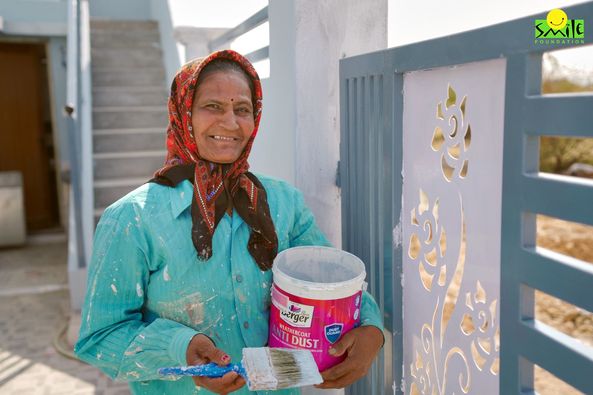
Smile Foundation’s Swabhiman programme is at the forefront of empowering women and creating pathways to gender equality in India. Focused on building self-respect and confidence among women, the initiative addresses key issues that hold women back from participating in the workforce, leadership roles and public life. Through targeted interventions like health camps, skill development workshops and community mobilisation, Swabhiman works to break down the barriers that often limit opportunities for women—whether that’s due to unpaid domestic work, cultural norms or a lack of education.

By enabling women to access healthcare, financial independence and educational resources, Swabhiman not only uplifts individual women but also strengthens entire communities. The program has reached over 500,000 women and adolescent girls across India, offering them the tools to take charge of their futures. With more women entering the workforce and becoming leaders in their communities, the Swabhiman programme is playing a critical role in closing the gender gap and creating a more equitable society.

Categories
Education

Reimagining schools in India

Reimagining schools in India is a multi-dimensional but complex process. It involves a deep understanding of the country’s infrastructure challenges, a dedicated effort to bridge the digital divide and a commitment to fostering holistic development and inclusivity.

“Educate a boy, and you educate an individual. Educate a girl, and you educate an entire community,” New York-based architect Diana Kellogg shared with Architectural Digest while discussing the Rajkumari Ratnavati Girls School. Located near the village of Kanoi in Jaisalmer, the school spans 35,600 square metres and serves 400 girls from kindergarten through class 10. Built from local Jaisalmer stone, the sustainable facility provides a comfortable environment for study and play, regardless of extreme weather. In addition to classrooms, the complex features a textile museum, a performance hall, and an exhibition space for artisans, offering students training in traditional arts like weaving and textiles to help preserve these dying crafts.

Paving a way for better infrastructure

This school serves as an exemplary model for reimagining school structures in India, where many institutions struggle with inadequate infrastructure and unequal educational opportunities. Numerous schools in India face significant disparities in resources, facilities, and teaching quality. The Unified District Information System for Education Plus (UDISE+) Report for the 2019-20 year highlighted that 6,000 schools in India lack proper buildings, while 4,417 schools are still under construction. As the educational landscape evolves, it becomes essential to create inclusive environments that address diverse learning needs, including those of children with disabilities. Moreover, schools need to act as community hubs, enhancing engagement from parents and local organisations in the educational process. By addressing these challenges, reimagining schools can bridge existing gaps and ensure that all students, regardless of socioeconomic background, have access to high-quality education. 

A notable example of how schools can be reimagined in our country is OSAAT: One School At A Time, a volunteer-led organisation dedicated to reconstructing and modernising schools in rural areas. To date, OSAAT has rebuilt nearly 100 schools across Karnataka, Maharashtra, Andhra Pradesh, Tamil Nadu, Uttar Pradesh, Jharkhand, and Meghalaya and has implemented digital infrastructure in over 60 rural schools.

According to a Times of India article, the initiative was inspired by Vadiraj Bhatt, who, during a visit to his village school in Karnataka, saw firsthand its dilapidated condition—crumbling roofs and unwelcoming student environments. Moved by this experience and motivated by his educational background in a similar government school, Bhatt and his colleagues from Silicon Valley founded OSAAT. Their mission was to rebuild and reconstruct schools, offering a meaningful way to contribute to their communities. Initially, the team raised funds through crowdfunding—Vadiraj organised two mridangam performances in the early 2000s. They utilised the proceeds from these events to support school rebuilding efforts in Karnataka.

Address the foundational issues for reimagining schools

Government schools frequently face severe shortages of essential resources, such as desks, chairs, and blackboards, and often deal with issues like open defecation. A 2021 investigation by the Times of India uncovered troubling conditions at a Government Higher Primary School on the outskirts of Mysore. The only toilet available for the school’s 446 students was deemed unusable. Teachers reported that due to the dilapidated state of the toilet facilities, students resorted to defecating openly. The poor maintenance, inadequate water supply and neglect reflect insufficient attention to school infrastructure and development. When discussing rebuilding schools, it is crucial to address these foundational issues as well. 

Going back to OSAAT’s example, their initiatives prioritise creating a healthy and supportive learning environment. Rather than allowing schools to suffer from inadequate amenities and deteriorating infrastructure, OSAAT attempts to undertake comprehensive transformations. They revitalise schools by demolishing the old, unsuitable building and constructing a new facility such that the updated school boasts of modern classrooms with a dedicated toilet block, providing functionality and improved aesthetics and thus ascertaining a better educational experience.

Bridging the digital divide 

The COVID-19 pandemic also starkly exposed the deep digital divide between rural and urban areas. While private schools swiftly transitioned to online learning, many rural schools were temporarily shut down due to insufficient digital infrastructure. According to research by the Azim Premji Foundation, nearly 60 per cent of schoolchildren in India lack access to online learning opportunities. Similarly, Oxfam India found that even among students in urban private schools, over half of the parents struggled with internet connectivity issues, and one-third faced challenges affording mobile data.

Bridging this digital divide is crucial for ensuring equitable access to education. In response to this urgent need, several NGOs focused on digital skills have been working to address the gap. OSATT launched ODiSI—OSAAT Digital Infrastructure—to provide laptops for teachers and tablets for students, aiming to level the playing field and enhance educational opportunities regardless of geographical or economic constraints. Meanwhile, Muskaan Dreams, a technology-driven non-profit, also tackled the digital literacy gap through partnerships with state governments. This organisation works to improve digital access, empower educators, and upgrade schools with modern technology and customised educational resources.

Reimagining schools in India is a multi-dimensional but complex process. It involves a deep understanding of the country’s infrastructure challenges, a dedicated effort to bridge the digital divide and a commitment to fostering holistic development and inclusivity. This approach aims to prepare students for the future by creating educational environments that not only deliver quality instruction but also inspire and empower students to realise their full potential. This transformation goes beyond merely updating physical spaces and curricula; it is fundamentally about cultivating an educational culture that values every student and equips them for a successful and thriving future.

Smile Foundation does its part in reimagining schools

In many parts of India, the state of school infrastructure leaves much to be desired. Dilapidated buildings, lack of basic resources like desks and chairs, and inadequate sanitation facilities paint a stark picture of the challenges faced by students and teachers alike. Smile Foundation understands that a lively, conducive learning environment is not just about books and blackboards—it’s about creating spaces that make space for curiosity, growth, and safety.

In partnership with various communities, Smile Foundation has been working towards reimagining schools into hubs of holistic learning. By focusing on foundational infrastructure, we try for schools to be safe, have well-ventilated classrooms, clean and functional toilets, and designated spaces for students to engage in play and extracurricular activities. These changes make schools not just places of learning, but spaces where children can thrive.

Beyond physical spaces, Smile is also addressing the digital divide that many rural schools face. With initiatives aimed at incorporating digital tools and resources into everyday learning, Smile Foundation helps ensure that children in underserved areas have access to the same opportunities as their urban counterparts. Equipping classrooms with computers and tablets, and training teachers to use digital platforms, are all part of a broader mission to prepare students for a fast-changing world.

But it doesn’t stop there. Smile Foundation believes that schools must be lively, engaging environments. Beyond the basics, we advocate for green spaces, playgrounds, and cultural programmes that enrich students’ experiences and support their emotional well-being. Schools that nurture creativity, health, and academic achievement help build a brighter future for every child that walks through their doors.

Through these efforts, Smile Foundation is reimagining what a school can be—a space that not only educates but also empowers children to dream beyond the confines of their circumstances.

Categories
Education

How Is India Keeping Its Education System Relevant?

Haven’t we all just read textbooks, completed loads of homework, memorised notes and taken exams? The Indian education system has long emphasised the necessity of getting marks through rote learning and exams. There is little emphasis on developing critical thinking and problem-solving abilities or generating new ideas. Admission to esteemed colleges has become extremely challenging, with only a handful of students securing acceptance.

The rest of the students enrol in private colleges that charge high fees. As a result, traditional schools and systems are being abandoned by parents, who are now willing to pay high prices for private schools that offer a more modern curriculum aligned with the Western educational system.

The necessity of the hour is to make the educational system relevant by combining the best of both worlds. In addition to studying from books, participating in real-world activities and experiences will offer students the knowledge and confidence they need to excel in the workplace. 

The Evolving Education System in India

Schools  and colleges in India are gradually modifying their curriculum and instructional techniques. Some initiatives that have been taken following government guidelines include the use of digital technologies in classrooms, professional development for teachers, a concentration on project work in disciplines, introduction of new subjects, multiple ways of doing project work and student exchange programmes. The common entrance test across central universities is another step forward to make education accessible and inclusive. Let us explore some ways that India is keeping its education system relevant.

Digital Education

The recent COVID-19 Pandemic has formalised the use of digital technologies in education. These digital tools have caused a fundamental change across the education sector. Adoption of digital tools in classrooms (e-learning platforms, smart classrooms) help to increase students’ enthusiasm for schoolwork and classroom learning.

E-learning educates students in essential digital literacy skills, enabling them to navigate digital environments, utilize various technologies, and critically assess online information efficiently. It promotes accessibility, adaptability, and diversity, and employs diverse multimedia resources to make learning dynamic and engaging. It also bridges the divide between theoretical concepts and practical applications.

The National Education Policy (NEP) 2020

The National Education Policy (NEP) 2020 is an important reform launched to improve education countrywide. It is consistent with India’s commitment to SDG 4: ensuring inclusive, equitable, and excellent education and fostering lifelong learning opportunities for all by 2030.

The NEP aims to transform India into a global knowledge powerhouse by providing high-quality education rooted in Indian values. The policy emphasises a number of critical issues, including: recognising and nurturing the unique capabilities of students, holistic development, multidisciplinary education, etc. Key skills include creativity, critical thinking and innovation. NEP 2020 seeks to integrate vocational education into regular education across all boards in India. 

Making the Youth Employable

According to the India Skills Report, Indian youth’s employability was about 50.3% in 2023. Universities recognizse the importance of skill development, upskilling and hands-on learning. They are developing apprenticeship degree courses in collaboration with an industry for a specific job function to train the apprentice in both the theoretical and practical parts of the job. It combines a standard academic curriculum with on-the-job training under the expert supervision of master trainers, craftsmen, or supervisors from the appropriate industry. These programmes promote socially disadvantaged youth’s access to school by allowing them to contribute to their families’ income while learning.

Introduction of New Subjects 

Several CBSE and ICSE schools have introduced new subjects in Classes XI and XII, like fashion designing, mass media and communication, informatics practices, entrepreneurship biotechnology and legal studies in the past couple of years. The introduction of new subjects allows students to supplement their regular stream-related subjects, opening up more prospects for them. To prepare students for the future AI economy, the NEP emphasised the importance of imparting technological expertise as well at all levels of education. 

Exchange Programmes

Public and private Indian universities have contributed to evolving Indian higher education through exchange programmes. International collaborations play a crucial role in keeping India’s education system relevant by fostering global exposure and knowledge exchange. Partnerships with prestigious global institutions facilitate student exchange programs, joint research initiatives and the adoption of best practices from around the world. 

Inclusivity in Education

India’s focus on inclusivity in education is aligned with the UN Sustainable Development Goals (SDGs), particularly SDG 4: Quality Education. Efforts include gender equality initiatives like Beti Bachao Beti Padhao, scholarships for marginalised communities and programmes for children with special needs. By enhancing access to education in rural areas through satellite schools and mobile classrooms, India aims to ensure that no child is left behind. These efforts contribute to reducing inequalities (SDG 10) and empowering all learners with quality education.

Way Forward

Regular curriculum evaluations and feedback from industry stakeholders will help to maintain the relevance of various programmes like Smile Foundation‘s Mission Education to market demands. A progressive strategy that balances academic quality and practical applicability should be highlighted. Staying up-to-date with trends, encouraging innovation, integrating technology and upskilling educators, schools and institutions will prepare students for the professional world, today’s challenges and future success.

Categories
Women Empowerment

Womenpreneurs Could Lead India’s Growth Story

Empowering women is crucial globally, particularly in developing nations with entrenched gender disparities. India has made strides through initiatives like StartUp India, Nai Roshni, Janani Shishu Suraksha Karyakram, and Mahila Samriddhi Yojna, encouraging women’s holistic development. Notably, India has seen a rise in women entrepreneurs, comprising 14% of the sector and over 20% of MSMEs. Figures like Falguni Nayar, Kiran Mazumdar, and Gazal Alagh epitomise this trend, while inspiring many others.

Yet, many Indian women still struggle due to limited socio-economic opportunities. Global reports project over 340 million women (8% of the female population) living in poverty, with one in four facing severe food insecurity. Education and financial literacy gaps exacerbate this. The NFHS-5 report, reveals women aged 15-49 are 13% less likely to be educated than men, with only 41% completing ten years of schooling compared to 50.2% of men.

This education disparity perpetuates limited job opportunities for women, hindering their financial security. Closing this gap is vital for inclusive growth and addressing the persistent challenges faced by women in India.

Why more women in business is good?

Women’s empowerment is both morally imperative and strategically vital for a nation’s prosperity. In India, women drive 50% of the startup ecosystem, with higher returns on equity for women-led companies. 

Projected data suggests a potential USD 0.7 trillion GDP boost by 2025, if 68 million more women join the workforce. Aligned with UNDP’s Sustainable Goal 5, Smile Foundation’s Swabhiman programme empowers women in urban slums and rural areas. 

Launched in 2005, the Swabhiman programme aims to reach out to the marginalised and socially excluded women, providing them access to quality healthcare interventions, vocational skill development and entrepreneurship support.

Under the guidance of industry experts and the Swabhiman team, women are trained to understand and apply the basics of business and financial management, marketing and communication. They are familiarised with ways ad opportunities to scale up and expand their small scale endeavours, to maximise profit and grow as independent, successful entrepreneurs. 

More women in business

To create a gender-equal society, the programme has tailored specific paradigms for increasing women in business such as

  • Entrepreneurship Training is provided to women to equip them with technical and entrepreneurial capacity
  • Women trainees are provided with knowledge of banking, investment and financial security to enable them to make informed decisions
  • Women are made aware of and enrolled in relevant Govt schemes to enhance their growth opportunities
  • Community members, particularly men, are sensitised to create a supportive environment for women, with the ultimate aim of building sustainable communities
  • Women are supported to set up Model Micro Enterprises

The Women Entrepreneurship Platform (WEP) introduced by the Government of India in 2018, has been an inspiration for the Swabhiman programme. The WEP emphasises equipping women with programmes for a) incubation and acceleration b) entrepreneurship skills and mentorship c) marketing assistance d) funding and financial assistance e) compliance and tax assistance f) community and networking.

Shouldering the government’s initiative, the Swabhiman Programme has made a strong footing in several parts of the country. With over 1,50,000 women and young girls as beneficiaries and 1000+ women and adolescent girls as changemakers, the programme has created a positive wave of change at the grassroots level.

Furthermore, over 54 women-led businesses and small entrepreneurs have been initiated, while several women have been equipped with knowledge and skills that help them make sound financial decisions, ensuring a safer and stable future for themselves and their families. 

Pramila stitching her dreams

One such budding women entrepreneur is Pramila. Pramila’s (40) life changed drastically when her husband had a serious accident, pushing her into the role of sole provider. Despite trying cloth stitching, she struggled, until she came across Smile Foundation’s Swabhiman Programme, which helps women set up their low-scale businesses and manage their operations.

After getting enrolled in Swabhiman, she was suggested by the trainers of the programme to rent out a shop and start her business. She was also provided with two machines for interlock and pico work. Furthermore, she was given intensive training in business management and financial awareness, enabling her to make well-informed decisions for her business. 

Today, she has been associated with Smile Foundation for a year and her business is thriving. She has been able to hire another person to manage the business while empowering both her sons to pursue higher education.

She is glad that she got to know about Swabhiman which has truly helped her and her family to live better and dream bigger and brighter.

Like Geraldine Ferraro said, “Some leaders are born women”, the Swabhiman Programme firmly believes that by empowering women with quality education and equal economic opportunities, we are creating a generation that shall see women as prominent decision-makers. 

The growing number of women entrepreneurs in India is a silver lining and this trend should be supported collectively by all stakeholders. A joint effort has to be made to curb discriminatory practices against women based on gender, educational qualificatio and experience that limit them in accessing economic opportunities and support. 

The Swabhiman Programme envisions pushing the women’s entrepreneurial landscape in an upward trajectory that will finally enable them to break the ceiling and create a newer horizon of success for themselves.

Categories
Education

Transforming Education through Basics: A case for prioritising FLN

Foundational Literacy and Numeracy (FLN) are the cornerstones of effective education, serving as the bedrock upon which all further learning is built. Without a strong grasp of these basic skills, students struggle to keep up, leading to flat learning curves and, in many cases, dropping out of school.

As noted by renowned Indian American mathematician Manjul Bhargava, “Once students fall behind on foundational skills, they tend to maintain flat learning curves for years, perpetually unable to catch up.” This learning crisis is particularly acute in countries like India, where despite high enrollment rates, a significant proportion of students lack basic literacy and numeracy skills.

Over the years, FLN has been recognised as a critical educational goal globally. Various organisations and policies have attempted to define and standardise FLN, focusing on skills such as letter and word recognition, reading comprehension, writing and basic mathematical operations. In India, the National Education Policy 2020 and the NIPUN Bharat mission have provided a comprehensive framework for FLN, emphasising the importance of ensuring that all children acquire these essential skills by the end of Grade 3.

NEP 2020 and NIPUN Bharat: A Framework for Foundational Literacy and Numeracy

The NEP 2020 places a strong emphasis on foundational learning, acknowledging it as a prerequisite for achieving educational equity and quality. The policy sets an ambitious target of achieving universal foundational literacy and numeracy in primary school by 2025. To this end, NIPUN Bharat has been launched, aligning with NEP guidelines to focus on the first four foundational years, which include one year of preschool education followed by formal schooling up to Grade 3.

NIPUN Bharat aims to ensure that every child in India attains the desired learning competencies in reading, writing and arithmetic, aligning with global best practices. This initiative recognises that early intervention is key to preventing learning deficits that can widen as students progress through school. By focusing on FLN, India aims to create a strong foundation for higher-order learning, social responsibility and improved health outcomes, while also reducing dropout rates and remediation costs.

The Current Status of FLN in India

Despite substantial efforts, FLN outcomes in India remain a cause for concern. The ASER reports, which assess learning levels in rural India, consistently reveal that a large proportion of children in primary school lack basic literacy and numeracy skills. According to ASER 2022, only 20.5% of Grade 3 learners can read a Grade 2 level text, and just 25.9% can perform basic subtraction. These figures highlight the urgent need for targeted interventions to improve foundational skills.

ASER data also underscores the impact of socioeconomic factors on learning outcomes. Children from disadvantaged backgrounds are disproportionately affected, often entering school with fewer foundational skills and facing greater challenges in catching up. For many children, the home environment does not support literacy and numeracy development, either due to a lack of resources or because parents themselves may not be literate. This exacerbates educational inequality and underscores the need for policies that provide additional support to these students.

High dropout rates, especially among girls and marginalised communities, further add to the challenge. Children who drop out are often those who have not acquired adequate FLN skills, which in turn limits their ability to re-enter the educational system. In a country with over 1,600 languages and dialects, teaching in a language that children understand presents another complexity. The lack of mother-tongue instruction in early grades can impede the acquisition of literacy skills.

Over the years though, India has made significant progress in creating systems and initiatives aimed at improving FLN outcomes. Programs like the Integrated Child Development Scheme (ICDS), the Right to Education Act, the Samagra Shiksha Abhiyan, and the NEP 2020 have laid the groundwork for a more equitable and effective education system. However, achieving universal FLN by 2025 will require a concerted effort across all levels of government and society.

Strategies for Enhancing Foundational Literacy and Numeracy

To overcome these challenges and achieve the ambitious goals set by NEP 2020 and NIPUN Bharat, several strategies need to be implemented:

  1. Investing in Teacher Training: Teachers are at the forefront of delivering FLN outcomes. Providing them with the necessary training and resources to use assessments effectively and adapt their teaching strategies based on assessment data is crucial.
  2. Integrating Technology in Education: Leveraging digital tools can enhance the reach and effectiveness of FLN programmes. Technology can facilitate personalised learning, offer access to quality educational content and support continuous assessment and feedback mechanisms.
  3. Focus on Competency-based Assessments: Moving beyond traditional rote-based assessments, there is a need to implement competency-based assessments that measure students’ understanding and application of skills.
  4. Strengthening Governance and Accountability: Ensuring that educational policies are effectively implemented at the grassroots level requires robust governance frameworks and clear accountability mechanisms.
  5. Sustained Investment in FLN: Achieving universal FLN requires dedicated funding and resources. This includes investments in early childhood education, teacher training, assessment tools and educational infrastructure.

Finding Solutions: Smile Foundation’s Efforts

Smile Foundation, through its flagship programme Mission Education, has been working for over two decades to enhance FLN among children from underserved communities across India. Recognising the barriers to FLN, Smile Foundation has implemented a multi-faceted approach that complements government efforts and helps bridge gaps in the educational system.

The programme provides specialised training for teachers on effective FLN strategies, ensuring that they are equipped with the skills and knowledge to deliver quality education. This includes training on using age-appropriate learning materials, managing multi-lingual classrooms and incorporating activity-based learning methods.

Leveraging technology, Mission Education has introduced digital learning tools such as tablets and smart classes that provide interactive and engaging learning experiences. These tools are particularly effective in bridging learning gaps in core subjects like Mathematics, Science and English. 

Continuous monitoring and evaluation of students’ progress is a key component of our approach. The use of data analytics helps in tracking learning outcomes and identifying areas that require additional focus, ensuring that interventions are tailored to meet the specific needs of each child. For children who are struggling, remedial classes focusing on literacy, numeracy and life skills are conducted to provide personalised support and help the children catch up with their peers.

Further, to create a supportive environment for children’s education, the programme engages parents and communities through regular workshops and awareness campaigns. These initiatives aim to emphasise the importance of education and encourage parents to actively participate in their children’s learning journey.

Higher Education and Beyond

Foundational Literacy and Numeracy are essential for creating a strong educational foundation, enabling students to succeed in higher education and beyond. The NEP 2020 and NIPUN Bharat provide a robust framework for achieving FLN, but challenges remain in terms of assessment, governance and resource allocation. By addressing these challenges and focusing on effective strategies, India can ensure that all children acquire the foundational skills needed to thrive in the 21st century.

Categories
Health

Reducing vulnerability, improving access of specialised healthcare

In a country as diverse and populous as India, the provision of healthcare is a critical issue that intersects with social, economic, and cultural factors. While progress has been made in expanding primary healthcare access, there is a significant gap when it comes to specialised healthcare services. The prevailing healthcare approach for many Indians has been one of addressing needs only as they arise. Factors such as cost, travel logistics and the impact on work hours often deter individuals from seeking specialist opinions when necessary.

This challenge is particularly evident in rural areas where specialists are scarce. Many primary health centers in India lack specialised doctors, pushing individuals from marginalised communities to travel long distances to access these critical services. This disparity highlights the pressing need for specialised healthcare initiatives tailored to the unique needs of these populations.

In most medical situations, consulting a specialist is not a luxury but a necessity. Effective specialist care is crucial when accessed promptly and from the appropriate professional. Primary healthcare serves as both the starting point and the destination of the healthcare journey within society, with specialist care playing a pivotal role in this pathway. Together, these components uphold the health status of the community.

Challenges for vulnerable communities

Limited Access to Specialised Doctors: Most primary health centers are staffed primarily by general physicians and lack specialised practitioners like physiotherapists, dentists and orthopedic surgeons. As per the Bharat Health Index Survey 2023, “only 15 per cent of respondents confirmed having a doctor’s clinic or healthcare facility within a five kilometer radius. In terms of medical practitioners available, while 25 per cent had access to general physicians in their area, 92 percent lacked specialised doctors, such as cardiologists, gynaecologists or paediatricians, impacting medical care.”

Geographical Challenges: Marginalised communities, especially those in remote rural areas and urban slums, often lack transportation infrastructure to reach government hospitals where specialised services are available. As per the Bharat Health Index survey, for specialised treatment such as cancer, neurological or blood disorders, “90 per cent needed to travel to a different location for treatment.” 

Economic Constraints: The cost associated with traveling to distant hospitals and paying for specialised consultations and treatments is prohibitive for many individuals from low-income backgrounds.

Quality of Care: Even when individuals manage to access specialised services, the quality of care can vary widely, impacting health outcomes and exacerbating disparities.

Need for Specialised Healthcare Initiatives

To address these disparities, specialised healthcare initiatives are urgently needed. These initiatives should focus on:

Community-based Services: Establishing community-level healthcare centers staffed with specialised practitioners can bring critical services closer to where they are needed most. These centers can offer physiotherapy, dental care, ophthalmology and other specialised services tailored to local needs.

Capacity Building: Investing in training healthcare professionals from within marginalised communities to become specialised practitioners can help bridge the gap. This approach empowers communities and ensures culturally sensitive care.

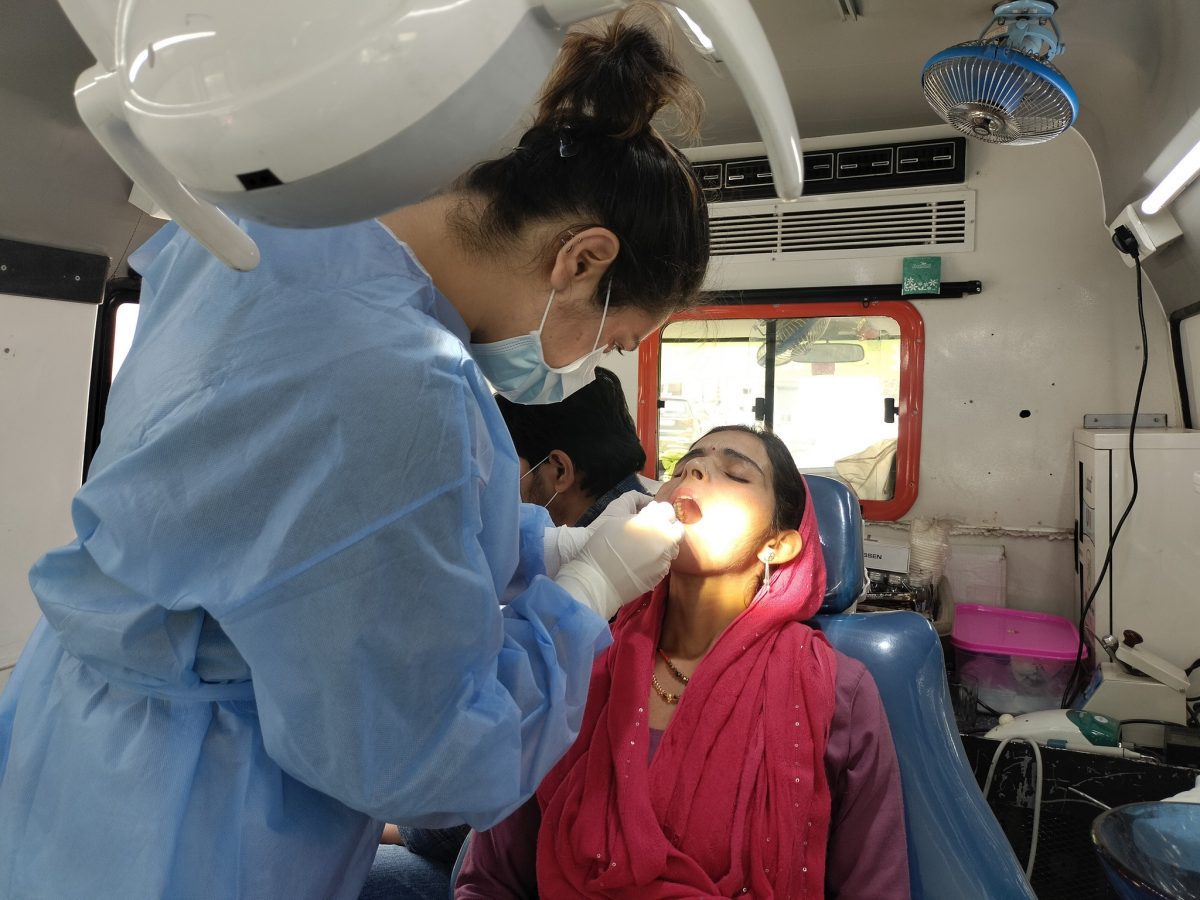
Mobile Clinics: Implementing mobile healthcare units equipped with specialized equipment and staffed by trained professionals can reach remote areas and provide essential services directly to those who need them. 

Telehealth: By leveraging telehealth services, the process of accessing specialised medical opinions becomes more convenient, encouraging timelier interventions that can ultimately enhance health outcomes while reducing costs. Utilising analytics on aggregated data will enable population-wide analyses, correlating clinician advice with health results. Over time, this data aggregation can facilitate the standardisation of clinical protocols and the enhancement of care quality.

Nevertheless, when crafting solutions to bridge healthcare disparities between rural and urban India and address the scarcity of specialist care in rural areas, it is imperative to acknowledge that digitising healthcare necessitates a comprehensive transformation in the knowledge, skills and awareness of healthcare providers, alongside a shift in patients’ perceptions and expectations.

Public-Private Partnerships: Collaborations between government agencies, non-profit organisations and private healthcare providers can facilitate the delivery of specialised services to underserved populations.

Mobile Dental Healthcare: A Case Study

It is noteworthy that while India has the second highest number of dentists in the world (a dentist to population ratio better than the WHO recommendation), just about three percent of all the dentists are employed in government service (as per the National Health Profile 2019), which is the primary care provider for a large section of the country’s population, particularly the underserved communities. 

Smile Foundation, with support from, and in partnership with a leading oral health industry expert, is operating Dental Mobile Health Units, to take oral healthcare services to the underserved communities in semi-urban and rural areas of the country. This is one innovative way of taking specialised care right at the doorsteps of the people. Similar collaborative initiatives can help make specialised healthcare more accessible in hard to reach areas.   

In conclusion, addressing the healthcare needs of vulnerable and economically marginalised communities in India demands a holistic approach that goes beyond conventional healthcare delivery models. By investing in tailored interventions and encouraging community participation, we can move towards a more inclusive and healthier society where every individual has the opportunity to thrive.

Categories
Health

Primary Healthcare Strengthening Community Mental Health

The era of primary healthcare solely focused on physical health is long gone. Today, it is universally acknowledged that health encompasses both physical and mental aspects. To substantiate this, one can look at how the World Health Organization (WHO) defines health: “Health is a state of complete physical, mental and social well-being and not merely the absence of disease or infirmity.” Yet, to think of mental health in the realm of primary health care is still a distant dream for many. 

Primary healthcare aims to deliver high-quality, comprehensive care for people throughout their lives. As outlined by the World Health Organization (WHO), it involves three main elements: integrating health services to address diverse health needs, tackling the broader determinants of health through coordinated policy and action, and empowering individuals, families and communities to take control of their health.

The Alma Ata Declaration established primary health care as crucial for achieving health for all people. In fact, as an extension of the same, in recent years, there has been growing recognition of the critical role that primary healthcare plays in strengthening community mental health. Since it is at the foundational level of a country’s healthcare system, primary healthcare is uniquely positioned to address mental health issues early, integrate mental healthcare with general health services, and foster a supportive environment for mental well-being.

Several studies suggest that by leveraging the strengths of primary health care, communities can achieve more comprehensive, accessible, and equitable mental health support.

Integration of mental health into primary healthcare

An article in the Mental Health in Family Medicine journal recommends that one of the most significant ways primary healthcare can strengthen community mental health is by integrating mental health services into general healthcare settings. Traditionally, mental health care has been siloed, with specialised services separate from primary health care. Still, this fragmentation often leads to gaps in care and stigma, eventually discouraging individuals from seeking help.

Integrating mental health services into primary healthcare settings—such as family practices, community health centres and clinics—ensures that mental health is addressed as part of routine care. This integration can then allow for early detection and treatment of mental health issues. Mental health conditions frequently present as physical symptoms or occur alongside other physical health issues.

For example, individuals with chronic conditions such as diabetes or hypertension may also experience depression or anxiety. Integrating mental health care into primary healthcare is crucial for providing comprehensive and effective treatment. By integrating mental health into primary healthcare, we aim to enhance access to care and health outcomes. The World Health Organization (WHO) recommends several key strategies to achieve this: securing a formal commitment from the highest levels of government, incorporating mental health training into medical and paramedical curricula, reinforcing this training through on-the-job education and ensuring adequate supervision of primary care staff to support sustainable integration.

What is the other aspect?

Another essential aspect of strengthening primary healthcare to improve access to mental health services is addressing the stigma associated with mental health, which is particularly prevalent in rural areas. Integrating mental health services into primary care can help normalise conversations about mental health.

Incorporating mental health care into regular health check-ups becomes a standard part of overall well-being. Primary healthcare settings are often more accessible than specialised mental health facilities. Therefore, by providing mental health services within these familiar and accessible primary care environments, barriers such as transportation, cost and long wait times can be significantly reduced, improving overall access to care.

Community support to advance mental health policies

An approach to effect this is by promoting community-based approaches and support networks. This usually involves working with local organisations, schools, workplaces and community leaders to create supportive environments that promote mental well-being and provide resources for needy individuals.

A great example of how primary healthcare can strengthen community mental health is  Bhutan’s Mental Health Integration Program, which started in July 1997. While mental health issues were traditionally inaccessible to many people, the programme attempts to integrate mental health services into the primary healthcare system. This was done through a three-part process. Training and capacity building of  primary health care providers for mental health diagnosis and treatment through which they can identify common mental health disorders and understand how to provide essential mental health interventions. They then leveraged community-based approaches including building local health centers, allowing individuals to access mental health care alongside other health services and running awareness campaigns to educate the public about mental health and encourage individuals to seek help. Lastly, regular supervision and support from mental health specialists was enforced to ensure they were delivering effective and appropriate care. 

In turn, the programme enhanced access to care, improved health outcomes and reduced stigma, proving that mental health is addressed as part of overall health care, leading to more comprehensive and practical support for community mental health. A similar approach was implemented in Sehore, Madhya Pradesh, where the government adopted the World Health Organization’s Mental Health Gap Action Plan. This plan advocated for a collaborative care model to effectively address the challenges faced in implementing mental health services.

Better Community, Better Nation

In conclusion, strengthening community mental health through primary healthcare is certainly a multifaceted approach that includes integrating mental health services into general care settings, enhancing access, reducing stigma and building provider capacity, among other measures. By leveraging the strengths of primary healthcare– an area where Smile Foundation works extensively in, countries can achieve a more holistic and accessible mental health support system, fostering healthier, more resilient communities. 

Categories
Health

Surge in student suicides in India puts focus on mental health challenges 

While overall suicide numbers increased by 2% annually, student suicides cases surged by 4%, despite a likely “under reporting” of student suicide cases, says a report ‘Student suicides: An epidemic sweeping India’. Based on the National Crime Records Bureau (NCRB) data, the report was launched at the Annual IC3 Conference and Expo 2024, which was held recently. Data compiled by the NCRB was based on police-recorded FIRs.

India’s student suicides surpasses population growth rate 

Over the past two decades, student suicides have grown at an annual rate of 4%, double the national average. In 2022, male students constituted 53% of the total student suicides. Between 2021 and 2022, male student suicides decreased by 6% while female student suicides increased by 7%. However, accurate data collection, recording and reporting for transgender students are necessary, as their circumstances are not well represented in the current data.

According to the report, the incidence of student suicides continues to surpass both population growth rates and overall suicide trends. Over the last decade, while the population of 0 to 24-year-olds reduced from 582 million to 581 million, the number of student suicides increased from 6,654 to 13,044.

Maharashtra, Tamil Nadu and Madhya Pradesh top the list

The states with the highest number of student suicides are Maharashtra, Tamil Nadu and Madhya Pradesh. Together, they account for one-third of the national total.

Although the 2017 Mental Healthcare Act decriminalises suicide attempts for individuals with mental illness, the legacy of criminalisation continues to impact reporting practices, said the report.

Factors that contribute to increased risk of suicide

Why are so many students dying by suicide? There are many known factors, says psychiatrist Dr M Suresh Kumar. Top of the list is academic pressure.

Stress on academic excellence

“Children are told within the school system and the family ecosystem that if they don’t do well in exams their whole life is doomed. And that, in an extremely competitive world, the only way to survive is to get high marks,” he says. “Failure is not acceptable.”

Psychologist and counsellor Mini Rao says that parents feel that when they have given their children everything they want, why aren’t they fulfilling parental expectations. “Children face a lot of guilt when they can’t live up to the parents’ expectations,” she says, adding that educational institutions exert pressure on students as they are focussed on ensuring that the pass percentage of the school is high.

There has also been a rise in suicides among students vying for entry into reputed engineering institutes by clearing the Joint Entrance Examination (JEE) or into medical colleges through the National Eligibility-cum-Entrance Test (NEET).

Peer pressure

“Students who don’t do well academically are ridiculed and ostracised by other people. Sometimes, the best students are put in one group, and no one cares about the other students who are struggling,” says Dr Suresh.

Financial pressure

Education is big business, with schools and colleges charging exorbitant fees. “It is expensive to educate a child – you need to pay for school, tuition and coaching classes to crack competitive exams, says Dr Suresh.  “Parents see the money they spend as an investment in the child’s future, so there is pressure to perform well.”

Relationship issues

Students dying by suicide is not always related to academics and economics, says Dr Suresh Kumar. “Adolescent children, boys or girls, now give a lot of importance to romantic relationships. And many attempt suicide when a breakup happens.”

Hereditary factors

“Depression is hereditary and, when left untreated, can lead to suicide,” says Dr Mini Rao. “So, if a child is consistently showing lack of concentration, or cries for no reason etc then parents and/or teachers need to be vigilant and see they get help from a mental health professional.”

Dr Suresh says that a small proportion of younger people can have a history of psychiatric disorder. “Conditions such as anxiety and depression are treatable if identified early,” he says.

Substance abuse and addiction to gadgets, internet

Parents are more indulgent now and children have access to mobile phones and the internet early, says Dr Mini Rao. “Recently, a mother reached out to me for help. Her child, a class 6 student, had become addicted to his cell phone. When she grabbed the phone and hid it, he started cutting his wrists and threatened to end his life,” she says.

Dr Suresh says that substance use and internet addiction takes children away from the real world, transporting them to a world of fantasy. “Facing reality becomes difficult, they can’t accept failure,” he says, adding that people with addictions are more prone to attempting suicide.

 “It also interferes with sleep, which is important for mental health,” he says, adding that sleep disturbance is a predictor of poor mental health.

How do we address the situation and decrease student suicides?

Having help at hand

Having counsellors at schools and colleges is a start so that children can reach out to them. They can also be trained to spot signs of distress in students.

Building resilience

“Nobody talks about the white elephant in the room. What makes some people more likely to attempt suicide?  What makes people vulnerable? We are not rearing children to develop resilience. It’s completely missing in school ecosystems that focus heavily on academics,” says Dr Suresh Kumar. “Children need to develop the ability to cope with adversity.”

Conducting any intervention programme at class 12 is too late, he feels. “If you want to intervene in schools, you have to do it at the forgotten ‘middle age’. People focus on the zero to 12 age group and then the 16-18 age group but between 12 and 15 is a critical time, as that’s when children are trying to learn abstract concepts such as values, character, reward, sexuality, risk taking, knowing right from wrong, etc,” he says. “They need to know the value of gratitude, kindness and hope as a combination of it will help them deal with past, present and future challenges.”

Addressing wellbeing of teachers

Unstable, unhappy teachers can’t provide unconditional support to children, says Dr Suresh Kumar. “The wellbeing of teachers is important as they can then handle children better.”

Creating safe spaces

Safe spaces where students can express their feelings will also help. “In some corporation schools in Chennai, we are identifying some parents, teachers and senior students and equipping them with empathetic listening skills, so that they can help students,” says Dr Suresh.

NGOs to the rescue

Organisations such as ours are also trying to help. Our education interventions are focused on helping children from difficult circumstances to have access to equal opportunities for school completion and equitable learning outcomes. 

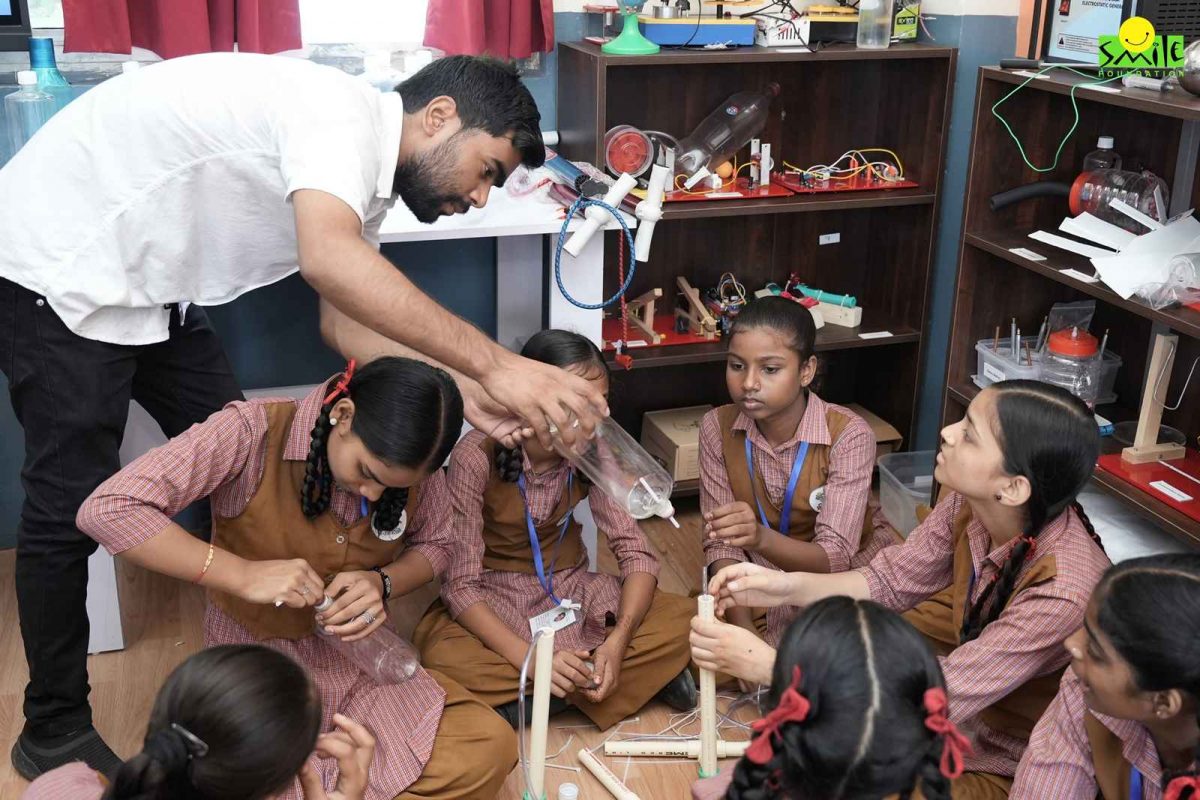
Our programmes provide an exciting and fun learning environment as it enables children to understand and retain concepts easily. So, our STEM labs have DIY activity kits for activity-based learning and STEM DIY kits.

Teacher training sessions are held to update and upgrade the teaching learning techniques and methodologies in teachers and help classrooms become more interactive, vibrant and fun. 

Categories
Women Empowerment

Without community change agents, women empowerment cannot happen

In 2010, while addressing the UN Commission on the Status of Women, the then secretary, Hillary Clinton, said, “The status of the world’s women is not only a matter of morality and justice. It is also a political, economic, and social imperative. Put simply, the world cannot make lasting progress if women and girls in the 21st century are denied their rights and left behind.”

It’s been over a decade since then, and the discussion around the subject has only gained more significance. By 2030, the United Nations aims to “achieve gender equality and empower all women and girls”. Millions of women and girls still lack rights, even in the face of growing awareness of gender inequity and efforts by several international organisations to highlight women as changemakers. Realising sustainable goals in every area of life requires the empowerment of women and recognising their rights is essential to realising unalienable human rights.

However, equal engagement from men, officials and advocates for change at the grassroots levels is necessary for women’s empowerment to seep into life’s many gaps. Power dynamics that prevent women from leading healthy and satisfying lives are present in all spheres of society, from the most intimate to the most visible. Policy and programme initiatives that will increase women’s access to stable employment and financial resources, among many other facets of life, are necessary to bring about change.

Change agents at community level

Women have historically been disproportionately impacted by socioeconomic conditions, poverty and limited access to high-quality healthcare and education worldwide. Despite these obstacles, women have made great progress in recent years, breaking down barriers in traditionally male-dominated sectors like science, technology, engineering and mathematics and holding more positions of leadership in corporations and politics than ever before.

However, without community change agents, advocating for women’s participation as changemakers and supporting their empowerment cannot be accomplished in a vacuum. Programmes for community development are essential for addressing societal issues that are deeply ingrained. The essential need to stop child marriage, domestic abuse, family breakdown, moral decline and dysfunctional societies is the basis of framing tactics that will raise awareness of gender parity and enhance women’s socioeconomic standing.

Community-based intervention elements including community development training, health education, business or entrepreneurial skills training, knowledge of women’s rights and primary education have a major beneficial influence on the SHG members and programmes. It is commonly known that community involvement with these initiatives has a large-scale impact. Research demonstrates that peer-led community activities have a favourable impact on empowerment and health. Additionally, training that provides group support is essential for empowering women and more especially, for enhancing their self-confidence.

What does data show?

Despite making up almost 50% of the global population, women are still underrepresented in positions of influence and authority across a wide range of societal domains, including politics, business and the media, according to the UN World Population Prospects, 2022. The World Economic Forum reports that there is still a sizable gender pay gap worldwide, with women making around 37% less than males in comparable professions. The analysis presents a bleak picture of the gender gap, estimating that it would take 134 years to establish full gender parity. This would mean that the 2030 SDG objective would be missed by five generations.

Ways to lead to women empowerment 

The first step must always begin with educating girls. Girls’ education can have a positive knock-on impact in nearby areas. Better economic prospects are available to girls who complete their schooling. Moreover, school groups are frequently the places where peer and social networks flourish. Girls who have greater peer networks are more motivated and involved in their studies, which promotes better community interactions.

To act as catalysts towards women’s empowerment, one important strategy is to support women’s financial mobility. Women should enter the workforce and become entrepreneurs who defy gender norms and prejudices. By doing so, they may encourage other women to follow in their footsteps and pursue their own business endeavours. SHGs and community volunteers can assist women in this endeavour. Greater gender equality may result from this, which would benefit not only women but also males and society at large.

Local officials should also strive to recognise and strengthen women’s leadership positions and involvement in political, civic, economic, social and cultural life and development, as well as to promote equality and respect for women and men.

Setting up Procedures

Governments and civil society organisations should set up procedures that accelerate women’s equal representation and participation in politics at all levels of public life and community. They should also facilitate women’s ability to express their needs and concerns and guarantee women’s full and equal participation in decision-making processes across all domains of life.

Through community interventions, they should act to eradicate attitudes and behaviours that oppress and discriminate against women and girls, as well as those that perpetuate gender inequality, through community initiatives.

It is impossible to advance the potential of girls and women if there are no change agents and awareness at the grassroots level. The required measures should be adopted in concert with one another to guarantee that women have access to appropriate, accessible and high-quality healthcare throughout their lives, with a focus on gender equality.

Swabhiman initiative to bring equality through change agents

In conclusion, women should take the lead in bringing about constructive and revolutionary changes that will benefit all members of society by being change agents in both their local communities and society at large. The Smile Foundation‘s Swabhiman initiative, which was started in 2005, provides economic, nutrition and health intervention programmes to women who are marginalised and socially ostracised. The larger objective is to empower women by creative community interventions, enacting long-lasting social change, establishing gender equality in society and actively including boys and men in the process of women’s empowerment. 

0%