Categories
Smile

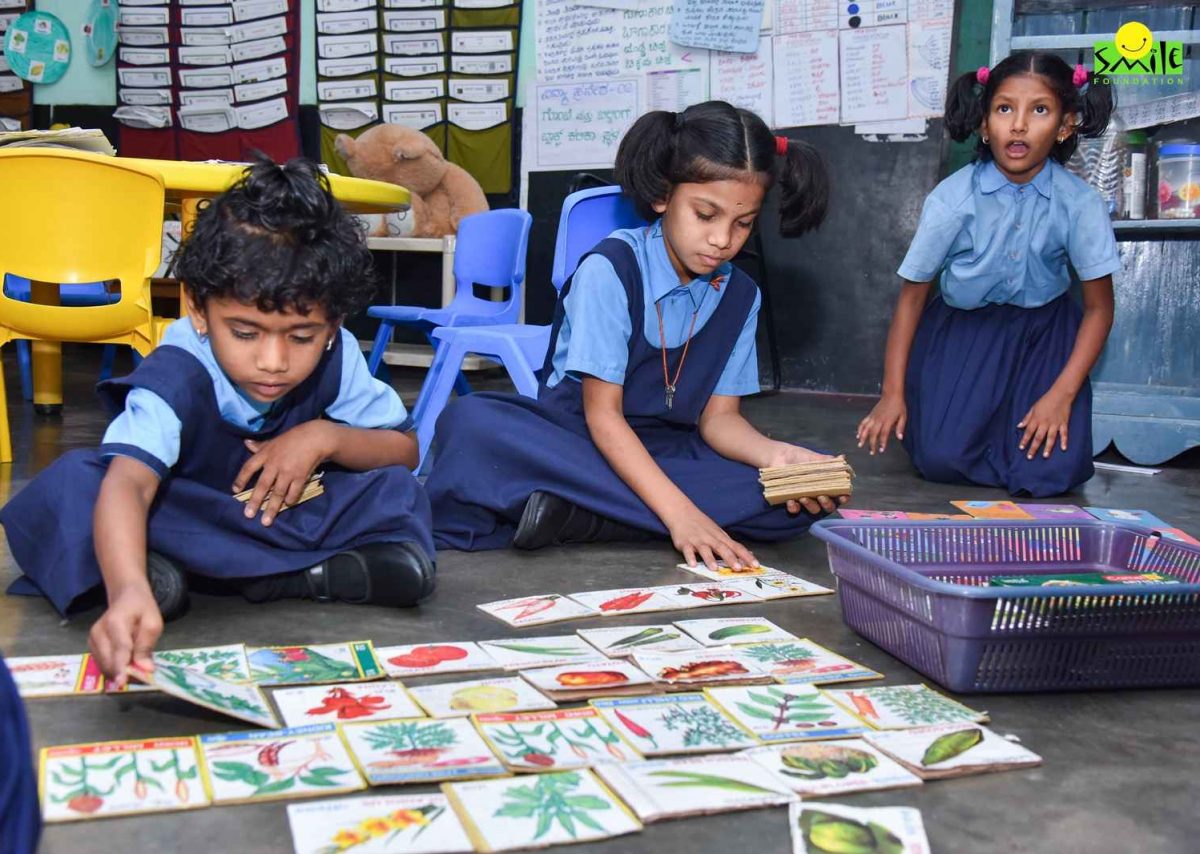
No Children Should Be Out of School

SDG-4 aims at inclusive and equitable quality education and promoting lifelong learning opportunities for all. The global out-of-school population has decreased by barely 1% in nearly ten years, according to the UNESCO Global Education Monitoring Report 2024. The disparity in educational investment among countries is significant, with low- and lower-middle-income nations suffering from substantial underinvestment in education.

Children face considerable barriers to future work when they lack access to a high-quality education. They are at a higher risk of experiencing negative health consequences and are less likely to engage in decisions that impact them. This jeopardises their capacity to create a more positive future. In an era of swift social, technological and economic transformation, investing in education is crucial for enhancing the endurance of nations.

Education is a Basic Human Right

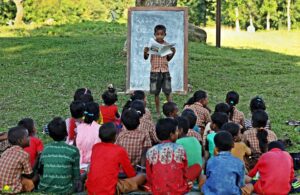
Children are denied access to education for multiple reasons. Poverty persists as one of the most inescapable obstacles. Children experiencing economic instability, political turmoil, conflict or natural disasters are more likely to be deprived of education, as are those with impairments or belonging to ethnic minorities. In certain nations, educational options for girls are significantly constrained. Lack of learning material, proper environment and teachers is yet another obstacle. A child cannot acquire knowledge without an appropriate setting. In most , children frequently find themselves confined to overcrowded classrooms, which are in a bad condition, or are studying outside in weather that may not be conducive to learning.

The interplay of discrimination, insufficient training in inclusive pedagogical techniques among educators, and the absence of accessible educational institutions renders this population particularly susceptible to the denial of their right to education.

For numerous children globally, the journey to school requires several hours. This is particularly challenging for children with disabilities, those experiencing starvation or illness, and those obligated to perform family chores.

Several children, particularly females, are susceptible to violence during their risky commutes to and from school.

The Need for Government Funding on Education

Increases Economic Growth: Investment in education can facilitate economic expansion and development. Education enhances individuals’ abilities and knowledge, hence increasing their productivity and efficiency in the workplace. This subsequently enhances the nation’s economy by augmenting the production and output of products and services. If a government invests in technology education, it can cultivate a pool of highly trained workers who will enhance the technology sector’s growth.

Mitigates Poverty: Education serves as a potent instrument for alleviating poverty. It equips persons with the skills and knowledge necessary to obtain higher-paying employment, thereby aiding in their escape from poverty. Furthermore, educated persons are more likely to attain employment, receive higher salaries and have greater job security compared to their uneducated counterparts. 

Fosters Social Development: Education is essential not just for economic advancement but also for facilitating social development. It can foster an informed and involved populace, potentially resulting in a more democratic and equitable society. Educated individuals are more inclined to engage in civic activities, volunteer and express their views on social issues. This can foster a more tolerant and inclusive society that appreciates variety and advances social justice.

Enhances Health: Education positively influences health outcomes. Educated persons are more inclined to make informed health decisions and pursue medical care when necessary. This helps them have better lives and healthier populace, hence alleviating the financial strain of healthcare on the economy.

Education Fosters Social Stability: Education equips individuals with the information and skills necessary to resolve conflicts non-violently and without discrimination, particularly as schools often serve as one of the few environments where students may interact and engage with diverse individuals. Furthermore, schooling can enhance children’s resilience by mitigating the chance of engaging in detrimental coping mechanisms such as early marriage or child labour, hence augmenting the probability of good well-being.

The Indian government has implemented several initiatives to ensure accessible and free education for all students, particularly those from marginalised communities. Initiated in 2001, the Sarva Shiksha Abhiyan (SSA) seeks to ensure universal basic education for children aged 6 to 14 years. Right to Education (RTE) Act. The Right to Education (RTE) Act, established in 2009, requires free and compulsory education for children between the ages of 6 and 14 years. The Beti Bachao, Beti Padhao initiative seeks to rectify the diminishing child sex ratio and foster the education and empowerment of girls. Initiated in 2015, the program aims to transform cultural perceptions of girls and guarantee their education and involvement.

Way Ahead

Governments and educational institutions can significantly influence the reducing of disparities with policy interventions. This may involve amending school financing procedures to allocate additional resources to disadvantaged regions, instituting progressive policies for marginalised groups, and requiring inclusive educational materials and adjustments. A joint effort of community-based organisations and governments, can help enhance governmental initiatives by engaging directly with marginalised populations. They can offer supplementary educational services, engage in outreach to improve understanding of the significance of education, and push for policy reforms.

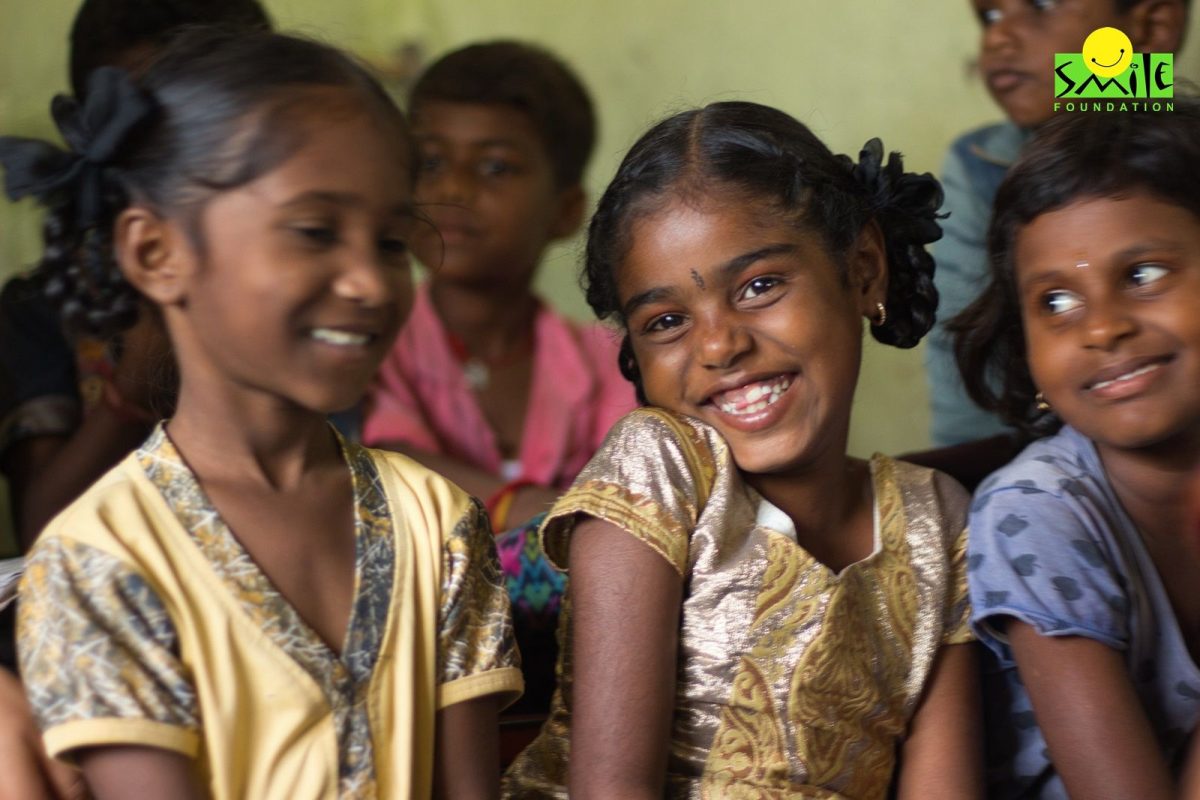
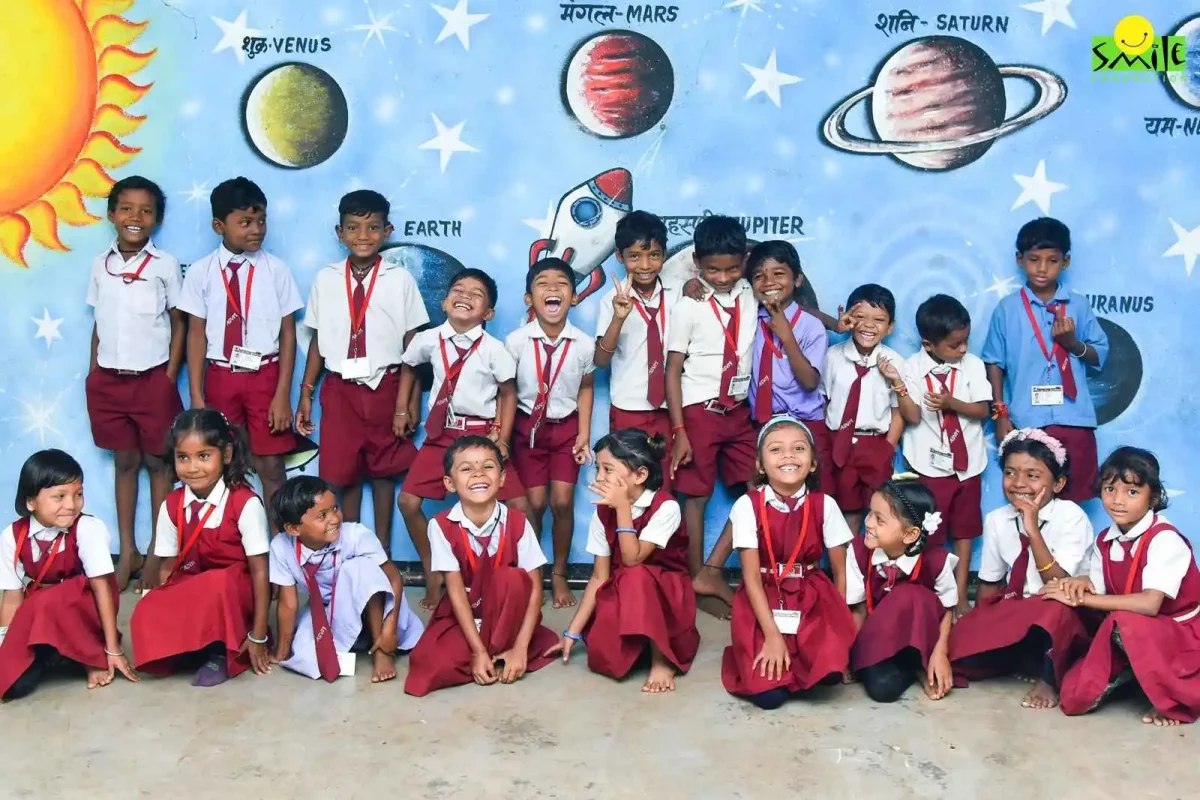
Through its ‘Shiksha Na Ruke initiative, Smile Foundation has been supporting children from difficult circumstances in sustaining their education, aspiring for a more promising future and improved quality of life. Currently, Smile is directly educating more than 120,000 children throughout 27 states in India.

Our initiative embodies the belief that every child deserves access to education, regardless of their circumstances. With the conviction that “no child should be out of school,” this programme was designed to ensure continuous learning for underprivileged children, even in the face of major disruptions like the COVID-19 pandemic. By providing resources such as digital devices, community learning centers and remote learning support, Shiksha Na Ruke strives to bridge the education gap for children who face barriers due to socioeconomic challenges.

This initiative aims to create lasting educational equity by addressing the roots of educational disparity. Through partnerships with local communities and families, Shiksha Na Ruke encourages a holistic approach, making sure that children not only remain engaged in their studies but also have the support they need to thrive. Smile Foundation’s commitment to “no child left out of school” underlines the importance of education in empowering future generations and building resilient, inclusive communities.
Categories
Education

The Case for Free Education

Something incredible has been observed in Mumbai lately. There has been an increase in the number of girls enrolling in professional courses. This is because of the recent decision to bring in a free education scheme in the state of Maharashtra. While this may seem like a small change, the share of girls going up to more than 41 per cent of enrolments in professional courses hints towards something important – that if education is made free, it is the women and other disadvantaged groups which are most likely to benefit from it.

The scheme has opened doors for many women who might not have been able to pursue higher education due to financial constraints. The impact of this change is bound to create a ripple effect where many of these women can be expected to find employment in the future, become financially independent, and contribute to the overall well-being of their families.

Importance of Equal Access to Education

This brings us to an important argument of why ensuring equal access to education is crucial for the success of any society. Education is the bedrock of any society, serving as a catalyst for social, economic and personal development. By ensuring equal access to education, it can be ensured that every individual, no matter what their socio-economic background is, has the opportunity to achieve their full potential.

When education is available to everyone equally, it fosters an environment of inclusivity and justice where individuals from unique and different backgrounds are able to contribute to the collective knowledge. It also empowers marginalised communities, helping them break the vicious circle of poverty and deprivation. Equal access to education also has an impact on the overall economic growth of a country as more and more talented people are able to accumulate skills and knowledge which translate into productivity and innovation.

Education and Equality of Opportunity

One of the biggest benefits of ensuring education for all is that it cultivates a culture where everyone has equal opportunities. It is the cornerstone of any democratic society where every individual has the chance to excel in life. Education plays the central role in this success as people coming from marginalised groups can grow in life by getting a good education.

Free education removes financial barriers that prevent many individuals from accessing quality education. It levels the playing field, allowing students to compete based on their abilities and efforts rather than their financial resources. In the long run, it creates a society where upward mobility is made possible for everyone and also contributes to more equitable distribution of wealth.

Initiatives to Ensure Free Education

While the goal may seem easy, providing free education to everyone comes with a massive cost and it is often difficult for developing countries like India to allocate funds for the same. However, it does not mean that this is an unachievable goal. Here are some of the ways through which free education can be ensured for everyone:

  1. Government funding the first and most crucial way of providing education for free is to allocate a significant amount for it in the union and state budgets. Governments have the biggest potential to provide funds for running good quality universities, schools and other educational institutions without monetary returns. It is also beneficial for the country in the long run as an educated population means healthier economic growth.
  2. Public-private partnership – another way to achieve this when the government is not able to fund the entire education infrastructure is to collaborate with the private sector to build infrastructure, provide scholarships, fund research, etc. A mechanism can be created where the private sector benefits from its contribution in the form of tax rebates, etc.
  3. International aids and grants – developing countries can benefit from international aid and grants aimed at improving their education systems. International organisations, such as UNESCO and UNICEF, can provide technical assistance, funding and resources to support educational initiatives in low-income countries.
  4. Community involvement – one of the most effective ways to build a robust education infrastructure that is free for all is by involving the community in creating it. Affluent individuals can come forward, pool the money, and contribute towards building high-quality education facilities. It is also a way for them to give back to their community.

Global Examples

There are many countries around the world where partial or full funding of education by state has been achieved, making them a haven for students who want to dedicate themselves to academic pursuit without worrying about the finances. Here are some of the examples:

Germany – The country offers tuition-free education at public universities for both domestic and international students. This policy has made Germany an attractive destination for students seeking quality education without the burden of exorbitant expenses.

Norway – Like Germany, Norway also provides free education at all levels, for both Norwegian citizens and international students. Norway’s education system is known for its emphasis on inclusivity and student well-being, contributing to high levels of student satisfaction and academic achievement.

Finland – Apart from providing state-funded education, Finland’s education system is also appreciated for the unique approach that is followed in the classrooms for teaching. It focuses on personalised learning, collaborative skills, creative thinking, etc. The country consistently ranks high in international assessments proving the effectiveness of its education system.

Brazil – Unlike the countries mentioned above, Brazil is a nation which cannot be considered as affluent. However, it has also been able to implement the free education policy to an extent showing positive growth in access to higher education for its citizens. Brazil’s investment in education has led to improved literacy rates, higher enrolment numbers, and better educational outcomes for students from diverse backgrounds.

Conclusion

While there are examples to look at and solutions available, it must also be noted that ensuring free education for a large population like India is extremely challenging and can put a huge financial burden on the treasury. Apart from the financial constraints, it is also challenging to ensure quality of education in state-funded institutions, ensuring access to all communities and sustainability of the system. However, even with all this, the case for free education is compelling.

It is not just about providing access to knowledge; it is about creating a more equitable and just society where everyone can succeed. The success of initiatives like the free education scheme for females in Maharashtra demonstrates the positive impact of such policies. By ensuring equal access to education, we can build a brighter future for all.

Smile Foundation’s education work

Smile Foundation’s work in education seeks to break down the financial barriers that often prevent children from underserved communities from accessing quality education. In line with the philosophy behind Maharashtra’s free education scheme, which has significantly increased girls’ enrollment in professional courses, Smile Foundation’s Mission Education initiative focuses on reaching underserved communities, ensuring that children, especially girls, receive the support they need to pursue their studies. By providing essential resources and creating an environment where education is accessible, Smile Foundation empowers children to envision a better life and achieve financial independence.

Through its commitment to free and equal access to education, Smile Foundation aims to create a ripple effect that can uplift entire communities. Education is a powerful tool that allows children to develop skills and knowledge that can contribute to social and economic growth.

Categories
Women Empowerment

International Day for the Elimination of Violence Against Women

Isn’t it utterly shocking to know that almost one in three women across the globe have been subjected to physical or/and sexual violence at least once in their lifetime? It roughly puts the estimation close to 736 million in the world, according to the UN Women. The data also shows that most violence against women is committed by their current or former spouses or intimate partners. Violence against women is one of the most frequent human rights violations across the world.

In India, police have registered 4.45 lakh ‘crime against women’ cases in 2022, according to the National Crime Records Bureau. It means about 1,220 cases are officially registered every single day. Nobody has counted how many go unaccounted in a country as diverse and geographically large as India. These women, who are subjected to violence, are prone to suffer from anxiety disorders, depression and sexually transmitted diseases, among others, for a really long time.

Before we delve deep into the topic, let’s understand what violence against women actually is. Because there are several misconceptions surrounding violence against women.

What is violence against women?

Violence against women refers to any act of violence that makes women suffer. It just does not mean only physical violence. It also includes sexual, psychological and emotional abuses.

The United Nations general assembly in 1993 issued the Declaration on the Elimination of Violence Against Women and it provides a definition for violence against them. In their own words, “The term violence against women means any act of gender-based violence that results in, or is likely to result in, physical, sexual or psychological harm or suffering to women, including threats of such acts, coercion or arbitrary deprivation of liberty, whether occurring in public or private life.”

Any form of physical abuse, including slaps, punches, shoves, kicks, arm twists, burning and stabbing, is punishable irrespective of its intensity. Sexual violence includes sexual assault, harassment, coercion, rape and marital rape. Psychological and emotional abuses include continual humiliation, threats against children, threats to induce injury or death, manipulation, gaslighting and controlling behaviours. Child marriage, female genital mutilation and trafficking for sexual exploitation and slavery are also forms of violence used against women.

When these abusive behaviours are used by family members, including her spouse, to gain or maintain power and control over another in an intimate relationship, it falls under domestic violence. In India, dowry-related violence continues to occur even today, despite the government terming dowry as illegal and banning it across the country. When the women’s family fails to meet the dowry demands, it often leads to violence, harassment and even the deaths of women.

Consequences of violence against women

Violence, according to the World Health Organization (WHO), has immediate and long-lasting effects on women’s health, and in certain cases, it is fatal. In addition to their physical health, it also affects the mental and behavioural health of the victims. Violence against women affects not only the victims but also families, communities and societies at large.

  1. Physical health issues: The physical health consequences of violence can be immediate and acute, long-lasting and chronic, and can even be fatal. Studies have constantly found out that the impact on women’s physical and mental health depends upon the severity of abuse. Victims may suffer from chronic pain, gynaecological problems, complications during pregnancy and childbirth, sexually transmitted diseases and other long-term health conditions.
  2. Mental health issues: Almost all the survivors of violence face the risk of adverse mental health issues. Some of the most prevalent issues include anxiety, depression, post-traumatic stress disorder, eating and sleeping disorders, suicidal thoughts and psychosomatic disorders.
  3. Behavioural health issues: Abuse in childhood has been associated with risky behaviours like early sexual activity, alcohol, tobacco, and drug abuse. Victims often feel worthlessness and have difficulty distinguishing sexual from affectionate behaviour, maintaining appropriate personal boundaries and refusing unwanted sexual advances. They withdraw from friends and family, leading to isolation and decreased social support, which can perpetuate the cycle of violence.

International Day for the Elimination of Violence Against Women 2024

Despite the numerous efforts taken to contain violence against women, the scourge has been intensifying, especially in the post-pandemic era. One of the solutions is to invest in prevention. According to the UN, only 5% of government aid is focused on tackling violence against women and girls, and less than 0.2% is invested in preventing the crimes. There is a dire requirement for investing in women’s organisations, better legislation and training of law enforcement officials, among others. More than that, creating awareness about it is the need of the hour.

To eliminate the incidents of violence against women by creating awareness, the United Nations has been commemorating International Day for the elimination of violence against women on November 25 annually. November 25 was commemorated as a day against gender-based violence by activists for women’s rights ever since 1981. It was to honour three Mirabal sisters, activists from the Dominican Republic who were murdered based on the order of the country’s ruler in 1960. 

The UN’s General Assembly adopted the Declaration on the Elimination of Violence Against Women on December 20, 1993. It in turn has paved the path for eradicating violence against women across the world. On February 7, 2000, the assembly adopted the resolution. It has been inviting governments and other organisations to come together to raise awareness among the public.

As part of the observance, campaigns would be organised for 16 days. Emphasis would be given to achieve gender equality, empower all women and girls as mentioned in the sustainable development goals and call for unity to end violence against women.

Facts on violence against women

Ever since the sustainable development goals were adopted during the United Nations Sustainable Development Summit in 2015 with the target to achieve them by 2030, a lot of efforts have been taken. Though there have been notable gains in certain areas, the shift towards attaining gender equality has been significantly slow. The recent report by UN Women estimates about 286 years to achieve gender equality in the world.

About 162 countries have passed laws against domestic violence. Nearly 147 countries have laws against sexual harassment at the workplace. But what is heartbreaking is that over 600 million women continue to live in countries that have not taken any steps towards protecting them from domestic violence.

Irrespective of whether a country has laws to protect its women from violence or not, research points out that many have not properly implemented the laws. Even the ones that have implemented the laws are non-compliant with international standards. According to data, less than 40% of the victims of violence come forward to report their abuse, and only 6% of women report sexual abuse from their husbands. Studies, time and again, confirm that women are frequent victims of intimate violence.

UN Women, in 2018, published a report titled ‘Turning promises into action: gender equality in the 2030 agenda for sustainable development’. According to it, as many as 49 countries do not have laws to protect women from domestic violence; one in five girls and women aged under 50 years report physical or/and sexual violence by their partner within a year; more than 750 million girls were married before they turned 18 years; and over 200 million girls and women in 30 countries have undergone female genital mutilation.

Whatever the little progress the world has made in curbing the violence against women, the COVID-19 pandemic has effortlessly squashed it all and pushed the world behind by several years. According to a recent Oxfam report, lockdowns linked to the pandemic have rapidly increased the violence against women and girls. The report says that up to 33% raise in intimate partner violence has been reported in certain countries. It also estimates that 47 million women and girls had been pushed into extreme poverty since the declaration of the pandemic. Poverty has in turn paved the path for school dropouts, child marriages and human trafficking.

International Day for the Elimination of Violence Against Women 2024- In Date and Spirit

Though some progress has been made in curbing all kinds of violence against women, more significant steps need to be taken across the world to eliminate it completely like Smile Foundation does in through women empowerment programme. But only when people are aware of the violence and its impact on women will steps be taken and successfully implemented to curb it. That’s why commemorating the International Day for the Elimination of Violence Against Women 2024 has become more important now than ever.

Categories
Education

Experts Advocate Critical Thinking and Creativity to Improve Indian Education System

During his visit to India in 2015, CEO of Google, Sundar Pichai, said that his Class XII score was not enough to get him admission to Shri Ram College of Commerce (SRCC) in Delhi University. He also spoke about how India’s education system would do well to emphasise greater creativity and risk-taking, something that was reported widely by the Indian media. 

Later, during an interaction with Harsha Bogle, Pichai called for a shift in focus in India’s education system from academic rigour to develop creativity and hands-on projects for students, according to a Business Standard article. It quoted Pichai as saying: “Look at what is needed to solve the next generation of problems. It requires creativity. Encourage creativity in education. The Indian education system values rigorous academic knowledge rather than encouraging creativity. The best schools in the US are experiential and hands on. Doing things rather than learning (from books). Teach project-based experimental training. Teach students to take risks and make sure that the system doesn’t penalise if you take risks or are different.”

No room for creativity

The lack of imagination and creativity in the Indian education system is a topic that has long been debated upon. And Pichai’s sentiments have been echoed by other leaders as well as educationists in India. In 2018, co-founder of Apple, Steve Wozniak, said that creativity is being lost out of the Indian academic system and that, in the process of looking for good jobs, the hunger for creativity has taken a backseat. Wozniak said that the Indian education system is based around studiousness and doesn’t encourage creativity, according to newspaper reports.

Flaws in the educational system

Over the years, various studies have been done by researchers to see how the educational system can be improved. ‘Understanding Issues in The Indian Education System Through the Lens of the Movie 3 Idiots’ (2009) by Vardha Kharbanda, aimed to explore the issues within the Indian education system as portrayed in mainstream media. The various themes that emerged from the scenes included rat race and rote learning, societal norms and pressures, barriers to learning, authentic education, diversity and inclusive classrooms and emotional burnout of the students. It was published in The International Journal of Indian Psychology dated January- March 2022. It found that “Indian education not only promotes a rat rate for marks but also encourages an unhealthy form of competition among the students. The system creates mechanical robots who are programmed to focus on the reward of education (high scores) instead of actively participating in the process of acquiring knowledge.”

Most of the students in India are primed from childhood to pursue certain careers. Parents often impose their unfulfilled career aspirations and dreams in the pursuit of realising them through their children. In India, the burnout rates for students are extremely high which is a consequence of relentless pressure of the academic syllabus. The fear of failure takes over the joy of learning and by the time students graduate they are physically and emotionally drained, said the study.

Beyond rationed goals

“The education system is more goal-oriented than process-oriented. When you are taught to learn towards a goal, the process of learning is directed towards it, and what you are actually learning takes a back seat,” says Carnatic musician Rithvik Raja. “But, if it’s not focussed on goals, the intent of learning would be to learn, understand and appreciate what you are  learning,” he says, adding that he was lucky to have attended a school that valued creative endeavours, even if they didn’t directly facilitate it.

“I was able to pursue music and cricket passionately and in depth and so am able to do one of it to earn a living now. And that was also possible as my parents supported me,” says Rithvik. “Today, it is important for parents to allow their children to expose themselves to other things, some sort of art or creative thinking. When you put your child in some sports or art activity because they enjoy doing it then, over time, their cognitive and decision-making skills develop. Exposure to different forms of learning is crucial and absolutely vital.”

When all emphasis is on academics

“It is evident that the current educational system is neither appealing to nor serving its purpose to a whole set of students who are enrolled in it,” says psychiatrist Dr M Suresh Kumar. “The system is focussed on the academic curriculum, which is entirely dependent on students memorising things from books, retaining it in the brain and recalling it at the time of the examination. It is a test of memory, which may be exciting for a certain group of children who are good at it and hence known as children who excel academically,” he says. “But it’s not as though people who haven’t excelled at academics haven’t done well in life.”

There are many students out there who are challenged by regular academics but bright in other things, such as writing, painting or other creative endeavours, says Dr Suresh Kumar.  “Unfortunately, these are seen as extracurricular activities,” he says. “While there are alternative education schools that encourage creativity, there are many students in regular schools who are not given the option to think.”

Impact on mental health

With only academic excellence being recognised and encouraged, children who don’t perform well in the classroom develop a sense of low self-esteem, which can be detrimental for their mental health.

“A student who is good in writing or painting is not appreciated as much as another who excels in science and mathematics. So many children do not feel good about themselves, and develop low self-esteem” says Dr Suresh Kumar, adding that huge pressure is being put on students, especially when they have to appear for the board exams and choose their career paths. Every year, cases of self-harm and death by suicide is reported as result announcements near.

“Only if the families are supportive or the school doesn’t focus on academics alone can such children feel confident,” he says, adding that traditional professions such as medicine and engineering are still the career paths chosen by Indian parents as they feel such careers are more secure and financially rewarding. “Today, we see so much work-related stress because people are stuck in professions that are not aligned to their interests, passion and personality.”

NEP addresses the lacunae

The National Education Policy (NEP), introduced in 2020, aims to shift the focus from rote learning to critical thinking, creativity, collaboration, curiosity and communication.  It promotes experiential learning, critical thinking, and reduced course content in the school curriculum. Vocational education is introduced in classes VI to VIII, accompanied by internship opportunities. It has also integrated arts, music and culture into the curriculum, and encourages flexible curricula that accommodate different learning styles and interests, enabling students to pursue their passions and innovative ideas.

“The education system needs to move the focus from marks to learning. There should be stress on conceptual learning and the way of testing should also be different,” says Rithvik. “Teachers also need to have the basic sensitivity to understand that each child is different.”

Other initiatives also promote experiential learning, creativity

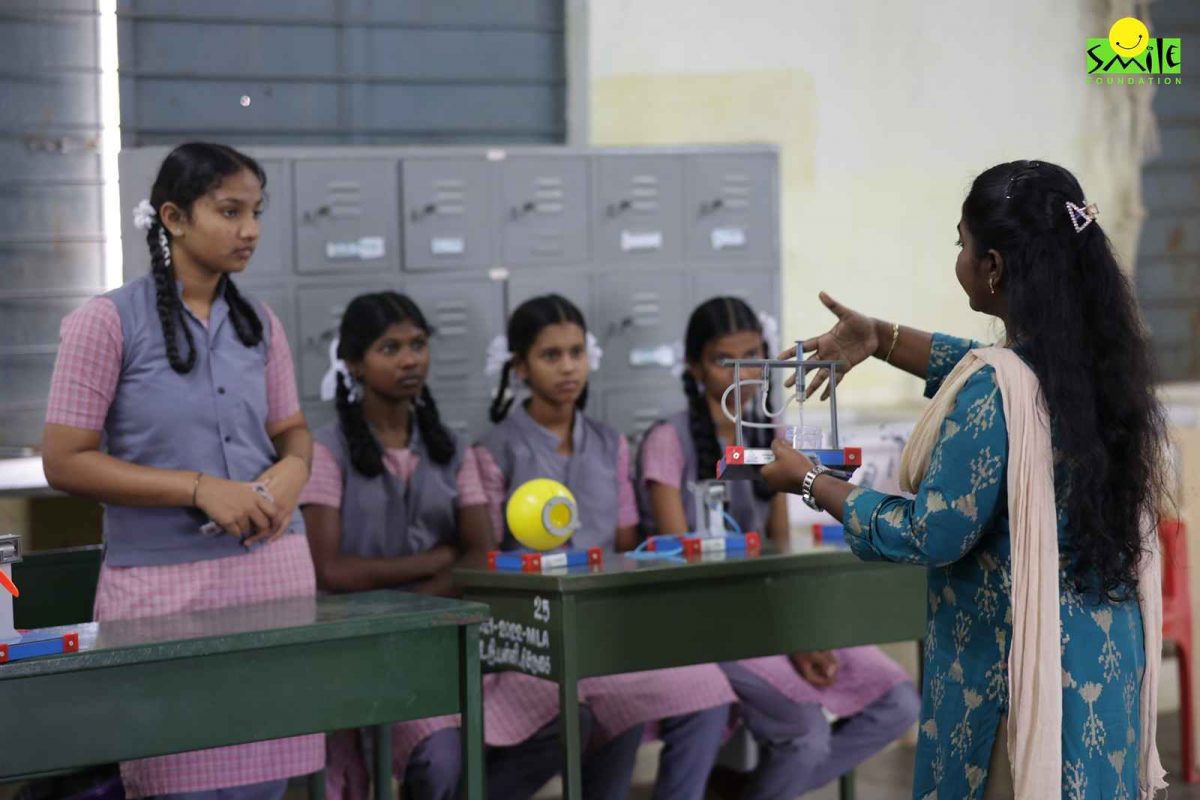
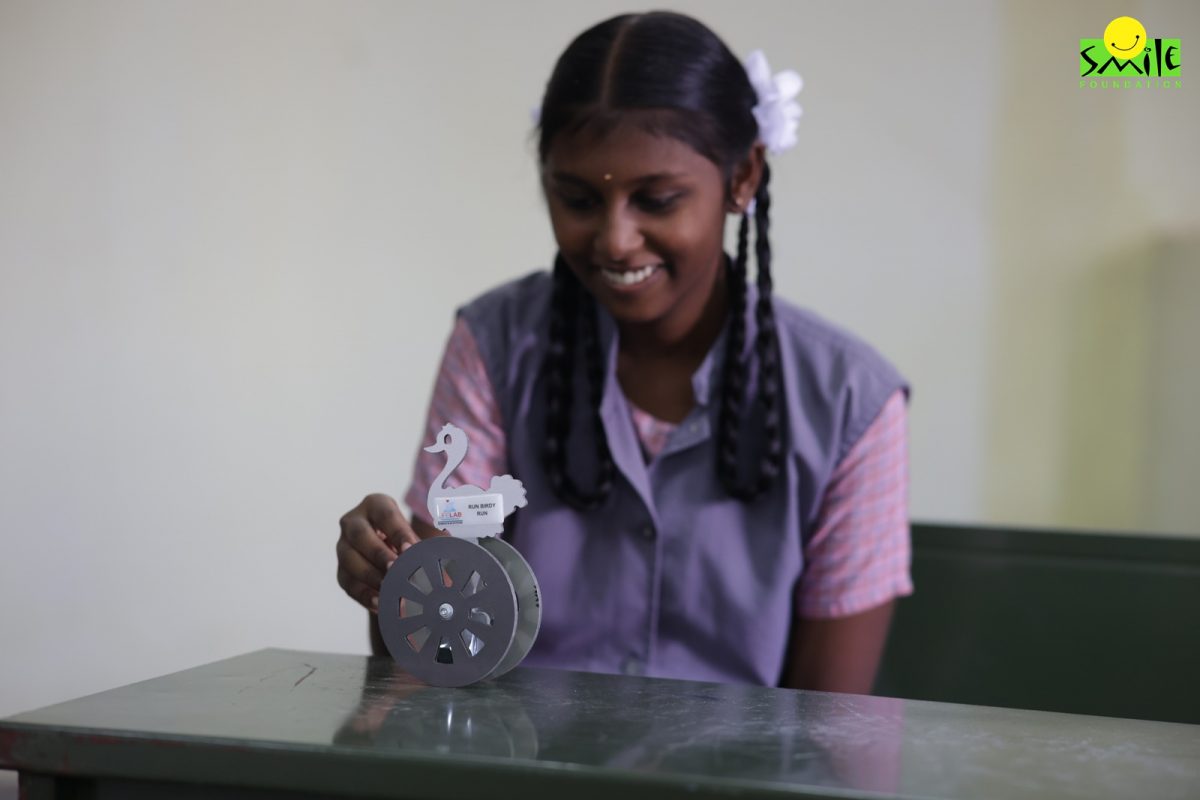
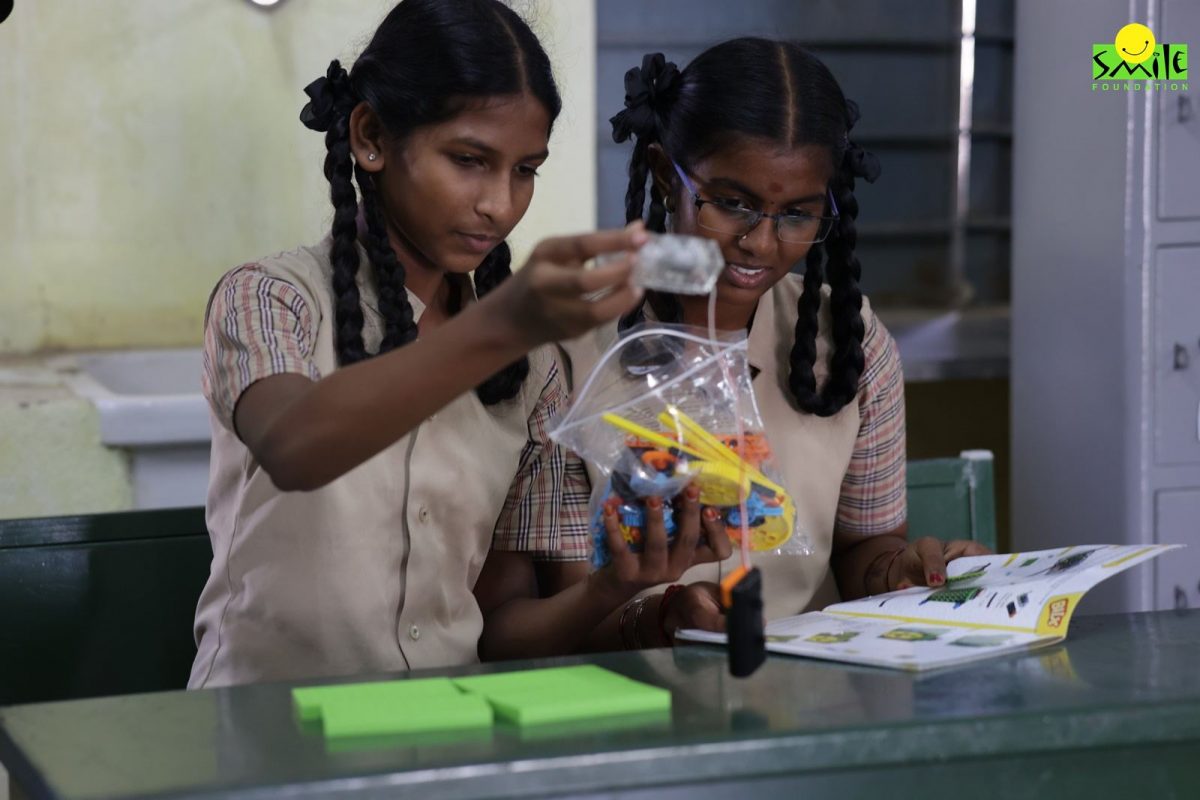
NGOs are also working to support NEP’s vision. Smile Foundation’s STEM and Experiential Learning programme works to build scientific temperament in students by introducing them to think critically, solve problems through inquiry and logic, ideate creatively and continue this process of learning for a lifetime. Vocational exposure has been initiated amongst students to facilitate holistic learning and development by providing a space for students beyond regular curriculum subjects to enable children and youth to make connections between different areas of learning. 

The Foundation also works to create an enabling learning environment, which enables children to understand easily and retain the concepts well. As part of the initiative, the Foundation has improved the infrastructure of centres through green infrastructure and digital classrooms, including solar panels, smart class installation, learning software and educational tablets. And also provided sports materials, musical instruments, speaker systems, etc., at 18 locations.

Categories
Insights

Can Science Accelerate Social Development?

In an age dominated by technological advancements and groundbreaking discoveries, science has become the driving force behind societal transformations. While technology is often seen as the face of change, it is the deeper scientific knowledge and research that fuels technological growth, influencing every aspect of life.

From healthcare to education, agriculture to industry, science is present in almost all mediums of modern living. But the question remains: can science truly accelerate social development? Let’s understand how scientific progress shapes economic growth, human rights, environmental sustainability and overall quality of life, and whether it serves as a transformative agent in reducing inequalities and enhancing social well-being or not?

The Power of Scientific Innovation

Science can create a more just, equitable and advanced society when effectively harnessed. Economic growth is closely linked to scientific advancements, as seen in countries like the U.S., Japan and South Korea, which invest considerable portions of their GDP in R&D. Such investments drive innovation, create jobs, improve healthcare and enhance educational standards These, collectively, help reduce income inequality and promote inclusive development. Notably, nations with higher investments in education and R&D consistently perform better on human development indices, underscoring the link between science and social progress.

India, despite investing only around 0.7% of its GDP in R&D, has seen significant social benefits from its scientific focus. The country’s pharmaceutical sector has produced affordable, high-quality medicines that enhance healthcare accessibility for millions. Reports suggest India supplies over 60% of the world’s vaccines, highlighting its strength in public health. Successful vaccination campaigns against diseases like polio have greatly increased life expectancy and lowered child mortality, leading to significant improvements in healthcare in India.

Addressing Health Disparities

Health disparities represent a critical barrier to social development. In India, despite advancements in medical technology, access to healthcare remains uneven. Scientific research can bridge these gaps, particularly through innovative solutions like telemedicine, which expands healthcare access to rural populations.

Globally, data analytics and artificial intelligence are revolutionising disease prevention and management. The strategic use of these technologies could significantly reduce healthcare costs while improving health outcomes. By harnessing the power of science, nations can develop more equitable healthcare systems that cater to the needs of their most vulnerable populations.

The Issue of Environmental Sustainability

Environmental sustainability is another area where science can drive social development. The global threat of climate change has spurred scientific innovation in renewable energy, conservation, and sustainable practices. Solar and wind energy technologies, largely born out of scientific research, have the potential to mitigate climate change and reduce dependence on fossil fuels, especially in countries like India, where coal still plays a dominant role in energy production. India ranks fourth globally in installed renewable energy capacity, with a target of generating 50% of its energy from non-fossil sources by 2030. This shift is not only critical for reducing environmental degradation but also for promoting social development, as it creates jobs, improves health outcomes, and ensures long-term economic stability.

Scientific research also addresses social and environmental issues, particularly in rural areas of India and Africa where waterborne diseases are common. Affordable water filtration systems and smart irrigation techniques are improving access to clean water, reducing health risks, and boosting agricultural productivity. These advancements enhance quality of life and promote social justice by meeting the basic needs of underserved communities.

Agriculture

Agriculture, another critical component of social and economic development in India, has also seen massive transformations through science. The Green Revolution of the 1960s and 70s, driven by scientific advancements in crop breeding and irrigation technologies, lifted millions out of poverty. In the global context, similar scientific interventions, such as genetic modification of crops, have enabled countries to ensure food security, even amid population explosions and climate change challenges. Feeding an expected 2 billion more people by 2050 will require agriculture to become more productive and sustainable. This calls for increased investment in productivity-boosting technology, especially in developing countries.

Education and Entrepreneurship

Education is vital for social development, and science can greatly enhance educational outcomes. India’s Digital India initiative seeks to improve digital literacy and information access, especially in rural areas. As of 2021, internet penetration in India reached 56%, creating new opportunities for learning and innovation. The Atal Innovation Mission (AIM) in India fosters a culture of entrepreneurship among youth, aligning with Sustainable Development Goal 9, which promotes industry and innovation. 

Globally, educational technologies such as online learning platforms have the potential to democratise education. Integrating science education into curricula can help foster critical thinking and problem-solving skills, essential for nurturing future innovators. By prioritising science education, nations can empower individuals to contribute meaningfully to their communities, ultimately driving social progress.

Bridging the Digital Divide

While science has the potential to accelerate social development, it is essential to acknowledge that progress is not inherently equitable. A significant digital divide exists both between countries and within societies, leaving women, rural populations, and marginalised communities at a disadvantage. Women represent only 33% of the global research community, with India seeing only 14% of its R&D workforce comprising women. This disparity limits the potential of scientific advancements to drive inclusive development. Efforts to promote gender parity in education and increase the diversity of thought in research can ensure that scientific developments address broader societal needs.

Conclusion

The interplay between science and social development is complex yet promising. As we face the challenges of the 21st century, leveraging scientific progress is essential for promoting sustainable and inclusive growth. In India and around the world, embracing innovative solutions can bridge the gap between progress and equity. By prioritising scientific research and education, we can create a future where everyone has the opportunity to thrive. The journey toward a more equitable society is not only possible; it is imperative for our shared future. By harnessing science’s power like Smile Foundation has done in its many interventions related to education, health and skilling, we can pave the way for a more just and sustainable world.

Categories
Livelihood Skill Development

The Youth Is Skilled, Where Are the Jobs?

As per the India Employment Report 2024, which was jointly published by the International Labour Organisation (ILO) and the Institute of Human Development (IHD), the youth of India are still struggling with the country’s increasing unemployment rates. Specifically, nearly 83% of the unemployed population are part of this demographic. Despite the increase in skill development programmes and the expansion of the educational infrastructure, a substantial number of young Indians are still unemployed. This is a significant obstacle, and there is some hindrance in obtaining meaningful and productive employment. 

The COVID-19 pandemic compounded the issues facing youth in the labour market. Although there was some recovery following the lockdowns, it was marked by a spike in substandard work.

Disparity Between Industry Demand and Skills

Comprehending the discrepancies between industry demand and skills is critical in order to develop a workforce that is adequately equipped to navigate the economy of the future. Digital capabilities are surpassing the current capabilities of the workforce. Frequently, young people are unable to determine the abilities they require for future employment opportunities. Academic curricula must train them to know how to navigate the job market and prepare them for the relevant jobs. Educational curriculum should also be more closely aligned with industry requirements. The employability of graduates could be substantially enhanced if institutions were to collaborate closely with industries to develop courses that were more pertinent.

Structural Issues in Employment 

With India’s growing youth population, the formal work sector has not kept up. The youth workforce frequently ends up working on a contract basis or in the informal economy with no stability. This also leads to many people working in industries unrelated to their degree or in jobs that do not allow them to make the most of their educational background. In the case of government posts, thousands apply for a small number of positions, and only a handful are selected. Furthermore, many government jobs require giving competitive tests for which not all candidates are prepared. Then, due to the amount of paperwork, or bureaucracy, many young people are unable to pursue such careers. 

Concentration of Jobs in the Services Sector

The growth observed in recent decades has largely been fuelled by the rapid development of India’s services sector, which is less labour-intensive compared to the manufacturing sector. Inclusive growth necessitates the swift creation of employment opportunities at the lower end of the economic spectrum, rather than solely focussing on higher wage and skill levels. 

Unemployment Due to Technological Advancements

Technological advancements present a risk of automation, potentially leading to significant job losses. The advent of artificial intelligence and high-precision robotics poses an unprecedented threat to cognitive skills, resulting in a heightened level of concern compared to prior technological advancements. Automation does create new opportunities; however, it simultaneously heightens the demand for highly skilled workers in emerging roles. Furthermore, securing employment in such positions poses challenges for many young individuals, particularly those from rural backgrounds.

What’s the Impact on Women?

The IHD/ILO report indicated that a greater proportion of educated unemployed youth were women (76.7%) compared to men (62.2%). India has one of the lowest female labour force participation rates globally, approximately 25%. The absence of a comprehensive care economy, characterised by insufficient affordable childcare and family support, alongside inadequate infrastructure policies, rigid social norms, and a shortage in necessary skills are constant obstacles for women that hinder their participation in the workforce.

Absence of Jobs in Small Towns and Rural Areas

Individuals from small towns and rural regions often have to relocate to larger cities in pursuit of improved employment opportunities. Private employment opportunities are absent in their hometowns. Furthermore, these youth must contend with candidates who have received their education from more prestigious and recognised institutions located in the cities, which lessens their chances of getting jobs. There is a necessity to develop initiatives that generate local employment in sectors such as agriculture, textiles, housing, healthcare and education. 

Government Employment Initiatives

The Government of India has implemented various schemes and programs designed to generate employment and enhance employability across multiple sectors. Initiatives include the Mahatma Gandhi National Rural Employment Guarantee Act (MGNREGA), Pradhan Mantri Rojgar Protsahan Yojana (PMRPY), Skill India Mission, and Startup India.
Administrative processes and laws frequently result in delays in the execution of projects and heightened costs.

The lack of strong support systems for skill development and entrepreneurship is another significant factor leading to the outcome of government employment initiatives. The quality of skill training provided through various schemes frequently does not meet industry requirements, leaving beneficiaries inadequately prepared for the job market. 

Doing Our Bit

Re-skilling and continuous learning initiatives should be promoted, especially in light of rapid technology improvements. A reduction in gender imbalance is also required. More areas, such as energy, transportation, science, technology, engineering, and mathematics (STEM), should create work opportunities for women. Skilling and livelihood programmes of different entities including nonprofits like Smile Foundation should be customised to specific area and sector needs and more emphasis should be placed on guaranteeing that rural youths have equal chances as those who live in cities.

Categories
In The Spotlight

Remembering Dr. A.P.J. Abdul Kalam

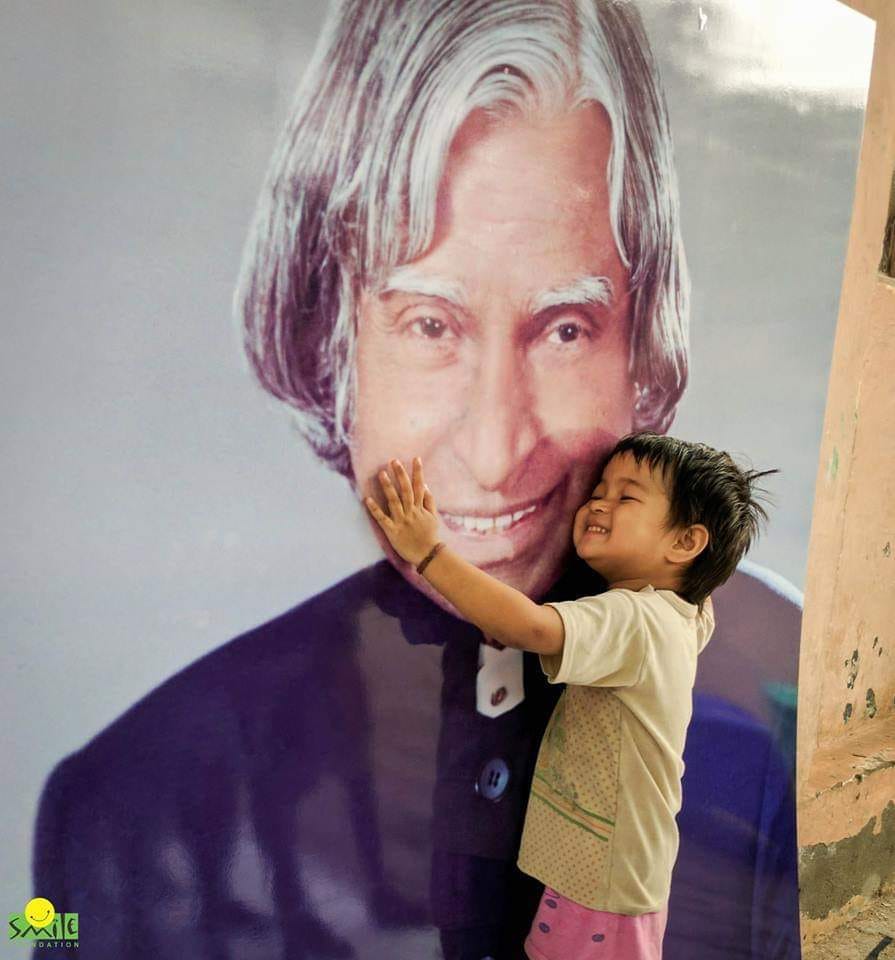
October 15th, is celebrated every year as World Students’ Day. On this day former president Dr. A.P.J. Abdul Kalam, also know as the Missile Man of India was born in Rameswaram. His father was a boat-owner and imam of a local mosque and his mother was a house-wife. From an early age he had to struggle hard to keep up with his education but that did not deter him from being one of the greatest scientist, thinker and teacher of all times. Today, this day is celebrated as World Students’ Day to honour him and his role as a teacher.   

Seen as a role model for students across the country he constantly encouraged and motivated students to dream and work towards those dreams to turn them into reality. One of his famous quotes is; “Dream is not that which you see while sleeping it is something that does not let you sleep.

He was an example for poor and underprivileged students. His struggle was similar; there was a time when he had to sell newspapers from door to door to support his education and yet his sheer hard work and determination made him the Missile Man of India and he served as the President of India from the 25th of July 2002 to 25th of July 2007.

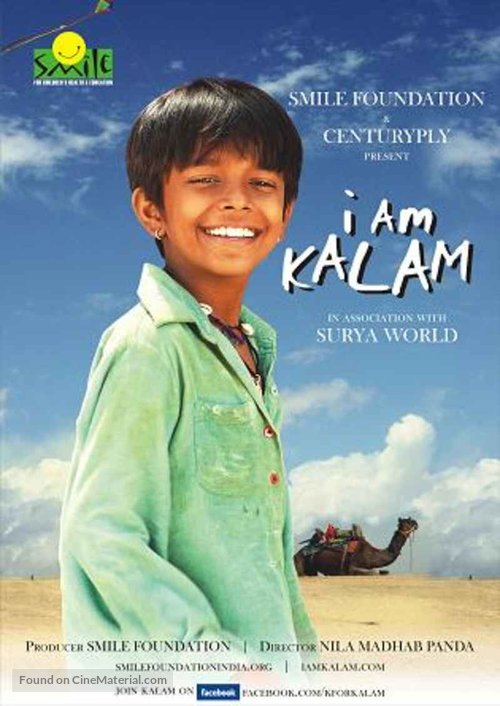
i am kalam indian movie poster 1

Inspired by his engagement with children, Smile Foundation produced I am Kalam traces the story of a little boy who dreams of becoming like the Missile Man. The boy who is poor and underprivileged and cannot afford an education because of the lack of money changes his name to Kalam and harbours a dream of meeting the visionary. The easy-going but hard-hitting plot of the movie delivers the most important message, one that of children working as labourers and the many dreams they harbour. Will they ever be able to come out of the cycle? Will they get a chance like other privileged children? Will their dreams take flight? Many question and one answer, dream like Dr. Kalam says you must and then work hard to turn them into reality.

72578593 2933631993327416 3457690630262620160 n

Smile Foundation’s Mission Education programme also aims at providing education to underprivileged and poor children to help them realise their dreams. This World Students’ Day children from Smile Foundation’s Mission Education programme have pledged to work hard to achieve their aims and shine like the sun.

Categories
Girl Child Women Empowerment

Early Age Marriage: A means to have control over women

Early-age marriages popularly known as child marriage persist in our country. Here in the 21st century, in the enlightened era of robotics, machine learning, artificial intelligence etc., we are still discussing the consequences of early-age marriage in a girl’s life despite the global efforts to eradicate it. Latest figures suggest that even today 23% or every one in four girls are married before they could celebrate their 18th birthday.  

In the era where we have Kalpana Chawla, Marry Kom, PV Sindhu, Falguni Nayar and so many great Indian women thriving in their fields of work, we also have girls who are still fighting for equal educational opportunities and the right to choose their life partner, equal pay and say at the workplace and largely, right to live their life on their terms.

For decades women have been burdened with a lot of expectations and norms to live by, without questioning. Though there has been a lot of development and improvement for women, the race is still not even half done.

Early-age marriage disproportionately affects girls, with far-reaching social, economic, health, educational and psychological impacts. It perpetuates gender inequality, limits opportunities and poses significant risks to their health and well-being. Here we will discuss this in detail. 

Early-age marriage leads to gender inequality

Girls who are married at an early age, even before they can think or dream of a bright future are deprived of the basic aspects of life. They are often removed from their peer groups and communities and put into adult roles and responsibilities before they are emotionally or mentally prepared which usually leads to significant psychological stress and trauma. Early-age marriage perpetuates gender inequality and limits a girl’s ability to participate in social, economic and political life.

Education is a powerful tool that can delay marriage, childbearing and provide better opportunities to women and hence, Girls are often forced to drop out of school, which significantly reduces their future earning potential thus making them financially dependent and the ones with lower authority in decision making. 

Lack of education limits their critical thinking, and problem-solving skills, making them vulnerable to social evils of the society. This often leads to early childbearing, which can be life-threatening for both mother and the child, leading to long-term health issues, premature delivery, and other pregnancy complications. Lack of awareness and education also contributes to domestic violence, sexual abuse and lack of power to negotiate safe sexual practices. And because of economic dependency and added responsibility of a child forces them to live in a difficult relationship even if it’s abusive, as it becomes difficult for them to support their child and pursue a career post that. And it all becomes a vicious circle of her life even before she realizes it. 

The perception: Marrying off early can mean one less mouth to feed and a valuable virgin girl

In regions where women have limited educational and job opportunities, parents believe that marrying off their daughter early can ensure her economic safety in the future especially when they are poor. The patriarchal society also views it as a means to control women’s sexuality and reproductive rights ensuring that they remain confined in their traditional gender roles which also ensures security from sexual violence in a way.

As the cultural norms promote gender-specific roles, they expect girls to marry off early to fulfill their roles as wives and mothers which limits their opportunities for personal growth and development. Societal pressure and traditional beliefs that place a high value on a girl’s virginity compel families to marry their daughters early to ensure they remain “pure”.  

The sudden transition from childhood to adulthood, coupled with the responsibilities of marriage and motherhood, can be overwhelming and traumatic for young girls. Lack of autonomy, agency and control over their own lives leads to low self-esteem that can have long-term psychological effects, impacting their mental health and overall well-being. 

Address the root cause of ending Early Age Marriage

Implementing solutions to eradicate early-age marriage requires collaborative efforts between government, nonprofits, communities and the society at large to address its root causes.

The government has imposed various laws and policies to protect the rights and well-being of girls and to prevent early-age marriage but the legal initiatives are often not enforced effectively. The state has established a minimum legal age for marriage at 18 years, criminalised child marriage and provides legal assistance, counseling and provisions to support girls who are at risk of or subjected to early marriage.

The government also runs regular awareness programmes and campaigns to educate communities about the harms of early marriage and the benefits of delaying marriage. Programmes that provide scholarships, cash transfers or other forms of support can help families prioritise education over marriage. Effective enforcement of laws, strengthening legal frameworks to minimize loopholes and establishing monitoring mechanisms to ensure compliance is crucial.

Nonprofits play a vital role in raising awareness among the communities and individuals as they have the resources and networks to support victims and advocate for stronger enforcement.  They work among the masses and understand the ground issues which allows them to address issues that may undermine the effectiveness of the laws. 

Nonprofits empower communities by strengthening systems that protect against child marriage, such as education and social protection. They can also annul child marriages and help survivors recover. They also help in implementing community projects that focus on improving girls’ access to education and healthcare. Smile Foundation also helps empower women by spreading awareness about education and women’s rights reducing the probability of child marriage and improving their self-esteem thus facilitating stronger decision-making. 

Community leaders can advocate change

Working with community leaders, elders and influencers who hold sway in their communities can help shift cultural norms. Providing girls with education and vocational training can empower them to make informed decisions about their lives. When girls are educated and economically independent, they are more likely to resist early marriage. Providing access to reproductive health services and knowledge at community healthcare centers can help girls understand their rights and the health risks associated with early marriage and childbirth more profoundly.

Change is a gradual process

Though people who promote early-age marriage often argue with benefits such as financial stability for the couple where they can combine their resources from an early age; they can be an emotional strength for each other during tough days of adulating; longer time together; and most argued is that women should have an early marriage so they can have kids at the right age. However, considering the long-term implications always weighs the cons on the higher side, thus affecting a girl’s life disproportionately.

Promoting change is a gradual process that requires sustained effort and collaboration among various stakeholders including legal reformers, policymakers, nonprofits, the community and society at large. By addressing the root causes and working within cultural contexts, to ensure that all girls have the opportunity to reach their full potential, it is possible to create a more supportive environment for girls to thrive and live healthy and empowered lives. 

Categories
Girl Child

Inequality Starts with a Word or a Book

Gender inequality and sexism are deeply ingrained in society, often perpetuated through language, literature and cultural norms. The words we use, the books we read, and the stories we tell play a significant role in shaping our understanding of gender roles and upholding patriarchal structures. Globally, patriarchal systems have marginalised women and gender minorities for centuries. This problem is particularly pervasive in India, but progressive policies and changing attitudes are slowly beginning to challenge these deeply rooted norms.

A global overview

Patriarchy has historically defined societal expectations for men and women, and language reflects these gendered norms. Phrases like “breadwinner” for men and “homemaker” for women reinforce traditional gender roles. Gendered language perpetuates stereotypes globally, where women are often described as “emotional” or “nagging,” while men are seen as “rational” or “decisive.” This bias in language has real-world consequences, contributing to a culture where women’s voices and contributions are undervalued or dismissed.

Evidence highlights the magnitude of this issue. The 2023 Global Gender Gap Report from the World Economic Forum reveals it will take another 131 years to close the gender gap at current rates. Women hold only 26% of parliamentary positions worldwide, and their presence in executive roles remains minimal. The global gender pay gap averages around 20%, and although some progress has been made, patriarchal norms remain entrenched. Educational materials, particularly textbooks, continue to reinforce these stereotypes, hindering progress toward gender equality.

The Indian scenario and the fight against sexism

In India, patriarchy shapes nearly all aspects of life, with gender norms influencing career choices, family roles and access to education and healthcare. Language, literature, and media reinforce these biases, often portraying women in stereotypical roles, which limits their opportunities and perpetuates the belief that their value is tied to men.

Indian textbooks play a significant role in perpetuating these stereotypes. Recent research reveals that Indian schoolbooks are among the worst in the English-speaking world when it comes to reinforcing gender biases. A 2024 analysis by Crawfurd, Saintis-Miller, and Todd found that textbooks in India emphasise male achievements and work while focusing on female appearance. Despite efforts by the National Council of Educational Research and Training (NCERT) to address these biases, progress has been limited. An analysis of NCERT books from 2020 to 2022 revealed that only 34% of gendered words were female, compared to 66% male.

These biases are mirrored in the Indian workplace. World Bank data shows that female labour force participation in India peaked at 31% in 2000. Since then, it has steadily declined, reaching a low of 21% in 2018. Even though progressive measures like the Maternity Benefit (Amendment) Act of 2017 extended maternity leave to 26 weeks, barriers such as unequal pay, lack of childcare, and rigid gender roles still prevent women from advancing in their careers.

Shifting attitudes: Progressive measures and changing narratives away from sexism

Efforts to combat patriarchal language and gender norms are gaining momentum both globally. Several countries have implemented policies to address sexism in language. Sweden, for example, encourages using gender-neutral pronouns, while France has banned gender-specific job titles. While these measures may seem small, they contribute to a broader shift in how societies view gender roles.

In India, both government and non-government organizations are working to change societal attitudes toward gender equality. Research has found that state board textbooks generally feature fewer mentions of women and girls than NCERT books. Gujarat, however, stands out for having the highest female representation in textbooks.

Interestingly, this gender bias in textbooks does not always align with societal attitudes. For example, Mizoram, which has progressive gender norms, has only 22% female representation in textbooks, while Gujarat, with higher female representation in books, has more conservative societal attitudes. This suggests that educational content alone does not determine societal norms.

In 2015, the Ministry of Women and Child Development launched the “Beti Bachao, Beti Padhao” (Save the Daughter, Educate the Daughter) campaign, to change societal attitudes towards girls and women by promoting education and empowerment through public awareness programs. The National Book Trust of India has published several books aimed at promoting gender equality. Additionally, works of feminist writers addressing the intersection of caste and gender oppression are increasingly included in academic syllabi, signaling a shift in societal understanding of caste and gender issues.

Progressive workplace policies are also emerging. The Sexual Harassment of Women at Workplace Act of 2013 marked a milestone in addressing workplace sexism. Despite progress, cultural change remains slow. A 2022 report by the Pew Research Center found that 84% of Indians believe that women should always obey their husbands, underscoring the persistence of patriarchal norms. However, the same report also found that younger generations are more likely to challenge these beliefs, suggesting that attitudes are slowly shifting.

Role of education and literature in shaping future narratives

One of the most effective ways to challenge patriarchy is through education that Smile Foundation does in its girl child campaign. Schools and universities play a critical role in shaping young minds and the inclusion of progressive literature in curricula can help dismantle long-standing stereotypes. The Indian government’s National Education Policy (NEP) 2020 promotes gender inclusion and critical thinking, encouraging students to question traditional gender roles. Organisations like NCERT have revised textbooks to incorporate chapters on gender equality and women’s empowerment, making education more inclusive and fostering change in societal attitudes.

The bottom line

While patriarchy and gender inequality remain deeply embedded in societies globally and in India, change is on the horizon. Language, books, and education—once tools of oppression—are now being used to challenge patriarchal norms and push for a more equitable world. Progressive policies, changing attitudes and the rise of feminist literature are slowly dismantling patriarchy’s foundations. Although the journey toward gender equality is long, these conversations are reshaping the future for generations to come.

Categories
Girl Child Education

Every girl who is not in school affects every other girl in the world

Have you ever wondered what life would have been if education and educational institutions were not part of our lives? It feels horrible even to imagine, right? But that horrible has been the life of many, especially across the globe. According to the monitoring tool of United Nations Educational, Scientific, and Cultural Organizations (UNESCO), 244 million children and youth are still out of school due to social, economic and cultural reasons.

Of the number, 130 million are girls. This is the scenario despite recognising education as the basic human right and is believed to be essential to come out of poverty and inequality and to ensure sustainable development. But several countries in Latin America, the Caribbean, Europe and North America explicitly protect the rights to education.

How good would it have been if all the countries had specific and stringent laws that protected the right to education of children? Because in many households, especially those in the lesser-developed countries, sending a girl to school has been considered a waste of time and money, while in many other countries, educating girls has been against their tradition.

The tool also found that at least 2% of countries across the world restrict the right to education of married, pregnant and parenting women and girls in their legal framework. The restriction is that they are either prohibited from attending schools or appearing for examinations. Data also says about 62% of countries do not have specific legislation that protects girls’ right to education in case of pregnancy. However, 33% of them do have such provisions that are sometimes protective.

Can you believe that the right to education for women and girls is still not taken seriously by many countries despite the fact that UNESCO adopted the ‘convention and recommendation against discrimination in education’ way back in 1960? As of now, 109 countries have ratified the convention that aims to fight discrimination in education and ensure equal access to educational opportunities for all.

Toughest places for girls’ education across the globe

Due to the combination of cultural, religious, political and economic factors, several countries around the world face significant challenges in ensuring girls’ education. Some of the countries are listed below.

Afghanistan

Decades of progress have been rolled back in Afghanistan ever since the Taliban regain control of the country in 2021. Millions of Afghan women and girls stare at uncertain future as they were denied their fundamental right to education. According to UNESCO data published in 2024, at least 1.4 million girls have been restricted from attending secondary school since 2021. Though the Taliban has allowed girls under the age of 12 to attend schools, the primary enrolment rates have also been reduced from 6.8 million in 2019 to 5.7 million in 2022. Women have also been restricted from attending universities to pursue higher education from December 2022. As a result, more than 1 lakh women had to quit their higher education. The 2021 UNESCO report says that Afghans have made significant improvements in the quality and enrolment of education despite 40 years of war, chronic poverty, drought and the COVID-19 pandemic. But the de facto authorities have steadily erased all the improvement and put their education system in jeopardy. The current generation is facing an uncertain future.

Pakistan

Data released by the World Bank in 2023 mentions Pakistan as one of the countries with the highest out-of-school population. Estimates put the number between 20.3 million and 26.2 million, and more than half of the school population are girls. Of the numerous barriers a girl has to face to attend a school, poverty takes the first and foremost seat. Research cites that over 13% of parents attribute the cost of education to taking girls out of school and the effect of poverty on education begins at the primary school level itself. Other factors like lack of sufficient number of schools for girls, long travel to reach schools, shortage of female teachers and safety concerns also play a major role in taking girls out of schools.

South Sudan

One of the important factors that limit the enrolment of girls in schools is child marriage. For it is a must practice in the South Sudanese communities. Not just that, it has been a cultural practice for parents to marry their daughters off in exchange for dowry. Since it becomes financially unbearable to educate multiple children at a time, most parents prefer to keep their girls at home and send boys to school. Also, the girls drop out of school and limit themselves to household affairs after the marriage. In addition, the ongoing conflict and instability have also been affecting the educational system.

Impact of girls being taken out of school

Whenever a girl child is taken out of school for a reason or another, the society indirectly contributes to the rise in child mortality rate, child marriage rate, maternal mortality rate, child stunting rate and decline in national growth rate and lifetime earnings of girls. Educated girls are more likely to provide significant contributions to their communities through advocacy, economic participation and leadership. Their absence can stifle community growth and development.

Also, when girls are out of school, it discourages another girl child from attending school. As a result, a large number of girl children end up quitting school. When girls sit idle at home, parents often tend to marry them off at a young age. Child marriage paves the path to raising mother-and-child mortality rates. This in turn creates gender inequality in society. Taking a girl child out of school is equivalent to pushing the country downwards by several decades.

Smile Foundation’s contribution to increasing girls’ enrolment at schools

Understanding that education is the only tool to push the country forward, the Smile Foundation has been striving hard to keep girls at educational institutions. Through our flagship programme, Mission Education, they provide education, nutrition and wellness support. The programme is well aligned to the sustainable development goals and to the New Education Policy (2022).

Our volunteers work closely with children living in difficult circumstances, children from poor families, differently abled children, disaster-struck children, abandoned and street children and children living in tribal belts, remote villages, and hard-to-reach areas. In 2022–23, about 1.20 lakh children have received quality education, over 44,000 girls received vocational training and more than 2000 girls received scholarships to pursue quality education.

In conclusion, educating girls is a must for the economic growth of family, society, and the nation at large. It is also important for women’s empowerment and gender equality, to ensure the health and well-being of society, for social and societal development and for peace and harmony.

0%