Categories
Smile

Women Serving Tea, Men Reading Newspapers

While you read that title, what visuals pop into your mind? Are you reminded of your childhood mornings – of seeing your mothers and grandmothers engaged in morning household chores while fathers and other men in the family sipped on their freshly served hot tea and read the newspapers? Mothers and grandmothers also had their share of knowledge sharing, but only after they served the men. But what we talk about are tales from the past. It has been quite some time since that era of gendered roles “should have” passed. However, what continues is the trend to portray men and women in their gendered roles through our education system; a key tool of development.

The way we think is deeply rooted in what we read and write. Books, teachers, and our educational institutions are key in molding children into the citizens that they become, shaping their minds, beliefs, and perceptions that they carry throughout their lives. This can be pernicious if the concepts of sexism, misogyny as well as patriarchal values are being ingrained into impressionable young minds through textbooks and syllabi that continue to be taught to date and have been passed down through generations. 

Sexism continues to plague our textbooks 

According to a recent study by the Centre of Global Development, a US-based think tank, compared to books from the UK, US, Australia, and Sub-Saharan Africa, South Asian books promote the biggest male bias with language about accomplishment and hard effort, and the strongest female bias when it comes to physical appearance and domestic chores.

It is no news how sexism in Indian textbooks has been a persistent political problem for years. Our textbooks not only follow the gender stereotypes to the ‘T’ but also reflect patriarchy in all its abundance, lacking an equal representation of men and women even in illustrations.

It has been over three decades since the National Council of Educational Research and Training (NCERT) criticised Narendra Nath Kalia’s groundbreaking work, Sexism in Indian Education: The Lies We Tell Our Children, which documented gender bias in textbooks in the late 1970s, for being sensationalist. Nearly 30 years later, in 2017, the Indian Minister of Education called for “appropriate action” when the NCERT carried out a similar book survey to uncover sexist and gendered appropriation in textbooks. Now, one of the most recent reviews of NCERT books released between 2020 and 2022, shows that there hasn’t been much progress made in shattering the narrative. The review discovered that just 34% of gendered words (such as “he” or “she”) in NCERT texts are female, while 66% are male.

Several reading materials and a selection of texts by NCERT reinforce a lot of blatant chauvinism. For example, the story “Resignation,” from English Rapid Reader, mostly for senior school, describes the misery of a clerk’s life: “There was disappointment and defeat all around him. He had no son but three daughters; no brother but two sisters-in-law.” The content of the text goes further to valorise outlawed customs like sati and jauhar. Further, the NCERT includes a story titled “Dear Departed,” by Stanley Haughton, in the English Supplementary Reader: “What is the basis of human relationships? Love. We have heard innumerable stories of a wife jumping onto the funeral pyre of her husband, for life without him is unthinkable for her. It usually takes a tragedy like death to bring out these latent qualities in relationships.”

Similarly, soldiers, medics, and politicians are portrayed as men in the environmental studies textbook, which is often taught in the fifth grade, while cooking and cleaning are associated with female responsibilities. In terms of percentage, 20.06% of the illustrations feature the roles and responsibilities of women, whereas over half feature men.

The Hindi tale “Bade Ghar ki beti,” which is part of the ICSE curriculum, illustrates another problematic lesson. This story conveys that a family without males is tragic and disappointing. In the classroom, these courses reinforce the notion that women are inferior, ensuring that students are indoctrinated into gender-based prejudices and conditioned to behave in ways dictated by patriarchy.

This is why investigating the content of school textbooks is important: They impart lasting lessons to young students. Most textbooks perpetuate and reinforce gender stereotypes by cementing prejudices, such as portraying men as heroic and strong-willed. At the same time, women are positioned as demure caretakers whose purpose almost always seems to be only to act as background fillers.

Shattering gender biases goes beyond textbook teaching

Gender equality in education is about actively promoting fairness in teaching and the education system. It’s not only about removing gender discrimination in schools but also about making sure both boys’ and girls’ experiences and needs are considered in all aspects of education. This helps them break free from traditional gender roles.

Today, our girls and boys remain the victims of gender stereotypes in text and resource materials. They are also victims of unintended or sexist behaviours in many ways in institutions. Training teachers who promote gender equality is crucial to making real change in schools. Gender roles are shaped by society and contribute to inequality in teaching and learning. While more women are receiving education, and there have been improvements in how females are treated in classrooms and learning materials, it’s too soon to say the problem is solved. Gender bias in education is still an issue that needs attention.

Breaking gender stereotypes in classrooms

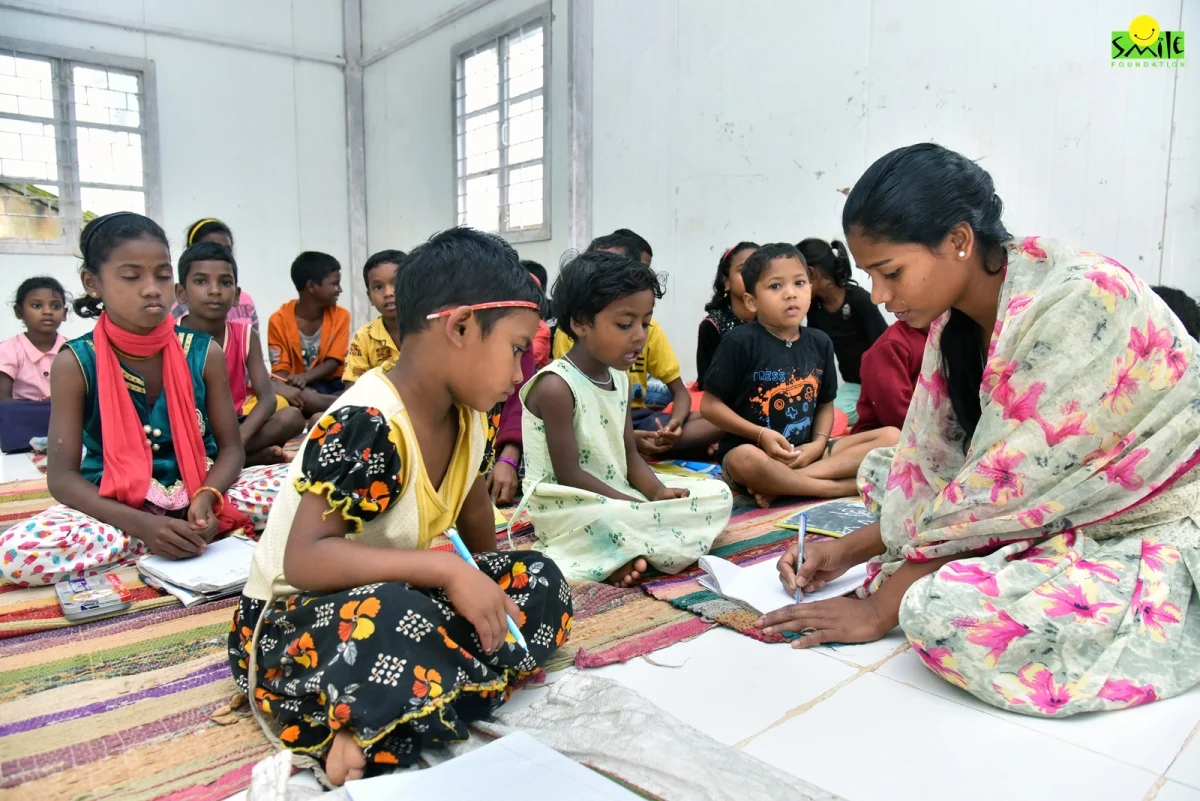
Breaking gender stereotypes in classrooms is a continuous effort that takes dedication, teamwork, and persistence. By creating a learning environment that promotes equality and respects individual choices, educators can help students overcome societal barriers and reach their full potential. With this goal in mind, Smile Foundation’s She Can Fly campaign is designed to support girls by providing quality education, scholarships, and career opportunities. Through these efforts, Smile Foundation is making a lasting impact, helping girls break gender biases and build a brighter future.

Categories
Nutrition

Are Indians Becoming Unhealthier?

In today’s world, it is common to see people walking or running to the gym, practicing intermittent fasting, or following popular diets to lose weight. This lifestyle stands in stark contrast to earlier patterns, where health typically became a priority only after the age of 40 or when a health issue arose. However, is that enough to maintain good health? Other factors such as managing stress, a nutritious diet, and overall lifestyle changes also play a crucial role in staying healthy. The excessive use of mobile phones is also impacting people’s mental and physical health.

Younger generations in India are increasingly adopting healthier lifestyles and becoming more health-conscious by following nutritious eating habits and engaging in regular exercise. Despite being more aware of their health than previous generations, there are still concerns regarding rising stress levels, mental health issues, and the prevalence of unhealthy food. These factors contribute to the growing incidence of lifestyle diseases. Women have varied issues at various stages that also often go unattended.

Being aware is one thing and implementing healthy habits and routines is another thing. Self-awareness enables us to recognise and respond to our physical and psychological needs in a timely manner. But, we must be motivated to create action plans to meet these basic needs

Rising Lifestyle Diseases

Lifestyle diseases are often associated with various lifestyle factors, including unhealthy diets, lack of physical activity, tobacco use, and excessive alcohol consumption. Cardiovascular diseases encompass conditions that affect the heart and blood vessels, leading to heart attacks. There has been considerable debate about how the pandemic has impacted all aspects of human health along with the long-term consequences of the vaccine, particularly heart health. Regardless, it seems the pandemic has contributed to an increase in heart attacks to some extent. Alarmingly, the average age of patients with cardiac issues is decreasing each year.

Hypertension is a very common medical concern in India. Obesity is also increasingly affecting young children, youth, and adults. Factors contributing to this include sedentary lifestyles, lack of outdoor play, and unhealthy food and processed food.

Diabetes comes with a lot of challenges along with elevated blood sugar levels. It can lead to numerous other medical problems or exacerbate existing conditions such as heart disease, chronic kidney disease, and vision impairments. It may delay improvement in cases.

Chronic Respiratory Diseases

Indians are increasingly suffering from respiratory diseases due to co-morbidities and high pollution levels. Chest and throat diseases, often manifesting as pneumonia which can be life-threatening, are very common.

Mental Health

Recently, the incidence of mental health disorders such as depression, anxiety, substance abuse, etc., has significantly increased among Indians. The pandemic has played a substantial role in this rise, along with a lack of awareness and stigma towards mental health and limited access to mental healthcare.

This alarming trend in mental health concerns is closely linked to the intense performance demands and high expectations prevalent in various professional sectors and in academics. The consequences of such persistent stress are profound, negatively impacting not only individual mental and physical well-being but also reducing productivity in workplaces and schools/colleges. Furthermore, peer pressure, excessive internet use, and social media comparisons can worsen mental health issues, leading to feelings of inadequacy and unrealistic expectations.

Women’s Health

Though mental health and other lifestyle-related diseases also affect women, their health concerns are intricate and diverse. Throughout different life stages, women face various issues related to sexual and reproductive health, osteoporosis, and chronic conditions such as cancer and heart disease. Women often neglect their health, and this lack of attention is further perpetuated by others.

Positive Trends Towards Good Health

There are encouraging trends regarding health, particularly among young people. The youth can serve as role models for older generations and, as part of families, can encourage healthier habits among adults. Some positive practices that Indians are adopting and can promote include:

Increased Health Awareness and Fitness Options: Young people are more informed about nutritional needs and actively seek healthier food choices. They prioritise regular exercise, take gym memberships, do yoga, and utilize home workout apps that are becoming increasingly popular. Health influencers on social media also promote good health and healthy eating habits.

Access to Information: There is a wealth of health information available through technology, and social media plays a significant role in encouraging healthier lifestyle choices.

Focus on Mental Health: Young individuals are more open to addressing stress and other mental health issues, often seeking counselling or therapy.

Community Health Activities: Many young people participate in marathons, walking or cycling groups, and other outdoor adventures, which promote physical activity and social engagement.

Preventive Healthcare: Youth are more aware of the importance of health check-ups and vaccinations, as well as understanding hereditary health risks.

In conclusion, while there is a growing awareness of health among young Indians, translating this awareness into actual practice is essential. A comprehensive focus on physical and mental health is necessary to ensure overall well-being.

Bridging Healthcare Gaps with Smile Foundation

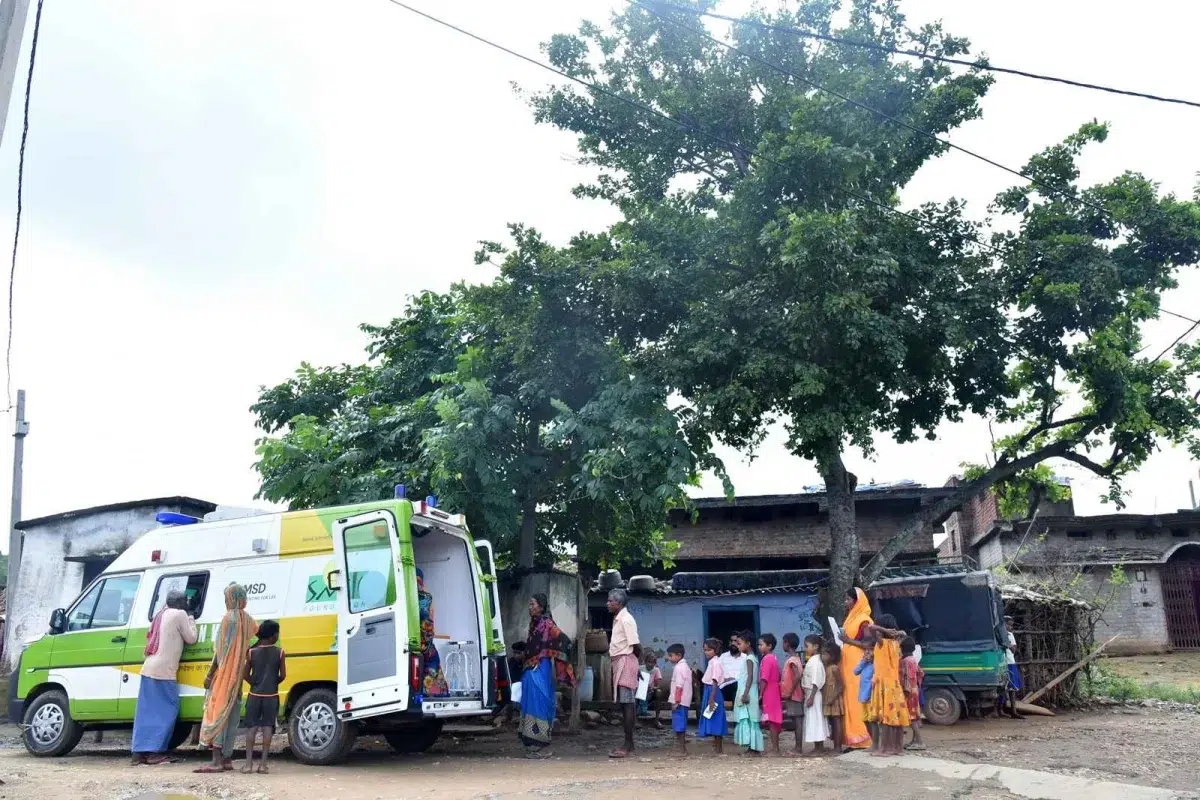
Despite growing awareness of health and well-being, millions in India, especially women and children in underserved communities, still lack access to essential healthcare. Smile Foundation’s healthcare programme is committed to changing this by providing preventive, promotive, and curative healthcare services where they are needed most. Through initiatives like Smile on Wheels, we take primary healthcare to remote areas, ensuring that families receive timely medical attention, screenings, and awareness about lifestyle diseases, maternal health, and nutrition.

With the rise of lifestyle diseases, mental health concerns, and chronic conditions, healthcare must go beyond treatment—it must focus on prevention and awareness. Our programme works to empower individuals with the knowledge and resources to make informed health choices. By collaborating with medical professionals, government agencies, and local organizations, Smile Foundation is treating illnesses and building healthier communities for the future. 

Categories
Livelihood

Agents of Change: India’s Young People

Every country’s youth plays a big role in nation building. And it’s true of India too. According to the 2021 World Population Review, India is home to 1.37 billion people. At present, there are 600 million people aged between 18 and 35 in the country.

India’s youth population is an integral part of the country’s growth. Youth today are at the forefront of change – economic, social, political and environmental. But, to help them realise their full potential, you also need to address the challenges faced by them – by providing access to education, health, employment, and gender equality. And the government, private sector and NGOs are working to provide a nurturing environment.

“The youth of today is very important for nation building. That’s why we have mentorship programmes and other initiatives to engage them in all aspects of our work,” says Vikram Cotah, CEO, GRT Hotels and Resorts. “They bring in fresh perspectives. That’s why we have open houses, where we encourage them to come up with ideas, and solutions to problems, which we then incorporate.”

Drivers of economic growth

Young people can help drive India’s economic, social, and cultural transformation. India has seen a surge in youth-driven startups, contributing to economic growth and job creation.

According to ‘A Study on the Effectiveness of Start-Up India Scheme for Youth Entrepreneurs: A way of Economic Growth in India’ published in Kaav International Journal of Economics, Commerce & Business Management, a refereed peer-reviewed journal, entrepreneurship has the capacity for employment generation, GDP improvement, and innovation in the business field. It not only leads to self-employment but also builds capital, improves the standard of living, and increases the per-capita income by extending different employment opportunities. In a developing country like India many policies are directed to encourage entrepreneurship among major youth forces of labour and low -middle income groups. For instance, in 2016, the government of India launched the Startup India initiative, which aims to transform the nation’s youth into employment creators rather than job seekers.

Spearheading social, political change

Though often young people are perceived as being indifferent to the world of politics, they are the main agents of social and political change. Several programs have been launched to encourage youth participation. 

The ‘Know Your Leader’ campaign encourages young people to learn about their elected representatives and their work. It helps them understand the role of politicians and promotes transparency in the political system.

The National Young Leaders Programme, a Central Sector Scheme, identifies and nurtures young individuals with leadership potential, providing them with mentorship and training opportunities. The objective of the programme is to develop leadership qualities among the youth to enable them to realize their full potential and in the process, to contribute to the nation-building process.

Bringing about environmental change

The youth of today are more aware of environmental issues and are also at the forefront of combating it. Whether it’s organising beach clean-ups or combating climate change, they are to preserve the planet.

According to a Down To Earth report, 94% of Indian youth feel impacted by climate change. About 1,931 people aged 14-25 years were part of the survey. Around half of the survey’s participants reported increased stress or anxiety related to the worsening climate. Another 22% said these challenges motivate them to take action, highlighting a desire to combat the crisis despite feelings of vulnerability.

Several green initiatives involving Indian youth have been launched at the local and national level. The Indian Youth Climate Network (IYCN), for instance, works to raise awareness about climate change and its impact on India, particularly among young people. The organization advocates for policy changes and supports grassroots initiatives to promote sustainable development and reduce greenhouse gas emissions. IYCN also provides a platform for young people to engage with climate issues and take action in their communities. Through its various campaigns, events, and outreach programs, IYCN seeks to build a movement of young people committed to fighting climate change and promoting a sustainable future for India.

“Young people are action and result oriented. More than talk about a problem they wish to be solution providers, changemakers. Environmentalist Foundation of India’s (EFI) establishment is based on field work and thus we are able to connect with action-oriented youth,” says Arun Krishnamurthy, founder, EFI, who established it in 2017. “Our volunteers are engaged in clean-ups, plantation and maintenance, field study, and environment awareness.”

Initiatives to empower youth in India

Recognizing the importance of the youth demographic, the Indian government, along with NGOs and the private sector, is implementing a range of initiatives to empower young people. 

The Skill India Mission was launched in 2015 to create and implement comprehensive skill development training programmes that would help bridge the gap between industry demands and skill requirements and therefore, develop the country at large.

The Digital India campaign, launched in 2015, is a comprehensive initiative aimed at transforming India into a digitally empowered society. This initiative is vital for the younger generation, as it not only increases access to technology but also helps bridge the digital divide. It promotes digital literacy, online education, e-governance, and digital services, allowing youth from even rural and underserved areas to access information, resources, and opportunities that were once out of reach.

The draft National Youth Policy (NYP) 2021 outlines a 10-year vision for youth development that India aims to achieve by 2030. It has outlined steps for critical intervention towards health, education, skill building, entrepreneurship, and leadership training. It also focuses on efforts to engage youth through technology, while highlighting the need for cohesively linking skilled workers with apt employment. Developing a fitness culture among the youth while bolstering access to health care and services is another focus area of the policy to ensure a holistic development.

Aimed at fostering a culture of innovation and entrepreneurship, the Atal Innovation Mission (AIM) seeks to establish innovation hubs and provide young innovators with the necessary resources to turn their ideas into viable businesses. With programs like Atal Tinkering Labs and Atal Incubation Centers, AIM offers a platform for young people to work on their creative ideas, innovate, and build solutions that address India’s most pressing challenges.

The Pradhan Mantri Kaushal Vikas Yojana (PMKVY) was launched in 2015 to encourage and promote skill development in the country by providing free short duration skill training and incentivizing this by providing monetary rewards to youth for skill certification. During its pilot phase in 2015-16, 19.85 lakh candidates were trained. After the successful implementation of pilot PMKVY (2015-16), PMKVY 2016-20 was launched by scaling up both in terms of Sector and Geography and by greater alignment with other missions of Government of India like Make in India, Digital India, Swachh Bharat, etc. 

The Ministry of Environment, Forest and Climate Change has also partnered with UNICEF YuWaah (Generation Unlimited in India) to create the digital Meri LiFE platform. Meri LiFE enables young people to hone their leadership, climate sensitivity, and green skills with support from Capgemini. 

CSR initiatives, NGOs harness youth power

“We work a lot with school and colleges. We integrate students who are interested in working in the hospitality industry after they complete class 12, and offer them skill development programmes and certify them,” says Cotah, adding that they also work with NGOs. “As part of our CSR activities, we have tied up with NGOs working with the less privileged. We have given Rs 2 crore to class 12 students who have scored 70% and above so that they can get into the college of their choice,”

At their hotels, Cotah says they have introduced a mentorship programme. “We have a buddy system, where a senior person is in charge of a couple of youngsters so that they get integrated fully into the system,” he says.

Krishnamurthy says that youth involvement is crucial and critical as they are the future. “Getting them ready for challenges is essential. Adaptation is a key skill that they need. Youth of today is a fine blend of tech and field work, hence it’s a promising generation capable of plenty,” he says.

Smile Foundation has also been contributing by skilling the youth and making them more employable. Our STEM and experiential learning initiative builds scientific temperament in students by introducing them to think critically, solve problems through inquiry and logic, ideate creatively and continue this process learning for a lifetime are critical skills for the youth and workforce of tomorrow. 

Our skill training and livelihood program is closely aligned with the ‘Skill India’ initiative of the Government of India. We aim to empower individuals with relevant and in-demand skills through specialized training courses, which will help them adapt to the changing job market and secure meaningful employment opportunities.

Categories
Smile

Women Running the Show

Do you know that about 70% of those working in the healthcare sector are women globally? The number stands high despite the fact that women constitute only 40% of the global formal workforce. Though it is hard to believe for many, the statistics remain true to this date. At the same time, it is also true that many of them are employed in relatively low-paid jobs like nursing and midwifery, and they hardly make it to leadership positions. The situation is almost the same in India.

In India, only 29% of medical doctors are women, according to NSSO 2017-18 data. But at the same time, more than 80% of nursing staff, including midwifery, and 100% of Accredited Social Health Activists (ASHAs) are women. But, irrespective of the position they hold, these women have been working tirelessly. They have been visiting underserved areas every other day to educate them and connect them with healthcare sectors. As a result, the Maternal Mortality Rate (MMR) has fallen sharply from 130 lakh live births in 2014-16 to 97 lakh live births in 2018-20. These members are ensuring 100% institutional deliveries. MMR is just one of the numerous factors that has been bearing fruit for these women. Let’s discuss how women are running the healthcare sector in this article. 

Women at the forefront of healthcare delivery in rural areas

It is an undeniable fact that women’s involvement spans various roles like healthcare workers, community health volunteers, and health entrepreneurs in the healthcare sector. Donning the hats, they have been creating significant impact in improving access to medical services, health education, and leading health initiatives. Their contributions have had a transformative impact, especially in rural, tribal, and other underserved areas of the country. Let’s see how women are leading in the field below.

1. ASHA workers

Rural India has no person who has not heard of ASHA workers. So is their involvement, contribution, and success. Launched in 2005 as a part of the country’s National Rural Health Mission, the programme was aimed at connecting marginalized communities to the healthcare system.

ASHA workers, who are community-based health workers, are responsible for providing basic health services, including maternal and child health care, family planning, promoting hygiene and sanitation, immunization drives, and raising awareness about nutrition and disease prevention. These women act as a bridge between the formal healthcare system and the rural population, ensuring that communities receive essential healthcare services on time.

Since ASHA workers are educated residents of the villages, they often become influential leaders. Their serious concern for the well-being of women and children also plays a vital role in creating a bond with the villagers. They are often seen as the advocates of good health. They often take the lead during health campaigns, educate their peers, and inspire others to engage with healthcare services.

India has about 10.47 lakh ASHAs as of March 2020, according to a statement released by the Ministry of Health and Family Welfare. The number makes it the world’s largest community volunteer programme.

2. Anganwadi workers

Anganwadi centres both in rural and urban areas, are held by women. They are honorary workers who are under the Integrated Child Development Services (ICDS) programme. The programme was originally launched in 1975 to combat malnutrition and child hunger.

Now, their work involves providing essential health and nutrition services to children and pregnant and lactating mothers. Being coined as a key pillar of the healthcare system, these women have turned themselves into a bridge between the government and the public. They are responsible for implementing all the health and welfare schemes launched by the government for women and children.

Anganwadi workers are responsible for providing supplementary nutrition, immunizations, health check-ups, and early childhood education. They play an essential role in reducing malnutrition, improving maternal health, and ensuring early childhood development in rural and tribal regions.

These workers organize community health camps and nutrition awareness sessions in promoting breastfeeding and hygiene practices among new mothers. They often serve as trusted figures in their communities, helping to change health behaviors and improve public health outcomes.

According to data, India has about 13.87 lakh Anganwadi and mini-Anganwadi centres as of March 31, 2021. According to a statement released by the Press Information Bureau, there were 13.48 lakh Anganwadi workers and 10.23 lakh Anganwadi helpers in the country as of December 2023.

Challenges faced by women in healthcare

Despite the tremendous work women do in ensuring rural healthcare delivery, they often end up facing a barrier after another. These challenges stem from socio-economic, cultural, and systemic issues and often impact their ability to provide quality care to the communities. Some of the key challenges are discussed below.

1. Lack of decision-making power: Women often struggle to be recognized as efficient decision-makers in both personal and professional lives. One of the main reasons is the gender stereotype. In many conservative societies, including India, people refuse to see women on par with men. Despite their qualifications and expertise, these women often face resistance from their patients, who refuse to accept without talking to their superiors. Lack of women in superior posts also deteriorates the trust in them.

2. Stigma around women’s health issues: Women’s health, including reproductive health, menstruation, and maternal care, is considered a social taboo in many rural parts of the country even today. The attached stigma makes it extremely difficult for the healthcare providers to address these issues openly and patiently. If a worker tries to break the stigma and attempts to talk openly about it, people refuse to cooperate with her.

3. Limited access for upskilling: Healthcare workers have limited formal education or insufficient training in modern medical practices. Although programmes including ASHAs offer some kind of training to the workers, there is still a gap in advanced knowledge and skills. Also, due to long working hours, traveling to remote areas, and dealing with a high volume of patients, they get exhausted both physically and mentally. These factors in turn hinder the growth of women healthcare workers’ skills and qualifications.

Smile and women leading its healthcare initiatives

Smile Foundation’s healthcare initiatives are significantly bolstered by the contributions of women healthcare workers, particularly through programs like Smile on Wheels and Swabhiman.

Smile on Wheels: Our mobile hospital program delivers primary healthcare services to underserved communities across India. Women healthcare professionals, including doctors, nurses, and community health workers, play a pivotal role in these mobile units. They conduct medical consultations, administer treatments, and lead health awareness campaigns, focusing on maternal and child health, nutrition, and hygiene. Their efforts ensure that quality healthcare reaches marginalized populations, addressing both preventive and curative needs. 

Swabhiman: As part of the Swabhiman initiative, Smile Foundation empowers women to become frontline health workers within their communities. These trained women provide essential health education, facilitate access to medical services, and support initiatives aimed at improving public health outcomes. By engaging local women, the program enhances trust and effectiveness in health interventions, leading to strengthened grassroots healthcare systems. 

Through these programs, women healthcare workers are instrumental in delivering medical services and fostering community engagement, education, and empowerment, thereby contributing to the overall success of Smile Foundation’s health initiatives. 

Women in the healthcare sector in underserved areas of India play a crucial factor in improving healthcare access, outcomes, and community well-being. Women healthcare leaders such as ASHA workers, Anganwadi workers, doctors, and nurses are breaking barriers, transforming communities, and providing essential health services to those who need them the most. With continued investment in training, resources, and recognition, these women can play an even more significant role in shaping the future of healthcare in rural and underserved regions.

Categories
Smile

The Changing Nature of Skilling and Skilling Programs

In a world defined by continuous change, the importance of skilling has never been more pronounced. From technological innovations to global commerce, the landscape of work is evolving rapidly, demanding a fresh mix of capabilities. According to the Coursera Job Skills Report 2024, top skills include leadership in driving organizational change, expertise in AI, cybersecurity, and proficiency in web development. But skilling is no longer just about acquiring technical know-how; it encompasses adaptability, problem-solving, and emotional intelligence—traits essential for excelling in modern workplaces. Thus, understanding the dynamic nature of skilling has become important to obtain sustainable livelihoods and stay relevant in today’s workforce.

The drivers of change in skilling

The rapid pace of technological innovation, global economic shifts, and environmental imperatives are reshaping industries and professions. Automation and AI, for instance, are replacing traditional jobs while creating new ones in data science, machine learning, and green technologies. The World Economic Forum reports in 2023 predicts that by 2027, 23% of jobs globally will undergo significant transformation. This new paradigm demands not only technical expertise but also soft skills like adaptability and resilience to navigate ever-changing work environments.

Moreover, global commerce is increasingly interconnected. As companies expand their operations across borders, cultural intelligence and multilingual communication are becoming the need of the hour. These changes highlight how crucial it is for people to embrace lifelong learning and adaptability to keep up with the pace of change and stay relevant in their careers.

From technical proficiency to holistic skilling

Gone are the days when mastering a single technical skill guaranteed job security. While technical knowledge still remains vital, the emphasis is shifting toward holistic skilling. Leadership abilities, critical thinking, and collaboration are now as essential as coding or engineering expertise. According to a report by the World Economic Forum, over 50% of employees will require significant reskilling by 2025 to keep up with technological disruptions.  Organizations are prioritizing problem-solving skills, self-management, and the ability to collaborate effectively. These “power skills” enable individuals to innovate, manage stress, and work cohesively in diverse teams.

Additionally, education systems and training programs are aligning with these demands. For example, India’s National Education Policy 2020 emphasizes multidisciplinary learning, integrating technical subjects with arts and humanities. This approach equips students with a broad skill set, preparing them for diverse career paths.

The role of technology in skilling

Technology is both a driver and enabler of the skilling revolution. Various digital platforms like Coursera, edX, and Skillshare have democratized access to quality education, allowing individuals from remote or underserved areas to acquire in-demand skills. According to a report by the National Skill Development Corporation (NSDC), online skilling programs in India saw a 2000% surge during the pandemic, with many participants from rural areas.

Artificial intelligence is also transforming how skills are imparted. AI-driven learning platforms provide personalized course recommendations, track progress, and even simulate real-world scenarios to enhance practical learning. For instance, virtual reality (VR) is being used to train healthcare workers, factory operators, and even teachers, offering immersive and hands-on experiences.

Skilling programs for low-income families

For youth from vulnerable communities, skilling is not just an economic imperative but a pathway to empowerment. Livelihood training programs focusing on employability skills—from carpentry and tailoring to data entry and digital marketing—are creating opportunities for sustainable income. These programs not only help bridge the digital divide but also encourage inclusion, enabling marginalized groups to participate in the global economy. By integrating a sociological perspective into skilling initiatives, societies can create a more equitable and sustainable future.

In India, schemes like the Pradhan Mantri Kaushal Vikas Yojana (PMKVY) and Deen Dayal Upadhyaya Grameen Kaushalya Yojana (DDU-GKY) have targeted rural youth, equipping them with skills aligned with market demands. These programs emphasize hands-on training, mentorship, and job placement, ensuring that skilling translates into tangible benefits.

Upskilling for empowerment

But, sometimes skilling extends beyond economic benefits; it brings about social mobility and inclusion. For young women in patriarchal societies, acquiring skills can be a stepping stone to financial independence, challenging traditional gender roles. Similarly, for individuals with disabilities, skilling programs tailored to their needs enable them to participate in the workforce with dignity.

Moreover, skilling programs often instill confidence, leadership, and a sense of purpose. These intangible benefits ripple through families and communities, creating a culture of aspiration and progress. For instance, community-based training centers in rural areas often double as hubs of social interaction and mutual learning which builds a sense of belonging and collective growth.

The future of skilling

The future of work will be defined by roles that require a combination of technical and human-centric skills. Emerging fields such as environmental, social, and governance (ESG) management, digital transformation, and project management are already shaping career growth trajectories.

As industries continue to evolve, the future of skilling will hinge on adaptability and foresight. Governments, educational institutions, and organizations must collaborate to create flexible, forward-looking curricula that anticipate market trends. Public-private partnerships can play a crucial role in scaling up skilling initiatives and ensure that they reach the most underserved populations.

For individuals, the onus lies in cultivating a “learn to learn” mindset. Continuous upskilling, whether through formal education or self-directed learning, will be indispensable in navigating the complexities of the modern world. As Prof. Deepa Mani of Indian School of Business aptly notes, “Innovation is not as much the ability to develop new ideas as it is the ability to break away from old ones.”

Smile Foundation and the rigour to skill the youth

Smile Foundation’s skilling program is a demonstration of how community-driven initiatives can create transformative impact. Through our specialized training centers across India, we empower youth from low-income communities with vocational training, technical expertise, and important life skills. The program includes diverse courses—from digital marketing and data entry to retail and customer service—enabling individuals to secure stable, dignified livelihoods.

In addition to vocational training, Smile Foundation integrates a strong focus on personal development, making the participants more confident and resilient  by the team they have joined at their workplaces. By aligning with industry demands, our skilling programmes not only provide employment opportunities but also contribute to breaking the cycle of poverty, especially among underserved groups.

The changing nature of skilling reflects the broader transformations in society, economy, and technology. In this landscape, skills are no longer static credentials but dynamic tools for adaptability and growth. As we look to the future, the emphasis must shift from merely acquiring skills to nurturing a mindset of innovation, resilience, and inclusivity. In doing so, we can build a world where opportunities are accessible to all, enabling everyone to thrive in an ever-evolving global ecosystem.

Categories
Livelihood

Don’t Want to Be Old Before We Become Rich

India’s young population offers it a distinct demographic advantage. However, this advantage is not permanent and will gradually decline as the young population ages. Before it is too late, appropriate investment in human capital development and swift and strategic efforts to unlock the potential of young India is required.

Make it now

The desire of young people to earn money now, before they grow old and lose the ability to do so, is an urgent need of the hour. Many countries have experienced situations in which their young population has aged without being adequately prepared, posing an economic burden. The young population requires quality education, employment to earn and save money, skill matching, adequate healthcare, and equal access to opportunities. This will benefit them and the country’s economy. However, this is increasingly becoming a challenge for India.

What are the issues?

Education plays a vital role in this undertaking. Although India’s education system is progressing, significant improvement is still needed. It is important to move beyond traditional curricula and teaching methods by adopting an interdisciplinary approach that emphasizes skill development and prepares youth for the future. Additionally, substantial regional disparities exist in the availability of high-quality education in the nation. A mismatch between the skills of graduates and the needs of the job market is also leaving many underemployed or unemployed.

Rural areas and smaller towns often face issues such as unemployment, inadequate infrastructure, and educational disparities, which can lead to migration. As a result, urban centers experience pressures from population growth, housing challenges, and strained civic amenities.

Taking the right steps

More Jobs in More Sectors

The economy must expand swiftly to accommodate the annual influx of millions of individuals entering the workforce. Agriculture, like other industries and services, necessitates expansion due to its substantial employment base. The issue is further complicated by income inequality. This disparity can be bridged by promoting entrepreneurship and supporting local industries. This necessitates policy support, access to credit, and skill training for prospective entrepreneurs.

Despite India’s progress in the provision of adequate electricity, transport, and digital connectivity, job aspirants in rural areas continue to face obstacles in obtaining employment opportunities as a result of one or more of these factors. India must prioritise the development of infrastructure, digitisation, transportation, and employment in all regions through inclusive economic policies. This will promote long-term economic expansion and promote equitable growth.

Higher Education and Skill Development

The global landscape is undergoing rapid transformations, and India’s education system must adapt to these changes. It is crucial to introduce courses that emphasise technology, innovation, and employability skills to equip students for the future. In a global labour market that is constantly changing, technical, behavioural, and digital skills are essential. Apprenticeships, which are on-the-job training programs with classroom learning structured to provide a comprehensive comprehension of a specific profession, are a means of acquiring these. Internships are a valuable resource for acquiring practical experience in a particular industry or position. Mentoring can provide a supportive environment for young individuals to learn, develop, and prepare for the workplace. An increase in the availability of career counselling is also important.

Awareness of Government Initiatives

The availability of government-run skill development programs has little visibility, therefore their validity, quality, and effectiveness are also doubted. To enhance the uptake of existing programs, it is critical to create awareness and make the programs relevant, affordable and accessible. Policies that encourage investment in underdeveloped areas can reduce migration and promote balanced growth.

Role of the Private Sector

The private sector must assume a more proactive role in the development of the capabilities and skills of the youth of India. This will guarantee that training initiatives are driven by industry demands and that they provide skills that are in alignment with those requirements. Career guidance activities with industry professionals, including seminars, lectures, and workplace visits, can be added to these programs. By combining resources, expertise, and innovation, public-private partnerships can expedite progress.

Investments in Healthcare

Making investments in healthcare infrastructure is indispensable. Preventive healthcare must be prioritised on a national scale. Reducing the burden on the healthcare system can be achieved by increasing awareness of nutrition, hygiene, and lifestyle diseases. Another critical area that requires attention is mental health. Primary healthcare systems should incorporate mental health services that are both affordable and accessible.

Smile and the youth

Smile Foundation is dedicated to empowering underserved youth in India through various initiatives aimed at enhancing their skills and improving their employment prospects. One of the key programs is the Smile Twin e-Learning Programme (STeP), launched in 2007, which provides training in areas such as English proficiency, basic computer education, retail management, personality development, and other soft skills. This comprehensive approach prepares urban underserved youth for careers in emerging sectors like retail, services, and BPOs. 

In addition to STeP, Smile Foundation has expanded its reach by adding 13 more centers dedicated to the training and employment of urban youth. These centers aim to benefit thousands of young individuals by offering courses that align with current market demands, thereby enhancing their employability.

Furthermore, Smile Foundation’s skilling program plans to train thousands of youth in the healthcare sector, focusing on individuals aged 18 to 35. 

Through these targeted programs, Smile Foundation strives to equip the youth with the necessary skills and opportunities to secure sustainable livelihoods and contribute positively to society.

India’s young population will start ageing soon, and the window of opportunity will start closing. To satisfy the aspirations of young people to secure their futures and earn money now, India must act swiftly.

Categories
Women Empowerment

Why Young Girls must know about Hygiene, Nutrition, and Safety?

Educating women on hygiene, nutrition and safety leads to improved health outcomes, boosts confidence, and ensures equal opportunities, promoting a more equitable society. Individuals with disabilities, adolescent girls, women, and infants are more susceptible to the consequences of inadequate hygiene and lack of nutrition. Good hygiene, sanitation and nutrition is essential for the prevention of the transmission of infectious diseases and the promotion of long, healthy lives. It ensures that girls attend school, which leads to improved academic performance. The productivity and participation of women in the labour force are benefited by the improvement of their health. Safety of women is also a big challenge globally. Empowering women with legal knowledge and the ability to leave unsafe areas and situations, as well as reach out to the appropriate channels for protection, is critical to their freedom of movement. Nevertheless, it is challenging to implement critical hygiene behaviours without the requisite knowledge and skills, sufficient community support, and the conviction that one’s own actions can have a significant impact. Let us know why the knowledge of each is important for young girls and women.

Personal and Menstrual Hygiene

Personal hygiene includes everyday practices that help prevent illnesses  and promote good health. Bathing, washing hands, changing clothes and bedding, brushing teeth, cutting nails, maintaining menstrual hygiene and visiting doctor/healthcare providers for annual check-ups are basics of good hygiene practices. 

  • A good dental hygiene recommends brushing twice a day routine, which can help prevent issues such as gum disease, cavities and bad breath.
  • It is recommended to shower or bathe daily with soap and water. Hand cleansing is one of the most effective methods for preventing the transmission of communicable diseases.
  • Keep fingernails short to reduce the risk of infection transmission.
  • Use only warm water to cleanse the vagina. The vagina is inherently protected against bacteria by its acidic environment. Washing with antibacterial soaps can disrupt the natural ecosystem and facilitate the development of yeast and bacteria.
  • Properly dispose of used disposable menstrual products by wrapping them with toilet paper, a tissue, or another material and then placing them in a garbage can. After each use, it is imperative to clean menstrual cups.
  • It is recommended to replace sanitary napkins every few hours. 
  • Access to well-maintained public restrooms and sanitation facilities with clean water, soap, and privacy is also essential for women’s health, safety and dignity.

Nutrition and Exercise

Women have unique health requirements, which must be understood. These include reproductive health, hormonal changes, and the management of common health issues like birth control, premenstrual symptoms, fertility and menopause. Osteoporosis, urinary tract infections, ovarian cancer, breast cancer, heart diseases, depression, are some other common health concerns impacting women. These health issues can considerably affect their quality of health and well-being and it is good to be aware of them. 

  • Pregnancy necessitates check-ups, proper nutrition and self-awareness to avoid risk of pregnancy complications that may risk the baby’s development and the mother’s health and safety.
  • By maintaining awareness of the symptoms and complications of menopause, it is possible to mitigate them. Mammograms are essential for monitoring breast cancer, because early detection increases the likelihood of curing it.
  • It is crucial to be cognisant of the early indicators of a heart attack and collaborate with their healthcare provider, particularly if one is obese, have high cholesterol, blood pressure, or blood sugar, are experiencing menopausal symptoms. 
  • Women balance responsibilities of work, family, and personal life, which can adversely affect both mental and physical health. Exercise, meditation, and therapy are effective stress management strategies that can assist women in preserving their mental health. 
  • A well-balanced diet, adequate sleep, and regular exercise are also essential for overall health and well-being. 

Safety 

Women continue to face numerous obstacles that challenge their sense of security and well-being, despite the increasing awareness and policy reforms. This reality restricts women and girls’ freedom of mobility. It is critical that women know how to maintain their safety at home, outdoors, online, at colleges or schools, and at work. To stay secure, they should learn their rights and legal safeguards, as well as learn about ways and services to help them stay safe or seek support. 

It limits their ability to engage in school, job, and public life. It restricts their access to necessary services as well as their enjoyment of cultural, social and recreational engagements. They may even withdraw from these activities. This has a negative influence on their health and well-being. This withdrawal can result in a diminished support system, complicating their ability to seek assistance or share their stories. Women may feel confined in their homes, workplaces, or any challenging situations, which can intensify feelings of isolation and hopelessness.

When women are informed and empowered about hygiene, sanitation, nutrition, and safety they have a significant impact on their families and communities, promoting healthier lifestyles and reducing generational poverty cycles. Addressing women’s hygiene and health needs aligns with global goals, such as reducing inequality, ensuring good health and well-being, and fostering sustainable communities. By equipping girls and women with knowledge, we can create a more promising future for them.

Smile Foundation’s Efforts in Promoting Hygiene, Nutrition, and Safety for Girls and Women  

Smile Foundation has been a relentless advocate for empowering young girls and women by addressing their critical needs around hygiene, nutrition, and safety. Recognizing that knowledge is a key driver for change, Smile Foundation conducts awareness drives, workshops, and training sessions across urban slums and rural areas to educate women and girls about personal hygiene, menstrual health, and the importance of sanitation in preventing diseases.  

Our initiatives teach practical hygiene practices, such as hand washing and proper disposal of menstrual products, empowering women to lead healthier lives.  

In addition, Smile Foundation places significant emphasis on nutrition through its targeted nutrition awareness programs. These initiatives not only highlight the importance of a balanced diet for reproductive health and overall well-being but also address issues like malnutrition in pregnant women and young girls, ensuring that they grow up strong and healthy.  

To create safer environments, the foundation runs workshops to educate women on self-defense strategies and how to seek support during unsafe situations. This aligns with the organization’s goal to foster confidence and independence among women, enabling them to participate freely in education, work, and public life.  

Categories
Insights

Global South Decolonizing Education

Take the Good from the West, but the Countries Themselves Know Best

Education is a profound force shaping societies, driving economies, and cultivating identities. For nations in the Global South, many of which bear the enduring imprint of colonial rule, education stands as a symbol of hope—a medium to reclaim autonomy, nurture cultural heritage, and chart a path toward progress. Colonial powers once imposed Western curricula and ideologies, displacing indigenous knowledge systems and eroding local cultural practices. Today, these nations are at a crossroads. They are poised to draw from the West’s advancements while asserting their unique identities, crafting education systems that reflect their histories, cultures, and aspirations.

A legacy of colonization: The impact on education systems

The colonial past left an indelible mark on education across Asia, Africa, and Latin America. Colonizers prioritized their imperial interests, replacing local knowledge with Western curricula. In India, for instance, the British established an English-medium education system to create an intermediary class for governance, sidelining regional languages and traditional gurukul-based learning systems. Similarly, in African nations, colonial powers imposed Eurocentric education models, elevating European languages while marginalizing native ones.

This legacy perpetuated dependence on Western paradigms, often alienating students from their cultural roots. However, post-independence, these nations began acknowledging the need to reimagine their education systems. This reimagining wasn’t just a nod to history but a vital strategy to foster socio-economic growth and national pride.

But, what does decolonizing education mean?

By decolonizing education, the countries aim to reclaim the authority to define what and how their students learn. It involves integrating indigenous knowledge, contextualizing curricula to reflect local realities, challenging Eurocentric narratives, and addressing inequalities entrenched by colonial systems. This transformation is not just about revisiting the past but also about rethinking the future.

Decolonizing education involves rethinking traditional pedagogies and research methodologies, which may not be suitable for Indigenous or marginalized communities. It requires critically reevaluating values such as “meritocracy” and “competitiveness,” recognizing their cultural and contextual significance. To ensure inclusivity, the decolonization process must involve collaboration with diverse stakeholders—students, faculty, Indigenous leaders, and marginalized groups—leading to more inclusive knowledge production. Given the trauma caused by colonialism, reimagining higher education in the Global South also serves as a means of reconciliation and healing, both within educational institutions and across society.

Let’s face some truths…

Decolonizing education is a challenging task, as colonial systems have long shaped societal structures, governance, and global interactions. Reversing this legacy requires dismantling deeply ingrained ideologies and reintroducing marginalized knowledge systems. 

A 2015 report by India’s Ministry of Human Resource Development reveals that the annual secondary school dropout rate among Indigenous children exceeds 40%, significantly higher than the national average of 25%. This disparity is rooted in the lasting impact of colonialism, with the disconnect between the medium of instruction and students’ native languages creating barriers to understanding. Additionally, the lack of culturally relevant content further marginalizes Indigenous communities, perpetuating cycles of exclusion and disadvantage.

A name stands out in the fight against this challenge. Boro Baski, an educator from West Bengal, is dedicated to preserving indigenous culture through education. He heads Bishnubati Adibasi Marshall, a school dedicated to preserving and promoting the Santali community’s language, traditions, and cultural arts. The school adopts a holistic approach, integrating indigenous knowledge with modern education to ensure that Santali children remain connected to their cultural roots while gaining the skills necessary to thrive in contemporary society.

Where does the Global South stand?

The countries of the Global South have come a long way since gaining independence and are in a quest to reclaim and reinforce their cultural identities.

Take India, for instance. Its National Education Policy (NEP) 2020 emphasizes the importance of multilingual education by promoting regional languages alongside English. The policy seeks to revive indigenous knowledge systems, such as Ayurveda and yoga. However, simultaneously, India has embraced Western innovations in STEM education and digital learning, ensuring its students remain competitive globally.

In South Africa, the post-apartheid era ushered in significant educational reforms following the #FeesMustFall (FMF) movement and the student protests of 2015-2016 calling for decolonisation of the curriculum. School curricula was revised to reflect the nation’s diverse histories and cultures, with African languages introduced in early education to reclaim cultural identity while maintaining global relevance in science and technology education.

Bolivia offers another compelling example. Its “Education Reform 1994” incorporates indigenous languages and worldviews into the national curriculum, honoring its multicultural identity, while simultaneously embracing global standards.

These efforts underscore that decolonizing education is not about rejecting Western advancements but about selective integration. The challenge lies in balancing these global assets with local relevance.

Why does decolonizing education matter?

Decolonizing education is not merely an endeavor towards cultural preservation; it is a socio-economic imperative. Education systems rooted in local contexts are more likely to address pressing issues like poverty, inequality, and climate change. Indigenous knowledge systems offer valuable insights into sustainable practices, community health, and conflict resolution—areas where Western frameworks often fall short.

Moreover, reclaiming educational sovereignty empowers nations to chart their development paths. It instills a sense of pride and identity among students, enabling them to contribute meaningfully to their societies while engaging with the global community on equal terms.

The end note

The journey of the Global South in decolonizing education is a testament to the resilience and vision of its people. Political resistance and the deep-seated influence of colonial legacies  pose significant barriers, making the process challenging. Yet, countries are finding innovative ways forward. By blending the strengths of Western education with indigenous knowledge systems, these nations are forging pathways that are both globally competitive and rooted in local heritage. As the Global South addresses historical injustices, it offers the world an inspiring message: Progress thrives when diversity is celebrated, and true innovation emerges when we trust that each nation, with its unique history and aspirations, knows best what it needs.

Categories
Insights

Breaking Stereotypes for Individuals to meet their True Potential

“We slaughter one another in our words and attitudes. We slaughter one another in the stereotypes and mistrust that linger in our heads, and the words of hate we spew from our lips.”- Nelson Mandela 

Growing up, we all have been perpetrators of stereotypes in our ways, victims of rumors that have been going around for decades, perhaps centuries. As children and adolescents, little do we understand the impact stereotyping has on individuals and why it is detrimental to the thought process and growth of a community and society. However, as we grow and unlearn our societal beliefs and begin to understand the need to treat individuals as they are, we learn acceptance and help each other grow.

While there might be some level of truth giving rise to certain stereotypes, largely, it serves as a means to falsely generalize individuals, creating a distorted view towards people from different countries, races, religions, and communities, leading to discrimination.

As the famous author Chimamanda Adichie says, stereotypes are nothing but “a danger of a single story.” They only let us believe what we want to on a surface level.

A stereotype leads us to believe that all people belonging to the same group or community share the same characteristics and behave in the same way. If we think back, we may recall that we all have thought in this way at some point in our life, about people from different communities, cultures, and beliefs. And these notions/stereotypes don’t appear from nowhere—they are derived from the perceptions and experiences of particular individuals from certain groups and then extrapolated to a whole group. But what we often forget is that each individual is more than just their group members. 

Their identity and characteristics are beyond their roots, and accepting them as they are will only help them grow more as an individual with strong personalities.

Fighting stereotypes at the workplace – where stereotypes are most prevalent 

With growing chatters about inclusion and diversity taking over workplaces, stereotyping often creates bad press for organizations. Stereotypes in different forms – gender, race, sexism, religious affiliation, and so on — create negative feelings and form prejudices against individuals, impacting their mental health and ability to grow and flourish inside an organization.

While these stereotypes are often subtle but often, they are not. The most impacted are those, who are from marginalized and disadvantaged communities and do not know the right ways to combat such harmful perceptions, which are not understood or felt in the open.

It is not easy to make stereotypes disappear from the collective consciousness because these stereotypes in workplaces help maintain power imbalances. Such a culture is mostly enabled by senior employees and the management, to retain power and influence within organisational cohorts. For instance, age-related stereotypes are one of the most common phenomena in today’s work culture. Often called ageism – it is a conflict of views and perceptions between the youth workforce and those who have been serving the organization for long. While younger generations have a way of judging older workers as ‘boomers’ for their lack of awareness around social issues, conversely, senior employees, often ruling the management, look down upon the youth workers for being too self-indulgent and assertive. When these dynamics conflict, it influences management decisions and promotions. Following this, workers may lose motivation and enthusiasm in doing their work if they are subjected to unrelenting criticism or are not given well-earned promotions as a result of stereotyping. Employee retention, productivity, and morale all suffer as a result.

Breaking stereotypes; let individuals grow

Whether it is an organization, educational institution, or community, each institution must take accountability and devise ways of overcoming stereotypes, often ingrained in institutional dynamics and societal conscience. Much of this can be done through addressing these issues openly, through individual and cultural interventions, learning to embrace diversity, raising awareness and so on.

In institutions, diversity and inclusion seminars are excellent settings to practice this and learn more about each other the damage stereotyping can impose on different groups and what you can do to break the cycle. Unfortunately, stereotyping is a conditioned habit people are often unaware of; however, with collaboration and a willingness to learn, you can chip away at its power.

To emerge from a bubble, more interactions need to occur with individuals from different races, communities, genders, etc. By learning more about each other, those who don’t share the same beliefs can gradually recondition one’s perceptions. Further, hiring a diverse workforce can also help mitigate stereotypes and create an inclusive work environment for everyone to thrive.

Learning about race and racism is good in this context, but it’s not enough. It is also important to establish reciprocal relationships with people from other groups. Being in equal-status relationships with people from different backgrounds enables us to see them as complete human beings—members of their social groups, to be sure, but unique in their particular set of personal experiences and characteristics.

Just as policies and regulations influence behavior, accepted cultural norms affect how employees treat one another. While these rules are unwritten, they can indicate what’s appropriate and inappropriate in the workplace. For example, some organizations may not have explicit policies on how employees from different backgrounds should interact but with awareness and learning seminars, leadership can actively avoid permitting racism within their company cultures. Doing so gives employees a sense of what behavior they’ll be socially praised or scorned for.

Breaking gender stereotypes 

Recognizing the need to fight stereotypes to educate the youth of India, Smile Foundation’s flagship program, ‘She Can Fly’ has been instrumental in fighting gender stereotypes in rural India. Challenging gender stereotypes in classrooms can build classrooms that help in fostering equality and respecting individuals from diverse backgrounds. This also lets educators rise above societal limitations and break down barriers to let each other grow with strong individuality.

Change may be gradual, but it begins with small, conscious steps. As we continue to challenge and break stereotypes in all areas of life, we cultivate not only acceptance but also a shared commitment to equality, individuality, and mutual growth. Together, we can create a world where no one is held back by the weight of preconceived notions—a world where everyone can truly thrive.

Categories
Insights

COP29: Climate Action and what’s stake for South Asia?

The 29th UN Climate Change Conference, or COP29, was held at the Olympic Stadium in Baku, Azerbaijan, from November 11 to 22, 2024. Guided by the slogan “In Solidarity for a Green World,” the conference led to important dialogue exchange on the ongoing struggle to combat climate change. Branded as the “finance COP,” the conference emphasized the importance of securing resources to address the climate crisis. For South Asia, a region disproportionately vulnerable to rising seas, erratic monsoons, and devastating cyclones, the stakes have never been higher. The outcomes of COP29 offer a mixed bag, highlighting the urgent need for equitable finance, regional cooperation, and innovative adaptation strategies to secure a sustainable future.

South Asia: The Epicenter of Climate Vulnerability

South Asia is home to nearly a quarter of the global population but accounts for only a fraction of global greenhouse gas emissions. Yet, the region faces disproportionate impacts of climate change. Bangladesh, for instance, loses about 1.5% of its GDP annually to climate-related disasters. Meanwhile, India, with its sprawling coastline and dependence on monsoon agriculture, faces mounting losses from floods and droughts. According to a World Bank report, by 2050, climate change could force over 40 million people in South Asia to migrate internally.

The region’s vulnerability stems from its geographic and socio-economic characteristics. Himalayan countries like Nepal face glacial melts and erratic monsoon rains, while island nations like the Maldives confront rising sea levels. Pakistan’s 2022 floods, which displaced 7.9 million people and caused $30 billion in economic losses, underscore the urgency of addressing climate-induced loss and damage. Despite these dire circumstances, COP29 outcomes have left significant gaps in addressing the region’s needs.

Climate Finance: A Lifeline or a Mirage?

One of the most contentious issues at COP29 was the New Collective Quantified Goal (NCQG) on climate finance. The agreement to mobilize $300 billion annually by 2035 marks a step forward but falls woefully short of the $1.3 trillion needed annually by 2030 for developing nations. For South Asia, this financing gap poses a major barrier to implementing crucial adaptation and mitigation projects.

India strongly criticized the proposed increase as “too little, too distant” to meet the urgent needs of developing countries. Harjeet Singh, a prominent climate activist, described the outcome as offering “false hope” and abandoning vulnerable communities to face immense challenges alone. The emphasis on loans rather than grants, termed by experts as “climate colonialism,” risks plunging countries into debt cycles. Bangladesh, for instance, has expressed concerns over the lack of debt relief measures and the reliance on multilateral development banks to mobilize climate funds predominantly through loans.

The Green Climate Fund (GCF), seen as crucial for developing nations, has plans to triple its funding by 2030. However, without strong systems to focus on the most vulnerable countries, South Asia’s climate efforts remain uncertain.

Energy Transition

The Global Stocktake at COP29 emphasized the critical need to transition away from fossil fuels to achieve the 1.5°C target. For South Asia, where fossil fuels still account for over 60% of the energy mix, this transition is fraught with challenges. Balancing economic growth with decarbonization remains a delicate act.

India’s Nationally Determined Contributions (NDCs) include an ambitious target to achieve 50% cumulative electric power capacity from non-fossil fuel sources by 2030. However, the absence of clear guidelines on coal phase-outs and fossil fuel subsidies at COP29 reflects the persistent divide between developed and developing nations. India has called for tailored energy transition strategies that do not impose undue obligations but instead provide support to achieve energy goals equitably.

Adaptation and Resilience: The Need for Grassroots Solutions

While mitigation often dominates climate dialogues, adaptation is crucial for South Asia’s survival. Discussions at COP29 on the Global Goal on Adaptation (GGA) made progress by identifying indicators to track adaptation efforts. However, the increased focus on large-scale, long-term changes risks overshadowing immediate, practical needs.

Bangladesh’s National Adaptation Plan prioritizes flood-resilient infrastructure and early warning systems. Yet, funding remains a major challenge. Nepal, struggling with glacial melt and erratic monsoons, sought global recognition of the disproportionate impacts on Himalayan countries and funding for resilience-building projects. The deadlock over National Adaptation Plans (NAPs) at COP29 adds to the challenges, leaving countries like the Maldives without clear support.

Localized adaptation strategies, such as mangrove restoration in the Sundarbans and drought-resistant crops in Rajasthan, offer promising solutions. However, these efforts hinge on equitable finance and technology transfers, areas where COP29 made strides but also exposed gaps. 

Regional Cooperation: A Missed Opportunity

Climate change knows no borders, yet regional cooperation in South Asia remains elusive. With Himalayan glaciers melting at alarming rates, the water security of millions is under dire threat. Geopolitical tensions have hindered initiatives like the South Asia Co-operative Environment Programme (SACEP), and critical issues like transboundary water management were inadequately addressed at COP29.

The Indus Waters Treaty between India and Pakistan is an example of the strain climate stress can place on cross-border agreements. Rising sea levels, desertification, and extreme weather events are driving significant migration from coastal areas to urban centers, further complicating regional dynamics. Shared solutions to shared problems, such as cooperative flood management and regional energy grids, are essential but remain underexplored.

COP29 highlighted the urgent need for funding and global cooperation to fight climate change. For South Asia, the stakes couldn’t be higher—livelihoods, ecosystems, and future generations hang in the balance. Though some progress was made, the lack of accountability and fair financing undermines trust in global efforts. As the world prepares for COP30, it is imperative to move from rhetoric to action. Only through equitable finance, technology transfers, and inclusive policies can we hope to secure a sustainable future for South Asia and the planet. The question remains: Will the world rise to the occasion, or will the voices of the vulnerable continue to be drowned in the clamor of global inaction?

Smile Foundation’s active contribution 

Smile Foundation actively contributes to climate action in South Asia through various initiatives aimed at education, food security, and resilience building. Recognizing the profound impact of climate change on children’s education, the foundation highlights how extreme weather events, such as heatwaves, disrupt schooling in South Asian countries. To address this, Smile Foundation emphasizes the integration of climate adaptation measures into educational policies, ensuring that learning environments remain conducive despite climatic challenges. 

In the realm of food security, Smile Foundation’s ‘Plate Half Full’ initiative provides mid-day meals to children in schools across India. This program not only combats hunger but also educates communities about proper nutrition, thereby building resilience against the adverse effects of climate change on food availability. 

Furthermore, the foundation underscores the importance of Water, Sanitation, and Hygiene (WASH) programs in building resilience to climate change. By ensuring access to clean water and sanitation, these initiatives help communities adapt to climate-induced challenges, such as water scarcity and health issues, thereby enhancing their overall resilience. 

Through these multifaceted efforts, Smile Foundation aligns with the outcomes of COP29, addressing critical issues like education disruption, food insecurity, and the need for grassroots adaptation strategies in South Asia.

0%