The Science of Kindness: How Volunteering Benefits Mental Health
When we think about healthcare, we often think about hospitals. We refer to doctors, nurses, diagnostic machines, emergency rooms and medicines and in cities, this is how healthcare is usually experienced. But for millions of people living in remote and underserved parts of India, the biggest challenge is often not whether a hospital exists but whether they can reach it, afford it, trust it and navigate the system once they get there. That’s where community health workers becomes central to the accessibility of healthcare all across the country.
This is where anthropology offers an important way of looking at healthcare. Anthropology, at its simplest, is the study of people and societies and how they live, think and make decisions. The way people understand disease, decide when to seek treatment and respond to medical advice is shaped by their families, communities, cultures, livelihoods, gender and economic circumstances.
This is why, in many remote communities, a community health worker can sometimes have a greater impact on people’s health than a hospital several kilometres away.
This does not mean hospitals are unnecessary. Far from it, hospitals are essential for surgery, emergencies, complicated pregnancies, specialist treatment and serious illnesses. But hospitals cannot always solve the first and perhaps most important problem in healthcare, getting people through the door in the first place.
The Health Worker Who Knows Your Name
India’s Accredited Social Health Activist (ASHA) programme is one of the world’s largest community health worker programmes. Introduced under the National Health Mission, ASHAs are selected from the communities they serve and are intended to act as a link between households and the formal public health system. The National Health Mission describes ASHAs as community-based workers who facilitate access to health services and promote awareness and healthy practices.
The difference between an ASHA and a hospital is not simply one of size or infrastructure. It is one of proximity.
A hospital waits for a patient to arrive. A community health worker can go to the patient.
She may know which woman in the village is pregnant, which child has missed a vaccination, which elderly person has stopped taking their medicines or which family is reluctant to seek treatment. She may know that a woman cannot travel alone to a health centre, that a family cannot afford to lose a day’s wages or that a particular household has been hesitant to trust government healthcare services.
This kind of knowledge rarely appears in a medical file. But it can determine whether healthcare succeeds.
The Anthropology of Trustwith Community Health Workers
One of anthropology’s most important lessons for public health is that trust is part of healthcare.
A doctor may have the medical expertise to treat a patient, but the patient must first trust the advice enough to follow it. This is particularly important in communities where formal healthcare institutions may feel distant or unfamiliar.
Community health workers are often someone people already know. They may come from the same village, speak the same language and understand the same social customs. They are not an anonymous face behind a hospital desk and are someone who can enter a household and have a conversation.
This becomes especially important when the subject is sensitive.
A woman may be more comfortable discussing pregnancy, menstruation, contraception or reproductive health with another woman from her community. A family may be more willing to discuss a child’s illness with someone they know. A person with tuberculosis may be more likely to speak openly with a familiar health worker who understands the stigma surrounding the disease.
Research on ASHAs in rural India has found that communities value their role as health educators and link workers, particularly because of their ability to conduct home visits and connect families to health services. At the same time, the research also points to an important limitation: ASHAs cannot compensate for health facilities that are poorly equipped or inaccessible. Their effectiveness depends partly on the health system they connect people to.
This is where anthropology changes the question. Instead of asking only, “How many hospitals does India have?”, it asks, “What prevents people from using them?”
The Hidden Price of Going to a Hospital
For someone living in a city, travelling to a hospital may mean a short bus or auto ride. For someone living in a remote village, the same journey can involve hours of travel.
There is the cost of transport. There is the loss of a day’s wages. There may be childcare responsibilities. A woman may need to depend on someone else to accompany her. For an elderly person or someone with a disability, the physical journey itself may be difficult.
So when we say a hospital is “available”, it does not necessarily mean healthcare is accessible.
Anthropology helps us understand these hidden barriers. It looks beyond the physical distance between a village and a hospital to understand the social and economic distance between a person and the healthcare system.
Community health workers help reduce this distance.
They can identify a problem early and can provide basic health information. They can encourage a family to seek treatment before an illness becomes serious and can accompany or refer a patient to a health facility. In doing so, they make the hospital part of a larger chain of care rather than the only place where healthcare begins.
The most effective way to understand community health workers is therefore not as replacements for hospitals but as bridges to them.
Imagine a pregnant woman living in a remote village. The hospital may have the doctors, nurses and equipment she needs for a safe delivery. But before she reaches that hospital, someone needs to explain the importance of antenatal care, recognise warning signs, encourage her to seek help and perhaps help her arrange transportation.
The community health worker becomes the first point of contact.
This is why the role of ASHAs has been particularly important in maternal and child health. Their work brings preventive healthcare into people’s everyday lives rather than waiting for illness to become severe.
A 2025 systematic review and meta-analysis examining ASHA performance in maternal and newborn health found that ASHAs had a positive, although modest, impact on services including antenatal care, institutional deliveries and postnatal care. The research also emphasised that their effectiveness is influenced by individual, cultural and health-system factors.
The message here is clear — a community worker can bring people closer to healthcare, but the healthcare system must be ready to receive them.
The Gender Question
The role of women in community healthcare is particularly significant.
Across India, women often carry the responsibility for family health while simultaneously facing restrictions on their own mobility and decision-making. In many communities, women may need permission or assistance to travel to a health facility. Their reproductive and sexual health may also be difficult to discuss openly.
A female community health worker can enter this space in ways that a formal institution often cannot.
Her presence can make conversations about pregnancy, contraception, menstruation, nutrition and domestic health more accessible. She can also identify problems that may remain invisible during a brief hospital consultation.
But this also raises an uncomfortable question — if India’s public health system depends so heavily on women to deliver care at the community level, are these workers receiving the recognition and support they deserve?
The answer is complicated.
Research on India’s ASHA programme shows that community health workers can play an important role in improving access to healthcare, but their impact is affected by factors such as training, incentives, supervision and the quality of the health system around them. A review of research on the ASHA programme found that while studies of specific interventions often showed positive results, research on the routine programme produced more mixed findings, highlighting the structural constraints within which ASHAs work.
The lesson is important: community health workers should not be expected to fill every gap in the healthcare system simply because they are closer to communities.
Bringing Healthcare to the Last Mile: The Smile Foundation Experience
The principle that healthcare must reach people where they are is also reflected in the work of organisations such as Smile Foundation.
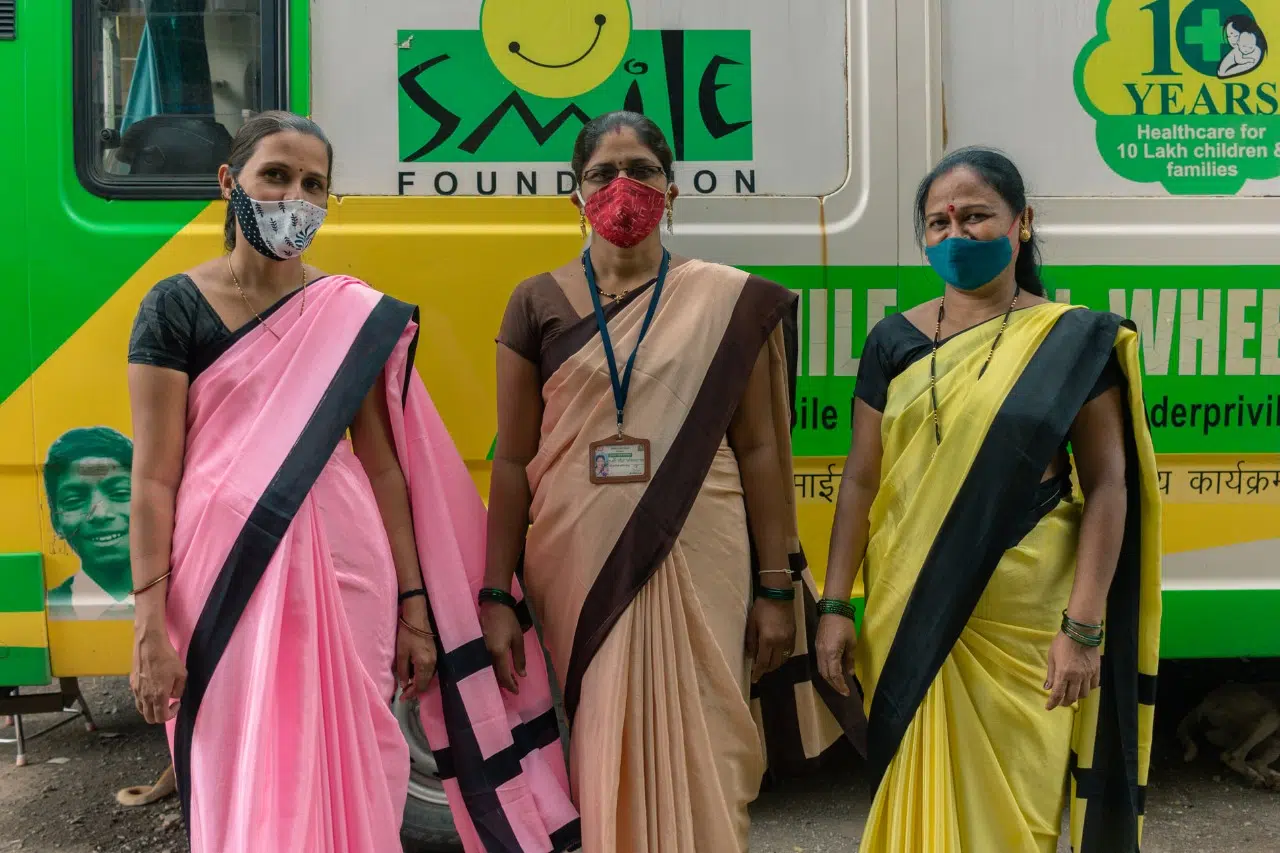
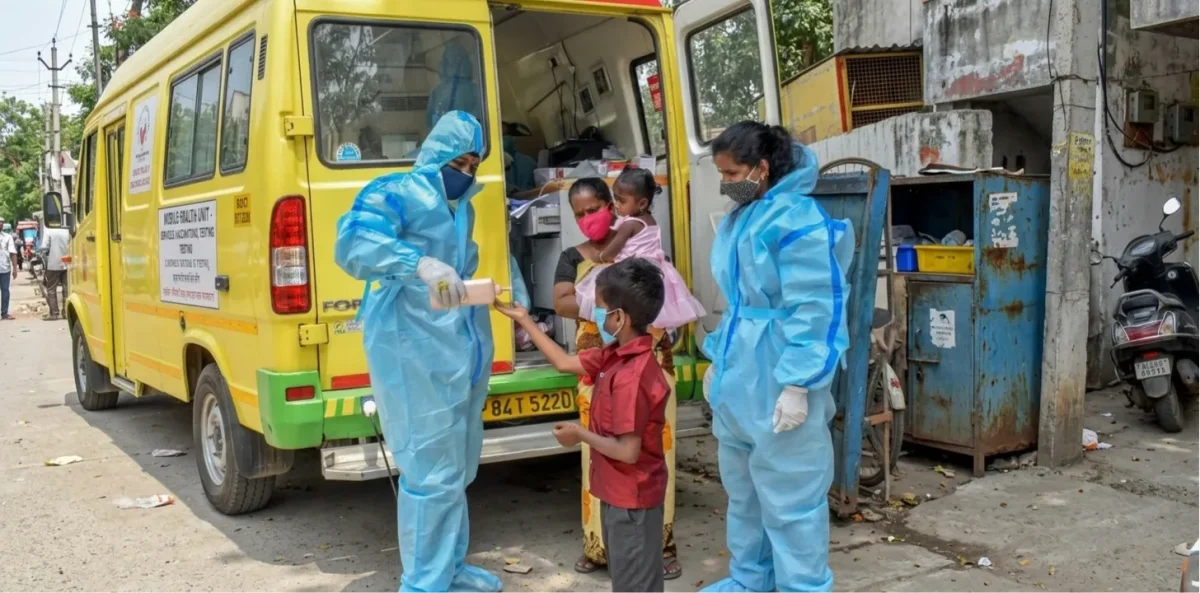
Through its Smile on Wheels programme, we use mobile healthcare units to bring primary healthcare services to underserved communities. The programme combines medical consultations with diagnostics, medicines, health awareness and other services, with the aim of addressing barriers of availability, accessibility and affordability.
According to our 2025 healthcare impact information, our healthcare initiatives reached more than 1.7 million people across 17 states, 70 districts and 1,140 villages and underserved urban locations through 109 mobile healthcare units. The organisation’s approach is built around the idea that healthcare should not remain concentrated in institutions that many vulnerable communities find difficult to access.
The significance of such a model goes beyond simply putting a medical team on wheels. It recognises the same fundamental challenge that anthropology identifies: the barriers to healthcare are often social and geographical as much as they are medical.
For a family that cannot afford to travel to a distant hospital, a mobile health unit can eliminate the cost and inconvenience of that journey. For a community that has historically had limited access to formal healthcare, regular outreach can help build familiarity and trust. And for people who may otherwise delay treatment, bringing basic services closer to their homes can make the difference between early intervention and a medical emergency.
In this sense, the work of mobile healthcare programmes complements the work of community health workers. Both are based on the same fundamental principle: the last mile of healthcare cannot always be reached by asking people to travel further. Sometimes, the system itself has to move closer.
Social emotional skills are as important as academic learning, helping children develop resilience, empathy, communication and responsible decision-making.
NEP 2020 and the NIPUN Bharat Mission reflect India’s growing recognition that education must nurture character alongside academic excellence.
Social Emotional Learning (SEL) and STEM education strengthen one another by cultivating collaboration, creativity, adaptability and critical thinking.
Smile Foundation’s Mission Education, through Project Amani and its STEM initiatives, integrates social emotional learning into everyday classroom experiences.
Preparing children for the future means equipping them not only with knowledge, but also with the emotional intelligence to navigate an increasingly complex world.
The Classroom Is Preparing Children for a World That Doesn’t Exist Yet
Every generation inherits a different future.
A child entering school today is likely to work in professions that have not yet been invented, use technologies that do not yet exist and solve problems that adults of today cannot fully anticipate. Artificial intelligence is reshaping industries, automation is transforming routine work and employers increasingly describe adaptability, collaboration and communication as essential workplace skills. In such a world, education can no longer be understood simply as the transmission of knowledge from teacher to student. Its purpose has become considerably broader. Schools are expected not only to help children master mathematics or language, but also to prepare them to think critically, work with others, manage uncertainty and continue learning throughout their lives.
For decades, however, educational success has largely been measured through indicators that are easy to count. Examination scores, board percentages, rankings and admissions remain the dominant language through which schools are judged. These measures certainly matter. Literacy, numeracy and subject knowledge remain the foundation upon which every later opportunity is built. But they reveal surprisingly little about whether children leave school able to navigate disagreement, recover from failure, regulate their emotions or collaborate with people whose ideas differ from their own. These are qualities that shape success as profoundly as academic achievement, even though they rarely appear on a report card.
Increasingly, researchers, educators and policymakers are recognising that these abilities are not personality traits children either possess or lack. They can be nurtured, practised and strengthened through education itself. This is the central idea behind Social Emotional Learning, often referred to simply as SEL, an approach that places equal importance on emotional well-being, interpersonal relationships and academic development.
Learning Begins with Feeling Safe Enough to Learn
Before children can absorb information, they need to feel secure enough to engage with it. A child who is anxious about being laughed at for giving the wrong answer is unlikely to volunteer in class. A child distracted by conflict at home or by bullying at school will struggle to concentrate, however capable they may be academically. Likewise, a student who has never learned how to manage frustration may abandon a difficult mathematics problem long before reaching the solution.
Learning has always been an emotional process, even if education systems have rarely acknowledged it as such.
Social Emotional Learning refers to the process through which children develop the ability to understand and regulate their emotions, build healthy relationships, demonstrate empathy, make responsible decisions and cope with challenges constructively. International research consistently identifies five broad competencies at its core: self-awareness, self-management, social awareness, relationship skills and responsible decision-making. Together, these competencies influence not only how children interact with others but also how they engage with learning itself.
The evidence supporting this relationship has grown steadily over the past two decades. Studies synthesised by the Collaborative for Academic, Social and Emotional Learning (CASEL) have found that students participating in well-designed SEL programmes demonstrate stronger academic performance, improved classroom behaviour, better attendance and greater psychological well-being. Far from distracting children from academic learning, emotional development appears to strengthen it by creating conditions in which curiosity, persistence and confidence can flourish.
This insight is particularly significant in today’s educational environment, where increasing academic expectations often coexist with rising concerns around children’s mental health. UNICEF, drawing on the 2022 NCERT mental health survey, reported that many Indian students experience anxiety, mood swings and emotional distress during their school years. These experiences inevitably shape how children participate in classrooms. When education focuses exclusively on academic outcomes without acknowledging emotional well-being, it risks overlooking one of the most important influences on learning itself.
India’s Evolving Education Policy
India’s education system has undergone a remarkable transformation over the past two decades. School enrolment has expanded significantly, gender gaps have narrowed and access to educational institutions has improved across much of the country. According to the latest UDISE+ data, India’s education system now serves nearly 25 crore students across more than 14 lakh schools, making it one of the largest in the world. At this scale, even small improvements in educational practice have the potential to influence millions of young lives.
As access has improved, however, the conversation has gradually shifted. The challenge is no longer confined to bringing children into classrooms. Increasingly, it is about understanding what happens once they arrive there.
This shift is reflected clearly in the National Education Policy (NEP) 2020, which marks perhaps the most significant reimagining of Indian education in decades. Rather than defining learning solely in terms of academic achievement, the policy places holistic development at the centre of educational reform. It argues that schools must cultivate creativity, communication, ethical reasoning, critical thinking and emotional development alongside literacy and numeracy. The vision is ambitious but also deeply practical. As societies become more interconnected and workplaces more collaborative, children require a broader set of competencies than previous generations.
The NIPUN Bharat Mission builds on the same philosophy during the earliest years of schooling. Its objective of ensuring foundational literacy and numeracy by Grade 3 recognises that these skills develop most effectively when children feel emotionally secure, confident and engaged. Early childhood education is increasingly understood as the period during which confidence, curiosity, resilience and the habits of lifelong learning begin to take shape.
This represents an important shift in educational thinking. Rather than asking only whether children can read or solve arithmetic problems, policymakers are beginning to ask a more fundamental question: what kind of individuals are schools helping them become?
That question is likely to define the future of education as much as any curriculum reform or technological innovation.
Why Social Emotional Learning Is No Longer Separate from Academic Success
One of the persistent misconceptions surrounding Social Emotional Learning is that it somehow competes with academic learning — that every minute spent discussing emotions, resolving conflicts or encouraging reflection is a minute taken away from mathematics, science or language. The evidence increasingly points in the opposite direction. Children do not learn despite feeling emotionally secure; they learn because they do.
Neuroscience has helped explain why. The brain regions responsible for attention, memory and decision-making are closely connected to those governing emotion. When children experience chronic stress, fear or anxiety, the brain shifts into survival mode. Cognitive resources that would otherwise be available for learning become occupied with managing emotional distress. Conversely, when children feel supported, respected and psychologically safe, they are better able to concentrate, retain information and persist through challenges. Emotional well-being is therefore not an optional layer added to education after academic needs have been met; it is one of the conditions that allows learning to happen in the first place.
Educational psychologists have long described this through the lens of Self-Determination Theory, which suggests that children are most motivated to learn when three psychological needs are met: they feel competent in what they are doing, they experience a sense of autonomy over their learning, and they feel connected to the people around them. These conditions cannot be created through examinations or textbooks alone. They emerge through everyday classroom experiences: a teacher who encourages questions instead of punishing mistakes, classmates who collaborate rather than compete relentlessly, and a learning environment where curiosity is rewarded as much as correctness.
This understanding also changes the way we think about failure. In conventional classrooms, mistakes often become evidence of inability. In emotionally supportive classrooms, mistakes become information — part of the learning process rather than a judgement on the learner. Children who develop this mindset are more likely to persevere when faced with difficult concepts, an attribute that research increasingly associates with long-term academic achievement.
Perhaps this explains why some of the world’s highest-performing education systems have begun investing as seriously in children’s well-being as they do in curriculum reform. They recognise that academic excellence and emotional development are not competing priorities. They are mutually reinforcing.
STEM Education Needs Emotional Intelligence More Than Ever
If any area of education appears purely technical, it is STEM. Science, Technology, Engineering and Mathematics are often imagined as disciplines governed entirely by logic, calculations and technical expertise. Yet anyone who has worked in research laboratories, engineering firms or technology companies knows that technical knowledge is only part of the equation.
Innovation is fundamentally collaborative.
Scientists rarely work alone. Engineers design products in multidisciplinary teams. Software developers spend much of their time communicating ideas, resolving disagreements and incorporating feedback. Medical researchers collaborate across institutions and continents, building upon one another’s discoveries rather than working in isolation. Even the most brilliant idea often succeeds or fails depending on whether people can work together to bring it to life.
This is precisely where Social Emotional Learning and STEM education intersect.
Consider a classroom where students are asked to design a simple water filtration system or build a bridge using limited materials. The scientific concepts involved are important, but they are only one aspect of the exercise. Equally important are the conversations taking place around the table. Children negotiate different ideas, divide responsibilities, listen to competing viewpoints, revise unsuccessful designs and learn how to persist when their first solution does not work. They discover that disagreement does not necessarily lead to conflict, and that failure often provides the information needed for a better solution.
In these moments, science becomes more than science. It becomes an opportunity to develop communication, empathy, resilience and collaborative problem-solving.
This reciprocal relationship has become increasingly evident in education research. Studies suggest that classrooms integrating Social Emotional Learning into STEM activities produce not only stronger academic engagement but also greater creativity and persistence. Students become more willing to experiment because failure no longer feels threatening. They become more comfortable asking questions because curiosity is normalised. They develop confidence not simply by finding the correct answer but by learning how to work through uncertainty alongside others.
These are precisely the qualities that employers now describe as essential for the future workforce. The World Economic Forum consistently identifies analytical thinking, resilience, leadership, creativity and collaboration among the skills most likely to grow in importance over the coming decade. None of these emerge through memorisation alone. They are cultivated through repeated experiences of working with others to solve problems that do not have immediate or obvious solutions.
Seen from this perspective, the relationship between STEM and Social Emotional Learning is not incidental. Each strengthens the other. Social emotional skills enable children to engage more confidently with technical challenges, while STEM provides authentic opportunities to practise those skills in meaningful contexts. The classroom of the future, therefore, does not ask children to choose between coding and compassion or between innovation and empathy. It recognises that meaningful innovation almost always depends on both.
What a Future-Ready Classroom Actually Looks Like
When discussions about the future of education take place, they often focus on technology. Smart boards, artificial intelligence, robotics laboratories and digital platforms dominate conversations about educational reform. These developments are undoubtedly important, but they can also obscure a more fundamental question: what kind of learning environment enables children to flourish, regardless of the tools available?
The answer is surprisingly ordinary.
A future-ready classroom is not defined by expensive equipment so much as by the quality of relationships within it. It is a classroom where children feel comfortable asking questions without fearing ridicule, where teachers encourage discussion instead of rewarding rote repetition, and where collaboration is valued alongside individual achievement. It is a space in which children learn to listen as carefully as they speak, where different perspectives are explored rather than dismissed, and where mistakes become opportunities for reflection instead of sources of embarrassment.
These classrooms also recognise that learning extends beyond textbooks. A group discussion about resolving disagreements, a collaborative science experiment, a class project addressing a local environmental issue or a storytelling exercise exploring different emotions all become opportunities to develop capabilities that children will carry far beyond school.
This is particularly significant because the future will almost certainly demand lifelong learning. Today’s children will need to update their knowledge repeatedly as technologies evolve and professions change. Their greatest advantage will therefore not be the information they memorised in school, but their ability to adapt, communicate, collaborate and continue learning throughout adulthood.
In that sense, Social Emotional Learning is not an additional subject waiting to be squeezed into an already crowded timetable. It is the thread connecting every subject, shaping not only how children learn but also how they approach the world beyond the classroom.
Where Smile Foundation Fits In
Preparing children for the future requires more than improving examination scores. It requires creating learning environments where children feel seen, heard and encouraged to grow into confident individuals. This understanding lies at the heart of Smile Foundation’s Mission Education programme, which views quality education as an integration of academic learning, emotional well-being and life skills rather than treating them as separate objectives.
Across underserved communities, many children enter classrooms carrying burdens that extend well beyond textbooks. Some are first-generation learners navigating an unfamiliar education system. Others come from households facing economic hardship, making school one among many competing priorities. In such contexts, improving learning outcomes is inseparable from strengthening children’s confidence, resilience and sense of belonging. Academic support alone cannot fully address these realities. Children also need environments where they feel safe enough to ask questions, make mistakes and believe in their own potential.
This philosophy informs Project Amani, Smile Foundation’s social emotional learning initiative. Rather than introducing emotional well-being as an occasional workshop or extracurricular activity, Project Amani weaves these skills into everyday classroom experiences. Children are encouraged to identify and express emotions, build empathy, communicate respectfully, resolve conflicts peacefully and make thoughtful decisions. Teachers, too, become facilitators of emotional growth, creating classrooms where encouragement gradually replaces fear as the dominant learning experience.
Such an approach closely mirrors the vision articulated by the National Education Policy 2020, which argues that schools must nurture ethical reasoning, communication, creativity and emotional development alongside academic excellence. When children develop these capabilities early, they become better equipped not only to perform well in school but also to navigate the uncertainties of adolescence and adulthood with greater confidence.
Mission Education extends this philosophy through its growing emphasis on STEM education. Children participate in hands-on experiments, collaborative design challenges and inquiry-based projects that encourage curiosity and innovation. Importantly, these activities are designed not simply to teach scientific concepts but to cultivate teamwork, perseverance and problem-solving. A child building a simple machine or programming a basic robot learns far more than engineering principles. They learn how to negotiate different ideas, respond to setbacks, share responsibility and keep trying when the first solution fails.
These moments build habits that remain relevant long after specific academic content has been forgotten. They help children become learners who are comfortable with uncertainty, capable of working alongside others and confident enough to keep asking questions throughout their lives.
Preparing Children for a Future That Will Keep Changing
Perhaps the greatest challenge facing education today is that nobody can accurately predict the world today’s children will inherit. Entire industries are being reshaped by artificial intelligence. Climate change is transforming economies and labour markets. Careers that dominate the coming decades may bear little resemblance to those familiar today. In such a future, education cannot simply prepare children for one profession or one examination. It must prepare them to keep adapting.
This is why social emotional skills have become increasingly important. While technologies evolve and technical knowledge requires constant updating, qualities such as empathy, resilience, collaboration, curiosity and ethical judgement remain remarkably durable. They allow individuals to continue learning, navigate complexity and build meaningful relationships regardless of how rapidly the external world changes.
These capabilities are sometimes described as “soft skills”, but the phrase is deeply misleading. There is nothing soft about leading a team through uncertainty, resolving conflict constructively, making responsible decisions under pressure or recovering from failure after repeated setbacks. Increasingly, these are becoming some of the most valuable capabilities in both professional and personal life.
Education, therefore, cannot afford to treat them as secondary outcomes that children will somehow acquire naturally. Like literacy or numeracy, they develop through practice, guidance and repeated experience. Every classroom interaction, every collaborative activity and every conversation between teachers and students contributes to this process.
The future-ready classroom is not necessarily the one with the most advanced technology. It is the one where children feel confident enough to think independently, compassionate enough to understand others and resilient enough to face challenges they have never encountered before.
Beyond Marks, Towards Meaningful Learning
India’s education system has already begun moving in this direction. The National Education Policy 2020, the NIPUN Bharat Mission and a growing emphasis on holistic development all reflect an understanding that learning cannot be reduced to examination performance alone. Schools are increasingly being recognised not simply as places where information is delivered, but as spaces where values, relationships and lifelong habits are formed.
This shift is significant because the outcomes extend far beyond education itself. Children who develop strong social emotional skills are more likely to participate confidently in classrooms, collaborate effectively in workplaces, contribute positively to their communities and navigate life’s inevitable uncertainties with greater resilience. They become adults who are capable not only of earning a livelihood but also of building healthier families, stronger institutions and more compassionate societies.
For organisations working in education, this presents both an opportunity and a responsibility. Ensuring that every child can read, write and solve mathematical problems remains fundamental. Equally important, however, is ensuring that children leave school believing in their own abilities, respecting those around them and viewing learning as a lifelong pursuit rather than a series of examinations.
That is the future towards which classrooms must now evolve.
Because education has never simply been about preparing children for their first job.
Its deeper purpose has always been to prepare them for the lives they will lead, the relationships they will build and the society they will one day shape.
And that future begins not only with knowledge, but with kindness, confidence and the emotional intelligence to use both wisely.
Frequently Asked Questions (FAQs)
1. What are social emotional skills?
Social emotional skills help children understand and manage their emotions, build healthy relationships, communicate effectively, make responsible decisions and respond positively to challenges. These skills support both academic success and overall well-being.
2. Why are social emotional skills important in education?
Research shows that social emotional skills improve children’s confidence, resilience, classroom engagement, communication and problem-solving abilities. They also contribute to better academic outcomes and stronger mental well-being.
3. How does NEP 2020 support Social Emotional Learning?
The National Education Policy (NEP) 2020 promotes holistic education by emphasising creativity, critical thinking, communication, ethical values and emotional development alongside academic learning, recognising that education should nurture the whole child.
4. How are STEM education and Social Emotional Learning connected?
STEM activities encourage collaboration, critical thinking, resilience and communication. At the same time, social emotional skills help students work effectively in teams, solve complex problems and persevere through challenges, making the two approaches mutually reinforcing.
5. Why should social emotional skills be introduced during primary education?
Early childhood is when children develop confidence, curiosity, empathy and self-awareness. Introducing social emotional learning during the primary years helps establish positive learning habits that support lifelong academic and personal development.
6. What is Project Amani?
Project Amani is Smile Foundation’s social emotional learning initiative under Mission Education. It creates safe and inclusive classrooms where children strengthen emotional well-being, communication, empathy, conflict resolution and responsible decision-making through everyday learning experiences.
7. How does Mission Education prepare children for the future?
Mission Education combines quality education, STEM learning and social emotional development to equip children with both academic knowledge and life skills. By nurturing confidence, creativity, collaboration and resilience, the programme helps prepare children for future careers and meaningful participation in society.
8. How can organisations contribute to holistic education?
Corporates, institutions and individuals can partner with Smile Foundation to strengthen classrooms, support teacher development, improve learning environments and help children gain the academic and social emotional skills needed to thrive in an increasingly complex world.
Teacher capacity is central to quality STEM education.
Technology and innovation make STEM education more inclusive.
CSR for education can scale measurable STEM impact.
India’s National Education Policy (NEP) 2020 has laid a transformative foundation for the future of education by placing STEM education at the heart of classroom learning. Through its emphasis on coding, scientific temper, multidisciplinary learning and experiential pedagogy, the policy reflects India’s ambition to build an innovation-led, knowledge-driven economy.
However, the true success of this vision will depend not on policy alone, but on its implementation in a rapidly evolving global landscape. Climate change, artificial intelligence, public health, renewable energy and space technology are no longer distant trends—they are redefining industries, economies and the skills required for tomorrow’s workforce.
Preparing children for this future demands far more than curriculum reform. It requires access to science laboratories, digitally enabled classrooms, trained teachers, hands-on learning opportunities and environments where children are encouraged to question, experiment and solve real-world problems.
This need is particularly urgent in India, home to more than 250 million school-going children and one of the world’s fastest-growing innovation ecosystems. While the country is positioning itself as a global technology leader, the journey towards innovation begins much earlier than higher education—it begins in school classrooms. Yet, for millions of children studying in government schools and underserved communities, access to quality STEM learning remains limited by inadequate infrastructure, traditional teaching practices and unequal opportunities.
The STEM gap begins much earlier than we think
India is the world’s third-largest producer of science and engineering graduates. Yet, according to NITI Aayog, nearly 30% of engineering graduates remain unemployed or underemployed, largely because of inadequate practical and industry-ready skills.
For many government schools, the barriers are structural:
Limited access to laboratories and STEM infrastructure
Teacher shortages and limited exposure to experiential pedagogy
Outdated rote-learning methods
Minimal opportunities for experimentation and inquiry
When curiosity is replaced with memorisation, children lose far more than marks. They lose confidence to question, innovate and create.
Why STEM education matters beyond science
The World Economic Forum estimates that 65% of children entering primary school today will eventually work in jobs that do not yet exist.
Preparing children for this future requires much more than teaching physics or mathematics.
Quality STEM education develops:
Critical thinking
Creativity
Collaboration
Digital literacy
Problem-solving
Adaptability
Design thinking
These are precisely the competencies industries increasingly seek.
Investing in STEM today therefore strengthens tomorrow’s workforce, innovation ecosystem and economic competitiveness.
What Makes STEM Education Effective in Underserved Communities?
Research consistently demonstrates that successful STEM education interventions extend beyond the provision of laboratories or digital devices. Sustainable outcomes emerge when infrastructure, pedagogy, teacher capacity, assessment and community engagement function as an integrated ecosystem. Smile Foundation’s Mission Education programme reflects this systems-based approach, aligning STEM interventions with the objectives of the National Education Policy (NEP) 2020 and the practical realities of government schools.
1. STEM infrastructure is most effective when embedded within the learning ecosystem
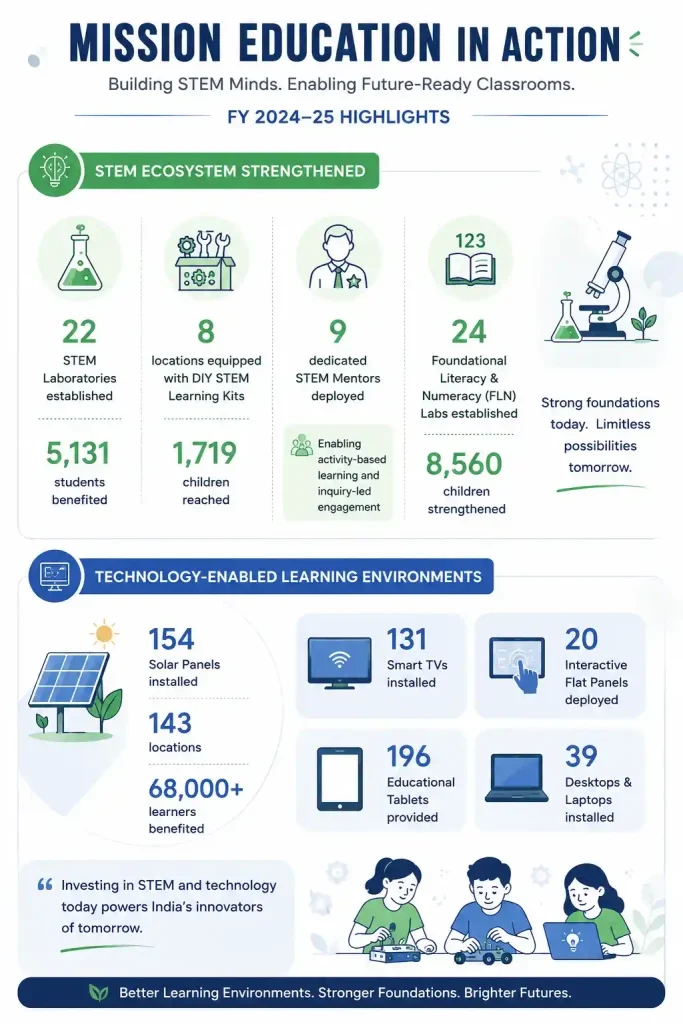
One of the key findings from Mission Education is that infrastructure alone does not improve learning outcomes. Instead, STEM facilities must be accompanied by structured pedagogy, teacher support and experiential learning opportunities.
These interventions indicate that STEM education is more effective when integrated across the learning continuum rather than delivered as a standalone science initiative. Activity-based learning, collaborative problem-solving and structured experimentation collectively shift classroom practices from knowledge transmission to knowledge creation.
2. Digital infrastructure strengthens STEM only when it improves access and participation
The relationship between technology and learning is often misunderstood. Digital infrastructure does not automatically improve educational outcomes; its effectiveness depends on equitable access, teacher readiness and integration into classroom pedagogy.
From a systems perspective, these investments address two structural barriers simultaneously: improving access to digital learning resources while enhancing the resilience of schools operating in regions with inconsistent electricity and limited technological infrastructure. The integration of renewable energy infrastructure further illustrates how STEM education can be aligned with broader sustainability goals.
3. Teacher capacity remains the strongest predictor of classroom transformation
Evidence from education reform globally suggests that teacher quality has a greater influence on learning outcomes than infrastructure alone. Mission Education reinforces this finding by positioning teacher development as a core component of its STEM strategy.
During FY 2024–25, the programme conducted 244 teacher training sessions across 244 locations, reaching 1,142 educators. Training modules focused on inquiry-based learning, experiential pedagogy, classroom management, lesson planning, Foundational Literacy and Numeracy (FLN), multi-level teaching strategies and environmental sustainability.
This approach reflects an important shift from teacher-centred instruction towards facilitative learning environments, where educators encourage questioning, experimentation and collaborative problem-solving. For organisations investing through CSR for education, these findings reinforce that long-term educational improvement depends as much on human capital as on physical infrastructure.
4. Mobile STEM models improve equity by decentralising access
Geographical inequity remains one of the most persistent barriers to quality STEM education. For many students in low-income and rural communities, access to fully equipped science laboratories continues to be limited.
Mission Education addresses this challenge through a Mobile STEM Bus, supported by the BMW India Foundation, which delivers practical STEM experiences directly to underserved schools. Equipped with robotics models, digital learning tools, innovation kits and hands-on experimentation resources, the solar-powered mobile laboratory currently serves 20 community schools, four government-aided schools, and one Mission Education centre across the Delhi NCR region.
The initiative demonstrates an important implementation insight: bringing learning infrastructure to children can be more cost-effective and scalable than expecting every school to independently develop advanced STEM facilities. Mobile delivery models therefore present a viable strategy for expanding STEM access in geographically or economically constrained contexts.
An emerging trend in education programming is the shift from activity reporting towards outcome measurement. Mission Education incorporates baseline assessments, end-line evaluations and continuous monitoring mechanisms to understand changes in learning achievement and programme effectiveness.
Programme data from FY 2024–25 indicates measurable improvements in educational outcomes, with more than 10,000 students demonstrating improvement in Foundational Literacy and Numeracy, while 2,500 learners achieved grade-appropriate learning outcomes.
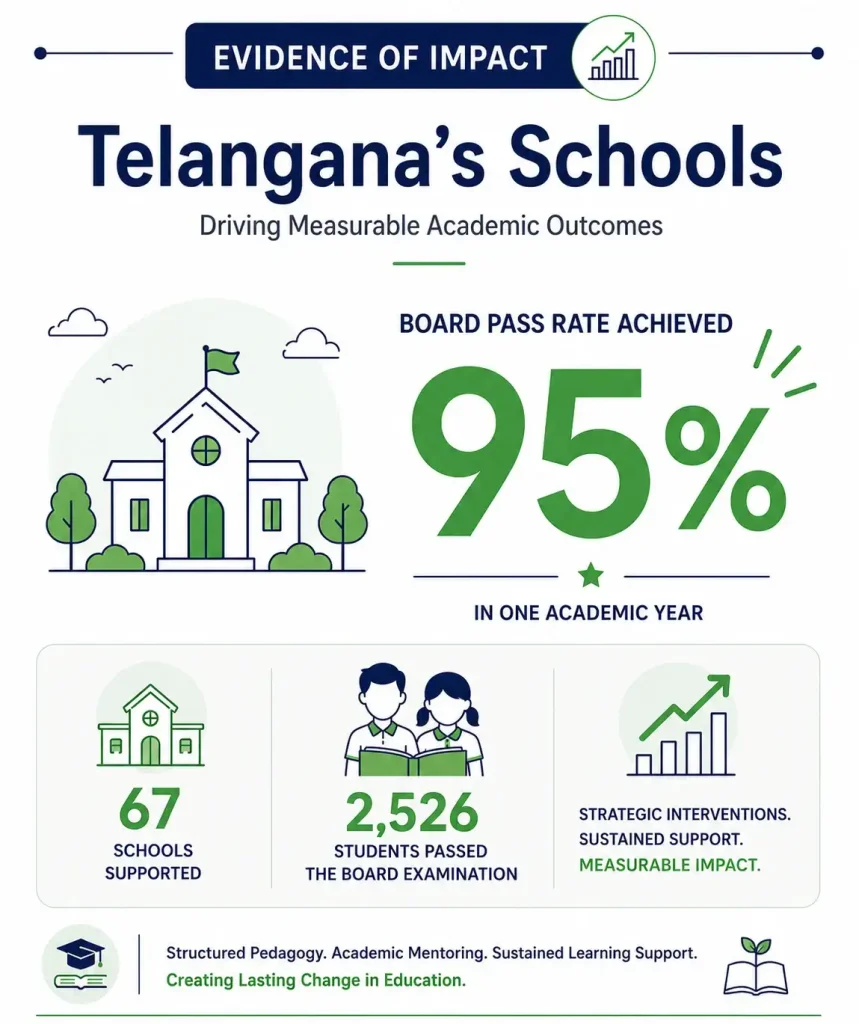
One of the strongest examples of measurable impact emerged from Telangana, where focused academic interventions were implemented across 67 tribal schools, supporting 2,526 Class X students. Within one academic year, overall board examination pass percentages increased from 56% to 95%, highlighting the cumulative impact of structured pedagogy, academic mentoring and sustained learning support.
For CSR partnerships, these findings demonstrate the value of integrating monitoring, evaluation, accountability and learning (MEAL) frameworks into programme design, ensuring that investments are assessed through measurable educational outcomes rather than implementation outputs alone.
Partnerships for STEM education
The evidence suggests that ecosystem-based interventions rather than isolated investments characterise successful STEM education programmes. Infrastructure, digital access, teacher professional development, continuous assessment and contextual programme design collectively determine educational outcomes.
For organisations investing through CSR for education, this has several implications:
Prioritise integrated STEM ecosystems over standalone laboratory installations.
Invest simultaneously in teacher capacity building and digital infrastructure.
Expand access through innovative delivery models such as mobile STEM laboratories.
Incorporate measurable learning assessments to strengthen accountability and programme effectiveness.
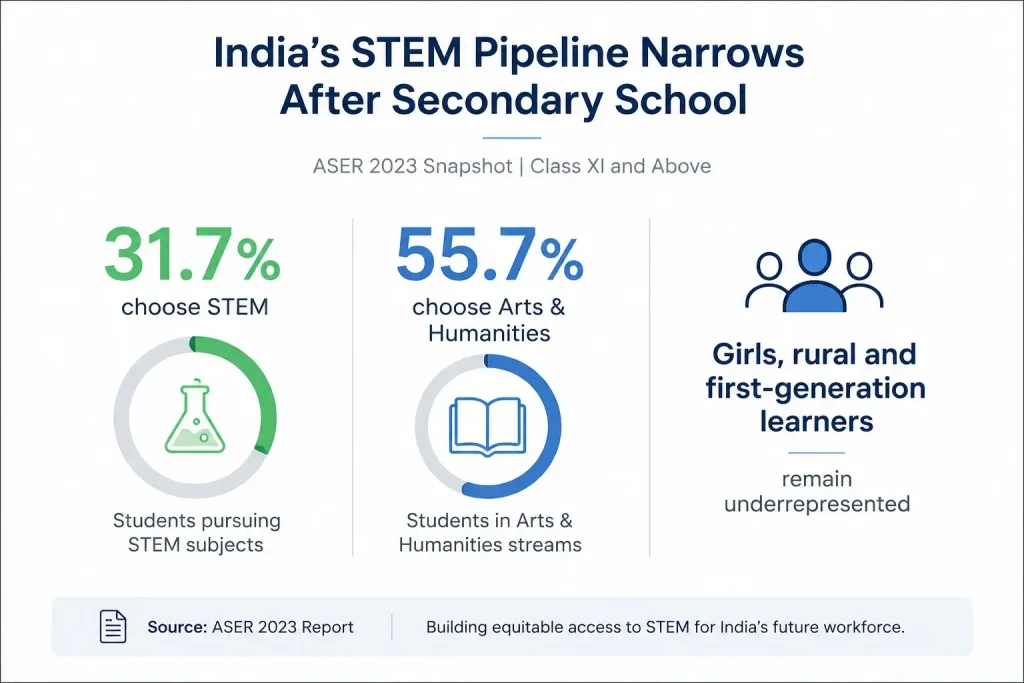
Design interventions that intentionally improve participation among girls, first-generation learners and underserved communities.
As India advances towards a knowledge-driven economy, the future of STEM education will depend on how stakeholders, through CSR-NGO partnerships can expand access, strengthen the quality, inclusivity and scalability of learning ecosystems.
The experience of Mission Education demonstrates that when evidence-based programme design is combined with strategic partnerships, STEM education can become a catalyst for long-term educational transformation rather than a short-term infrastructure intervention.
1. What is STEM education and why is it important? STEM education integrates Science, Technology, Engineering and Mathematics to develop critical thinking, creativity, problem-solving and digital skills required for future careers.
2. Why is STEM education important for India’s future? With emerging technologies reshaping industries, STEM education prepares young people with the skills needed to drive innovation, economic growth and global competitiveness.
3. How can CSR for education strengthen STEM education? CSR for education can support STEM laboratories, digital classrooms, teacher training, mobile STEM labs, learning technologies and evidence-based programme evaluation.
4. Why is teacher training important in STEM education? Well-trained teachers enable inquiry-based and experiential learning, helping students understand concepts through exploration rather than rote memorisation.
5. How does Smile Foundation promote STEM education? Through Mission Education, Smile Foundation builds integrated STEM ecosystems by establishing STEM labs, strengthening digital infrastructure, training teachers and introducing mobile STEM learning initiatives.
6. What are the biggest barriers to STEM education in India? Limited laboratory infrastructure, inadequate digital access, teacher shortages and unequal opportunities for rural, tribal and first-generation learners remain key challenges.
7. What makes an effective STEM education programme? Successful programmes combine quality infrastructure, skilled teachers, technology-enabled learning, continuous assessment and strong community engagement.
8. How do CSR-NGO partnerships improve STEM education outcomes? CSR-NGO partnerships help scale inclusive STEM education by combining corporate resources with proven implementation models, ensuring measurable and sustainable learning outcomes
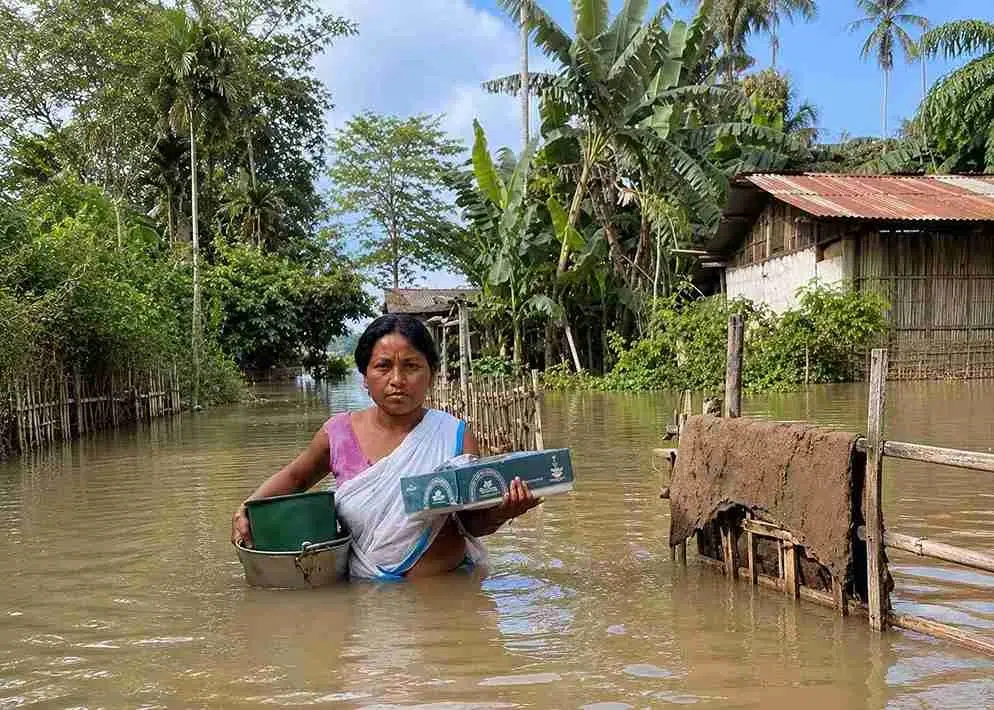
Assam’s recurring floods disrupt livelihoods, education, healthcare and local economies year after year.
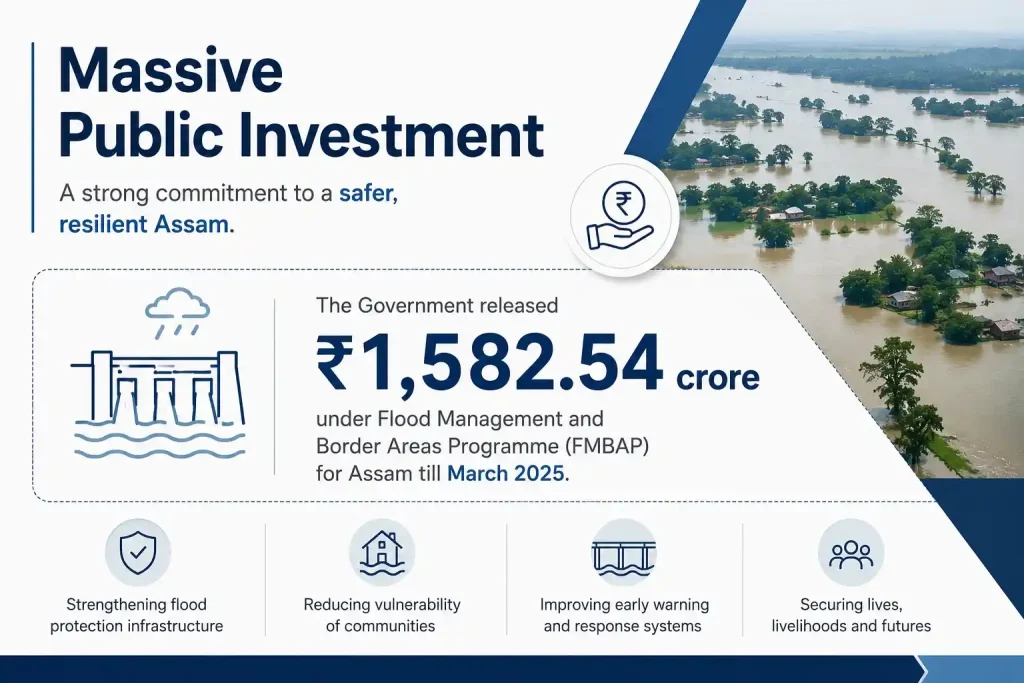
The Government of Assam has strengthened disaster response through coordinated rescue, relief and rehabilitation efforts.
Smile Foundation supports government-led Assam flood relief through emergency aid, mobile healthcare and WASH initiatives.
Donate to Smile Foundation to help deliver emergency relief, healthcare and long-term recovery for flood-affected families in Assam
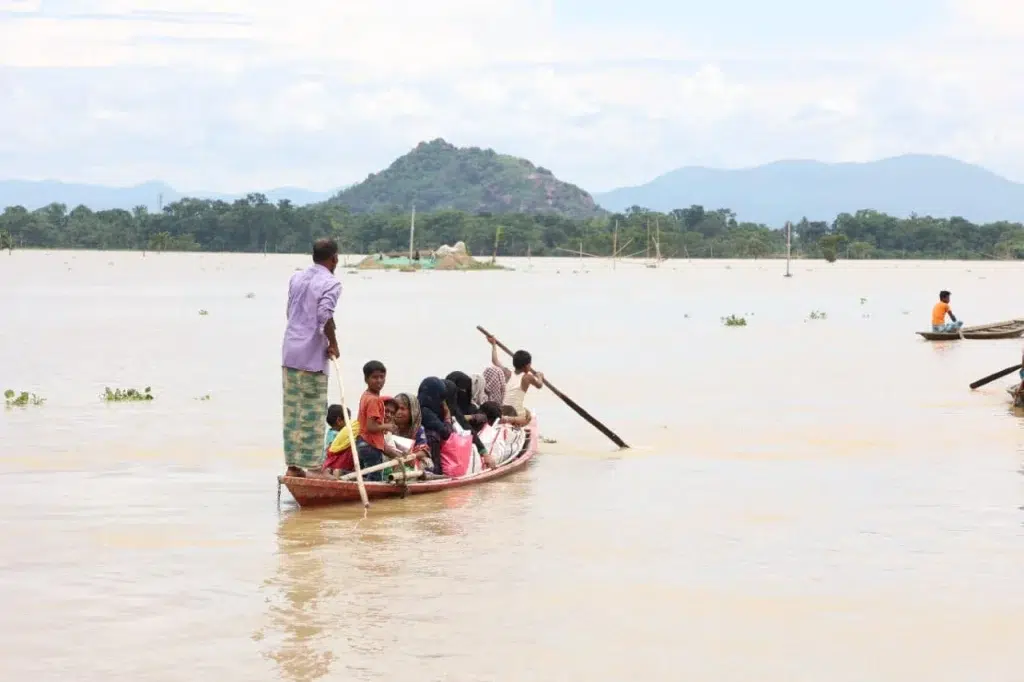
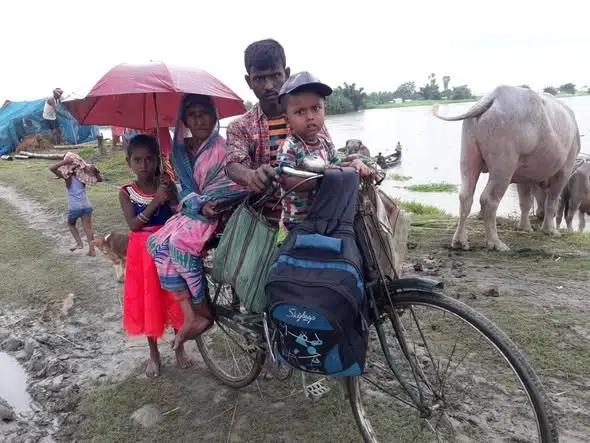
For generations, floods have shaped Assam’s landscape and the lives of the people who call it home. What has changed over the years, however, is not simply the recurrence of floods, but the growing scale of destruction they leave behind. Longer periods of inundation, accelerating riverbank erosion and repeated displacement have transformed what was once considered a seasonal challenge into a recurring development crisis.
The Government of Assam’s Flood Memorandum (2020) acknowledged this reality.
Unlike many parts of the country where floods occur sporadically, Assam experiences prolonged flooding caused by the Brahmaputra, the Barak and more than 50 tributaries that flow through the state. Alongside flooding, continuous riverbank erosion permanently alters landscapes, destroys livelihoods and forces thousands of families to rebuild their lives year after year.
Today, as the state once again undertakes extensive rescue, relief and rehabilitation efforts, one reality has become increasingly evident–
Assam’s flood should evolve into a long-term strategy that builds resilience alongside relief.
Why Assam Sees So Much Flooding
Floods have remained one of Assam’s defining developmental challenges for more than 7 decades. While the Brahmaputra river system has sustained the state’s rich biodiversity and agriculture, it has also made Assam one of India’s most flood-prone regions.
A Timeline of Assam’s Flood Journey
1954 – The First Major Post-Independence Flood One of independent India’s earliest major floods brought national attention to flood management and embankment construction in Assam.
1962–1988 – Floods Become a Recurring Reality Successive floods established flooding as an annual developmental challenge, disrupting lives, agriculture and infrastructure across the state.
1998–2004 – Rising Human and Economic Losses Large-scale floods devastated livelihoods, public infrastructure and agricultural productivity, highlighting the increasing economic cost of recurring disasters.
2012–2020 – Climate Risks Intensify Changing rainfall patterns, heavy sedimentation and riverbank erosion intensified flood impacts, culminating in the devastating 2020 floods that reshaped disaster management planning.
2026 – Flood Risk Expands Beyond Traditional Zones Floodwaters affected districts that had historically experienced lower levels of inundation, reinforcing the need for climate-resilient planning and stronger community preparedness.
The timeline reflects an important shift. Floods in Assam are no longer isolated natural events. Their increasing frequency, changing geography and growing socio-economic impact demand a broader development response.
Why Assam Flood Relief Cannot Wait
Between 2002 and 2022, floods affected nearly 40 million hectares across India, caused estimated economic losses of USD 608 million and displaced millions of people. Even now, Assam continues to remain among the country’s most flood-vulnerable states along with 8 other states across the nation,
However, Assam’s flood brings in more attention because of the magnitude and the changes in the Brahmaputra river. The Brahmaputra basin is recognised as one of India’s highest-risk river systems because of its heavy rainfall, changing river morphology, high sediment load and extensive floodplains.
The abovementioned numbers reveal more than the scale of a disaster.
They highlight :
A cycle where communities are forced to recover even as another flood season approaches. Homes are rebuilt, livelihoods restored and public services revived only to face renewed disruption.
The consequences extend far beyond emergency relief.
Livelihoods and Local Economies Under Constant Stress
Agriculture remains the backbone of Assam’s rural economy. Recurring floods damage standing crops, livestock, local markets and transport networks, while riverbank erosion permanently reduces productive land. The resulting loss of income often pushes families into debt, migration and prolonged financial insecurity, making recovery increasingly difficult after every flood.
Education Interrupted, Human Capital at Risk
When schools become relief shelters or remain inaccessible due to damaged roads and flooding, children lose more than classroom time. Repeated disruptions affect learning outcomes, increase dropout risks and weaken future employment opportunities, particularly for children from vulnerable communities.
Healthcare Beyond Emergency Response
Floods place enormous pressure on healthcare systems. Damaged health facilities, disrupted medicine supply chains and inaccessible roads reduce access to essential services precisely when communities face heightened risks of water-borne diseases, maternal health complications and childhood illnesses. Ensuring continuity of healthcare is therefore as important as emergency rescue itself.
Taken together, these challenges demonstrate that floods in Assam are no longer simply humanitarian emergencies. They have become recurring barriers to sustainable development that require long-term investment in resilience, preparedness and rehabilitation.
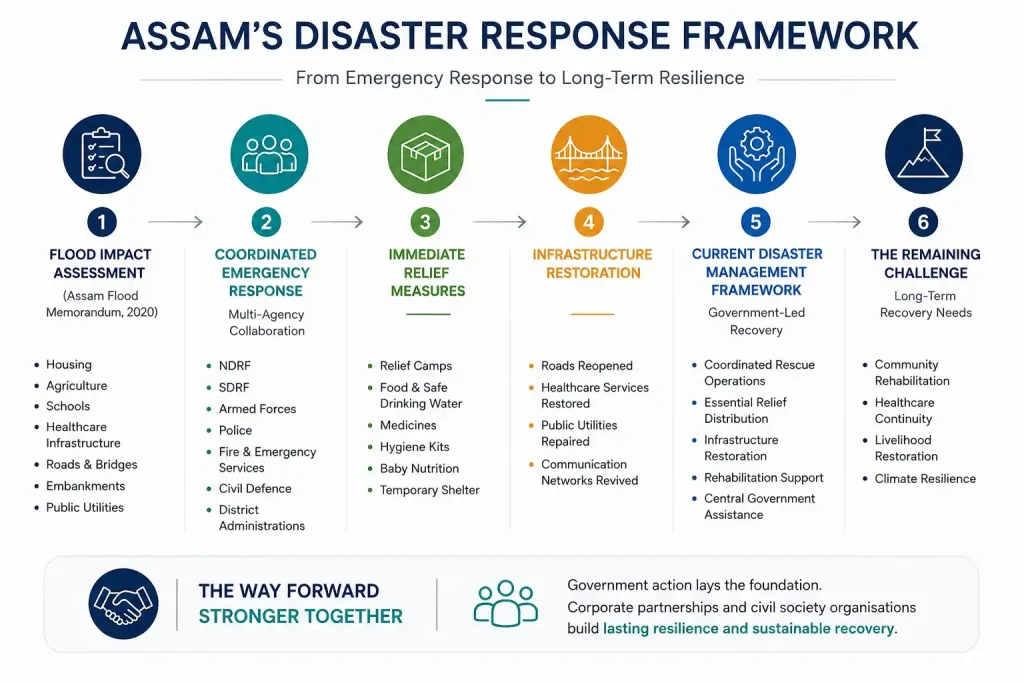
From Relief to Resilience: What Changed After the 2020 Assam Flood Memorandum?
The Assam Flood Memorandum (2020) marked an important milestone in strengthening disaster governance.
It documented extensive damage across housing, agriculture, schools, healthcare infrastructure, roads, embankments and public utilities while outlining a coordinated response involving the National Disaster Response Force (NDRF), State Disaster Response Force (SDRF), Armed Forces, Police, Fire and Emergency Services, Civil Defence and district administrations.
Relief camps ensured access to food, safe drinking water, medicines, hygiene materials, baby nutrition and temporary shelter, while parallel efforts focused on restoring roads, healthcare facilities and other critical infrastructure.
Government agencies continue to lead coordinated
rescue operations
restore communication networks and public infrastructure
distribute essential relief materials and prioritise rehabilitation
This progression demonstrates that disaster management in Assam has become more organised and collaborative. Yet, the recurring nature of floods also highlights that government action alone cannot address every challenge.
Thus, to tackle the Assam floods, better in future, it is pivotal to create an ecosystem that helps in creating sustainable rehabilitation, healthcare, and livelihood restoration, which will need sustained support long after emergency operations end from all social stakeholders.
Strengthen Assam Flood Relief with Smile Foundation
The Government of Assam has developed a robust disaster response framework that prioritises rescue operations, relief distribution and infrastructure restoration through coordinated efforts involving the NDRF, SDRF, Armed Forces, district administrations and other emergency agencies. While this system ensures timely emergency response, the scale and recurring nature of floods create challenges that extend beyond government capacity.
Therefore, in this race against time, we as the community should support Assam flood victims with sustained humanitarian support, healthcare continuity and rehabilitation long after floodwaters begin to recede.
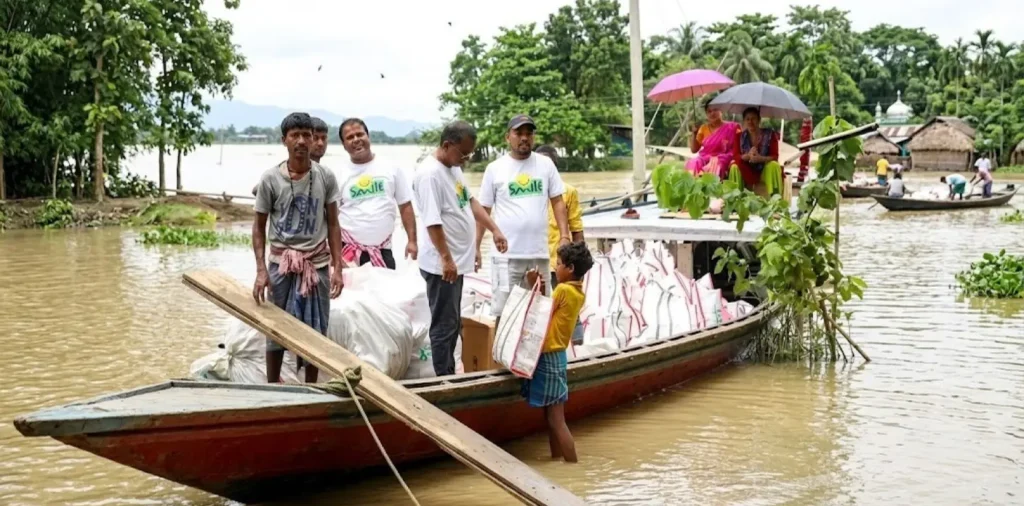
Smile Foundation is currently in Assam providing complements these government-led efforts by strengthening the last mile of disaster response. Through its Disaster Response programme, the organisation works alongside local authorities and community networks to ensure that essential aid reaches vulnerable families quickly, efficiently and with dignity.
During Assam Floods, thousands of families are displaced who end up losing access to food, clothing and shelter. To mitigate the crisis, Smile Foundation responds by distributing dry ration kits, ready-to-eat meals, clean drinking water, baby food, women’s hygiene kits, blankets, clothing and other essential relief materials through flood relief camps.
Mobile Healthcare: Restoring Access to Essential Medical Services
Floods often disrupt healthcare infrastructure, making access to medical care difficult in remote and waterlogged regions. Building on its extensive experience in community healthcare through its Smile on Wheels and Smile on Boat programme, Smile Foundation supports healthcare continuity by deploying medical teams, facilitating medicine distribution and addressing immediate health concerns among flood-affected communities
Water, Sanitation and Hygiene (WASH): Preventing a Second Crisis
One of the greatest threats after flooding is contaminated drinking water and poor sanitation, which significantly increase the risk of disease outbreaks. Smile Foundation’s relief efforts prioritise the distribution of safe drinking water, hygiene kits and sanitation essentials that help families maintain health and dignity during displacement.
Donate for Assam Flood Relief
Disaster response does not end once rescue operations conclude. Recovery requires restoring stability, rebuilding livelihoods and strengthening community resilience. Smile Foundation adopts a long-term approach by supporting vulnerable communities beyond the emergency phase, helping families regain access to healthcare, education and essential services.
Smile Foundation’s Assam Flood Relief initiative offers an opportunity to become an active partner in India’s disaster response ecosystem. Every effort and contribution can strengthen government-led relief by enabling faster delivery of emergency supplies, healthcare support and rehabilitation services to communities that need them most.
Assam experiences recurring floods due to the Brahmaputra, Barak and over 50 tributaries, causing widespread displacement, livelihood loss and damage to infrastructure almost every year.
2. How can I donate to Smile Foundation for Assam flood relief?
You can donate to Smile Foundation to support emergency relief, food distribution, healthcare services, hygiene kits and long-term rehabilitation for flood-affected communities in Assam.
3. How does Smile Foundation support Assam flood relief?
Smile Foundation complements government efforts through flood relief camps, emergency ration distribution, clean drinking water, mobile healthcare, WASH initiatives and community rehabilitation.
4. Why should I support an NGO for flood relief?
An experienced NGO for flood relief helps deliver last-mile humanitarian assistance, ensuring food, healthcare and essential supplies reach vulnerable families quickly and efficiently.
5. What relief materials are distributed during Assam flood relief?
Relief efforts include dry ration kits, ready-to-eat meals, safe drinking water, baby food, women’s hygiene kits, blankets, clothing and other emergency essentials.
6. Does donating to Smile Foundation support long-term recovery?
Yes. Beyond emergency relief, donating to Smile Foundation supports healthcare continuity, rehabilitation, education and community resilience after floods.
7. How does Smile Foundation support healthcare during Assam floods?
Through its Smile on Wheels and Smile on Boat programmes, the organisation provides mobile healthcare, medicine distribution and medical support to flood-affected communities.
8. Why is long-term Assam flood relief important?
Flood recovery extends beyond rescue operations. Sustainable rehabilitation, livelihood restoration, healthcare access and climate resilience are essential for helping communities rebuild stronger after every flood.
Across several Indian states in the last few years, Anganwadi workers have taken to the streets demanding higher salaries, better working conditions and formal recognition of the responsibilities they shoulder. Their protests have highlighted a contradiction at the heart of India’s social welfare architecture. While frontline workers are entrusted with some of the country’s most consequential tasks, their own labour often remains undervalued. The demonstrations have renewed public attention to a question that extends beyond wages or employment status: what exactly do Anganwadi Centres contribute to India’s development?
Established under the Integrated Child Development Services (ICDS) programme in 1975, Anganwadi Centres have evolved into multipurpose institutions where nutrition, early childhood education, preventive healthcare and women’s empowerment converge. For millions of children, they represent the first classroom; for expectant mothers, an essential source of health information and support; and for communities, a critical link to the state’s welfare system.
As India seeks to strengthen its human capital, the significance of these neighbourhood centres has only grown. Far from being peripheral welfare units, Anganwadis have become foundational institutions strengthening community health. Yet their future remains precarious in a country like India.
Since the first interaction
For millions of Indian children, education does not begin in a formal classroom. It begins in a modest room painted with alphabets and animals, where a child learns to hold a pencil, identify colours, sing rhymes and eat a nutritious meal alongside friends. It is at these Anganwadi Centres, that children are introduced to structured play, storytelling, songs, counting, drawing and social interaction. Through these everyday activities, they begin to develop foundational abilities such as communication, attention, problem-solving, and cooperation.
This early start matters a lot in India, where nearly one-third of the population is below the age of eighteen. Increasingly, research in neuroscience, economics and public policy has shown that the earliest years of life shape not only later educational outcomes but also long-term productivity and social well-being. Developmental scientists describe the first six years as the most critical period of human growth, when one lays the foundation for functions like language acquisition, emotional regulation, cognitive ability and physical development. Children who have access to quality preschool education during this period often enter primary school better prepared, already familiar with routines, group learning, basic pre-literacy and numeracy concepts.
Yet, at the same time, these gains are inseparable from nutrition and health. A child who experiences chronic undernutrition, poor health, or limited early stimulation is likely to begin school already at a disadvantage, one that becomes harder to overcome over time. This is precisely the gap Anganwadi Centres seek to address. Rather than waiting until formal schooling begins, they intervene at the stage when developmental returns are highest, combining early learning with health monitoring, and caregiving support.
Seen in this light, Anganwadi Centres are not simply welfare institutions but foundational investments in India’s human capital. The National Education Policy 2020 reflects this understanding by placing early childhood care and education at the centre of India’s education reforms. As a result, Anganwadi Centres have assumed even greater significance as institutions that prepare children for lifelong learning and development.
Nutrition as the foundation of learning
A child living with chronic hunger or micronutrient deficiencies cannot fully benefit from early learning, because malnutrition affects concentration, memory, immunity, and cognitive development long before formal schooling begins. In this sense, school readiness is shaped as much by nourishment as by pedagogy. Anganwadi Centres are designed around this understanding.
Alongside preschool education, they provide supplementary nutrition to children under six as well as to pregnant and lactating women, recognising that the foundations of learning are laid not only in the classroom but also through food, health and care.
Anganwadi workers also coordinate immunisation drives, monitor pregnancies, counsel mothers on breastfeeding, encourage institutional deliveries, promote hygiene practices and identify developmental delays that require medical attention. Growth monitoring enables workers to identify children at risk of undernutrition, while regular counselling helps families adopt healthier feeding practices using locally available foods. This preventive approach is especially significant because nutritional deprivation in early childhood can have lifelong consequences such as stunting.
In many rural and underserved urban communities, they are often the first point of contact for maternal and child health information. Since Anganwadi workers belong to the communities they serve, they often command a level of trust that more distant institutions cannot easily replicate. This proximity allows them to reach families who might otherwise remain excluded from formal healthcare services and to build relationships that sustain behavioural change over time.
Their significance for women is equally pertinent. Anganwadi workers and helpers constitute one of the country’s largest female community workforces, creating spaces for women’s leadership within villages and neighbourhoods and enabling their participation in local governance, health awareness campaigns and community decision-making.
As the country aspires to become a developed economy, public debate often centres on universities, artificial intelligence, advanced manufacturing, nation building etc. Yet long-term transformation begins much earlier, with healthy pregnancies, well-nourished infants and children who enter school ready to learn.
In this sense, the Anganwadi is far more than a childcare centre. It happens to be one of India’s most enduring institutions of social development, that has been quietly investing in the country’s future — one child, one mother, and one community at a time.
FAQs
1. What is an Anganwadi Centre?
An Anganwadi Centre is a community-based childcare and development centre established under the Integrated Child Development Services (ICDS) programme. It provides early childhood education, supplementary nutrition, health services and support for pregnant women, lactating mothers and young children.
2. How do Anganwadi Centres support early childhood education?
Anganwadi Centres introduce children to structured learning through play, storytelling, songs, drawing, counting and group activities. These experiences help develop language, cognitive, social and emotional skills, preparing children for primary school.
3. Why is nutrition an important part of Anganwadi services?
Good nutrition during the first six years of life is essential for healthy brain development, learning and physical growth. Anganwadi Centres provide supplementary nutrition, monitor child growth and counsel families on healthy feeding practices to reduce the risk of malnutrition and stunting.
4. How do Anganwadi Centres improve maternal and child health?
Anganwadi workers support immunisation drives, monitor pregnancies, promote breastfeeding, encourage institutional deliveries, provide nutrition counselling and identify developmental delays, helping families access preventive healthcare from an early stage.
5. How do Anganwadi Centres contribute to women’s empowerment?
Anganwadi Centres employ one of India’s largest community-based female workforces. Anganwadi workers and helpers play important leadership roles by delivering health and nutrition services, raising awareness and supporting community development, while creating employment opportunities for women.
6. Why are Anganwadi Centres important for India’s development?
By combining early education, nutrition, healthcare and community support, Anganwadi Centres help children develop strong foundations for lifelong learning while improving maternal health and strengthening human capital. Their work contributes to better educational, health and social outcomes over the long term.
7. How does Smile Foundation support early childhood development?
Smile Foundation complements government efforts by working with communities to improve children’s health, nutrition and access to quality education. Through integrated programmes in education, healthcare and community development, it helps create supportive environments where children can learn, grow and thrive.
1 Girl and 111 Trees: Caring about Girl Child in India
Summary:
A study estimated that limited education for girls costs countries between US$15 trillion and US$30 trillion in lost lifetime productivity and earnings.
Almost all the benefits of educating girls arrive with secondary education which many girls from lower-income communities cannot afford to receive.
India’s numbers are genuinely moving in the right direction, but enrolment is not the same as staying enrolled.
Naina Kumari is one of five sisters. In the village where she grew up, that sentence alone was considered a misfortune. Neighbours told her parents what they told most parents of daughters: marry them off early, a girl’s worth is her marriage. Her parents heard it constantly but they chose differently. There were days they skipped their own meals so the girls could eat and stay in school.
Without any grand gesture or a turning point, the family absorbed the cost of an unpopular decision, year after year, in a place where everyone around them had made the opposite one.
What did that decision buy? Not just for Naina, but for everyone downstream of her. When a girl finishes school, the benefits don’t stop with her. They compound outward for a generation.
More Than a Girl’s Own Story
We tend to frame girls’ education as a matter of fairness. It is one. But fairness arguments let people treat it as optional, a nice thing to support when budgets allow. The economics tell a harder story.
World Bank researchers, studying more than 100 countries, put a number on what happens when girls don’t finish school: between US$15 trillion and US$30 trillion in lost lifetime productivity and earnings globally.
And buried in that same research is a finding that should change how we think about the goal. Primary school barely moves the needle. Women with only a primary education earn just 14%-19% more than women with no schooling at all. Women who complete secondary education earn nearly twice as much. The gains from educating a girl are real, but they arrive late, in Classes 9 to 12. Which is precisely where most girls in poor households drop out.
Getting a girl into Class 1 was the last generation’s fight. Keeping her through Class 12 is this one’s.
What the Research Says Actually Changes
The evidence on educating girls is unusually consistent across countries. When a girl completes secondary school, several things shift at once, and most of them have nothing to do with her report card.
Her children are more likely to survive, and to grow. Children of mothers with secondary education face sharply lower risks in their earliest years. The World Bank analysis found that universal secondary education for mothers could cut under-five deaths by about a fifth and childhood stunting by more than a third, in the developing countries studied. A girl’s school years, in other words, show up a decade later in the height and health of children who haven’t been born yet.
Child marriage collapses. Each additional year of secondary school reduces a girl’s risk of marrying before 18 by roughly six percentage points. Across fifteen developing countries studied, only 2.4% of girls aged 15 to 19 were married and still in school. School and child marriage barely coexist: a girl in a classroom is, overwhelmingly, a girl who is not a child bride. Universal secondary education could virtually eliminate child marriage.
The family ledger changes, and so does a woman’s standing within her own household. A woman with secondary education is more likely to work and earns close to double what she would have without schooling. Research tracking girls’ education reforms in India found a real protective effect: women who received more schooling as girls faced lower rates of domestic violence later in adulthood. In a patriarchal society, that matters beyond the household budget. Education itself, sustained through the secondary years, is one of the few levers shown to actually shift a woman’s position within her marriage and her home.
Fertility falls, by choice. Universal secondary education could reduce total fertility by about a third, partly through education itself, partly through the near elimination of child marriage that comes with it. Smaller families started later with healthier children. This is the pattern that has preceded nearly every major fall in poverty anywhere in the world.
There is a simpler way to say all of this. The more a mother gets to enjoy her own motherhood, rather than survive it, the more a child gets to enjoy their own childhood, rather than grow up too fast alongside her.
And the effect repeats. An educated mother is far more likely to send her own children, daughters included, to school, and to keep them there. This is the arithmetic of it all: educate one girl, and you have very likely educated her children too. It’s the same intergenerational cycle we’ve written about before, running in reverse.
None of these outcomes was purchased separately. They came bundled with the same investment: a girl, in a classroom, staying there.
What This Looks Like in India Right Now
Girls’ gross enrolment at the secondary level reached 80.2% in 2024 to 25, up from around 75.5% a decade earlier. Female enrolment in higher education rose 38% between 2014 to 15 and 2022 to 23. Women now make up 43% of India’s STEM enrolments, among the highest shares in the world.
That progress is real, and it belongs to families like Naina’s more than to any single policy.
Where Smile Foundation Fits In
This is the logic behind Smile Foundation’s work on educating girls. Through Mission Education and its girl focused initiative She Can Fly, the organisation works on:
Remedial support so a girl who falls behind doesn’t drop out
Engage with parents reinforcing staying in schools against an early marriage
Naina’s family made that decision alone, against their neighbours’ advice, at the cost of their own meals. The work is making sure the next family doesn’t have to make it alone.
The Long Arc of Educating Girls
The research on educating girls can feel almost too tidy, every arrow pointing the same direction. But it holds because a girl who completes school stands somewhere different when every later decision arrives. Whom to marry, and when. When to have children, and how many. What to accept, what to refuse, what to insist on for her own daughter.
Frequently Asked Questions (FAQs)
Why is educating girls considered important for whole communities, not just the girls themselves?
The benefits of educating girls extend well beyond her: her future children are more likely to survive and be well nourished, household incomes rise, child marriage declines and her own children are more likely to be educated. These are effects that compound across a community over a generation.
What is the economic cost of not educating girls?
A World Bank study estimated that limited educational opportunities for girls cost countries between US$15 trillion and US$30 trillion in lost lifetime productivity and earnings globally.
Is primary education enough?
Women with only primary schooling earn just 14 to 19% more than women with no education, while women with secondary education earn nearly twice as much. Most measurable benefits, on earnings, child marriage, health and fertility, arrive with secondary education.
How does girls’ education affect child marriage?
Each additional year of secondary education reduces the risk of marrying before 18 by around six percentage points, and researchers estimate universal secondary education could virtually eliminate child marriage. In the countries studied, only 2.4% of girls aged 15 to 19 were both married and in school.
How does a mother’s education affect her children’s health?
Universal secondary education for mothers could reduce under five mortality by about a fifth and childhood stunting by more than a third in the developing countries studied, because educated mothers marry later, give birth later, and are better placed to access care and nutrition.
How is India doing on girls’ education?
Enrolment is improving: girls’ secondary level gross enrolment reached 80.2% in 2024 to 25, female higher education enrolment rose 38% over the past decade, and women now form 43% of STEM enrolments. Completion remains the challenge, particularly for rural girls at the secondary level.
Does educating girls reduce domestic violence?
Research tracking girls’ education reforms in India found that women who received more years of schooling faced lower rates of domestic violence later in adulthood. Researchers caution that economic independence alone does not guarantee safety, but sustained education through the secondary years is one of the more consistent protective factors identified in the literature.
How does Smile Foundation support girls’ education?
Through Mission Education and its She Can Fly initiative, Smile Foundation focuses on retention: remedial learning support, engagement with parents, and sustained follow up, so that girls who enrol in school are able to stay and complete it.
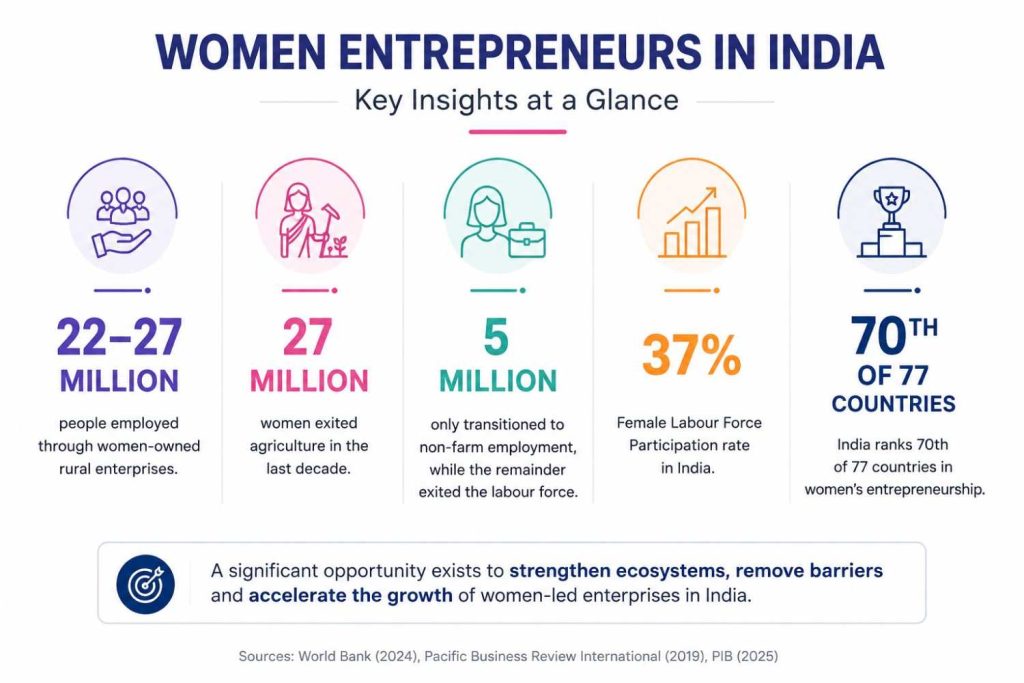
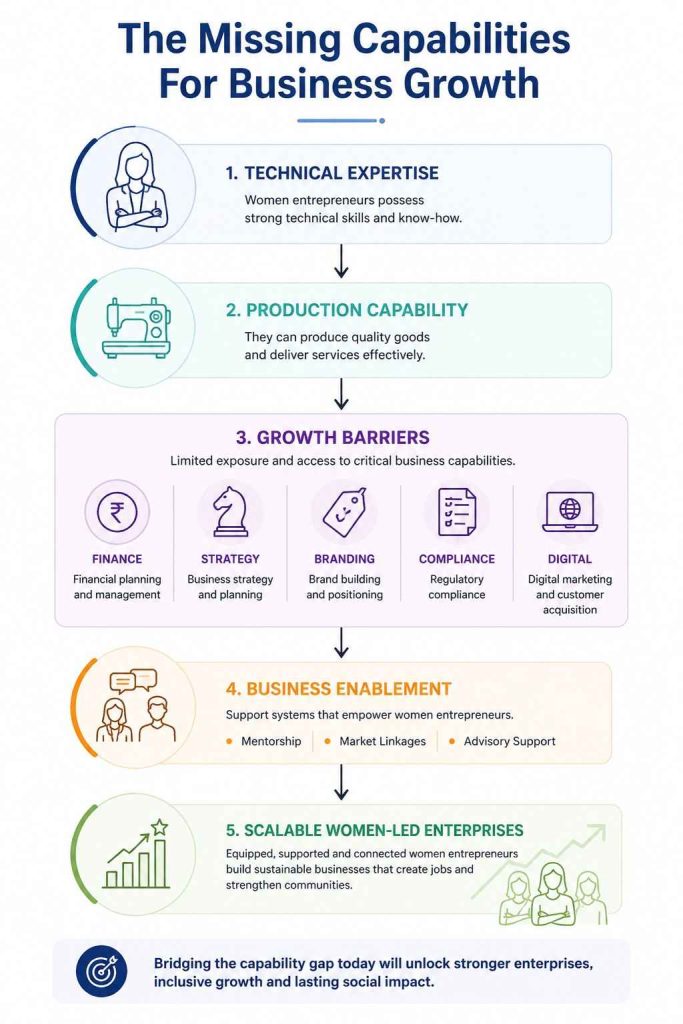
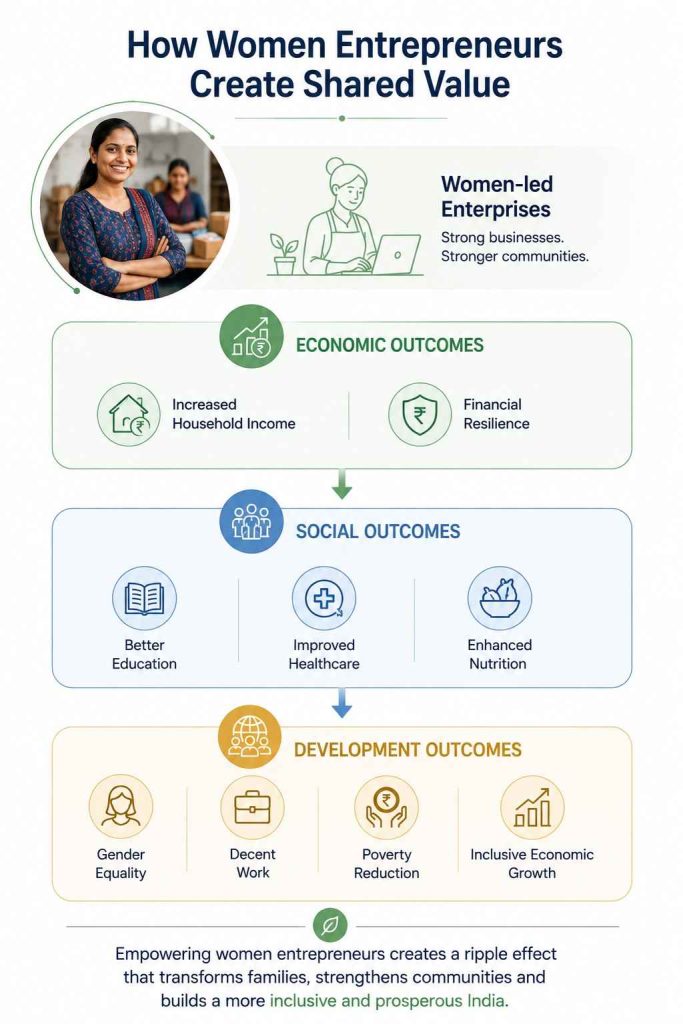
Women entrepreneurs in India are driving inclusive economic growth by creating livelihoods, strengthening local economies and improving household resilience.
While technical expertise is abundant, sustainable business growth depends on access to finance, business mentorship, advisory, digital capabilities and market linkages.
Strategic entrepreneurship development CSR initiatives can bridge critical ecosystem gaps by enabling enterprise readiness rather than supporting livelihoods alone.
Government initiatives and corporate partnerships are creating stronger pathways for women-led enterprises to access formal markets, finance and business opportunities.
Investing in women entrepreneurship in India generates a multiplier effect, advancing gender equality, decent work, poverty reduction and sustainable community development.
While access to finance remains one of the most discussed barriers to entrepreneurship, research increasingly suggests that capital alone cannot sustain a business. Enterprises flourish when entrepreneurs have access to knowledge, mentorship, networks and market intelligence. For many women entrepreneurs in India, these support systems remain fragmented or inaccessible.
The World Bank’s study on Growth-Oriented Women-Owned Enterprises (GOWEs) identifies inadequate business advisory services as one of the primary reasons why promising enterprises struggle to expand beyond the micro-enterprise stage.
Many women possess technical skills in production but have limited exposure to
financial planning
business strategy
branding
compliance
digital marketing
customer acquisition.
For first-generation entrepreneurs, the challenge is even greater. Unlike business owners from entrepreneurial families, they often lack informal guidance on navigating markets, managing risks or scaling operations. Academic research reinforces this observation, concluding that while family support and education encourage women to establish enterprises, long-term success is strongly influenced by self-confidence, leadership and continuous mentoring.
Confidence, therefore, is not an innate quality but one that develops through sustained guidance and opportunities for learning.
This highlights an important shift in how entrepreneurship programmes should be designed.
Capacity-building initiatives must move beyond one-time training workshops to long-term ecosystem support that includes
business incubation
peer-learning networks
market exposure visits
digital literacy
access to experienced mentors
Entrepreneurship is not a single milestone but an evolving journey, and women require support at every stage from ideation to enterprise expansion.
Government Initiatives Supporting Women Entrepreneurs
India has made significant progress in recognising women-led enterprises as contributors to economic growth rather than beneficiaries of welfare. Several government initiatives are working to improve women’s access to markets, finance and institutional support, creating a stronger enabling environment for entrepreneurship.
Among the most notable initiatives is the Government e-Marketplace (GeM) Womaniya programme, which enables women-led Micro and Small Enterprises (MSEs) and Self-Help Groups (SHGs) to participate directly in government procurement. By connecting women entrepreneurs with institutional buyers, the initiative enhances transparency, expands market access and creates opportunities for sustainable business growth.
Such policy interventions demonstrate that entrepreneurship development initiatives can achieve greater impact when aligned with national development priorities. Government programmes create enabling frameworks, which can be amplified through ngo csr partnerships and financial institutions that can ensure entrepreneurial opportunities reach women at the grassroots.
NGOs and CSR: Critical to Entrepreneurship Development
Policy alone cannot eliminate the structural barriers that women entrepreneurs continue to face. Access to opportunity is often determined by local realities : social norms, educational attainment, digital access and community support.
This is where development organisations and Corporate Social Responsibility (CSR) initiatives become indispensable. For organisations like Smile Foundation, women’s entrepreneurship is not viewed solely as an economic intervention but as a pathway to holistic community development.
Livelihood initiatives under Swabhiman programm combine vocational training with financial literacy, entrepreneurship education, market exposure and mentoring enable women to build enterprises that are both sustainable and resilient.
CSR partnerships further strengthen this ecosystem by bringing together financial resources, technical expertise and market opportunities. Collaborative efforts through Swabhiman, support women entrepreneurs through:
Entrepreneurship and leadership training aligned with local economic opportunities.
Financial literacy and access to formal banking systems.
Business incubation and enterprise mentoring.
Digital literacy and e-commerce readiness.
Market linkages through corporate value chains and procurement opportunities.
Networking platforms that connect women entrepreneurs with industry experts and successful business leaders.
Such interventions create long-term value because they address both economic and social barriers.
Research indicates that entrepreneurship programmes focusing only on technical skills often overlook the importance of confidence-building, leadership development and psychosocial empowerment. Effective CSR initiatives recognise that successful enterprises require both business capability and personal agency.
Moreover, women’s entrepreneurship generates multiplier effects that extend beyond individual enterprises. Increased household incomes often lead to improved educational opportunities for children, better healthcare utilisation, enhanced nutrition and greater financial resilience. Supporting women entrepreneurs therefore contributes directly to multiple Sustainable Development Goals, including gender equality, decent work, poverty reduction and inclusive economic growth.
Recommendations for Strengthening the Entrepreneurial Ecosystem
Building a thriving ecosystem for women entrepreneurs in India requires coordinated action across government, businesses, financial institutions and civil society. Based on current research and policy recommendations, several priorities emerge.
Improve access to growth-stage finance. Financial institutions should design customised credit products that respond to the needs of expanding women-led enterprises rather than limiting support to microfinance alone.
Strengthen business development services. Continuous mentoring, market intelligence, branding support and digital capacity-building should become integral components of entrepreneurship programmes.
Promote market integration. Women-led enterprises should be connected with government procurement systems, corporate supply chains and digital marketplaces to enable sustainable business growth.
Invest in leadership development. Entrepreneurship programmes should combine technical training with confidence-building, communication, negotiation and decision-making skills.
Encourage collaborative partnerships. Greater collaboration between governments, corporates, NGOs, academic institutions and financial organisations can create stronger support systems that address multiple barriers simultaneously.
The World Bank also recommends recognising Growth-Oriented Women-Owned Enterprises as a distinct policy category, ensuring that enterprises with demonstrated growth potential receive targeted financial and institutional support.
Investing in Women Entrepreneurs Is Investing in India’s Future
The story of women entrepreneurs in India is ultimately a story of possibility. It is the story of women who transform adversity into enterprise, ideas into livelihoods and local opportunities into community development. Their success demonstrates that entrepreneurship is not merely about creating businesses it is about creating pathways towards dignity, resilience and shared prosperity.
Yet ambition alone cannot overcome structural inequality. Women require ecosystems that recognise their potential, invest in their capabilities and remove the barriers that continue to restrict enterprise growth. Finance, mentorship, market access and policy support must work together rather than in isolation.
As India advances towards becoming a more inclusive and resilient economy, entrepreneurship development CSR initiatives offer an opportunity to accelerate this transformation. By aligning corporate resources with community aspirations, CSR can help bridge persistent gaps in skills, finance and market access while strengthening local economies.
At Smile Foundation, women are viewed not merely as beneficiaries of development but as partners in nation-building. Every woman who gains the confidence to establish an enterprise contributes to something far greater than economic growth. She creates opportunities for her family, employment within her community and inspiration for future generations.
Partner with Smile Foundation to empower women entrepreneurs not only an investment in individual success, but as an investment that supports stronger communities, inclusive development and a future where economic progress is both equitable and sustainable.
Frequently Asked Questions (FAQs)
1. Why are women entrepreneurs in India important for economic development?
Women entrepreneurs in India contribute significantly to employment generation, household income, community resilience and local economic development. Their enterprises create shared social and economic value by improving education, healthcare and financial security while strengthening inclusive growth.
2. What are the biggest challenges faced by women entrepreneurs in India?
The primary challenges include limited access to formal finance, inadequate business advisory services, restricted market linkages, digital capability gaps, compliance support and professional mentoring. These barriers often prevent women-led enterprises from scaling despite strong entrepreneurial potential.
3. What is women entrepreneurship in India?
Women entrepreneurship in India refers to businesses established, owned and managed by women across rural, semi-urban and urban regions. These enterprises span sectors such as manufacturing, retail, food processing, handicrafts, services and digital businesses, contributing to employment and inclusive economic development.
4. How can entrepreneurship development CSR initiatives support women entrepreneurs?
Effective entrepreneurship development CSR initiatives go beyond skill development by providing financial literacy, business mentoring, market access, digital enablement, enterprise incubation and leadership development. These interventions help women-led enterprises become sustainable and scalable businesses.
5. Why is mentorship essential for women entrepreneurs in India?
Mentorship equips women entrepreneurs with strategic guidance, industry insights and professional networks that enable informed decision-making, business expansion and long-term sustainability. Research shows that continuous mentoring significantly improves entrepreneurial confidence and enterprise growth.
6. How do women entrepreneurs contribute to the Sustainable Development Goals (SDGs)?
Supporting women entrepreneurs in India advances multiple Sustainable Development Goals, including:
Gender Equality (SDG 5)
Decent Work and Economic Growth (SDG 8)
Reduced Inequalities (SDG 10)
No Poverty (SDG 1)
Sustainable Communities (SDG 11)
By creating employment and improving household well-being, women-led enterprises generate long-term social impact.
7. What role do NGOs play in strengthening women entrepreneurship in India?
NGOs strengthen women entrepreneurship in India by providing entrepreneurship training, financial literacy, mentoring, market linkages, digital skills and community mobilisation. They also connect women entrepreneurs with government schemes and CSR-supported opportunities to build resilient enterprises.
8. Why should businesses invest in women entrepreneurs in India through CSR?
Supporting women entrepreneurs in India enables businesses to create measurable social impact while strengthening inclusive supply chains, advancing ESG commitments and contributing to sustainable economic growth. Strategic CSR partnerships help build resilient enterprises that benefit communities, industries and the broader economy.
Factor Analysis of ‘First Generation Women Entrepreneurs’ leading to Entrepreneurship as a Career, Pacific Business Review International Volume 12 issue 5, November 2019
Hygiene Day, observed on 28 May, draws global attention to menstrual health management — a subject that remains underfunded, under-discussed and deeply consequential for women’s health, education and economic participation in India and worldwide
Despite urban expansion and growing digital connectivity, menstrual hygiene access in India remains deeply unequal — a 2022 NFHS-5 survey found that 77.3 % of women aged 15–24 use hygienic methods of menstrual protection, with significant rural-urban and income-based disparities
An estimated 23 million girls drop out of school in India annually, with inadequate sanitation and menstrual hygiene facilities among the contributing factors making menstrual health an education issue as much as a health one
Cultural taboos and social stigma remain among the most persistent barriers to menstrual hygiene management, preventing open conversation, limiting access to care and producing health consequences that accumulate across a lifetime
India’s National Menstrual Hygiene Policy and related government schemes represent genuine progress but implementation gaps, particularly in rural districts and informal urban settlements, limit their real-world reach
Grassroots programmes like Smile Foundation’s Swabhiman initiative demonstrate that sustained, community-rooted engagement combining awareness, peer education and hands-on health support produces the kind of behavioural change that policy alone cannot
Menstrual hygiene in emergency and disaster contexts remains critically under-resourced as seen during Cyclone Fani in Odisha, where women lost access to basic hygiene materials alongside all other relief needs
Addressing menstrual hygiene comprehensively requires integrating it into education, healthcare, sanitation, disaster response and workplace policy — not treating it as a standalone health communication issue
The Problem That Persists
Every 28 May, Hygiene Day returns to the global calendar, and with it, a set of questions that should, by now, have simpler answers. Why do hundreds of millions of women and girls worldwide still lack access to safe, dignified menstrual hygiene management? Why does a biological reality experienced by half the world’s population remain, in so many communities, a source of shame, silence and health risk? Why, despite years of awareness campaigns, policy commitments and development investment, does the gap between intent and reality remain so wide?
In India, these questions are not rhetorical. They describe the daily experience of a large and largely invisible population — women in urban slums who manage their periods with cloth and improvised materials, girls in government schools who stay home because the toilet block has no door, women in disaster-affected communities who lose access to basic hygiene products alongside everything else they own.
Hygiene Day matters because it creates a moment of public attention around a subject that is routinely marginalised — not because the stakes are low, but because the stigma is high. Menstrual health is directly connected to women’s physical health, education, economic participation and dignity. It is, in the most literal sense, a development issue. And in India in 2026, it remains one that demands sustained, serious and well-resourced attention.
The Current Landscape: What the Data Tells Us
India has made measurable progress on menstrual hygiene awareness over the past decade. The National Family Health Survey (NFHS-5) conducted in 2019–21 found that 77.3 % of women aged 15–24 use hygienic methods of menstrual protection, compared to significantly lower figures in earlier surveys. The removal of GST on sanitary napkins in 2018, state-level free sanitary pad schemes and the expansion of health education in schools have all contributed to improvement.
But the headline figure obscures deep and consequential disparities. In rural areas, access to and use of hygienic menstrual products is considerably lower than in urban centres. Among women in the lowest wealth quintile, the gap is even wider. A 2016 study published in the BMJ estimated that only 12-15% of women in India used commercial sanitary protection, with an estimated 85%–88% relying on home-made alternatives ranging from cloth to improvised pads stuffed with ash, husk or sand. While more recent data shows improvement, the underlying pattern in which income and geography determine access has not been resolved.
The school attendance dimension makes the scale of the problem concrete. An estimated 23 million girls drop out of school in India annually, with menstrual hygiene among the contributing factors. Research on South Asian schools has found that more than one in three girls miss school around the onset of menstruation — driven by the absence of private, clean toilet facilities, lack of access to sanitary products and the social discomfort of managing menstruation in a public environment that has not been designed to accommodate it. Once a girl begins missing school regularly, the academic gap widens quickly and the path to dropout shortens.
Globally, the World Bank Group estimates that 500 million women and girls lack adequate access to menstrual hygiene facilities. UNICEF data suggests that in low- and middle-income countries, less than half of schools have adequate single-sex sanitation. These figures place India’s challenges in a broader context but they do not diminish the urgency of addressing them domestically.
The Layered Challenge: More Than a Product Problem
One of the most persistent misframings of menstrual hygiene as a development issue is the reduction of it to a product access problem. If we could just get sanitary pads to every woman and girl, the thinking goes, the problem would be solved. The reality is considerably more complex.
Cultural stigma and behavioural barriers are among the most significant obstacles. In communities across India cutting across regional, religious and socioeconomic lines, menstruation is surrounded by restrictions and taboos that communicate to girls and women that their bodies are sources of impurity during their periods. These norms are not merely symbolic. They prevent open conversation, limit knowledge transmission, discourage health-seeking behaviour and produce a sense of shame that can persist throughout a woman’s reproductive life.
A girl who has absorbed the message that menstruation is something to be hidden and managed in silence will not ask for help when she experiences symptoms that require medical attention. She will not speak up in a classroom about needing to manage her period. She will not, in many cases, seek out or use the health services that exist for her because accessing them requires acknowledging, in public, something that she has been taught is private to the point of secrecy.
Infrastructure gaps compound these behavioural barriers. Clean, private, functional toilet facilities remain inadequate in many government schools, particularly in rural areas. Workplaces in the informal sector where the majority of India’s working women are employed typically have no provision for menstrual hygiene management. Public spaces rarely offer facilities adequate for women managing their periods with dignity.
Economic barriers persist alongside the removal of GST. Sanitary napkins, while cheaper than they once were, remain financially out of reach for many women in low-income communities. And the broader economic logic matters: a woman who spends money on sanitary products is making a trade-off with other essential expenditures — food, transport, children’s schooling — in a household context where every rupee counts.
What Is Missing: The Overlooked Dimensions
For all the progress made on menstrual hygiene awareness in India, several dimensions remain consistently under-addressed.
The urban slum dimension receives insufficient attention in policy and programme design. Awareness campaigns and government schemes tend to be calibrated for either rural or formal urban settings — missing the significant population of women who live in informal urban settlements and who face a combination of rural-origin stigma and urban-infrastructure inadequacy. The 2007 door-to-door survey conducted by Smile Foundation’s Swabhiman change agents in Delhi’s Shashi Garden — an urban slum — found that most women in the area were using cloth instead of sanitary products, turning to traditional remedies instead of medical care and suffering from preventable infections. Seventeen years later, the conditions that produced those findings have not been systematically addressed.
The disaster and emergency context is one of the most significant gaps in India’s menstrual hygiene response. When Cyclone Fani struck Odisha in May 2019, Smile Foundation’s disaster response teams found women using contaminated water and whatever cloth they could find, having lost access to all hygiene materials along with everything else. This is not an isolated scenario. Every major flood, cyclone or displacement event in India creates a population of women whose menstrual hygiene needs are acute and largely invisible to standard relief frameworks.
The recognition that hygiene kits including soap and sanitary products must be standard components of disaster relief is growing, but implementation remains inconsistent. The Sphere Humanitarian Standards include menstrual hygiene materials as essential items for women of reproductive age, but field-level compliance varies significantly.
The mental health dimension is almost entirely absent from India’s menstrual hygiene discourse. The psychological burden of managing a normal biological process with shame, secrecy and inadequate resources over years and decades produces anxiety, reduced self-esteem and a fractured relationship with one’s own body that has real and lasting consequences. This dimension requires attention from mental health professionals, educators and programme designers who currently treat menstrual hygiene as a purely physical health concern.
The environmental dimension is gaining awareness but not yet adequate policy response. India generates an estimated 113,000 tonnes of menstrual waste annually, most of it from synthetic disposable products that take hundreds of years to decompose. Scaling up sanitary product access without simultaneously developing sustainable disposal and waste management infrastructure creates an environmental problem that will compound over time.
What Works: Evidence from the Ground
The evidence on what produces genuine, lasting change in menstrual hygiene management points consistently in one direction: community-rooted, relationship-based engagement, sustained over time.
Information campaigns that arrive once and leave do not produce behaviour change. Product distribution without accompanying education does not produce sustained use. School infrastructure improvements without teacher training and curriculum support do not reduce absenteeism.
What works is the combination — trusted messengers, sustained presence, open conversation, practical knowledge and the kind of social permission that comes when peers talk openly about their own experiences.
Smile Foundation’s Swabhiman programme, operational since 2005, is one of the longer-running examples of this model in India. Working with women from low-income and underserved communities across urban and peri-urban settings, the programme trains community members including women from the communities themselves as change agents. These change agents conduct door-to-door outreach, facilitate group sessions and build the kind of trust that enables conversations about menstruation, family planning, nutrition and reproductive health in communities where these subjects were previously unaddressable.
The results visible in Swabhiman communities reflect what the broader research literature suggests: when girls and women have access to accurate information, delivered by trusted people, in a context that normalises rather than stigmatises menstruation, their behaviour changes. They use safer products. They seek medical care when they need it. They talk to younger girls. The peer multiplication effect where one informed woman becomes the entry point for many others is one of the most powerful mechanisms available in menstrual hygiene programming, and it is one that community-based models are specifically designed to activate.
Policy Architecture: Where Progress Has Been Made and Where It Has Not
India’s policy framework for menstrual hygiene has developed significantly over the past decade. The National Menstrual Hygiene Policy, developed with multi-ministerial input and civil society engagement, provides a framework for improving access to facilities, products and education across schools, workplaces and public spaces. Several state governments have implemented free sanitary napkin schemes for girls in government schools. The Swachh Bharat Mission has invested in school toilet construction and maintenance. The National Health Mission incorporates menstrual health in its community health worker training.
These are genuine advances. But the distance between policy design and programme delivery remains a persistent challenge in India’s social sector, and menstrual hygiene is no exception.
The most significant implementation gap is at the last mile: the rural government school where the toilet exists but has no lock, the ASHA worker who has received training but not the materials needed to distribute, the urban slum community that falls between the coverage areas of rural and urban schemes. Closing these gaps requires not just better design but better accountability — monitoring systems that track not just whether facilities have been built, but whether they are functional, clean and used.
The workplace dimension also requires more deliberate policy attention. The debate around menstrual leave policies has attracted significant media coverage, but the more fundamental question — whether working women across sectors have access to adequate sanitation and hygiene facilities during their working hours — has received less attention and less policy response.
The Way Forward: What Hygiene Day Should Prompt
Hygiene Day is most useful not as a day of awareness — awareness, by itself, has limited lasting impact — but as a moment to assess progress honestly and recommit to the harder work of structural change.
For governments, this means ensuring that policy commitments on menstrual hygiene are matched by implementation infrastructure, maintenance budgets and monitoring systems that hold delivery accountable. It means integrating menstrual hygiene into disaster response frameworks consistently, not selectively. And it means investing in community health worker capacity — the ASHA workers, Anganwadi workers and peer educators who are the primary interface between health policy and the women it is designed to serve.
For civil society and NGOs, it means maintaining the sustained, community-level engagement that national programmes cannot replicate and documenting the evidence from that engagement in ways that can inform policy design.
For the private sector, it means recognising that menstrual hygiene is a workplace issue, not just a CSR opportunity, and investing in facilities, policies, and workplace cultures that genuinely support women employees.
And for all of us, Hygiene Day is a reminder that the silence around menstruation is not neutral. It has costs to health, education, economic participation and the simple experience of moving through the world with dignity. Breaking that silence, in families and schools and workplaces and policy forums, is not a communication exercise. It is a precondition for the structural changes that menstrual health in India genuinely requires.
Beyond the Day
When Hygiene Day passes on 28 May, the conversation it generates tends to fade quickly. Social media posts are archived, events are concluded and the subject returns to its usual position at the margins of public discourse.
The challenge is to resist that fading to maintain the urgency and the attention that Hygiene Day momentarily produces and to channel it into the sustained, unglamorous, community-level work that actually changes outcomes for women and girls.
India has the frameworks, the institutions and the civil society capacity to make menstrual hygiene management a reality for every woman and girl in the country. What it requires is consistent political will, adequate resourcing and the kind of accountability that ensures delivery reaches the last mile — not just the policy document and not just the press release, but the woman in the urban slum, the girl in the rural school, the relief worker’s hygiene kit.
Frequently Asked Questions (FAQs)
What is Hygiene Day and when is it observed?
Hygiene Day, formally known as Menstrual Hygiene Day, is observed globally on 28 May each year. Initiated in 2014 by the German NGO WASH United, the day brings together governments, NGOs, healthcare professionals and communities to raise awareness about the importance of menstrual hygiene management and to advocate for improved access to products, facilities and education for women and girls worldwide. The date is deliberate: May is the fifth month of the year and 28 represents the average length of the menstrual cycle.
Why is menstrual hygiene still a significant challenge in India?
Despite policy progress and growing awareness, significant gaps in menstrual hygiene access and practice persist in India due to a combination of economic barriers, inadequate infrastructure, cultural stigma and inconsistent policy implementation. The NFHS-5 survey found that only 64% of women aged 15–24 in India use hygienic methods of menstrual protection with significant disparities between rural and urban areas and between income groups. Cultural taboos that prevent open discussion further limit knowledge, health-seeking behaviour and the social normalisation of menstruation.
How does menstrual hygiene affect girls’ education in India?
The connection between menstrual hygiene and girls’ school attendance is direct and well-documented. When schools lack clean, private toilet facilities and girls have no access to sanitary products, menstruation becomes a reason to stay home. Research suggests that more than one in three girls in South Asia miss school during menstruation, and an estimated 23 million girls in India drop out of school annually with inadequate menstrual hygiene facilities among the contributing factors. Repeated absences widen academic gaps, reduce confidence and increase the likelihood of dropout.
What is India’s National Menstrual Hygiene Policy?
India’s National Menstrual Hygiene Policy provides a framework for promoting menstrual hygiene management across education, health and sanitation systems. It includes provisions for sanitary hygiene facilities in schools and public spaces, free sanitary product distribution through state-level schemes and menstrual health education as part of the health curriculum. While the policy represents genuine progress, implementation gaps — particularly in rural areas, informal urban settlements and schools where facilities exist but are not maintained — limit its real-world reach.
How does menstrual hygiene intersect with disaster relief and emergency response?
Menstrual hygiene needs do not pause during disasters but relief response has historically been slow to address them. During Cyclone Fani in Odisha in 2019, women lost access to all hygiene materials alongside everything else and were using contaminated water to manage their periods. Smile Foundation’s disaster response team, and others, have recognised hygiene kits including soap and sanitary products as essential components of emergency relief. The Sphere Humanitarian Standards include menstrual hygiene items as requirements for women of reproductive age in emergency settings, but field-level implementation remains inconsistent.
What role do community organisations play in improving menstrual hygiene outcomes?
Community organisations play an irreplaceable role in translating policy intent into behavioural change at the community level. Through sustained, relationship-based engagement — peer education, group sessions, door-to-door outreach — they create the social permission and practical knowledge needed for women and girls to manage menstruation safely and without shame. Smile Foundation’s Swabhiman programme has been working in this space since 2005, training community women as change agents who conduct health outreach on menstrual hygiene, family planning, nutrition and reproductive health in underserved urban and peri-urban communities.
What are the environmental concerns associated with menstrual waste in India?
India generates an estimated 113,000 tonnes of menstrual waste annually, primarily from synthetic disposable sanitary products that take hundreds of years to decompose. Improper disposal in open drains, water bodies and open land creates environmental and public health risks. As government schemes and NGO programmes scale up access to disposable products, the absence of adequate waste management infrastructure means that environmental consequences are growing. Reusable alternatives — menstrual cups, cloth pads and biodegradable products — offer more sustainable options but require broader awareness, cultural acceptance and access to washing facilities.
What can individuals and organisations do to support menstrual hygiene on Hygiene Day and beyond?
Individuals can contribute by normalising conversations about menstruation in families, schools and workplaces — reducing the stigma that remains one of the most significant barriers to menstrual health. Donating menstrual products to organisations working with underserved communities, supporting advocacy for stronger policy implementation, and amplifying the work of grassroots programmes provides practical support. Organisations can invest in workplace sanitation facilities, implement menstrual health-aware HR policies and partner with experienced NGOs to extend menstrual hygiene programming into communities that public systems do not consistently reach.
Every year on April 7, the world pauses to ask a difficult question: what does it really mean for health to be a right and not a privilege? World Health Day, led by the World Health Organization, is where that question moves from principle to action.
The reality behind it is hard to ignore. According to WHO’s Universal Health Coverage data, at least 4.5 billion people, more than half the global population, still do not have full access to essential health services. Preventable diseases continue to claim millions of lives and the gap between those who can access care and those who cannot remains wide.
This guide is for those who want to go beyond acknowledging the problem. Whether you are part of a nonprofit, a public health initiative, an educational institution or simply someone trying to understand where you can contribute, this is meant to offer both context and direction. It looks at where World Health Day comes from, what it focuses on in 2026 and how that focus can translate into meaningful action.
Whether you are planning a campaign, organising a community event, or trying to understand why this day continues to matter, this is a starting point.
Summary
World Health Day is observed every year on April 7 and has been led by WHO since 1950.
The 2026 theme, “Together for health. Stand with science,” highlights the importance of scientific collaboration and the One Health approach.
More than half the world still lacks access to essential health services.
Individuals, organisations and communities all have a role to play in turning awareness into action.
What Is World Health Day?
World Health Day is an internationally recognised health awareness day observed on April 7 each year. Unlike awareness days that focus on a single issue, this one looks at health more broadly, bringing attention to systemic challenges and shared global concerns.
The date marks the founding of the World Health Organization in 1948. Since then, it has served as a reminder that health is not just a sector, but a collective responsibility that cuts across systems, societies and borders.
Each year, WHO identifies a central theme that reflects the most urgent health challenge of the moment. These themes guide campaigns, conversations and policy focus across countries.
Who Organises World Health Day?
The World Health Organization leads World Health Day globally, working with governments, institutions and partners across more than 150 countries. But the day is not owned by one organisation alone. It is carried forward by a wide network of actors, including nonprofits, schools, healthcare providers and communities, each adapting the message to their own context.
A Brief Look at Its Origins
World Health Day was first observed in 1950, originally on July 22, before being moved to April 7 to align with the founding of WHO. The idea that shaped it from the beginning was simple but ambitious: that every person has the right to the highest attainable standard of health.
That idea still holds. But the challenge has always been in making it real.
Over time, the themes of World Health Day have reflected shifting global priorities. Early years focused on infectious diseases and sanitation. Later, attention moved to non-communicable diseases, mental health and strengthening health systems. More recently, the focus has expanded to include climate, pandemics, and access to care.
World Health Day 2026: Theme and Focus
The 2026 theme, “Together for health. Stand with science,” brings attention to a growing reality. Health challenges today are interconnected, and so must be the solutions.
At its core, the theme emphasises the role of science and collaboration in protecting health. It highlights the need to translate evidence into action, and to ensure that scientific progress does not remain confined to research or policy spaces.
A key part of this approach is the idea of One Health, which recognises that human health is closely linked to the health of animals, plants and the environment. Whether it is the spread of diseases, the impact of climate change or antimicrobial resistance, these connections are becoming harder to ignore.
The theme also reflects another concern that has grown in recent years: trust. Trust in science, in public health systems and in the information people rely on to make decisions about their health.
Why This Theme Matters Now
The emphasis on science and collaboration is not abstract.
Despite major advances in healthcare, access remains uneven. Millions still struggle to reach services in time, afford treatment or navigate systems that are often complex and under-resourced.
Scientific breakthroughs alone cannot solve this. They must be supported by systems that ensure:
Access at the last mile
Clear and reliable communication
Trust between communities and providers
In many parts of the world, including India, these gaps are visible in everyday experiences of healthcare.
Why World Health Day Still Matters
The significance of World Health Day lies in its ability to connect global priorities with local realities.
The numbers tell part of the story:
4.5 billion people lack full access to essential health services
1.3 billion people are affected by neglected tropical diseases
Non-communicable diseases account for 74% of global deaths
Mental health remains one of the most under-addressed areas of care
But beyond the data, the day serves as a reminder that health systems are only as strong as their ability to reach people consistently.
In India, organisations like Smile Foundation work to bridge these gaps by bringing healthcare closer to underserved communities through mobile health units, awareness programmes and community-based interventions.
Conclusion
World Health Day returns each year with a different focus, but the underlying question remains the same. Who is being reached, and who is still left out?
The 2026 theme, “Together for health. Stand with science,” points toward a future where collaboration and evidence guide decisions. But that future depends on whether systems can carry those solutions far enough.
Until then, the gap between possibility and access will continue to define how health is experienced.
And that is what this day ultimately asks us to confront.
Frequently Asked Questions
When is World Health Day observed?
It is observed every year on April 7.
Who organises World Health Day?
It is led by the World Health Organization.
What is the theme of World Health Day 2026?
The theme is “Together for health. Stand with science.”
What does the theme mean?
It highlights the importance of scientific collaboration, trust in evidence and the One Health approach to addressing interconnected health challenges.
What is the One Health approach?
It recognises the link between human, animal and environmental health, and promotes coordinated solutions.
How can people participate?
By engaging with accurate information, supporting health initiatives and contributing to community efforts.
How does Smile Foundation support healthcare?
Through mobile healthcare services, awareness programmes and outreach in underserved communities.
Ambedkar Jayanti falls on April 14 every year and is a national holiday in India.
Dr. B.R. Ambedkar’s lifelong mission centered on universal education, gender equity and economic self-reliance.
In 2026 and every other year, the day is widely observed by corporates, NGOs, schools and government bodies with meaningful programs.
Organizations like Smile Foundation carry forward Ambedkar’s ideals through education, healthcare and livelihood programmes.
Working professionals and businesses can actively participate through CSR, skill training drives and inclusive workplace policies.
Why Ambedkar Jayanti Matters More Than Ever in 2026
Every nation has leaders who shaped its laws, but very few have leaders who shaped the very idea of who deserves those laws. Dr. Bhimrao Ramji Ambedkar was one such leader. Against extraordinary personal hardship, he earned multiple doctorates from Columbia University and the London School of Economics, became the principal drafter of the Indian Constitution, and spent his entire life building a legal and moral architecture of equality. Every year on April 14, the country pauses to honour that extraordinary journey.
But Ambedkar Jayanti is not merely a holiday of remembrance. It is an annual checkpoint for the nation. How far have we come in making education truly universal? Are women gaining economic independence? Are livelihoods reaching the last mile? These are the questions Dr. Ambedkar spent his life answering and they remain still urgent in 2026.
For working professionals and businesses, this day presents a genuine opportunity: to align corporate purpose with the ideals of education, skill development and women empowerment that Ambedkar championed. This blog explores everything you need to know about Ambedkar Jayanti, from its history and significance to practical ways individuals and organizations can observe it meaningfully.
What Is Ambedkar Jayanti and When Is It Celebrated?
Ambedkar Jayanti is a national public holiday observed annually on April 14 to commemorate the birth anniversary of Dr. B.R. Ambedkar. In 2026, the occasion marks his 135th birth anniversary, making it one of the most widely observed commemorative days in the country.
The day is officially recognized as a gazetted holiday by the Government of India. State governments, central institutions, schools, corporate offices and community organizations all participate in marking the day through programmes, rallies, seminars and cultural events.
Also known as Bhim Jayanti in many parts of the country, the occasion draws millions of people to public squares and auditoriums where Dr. Ambedkar’s statue is garlanded and his ideals are discussed, debated and reaffirmed.
The Life Behind the Day
Born on April 14, 1891, in Mhow, Madhya Pradesh, Dr. Ambedkar overcame extraordinary adversity to become one of the most educated men of his era. He earned degrees from Mumbai University, Columbia University, the London School of Economics and the University of London. His academic credentials were matched only by his determination to reshape Indian society through law, policy and social reform.
As the first Law Minister of independent India, he led the drafting of the Constitution of India, which enshrined fundamental rights, equality before law and provisions for social upliftment. He resigned from the cabinet in 1951 over policy disagreements, continuing his advocacy work until his passing on December 6, 1956.
Dr. Ambedkar’s Vision for Education: The Foundation of Everything
Perhaps no cause defined Dr. Ambedkar more than his belief in education. His most famous statement, “Educate, Agitate, Organise”, was a strategy for liberation. He believed that access to quality education was the single most powerful tool available to any individual seeking to change their circumstances.
This belief remains strikingly relevant. According to the UDISE+ Annual Report 2024-25, India still records a significant drop in student enrollment between secondary and higher secondary levels, particularly among girls from economically weaker sections. The gap Ambedkar identified a century ago has not fully closed.
Education as an Instrument of Social Change
Dr. Ambedkar used education as personal proof of concept. He demonstrated that intellectual achievement, when supported by access and opportunity, could transform an individual’s trajectory entirely. He then went further, advocating for free and compulsory education, reservation in educational institutions and government scholarship programs.
His advocacy directly influenced several constitutional provisions, including Article 21A (Right to Education), the establishment of the Right to Education Act 2009, and scholarship schemes that continue to this day under the Ministry of Social Justice.
How Ambedkar Jayanti Inspires Education Drives Today
Organizations across India use Ambedkar Jayanti as a catalyst for education-related initiatives. Smile Foundation runs year-round programmes in education, healthcare, and livelihood. Our Mission Education initiative provides holistic support including mid-day meals, digital learning tools and community engagement to ensure children, especially girls, stay in school through critical years. Ambedkar Jayanti often serves as a day for development organizations to renew commitments and announce new program targets.
For businesses observing the day, supporting education-focused NGOs, sponsoring scholarships or hosting ‘learning at work’ events for employees and their families aligns directly with Ambedkar’s legacy.
Key Takeaway: Education was the cornerstone of Ambedkar’s vision and Ambedkar Jayanti is the ideal moment for organizations to renew commitments to learning access and digital literacy programs.
Ambedkar and Women Empowerment: A Legacy That Is Still Being Built
Dr. Ambedkar was one of the earliest and most forceful advocates for women’s rights in India. He strongly supported the Hindu Code Bill in 1951, which sought to codify and reform personal laws relating to marriage, inheritance and divorce. When the bill was diluted beyond recognition in Parliament, he resigned from the cabinet, citing his inability to accept a compromise on women’s rights.
His constitutional work embedded gender equality directly into India’s foundational document. Articles 14, 15 and 16 of the Indian Constitution explicitly prohibit discrimination on the basis of sex and provide for equal opportunity.
The Persistent Gender Gap in India’s Workforce
Despite constitutional guarantees, gender equity in India’s labour market remains a work in progress. According to the International Labour Organization India Report 2024, India’s female labour force participation rate is among the lowest in Asia, at around 24 percent for urban women. The gap between aspiration and reality is precisely the gap that Ambedkar’s framework was designed to close.
This is where Ambedkar Jayanti becomes more than a celebration. It is a call to action for businesses to examine their own practices: equal pay structures, maternity benefits, anti-harassment policies and advancement pathways for women employees.
NGO-led Women Empowerment on Ambedkar Jayanti
Organizations like Smile Foundation channel the spirit of Ambedkar Jayanti through programmes such as Swabhiman, which focuses on women’s economic empowerment, digital literacy for women and sustainable livelihood creation. By supporting women entrepreneurs in semi-urban and rural communities, these programmes translate Ambedkar’s constitutional framework into tangible income growth and financial independence.
Corporations can participate on this day by pledging to hire or mentor women from underserved backgrounds, supporting women-led businesses in their supply chain or funding training programmes that build women’s leadership capabilities.
Skill Development and Livelihood: The Economic Pillars of Ambedkar’s Vision
Beyond education and gender equity, Dr. Ambedkar understood that real freedom required economic independence. He fought against systems that confined people to specific occupations and advocated for the freedom to pursue any profession. His economic writings, particularly the work on Annihilation of Caste, argued for occupational mobility as a fundamental right.
This philosophy directly informs India’s current policy landscape. According to NSDC Annual Report 2024-25, the National Skill Development Corporation has trained over 12 million individuals under various government schemes since its inception. The mandate is clear: build skills, create livelihoods and break cycles of poverty.
Government Schemes Aligned with Ambedkar’s Vision
Several flagship government programmes carry forward Ambedkar’s economic ideals:
PM Vishwakarma Yojana: Supports traditional artisans and craftspeople with skill upgrades, digital tools and market access.
Pradhan Mantri Kaushal Vikas Yojana (PMKVY): Provides industry-relevant skill training to youth across sectors.
Stand-Up India Scheme: Facilitates loans to women and Scheduled Caste/Scheduled Tribe entrepreneurs for setting up greenfield enterprises.
Deen Dayal Upadhyaya Grameen Kaushalya Yojana (DDU-GKY): Focuses on rural youth, providing market-linked skill training and placement support.
These schemes are most effectively observed and amplified on Ambedkar Jayanti, when public attention is highest and community mobilization is most natural.
How Businesses Can Align with Skill Development on Ambedkar Jayanti
Corporate India has both the resources and the responsibility to accelerate skill development. Under India’s CSR mandate (Schedule VII of the Companies Act 2013), companies are eligible to fund skill development, vocational training and livelihood programmes as part of their social responsibility commitments. Ambedkar Jayanti is an ideal activation moment.
Smile Foundation’s Tayyari Kal Ki is one such example, offering placement-linked vocational training in sectors like IT, retail, hospitality and healthcare. Programmes like these demonstrate how private sector partnership can operationalize Ambedkar’s vision of economic freedom for all.
How to Observe Ambedkar Jayanti: A Practical Guide for Working Professionals and Businesses
Observing Ambedkar Jayanti does not require grand gestures. The most meaningful observations often begin with small, consistent actions that reflect Ambedkar’s own method: educate yourself and those around you, then act.
Step 1: Learn and Share
Begin the day with a team briefing or email sharing Dr. Ambedkar’s life story and the significance of the day. Many organizations send curated reading lists or short videos to employees. The goal is awareness, not just acknowledgment.
Step 2: Pledge a Workplace Inclusion Audit
Use Ambedkar Jayanti as the date to formally review your organization’s diversity and inclusion metrics. Are all employees paid equitably? Are advancement opportunities open to all? Publish your findings internally and commit to targets for the year ahead.
Step 3: Support an Education or Skill Initiative
Partner with an NGO or government program to fund scholarships, sponsor training batches, or donate equipment to a vocational training center. Even a one-day volunteering activity, such as mentoring sessions for students, carries enormous impact.
Step 4: Amplify Women-Led Businesses
If your organization has a procurement function, commit to sourcing a percentage of goods or services from women-led enterprises. Announce this commitment on Ambedkar Jayanti and make it measurable.
Step 5: Engage Your Community
Participate in or sponsor local Ambedkar Jayanti events such as public talks, youth competitions, or cultural programs. For companies with a branch network, encourage local teams to connect with community organizations on this day.
Key Takeaway: The most impactful Ambedkar Jayanti observations are those that translate inspiration into institutional commitments in education, inclusion, and livelihood support.
Enduring Ambedkar Quotes on Education and Self-Reliance
Dr. Ambedkar’s words remain among the most cited in India’s public discourse. They carry a clarity and urgency that few others match. Here are some of his most powerful statements, each as relevant in 2026 as they were when first spoken:
“Cultivate the habit of being grateful for every good thing that comes to you, and to give back in return.”
“Men are mortal. So are ideas. An idea needs propagation as much as a plant needs watering. Otherwise, both will wither and die.”
“I like the religion that teaches liberty, equality and fraternity.”
“Political tyranny is nothing compared to social tyranny, and a reformer who defies society is a more courageous man than a politician who defies a government.”
“Lost rights are never regained by appeals to the conscience of the usurpers, but by relentless struggle.”
These quotes are widely used in Ambedkar Jayanti speeches, corporate awareness programs, and school assembly themes. They serve as a grounding anchor for any organization reflecting on its social purpose.
Ambedkar’s Pillars in Numbers: Education, Women Empowerment and Skill Development Across India (2025-26)
One of the most powerful ways to honour Ambedkar Jayanti is to measure, honestly and rigorously, how far India has come on the three pillars Ambedkar dedicated his life to: education access, gender equity and economic opportunity. The data below, drawn from government and multilateral sources, shows both the progress made and the distance still to travel.
Understanding this data is not just an academic exercise. For businesses, NGOs and policymakers, these numbers reveal where investment and intervention are most urgently needed, making them the foundation of any credible CSR or social impact strategy.
National Snapshot: Where India Stands in 2026
Indicator
National Figure (2025-26)
Target / Benchmark
Source
Gross Enrollment Ratio, Higher Education
28.4%
50% by 2035 (NEP 2020)
AISHE 2024-25, Ministry of Education
Female Labor Force Participation (Urban)
~25%
OECD average: 55%
ILO India Report 2024
Youth Skilled Under PMKVY (cumulative)
15.3 million+
40 crore by 2030 (NSDC)
NSDC Annual Report 2024-25
Women-owned MSMEs
~20% of total MSMEs
30% by 2027 (MSME Ministry)
MSME Annual Report 2024
Drop-out Rate (Secondary Level, Girls)
13.7%
Below 5% (NEP target)
UDISE+ 2024-25
CSR Funds Spent on Education (FY2024-25)
Rs 6,200+ crore
Largest CSR category
MCA CSR Report 2025
Rural Women with Bank Accounts (PM Jan Dhan)
Over 310 million
Financial inclusion baseline
PMJDY Dashboard 2025
Literacy Rate (National Average)
77.7%
Universal literacy by 2030
Census Projections 2024
State-Level Lens: Education and Women Workforce Participation
What This Data Means for Businesses on Ambedkar Jayanti
The numbers above are not just statistics for a report. They are a map of opportunity. States with low female labour force participation rates represent the highest-impact zones for women empowerment programs. Districts with high school dropout rates are where scholarship and mid-day meal programmes deliver the strongest return on investment. Regions with low MSME women ownership are where procurement pledges and mentoring programmes can shift economic outcomes fastest.
Organizations like Smile Foundation use exactly this kind of granular, state-level data to direct our programmes, ensuring that resources reach communities where Ambedkar’s vision of equitable access remains furthest from reality. For any business building a CSR strategy around Ambedkar Jayanti, this data is the starting point, not an afterthought.
Frequently Asked Questions About Ambedkar Jayanti
Q: When is Ambedkar Jayanti 2026?
A: Ambedkar Jayanti 2026 falls on Wednesday, April 14, 2026. It marks the 135th birth anniversary of Dr. Bhimrao Ramji Ambedkar. It is a gazetted national public holiday across India.
Q: Why is Ambedkar Jayanti celebrated on April 14?
A: April 14 is the birth date of Dr. B.R. Ambedkar, born in 1891. The date was officially recognised as a national holiday to honour his extraordinary contributions as the principal drafter of the Indian Constitution and a lifelong champion of equal rights, education and economic freedom.
Q: What is the significance of Ambedkar Jayanti for education?
A: Dr. Ambedkar believed education was the foundation of all social progress. He used his own educational journey to prove that access to learning could overcome any barrier. His constitutional provisions, including the Right to Education, make Ambedkar Jayanti the most relevant national day for education advocacy and policy discussion.
Q: How can companies and businesses observe Ambedkar Jayanti?
A: Companies can observe Ambedkar Jayanti by conducting workplace inclusion audits, sponsoring scholarship programmes, partnering with NGOs like Smile Foundation for skill development, pledging to support women-led businesses and releasing their annual DEI reports on this date to signal accountability.
Q: What is the connection between Ambedkar Jayanti and women empowerment?
A: Dr. Ambedkar was one of the strongest legislative advocates for women’s rights in India. He resigned as Law Minister partly over the dilution of the Hindu Code Bill, which sought to give women equal rights in marriage, divorce and inheritance. Ambedkar Jayanti is therefore a natural occasion to renew commitments to gender equity in the workplace and society.
Q: What government schemes are linked to Ambedkar’s vision of livelihood and skill development?
A: Several central government schemes reflect Ambedkar’s economic vision, including PM Vishwakarma Yojana for artisans, Pradhan Mantri Kaushal Vikas Yojana for vocational training, Stand-Up India for women entrepreneurs, and DDU-GKY for rural youth skill development.
Q: What are some Ambedkar Jayanti activities for schools and colleges?
A: Schools and colleges commonly organize essay competitions, debates on Ambedkar’s constitutional contributions, documentary screenings, art exhibitions and invited talks from social workers and policy experts. Many institutions also launch book donation drives and scholarship announcements on this day.
Q: What is Bhim Jayanti and is it the same as Ambedkar Jayanti?
A: Yes. Bhim Jayanti is another name for Ambedkar Jayanti. Dr. Ambedkar’s first name was Bhimrao and he is affectionately referred to as Bhimrao or simply Bhim by his admirers. Both names refer to the same celebration on April 14.
Q: How can individuals personally contribute to Ambedkar’s legacy on this day?
A: Individuals can donate to education charities, mentor a student from an underserved community, volunteer with Smile Foundation, share curated reading material about Ambedkar on social media, complete a skill development course or simply have a conversation with their team about workplace inclusion. Every act of learning and sharing counts.
Ambedkar Jayanti is a Mandate and Memory both
In 2026, Ambedkar Jayanti is more than a remembrance. It is a mandate for action. Dr. B.R. Ambedkar built a legal framework for equality, but he understood that constitutional rights alone do not deliver equity. What delivers equity is consistent, intentional effort, year after year, organization by organization, person by person.
The themes he championed, universal education, women empowerment, skill development and livelihood access, are precisely the themes that define a thriving, competitive and just economy in 2026. Organizations that align their purpose with these ideals do not just honour Ambedkar. They build stronger, more resilient businesses.
Key takeaways from this guide:
Ambedkar Jayanti on April 14, 2026 marks the 135th birth anniversary of Dr. B.R. Ambedkar, India’s Constitution architect.
Education, women empowerment, skill development, and livelihood were the pillars of Ambedkar’s vision and remain urgent national priorities.
Businesses and working professionals can observe the day with inclusion audits, CSR partnerships, and public commitments.
Organizations like Smile Foundation translate Ambedkar’s ideals into on-ground programs in education, women empowerment, and livelihood.
The best tribute to Ambedkar is not a social media post. It is a measurable, accountable commitment to building a more equitable workplace and community.