
Summary
FCRA registration is an important regulatory requirement for eligible NGOs in India seeking to receive foreign contributions. The Foreign Contribution (Regulation) Act, 2010 (FCRA) regulates how foreign contributions are received, accounted for and utilised by organisations in India. This blog explains what FCRA registration means, why it matters, the compliance responsibilities it creates for NGOs, and how it shapes the relationship between international donors, civil society and the government. It also looks at Smile Foundation as an example of an FCRA-registered organisation and how foreign contributions can support social-development programmes within a structured governance and reporting framework.
Key Takeaways
- FCRA registration allows eligible Indian NGOs to receive foreign contributions, subject to prescribed conditions and compliance requirements.
- FCRA regulates how foreign contributions are received, accounted for, utilised and reported.
- NGOs receiving foreign contributions must meet ongoing requirements, including annual returns, financial reporting and auditing.
- FCRA registration is distinct from an NGO’s basic legal registration as a trust, society or Section 8 company.
- Smile Foundation’s FCRA registration illustrates how foreign contributions can support education, healthcare, nutrition and community-development programmes within a regulated framework.
Regulating Civil Society
For many non-governmental organisations (NGOs) in India, any form of international support can be an important contribution towards their programmes. This support especially helps when in the form of funding owing to how funds can be beneficial to key causes like education, healthcare, environmental protection, human rights, community development, among others. But an Indian NGO cannot simply accept money from an overseas donor. It must comply with a legal framework that governs how foreign contributions enter the country and how they are used. This is where the Foreign Contribution (Regulation) Act, 2010 (FCRA) comes in.
Administered by the Ministry of Home Affairs (MHA), the law regulates the receipt and utilisation of foreign contributions by associations and organisations in India. Its stated purpose is to ensure that foreign funds are not used for activities considered detrimental to national interest. FCRA registration is valid for five years, and registered organisations must apply for renewal in accordance with the prescribed requirements. Organisations receiving foreign contributions are also subject to ongoing compliance requirements, including annual return filings and prescribed financial reporting.
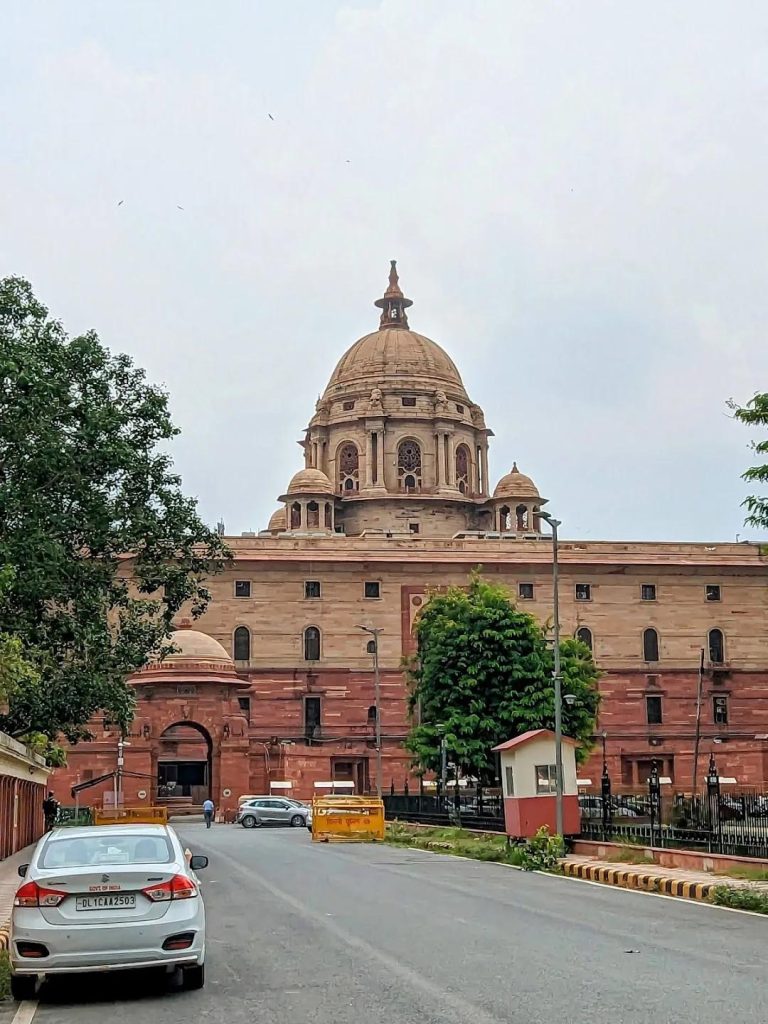
The origins of FCRA lie in the political anxieties of the 1970s, when concerns about foreign influence over Indian political and social life were becoming increasingly prominent. The first Foreign Contribution (Regulation) Act was enacted in 1976, during the Emergency. Its underlying concern was that foreign money should not be allowed to influence political processes or activities in ways considered contrary to national interest.
The legislation was subsequently amended, and the present framework emerged with the Foreign Contribution (Regulation) Act, 2010, which replaced the 1976 law. Today, the Ministry of Home Affairs describes the purpose of FCRA as regulating foreign contributions and ensuring that their acceptance is not used for activities detrimental to the national interest.
This is where FCRA registration becomes important. An NGO may be legally registered in India as a trust, society or Section 8 company, but that does not by itself permit it to accept foreign funding. It must obtain FCRA registration or, in certain circumstances, seek prior permission from the government for a specific foreign contribution. Registration is therefore best understood as a regulatory gateway. It permits an eligible organisation to receive foreign contributions subject to the conditions of the FCRA framework, while also placing it within a system of financial reporting, auditing, banking and regulatory oversight.
A Pertinent Source of Funding
India’s non-governmental organisations operate through a diverse funding ecosystem rather than a single source of income. Their resources may come from government grants, individual giving, domestic philanthropic foundations, corporate social responsibility initiatives, crowdfunding and, where permitted under law, overseas donors. This financial support enables NGOs to undertake work that extends beyond direct service delivery. They can strengthen access to constitutional freedoms of association, bring marginalised communities into public and policy conversations, and advocate for greater transparency and accountability in institutions. Many organisations also contribute research, technical expertise and implementation capacity to government programmes, while building the skills and participation of communities themselves. In this sense, the NGO sector occupies an important space between the state and citizens: it delivers services, generates knowledge, facilitates participation and ensures that the experiences of groups often excluded from formal decision-making enter public discourse.
FCRA becomes relevant within this broader funding landscape because it provides the regulatory framework through which eligible Indian organisations can receive and use foreign contributions. For NGOs, this creates an additional layer of financial responsibility, but it can also make international philanthropic support a more structured and accountable source of funding. FCRA regulates the receipt and utilisation of such contributions and establishes reporting and compliance requirements for organisations that receive them. At its best, FCRA can therefore serve a dual purpose: safeguarding against the misuse of foreign contributions while enabling legitimate organisations to channel international resources towards social and developmental needs.
How FCRA Compliance Works
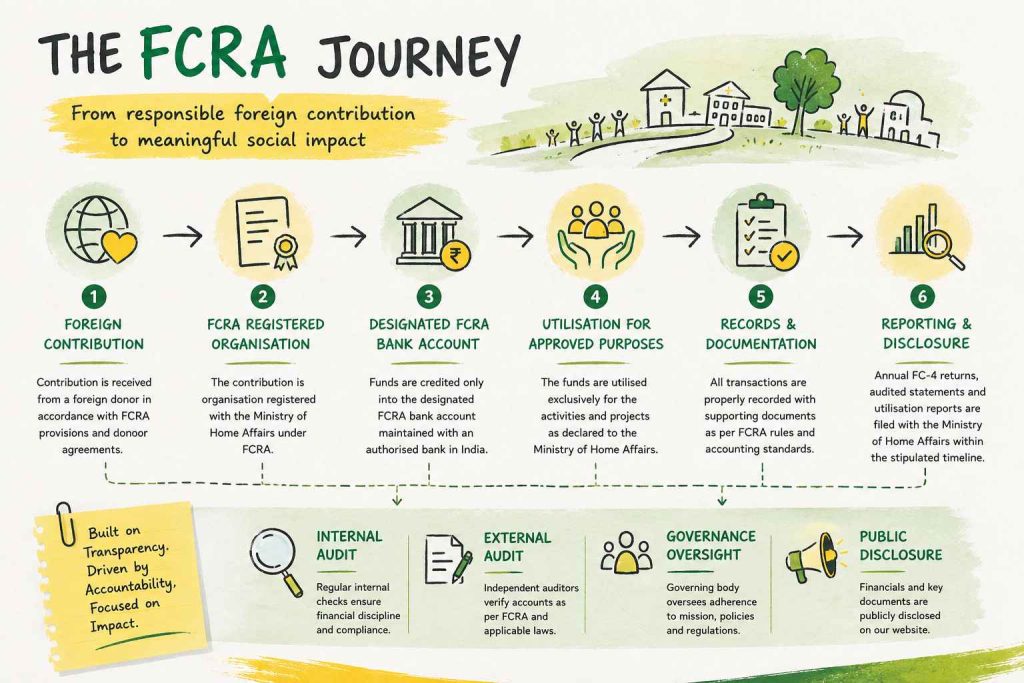
FCRA registration does not provide an unrestricted right to receive or use foreign contributions. Organisations receiving foreign contributions must comply with requirements concerning how funds are received, maintained, utilised and reported.
Under the post-2020 framework, foreign contributions must initially be received through a designated FCRA account at the State Bank of India’s New Delhi Main Branch. Organisations may also maintain additional FCRA utilisation accounts with eligible scheduled banks, subject to applicable requirements.
The framework also restricts the transfer of foreign contributions from one association to another. In addition, administrative expenses are subject to a statutory ceiling of 20% of foreign contribution received during a financial year, unless permitted otherwise in accordance with the Act and applicable rules.
Organisations must also file annual returns electronically in Form FC-4, along with prescribed financial statements and certifications. These requirements make continuing compliance an important part of maintaining FCRA registration.
A Useful Example: Smile Foundation
A useful example is Smile Foundation, which is registered with the Ministry of Home Affairs under FCRA and uses foreign contributions to support a range of social-development programmes.
Smile Foundation is registered with the Ministry of Home Affairs, Foreigners Division (FCRA Wing), Government of India, under FCRA registration number 231660712. Its current governance disclosures state that its renewed FCRA registration is valid until 1 April 2029.
Smile Foundation also publishes FCRA-specific income and expenditure statements as part of its wider financial transparency and governance disclosures. Its published FCRA financial statements show expenditure across initiatives including Mission Education, Action for Children, Swabhiman, nutrition, Smile on Wheels mobile healthcare and relief and disaster response.
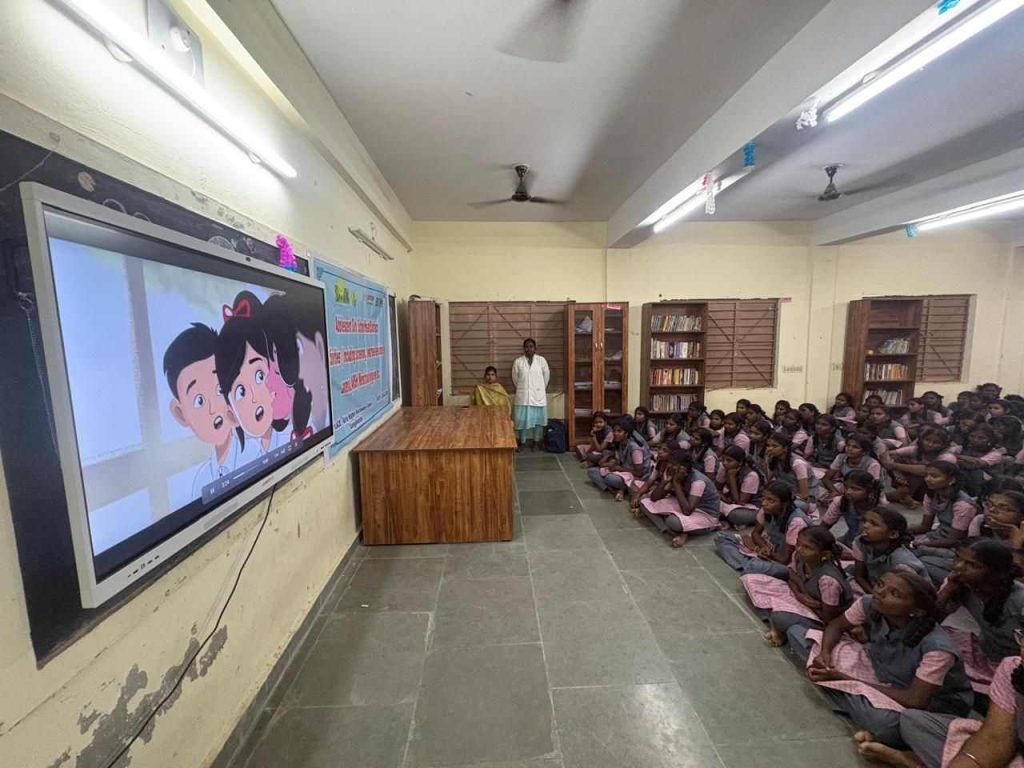
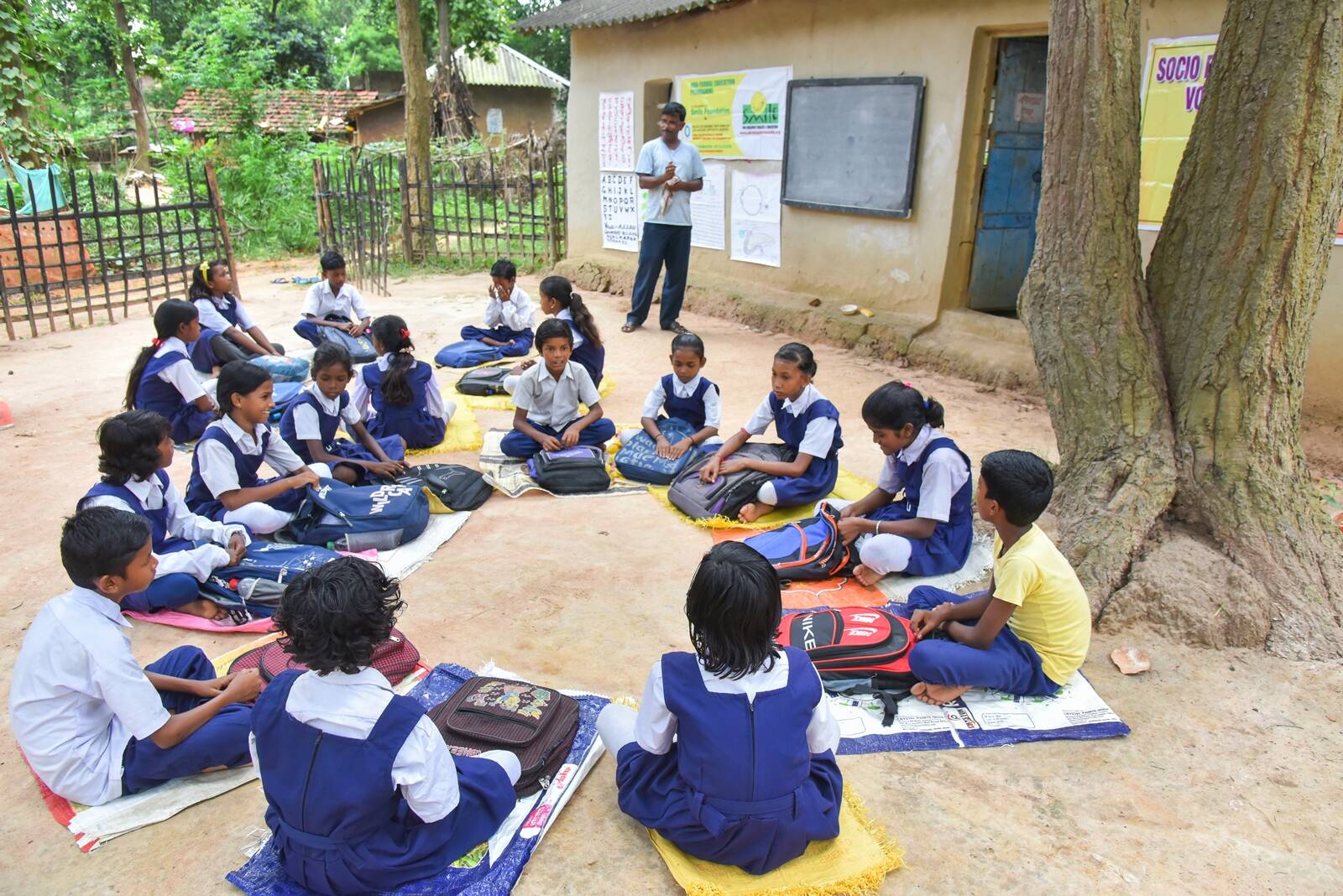
The example illustrates how overseas philanthropy can be translated into sustained social-sector interventions within the regulatory framework governing the receipt and utilisation of foreign contributions. For organisations working on issues that require long-term investment, such funding can complement domestic philanthropy and government support, allowing programmes to reach communities and operate at a scale that may otherwise be difficult to sustain.
Smile Foundation’s FCRA registration is one component of its broader governance framework. Its public disclosures include information about its FCRA registration, financial statements and audit arrangements, allowing donors and other stakeholders to understand the regulatory framework within which foreign contributions are managed.
A Tightening Regulatory Environment
The significance of FCRA has become particularly visible in recent years as the government has intensified scrutiny of organisations receiving foreign contributions. Registration can be denied, suspended, cancelled or allowed to lapse, and organisations without valid registration or applicable prior permission cannot legally receive foreign contributions. This tightening has had consequences for the financial sustainability of parts of India’s civil-society sector. The government has argued that stronger regulation is necessary to prevent diversion and misuse of foreign funds and to ensure that contributions are used for their declared purposes.
Yet the debate around FCRA is not only about financial compliance. It concerns the larger question of how much institutional space civil-society organisations should have to operate independently. For an NGO whose work depends substantially on international grants, losing FCRA registration can have consequences far beyond the loss of a particular funding stream. It can affect staff, programmes, research, community partnerships and long-term planning. The problem can be particularly acute for organisations working in areas where domestic philanthropy remains limited.
This is why FCRA has increasingly become part of a wider debate about the shrinking financial space available to Indian NGOs. Between 2019 and 2021, 1,811 FCRA registration certificates were cancelled, according to a parliamentary response. The result is a civil-society environment in which foreign funding is available, but increasingly conditional on extensive regulatory compliance.
Why FCRA Still Matters
It would be a simplification to understand FCRA either as an unnecessary restriction on NGOs or as merely a mechanism for preventing misuse of foreign money. Its importance lies precisely in the tension between these two positions. Foreign funding can create genuine risks. Transparency about donors, expenditure and organisational finances is an important part of a functioning civil society. But regulation also has consequences for who gets to participate in public life. If compliance becomes so demanding that smaller organisations cannot sustain it, or if the loss of registration effectively prevents an organisation from continuing its work, then FCRA begins to shape financial accountability and the composition of civil society.
This makes FCRA a juncture where state, philanthropy and civil society intersect. For NGOs, it determines access to an important source of funding. For donors, it determines which organisations they can legally support. And for the state, it provides a mechanism through which foreign money entering the country can be monitored.
The larger question is how that regulation can preserve financial transparency without weakening the independent social institutions that depend on such funding to do their work. Nearly fifty years after FCRA first emerged, that question continues to remain unresolved. Understanding FCRA, thus, means understanding how the country negotiates the difficult boundary between national interest, financial accountability and the autonomy of civil society.

Sources
- Ministry of Home Affairs – Foreigners Division / FCRA
- FCRA Online Services – Ministry of Home Affairs
- Smile Foundation – Good Governance and Transparency
- Smile Foundation – FAQ
Frequently Asked Questions (FAQs)
1. What is FCRA registration?
FCRA registration is an authorisation that allows eligible organisations in India to receive foreign contributions, subject to the requirements of the Foreign Contribution (Regulation) Act, 2010.
2. Why is FCRA registration important for NGOs in India?
FCRA registration enables eligible NGOs to legally receive foreign contributions while requiring them to comply with prescribed rules relating to receipt, utilisation, accounting and reporting.
3. Is FCRA registration the same as NGO registration?
No. Registration as a trust, society or Section 8 company does not automatically allow an organisation to receive foreign contributions. Eligible organisations need FCRA registration or, where applicable, prior permission.
4. How long is FCRA registration valid in India?
FCRA registration is generally valid for five years, after which it must be renewed in accordance with the prescribed requirements.
5. What are the compliance requirements for NGOs with FCRA registration?
FCRA-registered organisations must comply with requirements relating to designated bank accounts, financial records, utilisation of foreign contributions, auditing and annual return filing.
6. Can an NGO receive foreign contributions without FCRA registration?
An organisation generally needs FCRA registration to receive foreign contributions. However, it may be possible to receive a specific foreign contribution through prior permission from the government, subject to the applicable requirements.
7. How does FCRA registration affect international donors?
FCRA registration helps determine whether an Indian NGO is authorised to receive foreign contributions. International donors should also review the organisation’s financial disclosures, governance practices and programme information as part of their due diligence.