

Summary
- Child as a caregiver is a child who takes on adult work at home, like cooking for the family or comforting a parent.
- It usually begins after a family crisis. In India, girls take on far more of this work than boys, which leaves them less time to learn.
- These children often arrive at school tired and miss time with friends, and some still feel the effects as adults.
- Because they seem mature and rarely ask for help, the adults around them often miss the signs.
- Once someone notices, sharing chores at home and checking in at school can help a lot. Smile Foundation does its part by keeping children in school and bringing health care closer to the parents who depend on them.

Think back to when you were ten years old. Who cooked your dinner, and who made sure the bills were paid? Chances are a parent did, while you were busy with school and friends. In some Indian homes, a child that age cooks the dinner and keeps track of the money too.
When a child becomes a caregiver, that adult work turns into part of their everyday life, sometimes for years. Psychologists use the word parentification to describe it. A child’s schooling and peace of mind often suffer, especially when the adults around them miss what is happening. Things tend to go much better once someone sees it early and steps in to help.
This happens well beyond India too. A 2023 review of 95 studies from 19 countries found young people doing adult work in families on six continents.
What Is Parentification and Who Is a Parentified Child?
Parentification happens when the usual roles in a family get turned around. The child starts looking after the parent, or raises younger siblings in the parent’s place. Children under 18 who give this kind of regular care are often called young carers.
Small jobs at home are good for children. Professor Jacinda Dariotis of the University of Illinois draws the line at children “taking on activities that adults should be doing.”
Researchers usually describe two kinds.
Instrumental Parentification
This covers the everyday jobs that anyone can see. A child in this role might be:
- cooking meals and cleaning the house every day
- getting younger siblings ready for school
- giving medicines and speaking for a parent at doctor visits
- handling household money and standing in ration queues
Emotional Parentification
Emotional parentification is harder to spot, since nothing visible gets done. A child may become the person a parent leans on after a hard day. They may also calm things down when the adults argue.
Psychologist Shristi Kharel describes how a child’s inner belief slowly changes. “When I am distressed, someone will comfort me” becomes “When someone else is distressed, it is my responsibility to comfort them.”
Child as a Caregiver: Reasons
Few parents choose this for their child. In most homes, it begins slowly, after a crisis the family cannot manage alone. Common triggers include:
- a parent living with a long illness or disability
- a parent working in another city for months at a time
- the death of a parent or a sudden loss of income
- a parent struggling with mental health or addiction
Many families speak with pride about “the responsible eldest child” who seems wise beyond their years. That praise can hide how tired the child really is.
Girls usually take on this work earlier than boys, and they do more of it. In 2024, UNICEF studied India’s national time use data for children aged 6 to 17. It found that 32.9% of girls did unpaid domestic work, compared with 9.1% of boys. Girls doing this work were about 22 percentage points less likely to spend time on learning. One estimate suggests that at least 9% of carers in India and Nepal are under 17.
What Happens When a Child Becomes a Caregiver?
School Starts Slipping Away
A child who was up late caring for a parent often arrives at school already tired. They usually get to their homework only once the house is quiet.
Caring for more than 20 hours a week is linked to trouble at school and higher stress. Over time, some leave school altogether.
Loneliness Grows Inside the Home
For many of these children, childhood becomes a lonely struggle to keep the family going while making everything look normal from the outside.
Children in this role also miss out on after school games and easy hours with friends. One woman, now 35, said, “I cannot say that my parents raised me, they simply kept me.”
Old Patterns Follow Them Into Adulthood
Many young carers take these years with them into adult life. Studies link parentification to higher rates of anxiety and depression. The toll on children’s mental health often shows up years later.
They often find it hard to rest or to ask anyone for help. Some reach their twenties unsure of who they are outside the caring role. Kharel says a common feeling among them is, “I don’t know how to receive love.”
Why Do So Many Child Caregivers Stay Invisible?
Teachers rarely worry about these children. They finish their chores on time and ask for very little, so adults read them as mature.
Many also keep family troubles to themselves. Schools and health services often miss the signs too, since few staff are trained to look for them.
Problems tend to build when a child cares for years without anyone noticing. Children who feel thanked and supported often learn to cope well and feel good about themselves. Many also become more caring and feel that they matter to the people around them. When a child becomes a caregiver and an adult shares the work, the child often copes much better.
How Can Families and Schools Support Young Carers in 2026?
The adults around a child can help in many small ways.
- Give chores that suit the child’s age, such as setting the table. Jobs like managing a parent’s medicines belong with an adult.
- Tell the child clearly, “I’m the adult. Your job is simply to be a child.”
- Set aside time each week for friends and play, with no chores attached.
- Teachers can watch for sleepy children and frequent absences, then ask gently about home.
- Doctors treating a parent can ask, “Who helps you at home?” The answer may point to a young carer.
- When the parent gets treatment and the child gets short breaks from caring, the family no longer rests on one small pair of hands.
How Smile Foundation Supports Children Carrying Too Much

School can be a welcome break for a child with too much to do at home.
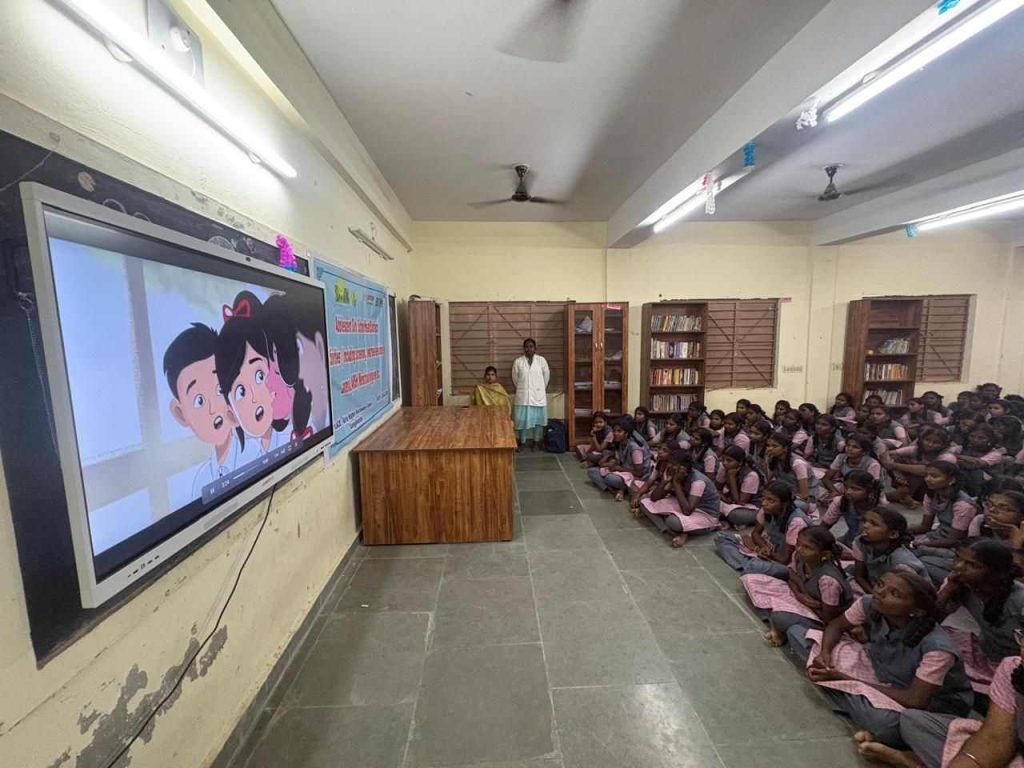
Our Mission Education programme works with children aged 3 to 18 from vulnerable families. In 2024 to 25, it reached over 185,000 children across 27 states. Over 1,500 girls also received scholarships for higher education. That support helps them keep studying when family duties might pull them away.
Our health programme brings care closer to families. When a parent gets proper treatment, their child has more time for school.
When a child becomes a caregiver, the kindest thing we can do is notice and then share the load. At Smile Foundation, we would love for you to be part of that. You can donate to support a child’s education or give your time as a volunteer. Sharing this story with others helps too.
FAQs
- What is parentification in simple words?
It happens when a child takes on the role of a parent at home. They may run the kitchen or look after a parent’s feelings. It becomes harmful when the load is too heavy for their age.
- What are the signs of a parentified child?
They often seem unusually mature and rarely ask for anything. They may miss school often and worry constantly about a parent. Many feel guilty when they rest or play.
- What is the difference between emotional and instrumental parentification?
The instrumental kind involves practical tasks like cooking or caring for siblings. The emotional kind makes the child a parent’s confidant or comforter.
- How does caregiving affect a child’s education?
Children who care for family often arrive at school tired and fall behind on homework. In India, girls who do unpaid domestic work spend noticeably less time on learning.
- Can childhood parentification affect mental health in adulthood?
Yes. Studies link it to anxiety and depression later in life. Therapy and supportive relationships can help adults heal from these patterns.
- Why do girls in India take on more caregiving than boys?
Girls usually start helping at home earlier than boys and take on more of the work. A 2024 UNICEF study found 32.9% of girls aged 6 to 17 did unpaid domestic work, compared with 9.1% of boys.
- How can teachers identify young carers in school?
Teachers can watch for frequent absences and a child who often seems tired or withdrawn. A gentle, private chat about home can open the door to support.
- How can I help a child who is caring for a sick parent?
Listen without judgement and thank them for what they do. Then help the family find health care or community support so the child carries less.
- How does Smile Foundation help children from vulnerable families?
Its Mission Education programme supports children aged 3 to 18 from vulnerable families. In 2024 to 25, it reached over 185,000 children across 27 states.
Sources: