
Women’s Equality Day 2026 Summary
- Financial inclusion is a starting point: Bank accounts, direct benefit transfers and access to credit can give women greater control over their finances and choices.
- Economic agency goes beyond earning: Women need financial literacy, skills, affordable credit, asset ownership and meaningful access to markets to turn income into long-term independence.
- Unpaid care work remains a major barrier: Disproportionate responsibility for household and caregiving work limits women’s time and ability to enter and remain in paid employment.
- Work must be safe, accessible and fairly rewarded: Childcare, safe transport, flexible workplaces, equal pay and pathways to better-paid jobs are essential for sustained economic participation.
- True equality means decision-making power: Economic independence is achieved when women can earn, save, own, borrow, invest and make financial decisions on equal terms.
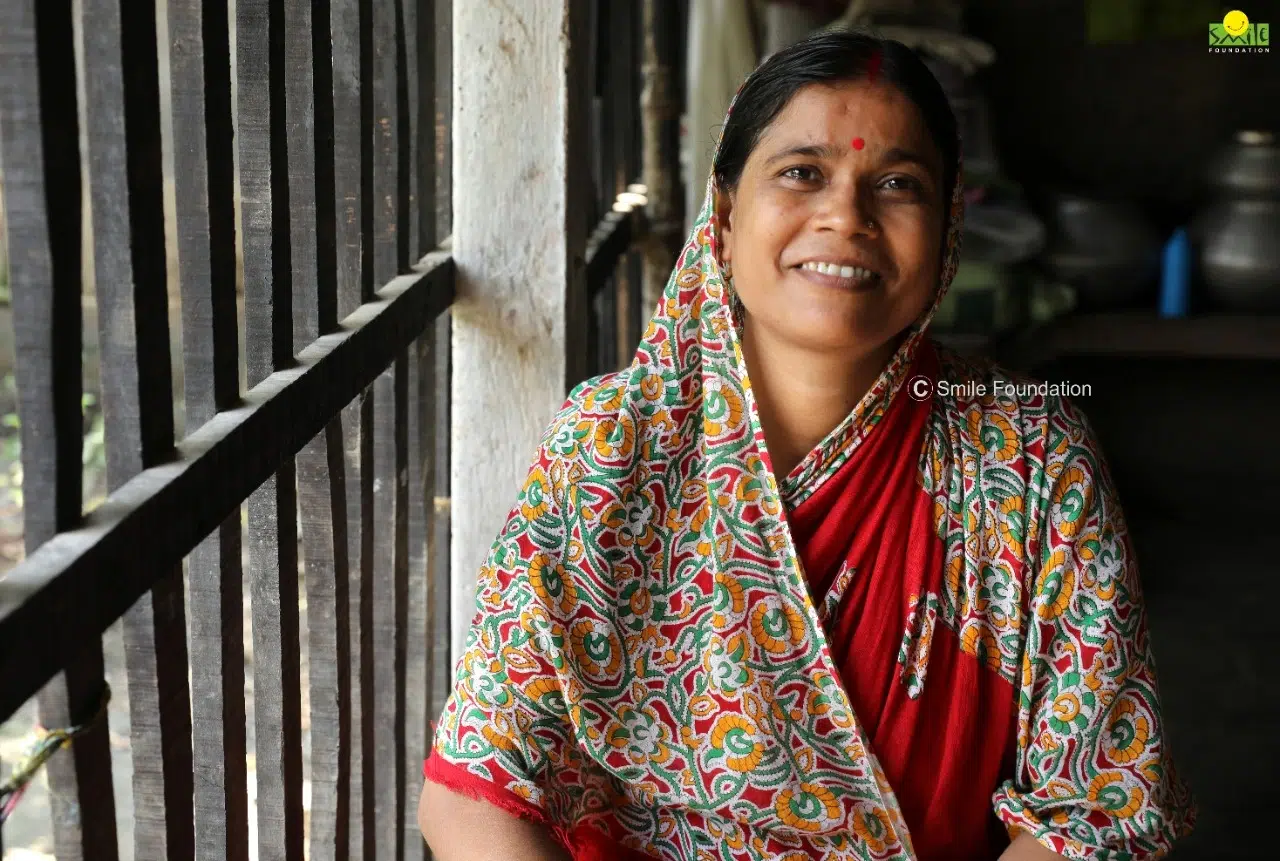
For a woman, having a bank account in her own name can appear to be a small administrative detail. But for millions of women, it can represent something much larger: the ability to receive money directly, access credit, make decisions about how that money is spent, and most importantly, save.
In India, women now have formal legal rights, greater access to education and a growing presence in public life, but equality continues to remain a challenge when economic dependence limits their choices.
The latest labour data illustrates both progress and the impending obstacles that we still need to cover as a country. India’s female labour force participation rate for those aged 15 and above rose from 41.3 per cent in 2023 to 42.0 per cent in 2024 under the current weekly status measure, while the 2025 annual PLFS put female LFPR at 40.0 per cent under usual status. The gap with men, whose LFPR stood at 79.1 per cent, remains substantial. Economic independence is not strictly only about earning an income. It is about having control over resources, choices and, ultimately, one’s own life.
Building economic agency this Women’s Equality Day 2026
India’s financial inclusion architecture has expanded dramatically over the past decade owing to a series of policies. The Pradhan Mantri Jan Dhan Yojana (PMJDY), launched in 2014, sought to bring unbanked households into the formal financial system through basic bank accounts, debit cards, insurance, pensions and access to credit. By July 2026, 58.63 crore Jan-Dhan accounts had been opened, of which 32.68 crore, or 55.7 per cent, were held by women.
For women, the importance of such an account is pertinent. Direct Benefit Transfers can put welfare payments directly into a woman’s account rather than routing them through intermediaries or other household members. Savings in an account controlled by the woman can provide a degree of financial security and bargaining power that cash held within a household may not. However, financial inclusion is not to be measured just by the number of accounts opened but mostly by ensuring that women actively use these accounts, understand financial products, and can access affordable credit. Essentially they should have sufficient financial and digital literacy to make independent decisions.

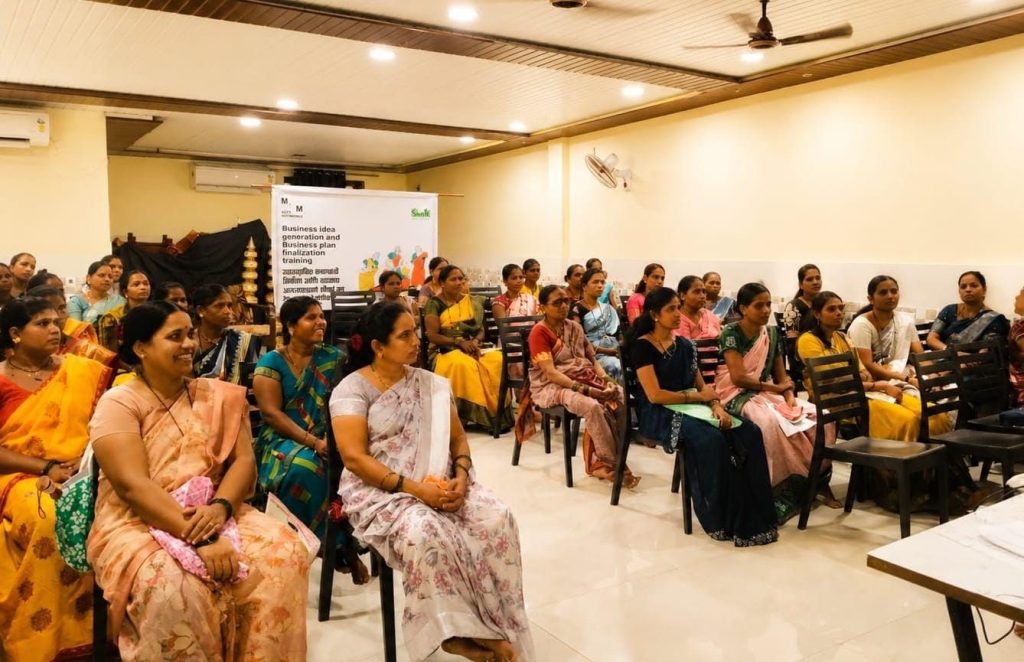
This is where Self-Help Groups (SHGs) and Non-Governmental Organisations (NGOs) also become particularly significant. Through collective savings, credit, training and enterprise development, SHGs can transform financial access into economic activity. Under the Deendayal Antyodaya Yojana–National Rural Livelihoods Mission, around 92 lakh SHGs now cover more than 10 crore rural women. By July 2026, more than 3.46 crore SHG members had been enabled as ‘Lakhpati Didis’, defined by the programme as women earning a sustainable annual household income of at least ₹1 lakh through livelihoods or enterprises.
Another key example is the Swabhiman programme, initiated in 2005 by the Smile Foundation that supports marginalised women in building sustainable livelihoods and greater economic independence. Its approach combines vocational training with digital and financial literacy, equipping women with practical skills to manage enterprises. Seed support, machinery, licensing guidance and enterprise mentoring further helps women establish micro-businesses, to strengthen their agency.
Why earning is still not easy this Women’s Equality Day 2026
Programmes alone cannot dismantle the structures that keep women economically dependent. One of the most persistent barriers is unpaid care work. India’s Time Use Survey shows the enormous gender imbalance in household labour: in 2024, 77.7 per cent of women participated in unpaid domestic services for household members, compared with 24.6 per cent of men. Women also spent substantially more time on unpaid caregiving. This invisible labour has an economic cost. Time spent cooking, cleaning, collecting household supplies, caring for children or looking after elderly or sick family members is time that cannot simultaneously be spent in paid employment or training. As the ADB notes, unequal care responsibilities are a structural barrier to women’s participation in the formal economy.
The problem therefore cannot be solved simply by telling women to join the workforce. Employment becomes a realistic option only when the conditions around employment change. This would mean affordable childcare, elder care, safe transport, sanitation and flexible working arrangements that can further determine whether a woman is able to take a job and, crucially, remain in it for longer.
Asset ownership presents another challenge. A regular income can provide day-to-day financial independence, but ownership of land, a house or any other productive asset can offer longer-term security. Such assets can be used as collateral and provide protection during economic shocks, thus strengthening an individual’s bargaining position within the household. Yet women continue to face disadvantages in ownership. Furthermore, safety and mobility are also equally important. A job that requires travelling two hours through unsafe or poorly connected areas may be inaccessible to a woman even when the position itself is available.
Research has repeatedly linked transport and infrastructure constraints with women’s economic participation. While there have been some strides made in parts of the country, overall the safety issue needs attention especially in cities like Delhi to ensure easier mobility for women.
Focus on women-centred economies
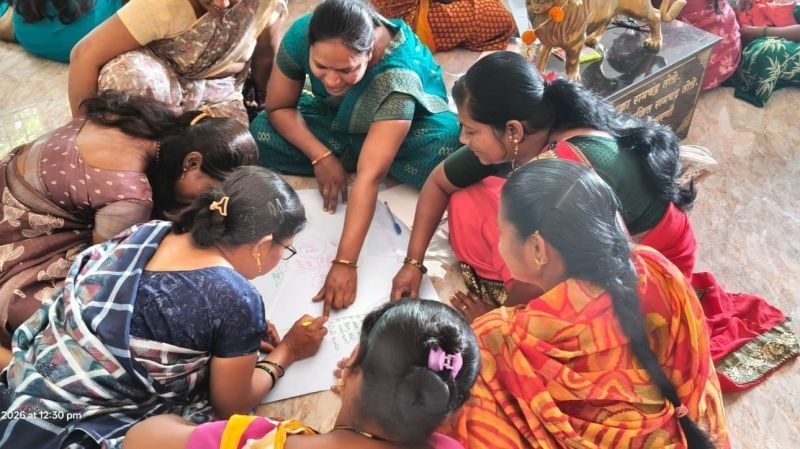
The next phase of women’s empowerment requires financial inclusion programmes to be accompanied by financial literacy and affordable credit related opportunities to help build assets. SHGs also need stronger links to formal markets, technology, supply chains and larger enterprises so that women are not confined to low-return activities. Skill development must similarly be linked to actual demand. Training women for traditionally female occupations can reproduce existing economic inequalities if those occupations remain poorly paid and insecure. Expanding women’s access to technical trades, manufacturing, construction, digital services and entrepreneurship can widen the range of economic choices available to them.
The World Bank’s 2026 programme to reform India’s Industrial Training Institutes, for example, includes a commitment that at least 25 per cent of students will be women, recognising the importance of opening pathways into better-paid, traditionally male-dominated trades. Most importantly, care must be treated as economic infrastructure rather than a private responsibility belonging to women.
Public investment in childcare, elder care, safe transport and reliable basic services can free women’s time for paid work while simultaneously creating jobs in the care economy. Employers, too, must be part of this transformation. Equal pay, maternity protections, safe workplaces, flexible work arrangements and solid pathways into senior leadership roles are. necessary conditions for retaining women in the labour market and ensuring that economic participation translates into economic advancement.
Women’s Equality Day is therefore an opportunity to ask a more fundamental question than whether women have been given access to the economy. It is whether they have the power to participate in it on equal terms. India has made significant gains through financial inclusion, collective enterprise, and women’s participation in paid work. But a bank account without control over money, employment without safety, skills without jobs, or income without ownership cannot constitute full economic independence.
True equality will only arrive when a woman’s ability to earn, save, own, borrow, invest and decide is not determined by her gender. Economic independence is thus, one of the foundations on which equality itself must be built.
FAQs: Women’s Equality Day 2026
1. Why is economic independence important for women’s equality?
Economic independence gives women greater control over their resources and choices. Having an income, savings, assets and access to financial services can strengthen a woman’s ability to make decisions about her life and household and provide greater security during financial shocks.
2. Is having a bank account enough to make a woman financially independent?
No. A bank account is an important first step, but meaningful financial inclusion also requires women to actively use financial services, understand financial products, access affordable credit and have control over the money in their accounts.
3. What are the biggest barriers to women’s economic participation in India?
Women continue to face several interconnected barriers, including unpaid care work, limited access to assets and credit, safety and mobility concerns, unequal access to skills and better-paid jobs, and workplace constraints such as inadequate childcare and inflexible working arrangements.
4. How does unpaid care work affect women’s employment?
Household chores and caregiving consume time that could otherwise be used for paid employment, education or skills development. Because women continue to carry a disproportionate share of unpaid care work, it can make entering the workforce difficult and can also affect their ability to remain and progress in employment.
5. How can Self-Help Groups help women become economically independent?
Self-Help Groups can help women build collective savings, access credit, develop skills and start or expand enterprises. Stronger connections to formal markets, technology, supply chains and larger businesses can further help women move from small-scale activities towards more sustainable and higher-value livelihoods.
6. What can governments and employers do to support women’s economic independence?
Governments can invest in childcare, elder care, safe transport, skills development, financial literacy and affordable credit while improving women’s access to assets and markets. Employers can support equal pay, safe workplaces, maternity protections, flexible work arrangements and pathways to leadership.
7. What does true economic independence for women look like?
True economic independence goes beyond simply having a job or earning an income. It means having the ability to earn, save, own, borrow, invest and make financial decisions without those choices being restricted because of gender.