Categories
Education Health Livelihood Nutrition Partners In Change Smile Women Empowerment

Independence Day 2026: Freedom Is the Opportunity to Become More

Summary:

  • Building an inclusive India is our collective responsibility.
  • Freedom means education, health, dignity and opportunity.
  • The Barriers to Progress — Poverty, inequality, gender bias and limited opportunity remain interconnected.
  • True progress means ensuring growth reaches everyone.
  • Turning Challenges into Change — Education, healthcare, livelihoods and empowerment can break the cycle.
  • Why giving back matters on Independence Day

We often understand India’s freedom through the stories we inherited — the marches, the sacrifices, the prison cells and, finally, the raising of the Tricolour at the Red Fort, followed by Pandit Jawaharlal Nehru’s historic “Tryst with Destiny” speech — a profound reminder of the collective courage that shaped an independent India.

But Independence Day is also a reminder that the spirit of freedom must continue to evolve: towards collectively freeing ourselves from the social and economic barriers that hinder our country’s growth, inclusion and togetherness.

And so, 79 years into an independent India, there is an important question worth asking — not to diminish the freedom we achieved, but to deepen our understanding of what it means:

What does it mean to be truly free as a nation?

Our challenges today are no longer defined primarily by external forces. They are increasingly shaped by internal, ground-level realities that influence who gets to participate in India’s growth and who remains excluded from it.

So, when we speak of independence today, perhaps we must also ask:

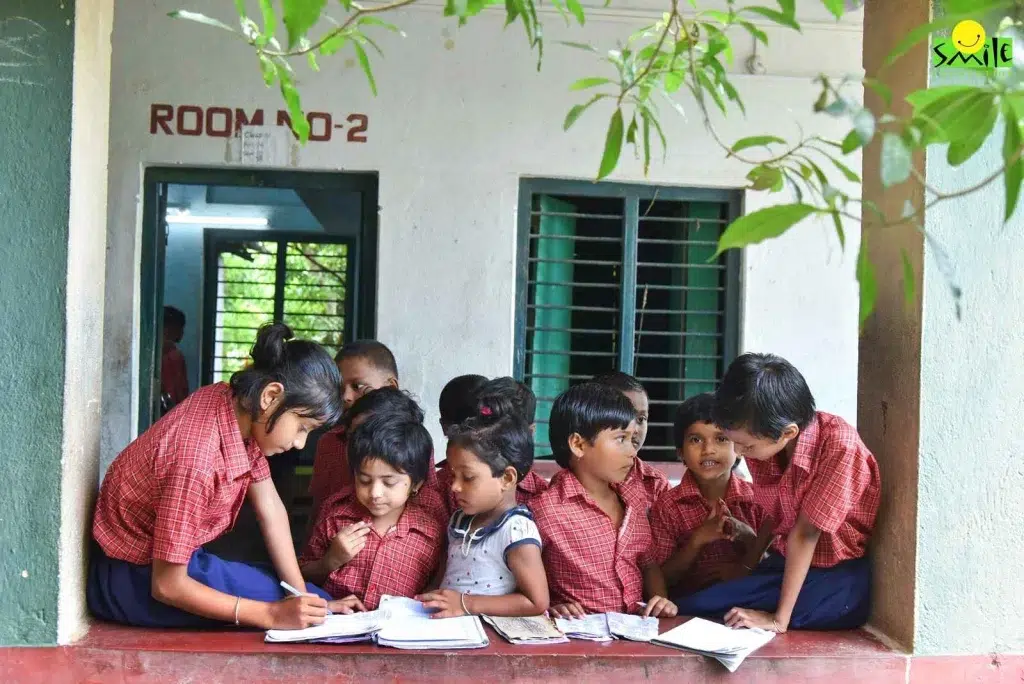
  • What does freedom mean to a child who cannot access quality education?
  • What does it mean to a girl whose choices are shaped by her gender?
  • What does it mean to a family whose health emergency can push it deeper into poverty?
  • And what does freedom mean to a young person who has the ambition to build a better life, but not the skills or opportunities required to do so?

It is important to understand that political freedom has given us the right to shape our destiny. Social and economic freedom determines how many Indians have the opportunity to shape their own.

Progress Is Measured by Who Gets to Participate 

India has made significant development gains over the past decade. Extreme poverty, measured at less than $2.15 per day, declined from 16.2% in 2011–12 to 2.3% in 2022–23, lifting 171 million people above this line. Employment growth has outpaced the working-age population since 2021–22, while employment rates, particularly among women, have also been rising.

Yet development is not complete simply because headline indicators improve.

.

These realities point to a larger development question: how do we ensure that India’s economic progress translates into wider social opportunity?

India is changing rapidly. Our understanding of inclusive growth must evolve with it.

Freedom to Learn: The Foundation of Opportunity

For a child from a marginalised community, the freedom to imagine a life beyond the circumstances of their birth is one of the most fundamental forms of independence.

Yet, educational disadvantage rarely remains confined to the classroom.

When poverty limits access to quality education, a child may fall behind in learning. That can affect their ability to pursue higher education, which can subsequently narrow their employment and earning potential. Lower household incomes can then affect the opportunities available to the next generation.

The result is a cycle in which disadvantage reproduces itself across generations.

Education, therefore, is not simply a social intervention. It is a foundational pathway to economic and social freedom.

Freedom to Be Healthy: Breaking the Poverty–Health Cycle

The same interdependence is visible in healthcare.

Freedom to be healthy means that illness should not determine whether a child can remain in school, whether a parent can continue working or whether a family is pushed deeper into financial insecurity.

Poor health can affect educational attainment and productivity. Lost income can make healthcare less affordable. Inadequate nutrition can affect a child’s development and ability to learn.

What begins as a health challenge can therefore become an education challenge, a livelihood challenge and, ultimately, a poverty challenge.

This interconnectedness is important to recognise because sustainable development cannot address these issues in isolation.

Freedom from Gender Bias: The Freedom to Determine One’s Future

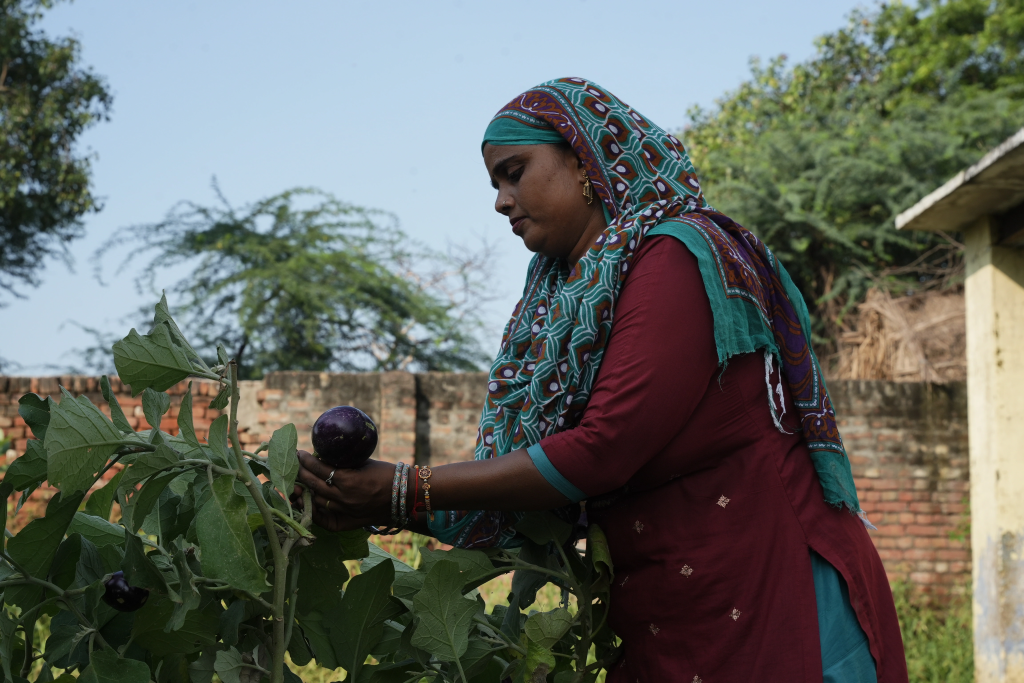
For millions of women and girls, independence must also mean having the agency to determine the direction of their own lives.

Gender inequality is rarely a single barrier. Limited access to education can affect skills and employment. Limited economic independence can influence a woman’s ability to make decisions about her health, marriage and children’s education.

The consequences extend beyond the individual.

When women have fewer opportunities to participate in education and economic activity, families and communities also lose out on their knowledge, capabilities and economic contribution.

Gender equality, therefore, is not only a question of rights. It is fundamental to the country’s development potential.

Freedom to Work with Dignity

For India’s young population, freedom must also include the ability to translate aspiration into sustainable livelihoods.

A young person may have ambition, but ambition alone cannot create economic independence without relevant skills, career guidance and access to opportunity.

When employment remains insecure or inaccessible, households remain financially vulnerable. That vulnerability can influence spending on nutrition, healthcare and children’s education, reinforcing the very cycles that development seeks to break.

The problem, therefore, is not necessarily a lack of aspiration.

It is often the uneven distribution of opportunity.

The Challenges Are Connected. So Must Be the Solutions.

These challenges cannot be viewed as separate threads.

One barrier can reinforce another until an initial lack of opportunity becomes a cycle of deprivation.

Breaking this cycle requires us to reconsider what freedom means in a contemporary India.

It means creating the conditions in which people have the capabilities, resources and agency to participate in the country’s growth.

Celebrate Independence Day with a Purpose: Break the Cycle

If freedom is the opportunity to learn, to be healthy, to work with dignity and to shape one’s own future, then building an inclusive India requires sustained investment in the conditions that make these freedoms possible.

This is where grassroots action matters.

For more than two decades, Smile Foundation has worked with underserved communities across India, translating the larger objective of inclusive development into interventions that reach children, families, women and young people where they are.

As India moves towards its ambition of becoming the world’s third-largest economy by 2030,

The question is not only how fast the economy grows, but how widely the opportunities created by that growth are distributed?

Meaningful Ways to Celebrate Independence Day: Donate for Child Education

A classroom can open a door that circumstances might otherwise keep closed.

But meaningful education requires more than enrolment. It requires learning support, capable teachers, technology, nutrition, safe environments and the confidence to imagine a future beyond immediate limitations.

Through Shiksha Na Ruke, under Mission Education, Smile Foundation works with children from underserved communities to strengthen foundational learning, digital education, STEM and experiential learning, teacher capacity and school environments.

In 2024–25, the programme reached 1.85 lakh+ children, strengthened 1,000+ government schools, connected 68,000+ students to technology-enabled learning and provided 1,591 scholarships.

Behind every number is an individual possibility: a child receiving another opportunity to learn, question, explore and imagine.

This is why choosing to donate for child education on Independence Day can be understood as more than an act of giving. It is a contribution towards creating the conditions in which a child can exercise one of the most fundamental forms of freedom—the freedom to learn and determine what comes next.

Donate for Healthcare: Because Wellbeing Should Not Be a Privilege

  • A child who is frequently unwell may struggle to remain engaged in school.
  • A parent without access to timely healthcare may lose income.
  • A family facing repeated medical expenses may find it increasingly difficult to sustain spending on education.

Smile Foundation’s healthcare interventions take essential healthcare closer to underserved communities, with an approach that includes preventive care, health awareness and access to services where distance, affordability or lack of information can become barriers.

The connection is fundamental:

When health improves, people’s capacity to learn, work and participate improves too.

Donate for Women’s Empowerment: Because Equality Enables Progress

The freedom to shape India’s future cannot be fully realised when women and girls continue to face barriers that restrict their choices.

Through Swabhiman, Smile Foundation works across women’s health, awareness, education and financial empowerment, recognising that sustainable change requires addressing interconnected needs rather than treating them as isolated concerns.

A woman who understands her health is better positioned to make informed decisions. A girl who remains in education has greater possibilities before her. A woman with greater economic independence has greater agency within her household and community.

These individual shifts can have intergenerational consequences.

When women have greater agency, families and communities are better positioned to make informed decisions around education, health and livelihoods.

Donate for Youth Livelihoods: Building India’s Future Workforce

Education creates possibilities, but young people also require pathways through which those possibilities can translate into sustainable livelihoods.

Through STeP, Smile Foundation supports youth development in India by equipping young people with employability skills, workplace readiness, and communication abilities, as well as providing opportunities to enter the workforce.

The significance of livelihood is ultimately about more than income.

It is about the confidence that comes with being able to say:

I have a skill. I can earn. I can contribute. I can decide what comes next.

Economic independence can strengthen a family’s capacity to invest in healthcare and education, helping create a positive cycle that counters intergenerational deprivation.

Why Giving Back Matters on Independence Day

Giving cannot resolve a complex social challenge overnight. But, it can contribute to the infrastructure of opportunity that enables change over time.

It can help support a classroom where a child develops confidence. It can contribute to healthcare access that prevents a family from falling deeper into hardship. It can support a girl’s education, a young person’s employability or the capacity of grassroots organisations to continue working within their communities.

Giving, at its most meaningful, is not simply about responding to need. It is about investing in possibility.

Celebrate Independence Day with Smile

Freedom was not given to us as a finished idea.

It was handed down as a responsibility.

Our responsibility is to ensure that the opportunities created by India’s growth reaches everyone equally.

  • Every child must learn.
  • Every girl is capable of making her decisions
  • A family that can access healthcare.
  • A young person who can earn with dignity.
  • A community that can find and sustain its own solutions.

These are not separate ambitions. Together, they represent a more complete understanding of freedom.

This year, celebrate Independence Day meaningfully by redefining and expanding, the meaning of freedom by supporting Smile Foundation in creating access to education, healthcare, livelihoods and opportunity—

Let’s Together Make freedom a lived opportunity for more Indians. 

FAQ’S

What are meaningful ways to celebrate Independence Day?
Meaningful ways to celebrate Independence Day include volunteering, supporting grassroots causes, donating towards child education, contributing to healthcare initiatives and learning about the social challenges that affect India’s development.

Why does giving back matter on Independence Day?
Giving back connects the celebration of India’s freedom with the responsibility of creating greater opportunity for communities that continue to face barriers in education, healthcare, livelihoods and social inclusion.

How can I donate for child education on Independence Day?
You can support a credible education-focused NGO such as Smile Foundation through its child education initiatives, which combine learning support with digital education, STEM, scholarships, teacher development, health and community engagement.

How can I celebrate Independence Day with a purpose?
You can celebrate Independence Day with a purpose by turning reflection into action—volunteering, donating, supporting a grassroots organisation or helping create opportunities in education, healthcare, women’s empowerment or livelihoods.

Why is child education important for India’s development?
Education strengthens children’s foundational learning, skills, confidence and future opportunities. When children from underserved communities receive meaningful educational support, it can help break intergenerational cycles of deprivation and expand their ability to participate in India’s social and economic growth.

Categories
Disaster Relief

Assam floods 2026 have disrupted lives. The harder half of the work starts now.

DISASTER RESPONSE  |  ASSAM FLOODS 2026

The rivers have fallen. Families are returning to homes under three feet of silt, to dead wells and to fields that will not produce this season. What happened in Upper Assam, why this flood was different and what recovery actually requires.

Assam Floods 2026

A raft made of banana trunks

Well past midnight on 19 July, as floodwater pushed through Charing village in Assam’s Sivasagar district, Bornali Baruah and her husband faced a problem with no good answer. His mother, Lokada Duarah, is 97 and almost bedridden. Their account, reported by the BBC, has become one of the defining images of this flood. There was no boat, no rescue team and no neighbour free to help, because everyone in the village was busy saving themselves.

So they lashed banana trunks into a raft, lifted her onto it and walked. The water was three to four feet deep and the current strong enough that the three of them held hands and steadied themselves with sticks. An hour later they reached a shelter camp on the national highway. Behind them, the water rose to about five feet inside their house.

Baruah is 40 and has lived in Charing since birth. Her family has been there for generations. She had heard stories of a great flood in 1950, long before she was born, but nothing like this had happened in her lifetime. Her house is not on a riverbank: the Brahmaputra is roughly 20km away, the Dikhow 12km, the Jhanji 10km, the Mitong 5km.

She had left journalism in 2016 for animal husbandry, and by 2019 had been named Assam’s best livestock farmer. Her farm carried around 300 goats, 500 ducks and 1,000 chickens, plus fish. Sixty goats survived. She also lost 300 ducks, 300 chickens, much of the fish, her feed-making machine, furniture, vehicles, laptops and the family’s books. None of the livestock was insured, and she says no insurance product exists locally for goats in the first place.

“We will have to learn to coexist with the floods.” — Bornali Baruah, Charing village

What the numbers tell about Assam Floods 2026

Baruah’s village is one of 456 recorded as flood-affected. The Assam State Disaster Management Authority’s bulletin of 9 August lists ten districts and 28 revenue circles hit, with Golaghat (145 villages) and Sivasagar (110) worst affected by that measure. Around 119,000 hectares of cropland went under.

IndicatorFigureSource and date
Confirmed deaths, Assam100ASDMA / AP, 10 August 2026
Confirmed deaths, Nagaland13Nagaland government, late July
Districts affected10ASDMA bulletin, 9 August
Villages affected456ASDMA bulletin, 9 August
Worst-hit by villagesGolaghat (145), Sivasagar (110)ASDMA bulletin, 9 August
Cropland submerged~119,000 hectaresASDMA bulletin, 9 August
People still in relief camps8,000+ in 52 campsASDMA bulletin, 9 August
People displaced since July700,000+Associated Press, 10 August
Interim state relief per family₹15,000 (+₹10,000 in two districts)Assam CM announcement, August

Figures compiled from ASDMA bulletins, state government announcements and Associated Press reporting. Note that camp figures move daily and that some agencies quote cumulative displacement while ASDMA quotes people currently sheltered, which is why totals differ between outlets.

At the peak, Sivasagar alone accounted for more people affected than Charaideo and Jorhat combined.

The toll rose slowly and then kept rising. Four deaths were confirmed on 20 July. By 24 July it had passed 60, with fourteen deaths recorded in a single 24-hour period. It reached 75 by the end of the month and 100 by 10 August. Nagaland, where the rain fell first, reported 13 more.

Deaths were still being confirmed weeks after the water arrived, as bodies were recovered from silt and remote villages became reachable.

One caution for anyone reading coverage of this disaster: the displacement figures do not agree. ASDMA counted just over 8,000 people in 52 camps on 9 August, while wire reporting the following day described nearly 300,000 people having passed through camps and 49,000 still in them. These are almost certainly different measures, current occupancy against cumulative shelter, rather than a contradiction. But it means a headline number on its own tells you very little and it is worth checking what any given figure is actually counting before repeating it.

Why the water reached places it never had

The Brahmaputra floods every year. Assam’s floodplain holds some 28 million people and the river ranks among the world’s top five for both water discharge and sediment load, much of it carried down from Tibet. What has changed, according to Dhrubajyoti Sahariah, professor of geography and director of the Centre for Brahmaputra Studies at Gauhati University, is that the frequency, intensity and severity of flooding now sit well outside historical norms.

The immediate trigger this time was upstream. Heavy rain fell over Mon, Mokokchung and Wokha in Nagaland on 19 July, swelling south-bank tributaries including the Dikhow, Disang and Dhansiri, which then spilled into Assam. Chief Minister Himanta Biswa Sarma attributed the surge partly to a cloudburst in Nagaland. The India Meteorological Department disputed that, which is precisely where the argument about causes opens up.

Sahariah points to settlement on active floodplains, forest clearance, hill-cutting and mining raising sediment loads, and roads and bridges built without properly accounting for the region’s hydrology. Mirza Zulfiqur Rahman, a researcher on the Brahmaputra basin, makes a related argument: wetland degradation and infrastructure have obstructed natural drainage on both banks and in building for economic connectivity the region broke its ecological connectivity.

Politics enters here too. Congress MLA Debabrata Saikia has called the disaster man-made, blaming unfilled open-cast coal pits in Nagaland and unregulated sand and stone mining along the Dikhow, and noting that a task force ordered by the Gauhati High Court after his 2019 petition has not been formed. A local administrator in Naginimora, one of the worst-hit Nagaland towns, rejects the mining link and attributes the flooding to torrential rain and low-lying ground. Both are interested parties, and no independent assessment has yet settled it.

Sahariah’s prescription is structural rather than partisan: basin-scale planning. Many tributaries rise in neighbouring hill states while flood control is planned almost entirely within Assam, which leaves the state managing a river system whose upstream it does not govern.

What survivors need now

The emergency phase is largely over. What replaces it is slower and less photogenic. Water has receded across much of the affected area, but families are returning to houses buried under two to three feet of silt, to dead wells and to fields that will not produce this season.

Livestock losses are the sharpest economic wound. In Nepalikhuti, a Sivasagar village where residents took refuge on rooftops and in a two-storey building, around 5,000 cattle are reported swept away in a community that depends on dairy. Health risks have shifted too: a doctor at Demow Model Hospital who treated snakebite cases by phone during the flood has since seen roughly 150 patients with insect bites, driven by the mud left behind.

Conditions in the camps were hard in the first fortnight. Baruah’s family spent ten days in one, and for five of those there was no electricity or mobile signal, so she could not even charge a phone. The government kit contained rice, lentils and cooking oil. What filled the gaps was other people: a young woman she had never met helped with food, cleaning and looking after her surviving goats, and another took on treating the animals that fell ill.

NeedWhy it matters nowRoughly what it costs
Safe drinking waterWells and tubewells sit under silt and floodwater; contamination drives diarrhoeal illness₹500–1,500 per family for filters or purification tablets
Dry rationsStored grain was submerged; the July harvest is gone in flooded blocks₹1,500–2,500 per family for a two-week kit
Hygiene and dignity kitsWomen and girls in camps lack sanitary supplies and privacy₹600–1,200 per kit
Shelter materialsTarpaulin, roofing sheets and rope for homes stripped to the frame₹3,000–8,000 per household
Livestock supportFodder, veterinary care and restocking for dairy and goat farmers₹5,000–25,000 per household
Silt clearanceTwo to three feet of silt is blocking returns even where water has goneLabour and tool costs, highly variable

Cost ranges are indicative, based on the relief kits Indian agencies have been distributing in Assam this monsoon. Actual costs vary by district and by supplier.

How Smile Foundation is responding

Smile Foundation‘s disaster response in Assam is designed to complement the state-led effort rather than run parallel to it. The state has announced ₹15,000 in interim relief per affected family, with a further ₹10,000 for households in Sivasagar and Charaideo and a waiver on July electricity bills up to 300 units in those two districts. Around 50,000 people had been paid interim compensation by 10 August. That matters and it is nowhere near the cost of rebuilding a dairy herd or a goat farm.

The immediate focus of our work is on the essentials that determine whether a household stays healthy through the weeks after the water goes: emergency rations, safe drinking water and sanitation, mobile healthcare reaching camps and returning families, and hygiene and dignity kits for women and girls. The longer arc is rehabilitation, because a family that survives the fortnight but loses its livelihood has not recovered.

Support the Assam flood response Your contribution funds emergency rations, clean drinking water, mobile healthcare and rehabilitation for families in Upper Assam.

Donate here.

Five checks before you give

  • Give money, not goods, unless an organisation has publicly asked for material. Cash lets local teams buy what is actually short, and it does not clog logistics with unsorted clothing.
  • Check the appeal is dated for this flood. Assam floods most years and older appeal pages from 2022 and 2024 still circulate on social media long after those campaigns closed.
  • Confirm 80G registration if you are an Indian taxpayer and FCRA registration if you are sending money from abroad. Foreign contributions to an organisation without FCRA clearance are not lawful.
  • Prefer organisations already working in the affected districts. Sivasagar, Charaideo, Golaghat, Jorhat and Dhemaji are where the need is concentrated and an organisation with existing local partners can move faster than one arriving cold.
  • Consider giving for recovery, not just relief. Food kits matter in week one; fodder, seed, silt clearance and livestock replacement determine whether a family is still solvent in a year.

Baruah has returned to Charing and is staying with a neighbour while she waits to move back in. She does not intend to leave. Moving away requires economic and social resources her family does not have, so instead she is planning: raise the foundation of the house, build a platform to retreat to, stock food and drinking water in advance. She rejects the label of climate refugee. If the family regains its economic and mental strength, she says, life will return to what it was.

FAQs

1. How many people died in the Assam floods 2026?
The confirmed toll in Assam reached 100 on 10 August 2026, according to the state disaster management authority. A further 13 deaths were reported in neighbouring Nagaland, where the heavy rain fell first. The toll rose steadily for three weeks as bodies were recovered from silt and remote villages became reachable.

2. Which districts were worst affected?
Ten districts and 456 villages were recorded as affected in the 9 August bulletin. Golaghat had the most affected villages (145), followed by Sivasagar (110). By population, Sivasagar was hit hardest, with over 348,000 people affected at the peak, ahead of Charaideo and Jorhat.

3. Why did the flood reach villages that had never flooded before?
Heavy rain upstream in Nagaland on 19 July swelled south-bank tributaries of the Brahmaputra. Researchers point to longer-term factors too: settlement on active floodplains, forest clearance, mining raising sediment loads, wetland loss and roads and embankments built without fully accounting for drainage. Assam’s chief minister cited a cloudburst; the India Meteorological Department disputed that.

4. Is the emergency over now that the water has receded?
No. Families are returning to homes buried under two to three feet of silt, contaminated wells and roughly 119,000 hectares of submerged cropland. Health risks shift rather than end — one hospital in the area reported around 150 insect-bite cases after the water went. Recovery runs for months.

5. What does a donation to Assam flood relief actually pay for?
In the current phase: dry rations, water purification, hygiene and dignity kits, tarpaulin and roofing, veterinary care and fodder, and silt clearance. Cash is more useful than donated goods, because local teams can buy what is actually short instead of sorting unsolicited clothing.

6. How is Smile Foundation responding in Assam?
Smile Foundation is mobilising its healthcare resources to support flood-affected communities across Assam. Our medical teams are providing primary healthcare services, essential medicines, health consultations and referrals where required, alongside the distribution of hygiene kits and ready-to-eat food to families in need.

Reporting in this article is drawn from the Assam State Disaster Management Authority’s daily bulletins (25 July and 9 August 2026), the Associated Press, BBC News and Mongabay-India. The accounts of Bornali Baruah and other residents are their reporting, not ours, and are used with attribution. Figures were current at the time of writing and change daily.

Categories
Insights Smile

Difference Between NGO, Trust and Society in India: Which Legal Structure Means What (2026)

Quick answer: The difference between NGO, Trust and society lies in their legal structure, governing laws and how they are managed. An NGO is not a legal entity in itself. It is a broad term used for organisations working for social welfare. In India, most NGOs are legally registered as a trust, a society or a Section 8 company, each with its own governance model, compliance requirements and advantages.

If you have ever donated to a nonprofit, partnered with one through CSR or considered starting an organisation yourself, you have probably come across these terms. They are often used interchangeably, but they do not mean the same thing.

Understanding the distinction matters. A nonprofit’s legal structure influences how decisions are made, how funds are managed, how transparent the organisation is and how accountable it is to donors, regulators and the communities it serves.

For donors, this knowledge helps assess credibility. For founders, it shapes everything from governance to fundraising. And for companies looking to build long-term social partnerships, it provides confidence that they are working with organisations that have the right legal and compliance framework.

In this guide, we explain the three most common nonprofit legal structures in India, how they differ and what each means in practice.

Christmas Giving That Empowers India’s Girls

What Do the Terms NGO, Trust and Society Actually Mean?

One of the biggest misconceptions is that an NGO, a trust and a society are three different types of organisations.

They are not.

An NGO or Non-Governmental Organisation is simply an umbrella term for organisations that work for charitable, developmental, educational, environmental or humanitarian causes. It describes what an organisation does, not how it is legally constituted.

To operate legally in India, an NGO usually registers under one of three legal frameworks:

  • A charitable trust
  • A registered society
  • A Section 8 company

Each structure has its own legislation, governance requirements and compliance obligations.

Think of it this way.

An NGO is like the profession “doctor”. A doctor may work in a government hospital, a private hospital or an academic institution. The profession remains the same, but the institution differs.

Similarly, an organisation working in education, healthcare or rural development may be called an NGO regardless of whether it is legally registered as a trust, society or Section 8 company.

This distinction is important because donors often search for NGO vs trust vs society India when they are actually trying to understand legal registration rather than social purpose.

The three most common nonprofit structures

Legal StructurePrimary PurposeGoverning Law
TrustCharitable or religious purposesIndian Trusts Act, 1882 (public trusts are also governed by state laws in many states)
SocietyMembership-based charitable, literary, scientific or educational activitiesSocieties Registration Act, 1860
Section 8 CompanyNonprofit organisations with formal corporate governanceCompanies Act, 2013

While all three can pursue charitable objectives, they differ in governance, ownership, reporting requirements and operational flexibility.

Trust: Meaning, Law and How It Works

A trust is one of India’s oldest and most widely recognised nonprofit structures.

In simple terms, a trust is created when one or more individuals transfer property or assets to trustees who manage them for a charitable purpose or for the benefit of a defined group of people.

Unlike membership organisations, trusts are controlled by trustees rather than elected members.

This makes them particularly suitable for family philanthropy, educational institutions, hospitals, religious organisations and long-term charitable initiatives.

The governing document is known as a charitable trust deed, which clearly sets out:

  • The objectives of the trust
  • Details of the trustees
  • Powers and responsibilities
  • Rules for administration
  • Management of assets
  • Procedures for succession

Once established, trustees are legally responsible for ensuring that trust property is used only for its stated charitable purposes.

When is a trust the right structure?

Trusts are commonly chosen when founders want:

  • Stable long-term governance
  • Relatively simple management
  • Protection of charitable assets
  • Limited changes to organisational objectives
  • Continuity across generations

Many schools, hospitals, temples and philanthropic foundations across India operate as public charitable trusts.

However, because trustees generally appoint future trustees, governance may be less participatory than membership-based organisations such as societies.

Governed Under the Indian Trusts Act

The Indian Trusts Act 1882 provides the legal framework for private trusts.

Public charitable trusts, however, are governed differently.

Several states, including Maharashtra and Gujarat, have separate Public Trust Acts that regulate charitable trusts, while other states rely on a combination of state registration laws and judicial principles.

This distinction often causes confusion.

When people refer to charitable trusts in India, they are usually discussing public charitable trusts, not private family trusts governed exclusively by the Indian Trusts Act.

How is a charitable trust registered?

Although procedures differ across states, registration generally involves:

  • Drafting the trust deed
  • Identifying trustees
  • Defining charitable objectives
  • Registering the deed with the appropriate authority
  • Paying applicable stamp duty based on state regulations

Following registration, many organisations also apply for:

  • PAN registration
  • Income Tax registration under Sections 12AB and 80G
  • CSR eligibility, where applicable
  • NGO Darpan registration for government partnerships

These additional registrations strengthen compliance and improve fundraising opportunities.

Advantages of a trust

Trusts offer several practical benefits.

They provide:

  • Relatively straightforward administration
  • Stable governance
  • Long-term continuity
  • Strong asset protection
  • Suitable framework for philanthropic families

Limitations

Trusts may also face certain constraints.

These include:

  • Limited democratic participation
  • Difficulty modifying objectives after registration
  • Greater dependence on trustees for governance
  • State-specific legal variations

For organisations seeking broad community participation, another structure may be more suitable.

Society: Meaning, Law and How It Works

Unlike trusts, societies are built around people rather than property.

A society is essentially a membership-based organisation formed by individuals who come together for a common charitable, educational, literary, scientific, cultural or social purpose.

The emphasis is on collective decision-making.

Members elect a governing body that manages the organisation according to its constitution.

This democratic model makes societies particularly suitable for organisations that depend on active community participation.

Many educational institutions, research organisations, cultural associations, sports bodies and community development organisations operate under this structure.

The governing documents usually include:

  • Memorandum of Association
  • Rules and Regulations
  • Details of founding members
  • Governance procedures
  • Membership criteria
  • Election processes

The memorandum of association society serves as the organisation’s foundational document, defining its objectives and operational framework.

When is a society the right structure?

Societies are often preferred when founders want:

  • Democratic governance
  • Member participation
  • Transparent elections
  • Shared decision-making
  • Community ownership

This structure works particularly well for organisations operating across multiple districts or states where community engagement forms an important part of governance.

Governed Under the Societies Registration Act

The Societies Registration Act 1860 remains one of India’s oldest pieces of social legislation and continues to provide the legal basis for registering charitable societies.

Many states have adopted amended versions of the Act or enacted their own legislation while retaining its core principles.

To register a society, founders generally require:

  • At least seven founding members (requirements vary slightly in some jurisdictions)
  • Memorandum of Association
  • Rules and Regulations
  • Identity and address proofs
  • Registered office details

Once registered, societies are expected to hold governing body meetings, maintain proper records and submit periodic filings as required by the relevant state authority.

Compared with trusts, societies usually involve more structured governance and greater documentation.

That additional oversight often enhances credibility, particularly for organisations working with governments, international agencies and institutional donors.

Advantages of a society

Societies are popular because they encourage participation and accountability.

Key benefits include:

  • Democratic governance
  • Shared leadership
  • Easier community participation
  • Greater organisational flexibility
  • Suitable for large membership-based initiatives

Limitations

At the same time, societies require stronger administrative systems.

Common challenges include:

  • Regular elections
  • More documentation
  • Periodic compliance filings
  • Greater coordination among members

For organisations comfortable with participatory governance, these requirements are often viewed as strengths rather than burdens.

Looking to partner with a credible nonprofit? Understanding an organisation’s legal structure is one way to assess its governance and accountability. Smile Foundation combines strong governance with transparent reporting to build lasting partnerships with donors, volunteers and corporate supporters.

Section 8 Company: The Third Common Structure

While trusts and societies have existed in India for well over a century, a growing number of nonprofits today are choosing to register as Section 8 companies.

A Section 8 company is a nonprofit organisation incorporated under the Companies Act, 2013. Unlike a commercial company, it does not distribute profits to shareholders. Any surplus generated must be reinvested to further the organisation’s charitable objectives.

These organisations can work in areas such as:

  • Education
  • Healthcare
  • Poverty alleviation
  • Environmental conservation
  • Scientific research
  • Arts and culture
  • Social welfare
  • Skill development

Because they are governed under company law, Section 8 organisations generally follow more rigorous standards of governance, financial reporting and compliance than other nonprofit structures.

Why do many organisations choose this structure?

For nonprofits planning to operate at scale, the Section 8 model offers several advantages.

It provides:

  • Strong governance through a Board of Directors
  • High levels of financial transparency
  • Greater credibility with institutional donors
  • Well-defined compliance systems
  • Clear accountability mechanisms

Many international donors, CSR partners and philanthropic foundations are familiar with this structure because its governance resembles that of professionally managed companies.

Governed Under the Companies Act, 2013

The Section 8 Companies Act 2013 lays down detailed provisions for incorporation, governance, financial reporting and compliance.

Unlike trusts or societies, Section 8 companies are registered with the Ministry of Corporate Affairs (MCA).

They are required to:

  • Maintain statutory registers
  • Conduct regular Board meetings
  • Prepare audited financial statements
  • File annual returns
  • Comply with corporate governance requirements

The compliance burden is higher, but so is the confidence it inspires among donors, regulators and partners.

For organisations managing large programmes, receiving CSR funding or operating nationally, this structure often provides greater long-term stability.

NGO vs Trust vs Society: A Side-by-Side Comparison

Choosing the right legal structure depends on an organisation’s purpose, governance philosophy and future plans.

The table below summarises the key differences.

FeatureTrustSocietySection 8 Company
Governing lawIndian Trusts Act, 1882 and applicable state lawsSocieties Registration Act, 1860 and state lawsCompanies Act, 2013
GovernanceTrusteesGoverning body elected by membersBoard of Directors
Suitable forFamily philanthropy, hospitals, schoolsCommunity organisations, educational institutions, cultural groupsLarge nonprofits, CSR implementation, national organisations
Decision-makingTrustee-ledDemocraticBoard-led
ComplianceRelatively moderateModerateHigh
Public credibilityGoodGoodVery high
Ease of registrationRelatively simpleModerateMore structured
Fundraising potentialGoodGoodStrong among institutional donors

There is no universally “best” model.

Each exists because different missions require different governance structures.

This is why discussions around the legal structure NGO India should begin with the organisation’s objectives rather than assumptions about which registration is superior.

Which Structure Is Best for a New Nonprofit in India?

One of the most common questions aspiring founders ask is whether they should register a trust, a society or a Section 8 company.

The answer depends on what they hope to build.

A trust may be the right choice if you:

  • Want relatively simple governance.
  • Plan to manage family philanthropy.
  • Intend to establish a school, hospital or charitable institution.
  • Prefer long-term continuity through trustees.

A society may be more appropriate if you:

  • Want community participation.
  • Expect members to elect leadership.
  • Work in education, culture or research.
  • Need a collaborative governance model.

A Section 8 company is often suitable if you:

  • Plan to scale nationally.
  • Expect significant CSR partnerships.
  • Need strong governance systems.
  • Want greater institutional credibility.
  • Anticipate working with international funders.

When evaluating the best legal structure for NGO initiatives, founders should also consider future compliance obligations.

A simpler structure today may become restrictive as an organisation grows.

Likewise, a more sophisticated structure may require administrative capacity that a small grassroots organisation does not yet possess.

Seeking legal advice before registration can save considerable time and effort later.

How Understanding These Structures Helps Donors Choose Wisely

Most donors focus on an organisation’s mission. That is important. But governance matters too.

Whether you are making an individual contribution, funding a long-term programme or establishing a CSR partnership, understanding a nonprofit’s legal structure provides useful insight into how it operates.

Some questions donors should consider include:

  • Is the organisation legally registered?
  • Does it publish audited financial statements?
  • Does it have an active governing body?
  • Are annual reports publicly available?
  • Does it hold valid tax registrations such as 12AB and 80G?
  • Does it comply with applicable laws?

These questions are often more useful than simply asking whether an organisation is a trust or a society.

Strong governance can exist across all three structures.

Similarly, weak governance can occur in any structure if compliance and accountability are neglected.

Understanding the NGO registration process comparison helps donors move beyond labels and evaluate organisations based on transparency, impact and integrity.

NGO vs trust vs society

Smile Foundation’s Legal Structure and Governance

Founded in 2002, Smile Foundation is registered as a charitable trust and works across education, healthcare, livelihoods, women empowerment and disaster response.

Over the past two decades, the organisation has built governance systems that reflect the expectations of donors, corporate partners and communities alike.

Its governance framework includes:

  • A Board of Trustees responsible for strategic oversight
  • Independent financial audits
  • Statutory compliance with applicable regulations
  • Transparent annual reports
  • Programme monitoring and evaluation
  • Partnerships with government agencies, corporations and civil society organisations

Smile Foundation also holds the registrations required to receive eligible charitable contributions under applicable tax laws and works with companies implementing CSR initiatives across India.

For donors, governance is only one part of the picture.

Equally important is whether an organisation demonstrates measurable impact, transparent reporting and sustained community engagement.

Those qualities are built over time through consistent accountability rather than legal structure alone.

Choosing the Right Structure Is About Purpose, Not Preference

The terms NGO, trust and society are often used interchangeably, but they describe different aspects of the nonprofit sector.

An NGO refers to an organisation’s purpose.

A trust, society or Section 8 company refers to its legal identity.

Understanding this distinction helps founders make informed decisions, enables donors to evaluate organisations more confidently and strengthens trust across the social sector.

Each structure has its own strengths.

Trusts offer continuity.

Societies encourage democratic participation.

Section 8 companies provide robust governance and corporate-style accountability.

The right choice depends on an organisation’s mission, scale, governance philosophy and long-term aspirations.

Ultimately, the success of a nonprofit is measured not by the law under which it is registered, but by how responsibly it uses its resources and how meaningfully it improves lives.

Whether you are planning to establish a nonprofit, partner through CSR or support a social cause, understanding the difference between NGO trust and society is the first step towards making informed and impactful decisions.

If you are looking to support an organisation with a strong governance framework, measurable impact and over two decades of experience working across India, explore Smile Foundation’s education, healthcare and livelihood programmes or consider partnering through volunteering, CSR or donations. Together, we can help create lasting change.

FAQs — NGO vs Trust vs Society

1. What is the basic difference between a trust, a society and an NGO?

An NGO is a general term for an organisation working for social welfare. A trust, society and Section 8 company are the three most common legal structures under which NGOs are registered in India. The main differences lie in governance, registration laws and compliance requirements.

2. Which law governs the registration of a charitable trust in India?

Public charitable trusts are generally governed by applicable state trust laws, while the Indian Trusts Act, 1882 primarily governs private trusts. Registration procedures vary across states.

3. Which law governs the registration of a society in India?

Societies are registered under the Societies Registration Act, 1860 or the corresponding legislation adopted by individual states. They are membership-based organisations governed by elected governing bodies.

4. Is a Section 8 company the same as an NGO?

A Section 8 company is one type of legal structure that an NGO can adopt. It is incorporated under the Companies Act, 2013 and operates on a not-for-profit basis, with profits reinvested in its charitable objectives.

5. Which legal structure is best for starting a nonprofit in India?

There is no single best option. Trusts suit long-term charitable institutions, societies work well for membership-based organisations and Section 8 companies are often preferred for larger nonprofits seeking stronger governance and institutional partnerships.

6. Do all three structures receive the same tax benefits?

Tax benefits do not arise automatically from the legal structure. Trusts, societies and Section 8 companies can all apply for registrations such as 12AB and 80G under the Income-tax Act, provided they meet the prescribed conditions.

7. How does the choice of legal structure affect donor trust?

While donors value legal registration, they also look for transparent governance, audited financial statements, statutory compliance and measurable impact. Strong accountability builds confidence regardless of the legal structure.

8. Can a trust convert into a society or vice versa?

A trust cannot simply be converted into a society, or vice versa. In most cases, a new legal entity must be established, and the transition must comply with applicable laws and regulatory requirements.

9. What documents are required to register each of these structures?

Requirements vary, but trusts generally require a trust deed, societies require a Memorandum of Association and Rules and Regulations, while Section 8 companies require incorporation documents prescribed by the Ministry of Corporate Affairs.

10. What legal structure does Smile Foundation operate under?

Smile Foundation is registered as a charitable trust. Over the years, it has established strong governance, financial transparency and programme monitoring systems that support its work with donors, corporate partners and communities across India.

Categories
Education Insights

Right to Education Act India: What Every Parent and Donor Should Know

Summary

  • Explains the Right to Education Act, 2009 and why it is a landmark law for ensuring universal elementary education in India.
  • Describes how Article 21A of the Indian Constitution made education a Fundamental Right for children aged 6 to 14 years.
  • Breaks down the key provisions of the RTE Act, including free and compulsory education, School Management Committees and child-friendly learning standards.
  • Explains the 25 percent reservation in private schools, including eligibility criteria and the RTE admission process for economically weaker and disadvantaged children.
  • Examines how the Act sets minimum standards for school infrastructure, teacher qualifications and learning environments.
  • Discusses the major challenges in implementing the RTE Act, including learning outcomes, teacher shortages, dropouts and regional disparities.
  • Highlights the role of NGOs, donors and community organisations in supporting education access and strengthening the implementation of the Right to Education Act across India.

Education can change the course of a child’s life, but only if that child has the opportunity to enter and stay in school. For millions of children in India, that opportunity was once shaped by family income, geography, gender and social identity. The Right to Education Act India sought to change that reality by making elementary education a legal entitlement rather than a privilege.

Since coming into force in 2010, the Right of Children to Free and Compulsory Education Act, 2009, commonly known as the RTE Act, has transformed the country’s education landscape. It has helped expand school enrolment, improve infrastructure standards and strengthen accountability in both government and private schools. Yet, nearly two decades after its passage, questions remain. Who is eligible? How does the 25 percent reservation in private schools work? What responsibilities do schools and governments have? And where do NGOs and donors fit into the picture?

Whether you are a parent seeking admission for your child or a donor looking to support equitable education, understanding the Act is essential. It represents India’s commitment to ensuring that every child, regardless of circumstance, has the chance to learn, grow and fulfil their potential.

Right to Education Act

What is the Right to Education Act and Why It Matters

The Right of Children to Free and Compulsory Education Act, 2009 is one of India’s most significant social legislations. It guarantees free education for children India between the ages of 6 and 14 years and places a legal obligation on governments to ensure every child has access to elementary schooling.

The Act came into effect on 1 April 2010, making India one of the few countries to recognise elementary education as a legally enforceable right.

Before the legislation, millions of children, particularly girls, children from Scheduled Castes and Scheduled Tribes, migrant families and economically weaker households, remained outside the formal education system. School fees, poor infrastructure, discrimination and distance from schools often prevented children from completing even primary education.

The RTE Act sought to remove these barriers by focusing not only on enrolment but also on retention, equity and quality.

Its objectives include:

  • Ensuring every child between 6 and 14 years receives free and compulsory education.
  • Preventing discrimination in school admissions.
  • Improving the quality of elementary education.
  • Establishing minimum standards for school infrastructure.
  • Reducing dropout rates.
  • Promoting inclusive classrooms for disadvantaged children.

The law reflects an important shift in thinking. Education is no longer viewed as a welfare measure provided by the state when resources permit. Instead, it is recognised as a legal right that every eligible child can claim.

According to the Ministry of Education’s Unified District Information System for Education Plus (UDISE+) reports, India has achieved near-universal enrolment at the primary level, with Gross Enrolment Ratios exceeding 100 percent because they include overage and underage children enrolled in school. While enrolment has improved significantly, challenges related to attendance, learning outcomes and transition to secondary education continue to require attention.

Constitutional Backing: Article 21A Explained

The Right to Education Act is rooted in a constitutional promise.

In 2002, the 86th Constitutional Amendment inserted Article 21A Indian Constitution, making education as fundamental right India for every child between the ages of 6 and 14 years.

Article 21A states:

“The State shall provide free and compulsory education to all children of the age of six to fourteen years in such manner as the State may, by law, determine.”

This amendment transformed education from a Directive Principle of State Policy into a Fundamental Right.

Directive Principles guide governments but are not enforceable in court. Fundamental Rights, however, create legal obligations that citizens can invoke when those rights are denied.

The amendment also introduced two complementary constitutional provisions:

  • Article 45, which directs the State to provide early childhood care and education for children below six years.
  • Article 51A(k), which places a duty on parents and guardians to provide educational opportunities for children between the ages of 6 and 14.

Together, these provisions create shared responsibility among governments, schools, communities and families.

The constitutional framework recognises that education is not merely about literacy. It is central to equality, dignity, economic opportunity and democratic participation.

UNESCO has repeatedly identified universal access to quality education as a cornerstone of sustainable development. India’s constitutional guarantee aligns closely with Sustainable Development Goal 4, which aims to ensure inclusive and equitable quality education for all.

Key Provisions of the RTE Act 2009

The RTE Act 2009 India introduced a comprehensive framework that extends far beyond free admission to school.

It defines what children are entitled to and what governments, schools and teachers are expected to deliver.

Some of its most important provisions include:

1. Free and compulsory education

Every child between 6 and 14 years is entitled to complete elementary education without paying tuition fees or other charges that could prevent attendance.

If a child has never attended school or has dropped out, the child must be admitted to an age-appropriate class and provided additional support to bridge learning gaps.

2. Neighbourhood schools

Governments are responsible for ensuring schools are available within a reasonable distance from children’s homes.

This provision seeks to reduce one of the biggest barriers to education, especially for girls and children in rural or remote areas.

3. No screening for admissions

Schools cannot conduct admission tests or interviews for children or parents before granting admission at the elementary level.

Admissions must remain fair and transparent.

4. No capitation fees

Schools are prohibited from charging capitation fees during admissions.

Violations attract penalties under the Act.

5. Protection against expulsion

Children cannot be expelled or denied admission during the period of elementary education on arbitrary grounds.

The Act also introduced safeguards against practices that discourage children from remaining in school.

6. Continuous evaluation

The original legislation introduced Continuous and Comprehensive Evaluation (CCE) to move beyond high-pressure examinations.

Although later amendments allowed states greater flexibility regarding examinations, the broader objective remains reducing stress while encouraging continuous learning.

7. Teacher qualifications

The Act prescribes minimum qualifications for teachers and emphasises regular professional development.

Teacher deployment should also be balanced so that schools are not left with severe staff shortages while others have surplus teachers.

8. School Management Committees

Government and aided schools are required to establish School Management Committees (SMCs), with parents forming the majority of members.

These committees monitor school functioning, prepare development plans and encourage community participation in school governance.

9. Child-friendly education

The Act promotes learning environments that respect children’s dignity.

It discourages physical punishment, mental harassment and discriminatory practices while encouraging inclusive and activity-based learning.

Collectively, these provisions recognise that meaningful education depends not only on access but also on quality, safety and accountability.

The 25 Percent Reservation in Private Schools

Among the most widely discussed provisions of the Act is the requirement that eligible private unaided schools reserve 25 percent of entry-level seats for children from economically weaker sections (EWS) and disadvantaged groups.

Often referred to as the RTE 25 percent quota private schools, this provision seeks to promote greater social inclusion by enabling children from diverse backgrounds to learn together.

Rather than creating separate systems for different income groups, the policy encourages integration within mainstream schools.

The government reimburses participating schools according to prescribed norms, although reimbursement mechanisms vary across states.

The policy has opened opportunities for many families who would otherwise have been unable to access private education.

At the same time, implementation has not always been smooth.

Several states continue to face challenges related to reimbursement delays, verification processes, limited awareness among parents and uneven implementation across districts.

Even so, the provision remains one of the Act’s most ambitious attempts to reduce educational inequality.

Eligibility and Admission Process

Many parents are aware of the reservation but remain uncertain about right to education eligibility or the RTE admission process.

While procedures differ slightly across states, the broad framework remains similar.

Generally, children applying under the 25 percent quota must belong to:

  • Economically Weaker Sections (EWS)
  • Disadvantaged social groups specified by state governments
  • Children with disabilities, where applicable
  • Other eligible categories notified under state RTE rules

Admissions usually take place through online or district-level application systems managed by state education departments.

Parents are typically required to submit documents such as:

  • Proof of age
  • Residence certificate
  • Income certificate
  • Caste certificate, where applicable
  • Other documents prescribed by the state government

If the number of eligible applicants exceeds available seats, admissions are generally conducted through a transparent lottery system.

Parents should remember that application timelines, eligibility criteria and required documents vary across states. Checking the official education department website is therefore essential before applying.

For many first-generation learners, this provision represents more than access to a private school. It creates opportunities to study in environments with better infrastructure, wider exposure and greater academic resources while promoting social inclusion from an early age.

Want to help more children realise their right to quality education? Supporting credible organisations working with underserved communities can bridge the gap between legal entitlement and real classroom opportunities.

How the RTE Act Improves School Infrastructure Standards

A school is the environment in which children learn, grow and develop confidence. Recognising this, the Right to Education Act introduced minimum infrastructure standards that every recognised school must meet.

Before the Act, many schools across India operated without adequate classrooms, toilets, drinking water or playgrounds. These gaps affected attendance, particularly among girls, and often discouraged children from staying in school.

The Act established clear norms to ensure that every child learns in a safe and supportive environment.

Education Helps Us Live Longer: Role of Education

Key infrastructure standards under the RTE Act include:

  • Adequate classrooms for all grades
  • Safe drinking water facilities
  • Separate toilets for boys and girls
  • Barrier-free access for children with disabilities
  • Functional libraries with age-appropriate books
  • Playground or access to sports facilities
  • Appropriate pupil-teacher ratios
  • Boundary walls or fencing for safety
  • Midday meal facilities in government schools

These school infrastructure norms RTE recognise that quality education depends on much more than textbooks and teachers.

Progress has been substantial.

According to the Ministry of Education’s UDISE+ 2023–24 report, the vast majority of schools now have access to drinking water and separate toilets for boys and girls. Electricity and digital infrastructure have also improved steadily across many states. However, gaps remain in library facilities, internet connectivity, inclusive infrastructure and classroom quality, particularly in remote and underserved regions.

Infrastructure also influences learning outcomes in less visible ways.

A functional toilet can reduce absenteeism among adolescent girls.

A library can encourage reading beyond the classroom.

Accessible buildings enable children with disabilities to participate fully in school life.

Small improvements often have lasting effects on children’s confidence and educational journey.

Challenges in Implementing the RTE Act

The Right to Education Act established an ambitious vision. Translating that vision into reality across a country as diverse as India has inevitably been complex.

The challenge today is no longer whether children have a legal right to education.

It is whether that right consistently translates into meaningful learning.

1. Learning outcomes remain uneven

Enrolment has improved significantly since the Act came into force, but attendance does not automatically guarantee learning.

Annual Status of Education Report (ASER) surveys have consistently shown that many children in upper primary grades continue to struggle with foundational reading and arithmetic.

Improving learning quality has therefore become as important as improving access.

2. Dropouts continue beyond elementary school

The Act guarantees elementary education up to Class VIII.

However, many students, especially girls and children from economically vulnerable households, continue to leave school during the transition to secondary education.

Financial pressures, child labour, early marriage, migration and caregiving responsibilities remain major contributors to school dropout.

Strengthening dropout prevention RTE efforts requires coordinated action beyond schools alone.

3. Teacher shortages

Many government schools continue to operate with vacancies or uneven teacher distribution.

According to recent UDISE+ data, thousands of sanctioned teaching positions remain unfilled across states.

Teacher availability directly affects classroom quality, especially in rural schools where multi-grade teaching is common.

4. Uneven implementation across states

Education is implemented by state governments, resulting in differences in funding, monitoring and administrative capacity.

Some states have developed robust digital admission systems and stronger compliance mechanisms.

Others continue to face delays in reimbursements, infrastructure upgrades and teacher recruitment.

5. Limited awareness among parents

Many eligible families remain unaware of their rights under the Act.

Some parents do not know about admission procedures, documentation requirements or grievance redressal mechanisms.

Without awareness, legal rights often remain inaccessible.

6. Inclusion remains a work in progress

Although the legislation promotes education access disadvantaged children, barriers continue to affect children with disabilities, migrant children, tribal communities and children living in urban informal settlements.

Ensuring genuine inclusion requires flexible policies, trained teachers and stronger community engagement.

The Right to Education Act has created the framework.

The next phase requires sustained investment in quality, equity and accountability.

How NGOs and Donors Support RTE Goals

Laws create rights.

Communities help realise them.

The Right to Education Act places clear responsibilities on governments, but achieving universal education also depends on the contributions of civil society organisations, philanthropic institutions and individual donors.

Across India, NGOs work alongside schools, local administrations and communities to address challenges that legislation alone cannot solve.

Their role extends well beyond enrolment.

Many organisations support:

  • Foundational literacy and numeracy
  • Remedial education programmes
  • Early childhood development
  • Teacher capacity building
  • School infrastructure improvements
  • Community mobilisation
  • Parent awareness campaigns
  • Digital education
  • Scholarships and learning resources

These interventions help ensure that children not only enter school but continue learning successfully.

Building bridges between families and schools

One of the most valuable contributions NGOs make is strengthening relationships between communities and schools.

Many parents, particularly first-generation learners, may feel uncertain about navigating school systems or understanding government programmes.

Community outreach helps families:

  • Understand admission procedures
  • Complete documentation
  • Participate in School Management Committees
  • Monitor children’s attendance
  • Encourage continued education, especially for girls

These efforts create stronger local ownership of education.

Why donors matter

For donors, supporting education is not simply about funding classrooms.

It is about investing in children’s futures.

Strategic philanthropy can strengthen programmes that complement government initiatives through innovation, community participation and targeted support for vulnerable groups.

Those looking to donate for education can contribute towards initiatives such as:

  • Scholarships
  • Digital learning
  • School libraries
  • STEM education
  • Nutrition support
  • Teacher training
  • Life skills education
  • Career guidance
  • Girls’ education programmes

These investments often generate benefits that extend across generations.

Research by the World Bank consistently shows that education improves lifetime earnings, health outcomes, gender equality and economic productivity.

Every additional year of schooling creates opportunities that ripple across families and communities.

A legal right opens the classroom door. Sustained community support helps children stay inside it. Partnering with organisations working directly with underserved communities can ensure that the promise of education reaches those who need it most.

The Right to Education Is a Promise That Requires Participation

The Right to Education Act transformed India’s approach to elementary education by recognising learning as a legal entitlement rather than a privilege reserved for those who could afford it.

Over the past decade, the country has made significant progress in expanding school access, strengthening infrastructure and bringing millions of children into classrooms.

Yet access is only the beginning.

Quality teaching, safe schools, inclusive classrooms, informed parents and active communities remain essential if every child is to realise the full potential of education.

Governments must continue strengthening implementation.

Schools must uphold the standards set out in the law.

Communities must encourage children to remain in school.

NGOs must bridge gaps where systems fall short.

And donors have an important role in supporting innovative programmes that help vulnerable children overcome barriers to learning.

The Right to Education Act India is ultimately more than legislation.

It is a collective commitment to ensuring that where a child is born does not determine how far they can learn.

When governments, educators, communities and citizens work together, the constitutional promise of education can become an everyday reality for every child.

FAQs — Right to Education Act in India

1. What is the Right to Education Act and when was it passed?

The Right of Children to Free and Compulsory Education Act, 2009 (RTE Act) was passed by Parliament in 2009 and came into force on 1 April 2010. It guarantees free and compulsory elementary education for children between the ages of 6 and 14 years.

2. How does Article 21A guarantee the right to education?

Article 21A of the Indian Constitution makes education a Fundamental Right by requiring the State to provide free and compulsory education to all children aged 6 to 14 years in the manner prescribed by law.

3. What are the key provisions of the RTE Act 2009?

The Act guarantees free education, prohibits capitation fees and screening tests, prescribes minimum school infrastructure standards, establishes School Management Committees, protects children from discrimination and promotes child-friendly learning environments.

4. What is the 25 percent reservation rule in private schools?

The RTE Act requires eligible private unaided schools to reserve 25 percent of entry-level seats for children from Economically Weaker Sections (EWS) and disadvantaged groups, with government reimbursement provided according to applicable norms.

5. Who is eligible for free education under the RTE Act?

Every child between 6 and 14 years has the right to free and compulsory elementary education. Eligibility for admission under the 25 percent reservation varies according to state-specific rules for Economically Weaker Sections and disadvantaged groups.

6. What infrastructure standards does the RTE Act require schools to meet?

Schools are expected to provide adequate classrooms, safe drinking water, separate toilets for boys and girls, libraries, playgrounds, appropriate pupil-teacher ratios, barrier-free access and other essential facilities that support a safe learning environment.

7. What are the biggest challenges in implementing the Right to Education Act?

Major challenges include uneven learning outcomes, teacher shortages, infrastructure gaps, delayed reimbursements, limited awareness among eligible families, regional disparities and ensuring inclusive education for vulnerable children.

8. How effective has the RTE Act been at reducing school dropout rates?

The Act has significantly improved enrolment and retention at the elementary level. However, dropout rates remain a concern during the transition to secondary education, particularly among girls and economically disadvantaged children.

9. How do NGOs help ensure RTE benefits reach disadvantaged children?

NGOs support enrolment drives, remedial education, teacher training, digital learning, community mobilisation, parent awareness, school infrastructure and programmes that help children remain in school and improve learning outcomes.

10. How can I support education access programmes for underprivileged children?

Individuals and organisations can support credible nonprofits working in education by funding scholarships, school infrastructure, digital learning, teacher training, girls’ education, remedial classes or community-based programmes that help children exercise their right to quality education.

Categories
Smile

Employee Volunteering Programs in India: How Companies Can Engage Staff Beyond CSR Funding

For years, corporate social responsibility (CSR) in India has largely been measured in rupees. Companies announce their annual CSR budgets, support flagship projects and publish impact reports that highlight the number of beneficiaries reached. These investments remain essential. Yet, money alone rarely builds the lasting relationships that drive meaningful social change.

This is where employee volunteering programs India are changing the conversation. Across industries, companies are discovering that when employees contribute their time, expertise and ideas alongside financial support, CSR becomes more personal, participatory and sustainable. A marketing professional mentoring first-generation entrepreneurs, an engineer helping schools improve STEM education or a finance team conducting financial literacy workshops can create impact that extends well beyond a cheque.

The shift also reflects changing employee expectations. Today’s workforce, particularly younger professionals, increasingly wants to work for organisations that demonstrate purpose alongside profit. Volunteering offers employees an opportunity to connect with communities, develop new skills and see the tangible outcomes of their company’s social commitments.

For businesses, this presents an opportunity to move from transactional giving to long-term partnerships that strengthen communities while building a more engaged workforce.

Employee Volunteering Program - Smile Foundation

Why Employee Volunteering Programs Matter Beyond CSR Funding

Financial contributions remain the backbone of many development programmes. Schools need classrooms, hospitals require equipment and communities benefit from sustained investment. But development is rarely achieved through funding alone.

Communities also need knowledge, mentorship, innovation and relationships. Employee volunteering brings these resources into the equation.

A well-designed volunteering initiative allows professionals to contribute capabilities that NGOs often cannot purchase through grants alone. Human resource specialists can support employability workshops, IT professionals can strengthen digital literacy, legal teams can conduct awareness sessions on rights and entitlements, while communications experts can help nonprofits tell their stories more effectively.

This is why many organisations are now embedding volunteering into their broader corporate social impact strategy, recognising that social value grows when financial investment is complemented by human capital.

The benefits extend in multiple directions.

For communities:

  • Access to professional expertise
  • Stronger local networks
  • Improved programme quality
  • Increased confidence among beneficiaries

For employees:

  • Greater sense of purpose
  • Leadership development
  • Better collaboration across teams
  • Exposure to diverse perspectives

For companies:

  • Higher employee engagement
  • Stronger organisational culture
  • Improved employer branding
  • Deeper relationships with NGO partners

Rather than replacing CSR funding, volunteering strengthens its effectiveness by adding knowledge, empathy and long-term commitment.

Looking to create meaningful volunteering opportunities for your workforce? Partnering with an experienced NGO ensures employee efforts align with genuine community needs while creating measurable impact.

The Business Case for Employee Volunteering Programs

Employee volunteering is often viewed as a philanthropic activity. Increasingly, it is also recognised as a business investment.

Research consistently shows that employees who feel connected to their organisation’s social purpose report higher engagement and stronger commitment. Purpose-driven workplaces are also more attractive to younger talent, particularly Millennials and Generation Z, who increasingly consider an employer’s values when making career decisions.

Volunteering contributes to professional development in ways traditional training programmes sometimes cannot.

Employees frequently develop:

  • Leadership skills by managing community projects
  • Communication skills through interaction with diverse groups
  • Problem-solving abilities in unfamiliar environments
  • Emotional intelligence and empathy
  • Cross-functional collaboration

Many organisations now integrate volunteering into leadership development programmes because real-world social challenges require adaptability, creativity and collaborative thinking.

There are reputational benefits too.

Consumers, investors and prospective employees increasingly expect companies to demonstrate authentic social commitment. While financial donations are important, stakeholders often respond more positively when they see employees actively participating in social initiatives rather than remaining passive observers.

This growing emphasis on employee engagement CSR reflects a broader shift towards measuring impact not only through money invested but through people empowered.

Types of Employee Volunteering Programs

Not every volunteering program looks the same. The most successful organisations build a portfolio of opportunities that accommodates different skills, interests and time commitments.

Some activities require only a few hours each month, while others involve long-term mentoring relationships or specialised professional expertise.

Common models include:

Skills-based volunteering

Employees contribute their professional expertise to solve organisational challenges.

Examples include:

  • Digital marketing support for nonprofits
  • Financial planning workshops
  • Legal awareness sessions
  • Career mentoring
  • Technology implementation
  • Data analysis and monitoring support

This form of skills-based volunteering India is increasingly valued because it creates high-impact contributions without significant financial investment.

Hands-on community volunteering

Employees participate directly in community activities such as:

  • Reading sessions with children
  • School beautification drives
  • Tree plantation campaigns
  • Health awareness programmes
  • Sports and cultural events
  • Community clean-up initiatives

These experiences often create stronger emotional connections between employees and beneficiaries.

Virtual volunteering

Technology has expanded volunteering beyond geography.

Employees can now:

  • Mentor students online
  • Conduct virtual career guidance sessions
  • Deliver digital literacy workshops
  • Review NGO communication materials
  • Provide remote technical support

Virtual programmes allow companies with distributed workforces to maintain consistent participation.

Team volunteering

Rather than individual participation, departments volunteer together.

Examples include:

  • Building school libraries
  • Organising science fairs
  • Conducting financial literacy camps
  • Supporting disability inclusion events

These initiatives strengthen both community relationships and internal teamwork.

Payroll giving and volunteer matching

Some organisations combine volunteering with payroll giving India, allowing employees to contribute financially while participating in field activities.

Others introduce volunteer grant programmes, where the company donates additional funds based on employee volunteering hours, multiplying community impact.

Skills-Based Volunteering vs Hands-On Volunteering

Both approaches have value, but they serve different purposes.

Skills-Based VolunteeringHands-On Volunteering
Uses professional expertiseFocuses on direct community interaction
Often delivers long-term organisational valueCreates immediate engagement and visibility
Suitable for experienced professionalsAccessible for employees across functions
Can strengthen NGO capacityBuilds stronger emotional connection
Often project-basedOften event-based

The strongest programmes do not choose one over the other.

Instead, they combine both.

An employee might mentor young entrepreneurs over six months while also participating in a school improvement drive during the company’s annual volunteering week. This balanced approach creates sustained impact while giving employees varied opportunities to contribute.

How to Design Employee Volunteering Programs With an NGO Partner

Many corporate volunteering initiatives begin with enthusiasm but struggle to sustain momentum.

The reason is simple.

Good intentions alone rarely create effective programmes.

Successful volunteering begins with thoughtful design and a strong NGO corporate partnership that understands both community priorities and organisational objectives.

Start with a shared purpose

Before planning activities, companies should ask fundamental questions.

  • What social issue do we want to address?
  • How do our employees’ skills align with community needs?
  • What outcomes do we hope to achieve?
  • How will success be measured?

Clear answers prevent volunteering from becoming a series of disconnected one-day events.

Choose the right NGO partner

An experienced NGO provides much more than access to beneficiaries.

It helps companies:

  • Identify genuine community needs
  • Design meaningful volunteering opportunities
  • Prepare employees before field visits
  • Ensure safeguarding and child protection
  • Measure outcomes
  • Maintain long-term community relationships

The most effective partnerships are built on trust rather than transactions.

Match employee skills to community needs

Not every employee needs to teach in a classroom.

A designer may create learning materials.

A software engineer may introduce digital tools.

An accountant may help community groups improve financial management.

A healthcare professional may support awareness campaigns.

Matching expertise with need creates greater value for both volunteers and communities.

Create multiple participation options

Employees have different schedules and interests.

Offering flexible formats encourages wider participation.

These may include:

  • Two-hour virtual mentoring sessions
  • Weekend volunteering opportunities
  • Annual volunteering weeks
  • Long-term mentoring programmes
  • Project-based consulting
  • Family volunteering events

Many organisations also introduce a volunteer time off policy India, allowing employees dedicated paid time to participate in approved community initiatives.

Such policies send a powerful message that volunteering is not an extracurricular activity but an integral part of organisational culture.

Prepare employees before they volunteer

Orientation is often overlooked.

Yet it is one of the strongest predictors of a successful experience.

Training should cover:

  • Community context
  • Cultural sensitivity
  • Child safeguarding
  • Expectations and boundaries
  • Communication techniques
  • Programme objectives

Prepared volunteers contribute more confidently and respectfully, creating a better experience for everyone involved.

Build for continuity

Communities benefit most from relationships, not isolated events.

Rather than organising one annual volunteering day, companies should develop year-round opportunities that allow employees to build trust with beneficiaries and witness long-term progress.

When volunteering becomes part of an organisation’s culture rather than its calendar, it creates impact that lasts long after the event ends.

Employee Engagement Activities: Building a Better World Together

Measuring the Impact of Employee Volunteering

One of the biggest misconceptions about volunteering is that its impact is difficult to measure.

While the outcomes are often less tangible than a financial grant or an infrastructure project, they are no less important. The key is to measure both community impact and employee outcomes.

A successful volunteering programme should answer two simple questions:

  • Did the community benefit?
  • Did employees become more engaged, skilled and committed?

Looking at only one side tells an incomplete story.

What should companies measure?

Many organisations still report the basics:

  • Number of volunteers
  • Total volunteering hours
  • Number of beneficiaries reached

These figures are useful, but they reveal very little about the quality of the programme.

A more meaningful evaluation should also include:

Community outcomes

  • Improvement in learning or skill development
  • Increased access to services or information
  • Satisfaction among beneficiaries
  • Capacity built within partner organisations
  • Long-term programme sustainability

Employee outcomes

  • Volunteer participation rates
  • Employee satisfaction
  • Leadership and teamwork skills developed
  • Employee retention
  • Internal collaboration across departments

The most mature organisations also collect qualitative feedback through interviews, reflection sessions and beneficiary stories.

Sometimes the most significant impact cannot be captured in numbers alone.

A child who gains confidence after regular mentoring or a young woman who secures her first job after employability training represents a transformation that deserves to be documented alongside statistics.

Technology is making impact easier to track

Digital platforms now allow companies and NGO partners to monitor volunteering in real time.

Many organisations use dashboards to track:

  • Volunteer registrations
  • Hours contributed
  • Programme attendance
  • Employee feedback
  • Community outcomes
  • CSR reporting indicators

These insights help companies refine future initiatives rather than repeating activities simply because they have always been done that way.

Case for Volunteering Alongside CSR Spending

India’s CSR landscape has matured significantly since the Companies Act, 2013 introduced mandatory CSR spending for eligible companies.

According to the National CSR Portal, Indian companies collectively spend tens of thousands of crores annually on CSR initiatives across education, healthcare, rural development, environmental sustainability and livelihood programmes.

This financial commitment has supported remarkable progress.

Yet many organisations are asking an important question.

How can CSR create deeper relationships rather than simply funding projects?

The answer often lies in combining financial investment with employee participation.

A company supporting education programmes, for example, can strengthen its impact when employees mentor students, conduct career guidance sessions or introduce digital learning tools.

Similarly, businesses funding healthcare initiatives can complement these investments by organising awareness campaigns, supporting health camps or contributing professional expertise.

Volunteering helps transform beneficiaries into long-term partners and employees into active participants in social change.

Does volunteering count as CSR expenditure?

This is an important distinction.

Under the Companies Act, employee volunteering hours do not automatically qualify as CSR expenditure simply because employees participate in social activities.

However, volunteering can complement CSR projects undertaken through eligible implementing agencies and registered nonprofit organisations, provided the activities comply with Schedule VII of the Companies Act and applicable CSR Rules.

Companies should therefore view volunteering as a strategic addition to CSR rather than a substitute for financial commitments.

The most effective programmes integrate both.

Funding provides scale.

People provide sustainability.

How to Get Started With Employee Volunteering

Many organisations delay launching volunteering initiatives because they assume they require large budgets or complex structures.

In reality, meaningful programmes often begin with a single partnership and a clear purpose.

A practical roadmap looks like this.

1. Understand employee interests

Before designing activities, ask employees what motivates them.

Some may enjoy mentoring students.

Others may prefer environmental initiatives, healthcare campaigns or livelihood programmes.

Understanding employee interests improves participation from the outset.

2. Align volunteering with business strengths

Every company possesses unique expertise.

Technology firms can strengthen digital education.

Financial institutions can support financial literacy.

Healthcare companies can contribute preventive health awareness.

Manufacturing organisations can support vocational education and employability.

This alignment makes volunteering more meaningful and sustainable.

3. Select an experienced NGO partner

Choosing the right nonprofit is perhaps the most important decision.

An experienced partner helps identify genuine community needs, prepares employees, manages logistics, ensures safeguarding and measures impact.

More importantly, it ensures volunteering supports existing community programmes rather than creating parallel activities with little long-term value.

4. Offer flexibility

Employees participate more consistently when volunteering fits naturally into their schedules.

Successful organisations provide options such as:

  • Virtual volunteering
  • Weekend activities
  • Project-based assignments
  • Long-term mentoring
  • Family volunteering days
  • Team volunteering events

Flexibility increases participation across different age groups, locations and job functions.

5. Recognise and celebrate volunteers

Recognition reinforces culture.

It does not need to be elaborate.

Companies can acknowledge volunteers through:

  • Internal newsletters
  • Leadership appreciation
  • Annual awards
  • Certificates
  • Volunteer stories
  • Peer recognition

Celebrating contributions signals that community engagement is valued across the organisation.

6. Keep learning

The strongest volunteering programmes evolve over time.

Regular employee feedback, NGO consultations and beneficiary perspectives help organisations improve future initiatives and respond to changing community needs.

Continuous learning ensures volunteering remains relevant rather than becoming a routine corporate activity.

Building Communities, Not Just CSR Reports

The future of corporate responsibility will not be measured solely by how much companies spend.

It will also be measured by how deeply they engage.

Across India, businesses are recognising that lasting social impact is built through partnerships, participation and shared responsibility. When employees volunteer alongside CSR investments, they bring something no financial contribution can replace: their knowledge, compassion and lived experience.

Whether it is mentoring a first-generation learner, helping a nonprofit strengthen its digital presence or guiding young people towards meaningful careers, every hour contributed creates value that extends far beyond the workplace.

For companies, volunteering nurtures leadership, collaboration and purpose.

For communities, it provides skills, confidence and sustained support.

For nonprofit organisations, it creates partnerships rooted in trust rather than transactions.

The most successful organisations no longer ask whether they should invest in CSR or employee volunteering.

They understand that the two work best together.

As more businesses embrace employee volunteering programs India, CSR can evolve from an annual obligation into a shared movement where employees become active partners in building stronger, more resilient communities.

FAQs — Employee Volunteering Programs in India

1. What is employee volunteering and how is it different from CSR funding?

Employee volunteering involves employees contributing their time, skills or expertise to community initiatives. CSR funding focuses on financial support for eligible social projects. Together, they create stronger and more sustainable social impact.

2. Why should companies invest in employee volunteering programs?

Volunteering strengthens employee engagement, develops leadership skills, improves workplace culture and deepens relationships with communities. It also complements existing CSR investments by adding human expertise alongside financial support.

3. What types of employee volunteering programs work best?

The most effective programs combine skills-based volunteering, mentoring, virtual volunteering, team volunteering, environmental initiatives and community events. Offering multiple formats helps organisations engage employees with different interests and schedules.

4. What is skills-based volunteering?

Skills-based volunteering enables employees to use their professional expertise to support nonprofit organisations or communities. Examples include financial literacy workshops, digital marketing support, legal awareness sessions, technology implementation and career mentoring.

5. How can a company design employee volunteering programs with an NGO?

Start by identifying organisational goals and employee interests. Then partner with an experienced NGO that understands community needs, prepares volunteers, ensures safeguarding, manages logistics and measures programme outcomes.

6. How is the impact of employee volunteering measured?

Companies should measure both quantitative and qualitative outcomes, including volunteer participation, hours contributed, employee satisfaction, leadership development, beneficiary feedback, community outcomes and long-term programme sustainability.

7. Can employee volunteering hours count towards CSR compliance?

Employee volunteering hours alone do not automatically qualify as CSR expenditure under the Companies Act, 2013. However, volunteering can complement eligible CSR projects implemented through registered organisations in accordance with Schedule VII and the CSR Rules.

8. What are examples of successful corporate volunteering programs in India?

Many Indian companies integrate volunteering into education, healthcare, environmental conservation and livelihood initiatives. Programmes often include mentoring students, digital literacy workshops, employability training, financial literacy sessions and community health awareness campaigns.

9. How does volunteering improve employee engagement and retention?

Employees who volunteer often develop stronger connections with their organisation’s purpose, build leadership and collaboration skills and experience greater job satisfaction, all of which contribute to higher engagement and retention.

10. How can my company start a volunteering partnership for children’s causes?

Begin by identifying the skills your employees can contribute and partner with a credible nonprofit working in child development, education or health. Organisations such as Smile Foundation can help design structured volunteering opportunities that align employee expertise with the needs of children and communities while creating measurable, long-term impact.

Categories
Education

What is a School Management Committee? Role and Importance Under RTE

Talk about India’s schools usually devolves into the familiar complaints about infrastructure, teacher shortages and the constant pursuit of better exam scores. But alongside these high-level debates, there is a grassroots transformation in schools across the country, driven by School Management Committees (SMCs). With the 2026 Government of India guidelines now in place, these committees are poised to play an even more transformative role in making education truly participatory, accountable and effective.

School Management Committees - Smile Foundation

Understanding the Structure of School Management Committees

The composition of SMCs is designed with inclusion and representation in mind. At least 75% of members must be parents or guardians of children enrolled in the school, ensuring that those with the biggest stake in education have the loudest voice. The remaining quarter is drawn from local government officials, teachers, educationists, alumni and community volunteers for inclusion of different perspectives and expertise. Crucially, 50% of the committee must be women and there’s a strong emphasis on including parents from socio-economically disadvantaged groups and those with special needs children. This thoughtful design ensures SMCs reflect the diversity and complexity of the communities they serve.

Roles and Responsibilities

SMCs oversee almost every facet of school life. That means monitoring student enrolment, attendance and retention, especially for children from marginalised backgrounds. They’re the first line of defence against dropouts, helping to track out-of-school children and bring them back into the fold.

Why India Needs Sports Education for Every School?

SMCs don’t stop there. They have a hand in shaping the academic calendar, supporting the implementation of the School Development Plan and ensuring that teachers are both present and engaged. They’re vital in planning and reviewing learning outcomes, pushing for innovative, engaging teaching methods and promoting inclusive, child-friendly environments. Their mandate extends to the nitty-gritty of daily school life, everything from the timely distribution of textbooks and uniforms to supporting midday meal programmes and ensuring the school is a safe space in every sense.

Meetings and Procedures

The quality of a committee is the quality of its meetings. The 2026 standards require SMCs to meet at least once a month, with a 50% quorum to ensure meaningful discussion. This is not just box-ticking. These meetings have a clear framework, with defined topics, open forums to review progress and space to discuss the real difficulties schools confront. Minutes are kept with painstaking care and are made public, promoting a culture of openness and responsibility. The SMC supports its relationships with Parent–Teacher Associations so that decisions are not taken in isolation but with the involvement of the full school community.

Challenges

Of course, the SMC journey is not without its bumps. Many parent members, especially those from disadvantaged backgrounds, often find themselves out of their depth when it comes to monitoring academic standards or scrutinising the school’s finances. Even with the best intentions, consistent attendance at monthly meetings can be a tall order for parents juggling daily wage work and family responsibilities.

Then there’s the thorny issue of power dynamics: it’s not uncommon for the headteacher or a local heavyweight to dominate proceedings, leaving parental voices side-lined. And while SMCs have the green light to execute projects up to ₹30 lakh, the reality is that actual fund disbursement from state governments can be patchy at best. These gaps can sap momentum and dampen the spirit of community-driven change.

Capacity Building and Training

Too often, well-intentioned policies flounder because stakeholders don’t have the tools or confidence to carry them out. The new guidelines tackle this head-on, making annual training and orientation mandatory for all SMC members. These sessions cover everything from financial management to child protection, inclusive education and digital literacy. The aim is to transform committee members from passive participants into effective champions for change, able to navigate the complexities of school governance with skill and conviction. Peer-learning modules and digital platforms like NISHTHA and DIKSHA make this training accessible and relevant, even in remote areas.

Financial Management and Social Audit of School Management Committees

Teacher instructing students in classroom

School Management Committees are entrusted with significant financial responsibilities. They manage grants, oversee procurement and are accountable for every rupee spent, right down to the last receipt. The guidelines insist on separate bank accounts, transparent record-keeping and regular audits. Civil works up to ₹30 lakh can be executed directly by the SMC, reinforcing local ownership and transparency. Social audits are now a must, with reports made available to the wider community and education authorities. It’s a powerful check against misuse and a reminder that public money is meant for public good.

Leveraging Resources

No school is an island, and the best SMCs know how to harness resources well beyond their four walls. The guidelines actively encourage committees to collaborate with a host of government departments — health, women and child development, rural and urban development and more. This “whole-of-government” approach ensures that schools benefit from health checks, nutrition campaigns, skill development and legal literacy initiatives. SMCs also tap into community volunteers, alumni, and local businesses, mobilising everything from CSR funds to expertise for school improvement. It’s a reminder that change is most powerful when it’s collective.

Sustaining the Momentum

Intent needs continuous support to turn into impact. Currently, Block and District Education Officers track SMCs biannually with simple but effective checklists, following meetings, attendance, fund utilisation and more. Peer learning is supported and virtual meetings are now an acceptable standard when needed. Designated authorities settle disputes, whether election or operational, so that committees don’t lose momentum over procedural squabbling.

The way forward is wiser support and innovation. Imagine if training modules were offered in local languages, contextualised for each community, empowering parents to really understand their rights and duties. School Management Committees should be able to submit School Development Plans and social audit results on basic applications or web portals, which would provide much-needed openness and make it easier for communities to track progress using online tools. And why not shed light on those who are getting it right? National/state awards for high-performing SMCs will go a long way in recognition of active engagement and motivating others to step up.

Conclusion

India’s School Management Committees are the custodians of public education’s future. At their best, they embody collective ownership, resilient leadership, and a refusal to accept mediocrity as the norm. When parents, teachers, local leaders, and volunteers come together with purpose and structure, schools become the beating heart of vibrant, inclusive communities.

FAQs

1. What is a School Management Committee (SMC)?

A School Management Committee (SMC) is a community-based body established under the Right to Education framework to oversee the functioning of government and government-aided schools. It includes parents, teachers, local government representatives and community members who work together to improve school governance, accountability and learning outcomes.

2. Who can become a member of an SMC?

At least 75% of SMC members are parents or guardians of children studying in the school. The remaining members include teachers, local government representatives, educationists, alumni and community volunteers. The guidelines also require that at least half the members are women, with representation from disadvantaged communities and parents of children with special needs.

3. What are the main responsibilities of School Management Committees?

SMCs monitor student enrolment, attendance and retention, prepare School Development Plans, oversee infrastructure improvements, monitor learning outcomes, ensure timely distribution of textbooks and uniforms, supervise financial management and support inclusive, child-friendly learning environments.

4. How often do School Management Committees meet?

The 2026 guidelines require SMCs to meet at least once every month. Meetings must have a minimum quorum, maintain official records and publicly share minutes to encourage transparency and community participation.

5. What challenges do SMCs commonly face?

Many SMCs struggle with limited training, low participation from parents due to work commitments, unequal power dynamics within meetings, delayed release of government funds and difficulties in monitoring academic performance and financial records effectively.

6. How do the 2026 guidelines strengthen School Management Committees?

The updated guidelines introduce mandatory annual training, stronger financial accountability, compulsory social audits, digital capacity-building through platforms such as NISHTHA and DIKSHA, improved monitoring mechanisms and greater collaboration with other government departments and local communities.

7. Why are School Management Committees important for improving education in India?

SMCs strengthen accountability by giving parents and communities a direct role in school governance. Their involvement helps improve enrolment, reduce dropouts, promote transparency, support better learning environments and ensure schools respond to the needs of the communities they serve.

Categories
Health Insights

Rural Healthcare in India: The Power of Telemedicine

Summary

  • The gap between urban and rural healthcare in India is structural, not attitudinal. Around 65% of India’s population — over 89 crore people — lives in rural areas, while medical infrastructure and specialists remain concentrated in urban centres.
  • The shortfall is severe. Rural Community Health Centres (CHCs) operate with a shortage of nearly 80% of the specialists they are sanctioned to have, including surgeons, physicians, paediatricians and obstetricians.
  • The load per facility is enormous. A single Primary Health Centre (PHC) serves more than 36,000 people on average; each CHC caters to over 1.64 lakh individuals.
  • The cost of care is rarely just the fee. For most rural families, it also means travel, lost wages and no guarantee a doctor will be available on arrival.
  • Telemedicine has moved from stopgap to system. eSanjeevani, India’s national platform, has crossed 45 crore consultations, with more than half of its beneficiaries being women and over 14% senior citizens.
  • Prevention is the real dividend. Easier access shifts families from crisis response to routine monitoring of blood pressure, blood sugar and pregnancy risk.
  • The model travels. Highway-based teleconsultations are now reaching long-haul truck drivers, a workforce that moves nearly 70% of India’s goods and rarely sees a physician.
Telemedicine: Rural healthcare in India

The Persistent Fault Line in Rural Healthcare in India

India’s healthcare divide is difficult to overlook. The country has become a global centre for medical technology, pharmaceutical manufacturing and specialist training — and yet, for millions of families in its villages, one question still governs everything: can I reach a doctor when it actually matters?

The arithmetic explains the anxiety. Nearly 65% of India’s population — over 89 crore people — lives in rural areas, but healthcare infrastructure and specialist availability remain disproportionately concentrated in urban centres. Rural Community Health Centres face a shortage of nearly 80% of the specialists they require, including surgeons, physicians, paediatricians and obstetricians. On average, a single Primary Health Centre serves more than 36,000 people, while each Community Health Centre caters to over 1.64 lakh individuals.

For many households, seeking medical care is not a matter of booking an appointment. It involves travelling several kilometres, foregoing a day’s wages and hoping a doctor is present at the other end of the journey.

The Burden That Doesn’t Show Up in Statistics for Rural Healthcare in India

Beyond physical distance lies another cost: the constant, low-grade anxiety of knowing that help is not close at hand. It is the fear of the midnight emergency, when a sudden fever or an accident becomes a race against both time and terrain.

When medical help is functionally unreachable, families learn to wait. They hesitate to seek care until a condition turns critical, because the journey itself is a significant undertaking. That calculation shapes every decision in the household, allowing manageable concerns to grow into serious ones long before any crisis arrives.

The pandemic made this impossible to ignore. Lockdowns and overwhelmed hospitals cut off families already living on the margins from even basic care. COVID-19 did not create these fault lines; it simply removed the cover from them.

But those difficult months also produced a genuinely useful insight: a doctor and a patient do not always have to occupy the same room to save a life. Telemedicine, once treated as a supplementary convenience, proved itself as a primary channel of care, and has been steadily moving from emergency workaround to permanent infrastructure ever since.

What Telemedicine Looks Like on the Ground for Rural Healthcare in India

In Ramgopalpur, West Bengal, an elderly woman arrived at a Health & Wellness Centre with severe abdominal pain. Using the state’s telemedicine platform, Swasthya Ingit, health workers connected her within minutes to specialists at Burdwan Medical College and Hospital. She was referred for urgent treatment and underwent surgery the same day.

For years, the woman’s family had lived with the dread of a medical emergency they had no means to resolve. That afternoon, the panic of not knowing was replaced by the clarity of a defined treatment path. The technology did not simply produce a diagnosis; it restored a family’s sense of agency in a moment when they expected to have none.

That is where the value of telemedicine lies in the relief it delivers for rural healthcare in India:

  • The mother who gets guidance on her child’s fever without surrendering a day’s earnings to travel.
  • The grandfather managing diabetes from his own veranda instead of waiting until his condition becomes an emergency.
  • The woman with a high-risk pregnancy who reaches a specialist without an exhausting journey to a district hospital.

People in rural India do not skip medical care because they are indifferent to their health. They skip it because the price of access, measured in hours and rupees, is prohibitive. Bringing the consultation to the community changes that equation entirely, allowing families to seek help while a problem is still small.

Preventive Care, Brought Closer to Home

The most significant gains from telemedicine are not in emergencies at all. They are in the ordinary business of staying well.

When speaking to a qualified professional becomes routine, people check in earlier and monitor themselves more consistently. Health stops being an event and becomes a habit.

A Shift in Health Literacy for Rural Healthcare in India

This digital bridge is also reshaping health literacy across the heartlands. When the barrier to entry falls, the nature of the conversation itself changes. Patients who once felt intimidated by the rushed, unfamiliar environment of a distant city hospital are finding their voice in the comfort of a local centre.

They ask better questions. They seek clarification on dosages and begin to understand the reasoning behind a treatment rather than simply complying with it. That transition, from passive recipient to active participant, is where lasting behaviour change begins. A routine check-up becomes a lesson in self-care and that knowledge tends to travel outward through the community.

The effect is visible in chronic disease management. Rather than waiting for a crisis, families are using digital consultations to track blood pressure and blood sugar in something close to real time. It precisely prevents a manageable condition from becoming a life-altering one.

The Evidence at Scale

eSanjeevani, India’s national telemedicine platform, has already surpassed 45 crore consultations. More than half of its beneficiaries are women and over 14% are senior citizens, a strong indication that telemedicine is reaching precisely those groups historically underserved by conventional infrastructure, for whom travel is often the hardest barrier of all.

Consider the farmer who once travelled 80 kilometres simply to have his insulin levels checked. Today he walks to his local Health & Wellness Centre and is face-to-face with a specialist on screen within minutes. For his household, that is not merely convenience but a safety net.

From Village Squares to Highway Corridors

The reach of this model is not limited to fixed communities. It follows people who are constantly in motion.

Consider India’s long-haul truck drivers, who move nearly 70% of the country’s goods. They spend weeks away from home, contending with disrupted sleep, irregular roadside meals and no practical route to a physician. For them, a check-up is a luxury with a direct cost: a missed delivery, a lost payment.

Their health risks compound accordingly. Chronic fatigue is not simply tiredness — it is a sustained physiological strain that, combined with isolation and poor nutrition, creates ideal conditions for chronic illness. Without a home base, health becomes an afterthought.

In this context, a digital touchpoint is more than a technical convenience. It tells a man who spends his working life in the margins that his well-being registers. It interrupts a solitary route with the voice of a professional who can identify early signs of hypertension or respiratory distress before they become disqualifying.

At Smile Foundation, we are working to meet these workers where they actually are. Through one of our primary healthcare models, telemedicine, we connect drivers with doctors directly from highway corridors. A brief conversation about a headache or persistent fatigue can surface a condition early — long before it forces a driver off the road permanently.

The Road Ahead for Rural Healthcare in India

In these communities, digital tools are strengthening local clinics. A trained local health worker can now bring a world-class specialist into a village home. A mother no longer has to wait for an annual medical camp to have her child’s persistent cough examined. Expertise has become as mobile as the people who need it.

At Smile Foundation, we hold to a simple principle: health solutions only work if they fit into the lives people actually lead. Whether it is a farmer in Maharashtra, a driver on a long-haul route or a woman in a remote mountain village, the underlying need is identical — the ability to speak to a qualified professional when something is wrong.

Telemedicine will not repair every gap in the system. It will not build hospitals or train a thousand surgeons overnight. But it can stop millions of Indians from having to choose between their health and their livelihood.

As India continues to build out its digital health infrastructure, there is a real opportunity to design a system that is as compassionate as it is efficient. Sometimes the most effective approach to healthcare is not bringing people to the hospital. It is making sure the care finds its way to them.

Frequently Asked Questions (FAQs)

1. What is telemedicine and how does it work in rural healthcare in India?

Telemedicine is the delivery of medical consultation and advice through digital channels, typically video or audio calls, rather than in-person visits. For rural healthcare in India, it usually operates through a Health & Wellness Centre or Primary Health Centre, where a trained local health worker records the patient’s vitals and history, then connects them to a doctor or specialist at a larger hospital. The patient receives a diagnosis, a prescription and where necessary, a referral, without leaving their block.

2. Why is rural healthcare in India still so difficult to access?

The core issue is distribution rather than absence. Around 65% of the population lives in rural areas, but specialists and advanced facilities are concentrated in cities. Rural Community Health Centres face a shortage of nearly 80% of their sanctioned specialists and a single Primary Health Centre may serve over 36,000 people. Distance, transport costs and lost daily wages then compound the shortfall.

3. What is eSanjeevani?

eSanjeevani is India’s national telemedicine platform, enabling both doctor-to-doctor and patient-to-doctor consultations. It has crossed 45 crore consultations to date, with more than half of its beneficiaries being women and over 14% senior citizens.

4. Can telemedicine handle serious or emergency cases?

Telemedicine is not a substitute for emergency or surgical care, but it plays a decisive role in triage. As the case in Ramgopalpur, West Bengal illustrates, a remote consultation can identify the severity of a condition quickly and route the patient to the right facility — in that instance, resulting in same-day surgery. Speed of correct referral is often what determines the outcome.

5. What conditions are best suited to teleconsultation?

Chronic disease management (diabetes, hypertension, thyroid disorders), follow-up consultations, medication reviews, antenatal check-ins, dermatological concerns, respiratory complaints, paediatric fevers and mental health support all work well remotely. Anything requiring physical examination, imaging or a procedure will still need an in-person visit — but telemedicine can determine when that visit is genuinely necessary.

6. Does telemedicine reduce the need for physical health infrastructure?

No, and it is not intended to. Telemedicine strengthens existing PHCs and Health & Wellness Centres by extending their capability and it relies on local health workers, connectivity and diagnostic equipment to function. It closes the specialist gap; it does not close the infrastructure gap.

7. How is Smile Foundation supporting telemedicine for rural healthcare in India?

Smile Foundation runs telemedicine programmes designed around how people actually live and work, including highway-based consultations for long-haul truck drivers, who transport nearly 70% of India’s goods and rarely have practical access to a doctor. The emphasis throughout is on reaching people where they are, rather than expecting them to travel to care.

Categories
Smile

Start School in India at 4,5 or 6: When Should a Child Do It?

Summary

  • The National Education Policy (NEP) 2020 recommends that children stat school on Grade 1 at the age of six, following three years of quality preschool or Anganwadi education.
  • Research in neuroscience shows that the first six years of life are critical for brain development, with nearly 90% of brain development occurring before the age of five.
  • Early childhood learning is most effective when it is play-based, activity-oriented and centred on exploration, rather than formal academics or examinations.
  • School readiness depends on more than age. A child should be emotionally, socially, physically and cognitively prepared to adapt to structured learning.
  • Strengthening Anganwadi Centres, supporting parents and improving early childhood education are essential to ensuring children enter school ready to learn.
  • Through Mission Education, Smile Foundation supports school readiness by strengthening foundational literacy and numeracy, building teacher capacity and encouraging parental engagement.
Children start school at the age of six

When does one get their child to start school has been an ageless question that parents have grappled with across generations. In recent years, however, the pressure to enrol children in formal education at a younger age has intensified, driven by high aspirations as well as competitive admissions processes. There is also an underlying belief that an early start can offer an academic advantage, though this may or may not be true. 

Research in developmental psychology and neuroscience tells a more nuanced story. Experts argue that the ideal age to begin formal schooling is determined not simply by chronological age, but by a child’s cognitive, emotional, social and physical readiness to learn. Enrolling children before they have developed these foundational skills may undermine, rather than accelerate, their long-term learning. This brings one back to square one: when should a child begin school? 

The first six years before a child is ready to start school

The National Education Policy (NEP) 2020 has restructured India’s school education system by introducing the 5+3+3+4 curricular framework, replacing the previous 10+2 model. For the first time, early childhood education has been formally integrated into the schooling system through the Foundational Stage, which covers children aged 3 to 8 years. This includes three years of preschool or Anganwadi education (ages 3–6), followed by Grades 1 and 2 (ages 6–8).

Consequently, the policy reinforces the long-standing recommendation that children should enter Grade 1 at the age of six, after completing quality early childhood education. This recommendation is consistent with the Right of Children to Free and Compulsory Education (RTE) Act, 2009, which guarantees free education for children aged 6 to 14 years. Several states have also introduced minimum age regulations for Grade 1 admissions to align with the NEP framework, reducing the practice of enrolling children before they are developmentally prepared. 

Neuroscience also identifies the first six years of life as the most rapid period of brain development. Research shows that nearly 90 per cent of brain development occurs before the age of five, making early childhood a critical window for developing language, emotional regulation, motor skills, and social and cognitive abilities. It is also a stage during which children do not require formal academic instruction; rather, they learn most effectively through play, exploration, conversation, storytelling, music, movement, and meaningful interactions with caregivers. 

This is why the emphasis on play-based, activity-based and discovery-oriented learning during the Foundational Stage is more important than formal, textbook-driven instruction and examination-focused teaching. International organisations such as UNICEF and UNESCO have also advocated for developmentally appropriate early childhood education that prioritises holistic development.

The question is ‘How Ready?’ to Start School

Bagless Days to Reduce Burden on Children

The debate over when children should start school ultimately reflects a broader shift in educational thinking. Increasingly, policymakers and researchers recognise that the goal is not to accelerate childhood but to support it. Starting formal schooling at around six years of age, following high-quality early childhood education, aligns with decades of developmental research and international best practices.

Ultimately, the debate comes down to when does a child feel truly ready for school. While the age of six is believed to be the right time to start school, school readiness extends beyond reaching a particular age. Children should be emotionally prepared to adapt to a new routine, separate from their caregivers, interact confidently with peers and teachers, and engage with the demands of structured learning. 

There is considerable variation across countries in the age at which children begin formal schooling. While some education systems enroll children as early as four years of age, others delay entry until six or seven, each based on different educational philosophies and developmental evidence. This diversity has enabled researchers to compare long-term outcomes across countries, offering valuable insights into when children are most likely to benefit from starting formal education. 

Strengthening the foundations beyond school 

Recognising that learning begins long before formal schooling, the government has also focused on strengthening Anganwadi Centres under the Integrated Child Development Services (ICDS). Traditionally associated with nutrition and healthcare, Anganwadis are now expected to deliver quality Early Childhood Care and Education (ECCE), integrating nutrition, health services, along with play-based learning. This reflects growing evidence that the cognitive, social, and emotional development of children cannot be separated from their physical health and well-being. 

However, translating this vision into practice remains a challenge. Many Anganwadi Centres continue to face shortages of trained workers, age-appropriate learning materials, adequate infrastructure, and dedicated classroom space, limiting their ability to provide high-quality early learning experiences. 

The COVID-19 pandemic underscored both the vulnerabilities and possibilities of early childhood education. With Anganwadi Centres closed for extended periods, workers adapted by making home visits, using social media platforms, and sharing activity calendars, ensuring that learning through play continued within homes. In doing so, parents became active partners in their children’s early learning, highlighting the central role families play during the foundational

years. Sustaining this increased parental engagement, while strengthening Anganwadi services, will be essential if the Foundational Stage envisioned by the NEP is to translate into meaningful learning outcomes. 

Lastly, while government policy provides the framework, non-profit organisations continue to play an equally important role in strengthening early childhood education. Across India, civil society organisations have supported governments by developing play-based learning resources, training teachers, and generating evidence on effective early learning practices.

The Socio-emotional Needs of Children from Low-income Families

Smile Foundation, through initiatives like Mission Education, works closely with underserved communities to improve school readiness by strengthening foundational literacy and numeracy, supporting teacher capacity, and encouraging parental involvement in children’s early development. Such partnerships are pertinent because they complement government efforts by bridging implementation gaps and ensuring that quality early learning reaches children who need it the most.

Frequently Asked Questions (FAQs)

1. What is the ideal age for a child to start school in India?

According to the National Education Policy (NEP) 2020, children should start school in Grade 1 at around six years of age, after completing three years of preschool or Anganwadi-based early childhood education.

2. Why is the age of six recommended for starting Grade 1?

Research shows that children are generally better prepared for structured learning around the age of six, having developed the cognitive, emotional, social and physical skills needed to succeed in school.

3. What is school readiness?

School readiness refers to a child’s overall preparedness for learning. It includes emotional maturity, language development, social skills, physical coordination, curiosity, independence and the ability to participate in classroom routines.

4. Why are the first six years of a child’s life so important?

The first six years are a period of rapid brain development. During these years, children build the foundations for language, emotional regulation, motor skills, social interaction and future learning through play, exploration and meaningful relationships.

5. Should preschool focus on academics?

No. Research and the NEP 2020 recommend that early childhood education should prioritise play-based, activity-based and discovery-oriented learning rather than formal academic instruction, textbooks or examinations.

6. What role do Anganwadi Centres play in early childhood education?

Anganwadi Centres provide Early Childhood Care and Education (ECCE) by combining nutrition, health services and play-based learning. They help prepare children for primary school while supporting their overall physical, cognitive and emotional development.

7. How does Smile Foundation support school readiness?

Through Mission Education, Smile Foundation works with underserved communities to strengthen foundational literacy and numeracy, support teachers, encourage parental involvement and help children develop the skills they need to enter school ready to learn.

Categories
Health Insights

What Anthropology Tells Us About Why Community Health Workers Outperform Hospitals in Remote India

When we think about healthcare, we often think about hospitals. We refer to doctors, nurses, diagnostic machines, emergency rooms and medicines and in cities, this is how healthcare is usually experienced. But for millions of people living in remote and underserved parts of India, the biggest challenge is often not whether a hospital exists but whether they can reach it, afford it, trust it and navigate the system once they get there. That’s where community health workers becomes central to the accessibility of healthcare all across the country.

This is where anthropology offers an important way of looking at healthcare. Anthropology, at its simplest, is the study of people and societies and how they live, think and make decisions. The way people understand disease, decide when to seek treatment and respond to medical advice is shaped by their families, communities, cultures, livelihoods, gender and economic circumstances.

This is why, in many remote communities, a community health worker can sometimes have a greater impact on people’s health than a hospital several kilometres away.

This does not mean hospitals are unnecessary. Far from it, hospitals are essential for surgery, emergencies, complicated pregnancies, specialist treatment and serious illnesses. But hospitals cannot always solve the first and perhaps most important problem in healthcare, getting people through the door in the first place.

The Health Worker Who Knows Your Name

Community health workers

India’s Accredited Social Health Activist (ASHA) programme is one of the world’s largest community health worker programmes. Introduced under the National Health Mission, ASHAs are selected from the communities they serve and are intended to act as a link between households and the formal public health system. The National Health Mission describes ASHAs as community-based workers who facilitate access to health services and promote awareness and healthy practices.

The difference between an ASHA and a hospital is not simply one of size or infrastructure. It is one of proximity.

A hospital waits for a patient to arrive. A community health worker can go to the patient.

She may know which woman in the village is pregnant, which child has missed a vaccination, which elderly person has stopped taking their medicines or which family is reluctant to seek treatment. She may know that a woman cannot travel alone to a health centre, that a family cannot afford to lose a day’s wages or that a particular household has been hesitant to trust government healthcare services.

This kind of knowledge rarely appears in a medical file. But it can determine whether healthcare succeeds.

The Anthropology of Trust with Community Health Workers

One of anthropology’s most important lessons for public health is that trust is part of healthcare.

A doctor may have the medical expertise to treat a patient, but the patient must first trust the advice enough to follow it. This is particularly important in communities where formal healthcare institutions may feel distant or unfamiliar.

Community health workers are often someone people already know. They may come from the same village, speak the same language and understand the same social customs. They are not an anonymous face behind a hospital desk and are someone who can enter a household and have a conversation.

This becomes especially important when the subject is sensitive.

A woman may be more comfortable discussing pregnancy, menstruation, contraception or reproductive health with another woman from her community. A family may be more willing to discuss a child’s illness with someone they know. A person with tuberculosis may be more likely to speak openly with a familiar health worker who understands the stigma surrounding the disease.

Role of Community Mobilizers (Anganwadi): Pillars of Strength for the Healthcare System

Research on ASHAs in rural India has found that communities value their role as health educators and link workers, particularly because of their ability to conduct home visits and connect families to health services. At the same time, the research also points to an important limitation: ASHAs cannot compensate for health facilities that are poorly equipped or inaccessible. Their effectiveness depends partly on the health system they connect people to. 

This is where anthropology changes the question. Instead of asking only, “How many hospitals does India have?”, it asks, “What prevents people from using them?”

The Hidden Price of Going to a Hospital

For someone living in a city, travelling to a hospital may mean a short bus or auto ride. For someone living in a remote village, the same journey can involve hours of travel.

There is the cost of transport. There is the loss of a day’s wages. There may be childcare responsibilities. A woman may need to depend on someone else to accompany her. For an elderly person or someone with a disability, the physical journey itself may be difficult.

So when we say a hospital is “available”, it does not necessarily mean healthcare is accessible.

Anthropology helps us understand these hidden barriers. It looks beyond the physical distance between a village and a hospital to understand the social and economic distance between a person and the healthcare system.

Community health workers help reduce this distance.

They can identify a problem early and can provide basic health information. They can encourage a family to seek treatment before an illness becomes serious and can accompany or refer a patient to a health facility. In doing so, they make the hospital part of a larger chain of care rather than the only place where healthcare begins.

The most effective way to understand community health workers is therefore not as replacements for hospitals but as bridges to them.

Imagine a pregnant woman living in a remote village. The hospital may have the doctors, nurses and equipment she needs for a safe delivery. But before she reaches that hospital, someone needs to explain the importance of antenatal care, recognise warning signs, encourage her to seek help and perhaps help her arrange transportation.

The community health worker becomes the first point of contact.

This is why the role of ASHAs has been particularly important in maternal and child health. Their work brings preventive healthcare into people’s everyday lives rather than waiting for illness to become severe.

A 2025 systematic review and meta-analysis examining ASHA performance in maternal and newborn health found that ASHAs had a positive, although modest, impact on services including antenatal care, institutional deliveries and postnatal care. The research also emphasised that their effectiveness is influenced by individual, cultural and health-system factors. 

The message here is clear — a community worker can bring people closer to healthcare, but the healthcare system must be ready to receive them.

The Gender Question

Indians and their Healthcare out-of-pocket expenditure (OOPE)

The role of women in community healthcare is particularly significant.

Across India, women often carry the responsibility for family health while simultaneously facing restrictions on their own mobility and decision-making. In many communities, women may need permission or assistance to travel to a health facility. Their reproductive and sexual health may also be difficult to discuss openly.

A female community health worker can enter this space in ways that a formal institution often cannot.

Her presence can make conversations about pregnancy, contraception, menstruation, nutrition and domestic health more accessible. She can also identify problems that may remain invisible during a brief hospital consultation.

But this also raises an uncomfortable question — if India’s public health system depends so heavily on women to deliver care at the community level, are these workers receiving the recognition and support they deserve?

The answer is complicated.

Research on India’s ASHA programme shows that community health workers can play an important role in improving access to healthcare, but their impact is affected by factors such as training, incentives, supervision and the quality of the health system around them. A review of research on the ASHA programme found that while studies of specific interventions often showed positive results, research on the routine programme produced more mixed findings, highlighting the structural constraints within which ASHAs work.

The lesson is important: community health workers should not be expected to fill every gap in the healthcare system simply because they are closer to communities.

Bringing Healthcare to the Last Mile: The Smile Foundation Experience

The principle that healthcare must reach people where they are is also reflected in the work of organisations such as Smile Foundation.

Through its Smile on Wheels programme, we use mobile healthcare units to bring primary healthcare services to underserved communities. The programme combines medical consultations with diagnostics, medicines, health awareness and other services, with the aim of addressing barriers of availability, accessibility and affordability.

According to our 2025 healthcare impact information, our healthcare initiatives reached more than 1.7 million people across 17 states, 70 districts and 1,140 villages and underserved urban locations through 109 mobile healthcare units. The organisation’s approach is built around the idea that healthcare should not remain concentrated in institutions that many vulnerable communities find difficult to access.

The significance of such a model goes beyond simply putting a medical team on wheels. It recognises the same fundamental challenge that anthropology identifies: the barriers to healthcare are often social and geographical as much as they are medical.

For a family that cannot afford to travel to a distant hospital, a mobile health unit can eliminate the cost and inconvenience of that journey. For a community that has historically had limited access to formal healthcare, regular outreach can help build familiarity and trust. And for people who may otherwise delay treatment, bringing basic services closer to their homes can make the difference between early intervention and a medical emergency.

In this sense, the work of mobile healthcare programmes complements the work of community health workers. Both are based on the same fundamental principle: the last mile of healthcare cannot always be reached by asking people to travel further. Sometimes, the system itself has to move closer.

Categories
Education

Future-Ready Classrooms Begin with Social Emotional Learning

Summary:

  • Social emotional skills are as important as academic learning, helping children develop resilience, empathy, communication and responsible decision-making.
  • NEP 2020 and the NIPUN Bharat Mission reflect India’s growing recognition that education must nurture character alongside academic excellence.
  • Social Emotional Learning (SEL) and STEM education strengthen one another by cultivating collaboration, creativity, adaptability and critical thinking.
  • Smile Foundation’s Mission Education, through Project Amani and its STEM initiatives, integrates social emotional learning into everyday classroom experiences.
  • Preparing children for the future means equipping them not only with knowledge, but also with the emotional intelligence to navigate an increasingly complex world.

The Classroom Is Preparing Children for a World That Doesn’t Exist Yet

Every generation inherits a different future.

A child entering school today is likely to work in professions that have not yet been invented, use technologies that do not yet exist and solve problems that adults of today cannot fully anticipate. Artificial intelligence is reshaping industries, automation is transforming routine work and employers increasingly describe adaptability, collaboration and communication as essential workplace skills. In such a world, education can no longer be understood simply as the transmission of knowledge from teacher to student. Its purpose has become considerably broader. Schools are expected not only to help children master mathematics or language, but also to prepare them to think critically, work with others, manage uncertainty and continue learning throughout their lives.

For decades, however, educational success has largely been measured through indicators that are easy to count. Examination scores, board percentages, rankings and admissions remain the dominant language through which schools are judged. These measures certainly matter. Literacy, numeracy and subject knowledge remain the foundation upon which every later opportunity is built. But they reveal surprisingly little about whether children leave school able to navigate disagreement, recover from failure, regulate their emotions or collaborate with people whose ideas differ from their own. These are qualities that shape success as profoundly as academic achievement, even though they rarely appear on a report card.

Increasingly, researchers, educators and policymakers are recognising that these abilities are not personality traits children either possess or lack. They can be nurtured, practised and strengthened through education itself. This is the central idea behind Social Emotional Learning, often referred to simply as SEL, an approach that places equal importance on emotional well-being, interpersonal relationships and academic development.

Learning Begins with Feeling Safe Enough to Learn

Before children can absorb information, they need to feel secure enough to engage with it. A child who is anxious about being laughed at for giving the wrong answer is unlikely to volunteer in class. A child distracted by conflict at home or by bullying at school will struggle to concentrate, however capable they may be academically. Likewise, a student who has never learned how to manage frustration may abandon a difficult mathematics problem long before reaching the solution.

Learning has always been an emotional process, even if education systems have rarely acknowledged it as such.

Social Emotional Learning refers to the process through which children develop the ability to understand and regulate their emotions, build healthy relationships, demonstrate empathy, make responsible decisions and cope with challenges constructively. International research consistently identifies five broad competencies at its core: self-awareness, self-management, social awareness, relationship skills and responsible decision-making. Together, these competencies influence not only how children interact with others but also how they engage with learning itself.

The evidence supporting this relationship has grown steadily over the past two decades. Studies synthesised by the Collaborative for Academic, Social and Emotional Learning (CASEL) have found that students participating in well-designed SEL programmes demonstrate stronger academic performance, improved classroom behaviour, better attendance and greater psychological well-being. Far from distracting children from academic learning, emotional development appears to strengthen it by creating conditions in which curiosity, persistence and confidence can flourish.

This insight is particularly significant in today’s educational environment, where increasing academic expectations often coexist with rising concerns around children’s mental health. UNICEF, drawing on the 2022 NCERT mental health survey, reported that many Indian students experience anxiety, mood swings and emotional distress during their school years. These experiences inevitably shape how children participate in classrooms. When education focuses exclusively on academic outcomes without acknowledging emotional well-being, it risks overlooking one of the most important influences on learning itself.

India’s Evolving Education Policy

India’s education system has undergone a remarkable transformation over the past two decades. School enrolment has expanded significantly, gender gaps have narrowed and access to educational institutions has improved across much of the country. According to the latest UDISE+ data, India’s education system now serves nearly 25 crore students across more than 14 lakh schools, making it one of the largest in the world. At this scale, even small improvements in educational practice have the potential to influence millions of young lives.

As access has improved, however, the conversation has gradually shifted. The challenge is no longer confined to bringing children into classrooms. Increasingly, it is about understanding what happens once they arrive there.

This shift is reflected clearly in the National Education Policy (NEP) 2020, which marks perhaps the most significant reimagining of Indian education in decades. Rather than defining learning solely in terms of academic achievement, the policy places holistic development at the centre of educational reform. It argues that schools must cultivate creativity, communication, ethical reasoning, critical thinking and emotional development alongside literacy and numeracy. The vision is ambitious but also deeply practical. As societies become more interconnected and workplaces more collaborative, children require a broader set of competencies than previous generations.

Social Emotional Learning (SEL)

The NIPUN Bharat Mission builds on the same philosophy during the earliest years of schooling. Its objective of ensuring foundational literacy and numeracy by Grade 3 recognises that these skills develop most effectively when children feel emotionally secure, confident and engaged. Early childhood education is increasingly understood as the period during which confidence, curiosity, resilience and the habits of lifelong learning begin to take shape.

This represents an important shift in educational thinking. Rather than asking only whether children can read or solve arithmetic problems, policymakers are beginning to ask a more fundamental question: what kind of individuals are schools helping them become?

That question is likely to define the future of education as much as any curriculum reform or technological innovation.

Why Social Emotional Learning Is No Longer Separate from Academic Success

One of the persistent misconceptions surrounding Social Emotional Learning is that it somehow competes with academic learning — that every minute spent discussing emotions, resolving conflicts or encouraging reflection is a minute taken away from mathematics, science or language. The evidence increasingly points in the opposite direction. Children do not learn despite feeling emotionally secure; they learn because they do.

Neuroscience has helped explain why. The brain regions responsible for attention, memory and decision-making are closely connected to those governing emotion. When children experience chronic stress, fear or anxiety, the brain shifts into survival mode. Cognitive resources that would otherwise be available for learning become occupied with managing emotional distress. Conversely, when children feel supported, respected and psychologically safe, they are better able to concentrate, retain information and persist through challenges. Emotional well-being is therefore not an optional layer added to education after academic needs have been met; it is one of the conditions that allows learning to happen in the first place.

Educational psychologists have long described this through the lens of Self-Determination Theory, which suggests that children are most motivated to learn when three psychological needs are met: they feel competent in what they are doing, they experience a sense of autonomy over their learning, and they feel connected to the people around them. These conditions cannot be created through examinations or textbooks alone. They emerge through everyday classroom experiences: a teacher who encourages questions instead of punishing mistakes, classmates who collaborate rather than compete relentlessly, and a learning environment where curiosity is rewarded as much as correctness.

This understanding also changes the way we think about failure. In conventional classrooms, mistakes often become evidence of inability. In emotionally supportive classrooms, mistakes become information — part of the learning process rather than a judgement on the learner. Children who develop this mindset are more likely to persevere when faced with difficult concepts, an attribute that research increasingly associates with long-term academic achievement.

Perhaps this explains why some of the world’s highest-performing education systems have begun investing as seriously in children’s well-being as they do in curriculum reform. They recognise that academic excellence and emotional development are not competing priorities. They are mutually reinforcing.

STEM Education Needs Emotional Intelligence More Than Ever

If any area of education appears purely technical, it is STEM. Science, Technology, Engineering and Mathematics are often imagined as disciplines governed entirely by logic, calculations and technical expertise. Yet anyone who has worked in research laboratories, engineering firms or technology companies knows that technical knowledge is only part of the equation.

Innovation is fundamentally collaborative.

Scientists rarely work alone. Engineers design products in multidisciplinary teams. Software developers spend much of their time communicating ideas, resolving disagreements and incorporating feedback. Medical researchers collaborate across institutions and continents, building upon one another’s discoveries rather than working in isolation. Even the most brilliant idea often succeeds or fails depending on whether people can work together to bring it to life.

This is precisely where Social Emotional Learning and STEM education intersect.

Consider a classroom where students are asked to design a simple water filtration system or build a bridge using limited materials. The scientific concepts involved are important, but they are only one aspect of the exercise. Equally important are the conversations taking place around the table. Children negotiate different ideas, divide responsibilities, listen to competing viewpoints, revise unsuccessful designs and learn how to persist when their first solution does not work. They discover that disagreement does not necessarily lead to conflict, and that failure often provides the information needed for a better solution.

In these moments, science becomes more than science. It becomes an opportunity to develop communication, empathy, resilience and collaborative problem-solving.

This reciprocal relationship has become increasingly evident in education research. Studies suggest that classrooms integrating Social Emotional Learning into STEM activities produce not only stronger academic engagement but also greater creativity and persistence. Students become more willing to experiment because failure no longer feels threatening. They become more comfortable asking questions because curiosity is normalised. They develop confidence not simply by finding the correct answer but by learning how to work through uncertainty alongside others.

These are precisely the qualities that employers now describe as essential for the future workforce. The World Economic Forum consistently identifies analytical thinking, resilience, leadership, creativity and collaboration among the skills most likely to grow in importance over the coming decade. None of these emerge through memorisation alone. They are cultivated through repeated experiences of working with others to solve problems that do not have immediate or obvious solutions.

Seen from this perspective, the relationship between STEM and Social Emotional Learning is not incidental. Each strengthens the other. Social emotional skills enable children to engage more confidently with technical challenges, while STEM provides authentic opportunities to practise those skills in meaningful contexts. The classroom of the future, therefore, does not ask children to choose between coding and compassion or between innovation and empathy. It recognises that meaningful innovation almost always depends on both.

What a Future-Ready Classroom Actually Looks Like

When discussions about the future of education take place, they often focus on technology. Smart boards, artificial intelligence, robotics laboratories and digital platforms dominate conversations about educational reform. These developments are undoubtedly important, but they can also obscure a more fundamental question: what kind of learning environment enables children to flourish, regardless of the tools available?

The answer is surprisingly ordinary.

A future-ready classroom is not defined by expensive equipment so much as by the quality of relationships within it. It is a classroom where children feel comfortable asking questions without fearing ridicule, where teachers encourage discussion instead of rewarding rote repetition, and where collaboration is valued alongside individual achievement. It is a space in which children learn to listen as carefully as they speak, where different perspectives are explored rather than dismissed, and where mistakes become opportunities for reflection instead of sources of embarrassment.

These classrooms also recognise that learning extends beyond textbooks. A group discussion about resolving disagreements, a collaborative science experiment, a class project addressing a local environmental issue or a storytelling exercise exploring different emotions all become opportunities to develop capabilities that children will carry far beyond school.

This is particularly significant because the future will almost certainly demand lifelong learning. Today’s children will need to update their knowledge repeatedly as technologies evolve and professions change. Their greatest advantage will therefore not be the information they memorised in school, but their ability to adapt, communicate, collaborate and continue learning throughout adulthood.

In that sense, Social Emotional Learning is not an additional subject waiting to be squeezed into an already crowded timetable. It is the thread connecting every subject, shaping not only how children learn but also how they approach the world beyond the classroom.

Where Smile Foundation Fits In

Preparing children for the future requires more than improving examination scores. It requires creating learning environments where children feel seen, heard and encouraged to grow into confident individuals. This understanding lies at the heart of Smile Foundation’s Mission Education programme, which views quality education as an integration of academic learning, emotional well-being and life skills rather than treating them as separate objectives.

Across underserved communities, many children enter classrooms carrying burdens that extend well beyond textbooks. Some are first-generation learners navigating an unfamiliar education system. Others come from households facing economic hardship, making school one among many competing priorities. In such contexts, improving learning outcomes is inseparable from strengthening children’s confidence, resilience and sense of belonging. Academic support alone cannot fully address these realities. Children also need environments where they feel safe enough to ask questions, make mistakes and believe in their own potential.

This philosophy informs Project Amani, Smile Foundation’s social emotional learning initiative. Rather than introducing emotional well-being as an occasional workshop or extracurricular activity, Project Amani weaves these skills into everyday classroom experiences. Children are encouraged to identify and express emotions, build empathy, communicate respectfully, resolve conflicts peacefully and make thoughtful decisions. Teachers, too, become facilitators of emotional growth, creating classrooms where encouragement gradually replaces fear as the dominant learning experience.

Such an approach closely mirrors the vision articulated by the National Education Policy 2020, which argues that schools must nurture ethical reasoning, communication, creativity and emotional development alongside academic excellence. When children develop these capabilities early, they become better equipped not only to perform well in school but also to navigate the uncertainties of adolescence and adulthood with greater confidence.

Mission Education extends this philosophy through its growing emphasis on STEM education. Children participate in hands-on experiments, collaborative design challenges and inquiry-based projects that encourage curiosity and innovation. Importantly, these activities are designed not simply to teach scientific concepts but to cultivate teamwork, perseverance and problem-solving. A child building a simple machine or programming a basic robot learns far more than engineering principles. They learn how to negotiate different ideas, respond to setbacks, share responsibility and keep trying when the first solution fails.

These moments build habits that remain relevant long after specific academic content has been forgotten. They help children become learners who are comfortable with uncertainty, capable of working alongside others and confident enough to keep asking questions throughout their lives.

Preparing Children for a Future That Will Keep Changing

Perhaps the greatest challenge facing education today is that nobody can accurately predict the world today’s children will inherit. Entire industries are being reshaped by artificial intelligence. Climate change is transforming economies and labour markets. Careers that dominate the coming decades may bear little resemblance to those familiar today. In such a future, education cannot simply prepare children for one profession or one examination. It must prepare them to keep adapting.

This is why social emotional skills have become increasingly important. While technologies evolve and technical knowledge requires constant updating, qualities such as empathy, resilience, collaboration, curiosity and ethical judgement remain remarkably durable. They allow individuals to continue learning, navigate complexity and build meaningful relationships regardless of how rapidly the external world changes.

These capabilities are sometimes described as “soft skills”, but the phrase is deeply misleading. There is nothing soft about leading a team through uncertainty, resolving conflict constructively, making responsible decisions under pressure or recovering from failure after repeated setbacks. Increasingly, these are becoming some of the most valuable capabilities in both professional and personal life.

Education, therefore, cannot afford to treat them as secondary outcomes that children will somehow acquire naturally. Like literacy or numeracy, they develop through practice, guidance and repeated experience. Every classroom interaction, every collaborative activity and every conversation between teachers and students contributes to this process.

The future-ready classroom is not necessarily the one with the most advanced technology. It is the one where children feel confident enough to think independently, compassionate enough to understand others and resilient enough to face challenges they have never encountered before.

Beyond Marks, Towards Meaningful Learning

India’s education system has already begun moving in this direction. The National Education Policy 2020, the NIPUN Bharat Mission and a growing emphasis on holistic development all reflect an understanding that learning cannot be reduced to examination performance alone. Schools are increasingly being recognised not simply as places where information is delivered, but as spaces where values, relationships and lifelong habits are formed.

This shift is significant because the outcomes extend far beyond education itself. Children who develop strong social emotional skills are more likely to participate confidently in classrooms, collaborate effectively in workplaces, contribute positively to their communities and navigate life’s inevitable uncertainties with greater resilience. They become adults who are capable not only of earning a livelihood but also of building healthier families, stronger institutions and more compassionate societies.

For organisations working in education, this presents both an opportunity and a responsibility. Ensuring that every child can read, write and solve mathematical problems remains fundamental. Equally important, however, is ensuring that children leave school believing in their own abilities, respecting those around them and viewing learning as a lifelong pursuit rather than a series of examinations.

That is the future towards which classrooms must now evolve.

Because education has never simply been about preparing children for their first job.

Its deeper purpose has always been to prepare them for the lives they will lead, the relationships they will build and the society they will one day shape.

And that future begins not only with knowledge, but with kindness, confidence and the emotional intelligence to use both wisely.

Frequently Asked Questions (FAQs)

1. What are social emotional skills?

Social emotional skills help children understand and manage their emotions, build healthy relationships, communicate effectively, make responsible decisions and respond positively to challenges. These skills support both academic success and overall well-being.

2. Why are social emotional skills important in education?

Research shows that social emotional skills improve children’s confidence, resilience, classroom engagement, communication and problem-solving abilities. They also contribute to better academic outcomes and stronger mental well-being.

3. How does NEP 2020 support Social Emotional Learning?

The National Education Policy (NEP) 2020 promotes holistic education by emphasising creativity, critical thinking, communication, ethical values and emotional development alongside academic learning, recognising that education should nurture the whole child.

4. How are STEM education and Social Emotional Learning connected?

STEM activities encourage collaboration, critical thinking, resilience and communication. At the same time, social emotional skills help students work effectively in teams, solve complex problems and persevere through challenges, making the two approaches mutually reinforcing.

5. Why should social emotional skills be introduced during primary education?

Early childhood is when children develop confidence, curiosity, empathy and self-awareness. Introducing social emotional learning during the primary years helps establish positive learning habits that support lifelong academic and personal development.

6. What is Project Amani?

Project Amani is Smile Foundation’s social emotional learning initiative under Mission Education. It creates safe and inclusive classrooms where children strengthen emotional well-being, communication, empathy, conflict resolution and responsible decision-making through everyday learning experiences.

7. How does Mission Education prepare children for the future?

Mission Education combines quality education, STEM learning and social emotional development to equip children with both academic knowledge and life skills. By nurturing confidence, creativity, collaboration and resilience, the programme helps prepare children for future careers and meaningful participation in society.

8. How can organisations contribute to holistic education?

Corporates, institutions and individuals can partner with Smile Foundation to strengthen classrooms, support teacher development, improve learning environments and help children gain the academic and social emotional skills needed to thrive in an increasingly complex world.

0%