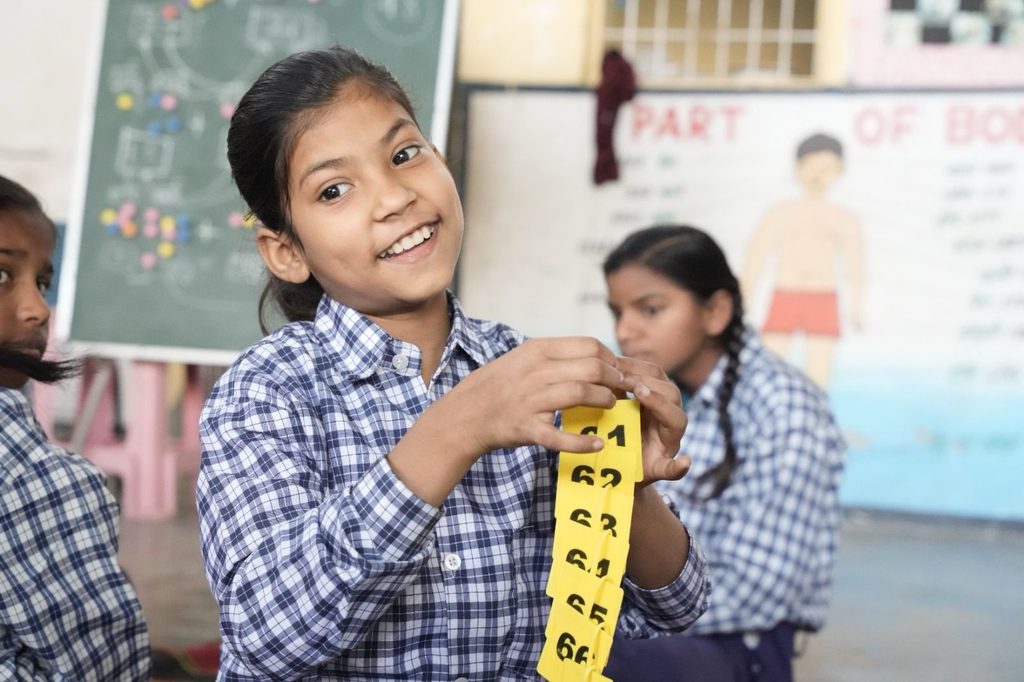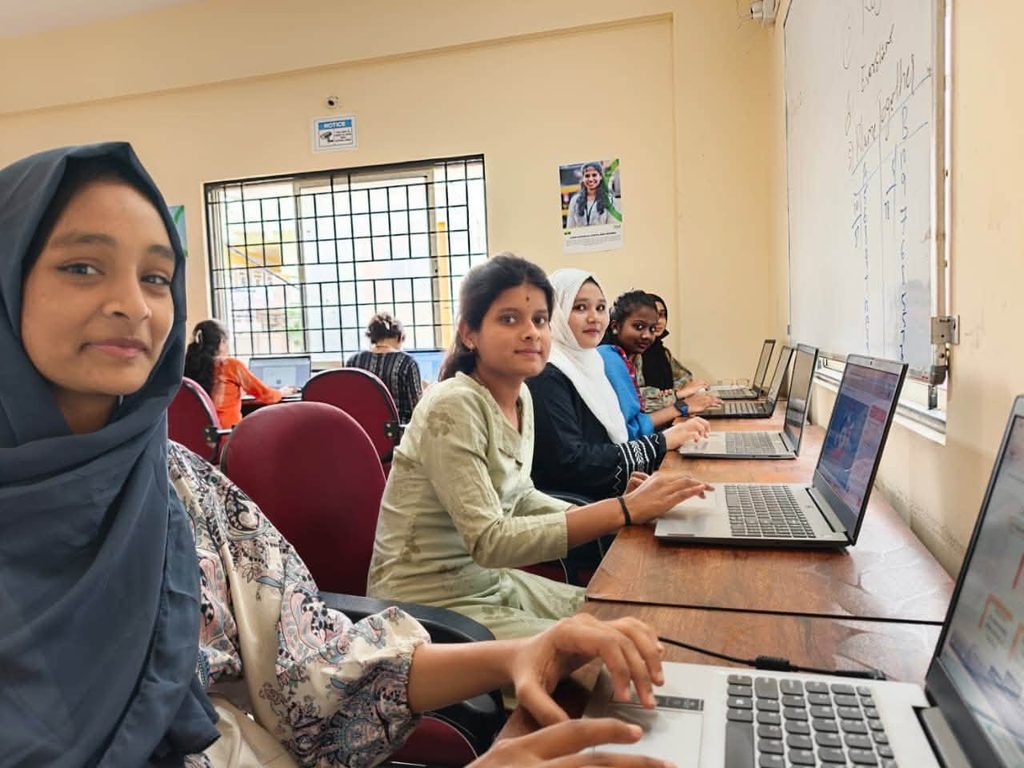


Education should not depend on how a child learns, communicates or participates in a classroom. However, many students face barriers because lessons, teaching materials and assessments are designed around a single way of learning. Universal design for learning offers schools a way to make education more inclusive by recognising that children have different strengths, needs and learning preferences.
Instead of expecting every student to adapt to the same teaching method, schools can provide different ways to understand lessons, participate in activities and demonstrate what they have learned. This approach can help create classrooms where children with disabilities, first-generation learners and students who need additional academic support have better opportunities to learn and participate.

What is Universal Design for Learning?
Universal Design for Learning (UDL) is an educational framework that encourages teachers to design lessons that accommodate different learners from the beginning. It recognises that not all students learn at the same pace or respond to the same teaching methods.
Some children understand concepts better through pictures and demonstrations, while others benefit from listening, reading, discussion or hands-on activities. Students may also differ in how they express their understanding. A written examination may work well for some learners, while others may communicate their knowledge more effectively through an oral presentation, a practical activity or a visual project.
The CAST Universal Design for Learning Guidelines identify three important areas of classroom design: providing different ways for students to engage with learning, presenting information in different formats, and allowing students different ways to demonstrate what they know. These principles do not mean that every lesson must be individually prepared for every child. Instead, teachers can plan lessons that offer flexibility while maintaining the same learning objectives.
For example, a science lesson on the human body could include a textbook explanation, labelled diagrams, a classroom demonstration and a short discussion. Students could then demonstrate their understanding through a written answer, an oral explanation or a model, depending on the learning objective and their individual requirements.
Why Schools Need More Inclusive Teaching Methods
A classroom may have students from different social, economic, linguistic and educational backgrounds and not all will have access to books, digital devices and academic support at home. For them, they will depend entirely on the school for these resources.
In this, children with disabilities may face additional barriers when classrooms lack accessible learning materials, suitable infrastructure, assistive technology or teachers trained to support different learning needs. These challenges can affect participation even when a child is enrolled in school. The UNESCO Global Education Monitoring Report on inclusion and education highlights the importance of addressing barriers that prevent learners from participating fully in education. Inclusion requires more than bringing children into classrooms. It also means ensuring that they can access learning, participate meaningfully and receive the support they need. For schools, this means looking beyond enrolment and asking whether teaching practices, classroom environments and assessments allow every child to participate.
How Universal Design for Learning Can Make Classrooms More Inclusive
1. Present Lessons through Different Learning Materials
One of the simplest ways to make classrooms more inclusive is to present information in different formats.
Teachers can combine textbooks with diagrams, photographs, videos, demonstrations, audio explanations and practical activities. This helps students understand concepts in ways that suit their learning needs. For example, a lesson on environmental pollution could include a textbook explanation, photographs of local pollution, a short video and a classroom discussion. Students could also examine examples of waste generated in their school.
For children with visual disabilities, teachers may need to provide accessible digital materials, tactile resources or descriptions of visual information. Students with hearing disabilities may benefit from captions, written instructions and visual demonstrations.
The CAST UDL Guidelines recommend offering multiple ways of presenting information so that learners can access and understand educational content. Schools should also consider language. Children who are learning in a language different from the one spoken at home may need explanations, visual support and opportunities to discuss concepts in familiar languages.
2. Give Students Different Ways to Participate
Inclusive education also requires teachers to recognise that students may participate in the same classroom activity in different ways. Some children may feel comfortable answering questions in front of the class, while others may need time to think, discuss an answer with a partner or communicate through written responses.
For instance, during a lesson on water conservation, students could work in groups to identify ways their school uses water. One student could record observations, another could prepare drawings, while others could present findings or suggest solutions.
These activities let children contribute according to their strengths while learning to work together. However, participation should not be limited to group activities alone. Teachers must ensure that children who need additional support are not excluded from discussions or assigned only passive roles.
3. Make Assessments more Flexible
Traditional assessments often depend heavily on written examinations. While written tests remain important for measuring certain learning outcomes, they may not always provide a complete picture of what a child understands. A student may understand a scientific concept but struggle to express it in writing. Another may be able to explain a mathematical problem orally but need additional time to complete a written test.
Schools can use a combination of written assessments, oral explanations, practical demonstrations, projects and classroom activities, depending on the learning objective.
For example, students learning about plant growth could maintain a journal, prepare a diagram, explain their observations or present a project. Flexibility does not mean removing academic expectations. It means ensuring that assessments measure the intended learning rather than unrelated difficulties, such as inaccessible formats or unnecessary language barriers. Students with disabilities may also require specific examination accommodations. These should be provided in accordance with applicable educational guidelines and individual requirements.
4. Make Classroom Infrastructure and Digital Learning Accessible
Schools should examine whether classrooms, toilets, libraries, laboratories and playgrounds are accessible to children with different disabilities. This includes considering ramps, accessible pathways, suitable seating, clear signage and safe movement within school premises.
Classroom materials also need to be accessible. Teachers can use large-print resources, readable digital documents, captions, audio materials and assistive technology where appropriate.
Digital learning can also provide additional opportunities for inclusion, but only when platforms and materials are designed to be accessible. A video without captions or a document that cannot be read by a screen reader may exclude students who need those features. Schools should therefore consider accessibility while selecting digital tools and preparing learning materials, rather than treating it as an additional requirement after the content has been created.
5. Support Teachers with Training and Practical Resources
Teachers play a central role in making inclusive classrooms work. However, they cannot be expected to address every learning need without adequate training, resources and support.
Schools can organise teacher workshops on inclusive lesson planning, accessible teaching materials, classroom communication and differentiated instruction. Teachers should also have opportunities to work with special educators, counsellors, therapists and parents where appropriate. These partnerships can help identify barriers and develop practical ways to support students.
For example, a teacher working with a child who has difficulty following written instructions may introduce visual schedules, shorter instructions or additional demonstrations. The approach should be based on the child’s individual needs rather than assumptions about a particular disability. Schools also need to create opportunities for teachers to share experiences and discuss challenges. Inclusive teaching is not a one-time training exercise. It requires continued learning, collaboration and adjustment.
How NGOs can Support Inclusive Learning

Smile Foundation’s work on inclusive education highlights why schools need to recognise children’s different abilities, backgrounds and learning needs. Through our Inclusive Education: Focus on Children With Special Needs initiative, we strive to ensure that children with disabilities have access to education, appropriate learning support and opportunities to participate alongside other students.
Our continuous work on Inclusive Early Childhood Care also highlights the importance of supporting children from an early age. Creating learning environments that respond to children’s different needs can help them develop communication, social skills and confidence while making classroom participation easier. Further, our Mission Education programme also works towards improving access to education and learning outcomes through school support, teacher development, educational resources and community engagement.
In addition, our STEM programmes also provide opportunities for children to learn through science activities, experiments and practical problem-solving. These approaches can support inclusive teaching by giving students different ways to understand concepts and participate in classroom activities.
However, providing educational resources alone does not guarantee inclusion. Schools must also ensure that materials, activities and facilities are accessible to children with disabilities and that teachers receive the support they need. NGOs can help by strengthening teacher training, providing suitable learning resources and involving parents in children’s education.
Building Schools where Every Child can Learn
Inclusive education begins with recognising that children learn differently and that classroom barriers should not prevent them from reaching their potential. Universal design for learning encourages schools to plan for these differences through flexible teaching methods, accessible materials, varied assessments and opportunities for meaningful participation.
For NGOs, supporting inclusive education means working with schools to strengthen teaching practices, improve accessibility and provide resources that help children participate more fully. The goal is not to create a classroom where every child learns in the same way. It is to create one where every child has a fair opportunity to understand, participate and demonstrate what they have learned.
FAQs: Universal design for learning
1. What is Universal Design for Learning?
Universal Design for Learning is an educational framework that encourages teachers to design lessons that accommodate different learners from the start. It recognises that students learn at different paces and respond to different methods, so it builds flexibility into how information is presented, how students participate and how they demonstrate understanding.
2. What are the three core principles of Universal Design for Learning?
The CAST Universal Design for Learning (UDL) Guidelines identify three areas: providing multiple ways for students to engage with learning, presenting information in multiple formats, and allowing multiple ways for students to show what they know.
3. Does Universal Design for Learning mean preparing a separate lesson for every child?
No. Universal Design for Learning does not require individual lesson plans for each student. Teachers plan a single lesson that offers built-in flexibility—such as combining textbook explanations, diagrams, demonstrations and discussion—while keeping the same learning objectives for everyone.
4. How does Universal Design for Learning help children with disabilities?
Universal Design for Learning removes barriers that often exist even after a child is enrolled, such as inaccessible materials, unsuitable infrastructure or rigid assessments. Accessible digital documents, tactile resources, captions, visual demonstrations and examination accommodations allow children with disabilities to access learning and participate meaningfully.
5. Does flexible assessment lower academic standards?
No. Flexibility means measuring the intended learning rather than unrelated difficulties like inaccessible formats or language barriers. Written tests remain important, but combining them with oral explanations, practical demonstrations and projects gives a more complete picture of what a child understands.
6. What support do teachers need to implement Universal Design for Learning?
Teachers need training in inclusive lesson planning, accessible materials and differentiated instruction, along with opportunities to collaborate with special educators, counsellors, therapists and parents. Inclusive teaching is an ongoing process that requires continued learning and adjustment, not a one-time workshop.
7. How can NGOs support inclusive learning in schools?
NGOs can strengthen teacher training, provide accessible learning resources, improve school infrastructure and involve parents in children’s education. Smile Foundation does this through its Inclusive Education initiative for children with special needs, Inclusive Early Childhood Care, Mission Education and STEM programmes.