Categories
In The Spotlight

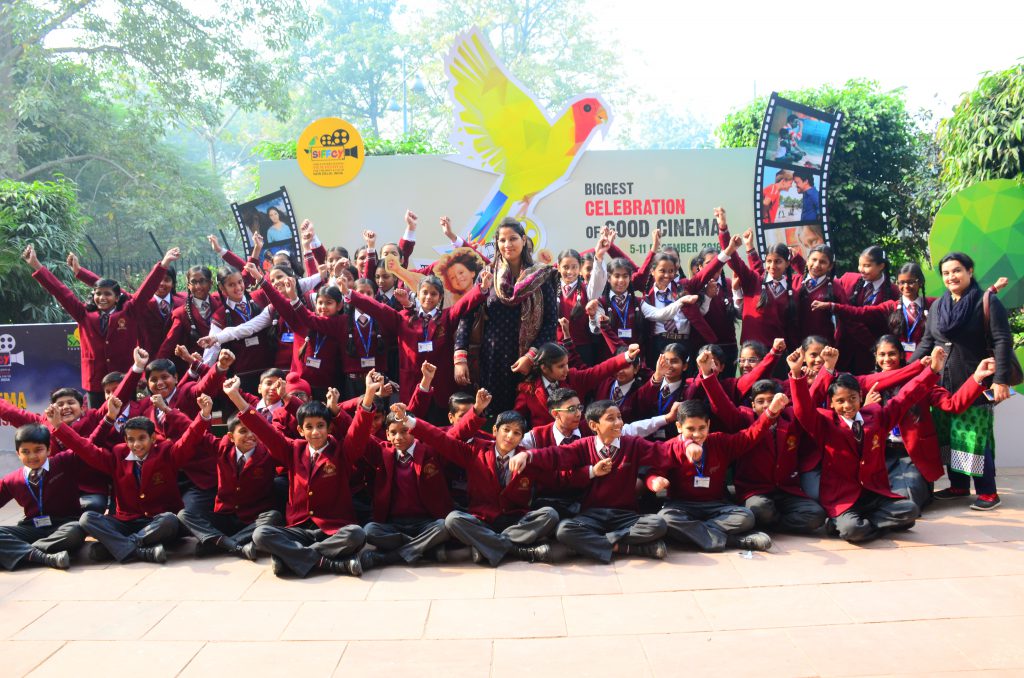
Cinema: Food for Thought

The quintessential world of fantasy and drama viewed through the digital screen plays a crucial role in the day-to-day life. Cinema with its world of glitz and glamour becomes a notion of wonder for the ordinary. A movie-goer often walks into the theatre as a blank slate, eager to explore a new world of imagination and creativity. The cinema is a creative tool, powerful enough to instil emotions giving way to presenting a lasting impression in the minds of the audience. The capacity of the cinema to affect the audience often raises the question of, what is ‘good cinema’ and how does it influence the viewers? The Indian film industry produced over one thousand six hundred films in 2018 alone. According to IBEF, the industry is predicted to bank over US$ 3.7 billion by the year 2020. Through the years, the number of cinemas produced has increased rapidly. Encompassing varied genres and forms, the film industries around the world allow the viewers to choose from ample options.


The majority of the consumers of the cinema, as a means of entertainment, are made up by the youth. The youth population in any country becomes an important factor in the functioning of the society. Once, alerted and made cautious, the youth community will be able to develop into an active and productive constituent in the societal framework. In the present day society, we find young adults engaged in malpractices such as addiction and violence, along with being affected by various disorders such as anxiety and depression. Cinema as a tool can help counter this nature of vagueness and uncertainty. The idea of ‘movie with substance’ is an important notion to help improve and substantiate the film industry along with producing quality works for the audience. This would suggest the movies to become a source of relaying moralistic and ethical information to the audience for the purpose of assimilation. Hence, filmmakers should then take responsibility of creating content which has a ‘substance’ relevant for the masses. The freedom of artistic expression should thus be able to produce quality content invigorating the youth through its message and objective.


The act of using cinema as a means of expression can also allow the creators to venture and find solace in the art. The making of films becomes a means of creative expression, allowing the filmmakers to explore and use the medium as a means of self-expression. Woody Allen, the Academy Award winning director talked about how his, “films are therapy” for his “debilitating depression”, suggesting how cinema can be used as creative expression for self-improvement.


The medium of cinema has the capacity to affect the masses unlike any other, giving abundant freedom and creative space for the creator and audience to find perspective in. The tool when used appropriately can become a source of positive empowerment of the masses through its subject. Incorporating cinemas to motivate and stimulate the vulnerable groups such as children and the youth can be a significant mode of devising constructive plans for the society.

Thus, cinema becomes a versatile form of artistic expression, which when used dutifully can become a pragmatic solution, other than a mere form of amusement.


SIFFCY (Smile International Film Festival for Children & Youth) is one such special film platform devoted to a greater appreciation of meaningful cinema made for children and youth which can bring change in the society by showcasing those films, supporting emerging filmmakers, recognising the pioneers and leaders of the similar industry and by promoting the diverse perspectives of Good World Cinema. It caters to young people (aged 6 to 25) with just about every level of interest in film, whether to watch and enjoy, create their own work or take things a stage further and find out more about a career in the film or television industry.
Categories
Insights

A Ray of Hope and Health in Sonbhadra

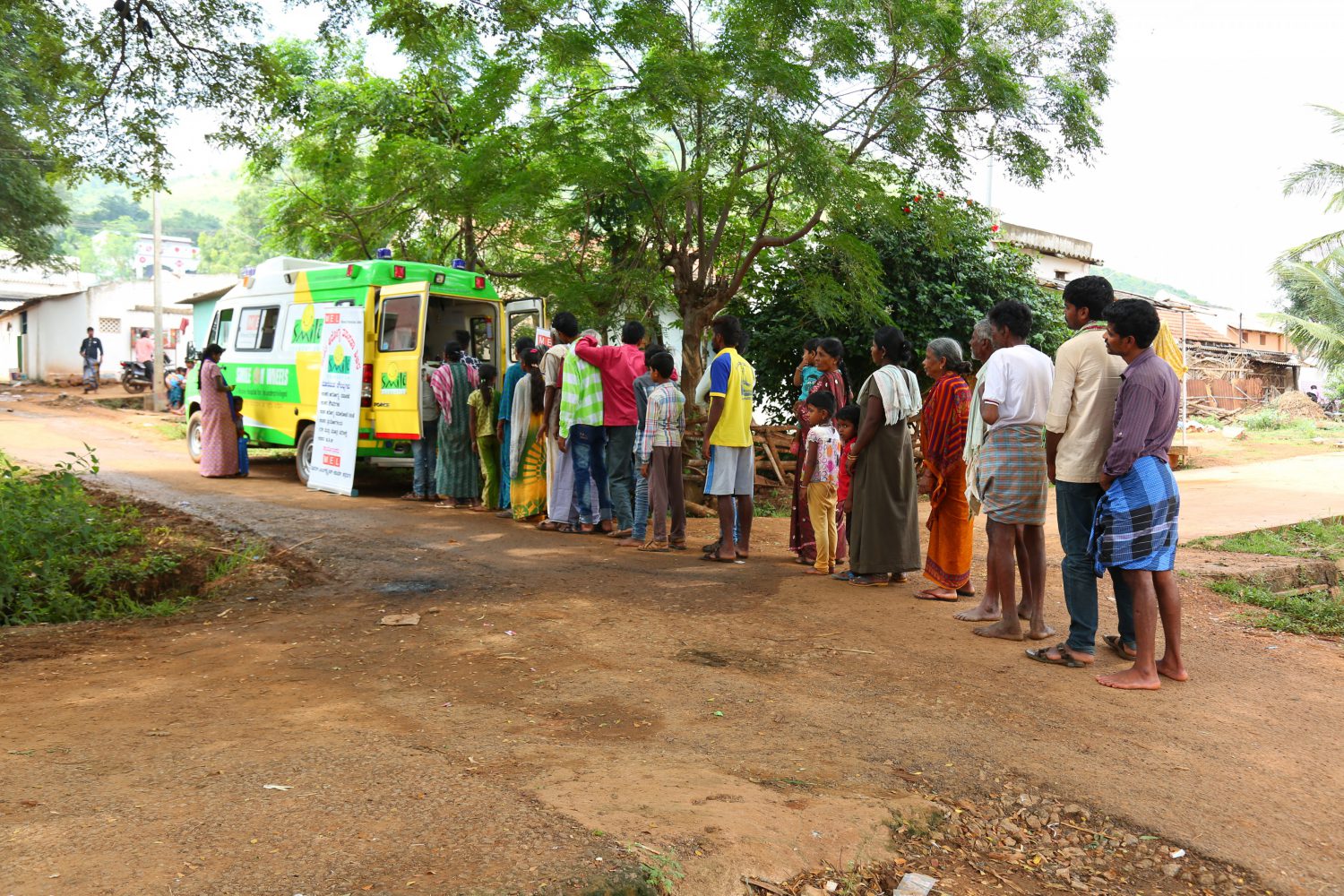
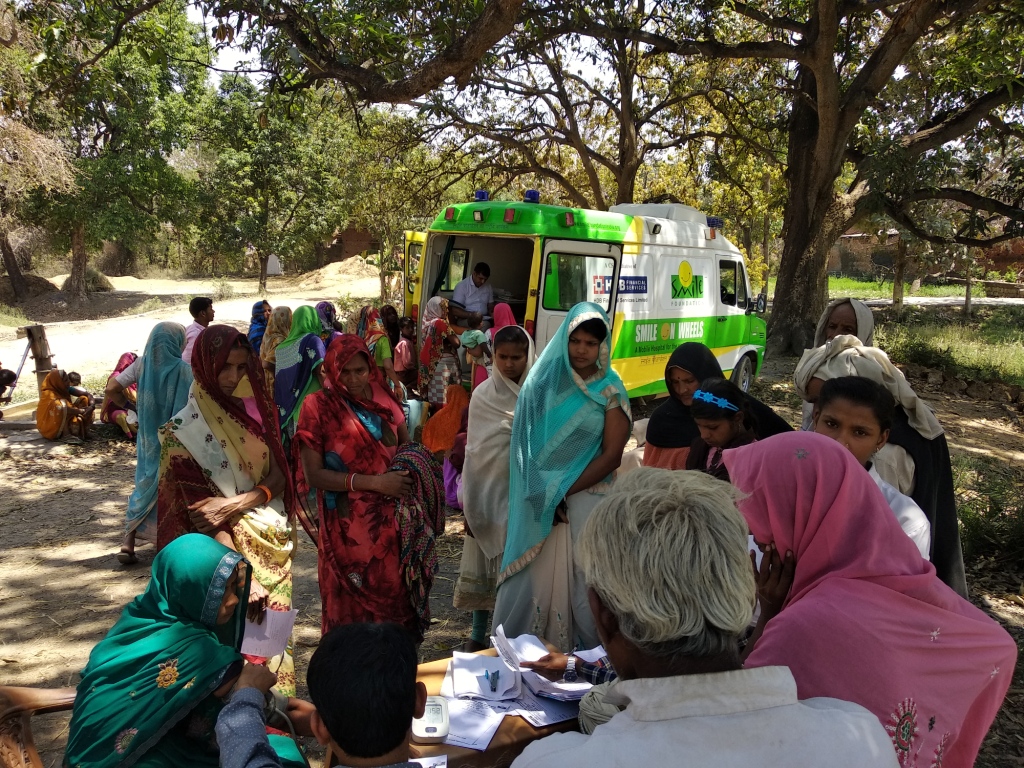
Smile on Wheels, an initiative of Smile Foundation, provides its health-care services in urban slums and rural areas in India. Cherui and Markudi village of Sonbhadra and Robertsgang districts of Uttar Pradesh which are 27 and 30 Km away from the district headquarters in Robertsgang are two such places. The villages are situated in the hilly terrains with no public transport available in the villages to connect villagers to the cities. In case of health emergencies, people have to depend on personal transports which also are rarely available. Along with transport, poor mobile networks hamper their connectivity with the rest of the world.  To access any medical facilities from community healthcare or public healthcare centres, they travel as far as 40 km to Robetrsganj even in times of utmost emergency. The state presently faces a shortage of 3,621 doctors for its Public Health Centers that also lack basic infrastructures like electricity, water supply as well as motor-able roads to reach them.


When Smile Foundation’s healthcare team first intervened, they discovered that due to problems of illiteracy and lack of awareness, people had limited or no knowledge of even the most health-related necessities such as nutrition, immunization, family planning and more. Most of the children between the ages group of 4-8 are undernourished and women were found to be anemic. Water which is a fundamental human need is also scarce. A person requires at least 20 to 50 liters of clean, safe water a day for drinking, cooking, and cleaning but in a sad reality, these people are struggling to get safe drinking water and are depended upon ponds and well, most of which are contaminated due to overuse.


IMG 20190402 131703 1


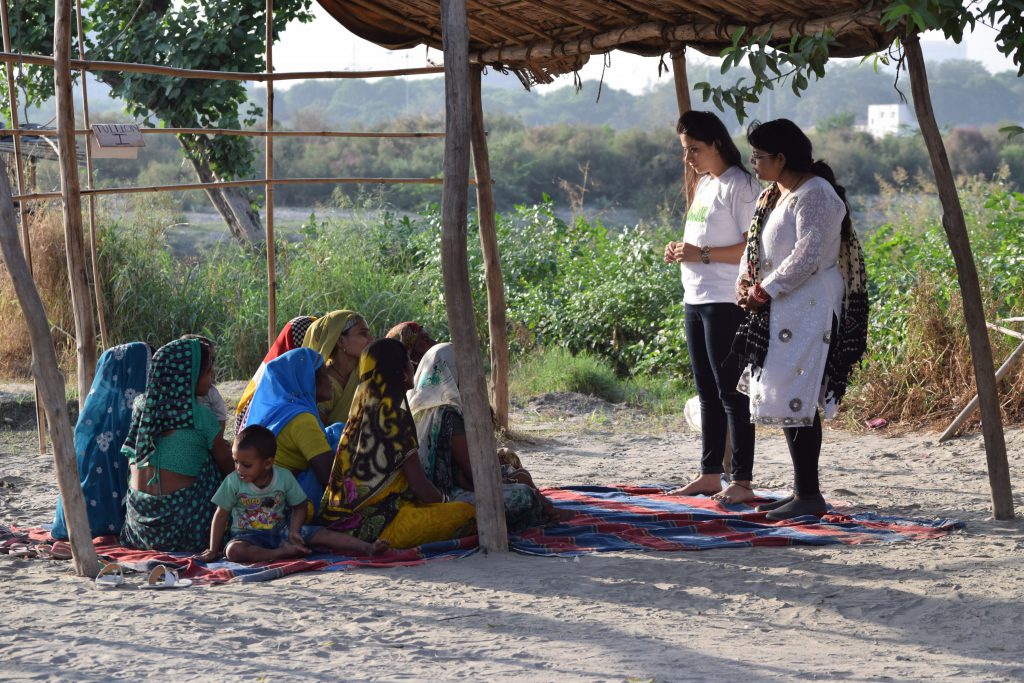
The mobile medical unit, Smile on Wheels, provides primary health care services at door-step and organizes awareness driven activities in the community to sensitize them on healthcare. The unit is equipped with a doctor, an auxiliary nurse midwifery(ANM) specialist, a pharmacist, a community mobilizer and a project coordinator. The ANM with the support of local accredited social health activists (ASHA) sensitizes women on cleanliness, immunization, sanitation, and family planning. Various IEC activities in the community and schools are conducted in order to provide sensitization on nutrition, sanitation, etc.


Lack of awareness about menopause and EED leads to home deliveries which in case of complications lead to maternal or infant mortality or both. Women are not aware of the benefits of institutional delivery. Lack of transportation and communication plays a major role in all this. Due to poor network coverage, people cannot even avail services of ambulance services provided by 108 ambulance services. Hence, ground workers of Smile on Wheels work tirelessly to help these women access to institutional delivery by providing much-needed awareness to understand and take care of their own bodies as well as of their children.


For its doorstep health services, Smile on Wheels is appreciated by the community as they do not need to go very far to avail healthcare services. This unique mobile hospital program is addressing problems of mobility, accessibility, and availability of primary healthcare with a special focus on children and women in the rural remote area.


Categories
In The Spotlight

Children’s Day: Stories of Courage

When we talk about children, we mostly think about happy kids who have big dreams; children who don’t have a care in the world, running and jumping around with friends, doing things that children are usually supposed to do. But there is another side to this; one which is filled with children struggling to set foot inside a classroom, yearning to own the story books on display in some book shop, dreaming of flying an air-plane in their cold harsh world of sleeping with the entire family on the floor of a single room house. This Children’s Day we bring you stories of courage from various places of India; children who are from very poor backgrounds, children for who, eating two meals a day is a struggle and yet they attend their classes regularly at the Mission Education centres run by Smile Foundation across India.


Shail


37767451 2184774854879804 2899093583246131200 o


It is a hard life when you live in poverty, especially when you are a child. There are so many things that you want, but you cannot have them because you do not have the means to get them. Do you know what I wanted the most? I wanted to go to school regularly. Not just when my parents could afford it.
Both my parents are day labourers. Some days are good and they get work, and some days are not so good. When my parents get work, we can eat food that day; else we just manage like that.


I study in Grade 4 in Mission Education centre in Mankhurd. I see children of my age with so many good things – things I wish I could have. But what I want most is to gain knowledge about everything. I want to study hard. And one day, be able to provide for my family. I want to become a doctor when I grow up and help out the poor and needy people. I wish to remove poverty from our lives and this Children’s Day I pledge to do my best and make my dreams come true.”


Preeti, Sunaina, Rita and Azra


76182570 2992394860784462 8320698987887722496 n 1


All of us go to the same school. Our parents did not want us to study initially but didi from the Mission Education centre convinced them that the education was free of cost and it will empower us for the future. Our parents work as agricultural labourers and cannot afford many things and we want to change that. Most girls in our village are married by the age of 14 or 15 but we are more interested in getting an education. Imagine how good it will feel when we can buy any amount of colour pencils or candy or ribbons for our hair with our own money and take our parents to see the big monuments in Delhi!”


Preeti, Sunaina, Rita and Azra study in a Mission Education centre of Smile Foundation in Uttar Pradesh. They are some of the few girls who attend school regularly. This Children’s Day they have pledged to sensitise other girls and their families about the benefits of girl-child education.

Categories
Insights

Education, Healthcare: Towards a better future

Regional conflicts, lack of daily resources, and reduced means of income has forced thousands of people from the state of Chhattisgarh to move in search of a life elsewhere. Marred with the lack of healthcare, proper sanitation, steady incomes and lack of information the first group consisting of 37 people which arrived in Telangana in 2002 were barely able to sustain their lives.


India is home to 645 tribes indigenous to forest areas with a total population of 104 million (Census 2011). Located mostly in remote forest covered regions, these tribes face extreme living conditions, primarily due to the lack of sanitation, clean water, proper food, healthcare, and more. Additionally, with the reduction in forest cover in the name of development, a significant part of these communities have also lost their homes.


A few such tribes dwell in dire conditions in the green belted plateaus of Manuguru, Kothagudem in Telangana. Living in the heart of these forest reserves are the tribes of Muriya who migrated from Chhattisgarh to Telangana when tensions in the region increased. There are now more than 20,000 people who have moved in the regions and live in small hamlets of 150-200 people at a given location.


These people who lived off the forests using its resources sustainably are now forced to work as labourer for meagre wages and conditions which directly violates a number of their human rights. Most of them work on daily wage in cotton and rice farming, the season for which is from June-January. The rest of the year they have no means of income nearby and have to travel over 100kms every day to the city in search of work.


IMG 3151 1024x683 2
Healthcare and Education for the children of Telangana


They have no electricity because the region being a forest reserve cannot be supplied with electricity due to the danger of forest fires. Food is scarce and mostly is whatever found in the forests, clean water supply is absent and the nearest water source is the stream flowing 1 km away. The entire settlement does not have even a single toilet.


All these factors combined, make the region a breeding of diseases, especially during rainy seasons. Malaria and diarrhoea are rampant with 70% of the affected losing their lives. Women and children suffer from malnutrition due to lack of food. In a community of over 100 women only one uses sanitary napkins which she has to get from a shop 12 kms away from the settlement. Imagine the state of healthcare!


 The nearest primary healthcare center is 12 kms away and the nearest hospital is 80 kms away from the location. Anganwadi facility provided is 3kms away but is difficult to access by the community due to a Godavari stream cutting them off from the nearest village with government facilities.


When asked why do they not live in the town of Manuguru, the answer was obvious – they are cattle herders and have always found home in the forests. Life in a city is alien to them and they are also not accepted by the town dwellers as their own. With eight hours of hard labour reaping them just 150 rupees in a day for 4-5 dependents, there is a literal fight for survival.


Coming to the state of education in the community, there is none. The community had zero literacy and acquiring any has never been a priority. In a bid to extend a hand of aid, Smile Foundation intervened with its Mission Education program in the community. Currently, 8 hamlets are covered under this program and provide education, nutrition and healthcare to more than 500 children.


IMG 2927 1024x683 1
Healthcare and Education for the children of Telangana


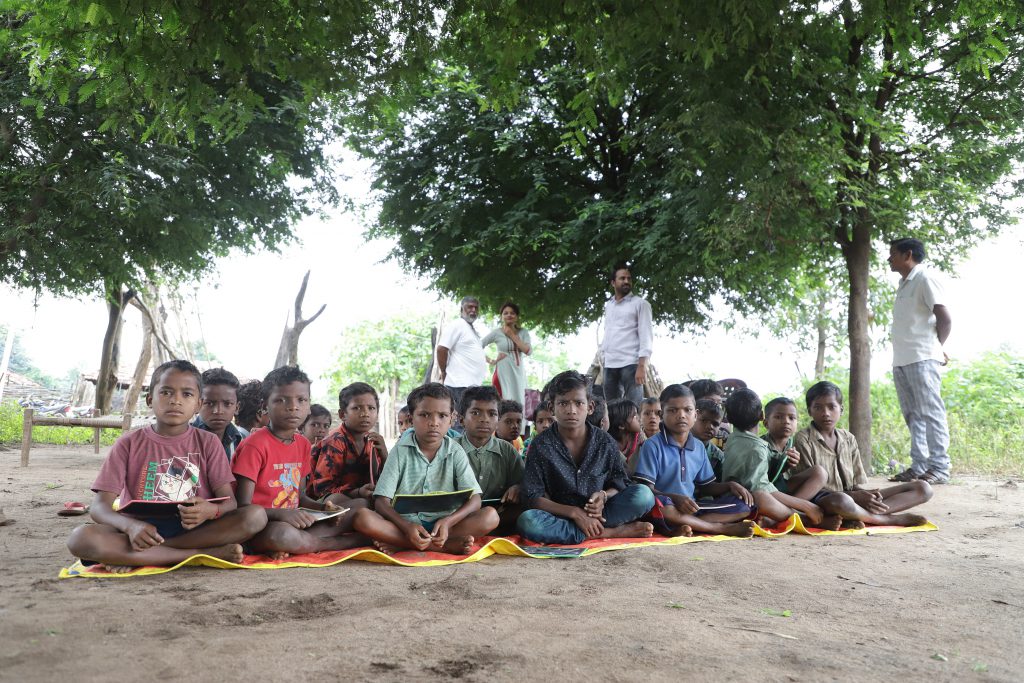
Studying under a thatched roof on top of clay-made walls, over 50 students chanted English alphabets when we reached there. A treasure trove of toys and cards lay open in the corner of the room full of figurines, teddy bears, balls and dolls that were yearning to reach and play with. These children studying under ME are provided with remedial classes till class 10, post which they are assisted in joining the nearest available formal school so that they can continue their education and make better lives for themselves. They are also provided with proper meals as well as basic medical care to help them deal with the common cold that grips the community throughout the year.


Sessions on maintaining basic hygiene standards are also held by the project coordinators in an effort to counter diseases caused due to lack of sanitation and cleanliness. The same has resulted in a decrease in cases of malaria. With no help from any external agency or government aid reaching them, these small steps have proved to be essential for these people.


The efforts put, even though not humongous, are a step towards providing such communities who have been uprooted from their homes and are living in a place foreign to them under conditions inhumane in nature, with some hope and dignity. Smile Foundation strives to bring smiles to all the children in this country and a life of means and dignity to every individual in the country.

Categories
Smile

Towards Zero Hunger through Sustainable Methods

821 million people were fighting hunger and were undernourished in 2017, as per a UN report. The number has since increased in the world among poor children, people living in urban slums and rural areas and one of the major factors for this is the drastic environmental changes leading to increase in natural calamities in the world.


Presently, two percent of the world’s population suffers from stunted growth due to lack of a nutrient rich diet and sufficient quantity of the same. Every year 5 million children under the age of five die due to undernourishment and over 60% of the total people suffering from hunger are women, as per the Food and Agriculture Organisation.


October 16 is celebrated as World Food Day in 150 countries in the world. The day that marks the beginning of a campaign started in 1945 to counter hunger and undernourishment completed 74 years in 2019. But even after constant efforts of numerous agencies to bring in Zero Hunger in the world, we are faced with increasing numbers of cases of undernourishment.


XB5A2036 1


The worst affected are the poor children and women in the world, with 54% of the child mortality being accounted for by factors arising out of undernourishment.


In the fight to defeat world hunger lies another fight – to find sustainable means to also protect our environment while we achieve our aim. Globally, 25% of greenhouse gases are emitted by the present food system and processed food contribute to a major part of it. While 5 million poor children die each year due to the of lack of nutritional food, 1.3 billion people in the world are overweight; of which 672 million are obese, courtesy to the hike in consumption of processed and junk food.


In the light of the environmental impacts the food production and processing has adopted the theme of Zero Hunger in 2019 which is aimed at nourishing people while nurturing the planet – ‘Our Actions Are Our Future Healthy Diets for A #ZeroHunger World’. According to FAO, ‘This year, World Food Day calls for action across sectors to make healthy and sustainable diets affordable and accessible to everyone. At the same time, it calls on everyone to start thinking about what we eat’.


The food we eat does not have to kill the only world we have. A complete nutritious meal can be produced in more sustainable methods and with reduced use of chemicals to increase agricultural productivity. In a bid to make its contribution towards the goal of achieving zero hunger and also doing so in a sustainable way, Smile Foundation, through its initiative Plate Half Full, has launched projects all across India to provide poor children, adolescent girls and women with nutritional meals.


IMG 20170705 115543 1 1024x768 1


With association with names like PepsiCo, KFC, Quaker India, Vikas Khanna and more, Smile Foundation is successfully tackling hunger due to poverty as well as due to lack of nutrition by providing meals to more than 11,000 children, girls and women in India. A whole meal not only supplements the body but also the mind.


An increase in the number of children being sent to schools, specially girls, is also seen if a meal – free and made of complete nutritional diet is provided in schools. The meals are made keeping in mind the carbon footprint and waste every plate generates. The preparation and distribution of the food is done is a sustainable manner using more vegetarian options as well as reusable utensils in the centers.


Smile Foundation aims at not letting any child go hungry in the country and is currently providing nutritional support in 14 different locations in the country with the number of beneficiaries and locations served increasing every year.

Categories
In The Spotlight

Banega Swasth India: Healthcare for Mother and Child

An unacceptably high number of maternal and infant deaths occur in the first month after birth in our country. This can be prevented and together we can combat mother and child deaths by ensuring that right nutrition, hygiene, and supplements are made available directly to them along with the knowledge to use them.


Diarrheoa, Malaria, Pneumonia etc. are most common but life-threatening disease, caused mostly because of unhygienic practices. Promotion of hygienic practices is preventive measure to reduce infant morbidity and mortality.


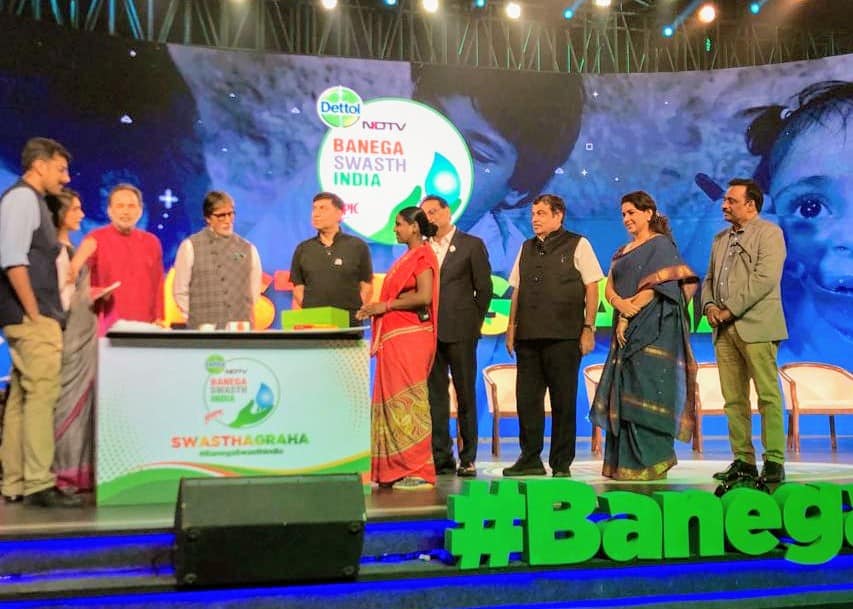
NDTV and Dettol’s 12-hour Swasthagraha which was conducted on the 2nd of October commemorating the 175th year of Mahatma Gandhi’s birth anniversary, explained how swachhta (cleanliness) and swastha (health) go hand in hand. The Swasthagraha has been initiated as part of the Banega Swasth India campaign to make India not just cleaner but also healthier. NDTV and Dettol’s Banega Swasth India focuses on proper healthcare for new mothers and children to improve India’s health quotient with Smile Foundation as the implementation partner, which will reach across remote-rural areas to provide new mothers and babies with a Swasth Kit and also sensitize the mothers about taking care of their own health as well as the newborn’s.


WhatsApp Image 2019 10 02 at 2.51.23 PM


The Swasth Kit has been developed by Smile Foundation for mothers and children based on technical know-how and years of on-ground experience of working with less privileged and hard to access communities which will support the health and hygiene needs of the mother for 45 days, a time extremely crucial for both the new mother and new born.


‘Swastha Box’ – which has been carefully curated by health care experts to address the health, sanitation and nutrition challenges among the underserved women and infant of our country.

According to the World Health Organisation, there are approximately 28 million pregnancies, 26 million live births, 67000 maternal deaths, and a million neonatal deaths. Though India has made strong progress towards reducing maternal and child deaths, a lot needs to be done.


The kit for mothers and children contains Bempu Temperature Device, Hand Sanitizer, Bar Soap, Dettol Wipes, Sanitary Napkins (preferably bio degradable), Iron Tablets, Calcium Tablets, Medicated Mosquito Net, Baby Blanket, Baby Nail Cutter, Zinc, ORS, Iodine Bindi, Cotton Roll, Baby Wrap, Small Toy for Kid, Socks & Cap for Kids, Feeding Kattori & Spoon and Literature on Neonatal and Child Care.


71472791 2907422685948347 338115592366063616 n


Speaking on the occasion about the health of women; Santanu Mishra, Co-founder and Executive Trustee of Smile Foundation said, “Indian women are very sacrificing in natureand give last priority to their own health. Even if they are pregnant at a particular point of time their first meal will be at 12.30 or 1. So our experience on ground has been very challenging to address this behavioral change.”


Awareness is a critical for ensuring uptake of the Swasth Box among the beneficiaries. To ensure this, a small booklet is made part of the kit. The topics of Lactational Amenorrhea and other Family Planning Methods, Colostrum Feeding, Exclusive Breastfeeding, Cord care, Hand washing Technique, Danger signs for new born, Nutrition for mother have been included in the information sharing booklet. The handbook will help new mothers to take care of herself and baby.


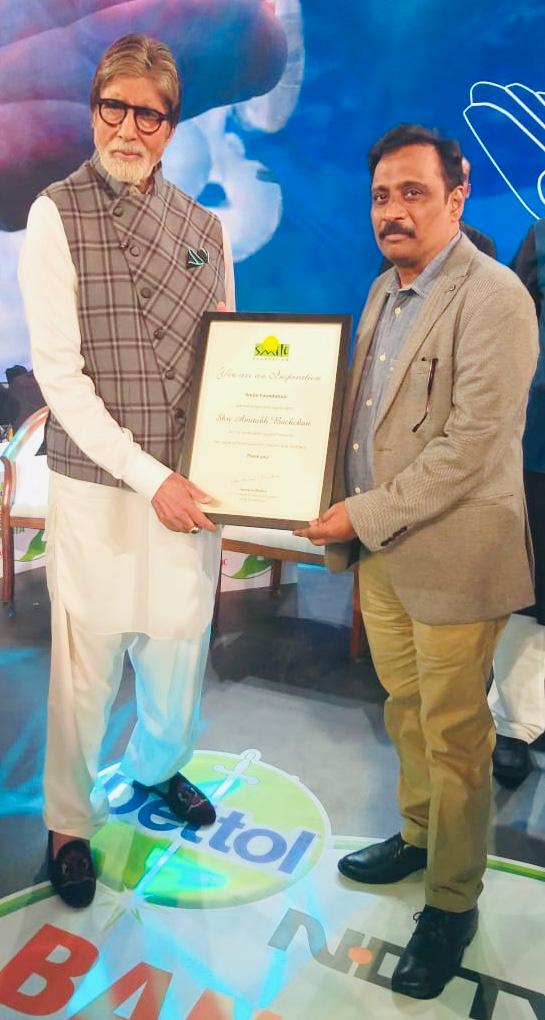
The event conducted at Mumbai also saw the participation of who’s who from Bollywood which included names like Amitabh Bachchan, Diya Mirza and Imitiyaz Ali.


To know more: https://www.smilefoundationindia.org/ndtv/

Categories
Smile

Women Empowerment: Need of the hour

8.1 million! That’s the number of children that drop out of school in India. Out of which 57% are girls. Most of these girls drop out of school because of financial reasons; difficulties faced during menstruation, early marriages, domestic chores or because of the mindset that educating a girl/woman would yield no return.


Among all these young women is the story of Anita, a 28-year-old woman full of spark and energy from Bangalore. Born in Bagepalli in rural Bangalore, her parents were farmers who earned a meagre 10,000 rupees annually by raising groundnuts. Anita was forced to quit her education when she was 18, and had barely completed class XII to work to supplement her family’s income.


In a culture that gives priority to a boy’s education instead of a girl’s, Anita was married off at the age of 21 to one of her relative’s son. That was when all her dreams came shattering down. “I always wanted to work towards women empowerment. I had a dream to put all my efforts into bringing equality and stability in lives of women. But the same could not happen when I had to leave school just after 2nd pre-university, (equivalent to class 12). Matters became worse after I was married, as more and more domestic as well as financial responsibilities dawned on me,.” said Anita with a sly smile on her face.


Domestic violence at the hands of her husband became an everyday event. “Beating started soon after our marriage. My husband, a car driver in a travel agency is a habitual alcoholic. Every time he comes home drunk, he beats me. It has now been 7 years since our wedding and I still get beaten by him almost every week.” she lamented.


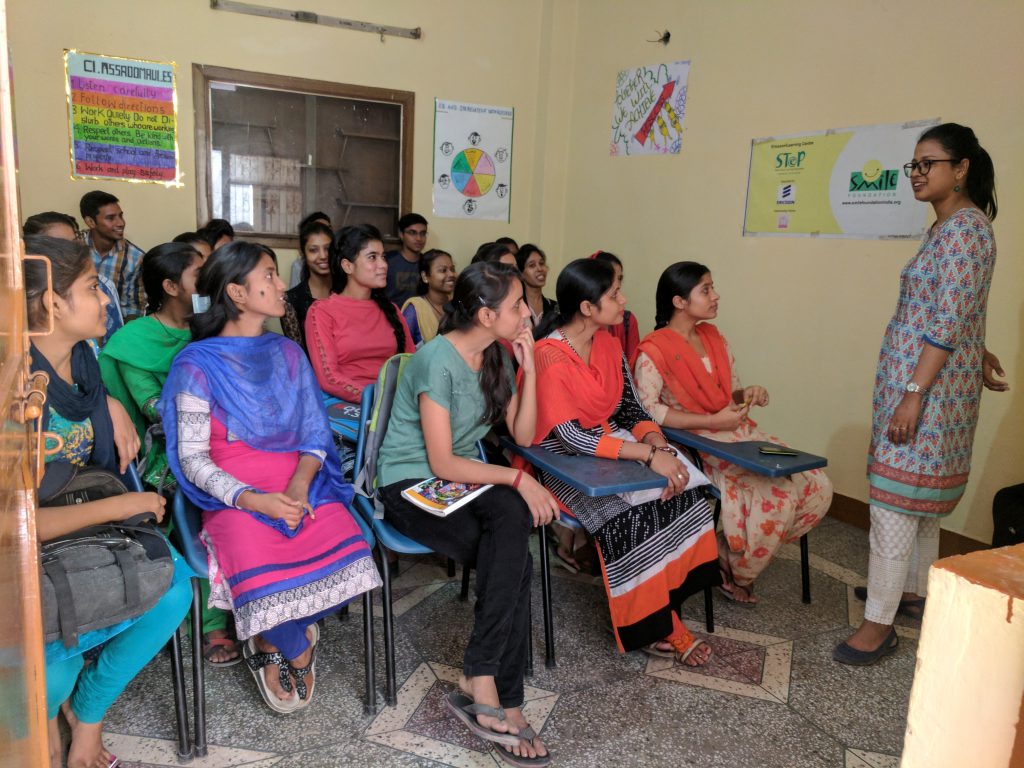
In October 2018, Anita came across a community mobilizer from Smile Foundation who told her about STeP. She was intrigued by the free computer, English and personality development program that STeP offered and signed up for the same.


“I have been working at RMZ mall at an upmarket clothing store for past three months as a sales executive. All of 15000 rupees that I earn in a month belongs to me. I still stay with my husband but I feel more empowered now knowing that if things get completely out of hand someday, I can leave him without fear of not being able to fend for myself.” said Anita.


STeP’s four month course trained Anita in skills, crucial for most jobs in the modern world – computer, financial literacy and English speaking. “The course also helped me gain confidence as a woman and refine my personality. The classes on financial literacy were an added bonus. I don’t just earn but also know how to handle my finances more efficiently now.”


As per National Crime Records Bureau, every year over 90,000 cases of violence and cruelty by husbands and in-laws are reported by women in India. The actual number would be even higher since most cases go unreported.


Lack of adequate education, employability skills and support from family, leave women like Anita susceptible to domestic violence. That is why it is imperative to empower every woman with enough skills so that they never have to depend on anyone, especially financially.


According to UN Women, when more women work, economies grow. Women’s economic empowerment boosts productivity, increases economic diversification and income equality in addition to other positive development outcomes. A 2018 study by International Monetary Fund titled Pursuing Women’s Economic Empowerment shows, increasing the female employment rates in the Organisation for Economic Co-operation and Development (OECD) countries to match that of Sweden, could boost GDP by over USD 6 trillion. Another 2016, research shows that gender gaps cost the economy some 15 percent of GDP.


In a rapidly evolving world, women equality and empowerment must be given priority not just through initiatives by governments and non-profits but also individual efforts. A girl is no less deserving of education and efficient at fulfilling their dreams than a boy, if given the right opportunities.

Categories
Insights

Is it time to look beyond foreign funding for NGOs?

Over the past decade or so dependence on foreign funding for national NGOs has been erratic and is on a slow down. As per a recent report there has been a decline of 40 percent in foreign funds for NGOs over the past five years. This coupled with global economic slowdown and emergence of corporate social responsibility and individual giving, is making local organisation look for ways to raise resources and support for the cause they champion within the national markets. Is it time to look beyond foreign funding for NGOs?


But this is easier said than done as most organization that are working at state level and rooted in the community also called community-based organizations or (CBOs) lack resources, mentoring and skills to leverage this opportunity.


Various new ideas and tools that are being tried out to raise funds and Change the Game Academy (CtGA) is one such programme, funded by the Wild Geese Foundation to empower the smaller non-government organizations in methods to become self reliant and sustainable.


“Funds from foreign are shrinking due to valid reasons, corporate sectors are more systematic and in better control to invest, NGOs by and large lack with the skills and mainly the attitude to complement the policies of Government in place by either improving or setting them anew. As a result ‘Self-Sustainability’ is a big question for them,” said Mukesh George, a trainer working with Smile Foundation, who is part of the CtGA programme.


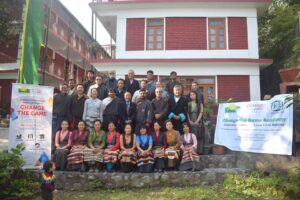
44277333 2309754375715184 6062923646333091840 n


“Change the Game Academy (CtGA) addresses these issues through its Classroom Course approach by focusing on the aspect of Local Fundraising. The course brings forth the paradigm shift to the participants that Local Fundraising is more sustainable option in a longer run and they leave the room equipped with skill-set, ready with an event plan to fundraise,” he explained.


“We have seen that the Indian’s are giving, hence we are seeing a growing trend in donations by individual philanthropists. They have ensured that the role of private funding continues to grow despite slowing foreign fund inflows. Similarly, funding under Corporate Social Responsibility (CSR) is maturing, which has seen a growth of 12 percent the recent times, but a lot more needs to be done,” said Gargi Kapoor, In-charge, CtGA, India.


“These workshops help the civil society to rethink their business models, think strategically about its financial models and adopt new and innovative approaches that will help the sector maintain its independence and still be sustainable. The idea exchanges that happen through the workshops empower these smaller units with long term and short-term fundraising goals,” she explained.


The legislative environment and the policies related, economic downturn in the top-tier funding countries and changing donor priorities have made dependence on foreign funding a very tricky option. The need for smaller NGO’s is about finding financial stability, by diversifying their resources to have a healthy mix of long and short term funding, Financial sustainability is about diversifying financial resources in order to have a healthy mix of long and short-term funding, CSR donations, foreign and local donors as well as  internally generated resources by events, fundraisers etc.

Categories
In The Spotlight

Mother- A child’s first teacher

“The mother is the first teacher of the child. The message she gives that child, that child gives to the world.”— Malcolm X


Mothers are life givers, they are the ones who are there to hold our hands when we take our first steps, they help us understand the world around us but most of all a mother plays the role of a child’s first teacher. The child looks at her and tries to impersonate her, they learn to distinguish between the good and bad.


A mother in her journey of bringing up the child makes many sacrifices on the way and it is through those instances a child learns to grow up to be sensible, caring and compassionate towards other human beings. This Teacher’s Day let us look at a few stories of sacrifice, courage and joy that mothers bring to our lives as some one who teaches us to go forward in life and fight all obstacles.


XB5A4749 west bengal 1 1024x683 1


“My children are going to grow up having everything I did not have. Apart from the usual mischief they listen to their father and me. My eldest one is going to be in class VI this year and my other daughter is going to be in class III. I work in the nearby households to send my children to school. I have taught them to be hardworking and dedicatedWhen the teacher praises them it makes me very happy.”– Minati, Sanjit’s mother


XB5A4249 1024x683 1


“The other day Nisha asked me, “Mummy why don’t you ever get tired? You sleep so late. From tomorrow I am going to tie my own hair.” It was the sweetest thing, but whatever sleep I lose does not matter because I want the best for her. She goes to a good school run by Smile Foundation, she looks so good in her little dress and she is very good in her studies. I work for her to become successful and happy in the future. Her teacher says she is doing excellent in school, what can be better than this?” – Meena, Nisha’s mother


KARUNA 1024x678 1


“My daughter Shobha was four years old when my husband died. It was a difficult phase. We had nothing with us, no money, no belongings. Even the food we were carrying with us ran out in a few days. I do labour work on daily wages – whatever work I can get, carrying bricks, cooking, cleaning dishes, even sweeping. But I do not feel bad about it because I do it for Shobha. She goes to school now. People say she has taken after me, there is nothing she cannot do.” – Padma, Shobha’s mother


ODISHA 2 2 1024x720 1


“I taught Preeti to count from 1 to 12. We were laughing at how funny it was that I looked at the clock in my house and taught her the numbers. But now she goes to school. She studies in class III. I am so proud of her. Her teacher says she is quiet the dancer. I already know this because she keeps on performing for me all the time.”– Meena, Preeti’s mother

Categories
Insights

Reflection on the Healthcare services in India

Is the doctor’s fee unusually heavy on your pocket?


For the privileged of the society, this question barely affects the peace of mind but for the poor, falling sick and not being able to afford healthcare is among their scariest nightmares. I am not talking about critical or chronic diseases like cancer, cardiovascular, and kidney diseases which cost a fortune to treat. I am speaking of easily treatable ones like viral fever, stomach flu, diarrhoea, etc.


When a person survives hand to mouth, visiting a doctor becomes a luxury. Not only because he/she must pay the consultation fee but the cost of travel, medicine, pathology test (if any), and of course loss of a day’s wage, all add up to out of pocket expense.


India is among those countries in the world that provide free or low-cost healthcare to all its citizens. Most developed countries even though have a universal healthcare system in place do not offer free healthcare service to its citizens. For example, in the US, if one does not have a medical insurance, one may end up paying up to $250 just for an x-ray. While the same in India costs just 200 rupees at a private lab and nothing at a government one. A person does not compulsorily need insurance to access healthcare without bleeding their wallets dry in India.


The problem is the population. The number of people seeking medical treatments is overwhelming. Most government hospitals in the country are not equipped to provide adequate aid to these people. With 23.6% of 1.3 billion people below the Line of Poverty just 28,000 government run primary health care centers and 35,000 government hospitals (of which only 2% are in the rural India) with 1.3 million beds is not enough.


The doctors are almost always overworked. When I recently sought getting my mother operated in a government hospital, I was simply dumbfounded how much load the doctors and the nurses at the hospital faced.


The doctor who was to operate on my mother had conducted 3 surgeries before my mother’s. One of them was of a woman with ovarian cancer that took over 3 hours. One of the doctors from the team also had to do a night shift after having worked in the OT since 10 in the morning. One nurse was assigned to take care of 40 patients in a single ward. Three women with their new born babies in their hands were being shifted to post-natal ward on a single stretcher.


The condition is bad, yes, but all these people are also doing the amazing work of providing treatments like that of cancer completely free of cost. Affordable healthcare is available in the country. It is just not enough to deal with the blatantly high number of people seeking it.


The rich can easily access both a medical insurance and health-care in private hospitals. Private hospitals do provide world class medical facilities so much so that it has started flourishing through medical tourism. But with 276 million people still below line of poverty, it is not something that the majority of India’s population can afford.


Webp.net compress image 1024x683 1


And that’s what I loved about Smile on Wheels when I first visited one. Bringing quality primary healthcare at the doorsteps of people who cannot afford to seek healthcare at private clinics or have no time to spare to go to a government one, SoW is an attempt to help people get basic medical aid which is their right – people who can’t afford or can’t easily reach primary healthcare clinics.

It was heart-warming to see people wait for the van to receive their medicines, to get their sugar level diagnosed and pregnant women get the crucial supplements they needed for ante natal care which they wouldn’t generally have cared for.


My favorite moment of all was when the doctor went to the house of a woman who couldn’t come to the van to get her medicines and sugar levels checks because she didn’t have a leg. The dedication of these doctors, nurses, pharmacists, community mobilizers, and coordinators who work on each of these vans is what is required to bring the greater change.


An incident from another assignment came to my mind as I saw the doctor dress a massive wound on a man foot – a 60 year old who got injured and lost his life in the cyclone because he could not be brought to the nearest clinic in time which was 7 kms from the village. If only, something like SoW van was available or even a basic clinic with a first aid box with some medicines, some gauze, some cotton, some betadine and some thread to stitch a wound. A life that was lost because of excessive loss of blood from a head wound could have been saved.


It all starts with basics and that is what SoW is all about. Providing paracetamol for fever; ORS for diarrhea; insulin for sugar control; iron folic acid, calcium and multivitamins for ANC and pain relief gel for joint and muscle pain. It all about creating awareness, inculcating health seeking behavior, about maintaining proper hygiene, teaching importance of breastfeeding for infants and kangaroo care technique to new mothers and more.


There is a dire need of affordable and quality primary healthcare being easily accessible to the poor of this country. Of the total GDP, a marginal 1.02% of it being spent on health care, is not enough. Even the 42 SoW vans that serve over a million people in a year, is just a drop in the ocean.


Yes, it is not much but it definitely is a lot. A step towards bringing quality healthcare within the reach of the poor is a lot. After all, an ocean is eventually made by water drops coming together.

0%