Categories
Partners In Change

A brief discussion on periods

I was 12 and in grade 6 when I first got to know that the word “period” is also used for something other than subject class hours. All the girls talked about it hushed voices and most of us, including myself, didn’t know what the fuss was about. I had asked my mom about it at the time but she just smiled and didn’t say much.


Ten per cent of India’s population is adolescent girls of menstruating age. A review of Indian studies showed that 52 per cent of these 120 million girls do not know how and why periods happen. A survey done by United Nations showed that a third of school going girls do not finish school due to limited or no access to sanitation during periods. An United Nations Development Program study also showed that 60 per cent out of the 355 million menstruating women in India suffered from common reproductive infections due to poor menstrual hygiene.


With periods come nausea, mood swings, and abdominal cramps of which over 66 per cent of these adolescent girls have no knowledge about until they first experience them. Lack of awareness and stigma associated with menstruation not only leaves young girls unprepared to deal with both physical and mental changes in their bodies but also robs them of opportunities in a number of ways.


Over my schooling years the behavior of staying quiet about the monthly shedding of endometrium layer stayed with me. Or so I was taught by my mother, my cousins, my aunts and so many other women in my life at the time.


Years after breaking free of all the period related taboos and furtive actions associated with menstruation, I experienced it again. Not in myself but in the young girls I came across at a Swabhiman center, (a Smile Foundation initiative where adolescent girls are trained in confidence and personality development) in Bangalore.
 

IMG 20190724 WA0011 2
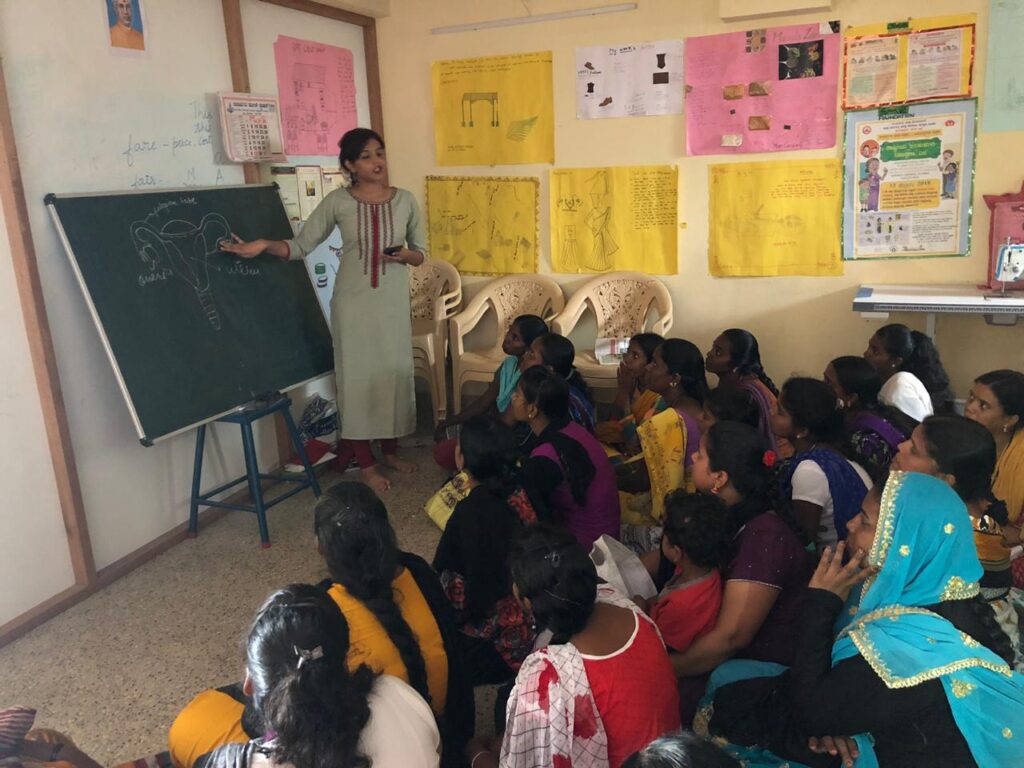
Discussing the process of mensuration with women and girls


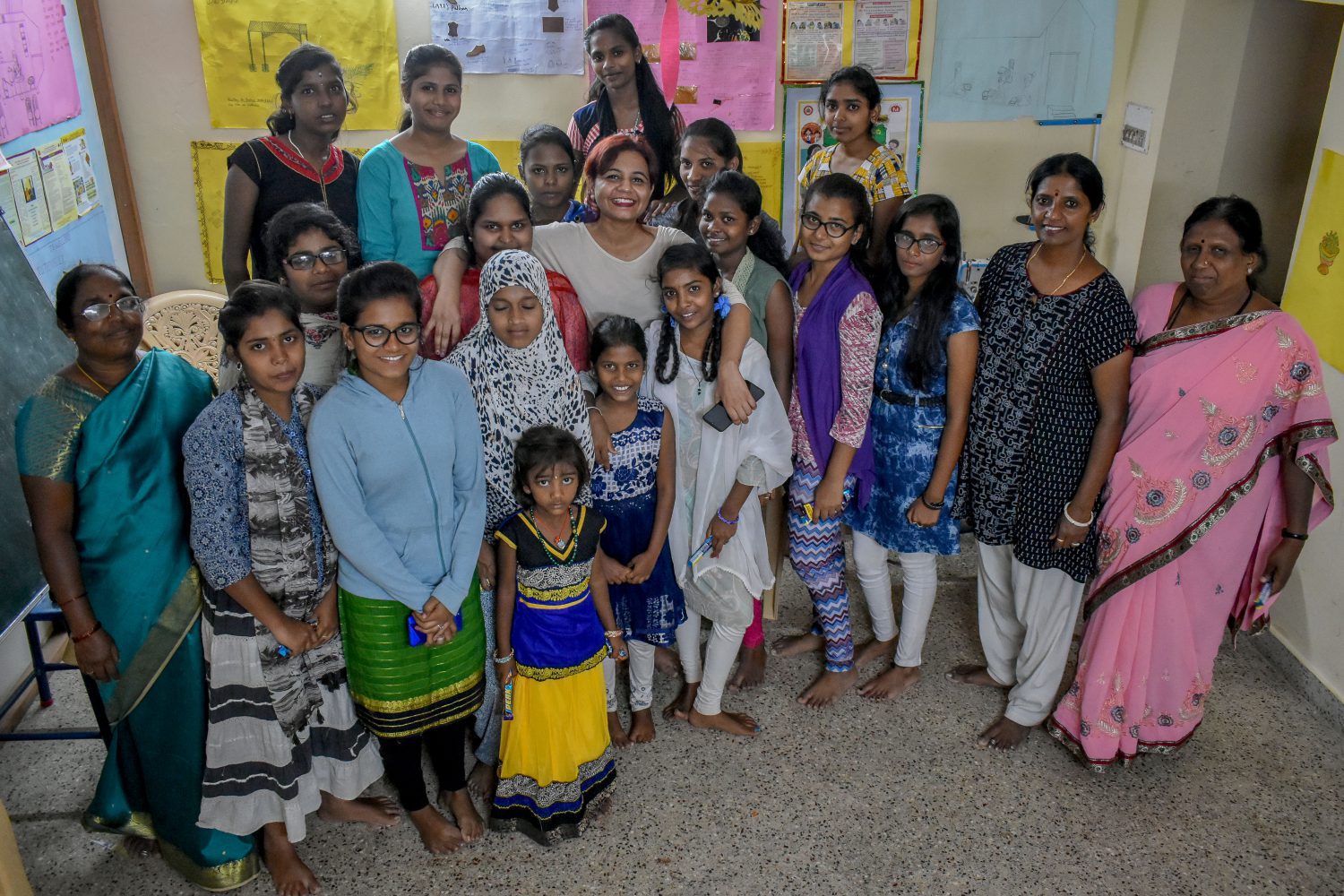
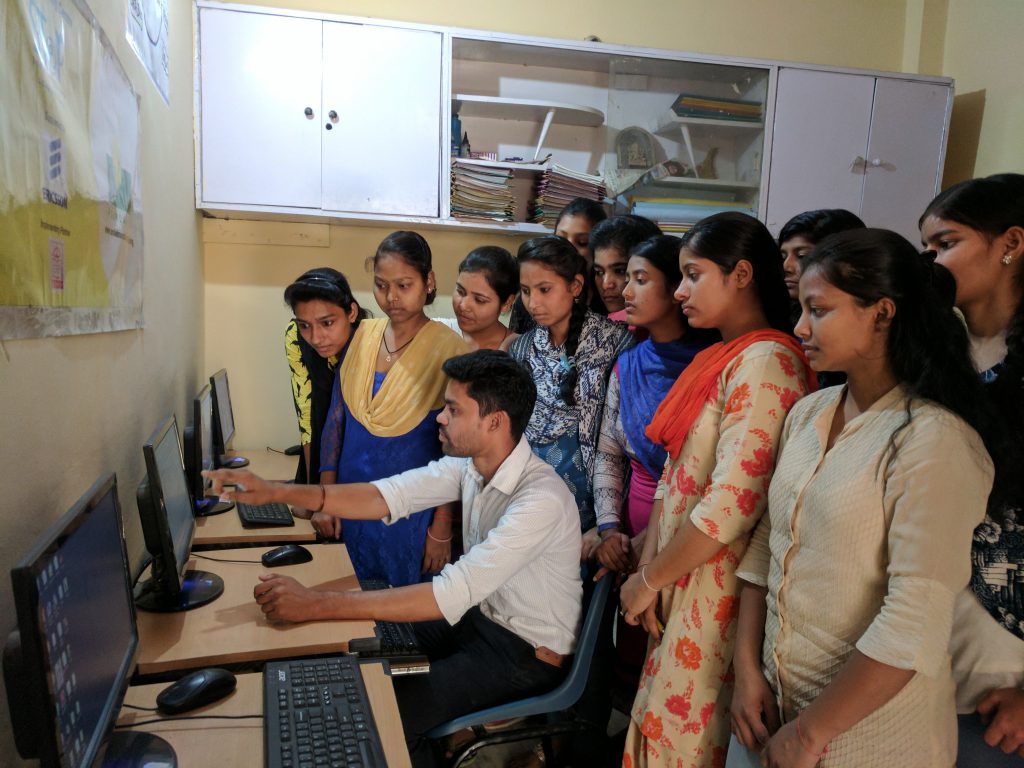
In a small room in Nandini Layout, Bangalore — gathered 15 adolescent girls for an interaction with me on their day to day lives – their struggles, achievements, dreams and hopes. All these girls lived in the nearby slum and had excelled in their education defying all economic and social odds. So here we all were, a bunch of girls and some women looking forward to some fun and interesting discussions.


After a lively conversation about how these girls were handling everything; braving the social and financial barriers, the discussion veered towards menstruation. Having given sessions on menstruation and hygiene, my colleague Pushpanjali asked them speak about it. A silenced followed by shy whispers filled the room.  When I asked the group at large to talk to me about periods, not even a single girl spoke. They all started laughing and giggling among themselves when prompted.


Pushpanjali asked one of the girls, 19 years old Krishnavani, to speak about it.  She got so shy that the entire time she kept her eyes down and didn’t speak at all, let alone about periods. For a tall, impressive girl who had displayed immense confidence during the rest of our session, she couldn’t even bring herself to say the word “period”. I asked her if she was so shy to talk to me about it, how did she ask for sanitary pads from shop. Her answer, “I don’t. My mother gets it for me.”  


It was not a surprise to get such a response from these girls, just a little disheartening that all these young vibrant girls with glowing faces, bright smiles and shining eyes full of big dreams, were bound by aeons old taboos. These girls were unable to freely talk about periods, which is a natural part of their life cycle.


My day with them wrapped up in high spirits; with conversations about everything – their lives, education, career and ambitions. We all danced to a few Kannada songs (or were they Telugu?), led by a convivial little 10 years old, who took my heart away. 


On my way back from there, I realised that as hard as people are working towards empowering women; trying to make them comfortable and proud of themselves and their bodies; aiding them to take initiative to seek their needs and rights; there still is a long way to go to break through this barrier for women built by generations of patriarchy.


Periods are as natural part of a woman’s life as breathing. Every woman has a right to adequate reproductive healthcare. Stigmatisation of menstruation leads to violation of these rights. Presently, only 18% of women in India have access to sanitary hygiene. 66% girls and women have no access to toilets to use during menstruation. Girls and women are even asked to stay in isolation during 5 days of menstruation as 70% of mothers associate menstruation with impurity.


In some cultures, first menstruation is also taken as the sign that the girl has reached child bearing age. This results in the girl suffering due to early pregnancy which is dangerous for both the girl and her child. All these practices and so many others are just blatant violation of rights to sexual and reproductive health of women.


My upbringing as a girl was similar as of most these girls I had met. It’s what I made of myself after I started turning into woman that was different from theirs. I had the means, sources and exposure to people and environment that made me feel free and confident in being a woman; to know that nothing about myself is anything to be ashamed of or shy away from.


To sensitise young girls about periods and related changes in the body is the first step against periods being termed a taboo. We need to talk more, have discussions and encourage one and all to embrace it as a natural part of our lives, only then can we bring change in the mindsets of the people.
Categories
From The People, For The People

Friends of Smile Foundation: School children turn good Samaritans

One is never too young to start being a good Samaritan and giving back to those in need as is being demonstrated by eight students from elite schools of Mumbai who have raised a substantial amount to fund health camp being conducted by Smile Foundation, an NGO for less privileged students.


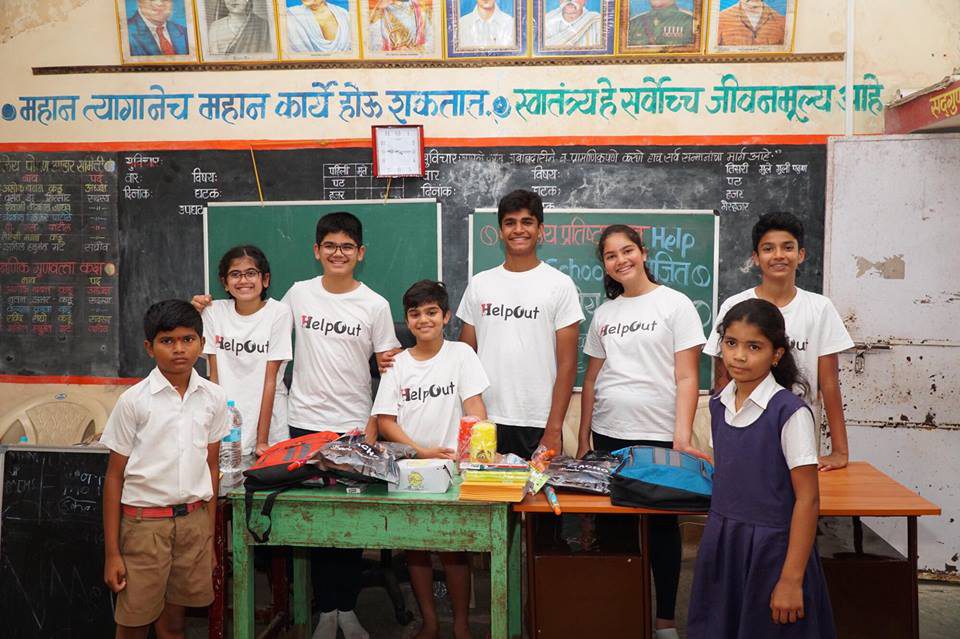
Dhirubhai Ambani International School student, Siddharth Makharia, XIth grader spends his weekends organizing football tournaments; Krrish Jain and his sister Diya, XIth graders from Cathedral School organize basketball matches, Shiv Kampani also from Dhirubhai Ambani school hosts robotic workshops for young children, Elisha Parikh, an VIIIth grader sells her fresh bakes during these different games and workshops, while the younger lot Azad Parikh, Avantika Kampani and Devarya organize weekly housie games for the community.


These eight kids have come together under the banner – HelpOut –to help the children from the underserved communities get access to better quality education and health.


“This year, they have raised close to Rs 80,000 to support a health camp for the children and families of the school in Ladiwali, Karjat. This is being conducted with qualified doctors and staff of Smile Foundation,” said Rakhi Makharia, Siddharth’s mother.


“They don’t go door-to-door for raising money, instead use innovative ways to involve the community to create these funds. So, in the end, everyone has added value to the fundraising effort,” she said.


“I’m so glad I am a part of HelpOut as it’s a great platform for us to contribute to the society in our own small but effective way,” said Diya, 15.


Elisha said, “I contribute to fundraising with my baking skills. For many of the events, I have baked several cakes, cookies, and cupcakes, which have sold rapidly. I am happy I am able to do something for people around us.”


“These are a bunch of extraordinary school going children, who believe in service before self. Earlier this year, they approached Smile Foundation with the idea of doing a health camp for school children in Ladiwali School,” said Santanu Mishra, Co-founder and executive trustee, Smile Foundation.


“We were surprised that this enthusiastic bunch of teenagers already had raised money and thought of organizing a health camp they just needed an organization to partner with. We are convinced that children are the future and have a strong sense of empathy. We just need to nurture this and encourage them to enable them to give back to the society,” he said.


The health camp for children and their families will include doctor consultation, medicine distribution, basic pathological tests, anemia screening, awareness camps and health workshops on sanitation and hygiene.


In the last two years, the teenagers have together raised about Rs 400,000 from these ‘weekend activities.  They have “adopted” Brihanmumbai Municipal Corporation (BMC) run school in Karjat village, where they distribute free books, bags, stationery and also furniture to help the school children and management.

Categories
Insights

Time to empower the youth with the “right” skill set

Even as the government is talking about skilling and increasing jobs, the difficulty is that a big population of the adult workforce in India is severely under-equipped to perform skilled and semi-skilled jobsIt is time to empower the youth with the “right” skill set.


The government has been pushing to provide more job opportunities to the youth especially in the wake of rising unemployment. Unemployment rate in December 2018 rose to 7.38% from 6.62% in November 2018 and 4.78% in December 2017, highest since September 2016 when it stood at a high of 8.46%.


Statistics from the Centre for Monitoring Indian Economy (CMIE) show that in December 2017, a total of 26.94 crore people were employed in rural parts of the country, which dropped to 26.03 crores in the month of December 2018. Remaining about 18 lakh jobs were lost in urban parts of the country with the overall numbers of employed declining to 13.66 crores from 13.84 crores.


With fast-growing market size and expanding digital infrastructure, it is only positive to hopeful about more jobs but the big question arises that are we as a country prepared for jobs?


The big challenge in India is not that so much of the youth is unemployed; the problem is that there are just a lot of people who are simply ‘unemployable.’ Even as the government is talking about skilling and increasing jobs, the difficulty is that a big population of the adult workforce in India is severely under-equipped to perform skilled and semi-skilled jobs, let alone the “white-collared” jobs.


Before we talk about jobs — we need to focus on strengthening our education system—the foundation. Big improvements in basic and primary education are a critical area of investment and should be the focus if India wants to sustain its economic growth and utilise its young workforce. 


A weak foundation in primary education is already derailing young lives, families, careers and productivity of tens of millions of Indians. In their youth, children grow disappointed stemming from a lack of skills and quality education.


Education remains passport for success but even then the government continues to ignore its importance. There is an urgent need for examining and analysing the present education system and introducing of new reforms accordingly for offering quality education.


While India is among the 135 countries to make education a fundamental right, by ensuring free and compulsory education for children between the age of 6 to 14 years under Right to Education Act (RTE) but the problem lies not just in implementation but also quality.


If we study closely, we will find that there are multiple challenges in implementing and monitoring high standards in teaching across public schools in India, which are directly affecting the learning outcomes. Plus the regional, cultural and socio-economic factors ingrained in the texture of our society further prevent India from fully achieving this quality education goal.


In addition, teacher availability, trainings and scalability of high-performing teaching professionals in villages, funding allocation for schools, basic infrastructure in remote districts and negligible use of technology in the classroom remain constant hurdles to reforming primary education.


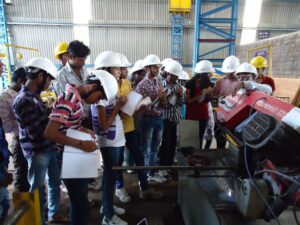
4. 268 employer engagement programmes and 269 industry exposure visits conducted during the year 1024x768 1
Most youth lack basic skills required for a job


Another gap which needs to be addressed to strengthen primary and secondary education, and prepare a future ready workforce is to boost ‘pre-primary education’ in the country. Even as the world is hailing the need for access to quality early childhood development, which is for introduction to education to under five-year olds, we are far behind in the race.


The World Bank has prioritised Early Childhood Development as “one of the smartest investments a country can make in its future” and even world leaders added a target to the Sustainable Development Goals (SDGs) to ensure access to quality early childhood development and pre-primary education so that the under five-year olds are prepared for primary education.


Of the 193 countries that currently committed to the SDGs only 38 provide free, compulsory pre-primary education. While we have a mandate of imparting early education through our angadwadi’s workers in the rural and semi-rural centres, but by and large it is a half-hearted measure, which is clearly not translating into results.


Enhanced public investment in early education and human capacity building are key requirements for boosting up the education infrastructure.


Increasingly, world economies are recognising the importance of equipping every child with a strong learning foundation to help them cope with a future and manage families and communities around them.


One study estimates that every dollar (Rs 70) invested in quality early childhood education for disadvantaged children provides are turn of 7-10% per child, per annum. Several studies have shown that investing in pre-primary education or say early childhood programmes for the poor and marginalised empowers them to break the inter generational transmission of poverty.


Several governments in countries like Peru, Liberia, Angola, Lesotho, Malawi, Mozambique, Swaziland, Zambia, and Zimbabwe are offering programmes for early education. It is time that we as a nation put our priorities right and discussed education, before we demanding or creating more jobs. We sure need an “educated” and not just “literate” workforce to fill in the jobs.

Categories
In The Spotlight

Assam Flood fury leaves millions in need

Two weeks ago, in the wee hours, I heard my mother speaking in a hushed tone over the phone, afraid her voice might wake us up. But I was awake and as I tiptoed closer, I saw my mother with a dazed expression on her face and the only word I heard her speak out loud was ‘everything’!


I knew what that look meant at this time of the year in Assam, the monsoons had arrived and with it, it brought fury. The Assam flood are an annual affair. The mighty Brahmaputra and its many tributaries had flooded 30 of the 33 districts in the state. The friend my mother was speaking to had her house in the village washed away; not a straw was to be seen.


VID1873 1024x683 1
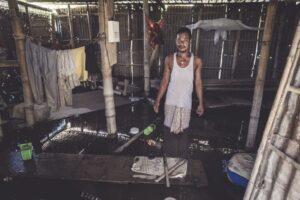
Assam flood victim in his water-logged home


Two weeks of incessant rains has displaced 54 lakh people, the death toll has climbed to 64, and more are in the counting, 90% of the Kaziranga National Park was underwater until recently and more than 100 animals have fallen prey to the floodwaters. The mighty Brahmaputra and its tributaries are still flowing above the danger mark in Guwahati and other parts of the state. This is one of the worst floods that the Assam has ever seen.


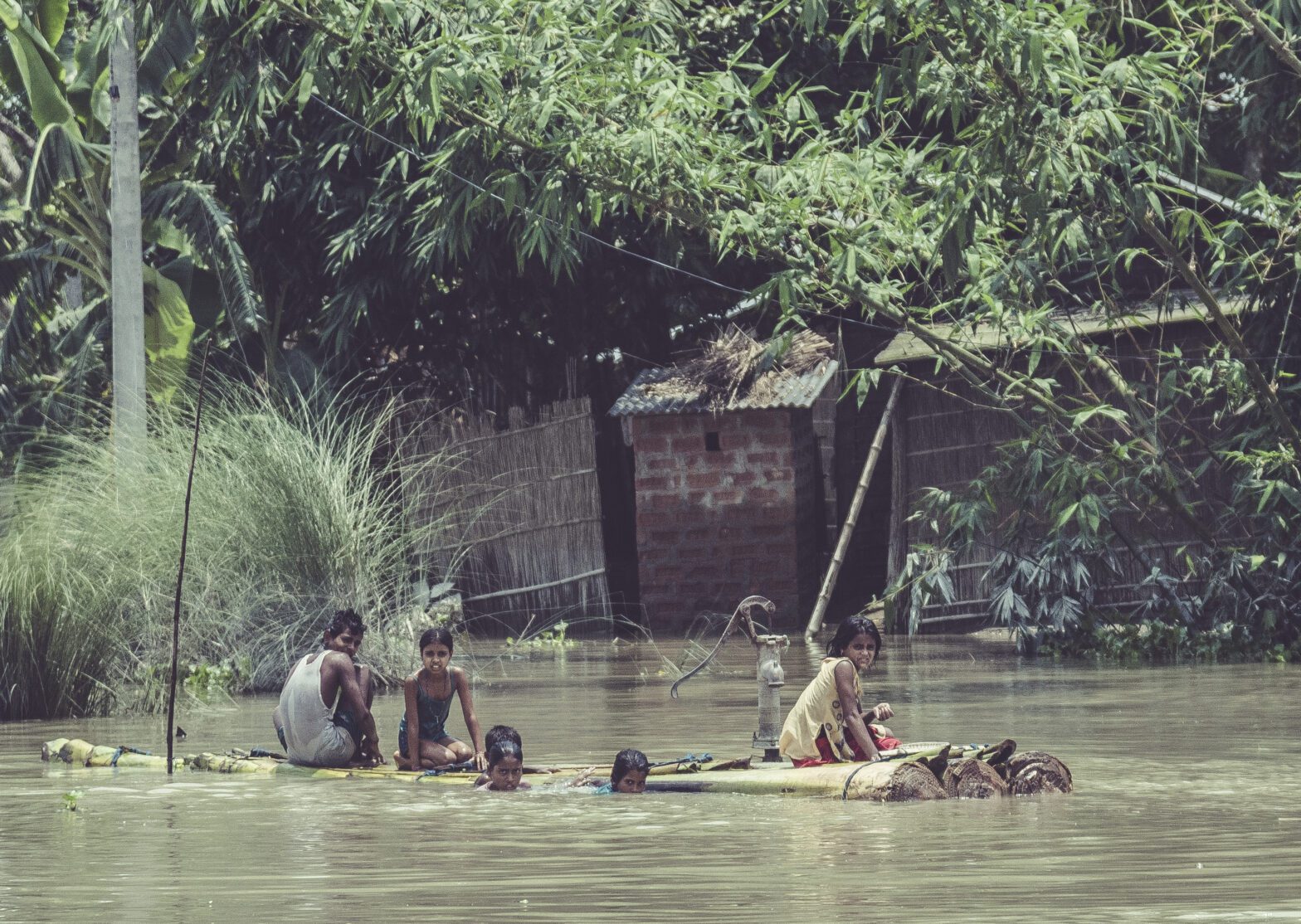
Houses have been washed away; schools have been inundated with several feet high muddy waters, notebooks with washed away pen marks float in the water alongside clanking utensils. Banana trunk rafts and bamboo rafts have turned into homes for people; people are living and wading through muddy waters, food grains have been washed away and people are trying to salvage whatever they can. These are images that one is seeing on social media and WhatsApp messages. But to me coming from the state, these are very real.


Threats of water-borne diseases and fevers have begun to manifest into reality and people have nowhere and no one to turn too after all hospitals is either flooded or over-crowded. Little children, women and old people are the worst sufferers. Diarrhoea, dysentery, fever and severe skin infections have begun to spread in the relief camps along with Japanese Encephalitis, a mosquito-borne viral infection. New-born babies and expectant mothers are in severe need of help.


VID1559 1024x683 1
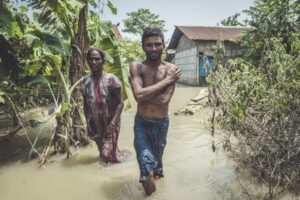
Homeless flood victims prone to diseases


As my mother’s friend along with lakhs of people at the relief camps, there are hundreds more who are waiting for water to recede with limited access to clean drinking water, some food, a place to rest in and wait for the water to recede.


The Assam flood survivors need our help and each one of us in whatever small ways we can, should make an effort to provide some care and lend our support.   


The Smile Foundation Disaster Response team is on the ground assessing the needs of the survivors and mobilising resources to extend support. The immediate needs of the Assam flood as per the reports from the ground include drinking water, food, hygiene kits, chlorine tablets, and medical assistance. Every step matters. Every contribution matters.


Click to support https://www.smilefoundationindia.org/assam-flood/

Photographs by- Himagshu Sarma (https://www.facebook.com/spiritofhimangshu )

Categories
From The People, For The People

Food and care bringing ‘tea garden children’ back to school

Most students, who earlier came to class empty stomach, now go to schools after having a complete breakfast at the Mission Education centre. This introduction of meals was planned not only to keep the children well-nourished, but also to keeps the attendance high at the centres and at schools.


Just being in Tripura, one the mountainous states in the northeast of India, fills me with fresh energy. I work with families and communities in the state who face day-to-day struggle as daily wage labourers.

Surrounded by lush green tea estates, and clean blue skies, popular with tourists, the state is also home to a large community of daily wagers who are struggling to make ends meet.


The daily life of the people of Adarani Tea Garden in Agartala, Tripura is nothing but a challenge. In plain words, it is a fight for survival.


I work as a regional programme manager for eastern states of India with Smile Foundation. Recently, I re-visited the schools in and around tea estates to understand and do an impact analysis of an education project we had introduced children of tea garden workers some years ago and went home happy. But three years ago, the story was a little different.


Perception and stigma creating barriers


I remember visiting a school in Agartala three years ago. I was perturbed to learn about the poor attendance by children from tea gardens. On deeper research, I found that the local teachers were largely prejudiced against the children from tea gardens and had made up their minds that these kids didn’t want to study.


One of the teachers also told me that that despite several efforts made by government and local private bodies to mainstream these kids, nothing seems to be working. All efforts to get these children to school have failed.


As part of the education project- Mission Education, we hired some local teachers from the community. I met with children and parents to understand their dilemmas and issues and asked them to come up with solutions.


Most labourers in tea gardens had migrated from different village areas of the state. While they wanted to educate their children, poor wages, distance of schools from tea estates, illiteracy among parents were reasons which had kept them away from attending regular schools.


After some discussion, I learnt that they did need a school, and there came an opportunity for me to open up a new Mission Education centre for me. Since these kids, almost 30 of them – all primary school level— had had fractured education we thought of starting a ‘remedial school’ for them in the tea estate itself.


With help from a local NGO named JUST, we opened the center in the tea garden itself and it has been running successfully in the locality for last three years.


So, this remedial centre which is supplement to the main school starts early morning before the actual school hours. The teachers at the remedial centre guide the kids, tutor them, give them extra personalized coaching to help them cope with regular school education.


Customised and contextual hand-holding


Our three years of learning shows that this daily connection through this Mission Education centre is also helping kids to remain in school education system. While their academics graph has shown betterment, attendance and behaviour towards education has also improved.


Most students, who earlier came to the centre with an empty stomach in the morning, now go to schools after having a complete breakfast at the centre. This introduction of meals was planned with a dual motive – to keep the children well nourished and happy and also to keep the attendance high at the centre and at schools. And yes, this strategy worked really well.


I came back really happy after my recent visit to the centre this month. While their behaviour towards school and education had changed for the good, they looked enthusiastic and hopeful about building a more promising future for themselves.


With a heart swelling with pride, and I can say for sure that it is this motivation that keep me going.  These happy kids, with a purpose, give me my strength and motivation to keep striving for the betterment of these communities.

Categories
In The Spotlight

Thanking ‘doctors on wheels’ on National Doctor’s Day

Smile on Wheels provides doorstep quality and affordable healthcare services across 585 villages of the country.


Qualified doctors are the most important part of any healthcare infrastructure. Today on the National Doctor’s Day observed on 1st July every year, we at Smile Foundation on behalf of the communities we serve, together would like to acknowledge the dedication and passion with which they drive Smile on Wheels (SoW) mobile healthcare programme.  


There are two aspects to the SoW programme, one is reaching the unreached and the second is providing quality and affordable or free healthcare service to the poor.


Lancet Study as of March 31, 2015 shows that more than 8% of 25,300 India’s primary health centres were without a doctor, 38% were without a laboratory technician, and 22% had no pharmacist. Nearly 50% of posts for female health assistants and 61% for male health assistants remain vacant.


The reality is that only handful of doctors in the country want to work in the rural parts of the country. Lack of infrastructure, poor and uncertain wages, bad connectivity and little or no growth are major reasons for this demand supply gap, which is only increasing with time.


“The shortage of doctors in rural belts is also aiding the rise of quacks, who often make a killing at the expense of these poor vulnerable people who avoid going to bigger towns for treatment for fear of expense and loss of wages,” Dr. Shivkumar Ajwani from SoW Surat


“This free-of-cost door step health service is an honest effort to reduce out of pocket expenses for the poor, thereby helping them allocate their little resources to other critical needs like food and education,” he explained.


According to a study released by Public health Foundation of India in 2018, out-of-pocket health expenses drove 55 million Indians–more than the population of South Korea, Spain or Kenya–into poverty in 2017; and of these, 38 million (69%) were impoverished by expenditure on medicines alone. The study also showed that about 68% of the Indian population had limited or no access to essential medicines.


Under the Smile on Wheels initiative fully equipped medical vans – including an MBBS doctor and a qualified paramedic – travel to various corners of the country to meet the immediate health needs of the under-served populations. It looks like a definite measure to help bridge this gap.


These medical vans, about 40 so far, provide regular health check-ups, basic pathological tests and doctor consultation. As part of the mandate, the doctors and paramedics also hold awareness sessions in the community to sensitise the locals on health and hygiene issues.


“Poor or no access to medical needs and prohibitive costs attached are two important factors that are pushing poor communities deeper into poverty,” said Dr. Purabi Dutta from Kolkata, who handles Eastern Region for Smile on Wheels programme.


“When we go into the villages we find that for many even a manageable illness like diabetes or a blood pressure becomes a life inhibiting challenges, because of lack of timely intervention,” she said.


Data shows that even in the community health centres, the shortfall of doctors is huge—surgeons (83%), obstetricians and gynaecologists (76%), physicians (83%), and paediatricians (82%). Even in health facilities where doctors, specialists, and paramedic staff have been posted, their availability remains in question because of high rates of absenteeism.

Categories
Insights

Let’s fight malnutrition in children together

Malnutrition is rampant in every nook and corner in India. The 2018 Global Hunger Index ranks India 103rd of 119 countries. India is home to 46.6 million stunted and 25.5 million wasted Under-5 children. Malnutrition is rampant in every nook and corner.


Governments worldwide have been trying to address health and nutrition challenges for quite a few decades but have been failing miserably. It is no longer in the hands of governments alone to take this challenge but civil society organisations have an equal and important role to play.


Smile Foundation’s campaign, ‘Plate Half Full’ is an initiative to enhance education with adequate nutrition. While it is necessary to have underprivileged children attend school, it is also just as important to have them eat regular meals- complete with right nutrition- in a day.


The Smile Team also aims at sensitizing the teachers and the family members of such children on the need of proper nutrition. “Smile Foundation’s campaign Plate Half Full is a programme designed to address the challenge of nutrition and education in young children. It comes with a promise of nutritious food along with regular school education, encouraging more kids to attend school in the lure of wholesome meals,” said Mr Santanu Mishra, co-founder and trustee, Smile Foundation.


Initiatives like Cook for Smile (CFS) have been put forth by Smile Foundation which brings forward the top industry leaders from the country to cook, contest and raise support for the underprivileged suffering from malnutrition or inadequate nutritional resources.


According to the Global Nutrition Report (2018), malnutrition is responsible for ill health more than any other cause. Children under five years of age face multiple issues globally. The statistics show that 150.8 million children are stunted (reduced growth rate), 50.5 million are wasted (rapid loss of body weight) and 38.3 million are overweight. The effects of ill nutrition extend to the women as well as the report says that one third of all the women of reproductive age have anemia (deficiency of iron in blood).


India is reportedly the home to the largest number of malnourished children in the world. Three out of 10 stunted children in the world are from India. More than 20% of children under the age of five suffer from wasting due to under nutrition, 43% are underweight and 48% are stunted due to chronic under nutrition (UNICEF). The highest number of low birth weight babies per year is from India amounting to 7.4 million.


The children most affected by malnutrition are the ones whose mothers are too a victim of ill health.


Despite a fast growing economy and the largest anti-malnutrition program in the world, India lags far behind in the battle against malnutrition. Area of public health and nutrition (PHN), in India needs urgent attention and timely action before we lose more young lives to it. It’s about time that we take step towards eliminating this threat and bringing the happiness and health that these innocent souls deserve.


This festive season spread a little cheer, support https://www.smilefoundationindia.org/plate-half-full/

Categories
In The Spotlight

Cyclone Fani: Notes from the ground

Landing in Bhubaneshwar, Odisha, for my very first assignment, I had a sense that it was going to be a challenging experience, but little did I know that it would turn out to be a life-changing one. The grainy images and videos of cyclonic winds unleashed by Cyclone Fani that I had seen my colleagues pour over at the Delhi Headquarters had given me a sense of the devastation the tropical storm had unleashed.


My brief was clear as I packed my bags without a return ticket along with a photographer. Make the reality and impact on the ground known to rest of the world as our volunteers who had been responding on the ground zero since 3rd May 2019 had shared the shocking details of the destruction.


I am 24-year-old and in my second job with only a ringside view of the realities that communities in rural India, and especially the marginalized, live with. Like most young people living in the cities, my world is relatively insulated. The first time I visited a Mission Education Center, which caters to children from underprivileged communities, on the outskirts of the National Capital Delhi, I was left with a sense of happiness and inspired. Despite their struggles, the children were happy in the loving and nurturing space that Smile Foundation partner had created.


On my first day in Bhubaneswar, I saw a city which was wrecked; trees uprooted broken billboards and damaged houses. It was like a city getting back up slowly after being forced to its knees. It looked bad but the intensity of it was yet to hit me.


As we moved towards Biripadia, our intended destination of the day, my team and I came across a group of 12-15 people taking shelter under a tree. In all honesty, I didn’t know what I was supposed to do when I was told what had happened to them. I couldn’t decide on whether to record these people’s statement and names to build a story or to just offer to them words of sympathy. The latter would have been of no use I suppose. I didn’t understand much of what the group of women on the road was saying to my co-worker but I clearly understood the desperation with which they spoke. (watch the video)


Biripadia was a sight of misery – broken houses with trees crushing the roofs, people living without food for days and zero access to clean drinking water. They all were almost in the same state as people living under the tree, maybe slightly better because they had four walls to shelter them if nothing else.


Upon lying down on my clean bed that night I felt overwhelmed by the gravity of the situation, I had everything that people maybe 5 kilometers away didn’t; enough food, water, and electricity. I realized how utterly unprepared I was in the face of such a disaster where the sea lay but there was no drinking water.


The first sight on my second day of the field visit was of an old woman washing her clothes in a pond. The water was such most people wouldn’t let their foot in – black and full of leaves, branches, dirt and what not. She told me her story of having lost her home, her clothes, and her crop in the cyclone. She was cleaning what was left of her and her families’ clothes while others repaired their house bit by bit.


The only aid she and the rest of the villagers had gotten so far was the relief kits distributed by Smile Foundation three days before. 200 people waited with hope for relief kit at that center while I tried to capture moments of joy, moments of expectations, tears rolling down their cheeks out of sheer relief. I talked to women who told me how they didn’t even have any clean water to be used during periods. They had lost the only community toilet they had in the storm and faced serious security threats due to no lights in the night. One of the women was pregnant and couldn’t even get three proper meals a day let alone any nutritional supplements important for a pregnant woman. Getting these women some basic sanitary hygiene became the story that I had to get out to the world.


Day three brought me the story of a mother who got injured while protecting her daughter in the cyclone; of a mother taking care of her 48 years old mentally challenged daughter with nothing to her name but 500 rupees a month in pension and since the cyclone, not even that, of an elderly disabled couple living on pension and having lost everything in the storm.


Before the cyclone, they had very little, after the cyclone they had nothing. But even with broken boats and broken houses, they had hope that things will get better and that’s what they showed me when they asked me to play cricket with them on that beach.


All in a matter of a week I had seen a hope in the eyes of a woman named Sarita, who lost one hand in an accident and aspires to be a teacher and loves to ride bicycles; the joy of giving in people who offered us refreshment even when they themselves had nothing; hope in the eyes of people who were building their lives and homes back anew instead of sitting idle waiting for the things to resolve themselves.


My first field trip and interaction with people affected by a disaster of this magnitude brought me lessons that I probably would never have come across in my life. To most people like me, a disaster like that becomes an inconvenience; at most a trouble that would take me a couple of months of salary to get my life back to normal. But for the kind of people I met in those remote villages in Orissa, it becomes a battle for survival.


As we left the last village on our last day in our air-conditioned car, I said to my co-workers, “we don’t really realize it but we have gotten incredibly lucky in our lives.” And I meant it.

Categories
Insights

Child for Child: Spreading values of empathy

Children are the future of a nation. It is very important that they grow up to be responsible citizens who are empathetic and sensitised about happenings in their family and in the society. Keeping in mind the above points counsellors and volunteers from Smile Foundation’s Child for Child programme visits various schools and conducts engaging sessions for the young minds. It sensitises children towards various causes and let them realise their privileged status. The programme was initiated in the year 2006 and involves sensitising privileged children and their parents, towards the existing inequalities around them.


In such a sensitisation drive the students of Colonel Satsangi’s Kiran Memorial Public School, Chhattarpur, recently attended an interesting interactive session with Gloria Paul, a resource person from Smile Foundation. Titled Child for Child (CFC), the event urged them to be sensitive towards the feelings of children who belong to backgrounds different from the one they belong to. As a resource person, Paul’s role involves working with school children through talks, workshops and movie sessions wherein she sensitises students towards the concerns of one another.


The event at the school was an open discussion that she held with the students. Opening the session, she asked them, “Do you enjoy smearing friends’ faces with cakes on their birthdays?” Based on the replies, Paul further told them that while many of us tend to waste food, such as cakes, either for fun or because we see others doing it, we should also be aware that there are children who don’t know what cakes are or even when their birthdays occur. Her words had an immediate impact on the young minds. One of them named Aryan, who turned 8 that day, said: “I will tell my friends not to waste the cake by smearing it on my face. Instead, I will request them to share it with children from a family who live near my home. They are not wealthy and stay near my society”. Next, Paul asked whether any of them had termed others as being poor, ‘privileged’ or ‘underprivileged’.


Paul has been running active under the Smile Foundation initiative called ‘Child for Child’ in schools across Delhi-NCR for three years to make children more empathetic towards young and old alike. The school authorities as well as students appreciated the initiative. “Our school has had a long association with NGOs like Smile Foundation. Every year, Paul addresses the students and gives them an insight into the challenges faced by those from varied sections of society.


Such activities have helped us to instill values such as compassion and empathy among students,” said Savita Arora, principal of Bharti Public School, Swasthya


Vihar. “The workshop was an eye-opener. It taught us how to bring smiles on the faces of many children we meet,” said Class 12 student Bhumika Nagapal from Bharti Public School. Concurring with Bhumika’s view, Sarah Patrick of Class 6 from Father Agnel School, Gautam Nagar said, “I learnt the lessons of caring and sharing in the real sense. I also urged my relatives and neighbors to do the same.”


National director, Child for Child, Vinit Vaidya said that the idea behind the initiative is to bridge the gap between the haves and have-nots. “While some children lack access to basic amenities and opportunities, a vast majority has all these things in abundance and often tends to take them for granted. It’s easier for students to learn from such school events,” he added. Supriya, a Class 6 student of Smile Foundation’s Mission Education Centre, said, “They taught us many things. I never understood the importance of education and considered it as being boring. But all the volunteers made it so interesting. Now I can’t wait to attend the classes!” The sessions also focus on extra-curricular activities. In the words of Rhithik, a Class 3 student of Mission Education Centre, “We were taught dance, games and aspects like how to succeed in exams.” Mahek, a Class 4 student of Don Bosco, Chandigarh, said “We really enjoyed time with the teachers.” Activities such as interactions, workshops and movie screenings help students view.


Child for Child currently reaches out to nearly one million privileged children in 900 schools spread across 417 districts of India, every year. In addition, their parents and teachers are also involved in the process. The programme has today reached out to each part of India with the exception of Lakshadweep.


(This article had formerly appeared in Hindustan Times; May 7, 2019)

Categories
Insights Smile

Malnutrition amidst plenty, hides in plain sight

Sampoorna: Addressing Banaskantha’s Nutrition Challenges


Shilpi, 13, fainted on the way to classroom soon after the morning assembly, and had to be rushed to the nearby dispensary. A series of tests followed, which revealed that she was suffering from malnutrition, which included severe iron deficiency, causing her to be in a state of constant fatigue and weakness. Her haemoglobin had nosedived to less than 5 gram per decilitre (g/dlL) against the normal count of 12 g/dlD.


Imagine a district ‘flowing with milk’ and known for its dairy production. Now add to that the statistics of poor nutrition among women in the community. It sounds ironic but the reality is that access to nutrition among girls and women isn’t just about availability but is linked to a complex set of socio-economic factors.


Banaskantha is one among the thirty-three districts of Gujarat, a state in western India with Asia’s largest dairy cooperative under the brand name of AMUL.  The district ranks first in the country in milk production but as per Govt. of Gujarat census 2011, it is low on most of the development indicators. The district, home to a majority of tribal population, is divided into 14 blocks. One of the blocks is Amirgarh which has high prevalence of anaemia and malnutrition among girls.


A baseline study by Smile Foundation revealed that malnutrition and the various diseases associated with it, are a major contributing factor behind girls dropping out of school thus affecting the literacy rates. The study, assessing the nutritional status of adolescent girls (13 to 19 years) in the region, brought to light that 78% of adolescent girls are anaemic (varying from mild to severe), with 50% girls being moderately anaemic and about 13% being severely anaemic. Only 17.6% were attending school, with most respondents (49%) dropping out of school after Class 6 or 8. The study further revealed that around 84% of the respondents have never consumed any multi-vitamin or iron folic acid supplements. Most of the girls did not have any awareness of anaemia or had ever checked their anaemic status.


The survey highlighted that girls lacked awareness about nutritional needs and had a low risk perception about anaemia, creating a causal link that prevented the community as a whole to access developmental gains and an overall improvement in the standard of living.


Creating a context driven intervention


Based on these findings, a pilot project on nutrition enhancement for addressing the hidden hunger among girls, titled “Sampoorna”, was initiated by Smile Foundation with support from PepsiCo Foundation. The project has been designed for a cluster of 10 villages of Amirgarh block of Banaskantha to reduce anaemia and improve livelihood opportunities among 1000 adolescent girls. The project is to improve awareness among adolescent girls and encourage weekly consumption of Iron Folic Acid and local food grains that are of high nutrition value, resulting in reduction in iron deficiency. The implementation also leverages government schemes for provision of nutritional supplements to the community. This at a broader level expands choices for the adolescent girls to break the cycle of poor health and nutrition.


Engaging through activities and conversations


A host of awareness activities are being conducted, like the formation of Kishori Clubs which provide a safe space for the girls to meet every month for joyful learning and promoting regular consumption of nutritious food, weekly intake of IFA tablets and maintaining healthy habits including exercise.


To  attract girls to the meetings, healthy dry snacks including a weekly dose of “laddoo” prepared from locally available ingredients were introduced. Using maize, jaggery, sesame, etc. Chef Vikas Khanna created the receipe of  the laddoo, which supplements the weekly dose of IFA to boost iron levels in the girls.


Village level mega-cookery events create visibility around importance of nutrition for girls between the age group of 13 to 19 years. Social behavioral change communication (SBCC), life-skill education as well as vocational skill development based on local livelihood opportunities for the targeted adolescent girls are also an important aspect of the project.


After the first phase of sessions was completed for all the identified girls, a quarterly panel test was being conducted along with refresher sessions so as to track the progress and make mid-course corrections. It was noticed that the knowledge of the girls had increased after the first round of sessions.


A total of 884 home visits and 144 meetings with frontline workers and school principals have been conducted in villages where the intervention had taken place. The outcome of the same has been reported in improvement of HB level and positive shift in BMI of the target girls.


The project has been instrumental in bringing a change to mindsets; resolving the problem of malnutrition, encouraging girls to go to school and educating the general masses. Banaskantha has just started the journey to erase malnutrition from its books. It has a long way to go and is slowly moving towards the more positive side i.e. proper nutrition for girls.

0%