Categories
Insights

Women empowerment – What can we do

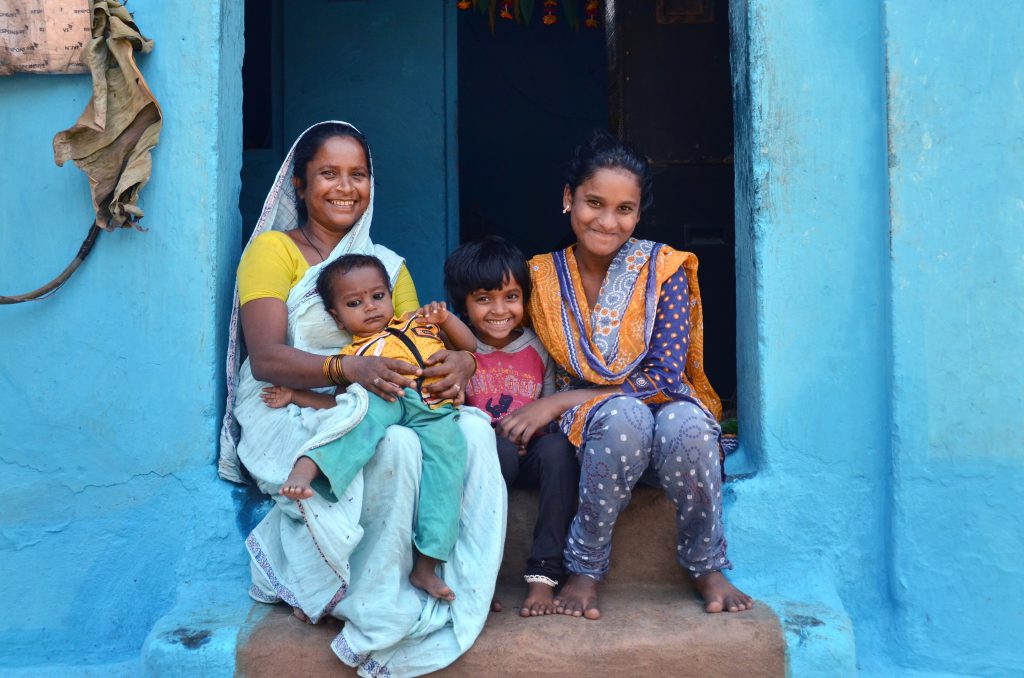
A women’s safety is ensured through her empowerment. Women have always been handling household works but we should support them and motivate them to take their own decisions and do their best in all fields. They must be encouraged to follow their desires and passions and let them choose their careers. We must let her focus on her professional work. Equal opportunities of education must be provided. We must build a safe and comfortable environment for them. We must teach others about the abilities of a woman. We must respect their individuality and must also try to share domestic work, only then will be be able to step on the path to women empowerment.


Narrow minded mentality creates a barrier for women empowerment, which is not good for any country’s future. These are the people who are judgemental towards working women. It is unfortunate that we have to fight daily to change the mindsets of people to end gender discrimination. Many families don’t give their daughters enough space and freedom to make her own decisions or follow her dreams and hobbies; hence stopping  empowerment of women in it’s track.


Poverty has also been restricting women’s education. Poor women do not have enough money to let their children attend schools to get proper education. They cannot afford to educate their daughters and send them to good schools which ultimately allow them to get themselves employed and earn a living. Being financially independent allows them to make their own decisions, stand on their own and develop their financial skills.


Illiteracy restricts women from health and social awareness whereas literacy allows their economic growth and development. A large population of the illiterate people constitute women who are unprivileged from basic education. Health education is very important as it makes us aware of different health issues and their cures. Literate women can work in the private sectors and earn a good amount of money to support her and family. Women participation in economic growth of our country cannot be ignored so we must do our best to make every girl child get basic and quality education.


What we can do


We must make sure that women get a safe and comfortable environment everywhere, whether it is her home or the place she is working at. this will encourage more and more women and it would also let them trust their colleagues and the people who work in the same workplace.


We can help women to develop their decision making power by letting them choose their own careers and practice their hobbies. We must not be forcing them to get married soon or to give all of their time in household work.


We must encourage them to get proper education, which would not make them literate and find a good job, but also would make them aware of various health issues and problems and their precautions. It also saves them from diseases like AIDS which is chronic and can lead to death.


We must try to boost their confidence by letting them share their opinions and speak in front of people. We can discuss the things that are happening in the world and ask what they think about a specific thing that has happened, this will also develop their speaking skills and build their self esteem, it will help them express themselves more and better.


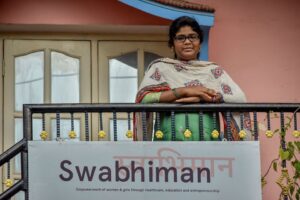
Smile Foundation’s programme – Swabhiman, meaning self-respect in English, was initiated in 2005 to address these challenges through a simple yet effective approach. The programme is specifically aimed at realization of both individual and collective self-esteem and inner strength for marginalised and socially excluded women and adolescent girls through innovative community practices.


A tailor-made strategy called the ‘4 S Model’ has been developed under Swabhiman for women empowerment. The ‘4 S Model’ is an acronym for four novel approaches, namely Seeking Healthcare as a Behaviour, Support for Education, Supporters through Male Involvement, and Sustaining the Change in Communities.


The programme identifies adolescent girls and women from the community and develops them into Change Agents, who in turn actively contribute to the community mobilisation process.


So far, Swabhiman has successfully made a difference to the lives of over 500,000 women and girl children, successfully stepping into the path of women empowerment.


To help girls go to school and to make a difference visit: https://www.smilefoundationindia.org/she-can-fly/
Categories
Insights

AAO BAAT KAREIN – Session On Sexual Awareness

A person always knows which touch is good and which one is not. But you cannot say the same about children. They are quite vulnerable when it comes to sexual awareness. You might see kids touching each other or even showing their private parts to each other.  The consequence of a sexual encounter at such a tender age ends up having serious implications and traumatic when the child grows up. In India, parents are always an active partaker in the lives of their children, addressing all their needs and problems. But when it comes to sexual awareness, they step back. This leads to children encountering situations they are not equipped to deal with due to lack of awareness. The first person to discuss sex education with them should be the parent who can explain the good and the bad in a confidential and safe space to young minds.


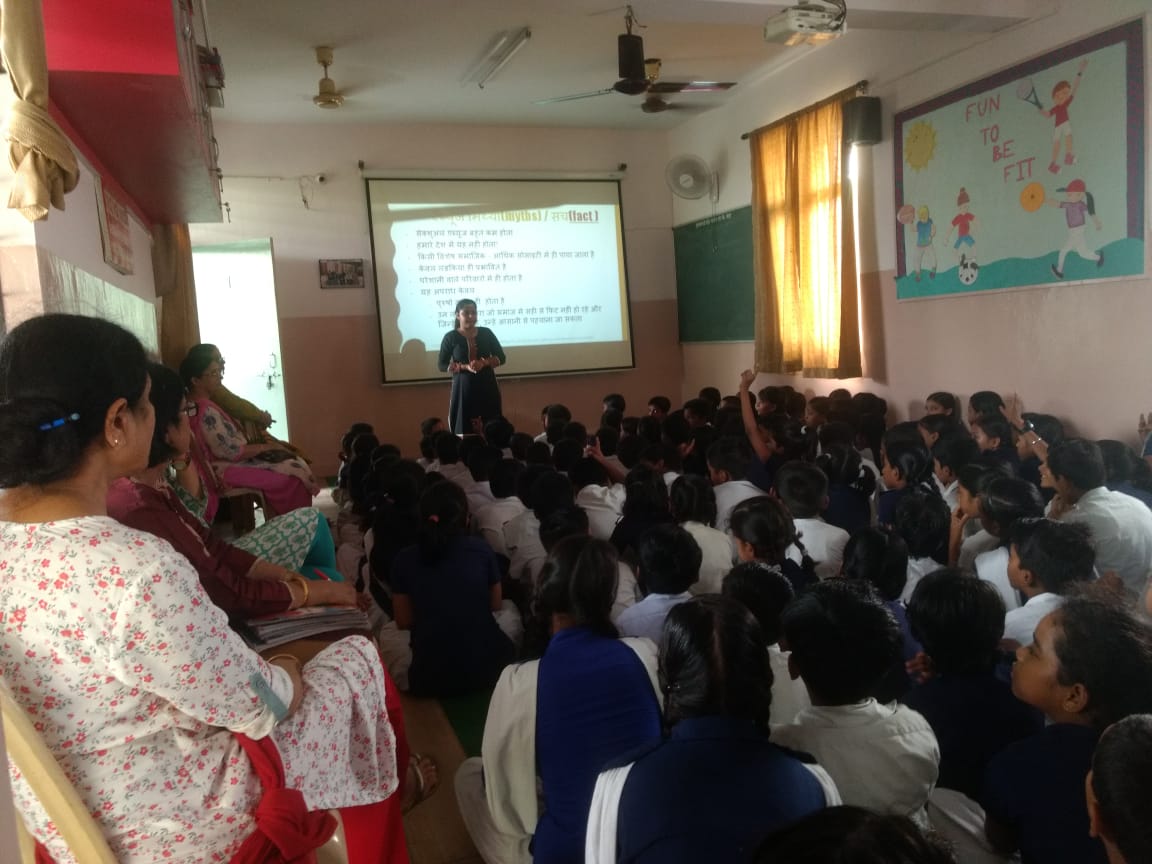
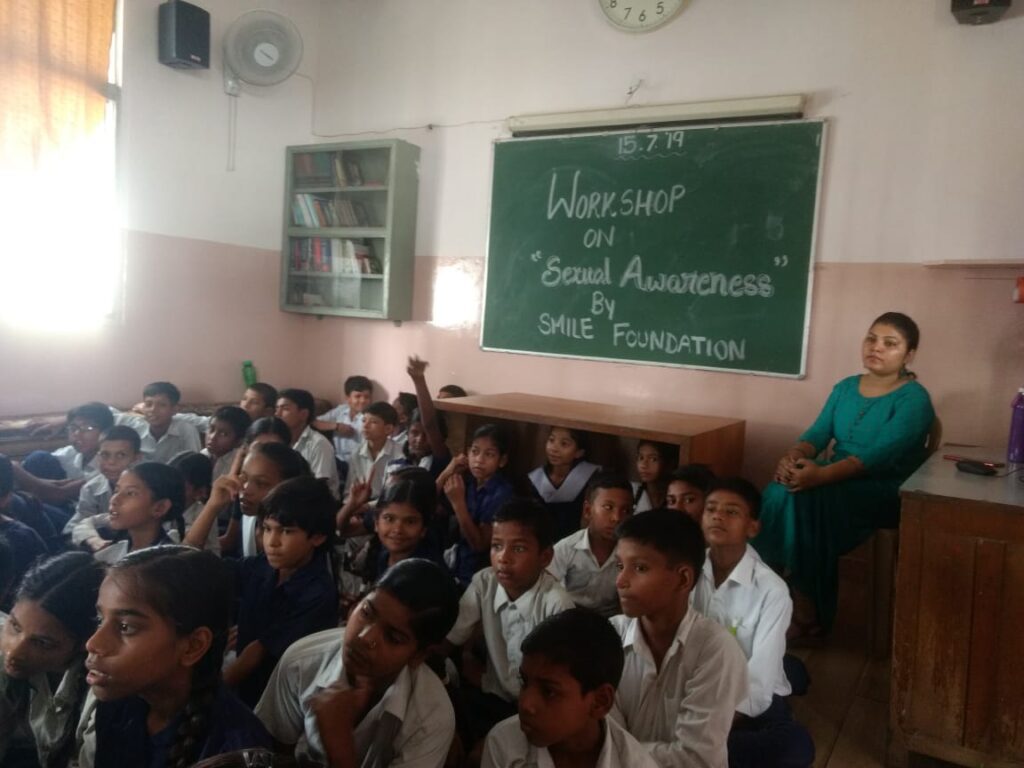
Smile Foundation, with a Mission Education partner, conducted a sexual awareness session at the Noida center. More than 220 children attended the session and were involved in discussion on their sexuality as well as the need of awareness around the wrong sexual encounter.


Sexual abuse of the children can be happen in any form –  physically, visually or mentally. If someone is touching them inappropriately, or someone is making them touch themselves in a wrong way, or if children are asked to see something which is not proper comes in the category of sexual abuse.


Such cases are increasing every year. With more than 19,000 child rape cases have been registered all over the country under the Indian Penal Code and Protection of Children From Sexual Offences (POSCO) act and 36,000 cases of child sexual abuse, yet most of the cases go unreported. This makes such sessions on sexual rights awareness even more important to protect our children.


WhatsApp Image 2020 02 24 at 12.37.31 PM 2 1


The awareness session also gave instances about the different scenarios in which such sexual abuse might take place. It might be school, home, lanes, or even at your relative or friend’s place. Most of the incidences taking place involve someone already acquainted with children which makes it even more difficult and confusing for the children to talk about the trauma to their parents or any adult. Communicating to the children that any such kind of abuse or discomfort situation must be first disclosed to parents or any elder trustworthy by the children is a step closer to making them safer and also avoiding even graver form abuse.


Taking children into confidence and providing them with a safe and trustworthy environment to open up about their sexuality and most importantly the abuse some of them might have encountered in the past is of acute necessity in the present times. As these sessions end, it is observed that the children also find facilitators and care givers trustworthy and someone with whom they can share their secrets. They tend to open up to these caregivers and also find themselves in a place where they can seek support as well as justice in case of abuse.


Smile Foundation intends to end the stigma associated with sex education and sexual abuse including to provide all the children with an open and safe space to grow in. Together with the support of like-minded partners like Parwarish Care Foundation, Smile hopes to bring a day where no child faces the trauma and pain of sexual abuse and what it leads to as he/she grows up.

Categories
Insights

Digital Learning in Gonda

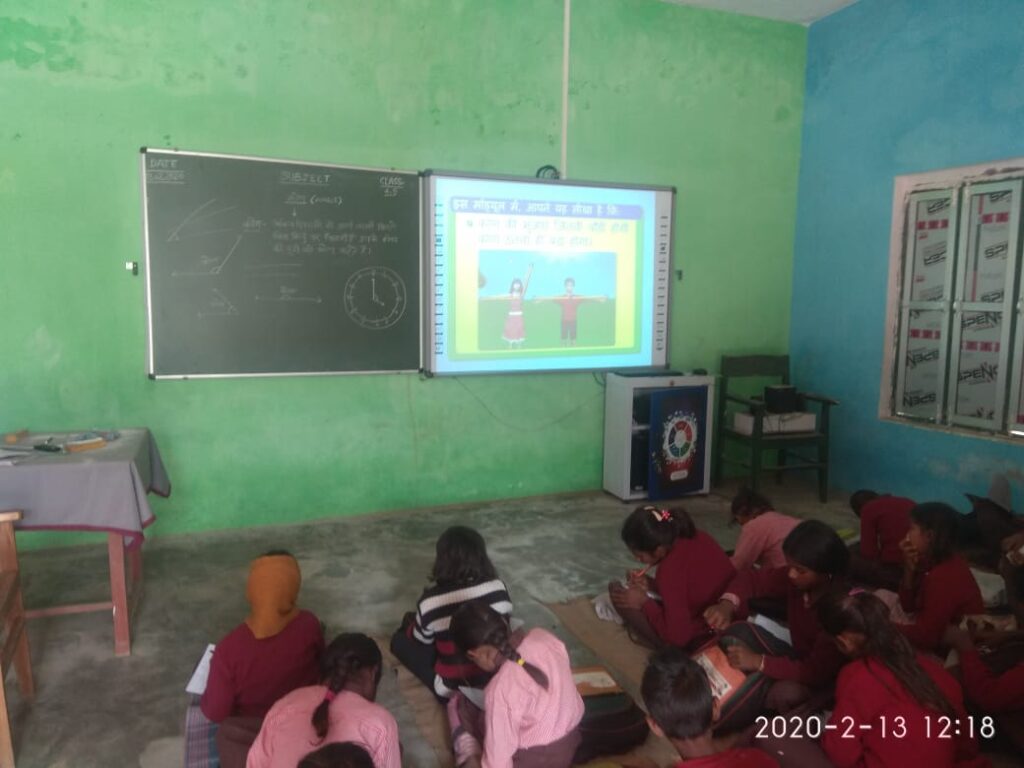
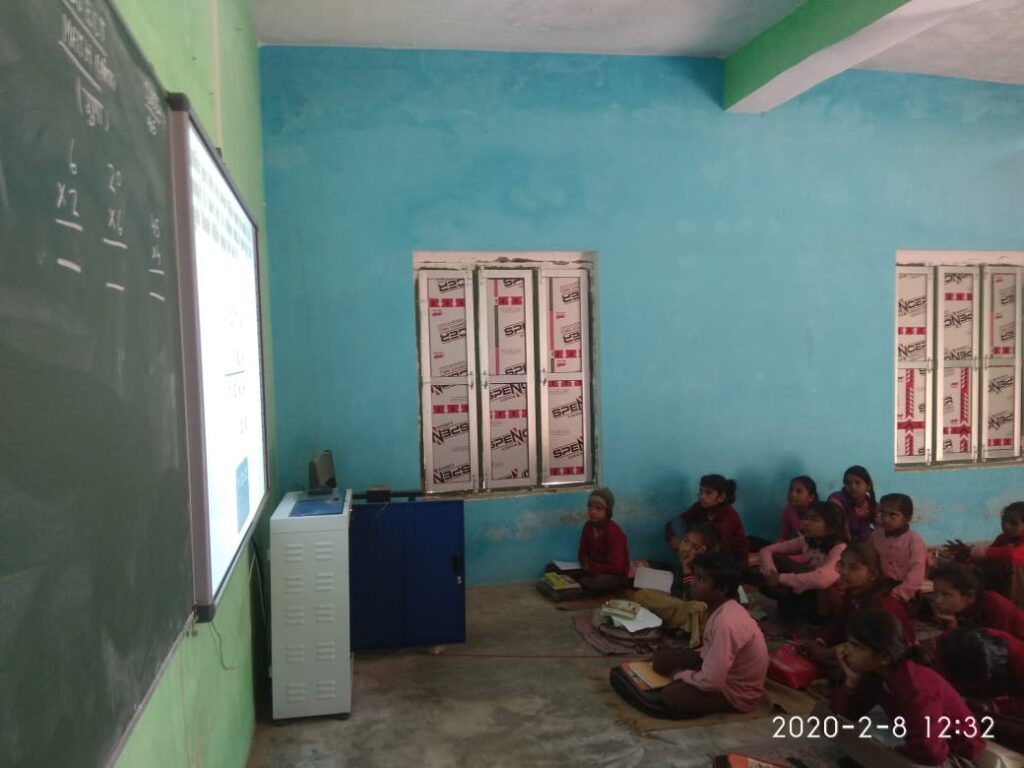
In India, a few districts are marked as Aspirational Districts with special focus from the Govt. and corporate supporters to bring them at par with schools providing quality education in the rest of the country. However, most of these regions are just marginally above the benchmark of Aspirational District; Gonda of UP is one such district. In 2006, the Ministry of Panchayati Raj stated Gonda as one of the country’s 250 most backward districts (out of a total of 640). Gonda needs special attention in school education to strengthen itself to bring it to the level of national average specially in terms of advance education. In a bid to aid in achieving the same, Smile Foundation is taking steps to bring a “digital pahal” in the region by introducing digital learning in the district.


WhatsApp Image 2020 02 14 at 1.12.46 PM


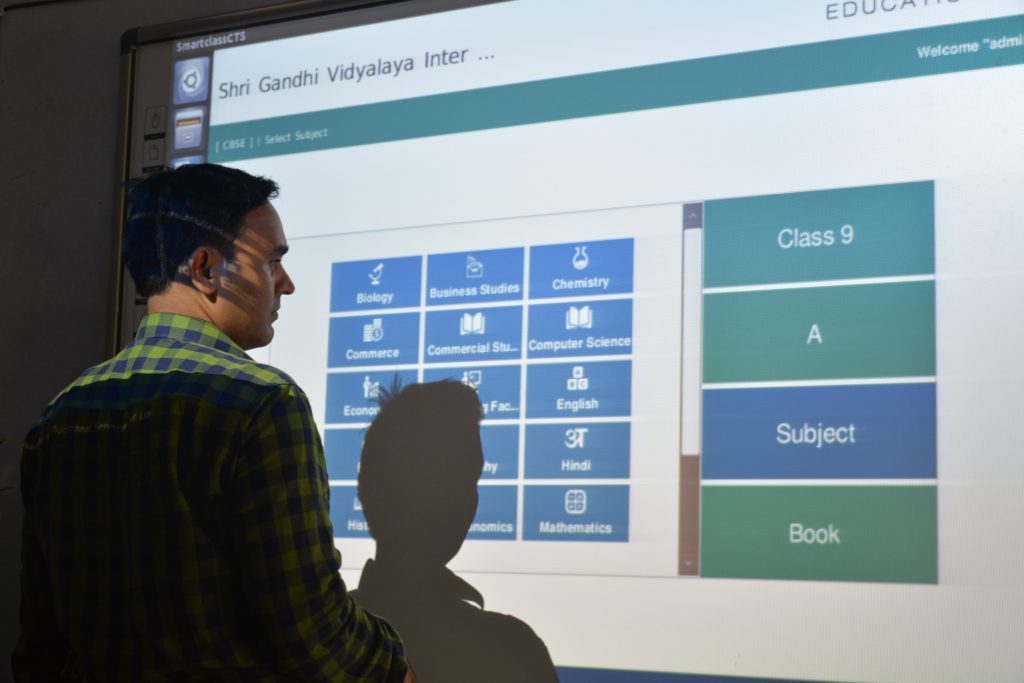
Gonda was chosen, to provide support in Govt. schools through digital classrooms. Aditya Birla Sun Life Insurance Company Limited is supporting Smile Foundation’s initiative to bring about 10000+ students in the fold of advance digital education. 18 Smart Classes have been installed in 17 schools across the district.   Joint reconnaissance visit of Smile Foundation and ABCL team with necessary consultation process was at the head of the finalisation of the schools with district administration, education department, local grassroots level social worker and other organisations. With an aim to make education more interactive and engaging for students to help them reach their highest potential is the thought behind the entire program.


District authority during the process of inauguration of smart classes for digital learning in classrooms has appreciated this initiative on a very high note. It is considered to provide access to modern digital content based on the curriculum of the Board of High School and Intermediate Education, UP curriculum under the National Curriculum Framework to teachers and students of the schools.


WhatsApp Image 2020 02 14 at 1.13.04 PM 2


The project will address the issue of gap in quality of teaching, standardized content, personalized attention on students with learning deficit especially in English and Science, focusing on students up to class X level. The intervention will standardize teaching and improve interest of students in their academic subjects and their academic grades. In short to medium term, the project will address absenteeism. It will also work on 5E principal of education for optimum level of involvement of the students


  1. Engage
  2. Explore
  3. Explain
  4. Elaborate
  5. Evaluate


Apart from everything it would be worth mentioning that an ethical and dedicated team of Smile Foundation is relentlessly working with the community to make this program a success and turn it to a community driven initiative in near future.


To donate for education visit: https://www.smilefoundationindia.org/me/

Categories
In The Spotlight

Celebrating Her: International Day of the Girl Child

In 2011, the United Nations General Assembly passed a resolution adopting 11 October as the International Day of the Girl Child, recognising girls’ rights and the unique challenges girls around the world face realising them. This day was recognised to inspire girls to break chains and take successful steps towards their futures.


In 1995, the fourth World Conference on Women made history for the women’s rights agenda with the adoption of the Beijing Declaration and Platform for Action which fought for gender equality and the empowerment of all women, everywhere.


Keeping the Beijing Declaration and Platform for Action in mind, as we celebrate this year’s theme set by the United Nations Women; Girl Force: Unscripted and Unstoppable, we bring you stories of courage and determination from Smile Foundation beneficiaries who have broken boundaries to achieve what is rightfully theirs.


1.


Komal


“Didi, do you know the joy of touching the keys of a keyboard? You touch them and the alphabets appear on the screen. It is magical.”


Komal is a beneficiary of Smile Foundation’s Mission Education programme. At her village where girl child education is not considered important Komal has broken out of the shackles of oppression. She convinced her parents to let her go to school instead of getting married at a young age. The second child of Meena and Ajit, every morning Komal races her brothers to school. She is unstoppable now and takes a keen interest in the subjects of mathematics and science and dreams of becoming a scientist when she grows up.


4


Moumita


“Growing up, I realized that if there is anything I want in my life, it is to be able to fly. I want to become a cabin crew member.”


Moumita’s parents who own a small grocery shop realized the importance of girl child education very early. Her mother who was uneducated could not do much to help her father run the house. When Moumita was born they had decided to give her the best of everything but she could not pursue higher education because of poor financial condition.    


When Moumita joined Smile Foundation’s STeP employability training course in the hope of turning her dreams into reality her parents were her support system. Today, she feels confident after honing her English Speaking Skills. The Personality development classes taught her that her goal might be far away, but it is still achievable. Because of the STeP Course, the belief in her dream stands tall today. This International Day of the Girl Child she pledges to mobilize and sensitize girls like her to become self-sufficient.


7


Gauri


“Since I wasn’t allowed to go to school by my grandparents, I would try to get inside my brother’s school building to see how classrooms looked like. One of my brother’s female classmates tried to teach me to write my name in English. I was trying to learn those alphabets with sincere efforts. But one day, they caught me while climbing the school wall. Although they spared me with a warning, but ensured that I never enter the school again. It’s been 22 years now that I’m still waiting to write my name in English. I think my youngest daughter won’t keep me away from my dream!”


Gauri was married off at a young age but that did not stop her from educating her daughters. She fully understands the importance of girl child education. This International Day of the Girl Child she pledges to  learn the alphabets from her daughters and hopes to start reading stories to her daughters soon.


This International Day of the Girl Child we at Smile Foundation pledge to educate. empower and ensure that all girls have access to quality education and a dignified life.


To know more: https://www.smilefoundationindia.org/she-can-fly/
Categories
In The Spotlight

Girl Child Education: Weapon to fight Child Marriage

Only recently, three girls from this nondescript village called Gavra, in the dairy district of Gujarat, Banaskantha revolted when their parents insisted on getting them married before 18. Not only did they refuse to marry before the legal age, but they also threatened to lodge an FIR with the local police, fighting for their right: girl child education.


Thereafter, similar incidents of resistance against child marriage were heard from neighbouring villages.


All thanks to this woman Sarpanch Gamar Kamlaben Dineshbhai  (24), that these women could together raise a voice against an illegal practice which was considered normal in the district.


New Picture 8


“It has been more than a year since I started heading the office of Sarpanch for my village, and not a day went by when I did not think about how I could bring improvement in the lives of young women. When I met with social workers from NGO Smile Foundation Geetaben and Yogitaben, they had similar concerns about our village,” said Sarpanch Kamlaben Dineshbhai


“They put forth the idea of educating young women and adolescent girls. I got my strength from them and thereafter we together went from one house to the other to talk about the importance of girl child education pushing parents to send their girls to school,” she explained.


According to the Sarpanch, a lot of these girls found new confidence and voice after starting school. “School gave them the confidence to pursue higher studies, to learn about the negative impact of early marriages and poor nutrition on their physical growth, health, mental development. It was then that they started raising a voice for their rights even at home.”


The Sarpanch explained that most people in the community were poor with limited means and hence invested all their resources in farming and cattle rearing, rather than education. While boys were still expected to go to school, girls, particularly after achieving adolescence were married off early or expected to manage the household chores.


A recent Unicef India report said, While regional disparities exist, child marriage has significantly decreased from 47 per cent (2006) to 27 per cent (2016).” The report also showed that child marriage is more prevalent in rural areas (48 per cent) than in urban areas (29 per cent).


“Child Marriage has long term detrimental impact on the health of the girls. These girls are not even physically prepared for child birth, let along other household and child rearing responsibilities,” said Santanu Mishra, co-founder and trustee, Smile Foundation.


“Only by concerted effort by all the stakeholders, non-profits, governments, parents and the community, we can safe-guarding the interests of children. Targeted interventions by nonprofits and government bodies can make an impact. Focus should be on educating and empowering girls.” 


To know more visit: https://www.smilefoundationindia.org/she-can-fly/
Categories
In The Spotlight

Tackling anemia the right way in adolescent girls

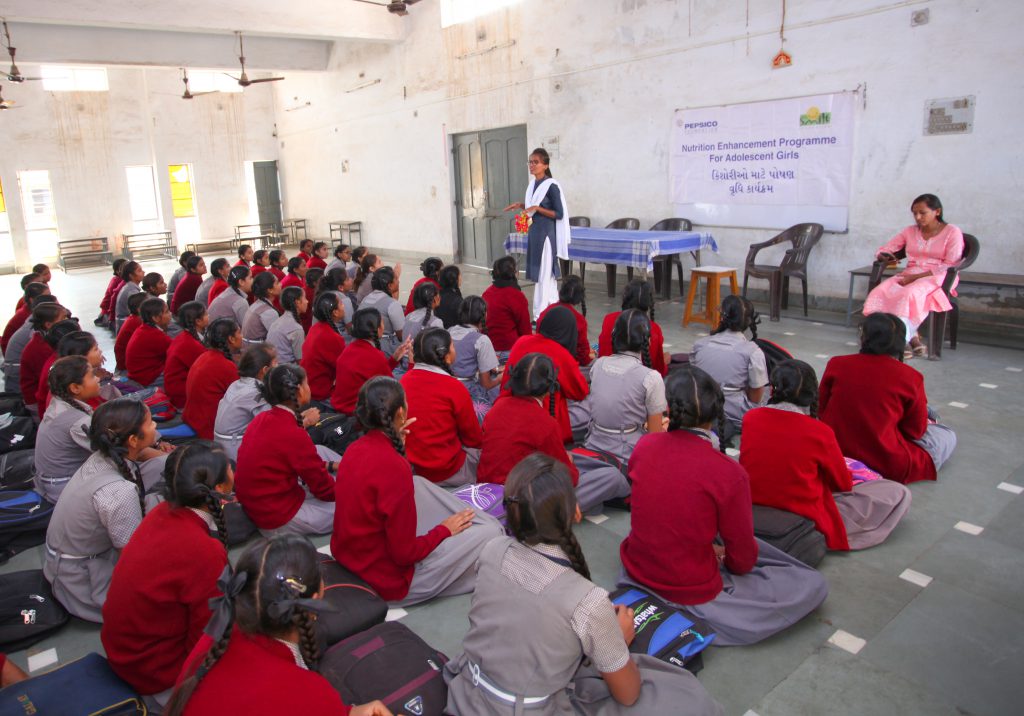
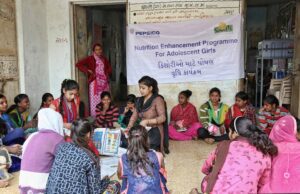
Educating girls, holds the key to improving anemia levels and overall well being. Smile Foundation, with support from PepsiCo Foundation and state government looked at fighting anemia by training adolescent girls in knowing their body, learning about nutrition and right eating.


Covering 1000 young adolescent girls from 10 villages in the Banaskantha district of Gujarat, project Sampoorna, trained the girls in cultivating right eating habits for a year long period.


Smile Foundation roped in Chef Vikas Khanna to prepare a laddoo using maize, lentils and jaggery among other things to create a rich dose of iron. With bi-weekly doses of ladoo, and two weekly tablets of iron folic the iron levels in the girls saw more than 80% hb level enhancement over a one year period.


“When we started working in the region, we initially met with a lot of resistance as people were not willing to send girls to school, they did not understand that educating girls is important for development. So along side, counselling and workshops, we also conducted a baseline study of around 1000 girls to assess the overall status of adolescent girls (14 to 19 years) in the region,” said Nirmala Mishra, vice president, special projects, Smile Foundation.


“The findings revealed that 78% of adolescent girls were anaemic (varying from mild to severe), with 50% girls being moderately anaemic and about 13% being severely anaemic. The survey also revealed that only 17.6% were attending schools, with most respondents (49%) dropping out of school after Class 6 or 8. The study further revealed that around 84% of the respondents have never consumed any multi-vitamin or iron folic acid supplements, and most of them having no awareness of anemia or ever having checked their anaemic status,” she said.


The researchers felt that all these could be tackled if girl child education was given priority and they were sent to school and trained in nutrition, hygiene and body among other things. And thereby another effort started to counsel parents to encourage their girls to go to school.


Screenshot 51
Senma Rushika Seddhabai


“I simply hated being a girl child because we were restricted from studying and often forced to marry early. When an Anganwadi didi and a social worker from NGO- Smile Foundation making rounds of our village to persuade parents to send girls to school,” said – Dharmavt Sangeetaben Babuji (15 years) from Kakawada in Banaskantha, Gujarat.


“They spoke on the importance of becoming independent, eating right, gender equity, and health among other things. They helped all the girls to get enrolled in school and pushed them to complete their education,” she said.


“When I started attending school my hb level was very low. The counsellors urged me to start eating green and leafy vegetables everyday and told me about other iron rich food items easily available in the local market. I started taking them on a regular basis and in a few weeks, I started feeling much stronger,” Senma Rushika Seddhabai, Veerampur village, Banaskantha, Gujarat.


“After following a balanced diet for 3-4 months, my hb levels had shot up from 7(g/dlL) to 11(g/dlL), the highest among all other girls who attended the group meetings. I love to take long walks in the evening without being dizzy.”


Normal haemoglobin for women is 12 gram per decilitre (g/dlL) and men 13 g/dL.  Iron-deficiency anemia in India is rampant among children below the age of three (78.9%) and women (55%); men follow at 24%, according to the National Family Healthy Survey, 2004-05 (NFHS-3).


52970923 2508192795871340 2004772076711313408 n


“India carries the highest burden of the disease despite having an anemia control programme for over 70 years. Consistent efforts made by various stakeholders through the past years to fight this disease have shown little result,” said Santanu Mishra, trustee and co-founder, Smile Foundation.


“This particular one-year pilot has shown us that classroom training, regular monitoring and a little bit of hand holding can go a long way in helping us battle anemia,” said Mishra.


Mishra emphasised on the need to inculcate health-seeking behaviour in community. “This can only happen with lots of awareness and education around these critical subjects. At Smile Foundation, the thrust is on education, as we believe that good health among other things will automatically follow if these populations are empowered.” he said.


Anemia is a disease in which a person has an inadequate number of red blood cells or haemoglobin count, which hinders the capacity of the blood to carry oxygen. The basic symptoms of this anaemia are fatigue, weakness, lethargy, shortness of breath and decreased concentration.


Anemia is widespread in India–58.6% of children, 53.2% of non-pregnant women and 50.4% of pregnant women were found to be anaemic in 2016, as per the NFHS.

Categories
Partners In Change

Swabhiman: Empowering the Girl Child

When women stand together to support one another, no one stands a chance against them! A woman feels empowered if she is uplifted by another woman. When this cycle continues, gradually, the entire society is benefited. Girl child education, proper nutrition for the girl child, girl child protection, empowering the girl child through various means are some of the ways this can be achieved.

Swabhiman’ means self-respect and is the most common emotion that binds all women, despite the diversity in their culture, religion or nationality. Looking for their own identity, women have, for centuries, been denied their self-respect. The Swabhiman programme is aimed at empowering the girl-child and women belonging to less-privileged backgrounds who, till date struggle to fight against societal barriers.

Through scholarship programmes, counselling sessions and various other interventions, about 72,000 women and girl child were benefited which was a step towards women empowerment.

It is very important to build confidence among young girls coming from less-privileged communities. Most of them never get a chance to realise their purpose in life and hence it is a step back from achieving women empowerment.

These girls are all first generation learners, with their parents engaged as domestic help, drivers, street vendors and daily wagers. Along with difficult financial conditions at home, the Swabhiman scholars also had to overcome the prevailing gender bias in their families and community, and the vicious trap of child marriage, to even go to school.

So far, the Swabhiman programme has made a difference to over 500,000 girls and women across India which can be counted as one of the accomplishments towards achieving women empowerment.

81793462 3127710303919583 797895998931206144 o

“My father owns a grocery store. My brother is a couple of years older to me and dreams of becoming a film star someday. Unlike him, I had always been unsure about myself, until one day, I was asked what I really wanted to do. When I told the community counselor how much I loved reading science books, she urged me to take a Swabhiman Scholarship test. I was very nervous about how I had performed, but my mother said- “There is so much more you can do than cook and clean for your family, like I do today.”

It has been 2 years now that I was accepted for the scholarship and started my education all free of cost. More than books and knowledge if I gained anything, it was the confidence that I can really do whatever I wish to if I work hard enough. My hard work has helped me realize what I really want to do is become a doctor.”

-14 year old Pooja is a Swabhiman Scholar studying in 9th Grade in Bengaluru.

Like Pooja, Swabhiman provides educational support to exceptionally talented girls through full scholarships to complete their schooling and aslo provides support for their higher education. In addition to this, the young girls are provided exposure and opportunities for holistic development to help them succeed in all spheres of life.

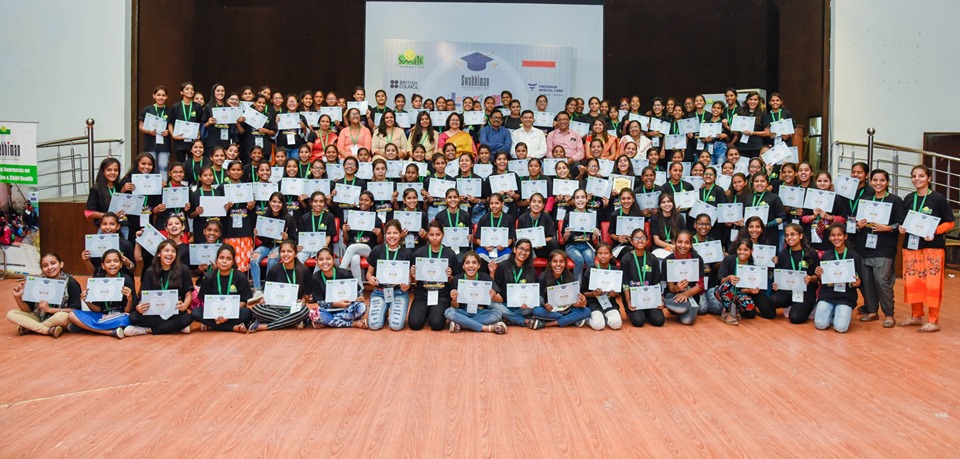
In addition, a two day learning fest for these talented young girls is also held to help them explore themselves completely and shape their own lives. With a view of making them self-aware, confident and take full charge of their own development, interactive and self exploration workshops are conducted to empower them with various life skills. They are helped by experts to develop their personality, interpersonal relationships and studies. 

So far, Swabhiman has successfully made a difference to the lives of over 500,000 women and girl children.

Categories
In The Spotlight

Smile’s STeP in the right direction for youth

Looking at the current job situation in our country, future for our youth appears dreary. Slow economy, lack of new investment, job cuts, rise of automation, stagnation in manufacturing activity and a “new normal” of hiring contract labour in the formal economy, are major hurdles preventing our semi-skilled workforce to find jobs.


As of date, unemployment in India is at a 45-year high of 6.1 per cent as per the officially unannounced NSSO statistics.  The Center for Monitoring Indian Economy (CMIE), a private think tank, has calculated unemployment rate at 7.7 per cent as of December 2019. Both the NSSO and the CMIE have found that the jobless rate among youth is significantly higher compared to the overall population and hence it requires immediate attention. 


States which are hardest hit are Tripura, Haryana, and Himachal Pradesh with unemployment rate of more than 20%. Delhi, the capital and employment hub of the country, presently has an unemployment rate of 11.2%. 


1 9 1024x683 1


Smile Foundation’s STeP programme – (Smile Twin E-learning Programme) which is a livelihood programme for the youth comes as a sure ray of hope for many.


Smile’s STeP programme aimed at skilling the youth is not just a medium of education, but a means of nurturing the mental health and personality development of the underprivileged youth, facilitating them to do their part in making the world a better place.


The livelihood program has succeeded, where most ‘vocational’ training courses fail, i.e. to address the requirement of soft skills needed at the workplace and making the candidates confident through comprehensive training on personality development.


Data from the past five years of STeP programme, shows that of the 34,897 youth trained, 22,498 have successfully been placed, which is a good 65%.


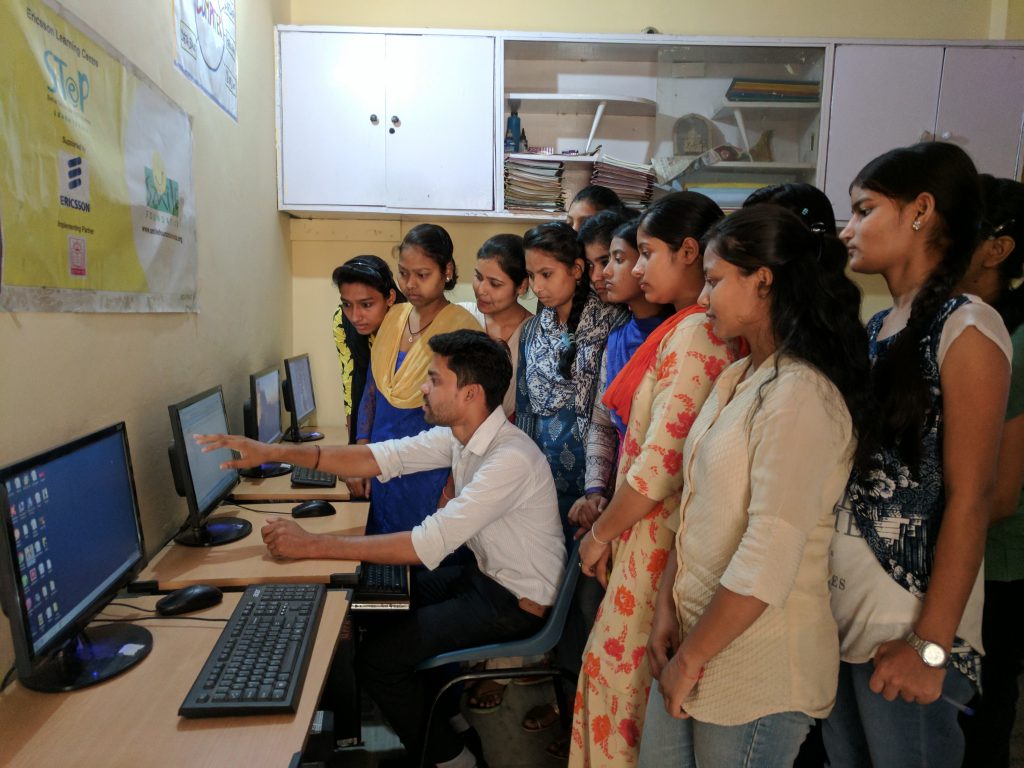
But how is the big question? The Smile skilling program – with components of spoken English, basic computers, financial literacy, personality development and industry visits— in the form of exposure to the job-sites of potential recruiters, where these students get to see and feel things first hand. Mock interviews and group discussions are also conducted as part of the curriculum make the candidates job ready.


1 5 1024x768 1
Youth trained in the STeP programme


Smile Foundation also also operates a Centralised Placement Cell, where the backend team often works with potential employers from different sectors to understand their needs, analyse them and create opportunities for students, both through on and off-campus placements. Over time, the course content is often tweaked according to the industry trends and requirements.


 STeP often ties-up with popular brands, often, start-ups like Paytm, OYO Townhouse, Café Coffee Day to name some that require semi-skilled workforce, then works out the course content accordingly.


The programme which caters to the underprivileged youth, also offers career counseling to help students choose the right employment in tune with their skills, ability and job expectations.


Most of the candidates trained at STeP centres evolve into first-generation organised sector professionals becoming an inspiration for their siblings, upcoming generations and communities at large.

Categories
Insights

Healthcare for Women in India

Quality healthcare for all is among the most crucial necessities that every individual must receive. As per a research conducted by All India Institute of Medical Sciences and Harvard University only 37% of women receive healthcare in India.


Even with improved intervention to better the situation of healthcare for women by both public and private agencies, it still lacks priority in the Indian society and is not limited to reproductive health of women and girls. Only 18% girls and women use sanitary napkins during menstruation the absence of availability and knowledge of its use being the primary reason for the same.


The state of pregnant women getting both ante natal and post-natal care is dire with as less as 21% women receiving full ANC including three visits to a doctor during the term and taking iron and folic acid tablets for at least 100 days of pregnancy.


The situation of non-reproductive healthcare for the female sex is, if not more, then equally worse. The sex ratio of the country is low, especially in states like Haryana, Uttar Pradesh, Bihar and in Rajasthan alone it is lower than that of the entire country. Even if a girl is born, the neonatal mortality rate for girls is grave. The major reason for this is the lack of care and nutrition provided to a girl child.


In a society where girls are considered to be a burden, her need for adequate nutrition and healthcare becomes an added expense for the family. As per National Family Health Survey, boys receive prompt medical attention as compared to girls for the same illness. The survey showed –


Swabhiman banner 1 1024x629 1


72% boys are treated for acute respiratory infections against 66% girls

Boys with diarrhoea are 7% more likely to be taken to a health facility than girls

Among last-born children, boys are 11% more likely to be breast-fed

And the proportion of fully immunised boys is 4% higher


Women in India die due to illnesses like anaemia and common infections like UTI. Tuberculosis which is easily treatable amount to 25% of non-maternal deaths for women. If provided with prompt medical aid, as many as half the deaths can be prevented but the same is far from reality.


A woman is required to feed on the leftovers after the rest of the family, primarily men, have eaten. This food is usually devoid of nutrition as basic and important as iron, calcium and iodine. As per World Health Organisation, more than 51% women of reproductive age in India are anaemic. Its affects might not be as acute among girls but can be life threatening for a pregnant woman; menstruating girls can suffer from irregular periods and tiredness, affecting their day to day life.


The lack of care is not just in terms of health and nutrition but also in terms of the kind of treatment these women are subjected to. The regard of privacy and dignity to quality life is often neglected. At times in rural and remote areas, women are often examined in presence of men at private clinics in the absence of any female assistant, leaving them distressed.


With lots being done for improving availability, affordability and quality of healthcare in country, there still is a need to pay special attention to healthcare of women. When a human is ill and weak, he/she cannot work to the best of their abilities at anything, neither at home nor outside of it. The same is true for women.


IMG 20190402 131703


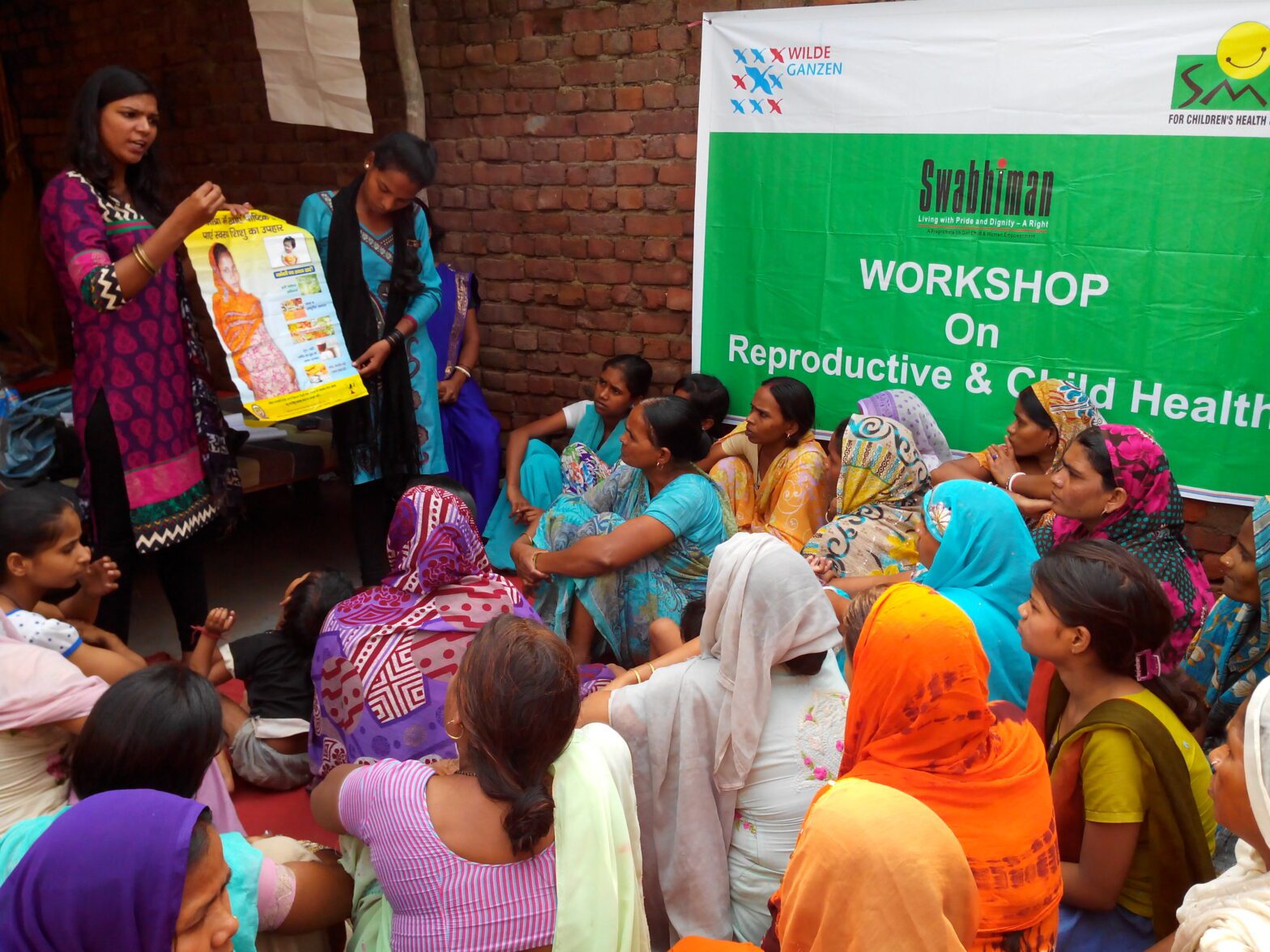
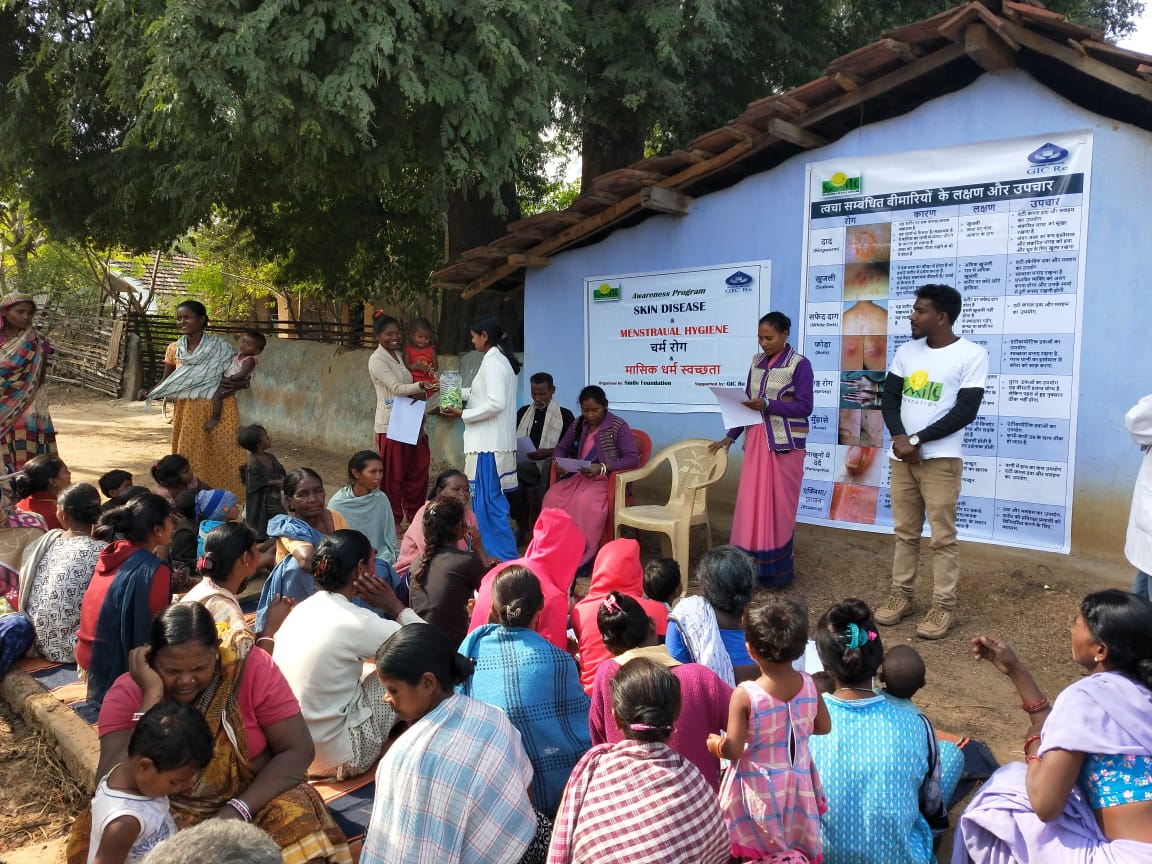
Smile foundation is working relentlessly to solve this issue. Through its women empowerment initiative Swabhiman, Smile has been creating awareness among women communities in rural areas and urban slums about their health needs and the medical care they must seek.


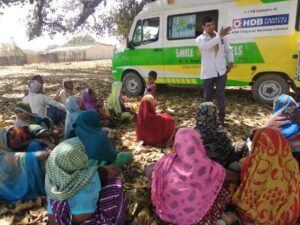
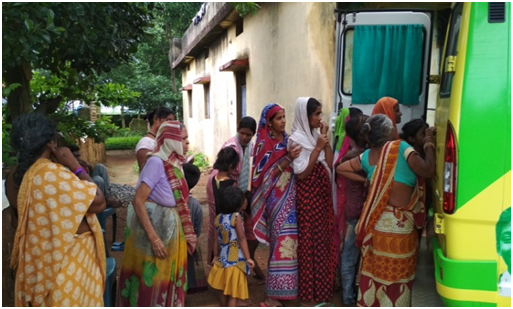
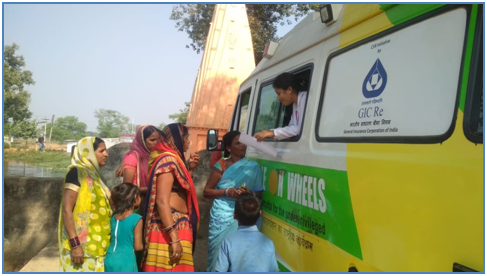
Through workshops and street plays, behavioural change towards women health and their needs is also addressed. Smile on Wheels, the mobile healthcare units, run under Smile’s healthcare program pays special attention to women and provides with suitable aid especially to pregnant women and elder women.


A healthy woman ensures a healthy family which in turns brings in a healthy community.

Categories
Smile

Health-care intervention in Jharkhand

Jharkhand – “The Land of Forest”, with its 3.2 million population scattered over 24 districts, is the 14th largest state of the nation. Primarily a rural state, with only 24% of the population living in cities, it is a multilingual state with acculturation of different indigenous people. 27% of the total population comprises of the indigenous tribes; 91% of whom reside in rural Jharkhand concentrated majorly in Gumla, West Singhbhum, and Lohardaga districts. Other than being renowned for its waterfalls, hills and holy places, the state also accounts for 40% of the mineral resources of India. However, 39.1% of the population is below the poverty line, suffer from various health issues. The primary factor of which is the low productivity of agriculture. Poverty results not only in the decline of the standard of living of the masses but also prevents people from accessing even basic rights like nutrition, healthcare, and education.


Although the capital city Ranchi has now become a health resort, with the presence of Ranchi Institute of Neuro-Psychiatry and Allied Sciences, which is regarded as the largest psychiatric hospital in the country, healthcare is still not accessible to the majority of the population of the state.


With most of the population living in remote rural areas, health facilities are not available despite the presence of the health care delivery system by the government, where primary, secondary & tertiary healthcare along with mother and childcare have been established at every level, resulting in a health crisis throughout the state.


New Picture 6


The tribal, ethnic groups living in these villages are overblown by a plethora of communicable and non-communicable diseases, malnutrition, infant and maternal mortality and morbidity, etc. About 35 clans of these indigenous groups lack awareness and consciousness among themselves for utilising the healthcare facilities provided to them. Superstition-animism, naturism, taboos are still dominant among them. The ‘Ojhas’ and ‘Baidyas’ are still prevalent in these villages, influencing the people to use supernatural ways or home remedies for their cure diseases and other health-related problems. Poverty, low literacy rate and poor transport facilities become the one more reason for the inaccessibility to proper health care. ‘Hariya’ (a traditional drink made of rotten rice), rice and salt are the most common diets for these people which lacks in the required nutrition required by individuals and this leads to an increase in diseases and malnutrition among both adults and children.


19.6% of children in Jharkhand are malnourished, due to the undernourishment of the mother which results in both maternal and infant mortality. 67% of the children in Singhbum alone are underweight, the highest in the country. 70% of adolescents and pregnant women are anemic due to lack of iron-rich food as well as access to iron and folic acid tablets. Acute malnutrition has given rise to the disease of tuberculosis in Jharkhand. The unhygienic and unhealthy lifestyle of these tribes has made Jharkhand a breeding hub of malaria and dengue mosquitoes. Lack of awareness on family planning and sex education leads to an increase in the birth rate of these tribes resulting in a population explosion and increase in the rate of STDs like HIV.


New Picture 1 5


At a glance, Jharkhand being one of the most resourceful states is under a severe health crisis and the scenario is still hopeless and requires initiatives with much deeper impacts.  


In such a scenario, Smile Foundation’s Smile on Wheels has brought much relief regarding health care in the lives of these underprivileged people by providing them the health facilities to cure their primary health needs. The Smile on Wheels currently operating in Jharkhand is reaching over 13 villages , under 3 Panchayats, of Chaibasa Sadar block of West Singbhum district.


All the members in the community are effectively treated and the patients suffering from various illness & diseases are diagnosed. Smile on Wheels also disseminates information related to health issues through awareness sessions to enhance the health seeking behaviour of the community. More than 10,000 people have been benefited so far.

0%