Categories
Education

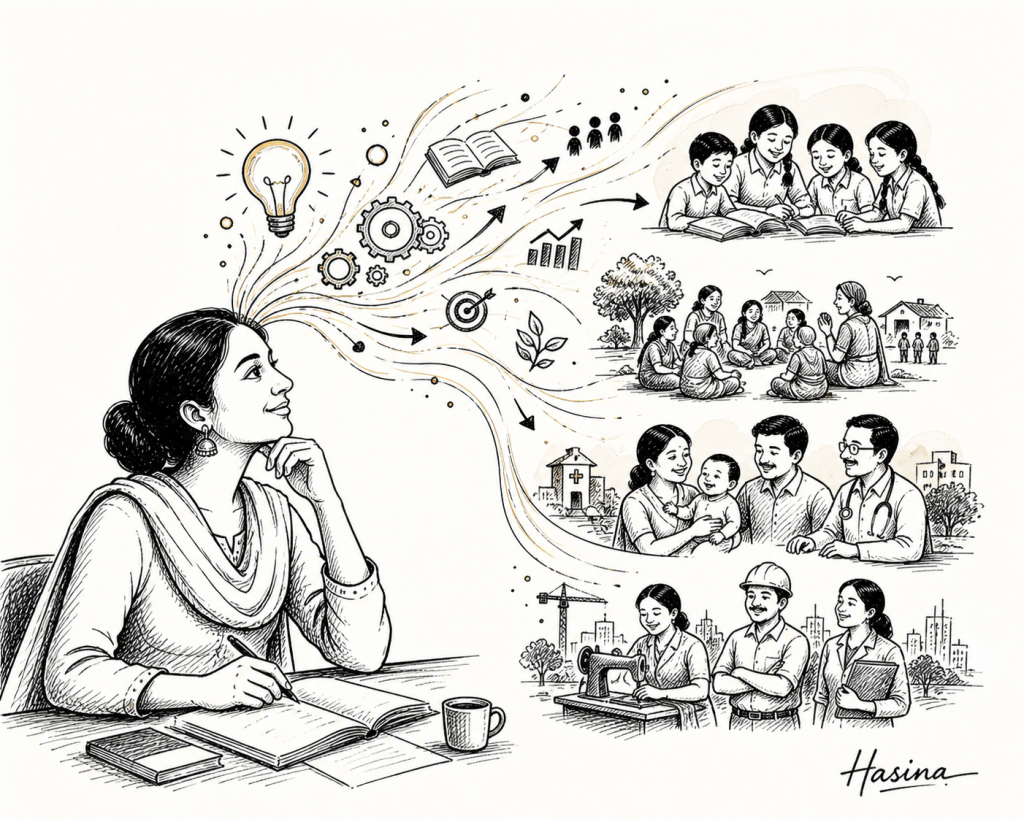
The Future of India’s Young Talent

Walk into any classroom, coaching centre or college campus in India and you will find no shortage of ambition. Students are studying longer hours than ever, enrolling in multiple courses, learning coding, communication skills, data analytics, often all at once. By most conventional measures, India’s young talent is more prepared, more exposed and more driven than previous generations.

And yet, a quiet contradiction persists.

Employers speak of skill gaps. Graduates speak of joblessness. Startups complain about a shortage of problem-solvers, even as millions of young people compete for a shrinking pool of secure jobs. Somewhere between education and employment, something isn’t quite working.

It is tempting to locate the problem in the individual: that students are not curious enough, that they are too focused on marks, too risk-averse, too conditioned to follow instructions. But this diagnosis, while convenient, is incomplete. It shifts responsibility onto young people without interrogating the system that shapes their choices.

The more uncomfortable question is this: what if India’s young talent is not lacking in curiosity, but is being trained to suppress it?

When education becomes factory production

The discipline of survival

To understand how this happens, it is necessary to begin with the conditions in which most young Indians make decisions.

For a large share of households, education is not an abstract pursuit of knowledge. It is an economic strategy. A degree is expected to translate into a job; a job into stability; stability into upward mobility. The margin for error is thin. Failure is not romanticised as experimentation; it is experienced as loss.

In such an environment, curiosity becomes a calculated risk.

Students quickly learn to optimise for what is rewarded. If examinations determine access to opportunity, then examinations become the focus. If memorisation yields marks, memorisation becomes a rational strategy. If deviating from the syllabus risks underperformance, then deviation is avoided.

This is not a failure of thinking. It is a form of thinking adapted to constraints.

When we say that India’s young talent lacks critical thinking, what we often mean is that the system has made critical thinking costly. It asks students to choose between curiosity and certainty, and then evaluates them on certainty.

The architecture of conformity

The structure of Indian education reinforces this pattern.

From early schooling to competitive exams, the emphasis is on arriving at the correct answer quickly and consistently. There is little institutional space for ambiguity, debate or open-ended inquiry. Questions are framed with expected answers in mind. Success depends on reproducing those answers with precision.

Even at higher levels, where the expectation might be different, the habit persists. Students trained for years to prioritise correctness over exploration do not suddenly become experimental thinkers when they enter college or the workplace.

This creates a paradox. Employers seek individuals who can solve problems, adapt to new situations and think independently. But the pipeline that produces these individuals has largely rewarded the opposite: compliance, speed and accuracy.

The result is not a lack of ability, but a mismatch between training and expectation.

Curiosity without pathways for India’s young talent

It would be misleading to suggest that curiosity is absent among India’s young talent. It exists, often in informal and unrecognised ways.

One sees it in the improvisational solutions people create in resource-constrained settings. One sees it in the rapid adoption of new technologies, in the explosion of online learning, in the willingness of young people to teach themselves skills outside formal curricula.

But curiosity, on its own, does not transform economies. It requires pathways.

High-income countries did not become innovation-driven simply because their students were more curious. They built ecosystems that could absorb and scale that curiosity: research institutions, industry linkages, funding mechanisms and regulatory environments that allowed experimentation.

In India, these pathways remain uneven.

A student may have an idea, but lack access to mentorship. A prototype may exist, but struggle to find funding. A research question may be worth pursuing, but not align with immediate job prospects. In each case, curiosity encounters friction.

Without systems that convert ideas into outcomes, curiosity remains latent.

The weight of expectations on India’s young talent

There is also a social dimension that shapes how India’s young talent engages with learning.

Families, understandably, prioritise stability. Certain career paths — engineering, medicine, government service — are seen as reliable routes to security. Alternative paths, even when promising, are often viewed with caution.

This does not eliminate curiosity, but it channels it.

A student interested in design may pursue engineering first and defer that interest. Someone inclined towards research may choose a corporate role due to financial pressures. Over time, these decisions accumulate, narrowing the space for exploration.

It is easy to interpret this as a lack of ambition or imagination. In reality, it reflects the negotiation between aspiration and obligation.

When thinking is not enough

Even when individuals do develop strong critical thinking skills, another barrier emerges: the labour market’s capacity to absorb them.

Innovation-driven roles — those that require problem-solving, creativity and original thinking — are still a relatively small segment of the overall job market. A large proportion of employment remains in sectors that value routine, efficiency and execution.

This creates a second mismatch.

On one hand, there is increasing emphasis on developing higher-order skills. On the other, there are limited opportunities to deploy those skills at scale. The outcome is predictable: either underutilisation or migration, both internal and external.

In this context, asking whether students are curious enough misses a more structural issue: are there enough spaces where curiosity is economically viable?

Rethinking the narrative

The tendency to critique young people for lacking curiosity is not unique to India. It appears in many societies undergoing economic transition. But it is particularly misleading in a country where structural constraints are so pronounced.

A more useful framing would shift the focus from individuals to systems.

Instead of asking:
Why aren’t students more curious?

We might ask:
Where does curiosity get rewarded, and where does it get penalised?
What kinds of thinking does our education system incentivise?
How easily can ideas move from classrooms to markets?

These questions do not absolve individuals of responsibility. Rather, they recognise that behaviour is shaped by context.

What would it take to change course for India’s young talent?

If India’s young talent is to become a driver of high-income growth, the shift required is not merely attitudinal. It is structural.

First, assessment systems need recalibration. As long as success is defined narrowly through standardised testing, learning will remain aligned with that definition. Introducing more application-based evaluation, project work and open-ended problem-solving can begin to change incentives.

Second, bridges between education and industry must deepen. Internships, apprenticeships and collaborative research can expose students to real-world problems earlier, making learning more contextual and less abstract.

Third, risk needs to become more tolerable. This is not only a cultural shift but also a policy one. Access to funding, safety nets for entrepreneurs and support for early-stage experimentation can reduce the cost of failure.

Fourth, mentorship and exposure must expand beyond urban centres. The gap between what is possible and what is visible remains significant in many parts of the country. Expanding access to networks and guidance can unlock latent potential.

Finally, and perhaps most importantly, we need to change how we talk about success. When success is defined narrowly, choices narrow with it. Broadening that definition can create space for different kinds of achievement, including those driven by curiosity and innovation.

A different starting point

There is a tendency in policy and public discourse to begin with deficits. To identify what is lacking, what needs fixing, what must be corrected.

But in the case of India’s young talent, the starting point might need to be different.

The issue is not that young people are unwilling to think, question, or explore. It is that they are navigating systems that often make such behaviour inefficient, risky, or unrewarded.

This distinction matters.

Because if the problem is misdiagnosed, the solutions will be too.

When India’s young talent travels

One way to test whether the issue lies with individuals or systems is to observe what happens when context changes.

Across sectors and geographies, India’s young talent has demonstrated an ability to not only participate, but lead, when given the right conditions. From boardrooms in Silicon Valley to research labs in Europe, Indians have occupied some of the most influential positions in the global economy.

Consider Sundar Pichai at Google, Satya Nadella at Microsoft and Arvind Krishna at IBM — leaders who have steered some of the world’s most complex technology companies through periods of rapid change.

Equally, women of Indian origin have shaped global institutions in significant ways. Indra Nooyi transformed PepsiCo with a long-term strategic vision that balanced performance with purpose. Leena Nair now leads Chanel, bringing a people-centric leadership approach to one of the world’s most recognisable luxury brands. Gita Gopinath has been central to shaping global macroeconomic policy at the International Monetary Fund.

In science and technology, the pattern repeats. Kalpana Chawla and Sunita Williams became symbols of aspiration not just because of where they came from, but because of what they were able to do in environments that supported advanced research, experimentation and exploration.

This is not an argument about migration as success, nor is it a suggestion that opportunity does not exist within India. Rather, it is a reminder of something more fundamental: capability travels well, but it also responds to context.

When individuals trained in one system consistently excel in another, it raises a difficult but necessary question. If the same person can think, lead and innovate at the highest levels elsewhere, what is different about the conditions they encounter there?

The answer is rarely about inherent ability. It is about ecosystems that convert ability into impact — systems that provide access to capital, mentorship, research infrastructure and, importantly, the freedom to question and experiment without immediate penalty.

Smile Foundation and India’s young talent

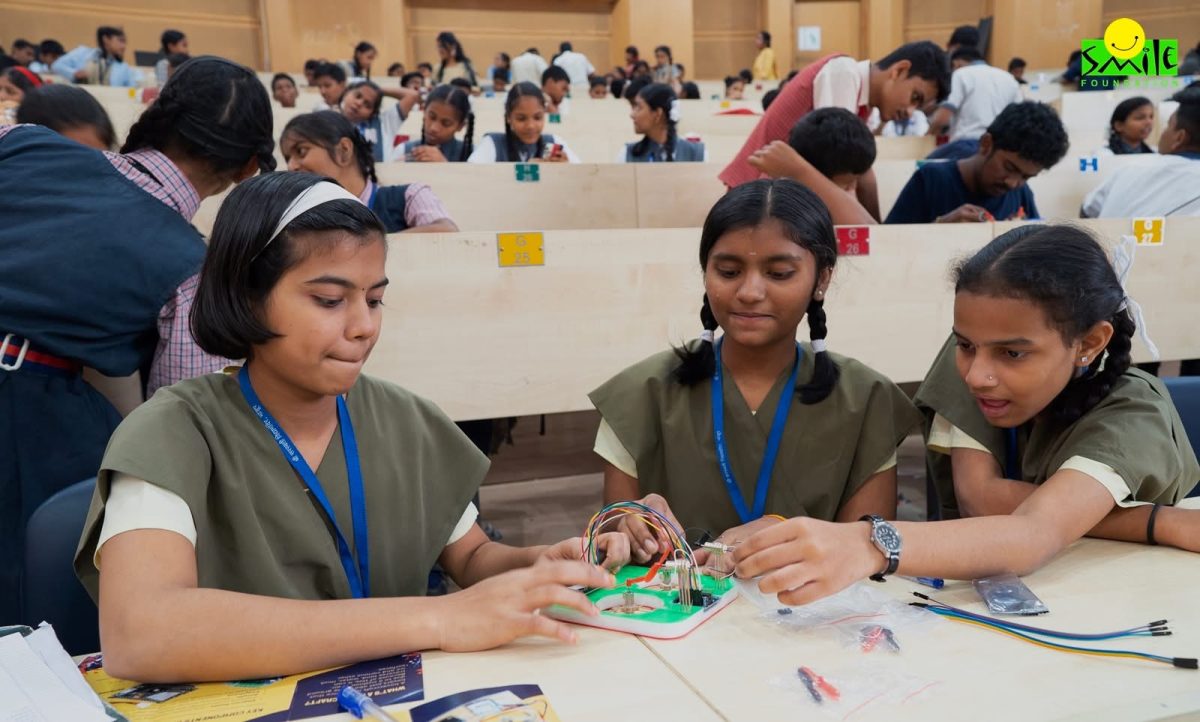
Amid these structural challenges, organisations like Smile Foundation are working to reimagine how India’s young talent engages with learning. Through our programmes Mission Education and Tayyari Kal Ki we reach children and adolescents in underserved communities with a focus that goes beyond rote learning. Classrooms are designed to integrate digital tools, experiential activities and life skills, encouraging students to ask questions, solve problems and build confidence in their own abilities.

Importantly, by working closely with communities, parents and local institutions, Smile Foundation creates an ecosystem where curiosity is not seen as a risk but as a pathway — especially for young people who are often the first in their families to access formal education. In doing so, it demonstrates that when the right support systems are in place, India’s young talent can move from compliance-driven learning to capability-driven growth.

Conclusion

No country becomes high-income without cultivating and harnessing curiosity. But curiosity does not emerge in isolation, nor does it flourish in environments that constrain it.

India’s challenge, then, is not to produce more curious individuals. It is to build systems that recognise, nurture and reward the curiosity that already exists.

Until that happens, the conversation about whether students are thinking enough will continue to miss the point.

The question is not whether India’s young people can think differently.
It is whether the system will allow them to.

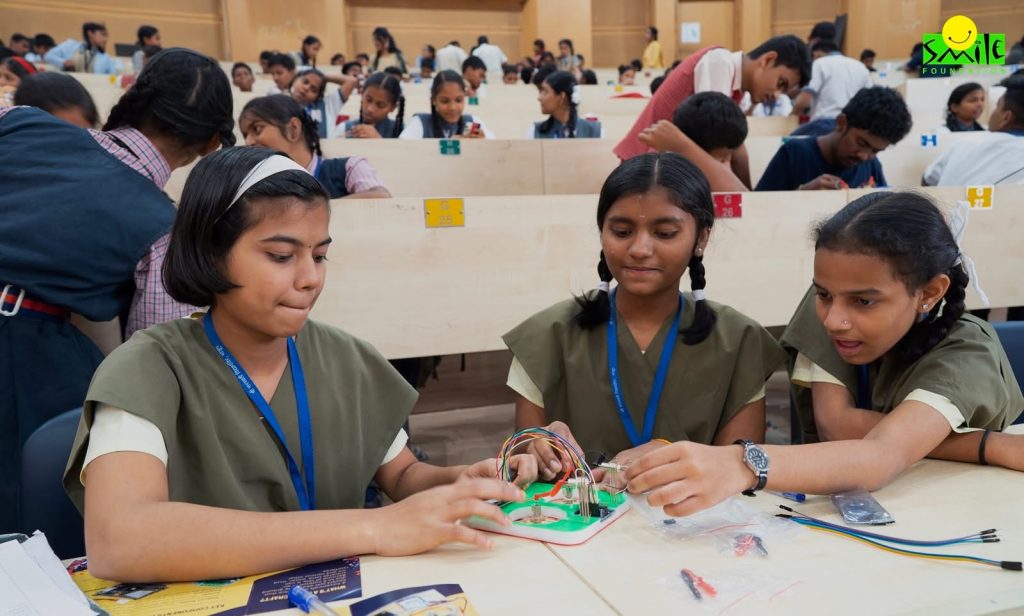
Collaborative learning in a dynamic classroom

FAQs

1. Does India’s young talent lack critical thinking skills?
Not inherently. Many young people adapt to an exam-driven system that rewards memorisation. The issue lies more in how systems shape learning behaviour than in a lack of ability.

2. Why do many students focus more on jobs than learning?
For many families, education is closely tied to economic security. This makes stable employment a priority, often limiting the space for exploration and risk-taking.

3. How does the education system impact curiosity?
When assessments prioritise correct answers over inquiry, students optimise for performance rather than understanding. Over time, this can suppress questioning and experimentation.

4. If Indian youth are capable, why do many succeed more abroad?
Global ecosystems often provide stronger support through research infrastructure, mentorship, funding and tolerance for failure, allowing talent to translate more easily into innovation and leadership.

5. What role does inequality play in shaping talent?
Access to quality education, digital tools and mentorship varies widely. This means opportunities to develop and apply critical thinking are unevenly distributed.

6. How can India better harness its young talent?
By reforming assessment systems, strengthening industry-academia linkages, expanding skilling opportunities and creating environments where experimentation is supported.

7. What role do organisations like Smile Foundation play?
They help bridge systemic gaps by providing holistic education, skilling and health support, especially in underserved communities, enabling youth to develop confidence, curiosity and employable skills.

8. Is curiosity enough for economic growth?
Curiosity is essential but not sufficient. It must be supported by systems that convert ideas into outcomes through infrastructure, funding and opportunities.

Categories
Gender Women Empowerment

Unpaid Care Limiting Women

Summary: Key Takeaways

  • Unpaid care work is a major barrier to women’s workforce participation globally
  • Women spend 3x more time on unpaid care than men
  • Over 708 million women are excluded from the labour force due to care responsibilities
  • Unpaid care contributes significantly to economies but remains unrecognised and unpaid
  • Lack of public services increases the burden on women
  • Organisations like Smile Foundation help reduce and redistribute unpaid care through education, healthcare and livelihood programmes
  • Addressing unpaid care is essential for inclusive economic growth and gender equality

For millions of mothers and women around the globe, the day begins as early as 6:30 am, before the city fully stirs. They prepare breakfast, pack school lunches, get young children ready and tend to aging parents or in-laws. By 9 am, when offices begin to fill, these women have already completed several hours of labour, none of which is paid, recorded or formally recognised. This is the reality for several women worldwide. When they consider taking up full-time employment, the math often does not add up. Who will pick up the children? Who will care for the elderly? The answer, more often than not, is obvious: they will. And so, they stay home. 

Time trapped in caregiving responsibilities

The scale of this imbalance is stark at the global level. According to the International Labour Organization, unpaid care responsibilities keep over 708 million women out of the labour force. In comparison, the figure for men stands at just 40 million. This disparity underscores the deeply gendered nature of care work, and the fact that it is not merely a private choice, but a socially structured expectation. 

This also points to the roots of the inequality, which lie in deeply embedded gender norms that define caregiving as inherently feminine. From early socialisation to media representation, women are positioned as natural caregivers, while men are framed as primary breadwinners. Even as women’s educational attainment has risen globally, these norms persist, creating what scholars describe as the “double burden”: the expectation that women will engage in paid work without relinquishing their primary responsibility for unpaid domestic labour. 

The issue at a glance 

In India, this imbalance takes on a sharper edge. The country speaks the language of growth, of trillion-dollar targets, digital futures and women-led development, but beneath these ambitions lies an often ignored question: what sustains the everyday lives that make such progress possible? Care work is not incidental or emotional labour; it is foundational. It enables workers to arrive on time, children to attend school and households to function with continuity. However, despite its centrality to economic and social life, it remains largely invisible in policy and planning. 

According to UN estimates, men spend an average of about 98 minutes a day on unpaid tasks, while women spend nearly 301 minutes, over three times as much, highlighting the persistent imbalance in how care responsibilities are distributed. This unequal distribution produces what economists term time poverty: a condition in which individuals lack discretionary time due to the demands of unpaid labour. For women, time poverty directly constrains their ability to enter, remain in or advance within the workforce. 

The economic implications of this invisible labour are immense. Women perform over three-quarters of unpaid care work globally, contributing billions of hours each day. If this labour

were assigned a monetary value, it would account for a significant share of global GDP, yet it remains excluded from national accounting systems. This statistical invisibility reinforces the perception that unpaid care work is not “real” work, thereby justifying its continued neglect in policy frameworks. This neglect has tangible consequences. When governments underinvest in public services such as childcare, eldercare, healthcare, etc., the burden of care is transferred to households. Within those households, it is overwhelmingly women who absorb the additional responsibilities. This creates a loop of inadequate public infrastructure that increases unpaid care demands, which in turn limits women’s workforce participation, ultimately constraining economic growth. 

Beyond workforce entry, unpaid care work also shapes women’s career trajectories. Women who do participate in paid employment often face constraints that limit their growth. They may avoid jobs requiring long hours, travel or relocation even if they come associated with higher-paying and leadership roles. Moreover, the burden of unpaid care work is also not evenly distributed among women. It intersects with class, caste, geography and many other social factors. Middle and upper-class women often outsource domestic labour to paid workers, who come from marginalized communities, thereby redistributing but not eliminating the gendered nature of care work. 

Recent global crises have further exposed these inequalities. During the COVID-19 pandemic, the closure of schools and care facilities led to a surge in unpaid care work, disproportionately affecting women. Many women reduced their working hours or exited the labour force entirely, highlighting the fragility of their economic participation in the absence of supportive care systems. 

Struggling under caregiving burdens

Smile Foundation’s role in addressing unpaid care

Addressing unpaid care is not only about policy, but also about building ecosystems that reduce the burden on women. This is where development organisations like Smile Foundation play a critical role.

1. Education support for children
Through our education programmes, Smile Foundation ensures that children, especially from underserved communities, have access to structured learning environments. This reduces the caregiving burden on mothers and enables them to explore livelihood opportunities.

2. Healthcare access through Smile on Wheels
By providing doorstep healthcare services, Smile Foundation reduces the time women spend managing family health needs, a major component of unpaid care.

3. Women empowerment and skilling programmes
Smile Foundation’s livelihood and skilling initiatives equip women with employable skills, enabling them to transition from unpaid care roles to income-generating work.

4. Community engagement and awareness
Through grassroots interventions, the organisation promotes shared responsibility within households and communities, encouraging a shift in traditional gender norms around care.

These interventions do not eliminate unpaid care, but they reduce, redistribute and recognise it, creating pathways for women’s economic participation.

The way out 

Addressing this invisible burden requires a multifaceted approach. Policy interventions must prioritise investment in the care economy, including accessible childcare, eldercare services and healthcare infrastructure. Evidence consistently shows that such investments increase women’s labour force participation by alleviating time constraints. Additionally, policies such as paid parental leave, particularly those that incentivise fathers’ involvement, can help redistribute care responsibilities more equitably. 

Double burden of care work

Equally crucial is the recognition and measurement of unpaid care work. Time-use surveys and gender-sensitive economic indicators can make this labour visible, providing a foundation for more informed policymaking. Some economists have advocated for the inclusion of unpaid care work in satellite national accounts, thereby acknowledging its contribution to economic systems. 

Lastly, it is pertinent that structural changes are accompanied by cultural transformation. The redistribution of care work within households is essential to achieving gender equality.

Encouraging men to take on a greater share of domestic responsibilities will challenge entrenched norms and create a space for women to participate more fully in the workforce.

FAQs 

1. What is unpaid care work ?

Unpaid care work includes activities such as cooking, cleaning, childcare, eldercare and managing household needs, done without financial compensation.

2. Why is unpaid care work important?
It sustains households and economies by enabling paid workers to function, but it remains invisible in economic systems.

3. How does unpaid care affect women’s employment?
It limits women’s ability to take up jobs, work full-time or advance in their careers due to time constraints.

4. Can unpaid care work be reduced?
Yes, through better public services, shared household responsibilities and supportive policies like childcare and parental leave.

5. What role do organisations like Smile Foundation play?
They reduce the burden of unpaid care by providing education, healthcare and livelihood opportunities, enabling women to participate in the workforce.

Categories
Smile

Managing Menstruation Without Resources

Picture yourself waking up one morning to head off to school or work, and you realise that you’ve started your period and don’t have sanitary napkins (aka pads). You have no private toilet or clean water. Now imagine this happening every month influencing all aspects of your plans, decisions and if you allow me to stretch it a bit, even your dreams. That’s the reality for many girls and women across the world. 

The issue gets exacerbated for women and girls living in conflict-affected areas where their menstrual concerns are pushed back at the bottom of the list of essentials. 

Although menstruation is a normal and healthy part of life, for most women and girls in many societies, the experiences are still limited by cultural taboos and discriminatory social norms. 

A moment of vulnerability in rural life

Summary: Key Takeaways

  • A fifth of women in Nepal and a third of women in Kenya did not always have enough menstrual materials while working outside their homes

What Does ‘Invisible Labour’ Mean in Menstrual Health?

Invisible labour is the work that often goes unnoticed or undervalued. When it comes to menstruation, this can mean: 

  • Finding or creating makeshift menstrual products, like rags, old clothes or natural materials.
  • Planning your day around where you can find toilets and water.
  • Dealing with pain, anxiety and the constant worry about leaks or stains.
  • Navigating societal taboos that demand secrecy and limit your freedom to move or participate.
  • Quietly educating yourself, often without the benefit of open conversations or formal guidance.
  • This silence and isolation can be draining, emotionally challenging and, most importantly, it shouldn’t have to be this way.

Affordability and Availability

For many families, particularly in rural areas, the cost of sanitary pads remains a significant barrier to menstrual health management. This financial constraint often forces women and girls to use cloth or other unsafe alternatives, which increases their risk of infection and discomfort. Furthermore, millions of adolescent schoolgirls face unequal access to essential hygiene resources, such as water and soap. By ensuring access to safe and affordable sanitary materials, we can significantly reduce the risk of infections and improve the overall well-being of girls and women.

The Weight of Silence, Stigma on Reproductive Health

For generations, taboos have led girls to hide their periods and suffer in silence. In many households, girls are discouraged from entering kitchens, visiting places of worship or even talking about their own bodies. This culture of silence leaves many girls unprepared for their first period, resulting in confusion and anxiety. Myths and misinformation thrive, while practical knowledge is overshadowed by feelings of shame.

This silence also adds to the burden. Girls and women have to plan how to wash and dry clothes without anyone noticing, how to dispose of waste discreetly, and how to explain any stains without revealing the truth.

These taboos get passed down through generations, influencing how women view their bodies and reproductive health. When menstruation is seen as something to be ashamed of, that silence also creeps into conversations about contraception and maternal care, which in turn limits knowledge, confidence and autonomy. Consequently, many women end up fearing or avoiding contraception, often feeling unsure or misinformed about their own bodies. The Supreme Court’s push to include menstrual health in school curricula acknowledges that breaking down these early taboos is crucial for empowering girls and ensuring they have dignity, participation and informed choices throughout their reproductive journeys.

The Education and Opportunity Gap

For many girls, the onset of menstruation can feel like the beginning of a restricted world. In India, UNICEF reports that a significant number of girls miss school during their periods, and tragically, many drop out after reaching puberty. The reasons for this are clear: they often lack access to sanitary products, private or functioning toilets, and safe disposal options for used products. Additionally, many face the fear of embarrassment, teasing or feeling isolated from their peers.

Globally, only about 39% of schools provide menstrual health education. When girls miss school, it can diminish their engagement in learning, often leading to permanent dropout. For countless young women, this situation can lead to early marriage and a marked decrease in economic and social mobility. The overwhelming burden of managing menstruation becomes a significant obstacle in their lives.

A moment of solitude and silence

Gender Equality

Promoting menstrual health and hygiene is an important means for safeguarding women’s dignity, privacy, bodily integrity and, consequently, their self-efficacy. Awareness of MHH contributes to building an enabling environment of non-discrimination and gender equality in which female voices are heard, girls have choices about their future and women have options to become leaders and managers. 

Dignity Is Non-Negotiable

Over the past decade, India has made notable progress in menstrual health. Governments, NGOs and social enterprises have expanded access to sanitary products, while initiatives like Smile Foundation’s programmes have helped normalise conversations and dispel myths. Under the Pradhan Mantri Bhartiya Janaushadhi Pariyojana (PMBJP), sanitary pads are available at just ₹1 per pad through Jan Aushadhi Kendras nationwide.

However, invisible labour still burdens millions. The task now is to turn rights into lived realities, with stronger systems, inclusive infrastructure and sustained community engagement. Only by reducing this invisible labour can we unlock real opportunities and the full agency of every girl and woman, and claim genuine progress.

Supporting dignity opening futures

FAQs

1. What challenges do women face when managing menstruation without resources?
Many women lack access to sanitary products, clean water, private toilets and safe disposal systems. This forces them to use unsafe alternatives, manage hygiene discreetly and plan daily activities around limited facilities.

2. What does ‘invisible labour’ mean in menstrual health?
Invisible labour refers to the hidden effort involved in managing menstruation, such as finding materials, maintaining hygiene, coping with pain, navigating stigma and planning routines around restricted access to resources.

3. How do cultural taboos impact menstrual health?
Taboos create silence and shame, leaving girls unprepared for menstruation. They restrict mobility, limit open conversations and perpetuate misinformation, affecting confidence, health and participation in daily life.

4. Why do girls miss school during menstruation?
Lack of sanitary products, private toilets, disposal facilities and fear of embarrassment often lead girls to miss school or drop out entirely, affecting their long-term education and opportunities.

5. How does menstrual health relate to gender equality?
Access to menstrual hygiene is directly linked to dignity, mobility, education and economic participation. Without it, women and girls face systemic barriers to equality.

6. What steps can improve menstrual health management?
Ensuring affordable sanitary products, building safe sanitation infrastructure, promoting menstrual education and breaking societal taboos are key to improving menstrual health outcomes.

7. What role do organisations like Smile Foundation play?
Smile Foundation supports menstrual health through awareness programmes, access to hygiene resources and community engagement, helping reduce stigma and improve dignity and participation for women and girls.

Categories
CSR In The Spotlight Insights

Blueleaf Cares Vision for Agar Malwa

Executive Summary

In rural India, development challenges rarely exist in isolation. A failed monsoon affects crops, which affects incomes, which affects nutrition, education and health. Addressing these issues in silos often limits impact.

The Blueleaf Cares Integrated Community Development Project in Agar Malwa, Madhya Pradesh, responds to this complexity with an integrated, long-term approach. Designed by Blueleaf Renewable Energy Pvt. Ltd. and implemented by Smile Foundation, the initiative aims to strengthen healthcare access, build climate-resilient livelihoods, improve education, and restore local ecosystems across 25 villages, directly impacting over 10,000 people.

Over a five-year horizon, the programme seeks not just to deliver services, but to build resilient, self-reliant communities where people and nature thrive together.

Agar Malwa: A Region at the Intersection of Climate and Livelihood Vulnerability

Agar Malwa, located on the Agar Plateau of Madhya Pradesh, reflects the realities of agrarian India under climate stress. Nearly 70% of its land is under cultivation and agriculture, along with livestock rearing, forms the backbone of local livelihoods. Yet this system is largely rain-fed, making it deeply vulnerable to erratic rainfall patterns, recurring droughts and growing water scarcity.

Rising temperatures and frequent heatwaves, often exceeding 40°C, have intensified the strain, affecting not only agricultural productivity but also human health and well-being. Environmental degradation, including groundwater depletion, soil erosion and deforestation, further compounds these pressures.

People at the heart of change

Social indicators mirror these structural challenges. The region’s average literacy rate stands at 69%, with female literacy at just 56%, pointing to persistent gender disparities. Access to healthcare remains limited, and communities continue to face a dual burden of undernutrition and emerging non-communicable diseases such as hypertension and diabetes. While institutional deliveries have improved, the quality and continuity of maternal and child healthcare services remain uneven.

These interconnected vulnerabilities, economic, environmental and social, make Agar Malwa a landscape where fragmented interventions are insufficient. What is required is a model that recognises and responds to this interdependence.

Blueleaf Cares: A Framework for Integrated Rural Transformation

The Blueleaf Cares initiative is grounded in a vision of holistic rural sustainability, where development is both inclusive and environmentally responsible.

Its approach is anchored in five guiding principles:

  • Community Centric – ensuring local ownership and participation
  • Adaptation and Awareness – building understanding of climate and health risks
  • Restoration and Resilience – strengthening ecosystems and livelihoods
  • Education and Empowerment – enabling long-term social mobility
  • Skilling and Sustainability – creating pathways for future-ready livelihoods

These principles translate into a programme that does not treat healthcare, education, livelihoods and environment as separate verticals, but as interconnected systems.

From Design to Delivery: Smile Foundation as the Implementation Partner

As the implementation partner, Smile Foundation plays a critical role in translating the programme’s vision into measurable, on-ground outcomes.

The approach begins with a “Zero + Four Year” implementation model, starting with a comprehensive baseline survey across all 25 villages. This initial phase identifies gaps across health, education, livelihoods, skilling and environmental conditions, ensuring that interventions are tailored to local realities.

What follows is a process of community mobilisation and participatory planning, where village-level priorities shape programme design. This is not a top-down delivery model. It is a collaborative process where communities move from being beneficiaries to active stakeholders.

Smile Foundation’s role extends across:

  • Community engagement and trust-building
  • Programme implementation across sectors
  • Capacity building of local institutions
  • Monitoring, evaluation and adaptive learning

This ensures that interventions are not only delivered, but sustained.

A Multi-Dimensional Plan of Action

The programme unfolds across four core pillars, each addressing a critical dimension of rural life while reinforcing the others.

Climate-Resilient Livelihoods

Recognising the vulnerability of rain-fed agriculture, the initiative promotes climate-smart farming practices, livelihood diversification and capacity building. Farmers are supported in adopting adaptive techniques, while Farmer Producer Organisations (FPOs) are strengthened to improve market access and income stability.

Ecosystem Restoration

Environmental sustainability is central to the programme. Efforts focus on restoring degraded land, conserving biodiversity and improving ecosystem services. These interventions are essential not only for ecological balance but also for sustaining agricultural productivity and livelihoods.

Education and Skilling

Education is approached as both an immediate need and a long-term investment. The programme works to improve access to quality education, enhance learning environments, and build environmental awareness among students. At the same time, rural youth are equipped with 21st-century skills and green job capabilities, preparing them for emerging economic opportunities.

Health and Nutrition

Healthcare interventions aim to strengthen primary care access while addressing critical issues such as anaemia, malnutrition and non-communicable diseases. Awareness campaigns promote preventive health practices, while linkages to public health schemes improve access to services.

Strengthening Local Systems for Sustainability

A defining feature of Blueleaf Cares is its emphasis on institutional strengthening.

The programme works through a network of local bodies, including:

  • Gram Panchayats and Village Development Committees
  • Biodiversity Management Committees
  • Self-Help Groups and Farmer Producer Organisations

Frontline workers — ASHAs, ANMs, Anganwadi workers, teachers and youth volunteers — are trained and supported to extend services at the last mile. Social and Behaviour Change Communication (SBCC) activities further reinforce awareness and participation.

Partnerships with district and line departments across Health, Education, Agriculture, Forest and Rural Development ensure convergence with existing systems.

This approach transforms communities into active participants, capable of sustaining progress beyond the programme’s lifecycle.

Transforming lives one day at a time

Government Convergence: Linking Local Action to National Priorities

To ensure scale and sustainability, the programme aligns with key government initiatives, including:

  • Ayushman Bharat
  • Anemia Mukt Bharat
  • ICDS
  • RMNCH+A
  • NPCDCS

By integrating with these schemes, the programme strengthens existing systems rather than duplicating efforts, enabling more efficient and impactful delivery.

Scale and Reach

The Blueleaf Cares initiative spans 25 villages in Agar Block, with a direct outreach of over 10,000 beneficiaries.

These include:

  • Small and marginal farmers and livestock rearers
  • Women, adolescents and elderly individuals requiring improved healthcare and nutrition services
  • Students, teachers and rural youth seeking better education and skilling opportunities

A Partnership That Reflects a Shift in Development Thinking

At its core, the Blueleaf Cares and Smile Foundation partnership represents a shift from fragmented interventions to integrated development thinking.

It acknowledges that:

  • Livelihoods are linked to climate
  • Health is linked to nutrition and income
  • Education is linked to long-term resilience

And that meaningful change requires addressing these connections simultaneously.

Conclusion

In regions like Agar Malwa, where vulnerabilities are layered and persistent, development must be equally nuanced.

The Blueleaf Cares initiative, with Smile Foundation as its implementation partner, offers a model that moves beyond short-term solutions. It focuses on building systems, strengthening communities and creating pathways for sustainable growth.

Because lasting impact is not created through isolated efforts.
It is built through integrated systems, local ownership and sustained commitment.

Building a united future

FAQs

What is the Blueleaf Cares programme?

An integrated rural development initiative focused on healthcare, livelihoods, education and environmental sustainability in Agar Malwa.

What is Smile Foundation’s role?

Smile Foundation is the implementation partner, responsible for executing and sustaining programme interventions on the ground.

How many people will benefit?

Over 10,000 individuals across 25 villages in Agar Block.

What makes this programme unique?

Its integrated, multi-sectoral approach that addresses interconnected challenges rather than isolated issues.

How does it ensure long-term impact?

By strengthening local institutions, aligning with government schemes and building community ownership.

Categories
CSR Insights

Indian Billionaire Philanthropy: Big Giving

Executive Summary

India’s billionaire class is expanding rapidly, and with it, the visibility of the Indian billionaire philanthropist. Large donations, high-profile foundations and CSR-led initiatives have positioned billionaires as key actors in India’s development ecosystem.

However, data reveals a more nuanced reality.

Philanthropys towering shadow

Despite rising visibility, Indian billionaires contribute an estimated 5–15% of total formal philanthropy, with giving concentrated among a small group of donors. Much of what is perceived as billionaire philanthropy is routed through corporate CSR, while critical sectors remain underfunded.

For organisations like Smile Foundation, this highlights a central challenge:
bridging the gap between high-value philanthropy and sustained, on-ground impact.

India’s Billionaire Boom and the Rise of Philanthropy

India is now home to over 200 billionaires, making it one of the largest hubs of concentrated wealth globally. Prominent names such as Mukesh Ambani, Gautam Adani, Shiv Nadar and Azim Premji have become synonymous with both economic growth and large-scale philanthropy.

The emergence of the Indian billionaire philanthropist has reshaped how development funding is discussed in India.

From education institutions to healthcare systems, billionaire-led initiatives are increasingly visible.

How Much Do Indian Billionaire Philanthropists Actually Give?

India’s total philanthropic ecosystem, including private donations and CSR, is estimated at over ₹1.2 lakh crore annually.

In comparison:

  • Top 10 billionaire donors contribute roughly ₹4000–6000 crore annually
  • Total contributions by ultra-wealthy individuals are estimated at ₹10,000–20,000 crore

Concentration of Giving: A Few Lead, Many Follow Slowly

Philanthropy among Indian billionaires is not evenly distributed.

A small number of individuals account for a large share of donations.

For example:

  • Shiv Nadar consistently leads giving in India, contributing over ₹2,000 crore annually through the Shiv Nadar Foundation
  • Azim Premji has made one of the largest philanthropic commitments globally through the Azim Premji Foundation

Beyond these leaders, most billionaires contribute relatively modest amounts compared to their wealth.

What This Means

The rise of the Indian billionaire philanthropist is not a collective movement, it is driven by a few committed individuals.

Wealth concentration rupees flowing down

CSR vs Personal Philanthropy: Understanding the Difference

India’s philanthropic ecosystem is uniquely shaped by the Companies Act 2013, which mandates corporate social responsibility (CSR) spending.

This creates a critical distinction:

Corporate-led giving

  • Reliance Foundation
  • Adani Foundation

Personal philanthropy

  • Independent foundations and trusts
  • Direct donations by individuals

Why This Matters

A significant portion of what is labelled as “Indian billionaire philanthropist giving” is actually corporate spending, not personal wealth redistribution.

This inflates perceptions of individual generosity and complicates accurate analysis.

The Ground Reality: Where Funding Meets Impact

For organisations like Smile Foundation, philanthropy is operational.

Large donations create visibility, but sustained funding creates impact.

Healthcare Access

Smile Foundation’s Smile on Wheels programme delivers primary healthcare services to underserved communities.

These interventions highlight a persistent gap:

  • Millions lack access to basic healthcare
  • Funding must be continuous, not episodic

Education for Underserved Children

Through Mission Education, children from marginalised communities receive access to quality education.

Despite large philanthropic investments in education, gaps remain in:

  • Last-mile delivery
  • Retention and continuity
  • Digital access

Bridging the Digital Divide

The Smile Twin e-Learning Programme addresses digital inequality, a challenge that became stark during the pandemic.

This is an area where billionaire philanthropy is still evolving.

Women’s Health and Entrepreneurship

Programmes like Swabhiman focus on preventive healthcare and entrepreneurship among women

These are critical but underfunded areas, often overshadowed by larger institutional investments.

Sectoral Priorities: Where Billionaires Focus Their Giving

The Indian billionaire philanthropist typically prioritises:

1. Education

The largest share of funding goes to schools, universities and scholarships.

2. Healthcare

Hospitals, disease programmes and CSR-led health initiatives.

3. Rural Development

Livelihoods, skilling and community infrastructure.

Funding priorities and unmet needs

The Missing Middle

Several critical sectors remain underfunded:

  • Urban poverty
  • Informal labour and migrant workers
  • Mental health
  • Climate resilience

These gaps highlight the need for more strategic and diversified philanthropy.

The Role of Implementation Organisations

Organisations like Smile Foundation play a crucial role in ensuring that philanthropy translates into real impact.

We act as:

  • Bridges between donors and communities
  • Implementers of scalable programmes
  • Custodians of accountability and outcomes

This work demonstrates that effective philanthropy depends on execution, not just funding size.

The Way Forward

To strengthen the impact of billionaire philanthropy in India, the ecosystem needs:

  • Greater transparency in giving
  • Increased focus on underserved sectors
  • Stronger collaboration between donors and implementation partners
Wealth transformed into impactful systems

Conclusion

The rise of the Indian billionaire philanthropist marks an important shift in India’s development landscape.

But the story is not just about big donations.

It is about:

  • How much is given
  • Where it is directed
  • And how effectively it is used

Until these align, the true potential of philanthropy will remain only partially realised.

FAQs

1. What is an Indian billionaire philanthropist?

An Indian billionaire philanthropist is a high-net-worth individual who donates significant resources to social causes, either through personal foundations, trusts or corporate CSR initiatives.

2. How much do Indian billionaires contribute to philanthropy?

Estimates suggest that Indian billionaires contribute around ₹10,000–20,000 crore annually, accounting for roughly 5–15% of total formal philanthropy.

3. What is the difference between CSR and personal philanthropy?

CSR is mandatory corporate spending under the Companies Act, while personal philanthropy involves voluntary donations from an individual’s wealth.

4. Which sectors receive the most funding from Indian billionaire philanthropists?

Education receives the largest share, followed by healthcare and rural development.

5. Why is there limited data on billionaire philanthropy in India?

India lacks a centralised reporting system and much giving happens through private trusts, CSR channels and family offices, making it difficult to track accurately.

6. How do organisations like Smile Foundation use philanthropic funding?

We implement programmes in education, healthcare, women empowerment and livelihood, ensuring that funds translate into measurable, long-term impact at the community level.

Categories
Gender Girl Child Health

Menstrual Hygiene Still a Barrier to Equality for Millions of Girls

In 2023, a landmark judgment by the Supreme Court of India brought renewed attention to menstrual hygiene as a matter of dignity, health, and equality. The Court underscored a simple but powerful idea: access to menstrual hygiene is not a privilege — it is a right.

Standing at the crossroads of choice

Yet, for millions of girls across India, this right remains unevenly realised.

Menstruation continues to shape not just health outcomes, but also education, mobility and life trajectories. For many, it is the point at which childhood begins to narrow — marked by silence, stigma and structural barriers that quietly push girls out of classrooms and into early adulthood.

The weight of silence: Traditions and taboos

For generations, menstruation has been surrounded by deeply embedded cultural beliefs. In many communities, it is still treated as something impure — something to be hidden.

Girls are told:

  • not to enter kitchens
  • not to visit places of worship
  • not to speak about their bodies

These practices do more than enforce silence. They shape how girls perceive themselves — often associating a natural biological process with shame.

This silence also means that many girls enter puberty without basic information. The first experience of menstruation can be confusing, even frightening. Without guidance, myths replace facts and hesitation replaces confidence.

The education gap: When periods lead to dropouts

One of the most visible consequences of poor menstrual hygiene access is its impact on education.

According to estimates from UNICEF, a significant proportion of girls in India miss school during their periods, and many eventually drop out altogether after reaching puberty.

The reasons are layered:

  • Lack of access to sanitary products
  • Absence of functional, private toilets in schools
  • Fear of leakage or embarrassment
  • Lack of disposal facilities

For a girl without access to sanitary pads, attending school during menstruation can mean navigating discomfort, anxiety and social stigma simultaneously.

Over time, absenteeism becomes disengagement. And disengagement often becomes dropout.

From classrooms to early marriages

The consequences of dropout extend far beyond education.

In many cases, when girls leave school after puberty, they become more vulnerable to early marriage. The transition is subtle but consequential:

  • Education stops
  • Mobility reduces
  • Domestic responsibilities increase
  • Marriage becomes the next expected step

Menstrual health, in this context, is not just a health issue. It is closely tied to child marriage, economic participation and gender equality.

The evolution of menstrual hygiene products — and the access gap

Over the years, India has seen significant progress in the availability of menstrual hygiene products.

From cloth-based practices to:

  • disposable sanitary pads
  • low-cost pad initiatives
  • biodegradable alternatives
  • menstrual cups

there has been a visible shift in both innovation and awareness.

Government programmes and social enterprises have played a role in expanding access. Yet, affordability and availability remain uneven — especially in rural and underserved regions.

For many girls:

  • pads are still considered expensive
  • supply is inconsistent
  • choices are limited

As a result, unsafe or unhygienic alternatives continue to be used, increasing the risk of infections and long-term health issues.

The infrastructure challenge: Toilets, water and dignity

Access to menstrual products is only one part of the equation. Equally critical is the infrastructure that supports their safe and dignified use.

Across many parts of India:

  • school toilets are non-functional or poorly maintained
  • lack of water makes hygiene difficult
  • disposal systems are absent

For adolescent girls, this creates a daily negotiation between discomfort and dignity.

The challenge extends beyond schools.

Public spaces and travel

Women and girls travelling long distances, by bus or train, often face a different but equally pressing issue: the absence of clean, accessible public toilets.

Changing a sanitary napkin in:

  • an unclean restroom
  • a crowded public facility
  • or not at all

is not just inconvenient. It poses serious health risks and reinforces the idea that women’s needs are secondary in public infrastructure design.

Health implications: Beyond discomfort

Poor menstrual hygiene is often discussed in terms of inconvenience. But its health implications are far more serious.

Inadequate menstrual hygiene can lead to:

  • reproductive tract infections
  • urinary tract infections
  • skin irritation and discomfort

More importantly, it can delay care-seeking behaviour. When menstruation is stigmatised, symptoms are often ignored or normalised, preventing timely medical intervention.

The mental and emotional toll

Less visible, but equally significant, is the psychological impact.

For many girls, menstruation brings:

  • anxiety about leakage or staining
  • fear of being teased or isolated
  • reluctance to participate in school or social activities

This can affect:

  • confidence
  • self-esteem
  • participation in public life

Over time, these experiences shape how girls see their place in the world.

The role of awareness and education

Addressing menstrual hygiene requires more than products and infrastructure. It requires shifting conversations.

This means:

  • integrating menstrual education into school curricula
  • engaging boys and men to reduce stigma
  • creating safe spaces for open dialogue

When menstruation is normalised, girls are more likely to seek information, support and care.

Smile Foundation’s approach: Bridging gaps on the ground

Organisations like Smile Foundation have been working at the intersection of education, health and community engagement — recognising that menstrual hygiene is central to all three.

1. Awareness and education

Through its programmes, Smile Foundation works with adolescents to:

  • build awareness around menstrual health
  • dispel myths and misconceptions
  • encourage open conversations

2. Access to sanitary products

Efforts are made to improve access to affordable menstrual hygiene products, particularly in underserved communities.

3. School-based interventions

By strengthening school environments, the organisation helps create:

  • safer, more inclusive spaces for girls
  • systems that support continued education during menstruation

4. Community engagement

Working with parents and community leaders is critical to:

  • shift long-held beliefs
  • build supportive ecosystems for girls

A systems issue, not a singular problem

Menstrual hygiene is often approached as a standalone issue. But in reality, it intersects with:

  • education systems
  • public health infrastructure
  • gender norms
  • economic access

Addressing it requires coordinated action across these domains.

What needs to change

Systems for Access Safety and Dignity

1. Policy to practice

While policies and legal recognition — such as the recent Supreme Court judgment — are important, implementation remains uneven.

2. Infrastructure investment

Clean, functional toilets with water and disposal systems must become non-negotiable in:

  • schools
  • public spaces
  • transport hubs

3. Affordable access

Sustainable models are needed to ensure that menstrual products are:

  • affordable
  • consistently available
  • environmentally responsible

4. Normalising conversations

Breaking stigma requires sustained engagement.

Reimagining dignity

At its core, menstrual hygiene is about dignity.

It is about ensuring that no girl has to:

  • miss school
  • compromise her health
  • or feel ashamed of her body

simply because she does not have access to basic resources.

The Supreme Court’s recognition of menstrual hygiene as a right is an important step. But rights must translate into everyday realities.

For millions of girls in India, that journey is still ongoing.

The way forward

Creating a future where menstrual hygiene is no longer a barrier requires:

  • stronger systems
  • inclusive infrastructure
  • sustained community engagement
  • and a commitment to listening to girls’ lived experiences

Because when girls are able to manage menstruation safely and with dignity, the impact extends far beyond health.

It keeps them in school, expands their choices and strengthens their agency.

And ultimately, it brings us closer to a more equitable society — one where something as natural as menstruation no longer limits what a girl can become.

Confident strides in the afternoon glow
Categories
Smile Insights

Cyberbullying and Children: Understanding the Invisible Harm

For many children today, the boundaries between online and offline life no longer exist. Friendships, classrooms and identities are increasingly mediated through screens. But so is harm, especially the one at the cross-section of cyberbullying and children.

Cyberbullying and Children-and-technology-connection-visualised.

Cyberbullying, once dismissed as an extension of schoolyard teasing, has evolved into a complex, persistent and often invisible form of violence. Unlike traditional bullying, it does not end with the school day. It follows children home, into their bedrooms and into spaces that were once considered safe.

Understanding cyberbullying today requires more than awareness. It requires systems to identify, track and respond to harm in ways that reflect how children actually experience the digital world.

What is cyberbullying, and why is it different?

Cyberbullying refers to the use of digital platforms—social media, messaging apps, gaming environments—to harass, threaten or humiliate others.

But its impact is amplified by three structural features:

  • Permanence: Harmful content can remain online indefinitely
  • Scale: A single incident can reach hundreds, sometimes thousands
  • Inescapability: There is no physical boundary to retreat from
Why cyberbullying is different

According to UNICEF, over one in three young people across 30 countries report being victims of online bullying. In India, where smartphone access has expanded rapidly, children are entering digital spaces faster than support systems are evolving to protect them.

What the research tells us about cyberbullying and children

Over the past decade, cyberbullying has moved from anecdotal concern to a well-established field of study.

A landmark meta-analysis by Mitch van Geel and colleagues found a strong association between cyberbullying and suicidal ideation among adolescents. Other studies have consistently linked it to:

  • Depression and anxiety
  • Low self-esteem
  • Academic decline
  • Social withdrawal

Researchers like Sameer Hinduja and Justin W. Patchin have also shown that cyberbullying rarely exists in isolation. It often overlaps with offline bullying, reinforcing cycles of harm across environments.

Importantly, children are not just victims or perpetrators. Many occupy both roles at different times, while a large number are silent bystanders—witnessing harm without the tools or confidence to intervene.

Cyberbullying the iceberg metaphor

The Indian context: A growing but under-recognised challenge

In India, cyberbullying is shaped by a distinct set of social and structural factors:

  • Digital access outpacing digital literacy
  • Gendered harassment, especially targeting adolescent girls
  • Language diversity, enabling region-specific abuse patterns
  • Limited reporting mechanisms in schools and communities

Despite increasing awareness, cyberbullying often remains underreported. Children may not recognise it as abuse or may fear repercussions—loss of device access, blame or social isolation.

This invisibility makes tracking the issue particularly difficult, and addressing it even more so.

Why tracking cyberbullying is so challenging

Unlike physical bullying, cyberbullying does not leave visible markers. It is fragmented across platforms, private chats and ephemeral content.

Tracking it requires navigating multiple challenges:

1. Lack of standard definitions

Different studies and institutions define cyberbullying differently. This leads to wide variations in prevalence data — ranging from 10% to 40%.

2. Platform fragmentation

Children move across platforms, WhatsApp, Instagram, gaming apps, making it difficult to monitor patterns of harm.

3. Ephemeral content

Features like disappearing messages reduce traceability, making evidence collection harder.

4. Underreporting

Children often do not report incidents due to fear, shame or lack of trust in response systems.

So how can we track cyberbullying effectively?

Tracking cyberbullying is not about surveillance. It is about building responsive ecosystems that can detect early signs of distress and intervene appropriately.

1. Strengthening school-based reporting systems

Schools remain a critical point of contact.

  • Anonymous reporting mechanisms can encourage disclosure
  • Teachers need training to recognise behavioural changes
  • Cyberbullying must be integrated into school safety policies

2. Building digital literacy among children

Children need to be equipped not just to use technology, but to navigate it safely.

This includes:

  • recognising harmful behaviour
  • understanding privacy settings
  • knowing when and how to seek help

3. Engaging parents without over-surveillance

Parental involvement is crucial, but excessive monitoring can backfire.

Effective approaches include:

  • open conversations
  • trust-based communication
  • awareness of platforms children use

4. Leveraging peer networks

Peers are often the first witnesses.

Programs that encourage:

  • bystander intervention
  • peer support systems
    can significantly reduce harm.

5. Integrating mental health screening

Cyberbullying often manifests as emotional distress before it is reported as abuse.

Simple tools, regular check-ins, counselling access, can help identify early warning signs.

Moving from awareness to action: The role of organisations

Addressing cyberbullying requires moving beyond isolated interventions toward integrated child protection frameworks.

This is where organisations like Smile Foundation play a critical role.

Smile Foundation’s approach: Supporting children beyond the classroom

Smile Foundation’s work with children, across education and healthcare, has increasingly recognised that learning outcomes cannot be separated from emotional well-being.

Through our education and health programmes, the organisation integrates mental health awareness and psychosocial support into its interventions.

1. Creating safe spaces for children

Smile Foundation’s learning environments prioritise:

  • trust-building
  • open dialogue
  • emotional safety

Children are encouraged to express concerns, online and offline, without fear of judgment.

2. Mental health awareness and counselling

Through its outreach, Smile Foundation promotes:

  • awareness around emotional well-being
  • access to counselling support where needed
  • early identification of distress

This becomes particularly important in cases where cyberbullying may not be explicitly reported but manifests through behavioural changes.

3. Engaging communities and parents

Recognising that children do not operate in isolation, Smile Foundation works with:

  • parents
  • caregivers
  • community stakeholders

to build awareness around emerging risks, including digital harm.

4. Integrating digital awareness into education

As digital access expands, Smile Foundation’s programmes increasingly emphasise:

  • responsible technology use
  • online safety practices
  • critical thinking in digital spaces

What more needs to be done

While interventions are growing, the scale of the challenge requires a broader shift.

1. Policy alignment

India’s regulatory frameworks need stronger alignment between:

  • education systems
  • child protection mechanisms
  • digital governance

2. Platform accountability

Technology platforms must move toward:

  • safety-by-design features
  • stronger moderation systems
  • child-centric risk assessments

3. Data and research

There is a need for:

  • more India-specific longitudinal studies
  • better data on rural and underserved populations
  • intersectional analysis (gender, caste, socio-economic status)

Reframing the issue: From behaviour to systems

Cyberbullying is often framed as a behavioural issue — something children do to each other.

But this framing is incomplete.

It is also:

  • a design issue (how platforms function)
  • a systems issue (how institutions respond)
  • a social issue (how communities understand harm)

Addressing it requires coordinated action across all three.

Tackling cyberbullying key measures

A way forward

For children, the digital world is not separate from reality — it is part of it. Safety, therefore, cannot be limited to physical spaces.

Tracking cyberbullying is not about control. It is about visibility—ensuring that harm does not go unnoticed, unaddressed or normalised.

For organisations working with children, the path forward lies in:

  • integrating digital safety into existing programmes
  • strengthening mental health support systems
  • building trust-based reporting mechanisms
  • and engaging communities as active participants

Cyberbullying may be invisible, but its impact is not.

Recognising it, tracking it and responding to it with care and urgency is essential to ensuring that every child can grow, learn and participate in digital spaces without fear.

Frequently Asked Questions (FAQs)

What is cyberbullying, and how is it different from traditional bullying? Cyberbullying refers to the use of digital platforms — social media, messaging apps, gaming environments — to harass, threaten or humiliate others. Unlike traditional bullying, it does not end when the school day does. It is persistent, often anonymous, and can reach a large audience instantly. Harmful content can remain online indefinitely, and there is no physical space a child can retreat to for relief.

How common is cyberbullying among children in India? Globally, UNICEF reports that over one in three young people across 30 countries have experienced online bullying. In India, the challenge is compounded by rapidly expanding smartphone access, limited digital literacy, and insufficient reporting mechanisms in schools and communities. Many cases go unrecognised or unreported, making the true scale difficult to measure.

What are the signs that a child may be experiencing cyberbullying? Cyberbullying rarely announces itself. Warning signs often appear as behavioural changes — withdrawal from social interactions, declining academic performance, anxiety, low self-esteem or reluctance to use devices. Because children may not identify what they are experiencing as abuse, emotional distress is often the first indicator.

Why do children not report cyberbullying? Several barriers prevent children from coming forward. These include fear of losing access to devices, concern about being blamed, shame and a lack of trust in adult responses. In India, many children may also not recognise what they are experiencing as a form of harm, particularly when it happens across private messages or platforms parents are unaware of.

What can parents do without resorting to surveillance? Excessive monitoring can erode trust and push children to conceal their online experiences further. More effective approaches involve open, non-judgmental conversations about digital life, building awareness of the platforms children use and creating an environment where children feel safe disclosing problems without fear of punishment or device restrictions.

What role do schools play in addressing cyberbullying? Schools are a critical point of contact. Anonymous reporting mechanisms, teacher training to recognise early signs of distress, and the integration of cyberbullying into school safety policies all make a meaningful difference. In India, schools are required to form Anti-Bullying Committees, though their effectiveness depends heavily on awareness and implementation.

Is cyberbullying a behavioural problem or a systemic one? Both — and that distinction matters. While it involves individual behaviour, cyberbullying is also shaped by how platforms are designed, how institutions respond and how communities understand harm. Addressing it effectively requires coordinated action across all three, rather than placing responsibility solely on children or their families.

What needs to change at a policy and platform level? India’s regulatory frameworks need stronger alignment between education systems, child protection mechanisms and digital governance. Technology platforms must move toward safety-by-design features, stronger content moderation and child-centric risk assessments. There is also a significant need for more India-specific research, particularly on rural populations and the intersections of gender, caste and socio-economic status.

Categories
Smile

10 Best Smile Foundation CSR Projects in India

The best CSR projects in India are those that combine scale, continuity and community ownership. Smile Foundation’s long-running programmes across education, healthcare, women empowerment and livelihoods show how CSR can move beyond compliance and create measurable, lasting change.

India’s CSR ecosystem has grown rapidly since the Companies Act made CSR spending mandatory. According to the Ministry of Corporate Affairs, annual CSR expenditure now exceeds ₹25,000 crore, with education and healthcare receiving the largest share. Yet, outcomes remain uneven across regions. Many projects struggle to move beyond short-term delivery. This is why understanding what truly works on the ground has become critical.

What Makes a CSR Project Truly Impactful?

A meaningful CSR project goes far beyond funding activities or meeting compliance requirements. It is built on a clear understanding of local needs and sustained engagement over time. Projects that operate for three to five years or more tend to show stronger outcomes, especially in sectors like education and health. Continuity allows trust to develop within communities, which is essential for behaviour change.

Another critical factor is integration. Challenges like malnutrition, school dropouts or low workforce participation are interconnected. According to NFHS-5 data, 35.5% of children under five in India are stunted, which directly affects education outcomes later in life. CSR projects that address multiple dimensions together tend to be more effective. This is where integrated models stand out.

Partnership also plays a defining role. NGOs bring local knowledge and execution capability, while corporates bring resources and scale. Government alignment ensures sustainability beyond the project lifecycle. Smile Foundation’s programmes are built on this partnership model, which strengthens both reach and impact.

10 Best CSR Projects in India Making Real Change

These are structured, long-running programmes that reflect impactful CSR India models grounded in real needs and measurable outcomes.

1. Education — Mission Education

Smile Foundation’s Mission Education programme focuses on children from underserved communities who are at risk of dropping out or never enrolling in school. It works through community-based learning centres that provide academic support, bridge learning gaps and prepare children for formal schooling. The programme also engages parents and communities to ensure children stay in school.

India has made progress in enrolment, but learning outcomes remain a concern. ASER reports consistently show that many children in Grade 5 struggle with basic reading and arithmetic. Mission Education addresses this gap through remedial learning and teacher support. It also integrates digital tools where possible, ensuring children are not left behind in an increasingly digital world. The focus is not just access, but meaningful learning.

2. Healthcare — Smile on Wheels

Healthcare access remains uneven, especially in rural and peri-urban India. According to government data, nearly 65% of India’s population lives in rural areas, where access to quality healthcare facilities is limited. Smile on Wheels addresses this gap by bringing primary healthcare services directly to communities through mobile medical units.

These units provide consultations, diagnostics and medicines, along with preventive health awareness. They often serve urban slums and remote villages where healthcare infrastructure is weak. By reducing the need for travel and lowering out-of-pocket expenses, the programme improves early diagnosis and treatment. It also strengthens trust between communities and healthcare systems.

3. Child Nutrition — Integrated Health Approach

Malnutrition remains one of India’s most persistent challenges. NFHS-5 data shows that 32% of children are underweight and over 67% of children aged 6–59 months are anaemic. Smile Foundation integrates nutrition within its health and education programmes rather than addressing it in isolation.

The approach includes growth monitoring, nutrition awareness for caregivers, and linkages with government services like ICDS. This ensures that interventions are not temporary but sustained through existing systems. By working with mothers and communities, the programme addresses the root causes of malnutrition. This integrated model improves both health and education outcomes over time.

4. Women Empowerment — Swabhiman Programme

The Swabhiman programme focuses on adolescent girls and women in vulnerable communities. It addresses health, hygiene and life skills, creating a foundation for long-term empowerment. Menstrual health awareness and access to sanitation facilities are key components.

India continues to face gender gaps in multiple areas. Female labour force participation remains around 30–37%, depending on estimates and social norms still limit opportunities. Programmes like Swabhiman work at the grassroots to shift awareness and confidence. When women gain knowledge and agency, the impact extends to families and communities. This makes women empowerment a critical CSR focus area.

5. Skill Development — Livelihood Programmes

India’s young population presents both an opportunity and a challenge. Without employable skills, many young people struggle to find stable work. Smile Foundation’s livelihood programmes focus on vocational training that aligns with market demand.

These programmes include technical training, soft skills and placement support. They target youth from underserved communities who may not have access to formal education pathways. According to industry estimates, India needs to skill millions of youth annually to meet workforce demands. CSR-led skill development plays a crucial role in bridging this gap. The outcome is not just employment, but economic mobility.

6. Digital Inclusion — Integrated Learning Models

Digital access has become essential for education and livelihoods. Yet, a significant digital divide still exists, particularly in rural areas. Smile Foundation integrates digital tools into its education and skill programmes rather than treating them as standalone interventions.

This includes digital classrooms, basic computer training and exposure to online resources. The goal is to enhance learning outcomes and improve employability. By embedding digital literacy within broader programmes, the impact becomes more sustainable. It ensures that technology supports real development outcomes.

7. Water, Sanitation and Hygiene (WASH)

Access to clean water and sanitation is closely linked to health and education outcomes. According to UNICEF, inadequate sanitation contributes to disease and school absenteeism, especially among girls. Smile Foundation integrates WASH initiatives within its programmes to address this.

These include hygiene awareness campaigns, sanitation infrastructure in schools and community engagement. The focus is on behaviour change, not just infrastructure. When communities adopt safe hygiene practices, the benefits extend beyond individual households. This leads to healthier communities and better learning environments.

8. Rural Development — Integrated Community Model

Rural development requires a multi-sector approach. Isolated interventions often fail to address the complexity of rural challenges. Smile Foundation’s model combines education, health and livelihoods within the same communities.

This integrated approach helps build resilience at the village level. It reduces migration pressures by strengthening local opportunities. It also improves access to services and awareness of government schemes. By working across sectors, the programme creates a more holistic impact.

9. Child for Child — Building Social Awareness

The Child for Child programme is unique in its approach. It connects children from privileged backgrounds with those from underserved communities. The aim is to build empathy, awareness and social responsibility from a young age.

While it may not deliver direct services, it plays an important role in shaping future citizens. Awareness and mindset shifts are critical for long-term social change. By engaging schools and young people, the programme builds a broader culture of giving and responsibility. This complements direct development interventions.

10. Disability Inclusion — Expanding Access

Inclusive development is an important but often overlooked area. People with disabilities face barriers in education, employment and social participation. Smile Foundation’s programmes increasingly include components that address these challenges.

This includes inclusive education support and community sensitisation. The goal is to ensure that development initiatives do not exclude vulnerable groups. According to global estimates, around 15% of the population lives with some form of disability. Inclusive CSR ensures that no one is left behind.

How Smile Foundation Creates Impact Across India

How to Design a CSR Project That Creates Lasting Change

Designing an effective CSR project requires clarity and commitment. It starts with understanding the local context and identifying real needs. Data should guide decisions, but community insights are equally important.

Long-term planning is essential. Projects that run for multiple years are more likely to deliver sustainable outcomes. Partnerships with experienced NGOs improve execution and accountability. Continuous monitoring helps refine strategies and improve impact.

Integration is another key factor. Addressing education, health, and livelihoods together creates stronger outcomes. CSR projects that adopt a systems approach tend to be more resilient. This is where the most meaningful impact is created.

How Smile Foundation Builds High-Impact CSR Projects

Smile Foundation’s approach is rooted in decentralised implementation and strong partnerships. Programmes are adapted to district-level realities, ensuring relevance and effectiveness. Community engagement is central to every initiative.

The organisation works closely with corporates, government systems, and local stakeholders. This ensures that programmes are aligned with broader development priorities. Monitoring and evaluation systems track progress and enable course correction. This combination of scale and local focus makes its programmes among the top CSR projects India has seen.

If you are looking to invest in CSR that delivers measurable outcomes, partnering with Smile Foundation can help translate strategy into real impact at the grassroots.

Why These Are Among the Best CSR Projects in India

The defining feature of these programmes is not just scale, but sustainability. They stay embedded in communities and address root causes rather than symptoms. They also build local capacity, ensuring that benefits continue beyond the project period.

This is what sets the best CSR projects in India apart. They create systems that last, not just activities that end. As CSR continues to evolve, this approach will become increasingly important.

Conclusion

CSR in India is moving toward deeper engagement and accountability. The focus is shifting from spending to impact. Programmes that combine scale with community ownership are leading this change.

Smile Foundation’s work demonstrates how CSR can create lasting social change when designed thoughtfully. By staying close to communities and working across sectors, these programmes deliver real outcomes. This is the direction CSR must continue to move in.

FAQs — Best CSR Projects in India

What makes a CSR project impactful in India?

Impact comes from long-term engagement, community participation and measurable outcomes.

Which are the best CSR projects in India in 2026?

Projects in education, healthcare and livelihoods with sustained outcomes are among the most impactful.

How do NGOs support CSR implementation?

NGOs provide local knowledge, execution capability and community engagement.

What sectors show the highest CSR impact?

Education, health and livelihood generation remain the most impactful sectors.

Can CSR projects create long-term change?

Yes, when designed for continuity and system strengthening.

How does Smile Foundation implement CSR projects?

Through partnerships, community engagement and multi-sector programmes.

What is Smile on Wheels?

It is a mobile healthcare programme delivering primary care to underserved communities.

What is Mission Education?

A programme focused on education access and learning outcomes for children.

What is the Swabhiman programme?

A women and adolescent girl empowerment initiative focusing on health, hygiene and life skills.

How can companies partner with Smile Foundation?

Through CSR collaborations aligned with programme goals and community needs.

Categories
Gender CSR

CSR women empowerment India: Businesses and Gender Equality

Women’s empowerment has become a major focus of CSR in India. Companies are investing in skills training, health services, education and finance to uplift women at the community level. Leading firms now report large-scale women-centric programmes that benefit hundreds of thousands. Recent data highlight the need: female literacy is 74.6% and female labour-force participation has has risen significantly to 41.7% in 2023-24 from 23.3% in 2017-18. CSR initiatives can help close these gaps. Evidence shows that women who receive vocational training or small loans significantly increase household income. Yet challenges remain: persistent drop-out of girls from school, lack of women in leadership roles and ensuring sustained funding.

Why Women Empowerment Is a Key CSR Focus Area

Gender inequality is stark in India. Adult female literacy is only about 59.3%, compared to 78.8% for men. Women’s workforce participation is low (~37% in 2024) and many women work in low-paid informal jobs. Laws have explicitly recognized this: Schedule VII of the Companies Act lists “promoting gender equality, empowering women” as CSR activities.

Corporates increasingly see empowering women as both a moral duty and a sound investment. Educated women tend to invest in their children’s health and education, breaking cycles of poverty. For example, studies suggest each extra year of female schooling boosts a woman’s wages by ~10%. CSR leaders note that programmes which increase girls’ graduation rates can have outsized social returns.

International frameworks amplify this focus. According to the World Economic Forum’s (WEF) Global Gender Gap Report 2025, released in June 2025, India ranks 131st out of 148 countries, having slipped two places from 129th in 2024. CSR is thus seen as one path to address these disparities at scale.

Gender Inequality in India — Numbers That Drive Action

Concrete statistics underline the CSR agenda:

  • Education: While enrollment of girls has improved at primary levels, secondary school completion lags. Recent data show only ~41% of girls finish 12th grade. In rural areas, up to half of school-age girls drop out by high school.
  • Workforce Participation: Female labour-force participation rose to 41.7% in 2023-24 from 23.3% in 2017-18, but researchers note this spike partly reflects survey changes. True full-time employment gains are modest. Across India, many women are subsistence-level entrepreneurs or unpaid laborers. CSR aims to transform subsistence into sustainable livelihoods.
  • Health & Hygiene: India’s Maternal Mortality Ratio (MMR) has dropped significantly to 88 per 100,000 live births (2021-2023), down from 130 in 2014-16, indicating major progress in maternal health. Anemia affects 57% of women. 78% of Indian women use modern sanitary products but many schools lack girl-friendly toilets. CSR health camps and sanitation drives seek to improve these indicators.
  • Economic Rights: Women’s share of household income and savings is often small. Only 13.76% to 20%of Indian enterprises are women-owned (World Bank). Limited asset ownership (land, bank accounts) hampers financial security. CSR microfinance and skill programmes aim to address this by providing capital and training.

Such gaps make empowerment urgent. Corporate CSR strategies now explicitly target these areas, using data to guide decisions. For instance, companies may track the number of women trained or loans disbursed and set targets for improvement.

How CSR Is Helping Drive Gender Equality at the Grassroots

Companies are deploying CSR capital in diverse ways:

  • Livelihoods and Skill Training: Vocational centers for tailoring, IT skills, handicrafts and agriculture equip women with marketable abilities. For example, Tata Consultancy Services runs rural IT training centers for women, and community colleges funded by CSR teach sewing and handicraft to girls. These programmes often include job placement or seed funding for businesses.
  • Self-Help Groups (SHGs) and Microfinance: Many companies support SHGs, turning women into informal banks. ICICI Bank’s CSR programme helped form over thousands of SHGs, reaching millions of women. These groups provide loans for small enterprises (like dairy farming or retail stalls) and financial literacy training.
  • Education and Scholarships: Corporate-funded scholarships and school programmes keep girls in education. Smile Foundation’s scholarship programme, for instance, has supported 300,000+ girls through various interventions. Other companies finance girls’ anganwadis or sponsor STEM camps for young women.
  • Health, Nutrition and Hygiene: Business-funded health camps screen for conditions like anemia, diabetes and cancers. Xiaomi India’s breast cancer screening initiative is a notable example: in 2025, the company screened thousands of women and educated many more about breast health. CSR also funds clean water taps and menstrual hygiene education in villages, allowing girls to attend school during menstruation.
  • Digital and Financial Inclusion: Tech firms train rural women in smartphone use and e-commerce (for example, selling products online). Some banks set up mobile ATM vans in remote villages with women staff. Companies like Paytm have introduced digital payments classes for women, broadening their economic engagement.
  • Advocacy and Support: A few CSR initiatives focus on rights and safety. For instance, some corporates run awareness campaigns against domestic violence or fund legal aid clinics. These are rarer but growing areas.
CSR women empowerment

Overall, CSR acts as a multiplier. By partnering with NGOs, governments and community leaders, companies leverage their technology and networks to reach women. The result is that many empowerment gains are sustained beyond the CSR funding cycle – women keep businesses running, girls remain in school and awareness stays elevated.

Types of CSR Activities for Women Empowerment

CSR activities typically fall into these categories:

  • Skill Training & Livelihood: Training in trades (cooking, beauty services, electronics repair) and professional courses increases employability. Example: Pearl Academy partnered with SETU Foundation to train women in fashion and design, resulting in securing jobs. Similarly, AmEx’s CSR tech programme trained women in IT (AI, cloud), opening paths to high-paying jobs.
  • Health & Hygiene: Projects include health camps, nutrition, sanitation and menstrual products. One company built girls’ toilets in schools; another distributed free sanitary pads to girls in tribal areas. These projects directly reduce school drop-outs and health issues. For instance, menstrual hygiene workshops by NGOs (supported by corporate grants) have shown a drop in girls missing classes.
  • Education & Scholarships: CSR funds cover tuition, uniforms and textbooks for girls. Tech companies sometimes establish ‘girl tech hubs’ teaching coding to teenagers. Educational CSR also includes adult literacy for mothers, fostering lifelong learning.
  • Financial Inclusion & Microfinance: Microcredit programmes give small loans to women entrepreneurs. CSR banking schemes train women to manage their finances. For example, a PSU bank’s CSR arm offered collateral-free loans to rural women, doubling their family incomes over two years.
  • Support Services: Some businesses fund shelters for victims of domestic abuse or day-care centers so mothers can work. Others run gender-sensitivity training for their own workforce. These supporting initiatives create enabling environments for women’s progress.
  • Combined Programmes: Integrated models like Smile Foundation’s Swabhiman address multiple needs. Swabhiman provides girls with education support and life skills and hygiene facilities, recognizing that empowerment is holistic.
CSR for women focus areas

Challenges and the Way Forward

While CSR progress is encouraging, obstacles persist:

  • Sustained Funding: Many projects are short-term pilots. Year-over-year commitment is needed to see lasting change. Companies are urged to adopt multi-year plans, similar to how Smile Foundation secures 3-year funding for its programmes.
  • Measurement of Impact: Unlike financial returns, social impact is harder to quantify. Only a minority of companies track outcomes (e.g. changes in women’s incomes or school retention). Introducing common metrics (like the increase in female household earnings or girls’ test scores) would improve accountability.
  • Reaching Marginalized Women: CSR often targets easily accessible communities. The poorest and most isolated (e.g., tribal women or those with disabilities) are still under-served. A policy push to incentivize projects in these groups could help (for example, extra CSR credit for work in designated backward areas).
  • Cultural Barriers: Deep-seated norms (early marriage, gender roles) can limit impact. CSR programmes must be paired with community advocacy. Corporate campaigns for female education and leadership can gradually shift mindsets, but results are slow and need persistence.

To maximize CSR’s role in gender equality, experts recommend a three-pronged strategy:

  1. Align with National Goals: Link CSR women’s programmes to national initiatives (e.g., Beti Bachao campaigns, skill missions) and SDGs. This ensures coherence with public policy.
  2. Encourage Collaboration: Public-private partnerships (like Xiaomi+YouWeCan) demonstrate how joint efforts magnify impact. Sharing successful models across companies/NGOs can replicate benefits.
  3. Strengthen Women’s Leadership: Companies can empower female employees to lead CSR projects, and support women in the workforce through policies (flexible work, anti-harassment measures). This internal gender equality will reinforce external efforts.

Ultimately, CSR is a powerful force for change but must be wielded thoughtfully. When companies view women’s empowerment as an investment in human capital, the results uplift entire communities.

Every business and citizen can support this cause. Corporates should integrate gender targets into their CSR and consumers can back women-led brands. By driving CSR women empowerment India, we help build a more equitable and prosperous nation for all.

Categories
Nutrition Health

Malnutrition in India 2026: Causes, Statistics and Solutions

Malnutrition in India remains one of the most pressing yet under-discussed public health challenges today. Despite decades of economic growth and policy efforts, millions of children continue to grow up without the nutrition they need to survive, learn and thrive. The consequences are not always visible immediately, but they are deeply embedded in the country’s health, education and economic outcomes.

Malnutrition crisis in India

At its core, malnutrition is not just about hunger. It is about what children eat, what their bodies absorb, and what they are denied during the most critical years of development. If India’s demographic dividend is to translate into real progress, addressing child malnutrition must become central to the development agenda.

What Is Malnutrition and Why Is It a Crisis in India?

Malnutrition refers to deficiencies, excesses or imbalances in energy and nutrient intake. In the Indian context, the dominant concern continues to be undernutrition, particularly among children under five and women.

What makes this a crisis is not only the scale but also the persistence of the problem across generations. Malnutrition is often invisible in policy conversations because it unfolds slowly. A child who is stunted today may not show immediate signs of illness, but the long-term effects on cognitive ability, immunity and productivity are profound.

India’s nutrition challenge is also layered. It is shaped by poverty, gender inequality, food systems and access to healthcare. This means that solutions cannot be limited to food distribution alone.

Types of Malnutrition — Stunting, Wasting and Underweight

Understanding the types of malnutrition helps clarify the scale and nature of the issue.

  • Stunting
    Stunting reflects chronic undernutrition. Children who are stunted are shorter for their age, but more importantly, their brain development is affected. This has lifelong implications.
  • Wasting
    Wasting indicates acute malnutrition. It often results from sudden food shortages or illness. Children with wasting are at a much higher risk of mortality.
  • Underweight
    Underweight is a composite indicator that reflects both chronic and acute malnutrition.
Understanding types of malnutrition

Together, these indicators provide a comprehensive picture of child malnutrition in India. They also highlight the need for both preventive and emergency responses.

Hidden Hunger — Micronutrient Deficiency

Beyond visible forms of undernutrition lies a more silent challenge: hidden hunger.

Children may consume enough calories but still lack essential vitamins and minerals. This includes deficiencies in iron, vitamin A, iodine and zinc.

The effects are serious:

  • Anaemia reduces energy and concentration
  • Vitamin deficiencies weaken immunity
  • Cognitive development is impaired

Hidden hunger is particularly widespread in India because diets are often cereal-heavy and lack diversity. This makes micronutrient deficiency a systemic issue rather than an individual one.

Malnutrition in India — Key Statistics from NFHS 5

Data from NFHS 5 offers a clear picture of the scale of undernutrition in India.

  • 35.5% of children under five are stunted
  • 19.3% are wasted
  • 32.1% are underweight
  • More than two-thirds of children are anaemic
Indias nutrition statistics in focus

These numbers point to a persistent and widespread problem. While there have been improvements over time, the pace of change is slow compared to the scale of need.

What is equally concerning is that progress is uneven. Some districts have seen improvements, while others continue to lag significantly.

States With the Highest Malnutrition Rates

Geography plays a critical role in shaping nutrition outcomes.

States with higher levels of malnutrition often share common characteristics:

  • High poverty levels
  • Limited healthcare infrastructure
  • Lower female literacy
  • High population density

Bihar, Jharkhand, Uttar Pradesh and Madhya Pradesh continue to report higher rates of stunting and underweight children.

At the same time, states like Kerala and Tamil Nadu demonstrate that targeted investments in health and education can lead to better outcomes.

Impact on Children Under 5

The early years of a child’s life are a window of opportunity. Malnutrition during this period can have irreversible consequences.

Children affected by undernutrition often experience:

  • Delayed physical growth
  • Reduced cognitive ability
  • Frequent infections
  • Lower school readiness

These effects do not end in childhood. They carry forward into adulthood, affecting earning potential and overall well-being.

In this sense, malnutrition is not just a health issue but a development one with long-term economic implications.

Root Causes of Malnutrition in India

Malnutrition is a complex problem with multiple, interlinked causes. Addressing it requires moving beyond surface-level explanations.

Poverty and Food Insecurity

Poverty remains one of the most significant drivers of undernutrition in India.

For many families:

  • Food consumption is driven by affordability, not nutrition
  • Diets are dominated by rice or wheat
  • Protein and micronutrient-rich foods are often inaccessible

Seasonal employment and income instability further worsen food insecurity. During lean periods, households reduce both the quantity and quality of food intake.

Lack of Maternal Health and Awareness

Maternal health is central to child nutrition.

When mothers are undernourished:

  • Babies are more likely to be born with low birth weight
  • Breastfeeding practices may be suboptimal
  • Children face higher risks of growth faltering

Early marriage and early pregnancy compound these risks. Many young mothers lack access to proper antenatal care and nutrition counselling.

Awareness also plays a role. Feeding practices, hygiene and childcare behaviours significantly influence nutrition outcomes.

Key areas for improvement

Government Programmes Addressing Malnutrition

India has built a strong policy framework to address malnutrition. However, the challenge lies in effective implementation.

POSHAN Abhiyaan

POSHAN Abhiyaan aims to improve nutritional outcomes through a coordinated approach.

Key features include:

  • Convergence across ministries
  • Real-time monitoring through POSHAN Tracker
  • Focus on behaviour change communication

The programme recognises that nutrition is not just about food. It is about awareness, service delivery and accountability.

ICDS and Mid-Day Meal Scheme

Two long-standing programmes continue to play a critical role.

Integrated Child Development Services (ICDS):

  • Provides supplementary nutrition through Anganwadi centres
  • Offers early childhood care and education
  • Supports pregnant and lactating women

Mid-Day Meal Scheme:

  • Provides nutritious meals to school children
  • Improves attendance and retention
  • Addresses classroom hunger

While these programmes have wide reach, issues such as infrastructure gaps, quality of food and monitoring need attention.

How Smile Foundation Fights Malnutrition at the Grassroots

Large-scale programmes are essential, but real change often happens at the community level.

Smile Foundation works to bridge last-mile gaps through:

  • Community-based health interventions
  • Nutrition awareness sessions for mothers
  • Regular health check-ups for children
  • School health and nutrition programmes

Our approach integrates healthcare, education and community engagement. This ensures that solutions are not only accessible but also sustainable.

Importantly, the focus is on prevention. By identifying at-risk children early and working closely with families, long-term impacts can be reduced.

For organisations looking to invest in meaningful CSR initiatives, partnering with Smile Foundation offers an opportunity to strengthen grassroots nutrition systems and create measurable impact.

Why This Crisis Needs Urgent Attention

Malnutrition has far-reaching consequences beyond health.

It affects:

  • Educational outcomes
  • Workforce productivity
  • Economic growth

A malnourished child is more likely to struggle in school and less likely to reach their full potential as an adult.

From a policy perspective, this translates into:

  • Higher healthcare costs
  • Lower economic productivity
  • Increased inequality

India’s aspirations for growth and global leadership cannot be realised without addressing this foundational challenge.

What Can Be Done: Practical Solutions

Addressing malnutrition requires a coordinated, multi-sectoral approach.

Strengthening Community Nutrition Systems

  • Improve infrastructure at Anganwadi centres
  • Equip frontline workers with better training
  • Ensure regular growth monitoring

Improving Dietary Diversity

  • Promote locally available nutritious foods
  • Encourage inclusion of pulses, fruits and vegetables
  • Support community kitchens and kitchen gardens

Investing in Maternal and Child Health

  • Improve access to antenatal and postnatal care
  • Promote exclusive breastfeeding
  • Delay age of marriage and first pregnancy

Leveraging Data and Technology

  • Use digital tools for real-time monitoring
  • Identify high-burden districts
  • Enable targeted interventions

Strengthening Behaviour Change Communication

  • Build awareness around nutrition and hygiene
  • Engage communities through local leaders
  • Use simple, culturally relevant messaging

The Way Forward

India has the knowledge, resources and institutional frameworks needed to address malnutrition. What is required now is consistent execution and accountability.

Addressing malnutrition in India demands:

  • Political commitment
  • Community participation
  • Private sector engagement

It also requires recognising that nutrition is not a standalone issue. It is linked to health systems, food systems, and social protection.

Every child deserves the opportunity to grow to their full potential. Ensuring this is not just a policy priority but a moral imperative.

From nutrition to nation building

FAQs — Malnutrition in India

What is malnutrition and what are its types?

Malnutrition refers to deficiencies or imbalances in nutrient intake. Common types include stunting, wasting and underweight, along with micronutrient deficiencies.

How many children in India suffer from malnutrition?

According to NFHS 5, over one-third of children under five are stunted, and nearly one-fifth are wasted.

What are the main causes of malnutrition in India?

Poverty, food insecurity, poor maternal health, lack of awareness and limited access to healthcare are key drivers.

What is stunting and how does it affect children?

Stunting is low height for age caused by chronic undernutrition. It impacts brain development and long-term productivity.

Which states in India have the highest malnutrition rates?

Bihar, Jharkhand, Uttar Pradesh and Madhya Pradesh report higher levels of child malnutrition.

What is POSHAN Abhiyaan and how does it work?

POSHAN Abhiyaan is a national mission that improves nutrition through convergence, monitoring and behaviour change strategies.

What is the difference between undernutrition and overnutrition?

Undernutrition refers to lack of nutrients, while overnutrition refers to excess intake leading to obesity.

How does malnutrition affect a child’s future?

It affects education, health and earning potential, creating long-term socio-economic challenges.

What can communities do to address malnutrition?

Communities can promote awareness, support maternal health and improve access to nutritious food.

How does Smile Foundation address malnutrition in India?

Smile Foundation works through community programmes, awareness campaigns and healthcare interventions to improve child nutrition.

0%