Categories
Smile Education Health

Why should All Our Actions be Children-centred?

In any society, children symbolise the promise of a brighter future; they are the next generation, the stewards of our collective legacy. For a community to truly flourish, it is imperative that we prioritise decisions that place children at the centre of our actions. Their voices should be heard and their well-being and development should be the guiding light of our policies and practices—shaping a world that nurtures their potential. As we confront complex challenges, the necessity of a child-centred approach becomes increasingly clear because by investing in our youngest members today, we would be laying the foundation for a more equitable, resilient, and prosperous society for tomorrow.

A child-centred approach places the interests, rights, and needs of children at the forefront of decision-making processes. This philosophy is grounded in the belief that children are active participants in their own lives, deserving of respect, protection, and opportunities to thrive. The UN Convention on Rights of a Child (UNCRC) embodies this idea that every child should be recognised, respected, and protected as a rights holder and as a unique and valuable human being. In a rapidly changing world, the well-being of children is often overshadowed by adult-centric priorities, economic considerations, and political agendas. However, adopting a child-centred approach in all our actions is not only beneficial for the children themselves but is also essential for fostering a healthier, more equitable society as a whole.

Impact on policy making

When policies are formulated with a child-centred perspective, the resulting frameworks tend to prioritise children’s health, education, and overall well-being. In fact, countries that have adopted child-centred policies have seen improvements in healthcare access and educational opportunities. For instance, in Sweden, comprehensive parental leave policies and subsidised childcare have contributed to higher participation rates in early childhood education, ensuring that children receive quality care and learning from a young age. This emphasis on early education has been linked to better outcomes later in life.

Furthermore, a child-centred approach can significantly influence policies, often leading to improved investments in social and economic sectors. Rebekah Pierre from the British Association of Social Workers notes that a child-centred approach is grounded in rights, resulting in policies that promote equity and inclusion. By acknowledging the unique challenges faced by marginalised children—such as those from low-income families, ethnic minorities, or with disabilities—policymakers can create interventions that address systemic inequalities. This emphasis on equity promotes fairer access to resources and opportunities, ultimately benefiting society as a whole. Alongside these principles, there is a growing need to adopt a trauma-informed approach and an anti-poverty strategy that specifically supports individuals with disabilities and special needs. By integrating these frameworks, we can create a more inclusive and compassionate environment that addresses the diverse challenges faced by vulnerable populations.

Aiming for long term benefits

Prioritising a child-centred approach has profound long-term implications for society. By focusing our actions on the well-being of children today, we invest in the future of our society. A child-centred approach addresses immediate needs and lays the foundation for a more equitable and prosperous world. A report titled ‘The benefits of a child-centred approach to climate change adaptation’ by UNICEF and Plan International suggests that a child-centred approach can also be applied to tackle some of the most pressing issues of our time. One of them is climate change—an urgent challenge that requires sustained global efforts to mitigate its effects. Children are among the most vulnerable groups impacted by climate change, facing increased risks from extreme weather events, food insecurity, and health threats. Therefore, implementing measures that specifically target this demographic can help alleviate the adverse effects of climate change on a significant portion of the population while also achieving economies of scale. Importantly, child-centred initiatives protect vulnerable children and foster the development of essential skills within this population over time. By involving children in climate action and environmental education, we cultivate a generation that is aware of the challenges ahead and equipped to address them.

With this in mind, a child-centred approach helps create a level playing field, leading to more diverse leadership in future generations and fostering inclusive decision-making across various sectors. As these future leaders emerge, they are likely to prioritise equity and social justice, driving positive change across various sectors and creating a more equitable society for everyone.

Therefore, making all our actions child-centred means prioritising the voices, needs, and rights of children in every decision we make. Whether it is in policy-making, education, or community development, when we focus on creating spaces that nurture and support children, we set the stage for their healthy growth and happiness. Investing in our kids today isn’t just a good idea; it is like planting seeds for a brighter, more equitable future for everyone. In fact, embracing a child-centred philosophy in everyday governance can prove to be our ticket to a more vibrant, harmonious society where everyone can thrive. 

Smile’s work on education and health

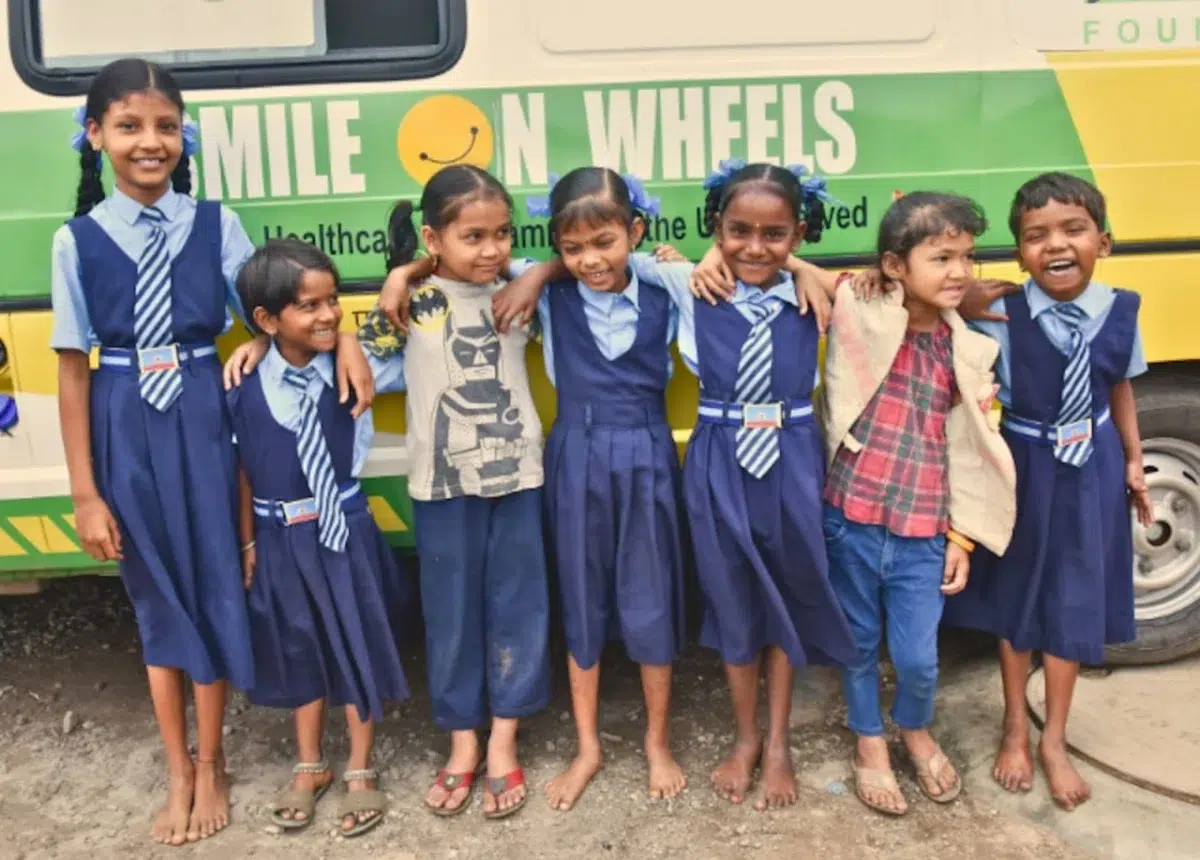
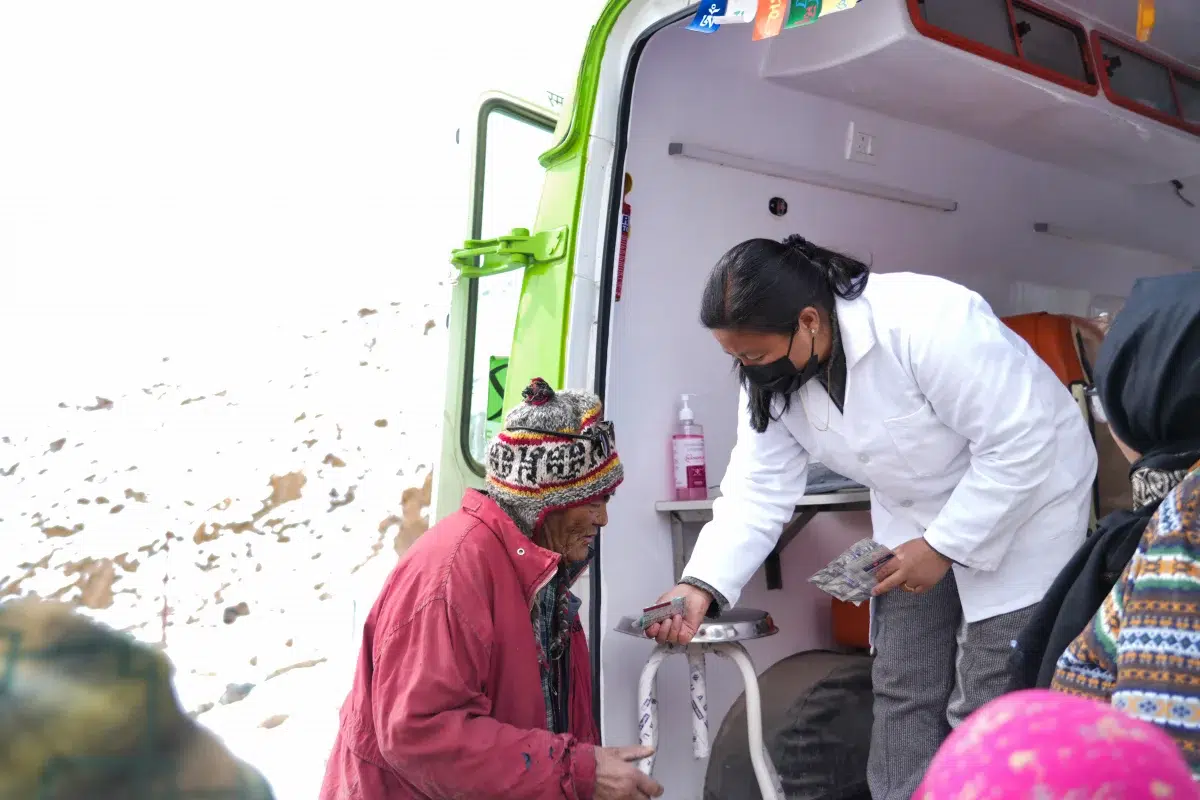
Smile Foundation’s work in child education and health embodies the belief that children’s well-being and development are essential for a brighter, more equitable future. Through targeted programmes, Smile Foundation addresses both the educational and healthcare needs of underserved children, helping to create environments where they can thrive, learn and grow. The organisation’s initiatives, such as Mission Education, aim to provide quality education to marginalised children, while healthcare programs like Smile on Wheels bring essential medical services to remote and underserved communities, ensuring children have access to basic health support.

A child-centred approach, as embraced by Smile Foundation, recognises that every child deserves the right to health, education and protection, regardless of their socio-economic background. This perspective acknowledges children as active participants in society who deserve respect and opportunities to reach their potential. By focusing on children, Smile Foundation not only addresses immediate needs but also contributes to long-term societal growth, empowering the next generation to become informed, resilient and capable leaders.

Categories
Education Women Empowerment

Make Children Money-Wise, Empower the Younger Generation

When her son was five years old, Neelima Menon got her son a piggy bank. “Whenever our relatives visited us, they would give him money. We taught him to put it into the piggy bank and use it to buy any new toy he wanted. That introduced him to the concept of budgeting and saving,” says Neelam, a 35-year-old IT professional.

“Now he is 15 years old, and my husband is teaching him about investing in the stock market. “We believe financial literacy is very important. It is a life skill and should ideally be taught in schools,” says the Bengaluru resident.

What is financial literacy?

Financial literacy is the ability to understand and effectively manage personal finances and make informed financial decisions by understanding and using financial concepts and skills. This includes budgeting, saving, investing, debt management, understanding of financial products and financial planning. 

Importance of being financially literate

According to an article in India Today, 76% of the Indian population is financially illiterate and only 4.2% possess advanced financial knowledge. A large portion of the population is vulnerable to financial pitfalls, including crippling debt and underinvestment in wealth-building opportunities. That’s why financial literacy is important for everyone, regardless of age, educational background or income level.

“It is important to teach your children financial literacy. They need to know the value of money and learn to differentiate between needs and wants,” says psychologist Mini Rao. “Needs, their parents will provide for since it’s a necessity, but for wants which is a luxury, they have to save up for it.”

Benefits of introducing children to the world of finance

Early financial education helps to inculcate good money management habits, promotes responsible spending and saving, and prepares children to shoulder future financial responsibilities. Teaching children budgeting, saving, investing and the value of money will help them recognise and avoid common financial pitfalls, understand the consequences of impulsive spending, accumulating debt, etc.

They will be better equipped to set and meet long-term financial goals regarding higher education, home ownership and planning for retirement.

“When I first began working, I thought my life was settled as I was earning a salary. I didn’t realise that 3% to 5% salary growth isn’t enough to manage in the world. The reality hit me only years later, so I want my son to learn financial management early on,” says financial coach and licensed insurance advisor Muthu Kishor. 

Catch them young

According to research done by Cambridge University, our approach to money is set by the age of seven. Behaviour experts David Whitebread and Sue Bingham of the University of Cambridge reviewed previous studies to determine how children learn in general and how they learn about money in particular. They concluded that money habits — including the ability to plan ahead and to delay gratification — are typically formed early in childhood. The 2013 study found that most people’s money habits are formed from zero to seven years of age.

While it doesn’t mean that if you have missed that window period, it is too late, it’s always better to teach financial concepts at a young age.

Ways to teach children about money

Here are some age-appropriate ways in which you can teach children about finance.

  • At three to five years, you can teach them about coins and notes, says Mini. “Play games to differentiate coins and notes,” she says.
  • Introduce basic concepts such as saving and simple budgeting through games and real-life activities, such as saving for a toy. “With children aged between five and eight you can discuss spending, saving, and investing money. You can use piggy banks, and playing the game Monopoly is also useful as it gives the kids a different perspective,” says Mini.
  • Children aged eight and above can be asked to track cash flow, says Muthu Kishor. “When anyone gives them money, you can ask them to keep track of their expenses, and teach them to save a portion of it,” he says. Children aged eight and above can be taught the value of money by linking their pocket money to the chores they do, say other experts. 
  • Many banks offer special savings accounts for minors, so you can open a bank account in their name and teach them practical banking skills and concepts. “Though many things can be done online, you should you’re your children to the bank and teach them how to deposit cash physically etc.,” says Muthu Kishor.
  • Older children aged 15 and above can be taught about investing, the stock market, different financial products and how to research and manage assets. 
  • Have honest conversations about money. While many parents hesitate to talk about household expenses and budgets with their children, discussing it will help children learn how to respond to and deal with contingencies. “I am a stock market trader, and I deliberately tell my son what I am doing. Since he is only five, he may not understand it but it will register somewhere and when he grows up he will comprehend it faster,” says Muthu Kishor. “My wife used to tell him stories in English when he was only a year old. Now he’s going to school, he is able to learn English fast, so early lessons matter.”

Government initiatives towards financial literacy

The Reserve Bank of India (RBI), the Securities and Exchange Board of India (SEBI), and the National Centre for Financial Education (NCFE) have all recognised the importance of improving financial literacy among young people, says the India Today article. According to it, even in recent years, RBI and NCFE have introduced programmes aimed at improving financial awareness among school children but the impact remains limited without making financial literacy a mandatory part of the school curriculum.

For instance, RBI has a financial education initiative. As part of it, RBI has created a critical volume of literature and has uploaded on its website in 13 languages for banks and other stakeholders to download and use. The aim of this initiative is to create awareness about financial products and services, good financial practices, going digital and consumer protection.  Financial Literacy Week 2024, which was observed from February 26 to March 01, 2024, revolved around the theme “Make a Right Start- Become Financially Smart”. The messages disseminated during the week were focused on saving and power of compounding, banking essentials for students and digital and cyber hygiene.

Call to teach financial literacy in schools

Financial literacy has been made mandatory in national curricula in countries such as Australia and Canada. And experts advocate India to emulate the example.

 “It is one of the basic life skills and it should be made mandatory for teachers to teach children the importance of money, so children know how hard it is to earn it and how carefully they need to spend it,” says Mini.

Making children money-wise

With more awareness, there is a growing demand for classes teaching children finance. And several private coaching classes have cropped up to meet the demand.

NGOs have also been addressing the issue. When women get financially literate, the knowledge is more likely to be passed on to children as children tend to be closer to their mothers. A financially literate mother can motivate her children to be savvy with money. 

“When daughters see their mothers financially independent, it is a huge boost to them to emulate them. In a patriarchal society like ours, we need to push women to be financially independent at a young age,” says Mini. “With it comes self- confidence and higher self- esteem.

Smile Foundation’s women empowerment programme, Swabhiman, has a digital financial literacy component, which has been empowering women with the knowledge and skills to effectively navigate the digital financial landscape. The programme provides education and training on various aspects of digital finance, including online banking, mobile payments, budgeting tools and safe online transactions. It equips women with the necessary skills to manage their finances, make informed decisions, and access financial services through digital platforms.

Categories
Education

Multiculturalism in Education

Today, we are living in a world which is becoming more and more connected. Technology and spread of internet infrastructure in the remotest parts of the world is ensuring that people can exchange information with the tap of a finger. In this globalised world, multiculturalism in education has become a crucial aspect of fostering inclusive and diverse learning environments.

But what is multiculturalism?

It is a view or a perspective that promotes coexistence of different cultures, races, communities, etc., within a society. India has always been a multicultural society with varied groups representing different religions, languages, castes, ethnicities, etc., having lived together under a common identity for centuries. This multiculturalism of India also makes it an attractive destination for people coming from countries that lack such a diversity.

With the expansion of the internet and other technology, the idea of society has also expanded. Today, someone living in the African continent can make dance videos on Indian Bollywood songs while someone from the US can go all the way to Kazakhstan and share about their unique culture and cuisine with the world.

This also means that people are now being exposed to ways of living and ideas that are completely new to them. While it is an opportunity for learning and growth, it can also be a challenge if people start judging other cultural practices from a critical lens. Therefore, being open to diverse perspectives and willingness to learn from them is an important quality that is needed for a multicultural society to be created and sustained.

Multicultural education aims to provide students with knowledge about the histories, cultures, and contributions of diverse groups, promoting empathy, understanding, and respect for differences. It is a crucial tool needed today for promoting syncretism, respect for each other, and a healthy and vibrant world.

Need for Multicultural Education

As societies become increasingly diverse, it is essential for educational institutions to reflect this diversity in their curricula and teaching practices. It helps students in developing a positive self-concept and addresses the issues of sexism, classism, racism and any other forms of discrimination. Through this, multicultural education helps in promoting a more inclusive and equitable learning environment.

There are various benefits of multicultural education. Let’s take a look at some of them:

  1. Creativity and innovation – When students are exposed to diverse ideas and perspectives, they are able to think critically and in newer ways. This has the potential to enhance their creativity and foster innovation. Diversity within the classrooms also means unique approaches to problem solving and comparatively higher effectiveness in learning. We can understand this simply in this way that classrooms that have representation from both the genders will see perspectives that are diverse and will both the groups in learning about each other’s unique needs and challenges. 
  2. Empathy and understanding – Imagine a classroom where students from different genders, races, classes and learning abilities study together. In such a diverse environment, they get the opportunity to work closely with someone who has an entirely different worldview or way of approaching things. This can help the students in analysing situations from different viewpoints which may not be possible otherwise. Exposure to diverse backgrounds promotes empathy, emotional intelligence and social skills in students. This helps them develop a deeper understanding of others, preparing them for real-world interactions in an interconnected world.
  3. Creating a global society – As mentioned above, we are living in a global village today and this means that more and more people are now working in organisations that are multinational and multicultural. For a student who is exposed to multicultural ideas, it may be easier to enter the professional world and work in a diverse team without facing major challenges. However, someone who has never been exposed to other worldviews and cultures may find it difficult to adapt to dynamic work environments. Encouraging diversity in schools equips students with the cultural competence and communication skills they will need to thrive in a global society.
  4. Engagement and academic success – A direct result of creating multicultural classrooms is that students may find more opportunities to engage with the curriculum as the learning curve is sharper. This inclusivity correlates with improved academic performance, helping students achieve their full potential.

Challenges of Multicultural Education

While we have highlighted the many positives of multicultural education, it is also important to talk about the challenges that persist in creating healthy diverse spaces like that. One of the biggest challenges is lack of educators and processes that can implement a multicultural curriculum effectively. At the same time, we have seen resistance from parents and social groups both in India and countries around the world where they have expressed fear and disappointment over exposure of their children to certain ideas that they may find difficult to accept.

This can be trickier in a country like India where one’s traditional values are also considered to be highly sacrosanct and the pushback from communities can be stronger when they feel that those values are being threatened. Therefore, having skilled educators, policymakers and efficient processes for the implementation of multicultural education is extremely important. Here are some of the strategies that can be adopted:

  1. Content integration – Diverse cultural perspectives and historical contexts are included in the curriculum from the beginning while understanding the cultural context of the society under which the classrooms are operating. 
  2. Knowledge construction – Helping the students in understanding how biases, cultural assumptions and discriminatory perspectives are formed and how they impact the creation of knowledge.
  3. Equity pedagogy – Using instructional methods to promote more equitable practices within the classroom and actively working towards removing prejudice towards certain groups can go a long way in creating inclusive learning spaces.
  4. Multilingual learning – Students may come from diverse linguistic backgrounds and forcing a specific language of instruction on them can be an isolating experience. Therefore, educators should ensure that such barriers are removed, and all the students are made to feel accepted and involved.

Conclusion

Multicultural education is essential for preparing students to thrive in a diverse and interconnected world. By fostering understanding, empathy and respect for differences, multicultural education helps create a more equitable and inclusive society. While there are challenges to implementing multicultural education, the benefits far outweigh the obstacles. Education institutions and countries must continue to invest in resources and training to ensure that all students receive a comprehensive and inclusive education.

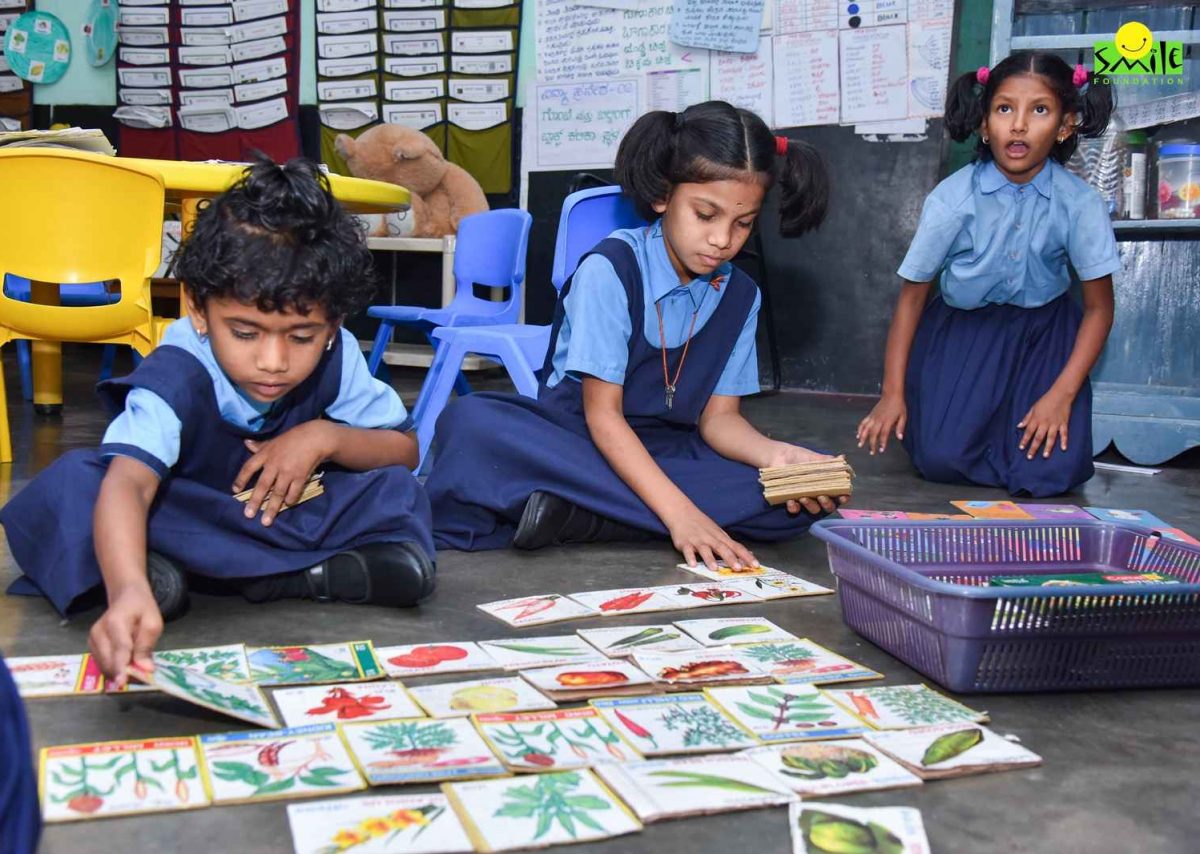
In Smile Foundation’s Mission Education Centres located in remote parts of India, native learning is essential to creating inclusive, multicultural environments.. These centres aim to blend traditional knowledge with contemporary education, integrating diverse cultural and linguistic backgrounds into the curriculum to create an environment where students feel seen and valued. By incorporating local customs and languages, the Mission Education Centres encourage students to engage with the material actively, boosting academic success and nurturing critical thinking.

Through strategies like content integration and multilingual instruction, students gain exposure to different worldviews and learn to approach problem-solving creatively. This exposure fosters empathy and understanding, essential for thriving in today’s interconnected world, where collaboration across cultures is becoming the norm. Although challenges persist, such as limited resources and societal resistance to new educational practices, Smile Foundation is committed to equipping educators with the training and resources needed to implement an inclusive curriculum effectively.

By embracing these multicultural approaches, we prepare students not only for academic achievement but also for real-world situations where adaptability and cultural competence are vital. The Mission Education Centres champion the idea that learning should be reflective of diverse identities, thus promoting unity, respect and an equitable society for future generations.

Categories
Smile Insights

Actionable Knowledge: Stepping Stone of Real Empowerment

Would you rather read dozens of books, listen to podcasts, learn skills or take courses and feel like you have learnt a lot, just to be in the same position you are now a year later? Or would you rather learn something relevant and apply what you have learnt and move forward in your life? All this knowledge is useless unless it is relevant and is put to use effectively to take control of your life. Actionable knowledge is that which can be applied effectively to solve real-world problems. Possessing knowledge alone is insufficient; it must be actionable to be truly empowering

How Does Actionable Knowledge Empower? 

True power is in the capacity to convert knowledge into action. The application of knowledge enables us to bring about good changes, attain our objectives and overcome challenges. For instance, in order to address stereotypes and empower women, it is crucial to provide them with knowledge and the resources and opportunities necessary to implement that knowledge and enhance their quality of life.

Further, financial literacy, which enables individuals to manage their finances and healthcare knowledge, which empowers individuals to make more informed health decisions, are additional ways of delivering actionable knowledge.

How to Transform Information into Actionable Knowledge

Personalisation and Contextualisation

The goal of systemic reform in education is to shift to a learner-centred model that meets the educational needs of all students. Modern demands require the selection of suitable emerging technologies in education to personalise the learning process and better meet each student’s needs. New instructional approaches for learners include multimedia resources, educational games, flipped classrooms and various forms of reality such as augmented, virtual or mixed reality.

Beyond a Classroom-centred Framework of Education

Many countries have focused on work-based learning for both young people and adults in their vocational skill development plans. Internships and apprenticeships are on the rise worldwide. To enhance employability, it’s essential to consider graduates’ ability to secure immediate jobs and tackle challenges in the labour market. Education policies and programmes should be based on a thorough analysis of the needs and aspirations of individuals, enterprises and societies.

Actionable Skill Development

Skill development not only empowers individuals, but it also benefits the economy by producing a competent workforce capable of meeting industrial expectations. The utilisation of digital technology for reskilling, upskilling and capacity building support will be required for all stakeholders, including the general public, youth, elected representatives, etc., in order to achieve development objectives. Training should prioritise practical application over sharing knowledge. It is about demonstrating, not merely narrating. For example, rather than solely instructing sales techniques, encourage developing sales scenarios through role-playing.

Practical Guidance

Practical guidance converts theoretical knowledge into clear, actionable actions that individuals can implement to accomplish specific objectives. Step-by-step instructions facilitate the application of knowledge by deconstructing intricate tasks into manageable actions. For instance, a financial literacy workshop could instruct participants on the process of creating a budget by delineating each phase: income calculation, expense listing, and expenditure monitoring.

In the same way, health campaigns can encourage wellness by offering a straightforward, actionable checklist for daily exercise or balanced diet. In addition to fostering independence, this structured approach also instils confidence, enabling individuals to implement their knowledge in practical, meaningful ways. 

Health and Hygiene Awareness Campaigns

Education and health campaigns encourage people to change their behaviour and take action based on their new information. Public health campaigns raise awareness about diseases, health hazards and hygiene, advising people on preventive actions and urging them to seek medical care for themselves or others. These initiatives use clear, actionable instructions to equip individuals with simple, practical strategies for maintaining good health and preventing sickness. To translate information into action, it is critical to cultivate cultural awareness and sensitivity in order to provide patient-centred messaging that respects varied cultures and values. Furthermore, in order to broaden reach and improve comprehension, multiple ways of communicating must be explored. 

Schools, organisations and communities must encourage a culture of actionable knowledge through practical learning, skill development and continual learning. They should also offer resources and assistance on an ongoing basis.

These might take several shapes depending on the demands of the learners. Mentorship programmes, hands-on workshops and interactive platforms all drive people to apply what they have learnt in the real world.

Smile Foundation’s Health Cannot Wait initiative encourages children and the community to adopt health-seeking behaviour. The programme equips communities and individuals with skills that are immediately actionable. 

Categories
Health

Complimenting Healthcare Systems Imperative for Nonprofits

In India, healthcare challenges remain diverse and complex. Given the state of our country’s public healthcare system and expensive private sector-funded hospitals, equal access to health for all remains a dream that would need a lot of work. Since health binds us all in all aspects of our lives, the lack of a quality public healthcare system deprives many of the population of healthy lifestyles and choices, impacting the overall development of the country’s economic and social conditions.

Less quality infrastructure, faculty members, limited spending on a robust healthcare network, low number of skilled healthcare workers, lack of awareness around many diseases and the increasing burden of communicable and non-communicable diseases have further compromised India’s public healthcare network.

In 2023-24, the government’s spending on the healthcare system has been 1.9 per cent, a slight increase from 1.28 per cent during 2018-19. Although several health schemes and policies such as Ayushmaan Bharat, Awaz health insurance scheme, Pradhan Mantri Suraksha Bima Yojana, National Health Policy, and so on, have concentrated on improving the health of rural and urban communities, a sheer lack of community-level mobilisation and awareness along with unequal allocation of resources have hindered their meaningful implementation.

Non-profits as a bridge of funding for bridging healthcare challenges

All the recently-framed health policies and programmes in India are aimed at achieving Universal Health Coverage by 2030, however, with a population of about 1.38 billion and more, there will always be an ever-increasing need for robust healthcare services. Although multiple efforts have been spearheaded by the government to address a variety of healthcare needs, there remains a vast gap in the accessibility and availability of healthcare across all segments. Here although there is a need for the private sector to bridge the gap, it faces the vast challenge of providing affordable healthcare to a large section of the population while ensuring their sustenance and efficiency.

Non-profit organisations, driven by the spirit and commitment of welfare, have the reputation of providing affordable and accessible healthcare for all with a special focus on marginalised communities.

For non-profits, it is imperative to complement the healthcare system as the industry has always bridged the healthcare challenges with social reforms, working towards community involvement and educating the masses and spreading awareness. Going beyond profit-making, non-profits have used funds and resources from several international donors and governments to offer people affordable preventative and curative healthcare.

A non-profit-funded medical healthcare system is key in bridging the gap in expenses. These hospitals are often owned by philanthropic leaders and social entrepreneurs and charge less for services than for-profit facilities, and the money received from fees—above the cost of care—is used to fund further hospital improvements.  These hospitals have the potential to address India’s healthcare problems, affordability and availability and their facilities, offerings and fees are designed to serve the nation’s impoverished and unreachable citizens.

Furthermore, institutions with the involvement of NGOs have succeeded in fostering a sense of goodwill throughout the nation via a variety of community service initiatives in addition to providing altruistic medical treatment with a social purpose.

The setting up of community hospitals is one more way to ensure primary healthcare is accessible to all. These hospitals are not necessarily influenced by any faith but operate on the premise that selfless service to the underprivileged will result in all-around social reform. Highly motivated doctors, or a team of likeminded doctors, desiring to give back to society, have founded many such hospitals, often in the same community where they were born/raised.

In what ways can non-profits help enhance the healthcare system

Building more primary and preventive healthcare: At the community and rural levels, NGOs play a crucial role in setting up hospitals and medical centres to prevent diseases and day-to-day illness from blowing up to a larger scale. Several NGOs have also worked and focussed on initiatives that emphasise learning on maternal, natal and children’s healthcare.

Innovative services and scaling up: Government officials frequently recognize and stress that one of the main advantages of collaborating with NGOs is their capacity to introduce innovations while delivering services. State government representatives frequently don’t have the time, interest, or motivation to try innovative approaches. Later, these innovative models subsequently be expanded or duplicated by the government in response to the programs’ success.

Capacity building and awareness: While setting up community healthcare, NGOs play an important role in training locals in delivering healthcare facilities. This helps in bringing in employment, educating and raising awareness on health issues and empowering a community through their own people.

Reaching remote areas: The most amount of challenges in terms of receiving equitable healthcare is by people from remote areas, who struggle to even access primary healthcare. Through several facilities such as mobile tents, mobile units, telemedicine and bringing together community healthcare workers and volunteers, not-for-profits help in ensuring that quality healthcare services reach the doorsteps of a large population, living in remote areas. Through such services, they are also continuously contributing to raising awareness around health issues.

Smile Foundation’s efforts

Smile Foundation, through its Health Cannot Wait initiative has been instrumental in improving healthcare access for underserved communities through mobile health vans, health camps, and community programmes, reaching grassroots levels. By enhancing accessibility, promoting preventive care, and adapting to community needs, Smile Foundation significantly boosts healthcare outcomes in India. Collaboration among government, private sector and nonprofits is essential for a resilient healthcare system, highlighting nonprofits’ foundational role in building a healthier, more equitable future.

Categories
Women Empowerment

A World Managed by Women

We are currently navigating a tumultuous period marked by the climate crisis, increasing restrictions on women’s rights and autonomy, and the erosion of rights for minorities and grassroots communities globally. Amid these pressing challenges, a critical question arises:

if women had been at the forefront of leadership on this planet, would our world look different? 

In fact, the question of what the world might look like if managed by women is not a new one; it has been pondered and debated throughout history. In a 2017 article by The Guardian, women from diverse backgrounds got together and shared their insights on this intriguing concept and their responses resonated deeply with themes of empowerment and societal transformation. Performance artist Marina Abromovitz articulated a compelling vision, stating that if women ruled the world, they would transcend fragility, reject dependency and refuse to be victims of abuse. Comedian Shazia Mirza echoed this sentiment, suggesting that under female leadership, we would witness less violence, more efficient problem-solving, and a preference for dialogue over conflict. Sofia Hagen advances the conversation by advocating for concrete changes: “Free tampons, legal access to abortion everywhere, and actual jail sentences for 100 per cent of rapists, rather than the mere 5 per cent we see today.”

These reflections above highlight a profound desire for a different approach to leadership and governance. To realise a world managed by women, it is essential to actively promote and support women in leadership positions across all sectors. Representation matters; when women occupy leadership roles, they can bring diverse perspectives and solutions to the table. This shift not only empowers women but also enriches the decision-making processes that shape our societies. 

A look at the statistics towards women’s leadership

Historically, leadership roles have been overwhelmingly dominated by men, resulting in decision-making processes that often prioritise narrow interests over the collective welfare of society. While there has been some progress in recent decades, the statistics remain discouraging. According to the ‘Women in the Workplace Report 2024’ by McKinsey & Company, women continue to be significantly underrepresented at every stage of the corporate pipeline. The report reveals that women are less likely than men to be hired into entry-level positions, creating a foundational imbalance from the outset.

Additionally, women face considerable barriers when it comes to promotions; they are far less likely than their male counterparts to attain their first promotion to managerial roles, and this trend shows little sign of improvement. Alarmingly, the report predicts that it could take over 50 years to achieve gender parity in workplaces. This underscores the urgent need for systemic change to ensure that women’s voices are fully represented.

Impact on community and more 

Research has shown that women leaders tend to adopt more participatory styles of governance, fostering environments where diverse voices are heard and valued. This approach enhances decision-making processes and promotes a sense of belonging and investment among community members. In a blog article for IDB Bank, Luciana Etcheverry quoted a study conducted in Turkey—it analysed 2,000 professionals in corporate settings—which revealed that female leaders exhibit greater empathy and are less competitive than their male counterparts.

Additionally, another research from Brazil highlighted that women in positions of power were less likely to engage in corrupt practices. Thus, when we discuss the importance of women’s representation in leadership positions, we highlight the potential for increased empathy, resilience, and adaptability in decision-making. 

As per KPMG’s 2023 ‘Advancing the Future of Women in Business’ survey of 1,500 executive women, about 79 per cent of respondents reported prioritising wellness. This emphasis encompassed a range of practices—from scheduling self-care and spending quality time with family and friends to setting boundaries around work. As a result, women’s leadership has the potential to redefine success by placing well-being and quality of life on par with traditional economic indicators. This shift could encourage a greater focus on initiatives related to mental health, education, and family support, ultimately fostering healthier, more fulfilled communities. Over time, such an approach could effectively address pressing social issues, including poverty and violence, among other issues.

Moreover, as more women step into managerial roles, we may witness significant changes in current workplace systems. Women leaders often recognize the importance of flexible working arrangements better and are more likely to advocate for such policies. The 2023 ‘Women in the Workplace’ report by McKinsey and Co. revealed that 83 per cent of employees surveyed prefer the flexibility of remote work, citing that it allows them to work “more efficiently and productively.” This trend underscores the potential benefits of inclusive leadership styles, prioritising employee well-being and adaptability in the workplace.

The way forward

A multifaceted approach is essential to increase the representation of women in leadership positions. An article by the American Psychological Association emphasises the importance of identifying potential leaders early in their careers and providing them with tailored mentorship opportunities. These mentorships should offer career guidance and support, constructive feedback, and knowledge sharing.

Moreover, including sponsors in this process is crucial—individuals who go beyond the traditional mentor role. Sponsors leverage their own positions and influence to advocate for junior employees’ advancement actively. This combination of mentorship and sponsorship can create a robust support network that empowers women to navigate their career paths more effectively, ultimately leading to more excellent representation in leadership roles. 

By investing in women’s professional development from the outset, organisations can cultivate a new generation of leaders who can bring diverse perspectives and innovative solutions to the table. A world managed by women represents a transformative vision that promises to reshape governance, economics and community dynamics. By embracing the values of empathy, inclusivity and collaboration, societies dominated by women can foster environments where all individuals thrive. While achieving gender parity in leadership is a critical first step, the broader goal is to cultivate a leadership style that prioritises the common good. 

Smile for women’s leadership

Smile Foundation‘s initiatives on women entrepreneurship are aimed at equipping women with the skills, resources and confidence needed to start and sustain their own businesses. This initiative provides training in financial literacy, business management and market analysis, empowering women to transform their ideas into viable enterprises.

Through mentorship, access to microfinancing and collaboration with local organisations, women’s leadership is supported to overcome traditional barriers and become economic drivers within their communities. The emphasis on entrepreneurship not only promotes financial independence but also enhances the socio-economic status of families and fosters local job creation, contributing to a cycle of sustainable growth and empowerment.

Categories
Women Empowerment

Need for Immediate Global Action for Addressing Gender Gaps

“Gender equality is more than a goal in itself. It is a precondition for meeting the challenge of reducing poverty, promoting sustainable development and building good governance.”

-Kofi Annan, Former Secretary-General of the United Nations

The gender gap is one of the most persistent global inequalities, affecting millions of women and girls across the world. While strides have been made in promoting gender equality, critical gaps remain that hinder progress in almost every sphere of life—education, healthcare, employment, politics and even safety.

Women and girls continue to face discrimination, violence and limited opportunities simply because of their gender. Addressing these gaps requires not just a national effort but a coordinated global action plan. Without urgent and meaningful intervention, the world risks perpetuating a cycle of inequality that will hinder sustainable development for generations.

The Gender Gap: A Snapshot 

The statistics surrounding gender inequality paint a stark picture of how deep-rooted the problem is. A 2024 report by UN Women and the UN Department of Economic and Social Affairs shows progress in gender equality and women’s empowerment worldwide. Women now hold one in four parliamentary seats, a big increase from the last decade. However, the report reveals that none of the targets for UN Sustainable Development Goal (SDG) 5, which focuses on gender equality, are being met. 

According to the World Economic Forum’s Global Gender Gap Report 2023, it will take 131 years to close the gender gap at the current rate of progress. That’s more than a century before women worldwide will enjoy the same opportunities as men. It could take 137 years to lift all women and girls out of poverty. Additionally, about 1 in 4 girls are still married as children.

The gender pay gap exists globally with women earn 20% less than men on average. Nearly 129 million girls remain out of school, with most in developing countries where cultural, financial, and social barriers impede their right to learn. These numbers highlight the urgency of addressing gender inequality at a global scale.

Gender Inequality in the Workforce  

Worldwide, more than 2.7 billion women face legal restrictions that limit their access to the same job opportunities as men. Women face higher unemployment rates, are often confined to lower-paying jobs and are severely underrepresented in leadership roles. The COVID-19 pandemic further exacerbated these disparities, with women disproportionately affected by job losses and reductions in working hours. Women working in informal sectors, particularly in developing nations, suffered the worst, as they had little to no social protection or labor rights to fall back on.

Moreover, unpaid care work, performed nearly four times more by women than men, limits their participation in the formal workforce, yet remains undervalued and invisible in economic metrics. Addressing this gender imbalance is essential to achieve inclusive, sustainable global economic recovery.

Education and Health: Critical Areas for Action  

Education and healthcare are important arenas where gender gaps have lasting impacts. Besides improving their future prospects, educating girls has broader societal benefits, such as reduced poverty and enhanced economic productivity. However, significant disparities persist, particularly in regions like Sub-Saharan Africa and South Asia, where girls face challenges such as child marriage and cultural norms that prioritize boys’ education. UNESCO warns that 11 million girls risk not returning to school following COVID-19 closures, worsening the education gap.

In healthcare, gender inequities exist as inadequate access to services and poor maternal health outcomes. Many women struggle to obtain reproductive healthcare, contributing to high maternal mortality rates in low-income countries. In 2020, UNICEF reported approximately 287,000 preventable maternal deaths. Addressing these disparities requires a robust global health initiative focused on enhancing women’s health services and ensuring quality care access for all.

Gender-Based Violence: A Global Crisis  

Gender-based violence (GBV) remains one of the most widespread human rights violations, with one in three women globally experiencing physical or sexual violence from a partner or non-partner in their lifetime. It is both a consequence and a driver of gender inequality. GBV affects women across all social, economic and cultural backgrounds, impacting their education, employment and mental and physical health, often trapping them in cycles of poverty and dependency.

Several legal reforms have been enacted globally to combat GBV issues. In countries where laws against domestic violence exist, the rates of intimate partner violence are lower—9.5% in countries with such laws compared to 16.1% in those without. However, societal norms continue to perpetuate inequality and legislation alone is insufficient. To combat this crisis, global action is needed to enforce stricter laws, provide safe spaces for survivors and work on changing societal attitudes that enable violence.

Political Participation and Leadership  

Despite comprising half of the global population, women are significantly underrepresented in political decision-making, holding only 26.7% of parliamentary seats worldwide—far from achieving gender parity. This lack of representation impacts long-term policy decisions, especially those concerning gender equality. When women participate in leadership, issues like family leave, reproductive rights and gender-based violence gain priority. Ensuring women’s equal voice in governance is essential for advancing gender equality.

The Bottom Line 

Closing the gender gap requires a coordinated global effort. International organisations, governments, civil society and the private sector must collaborate on inclusive policies to dismantle structural inequalities. Key strategies include economic empowerment, legal reforms and gender-sensitive education. Additionally, promoting work-life balance, equal pay, and combating gender-based violence are essential to achieving the UN’s SDG 5 by 2030.

Gender equality is not just a women’s issue—it is a societal one that affects every facet of life, from economic growth to health and education. Achieving gender parity will unlock human potential on an unprecedented scale, leading to stronger communities and more resilient economies. However, meaningful change will only happen if global leaders, policymakers and citizens alike commit to bold, immediate actions. The path to gender equality is long, but with collective effort, it is within reach.

Our Work

Smile Foundation’s Women Empowerment programme Swabhiman tackles some of the critical issues related to gender equality, providing resources and training to help women achieve economic independence and improve their social standing. By focusing on education, skills development and financial literacy, the programme equips women, particularly in underserved communities, to become active contributors to their families and society.

In line with closing gender gaps, Smile Foundation works to dismantle the barriers women face, from limited education access to restrictive job opportunities. Through targeted initiatives, it also raises awareness about health, safety and rights, promoting a holistic approach to empowerment. Through practical training and hands-on support, Smile Foundation’s initiatives go beyond traditional aid, creating lasting change by encouraging entrepreneurship, confidence and community leadership among women. This approach not only uplifts individuals but also builds a network of empowered women who can inspire and mentor others, transforming entire communities from within.

Categories
Smile Health

The Enormous Consequences of Climate Change on Healthcare

In January this year, the World Economic Forum (WEF) published a report titled ‘Quantifying the Impact of Climate Change on Human Health’. The report concludes that by 2050, climate change is projected to impose immense strain on global healthcare systems, leading to 14.5 million deaths and $12.5 trillion in economic losses. These numbers indicate that while the health consequences of climate change are widely discussed, the specific impacts on healthcare systems receive far less attention.

Climate change represents one of the most significant challenges facing humanity today, and its repercussions extend far beyond environmental degradation. The healthcare sector is particularly vulnerable to the myriad effects of climate change, with consequences that can impact public health, healthcare delivery, and health systems at large. From the rise in heat-related illnesses to the increased prevalence of vector-borne diseases, the healthcare landscape is being reshaped by the ongoing climate crisis. This growing urgency highlights the need for a comprehensive understanding of how climate change affects not only individual health but also the structures that are designed to protect and promote health on a population level.

Extreme weather events exacerbate healthcare inequalities

One of the most immediate consequences of climate change is increased health risks linked to environmental changes. Rising temperatures contribute to various health issues, including heat-related illnesses, respiratory disorders from increased air pollution, and the spread of vector-borne diseases. For instance, warmer climates can expand the habitats of mosquitoes, increasing the incidence of diseases like malaria and dengue fever.

Moreover, extreme weather events such as hurricanes, floods, and wildfires not only directly cause injuries and fatalities but also lead to long-term health effects, including mental health issues stemming from trauma and displacement. Vulnerable populations, such as the elderly, children, and those with pre-existing health conditions, face heightened risks, exacerbating existing health disparities. The WEF report estimates that 7.1 trillion dollars of productivity could be lost by 2050 due to heat waves. 

By 2030, it is estimated that up to 118 million extremely poor people living on less than US$ 1.90 per day will face heightened exposure to drought, floods, and extreme heat across Africa. This alarming statistic underscores marginalised populations’ vulnerability to climate change’s impacts. Meanwhile, according to a report by the World Meteorological Organization, Asia was the most disaster-affected region in 2023, grappling with various weather, climate, and water-related hazards. These challenges are not confined to developing regions; nearly 40 per cent of the lower 48 states in the United States and 17 per cent of the population in Europe are currently experiencing drought conditions, which pose severe threats to food and water security.

This convergence of extreme weather events and socioeconomic vulnerability highlights the urgent need for comprehensive climate adaptation strategies. In fact, this will put undue pressure on healthcare systems globally. 

The strain on healthcare systems

In September 2005, during Hurricane Katrina, Memorial Hospital in New Orleans faced catastrophic challenges, losing power and running water while flooding overwhelmed its facilities. In the chaotic aftermath of the hurricane, the city’s fragile infrastructure ultimately failed, severely impacting hospitals and other institutions responsible for caring for vulnerable populations, including nursing homes and jails. Approximately two dozen hospitals evacuated patients due to losing essential services such as power, water, and sewage management. This is a great case study to illustrate how the ramifications of climate change extend into the operational realms of healthcare systems, which are often ill-equipped to cope with the increased demand for services. As seen above, natural disasters can disrupt healthcare infrastructure, leading to service interruptions and facility damage. 

The increasing prevalence of climate-related health issues also places a substantial burden on healthcare resources. Hospitals and clinics may need help managing the influx of patients suffering from climate-induced conditions, leading to overcrowding and longer wait times. This strain can diminish the quality of care and challenge the ability of healthcare providers to respond effectively to public health emergencies. A 2023 study by Sabah Al-Mrwani, published in the ‘Bulletin of the National Research Centre’, highlighted that extreme climatic events, such as storms and floods, can severely damage healthcare infrastructure. This destruction compromises the quality and availability of healthcare services. Additionally, these events disrupt supply chains, communication, and transportation, further impairing service delivery and resulting in employee shortages.

The study also addresses how climate change will increasingly make cancer detection and management difficult. Climate change is likely to indirectly impact HPV (Human Papillomavirus) infections, which are considered a risk factor for cervical cancer. Extreme weather events, like natural disasters, can disrupt HPV screening, early diagnosis, and vaccination efforts. This is especially concerning in low and middle-income countries, where cervical cancer rates are highest. Additionally, radiation oncology services often cannot operate on backup generators. As a result, power outages caused by severe events or intentional power supply interruptions can disrupt or delay cancer treatment. Furthermore, there is also a growing concern about the emergence of new diseases linked to climate change, along with an increased spread of pathogens that contribute to illnesses like Lyme disease and West Nile virus.

In the future, given the profound impact of climate change on health, there is an urgent need for adaptive strategies within healthcare systems. Health organisations including nonprofits like Smile Foundation prioritise climate resilience by integrating climate considerations into health planning and decision-making. This also includes investing in infrastructure improvements, such as building hospitals that can withstand extreme weather events and ensuring that health facilities have the necessary resources to handle climate-related health crises.

Categories
Education

Support First-generation Learners, Transform the Country

Twenty-six-year-old Selvakumar vividly remembers his first day of college. Though he had scored well and secured admission in one of the elite colleges in Chennai, he was still intimidated by the other students.

“All of them spoke fluent English and had fancy clothes and phones. I was worried how I would cope in class and also whether I would be able to make friends with them,” says Selvakumar. “My parents, who hail from Krishnagiri, Tamil Nadu, never went to school but ensured that I pursued my education. I am the first person in my entire family to go college,” he says, adding that while he felt comfortable in the government school he attended, he felt at ease in college only by the end of the second semester.

Selvakumar’s experience is similar to that of many first-generation learners (FGL). But their experiences also bear testimony in the power of education to transform lives. For, as they get college degrees and secure employment, they are able to change not just their lives but that of their loved ones for the better. 

Who is a first-generation learner?

First generation learners (FGL) are the first in their families to get a college or university education. Their parents are either illiterate or have not received a higher secondary education.  

What are some of the problems faced by FGL?

Academic challenges: They may have difficulty keeping up with academic demands, especially as their parents are unable to help them with studies.

Lack of support and guidance:  They may not get the support they need from their families. “There are two kinds of families. One will do anything to ensure that their children get a good education. On the other hand, there are families where they may not have the time and means to support the child so that they can have an education, even if they want to do it. For instance, single mothers who have to get up early to go to work and come back late and struggle financially may not be able to ensure their children have access to education,” says Virgil D Sami, executive director of Arunodhaya, which works for realising child rights through child participation. 

Some of the children Arunodhaya supports have also said that they are unable to concentrate on studies at home. “They have said that they can’t study as their mothers want to watch TV once they come home as it’s their only form of recreation,” says D Sami.

FGL also lacks the guidance to chart their future course of studies. “When they have to apply to colleges or universities, they are confused about which course to pick or which college to apply to and don’t get that guidance at home,” says D Sami.

Financial issues: Parents may be unable to support them financially and pay school, college or tuition fees. “Many of them need extra coaching to cope academically. While some schools/ colleges may offer it, others may not. While some parents may be able to pay for tuition, many others cannot,” says D Sami.

Social exclusion: Even when FGL secure admission in good colleges or universities, many struggle to fit in as they come from a different background socially and financially, may not speak fluent English, etc. 

“If they go to a local college, they may feel more comfortable but if they secure admission in elite educational institutions, they find it challenging. Some students we work with have confided that they are afraid to apply to bigger colleges as they are afraid that they may not fit in,” says D Sami, adding that they really have to motivate students to overcome this mindset.

Psychological challenges: All the above factors can create a sense of anxiety and feelings of self-doubt. The transition period can take a toll on mental health. For instance, Kuljeet Kaur Brar’s study, ‘Educational problems of first generation learners and non-first-generation learners in relation to achievement motivation and home environment’ says that many FGL suffer from inferiority complex, which in turn leads to a feeling of shyness and reduced responsiveness in the classroom.

Why support FGL?

Aiding and abetting first-generation learners can help reduce barriers and create more opportunities for those who may not have had the same access to resources as others, writes social work educator and researcher Govind D in a post on LinkedIn. “All the first learners face challenges because they are unfamiliar with the educational system or simply due to cultural differences. No wonder that providing support and resources to them can help level the playing field. Besides that, assisting first-generation learners can help to promote diversity and inclusivity by letting students from underrepresented groups succeed and reach their full potential,” he writes.

In Kuljeet Kaur Brar’s study, she says first generation learners are unused human resources in a country like India. “From a national point of view human resources means knowledge, skills, creative ability, talent and attitude possessed by the population which is still veiled in first generation learners,” says the abstract of the study. 

When a FGL receives support and is able to complete higher studies and secure employment, they are able to support their siblings and parents as well as others, which leads to social upliftment and mobility, which in turn benefits the country. The workforce becomes more inclusive and supportive, and the country gains human resources. 

Initiatives to help FGL

The Indian government has launched some initiatives to help first-generation learners. The First-Generation Graduate Scholarship Scheme offers tuition fee concessions to “the candidates who are to be the first graduate in a family, those who are attending counselling and joining in professional courses in government / aided and self-financing engineering colleges”. 

Educational institutions also offer scholarships. The Shiv Nadar University Chennai Scholarship offers a waiver of 75% of tuition fees if the student has no backlogs. 

How NGOs help

Arunodhaya supports FGL and less privileged students by motivating them to pursue their studies, organising special coaching classes, and conducting career guidance sessions. “We do follow ups from class I to see they don’t drop out, help them choose courses and colleges and also teach them how to apply for bank loans,” says D Sami.

Bhumi, a Chennai-based non-profit which aims to drive social change by fostering an environment where young adults and children learn, lead, and thrive, also runs an educational programme that benefits the less privileged and FGL. “One component is a scholarship programme that funds college education for students. We have a scoring rubric that considers parental status as one of the parameters for being shortlisted for it,” says Dr Prahalathan KK, co-founder of Bhumi, adding that the scholarship amount ranges from Rs 25,000 to Rs 40,000 a year. 

Some of the students who have benefited from the scholarships and secured employment now volunteer for the same programme to help other students, he says.

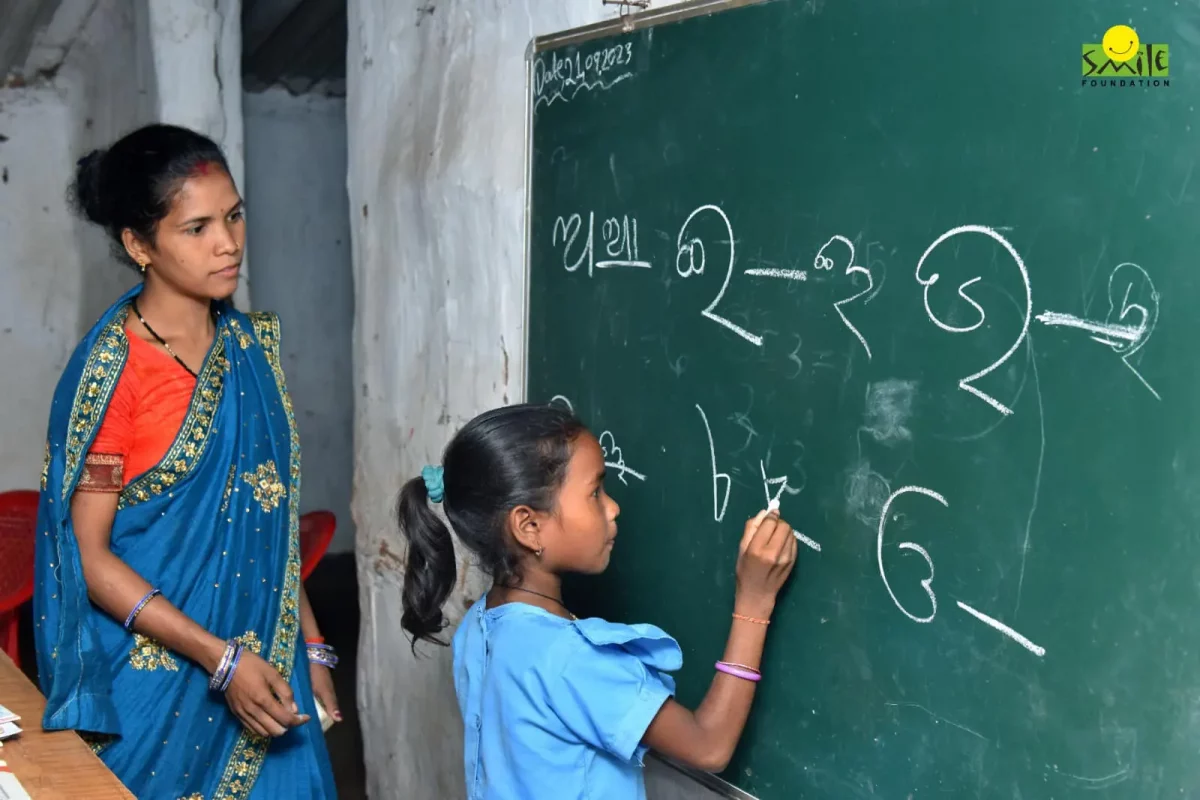
Smile Foundation’s flagship programme, Mission Education, works to empower underprivileged children by providing education, nutrition and wellness support. In Lucknow, the project, which has three centres in Takrohi, Amrapali and Samaudipur areas, provides primary education to underprivileged children, with special focus on the girl child. Most of the children, who come from adjoining villages and slums, are first-generation learners whose parents have been working as casual labourers or daily wage earners at construction sites, small shops or roadside eateries.

While initially it was difficult to get the children to attend the centres, after rigorously counselling the parents, and with the project becoming a success, now parents are more aware and enrol their children as they come of age. Smile Foundation has joined hands with Jupiter Academy Society for the project.

Categories
Smile Insights

Everything that You Need to Know about PM Internship Scheme

The PM Internship Scheme is now live, poised to empower the country’s youth and create opportunities for one crore young employees across diverse fields. Since the scheme’s launch on October 3, 2024, over 90,000 internship opportunities were reportedly posted by 193 companies until October 12, when the portal for the internship was officially opened for applications.

At a time when the stress of rising unemployment and layoffs looms larger than ever, this internship scheme, part of the Prime Minister’s Employment and Skilling package, comes as a much-needed tool for supporting those stepping into their early careers. Hailed as a beacon of hope, this internship programme attempts to provide young individuals with skill training and professional experience from a young age across prestigious companies. It would enhance their professional skills and bolster their confidence as they move ahead in their career.

What is the PM Internship Scheme?

The Prime Minister’s Internship Scheme is a crucial agent that recognises the need to equip India’s youth with the necessary skills to survive the fast-paced economy of contemporary times. Announced during the Union Budget 2024-25, the scheme started as a pilot project targeting 1.25 lakh internships for 12 months. Spanning 25 sectors, including gas, energy, oil, travel, hospitality, automobile, banking, financial services, and so on, the scheme aims to provide India’s youth with valuable internship experience over the next five years.

Unlike other government employment and skills development schemes, the PM Internship Schemes seek to focus solely on the 21-24 age group and fresh graduates, a crucial time to learn and grab most of what is being offered. Leveraging this, the internship scheme aims to equip today’s youth with all the necessary tools and equipment from an early age through diverse professional experience, giving them exposure to the real world.

Launched on October 3, candidates can now apply for the vacancies directly through a dedicated internship portal, where companies post internship positions. The portal opened for applications on October 12.

Who is eligible and what stipends are provided: All you need to know

The pilot project would offer a 12-month internship to Indian nationals not enrolled in full-time employment or pursuing their studies, including distance and online courses.

The applicants must be between the ages of 21 and 24 as of December 2024. They can either be high-school pass-outs or recent graduates with degrees such as BA, B.Sc, B.Com, BCA, BBA, B.Pharma., and and so on, or possess a certificate from an ITI, holding a diploma from a Polytechnic Institute.

However, candidates under the following criteria are not eligible to apply for the PM Internship Scheme: 

  • Candidates who are regular employees with a private or government organisation
  • Family members of permanent or regular government employees.
  • Graduates from IITs, IIMs, National Law Universities, IISER, NIDs, and IIITs and candidates hold degrees/qualifications including CMA, CA, MBBS, BDA, BDS, CS, or any equivalent master’s or higher degrees.
  • Individuals who have completed similar government programmes or are currently enrolled in any other government-funded apprenticeship or skill development schemes.
  • If the income of any of the candidate’s family members exceeds Rs 8 Lakh for FY 2023-24.

Candidates must first register on the official portal of the PM Internship Scheme. After creating a comprehensive profile highlighting their educational qualifications, skills, and areas of interest, they can apply for up to five internship programmes. The companies will contact the shortlisted profiles based on the required qualifications shortly. 


Under the PM Internship Scheme, a candidate is eligible for a monthly stipend of Rs 5000. The company contributes Rs 500, contingent on attendance and conduct, and the government pays the rest of Rs 4500 through Direct Benefit Transfer. Further, a one-time payment of Rs 6000 is made towards the new joint after joining the internship through DBT.

Additionally, all interns under the PM Internship Scheme would be covered under the government’s insurance schemes: Pradhan Mantri Jeevan Jyoti Bima Yojana and Pradhan Mantri Suraksha Bima Yojana, with the government paying the premium. Partner companies may also offer additional accidental insurance coverage.

What kind of training is provided under the PM Internship Scheme?

The PM Internship Scheme provides a planned combination of classroom instruction and real-world, hands-on experience. The internship will immerse the student in a real-world professional setting for at least six months, giving them invaluable experience in daily operations and job-specific responsibilities. Interns will receive necessary classroom-based instruction throughout some of the internships, but the main focus will be on giving them hands-on, industry-related experience. This method guarantees that participants acquire theoretical information and use it in the real world, which deepens their comprehension of the field they have chosen and improves their employability. 

How are companies selected? 

Based on their average CSR (Corporate Social Responsibility) spending over the previous three years, the government has determined the top 500 corporations. These industry leaders represent a variety of sectors, such as manufacturing, technology, finance, and healthcare, and are recognised for their commitment to providing quality internship experiences. With permission from the Ministry of Corporate Affairs (MCA), other businesses, banks, or financial institutions may participate in the PM Internship Scheme, especially if they represent underrepresented industries. Companies can create profiles on the official Portal by following the user manual.

If a partner company cannot offer internships directly, it may work with its supply chain and other businesses or organisations in its network.

Companies such as Reliance Industries Limited, Maruti Suzuki India Limited, Larsen & Toubro Limited, Jubilant FoodWorks Limited, Eicher Motors Limited, Tech Mahindra Limited, Mahindra & Mahindra Limited, Bajaj Finance Limited, Muthoot Finance Limited, and others are currently registered under the PM Internship scheme. 

How is the PM Internship Scheme beneficial?

A transformative and ground-breaking initiative designed to improve the employability of India’s youth, the PM Internship Scheme enhances skills by offering worthwhile internships across various sectors. By matching young people with top businesses, the program gives them real-world experience and necessary skills and encourages an ongoing learning culture in businesses. By working with driven interns, companies not only fill up current skill gaps but also invest in the future of their workforce, developing individuals who are prepared for the sector and meet the requirements to face the difficulties of the changing labour market.

0%