Categories
Girl Child Women Empowerment

Social Protection of Women Help Reduce Gender Inequality

An alarming two billion women and girls worldwide lack access to any form of social protection, such as cash benefits, unemployment insurance, pensions or healthcare, according to a recent report released by UN Women.  

The World Survey on the Role of Women in Development report was released October 15, 2024, focusing on the theme, ‘Harnessing social protection for gender equality, resilience and transformation’. An edition of the paper is submitted every five years to the Economic and Financial Committee of the United Nations General Assembly.

Lack of maternity benefits, climate change, impact women

Globally, more than 63% women still give birth without access to maternity benefits. This lack of financial support during maternity leave can severely impact the economic stability of women as well as the well-being of their children.

According to the report, gender-specific risks and vulnerabilities are exacerbated by factors like conflict, climate change and economic shocks. Women are also disproportionately impacted by recent inflation with rising food and energy prices hitting them particularly hard.

Women aged 25 to 34 are 25% more likely than men of the same age to live in households facing extreme poverty. This disparity is worsened by conflict and climate change, with women in fragile settings being 7.7 times more likely to experience extreme poverty than those in stable environments, says the report.

“The impact is always greater on vulnerable populations. Be it COVID-19 or flood, the first to be affected are women. If we look at the underlying factors, it comes back to patriarchal norms. Even when they distribute relief material or cash for women during the floods, it’s men who go first to collect it,” says Prasanna Gettu, founder of The International Foundation for Crime Prevention and Victim Care (PCVC). 

What is social protection?

Social protection for women refers to a range of policies and programmes that are specifically designed to reduce poverty, inequality, and vulnerability among women. It aims to ensure that women have access to essential services, resources, and opportunities for empowerment. 

Why is social protection of women important?

Due to their reproductive roles and social and cultural norms, women go through periods of vulnerability. They are affected by poverty, violence, and discrimination. Women often take on caregiving roles, which limits their access to paid work. Social protection can help support them with childcare services and maternity benefits. Women also have specific healthcare needs related to reproductive and maternity health care and programmes need to address these and improve women’s access to it.

Despite laws against discrimination, there are still wage gaps, with women being paid less than men in the same role. Social protection programmes can promote fair employment practices.

Social protection programmes are a powerful tool to reduce poverty and gender inequality. It can combat discrimination against girl children, the risk of unemployment women face when they are pregnant and give birth, and provide a safety net against poverty and lack of care in old age.

However, globally, only a minority of women are adequately covered by or have access to existing social protection schemes.

Indian Scenario

India has several social protection programmes aimed at supporting women, focusing on empowerment, health, education, and economic security. For instance, Beti Bachao Beti Padhao is a social campaign that aims to improve the status of girls and women by improving the child sex ratio and addressing issues of gender discrimination.

Mahila E-Haat is an initiative for meeting aspirations and needs of women entrepreneurs. It is an online marketing platform for women, where participants can display their products, and help them become financially independent and self-reliant.

Pradhan Mantri Ujjwala Yojana, a flagship scheme, provides clean cooking fuel such as LPG available to rural and deprived households, reducing health hazards. 

India also has One Stop Centres (OSC), that support women affected by violence, in private and public spaces, within the family, community and at the workplace. They offer legal, medical, and counselling services.

The Sukanya Samriddhi Yojana (SSY), a government-backed savings scheme for the welfare of girl children, aims to provide financial security for a girl’s higher education and marriage. 

Challenges

“On paper we have everything, as per the Indian Constitution, you cannot discriminate against anyone, men and women should be given equal wages and there are special laws and schemes for the social protection of women and children. But it’s all just on paper,” says advocate and social activist Sudha Ramalingam. “People need to be made aware of these laws and schemes and we should devise mechanisms to ensure that the benefits reach the people. NGOs and social activists need to help with the coordination and be part of task monitoring bodies,” says Sudha, who is the  founder of Manonmani Trust, which gives free food and shelter to the needy. “We also provide free tuition and constitutional rights education to children in rural areas so that they know what their rights are,” she says.

Prasanna says that the central government comes up with many welfare schemes for women that offer them social protection. “However, these are often not continued. The central government launches initiatives for a few years and then they have to be taken over by the state governments, but they are often not continued,” she says, adding that state governments do launch their own initiatives addressing issues such as access to education for girls and nutritious meal schemes. “While these schemes are aimed at empowering girls and women, there is very little focus on gender-based violence. More concerted effort is required on innovation to look at changing needs.”

Help from NGOs

The promotion of gender equality and women empowerment is a key aspect of UNDP’s Sustainable Development Goals. A community, society, and country prosper when its women are empowered. According to Smile Foundation, skilled women join India’s workforce and contribute to economy; healthy women lay down the foundation for healthy families; aware mothers ensure that their children go to school; empowered women become change makers and support other women.

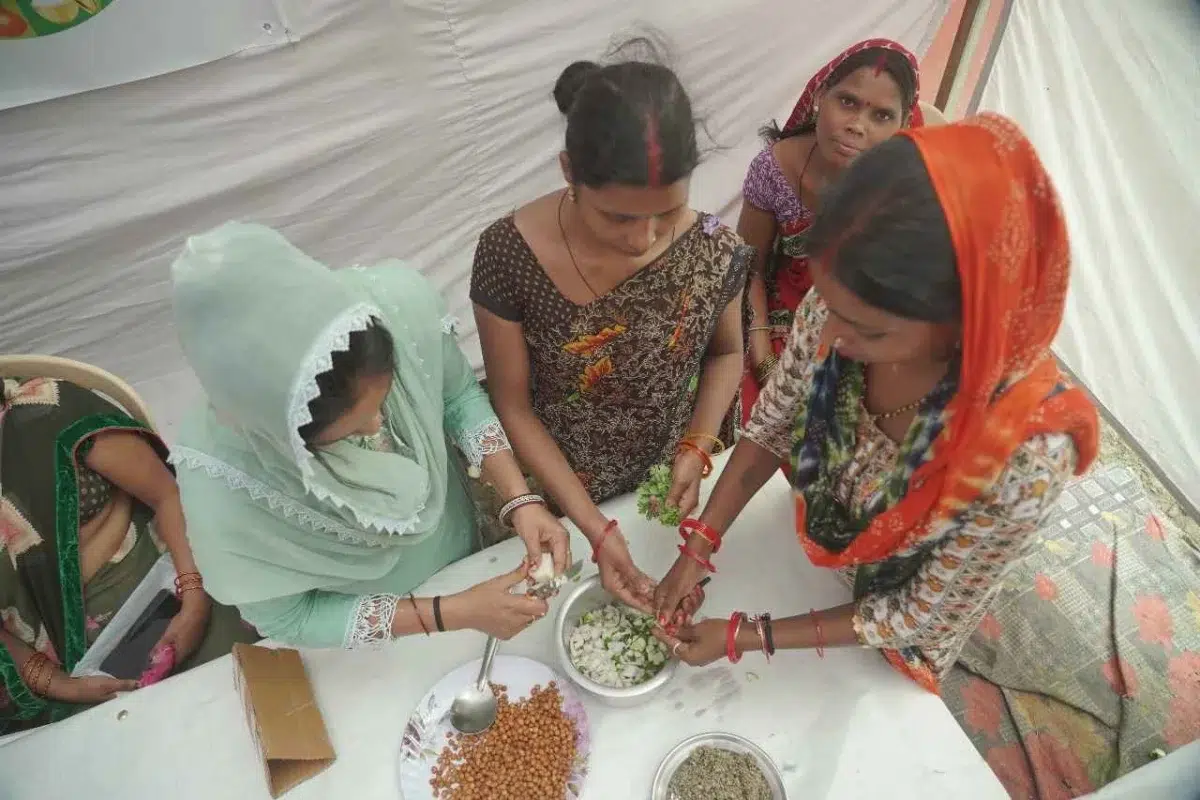
The Foundation’s women empowerment programme Swabhiman, initiated in 2005, reaches out to marginalised and socially excluded women with interventions in nutrition, healthcare and livelihood. 

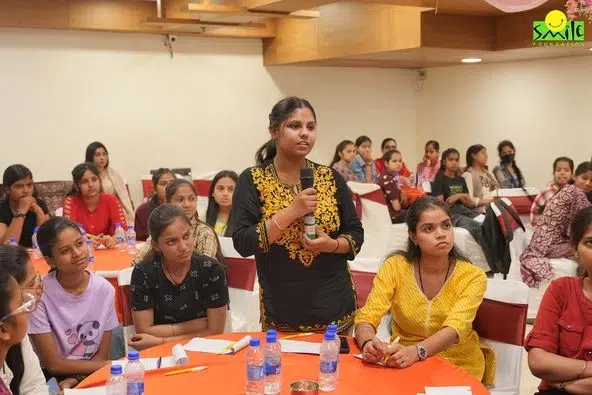
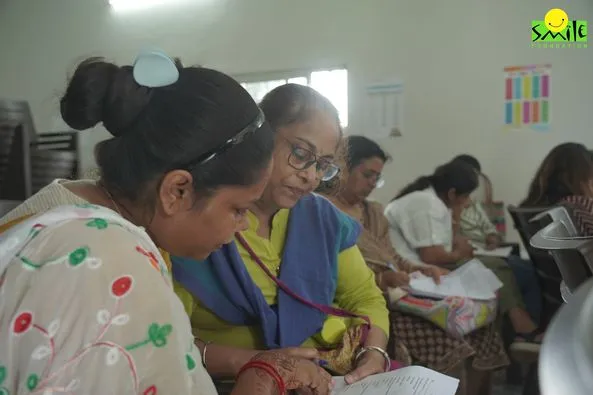
The mainstay of Swabhiman programme’s community outreach is through change agents, peer educators, community health educators and Swabhiman health volunteers. These change agents are identified from the community and empowered through regular training sessions on relevant issues. They further educate and spread awareness among their peers in the community. 

Reproductive and child health, the pilot initiative of Swabhiman, aims to provide basic primary healthcare, address issues of pregnancy, newborn and child health, and facilitate access to public and private health facilities. Efforts are made to provide accessible and comprehensive reproductive health services, education, and resources to women of childbearing age. This includes promoting family planning methods, offering counselling on contraception, and ensuring access to contraceptives and family planning clinics. 

Categories
Smile Insights

How Are Specialist NGOs Different From Generalists?

Specialist NGOs and generalists mainly vary in their areas of concentration, range of activities and methods of operation. 

What Are Specialist and Generalist NGOs?

Specialist NGOs aim to increase awareness about particular issues or sets of issues. They could inform individuals about specific health issues, highlight human rights concerns, motivate people to understand specific environmental issues or develop educational materials on various subjects. For example, Helpage India works for and improves the quality of life of vulnerable older people.

Generalist NGOs tackle a wide variety of issues and frequently handle several issues at once. They might offer initiatives that address health, education, disaster assistance, poverty reduction, and additional areas. The Red Cross promotes various humanitarian efforts during disasters and emergencies and promotes various humanitarian efforts at all times.

Scope and Geographic Reach of Specialist and Generalist NGOs

Specialist NGOs focus on a specific geographic area to enhance their effectiveness regarding the selected issue. Although certain entities may function on a global scale, their operations are confined to specific issues or target groups. These NGOs concentrate on a single issue and usually dedicate all their resources and knowledge to a particular cause or challenge, resulting in greater specialisation and possibly a more focused effect in that domain. For example, CRY works on the rights of India’s children: child education, health & nutrition, child labour and child marriage. They operate in multiple states across India but their core area is specialised or targeted on children.

Generalist NGOs possess a broader geographic reach and interact with multiple communities or areas, as they are able to address diverse needs according to local demands. They focus on multiple causes or challenges, enabling them to tackle related issues and possibly create a wider influence across different areas. For example, Smile Foundation works in diverse areas across 25 states. Their core areas include education, healthcare, women empowerment, livelihood, empowering grassroots and disaster response.

Programme Implementation

Specialist NGOs develop specific programmes with specialised interventions. They have the necessary expertise in their area of work. In order to implement their particular initiatives, specialist NGOs collaborate with project partners in their designated geographic regions. They engage the partners in grassroots activities and provide training to facilitate changes in behaviour and practices. Additionally, project partners assist them in gaining access to specific geographic regions and their inhabitants, with which they are well-versed.

Specialist NGOs also interact at various levels and impact policy by advocating for specific causes with key government stakeholders. They may suggest policies, contribute to system strengthening and capacity training for government personnel, or share their knowledge in drafting policies relevant to their primary area of work. For instance, WWF strives to achieve sustainability, address the factors that are contributing to the climate crisis and safeguard and rehabilitate wildlife and their habitats.

Generalist NGOs may or may not collaborate with project partners in their geographic regions. They work in different project implementation set-ups. Like Smile Foundation provides education to over 120,000 children in 27 states of India through two models- Social Venture Philanthropy (SVP) and Outreach. NGOs develop programmes that are adaptable and versatile in order to meet the diverse requirements of the community. We possess the ability to provide multifaceted solutions that address a variety of issues within the same region. For instance, while working on education for children, Smiles also addresses the needs of the families and communities. During their work, we realised that education encompasses health as well. If a child is unwell, they will not attend school. If the parents of a child are experiencing health issues, the child may choose to forgo their education and pursue employment opportunities. The child cannot be healthy and empowered unless the mother is. It is all interconnected. 

Impact and Funding

With expertise and focus on one area, specialist NGOs may have a targeted and specialised impact in that area. While, generalist NGOs focus on multiple causes or issues, enabling them to tackle related issues and possibly create a wider influence across different areas. 

Both categories of NGOs can receive financial support from individuals who are deeply committed to their mission. Donations can be obtained via multiple avenues, such as their websites, direct mail efforts, online platforms, etc. Specialised NGOs often organise events to raise funds. Partnering with businesses is an additional method through which NGOs secure funding. This provides non-governmental organisations with a pathway to obtain significant financial support via corporate social responsibility programmes. Financial support can also be sought from grants offered by governmental agencies, philanthropic foundations and global entities that share the same objectives.

Finally, specialised NGOs develop profound expertise in a certain domain and are likely to possess a solid reputation within their area of focus. Generalist NGOs possess the knowledge and flexibility to address diverse needs. They may be more equipped to deal with complex, multidimensional issues. 

Check out Smile Foundation with more than 400 projects on education, healthcare, livelihood, and women empowerment in over 2,000 remote villages and urban slums across 25 states of India.

Categories
Smile Education Girl Child

How Ready are Schools for Sex Education?

Have you ever wondered how children or even youngsters learn about sex and sexuality in India? The country not only lacks formal sex education but also considers the topics taboo. In the absence of proper guidance, people often learn about it through the internet and other unreliable sources of information. As a result, they often consume misinformation and develop unrealistic expectations in their minds. These misconceptions, coupled with associated stigma, have been causing more damage to youngsters now than ever. That’s why the implementation of sex education at schools has become more important now. Read along to understand the topic in detail.

What is sex education?

Sex education bestows individuals with accurate and age-appropriate information about sexuality and sexual and reproductive health. Skills imparted by sex education are crucial for one’s health and survival because they help people to make informed decisions. Sex education also helps individuals to navigate relationships with their partners and with themselves and maintain their own sexual health.

It is a comprehensive programme that talks about various aspects of human sexuality, including biological, emotional, health and safety, gender and sexual orientations. Such programmes create awareness by not just educating people about human development, reproductive health and sexually transmitted diseases but also clarifying the misconceptions about various sex-related issues. Sex education can be taught at educational institutions, homes or through community programmes.

The technical guidance of the United Nations recommends that sex education programmes should be conducted based on an established curriculum that is not just scientifically accurate but also comprehensive and age-appropriate. These curricula should cover a wide range of topics on sexuality and sexual and reproductive health, right from childhood to adolescence.

Importance of sex education

Sex education has become vital in recent times for numerous reasons. Some of them are discussed below.

  1. Breaking the taboos: Since topics related to sex and sexuality are viewed through the lens of cultural and religious beliefs, they are still considered taboo in India. By imparting sex education to children, one can actually break down the taboo surrounding these topics. For these programmes normalising conversations about sexual health and relationships. When students feel safe discussing these topics in a structured setting, they are more likely to engage in meaningful conversations outside the classroom, whether with peers, family or partners. Normalising these conversations can help them have healthier attitudes toward sex and relationships.
  2. Addressing myths and misconceptions: In a country like India where talking about sex and sexuality is still considered taboo, myths and misinformation regarding the topic flood around without an end. It is important to provide accurate and evidence-based information to dispel the myths and misconceptions. That’s what sex education has been doing to children. By properly understanding issues like bodily changes, sexually transmitted diseases, contraception, personal boundaries and consent, one can make informed decisions regarding their sexual health. It not only reduces the stigma associated with it but also empowers them. This empowerment challenges societal norms that often silence or marginalise certain voices, especially those of marginalised communities.
  3. Ensuring safety: One of the most significant components of sex education is teaching children about consent. Through these programmes, children learn that consent is essential in all forms of interactions and not just sexual ones. By understanding these concepts, one can set their own boundaries and respect those of others, significantly reducing the likelihood of sexual abuse and assault. It also helps children in distinguishing safe and unsafe touch. Sex education often talks about body autonomy and the importance of communicating discomfort. By fostering open discussions, children can feel empowered to speak up if they ever feel uncomfortable or threatened.

Importance at schools

Educational institutions, especially schools, play a vital role in educating students on sexually related topics. Properly educating children before or while they start to become sexually active is a must. For it reduces the chances of learning misconceptions or incorrect information from unauthentic sources. Teaching about sex at schools will enable students to distinguish between right and wrong information that is poured upon them from various sources. Sex education helps individuals protect themselves from sexual abuse, sexually transmitted diseases and teenage pregnancies. 

Since many cultures, even today, consider talking about puberty and other bodily changes as taboo. As a result, many children remain unaware of these biological changes and struggle to deal with them on their own for a long period of time. Not just that, by imparting sex education, schools create a healthy relationship between teachers and students. This in turn will allow children to open up to their teachers in case of any issues.

Talking about the importance of sex education, the World Health Organization (WHO) says, “High-quality sexuality education delivers positive health outcomes with lifelong impacts. Young people are more likely to delay the onset of sexual activity—and when they do have sex, to practise safer sex—when they are better informed about their sexuality, sexual health, and their rights. Sexuality education also helps them prepare for and manage physical and emotional changes as they grow up, including during puberty and adolescence, while teaching them about respect, consent, and where to go if they need help. This in turn reduces risks from violence, exploitation, and abuse.”

How ready are Indian schools for sex education?

Sex education has been gaining visible attention in the country in recent years. It is mainly because of the rise in the number of people who have started recognising the importance of fostering a healthy attitude towards sexuality. The lack of formal education on sex and sexuality is often cited as the reason for sexual abuse and other sex-related violence in the country. Recently, a Supreme Court bench comprising Chief Justice DY Chandrachud and Justice JB Pardiwala even called for the implementation of sex education across the country. They said that the programmes are important to address misconceptions and prevent risky sexual behaviours. But in India, where sex and sexuality are still considered contentious subjects and are overshadowed by social and cultural stigmas. This in turn makes it extremely difficult for the schools to include sex education in their curriculum.

Though the national curriculum framework advocates for sex education, the union government’s new education policy makes no mention of it. Similarly, several states quite often make announcements regarding the teaching of sex education at schools. But it just does not take off all the time. Meanwhile, several states, including Karnataka, Madhya Pradesh and Gujarat, have banned sex education.

Indian schools are clearly not ready to include sex education in their curriculum for several reasons. One of the important reasons is that advocates of sex education call for an age-appropriate and high-quality curriculum that talks about broader topics, including consent and gender identity, among others. But most of the time, the curriculum covers only basic topics like biological aspects and neglects other aspects.

Also, educators are not qualified enough to handle the sensitive topic, which in turn can cause more damage than good to students. Cultural resistances and stigma associated with these topics hinder open dialogues between educators, students and parents, creating an environment where misinformation thrives.

Conclusion

Children who are capable of making informed decisions about themselves, their bodies, and their interactions with others are more likely to grow into healthy adults. It is essential to educate them about their bodies, consents and respect, among other things, as they grow up and as they undergo these changes. Only by providing them the right information at the right time can we protect them from consuming overflowing misinformation that is available at arm’s length. That’s where this education plays a vital role. It is high time the Indian government takes effective steps to introduce sex education at educational institutions. This will not just help in reducing sexual abuses but also helps in fostering healthy relationships among future generations.

Categories
Women Empowerment

We Need More Women in Science

School books in India have for long shared the inspiring story of Kalpana Chawla – the first Indian origin woman to have joined a NASA space mission. In the current scenario, Sunita Williams has again ignited the same spark of inspiration for young Indian girls who may not have a lot of names to look up to when it comes to women in science. Both Sunita Williams and Kalpana Chawla have left an indelible mark and have paved the way for women in science. However, their stories also highlight a significant gap – the need for more women in science. We need more examples like Williams and Chawla to inspire future generations and bring inclusivity to the field of science and technology.

The Need for Inclusivity in Science

The underrepresentation of women in science is not just about gender equality. Rather, it is more about innovation and growth. This is because the field of science has largely been dominated by men in the past, which means women can offer new perspectives to solving problems and may play a crucial role in some new breakthrough discoveries. As per a report by UNESCO, women constitute only 30 per cent of total researchers in the world. Particularly, this gap is wider in fields like science and engineering.

Therefore, encouraging more women to enter the science field can help with filling this gender gap. Women scientists have made significant contributions in various fields, including medicine, environmental science and space exploration. At the same time, we need to nurture a culture where the works of women scientists are highlighted equally so that it can inspire the new generation of girls to take up science.

Addressing Gender Bias in Science Research

It is often believed that scientific research is bereft of any social biases. However, this is not entirely true. Since the research in science has majorly been done by men in the past, it means the research priorities and outcomes have been more male-oriented. For example, it has been observed that research related to women’s issues is neglected which leads to a lack of understanding. By increasing the representation of women in science, we can ensure that research is more inclusive and addresses the needs of both men and women.

The women scientists can shift our focus towards the issues which have been ignored in the past and initiate more lucrative research in the fields of women’s health, gender-specific diseases, reproductive issues, etc. Additionally, they can also foster an environment where more gender-sensitive methodologies are used in order to gather more comprehensive data which is reflective of the entire population.

Overall Need for Gender Equality through STEM Education

Now, it cannot be emphasised enough that gender inclusivity is not just needed in science but in all walks of life. When women are included in different societal decision-making processes, they offer unique perspectives and solutions to some of the problems that have been dealt with in the traditional way for far too long. Obviously, the impact is similar in the field of science.

For instance, in the field of environmental science, women scientists have played a key role in advocating for sustainable development and climate action. Their research has highlighted the disproportionate impact of climate change on women and marginalised communities, leading to more inclusive and effective policies.

Further, in the technology space, with the entry of female entrepreneurs and researchers, we are seeing development of platforms that address the specific issues related to women like safety tools, health apps, etc.

Initiatives and Possible Solutions

Over the decades since Independence, India has made significant progress in creating a more inclusive society. Similarly, more women are part of the science field in India today as compared to the past. However, there is still a long way to go. Several initiatives have been launched to encourage and push women into choosing science careers.

For example, the Department of Science and Technology (DST) has introduced various programs to support women scientists, including the Women Scientist Scheme (WOS) and the KIRAN (Knowledge Involvement in Research Advancement through Nurturing) programme. The WOS programme provides opportunities to women to undertake research in different areas related to science and engineering.

Similarly, the KIRAN programme focuses on addressing gender disparities in science and technology through various initiatives, including training, mentoring and funding support for women scientists. Apart from the government initiatives, many private entities and non-government organisations are also working actively in this area.

By implementing more such initiatives and seeking collaboration from NGOs, the government and CSRs can create a stronger impact on the ground. Furthermore, collaboration between different countries can also create a healthy atmosphere of learning exchange. The recent India-UK Women in Space Leadership Programme is an excellent example of this. The programme aims to boost inclusivity in the field of space science by providing training and mentorship to women scientists and engineers from both countries.

Importance of Role Models and Mentorship

If we ask an average student in India about how they chose the subject they wanted to study, they will either speak about a known adult in their local area or someone in the family who had pursued the same. Having role models who you can look up to plays a big role in deciding the career trajectory. At the same time, learning how one can pursue a particular career also depends on the guidance one receives from a mentor. This is the reason why both role models and mentors are extremely important at an early stage.

In today’s world, kids have access to technology and the internet, and they can learn about inspiring figures from there. However, it may still look like a pipe dream for them if they do not have anyone to personally guide them. Therefore, creating robust mentorship programmes at schools and colleges is of utmost importance to encourage young women to join science. The decision may come with a lot of trepidation and confusion, and they may require hand holding at the start. Thus, organisations and institutions should prioritise mentorship programmes and create platforms where women can connect with experienced professionals and receive the support they need to succeed.

Smile’s STEM initiative

The underrepresentation of women in science is a significant challenge that needs to be addressed to promote innovation, inclusivity and social progress. By increasing the representation of women in science, we can ensure that scientific research addresses the needs of diverse populations and leads to more equitable and sustainable solutions.

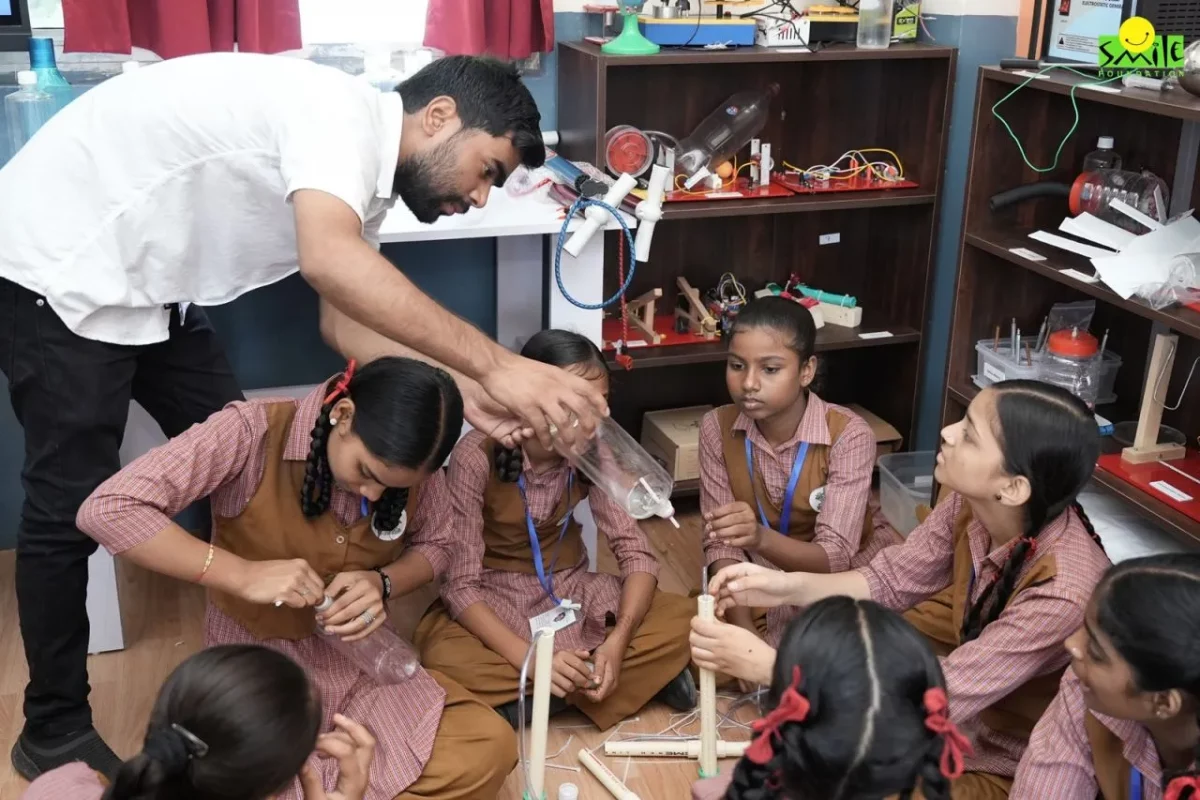
Smile Foundation’s STEM education initiative is designed to inspire and empower school children including young girls across India to pursue careers in science, technology, engineering and mathematics (STEM). Recognising the gender gap in these fields, the foundation emphasises the importance of early exposure to STEM subjects and the creation of equal opportunities for girls to excel. Through workshops, mentorship programmes and collaborations with schools, the initiative aims to break societal stereotypes and encourage girls to explore their potential in scientific disciplines. 

This initiative is crucial in a country where women have historically been underrepresented in STEM fields, despite the notable contributions of Indian women like Kalpana Chawla and Sunita Williams to global science. Smile Foundation’s STEM programme not only highlights these role models but also works toward building a future where more women can take up leadership roles in science and technology. By offering resources, mentorship and inspiration, the STEM initiative seeks to create a more inclusive environment for girls, ultimately contributing to the advancement of innovation and progress in society.

Categories
Education

Saving the Interests of Children- The Fight against Pornography

A report titled ‘Teens and Pornography’ revealed that 73% of teenagers aged between 13 and 17 have watched pornographic content, whereas over 50% reported watching pornography by the age of 13. The 2023 report by the US-based Common Sense Media gives alarming data on teenagers addicted to explicit adult content, where nearly 45% of the respondents admitted that they felt pornographic content helps them with useful information about sex. Although the report concentrates on the US demography, it paints a reality of the ill effects of pornography on children and how they impact building their perception towards sex.

The fact that pornography is a billion-dollar industry is concerning because it has a growingly detrimental effect on children and adolescents. With the internet and technology becoming an integral part of life, children have never had easier access to pornography and explicit content.

Several research and surveys have shown how early exposure to pornography can shape a mind which later can lead to sexual violence, misogyny and objectification, poor mental health, and other problems. Children who watch pornography that depicts misogynistic and abusive behaviours run the risk of developing the perception that such behaviour is normal and acceptable, among other things.

The many impacts of pornography on children

Diverse research has been conducted to understand the possible effects of online pornography on children and how it generates misconceptions about gender, sexuality, and equality.

In a world that still views sex education as taboo, pornography may become a primary source of information in the absence of any other mode of awareness around sex. Adolescents who view pornographic content frequently are more prone to engage in early sexual activities without knowledge and awareness of healthier practices in sexual indulgence.

Further, pornographic content may distort the idea of sexual expectations. For instance, according to research, pornography can influence sexual behaviour; young people may attempt frequent sexual actions found in popular hetero pornography. The double standards of an active male sexuality and a passive female receptacle, reinforced by pornographic content can create a gap between reality and expectation. This in turn can generate ‘sexual uncertainty’ at an early age about sexual beliefs and values leading to sexual dissatisfaction, anxiety and fear. In a ripple effect, this raises the risk of developing relationship issues and depression.

Additionally, numerous scholars have linked early exposure to pornography to detrimental developmental outcomes, such as increased acceptance of sexual harassment, early sexual activity, negative attitudes toward women, unrealistic expectations, distorted views of gender roles, higher levels of body dissatisfaction, rape myths and sexual aggression.

Compared to other sexual imagery in the media, pornography may be more sexist and antagonistic to women. Boys and young men may learn that it is socially acceptable—even desirable—to act aggressively and denigrate women from the violence and aggressiveness contained in a large portion of today’s popular pornography.

How to safeguard children from pornographic content

International organisations such as UNICEF have long called to support governments worldwide to come up with policy frameworks that protect children from harmful content by the Convention on the Rights of the Child and the authoritative guidance from the Committee on the Rights of the Child, without taking away the creative freedom that comes with internet and media. The international organisation has emphasised comprehensive approaches to promote children’s safety online where they can safely engage in digital environments without being harmed by exposure to pornography.

Further, it is imperative for governments to introduce relevant guidelines with internet service providers and ensure that those are being followed through. 

While regulatory and technological initiatives are essential, they are not self-sufficient. There are several ways in which policymakers and parents can also intervene in safeguarding children from exposure to pornography.

One of the most crucial steps is to hold media distributors accountable as the widespread use of the internet makes it difficult to regulate content. Given how media can be an open source to access sexual knowledge, it has significantly influenced how young people perceive their sexuality. For this reason, media creators and distributors must take responsibility for restricting and preventing young people from accessing sexual content online through website policies and comply with government standards and codes, necessary and proportionate content moderation rules and controls.

Protecting children from early exposure to pornography is also a major responsibility of parents and educators. Exposure to pornography can be significantly reduced by installing filtering software on devices and increasing parental monitoring when children use screens of any type. Parents can actively or restrictively mediate their children’s access to online pornography. Crucially, parents have the power to monitor and limit the content that teenagers can access on their phones, as well as to postpone their use until they are sixteen years old. These safeguards can also be implemented in educational contexts, guaranteeing that school personnel are aware of what children are seeing online and that school computers have more stringent filters, including filters on pop-ups.  

There is also a growing need to support parental communication with children when it comes to gaining knowledge on sex and understanding its many nuances. In addition, frameworks must be developed to support sex education in schools and institutions to safeguard children’s interests from the negative effects of pornography and redirect them to seek information from appropriate resources that will help them.

Smile Foundation’s emphasis on sex education 

Sex education is extremely important in today’s changing times when the use of the internet is increasingly becoming unrestricted. Through its flagship initiative, Mission Education, Smile Foundation is trying to create a safe environment for children to transform their lives with proper awareness and knowledge. Smile Foundation regularly organises sessions on sexual awareness for children to emphasise the need for early sex education and raise awareness about wrong sexual encounters. 

Categories
Skill Development

Ultimate Life-changer: Scholarships

In the present era, education is the significant key to success. But prevailing competition to succeed often couples with educational inflation. Then how do people from economically backward communities get access to quality education? The only key to moving forward is getting scholarships and fellowships. Scholarships are nothing but the financial assistance provided by the government or organisations for deserving students. It is to ensure that the students concentrate on their studies without having to worry about their financial needs. Not just that, scholarships also play a crucial role in promoting diversity and fostering meritocracy. In this article, let’s look at the lives of individuals profoundly impacted by scholarships.

People for whom scholarships were life changing

  1. BR Ambedkar

Fighting against untouchability and caste oppression, BR Ambedkar managed to obtain a degree in economics and political science from Bombay University in 1912. He was struggling to pursue his higher education because he had family to take care of. But, in 1913, he received a Baroda state scholarship that was established by Sayajirao Gaekwad III. The scholarship provided 11.50 sterling per month for three years. The assistance has enabled him to pursue postgraduate education at Columbia University in New York. He cleared his MA, majoring in economics, sociology, history, philosophy and anthropology. In 1916, he enrolled at the London School of Economics to pursue his PhD. Even though his scholarship ended in 1917 and he had to return to India, he finished his doctoral thesis and submitted it at the earliest.

The scholarship has allowed him to study at prestigious institutions. It in turn exposed him to diverse perspectives on social justice, economics and political theory, which influenced his thoughts on caste, inequality and human rights. Armed with his education and insights, Ambedkar became a leading advocate for the rights of the Dalits and other marginalised groups, fighting against the caste system and social discrimination. Not just that, his academic background and understanding of law and governance played a crucial role in his position as the chief architect of the Indian Constitution, where he embedded principles of equality and justice. Ambedkar’s journey from a marginalised background to becoming a key figure in Indian history serves as an inspiration for countless individuals striving for social justice and equality.

  1. MS Swaminathan

Following the demise of his father when he was just 11, MS Swaminathan was raised by his paternal uncle. Since his parents wanted him to be a doctor, he pursued zoology in his undergraduate. But the Bengal famine changed his mind and he decided to pursue agriculture. In the late 1940s, when he was selected for Indian Police Service, he received a UNESCO fellowship to pursue genetics at the Wageningen Agricultural University’s Institute of Genetics in the Netherlands and he willingly chose genetics. During his tenure, he worked on adapting genes to provide resilience against parasites and cold weather. His research succeeded. Exposure to advanced research techniques and agricultural practices, particularly in genetics and plant breeding, was critical for his role in India’s green revolution.

During the revolution, he developed high-yielding varieties of crops that significantly increased food production and alleviated hunger in India. Not just that, Swaminathan became a key advisor to the Indian government on agricultural policies, leveraging his education to advocate for sustainable agricultural practices and food security.

  1. APJ Abdul Kalam

Born at Rameswaram on Pamban Island, the renowned scientist and former president’s childhood life was difficult. His father was a boat owner, and his mother was a housewife. By the time Kalam was born, the family was poverty-stricken. He had to sell newspapers to add to the family’s income. Despite the struggles, Kalam studied hard both at school and colleges. After completing his school studies, he pursued his higher education at St. Joseph’s College in Trichy and graduated in physics. In 1955, he got into Madras Institute of Technology to study aerospace engineering through a union government-sponsored scholarship at the college.

At the college, he gained invaluable knowledge and skills that significantly impacted his future work in India’s space and missile programs. His experience there also fuelled his passion for advancing India’s technological capabilities. While speaking at the second convocation of the North Eastern Regional Institute of Science and Technology in 2010, Kalam disclosed that he worked non-stop for three days to save his scholarship. He also shared how he used to pledge his books to get money to travel home during vacations.

  1. NR Narayana Murthy

Born into a middle-class family in Karnataka, NR Narayana Murthy, co-founder of Infosys, completed his bachelor’s degree in electrical engineering at the National Institute of Engineering. He, then, bagged a union government scholarship that enabled him to pursue his engineering degree at the Indian Institute of Technology (IIT) Kanpur. This scholarship was part of a broader initiative to support talented students in pursuing higher education in engineering and technology. The assistance enabled him to focus on his studies without having to worry about the college fees. This in turn led to having a solid academic foundation that ultimately contributed to his success as a co-founder of Infosys and a prominent figure in the Indian IT industry. Murthy’s journey exemplifies how such scholarships can change lives and create opportunities for aspiring professionals.

  1. Raghuram Ranjan

Renowned economist and former Governor of the Reserve Bank of India, Raghuram Ranjan, received a union government scholarship to pursue a postgraduate diploma in management at the Indian Institute of Management (IIM) in Ahmedabad. Years later, Rajan also secured a prestigious fellowship at the Massachusetts Institute of Technology (MIT) for his doctoral studies in finance, where he focused on economic issues. These opportunities were instrumental in shaping his academic and professional career. This in turn has enabled him to become a prominent economist and an important person in global finance.

  1. Vikram Sarabhai

Of the numerous scholarships, one of the notable scholarships that Vikram Sarabhai received was to study at the University of Cambridge. At the varsity, he pursued a degree in natural sciences. This assistance has allowed him to gain exposure to advanced scientific concepts and research methodologies. This in turn has broadened his perspective and inspired his vision for India’s space program. His time at Cambridge has also allowed him to connect with influential scientists and researchers. Thus, fostering relationships that would prove valuable in his future endeavours. Shortly, Sarabhai returned to India with a commitment to apply his knowledge for the country’s advancement. He played a significant role in establishing various institutions, including the Indian Space Research Organization (ISRO) and the Indian Institute of Management (IIM) in Ahmedabad. His contributions to space science and technology have laid the groundwork for the country’s significant advancements in these fields.

  1. Arunima Sinha

Born and brought up in Uttar Pradesh, Arunima Sinha aspired to join paramilitary forces. When she was all set to attend a CISF interview in New Delhi, she met with an accident. She suffered serious leg and pelvic injuries. Doctors have to amputate her leg to save her. However, the accident did not stop her from pursuing her dreams of being a mountaineer. Tata Steel Adventure Foundation sponsored her expedition and provided her with all required training. The foundation’s Bachendri Pal provided the mentorship and training required for the challenging journey. As a result of the continuous efforts, Sinha became the country’s first and the world’s second woman with prosthetic legs to climb Mt. Everest, the world’s highest peak. By achieving her dream, Sinha became a symbol of resilience and strength. Her journey inspired countless individuals facing their own challenges, showing that determination can lead to extraordinary accomplishments.

Smile’s scholarship work

At Smile Foundation, we believe that education is the most powerful tool for transforming lives. Through our scholarship programs, we aim to bridge the gap between dreams and opportunities for students from underserved communities. These scholarships provide financial support that allows deserving students to focus on their studies, pursue higher education, and reach their full potential—without the burden of financial constraints.

Beyond just funding education, our scholarships also empower students to break the cycle of poverty and contribute meaningfully to society. For many, this support has been close to life-changing, opening doors to careers that seemed out of reach. At Smile Foundation, we see every scholarship as an investment in a brighter future– for the individual and the entire community. By fostering a culture of merit and inclusion, we are helping to create a generation of leaders who will drive positive change for years to come.

Scholarships have always been a game changer in the lives of the students even though they have not made any global innovations. Numerous scholarships provided by the government, private and development organisations have been uplifting the lives of lakhs of students on a regular basis. This assistance in turn has been helping the society to strive for equal growth without any discrimination.

Categories
Smile Insights

Climate Change Roadblocking Real Progress

Climate change is a looming crisis that threatens our very existence. It is as serious as it sounds and has become a significant barrier to progress across the globe, impacting everything from food security to economic stability. As we struggle with extreme weather events, rising sea levels and diminishing biodiversity, the repercussions are felt most acutely in vulnerable communities. In India, where millions rely on farming, the risks are especially significant. With climate-related disruptions becoming rampant, sustainable solutions are urgently needed. However, even with obvious dangers, political inaction and social inequalities often prevent effective action.

The Global Landscape: A Rising Tide of Challenges

Across the world, climate change manifests in various forms, but the underlying issue remains the same, i.e. an unsustainable model of development. According to the Intergovernmental Panel on Climate Change (IPCC), there is over a 50% likelihood that global temperatures will rise to or exceed 1.5 degrees Celsius (2.7 degrees Fahrenheit) between 2021 and 2040. This threshold is critical; crossing it will exacerbate extreme weather patterns, leading to more frequent hurricanes, droughts, and floods.

Countries in the Global South bear the brunt of these changes despite contributing the least to greenhouse gas emissions. For instance, sub-Saharan Africa faces increasing drought and famine. This uneven impact underscores a fundamental injustice—those least responsible for climate change often suffer its worst consequences.

India’s Climate Reality

In India, the challenges posed by climate change are particularly stark. The country is home to over 1.4 billion people, with a significant portion relying on agriculture for their livelihoods. From 1950 to 2015, India experienced 268 flooding events that affected around 825 million people, resulting in 17 million homeless and 69,000 deaths. Many of these devastating events took place in central India, leading to significant loss of life, property, and agricultural damage. Moreover, rising temperatures have contributed to diminishing yields of staple crops like wheat and rice, threatening food security for the nation.

The intersection of climate change and socio-economic factors makes this situation even more dire. According to reports, climate change could drive over 100 million people into poverty by 2030 due to climate-related disruptions. In India, around 45 million people could fall back into poverty by the same time, mainly due to agriculture shocks and rising disease rates. The poorest communities are often the least equipped to adapt, lacking the resources and infrastructure to recover from disasters. 

Policy Gaps and Political Will

One of the primary roadblocks to progress in addressing climate change is the lack of effective policy implementation. While India has committed to the Paris Agreement, which aims to limit global warming to well below 2 degrees Celsius, the path to achieving these goals remains fraught with challenges. The National Action Plan on Climate Change (NAPCC) has outlined strategies for mitigation and adaptation, but bureaucratic inefficiencies often need to be improved in meaningful action.

Furthermore, fossil fuel subsidies continue to drain resources that could otherwise be invested in renewable energy initiatives. According to the International Energy Agency (IEA), in 2022, global subsidies for fossil fuel consumption soared to over USD 1 trillion. Redirecting these funds towards green technologies could catalyse progress and create sustainable jobs, but political will remains inadequate.

The Role of Social Inequality

Social inequality also exacerbates the impact of climate change, creating a vicious cycle that stifles progress. Marginalised communities, including women, scheduled castes, and indigenous populations, are disproportionately affected by environmental changes. According to a report by the United Nations Population Fund (UNFPA), women in India traditionally bear the responsibility of collecting water. Every day, they walk about six kilometres on average for this task, a situation common in many developing countries.  During droughts, when nearby water sources dry up, the time spent fetching water increases significantly.

Access to education and technology is crucial for addressing climate change, yet disparities hinder progress. According to a 2018 report by UNESCO, 258 million children lack access to education, limiting awareness of environmental issues. In regions with low education levels, communities often struggle to adopt sustainable practices. 

Furthermore, evidence shows that countries with better technology access are more equipped to implement climate solutions. For instance, nations investing in renewable energy technologies have seen significant reductions in emission rates. Without equal access to education and technology, many communities remain unable to contribute effectively to climate change mitigation, hindering meaningful progress.

The Power of Grassroots Movements

Despite the grim landscape, there is hope. Grassroots movements across India are taking the lead in advocating for sustainable practices and climate justice. From urban gardening initiatives in Delhi to water conservation projects in Rajasthan, communities are finding innovative ways to adapt to climate change. Besides addressing the immediate needs, these local solutions also serve as models for larger-scale implementation.

Additionally, youth-led movements like Fridays for Future are raising awareness and demanding action from governments. Young people are becoming increasingly vocal about climate change, urging leaders to prioritise environmental sustainability. Their passion and energy are driving change, and they will undoubtedly play a pivotal role in shaping a more sustainable future.

Prioritising Climate

As we face the complex challenges posed by climate change, it’s increasingly evident that deep-rooted systemic issues and significant socio-economic disparities stand in the way of real progress. To tackle this crisis effectively, we must prioritise climate justice and implement robust policies that genuinely address the needs of all communities, especially those that have been marginalised. Investing in grassroots initiatives is essential; these programmes empower local voices and enable those most affected by climate issues to lead the way in crafting solutions. 

Climate change is an environmental concern which is deeply intertwined with social justice. The stakes are incredibly high and we can no longer afford to sit on the sidelines. If we aspire to build a sustainable future for everyone, immediate action is imperative. Our planet’s health and the well-being of future generations depend on the choices we make today. 

Categories
Smile Insights

Sir Ratan Tata and His Legacy

Ratan Tata is not just a name. He is an institution unto himself, admired by millions in India and across the world. There are many stories from his life that highlight the purity of his character. One such anecdote illustrates his humility and compassion. In 1998, after the Tata Indica was launched, it faced a lot of criticism and poor reviews from the customers. As a reaction to this, many experts advised that Ratan Tata should sell-off the car manufacturing business. Instead, he refused to give up and focused on making improvements to Indica based on customers’ feedback.

Over the next few years, the car became a success and also a symbol of upward mobility for many middle-class Indians. Many years after this, Ratan Tata took up another audacious task of manufacturing the cheapest car in the world. His vision was to make sure that every Indian could afford a car that was available for only one lakh rupees. This is how Tata Nano was born. These stories show us his determination, strength of character and vision which speaks for the aspirations of Indians.

Recent Death and Tributes

This is the reason why the news of his passing away generated sorrow among many Indians who came on social media to express their views and admiration for Ratan Tata. Often referred to as the ‘gentleman of Indian industry’, he lived the life of a humble man which made him an idol for Indians who honour this quality dearly. While the outpouring of love and respect from the people continued, governments also came together to accord him a state funeral as his last rites were performed at the Worli crematorium in Mumbai. Several dignitaries, politicians, actors and business leaders attended the ceremony and paid their respects to the giant.

History of the Tatas

Tata – it is a name that almost every Indian must have heard. From the iconic Tata Salt advertisements of the 90s to the aspirational cars of 21st century, the house of Tata has touched numerous lives. The Tata Group was founded in 1868 by Jamsetji Tata, who is also known as the ‘father of Indian industry’. The business later became a global conglomerate and its success story runs parallel to the growth story of Independent India. Jamsetji’s vision was not limited to just business success; he also emphasised nation-building and the betterment of society. Jamshedpur in Chhattirgarh is the only city named after a businessman in India. This speaks volumes of the impact that his work has had on India as a country.

Ratan Tata took over the reins of the Tata Group in 1991, a time when India was undergoing significant economic changes. Under his leadership, the Tata Group transformed from a traditional Indian company into a globally recognised brand. He was a visionary leader from the start and saw many acquisitions for the group like Tetley, Jaguar, etc. This propelled Tata as a brand on the global level. As also mentioned above, he showed a strong business sense, ability to take risks and innovation. This reflects in many projects that the Tata Group undertook under his vision.

Philanthropic Work

Another thing that sets Ratan Tata apart from many other businessmen is the amount of money he donated for the causes he believed in. A bachelor, he lived his life with dignity and humbleness, while it is believed that he donated around 40-50 per cent of his annual income for philanthropic and charity work. He was also the chairman of Tata Trusts, one of the biggest philanthropic organisations in India.

One of Ratan Tata’s significant philanthropic initiatives was the Tata Medical Center in Kolkata, a state-of-the-art cancer treatment and research facility. This center provides high-quality cancer care to people from all walks of life, ensuring that even the underprivileged have access to the best medical treatment.

Apart from this, he has also been an example for many when it comes to his personal acts of kindness and commitment. During the Mumbai Terror Attacks, he personally showed up outside the legendary Taj Hotel which is managed by Tata Group. He also had a deep love for stray dogs and other animals and donated a big amount to Parsi hospital in Mumbai to add world-class facilities for treatment of dogs. His dog Goa also lived with him till the last moments of Ratan Tata’s life and came to Worli crematorium to bid goodbye to his master.

At the time of Covid-19 crisis, Tata Trusts released substantial funds to support those in need, including efforts like providing medical equipment, helping frontline workers and aiding those affected by the pandemic. His willingness to help people in need, regardless of the circumstances, has endeared him to many and earned him immense respect. Perhaps this is the reason why a demand to bestow him with India’s highest civilian honour ‘Bharat Ratna’ was renewed after his passing away.

Lessons from Ratan Tata’s Life

While everyone can learn a lot from his life, the entrepreneurs and business leaders of today especially have a lot to take from the legacy of Mr Ratan Tata.

  1. Integrity and ethics – He always emphasised the importance of running a business with utmost integrity and adhering to the ethical principles. His belief was that the business should complement the growth of society and country, and not just grow in isolation.
  2. Resilience and perseverance – With a decades long career as an industry leader who spearheaded some of the most innovative initiatives and reforms within the Tata Group, he is an example for today’s entrepreneurs of how handwork and willingness to learn from one’s mistakes can propel them forward.
  3. Innovation and vision – As we saw in the examples of Tata Indica and Nano, he had a vision which was rooted in the reality of India. This is what set him apart. Tata group’s takeover of Air India and its commitment to restore the airline to its past glory also speaks volumes of his vision.
  4. Social responsibility – Ratan Tata teaches every business leader that a life of simplicity and a life lived for helping others is not just desirable but also rewarding. His work as the chairman of Tata Trusts has impacted millions of lives. This is, perhaps, one of the biggest lessons for entrepreneurs today.
  5. Humility and compassion – Reaching the top is not what makes an individual admirable. It is the connect with their roots and love for others in their heart which makes them a role model for many. This is what Ratan Tata’s life teaches us all.

Ratan Tata’s legacy is woven with threads of innovation, integrity and altruism. His contributions to industry and society are monumental, and his impact will be felt for generations to come. As we look back at his life and his work, we must take back lessons in resilience, ethics, compassion and commitment. He will continue to be a guiding light for Indian entrepreneurs and his legacy will stay alive in the work that he has started.

Categories
Health

Empty Pockets because of Increasing Costs of Healthcare

India has been witnessing a rapid rise in chronic diseases in recent times. It has been rare to find families without any chronic diseases like diabetes, cardiovascular diseases, obesity and cancer, among others. Thanks to the immense changes brought in our lifestyles. The ACKO India health insurance index 2024 report also revealed that the risk of tumours has increased by 2.8 times after one turn 40 in the country and the number of cancer patients has increased by 13% between 2020 and 25. The report has warned that India might soon become the cancer capital of the world. As per the report, the risk of cardiovascular diseases triples between the 30 and 40 age groups.

Diagnosed with these diseases, one does not have many options but to seek medical intervention to safeguard their lives. But, in the last few years, many have burnt holes in their pockets without being able to afford healthcare. This is mainly due to the medical inflation, which is growing at a speed higher than the normal inflation of the country. Not just that, the medical inflation is accompanied by the increasing cost of pharmaceuticals. Let’s delve deep into the topic to understand the factors that increase the size of our medical bills.

Key drivers of healthcare costs

  1. Rising medical inflation: The cost of availing of quality healthcare has been increasing at an alarming rate. According to the National Health Systems Resource Centre, India’s medical inflation rate was 14% in 2022, i.e., healthcare expenses have gone up by 14% that year. ACKO’s report revealed healthcare inflation was reported at 14% in 2023 in the country. Recent times have witnessed a significant rise in the cost of blood tests, CT and MRI scans, medical equipment and supplies and salaries for healthcare workers. 
  2. Increasing cost of pharmaceuticals: Pharmaceutical companies have been gradually increasing the prices of existing drugs while releasing new medicines at a higher price. The price rise has been influenced by multiple factors, including patent protections, supply chain issues and global market dynamics. The trends are expected to continue in 2024 and the next few years. Thanks to the advanced research taking place in the sector coupled with the rising inflation. The pharmaceutical costs are likely to go up by single or double digits in 2024. 
  3. Increased demand for healthcare services: India’s burgeoning population, coupled with an ageing demographic, has led to higher demand for healthcare services. Also, the country has been witnessing a sharp increase in the prevalence of chronic diseases, mainly diabetes, cancer and cardiovascular diseases, in recent times. The rise in prevalence has increased the demand for quality healthcare services. Since these health conditions require long-term attention, the rising inflation, among other factors, is driving up the treatment costs. 
  4. Health insurance coverage gaps: Many families in the country have been shelling out from their pockets during medical emergencies due to inadequate or no insurance coverage. It is mainly because of the misconception that health insurances are unnecessary when you have taken life insurance policies. This unawareness, in turn, has been depleting the savings of the families during emergency situations.

Health insurance

In addition to improving public healthcare services and focusing on preventive health programmes, one can reduce out-of-pocket expenses during a health emergency by ensuring adequately. This in turn would save the families from bearing the financial burden and exhausting all their hard-earned savings at the time of crisis. 

A health insurance policy is a contract between an individual and the insurer under which the latter agrees to bear some of the former’s medical expenses during a medical emergency. An individual must pay a premium to the insurer to avail of coverage for medical expenses. With the rise in medical inflation and the prevalence of chronic diseases, purchasing health insurance coverage takes a forward seat during financial planning as it safeguards one from unexpected medical expenses. Policies are available at various prices based on the level of coverage that one might require.

Types of health insurance

Since a single health insurance policy is not sufficient to cater for the unique requirements of every individual, insurers have introduced numerous types of policies. Below are some of the commonly available health insurance policies. 

  1. Individual health insurance: Individual health insurance is a type of policy that provides coverage to cover an individual’s hospitalisation, outpatient care, and medical bills. It can be for oneself, their spouse, children or parents. Since the individuals do not share their insured amount with anyone, exhaustion of coverage amount will not impact others. The age of the insured and the sum he wishes to insure determine the policy’s premium. 
  2. Family floater health insurance: This kind of health insurance policy divides the insured amount among the covered family members. It covers multiple family members under a single coverage. If one of the covered members claims a specific amount then only the remaining amount from the policy will be available to the other members.
  3. Group health insurance: As the name suggests, group health insurance coverage is a plan that organisations and companies collectively offer to their employees. As per the Insurance Regulatory and Development Authority of India (IRDAI) guidelines, an employer should have at least 20 employees working in their company to become eligible for a group insurance policy.
  4. Senior citizen health insurance: A senior citizen health insurance plan is one that has been specifically created to meet the medical demands and costs of people over the age of 60. It assists patients in paying for hospital stays and medical care at the hospital of their choosing. It offers numerous benefits like Pre-existing disease coverage, cashless hospitalisation, pre- and post-hospitalisation coverage, preventive health exams and tax advantages.

Conclusion

Healthcare costs are constantly rising and have turned into a significant burden for many households. More than often, it has been leading to financial hardship and reducing quality of life. Addressing this issue requires comprehensive reforms in healthcare policy, insurance coverage and public health initiatives. This in turn will ensure that families can access necessary care without sacrificing their financial stability.

Categories
Health

Bringing Down Maternal Mortality Rate to Zero

In 2017, the National Health Policy (NHP) set an ambitious target to reduce India’s Maternal Mortality Rate to below 100 per lakh live births by 2020. In fact, between 2018 to 2020, the maternal mortality rate was successfully lowered to 97 per lakh live births through a series of efforts. However, maternal mortality continues to remain a pressing public health challenge in a country like India, where socioeconomic factors, healthcare access, and cultural practices heavily influence women’s health outcomes.

The Maternal Mortality Rate (MMR) refers to the number of maternal deaths occurring during a specified period per 100,000 live births in that same period. This metric serves as a crucial indicator of reproductive health and overall healthcare quality in a given region, such as a district. High MMR levels often reflect underlying issues such as inadequate access to healthcare, poor nutrition, and lack of education about maternal health. Conversely, lower rates can signify effective healthcare systems, skilled birth attendance, and comprehensive maternal health services. By examining MMR at the local level, stakeholders are able to identify specific challenges and disparities in maternal health, ultimately guiding targeted interventions to improve outcomes for women in that area.

In the Indian context, while significant progress has been made, achieving a maternal mortality rate of zero is a complex goal that demands a comprehensive and multifaceted approach.

Prioritising health infrastructure in the country

In our country, MMR has historically highlighted stark disparities in healthcare access between urban and rural areas. In 1990, the MMR was alarmingly high, with 556 women dying during childbirth for every 1,00,000 live births. This translated to approximately 1,38,000 maternal deaths annually due to complications related to pregnancy and childbirth. These figures underscored the urgent need for improved healthcare infrastructure, especially in rural regions where access to skilled medical care has been limited since the beginning. The high MMR of the early 1990s reflects systemic challenges, including inadequate prenatal care, insufficient emergency obstetric services, and sociocultural factors that hinder women’s access to healthcare. While the numbers have fallen over the last three decades, we still have a long way to go.

The goal to bring MMR to zero can only be achieved if India prioritises strengthening its healthcare infrastructure. In 2022, the country’s public healthcare expenditure was just over 2 percent of its GDP, a figure that needs to be significantly increased to meet the population’s growing demands and improve health outcomes.

Moreover, it is essential that every woman has nearby access to healthcare centres that provide comprehensive prenatal, delivery, and postnatal care. This entails constructing more health centres, particularly in rural regions where healthcare services are often scarce. According to the National Health Mission, nearly 70 percent of maternal deaths occur in rural areas, underscoring the urgent need for improved infrastructure in these communities. In addition, training and retaining skilled healthcare professionals is crucial. This includes obstetricians, midwives, and nurses who play vital roles in maternal care. Implementing training programs that emphasise safe delivery practices and emergency obstetric care can significantly mitigate complications during childbirth. Data from the World Health Organization indicates that skilled birth attendance can reduce maternal mortality by up to 30 per cent. By investing in both infrastructure and human resources, India can create a healthcare system that effectively supports maternal health and ensures safe pregnancies and deliveries for all women.

Enhancing Health Through Education

Raising awareness about maternal health issues, reproductive rights, and available healthcare services is also crucial for empowering women and their families to seek timely care. Community health education and engagement play pivotal roles in this process. A 2023 study published in the International Journal for Equity in Health highlights the significant impact of community participation in health initiatives. The research emphasises that NGOs can effectively build capacity and trust within communities, enabling them to monitor health services and engage with healthcare providers and local authorities. Over time, these collaborative efforts have addressed implementation challenges, leading to enhanced public sector services and a notable increase in the utilisation of these services—particularly among marginalised populations—resulting in a shift away from reliance on private healthcare.

To further strengthen this movement, including men and other family members in discussions surrounding maternal health is essential. Involving them promotes awareness and helps shift cultural norms, fostering supportive environments that prioritise women’s health. When families collectively engage in maternal health conversations, it creates a more holistic approach to care, encouraging timely access to services and improving overall health outcomes for women. Thus, a comprehensive strategy that combines community engagement, accountability measures, and family involvement is vital for reducing maternal mortality and promoting reproductive health equity in India.

Lastly, we need to advocate for essential policy reforms from the government. While programs like the National Health Mission and Janani Suraksha Yojana have provided significant benefits, increased funding for maternal health is crucial. Implementing data-driven policies can help identify at-risk populations and tailor interventions more effectively. This approach enhances accountability and allows for monitoring progress toward the ambitious goal of achieving zero maternal deaths. By leveraging data, we can ensure that resources are allocated where they are most needed, ultimately improving maternal health outcomes across the country.

0%