Categories
Education

Scholarships Keep Hopes Alive

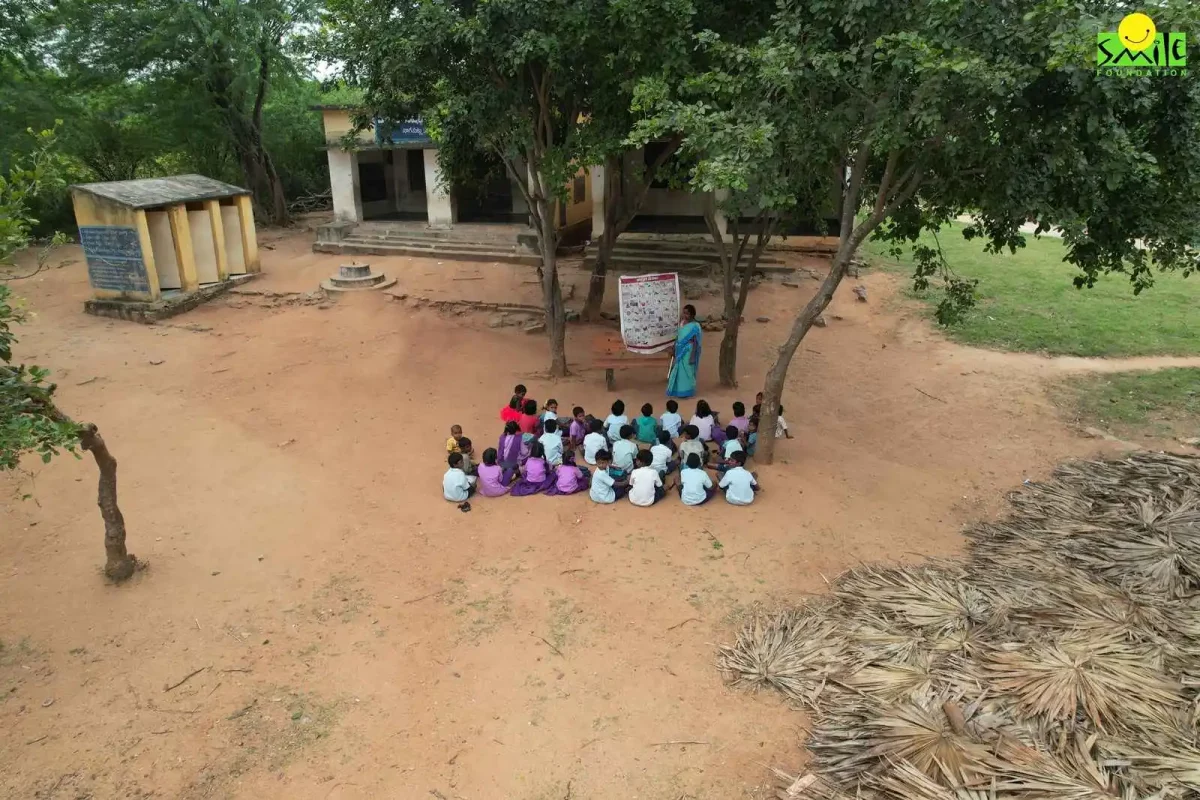
For ages, education has been considered a vital pathway to success and rightly so.  Yet many individuals continue to face significant barriers to higher education opportunities. The complexities of navigating the educational landscape, especially in a country like India,  often leave students overwhelmed and uncertain about their options. For countless aspiring scholars, the challenge isn’t just finding information about academic programmes and securing the financial support necessary to pursue their dreams.

Scholarships thus serve an essential role for students from diverse and often disadvantaged backgrounds. These financial aids not only alleviate the burden of tuition fees but also provide recognition of their hard work and potential, thus enabling meritorious individuals access to quality institutions and resources that can propel them toward their goals. In a diverse and populous nation like India, where the aspirations of millions intertwine with the harsh realities of socio-economic disparities, scholarships emerge as hope for countless students. They serve as financial aid and as vital instruments of social equity, enabling individuals from underprivileged backgrounds to access quality education and realise their dreams.

Creating an even playing field

In her article titled ‘My Journey from Jharkhand to Cambridge: The Truth About Meritocracy and Scholarships,’ published by ‘Adivasi Lives Matter’, Deepti Mary Minj—who completed her M.Phil. at the University of Cambridge—emphasises that one’s background does not solely determine merit. Instead, access to prestigious institutions is significantly influenced by the opportunities, platforms and resources available to individuals from various sources. Scholarships are one of the critical measures that can empower those who have faced discrimination, allowing them to lead lives of dignity and respect. Individuals from systematically marginalised backgrounds are better equipped to ask essential questions and advocate for change when they reach these positions. Their presence in such spaces can challenge existing narratives and push for greater inclusivity, ultimately benefiting society as a whole.

Thus, scholarships contribute to levelling the playing field in education, fostering social equity by supporting students who face systemic barriers. They empower young people to break cycles of poverty, encouraging a generation to aspire for more. By investing in these students, society as a whole benefits from a more educated workforce, diverse perspectives and innovative solutions to pressing challenges. In essence, scholarships are not just financial resources; they are transformative tools that help keep hopes alive for countless individuals seeking to make a difference in their lives and communities.

NGOs doing their part

Several civil society groups are actively working to ensure that students gain access to the right educational opportunities. One notable initiative is Project EduAccess, which aims to enhance access to higher education, leadership and professional pathways for individuals from marginalised communities in the Global South. This project provides mentorship opportunities for students preparing to study abroad, connecting them with those already pursuing education outside their home countries. By fostering these connections, NGOs help students navigate the complexities of international education, empowering them to seize opportunities they might not have otherwise considered.

Similarly, the Eklavya Foundation focuses on empowering first-generation learners from historically marginalised regions. This organisation aims to break the cycle of poverty by providing these students with access to world-class higher education. Through a combination of mentorship, academic support and resources, the foundation equips students with the tools they need to succeed in their educational pursuits. Both initiatives exemplify the crucial role that civil society plays in bridging gaps in education, ensuring that talented individuals from diverse backgrounds can aspire to and achieve their goals.

Overcoming Challenges Along the Way

Despite their positive impact, scholarship programmes in India face challenges, including inadequate awareness, bureaucratic hurdles and disparities in distribution. Many deserving candidates need to be aware of available scholarships, while application processes can be convoluted. Additionally, there is a pressing need for policies that ensure transparent and equitable distribution of funds.

Different scholarships exist to serve different purposes and thus they are classified into three categories—merit-based, need-based and community-based. Merit-based scholarships seek to reward academic excellence; need-based scholarships focus on students from economically disadvantaged backgrounds, ensuring that financial constraints do not hinder their educational pursuits’ and community-based scholarships aim to uplift marginalised groups in order to promote social justice and empowerment. In the aforementioned article, Deepti Mary Minj highlights the complex layers of historical and intersectional exploitation that affect marginalised groups in the scholarship allocation process. While some scholarships focus on academic achievements, others consider a student’s overall excellence or involvement in social work. However, only some consider the hardships a community or an individual faces as a criterion for eligibility. This oversight underscores the need for a more holistic approach to scholarship provision that recognises marginalised students’ challenges.

Thus, it is evident that while scholarships are intended to promote access for all, they often perpetuate inequalities for many. Therefore, there is an urgent need to design scholarships that specifically target these marginalised groups, providing them with the opportunities and support necessary to pursue their educational aspirations. By doing so, we can work toward a more equitable system that truly levels the playing field and empowers all students to succeed.

Smile’s scholarship programme

Smile Foundation’s scholarship interventions are designed to provide financial support and equal opportunities to underprivileged children, helping them pursue their education without the burden of financial constraints. These scholarships aim at bright, deserving students from marginalised communities who might otherwise have to drop out due to lack of resources. By covering educational costs such as tuition fees, school supplies and sometimes even transportation, the programme ensures that children can focus on their studies and excel academically.

The scholarship interventions go beyond just financial aid—they offer mentorship and guidance to students, empowering them to make informed decisions about their future. This holistic support helps students stay motivated and pursue higher education or vocational training, ultimately leading to better employment opportunities. By investing in these young minds, Smile Foundation is working towards breaking the cycle of poverty and creating a brighter, more equitable future for all.

Categories
Health

Ageing Gracefully: Health is Our Real Wealth

According to WHO, 80% of older people will be living in low- and middle-income countries in 2050. WHO defines healthy ageing as “the process of developing and maintaining the functional ability that enables wellbeing in older age.” With significant developments in science and technology, the knowledge and skills are available to give outstanding preventative and medical attention to this cohort. The need of the hour is a policy, collective action and infrastructure that promotes high-quality health care that is inclusive and goal-directed and  takes into account older individuals’ choices and requirements.

Ageism in older people is related with reduced physical and mental health, more social isolation and loneliness, greater instability in finances, lower quality of life and early death. A long life is a valuable resource, especially if it is spent in good health instead of significant impairments in physical and mental capabilities.

Let’s look at how to foster healthy ageing.

The United Nations Decade of Healthy Ageing (2021-2030) The United Nations Decade of Healthy Ageing (2021-2030) global initiative focused on improving the lives of older individuals, as well as supporting their families and the communities they belong to. WHO leads the Decade’s implementation in partnership with other UN organisations.

Factors That Influence Healthy Ageing

Ageing is impacted by a variety of factors, including biology, way of life and the surroundings. Biological variables influence molecular and systemic levels. Regular physical activity, a healthy diet, adequate sleep, and cognitive engagement all contribute to overall well-being. Support systems, community resources and availability of healthcare services are all surrounding variables that influence healthy ageing outcomes. Encouraging social and physical environments enable individuals to achieve what is essential to them, irrespective of any limitations in their abilities.

Furthermore, socioeconomic status contributes to differences in ageing outcomes, with those from poorer origins frequently having larger barriers to accessing finances and healthcare facilities. Genetic predisposition can influence how well we interact with particular genes and cellular pathways linked to age-related disorders that impact lifespan.

Steps That Can Contribute to Healthy Ageing

A Healthy Lifestyle

A healthy lifestyle is a priority for older people. It includes nutritious food, keeping your mind busy, age-appropriate physical activity, prioritising your mental health, participating in activities you enjoy and making your environment safer to avoid falls, to name a few. Much of this can be done on a personal basis, but many older persons will require support and access to the correct environment, people or resources to do so based on their capacity and circumstances. WHO’s campaign to Combat Ageing will provide the requisite tools to educate older adults on ageism, engage in conversations about this significant issue within the community, organise events to increase awareness and disseminate information through social media to foster a more informed and engaged community.

Age-friendly Environment

Age-friendly environment as initiated by WHO aims to create age-friendly cities and communities by eliminating obstacles and establishing inclusive policies, systems, products and services that promote healthy ageing.

Environments that are supportive of all ages are more effective spaces for development, living, working, leisure and ageing. In the Indian context, the houses need to be safe and well-equipped. Beyond homes, there is a need for safe pavements and pedestrian walkways to access places and services, and city parks to help older adults walk in safe and green spaces and interact with others. Public transport needs to cater to older people. In India, Kochi joined WHO to become age-friendly.

Broad Range of Services

The cost of health-care visits and problems with transportation (cost and access) are significant obstacles. Older individuals residing in rural areas may encounter transportation challenges because care services are frequently concentrated in large cities away from their towns or villages. It is essential to provide a wide variety of services for seniors to help them age without difficulties.

Moreover, it also important that these services deliver with a focus on the individual, coordinated among different health and social care providers, and do not impose financial burdens on the recipients.

WHO offers its Member States an integrated model of care that provides information, guidance and resources to help them understand, develop and implement a person-centred system to foster good health for the elderly.

Long-term Care

With age, elderly people experience a substantial decline in their health and require long-term care. They are likely to require assistance with everyday tasks such as preparing meals, maintaining cleanliness, dressing and personal hygiene. Long-term care can include home-based care, formal caregivers, community and residential care and traditional health services. They require reliable and skilled care workers and quality long-term care. With underpaid and unskilled care workers, along with paucity of relevant resources receiving long-term care is a major problem. WHO’s Integrated Continuum of Long-term care supports countries in the establishment of the foundations required for the provision of long-term care as a component of universal health coverage.

Healthy ageing calls for more than merely having a long life; it focusses on enhancing both physical and mental well-being, as well as the overall quality of life. To enhance the current healthcare framework and minimise personal health expenditures, the ‘Health Cannot Wait’ initiative by Smile Foundation is delivering quality healthcare services directly to at-risk communities. These efforts will significantly encourage individuals to focus on their health both now and as they grow older.

Categories
Health

Need for more Community Health Programmes in India

For most of the privileged lot, it’s difficult to imagine a life where you could not reach out to a doctor during a health emergency. But that’s not how life has been for lakhs of people, including children and pregnant women. Poverty, lack of awareness, inaccessible healthcare services and shortage of doctors are some of the numerous reasons preventing people from surviving and thriving. It is for those people that community health programmes have become not just a life changer but also a saviour.

What is the Community Health Programme?

Community Health Programmes (CHPs) are awareness and treatment programmes provided mainly to those living below the poverty line. They aim at improving the well-being and health status of a particular community. These programmes are designed in such a way to address various health issues through education, prevention and ensuring access to healthcare services. They are multidisciplinary programmes involving collaboration between multiple stakeholders like government agencies, healthcare providers, non-governmental organisations (NGOs) and the community. It can be implemented in a variety of settings like educational institutions, workplaces and neighbourhoods by establishing clinics, mobile health units or telehealth services. Most of the time, they are nonprofit and get funding through government grants or donations.

Talking about the CHPs, the United Nations International Children’s Emergency Fund (UNICEF) says that these programmes are vital for bringing essential services to remote locations. Through the programmes, community health workers are helping communities make informed choices about their well-being and health by building trust. For they include initiatives to educate community members about health issues, healthy lifestyles, disease prevention, nutrition and other health services. They also sow a sense of ownership over health initiatives by fostering community engagement. The programmes aim at reducing the incidence and prevalence of diseases by conducting preventive services like health screenings, awareness campaigns and vaccinations. Thereby paving the path for a healthier community.

They address inequalities in healthcare access and outcomes among different segments of the population. They also play a vital role in achieving global health security by supporting pandemic preparedness and emergency response and reducing the health impacts of climate change.

Need for more community health programmes

Countries like India that have a vast geographic landscape and diverse population face significant challenges in ensuring public access to healthcare. A large population resides in rural areas, and they do not have proper access to medical care and treatment during emergencies. Also, the health landscape remains complex and multifaceted, right from the burden of communicable diseases to the rising prevalence of non-communicable diseases. Community Health Programmes remain a big hope in addressing these challenges and improving the country’s health outcomes. Some of the pressing reasons why there is an urgent need for more community health programmes in the country are as below.

Addressing health disparities:

Inequalities in healthcare are extremely high in small and rural areas where per capita income is lower, there is a shortage of doctors, and hospitals are unavailable. They lack even the bare minimum healthcare facilities due to socioeconomic factors. These communities are at high risk of exposure to extreme poverty, unhygienic health conditions, and other risk factors to lead a healthy life. At these places, community health programmes can bridge gaps by providing targeted interventions like diabetes education in regions with a higher diabetic rate to underserved populations. Also, to make services more accessible in health centres, telehealth services or mobile health units can be set up. This in turn will ensure that everyone has access to essential healthcare services.

Strengthening health education:

CHPs play an important role in strengthening health education within communities. Because only by fostering awareness, skills, and knowledge can one empower communities to make more informed health decisions. The programmes are often tailored to cater to the requirements of a specific community, often reflecting their health needs and cultural contexts. A customised approach is vital while conducting such programmes. For it makes the information not just relevant and relatable but also makes it more effective. Since community leaders, teachers and other trusted people are involved, such programmes gain credibility and people come forward to discuss their health issues without any hesitation. CHPs are also aimed at empowering individuals to understand medical terminology, navigate healthcare systems, and evaluate health information critically. This in turn equips individuals to advocate for their health more effectively.

Promotes preventive care:

Preventive care is essential both to reduce the incidences of diseases and improve the overall health of a community. Multiple health issues, including cardiovascular diseases, hypertension and diabetes, can be prevented through education and lifestyle modifications. At a time when there has been an increase in the number of patients with such health issues, the need for community health programmes has increased more than ever. Through such programmes, free or low-cost health screenings for various health conditions and vaccinations are provided to make preventive services accessible to people. These programmes often run health campaigns on target issues like smoking cessation, nutrition, exercise and mental health awareness, encouraging individuals to adopt healthier behaviours.

Smile Foundation’s role

Understanding the difficulties in providing last-mile healthcare services in a country like India, which is geographically widespread and populous, several organisations have come forward in assisting the government, Smile Foundation is not just one among them but also a forerunner in taking primary healthcare services to the marginalised communities across the country.

Through our comprehensive and community-centric health programmes, the organisation aims at taking primary healthcare services to the doorsteps of underserved communities without any geographical differences. We follow a two-pronged approach and offer curative and preventive services. This approach helps us to address the gaps in availing of, accessing or affording healthcare services.

The foundation works towards encouraging health-seeking behaviour, strengthening government systems, reducing out-of-pocket expenses on healthcare, improving access to maternal and child care, and addressing the disease burden of communities.

We have fully-equipped mobile healthcare units to reach out to the marginalised communities. The units are staffed with both paramedics and doctors and offer OPD services, point-of-care test facilities and medicines. Staffed with paramedics, the foundation through e-health kiosks and telemedicine centres connect people from remote locations with experts.

In 2022–23, the organisation has sensitised over 75,000 people on health and hygiene practices. Over 80,000 people benefited through our telemedicine projects and 77,000 people received relief support under emergency and disaster support.

In India, the need for community health programmes is imperative to address multifarious and intricate health issues. These programmes, which emphasise prevention, education and community involvement, have the potential to greatly enhance health outcomes, lessen inequities and provide people the tools they need to take control of their health. Investing in community health will be crucial to building a healthier and more just society in India as it goes forward.

Categories
Girl Child

International Day of the Girl Child 2024

The International Day of the Girl Child celebrated annually on October 11, serves as a reminder that girls across the globe are still fighting for their basic rights. The day was established by the United Nations in 2012 to address the unique challenges girls face and to promote their empowerment and fulfilment of human rights. Worldwide, girls face a myriad of issues ranging from education inequality to child marriage, gender-based violence, and limited access to healthcare. Let’s take a hard look at the world we’ve created for our girls and the systemic hurdles that continue to hold them back.

Being Born a Girl

According to UNICEF, approximately 129 million girls remain out of school worldwide. This deprivation of education limits their prospects, not just in terms of employment, but in the ability to break free from cycles of poverty and inequality. In low-income countries, where education infrastructure is often inadequate, girls are especially disadvantaged. Cultural norms and poverty force many to drop out of school, often leading to early marriages.

In conflict zones, as in Syria and Afghanistan, girls are even more vulnerable. Political instability, terrorism and restrictive regimes such as the Taliban in Afghanistan, which has banned girls from attending secondary schools, are robbing millions of young girls of their right to education and freedom.

The Indian Context: A Paradox of Progress and Prejudice

In India, the picture is both hopeful and concerning. On one hand, India has made significant strides in improving the status of girls, especially through initiatives like Beti Bachao, Beti Padhao, which translates to ‘Save the Girl Child, Educate the Girl Child.’ Launched in 2015, this programme aims to tackle issues such as the declining child-sex ratio and gender-based discrimination in education. The latest reports suggest an improvement in the sex ratio at birth from 899 girls per 1,000 boys in 2016-18 to 1020 in 2019-21. Additionally, female literacy rates have been climbing steadily, currently at 70.3% according to the National Statistical Office.

However, these successes are marred by deep-rooted societal issues. Despite legal bans, child marriage remains high in West Bengal, Bihar, and Tripura, with 40% of women aged 20-24 married before 18, causing early pregnancies and higher maternal and infant mortality rates. While educational opportunities for girls are improving in urban areas, rural regions still struggle with barriers like poor infrastructure and patriarchal norms.

The Grim Reality of Gender-Based Violence

Gender-based violence continues to be one of the most pressing issues affecting girls worldwide. A report by the United Nations states that 1 in 3 women experience physical or sexual violence in their lifetime, with many incidents occurring before the age of 18. In India, the National Crime Records Bureau report also reveals that the crime rate against women rose from 56.5% in 2020 to 64.5% in 2021, with a significant number more going unreported due to social stigma and fear of retribution.

The recent RG Kar Medical College case, a young lady being sexually assaulted and murdered, serves as a chilling reminder of the pervasiveness of gender-based violence, even in educational and healthcare institutions that should be safe spaces. This incident is not an isolated one; it is a glaring symptom of a larger issue that plagues our societies globally. From the hospital of Kolkata to the classrooms of Afghanistan, the girl child faces barriers in her path to realising her potential.

Furthermore, sexual violence is not limited to physical acts—it permeates the digital world too. With increased internet access, girls face a new form of threat: cyberbullying, online sexual harassment, and exploitation. This growing menace calls for stronger legal frameworks and stricter enforcement to protect girls in both physical and digital realms.

Global Initiatives: Creating Pathways for Change

The UN’s Sustainable Development Goal 5 calls for gender equality and the empowerment of all females, which includes ending harmful practices like child marriage and genital mutilation, ensuring equal access to education and providing protection from violence and discrimination. Another impactful initiative is the Global Partnership for Education, which focuses on providing access to quality education for children, particularly girls, in low-income countries. Since its inception, 160 million more children, more than half of them girls, are in school in partner countries.

Organisations like Girls Not Brides work extensively to combat early and forced marriage of girl children. Plan International’s “Because I am a Girl” campaign, launched in 2012, has already impacted millions of girls, helping them access education, healthcare and skills for employment.

Technology has emerged as a powerful tool for empowering girls by offering education, health information and vocational training, even in remote areas. In India, tech-based initiatives like the ‘Digital Beti’ programme train young girls in rural areas in digital literacy, enabling them to leverage technology for their education and future employment. Initiatives like UNICEF’s “GIGA” project aim to provide internet access to schools in underserved areas, allowing millions of girls to tap into digital learning opportunities. Such programmes have proven to be game-changers, allowing girls to access resources and opportunities previously unavailable due to geographic or financial limitations.

International Day of the Girl Child 2024: Girls’ vision for the future

Smile Foundation’s She Can Fly campaign is all about giving young girls the chance to dream big and reach their full potential. It focuses on making sure girls have access to education, healthcare and a safe environment where they can grow and thrive. The idea is simple: when girls are empowered with the right tools and opportunities, they can break through barriers and change their futures. Through this campaign, we’re not just supporting the girls themselves, but also working with families and communities to help them see how important it is to encourage and believe in the dreams of every girl.

While progress has been made in empowering girls, there is still a long way to go. Societies, governments and individuals must work together to eliminate the barriers that hinder girls from achieving their full potential. The theme for International Day of the Girl Child 2024 is “Girls’ Vision for the Future”. It emphasises the urgent need for action to show that, with proper support, resources and opportunities, the potential of the world’s 1.1 billion girls is infinite. Whether it’s ensuring access to education, providing a safe environment free of violence, or dismantling patriarchal norms, the world must do better for its girls. Let this day serve as a reminder that every girl, no matter where she is born, deserves the chance to thrive, learn and lead.

Categories
Health

The Connection between Children and Global Health

Children’s health and nutrition are critical indicators of a nation’s well-being. While the health of children reflects the current state of public health in a country, it also has a significant impact on the future development. In India and globally, children’s health has been a matter of pressing concern with issues like malnutrition being the biggest challenges. Let’s understand how children’s health is directly related to global health and what we can do to improve it.

Health and Nutrition of Children in India

As per the Global Hunger Index 2020, India ranks at position 101 among 116 countries. This highlights how big the problem of hunger and malnutrition is in India. According to the National Family Health Survey (NFHS-5), 35.5% of children under five years are stunted, 19.3% are wasted, and 32.1% are underweight. Despite various initiatives and interventions by the government, this problem is still concerning and needs to be addressed with more attention.

There are many reasons for this prevalence of malnutrition in India. These include poor diet, maternal health related issues, insufficient access to safe drinking water and sanitation, and the economic and social disparities that exist in our nation. Not just that, regional disparities also play a big role in this, with states like Uttar Pradesh, Jharkhand and Bihar dealing with higher cases of malnutrition as compared to the other states.

Children’s Health and Nutrition Globally

Now that we understand the challenges that India faces, let us understand how the problem is manifesting globally. According to data, nearly a quarter of the children in the world suffer from malnutrition. UNICEF data suggests that globally 149 million children under five years are stunted, 49 million are wasted and 340 million children suffer from micronutrient deficiencies. Regions like Sub-Saharan Africa and South Asia are suffering the most from this problem. There are various reasons for this like environmental factors, socio-economic challenges, etc.

United Nations (UN) Sustainable Development Goals (SDGs) have also focused on this problem. Goal 2 of the SDGs aims at eradicating global hunger, improving nutrition levels and achieving food security by 2030. However, the Covid-19 pandemic and subsequent economic slowdown, along with global uncertainties due to wars have had a negative effect on the progress towards achieving these goals.

Connection Between Children’s Health and Global Health

As also highlighted at the beginning of this article, there is a direct connection between children’s health and global health. Malnutrition leads to long-term cognitive and physical impairments in children, affecting their ability to learn and thrive. This, in turn, impacts the socio-economic development of communities and nations. This is because poor health of children puts a heavy burden on the healthcare system and impacts the productivity of a nation negatively. This has significant economic repercussions for any country.

On the contrary, healthy children become productive adults who contribute to national and global growth. They also play an important role in finding new solutions that further help with global progress. Therefore, investing in children’ health is crucial for the well-being and development of our world. It can help in achieving broader global health goals, such as reducing infant and maternal mortality rates, combating infectious diseases and improving health systems.

Focusing on children’s health is not just a moral issue but also makes economic sense. In countries like India which have a large young population, focusing on this issue can ensure a long-term positive growth and development. Healthy children are more likely to attend school, perform well academically and become productive members of society. Additionally, addressing children’s health can help break the cycle of poverty and promote social equity

Challenges Faced

There are various challenges in achieving optimum nutrition and health levels for children. Some of these are:

  1. Socio-economic conditions: One of the biggest challenges is the social and economic background of a country and how much it can invest in improving children’s health and nutrition. This requires a strong and expansive infrastructure, along with providing access to quality healthcare and nutrition facilities. Therefore, countries that do not have the capacity to invest in this area find it difficult to achieve growth.
  2. Cultural factors: In some parts of the world, cultural factors can influence dietary choices and the decision to access healthcare facilities. This can have a significant negative impact on children in the long run.
  3. Environmental factors: One of the biggest problems that the world faces today is rapid climate change. It leads to spread of diseases and the populations that are most affected are usually the vulnerable section of society. This can put the health of children in a precarious condition.
  4. Politics and governance: Any country which is not affluent and where the population does not have enough disposable income to invest in nutrition needs political intervention. However, poor governance can mean that important issues like these are ignored. This can have long-term consequences for children’s health.

Solutions

Now that we have looked at the challenges, let us discuss the solutions which can help in overcoming these challenges:

  1. Policy interventions: As mentioned above in the last point, governance can go a long way in solving this problem. Framing robust policies and ensuring they are implemented properly can go a long way.
  2. Community participation: Engaging communities in health and nutrition programs can help address cultural barriers and promote healthy practices. Community health workers can play a vital role in educating families and providing essential health services.
  3. Leveraging technology: Today we have the advantage of new-age technology which can be deployed to gather data, analyse it in a short time, and propose dynamic solutions. Therefore, it is important that such solutions are deployed on the ground.
  4. Awareness campaigns: To remove cultural barriers and inhibitions, and to educate people about the importance of nutrition, awareness campaigns should be run in the media. NGOs can play an important role in this because of their grassroots presence and local connect.
  5. Engaging the NGOs: Several non-governmental organisations are already doing excellent work in this area and engaging them or supporting them can ensure that these solutions reach the last mile. NGOs have a strong presence on the ground and are often aware of the local needs. They can play an important role in successful implementation of solutions.

Conclusion

Healthy children are the foundation of a prosperous and equitable society. By prioritising children’s health, we can break the cycle of poverty, promote social equity, and achieve sustainable development. It is time for governments, NGOs and the global community to come together and take decisive action to improve the health and well-being of children worldwide.

Categories
Health

Medical Tourism Booms in India, Better Healthcare Delivery

India is ranked among the top 10 medical tourism destinations in the world. According to a 2024 report in The Times of India, 2023 data from the Ministry of Tourism shows that a significant portion (22.7%) of visitors from West Asia, travelled to India for medical purposes. Despite the challenges posed by the COVID-19 pandemic, the India Medical Tourism Market showed resilience with an estimated value of USD 7.69 billion in 2024. The future forecasts also predict growth with a projection to reach USD 14.31 billion by 2020 as reported by the Mordor Intelligence report on the Indian medical tourism market.

While, on one hand, medical tourism is booming in India, what is the actual status of healthcare within the country? Is quality healthcare within the reach of the common man? Studies show that India is grappling with the issue and facing its own set of unique challenges in the delivery and accessibility of healthcare in urban and rural areas.

Urban healthcare

According to a paper, ‘Urban Health – unique problems, need unique solutions’, by Dr Sanjiv Kumar, a large chunk of poor population has moved into environmentally deprived urban areas which are overcrowded, have no access to safe water, sanitation, safe accommodation and often lack access to basic services. The urban population in India has increased from 28.53% (2001) to 31% (2011) and projected to be 46% (2030). It is estimated that 30 to 40% of the population in metros lives in slum or slum like habitation.

Overcrowding, poor sanitation, increase in lifestyle diseases, rise in accidents and injuries, and affordability as well as lack of access to quality healthcare are other factors affecting the urban population. And that’s an issue that needs to be addressed as the urban population in India has increased from 28.53% (2001) to 31% (2011) and is projected to touch 46% by 2030. It is estimated that 30 to 40% of the population in metros lives in slum or slum like habitation.

“Studies done the world over show that once people reach the age of 65, the life expectancy for women is 22 years and men is 17 years,” says Dr A V Srinivasan, Emeritus Professor, Tamil Nadu Dr. M.G.R. Medical University and former head and professor of neurology, Madras Medical College. “After 60, many people suffer from diseases, which I categorise as A (arthritis, acidity, Alzheimers), B (blood pressure), C (cancer, cerebrovascular accidents, cardiovascular instances, coronary artery disease), D (diabetes, depressive, dementia) and E (elevated cholesterol and epilepsy. These disorders are common in urban areas where stress levels are high.”

Rural areas and healthcare challenges

There is a limited availability of healthcare facilities in rural India. Many villages lack even the most basic healthcare infrastructure, such as primary health centers (PHCs) and hospitals, says a report published on IIHMR Delhi. This results in residents having to travel long distances to seek medical care, often at great personal and financial cost.

There is also a shortage of healthcare personnel, financial barriers as the expenses involved in transportation and treatment can deter rural populations from seeking healthcare.

There is also limited awareness about preventive healthcare practices and need to seek medical attention immediately. This is further hampered by culture and traditional practices that may delay people from seeking modern medical care.

“In rural areas, people suffer from water-borne diseases, diarrhoea, and poor maternal care,” says Dr Srinivasan. “Alcohol, beeda, cigarettes also cause health issues.”

Common healthcare challenges in India

There are disparities in the quality of care between public and private sectors. Public facilities often lack resources. Many people, especially in low-income brackets, lack health insurance, leading to financial hardships due to medical expenses. Both urban and rural areas face challenges from communicable diseases, non-communicable diseases and emerging health threats.

Policy implementation is another challenge though various government initiatives have been launched for more effective delivery of healthcare services.

According to a 2024 article in The Times of India, nearly 80% of public health facilities in India do not meet the minimum essential standards for infrastructure, manpower, equipment and other benchmarks set by the government. This was revealed in a self-assessment exercise carried out by the government in which public health facilities in states and union territories covered under the National Health Mission were asked to fill in details, such as the number of doctors, nurses or basic medical equipment they have.

“We have to update healthcare delivery institutions in urban and rural areas. Affordability is another factor – the rich can go to corporate hospitals, and the poor can go to the general hospitals, but the middle class find it difficult to go to either,” says Dr Srinivasan, adding that doctors are also heavily burdened, which affects the quality of healthcare delivery. “Government facilities are crowded. Usually there are 10 doctors to attend to 200 patients in the OP. So they can spend roughly five to 10 minutes with each patient.”

Government initiatives to ensure healthcare delivery

India has implemented several government healthcare policies aimed at improving access to healthcare for the poor and vulnerable populations. Ayushman Bharat, launched in 2018, aims to provide health insurance coverage of up to ₹5 lakh per family per year for secondary and tertiary care hospitalisations. It targets poor and vulnerable families and is one of the largest healthcare programmes in the world.

The National Health Mission (focuses on strengthening healthcare delivery, especially in rural areas. It includes programmes for maternal and child health, disease control and improving healthcare infrastructure.

Pradhan Mantri Jan Arogya Yojana (PM-JAY), which is a part of Ayushman Bharat, provides cashless and paperless access to healthcare services for eligible families, facilitating treatment at empanelled hospitals.

Need for doorstep delivery of healthcare services

“Everywhere, the challenge is having adequate human resources. We need qualified doctors and trained medical personnel as there is a huge dearth,” says Dr Amar Agarwal, chairman, Dr Agarwal’s Eye Hospitals group.

He also believes in taking healthcare to the doorstep. “That’s something we have been trying to address. We need to create hospitals in every location. For instance, if a person is at the Chennai airport and needs an eye surgery they have to travel an hour to reach our main hospital but that will be overcome if we have hospitals in every location,” he says, adding that they are tying up with medical practitioners across the country to achieve this goal. “The doctors need to only focus on the medical part of it, we take care of everything else, whether it’s infrastructure or the daily running of the facility. We are opening a hospital a week in urban and rural areas to deliver eye care to the doorstep.”

NGOs play a vital role

The government, private sector and NGOs have to work hand in hand to address the challenges and to ensure that quality healthcare is accessible to all.

For instance, Smile Foundation’s healthcare intervention provides primary healthcare facilities at the doorsteps of the underserved communities in the identified rural areas and urban slums. The aim is to reach the vulnerable population who cannot afford basic healthcare facilities.

Two new technology platforms have been integrated in the healthcare programme. ReMeDi, an integrated telemedicine solution, enables teleconsultation where doctors are remotely connected to see patients, talk to them, and access past medical records. The device enables doctors to conduct over 30 point-of-care diagnostic tests in real-time. Results from these tests are transmitted automatically to the EMR. Doctors can prescribe medicines and also refer for follow-up visits and continuous care.

Health Cube, a state-of-art portable diagnostic system, provides results in three to 30 minutes for over 30 tests across various parameters. The system allows smart diagnostics and artificial intelligence to facilitate rapid screening of patients.

“We are leveraging technology to bring healthcare closer to underserved communities. By integrating solutions like ReMeDi for telemedicine and Health Cube for rapid diagnostics, we ensure timely and accurate medical care right at the patient’s doorstep.” shares Satnam Singh, General Manager of Smile Foundation’s health programme.

Categories
Health

Can Exercise Help India Fare Better in the World scale?

It is not news that physical activity or regular exercise helps in the general well-being of an individual. It helps you to have a better lifestyle, impacting you as well as those around you.

The World Health Organisation defines physical activity as ‘any bodily movement produced by skeletal muscles that requires energy expenditure’. All these body movements include activities done in your leisure time, during work, during your transportation to get from one place to the other, during a sporting activity, etc.

Various studies over the years have cemented the fact that regular physical activity helps beat certain diseases, enabling you to live your life to the fullest. Even though all of this is well-known, let’s take a look at how well we are doing as a country regarding staying physically active or exercising.

Benefits of exercising

Exercising is basically a category or a subset of a physical activity. Exercises are generally planned and repetitive in nature done for the object of remaining fit and healthy. Exercises and physical activities help in combating diseases and have numerous health benefits.

Regular exercise and physical activity helps a person in maintaining a healthy weight which reduces the risk for certain diseases such as obesity. It improves cardiovascular functions of the body and helps spur growth. Exercise also releases certain hormones in our body which help to improve your mood and mental health.

However, despite all of the above benefits, some in our country do not seem to be improving.

Why is India not exercising and how can exercise help India?

Quoting a study released by The Lancet Global Health, the WHO has warned of distressing levels of physical inactivity in a number of adult Indians. The Lancet study, which was conducted across 197 countries from 2000 to 2022, alarmingly shows that about 45.4% of Indian adults were physically inactive. Out of that, about 52.6% were women and 38.4% were men. The same study shows that the rate was much lower in 2000 at about 22.4%. The gender disparity in the statistics is also starkly  glaring.

Most adults these days are not physically active because of their jobs and easy access to necessary commodities. This has led to a particular percentage of the population to lead a sedentary life, considerably reducing their need for physical activity or exercise. This kind of lifestyle has a wide-ranging adverse health impact on the human body and overall has far reaching impacts on the populace.

Physical inactivity in such a large group of people will lead to health issues leading to significant pressure on an already buckling health care system. This sedentary lifestyle has already contributed to the rise of health issues such as orthopaedic problems, hormonal imbalances and heart attacks. This rising trend of Indian adults not exercising regularly and indulging in physical activity is worrisome. It is important to emphasise on young Indians the need to exercise and stay fit.

This is exactly where a nation-wide movement, such as Fit India Movement could help. It could garner public interest and help in mobilising the country to adopt a healthier lifestyle with more physical activity. It could help you, to encourage yourself and others around you to maintain an active lifestyle and help live a better life. It will not only certainly increase the overall life expectancy of the country, but will also make the quality of living that life much better.

The government too has been trying to help promote an active lifestyle. It has been regularly encouraging people to make sports a part of their daily lives. It has also helped garner and disburse funds for such sports projects at the grassroots, so that the youth of the country can take part in sporting activities. The government has also significantly invested in bodies that help and promote sports throughout the country.

Conclusion

In the end, our country will be judged collectively in all statistics. As citizens we do need to acknowledge the need to stay fit and lead a healthy lifestyle. By engaging in some kind of regular physical activity, we can be a part of the country’s march towards a much healthier future.

Categories
From The People, For The People

What Do Child Brides Lose?

Forcing girls to marry is a grave violation of their human rights. Every day, children are coerced into marriage against their will. According to UNICEF’s most recent estimates, South Asia has 290 million child brides, the greatest number in the world, accounting for 45 percent of the total. Despite significant progress in lowering child marriage in recent years, the COVID-19 pandemic, economic shocks and conflict have all slowed development even more.

Child marriage is the result of a varied and complicated set of factors that vary across communities, regions, and, on occasion, even within the same country. The most frequently cited reasons for child marriages are conventional social and religious norms, gender roles, financial issues and concerns regarding women’s sexuality.

Child marriage significantly undermines the development and well-being of girls by depriving them of education, health, freedom, rights and social status. Girls are susceptible to early pregnancy and sexually transmitted diseases, such as HIV and AIDS. The lasting impact of this violation on the young girls, who are at the heart of this tragic situation, is noteworthy. Let us delve into this further.

Loss of Learning

Girls are frequently compelled to prioritise household chores and family responsibilities. The value of education for girls beyond the primary level has not been internalised by parents. Parents are of the opinion that girls will not benefit from additional education, as they will be occupied with domestic duties at their in-law’s residence. Even when parents were eager to send their daughters to school for secondary and higher education, fears about the girls’ safety, along with the school’s remote location and transportation issues, served as impediments to education.

Dropping out of school means missing opportunities to study, acquire skills and pursue aspirations. This makes it harder to find stable, well-paid work, live independently, and establish a better future to lift families out of poverty. Lack of education can make girls financially reliant on their husbands, keeping them in poverty and dependence. With education, girls acquire the knowledge and confidence to make key life decisions on their own.

Sexual and Reproductive Health Complications

Child brides have poor health outcomes for both the mother and her child. When girls marry, they are sometimes pressured to have children as soon as possible. However, their bodies and minds aren’t ready for pregnancy and becoming a mother.

They miss out on information regarding their sexual and reproductive health and rights. When they marry older men, it might be difficult for them to express their wishes, especially around contraception and family planning. They are also unfamiliar with taking care of themselves and their children after childbirth, such as monthly check-ups.

Pregnancy is riskier when the mother is still a child herself. She is more likely to experience difficulties such as miscarriage, stillbirth, maternal death and the development of chronic, severe health disorders. Post childbirth she herself may not be capable enough to look after herself and the child.

Risk of Domestic Violence

Girls who marry before the age of 18 are vulnerable to physical, sexual and emotional abuse by their spouses. Sexual violence has a significant negative influence on the emotional, mental and physical health of young girls. They lack the information and empowerment that education provides to help them fight such conditions. They lack the confidence and resources to  help them exit abusive environments.

Mental Health Suffers

When girls marry, they are generally subject to their husband’s authority. Many are constantly monitored and are typically cut off from their families and support networks. Instead, they are limited to the home, where they care for children, do household duties and meet the requirements of their husband’s family. This isolation may cause anxiety, stress and fear. Many accept their  seclusion and dependency, and pass it on to their daughters as they grow up, perpetuating an ongoing pattern of child marriage and dependency.

Loss in Skills

An early marriage has a negative impact on a young girl’s skills. A girl child’s shattered mental and emotional state, combined with an absence in education, leaves her incapable and lacking confidence. She is unequipped to participate in activities that will help her become financially independent. A young mother’s poor economic and health consequences are inevitably passed on to her children.

Loss of Independence

Child brides are forced into dependence when they are married off at a young age. They end up with domestic obligations and rely on their partner for everything. Decisions regarding her own and her child’s health, as well as the development of the family, are not prioritised. With their education being interrupted they lack the ability to make sound choices about their own and their families’ lives. A severe cycle of poverty is put in motion as a result of girls being forced into early marriages and denied access to education. 

So, child brides endure significant loss.

Smile Foundation’s She Can Fly campaigns enable and empower girls and children to study and become self-reliant. They offer hope of a brighter future and better life.

Categories
Education

The many dreams of young India- What do our children want?

When India turned 20, celebrating two decades of independence, film director SNS Sastry embarked on a unique project. He interviewed several individuals in their twenties who were born in 1947, capturing their reflections on their lives and their country at this significant milestone. This insightful dialogue explored their hopes, dreams and concerns as young adults witnessing their nation’s evolution. The culmination of these conversations was put together into an 18-minute film titled ‘I am 20’, offering a glimpse into the minds of a generation navigating the complexities of a newly independent India.

Through their narratives, the film attempted to paint a vivid portrait of the aspirations and challenges faced by India’s youth as they embraced their roles in shaping the future of their country. The film shed light on several key themes and issues the country faced at the time, including the disparity between those with access to education and those without and the importance of holding political leaders accountable through critique and demand for transparency.

‘I Am 20’ clearly demonstrates that young people harbour aspirations for their country and themselves, with these dreams deeply intertwined. For these aspirations to come to fruition, policymakers and country leaders must create an environment that provides young individuals with the opportunities they need to thrive. Moreover, today’s children represent a new generation fueled by ambition, creativity and a desire for change. Their dreams reflect not only personal goals but also the evolving landscape of a nation prosperous in potential.

Creating a gateway to opportunities

In our country, education is often viewed as the key to success. Parents aspire for their children to attend schools and universities that equip them with the skills and knowledge necessary to thrive in a competitive world. A collective dream is to achieve practical learning experiences and exposure to global perspectives. For many, education symbolises personal advancement and a pathway to uplift their families and communities.

However, the statistics tell a different story. Significant changes have occurred since the pandemic. According to “ASER 2023: Beyond Basics,” the Annual Status of Education Report released by the civil society organisation Pratham in January of this year, over half of rural students aged 14 to 18 struggle with basic mathematics—skills they should have mastered by Classes 3 and 4. The disparities extend beyond learning gaps; they also reflect the growing privatisation of the education system in our country. The number of private schools and colleges has surged in recent years. In the 2021-22 academic year, private unaided schools accounted for over 32 per cent of all schools providing education in India. In higher education, 67.51 per cent of the universities and 37.81 per cent of the colleges in the country are private institutions.

Moving forward, it is essential to recognise that the country can only progress if there is quality and affordable education accessible to all. The next generation wants decision-makers to address these disparities as this is not merely an educational challenge but a societal imperative, as equitable access to education is crucial for fostering a more inclusive and prosperous nation.

Carving a space for meaningful work

As young children enter their youth, they prepare to enter the workforce and often, their dreams are increasingly centred around meaningful employment. They seek jobs that align with their passions and values, whether in technology, arts, entrepreneurship or social work. The desire for job satisfaction has become paramount, with many young people prioritising roles that allow them to contribute positively to society.

However, over the past decade, unemployment rates in India have risen significantly. As of June 2024, the rate reached 9.2 per cent, a sharp increase from 7 per cent in May 2024. There is also a growing concern about inequity among workers. The ‘State of Working India’ reports from the Centre for Sustainable Employment at Azim Premji University highlight that the number of educated individuals seeking jobs is almost equivalent to the entire population of Bengaluru. In fact, 82 per cent of male workers and 92 per cent of female workers earn less than Rs. 10,000 a month.

Unless we create a country brimming with opportunities that allow young people to thrive, we are doing them a great disservice. The children of this nation deserve access to the right opportunities that empower them to realise their full potential. Education, employment and social equity should be at the forefront of our national agenda.

Striving for a sustainable route

With the looming threat of climate change, the dreams of young Indians are increasingly intertwined with environmental sustainability. They yearn for a cleaner, greener future where nature and progress coexist harmoniously. Young people are actively engaged in eco-friendly initiatives, pushing for sustainable practices in agriculture, waste management and energy consumption, but that is certainly not enough. We need a similar commitment from policymakers and our country’s leaders in the fight against climate change, ensuring that the next generation inherits a nation abundant in resources and opportunities.

The statistics related to climate change are alarming on a global scale. As temperatures continue to rise, we are witnessing an increase in the frequency and severity of natural disasters such as floods and droughts. These events are exacerbated by unchecked development and urbanisation prioritising short-term gains over environmental sustainability.  It is crucial that we must halt these harmful practices to give the planet a chance to heal and restore its balance. By adopting more sustainable approaches to development, we can create a healthier environment that allows future generations to thrive in peace.

Thus, our nation must prioritise the three Es—Education, Employment and Environment. It is only through these measures that the children of our country can live peacefully and thrive.

Categories
Smile

The Many Stress Points of Working in Nonprofits

When we speak of aligning one’s work with their values, it is common to hear about working with nonprofits. It is often seen as a noble and fulfilling career option. Since nonprofits work on solving crucial social problems and supporting vulnerable communities, working with them can bring deep satisfaction and a sense of purpose.

However, there is another side of working with nonprofits – which is immense pressure and feeling lost. This is because people working in nonprofits face unique challenges and stressors that are not seen in large profit-making corporations. While it cannot be denied that employees in profit-making entities have their own challenges too, we will discuss here the many stress points that are unique to working in nonprofits.

The noble mission and its challenges

As mentioned above, nonprofits are often driven by the idea of making a social impact. This is why they attract individuals who relate to that idea and want to contribute to creating an impact. However, the very nature of the work can be stressful for the employees. Because the goals are ambitious and the change is mostly extremely slow, it can lead to mental exhaustion and burnout for the employees as they feel that their work is not creating the desired impact. Further, because they are so dedicated to the cause, they often work long hours and juggle multiple responsibilities which can add to the stress.

Financial constraints and job security

The second biggest challenge of working in nonprofits is the financial instability under which they operate. Most of the nonprofits are dependent on grants, funding or government support to fulfil their financial obligations. However, there can be periods when the sources of funding dry up or there are significant delays in receiving the money that is needed for everyday functioning or paying salaries. The constant pressure to secure funding can also drain organisations’ resources and distract them from their core work causing more frustration for the employees.

High workload and burnout

This financial instability and limited sources of funding are also linked with high workload for the employees. Since there are often less people and more work because nonprofits cannot invest heavily in human resources, it leads to each individual taking up more responsibility than they can manage to take care of. Because of this, employees can feel overwhelmed by the amount of work, the urgency with which they have to perform the tasks, and the stakes involved. This can take an emotional toll on them.

Emotional labour and compassion fatigue

Non-profit employees who work on the grassroots and are constantly in touch with vulnerable people and communities; they are exposed to a lot of human suffering on an everyday basis. This type of work requires a lot of emotional labour as the struggling communities and people may expect too much from the individuals. In addition, not being able to help these people to the desired extent can also be emotionally draining for the nonprofit employees. In the long run, it can also lead to compassion fatigue and reduced ability to empathise with others. This can have a direct impact on mental health of the employees and can also lead to a decrease in job satisfaction.

Lack of resources and support

While large profit-making organisations have many processes in place to take care of their employees, nonprofits often operate on thin budgets. Therefore, it is difficult for them to maintain infrastructure that is high-quality. Often, the technology that is in use is also outdated and several initiatives for providing better support to employees are also missing. This makes the job more challenging and can make the employees feel isolated.

Bureaucratic and regulatory challenges

One of the biggest challenges of running a nonprofit in India is navigating through the bureaucratic structure to receive the necessary permissions. Complying with legal and regulatory requirements can be daunting for organisations that are already struggling because of resource constraints. It can also have a severe negative impact on their funding. All this adds to the stress of working in a nonprofit where things are uncertain all the time.

Addressing the challenges

In India, the nonprofit sector plays a vital role in addressing a wide range of social issues, from healthcare and education to disaster management and women empowerment. However, the sector also faces unique challenges that can contribute to stress among employees. As discussed above, these challenges can cause stressful working conditions for the employees. Therefore, it is needed that some steps are taken to make things better for the people working with nonprofits. Here are some of the steps that can be taken:

  1. Work-life balance: As the nature of work with nonprofits is inherently mentally challenging, organisations need to establish unique processes that address these challenges and help with creating a good balance between work and personal life.
  2. Mental health support: Nonprofit employees work on the ground and may encounter situations which have a negative effect on their mental health. Therefore, a dedicated mental health support system can be extremely helpful for them.
  3. Professional development: Investing in upskilling employees and helping them move forward in their career can go a long way. It can help them stay aligned with the work they are doing and find purpose to keep going in a challenging, slow-moving environment.
  4. Robust administration: Since nonprofits have to spend a lot of time complying with regulatory standards, a well-functioning administration can help with easing the processes and ensuring compliance.
  5. Sustainable funding: The biggest challenge for nonprofits is to stay afloat and receive funding for its operations. Therefore, nonprofits must strive to find sustainable sources of funding that can be reliable and help them work with a long-term vision.

Waving goodbye to the stress of working in nonprofits

Working in nonprofits like ours can be incredibly rewarding, but it also comes with unique stress points that can impact the well-being of employees. By recognising and addressing these challenges, nonprofits can create a healthier and more sustainable work environment. Prioritising employee well-being is not only essential for the individuals working in the sector but also for the effectiveness and impact of the organisations themselves. In the Indian context, where nonprofits play a critical role in addressing social issues, it is particularly important to support the dedicated individuals who drive this important work.

0%