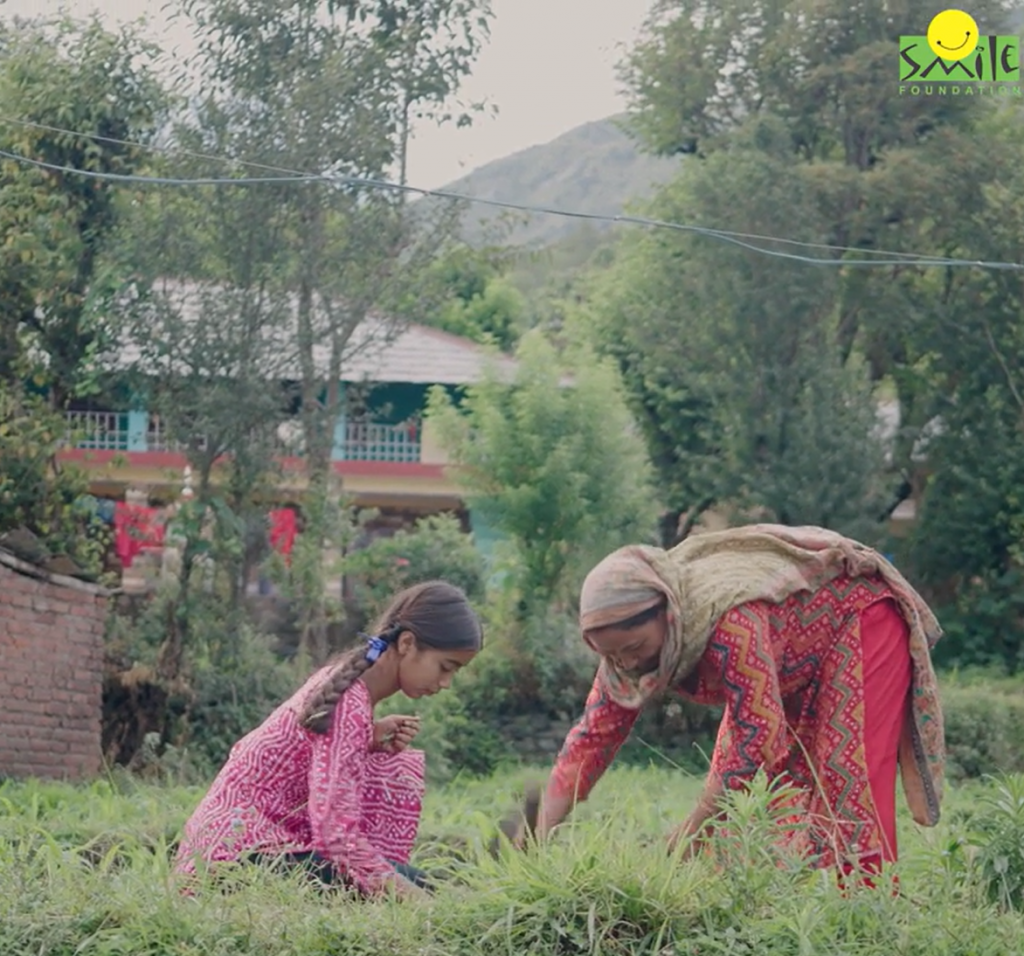
The Silent Workforce: Women Farmers in Rural India
Iron-folic acid (IFA) tablets are a cornerstone of India’s public health drive, but anemia remains a stubborn barrier to safe motherhood and healthy newborns. NFHS 5 data shows that 52.2% of pregnant women in India are anemic, and experts warn this widespread deficiency “contributes to high maternal and infant mortality rates”. Mothers who lack iron and nutrition are more likely to deliver low-birthweight or premature babies, and even mild anemia raises risks for both mother and child. Recognising this, the government’s Anemia Mukt Bharat strategy (2018) scaled up IFA supplements and nutrition counseling across the lifecycle. These efforts have helped millions, but by themselves they are not enough – pills must be backed by early diagnosis, education, and local action to make a real dent.
Government efforts and the community gap
India’s flagship IFA schemes for adolescents, and pregnant and lactating women are globally unmatched, and studies confirm iron supplementation is “the most efficient and scalable intervention” for anemia. Frontline workers including ASHA and Anganwadi workers distribute supplements and conduct awareness drives under Poshan Abhiyaan and Anemia Mukt Bharat. But in practice, tablets alone often fall short. Without counseling, many women skip doses or suffer side effects, and local diets remain poor in iron. Innovative local fixes can bridge this gap. For example, Sangrur (Punjab) officials found children were discarding morning IFA tablets. By mixing the iron dose into the mid-day meal and encouraging school kitchen gardens (spinach, fenugreek, etc.), they achieved 100% tablet intake and fresh nutrients. Smile Foundation’s work builds on such models, partnering with communities to translate policy into practice.
Smile Foundation’s programmes follow a systems approach that complements government infrastructure. Instead of relying on pills alone, we weave together multiple threads – from kitchen gardens and nutrition education to regular screening and counselling. Key components include:
Kitchen gardens and food diversity: Schools and villages plant iron-rich veggies (spinach, legumes, moringa) so families have fresh iron sources year-round. In Sangrur, Smile helped grow dozens of community gardens.
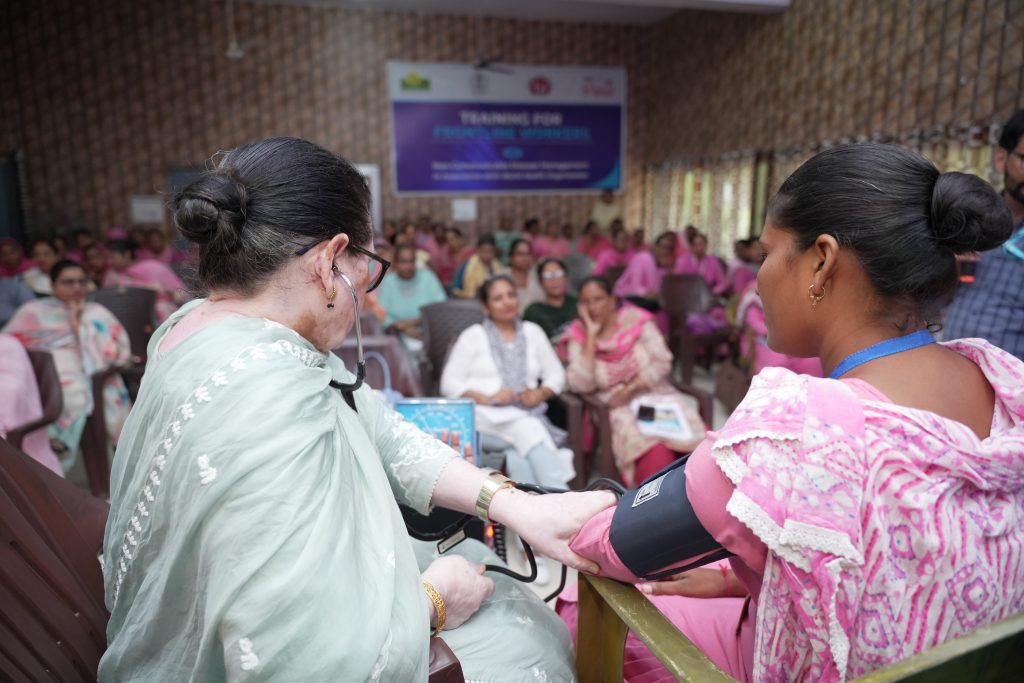
Regular health camps and screening: Mobile medical vans and local camps provide maternal-child check-ups and hemoglobin tests. In Mathura’s new “Pink Smile” initiative, fortnightly anemia camps reach thousands of women and girls.
Nutrition education and fortified foods: Interactive sessions and recipe kits teach families how to use local foods for nutrition. In Gujarat’s Banaskantha, we distributed 15,000 fortified “laddoos” (iron-rich snacks) over 10 months alongside IFA tablets. More than 70% of the girls in that programme showedgains in hemoglobin and BMI.
Adolescent and maternal counseling: Peer groups and home visits reinforce healthy behaviors.
Capacity-building of local workers: Training Anganwadi staff and teachers ensures sustainability.
These elements multiply impact by engaging the whole community.
Sangrur, Punjab: Nutrition Enhancement Programme
In Sangrur district, a three-year Nutrition Enhancement Programme demonstrates the scale of this approach. It reached 23 villages and impacted over 60,000 people, including pregnant women, lactating mothers, and young children, plus their families. Through this effort, Smile teams and officials held 260 health camps offering nutrition and anemia screening. We also conducted nearly 9,750 community sessions and home visits on diet and self-care. The results have been encouraging – local officials report that anemia rates among school children plummeted from ~40.6% to just 2.7% within six months of the intervention. By coupling government resources (mid-day meals and IFA distribution) with kitchen gardens, counselors and camps, Sangrur has virtually eliminated anemia in some piloted schools – proof that ‘integration’ works.
Mathura, Uttar Pradesh: Pink Smile
In Mathura’s rural Chatta Tehsil, Smile Foundation partnered with PepsiCo India on the recent Pink Smile project to tackle anemia and malnutrition in 10 villages. In its pilot phase, the programme has already reached 4,200 villagers (women, adolescents and children), and aims to cover over 40,000. Pink Smile brings together mobile medical vans, fortnightly anemia screening camps, and nutrition education. For example, local health teams distribute low-cost, high-nutrition recipes and food kits to pregnant women, set up kitchen garden kits for families, and train ASHAs on counselling methods. These hands-on, on-site services ensure early diagnosis and follow-up: anemia cases are caught at screening camps, treated promptly, and mothers receive regular dietary advice. This multi-pronged model – front-line care plus community nutrition – is designed to boost the impact of existing schemes by meeting people where they live.
Banaskantha, Gujarat: Project Sampoorna
Banaskantha is one of India’s Aspirational Districts and was the focus of Smile’s Project Sampoorna. Launched in 2018, Sampoorna worked with 1,000 adolescent girls (age 14–19) across 10 villages, all diagnosed with mild-to-severe anemia. Over 10 months, each girl received the special fortified laddoo twice a week, along with iron-folic tablets, multi-vitamins, and deworming as needed. Intensive education sessions taught the importance of iron-rich diets and kitchen gardening. The outcome was that the severe-to-moderate anemia in the group fell from ~78% to about 34%. Underweight prevalence dropped from 70.2% to just 13.8%, and girls in the “normal” BMI range rose from 29.5% to 86.1%. In practical terms, 70%+ of participants reported significantly better hemoglobin and body-mass index after the programme.
One girl’s story illustrates the human side of these numbers. Sahisa, a teenager from a village in Banaskantha, arrived at Sampoorna severely anemic and had even dropped out of school from fatigue. Through regular laddoos, supplements and close follow-up by Smile’s team, her health rebounded. Over a few months, she regained strength and energy. Sahisa returned to her village school and even enrolled in a vocational training course. Sahisa’s turnaround highlights that defeating anemia can literally turn lives around.
Beyond health: Education, productivity, and community development
The benefits of curing anemia reach far beyond hemoglobin levels. A well-nourished girl is more likely to stay in school, concentrate in class, and develop skills – boosting her future earning potential. Studies confirm this link: iron deficiency in childhood causes cognitive and physical delays that lead to “lower schooling and productivity loss” in adulthood. In practical terms, the gains seen in these projects have meant better school attendance and participation. Families also report that healthier mothers can care for their families and work more effectively. By improving nutrition and health, these programmes strengthen human capital: educated children, productive adults and ultimately stronger rural economies.
A systems approach amplifies public health
Taken together, the experience in Punjab, UP and Gujarat shows that community-led solutions reinforce the public health system and amplify government efforts like Anemia Mukt Bharat by adding local ownership and continuous follow-up. Tackling maternal and neonatal anemia demands a systems approach, one that combines government resources with grassroots engagement.
India’s anemia programmes have always been built on IFA supplementation and allied public health services – and rightly so. By adding regular community screenings, kitchen gardens, nutrition education and adolescent engagement to the national IFA drive, programmes like Smile Foundation’s are bridging the gap between policy and practice. These integrated projects keep families and local leaders involved, reinforce health workers’ efforts, and link wellbeing to tangible gains. The result is that young women like Sahisa emerge not only anemic-free but empowered – a generation of healthier mothers and workers in the making. In the battle for maternal and child health, fighting anaemia at its roots transforms what was once a silent crisis into an opportunity for social and economic progress.
A Conversation with Raghu Tewari, Founder of AMAN, Almora
As told to Smile Foundation’s team
High up in the Kumaon hills of Uttarakhand, communities have long survived through collective wisdom, sustainable farming, and close-knit social bonds. But over time, migration, climate changes, and policy neglect have threatened their traditional way of life. In Almora district, one organisation—AMAN—has stepped in not as a provider, but as an enabler.
We sat down with Raghu Tewari, founder of AMAN, to learn more about how his grassroots efforts are helping mountain communities rediscover their own strengths.
AMAN is also a participant in Smile Foundation’s Empowering Grassroots programme, conducted in partnership with Change the Game Academy, which supports community-led organisations through capacity building in leadership, local fundraising, governance, and programme development.
Q: What inspired you to start AMAN? What kind of work does AMAN focus on?
Raghu Tewari: I come from this land. Over the years, I saw how hill communities, especially in and around Almora, were rich in knowledge but lacked access to systems that respected or supported them. Many government schemes don’t reach here, and even when they do, people don’t always know how to access them. I believed that the community should be equipped to speak for itself, to solve its own problems. That’s how AMAN was born, not to do things for people, but with them.
The Empowering Grassroots training helped us understand how to build credibility—how to report our impact, how to engage local stakeholders, and how to speak the language of funders.
We work in areas like sustainable agriculture, preservation of indigenous knowledge, education, and community advocacy. We support women-led collectives, revive traditional farming methods, and help children, especially girls, stay in school. A big part of our work is also connecting people to entitlements like ration cards, pensions, and government schemes they were unaware of or unable to apply for.
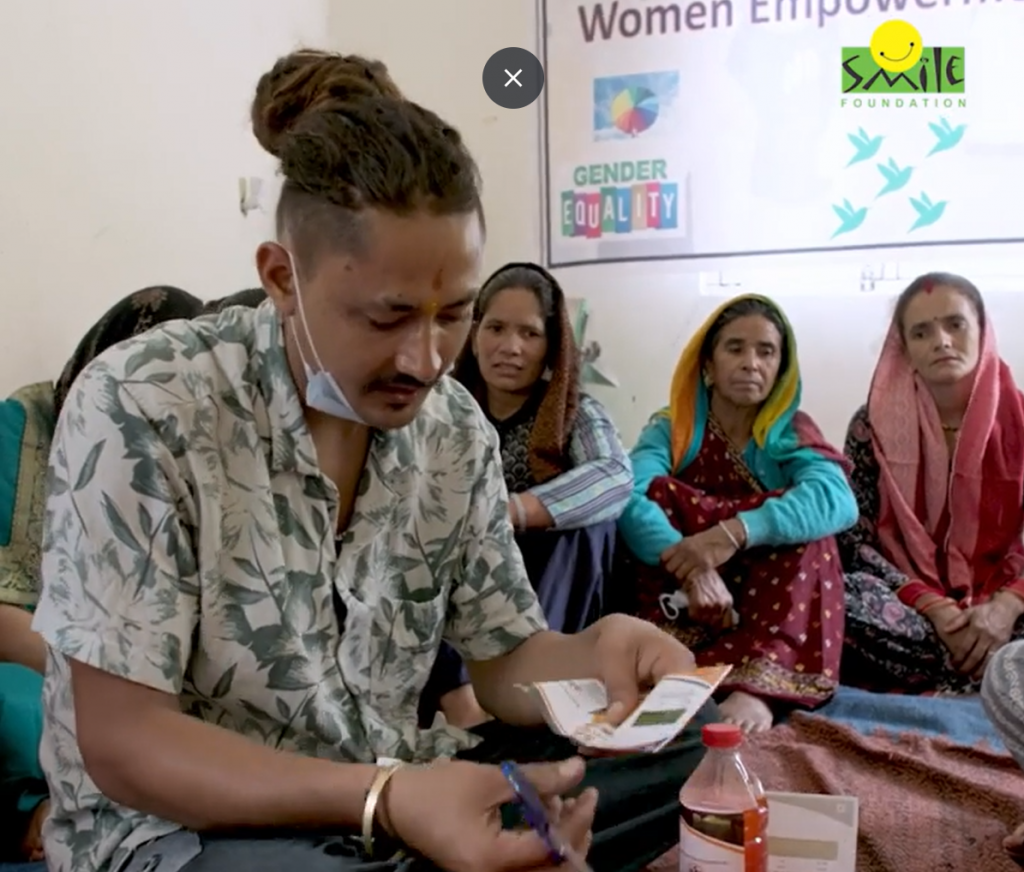
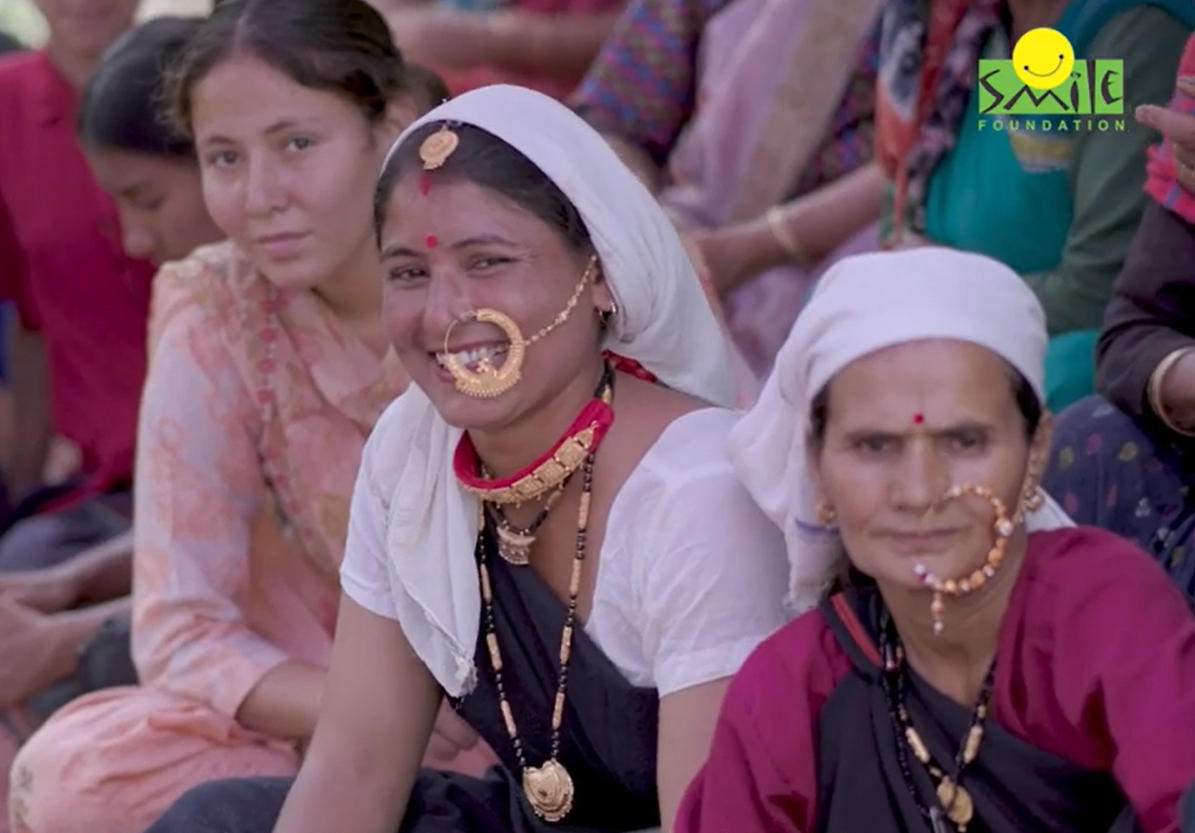
Women of the village at a training session
Unfortunately, development organisations from the south do not play a significant decision-making role in global conversations, thereby limiting their access to donors and funds. Not only does it make scaling our solutions more challenging, it also delays reaching a common ground between the global south and north. For example, donors from the north often say that capacity must be built, but fail to understand that capacity cannot be built when very limited funding is available. As a result, development organisations from the south become subcontractors for development organisations of the north. These subcontractors have no authority and often have to operate with margins that barely cover their costs – not to mention capacity building.
Development should focus on long-term solutions rather than short-term projects, and these solutions need funding for them to be scalable and sustainable. However, many donors believe that organisations in the global south are risky business partners, creating a self-reinforcing chicken-and-egg situation. Donors from the north do not provide funds because partners from the south lack capacity that cannot be built due to a lack of funds. Although there has been talk of local anchoring for a long time, little progress has been made with this very paradox.
Q: How did Empowering Grassroots support your work?
Raghu Tewari: Before the training, our work was good but scattered. The Empowering Grassroots programme helped us become more structured and focused. We learned how to write stronger proposals, plan sustainable programmes, and even raise funds locally. One of the best parts was learning how to tell our own story better. That boosted our confidence.
Now, we’ve improved our documentation, and we’re able to reach more families with fewer resources because our systems are stronger. That’s a big leap for a small organisation like ours.
After the training, we conducted a local fundraising drive, our first ever. We didn’t raise huge sums, but what mattered was that it came from the community itself. That changed the relationship between us and the people we serve. They began to see AMAN as their own platform. It built trust, accountability, and pride.
Training of women to make edible items like buscuits and juice
Q: Why is preserving indigenous knowledge so important to your mission?
Raghu Tewari: Because it’s being lost. Young people today often see traditional farming or local crafts as outdated or inferior. But these are practices that sustained generations, farming without chemicals, water management without machines, conflict resolution through community dialogue.
We’re working to document this knowledge, involve elders in sharing it, and encourage youth to respect and revive it. Whether it’s using native seeds or practicing traditional medicine, this is resilience. It’s sustainable, affordable, and rooted in the environment.
We want to expand our work to more villages and build local leadership. If we can train young people from within these communities to take charge, whether in farming, education, or governance, we won’t need external help in the long run. The goal is to create self-sustaining communities.
Mental Health Support- Not a One-off Area of Focus
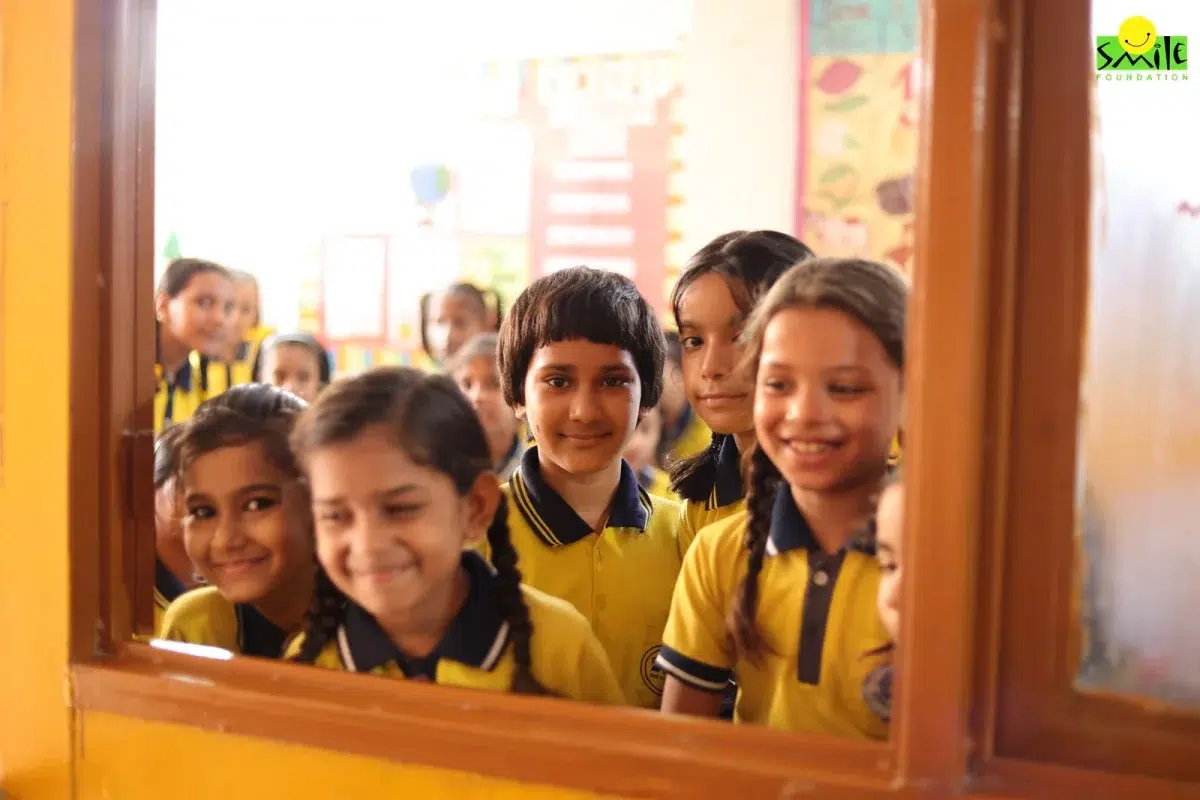
In a Smile Foundation workshop on social-emotional learning, a grade-six girl captured the dilemma facing India’s children: “Didi, happiness har jagah hai lekin safe nahi hain!” (Sister, happiness is everywhere, but it doesn’t always feel safe). That simple line highlights a hidden crisis. After the COVID years UNESCO warned that children and adolescents have been experiencing a heightened level of stress and anxiety, and globally one in seven 10–19-year-olds now lives with a mental disorder. Our schools, the very places meant to nurture growth, are instead becoming pressure-cookers for anxiety and depression.
A study by NIMHANS found that roughly 23% of Indian schoolchildren have significant mental health issues (anxiety, depression, behavioural disorders). The National Mental Health Survey (2015–16) similarly showed 7.3% of adolescents (age 13–17) meeting criteria for psychiatric illness. Much to the chagrin of the country’s needs, India spends less than 1% of its health budget on mental health, and has just 0.29 psychiatrists per lakh people (with virtually none specialising in children).
The fallout is deadly with student suicides nearly doubling in a decade, from 7,696 in 2011 to 13,089 in 2021, and among those under 18 the majority cite mental health as a contributing factor. In short, India’s schoolchildren are living in a storm of stress, with too few shelters.
The schoolyard stress test for mental health of children
Government data confirm what students privately tell us. In a 2022 NCERT survey of about 3.8 lakh middle- and high-school students (under the Ministry’s Manodarpan initiative), 81% said academic pressure of studies and exams triggered their anxiety. Frequent mood swings and exam fear were widespread, worsening from middle to secondary grades and affecting girls slightly more than boys. These students may score high on standardised tests but low on emotional well-being: most reported being satisfied with school life and feeling responsible for doing well, yet a declining sense of support and happiness as they advanced to higher grades. In practice, a child struggling with self-doubt or bullying often carries the burden home, untold and unaddressed, until the grades or the gap become too wide to bridge.
In this context, schools must become safe spaces and first-response centres for children’s emotional health. Adolescence is a critical window. WHO notes that protective school environments can shape lifelong habits of resilience and social learning. Children who feel respected, accepted, and belonging in class are far more likely to engage and learn; those who feel unsafe or stigmatised tend to shut down or act out. International agencies accordingly urge a broad, integrated approach. UNICEF’s framework for a School Mental Health Programme calls for
(1) a positive learning environment
(2) early access to counseling and support
(3) focus on teacher well-being
(4) targeted interventions (e.g. group counselling, yoga classes)
(5) collaboration with families and communities
Under India’s Ayushman Bharat School Health Program, states now promote meditation, anti-bullying campaigns, internet safety, and substance-abuse prevention in schools. Likewise, the National Education Policy (2020) and Delhi’s Happiness Curriculum have officially recognised social-emotional learning (SEL) as a pillar of holistic education valuing mindfulness, empathy, and life skills alongside academics. These are all positive moves.
But policy is not yet practice. India still lacks a uniform, well-funded School Mental Health Program. Schemes often focus on physical check-ups; psychosocial concerns get far less attention. A School Health & Wellness Programme was launched, but it runs up against a huge manpower gap. In the Smile Foundation’s survey of campus needs, faculty themselves report seeing kids who are anxious or withdrawn, but few teachers have training to notice signs or respond. In public schools especially, the ratio of counsellors (if any) to students is pitiful.
Teachers and curriculum: The first responders
Teachers are the vanguard of a first response system. They see students daily and can flag red flags in behaviour or mood. International research confirms that simple steps like greeting children warmly, listening without judgment, praising effort significantly boost self-confidence and a growth mindset. The curriculum too can reinforce emotional literacy. For example, Delhi’s weekly happiness class uses stories and discussions to teach empathy and coping. Other states now run Manodarpan counselling sessions or life-skills classes, as envisaged by NEP 2020.
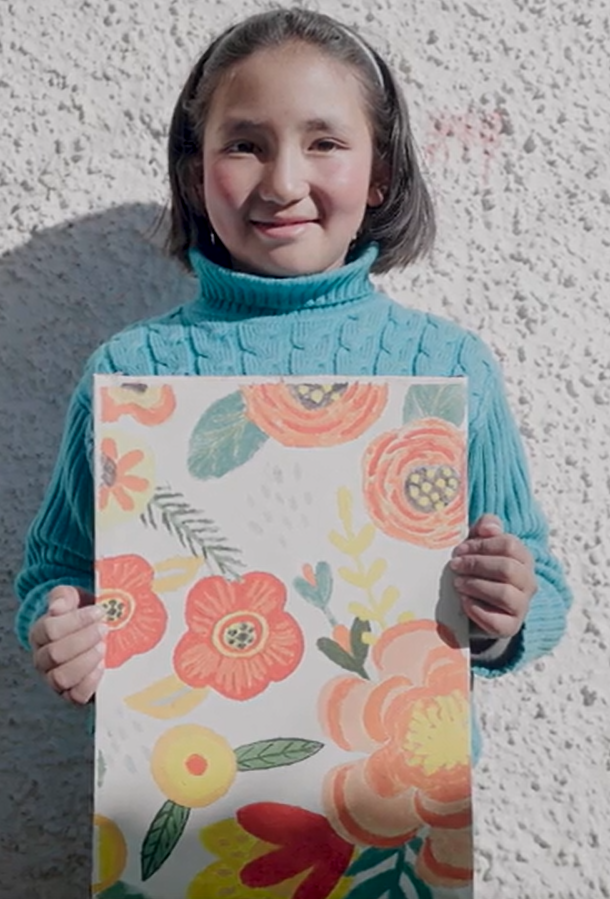
Under its Mission Education programme, Smile Foundation holds regular teacher training on classroom management and child pedagogy. These sessions train educators to spot anxiety and build connections teaching that empathy and compassion are essential components for fostering acceptance. In Smile’s partner schools, teachers learn to see each child’s uniqueness. One girl named Tanisha, for example, was found to have exceptional skills in arts and crafts, and teachers then gave her special materials and encouragement to nurture that talent. Such gestures may seem small, but they send a powerful message that a child is seen and valued.
When classrooms become emotionally safe, learning transforms. Smile reports that in its centres, children who once sat in silence now raise hands without fear – they know their voices matter, and their journeys are valued. Extracurricular clubs and celebrations also play a role: think poetry circles, arts exhibitions or sports days that include all children. Every inclusive activity offers peer support and stress relief. Parents in Smile’s programmes are also engaged through community meetings and workshops, because parents are crucial partners.
UNICEF and WHO stress that involvement of families is part of any success because schools should not work in isolation. When a parent knows how to talk to a teen about coping, and a teacher knows how to guide them back into the classroom family, the social web around each child strengthens.
Smile’s story: On-the-ground impact
The challenges are complex, but the results can be immediate. In Mumbai’s Smile-run partner School, a trainer led a Grade 6 session imagining a city of happiness. The children sketched parks, gardens and smiling families – yet one child dared to voice a fear, “Didi, happiness har jagah hai lekin safe nahi hain”. This candid admission ignited a rich discussion on safety and empathy. Teachers and Smile counsellors sat with students to unpack what safety means: emotional safety in relationships, the confidence to ask for help, knowing it’s OK to feel uneasy. In follow-up classes, students learned mindfulness exercises and peer-support strategies.
On the other side of town, in Smile’s village outreach, grade-9 students who were once frightened of exams now practice group meditation and peer counselling under Smile guidance. Teachers report seeing more smiles and more willingness to share problems. A senior teacher remarked, “After our weekly mentor-mentee meetings, I can see shy students beginning to speak up. They know someone is listening.” Another said, “Kids who never wanted to come to school are now arriving early, they say school feels like a second home.” These anecdotal outcomes resonate with the research that shows children with mental support do better academically and have lower dropout rates than those who don’t.
Smile’s approach also emphasises curriculum. Storytelling and role-play are woven into daily lessons; value education now means open conversations about anxiety and resilience. The goal is to give children the language to express feelings. One boy, after a Smile-led session on stress, told his teacher, “I thought I was the only one with exam nightmares. Now we talk about it and do breathing exercises together.” Such peer normalisation of mental health is invaluable.
Behind the scenes, Smile also conducts stress management workshops for students and faculty. Counsellors train teachers to look for warning signs of burnout in students and even in themselves. Parents and community health workers are given pamphlets and attended village meetings so they, too, can support adolescents at risk. In one Smile centre, a community festival included a Feelings Wall, where children stuck notes about when they felt happy, worried or angry, initiating conversations across generations about emotions. These micro-interventions create a culture of care.
High returns: The CSR imperativefor mental health of children
For CSR and corporate philanthropy, supporting mental health of children is a high-impact investment. When a company funds a school counsellor or an SEL workshop, it empowers dozens of children and families. Every rupee spent on early emotional support can save on future costs: less need for remedial education, lower healthcare burdens, and a more productive workforce down the line. In fact, global studies (WHO, UNESCO) note that every dollar invested in child mental health yields multiple dollars in later economic benefit (through higher lifetime earnings and reduced social costs). The Indian context adds urgency of addressing children’s emotional wellbeing breaking cycles of poverty and abuse that underlie many social problems.
Investing in mental health in schools also aligns perfectly with CSR guidelines and NEP 2020 goals. CSR for education in India has often focused on infrastructure or scholarships. Adding mental wellness programmes is the logical next step. The NEP itself envisions holistic education nurturing not just the mind, but also health, values, and creativity. CSR funds can accelerate this vision. Section 135 of the Companies Act and the CSR Rules explicitly encourage projects on health and education; supporting counsellors, training teachers in SEL, and running awareness campaigns all qualify. Moreover, organisations that champion mental health in schools send a strong message that they are caring for the future talent pool and demonstrating genuine social responsibility.
Several CSR projects are already moving in this direction. For example, Smile Foundation’s corporate partners have co-founded wellness corners in schools, complete with counsellor desks and meditation mats. Companies find that such initiatives boost teacher morale and community relations, besides quantifiable impact (higher attendance, reduced dropouts). Importantly, working through an NGO like Smile provides monitoring and evaluation, so CSR leaders see clear outcomes tied to their funds.
The return on investment for society and for companies’ reputations is huge. A generation of emotionally healthy students is more likely to become engaged citizens and employees. They will miss fewer workdays, require less medical leave, and contribute creatively rather than retreating. For women’s empowerment and gender equity, the payoff is even greater. Adolescent girls with strong support networks are far less likely to drop out or enter early marriage, and better able to pursue higher education or careers. That rings especially true given NEP’s focus on keeping girls in school and giving every child voice and choice.
Build the future with care
The mental health crisis in India’s schools cannot be fixed by one sector alone. It requires government, educators, communities, and critically, the CSR ecosystem to step up. CSR decision-makers can show the way by prioritising school-based interventions as part of their education and health portfolios. This means funding counsellor training, counselling centres, teacher workshops, SEL curricula, and campaigns that destigmatise mental health in villages and cities alike. It means measuring success not only in test scores, but in happier, more resilient children.
The government has laid the policy groundwork (NEP 2020, Manodarpan, school health programmes) and NGOs like Smile are on the ground implementing models. The missing ingredient is scale which CSR can provide. By channelling CSR for education in India towards emotional wellbeing, companies will fulfil NEP’s vision of holistic growth. They will also help India meet Sustainable Development Goal 4 (inclusive quality education) and SDG 3 (good health and well-being).
Just as importantly, this work aligns with the human story behind the data. Every invested rupee carries a message to a child: “We see you, we value you, and we will help you.” As one Smile educator puts it, their mission is not only to educate the mind but to make children aware of their feelings and help them find a voice.
For India’s CSR leaders, this is a challenge worth embracing. By supporting mental health of children, CSR can plant the seeds of a happier, healthier India. Indeed, the school classroom may be where the future truly begins – let us make it a secure and nurturing place for every child.
Sources: Authoritative data and recommendations from WHO, UNICEF, UNESCO and India’s NCERT, NIMHANS and Ministry of Education informed this analysis. Case examples and quotes are drawn from Smile Foundation reports and field accounts.
India has long celebrated its scholars, but sports remain a vast unexplored frontier, especially for children in government schools and low-income communities. Around the world, nations like Kenya, Brazil, and China have harnessed early sports infrastructure to win medals and also to shape discipline, confidence, and social mobility at scale. In India, however, inequality in sports access reinforces educational and economic disparities.
Smile Foundation’sEducation Quality Improvement Project (EQuIP) launched across hundreds of government schools integrates sports infrastructure and activity into school transformation. As India grapples with under-performance in global sports stages, particularly from public sector schools, the urgency to invest in grassroots sports for social change has never been clearer.
The global story: How nations turn grassroots into gold
Kenya’s world-class runners often trace their beginnings to rural highlands where daily life blends endurance with competition. Brazil’s football culture starts in neighbourhood courts, fostering informal learning, and improvisation from early childhood. China’s structured school and local systems identify athletic talent early across swimming, gymnastics, and table tennis.
Those countries teach a simple lesson: sports is not just extracurricular, it is infrastructure for confidence and belonging.
Outcomes are tangible. Kenyan youth benefit from discipline and resilience; Brazilian sports schools nurture self-esteem alongside skills; and Chinese urban-rural sports academies increase upward mobility and national pride. In contrast, India’s public education system offers stadium-scale infrastructure only to a select few, the remainder often go unserved.
India’s gap: Talent exists but opportunity does not
India’s public school system remains largely academic. Most government schools have no playgrounds, no trained coaches, and limited organised physical education. Research shows over 80% of low-income schools lack basic sports infrastructure. As a result, students miss out on building crucial life skills like teamwork, perseverance, spatial awareness that employers increasingly value.
For underserved children, the impact is more severe. With limited recreational avenues and NO recognition for sporting ability, students from rural or peri-urban backgrounds are rarely shortlisted for scholarships or sports-based entry into education streams. The talent pool remains dormant, not for lack of ability, but for absence of opportunity.
Why sport belongs in classrooms
Improved Attendance and Engagement: Schools offering regular sports activities report up to 30% better attendance. Play becomes incentive to come to school and stay.
Enhanced Well-Being and Mental Health: Physical activity reduces anxiety, builds emotional resilience, and improves concentration in class.
Skill Building for the Workforce: Gig work, hospitality, retail—all demand teamwork, discipline, and adaptability—traits honed through sport.
Equity and Inclusion: Sports allow children to succeed outside of exams, even those with academic struggles can shine.
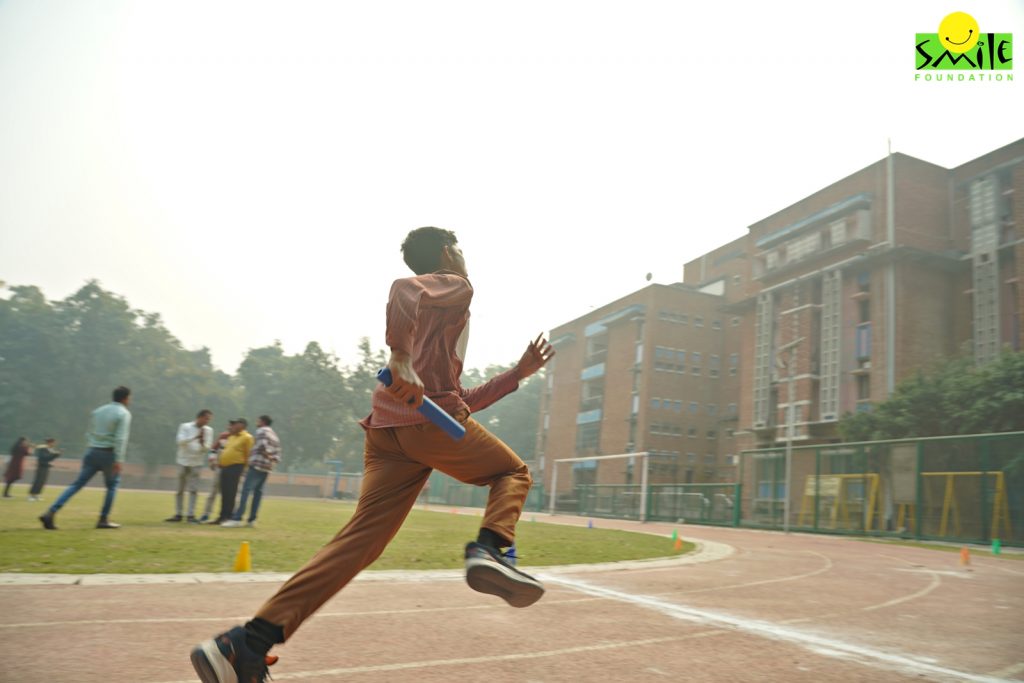
These benefits are systemic. A child who learns to run relay or shoot hoops under supervision builds confidence that a quiz score may never inspire.
Smile Foundation and EQuIP: Sports as part of school transformation
Smile Foundation’s EQuIP initiative works in low‑resource government schools across 15 states, supporting over 1,660 schools as part of its Mission Education(ME) centres. While its broader goal is improving learning outcomes, EQuIP stands out for embedding sports within every school’s transformation strategy.
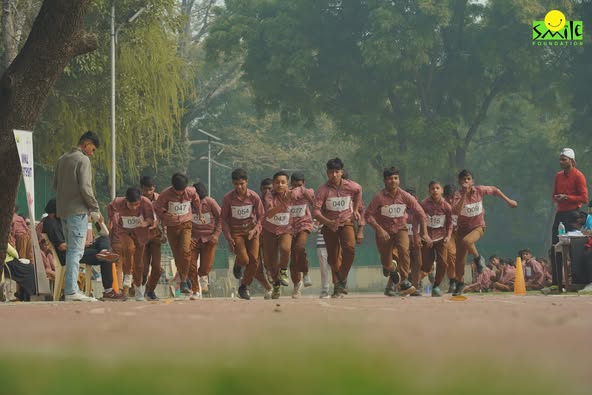
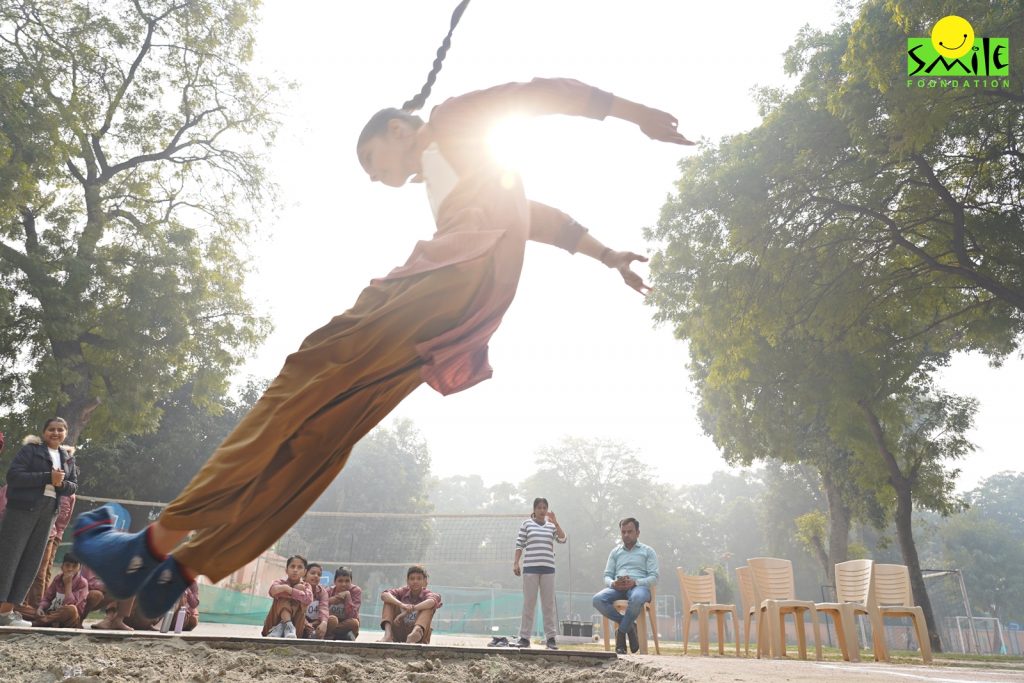
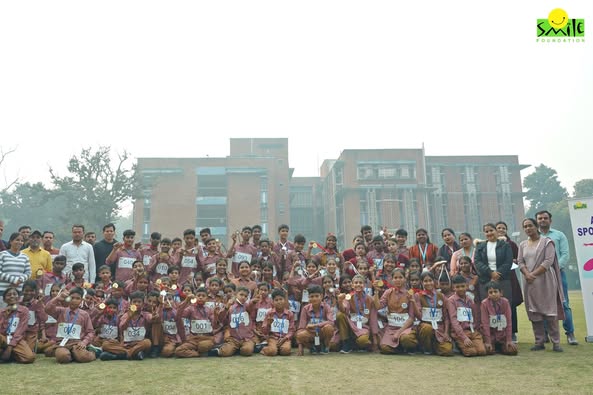
Organising sports meets: Smile ran athletics events like long jump, shot put, races for students from Mission Education Centres, with coaching support and gear.
Teacher training on how to integrate physical activities into daily classroom time.
Linking health with play: sports, well-being sessions, nutrition education, all working together under EQuIP.
One highlight: in Pune, ME children selected through school trials participated in a broader sports meet with Smile supplying equipment and support. These experiences build early exposure to organised athletics without requiring elite pathways.
Social impact through sport: What evidence shows
While Smile’s internal metrics are still maturing, broader studies demonstrate:
30% higher retention rates in primary school where physical activities are embedded.
Improved gender inclusion: in mixed sports meets, girls show increased participation and confidence.
Teacher motivation: where simple tournaments take place, staff morale improves and absenteeism drops.
Parental trust and engagement: communities form pride when their children represent the school in sports.
In Smile’s Pune pilot, adolescent girls involved in sports reported stronger school engagement and expressed new ambition about higher education and employment.
Why CSR and policy makers should care
Social innovation programmes and CSR funders must recognise a simple truth that sport equals social capital. By partnering with school transformation efforts like EQuIP, CSR efforts unlock multiple returns:
Education outcomes: focus on the whole child.
Equity: sports opportunity is one of the few levelers.
Talent pipeline: scholarship, vocational access, and eventual employment.
Scalable rollout: low-cost models of sports integration can be replicated across districts.
CSR budgets targeted at education or nutrition alone miss the multiplicative impact of investing in simple sports infrastructure. A patch of ground, a ball, an annual sports meet—these create space for identity, movement, belonging.
Why India must act now
India lags not due to lack of athletes but due to a lack of structured, inclusive sporting opportunities. Other nations design for equity:
Brazil’s Favela PC initiatives bring football training into informal settlements.
Kenya partners with NGOs to deliver school-based athletics hubs.
China’s sunshine sports agenda mandates rural school participation in sports.
India’s public system grants stipend-level fellowships to Olympic hopefuls, but offers nothing to the child running barefoot in a government school playground.
Smile Foundation’s EQuIP offers a middle ground, a meaningful, scalable, low-cost sport integration into public schools, where most Indian children study.
Recommendations for stakeholders
To amplify impact, stakeholders should urgently consider:
Policy Integration: Ministry of Education can institute mandatory minimal sports infrastructure and activity days in government school norms.
CSR Collaboration: Brands investing in education should allocate a portion to sports infrastructure—play spaces, coach training, tournaments.
Public-Private Partnership Scaling: Models like EQuIP should be replicated state-wide with measurable outcomes tied to attendance and well-being indicators.
Monitoring & Evidence Building: Collect longitudinal student data like attendance, drop-out, psychosocial well‑being from sports-intervened schools.
Inclusive Design: Ensure facilities are gender-sensitive, disability‑inclusive, and culturally adapted.
A promise worth investing in
In villages across Almora, Kangra, Odisha, and Mumbai, Smile-supported schools show that even simple sports events can change how a child sees herself. Not only as a student, but a runner, a jumper, a team player. These identities matter. They seed ambitions that exams alone may never rea;lise.
Public policy and CSR must recognise this truth: sport breeds social agency.
When India truly commits to building equitable sports ecosystems in schools, the country will no longer produce only academics but confident, disciplined, resilient young citizens ready to shape India’s future.
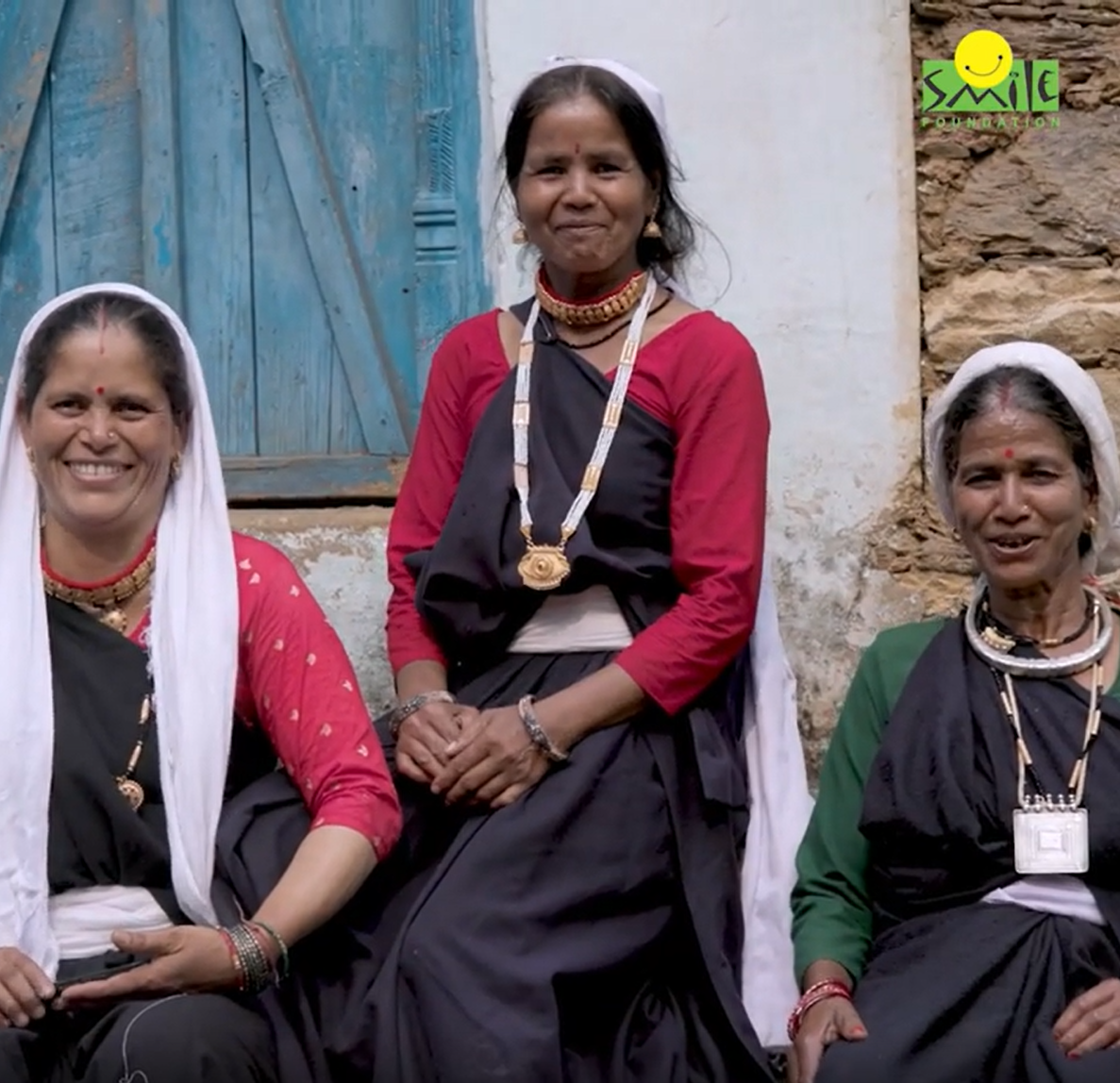
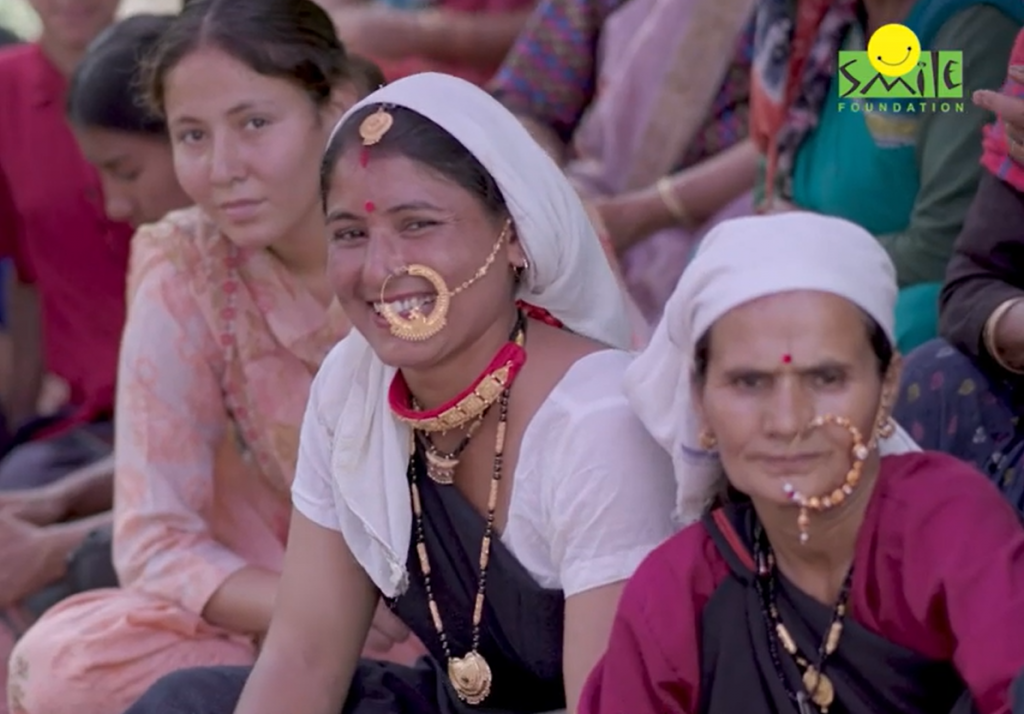
In the remote valley of Kansar in Uttarakhand’s Almora district, something extraordinary is unfolding. In villages once defined by silence and tradition, women are beginning to speak — not just in whispers within kitchens but in full voice at Panchayat meetings, health forums, and even as first-time breadwinners. Through the efforts of Smile Foundation’s Swabhiman initiative, in collaboration with AMAN, more than ten villages are witnessing a remarkable transformation as women shatter barriers that were once deemed insurmountable. One of the main goals of the UNDP’s Sustainable Development Goals is to promote gender equality and give women more authority. It means giving women the same rights, chances, and access to resources as men, which lets them make their own decisions and have control over their life.
The conversations with women reveal a calmness and strength, punctuated by moments of shy laughter and proud smiles. Some express themselves with a quiet yet unwavering certainty, others who radiate enthusiasm as they recount the transformative shifts in their lives from learning to manage money and health to speaking in group discussions. Their expressions convey a profound sense of joy intertwined with the dignity that arises from being acknowledged and valued.
At the heart of Swabhiman lies a profound belief that when women believe in themselves, they gain the power to change not only their own lives but also the lives of those around them. Through a series of educational workshops focused on health, hygiene, and nutrition, these women are arming themselves with knowledge that is essential for their well-being and that of their families.
A shift From silence to strength for the hilly women
Hilly women are now meeting monthly in spaces that were once silent. They openly discuss menstruation, nutrition, and finances — topics that were previously off-limits. This new camaraderie not only encourages learning but also empowers women to take on leadership roles in their communities. These monthly meetings beyond administrative updates are essential lifelines of awareness. Discussions cover key themes, such as sensible financial management, the fundamental rights we uphold, and important aspects of hygiene and cleanliness, and parenting. Every woman deserves knowledge, and with that knowledge comes power.
Health, hygiene, and hope
The foundation of this transformation is education, particularly about health, nutrition, and well-being. These are not merely “women’s issues”; they form the bedrock of society. Hilly women trained through this programme now openly discuss menstrual health and sanitation, which they never talked about. The programme prioritises the provision of accessible and comprehensive reproductive health services, education, and resources. Such initiatives are essential for enhancing the health status of mothers, infants, and children alike. Empowering pregnant women and mothers through knowledge and promoting behaviour changes are essential for better health outcomes and healthy food habits.
With accurate information, women are becoming the first responders to health issues at home and influential figures in their communities.
Collective action
The kitchen has long symbolised the limits faced by rural women, reflecting their restricted lives. In Almora, it is turning into a launchpad. By monetising their skills such as cooking, tailoring, or running small businesses, these women are redefining independence. Sourcing local fruits and other raw materials, they make biscuits and juices that are pure, seasonal, and chemical-free. Women learned to make juices from scratch, as a meaningful way to improve their skills. Some had the necessary tools; what they really needed was support and encouragement. These skills have turned into a potential livelihood. The real inspiration comes from the unity we see among these women.
One participant succinctly expressed itsharing, “Sangthan ke madhyam se mahilayein ekjuth ho gayi hain. Kaheen par kuch galat ho raha hai, toh kehti hai ki hume usey sudhaarna hai.” (Women have come together through the organisation. If something goes wrong someplace, they say we have to fix it.”
Financial confidence and unity
The financial literacy component of the programme acts as a vital tool, equipping women with the essential knowledge and skills needed to navigate the complexities of financial management effectively. The ability to earn, save, and spend wisely has become crucial skills that women are increasingly mastering.
Behind every confident woman in Almora, stand the project coordinators from Smile Foundation and AMAN, who walk tirelessly on rocky and uneven trails to reach the remote villages. They carry teaching aids, health kits, training material and lots of ideas and hope.
“No mountain too high for women” is a reality when women are trusted, trained, and treated as equals. In Almora, we see what happens Smile Foundation and AMAN focus on belief, not just need. There is a lesson here for India. The path to equity doesn’t always start in Parliament or on paper. Sometimes, it starts in a circle of women, sitting under a tree, discussing their dreams.
The world is beginning to pay attention to the world of handicrafts. It’s common to see popular reels on social media featuring women from village communities doing intricate Aari work or block printing or engaging in any handwork. Even leading fashion designers and lifestyle brands are acknowledging this trend and including embroidery in their contemporary collections. This shows us that handmade items aren’t outdated but a form of high art.
Craftsmanship is gaining global recognition. Today’s buyers want to know who made their clothes and products, and how they were made. This growing demand for authenticity presents a unique opportunity.
The handicrafts sector stands as a cornerstone of the Indian economy, providing livelihoods to over seven million individuals. The total exports of handicrafts were valued at INR 31,095 crore (US$ 3.8 billion) in FY24. Its significance cannot be overstated, as it embodies the rich cultural heritage and craftsmanship that define the nation.
Stitching new beginnings with Aari work
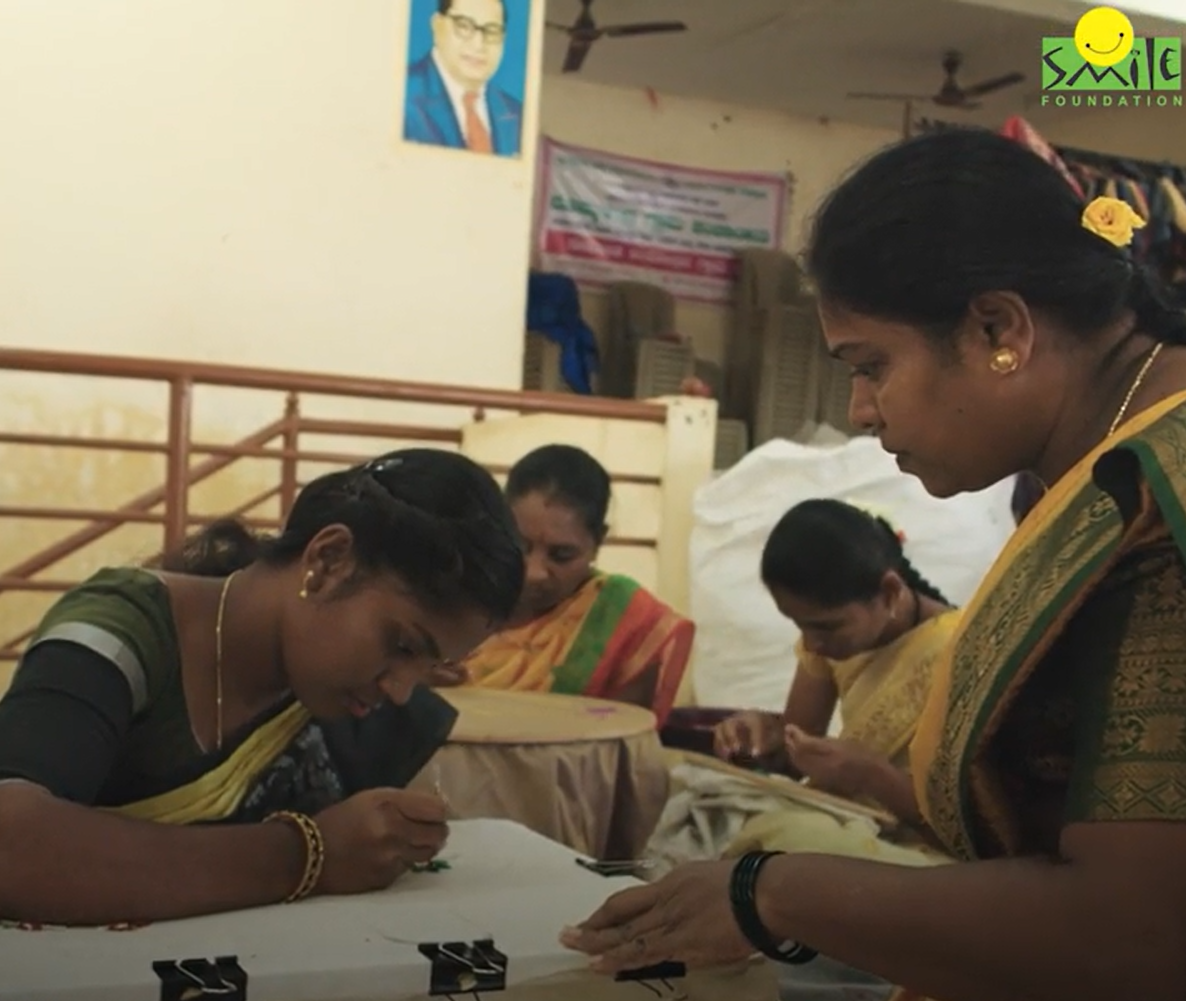
In a small workshop tucked away in the bustling streets of India, a group of women are gathered, their nimble fingers deftly weaving vibrant fabrics, shaping intricate beadwork, and breathing life into stunning handmade creations. These are the women of Smile Foundation’s Swabhiman programme, a remarkable initiative that is not only transforming their lives but also serving as a model for empowering women through craft-based entrepreneurship. The women learn Aari work through Smile Foundation’s women-led training initiatives.
Smile Foundation recognised the need to equip these women with the tools, training, and market access to turn their craft skills into viable businesses.
Aari embroidery traces its origins back to the cobbler or ‘mochi’ communities of ancient Uttar Pradesh and Kutch. Interestingly, the Aari needles were primarily employed in the creation of shoes and soles. The decline of the ‘mocha’ trade compelled individuals to pivot towards the textile industry as a necessary means of sustaining their livelihoods. The Mughals, renowned for their openness to innovative techniques and artistic styles across various mediums, brought it to their royal courts. The skill gradually reached 18th-century Europe, where it was embraced as ‘Tambour’—named after the embroidery frame used.
Building community through Aari work/craft
Smile’s centre is a space of solidarity where women come together to learn, share stories, encourage one another, and grow as a group. Some are forming small collectives. Others are looking for ways to start their own labels.
One of the most notable features of the programme is its overall approach to empowerment. Beyond teaching technical skills or assisting with product development, the project also creating a sense of community, building confidence, and instilling the belief that these women can shape their own futures. There is camaraderie and mutual support among the programme participants. They share their challenges, celebrate successes, and inspire each other to push the limits of what’s possible.
The free-of-cost training programme in Aari embroidery and tailoring also introduces these women to the world of business planning, branding, and digital marketing—tools that once felt out of reach. With these skills, they are preparing to take on the marketplace, not just as workers, but as entrepreneurs.
The power of a mentor
One of the most touching stories is that of Yashodha, a trainer who has become a role model. She gently guides her students through complex embroidery patterns. More importantly, they now discuss opening boutiques and taking customer orders with excitement. Several participants in the programme have learned to contribute to their household income.
The transformation doesn’t stop with learning. These women are encouraged to market their creations, participate in exhibitions, sell through digital platforms, and build local client networks. With knowledge of pricing, customer engagement, and digital tools, they are turning craft into a sustainable business model. The true beauty of this initiative lies in its ripple effect. Each empowered woman becomes a source of strength for many others, including her daughters, her neighbours, and her community.
Why it matters
In a world where millions of women still cannot get jobs, programmes like this show that women do well when they have the chance. Also, the focus on craft-based entrepreneurship aligns with a growing global trend that values handmade and artisanal goods. More and more, people want unique, ethically made things that tell the stories of their makers and reflect their skills.
This is what ‘handmade, heart-led’ truly means. It’s about weaving lives back together with purpose and pride. Through its women-led training initiatives, Smile Foundation is helping craft more than products. It’s crafting futures. These creators, once invisible, are now being celebrated not only for their work, but for their artistry, heritage, and perseverance. What starts as a personal journey becomes a shared movement, bringing economic resilience to entire families and villages.
Far beyond the bustling metropolises of India, beyond the murmurs of New Delhi’s Rajpath or the gleam of Mumbai’s skylines, lies a land often described as the roof of the world. Ladakh, with its dramatic peaks and unforgiving winters, is both majestic and merciless.
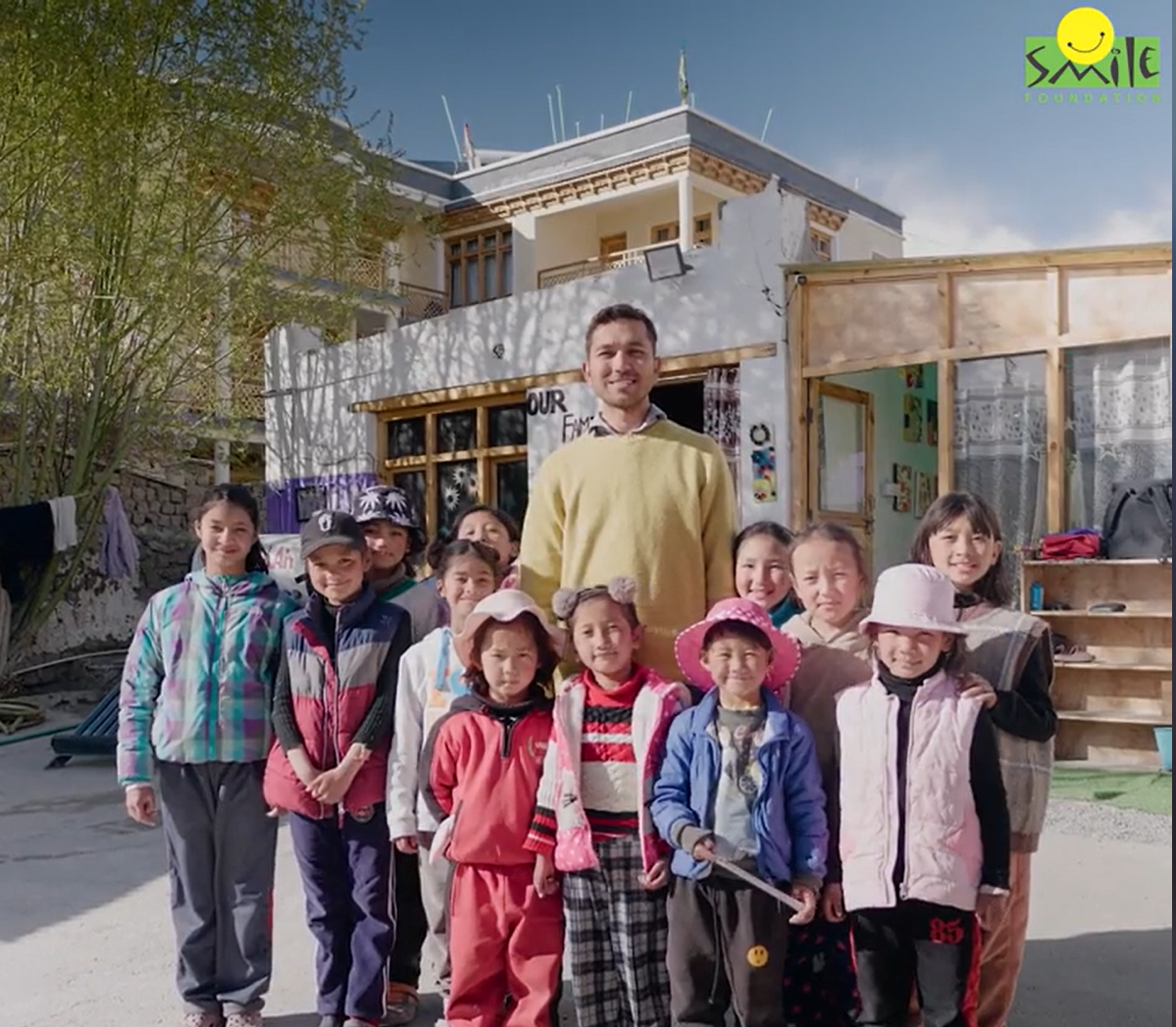
At Smile Foundation’sMission Educationresidential centre in Leh, in collaboration with the indigenously anchored Live To ServeFoundation, young girls—many orphaned, most disadvantaged, and all doubly marginalised by geography and gender—are beginning to reclaim their right to dream.
An oasis of hope with Live to Serve
India’s tryst with destiny has, for too long, skirted around its peripheries—those forgotten geographies that do not quite fit into the seamless narrative of rising GDPs and digital revolutions. Ladakh, with its strategic significance yet stunning infrastructural paucity, remains emblematic of this neglect.
Nowhere is this contradiction more starkly visible than in the lives of its girls. Born into a terrain where survival takes precedence over aspiration, many are shackled not just by altitude but by attitudes with societal prescriptions telling them to stay silent, stay home, stay small.
Enter the Smile supported Life to Serve centre—a modest campus, yet a monumental idea. A space where the daughters of deprivation are not only housed and schooled, but seen and heard. Here, care is not incidental but intentional. Education is not rote but radical.
These girls, once relegated to domestic drudgery or worse, now recite poetry, solve equations, speak of careers in teaching, medicine, and public service. In their laughter echo centuries of silenced voices.
The civilisational duty to educate
The Indian civilisation, with its grand tradition of vidya daanam (the offering of knowledge) has always extolled education as the ultimate emancipator. Yet we have allowed this noble heritage to wither under the harsh sun of modern inequality. Rural, tribal, and high-altitude regions continue to suffer the ignominy of educational apathy.
Even as national statistics smugly cite near-universal enrollment at primary levels, we must interrogate the lived realities behind these figures. For the girl child in Ladakh’s remote hamlets, school is not merely a building that may or may not exist; it is a question of safe passage, of seasonal migration, of household labour, of dignity itself.
And in that context, Live to Serve’s residential model offers continuity, care, and the crucible in which a new kind of citizen is forged.
Rescuing girls from the tyranny of geography
Ladakh is no ordinary location. It is a theatre of extremes—altitude, temperature, and politics. For the girls who reside at this centre, it has often meant lives constricted by sheer survival. Some have lost parents. Others belong to families too poor, fractured, or indifferent to invest in a daughter’s education. A few have never even uttered aloud the notion of a dream, let alone dared to pursue one.
Within the warmly lit halls of this centre, nestled against Himalayan winds and history, these girls are beginning to dream out loud.
There is thirteen-year-old Dolma who says, with unwavering certainty, that she will become a doctor. There is Namgyal, who lost both parents to illness and now speaks of founding a school for other orphans. These are acts of defiance against the destinies imposed upon them.
The sublime symbiosis of partnership
Much of the success of this endeavour lies in its deft balancing act—a rare and commendable synergy between a national player like us and a local actor, Live To Serve Foundation. This is not the usual development of urban NGOs exporting one-size-fits-all solutions to rural India. Instead, it is a partnership steeped in mutual respect and cultural fluency.
Live To Serve Foundation brings with it an intimate knowledge of Ladakhi customs, climate, and community rhythm. Smile Foundation brings scale, systems, and structure. Together, they have created an ecosystem that is both empathetic and effective.
This fusion of the macro and the micro, the institutional and the indigenous, should serve as a template for all development work in India’s hinterlands.
Of classrooms and character
What, after all, is the purpose of education? Is it to produce compliant workers for the global economy, or is it to create citizens who are aware, ethical, and empathetic? Our Mission Education centre chooses the latter.
The girls are mentored and encouraged to lead assemblies, to question assumptions, to debate ideas. In a world that routinely underestimates rural children, especially girls, this act of listening becomes revolutionary.
Moreover, the school does not divorce intellect from emotion. Many of its students arrive with invisible wounds like grief, fear, self-doubt. The staff are trained not just in pedagogy but in presence. There is room for mourning, healing, and growing.
In such a climate, confidence is not a consequence but is a curriculum.
Residential schooling: A necessary investment
Some may argue that residential schooling is a luxury our nation cannot afford. But we would contend, with all due respect, that it is a necessity we cannot delay. For the child who walks five kilometres each way through snow just to attend a crumbling classroom, or for the girl who must abandon her books to fetch water, residential schools are not indulgences—they are lifelines.
Indeed, globally, residential education for vulnerable populations has been linked with improved learning outcomes, better health, and long-term social mobility. But India invests too little in these models, often leaving them to flounder.
It is time to change that. And the centre in Ladakh offers a living, breathing argument in favour.
The feminist frontier of climate justice
An intriguing, and often overlooked, dimension of this initiative is its subtle interweaving of gender and environmental justice. Ladakh is on the frontlines of the climate crisis. Glaciers are melting. Water is scarce. Livelihoods are precarious.
Who better, then, to steward this fragile ecology than educated, locally rooted young women? These girls are already learning about conservation, waste management, and sustainable practices. Their education is not just preparing them for board exams but for an uncertain world where resilience will be a prerequisite.
By educating girls, we are arming Ladakh against both social and ecological disintegration.
This project, inspiring as it is, remains the exception rather than the rule. For every girl studying in Leh, there are hundreds across Kargil, Zanskar, Nubra, and beyond who remain unseen, unheard, and uneducated.
This must change. Government schemes like Kasturba Gandhi Balika Vidyalayas offer a partial answer but need scaling, monitoring, and the kind of local partnerships that Smile and LTSF exemplify.
We must transform this model into a movement where the right to education is not contingent on one’s caste, class, or coordinates.
A nation’s test of conscience
The true test of a civilisation is not how it treats its powerful, but how it protects its powerless. By that measure, the girls of Ladakh are the barometer of India’s moral weather.
Are we, as a republic, prepared to walk the talk on beti bachao, beti padhao? Or shall we continue to indulge in tokenism while a generation is left behind?
The girls at our Mission Education centre have answered these questions with their courage, curiosity, and character. It is now our turn to fund, to replicate, to listen, and to act.
Their dreams, like the Himalayan winds, cannot be held back. Let us not be the reason they stall. Let us be the reason they soar.
Author’s Note: This piece draws on observations from Smile Foundation’s residential Mission Education centre in Ladakh, developed in collaboration with the Live To Serve Foundation.
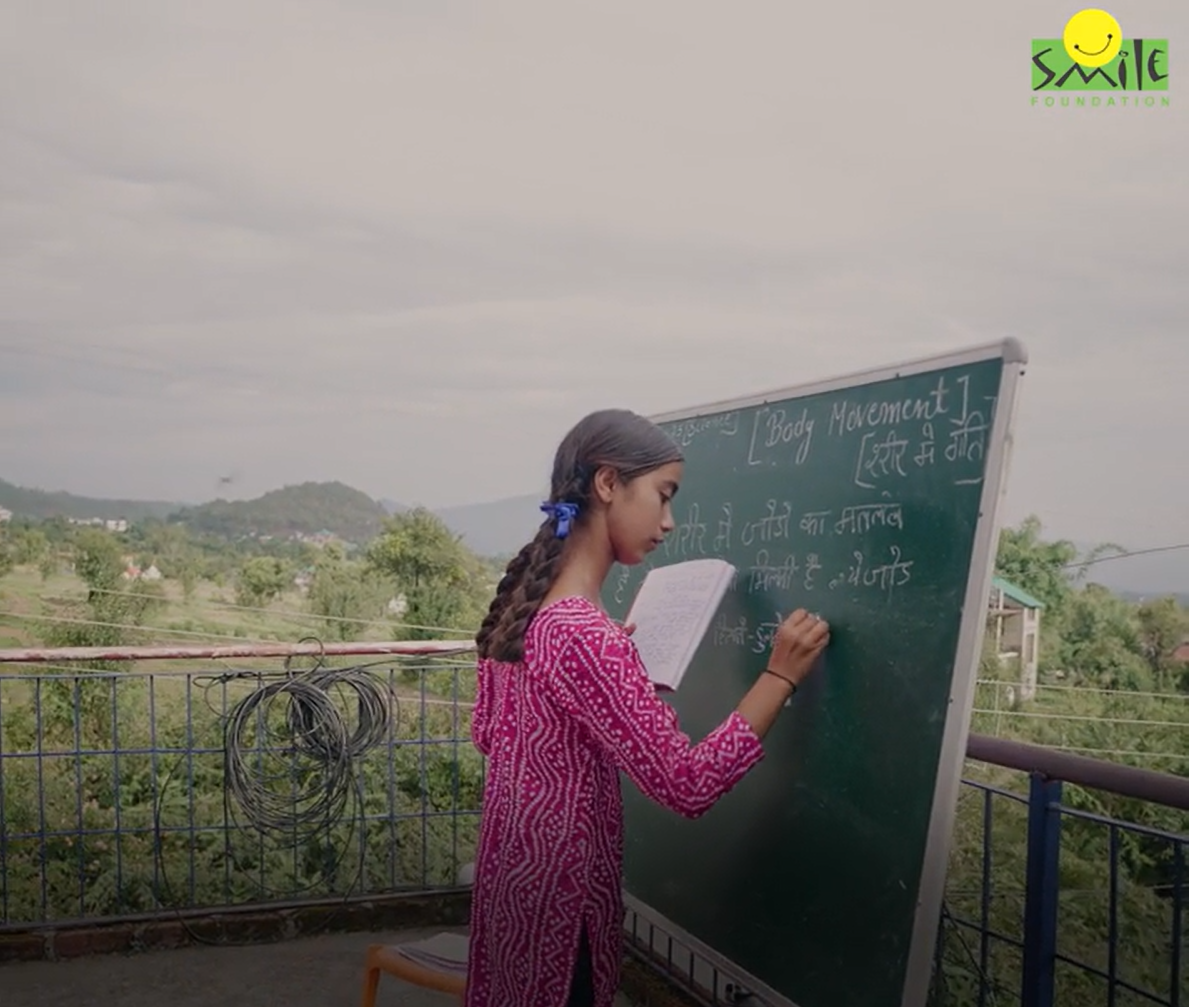
At Smile Foundation’s residential Mission Education Centre in Kangra, children from the pastoral Gaddi tribe are beginning to dream beyond the mountain pastures their families have roamed for generations. Among them is Shreya, a bright, soft-spoken girl whose childhood was shaped by the rhythms of grazing sheep, helping her mother tend to the home, and watching her father leave for distant towns in search of work.
Today, Shreya walks into a classroom instead of trudging across mountain slopes. With the support of Smile Foundation’s educators, she now studies with the goal to ease her parents’ burden one day. “I want to be there for them the way they’ve always been there for me,” she says, her voice steady with determination.
The Gaddi Tribe: Culture, geography, and exclusion
The Gaddi tribe is one of the prominent Scheduled Tribes (STs) of Himachal Pradesh. Traditionally semi-nomadic, Gaddis have for centuries migrated seasonally with their flocks of sheep and goats, navigating the high-altitude pastures of the Dhauladhar range in summer and descending to lower altitudes during the harsh winters.
While this lifestyle has given them deep ecological knowledge and cultural resilience, it has also historically excluded them from consistent access to formal education, healthcare, and infrastructure. Many Gaddi settlements are located in remote and hilly regions, such as the interiors of Kangra, Chamba, and parts of Lahaul-Spiti, where schools and roads are either scarce or seasonally inaccessible.
Census 2011 places the literacy rate among Scheduled Tribes in Himachal Pradesh at 73%, slightly above the national ST average of 59%. However, this figure masks wide disparities. In the remotest Gaddi villages, literacy among girls often dips well below 50%. Language barriers, lack of mobility, economic hardships, and deep-rooted gender norms continue to keep tribal children, especially girls, out of school.
Why tribal education needs targeted investment
Education is more than a right. It is the most powerful tool for breaking the intergenerational cycle of poverty. This is especially true for tribal communities, who often face multiple layers of exclusion like geographical isolation, social marginalisation, and lack of culturally relevant pedagogy.
1. India’s ST education landscape
According to the Ministry of Education’s UDISE+ 2022-23 data:
The dropout rate at the elementary level among ST children remains significantly higher than the national average.
Only 26% of ST students complete secondary education.
Female literacy among STs remains the lowest among all social groups.
These numbers represent millions of children who will miss out on economic opportunities, social mobility, and the chance to live lives of dignity and self-determination.
2. Barriers to access in tribal areas
Infrastructure is a key challenge. In many tribal belts, schools are located several kilometres away, often requiring students to walk across hilly terrain or through forests. Seasonal weather conditions, especially in mountain regions, further disrupt attendance.
Additionally, many tribal families cannot afford uniforms, transport, or stationery. Girls face greater hurdles. They are often expected to assist with household chores, and concerns about safety or lack of female teachers often deter their continued education.
Smile Foundation’s work for children of Gaddi tribe
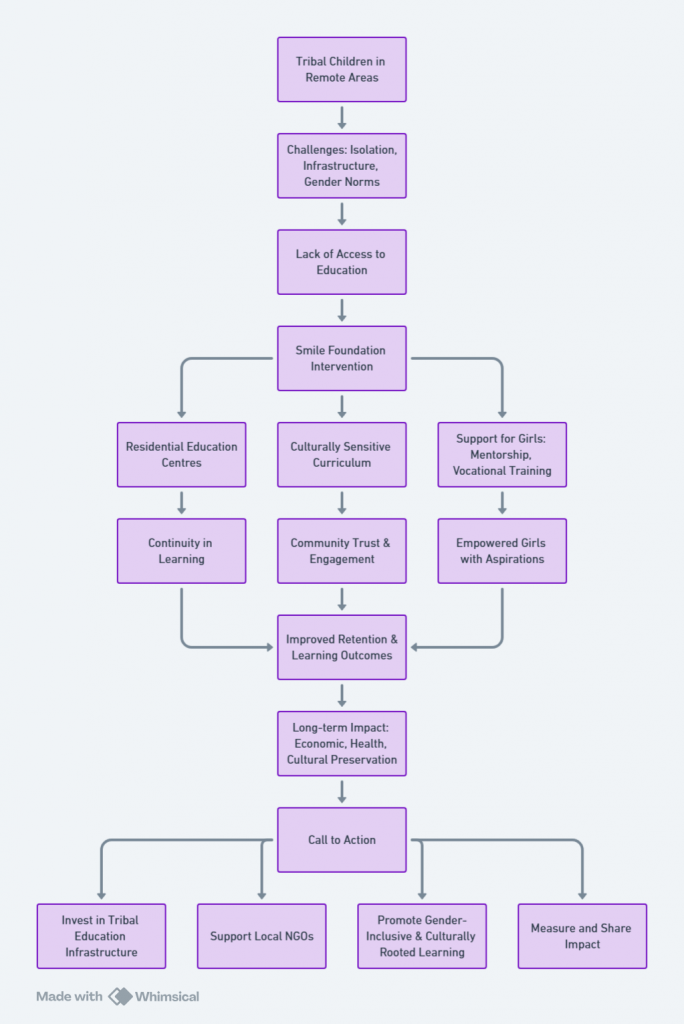
Smile Foundation’s Mission Education programme is designed to address precisely these challenges. With a focus on first-generation learners, the programme supports children from underserved communities by providing access to quality education, nutrition, and a supportive learning environment.
1.Residential support for continuity
In tribal areas like Kangra, Smile Foundation’s residential Mission Education Centre ensures that children like Shreya have a safe, nurturing space to live and learn. This continuity is critical for children from migratory families or those in fragile home situations. At the Kangra centre, students are just taught academic subjects, life skills, nutrition support, and mentorship.
2. Culturally sensitive education
The educators are trained to be sensitive to the local context. This includes respecting tribal dialects, celebrating local festivals, and incorporating traditional knowledge into learning, whether it’s folk stories, nature-based learning, or community values. Such an approach fosters trust and bridges the gap between home and school cultures.
3. Focus on girls’ education
Recognising the unique barriers faced by tribal girls, Smile Foundation places special emphasis on gender inclusion. Girls at the Kangra centre receive mentorship, healthcare, and vocational training, helping them build confidence and aspire to careers and leadership roles previously considered out of reach.
The ripple effect of educating tribal children
The benefits of educating tribal children extend beyond the individual. They transform families, uplift communities, and contribute to national development in multiple ways.
1. Economic Empowerment
An educated child contributes to household income, delays early marriage (especially for girls), and becomes more likely to participate in the formal workforce. They are also better equipped to access government schemes and resources meant for tribal welfare.
2.Health and social development
Educated children grow into informed adults who understand healthcare, nutrition, sanitation, and child-rearing practices. This leads to healthier families and reduced maternal and infant mortality in tribal regions.
3. Preserving and promoting tribal identity
Education does not have to mean cultural erasure. On the contrary, when children are taught to take pride in their roots, they become custodians of their language, crafts, and traditions. Smile Foundation actively encourages tribal children to explore their heritage while building the skills they need for modern life.
4.Strengthening social equity
By investing in tribal education, India takes a firm step toward reducing historical inequalities. It signals that every child, regardless of geography or background, deserves an equal opportunity to learn, grow, and succeed.
Shreya’s dream, our shared responsibility
Back in Kangra, Shreya’s eyes light up when she talks about her future. She dreams of becoming a teacher, so she can return to her village and help more children find the courage to study. “When I become a teacher, I’ll tell every girl she can do anything,” she says.
Her dream is not just hers to carry. It is ours to support.
Smile Foundation’s work with the Gaddi tribe and other indigenous communities showcases what is possible when grassroots education is backed with vision, resources, and compassion. But to scale this impact, we need collective action.
How to create long-term interventions
Invest in community-based education
Build or support residential and day-learning centres in tribal regions.
Ensure that infrastructure includes sanitation, digital learning tools, libraries, and playgrounds.
Support NGOs with local trust and experience
Organisations like Smile Foundation have deep roots in the communities they serve. CSR funds can go farther when deployed through experienced partners.
Focus on girls
Provide scholarships, transport, menstrual hygiene support, and career counselling for tribal girls.
Incorporate local culture
Design curricula that reflect tribal worldviews, languages, and livelihoods. This makes education meaningful and rooted in identity.
Measure and share impact
Funders should prioritise data collection on enrolment, retention, and learning outcomes, and share these publicly to inspire more action.
The mountain path forward
When we invest in children like Shreya, we do more than educate a child. We honour the legacy of a tribe, strengthen a nation, and build a future where no child is too remote, too poor, or too forgotten to matter.
Let us walk with her on this mountain path. Let us build more classrooms in the clouds.
India, the world’s largest democracy and one of its fastest-growing economies, continues to struggle with closing the gender gap. The 2025 edition of the World Economic Forum’s Global Gender Gap Report spotlights a difficult reality. Despite incremental progress, India remains among the bottom five economies globally in gender parity in economic participation and opportunity. This should concern every policymaker, business leader, and citizen committed to inclusive development.
India at a glance: Still struggling in economic and political empowerment
According to the report, India scores 40.7% on the Economic Participation and Opportunity subindex, barely ahead of countries like Egypt, Iran, and Pakistan. This indicates that Indian women still earn significantly less, are underrepresented in leadership roles, and participate in the workforce at far lower rates than men. Alarmingly:
Women’s estimated earned income is less than one-third of men’s.
Female representation in senior and managerial roles remains below 20%.
Women’s labour force participation is significantly below global averages.
In political empowerment, the scenario is equally bleak. India, once a global beacon for electing female leaders, now sees minimal female ministerial representation and sluggish progress in parliamentary parity. The report highlights that only Bangladesh and Iceland have achieved parity in years served by a female head of state. India, despite its early progress, has stagnated.
Progress in education and health but gaps remain
On a more positive note, India has closed over 95% of its gender gap in Educational Attainment. Primary and secondary school enrolment has become nearly gender-equal, and more women than men now enrol in some streams of higher education. However, this has not translated into proportional workforce outcomes, pointing to a broken pipeline between education and employment.
The Health and Survival subindex shows moderate progress, but India still struggles with challenges like skewed sex ratios at birth and declining healthy life expectancy for women relative to men.
What is holding India back?
The report identifies several systemic issues:
Implementation gaps: While laws around gender equality exist, enforcement is weak.
Cultural and social norms: Patriarchal structures, safety concerns, and domestic burdens continue to restrict women’s choices.
Lack of supportive infrastructure: Poor access to childcare, flexible work policies, and safe transport are barriers to workforce participation.
Industry segregation: Women remain overrepresented in low-wage, care-based sectors and underrepresented in high-growth industries like STEM and digital technologies.
Why this matters for India’s economic future
The report reiterates that closing gender gaps means tapping into the full talent pool which could:
Boost India’s GDP by billions of dollars annually.
Improve resilience in times of crisis (as seen during COVID-19).
Spark innovation and improve business outcomes through diversity.
At the current rate, economic parity will take 135 years, and political parity 162 years, globally. India risks falling further behind if urgent reforms are not initiated.
Recommendations for India
Workforce re-entry and flexibility: Invest in returnship programmes, part-time work options, and employer-led care infrastructure to bring women back into the workforce.
Representation matters: Quotas for women in political parties, local government, and corporate boards can create a pipeline of leaders.
Incentivise employers: CSR and ESG-linked incentives for gender-equal hiring, leadership promotion, and pay equity.
STEM and digital skilling: Scale up gender-targeted tech education and job placement schemes.
Strengthen law enforcement: Ensure that laws on workplace safety, maternity benefits, and anti-discrimination are robustly implemented.
Change the narrative: Public campaigns, community role models, and inclusive media can help shift deep-seated social norms.
Smile Foundation’s commitment to gender empowerment
Smile Foundation has long recognised that empowering women and girls is foundational to building stronger communities. Through a multi-pronged approach, Smile works at the intersection of education, health, skill development, and leadership to advance gender equity across rural and urban India.
Girls’ education (Mission Education): Smile ensures that girls from underserved communities have access to inclusive, quality education. through our She Can Flyinitiative. Thousands of girls across India receive not just classroom instruction but also life-skills training, nutrition, digital literacy, and career exposure.
Swabhiman programme: This flagship women empowerment initiative focuses on adolescent girls and women from disadvantaged communities, offering training in reproductive health, financial literacy, self defense, and leadership. The programme also mobilises men and boys as allies through gender-sensitisation workshops.
Skill training and livelihoods (STeP): Smile Foundation’s STeP initiative provides market-aligned skills training for young women, including digital and vocational skills, helping them secure dignified employment and break intergenerational cycles of poverty.
Menstrual and maternal health: Through awareness camps and health interventions, Smile Foundation addresses taboo topics like menstrual hygiene and maternal nutrition enabling girls to stay in school and women to take control of their health.
These programmes foster generational change, equipping women and girls to become agents of transformation within their families and communities.
Role of CSR and civil society: Catalysts for change
Smile Foundation is already piloting gender equity programmes at the grassroots. From skill training to girls’ education and maternal health, our initiatives offer scalable models. But broader partnerships are essential.
A moment for bold action
India’s ambition to become a global economic powerhouse cannot succeed without gender parity at its core. The Global Gender Gap Report 2025 is a wake-up call. With a collective push from government, business, and civil society, India can not only improve its ranking but realise the full potential of its half a billion women.
India Low on the Human Development Index Over the Years
In a low-income neighbourhood of rural Haryana, Shyama adjusts the thread on her new sewing machine. When her husband lost work during the pandemic, she struggled to feed her three children. A local NGO’s counsellor taught her basic health and financial skills, then gave her a used sewing machine. Today Shyama makes clothes and even cloth masks, declaring “I have got back on my feet again”. Her story – a woman transforming adversity into opportunity – reflects the broader tide of change sweeping India. Across the country, millions of girls are finishing school and joining the workforce, and millions of women are starting tiny businesses and taking seats in village councils.
However, this progress has been neither uniform nor complete. Deep-rooted patriarchy, poverty, and illiteracy still hobble many lives. The facts bear this out. According to UNESCO, India’s female literacy in 2022 was only 70.3% (versus 84.7% for men), an improvement from a decade ago but still below the global female average (79%). Around 23 million Indian girls drop out of school when they begin menstruating, due to lack of sanitation and privacy in rural schools. One analysis warns that nearly one-third of young women still marry before 18, a practice unchanged from a decade ago.
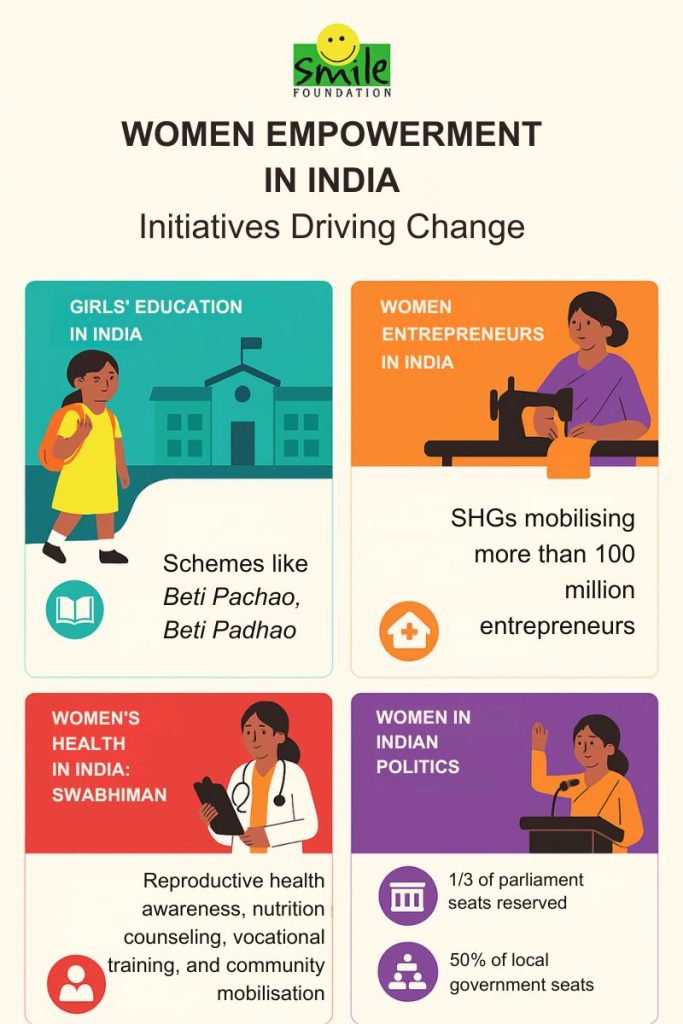
At the same time, sweeping policies and grassroots programmes have ignited change. Government campaigns like Beti Bachao, Beti Padhao (2015) and expansions of the Right-to-Education guarantee have helped normalise schooling for girls. An academic review notes that “more girls are going to school because of the Beti Bachao Beti Padhao campaign,” and in many areas the gross enrolment ratio of girls has caught up with or even surpassed that of boys.
The midday-meal scheme and scholarships for higher secondary girls have further encouraged families to educate daughters. Still, dropout and disparity remain stubborn. UNESCO reports that of India’s 77.7% literacy rate in 2022, only 70.3% of women were literate, leaving tens of millions of rural women still unable to read or write.
Education: Opening doors, changing minds
Over the past two decades, India has invested heavily in girls’ schooling. New classrooms and teachers have sprouted in even remote villages, and laws now mandate free education up to age 14. These changes show in the numbers. For example, the National Family Health Survey (2019–21) found that the share of women completing more than ten years of schooling has risen by over 5 percentage points from 2015. In some districts, girls outperform boys. Literacy rates in several Indian states now exceed those of males, especially at the primary level.
Government campaigns play a key role. Beti Bachao, Beti Padhao was launched to reverse sex-selection and promote girl-child education. Its soft-power message has had impact. Studies show that in areas where the programme ran, parents report greater willingness to send daughters to school.
The introduction of Kasturba Gandhi Balika Vidyalayas in backward areas provides safe boarding schools for marginalised girls, and state initiatives like Haryana’s Ladli scholarships pay families to keep daughters in school. Even cultural barriers have begun to shift. NGOs and governments now distribute sanitary pads and build school toilets so that girls need not skip class each month.
But numbers tell a mixed story. Although enrolment rates for girls are climbing, millions of girls still miss class. A UNICEF-CRY report notes that globally 129 million girls are out of school and India accounts for a significant share. Teenage pregnancy and child marriage remain major drop-out factors. According to NFHS-5, nearly 30% of Indian women were married before 18, a figure barely changed from the previous survey in 2015. And only about 90% of births now occur in institutions – a sign that many rural women still lack access to full antenatal education or may be denied maternal care due to family preferences.
The education story is also one of aspiration. Data from rural India suggest that when women’s literacy rises, daughters’ schooling improves too. Research on village council quotas shows that electing women leaders increased girls’ aspirations and educational attainment in those communities.
In one Punjab village, after a female sarpanch was elected, parents let daughters attend higher schooling for the first time. Similarly, female role models – India’s first woman president Droupadi Murmu (herself the first female graduate of her tribal village) or scientists like C.V. Raman’s daughter Anita – are now visible examples.
Behind these big trends are individual stories. Rinki, a young mother in Uttar Pradesh, married at 16 and had twins, yet returned to school via a distance-teaching programme and became a village teacher (her story circulated on NGO blogs). Nidhi, in Bihar, grew up with a teacher-father but lost him early; a local NGO recruited her to persuade families to send girls to school, and she even helped prevent three child marriages through grassroots outreach. These on-the-ground efforts embody the idea that education empowers women to break cycles of poverty.
New policies aim to sustain this progress
The 2020 National Education Policy promises universal foundational literacy, and explicitly emphasises girls’ education. Financial incentives like the Sukanya Samriddhi Yojana (which lets parents save in a special bank account for a girl child) and conditional cash transfers in some states reward families for keeping girls in school. Digital initiatives like free Wi-Fi at schools and smart classrooms have also reached rural areas. (However, the digital divide poses a barrier: only about 33% of women in India even use the Internet, so e-learning must still overcome gender gaps in access.)
Entrepreneurship and economic independence for women empowerment
For women in India, financial independence is a crucial step toward empowerment. In recent years the economy has begun to open new doors. Microcredit and self-help groups (SHGs) have spread widely. The National Rural Livelihood Mission has organised over 100 million rural women into roughly 9 million SHGs by 2024. These groups pool savings and give tiny loans for small businesses – sari-weaving, goat-rearing, tailoring – activities traditionally done by women. Government-led Rashtriya Mahila Kosh (Women’s Fund) has, by 2020, disbursed loans totaling ₹315 crores to dozens of rural institutions, reaching 741,000 women entrepreneurs.
More recently, national banking schemes have targeted female founders. The 2016 Stand-Up India scheme reserves lines of credit for SC/ST women entrepreneurs. Its growth has been dramatic. By late 2024 nearly 191,000 women-led accounts were opened, with some ₹43,984 crore sanctioned to women borrowers – up from only ~55,000 women’s accounts and ₹12,452 crore in 2018. These loans are used for enterprises big and small: a bakery in Punjab, a dairy in Tamil Nadu, a tech startup in Delhi. NBFCs and microfinance outfits also cater largely to women; for example, Mann Deshi Bank in Maharashtra lends mostly to village women, leading them to invest in farms or shops.
Meanwhile, outside the formal sector, a new entrepreneurial spirit is evident. In Bangalore, Yashoda (a mother of two) saw her cab-driver husband’s income vanish during the COVID lockdown. She joined Smile Foundation’s Entrepreneurship Development programme, where women learn skills like budgeting and marketing. With other trainees she launched a handmade cosmetics brand called Kadamba Naturals. By 2023 that cooperative of 15 women was selling herbal soaps online, each earning an extra ₹5,000–10,000 per month from home. Her story illustrates a wider fact. When women earn, they often plow profits into their families. Social enterprises like Okhai (a Gujarat-based NGO) have replicated this model: by training ~30,000 tribal women in embroidery crafts, Okhai helped many artisans roughly double their incomes to a few thousand rupees a month.
Government programmes support such grassroots efforts for women empowerment in India. In addition to loans, schemes like Mahila-e-Haat (an online marketplace for women’s products) and state-sponsored startup grants have appeared. State projects like Kerala’s Kudumbashree (one of the world’s largest women’s SHG networks) link literacy with livelihood: they run microenterprises from canteens to coir mats.
Under Skill India, thousands of young women have taken vocational courses in IT, healthcare or hospitality. However, despite all this, data suggest the economic inclusion of women remains low. Only 28% of ever-married women report paid work, down from 30% in 2005 – a stubborn stagnation even as more girls attend college. Many educated women still cite household responsibilities or lack of suitable jobs as barriers. In cities, women’s labour-force participation is only around 20% (compared to 50%+ for men), according to World Bank estimates.
Social norms often restrict women’s work outside the home and field jobs (agriculture, mining) remain male-dominated. When women do start businesses, they face hurdles in securing land, patents, or market access. Crime and harassment can deter traders in the evening markets. Digital platforms help some – smartphone apps allow women to sell handicrafts or produce online – but the digital divide is real. Rural women are half as likely as men to have used the internet, limiting their access to e-commerce.
Little ventures are gaining visibility
Women-run startups (often in food, textiles, or edtech) have begun attracting funding. Bengaluru’s She Taxi and Pune’s She Bus projects offer women drivers and conductors. Some tech incubators now specifically support women entrepreneurs. And credit bureaus now report better repayment by women borrowers, encouraging banks to lend more to them. The wage gap, though still large, has slightly narrowed in some sectors. As one GDP study points out, these initiatives are markers of women empowerment and economically could add an estimated $770 billion to India’s GDP by 2025 if all girls were educated and participating in the workforce.
Women empowerment starts with health, nutrition, and body autonomy
Women’s empowerment also depends on health and control over their own bodies. India has made impressive gains. Maternal mortality has fallen from 130 per 100,000 births in 2014–16 to 97 by 2018–20, hitting the National Health Policy target ahead of schedule. Institutional deliveries have climbed from 79% to 89% of births, thanks to cash incentives (Janani Suraksha Yojana) and free ambulance programmes. The proportion of pregnant women receiving four or more antenatal visits rose from 51% to 59%. Nearly all states now boast >90% hospital births, and even rural areas are at ~87%. These strides reflect intensified investments under the National Health Mission (RMNCH+A) and nutrition drives (like ICDS and Poshan Abhiyaan). In 2025, eight Indian states have achieved the UN goal of maternal mortality below 70, and the national average is on track to hit 70 by 2030.
Nutrition and livelihood often overlap. In tribal Maharashtra, Ishwati (a widow with four children) struggled to feed her family on day-wages. With a small grant from Smile Foundation, she began cultivating vegetables on a plot behind her hut. Soon she organised neighbours into an SHG to expand the garden. “We used to go hungry in lockdown, now we eat greens every day,” she says. Her story highlights the link between health and empowerment. Access to nutrient-rich food, cooking fuel, and clean water is a basic right, and women are usually at the forefront of ensuring family nutrition. NGOs like Smile’s Swabhimanprogramme address these needs holistically alongside vocational training, we run health camps and nutrition education for women. For example, Swabhiman reports having sensitised over 76,000 women on reproductive and child health issues in 2023–24.
Government schemes also target women’s health. In addition to the maternity programmes above, the Pradhan Mantri Matritva Vandana Yojana (a cash support for pregnant women) has been scaled up, and the Janani Shishu Suraksha Karyakram offers free delivery and newborn care. Menstrual hygiene is finally getting attention. National campaigns now distribute low-cost sanitary pads and build school toilets (still, almost a quarter of adolescent girls lack safe menstrual products in rural areas). Family planning services have expanded, though nearly 60% of contraception users still rely on female sterilisation rather than shared responsibility.
Importantly, legal rights have strengthened. The Medical Termination of Pregnancy (MTP) Act was amended in 2021 to allow abortions on demand up to 24 weeks for most women – a victory for reproductive autonomy (though safe services and awareness gaps remain).
However, public health faces big challenges. Malnutrition still affects over 30% of under-five children (with mothers’ nutrition a key factor), and anemia in women remains pervasive. Gender-based violence is tragically common. Surveys find that around one in three married women have experienced spousal violence. While laws like the Protection of Women from Domestic Violence Act (2005) exist, enforcement and social stigma often lag. Maternal mental health is also under-addressed – many mothers face depression without support. The COVID-19 pandemic strained services and education (school closures set back young girls’ learning).
On the upside, recent years have seen more women in health professions and leadership. Women now make up a growing share of medical and nursing students. High-profile female doctors and health activists (such as K. Sujata or Rujuta Diwekar) have raised women’s health issues in public discourse. State governments are appointing female health officers in remote areas to improve trust with villagers. Access to digital technology holds promise like telemedicine and health apps could reach homes and youth, if the gender digital gap can be narrowed.
Politics and public power
Women empowerment is incomplete without political voice. Here too India has made structural reforms. In rural and urban local government, women’s representation has leapt. Since the 1990s one-third of all panchayat (village council) seats have been reserved for women, rotating each election. As a result, nearly 1.3 million of India’s 3.1 million local elected officials are women. Those female sarpanches have been found to spend more on water and education, and to change attitudes – research shows that girls in villages with reserved female leaders have higher educational aspirations. Many states (e.g. Bihar, Maharashtra, Jharkhand) even increased the quota to 50%.
At the state and national level, change has been slower but is stirring. Women currently hold only about 15% of seats in the Lok Sabha and 14% in the Rajya Sabha. In September 2023, Parliament passed a long-delayed law reserving one-third of seats in the Lok Sabha and in state assemblies for women. (Implementation awaits the next delimitation exercise, so the actual increase may only come by the early 2030s.) The new “Women’s Reservation Act” was hailed as historic, although debate continues over whether quotas alone can uproot patriarchal norms.
Women have also emerged as governors of major parties and states. The 2024 general election saw several women in top candidacy lists (PM Narendra Modi’s BJP fielded a record number), and for the first time, women voted in almost equal numbers to men. Figures like Mamata Banerjee, J. Jayalalithaa (deceased) and Mayawati have shown women can be powerful chief ministers; and for years Indira Gandhi and now Nirmala Sitharaman have been major national figures. But critics note that dynastic politics and male-dominated party hierarchies often limit genuine female leadership.
Civil society has played a vital role too. Groups like the Self Employed Women’s Association (SEWA) and Mahila Samakhya (rural education) empower women to lobby for their rights. The national and state election commissions train “women voter camps” to encourage female turnout. On the streets, women’s movements (from protests against sexual violence to campaigns for inheritance rights) have kept pressure on elites. Media and social media are amplifying women’s voices on issues from menstrual equity (the viral #Padwoman campaign) to street safety (the Delhi “Pink Auto” women-run cabs).
Still, India’s political empowerment of women is incomplete. International indices underline this. The World Economic Forum’s 2025 Gender Gap Report ranks India 131th out of 148 countries. It notes that while parity in educational attainment has nearly been achieved, economic participation and political empowerment lag far behind. In practice, women are underrepresented in senior bureaucracy, and their policy concerns (like domestic violence laws or maternity leave) often lack full political backing.
Challenges and the road ahead for women empowerment in India
India’s journey of empowerment is far from over. On one hand, the gains in education, health, entrepreneurship and local governance over the last 20–30 years are remarkable by historical standards. Millions of mothers like Shyama or entrepreneurs like Yashoda owe their new livelihoods to these trends. Girls who would have been kept at home now walk to class. Villages that never saw a female leader now elect women to run water pumps or gram sabhas.
Still many hurdles remain. The economy has not yet created enough jobs in areas where women can easily work. Social attitudes can change slowly. Surveys still find that a significant fraction of Indians (especially in patriarchal regions) believe a woman should tolerate some domestic violence or must get her husband’s permission to work. Caste and religion add layers of complexity. Dalit and minority women face additional discrimination, and their empowerment requires addressing social justice too.
Looking forward, experts urge a multi-pronged push. Literacy and skill-building must continue: implementing the new education policy fully, expanding vocational training in rural India, and closing the digital gender gap (only about one in four rural women are online). Health programmes need more funding. India’s female life expectancy still trails many countries, and mental health services for women are weak. Economists note that if India could close the gender gap in employment, women’s labour-force share could rise dramatically – a key to achieving the government’s goal of a $5-trillion economy by 2030.
Politically, the women’s reservation law could be a game-changer once implemented, but it will take years to translate into more policies for women unless accompanied by capacity-building and public support. Civil society and media will continue to play watchdog roles, as will international norms and the SDGs. On the streets, daily challenges like workplace harassment, safety in public, and family pressures are battles still being fought by each generation.
In sum, India’s women’s empowerment is a long arc with many actors: governments at all levels, NGOs like Smile Foundation, grassroots leaders, families and the women themselves. Their progress has been uneven and contested, but unmistakable. As one scholar notes, making women part of the growth story is not only a matter of justice but of national survival. The work continues – from Haryana’s looms to Delhi’s parliament – weaving an Indian society ever more inclusive of its women.
Sources: Cited data and quotes are drawn from government reports, international studies, and NGO accounts such as UNESCO, NFHS surveys, PIB press releases, and Smile Foundation publications. These analyses and case studies illustrate the complex social, economic, and policy factors shaping women’s empowerment in India.