Categories
CSR Education Partners In Change Smile

Storytelling drives child education in villages

Digital tools, slick storytelling formats and gamified content are reshaping what it means to learn in 21st-century India. In classrooms outfitted with smartboards or, more often, in makeshift learning spaces on mobile phones children are no longer passive recipients of knowledge. Teachers, too, are adjusting their roles, while parents navigate new expectations.

Yet for every student swept up in this transformation, many more are being left behind. Patchy internet, device shortages and an education system still tethered to rote learning mean that the promise of immersive, future-ready education remains elusive for millions.

India stands at a pivotal juncture: the digital age has cracked open new possibilities for learning. But unless policymakers, technologists and educators confront the structural inequities that persist, the gap between potential and reality may only deepen.

Child education in India: Is modern learning inclusive?

India’s education landscape is being reimagined. A new emphasis on progressive pedagogy is encouraging schools and parents to move beyond the narrow metrics of academic achievement, toward something more expansive — an education that fosters critical thinking, emotional intelligence, leadership and a sense of self in a fast-changing world.

In theory, this marks a long-overdue shift. But the bigger question looms: who is this transformation really reaching?

Across India’s rural heartlands, where over 1.26 million schools operate, the ambition is palpable. Government schemes from Sarva Shiksha Abhiyan to Samagra Shiksha and PM e‑Vidya promise inclusive classrooms, digital tools, library upgrades and skills for a future economy. The official narrative speaks of equity, access and innovation.

But the lived reality is more uneven. Patchy infrastructure, overstretched teachers and socio-economic barriers continue to hold back millions of children especially girls, first-generation learners, and those in remote areas. While some students absorb coding through tablets, others still struggle to access textbooks or electricity.

The gap isn’t just digital. It’s systemic.

Bridging it will require calls for deeper alignment between governments, corporate players and community-led organisations to ensure that modern education doesn’t just remain an urban privilege, but becomes a shared national asset. One where every child, regardless of geography or background, has a real shot at learning in a way that is inclusive, holistic and genuinely transformative.

The ground reality 

A key hurdle in rural education today lies not in ambition, but in infrastructure. According to recent reports, nearly 60% of government schools in rural India lack functional internet connectivity. One in three schools is still without even the most basic digital tools such as projectors or smart boards making it nearly impossible for modern teaching methods to take root. In these classrooms, the promise of digital learning remains just a promise, and not yet a reality.

Modern learning in rural schools

Children in rural India remain at a stark disadvantage that carries profound implications for the country’s future. By 2027, an estimated 69 million new jobs are expected to emerge globally. Without urgent and sustained intervention, a generation of children from less privileged communities risks being shut out of this evolving opportunity landscape.

Bridging this divide requires more than textbooks and classrooms. It calls for an education system that nurtures cognitive agility, emotional resilience and practical life skills — tools as essential as literacy in navigating the future. This is where modern educational tools come in, not as luxuries, but as vital instruments towards building a safer, more inclusive future for every child.

  1. Storytelling 

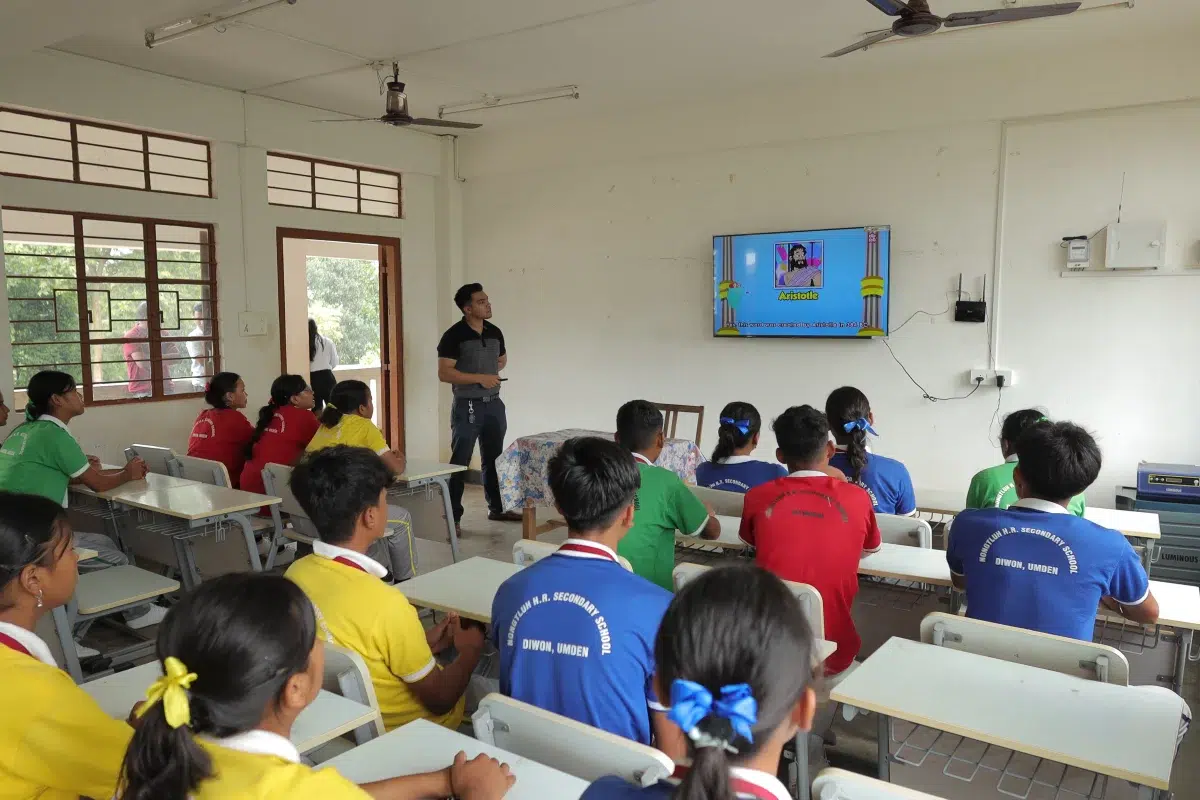
This has always been central to how children learn and remember. A 21st century classroom reimages this age-old method through digital storytelling – using videos, interactive flip books and gamified storytelling to explain complex concepts in simple and relatable ways

Research highlights that digital storytelling not only sparks creativity but also improves retention, motivation and deeper lesson engagement. For example, a story based history lesson enables children to “live through” events while a narrative driven science experiment can abstract concepts vividly. 

  1. Read-alouds and interactive content 

Read-aloud sessions were seen as a cornerstone of early child education which today have evolved into interactive digital formats. Today, children can listen to stories brought alive by AI-powered voices or choose how a character’s journey unfolds through interactive polls and clickable story paths. 

In India, where language diversity is vast, digital read-aloud tools also provide multilingual access, ensuring rural and urban children alike can learn in their mother tongue. This aligns with findings from the World Economic Forum (2024), which stresses rekindling curiosity through play-based and interactive tools that allow children to ask, explore and discover.

  1. Flip books and visual tools 

Traditional flip books and comics are being reinvested as microlearning modules. Imagine a child in a rural school accessing a digital flip book that demonstrates each step of a science experiment or a visual timeline that makes Indian history easy to understand and remember. 

Visual storytelling enables children to learn at their own pace, bridging the comprehension gap often caused by rigid textbook teaching. Child education in India, where students frequently encounter first-generation learning barriers, therefore, tools such as flip books can enhance discovery and quick grasping. 

  1. Digital tools and personalised leaning

The most transformative shift comes from personalised learning which is supported by digital platforms. Research states that adaptive learning does not promise equality in output but ensures adequacy that every child gains the competencies necessary to thrive, regardless of starting point. 

  • 75% of students feel more engaged in a personalised learning environment compared to just 30% in traditional ones.
  •  Personalised content recommendations boosted engagement by 60%
  1. Teachers driving change

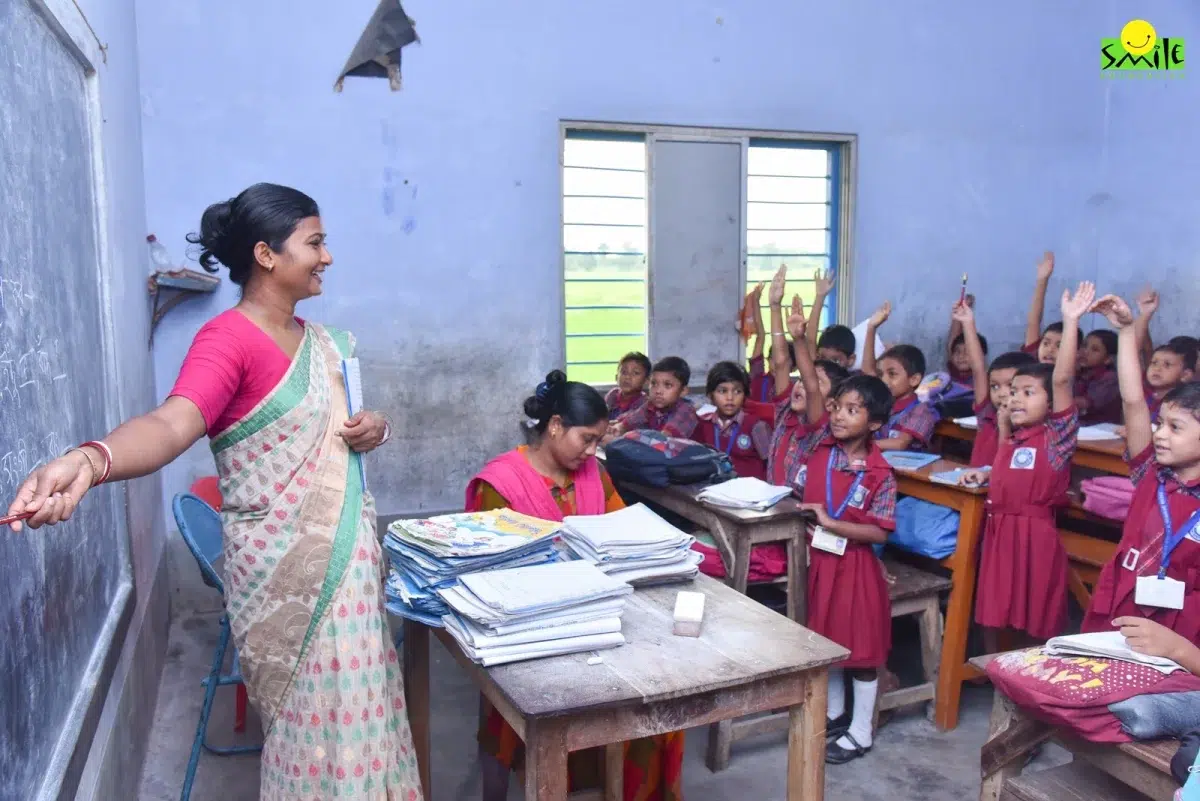
Teachers equipped with the modern pedagogical skills, digital tools and activity based methods establish a closer relationship with their students. With constant classroom engagements the learning outcomes also boots, but also empowers teachers with confidence, adaptability and professional growth creating a strong future ready education ecosystem in India

 Learning with Smile

Child education in India faces persistent challenges of inequity, digital divides and limited access to quality learning environments. Smile Foundation, through its Mission Education programme is working to transform this landscape by aligning with the National Education Policy 2020 and global priorities such as Foundation Literacy and Numeracy (FLN), tech enabled learning and lifelong education. 

With over 1,20,00 children across 27 states, the foundation adopts a four-pronged approach-

  • Child centric
  • Teacher centric
  • Enabling learning environment
  • Community engagement 

To ensure that children not only access education but also benefit from holistic development.

Our mission is to build inclusive, engaging and technology‑enabled classrooms that nurture holistic learning. Through impact‑driven corporate partnerships, we believe child education in India can be reimagined, delivering opportunities that go far beyond textbooks, empowering every child to learn, grow and thrive.

Partner with Smile Foundation to co-create scalable and sustainable education models that empower every child to learn, thrive and be successful.

Sources 

Innovative Education Methods: Transforming Teaching and Learning

https://ace.edu/blog/innovative-education-methods-transforming-teaching-and-learning

Digital Storytelling: A Powerful Technology Tool for the 21st Century Classroom

https://www.researchgate.net/publication/249901075_Digital_Storytelling_A_Powerful_Technology_Tool_for_the_21st_Century_Classroom

Rural Education – Integral to India’s progress

https://www.ibef.org/blogs/rural-education-integral-to-india-s-progress

Annual Status of Education Report 2024

Bringing back curiosity: How digital tools can help us rethink education

https://www.weforum.org/stories/2024/06/bringing-back-curiosity-how-we-can-use-digital-tools-to-rethink-education
Categories
CSR Education Girl Child Partners In Change Partnerships Smile

Periods and Potential: Why Menstrual Hygiene Matters in Girls’ Education

In a quiet classroom in Odisha, a girl named Shalini stood up to answer a question. She had no idea her life was about to change. A red stain on her seat, a marker of her first period, brought giggles, whispers, and then silence. No one had told her what menstruation was. She thought she was ill. The next day, overwhelmed by shame, she begged her parents not to send her back to school. And just like that, the promise of a brighter future began to fade.

Shalini’s story is not unique. Across rural India, girls face a combination of stigma, silence, and inaccessibility when it comes to managing their periods. Without awareness, proper facilities, or access to sanitary products, many are pushed out of classrooms, losing days of learning and, eventually, the opportunity for a better future.

UNICEF & WATERAID INDIA STUDY (2015)*

The unspoken numbers

According to UNICEF India, over 253 million adolescents live in India, with nearly half being girls and 25% of them in rural areas. Despite several government-led menstrual hygiene initiatives, thousands of girls still drop out of school due to shame, pain, poor access to products, and lack of supportive infrastructure.

A qualitative study in six Delhi government schools found that around 40% of girls missed school during menstruation owing to menstrual pain, fear of staining, and restrictive social norms.

Period absenteeism-why?

Whether in rural villages or urban neighbourhoods, a girl’s first period often arrives unannounced and with fear. Her body undergoes unfamiliar changes, but in the absence of support and information, this moment becomes isolating. When compounded by poor infrastructure, stigma, and silence, menstruation becomes not just a personal struggle, but an educational barrier.

  1. Social taboos 

Even today, in many parts of India, menstruating girls and women are subjected to regressive restrictions like being barred from entering temples, kitchens, or even touching food on the grounds of being “impure.” These practices are reinforced by harmful myths, such as the belief that menstrual blood is toxic or that using sanitary pads causes infertility. As a result, many girls are pushed toward using cloth or other unhygienic alternatives compromising their health, dignity, and confidence.

  1. Poor menstrual product access

In many rural communities, girls face limited access to safe menstrual products, clean cloth. or private drying spaces. Adding to their troubles is the issue of no proper disposal facilities; they often resort to using ashes or rags as quiet acts of desperation that compromise their health and dignity. 

Menstrual hygiene in Indian women (15-24yrs)

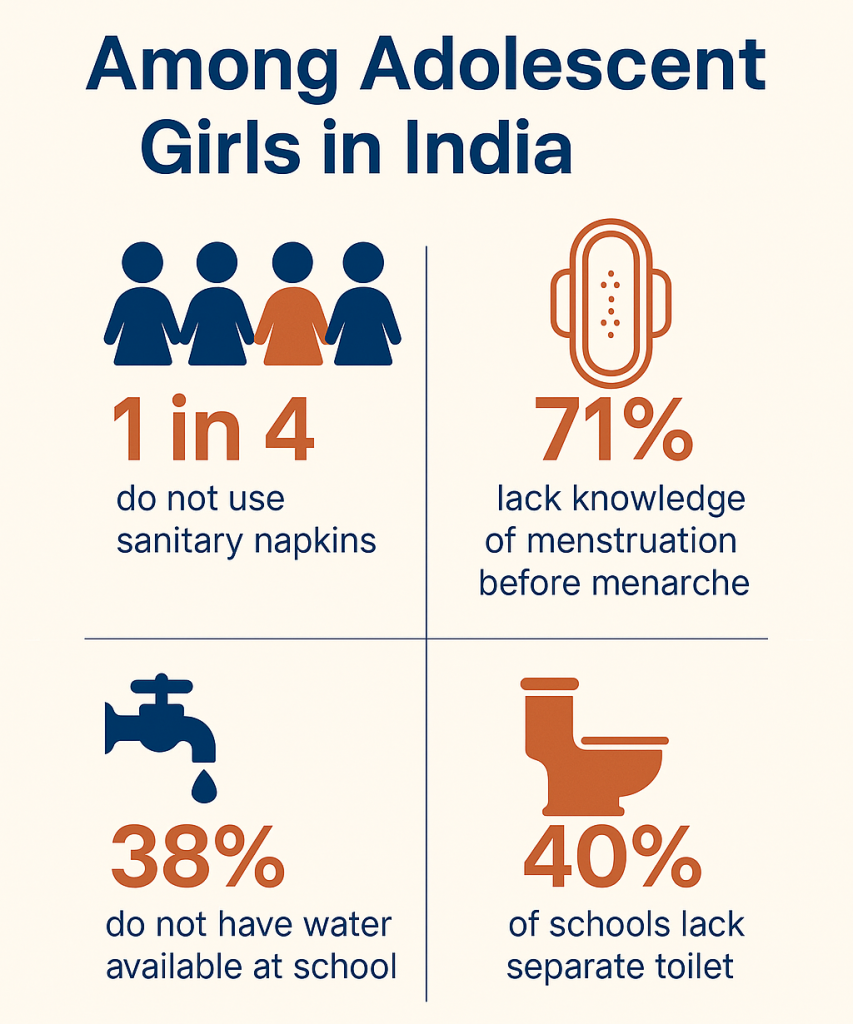
Recent data reflects encouraging progress: 78% of women in India now use hygienic menstrual methods such as sanitary napkins, tampons, or menstrual cups indicating growing awareness and improved access. However, among adolescent girls, only 42% rely exclusively on these hygienic practices*, with significant disparities persisting across states and districts. This gap underscores the urgent need for targeted interventions that address both availability and cultural barriers in underserved regions.

Menstrual hygiene practices among adolescent women in rural India: a cross-sectional study

https://pmc.ncbi.nlm.nih.gov/articles/PMC9675161

  1. Paying the hidden cost of secrecy and infrastructure gaps

Many girls across rural India navigate their periods in secrecy by hiding pads in books, fearing stains, missing school events, and sometimes their yearly reviews as well because of menstruation. With no dustbins, running water, or private toilets in schools, managing menstrual hygiene becomes near impossible. The result is a deafening mix of isolation, shame, and lost days of learning. 

Menstrual health is a national priority

India has taken steps in the right direction. The Menstrual Hygiene Scheme (MHS), by the Ministry of Health and Family Welfare, offers subsidised sanitary napkins and peer counselling through ASHA workers. The Rashtriya Kishor Swasthya Karyakram (RKSK) promotes adolescent health, including menstrual awareness. The Suvidha Scheme by the Ministry of Chemicals and Fertilisers introduced biodegradable sanitary pads at ₹1, increasing affordability.

Yet gaps persist. Many of these programmes struggle to reach India’s most marginalised girls. Product availability doesn’t always translate to product use, especially when surrounded by silence and stigma.

As a result, many adolescent girls navigate menstruation in isolation—confused, unprepared, and unsupported. For countless girls, this social conditioning leads to school absenteeism, diminishing their confidence, academic continuity, and long-term opportunities.

Addressing the gaps through strategic partnerships 

To bridge these challenges, strategic CSR–NGO partnerships are serving as catalytic agents. By combining grassroots reach with corporate scale, these collaborations have the potential to advance menstrual hygiene management as a systemic solution driving health equity, school retention, and long-term social impact for adolescent girls across India.

Improving school infrastructure beyond brick and mortar

One major challenge for school girls from rural communities during menstruation is the lack of functional school infrastructure; poor washrooms, inadequate disposal, limited water, and no privacy often lead to school dropouts.

What can be done

  • Support the development of gender sensitive washrooms with lockable doors, running water, disposable bins and incinerators. 
  • By partnering with NGOs, corporates can implement their CSR goals for women empowerment. Through impact dashboards, the projects can be tracked to identify the usage, maintenance, and overall the hygienic parameters required for young girls in home and schools. 

Culture stigma needs community solutions 

One of the most important issues that must be addressed immediately at a large scale is the lack of awareness about menstrual health amongst young girls and their communities. This becomes more concerning when the concerns of young girls are silenced due to vulture silence, shame, and myths that often lead to fear, poor hygiene, and isolation. 

What can be done

Corporates can support community based menstrual literacy programmes where they can collaborate with local organisations, ASHA workers and peer educators to increase awareness on menstrual hygiene. Furthermore, they can also educate the girls, teachers and community workers through culturally adapted IEC tools (flipbooks, comics, digital stories ) to challenge taboos and normalise conversations. 

Take the example of Shivani. Once hesitant and withdrawn, she found her footing through menstrual health sessions conducted by Smile Foundation’s Swabhiman programme. With accurate information and support, she gained not only knowledge, but also the confidence to speak up. Today, she serves as a peer educator empowering other adolescent girls in her community and promoting health-seeking behaviour.  

As part of its integrated approach to women’s health, Smile Foundation’s Swabhiman trains community-based volunteers as reproductive and menstrual health educators in underserved areas. This capacity-building intervention strategically addresses knowledge gaps, dismantles cultural taboos, and promotes safe menstrual hygiene practices directly reducing school absenteeism and health risks among adolescent girls. By embedding peer-led advocacy into last-mile delivery, the initiative strengthens behavioural change at the community level while aligning with national adolescent health goals and SDG targets.

Making innovation accessible, affordable, and adaptable 

As key drivers of social impact, CSR–NGO partnerships are well positioned to eliminate unhygienic menstrual practices such as the use of cloth, ash, or sacks by co-developing and scaling access to affordable sanitary products tailored for rural adolescent girls. In light of growing environmental concerns, these partnerships must also prioritise innovation in biodegradable and reusable menstrual solutions, ensuring both adolescent health and ecological sustainability. Such an approach aligns with ESG goals and supports long-term, community-based health equity.

What can be done

  • Support women-led production units for biodegradable sanitary napkins or menstrual cups.
  • Collaborate on last mile distribution through workshops in local communities and schools, Anganwadis and frontline health workers.

For instance, through targeted workshops on menstrual hygiene, Smile Foundation’s Swabhiman programme ensures last-mile delivery of accurate, stigma-free education to adolescent girls in underserved communities. By promoting body literacy and safe hygiene practices, the initiative empowers girls with the confidence to stay in school, safeguard their health, and become agents of change in their communities.

  • Support impact evaluations to track product adoption, usage frequency, and behavioural shifts. 

Her better health and future with Swabhiman

Swabhiman addresses menstrual hygiene as a critical enabler of uninterrupted education for adolescent girls in rural India. By training peer educators, frontline volunteers, and community health workers, Swabhiman delivers accurate, stigma-free menstrual literacy at the grassroots. It also facilitates access to sanitary products, promotes hygienic practices, and advocates for safe, girl-friendly school sanitation infrastructure. This integrated approach reduces absenteeism and school dropouts caused by menstruation-related challenges. Aligned with national priorities and SDGs 4 and 5, Swabhiman empowers girls to manage menstruation with dignity transforming it from a source of shame into a gateway for continued learning and confidence.

A call to strategic CSR for menstrual hygiene in India

By investing in menstrual health, CSR initiatives can move the needle on multiple fronts including school attendance, public health, gender empowerment, and community resilience.
Smile Foundation invites partners committed to building inclusive, lasting impact. Let’s work together so that menstruation is no longer a reason for any girl to drop out but a moment where she steps into knowledge, dignity, and power.

Categories
CSR Education Partnerships

STEM Today, Changemakers Tomorrow

Imagine a future where children across India learn to design, code, and build right from their homes. With the right support through CSR-led STEM education, this is not just a possibility – it’s within reach.

Drawing guidelines from the reports of UNESCO, McKinsey & Company, CSR programmes can trace the natural path of identifying barriers to forging lasting partnerships that deliver resources, mentorship and digital infrastructure. By promoting STEM education through corporate investments with developmental expertise, initiatives can be developed to create inclusive STEM education projects that effectively upskill underrepresented children in India. 

This collaboration ensures sustainable ecosystems where academia institutions, industry and community organisations co design curricula, facilitate internship and provide ongoing support. Ultimately, such synergy drives innovation, economic growth and social development by promoting equitable access to STEM education and careers. 

Bridging STEM gaps – Policy meets CSR

The Government of India has established a robust policy environment to strengthen STEM education, recognising its role in national development and global competitiveness. Key schemes include Rashtriya Avishkar Abhiyan, which integrates STEM learning with experiential methods in schools; Innovation in Science Pursuit for Inspired Research (INSPIRE) which nurtures scientific talent from an early age and Digital India which promotes digital literacy and e-learning tools, enhancing STEM access in rural and semi-urban areas. 

Additionally, initiatives like Atal Innovation Mission and PM eVIDYA support innovation labs, teacher training and digital content development. These programmes provide the policy infrastructure for corporate social responsibility initiatives to scale their impact through strategic public-private partnerships. 

However, despite several initiatives to make STEM education accessible in India, the gaps still exist. In low-resource communities, be it from Mumbai slums or remote Himalayan villages, many children look forward to learning, to questioning and to creating. But because of the lack of basic resources, trained teachers and hands on experiences their potential goes unrealised.

Why is STEM education vital?

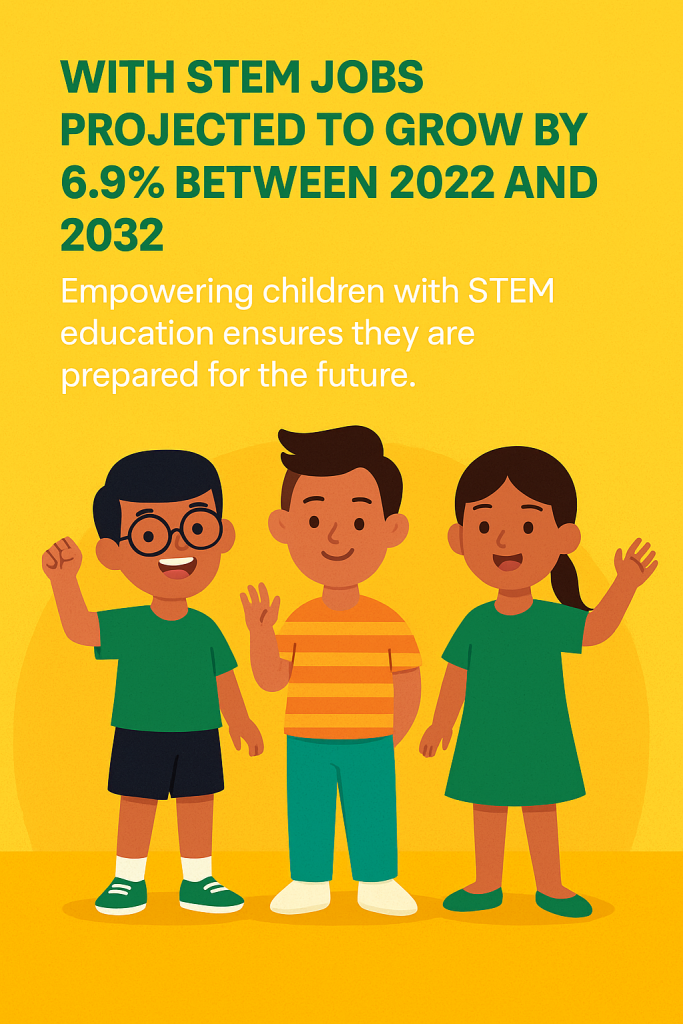
STEM careers are poised for exceptional growth, driven by rapid technological advancement and the global push towards digitalisation, sustainability, and innovation. According to the U.S. Bureau of Labor Statistics and the World Economic Forum, STEM jobs are projected to grow by 6.9% between 2022 and 2032 outpacing non-STEM roles.

Fields like AI, data science, cybersecurity and renewable energy engineering could see growth of 30–45%, creating millions of high-quality, future-ready jobs. This surge not only promises economic opportunity but also the chance to shape a more resilient, equitable world. 

Thus, STEM education from an early age in countries like India holds the key to empowering children to dream, innovate, and thrive in a world that’s changing rather too quickly. At its core, it’s not about gadgets or code—it’s about levelling the playing field and expanding the horizon of what’s possible for every child.

STEM powers equal futures for every child

  1. Builds Blocks for STEM Equity

STEM education in India is a powerful enabler of inclusive growth, but its success hinges on foundational infrastructure. In remote regions, where electricity, internet connectivity, science kits and safe laboratories are scarce, these essentials are pillars of opportunity. Without them, the dream of inclusive, inquiry-led education remains out of reach for millions of children. Investing in this infrastructure is both an operational necessity and a moral imperative for building an equitable society.

  1. Empowers Local Learning Ecosystems

Technology belongs to everyone – a truth reflected in the way STEM education can unlock potential across the social fabric of India. To achieve this, the country must nurture ecosystems that welcome underserved children through:

  • Trained mentors who guide and inspire
  • Community-led robotics and science clubs that encourage collaboration
  • Peer networks of young innovators that foster belonging and shared learning

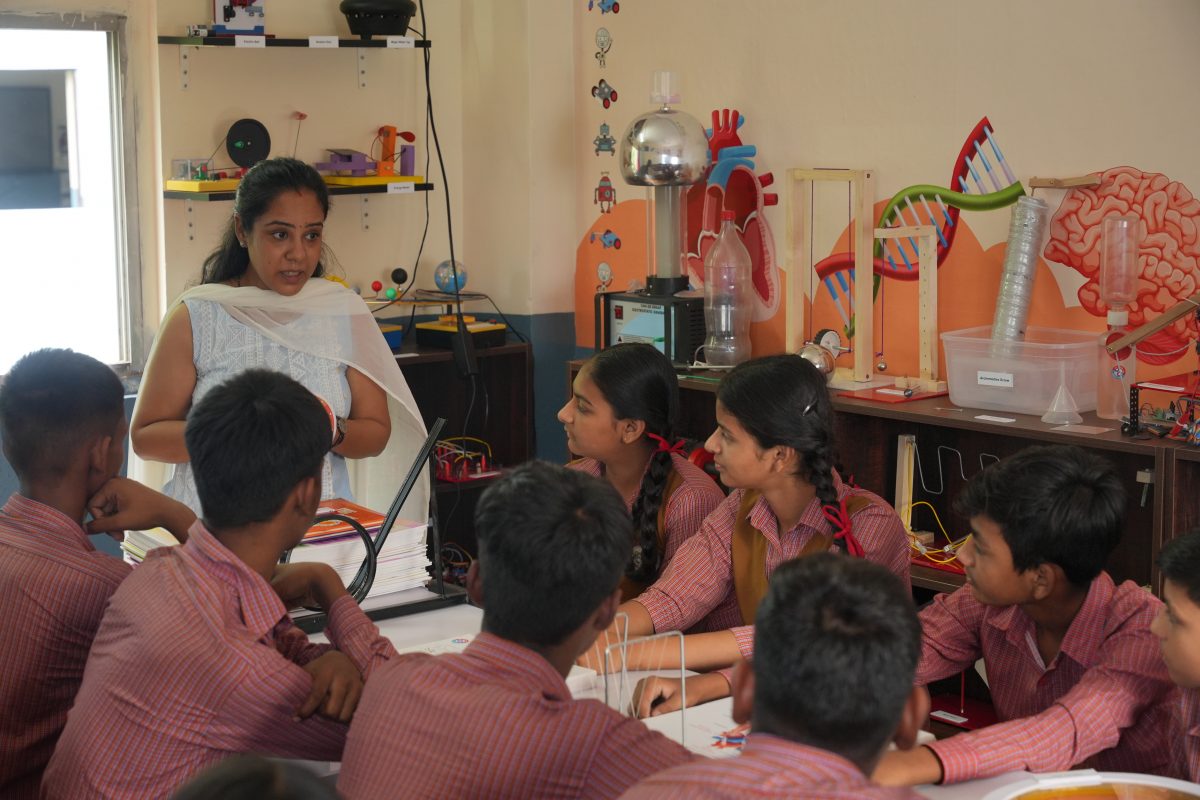
An inspiring example comes from IIT Bombay’s collaboration with Smile Foundation and GnaanU Education. Their STEM education workshop exposed children from low-resource communities to robotics, aero-modelling, 3D printing and sustainability. Young minds are filled with curiosity, confidence and the courage to imagine a future in technology-driven fields.

  1. Responsible Governance for Sustained Impact

STEM education in India must be anchored in ethical, accountable frameworks. This calls for partnerships between government bodies, NGOs and the private sector working together to monitor, evaluate and refine programmes. The goal is to ensure every child has the tools, guidance and opportunities to explore, experiment and thrive. When STEM education becomes truly inclusive, we sow seeds of confidence and belonging that can transform generations.

STEM education NEP 2020 and CSR: A shared vision for inclusive learning

The National Education Policy (NEP) 2020 places STEM education at the forefront of building an innovation-driven, equitable India. It champions inquiry-based, experiential learning, digital literacy and vocational skills – all critical to preparing young minds for the future. Achieving this vision requires demands committed action on the ground. Here, Corporate Social Responsibility (CSR) has a transformative role to play.

CSR as a strategic driver of NEP 2020 goals

  1. Enabling scalable education models

By supporting mobile STEM labs, digital classrooms and maker spaces, CSR initiatives can create flexible, replicable models that bring hands-on, experiential STEM education to children across diverse geographies.

  1. Advancing digital equity

CSR efforts that fund devices, internet connectivity and learning platforms empower low-resource communities, helping bridge the digital divide and ensuring every child has equal access to quality STEM education opportunities.

  1. Strengthening capacity-building for educators

Investing in teacher training, mentoring networks and innovative pedagogy equips educators to deliver dynamic, inclusive STEM learning, enabling alignment with NEP 2020’s vision of inquiry-based and technology-enabled education.

These efforts bridge systemic gaps, helping underserved learners thrive and contribute meaningfully to India’s knowledge economy.

CSR-NGO synergy: Catalysing equitable STEM education in India

STEM education in India is a cornerstone of the National Education Policy (NEP) 2020, envisioned as a pathway to an equitable and innovation-led future. Achieving this vision requires joint efforts by CSR leaders, NGOs and government bodies. Public-private partnerships play a vital role in strengthening educational infrastructure, digital access and foundational learning systems. Corporates, as co-creators, can help scale mobile STEM labs, maker spaces and digital classrooms that bring experiential learning to underserved communities, in line with NEP 2020.

Equally crucial is collaboration with trusted NGOs, ensuring that STEM initiatives are inclusive, locally relevant and grounded in real-world needs. Such partnerships enable tailored solutions from teacher capacity-building to community-led science clubs that nurture curiosity, confidence and innovation. By aligning CSR investments with NEP 2020 priorities, corporates can help build future-ready education models that empower every child to thrive in a technology-driven world.

NGOs as ecosystem enablers

In India’s pursuit of equitable STEM education, grassroots NGOs play an indispensable role in turning policy intent into meaningful action. For corporates aiming to make long-term, scalable impact through their CSR investments, partnering with NGOs in India is not just strategic, it is pivotal. Organisations like Smile Foundation act as ecosystem enablers, bridging the critical gap between national education priorities and ground-level realities through culturally rooted, community-led models.

At the core of Smile Foundation’s education initiative lies its impactful STEM intervention. We believe that every child regardless of geography or gender deserves access to quality, inquiry-led learning. Our multi-pronged approach ensures that the right tools, training and opportunities reach those who need them most.

  • Mobile STEM Laboratories
    These portable science labs bring practical, experiment-based learning directly to schools in underserved and remote areas. Equipped with interactive kits and DIY experiments, they make STEM tangible and exciting, especially for students with limited access to formal lab infrastructure.
  • Teacher Capacity Building
    Recognising the role of teachers, we conduct regular training programmes for rural educators, enabling them to adopt experiential pedagogies. These sessions empower teachers to deliver hands-on, inquiry-based STEM lessons that foster curiosity and critical thinking.
  • Gender-Inclusive Innovation Spaces
    Through initiatives like science clubs, innovation fairs and safe, inclusive learning zones, we actively encourage girls to explore and participate in STEM. These platforms are designed not only to build confidence but to challenge long-held stereotypes about gender and scientific ability.
  • Strengthening Foundations
    Through shared vision and efforts, we’ve established interactive smart classrooms and STEM labs. These interventions aim to create a dynamic and inclusive environment for foundational and advanced STEM learning.

Impact at Scale

0

STEM DIY kits

0

Number of students in STEM

0

Mobile STEM Labs Deployed

Impact at scale: More than just numbers

Through consistent, integrated implementation, Smile Foundation’s STEM education programmes have:

  • Improved student attendance, particularly in equity-challenged schools
  • Significantly increased the participation of girls in STEM activities
  • Enabled month-on-month capacity building for teachers in STEM pedagogy
  • Fostered a shift towards holistic, project-based learning frameworks

These outcomes underscore a simple yet powerful truth-

“ When corporates and NGOs co-create solutions rooted in empathy and aligned with national priorities, transformation is not only possible, it is scalable and sustainable”.

Partner for cross-sector collaboration

The future of STEM education in India rests in our collective hands. When corporates, NGOs and government bodies come together, we don’t just fund education - we shape futures. At Smile Foundation, we believe true impact begins with data-driven decisions and ends with empowered classrooms.

 Join us in co-creating a scalable, inclusive STEM ecosystem because every child deserves the best we can offer.

Sources- 

Building Purpose Beyond CSR, The STEM Labor Force: Scientists, Engineers, and Skilled Technical Workers, Future of Jobs Report 2025

Categories
Education

Caring about Learning Outcomes in Our Children

Education is not about preparing students for examinations or equipping them with specific skills. It is about igniting curiosity about the world, nurturing critical thinking, and fostering creativity. These objectives can be achieved by focusing on meaningful learning outcomes that enable students to apply their knowledge to real-world situations.

In times of today, innovation in classrooms has become essential to ensure that education remains relevant and effective. Therefore, creating an education system that prioritises learning outcomes can equip students with the tools needed to do their vey best in the 21st century.

Understanding Learning Outcomes

If you are unfamiliar with the term, you may wonder what learning outcomes are and how they differ from scores or grades. While learning outcomes relate to students’ performance and the extent of their learning, scores and grades are just one component. Learning outcomes encompass the specific knowledge, skills, attitudes, and behaviours that students are expected to demonstrate as a result of their educational experiences.

Traditionally, learning outcomes were associated with memorising concepts or rote learning. However, this approach is evolving to include a broader range of competencies. For example, digital literacy and emotional intelligence, which were previously overlooked, are now recognised as crucial. Assessing digital literacy should not be limited to students’ exam scores but should also consider their awareness and application of digital tools in real-world contexts.

By emphasising learning outcomes, education becomes goal-oriented and student-centred. The focus shifts from merely covering the curriculum to achieving specific, meaningful objectives that contribute to students’ overall development. By clearly defining and measuring learning outcomes, educators can tailor their teaching strategies to meet students’ diverse needs, ensuring that every child reaches their full potential.

Improving Learning Outcomes in Schools

Education is a continuous process and should not be confined to the classroom. However, schools play a crucial role in achieving learning outcomes by providing structured learning opportunities. Several strategies can enhance the quality of education and ensure students achieve meaningful outcomes:

  • Student-centred learning – Schools must design their curriculum and pedagogy to be student-focused rather than relying on a standardised approach. Since students’ needs vary due to multiple factors, personalised learning plans should be developed. Inquiry-based learning can also be adopted to stimulate curiosity among students.
  • Active learning – Rote learning or passive reading may help students retain some concepts and perform well in exams, but it does not equip them to apply their knowledge in real-life situations. A hands-on learning approach can promote critical thinking, creativity, and collaboration.
  • Formative assessment – Implementing formative assessment practices enables educators to monitor students’ progress and provide timely feedback. Regular assessments, such as quizzes, peer reviews, and self-assessments, help identify areas for improvement and guide teaching strategies.
  • Technology integration – Technological advancements have created dynamic learning environments and allow for individualised learning experiences. Technology should be integrated into classrooms, and teachers must be trained in modern teaching methods.
  • Parental involvement – While structured learning happens in schools, children spend most of their time at home with their families. Parents play a significant role in enhancing their children’s learning by creating opportunities through meaningful games, discussions, and interactions.

Learning Outcomes in India

When analysing the status of learning outcomes in India, a significant disparity emerges between students from affluent backgrounds and those from underprivileged communities. While the former benefit from modern teaching practices and well-equipped schools, the latter must make do with whatever is available in the public education system.

The latest ASER report highlights both progress and challenges in India’s learning outcomes. While enrolment rates and access to education have improved, learning levels remain a concern. For instance, a substantial proportion of primary school children struggle with basic reading and arithmetic. According to the ASER 2021 report, only 20.3% of children in Grade 3 could read a Grade 2-level text, and only 28.2% could perform basic arithmetic operations.

This situation underscores the urgent need for the public education system to focus on improving learning outcomes, particularly given the fast-changing global landscape and the necessity for innovative classroom interventions.

Learning Outcomes and India’s Future

Enhancing learning outcomes, particularly for the majority studying in public schools, can help India cultivate a skilled workforce and an empowered population. This can drive productivity and contribute to social and political transformation. Here’s how improved learning outcomes can shape India’s future:

  • Employability – In today’s knowledge-based economy, employers seek individuals with strong critical thinking, problem-solving abilities, and digital literacy. Students who achieve meaningful learning outcomes are better prepared to meet job market demands and secure fulfilling employment.
  • Quality of life – Education significantly impacts overall well-being. A strong focus on learning outcomes equips students to make informed decisions, overcome challenges, and contribute positively to society.
  • Social mobility – Improved learning outcomes can provide children with better opportunities as they grow, enabling them to break free from poverty and uplift their families.
  • Civic engagement – Well-educated individuals become responsible citizens who actively participate in democratic processes. Students who achieve meaningful learning outcomes are more likely to engage in community activities, volunteer work, and governance.

Conclusion

By prioritising meaningful learning outcomes, we can develop an education system that empowers students with the skills, knowledge, and attitudes required to succeed in the 21st century. Schools, educators, parents, and policymakers must collaborate to implement effective strategies that enhance learning outcomes and address students’ diverse needs.

Smile Foundation is committed to improving learning outcomes for children, particularly those from underserved communities, by enhancing access to quality education. Through our Mission Education programme, we provide holistic learning experiences that include digital education, teacher training, and life skills development. By establishing well-equipped learning centres, improving school infrastructure, and integrating technology into classrooms, Mission Education program’s goal is to ensure continuous learning through Shiksha Na Ruke fostering holistic, engaging and effective learning environment.

Our initiatives emphasise experiential learning, personalised teaching methods, and regular assessments to track student progress. Programmes such as Project Manzil in Rajasthan incorporate digital tools to enhance vocational training and academic performance. Additionally, we collaborate with educators to improve teaching methodologies, ensuring that children not only remain in school but also achieve meaningful learning outcomes that prepare them for future opportunities.

Categories
CSR Smile

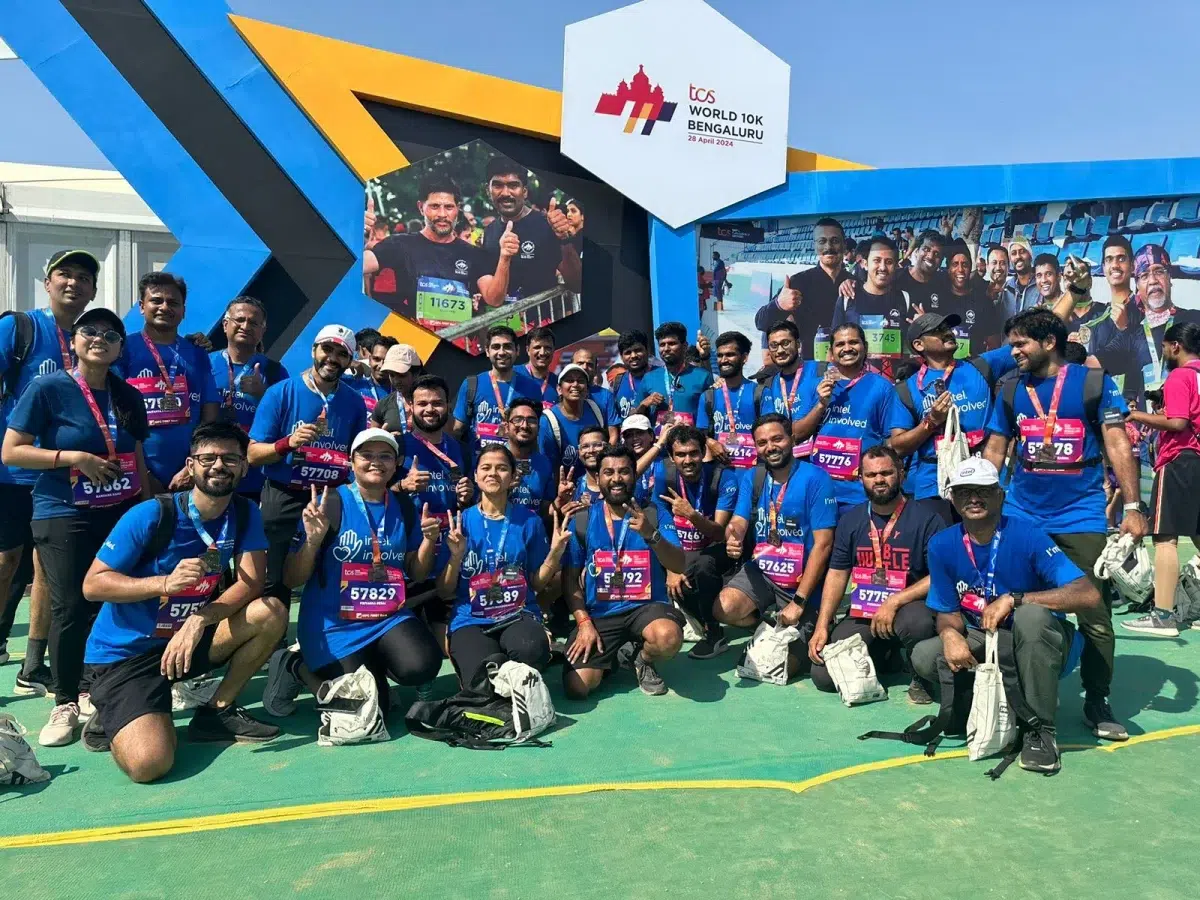
TCS World 10K Bengaluru Marathon – A Good Run for Great Reasons

Many people might assume that marathons are only for the physically fit, and while fitness is crucial, marathons go beyond athleticism. They celebrate the spirit of trying something new, fostering discipline and resilience for personal growth. From children to senior citizens, everyone can join a marathon to experience the joy of personal achievement. Embracing inclusivity and the vibrant energy of Bengaluru, the TCS World 10K Bengaluru Marathon is set to take place on 27th April 2025. This event honours diversity and reflects the ever-refreshing spirit of the city.

The Youngest Race

The TCS World 10K Bengaluru marathon is the youngest race to receive the prestigious IAAF Gold Label, bringing the electrifying energy of India’s Silicon Valley to life. On race day, runners from across the city and around the world will gather in the early hours, donning their running gear and meaningful costumes. Amid perfect weather and scenic views, participants will run with unmatched enthusiasm and purpose.

Who Can Participate?

The TCS World 10K Bengaluru welcomes everyone—children aged 12 and above, senior citizens, individuals with disabilities, and corporate teams eager to champion social causes through this run.

Participants can choose from the following categories:

  • Open 10K
  • Majja Run
  • Silver’s Run
  • Champions with Disability
  • Virtual Run
  • World 10K

This inclusive approach allows each participant to run at their own pace, in their unique style, and for their chosen cause.

Corporate Partnerships: Running for a Cause

In today’s world, corporate engagement extends far beyond boardrooms. As businesses adopt a more conscious approach, it is essential for them to demonstrate their commitment to social causes and employee well-being. The TCS World 10K Bengaluru Marathon offers a perfect opportunity for corporate teams to come together, celebrate team spirit, and reinforce their dedication to making a difference.

Over the years, corporate participation in marathons has proven to enhance brand reputation and foster a culture of wellness within organisations. Employees benefit from improved mindsets and attitudes, contributing to a positive workplace environment. Events like these also encourage employees to prioritise their health, leading to better work-life balance.

For instance, the Airtel Delhi Half Marathon last year saw 34,000 runners, including teams from companies like Coca-Cola, Airtel, and Optum, highlighting the growing trend of corporate involvement in such events. These numbers underscore a shared commitment to excellence and social responsibility.

Driving Social Change at TCS World 10K Bengaluru Marathon

The TCS World 10K Bangalore has had a profound impact on social causes. As South India’s largest sporting philanthropy platform, it has raised an impressive ₹46.04 crores over 14 editions. This year, we encourage everyone to participate—register, choose a cause or NGO to support, and fundraise or donate. Every contribution counts, making a real difference in people’s lives.

Why Corporates Should Participate?
  1. Boost Corporate Social Responsibility (CSR)

Corporate Social Responsibility has evolved beyond financial donations. Today’s businesses are at the forefront of driving social change. By participating in the TCS World 10K Bengaluru Marathon, companies can visibly support NGOs, raise funds for meaningful causes, and demonstrate their commitment to giving back to society.

  1. Showcase Creativity and Uniqueness

The marathon is an excellent platform for brands to showcase their creativity. From logos on t-shirts to banners and event materials, companies can leave a lasting impression on a large audience. Your brand might just set a new trend!

  1. Enhance Employee Engagement and Morale

Transform race day into a team-building exercise. Participating as a group fosters team spirit and highlights the company’s empathy and responsibility towards both employees and the community. This, in turn, enhances reputation among customers and stakeholders.

  1. Promote Health and Well-being

Employee health is closely linked to productivity. Corporate participation in marathons demonstrates care for employee well-being by encouraging healthier lifestyles, leading to holistic personal and professional growth.

  1. Networking Opportunities

The TCS World 10K Bengaluru brings together businesses, non-profits, and communities, providing an open space for meaningful interactions. These connections can lead to lasting partnerships, benefiting both organisations and society.

  1. Attract Socially Conscious Talent

Marathons provide an opportunity for companies to showcase their social responsibility. Potential employees are drawn to businesses that align with their values, particularly those committed to social causes. Participating in the marathon helps attract and retain socially conscious talent.

Empower Education at TCS World 10K Bengaluru Marathon

The TCS World 10K Bengaluru Marathon is designed to be one of the most exciting and socially impactful events. It presents a valuable opportunity for corporate partnerships to drive meaningful and positive change.

Participating in the TCS World 10K Bengaluru Marathon with Smile Foundation offers a unique opportunity to combine athletic achievement with a significant social impact. Smile Foundation, a social development organisation in India, works across urban poor, rural, and tribal areas of India, addressing critical issues in education, health, and livelihoods.

By partnering with Smile Foundation, corporates can directly contribute to the transformative education of underserved children through its flagship initiative,”Shiksha Na Ruke.” This programme, aligned with the United Nations Sustainable Development Goals (SDGs) and India’s National Education Policy (NEP) 2020, provides holistic learning experiences at Mission Education centres. These centres deliver academic instruction alongside comprehensive developmental support, fostering the overall growth of children.

Corporate participation in the marathon not only showcases social responsibility but also creates a lasting impact. Supporting Smile Foundation’s lifecycle approach ensures continuous educational support from early childhood through adolescence, empowering children to build solid foundations for future success and uplifting entire communities.

Running with Smile Foundation at the TCS World 10K Bengaluru Marathon transforms corporate efforts into meaningful change, demonstrating a commitment to fostering educational equity. If your corporate organisation also wishes to make a positive difference then run with Smile Foundation to support underserved children and turn every stride into a step towards a brighter future.

For more information contact- Prasoon Srivastava – prasoon@smilefoundation.email 

Kumari Surbhikumari.surbhi@smilefoundation.email

Categories
Education Girl Child Smile

Donate Online for Girl Child Education this Christmas

In the movie Red One, Santa Claus is portrayed as more than just a figure of holiday cheer; he’s depicted as a superhero with a mission to spread joy to children and adults alike. The film beautifully captures the innocence of children who eagerly await Christmas, striving to be well-behaved in hopes of staying off the naughty list and receiving their much-anticipated gifts. However, the movie also underscores an important message: Santa doesn’t just expect good behavior from children, but from adults too.

This reflection becomes especially relevant as Christmas approaches. It’s a time for us as adults to remember and cherish the innocence of childhood and to spread joy to those who need it most. While Christmas often means fun and festivities for your own children, whom you may indulge during the celebrations, it’s also an opportunity to think of those less fortunate. Take, for example, the homeless girl you see at the traffic signal, running up to your car, eager to sell Christmas stars or reindeer bands. For her, each holiday represents a chance to earn a few dollars for a decent meal. This Christmas, consider making a difference in her life. You can help transform her future by supporting education for girls.

Let’s make this Christmas truly meaningful. As Ruth Carter Stapleton beautifully said, “Christmas is most truly Christmas when we celebrate it by giving the light of love to those who need it the most.”

Why Support Girl Child Education?

India stands at 129th position in the Global Gender Gap Index 2024, published by the World Economic Forum. This is a clear indicator that there’s a wide gap that still exists between male and female population in India and we have a long way to go to achieve gender equality, also listed as Goal 5 in the United Nations Sustainable Development Goal by 2030.

Education is the foundation of empowerment, and every child deserves the gift of education to ensure a bright future. However, due to gender disparities prevalent in our country, girls often fall further behind. This makes it crucial to focus more on the girl child, providing the support needed to help them catch up.

Educating girls has far-reaching benefits for society, the nation, and the world. An educated girl grows into an empowered woman who makes informed, thoughtful decisions that not only improve her own life but also positively impact those around her. Educated girls are less likely to marry early, tend to have fewer children, and space pregnancies more effectively. These factors contribute to lower maternal and infant mortality rates, fostering a healthier nation.

Furthermore, an educated mother is better equipped to care for her children’s nutrition, health, and education, while also supporting the well-being of the entire family. Education also opens doors for women to access better income-generating opportunities, which not only enhances their standard of living but also contributes positively to the economic development of the nation.

Donate on Christmas, Make a difference

The festive season of Christmas begins with Thanksgiving around the world. It is an occasion where people express their gratitude for the blessings and sacrifices of the past year and celebrate by feasting with family and friends. Festivals often remind us to be grateful for the fortunes we are blessed with. Giving back to society and sharing our abundance with the ones deprived of it can be a great way to show our thankfulness to God.

Here’s a list of few Christmas Donation Ideas:

1.Donate for girl child education: When it comes to a poor family struggling for two square meals a day, education becomes their least concern. But education has the power to change lives, especially girl child education. You can give the precious gift of education to these under-privileged children and transform their lives.

Smile Foundation through its Shiksha Na Ruke initiative has been working relentlessly to make sure that poverty doesn’t deter education for a child. You can join hands with the Smile Foundation and donate online in a one-time or monthly payment mode to help educate a child and gift them a better future.

 2.  Donate educational gifts to poor kids: There are many poor and marginalized kids who are eager to read and write but cannot afford books or educational stationery. This Christmas, you can be their Santa Claus and buy them notebooks, pencils, erasers, crayons and other stationery which might not cost you much but would surely bring a big smile on these kids’ faces.

3. Share your Christmas Treat: Christmas is incomplete without a scrumptious and elaborate feast with friends and family. In case you are hosting one such Christmas feast and have cooked or arranged food that’s more than what you need, remember there are lots of hungry people you can feed. You can donate your extra food by finding the needy yourself or call the helpline numbers which provide assistance in this regard.

 4. Donate winter clothes to the homeless: Christmas time is winter time when many parts of the country experience extreme cold. In such climatic conditions, the homeless people and footpath dwellers suffer the most. You can donate bed sheets, blankets, shawls or any winter clothing to keep them warm and survive the chilly weather.

 5. Cook a special Christmas meal for poor kids:  Christmas is about sharing food, fun and festivities. You can take like-minded friends or family members and spend your Christmas at any orphanage, children’s home or old age home and cook a special meal for them. Believe us, the twinkle in their eyes and glee on their face would make the most cherished Christmas memories.

6. Be the Secret Santa to a needy person: Playing secret Santa and giving surprise gifts to colleagues has become part of Christmas celebrations in corporate offices in recent times. How about being a secret Santa to a person or family that expects it the least but needs it the most. For example, the watchman of your apartment, or the lift attendant in your office, the maid who works in your house or the delivery boy of your neighbourhood grocery store. If you know any specific requirement of a needy person in your vicinity or a community helper, which you can afford to fulfill, then go ahead and grant their wish. You’ll not just pleasantly surprise them but earn loads of sincere blessings.

Final Takeaway

A small act of charity by you could mean a world of difference to someone. Never stop being kind because kindness keeps the world going and has a positive impact on the self and society. Not just Christmas or any festival, let’s make kindness and compassion a way of life because as the common saying goes, “Service to Mankind is service to God.”

So set out with all your heart to donate, volunteer and serve others at every opportunity you can. Learn about Smile Foundation’s flagship programme, Mission Education and know what it is doing with respect to girl child education. Donate for girl child education today. Wish you a Merry Christmas!
Categories
Education

Bring Them to the Basics

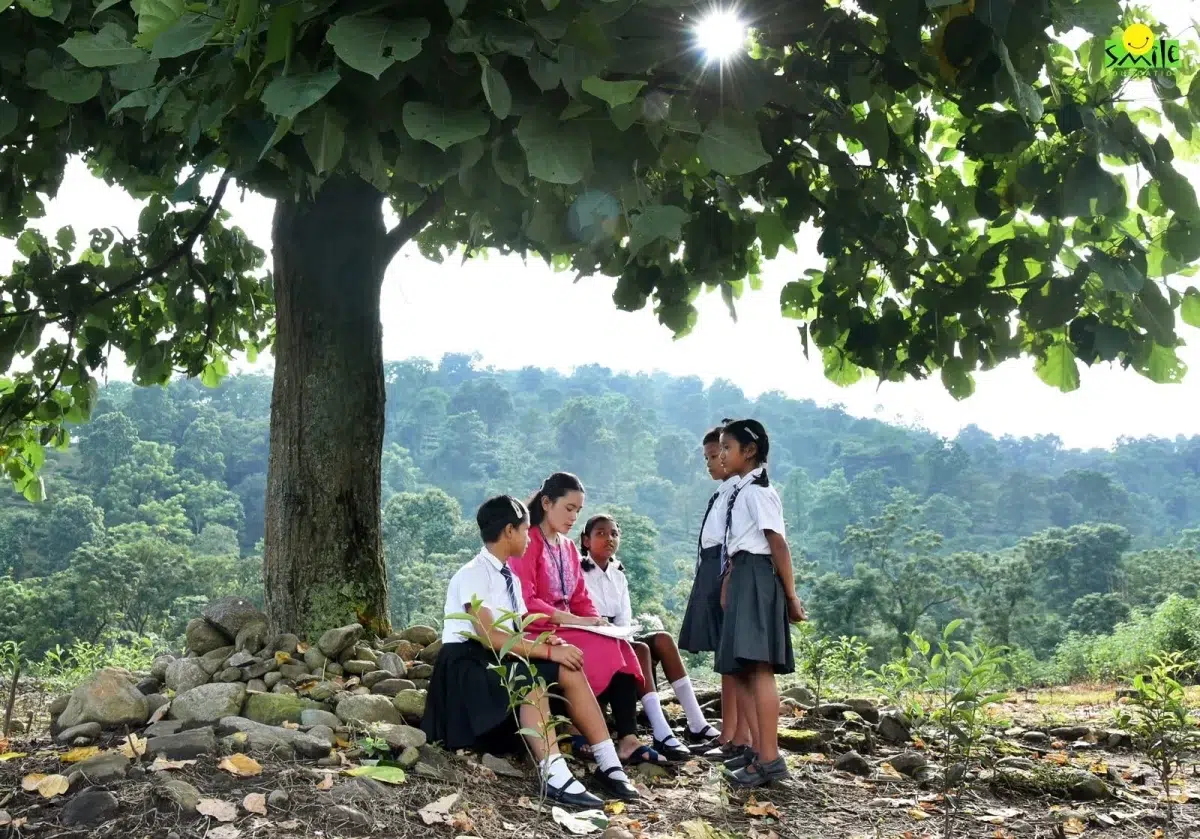
Every day, children attend school and read from their textbooks. However, moving beyond the school texts is also important for a child’s development. Libraries introduce children to books and other materials while developing their social skills and values such as responsibility, empathy, imagination and a love of books. Furthermore, libraries encourage reading and have a significant impact on a child’s emotional health, academic aptitude and thinking abilities. The earlier they start, the greater the potential for children’s development.

Access to Wide Variety of Texts

The variety of books offered in libraries is fascinating. Reading opens many doors for exploration; nonfiction books provide a clear pathway for readers to learn about fascinating topics and encourage them to ask questions that lead to further reading or study. This process drives them to seek answers to inquiries raised during their reading. 

On the other hand, fiction plays a significant role in stimulating a child’s ambition to learn by introducing new subjects within imaginative narratives. Historical fiction, for instance, exposes them to different worlds and time periods. Similarly, science fiction often presents futuristic interpretations of ongoing scientific trends based on existing technology. This genre prompts young readers to question the relevance and application of the materials in their own lives.

Therefore, a library provides access to a vast collection of books due to the fact that memberships are typically affordable and frequently provided at no cost to those who are underprivileged. Numerous nonprofits provide libraries in villages and smaller communities to ensure that reading is accessible to all.

Free Access to Information

Libraries offer free access to books, digital resources and instructional materials, enabling children from diverse economic backgrounds to explore and acquire knowledge. This fosters equality, removes educational disparities and cultivates a passion for reading and exploration.

Supportive Atmosphere

Librarians are essential in assisting children in locating appropriate books and resources. Their support cultivates confidence, promotes independent learning and establishes an inviting environment where children feel secure to pursue their interests and inquire freely.

Increases Empathy

Reading may strengthen a person’s empathy by enabling them to picture the feelings and situations of others. Examining diverse perspectives and convictions cultivates an appreciation of cultures and ideals that may lie beyond the reader’s personal experience. These experiences are essential for enabling children to conceptualise the lives of individuals from diverse places and historical eras. This comprehension allows individuals to evaluate various viewpoints and comprehend the wider implications of their behaviours.

A New Environment

It is routine to engage in reading or studying at home. However, libraries provide an immersive, secure and inclusive atmosphere that allows individuals read peacefully. It provides a respite from the daily routine of reading in the same setting. In a library, kids interact with others and exchange ideas and recommendations for new books. This fosters a sense of connection and encourages children to be receptive to the suggestions of others and to explore new ideas.

Better Performance in Overall Academics

Students that begin reading at an early age possess a greater likelihood of recognising letters. Ultimately, they can read independently and enhance their reading comprehension, linguistic fluency and overall understanding. Furthermore, kids acquire knowledge on a diverse array of subjects, including physics, history, social studies, etc. Reading is used across all subjects, not alone in English. Research demonstrates that reading improves learners’ performance in additional areas. This is due to the fact that when children read, they acquire, interpret, comprehend and retain knowledge, enhancing their capacity to manage new concepts and situations whether studying other topics or in everyday circumstances. Reading in a quiet space like a library improves concentration and study habits.

Improved Communication

Reading can enhance students’ speaking and reading skills by exposing them to well-structured sentences. Through engagement with language and exposure to diverse sentence forms, students enhance their understanding of word usage and arrangement, improving their linguistic proficiency. Research, (2015 study), has demonstrated that reading-related activities are the principal drivers of vocabulary expansion from grades four to ten. Their confidence is also built as they interact with others in a library.

So, libraries can be great places to read and grow. Organising storytimes, arts and crafts classes and book parties. These events can help students build social connections and language skills. Look at Smile’s community library initiative that is helping children in underserved areas discover the joy of reading. By providing access to books and learning resources, this initiative is opening doors to new opportunities and brighter futures.

A strong foundation of literacy skills is one of the few factors that can significantly impact your child’s life. Taking children to libraries or giving them access to libraries help kids to develop their reading skills and overall personality. Reading in a library scenario has a profound impact on a child’s educational abilities, mental health and cognitive processes. 

Categories
Education Smile

Closing Schools to Protect Children from Air Pollution?

Amidst severe air pollution in Delhi, the government had announced the shutdown of all schools as the AQI hovered over 500 across most places, reaching the ‘severe’ category for the first time this season. Leaders rose to the stage to demand action to protect and safeguard the children from inhaling the severely polluted air.

Air pollution continues to remain one of the biggest silent threats to the lives of children under 5 in India, accounting for 464 deaths daily. Air pollution is currently the second biggest health risk for children globally, surpassing the health threats from lack of clean water and poor sanitation. This most recent data from the US-based research group Health Effects Institute (HEI) reveals how air pollution has been responsible for more than eight million fatalities in 2021, affecting adults and children.

How are Children More Susceptible to Air Pollution?

Children are particularly vulnerable to the negative health impacts of rising air pollution. The damage and impact caused by air pollution can be seen as taking a toll since they are inside the mother’s womb, and these effects can last a lifetime. For instance, because their lungs, bodies, and brains are still developing, youngsters breathe in more air per kilogram of body weight and absorb more toxins than adults. 

The inequities linked to the impact of air pollution on child health are striking. Exposure to air pollution in young children is linked to pneumonia, responsible for 1 in 5 child deaths globally, and asthma, the most common chronic respiratory disease in older children.


Is Shutting Down Schools a Wise Idea?

This is not the first time the government has closed schools to protect children from the annual air pollution. However, the justification for shutting down schools as a measure to manage air quality for children is highly unscientific. On the one hand, it absolves educational institutions and governments of their responsibility to ensure their children breathe clean and healthy air. On the other hand, it is wrongly assumed that children can breathe clean air at home.

While assuming that a home setting provides clean air, we overlook a large population of low-income children, often housed in shanties and slum areas, who are most vulnerable to air and water pollution. Hence, shutting down schools further disproportionately affects these disadvantaged children, as their academic performance also suffers.

Further, a study published in 2022 found that indoor air pollution in Delhi is on par and, at times, worse than outdoor air pollution. The study established that PM2.5 levels were dangerously high in both high- and low-income families.

The indoor air pollution levels of high-income homes were slightly lower than those of lower-income households, even though they were more likely to purchase air purifiers. Household air pollution can be caused by several things, including cooking, cleaning, using incense sticks, and the penetration of external air combined with inadequate ventilation, heat, and humidity. Although higher-income groups can purchase air purifiers, it only reduces pollution levels by a marginal percentage. Outdoor air, on the other hand, benefits from dispersion. Indoor areas are more vulnerable to concentrated pollution without adequate ventilation or air purification, particularly during colder months.

Rising air pollution deepens the education divide between households from different socioeconomic backgrounds and exacerbates school closures. Shutting down of schools continues to take a widening toll on students regarding learning outcomes and social and psychological development.


Closing all schools is not the answer to the pollution issue. For practical reasons, the government may be unable to grant certain institutions exemptions; however, a long-term solution that does not interfere with education is required. Today’s children are no longer confined to one place and constantly move around for education and educational activities. Constant closure of schools because of Covid and pollution gives the impression that they are the most unsafe places, which is invalid.

Dealing with Rising Pollution?

India’s annual average PM2.5 levels are around 55 micrograms per cubic meter of air (µg/m³), more than ten times the World Health Organization’s (WHO) guidelines, exposing its 1.4 billion people to severe health risks.


Air pollution is now well-established as one of India’s biggest persistent causes of the health crisis. Several Indian cities are in the world’s top 10 most polluted areas. But what is being done to tackle this?

Over the years, the government of India has gradually increased funding for the Control of Pollution scheme, with the 2023-24 budget estimating a surge to over INR 750 cr. However, there continues to be a huge gap between funding and the actual utilisation of the funds to combat pollution.

Addressing air pollution saves lives and the environment from negatively impacting future generations. Whereas several efforts have been made to adopt measures to combat pollution, approximately half a million deaths among children in 2021 were linked to indoor air pollution from cooking with dirty fuels, including biomass, charcoal, paraffin and coal.

Through several initiatives like Shiksha Na Ruke, Smile Foundation has always been at the forefront of efforts to bring classroom education back on track. Post-COVID-19, as schools gradually reopened, the initiative assisted 87 institutions in opening and resuming physical classes. The initiative has helped underprivileged children continue their education through a blended learning approach.

At Smile Foundation, our core mission is to ensure that every child, regardless of the challenges they face, continues their educational journey. Through initiatives like Mission Education, we have supported nearly 50,000 students across 20 states, helping them overcome the barriers posed by school closures. Our Mission Education Centres have played a pivotal role, not only in keeping education accessible but also in facilitating the safe reopening of schools through direct interventions.

Our focus is on supporting children from marginalised communities by providing them with the education and resources they need to thrive. We are deeply committed towards ensuring that their learning journey continues, despite any challenges. Join us in supporting young learners with the opportunity to learn and thrive and experience a healthy and holistic childhood. 

Categories
Education

School Dropouts Interfering with Desired Progress in India

One of the most important indicators for a nation’s high Human Development Index (HDI) is education. Education is widely believed to have a significant role in helping individuals escape poverty and pushing a nation towards its development and performance across sectors. Literacy alone is insufficient for a developing economy like India, where there are several challenges to its development growth. Higher education has become an imperative factor in driving the country’s progress.

While education remains the foundation of a prosperous and empowered society, dropout rates in Indian schools have been a significant cause of concern for policymakers and educators. India has the largest adolescent population in the world, and school dropout is most common in rural India due to various underlying factors.

What does Data say?

In India, the average number of years a youth spends in school is 6.7, according to the United Nations Development Programme’s (UNDP) 2021 Global Human Development Index study, referenced in the 2022–2023 economic assessment. In contrast, the average years spent in school in similar countries worldwide, such as China and Brazil, is 7.6 and 8.1 years, respectively.

Further, the 2021-22 UDISE+ data reveals that the total primary school dropout rate in India is 1.5%. The secondary level (9–10) has the greatest dropout rate at 12.6 percent, followed by upper primary (6–8) at 3 percent.

Even while the data indicates that overall dropout rates declined over the years, the figures are alarming considering India’s population.

How do School Dropouts Impact Society?


Education drives economic progress – a well-educated population with higher educational degrees is more productive and makes more money than people without as much schooling. A one-year increase in the average number of years of education can boost a nation’s GDP by 0.37%, per a World Bank analysis. Furthermore, because they have the skills and information needed in a given profession, educated people are more likely to contribute to the growth of enterprises.

On the other hand, dropping out of school early hinders a country’s economic growth and employment. A few years ago, the European Commission stated, “Early school dropout hampers productivity and competitiveness and fuels poverty and social exclusion.”

In India, where a significant portion of students drop out early from school, become unemployed later in life, fall into poverty, lose access to quality healthcare due to a lack of resources, are likely to engage more in criminal activities and continue the cycle of poverty hindering the economic prosperity of the geography.

Overall, student dropout affects the labour market, economic performance, and social progress of a country.

The Socio-economic Impact of Female Dropouts


Female school dropouts have a significant economic and social impact at the individual and societal levels. Dropping out of school might significantly reduce a girl’s work options and earning potential, inadvertently affecting the running of an economy. World Bank research found that a girl’s earning potential rises by 10–20 per cent for each extra year of education. Girls who leave school early deny themselves the chance to improve their economic chances and for the nation’s greater good.


The economic effects of female school dropouts are equally important from a societal standpoint. Economic growth and development can be harmed by the skills gap and decreased productivity caused by a shortage of educated women in the workforce. According to a McKinsey Global Institute report, India’s GDP might increase by $2.9 trillion by 2025 if women join the workforce at the same rate as males. 


Overall, early school dropout youth have a significant societal influence — they are more susceptible to prejudice, poverty, and exploitation. Further, they are less likely to be aware of their rights, which feeds the cycle of disadvantage and poverty.

One of the most significant dropout problems emerges from India’s higher education system. It was not until 2019 that India’s high education enrolment crossed the 40 million mark for the first time. Following this, the NEP 2020 implemented the much-discussed multiple-entry and exit mechanism to guarantee a minimum number of dropouts and effectively award certified credentials to students entering the higher education system. Candidates can be granted a basic certification based on the credits they have acquired in a particular academic year due to the entry-exit strategy for continuing higher education.

However, while this measure was built on a positively thought-out note aimed at significantly transforming dropped-out youth into qualified professionals, the implementation and success of the same have been far from the action.

Mission Education


School dropout can be seen as the culmination of a complex, cumulative process of disengagement from education influenced by various factors, one of the most significant dominating factors being poverty. Through flagship initiatives like Mission Education, Smile Foundation has provided education to 200,000 children. These children are mostly either homeless, orphaned, abandoned, runaways, or belong to impoverished families. Many of them have lost precious years of their childhood working in child labour.

These youngsters have taken the first step towards empowerment, leaving their circumstances behind. However, education is an ongoing process. Even though primary education is now free and required by the Right to Education Act, statistics show that over 40% of students leave school after just a few years. In the case of low-income group families, this is quite pertinent. Children must get a high-quality, ongoing education to grow aware, knowledgeable, and truly capable. The Mission Education initiative is centred on this need.

Our objective is to ensure that children from marginalized communities in India not only enroll in school but also complete their education. By addressing the critical issue of school dropouts, we aim to break the cycle of economic stagnation. Most importantly, our work focuses on empowering these children to build resilience, pride, and determination, helping them become independent and create lasting change for themselves and their families.

Join us to help our children continue their hope and efforts of becoming an educated and empowered individual of our nation.

Categories
Education Smile

Music Therapy for Child Development

Music is a source of joy, and we all know that it also plays a crucial role in a child’s development. Its influence goes beyond entertainment, affecting cognitive, emotional, and social growth. Furthermore, music is a therapeutic tool for children dealing with various challenges.

Music therapy is a therapeutic approach that primarily employs music or musical components such as harmony and rhythm to enhance mental, emotional, and physical health. Music eases a person’s stress, provides a means for non-verbal expression, and promotes relaxation through singing, instrumental performance, songwriting, or listening. This well-established and widely recognised practice in psychology harnesses the diverse elements of music—physical, emotional, mental, aesthetic, and spiritual—to enhance individuals’ overall well-being. With the assistance of a music therapist, music can be utilised to delight, uplift, open the mind, and stimulate the senses in order to achieve multiple therapeutic aims.

Brief History

Music’s healing power has been acknowledged for centuries. The writings of Plato and Pythagoras, two prominent Greek philosophers, extensively explored the topic of music and its impact, often advocating for music and music therapy. Hippocrates, the father of medicine, used it to treat his patients. Native Americans relied on chants and dances to heal the sick, while Arabs built hospitals with dedicated music rooms. Following the aftermath of World Wars I and II, music therapy began to flourish in the UK and the US, as hospitals employed musicians to assist soldiers dealing with PTSD and to play for wounded soldiers.

During the 1800s, research was conducted on the physiological changes that music could induce. The year 1950 marked the establishment of the National Association for Music Therapy. In 1971, another organisation known as the American Association for Music Therapy was established. In 1998, the two organisations came together to create the American Music Therapy Association.

Music in Child Development

Music offers immense developmental advantages for children. Music can improve fine and large motor skills. Dancing and singing may appear to be basic tasks, but they actually serve as the foundational elements for developing mobility skills such as bending and jumping.

Children enhance their language abilities as song lyrics are deeply embedded in language. Rhythms and tunes help children learn phrases, grasp rhyming patterns, and understand context. Music fosters communication and collaboration among children.

Music as Therapy

Music lifts our moods. When we listen to music or play an instrument that we like, we feel better. Learning an instrument can become a fulfilling new hobby, serving as a valuable tool for enhancing mental health and navigating challenging situations throughout life.

It’s interesting to note that music therapy operates without the need for verbal communication, setting it apart from other therapeutic approaches that require conversation. Ultimately, it varies based on individual needs, and there are instances where both types of therapy can be beneficial. Music offers a unique experience that doesn’t necessitate conversation. While self-expression is integral to talking therapy, music therapy facilitates creative expression, offering a more enjoyable means of navigating challenging emotions. This can be especially advantageous for children who are introverted, experience communication challenges, or struggle with intricate emotions such as loss or anxiety.

Helping children harness the power of music for managing their emotions plays a crucial role in their early child development and supports them through school and learning. Children will not only discover how to articulate their feelings, but they will also find solace in music, especially during tough times. The consistent and repetitive qualities of music can foster a feeling of stability and calmness, making it especially beneficial for children facing anxiety or navigating stressful situations, such as beginning a new school year or experiencing family transitions.

Music therapy frequently includes collaborative activities, enabling children to create music collectively, exchange their compositions, and provide mutual support. Engaging in these interactions fosters the development of social skills, empathy, and a sense of belonging—essential elements for emotional well-being. By engaging in musical activities together, children have the opportunity to build meaningful connections that offer emotional support.

Kinds of Music Therapy

Professional therapists use various therapeutic approaches. Some of them are Drumming Therapy, which functions like meditation, encouraging participants to synchronise through rhythm. Improvisation is spontaneous music-making, either freely or within a set theme, fostering creativity and self-expression. Benenzon Music Therapy blends psychoanalysis with music to help individuals identify their “musical sound identity,” reflecting their emotional state and aiding emotional regulation. Faster music can boost alertness and concentration, upbeat music encourages positivity, and slower tempos promote relaxation by calming the mind and reducing stress.

The Amani Project, a collaboration between Smile Foundation and the Amani Project USA, has empathy through music at its core. Children attend music therapy workshops under the guidance of mentors, where they are trained to play various musical instruments and learn to work together in harmony to create something beautiful. This initiative has benefited hundreds of students, enhancing their empathy and emotional management.

Smile For Child Development

Smile’s education initiative, Mission Education, has been working towards holistic child development on children belonging from marginalised communities of India. Our core belief is to provide these young learners with the knowledge and skills that foster their holistic development. Through projects like Amani, we have offered students a unique opportunity to explore their talents, refining their musical abilities and equipping them with skills that distinguish them as well-rounded individuals, ready to thrive in the broader world.

Your support can help our young maestros continue their educational journey and nurture their passions, enabling them to engage with the world in harmony with the rhythm of progress.

0%