Categories
In The Spotlight Insights

A Women-Centric View of NFHS-5

The National Family Health Survey (NFHS-5) presents a bird’s eye view of the state of India’s health and development. Among other things, it focuses specifically on the condition of women in the country. This is in tune with India’s aim to achieve United Nations-mandated Sustainable Development Goal-5, which focuses on women empowerment and gender equality. 

Let us explore a women-centric view of NFHS-5.


Key indicators of NFHS-5


Phase II of NFHS-5 was conducted for 14 states and union territories. Its findings were revealed in November 2021. On the state of women, the survey has six key indicators.


The percentage of currently married women who usually participate in household decisions;

  • Women who worked in the last 12 months and were paid in cash;
  • Those owning a house and/or land (alone or jointly with others);
  • Women having a mobile phone that they themselves use;
  • Those who have a bank or savings account that they use; and
  • Women aged 15-24 years who use hygienic methods of protection during their menstrual period.

Apart from these, the survey also highlights the need for further improvement on various fronts. This includes gender-based violence and harmful practices against women.
 

women empowerment infographics 1024x1024 1


Let us look at some of these indicators one by one.


Participation of Married Women in Household Decisions


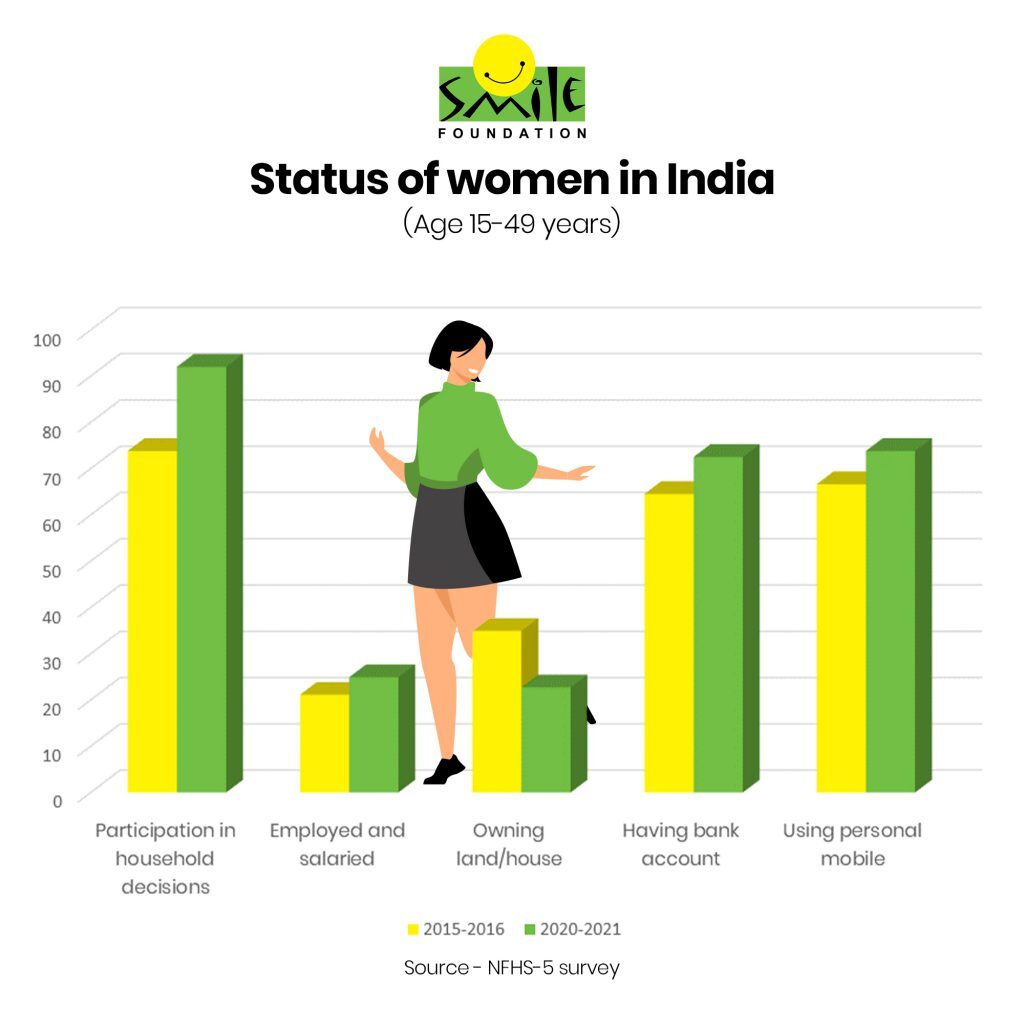
In 2015-16, the percentage of married women involved in household decisions was 73.8%. This number increased significantly in 2019-21 to 92%.


This is possibly a reflection of the growing number of women who have their own bank accounts, and thus some level of financial independence.


Employment for Women


This number increased from 21.1% to 24.9%.


While a large number of women work, only a few are salaried. Moreover, only 25.4 per cent of women aged 15-49 years who worked in the last 12 months were paid in cash. This figure is quite low and there has been negligible improvement from the last survey (2015-16). None of the states crossed the 50% mark in this category.


Telangana was at the top of this list, followed by either north-eastern or southern states. Lakshadweep, Bihar, Uttar Pradesh, Rajasthan, and Jharkhand have performed the worst. In these states, less than 18 per cent of women were paid for their work. Some states such as Tamil Nadu have improved their performance while several others have regressed significantly.


It is noteworthy that there is not much difference between urban (25%) and rural (25.6%) women on this front.


Owning Land/House


Land/house ownership among women went up in all the states except five–MP, Odisha, Uttarakhand, Delhi NCT, and Puducherry.


For instance, among the women surveyed in Punjab, 63.5% owned a house or a land in 2020-21, compared to 32.1% in 2015-16. In Uttar Pradesh as well, this percentage went up from 34.2% in 2015-16 to 51.9% in 2019-21.


However, in two other agrarian states Madhya Pradesh and Rajasthan, land/house ownership among women either fell or failed to show much improvement.


Women Owning Mobile Phones


Low tariffs since 2016 saw a rise in mobile phone use among women across many states. However, Haryana and Chandigarh saw a drop in the share of women owning a mobile phone. In Haryana, 50.4% women used mobile phones in 2020-2021. The percentage went down from 74.2% in 2015-16 to 70% in 2019-21.


The all-India figure went up from 45.9% to 54%.


Women having a Bank Account


There is a significant jump in the number of women using bank accounts. The figures show that close to 80% women now have their own bank account. The number went up from 53 per cent in 2015-16 to 78.6 per cent in 2019-21.


Madhya Pradesh, Jharkhand, Odisha, Puducherry, and Punjab have topped the list. Experts suggest that this jump can be attributed to the Jan Dhan Yojana which enabled women and households to come within the banking fold.


Improvement in Number of Women using Period Products


The proportion of women aged 15-24 years who use menstruation-related products improved. Seventeen states and union territories had 90% or more women using period products. The number is even better in Puducherry and the Andaman and Nicobar Islands–99%. Tripura, Chhattisgarh, Assam, Gujarat, Meghalaya, Madhya Pradesh and Bihar had 70% or fewer women using period products. Bihar was at the bottom of this list at 60%.


Using period products can improve overall health outcomes. It could also lead to prevention of reproductive and urinary tract infections.


A Favorable Sex Ratio


The NFHS-5 is the first time that the sex ratio is in favor of women. The sec ratio as per the survey is 1020:1000. This is a demographic shift. It was 1000:1000 as per NFHS-3 in 2055-06 but declined to 991:1000 in 2015-16.


The sex ratio at birth has also seen an improvement. From 919 in 2015-16, it has gone up to 929 in 2019-20. The Health Ministry said in a statement that this positive turn can be attributed to measures like the PC and PNDT Act.

Government and civil society organizations have also been working on other empowerment measures such as financial inclusion and combating gender bias and disparities.


Some Other Findings


Nearly 78 per cent mothers received postnatal care from health personnel, rise from 62.4 per cent in NFHS-4.


Total fertility rate (children per woman) has reached replacement level of fertility. It was 2.2 in 2015-16, 2.0 in 2019-21. This means lesser births per woman. Need for family planning has declined from 12.9 per cent in 2015-16 to 9.4 per cent in 2019-21.


What This Means?


It is important that all stakeholders converge to bring about desired change. Discriminatory social norms need to be addressed strictly. These norms drive gender-based violence and harmful practices. We must empower women to exercise agency and autonomy in all spheres of life.
Categories
Partners In Change

What has been the role of teachers in the battle against COVID-19?

Technology is just a tool. In terms of getting the kids working together and motivating them, the teacher is the most important.


Bill Gates


Students have lost access to regular education during the COVID-19 pandemic. Governments, civil bodies, NGOs, and local community stakeholders have no road map to educate the child and serve the community. In the first phase of the lockdown, strict action was taken against those who broke the COVID guidelines by the police and the municipal corporation. Those living in slums and villages faced even graver consequences. Thousands of people had to take up odd jobs to take care of their children and families. These include the jobs of cleaner, tailor, construction site worker, making papad, making chapati in a local restaurant, and so on. Many also took up jobs in COVID wards.


To make things worse, they had to stand in long queues for dry ration, free face masks, and other government and local schemes. People lost their jobs due to lack of employment. Many of them started consuming excess alcohol. As a result, women became the victims of domestic and sexual violence. Some of these women were teachers too.


Role of teachers against COVID-19


When people adopted the new normal, female teachers who are wives, daughters, and mothers faced all kinds of challenges to educate the students, keep their family members safe, and fight domestic abuse without any support.


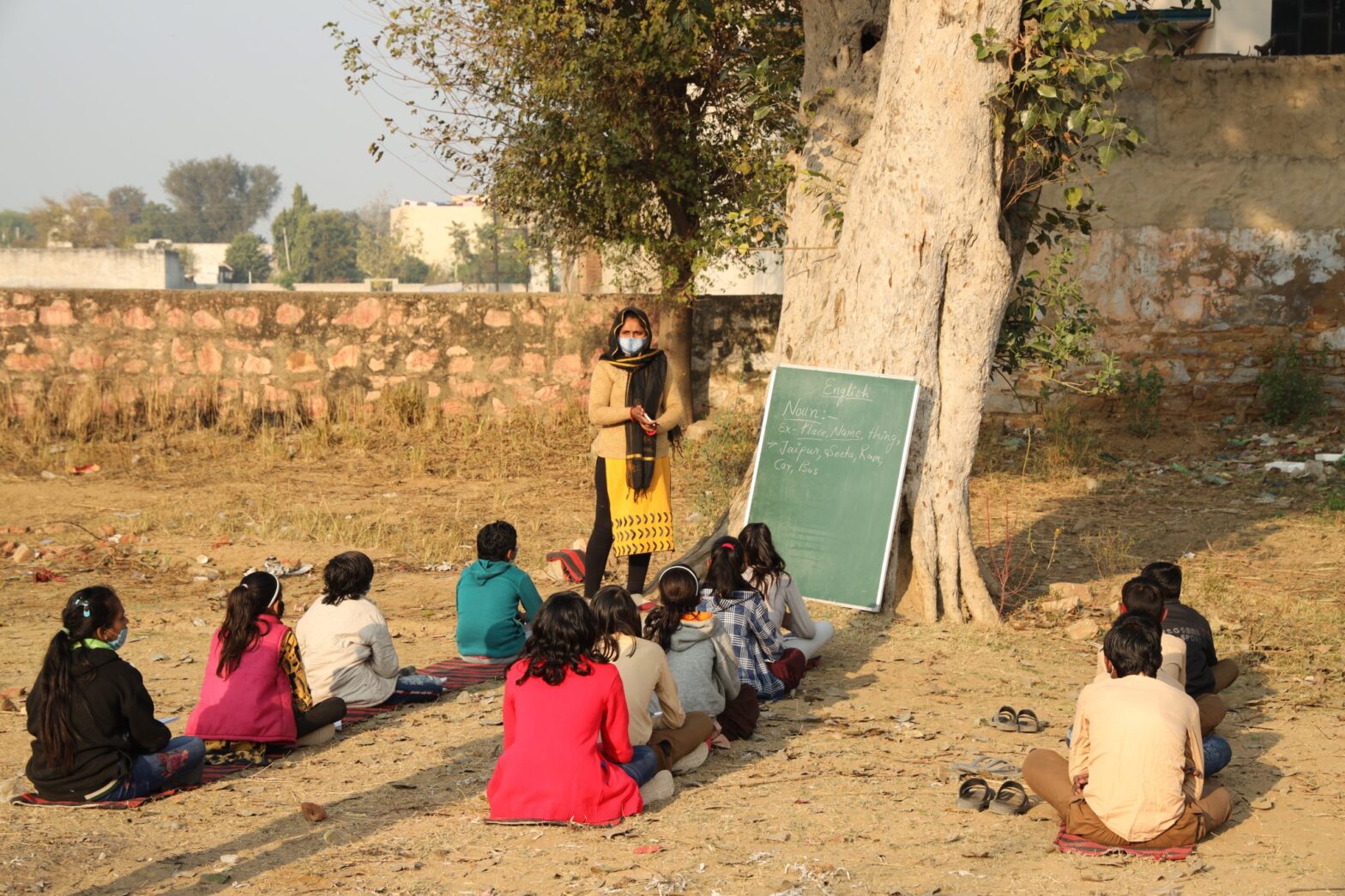
During the pandemic, we have given awards to various organizations, influential people, eminent personalities. But these unsung heroes are far from all these and are still doing their work with full dedication. They are taking online classes, cluster classes, and whatever else they are able to do while taking care of their domestic responsibilities. The pandemic has transformed the role of a teacher to a community worker, a counselor, a health worker, depending on the situation.


Teaching via technology


Learning to teach using technology at an older age is no easy task. Doing it overnight is even more difficult. Traditionally teachers have always been comfortable with live conversations in the classroom. However, being able to teach without the student in front of you is a whole new ball game. The teachers have picked it up beautifully without any formal training and are doing some incredible work out there. Despite facing their own adversity, they are constantly helping students everywhere to learn to the best of their abilities. Through our Shiksha Na Ruke initiative, we have trained teachers to adapt to the new normal and continue their good work.


Teachers build the citizens of tomorrow in today’s classrooms. We need to first equip our teachers with the right technology to help them prepare our students for a digital world.


My heartfelt salute to all the women warriors who saved the family, country, and the world. We are in blessed hands and are safe.

Categories
Insights Partners In Change

What Can Keep Teachers Motivated during the Uncertain Times of the Pandemic?

COVID-19 disrupted professional norms across all industries. Education was equally impacted by the pandemic. Everyone talks about how the pandemic has affected students. However, very few pay attention to how teachers have been dealing with their jobs. In these uncertain times, what can keep teachers motivated?


Boost blended learning infrastructure and training


Blended learning has emerged as the go-to method for students as well as teachers all over the world. It provides a great degree of flexibility in learning. It also enables teachers and students to use technology to their advantage.


Some teachers have started using video modules to impart education. Some have been using voice notes on whatsapp to communicate with students as well as parents. However, there are still many teachers who are not able to capitalize on using technology. Thus, schools and institutions must invest time and effort to train teachers on this new aspect of teaching.


Teachers need to be acknowledged for the tremendous effort they have put in to learn digital tools. However, with the correct guidance and some time, they can master the art of blended learning and make their lessons more effective. Despite all this, Internet access and availability of devices remains an issue.


Focus on their emotional and mental well-being


The pandemic has brought into focus the need for good mental and emotional health. COVID-19 has had a psychological impact on millions of people on the planet. Children and adults alike have been affected. Teachers are no different. With schools being shut intermittently, teachers are also continuously adapting to the situation and adopting new techniques to continue their work. As a result, teachers are working harder than ever to ensure that their students continue learning.


In this situation, we need to take care of teachers’ mental and emotional well-being more than ever. Counselling and the correct tools to help deal with the stress can help to a great extent.


Governments and institutions can play a vital role on this front by innovating. For instance, government schools in Delhi introduced the happiness curriculum even before the pandemic. The concepts taught as part of this curriculum–mindfulness, listening, emotional well-being—have become important in the COVID times.


Increase autonomy of teachers to keep them motivated


Before the pandemic, the curriculum being taught in educational institutions was limited in certain ways. More or less, it was a one-size-fits-all approach. The pandemic taught teachers to find creative ways to reach out to children. And this they did in different ways for different students, all of whom are facing some challenge or the other. Thus, teachers got an increased sense of autonomy.


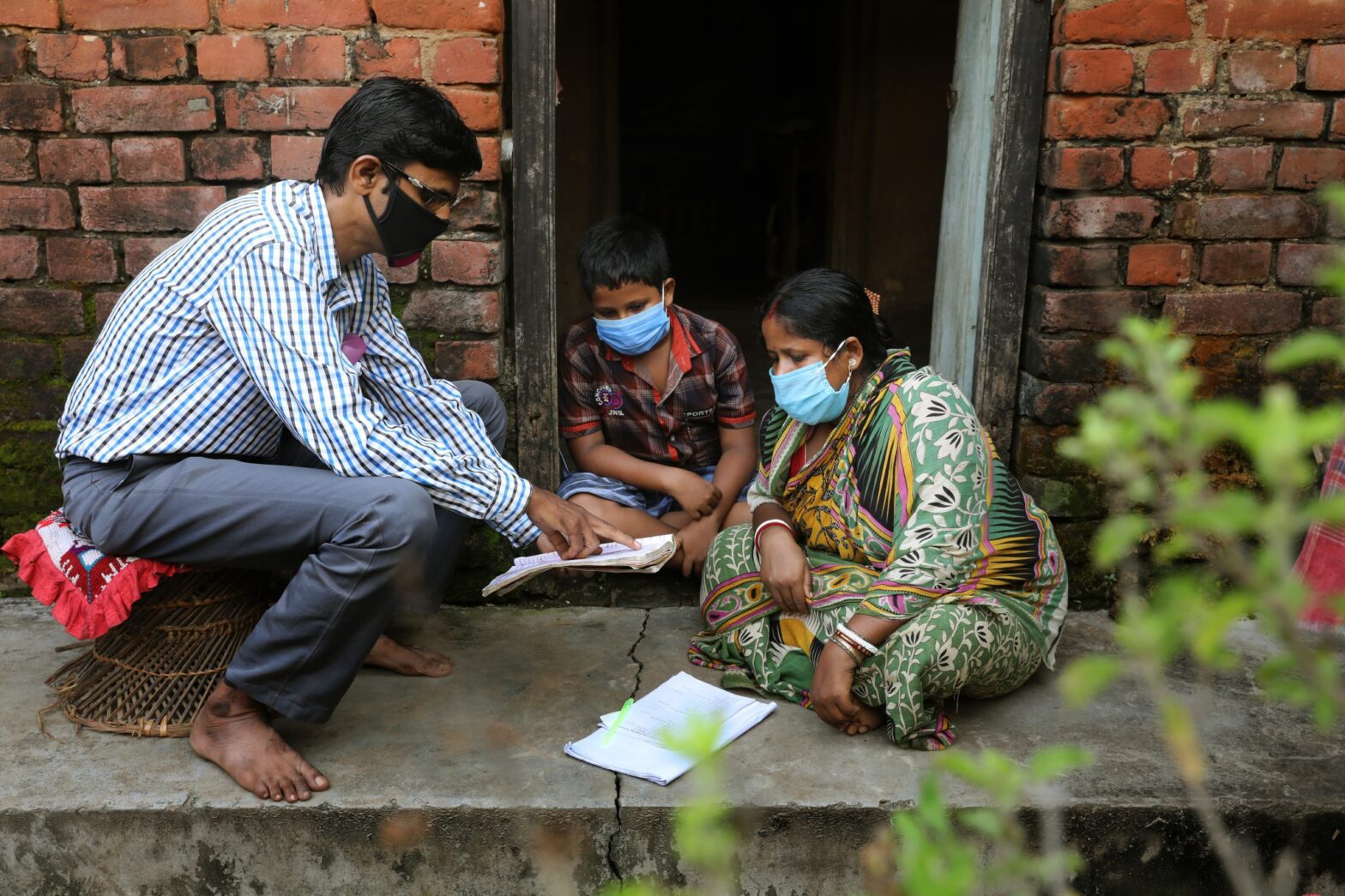
Instead of relying only on textbooks, teachers started experimenting with other content delivery formats. They also started visiting the homes of students in the community. The students who have access to the Internet and smart devices have also been learning online.


The experience of improvising through the pandemic has definitely taught teachers a lot. If they are given more say in the curriculum and in teaching methods, it will motivate the teachers and also improve their performance. This will in turn contribute in keeping them motivated.


Creating communities through practice


A supportive network of peers is important for any community. We can strengthen our teaching community in the same manner. Having forums where teachers can discuss their learnings and strategies and also share feedback will build a sense of community. During the pandemic especially, sharing experiences with other teachers helped all of them.


Filling teacher vacancies to reduce pressure


Teachers have been paying individual attention to many students during online classes and home visits. However, once schools open, this focused attention might not be possible. The teacher-student ratio needs to be improved by filling up all the vacancies. 


This will help to reduce the burden on teachers. It can also help to ensure that weaker students get the benefit from a better teacher-student ratio. By enhancing learning outcomes, this can keep teachers motivated.

Categories
Insights Partners In Change

Role of Community Mobilizers: Pillars of Strength for the Healthcare System

In a country as large as India, it is impractical and nearly impossible for healthcare workers to be available in every village and every remote corner. This where the role of community mobilizers comes in. They are a vital part of the healthcare system as they are often the first point of contact or information related to health, vaccinations, and so on. This includes both Anganwadi and ASHA workers.


Anganwadi and ASHA workers


ASHA workers come under the ambit of India’s National Rural Health Mission. They act as the first point of contact for any health-related issue in rural areas. The most marginalized communities in the country depend on ASHA workers for doorstep healthcare services. The women who work as ASHA workers have played a huge part in bringing down maternal and infant mortality rates. They inform and educate the communities, right from pregnancy, to childbirth, lactation, and even after that. Moreover, ASHA workers also help marginalized women with institutional deliveries. As per the scheme, every village in the country must have an ASHA worker. This is a trained female community health activist who belongs to the village itself. She is accountable to the people and works as an interface between the community and the public health system.


Anganwadi workers primarily work on nutrition of children. They come under the umbrella of Integrated Child Development Services of the government.


Even amid the pandemic, this force of community mobilizers played a large role in informing, educating, and collecting data. They have also been at the forefront of many immunization initiatives over the years. During the pandemic, they were responsible for contact tracing as well as ensuring that migrant workers quarantined properly.


What all services do community mobilizers provide?


Anganwadi and ASHA workers are responsible for a number of nutrition and healthcare services. Some of these are as follows.


ASHA


Promoters good health practices in the community.

Provide a minimum package of appropriate and feasible curative care.

Arrange for timely referrals.

Generate community awareness concerning various aspects of health. These include basic sanitation and hygiene (promoting WASH), healthy living conditions, balanced nutrition, and so on.

Counsel women over the course of their pregnancy and after childbirth. They educate women about birth preparedness, institutional delivery, breastfeeding, immunization of the child, contraception, and prevention of common infections.

Facilitate the community’s access to health-related institutional services.

Provisions essential items like oral rehydration solution and so on.

Anganwadi


Elicit community support and participation in various programmes.

Carry out surveys with special focus on mothers and children.

Organise non-formal pre-school activities for children.

Educate mothers about supplementary nutrition.

Provide health and nutrition education.

Conduct home visits to educate parents about the growth and development of their children.

Keep track of possible outbreaks of diseases such as cholera.

Guide ASHAs in carrying out their responsibilities and in maintaining records.


Why are community mobilizers crucial to the healthcare infrastructure?


The responsibilities of ASHAs and Anganwadis listed above make it clear that they are at the frontline of the healthcare infrastructure of rural areas and even in urban villages. Being from the community themselves, they are trusted and counted on by the community. These women at the grassroots are the main force for improving health and nutritional status among our impoverished masses.


The pandemic also gave us some community leaders


Community leader Savita conducting an informative session


Fifty-year old Savita is a resident of Surat Nagar Phase 2 in Gurgaon. She has been working for her community for the past five years. However, it was during the COVID-19 lockdowns over the past two years that she has emerged as a true change-maker.


Savita suffered a huge loss in her personal life during the pandemic. She lost her husband. Despite this, she kept working tirelessly for her people. During the pandemic, all primary healthcare services had come to a standstill. At this time, she ensured institutional deliveries of at least 10 women from her community.

Singlehandedly, she coordinated with health authorities and the families of expecting women to ensure that they reach hospitals in time for their deliveries.


She is also regularly counseling women in her community on reproductive health and guiding them on good health practices.

Categories
Insights

Can climate change turn into a child rights crisis?

Children are the most susceptible in crises ranging from warfare to natural disasters and everything in between. Climate change is no different. The threat presented by the global warming catastrophe will only intensify unless the world comes together and thinks of immediate and long-term solutions. Before climate change turns into a child rights crisis, we need to address this issue.


At the recently held COP26 UN Climate Change Conference in Glasgow, Scotland, world leaders promised to combat carbon emissions and other climate-related challenges with greater vigour than ever before. The world has no other choice, and children will play a critical part in addressing the crisis of climate change.


Mary Robinson, former Irish president who also served twice as a UN special envoy for climate change, moderated the event. During the conversation, she stated that every committee to future climate summits should include at least one or more student representatives. This can help guarantee that young people’s perspectives are acknowledged.


The Future


A recent Save the Children report has revealed some telling data. If the earth gets warmer at the current rate, children born in 2020 would suffer more heatwaves, floods, droughts, and wildfires than earlier generations. In comparison to a person born in 1960, these children will encounter three times as many climatic disasters as their grandparents. They will also experience nearly seven times as many heat waves over their lifetimes.


Water scarcity and air pollution will worsen as global temperatures continue to rise. It will put children at danger of the most lethal effects of water-borne infections and severe respiratory disorders. Indeed, according to a UNICEF research, The Children’s Climate Risk Index (CCRI), released in the run-up to COP26, practically every child on the earth is vulnerable to at least one climate and environmental danger. These may include heatwaves, cyclones, air pollution, flooding, and water scarcity. The Index also categorizes roughly one billion youngsters – nearly half of the world’s minors living in 33 nations – as being at “very high-risk”.


There are additional repercussions to extreme weather events. According to the International Institute for Environment and Development (IIED) report, women and children who are affected by natural disasters are at increased danger of modern slavery and human trafficking.


Climate change manifesto for children and the youth


South Asia contains some of the world’s densest, child-populated places, including India. Thus, large numbers of children are likely to be affected by flooding, drought, and heat waves.


Young people around the world may inherit a problem that was not created by them. However, they may contribute in greater numbers to environmental causes and raise awareness about the impending issue. According to UNICEF, young people can play a bigger role as climate change pressure groups.


UNICEF is urging governments, NGOs, and corporations for a number of things.


  1. Invest more on climate adaptation and resilience in vital children’s services. Critical services, such as water, sanitation and hygiene systems, health and education services, must be changed to safeguard children, communities, and the most vulnerable from the worst effects of the already changing climate.
  2. Minimise the amount of greenhouse gas emissions. Comprehensive and immediate action is essential to avoid the worst effects of the climate crisis. To keep global warming at 1.5 degrees Celsius, countries must reduce emissions by at least 45 percent by 2030 (compared to 2010 levels).
  3. Focus on providing climate education and environmental skills to children, which are essential for their adaptation to and preparation for the impacts of climate change. Children and young people will bear the brunt of the climate problem and water scarcity, despite bearing the least responsibility. All young people and future generations owe us a duty.
  4. Involve young people in all climate debates and decisions at the national, regional, and international levels, especially at COP26. All climate-related decision-making must include children and young people.
  5. Help to make sure a green, low-carbon, and inclusive recovery from the COVID-19 pandemic, so that future generations’ ability to address and respond to the climate challenge is not jeopardised.


India’s child rights activists


Vinisha Umashankar of Tamil Nadu, Ridhima Pandey of Uttarakhand, and Ayaan Shankta of Maharashtra are some of the Indian child activists who have received international attention for spreading awareness about climate change and environmental conservation.


Ridhima was just 11 years old when she filed a petition with the National Green Tribunal in 2017, condemning the Indian government for failing to take proper climate action. Seeing the horrific 2013 floods in Kedarnath, which killed nearly 6,000 people, had a profound impact on her. She decided to step up. She even addressed the United Nations, urging swift action to rescue the earth.

Categories
In The Spotlight

Why Beneficiary Management System Is Crucial to Mission Education

Mission Education is the flagship programme at Smile Foundation. The aim of this integral initiative is to reach out and make quality education accessible and available to underprivileged children. Mission Education reaches out to children across the length and breadth of the country. We need to ensure that the objective of the programme is in alignment with our interventions. To study the expected outcomes, it is important to have qualitative management of beneficiary data in place. Thus, the function of collecting, storing, and managing student-related data from pan-India centers comprise the Beneficiary Management System, commonly called the BMS.


About Beneficiary Management System (BMS)


Beneficiary Management System (BMS) deals with all the details of the students. These include academic reports, batch details, and so on. It tracks all the main points of a student. For example, total number of children enrolled, number of children retained, etc. Data collation is an annual event, facilitated and supported by Smile teams on the ground and from the individual centers. This portal essentially intends to gather and maintain students’ data securely.


Why BMS?


Our portal will facilitate to explore all the details about the students at any given point of time. The BMS is an automated version of the manual way of entering and managing beneficiary data. It is able to handle all the data points in a robust manner. The information consists of center or school, student education, parent/guardian, and socio-economic background details.


Features of BMS


Through this system, we have access to alumni information, like their names, contact numbers, address, geographic details, etc. Since it is centralized, project coordinators or regional officers can verify the students’ details during their regular visit to the centers. If any changes are required they can observe, note and update online immediately. There are times when there might be errors in student profiles, including change in status due to migration or other reasons.


Identifying these errors and finding effective ways to rectify them can help in improving the systems in maintaining records, managing operations, etc. This process refers to the physical verification of the beneficiary. The data is accessible through a well-designed front-end interface that is easy and friendly to use. The back-end administration tools to administer authorizations and control the front-end content are also optimized. This can also help focus on sustainability. 


Benefits of BMS


Beneficiary Management System (BMS) is an effective management tool to view students’ details, educational details, etc. within the broader purview of the Mission Education programme management. The obvious advantage of the BMS is that it is a strategic technique to make and manage the data management network, a platform facilitating alumni engagement and alumni community building. The system will give all the random uncoordinated efforts to manage student information by student management services right away. Therefore, BMS is a critical element in the effective execution of the Mission Education initiative.


This blog has been contribute by Dharmendra Kumar Chauhan, Senior Executive, Mission Education, SVP.

Categories
In The Spotlight

Nurturing Women Entrepreneurs: Swabhiman Team Helps Yashoda Fulfill Her Dreams

The pandemic affected each of our lives. It tested us in the biggest and most unusual ways possible. However, for most us, the entire experience has made us stronger. In some way or the other, we have found the strength within us to do bigger and better things. Through our Swabhiman programme, we have managed to help and empower many women even during the pandemic. Entrepreneurship has been one of the major outcomes of the pandemic. Nurturing women entrepreneurs is among the main goals of Swabhiman. With their help, many women have developed their own enterprises too. Here is the story of one such woman, Yashoda.


Yashoda’s origins


Before the pandemic, Yashoda was just a regular young woman. She lived with her one-year old child and her husband in Bengaluru. Her husband was a cab driver. However, when the lockdown was imposed last year, the family started facing financial constraints. Soon, things turned bitter.


‘My husband was at home, and always stressed out. With such a small child to take care of, I did not know what to do. I was emotionally and financially distressed,’ shares Yashoda.


However, despite the difficult circumstances, Yashoda did not lose hope. She had made up her mind to fight back. ‘I came to know about the Entrepreneur Development Training programme from Smile Foundation through a community mobilizer. I attended all the training modules they were offering. Meeting women from different backgrounds and getting to know about their problems, I felt I was not alone,’ she shares.


Swabhiman team nurturing women entrepreneurs


The Swabhiman team conducts training sessions for women on various things. For instance, menstrual health, organic farming, cooking nutritious meals, entrepreneurship development, financial literacy, and so on. All these are aimed towards empowering these women. The women engaged with us are able to improve their lives in a number of ways. Many of them become confident enough to take up jobs or start their own ventures.


Setting up an enterprise: Yashoda’s dreams


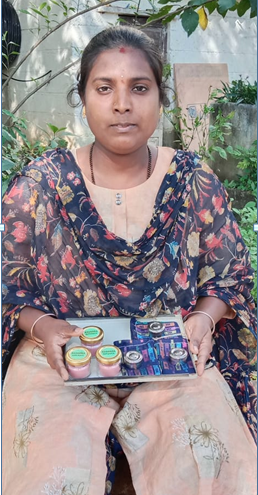
Yashoda enjoyed these sessions very much. She met other like-minded women through these sessions. They all enjoyed the session and learned a lot from them. Yashoda not only completed the training herself, but also gathered women in her community who were suffering like her. Soon she emerged as a leader of her peer group and set up a business of handmade organic cosmetics with them. ‘Two of my group members are college-going girls. We segregated our work and proposed our business entity. They gave us specific training on how to make lip balm, kajal, bath salts, bath powder and tooth powder. They motivated us so much. I got all my confidence back,’ says Yashoda.  


Smile’s team provided them not just with know-how but also with the raw materials they needed to start the business. Yashoda and her team named their business Kadamba Naturals, which is now registered too! She says, ‘I’m sure we will make it a big brand and become financially independent. My dream is to expand my business and train a lot of women like me and make their dream come true.’


Together, the team not only manufactures but also markets the products by themselves.


A source of inspiration for many and a true entrepreneur


Yashoda has motivated other women in her community to start their own enterprises too. Some women are not able to initially arrange the resources for their own business. She involves these women in her own business to help with production.


COVID-19 turned her world upside down, but she emerged as a true leader who has changed the lives of women in her community forever. Doing this for herself has helped her take the first step towards financial independence. Moreover, she has got the much-needed self-respect and confidence back. She is a true change-maker who has overcome her problems. At the same time, she has also emerged as a leader who has motivated others.

Categories
In The Spotlight

National Mathematics Day 2021: Marking S. Ramanujan’s Birth Anniversary

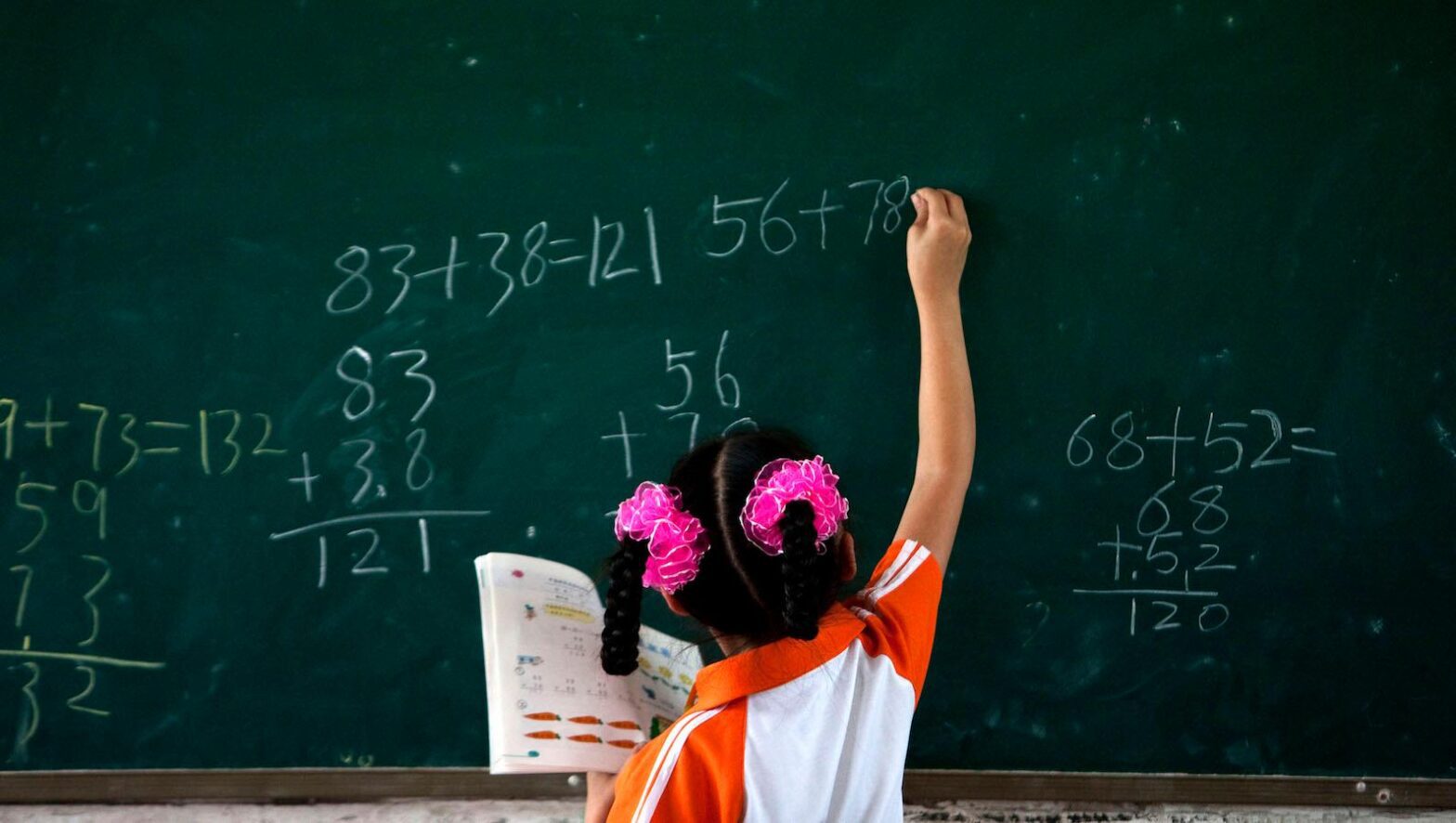
Since 2012, India celebrates National Mathematics Day on December 22 every year. This day marks the birth anniversary of world-renowned mathematician Srinivasa Ramanujan.


It was then Prime Minister Manmohan Singh who declared S. Ramanujan’s birthday as National Mathematics Day to honour his contribution to the subject. Now, this day is celebrated all over the country in various government and academic institutions. It marks the importance of mathematics in our life and encourages people to develop self-learning and rationale skills, much like Ramanujan.


Ramanujan


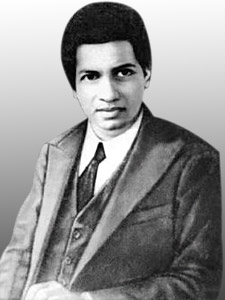
A brief history of S. Ramanujan


S. Ramanujan was born on 22 December 1887. He belonged to a Tamil Brahmin family of the city of Erode, Tamil Nadu.


He was a child prodigy, and largely a self-taught mathematician. At age twelve, he had mastered trigonometry thoroughly. So much so that he was inventing sophisticated theorems by that age. By the age of fourteen, he was helping his school with logistics and completing his exams in half the allotted time. He won a scholarship to study in college at the age of seventeen. However, due to his failure to crack the other subjects, he lost this scholarship.


Solving algebra and trigonometric problems came so easily to him while his fellow students struggled to crack these.


His rise to fame


In 1913, Ramanujan sent a long list of complex theorems to three Cambridge academics: H. F. Baker, E. W. Hobson, and G. H. Hardy. Hardy recognized the young man’s genius and invited him to visit the University of Cambridge. Thus, at twenty-six, Ramanujam went to Britain for his theorems on infinite series, continued fractions, improper integrals, and number theory.


The genius mathematician was the first Indian to be elected as a Fellow at Trinity College. He also became the youngest Fellow of the Royal Society in London for his work on Elliptic functions and theory of numbers.


Ramanujan came to be known as ‘The Man Who Knew Infinity’. This was because of his infinite love for and contribution to mathematics.


In Britain, he compiled more than 3,000 mathematical results and equations. He finally returned to India in 1919. Due to tuberculosis, he passed away the next year.


Ramanujan contributed greatly to mathematical analysis, infinite series, continued fractions and number theory. His path-breaking work is an inspiration for future generations.


One of Ramanujan’s most famous quotes is:

An equation means nothing to me unless it expresses a thought of God.

Categories
In The Spotlight Partners In Change

Students as Mentors: Child for Child’s Buddy Mentor Initiative

There is a famous quote from Galileo Galilei, “You cannot teach a man anything. You can only help him discover it within himself.” How true is this for our students who are every day learning new things and are being encouraged to explore new ideas! It is with this inspiration at Child for Child that we decided to include children from privileged schools to become part of our student mentoring system. Students as mentors? An exciting idea, isn’t it? Here’s how we did it.

CFC students as mentors

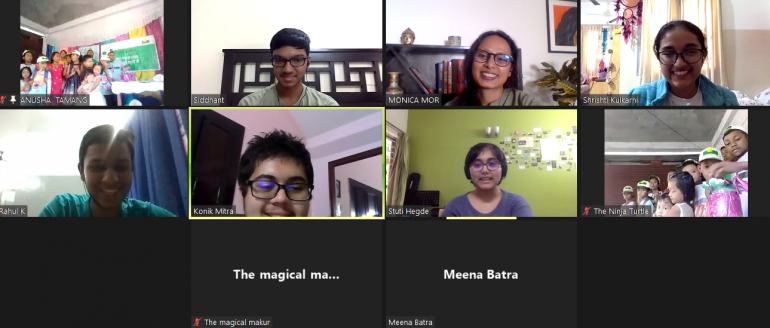
We spoke to some of the students who have been associated with us for almost a year. All of them are working on some project or the other. We have six students from Bangalore who are members of an organisation called LEAP, an acronym for Leaders of Environmental Awareness and Protection. They are Rahul, Konik, Siddhant, Stuti, Smriti, and Shrishti. All of them work towards the common cause of environmental preservation. They seek to mentor other children regarding best practices in ecology preservation. Well, they reached out and we connected them to our project children in the lovely hill town of Kalimpong, West Bengal.

Childrens Day with LEAP 770x328 1
Students as mentors

Then we reached out to Shivani, Zaara, Rishi, and Aryaman, our bunch of tech nerds from Mumbai who have set up GenZ Codes. The project teaches coding at extremely low costs to the less privileged. They have been associated with us and want to teach our beneficiary children the advantages of coding and how to do it with ease. They were happy to come on board with their tutorials, their applications, and their bundle of talent. So, we connected them to the children in our Darjeeling project who want to learn coding but do not have the means to do so.

K-students also join in!

Not to be left behind were Hyeyoon, Yedam, and Seokwoo, our very own K-students from South Korea. All three currently reside in India and are extremely excited to teach math, music, and, of course, Korean to those who were keen. They too joined the bandwagon of student mentors who want to guide, teach, and motivate the project children. We connected them to our extremely enthusiastic bunch of tweens and teens living in the quaint villages of India’s Queen of Hills, nestled amongst world’s most gorgeous tea gardens in Darjeeling.

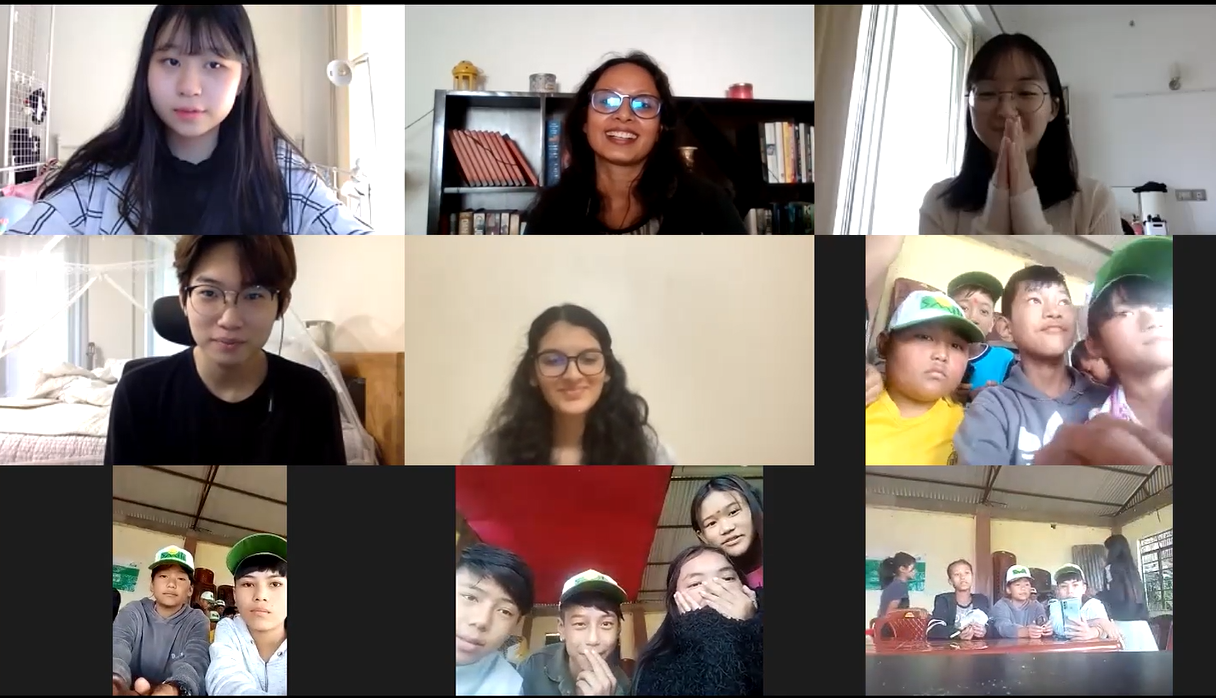
As connections were built, introductions made, we noticed that new relationships were emerging. The mentoring quickly progressed towards formation of bonds that are visible only amongst siblings. The shy giggles from our project children gave way to eager questions. Our children accepted their mentors as buddies and wanted to know more about them, about the world outside, the music they listened to, and the pop bands they followed.

From mentors to buddies

Now, where in the world do you see the progress so quickly from being mentors to buddies? At Smile we saw that. We absolutely love this and we pray that this bond never breaks. We are happy to share that now we have a bunch of super intelligent Buddy Mentors who have taken it upon themselves to motivate their brethren mentees to do the right thing, choose the right path, and to always be inquisitive. And the amazing part…it’s all digital! How beautiful it is to see that Buddy Mentors login from south India, central India, as well as the capital of India, and connect so well with their mentees from the foothills of Himalayas.

The mentors and mentees have already celebrated Children’s Day and Environment Day together. They have also indulged in a some pre-Xmas celebrations. Let’s hope that we see this magic evolve into a relationship where children, despite the physical distances, continue to remain in touch and continue to learn from each other. As the lyrics go of a famous song by the British Rockband, GTR:

When the Heart rules the mind

One look & love is blind

When you want the dream to last

Take a chance, forget the past”

The empathy, the love & the maturity displayed by our Buddy Mentors will ensure that this Dream will definitely last!

Categories
In The Spotlight

Smile Foundation Creating Sustainable Livelihoods through STeP

Asustainable livelihood is one which can sustain a range of dynamic stress factors and shocks. Creating sustainable livelihoods that a skilled worker’s capabilities are not limited by external factors. A person can have a sustainable livelihood only if they acquire skills that remain relevant in the long-term to ensure a source of income.


At Smile Foundation, we are continuously working on creating sustainable livelihoods through the STeP (Smile Twin e-Learning Programme) initiative. Skill training and enhancement, in accordance with market requirements, are the main measures under STeP, along with personality development.


Till now, we have trained close to 50,000 youth. Here are the endearing stories of some of the trainees. With Tayyari Kal Ki, we are geared up to skill and support many more such youth.


Neha

STEP Neha 219x300 1

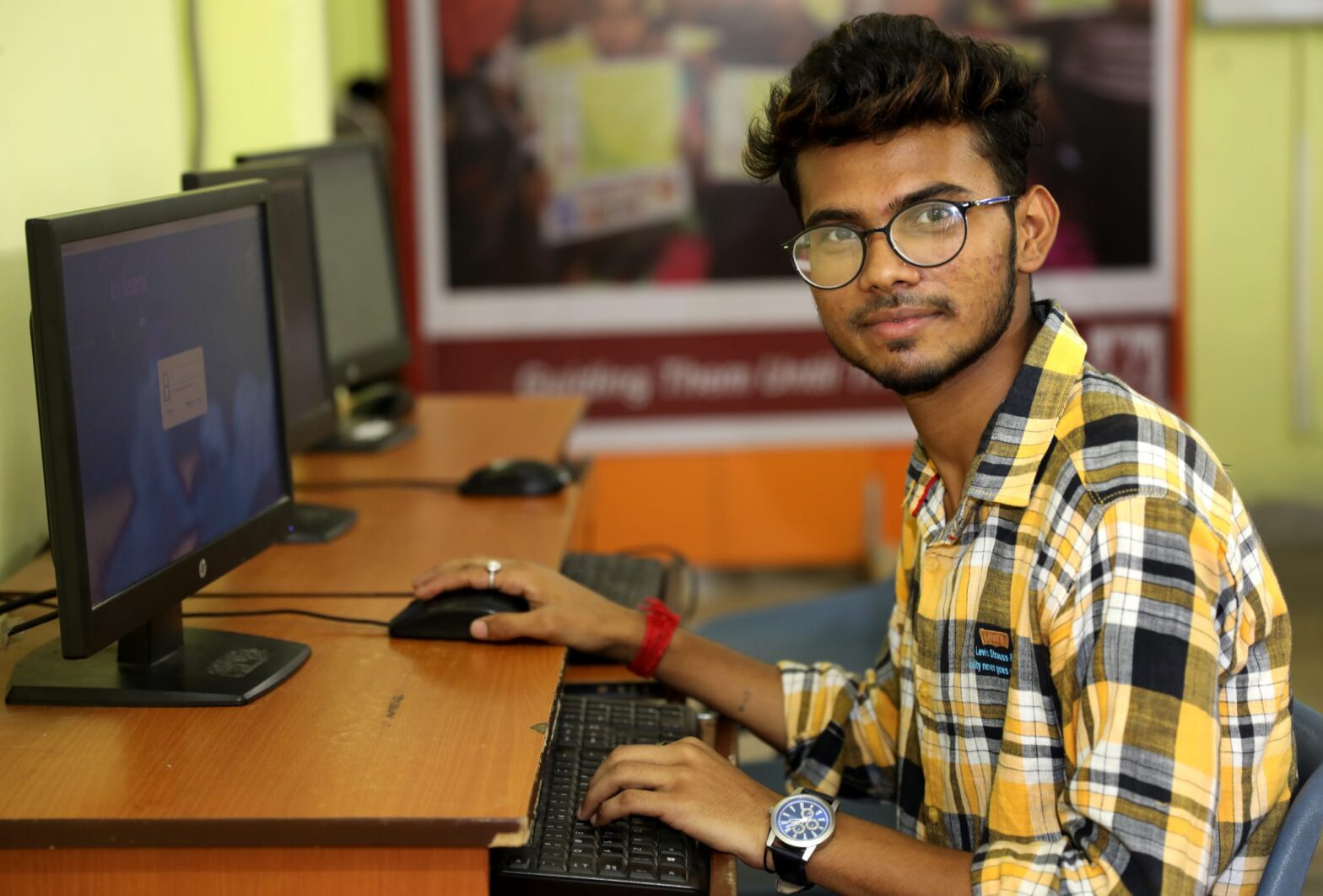
For a better and brighter future, it is important to dream. If your father is a daily wage labourer and mother is a domestic helper, those dreams may sometimes seem far-fetched. After completing her graduation in commerce, Neha started looking for a job. It was very important for her to procure a job as soon as possible to add to her family income of Rs 10,000-15,000 per month. It has been her dream to be independent and contribute to her family’s income. She also dreamt of having a corporate job.

Neha found out about the STeP initiative through a community mobilizing session in her locality. Soon after, she joined the digital marketing skilling training programme by STeP.


Over the duration of the course, Neha gained the skills necessary for a job in digital marketing. With the correct training and guidance, Neha has now got a job as a Digital Sales Marketer at Innovative Technologies, Noida. She proudly earns a salary of Rs 13,000 every month and makes her parents proud.


She is currently working as a Digital Sales Marketer in Innovative Technologies, Noida at a salary of Rs. 13000 per month.


Mohammad Ibrahim


The future depends on what you do today. Hard work and perseverance will never fail you. Mohammed Ibrahim will surely stand by this. He is a resident from Talab Katta, Hyderabad. Ibrahim belongs to a lower middle class family. His father is a daily wage earner and his mother a housewife. Due to financial problems, he had to discontinue his studies.  

STEP Ibrahim 300x300 1

He came to know about STeP from his friends. Ibrahim felt that learning from the STeP centre would give him the much-needed skills and training he required to get a good job. As he did not finish his studies, he faced problems in finding a job. The STeP training centre provided him the best possible platform and infrastructure to excel in his career. The expert trainers made him industry-ready, while the placement training helped him to enhance his soft skills and made him stand out from others.


First, Mohammed Ibrahim got placed in 99TV channel. He knew he had to work even harder to chase his dreams. After putting in a lot of extra work, he is now working as a Marketing Executive at Tata 1MG. He now earns a good salary of Rs 25,000 per month.


“Finding a good job was my concern and how to proceed further was something I was completely unaware of. During my research, I got to know about STeP employability training which further helped me in building my confidence and polishing my skills,” he shares. He wants more young people to avail of this opportunity so that they can build a future for themselves.


Bijan Halder


Bijan Halder is a 20-year-old resident of Sonarpur in West Bengal. Soon after he completed his higher secondary studies, he started looking for skill development courses to improve his chances of getting employment. STeP’s on-ground mobilization team conducts various surveys to find potential trainees. They found Bijan through one such survey. He seemed like the perfect candidate who could upskill himself and realize his dreams.


STEP Bijan 225x300 1

Bijan belongs to a lower-middle class family. His father is the only person in the family who is earning. As a daily wage labourer, he makes about Rs 12,000 per month. Bijan wanted to take some pressure off his father and support his family financially. He always had a knack of helping others and he finally decided to put this to use for earning an income. After contemplating for a few days, he decided to enroll in the nursing course at STeP.

He joined the three-month programme in 2020. The healthcare course under STeP not only provides the required theoretical knowledge but also the practical knowledge. This helps new healthcare workers to hit the ground running when they join the industry. Communications classes are also held as part of the course to make sure the students do not face any problem communicating with their patients or colleagues in the industry. With the tireless help of his mentor, Bijan was able to successfully complete the course.

In 2021, he started his career in the nursing industry with Hindustan Health Point as a trainee. He is now working at New Town Nursing Home and earning Rs 9000 per month.  

0%